
Mid-Autumn Festival 2026: Dates, Mooncakes and Best Places
The Mid-Autumn Festival falls on the 15th day of the eighth lunar month, when the moon is at its fullest and brightest of the year. It is the second most important traditional festival in the Chinese calendar after Spring Festival, and the one built almost entirely around one idea: going home, sitting outside with family, and looking at the same moon everyone else is looking at.
For visitors, it is also one of the best-value times to be in China, because the weather is mild, the food is at its best, and the holiday is shorter and calmer than National Day.
to Shanghai
to Beijing
to Guangzhou
See all flights

AI Summary
This summary is AI-generated by Trip.com. For the complete guide, please refer to the article below.
Mid-Autumn Festival in 2026 falls on Friday, 25 September, with a three-day public holiday through 27 September. Celebrations center on family reunions, mooncake consumption, and moon-viewing activities across China. Travelers should book high-speed rail, flights, and scenic hotels four to eight weeks in advance to manage holiday demand and secure optimal viewing locations for the full moon.
When Is the Mid Autumn Festival in 2026? Date, Timing & Public Holidays
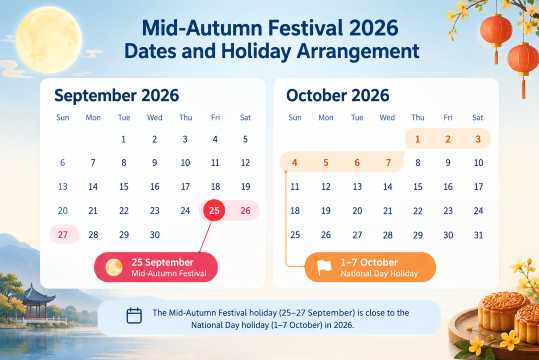
The festival itself is on Friday 25 September 2026, and mainland China takes a three-day break from 25 to 27 September. The date moves every year because it follows the lunar calendar, landing somewhere between early September and early October.
Year | Date | Day | Notes |
|---|---|---|---|
2025 | 6 October | Monday | Fell close to National Day |
2026 | 25 September | Friday | Three-day break, 25 to 27 September |
2027 | 15 September | Wednesday | Mid-week, quieter travel |
2028 | 3 October | Tuesday | Overlaps the National Day period |
What the 2026 Arrangement Means for Travellers
- The moon is at its fullest on the evening of 25 September, so that is the night to be somewhere with a clear view.
- Because the festival is separate from National Day in 2026, you get two travel peaks instead of one, which is better for flexibility and worse for booking late.
- Hong Kong and Macau take the day after the festival as the public holiday, since the celebration happens at night.
- Schools and most offices close for the three days, and hotels in scenic areas raise prices accordingly.
What Is the Mid-Autumn Festival?
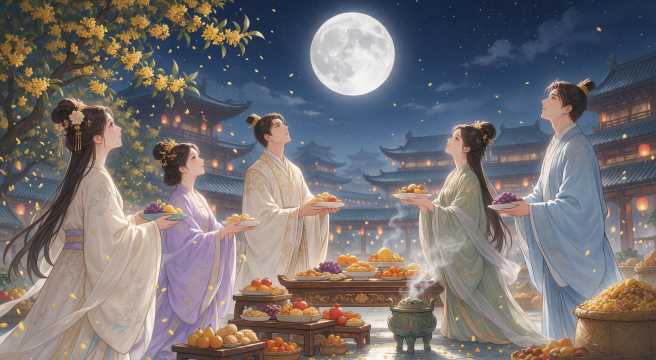
It is a harvest festival with more than 3,000 years of history, celebrated when the autumn harvest is in and the moon is at its roundest. The roundness matters: in Chinese culture a full moon stands for completeness and reunion, which is why the festival is often described as a family reunion day and why every element of it, from the mooncakes to the fruit, tends to be round.
The three themes that run through the whole festival are gathering, giving thanks, and making wishes, whether for a good harvest, a partner, children, health or simply a better year ahead. In practice, most people mark it with a family dinner, mooncakes, fruit, and a walk outside to look at the moon.
Why It Is Also Called the Mooncake Festival
Because mooncakes are the one food nobody skips. They are dense, sweet, usually shared by cutting one cake into wedges for the whole table, and giving a box of them is the standard gift of the season.
The Origin and History of the Mid-Autumn Festival
From Harvest Ritual to Imperial Festival
Chinese communities were already celebrating the autumn full moon during the Shang dynasty, over 3,000 years ago. The term mid-autumn first appears in the Rites of Zhou, a collection of Western Zhou ritual texts, where the royal court made offerings to the moon deity Taiyinxingjun. Moon worship was an aristocratic and court practice for centuries before it became a popular festival.
The turning point was the Tang dynasty, when moon viewing became fashionable among ordinary people as well as the court, and the festival took on the shape we recognise today. By the Ming and Qing dynasties, Mid-Autumn had settled into one of the country's main folk festivals, with mooncakes, family gatherings and lanterns all firmly established.
The Legend of Chang'e and Houyi
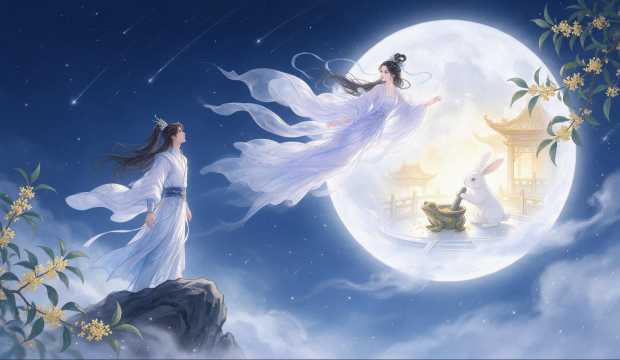
The story most people know involves Houyi, an archer who shot down nine of the ten suns that were scorching the earth, and his wife Chang'e. Depending on the version, Houyi is rewarded with an elixir of immortality, or steals it; Chang'e drinks it to keep it from a thief and floats up to the moon, where she lives with a jade rabbit who pounds medicine. Houyi, left on earth, makes offerings to her, and the custom of moon worship is said to have grown from there. It is a bittersweet story, which is why the festival carries a note of longing as well as celebration.
The Mooncake Rebellion Story
Another popular tale ties mooncakes to the overthrow of the Yuan dynasty. Messages hidden inside mooncakes are said to have coordinated the uprising on the 15th day of the eighth month. The historical detail is loose, but it is the reason mooncakes are sometimes described as having once carried secrets as well as filling.
See all attractions
 1008756 booked

How People Celebrate Mid-Autumn in China
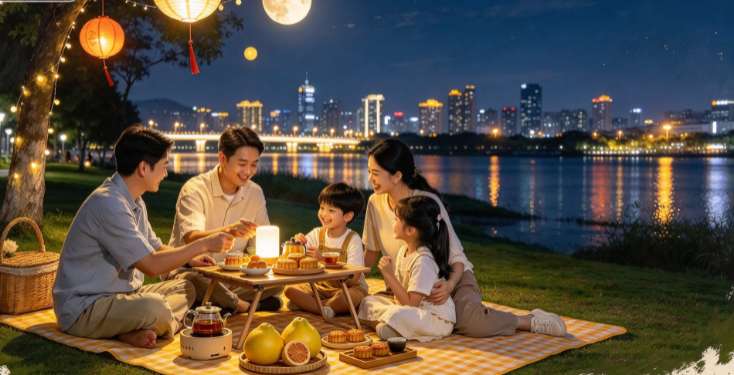
Customs vary by region, but these are the ones you will actually see during the holiday.
- Reunion dinner: the most fixed part of the day, usually at home or in a restaurant booked weeks in advance.
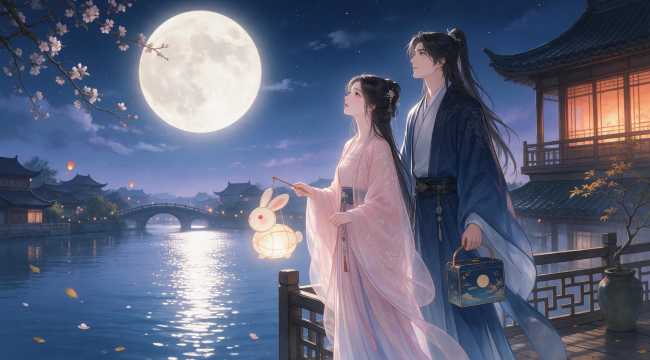
- Moon viewing: families go outside, or to a park, rooftop, riverside or hilltop, to watch the moon rise. In many cities this is the main event of the evening.
- Moon worship and offerings: fruit, mooncakes and incense are laid out facing the moon, particularly in older households and in the south.
- Lanterns and riddles: lantern displays, lantern riddles and, in some regions, floating lanterns on rivers.
- Regional traditions: the fire dragon dance in Hong Kong's Tai Hang, the Bo Bing dice game in Xiamen, barbecues in Taiwan, the rabbit figurine known as tu'er ye in Beijing, and the Cantonese habit of hanging lanterns on tall poles.
- Gifting: mooncake boxes go to family, friends, neighbours, clients and staff, which is why the supermarkets look like warehouses every September.
- Tidal bore watching: around the 18th day of the eighth lunar month, the Qiantang River bore near Haining draws crowds from Hangzhou.
What to Eat at Mid-Autumn: Mooncakes and More
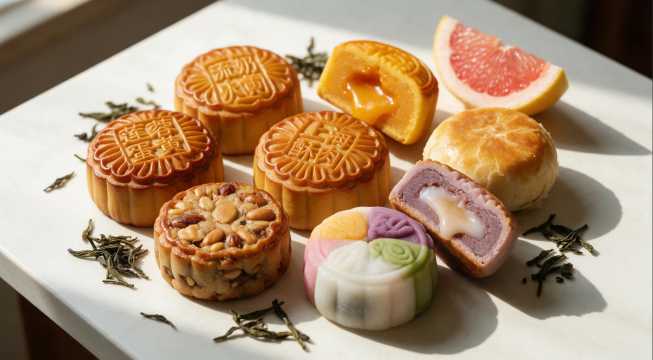
Mooncakes are the headline, but the season has its own larder: hairy crab, pomelo, taro, chestnuts, osmanthus and river snails all turn up on tables in different regions.
The Main Mooncake Styles
Style | What it is | Where it comes from | Worth trying if |
|---|---|---|---|
Cantonese lotus paste with salted egg yolk | Dense lotus seed paste wrapped around a salted duck egg yolk, in a glossy baked skin | Guangzhou and Hong Kong | You want the classic, and the yolk is the best part |
Lava custard (liu xin nai huang) | Soft custard centre that flows when cut, salted yolk in the mix | Hong Kong style, now everywhere | You want something sweeter and softer than traditional lotus paste |
Snow skin / ice skin (bing pi) | Chilled, chewy glutinous skin, no baking, usually with custard, fruit or durian filling | Hong Kong, invented in 1989 | You dislike heavy baked mooncakes, especially in warm weather |
Shanghai pork mooncake (xian rou yue bing) | Savoury flaky pastry with pork filling, eaten hot | Shanghai and Jiangnan | You prefer savoury food and hate queues less than you hate missing out |
Taro paste and mochi | Mashed taro, often with a chewy mochi layer, in a soft skin | Southern China and modern bakeries | You like mild, creamy, less sugary fillings |
Matcha | Green tea powder worked into the skin or the filling | Modern bakery and tea brands | You want something bitter-sweet and less traditional |
Durian snow skin | Chilled snow skin with durian paste, often Musang King | Southeast Asian influence, sold in Hong Kong and Guangdong | You already love durian, because it tastes exactly like durian |
Milk skin (nai pi zi) | Inner Mongolian mooncake filled with milk skin and dairy paste | Inner Mongolia | You want a rich, milky, mildly sweet change from fruit and nut fillings |
Yunnan ham | Savoury-sweet ham filling in a flaky skin | Kunming | You like savoury and sweet together |
Five kernels (wu ren) | Mixed nuts and seeds in a dense paste | Nationwide | You want texture, and you are prepared for a strong opinion either way |
Beijing style | Zilai hong and zilai bai, firm, slightly dry, less sweet | Beijing | You want something you can keep and eat with tea |
Brands and Shops People Actually Queue For
- Maxim's, Hong Kong: the custard lava mooncake that made flowing centres mainstream, plus snow skin lines and traditional lotus paste with double yolk. Widely available on the mainland in season.
- The Peninsula, Hong Kong: the mini egg custard mooncake that sells out early and is treated as a luxury gift.
- Wing Wah, Hong Kong: traditional lotus paste with yolk and white lotus paste, a long-standing favourite.
- Guangzhou Restaurant and other Guangzhou names: classic Cantonese mooncakes from the city that does them best.
- Taipan, Hong Kong: the bakery that introduced snow skin mooncakes; a good benchmark for the chilled, chewy style.
- Shanghai: Guangmingcun and Shen Daicheng, where the pork mooncake queues start before the shop opens, plus other old bakeries in the same lanes.
- Beijing: Daoxiangcun for the traditional Beijing styles, useful if you want something that travels well.
- Yunnan: Kunming bakeries for ham mooncakes.
- Inner Mongolia: dairy producers and small bakeries for milk skin mooncakes, which are increasingly sold online and in supermarkets during the season.
What Else to Eat
- Hairy crab: the season opens around the festival, and steamed crab with vinegar and ginger is the autumn dinner of the Yangtze delta.
- Pomelo: the big citrus fruit that shows up in every household, often with the peel worn as a hat by children in Taiwan.
- Taro and taro shoots: steamed or braised, especially in Shanghai and Jiangnan cooking.
- River snails: a Cantonese favourite at this time of year.
- Osmanthus everything: osmanthus cakes, osmanthus wine and osmanthus tea, since the flower blooms in the same weeks.
- Chestnuts, persimmons and lotus root: the street-food soundtrack of autumn in northern cities.
One honest note on traditional lotus paste: it is dense, sweet and heavy, and plenty of people find it too much after a slice. If that sounds like you, the custard lava, snow skin, taro and matcha styles are lighter, and the Shanghai pork mooncake is a completely different, savoury experience. There is no rule that says you have to like the classic.
Mooncake Gifting: What to Give and What to Avoid
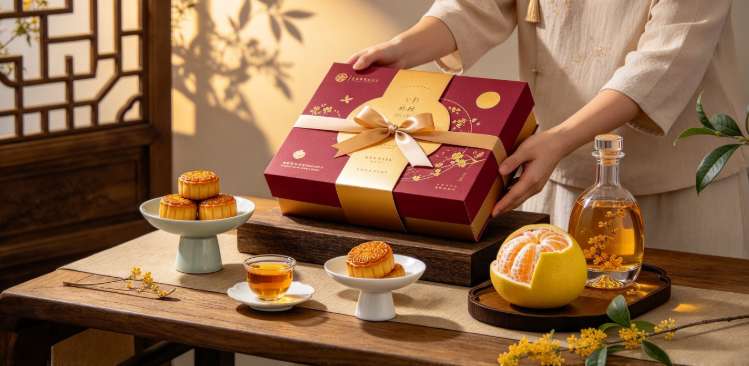
Gifting is half the festival. Boxes are given to family, colleagues, clients and staff, and the packaging is often more elaborate than the contents.
- Give a proper box rather than loose cakes, and give it before or on the festival day, not after. Mooncakes are a seasonal gift and arriving late with them reads as an afterthought.
- Pair them with tea, fruit or a bottle of osmanthus wine for a more complete gift.
- Avoid gifting pears, umbrellas, clocks or shoes to Chinese friends and colleagues, because the words sound like separation or endings. This applies year-round, but it matters more during a festival built on reunion.
- For corporate gifting, an even number of boxes or a matched set is the safe choice.
- If you plan to take mooncakes abroad, check the destination's import rules first. Fillings containing meat, egg or dairy are restricted in many countries, and Australia, the US and the EU all have rules worth checking before you pack a gift.
Crowds and Travel Advice for Mid-Autumn 2026
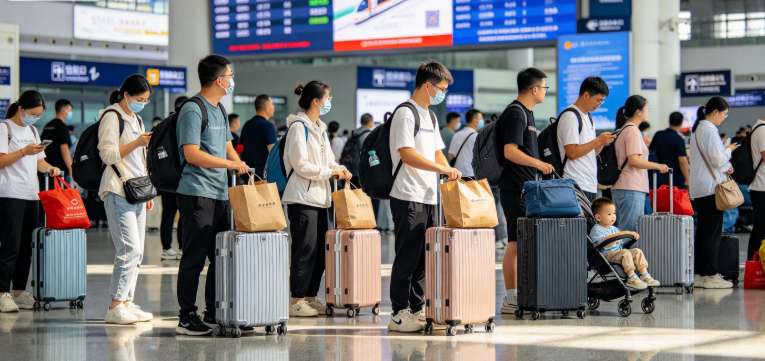
The 2026 festival runs Friday to Sunday, which makes it a long weekend rather than a full holiday week. Expect heavy travel on Thursday evening and Friday morning, and again on Sunday afternoon and evening. Book everything early.
What to book | When | Notes |
|---|---|---|
High-speed rail tickets | As soon as sales open, generally 15 days before travel | Use 12306 or Trip.com; seats on Friday morning sell out first |
Flights | Six to eight weeks ahead | Domestic fares climb steeply in the two weeks before the holiday |
Hotels | Four to eight weeks ahead for scenic areas | Moon-viewing hotels and riverside rooms go first |
Restaurants for the reunion dinner | Two to four weeks ahead | The festival dinner is the hardest reservation of the season |
Attraction reservations | As soon as the booking window opens | Museums and major sights require real-name booking and sell out during holidays |
Practical Crowd Tips
- Travel on the Thursday before the holiday or the Saturday, and return on the Monday, if your schedule allows.
- Moon-viewing spots fill up after 20:00. Arrive before sunset to hold a spot, and expect to walk the last stretch because roads near parks and riversides close to traffic.
- Book a hotel within walking distance of your chosen viewing spot rather than relying on taxis afterwards.
- Check the weather forecast. A cloudy night is the only thing that can ruin the evening, and a backup plan indoors, such as a riverside restaurant with a view, is worth lining up.
- The moon rises in the east, so east-facing rooftops, bridges and riverbanks give the best early view.
Best Places to Celebrate Mid-Autumn in China
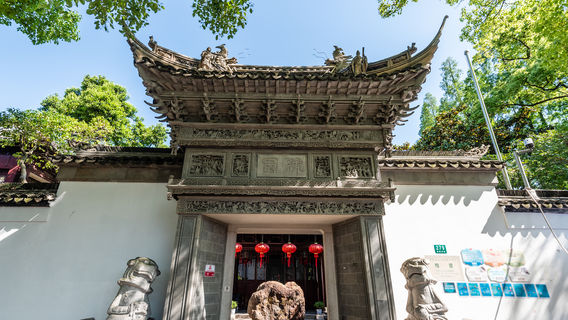
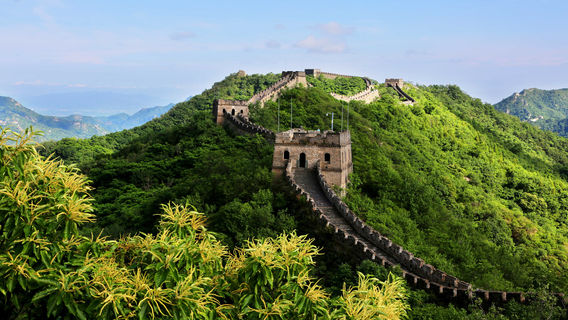
These are the spots locals actually go to, organised by city. All of them are free unless noted, and all of them get busy, so treat the timing advice as part of the recommendation.
Beijing
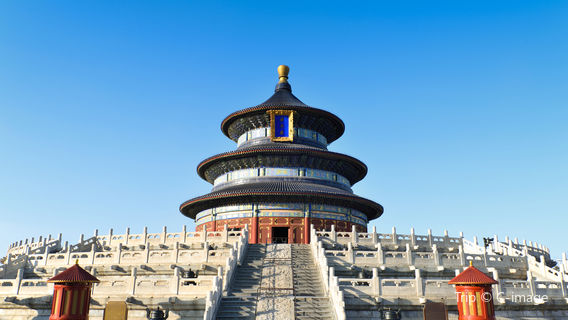
- Yuetai Park (Moon Altar): the imperial altar where emperors made offerings to the moon, and the most thematically perfect place in the city to be on this night.
- Lugou Bridge: the scene known as "Lugou Xiaoyue", the dawn moon over Lugou Bridge, has been painted and praised for centuries.
- Shichahai and Houhai: moon over the water with the Drum Tower behind, plus lakeside bars and cafés.
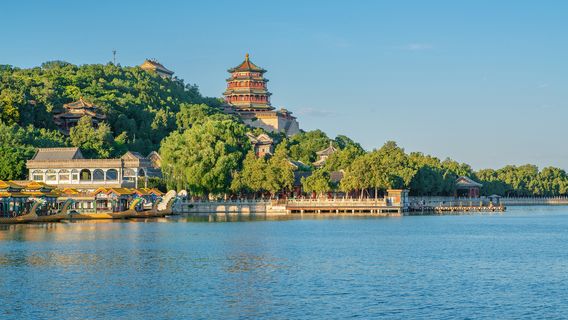
- Summer Palace: the lake and the Seventeen-Arch Bridge give the classic framed view.
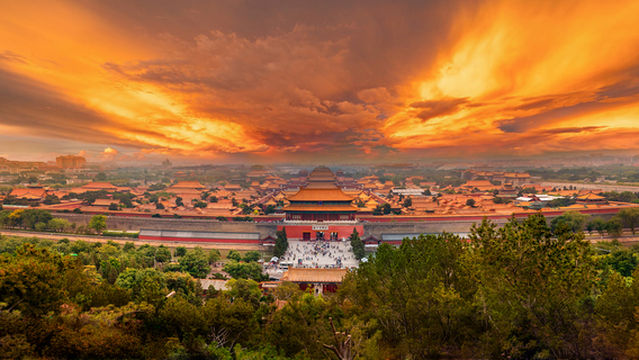
- Jingshan Park: climb to Wanchun Pavilion for the moon over the Forbidden City rooftops.
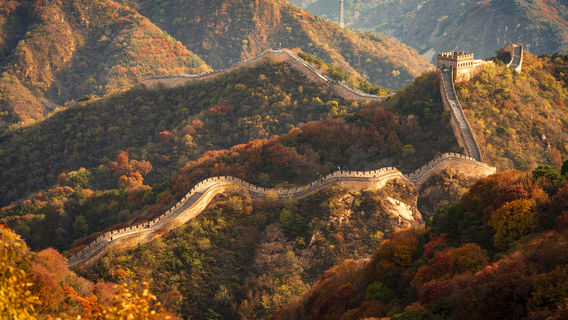
- Gubei Water Town: lanterns, a canal and the Great Wall lit up in the distance, worth the drive if you want the full atmospheric version.
See all attractions

Shanghai
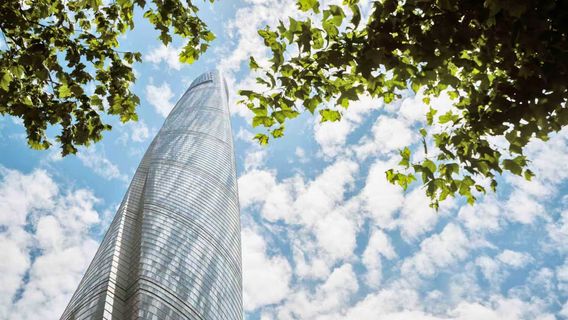
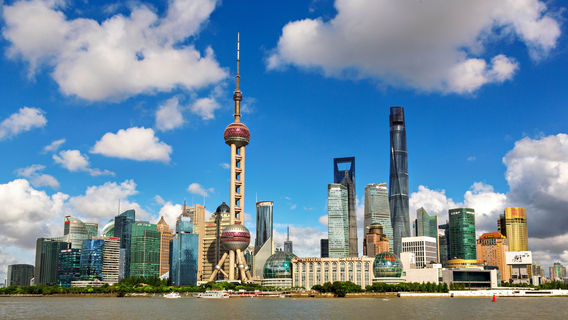
- The Bund and Lujiazui: the river, the two skylines and the moon rising over the towers, which is the Shanghai postcard.
- Yuyuan and the old city: traditional architecture and lantern displays, busy but photogenic.
- Suzhou Creek and the Waibaidu Bridge area: quieter riverside alternatives to the Bund crush.
- Guilin Park: an osmanthus garden, which flowers in exactly this season, and a local favourite for the fragrance alone.
- Zhujiajiao: a canal town where you can float lanterns on the water if you want the older, smaller version of the festival.
See all attractions
Guangzhou
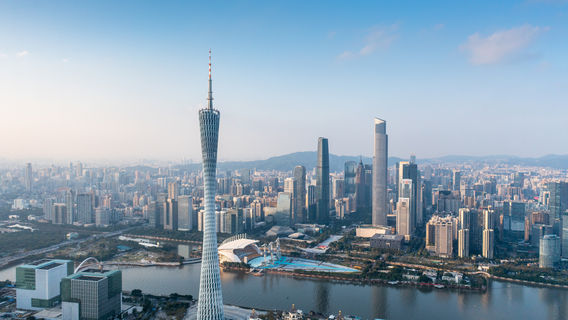
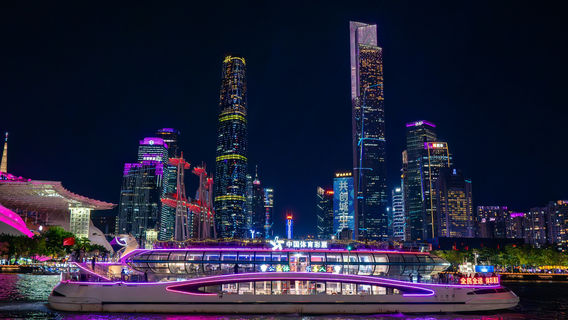
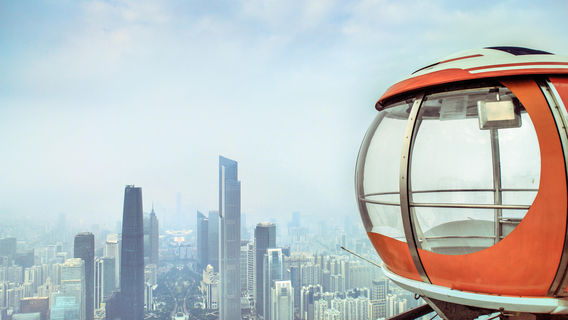
- Pearl River night cruise: the single best way to see the moon over Guangzhou, with Canton Tower lit up along the way.
- Canton Tower and the riverside parks: strong views in every direction.
- Baiyun Mountain: the traditional hilltop moon-viewing spot, with crowds and a good skyline view.
- Cultural Park and Lizhiwan: lantern fairs and riddles, which is the Cantonese way of marking the festival.
- Look for lanterns hung on tall poles, a local custom known as hanging lanterns for Mid-Autumn.
See all attractions
Shenzhen
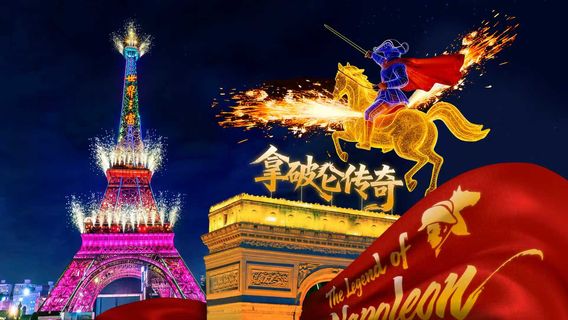
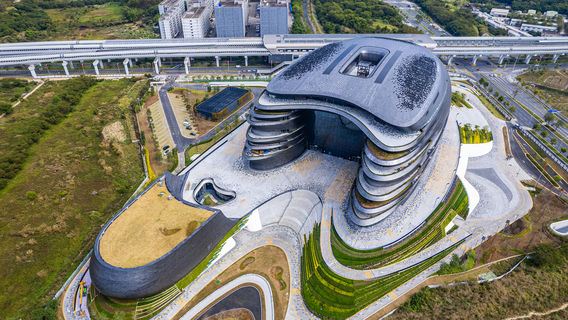
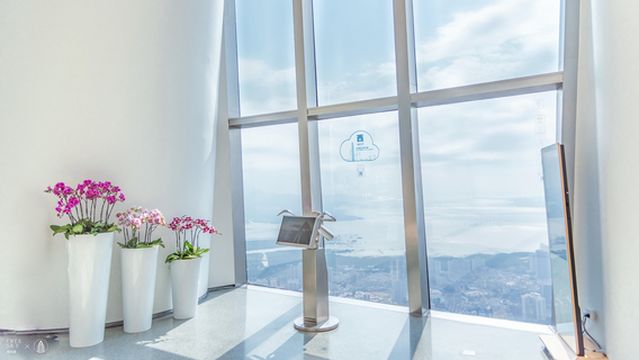
- Shenzhen Bay Park and Talent Park: the waterfront path with the skyline behind you and the moon over the water.
- Lianhuashan Park: the summit plaza gives a clear view over Futian and the bay.
- Sea World and Shekou: a relaxed dinner-and-walk option.
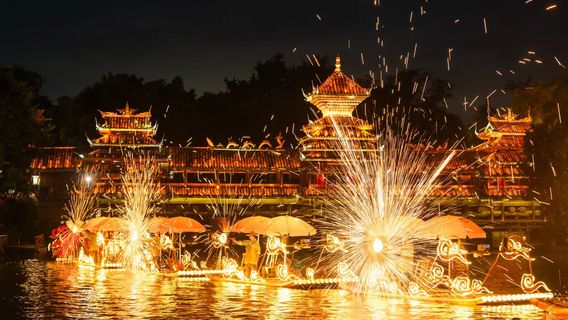
- Dapeng Peninsula: beaches and quiet hillsides, the choice if you want to escape the city entirely.
See all attractions
Hangzhou
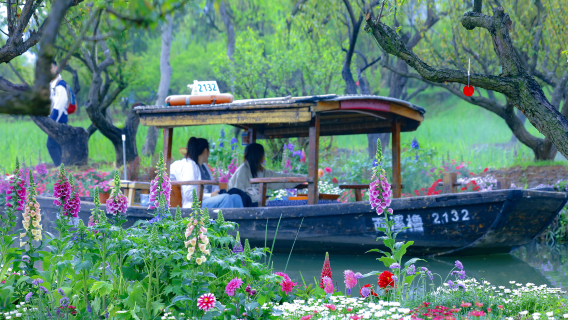
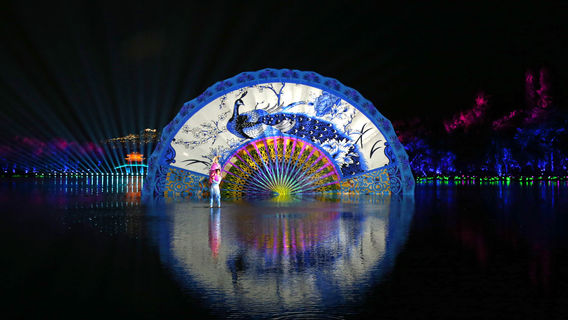
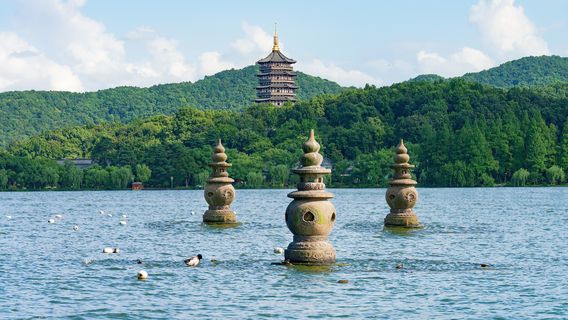
- Three Pools Mirroring the Moon on West Lake: the definitive Chinese moon-viewing spot, printed on the one-yuan note, with lanterns placed in the pagodas to create the illusion of many moons.
- Autumn Moon over the Calm Lake, another of the West Lake ten scenes, and the most famous name in the city for this festival.
- Su Causeway and Bai Causeway: long walks with the moon on the water.
- Qiantang River tidal bore near Haining: around the 18th day of the eighth lunar month the river runs its biggest bore of the year, a few days after the festival itself, and worth extending your trip for.
See all attractions
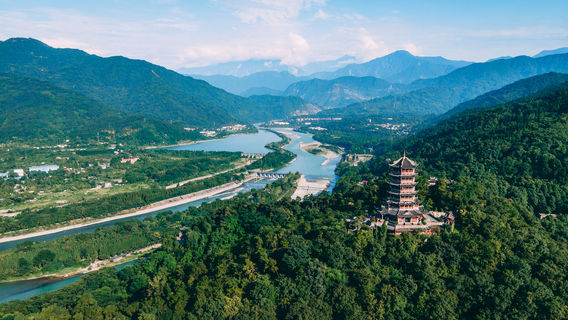
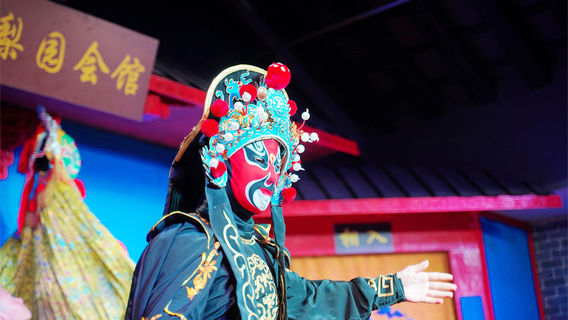
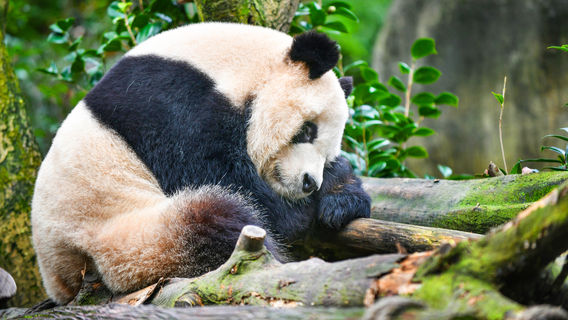
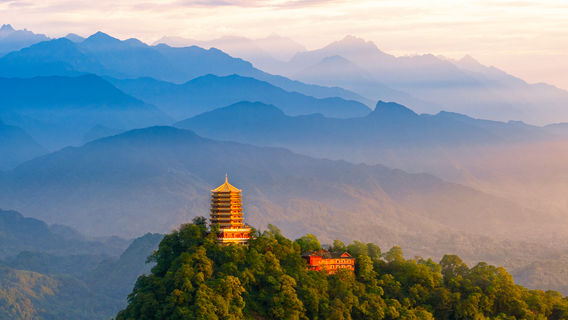
Chengdu
- Jinjiang night cruise from the Dongmen docks: the river, the bridges and the lights, with teahouses along the banks.
- Wangjianglou Park: bamboo, the historic tower and a classic local moon-viewing garden.
- Tianfu Panda Tower: a high, modern viewing point over the city lights.
- Wide and Narrow Alleys and People's Park: do the festival the Chengdu way, with tea, snacks and no rush at all.
See all attractions

Chongqing
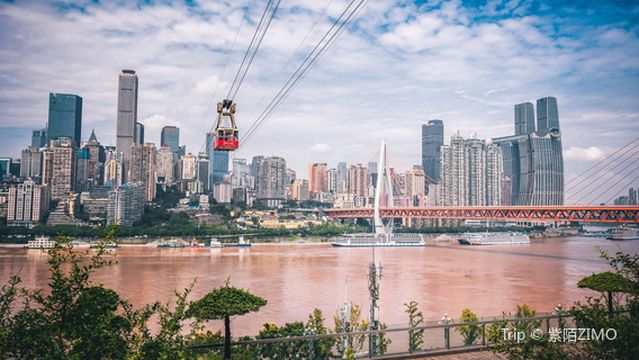
- Hongyadong and Qiansimen Bridge: the illuminated cliffside buildings with the moon over the Jialing River, and the best-known night view in the city.
- Nanshan Tree Viewing Platform: the classic panorama of the peninsula, best after dark.
- Two Rivers cruise: the moon over the Yangtze and Jialing confluence from the water, which avoids the bridge crowds.
- Ciqikou: an old town evening with snacks, lanterns and river views if you want something slower.
See all attractions

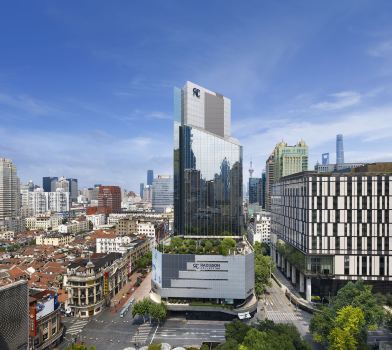
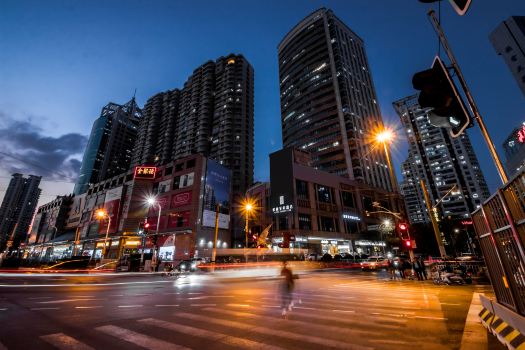
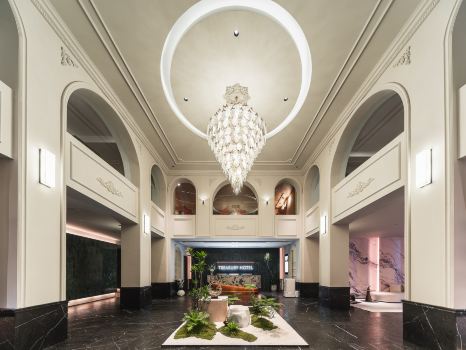
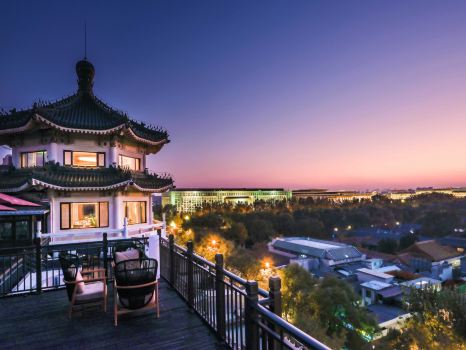
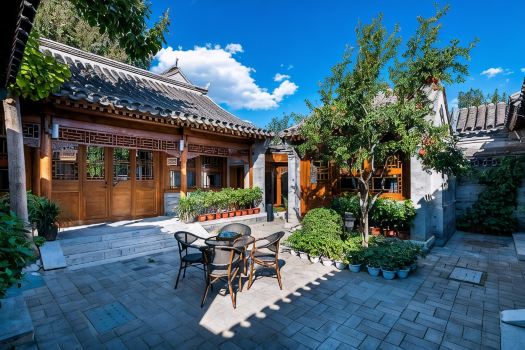
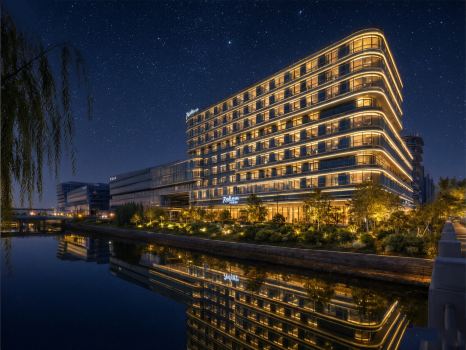
🔥[Discount] China Hotel Recommendations
Top Shanghai Hotels
Top Beijing Hotels
Top Guangzhou Hotels
See All Hotels


FAQs about Mid Autumn Festival
-
When is the Mid Autumn Festival in 2026?
-
How long is the Mid Autumn Festival in 2026?
-
When should you eat mooncakes in 2026?
-
How many days off do you get for the Mid Autumn Festival in China?
-
Is the Mid Autumn Festival Chinese or Vietnamese?
-
What are the best destinations to travel to for Mid Autumn Festival 2026?
-
What foods are traditionally eaten during the Mid Autumn Festival?
Disclaimer: This article has been provided by an individual contributor or third party platform. If there is any discrepancy regarding the copyright, please contact us directly and we will delete the content immediately.
Trending
-
Popular Attractions
-
eSIM/SIM card
- Forbidden City Tickets
- Zhangjiajie National Forest Park
- Shanghai Wild Animal Park
- Shanghai Tower Tickets
- Shanghai Disneyland Tickets
- Canton Tower Tickets
- Shanghai Disneyland Fast Pass
- Huangshan
- Book China Attraction Tickets with Passport
- shanghai to wangxian valley
- Shanghai Disneyland Crowd Forecast
- Summer Palace Tickets
- universal studios japan tickets
- Universal Studios Beijing Tickets
- Great Wall of China Tickets