永春县五里街镇新阳光大酒楼
No comments yet
||$
7
Overview
Reviews
Open Now|16:00-23:00
Show more
Sunshine New Town, No. 72 Middle Eight Two Three Road
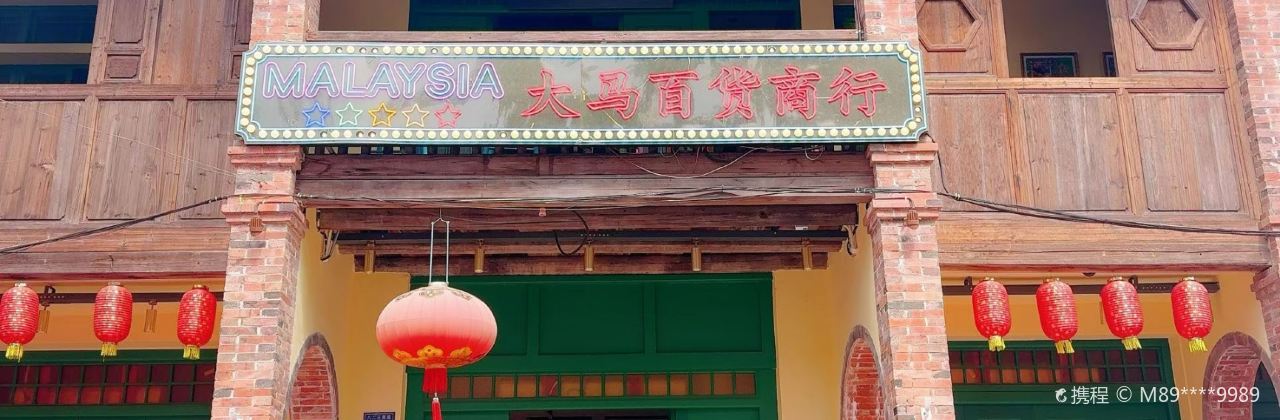
 M89***89New Sunshine Restaurant, Wulijie Town, Yongchun County 1. Wuli Ancient Street: This ancient street carries a millennium of commercial culture. Strolling along, you feel as if you can touch the texture of history. The street is lined with numerous ancient Minnan mansions and arcade-style buildings in the Ming and Qing dynasties. Their soaring eaves, carved beams, and painted rafters evoke a bygone prosperity. The buildings' exquisite wood, brick, and stone carvings, featuring diverse themes and exquisite craftsmanship, are truly breathtaking.
2. Rulinlangdi: A typical example of traditional Minnan architecture, it boasts a grand scale and meticulous layout. Its main hall, guardhouse, and courtyard form a complete architectural system. From the exterior, its high, curved swallowtail ridges and graceful lines make it instantly recognizable. Inside, one can admire the exquisitely carved window lattices and screens, vividly showcasing the craftsmanship of the artisans and the refined lifestyle of the owner.
3. Li Gongzang's Former Residence: Also known as "Fanzilou," it blends traditional Minnan architectural styles with Nanyang architectural elements. The Western-style gatehouse on the exterior contrasts uniquely with the traditional Minnan layout within. The building's stained glass, tiled windows, and other decorative elements imbue it with an exotic charm, bearing witness to the history of Yongchun's overseas Chinese emigrants to Southeast Asia and the achievements they made upon returning home.
4. Fude Temple: A place of worship for local residents, the temple enshrines the God of Fortune and is a popular place of worship. This small temple boasts a simple, quaint architecture and, despite its small size, an intricate layout. Its tranquil setting attracts a constant stream of visitors seeking blessings. The inscriptions within the temple record the local history and folk culture.
M89***89New Sunshine Restaurant, Wulijie Town, Yongchun County 1. Wuli Ancient Street: This ancient street carries a millennium of commercial culture. Strolling along, you feel as if you can touch the texture of history. The street is lined with numerous ancient Minnan mansions and arcade-style buildings in the Ming and Qing dynasties. Their soaring eaves, carved beams, and painted rafters evoke a bygone prosperity. The buildings' exquisite wood, brick, and stone carvings, featuring diverse themes and exquisite craftsmanship, are truly breathtaking.
2. Rulinlangdi: A typical example of traditional Minnan architecture, it boasts a grand scale and meticulous layout. Its main hall, guardhouse, and courtyard form a complete architectural system. From the exterior, its high, curved swallowtail ridges and graceful lines make it instantly recognizable. Inside, one can admire the exquisitely carved window lattices and screens, vividly showcasing the craftsmanship of the artisans and the refined lifestyle of the owner.
3. Li Gongzang's Former Residence: Also known as "Fanzilou," it blends traditional Minnan architectural styles with Nanyang architectural elements. The Western-style gatehouse on the exterior contrasts uniquely with the traditional Minnan layout within. The building's stained glass, tiled windows, and other decorative elements imbue it with an exotic charm, bearing witness to the history of Yongchun's overseas Chinese emigrants to Southeast Asia and the achievements they made upon returning home.
4. Fude Temple: A place of worship for local residents, the temple enshrines the God of Fortune and is a popular place of worship. This small temple boasts a simple, quaint architecture and, despite its small size, an intricate layout. Its tranquil setting attracts a constant stream of visitors seeking blessings. The inscriptions within the temple record the local history and folk culture.Reviews of 永春县五里街镇新阳光大酒楼
Some reviews may have been translated by Google Translate
0/5
All (1)
Latest
Photo reviews (1)
Save this restaurant
New Sunshine Restaurant, Wulijie Town, Yongchun County 1. Wuli Ancient Street: This ancient street carries a millennium of commercial culture. Strolling along, you feel as if you can touch the texture of history. The street is lined with numerous ancient Minnan mansions and arcade-style buildings in the Ming and Qing dynasties. Their soaring eaves, carved beams, and painted rafters evoke a bygone prosperity. The buildings' exquisite wood, brick, and stone carvings, featuring diverse themes and exquisite craftsmanship, are truly breathtaking. 2. Rulinlangdi: A typical example of traditional Minnan architecture, it boasts a grand scale and meticulous layout. Its main hall, guardhouse, and courtyard form a complete architectural system. From the exterior, its high, curved swallowtail ridges and graceful lines make it instantly recognizable. Inside, one can admire the exquisitely carved window lattices and screens, vividly showcasing the craftsmanship of the artisans and the refined lifestyle of the owner. 3. Li Gongzang's Former Residence: Also known as "Fanzilou," it blends traditional Minnan architectural styles with Nanyang architectural elements. The Western-style gatehouse on the exterior contrasts uniquely with the traditional Minnan layout within. The building's stained glass, tiled windows, and other decorative elements imbue it with an exotic charm, bearing witness to the history of Yongchun's overseas Chinese emigrants to Southeast Asia and the achievements they made upon returning home. 4. Fude Temple: A place of worship for local residents, the temple enshrines the God of Fortune and is a popular place of worship. This small temple boasts a simple, quaint architecture and, despite its small size, an intricate layout. Its tranquil setting attracts a constant stream of visitors seeking blessings. The inscriptions within the temple record the local history and folk culture.