Numata
4.5/5
Great11 reviews
Platinum
No. 14 of Fine Dining in Osaka
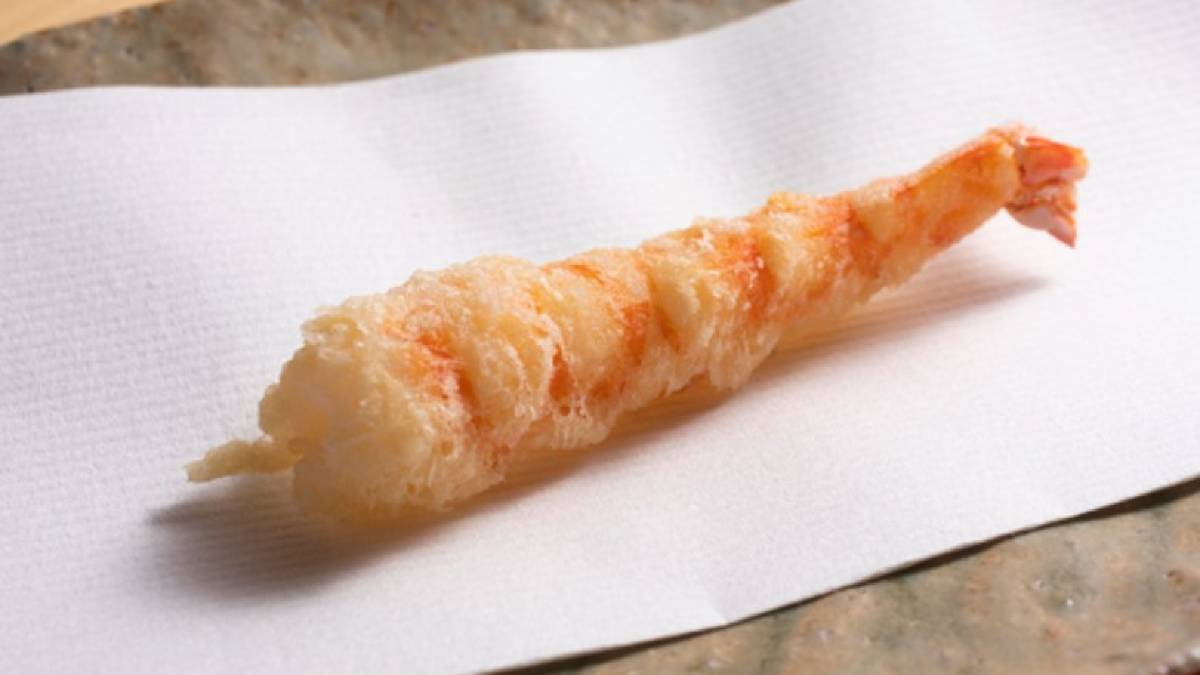
29
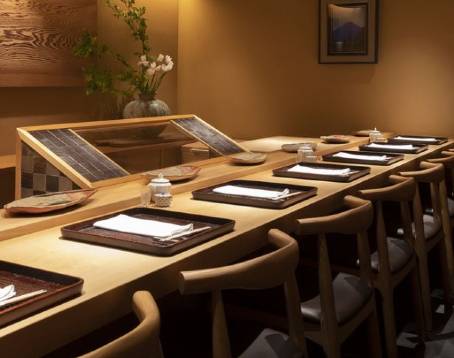
Interior
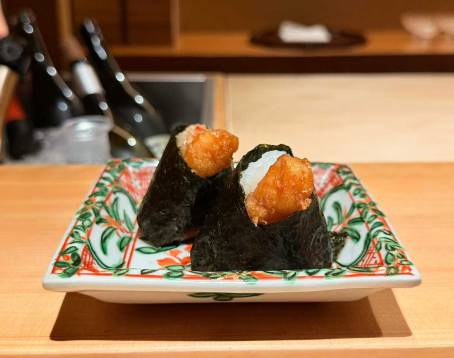
Dishes
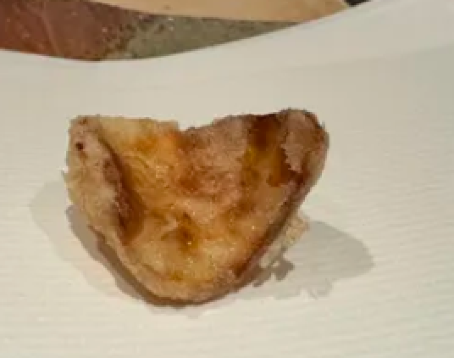
Dessert
Overview
Dishes
Features
Reviews
Currently closed|17:30-20:15
Show more
+81663470707
Japan, 〒530-0002 Osaka, Kita Ward, Sonezakishinchi, 1 Chome−10−2 7階Original
Popular dishes
 AI Translated
Show all
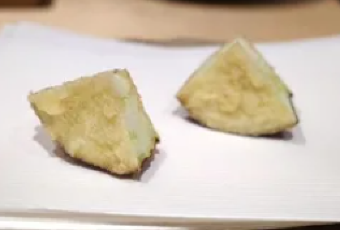
Eggplant Tempura
茄子天婦羅
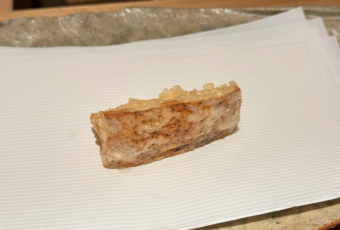
Baklava
巴克拉瓦
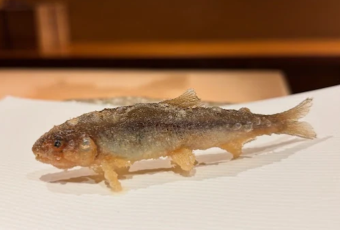
Mackerel Tempura
鯖魚天婦羅
Explore dish details
Features
See all features
Amenities:
Expert recommendations

Austin Fang
Original text
Travel Gourmet,Food Geography Short Video Blogger
Reviews
Write a review
4.5/5
Outstanding
11 reviews
Some reviews may have been translated by Google Translate
All (11)
Latest
Photo reviews (4)
Positive reviews (11)
- 1
- 2
- 3
- 4
Trip Moments(1)
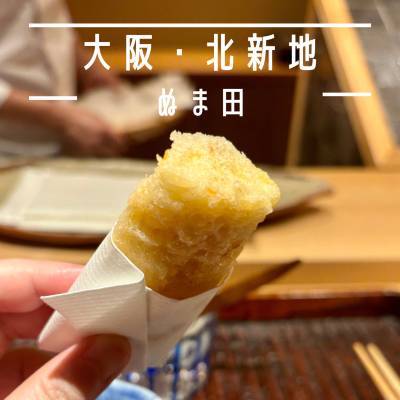
【大阪・北新地】ミシュラン二つ星の天ぷらの名店「ぬま田」
 フードアナリストあい
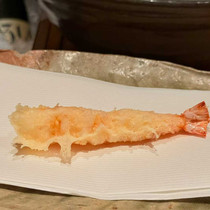
I finally managed to book a lunch table, fulfilling my wish to visit this restaurant for the first time. The appetizer was chawanmushi (steamed egg custard) made with pufferfish broth, the soup base rich and delicious. The first course of tempura consisted of two tiger prawns, one of which was slightly undercooked. Both prawns were incredibly sweet and fresh. After that, the dishes were vegetables, seafood, more vegetables, and more seafood in that order. My favorites were the cod and shiso-wrapped seaweed from the first half. The anchovies had been left to rest for three days, giving them a rich and fluffy texture; while the seaweed wrapped around them was piping hot and melted in my mouth, creating a unique contrast with the anchovies. The second half began with fried turnips. The turnips were piping hot, melted in my mouth, and incredibly sweet. The slow-frying process left a deep impression on me. Next was pufferfish essence. The tempura was rich and creamy, as expected, but the subsequent pufferfish skin (meat, skin, and roe) served with chopped pufferfish essence tempura mixed with yuzu vinegar was an extremely luxurious flavor. The lunch set meal, like the dinner set meal, was very generous in portion size, and I was completely full. The price, over 40,000 yen, included three drinks and a finishing dish, making it the most expensive tempura restaurant I've ever eaten at.
After finishing the meal, I felt it was a fantastic tempura experience. The ingredients were fresh, and the batter was incredibly thin and crispy. I'm usually hesitant to eat eggplant, but the eggplant here was fried to a perfect crispy exterior and soft, juicy interior. The sweetfish was initially displayed alive on the table, and after frying, it was perfectly formed and stood upright on the plate. The head was slightly bitter, but the tender and delicious meat came out later. The final dish offered several options: tempura rice bowl, ochazuke (rice with tea), or egg rice with shrimp tempura – all were delicious.
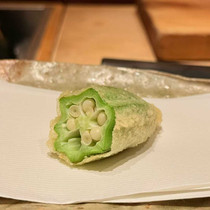
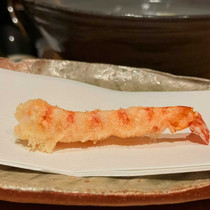
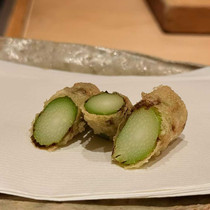
The space is minimalist and elegant. The chef selects seafood from the nearshore waters of Kumamoto and Amakusa, along with seasonal fruits and vegetables from the mountains of Kansai. The batter thickness is precisely controlled to determine the frying time for each ingredient, resulting in a thin, fluffy outer shell that absorbs almost no oil. Biting into it reveals the filling bursting with the original juices of the ingredients, completely overturning the common stereotype of tempura as greasy and heavy. Signature Dishes: Double-Eat Shrimp: One shrimp is lightly fried to retain its sweetness, while the other is deep-fried until crispy, allowing the shell to be eaten whole. The head is fried separately as a crispy snack. Amakusa Conger Eel Tempura: The meat is tender and the oil is balanced and gentle, complemented by a touch of celery to cut through the richness. Seasonal Vegetable Tempura: White okra, Yamashiro chili peppers, and Kumamoto ginkgo nuts bring out the full sweetness of the vegetables.