Italy Travel Guide 2026: Top Cities, Places to Visit & Itineraries | Trip.com
About Italy
Recommended trip: 7–12 day(s)
Recommended trip: 7–12 day(s)Italy Local Experiences Map

Trending in Italy
Italy Local Travel Guide 2026
Italy Brief Guide
Italy, a nation profoundly steeped in history and culture, offers travelers an extensive array of experiences. The ancient Roman Colosseum, the Renaissance city of Florence, and the canals of Venice speak volumes about Italy's significant role in world history and art. Italy's iconic architectural marvels are a big draw. The Colosseum in Rome, Venice Canals, and the Leaning Tower of Pisa offer the tourists a glimpse into Italy's grandeur and architectural ingenuity. Italy is heaven for food lovers. Italian cuisine is world-renowned for its delicious and unique dishes, like Neapolitan pizza, lasagne, spaghetti, etc. Italy's food markets are also worth exploring, which engage tourists in an authentic gastronomic adventure.
Italy Must-try local experiences
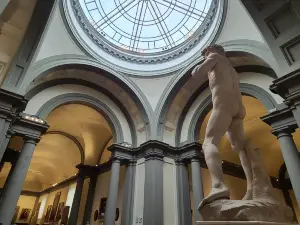
1. Explore the Ancient Ruins Explore the Colosseum, Roman Forum, and Palatine Hill to experience the grandeur of ancient Rome. Additionally, Pompeii is another ancient city preserved under the ash of Mount Vesuvius. It completely captures the daily life of the Pompeii people from over 2,000 years ago, allowing you to appreciate the unique lifestyle of ancient Rome. 2. Embrace the Beauty of Art in Florence The Uffizi and Accademia Galleries house masterpieces by Michelangelo, Leonardo da Vinci, and Botticelli, showcasing the art of the Renaissance era. 3. Discover Venice Canal Cruising and Carnival Experience romantic charm with a gondola ride through its canals. St. Mark's Basilica and the Doge's Palace are highly recommended places. In February, the Venice Carnival features elaborate masks, costumes, and parades that reflect Venetian culture. 4. Discover a Fantastic Driving Tour Drive along the Amalfi Coast, stopping in towns like Positano and Ravello to enjoy the stunning coastal views and colorful buildings. Also, taking a scenic drive through Tuscany is a great choice, you can drive through rolling hills, stopping at charming villages and vineyards for unforgettable moments. 5. Enjoy the Serene Beauty of Lake Como Lake Como is renowned for its favorable climate and lush vegetation, surrounded by charming towns and luxurious villas. 6. Experience the Palio Horse Race in Siena The Palio di Siena is an eagerly awaited summer event in Tuscany. This historic horse race dates back to 1633 and occurs twice a year in Piazza del Campo, Siena’s medieval square. Siena fully embraces this vibrant tradition. 7. Local Cuisine Experience the culinary treasures of Italy, from Neapolitan pizza to Sicilian cannoli, with each region offering its unique specialties. 8. Shop in Milan's Fashion District Explore the Galleria Vittorio Emanuele II, home to high-end boutiques and designer stores, which are ideal for luxury shopping. 9. Photographing the Leaning Tower of Pisa Embrace the opportunity to capture the iconic tilt of this renowned landmark. 10. Relax in the Thermal Baths of Saturnia Where you can soak in natural hot springs in Tuscany. These springs are believed to have healing properties and offer a truly relaxing experience.
Italy Best cities to visit
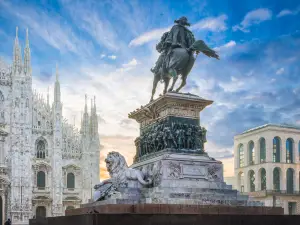
Milan is one of the world's famous international metropolises. With regards to art and fashion, it has left a huge and indelible impression. The second largest city in Italy, Milan has a long and storied history. Inside the city there are no few ancient monuments. The Duomo di Milano (Milan Cathedral) is famous around the world. The shopping district around the Galleria Vittorio Emanuele II and the Milan Fashion Week, held twice a year, make it an unshakable force in the fashion world. AC Milan and Inter Milan are two famous football clubs that make Milan a pilgrimage site for many football fans from around the world. Rome is Italy's capital city and, in classical antiquity, the center of the Roman Empire. It is known as the 'Eternal City' for its long and storied history. Today, Rome has become an open-air history museum. Inside the city, many traces of ancient Rome are well-preserved. The Colosseum will remind you of the powerful ancient Roman Empire. At the Roman Forum, you will be shocked and amazed by the prosperity of the ancient imperial world. The Pantheon is one of the best-preserved monuments of ancient Rome, where you can appreciate the architectural miracles constructed over 1,000 years ago. Within the city of Rome, there is also a country within a country—Vatican City, in which you can experience the ultimate in Christian religious art and see many masterpieces left behind by Renaissance masters. Venice is a uniquely beautiful canal city. Located in northeastern Italy, the whole city lies on the water. Water is Venice's soul. The beautiful structures of the city are all reflected in the water, as though all of Venice is afloat and drifting calmly. The Grand Canal is the 'road' that passes through the whole city of Venice. Take a gondola and experience the water city's unique style. Don’t forget to try Venice's unique Spaghetti al Nero di Seppia (pasta with squid ink) and buy an exquisite hand-made mask before you go. Venice's wonders are not limited to the city’s center. On the azure waters of the Venetian Lagoon, there are many wonderful outlying islands that have to be seen, such as Burano, Murano and the Lido Venice.
Italy Transportation
Italy is well-connected to other countries primarily by air and rail. Major airports in Rome and Milan serve as the principal hubs for intercontinental flights, with direct flights available from numerous global locations. Additionally, Italy’s extensive European railway network links its cities to other European capitals, providing scenic routes via the Alps into cities like Venice or Milan. Low-cost airlines and buses also offer economical travel options across Europe into Italy. Train Trains are a well-utilized mode of transportation in Italy, proving to be efficient and widely covering both urban and rural areas. High-speed trains, such as those operated by Trenitalia, provide expedient connections between major cities like Rome and Milan in just around 3 hours. Additionally, there are options for slower regional trains which are more economical but still reliable. Bus City buses and long-distance coaches serve as a practical choice for everyday commuting and reaching destinations not accessible by train. They are noted for cost-effectiveness and wide-ranging networks, although they can be slower due to traffic. Detailed information and tickets are generally available at local kiosks. Bicycle Bike-sharing programs, like the ones in Florence and Como, offer a flexible, environmentally friendly way to navigate through Italian cities. Such systems generally operate through apps, making it convenient to rent bikes and manage travel.
Italy Best Time to Visit
The best time to visit Italy is during the spring (April-May) or early fall (September-October). These periods offer pleasant weather, lower prices, and thinner crowds, making it ideal for exploring tourist attractions comfortably. Spring brings mild temperatures perfect for outdoor activities and experiencing the local culture without the inconvenience of high summer heat. Early fall is wonderful for enjoying vibrant landscapes and participating in the grape harvest season, which is especially appealing to wine enthusiasts.
Italy Travel Tips
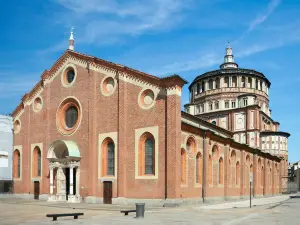
1. Book Popular Attractions in Advance: For popular attractions like the Vatican Museums, Colosseum, and Leonardo da Vinci's 'The Last Supper' in Milan, advance reservations are essential. Book your tickets online to avoid long queues and ensure entry. 2. Cinque Terre Trekking Card: If you plan to hike between the villages of Cinque Terre, you'll need to purchase a Cinque Terre Card. This pass grants access to the hiking trails and includes unlimited train travel between the villages. The card also offers free use of local buses and public toilets, and discounts at certain museums. 3. Avoid Eating Near Monuments: In cities like Rome and Florence, it's illegal to eat or drink near main monuments and fountains. Respect these rules to avoid fines and maintain the cleanliness of historic sites. 4. Beware of Pickpockets: Popular tourist areas in major Italian cities can be hotspots for pickpockets. Keep your belongings close, use anti-theft bags, and be extra vigilant in crowded places like train stations. Wear a money belt, avoid using back pockets, and stay alert in crowded areas. Be cautious of distractions like commotion or people bumping into you. 5. Validate Train Tickets: Always validate your train ticket before boarding in Italy. Use the small green at the station platform to stamp your ticket with the date and time. This applies mainly to regional train tickets without a specific time. Failure to do so can result in fines, even with a valid ticket.
Italy Useful Guide
When traveling in Italy, it's crucial to be aware of emergency numbers: 112 provides overall emergency services, 113 for police, 115 for the fire brigade, and 118 for medical emergencies. Given Italy's geological setting, be prepared for natural disasters like earthquakes and floods by familiarizing with local safety protocols. Driving rules are stringent; drive on the right, observe speed limits, and use the necessary safety equipment like seat belts and reflective jackets. Always carry essential documents when driving. In case of an emergency, Italy is well-equipped with prompt and efficient emergency services, ensuring quick responses to any situation. Always ensure you have travel insurance to cover potential emergencies and keep the contact numbers saved for immediate access. Italy's official language is Italian. Across Italy, numerous regional dialects and indigenous languages coexist with standard Italian. Translation apps and local interpretation services are widely available to assist travelers. When faced with language barriers, using simple Italian phrases, gestures, or visual aids like maps greatly facilitates communication. Basic phrases include "Ciao" (Hello/Goodbye), "Grazie" (Thank you), and "Per favore" (Please). appTaxi: A popular ride-hailing app in Italy, providing an easy way to book taxis in major cities. Free Now: Offers a user-friendly interface for scheduling or hailing taxis, making it a staple for transport in Italy. Trenitalia (Prontotreno): The official app for navigating Italy’s extensive train network with facilities to book tickets and get real-time updates. Moovit: Essential for using public transportation in Italian cities, giving real-time bus and train schedules. Duolingo: A useful app for tourists to learn basic Italian, easing communication barriers while traveling in Italy. Trip.com: is a popular online travel platform that provides a comprehensive range of services including booking flights. In Italy, power plugs and sockets of type C, F, and L are used, operating at a standard voltage of 230 V and a frequency of 50 Hz. Public WiFi is widely available in Italy, with many free hotspots in cities, large shopping centers, and other locations such as post offices and service areas on the Autostrade. No passport is required to log in, and networks like Free Italia Wifi offer a minimum of two hours free per day with over 7,800 hotspots across the country. For mobile data, prepaid SIM cards are recommended for visitors, with options like TIM's prepaid SIM card for tourists at 22 USD with 40 GB of data. eSIMs are also available, offering convenience and starting from 4.5 USD. It's important to have an unlocked phone and be aware that some plans may require an Italian tax number for registration.
Trip.Best: Italy






Popular Destinations

Florence

Rome

Milan

Venice

Naples

Sorrento

Palermo

Positano
Plan Your Italy Trip
What to do




What to eat




Italy Moments: Through Travelers' Eyes

A 2-day/1-night trip to Florence

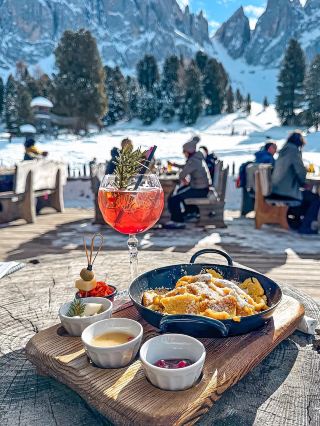
Dolomites Hotel: 8 Winter Routes and Chalets with Alpine Views ❄️

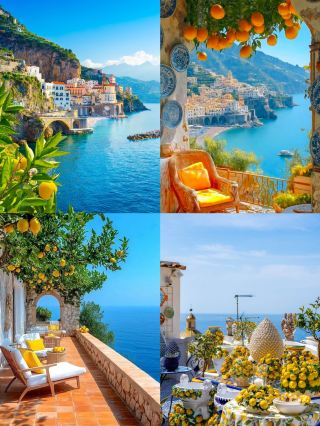
The lemon town that National Geographic calls legendary! A fairytale coast on the cliffs | Guide included

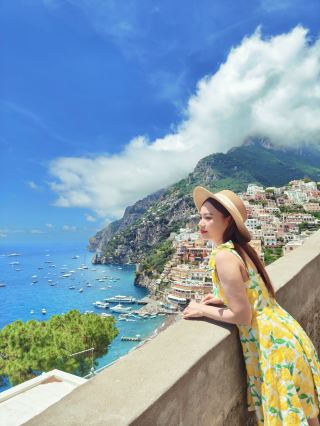
Positano, the Southern Italian "lemon town" favored by Jay Chou and his wife

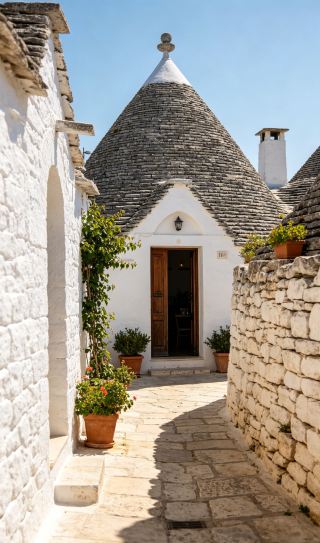
Step into Italy's white fairytale town! It really doesn't feel like reality.


Magazine-worthy shots at the sunny pool

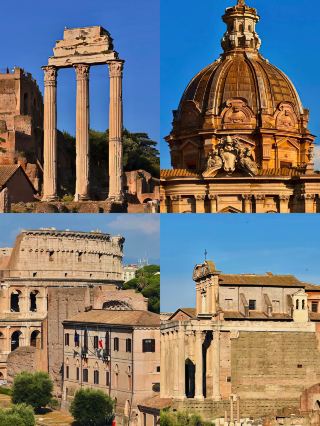
Journey through a millennium to see the Roman ruins


🏔️ 10 FAIRYTALE VILLAGES IN EUROPE — 10 หมู่บ้านในยุโรปที่สวยเหมือนโลกในนิยาย 🇪🇺✨

Best of Italy
Top 50 Hot Spring Hotels in Italy


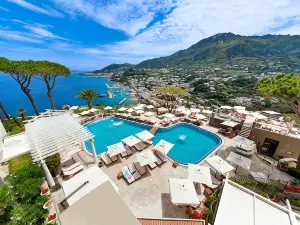



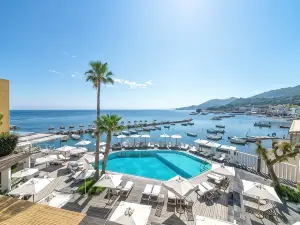



Top 50 Ski Hotels in Italy








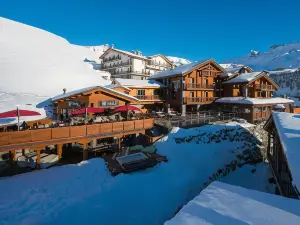


Top 50 Gourmet Hotels in Italy