






























Why book China trains with Trip.com?

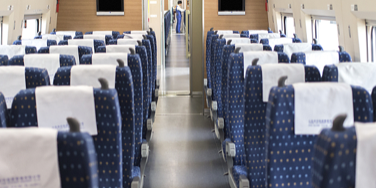
  • Fast, smart booking

    Fast, smart booking

    24/7 instant ticketing. Make changes and request refunds online.
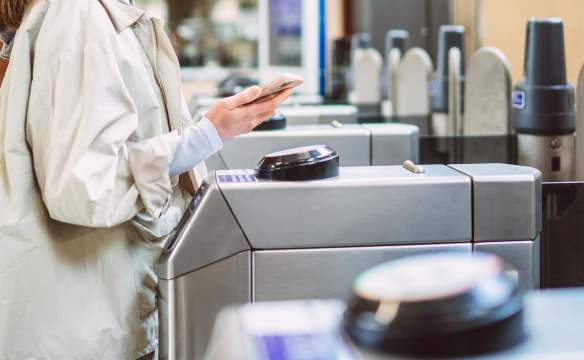
  • Ticket-free ID entry

    Ticket-free ID entry

    Just scan your ID or passport to access your gate
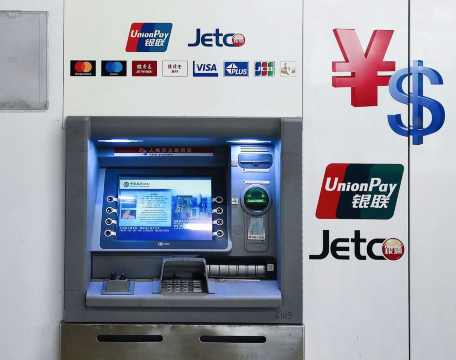
  • Multiple languages and currencies

    Multiple languages and currencies

    Choose your preferred language and payment currency
  • Cross-boundary high-speed rail

    Cross-boundary high-speed rail

    Easily book high‑speed trains between Hong Kong (China) and the Chinese mainland

Hong Kong to Chinese mainland train travel guide

Hong Kong to Chinese mainland train travel guide

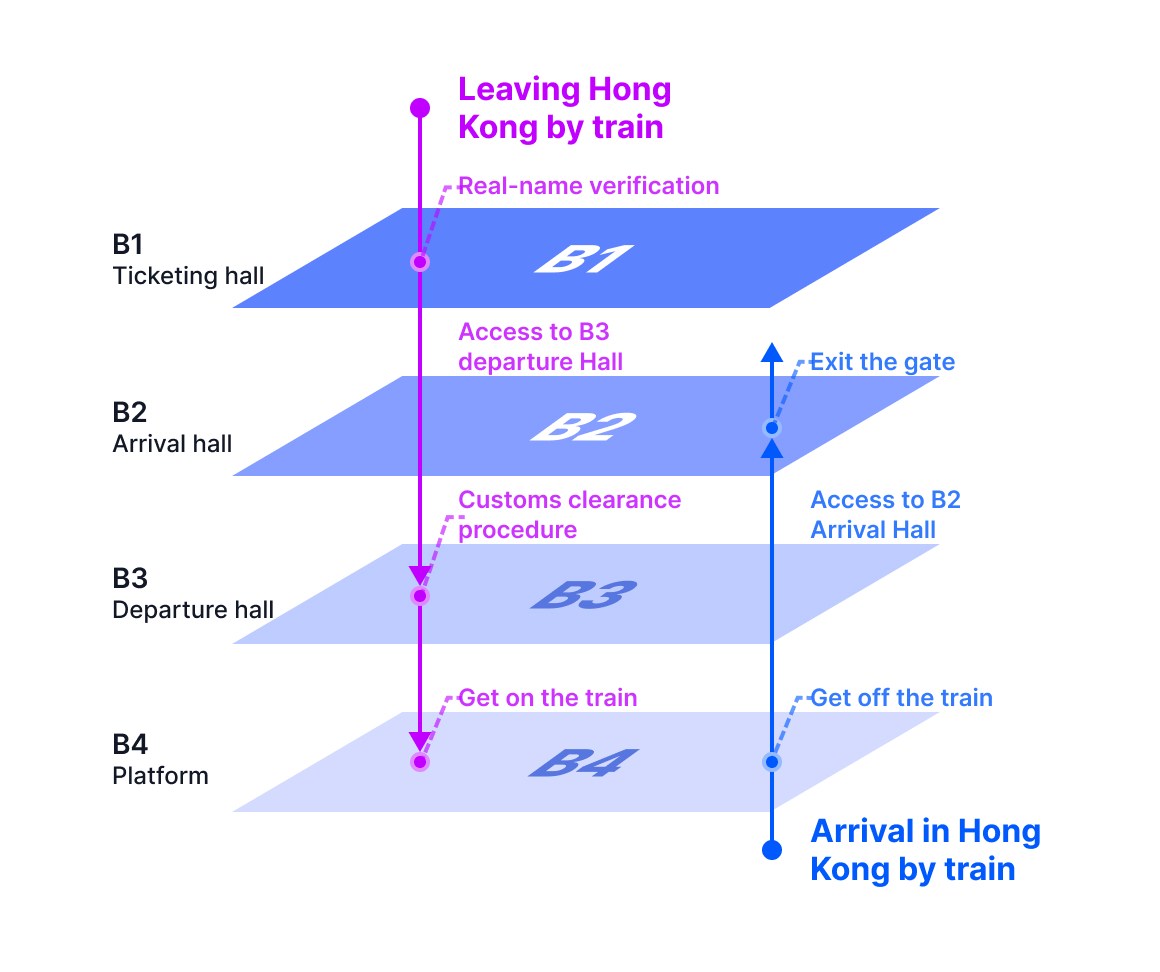
Hong Kong West Kowloon Station Layout

Ground level: Here you’ll find the main waiting area, convenient metro(MTR, Mass Transit Railway)/bus connections and pick-up/drop-off points, the Green Plaza public space, and several stores and restaurants.

B1 level: This is where the ticketing concourse is located. Various checks, including ID/e-ticket verification and security screenings take place at the self-service gates and staffed counters.

B2 level: At the arrival hall, passengers go through Mainland departure or Hong Kong arrival clearance procedures.

B3 level: This floor contains the departure hall, where passengers complete border clearance procedures for Mainland arrivals and Hong Kong departures.

B4 level: Passengers board/alight trains at this platform level. Waiting areas, seating, clear signage and emergency equipment are also provided.
Hong Kong to Chinese mainland train travel guide

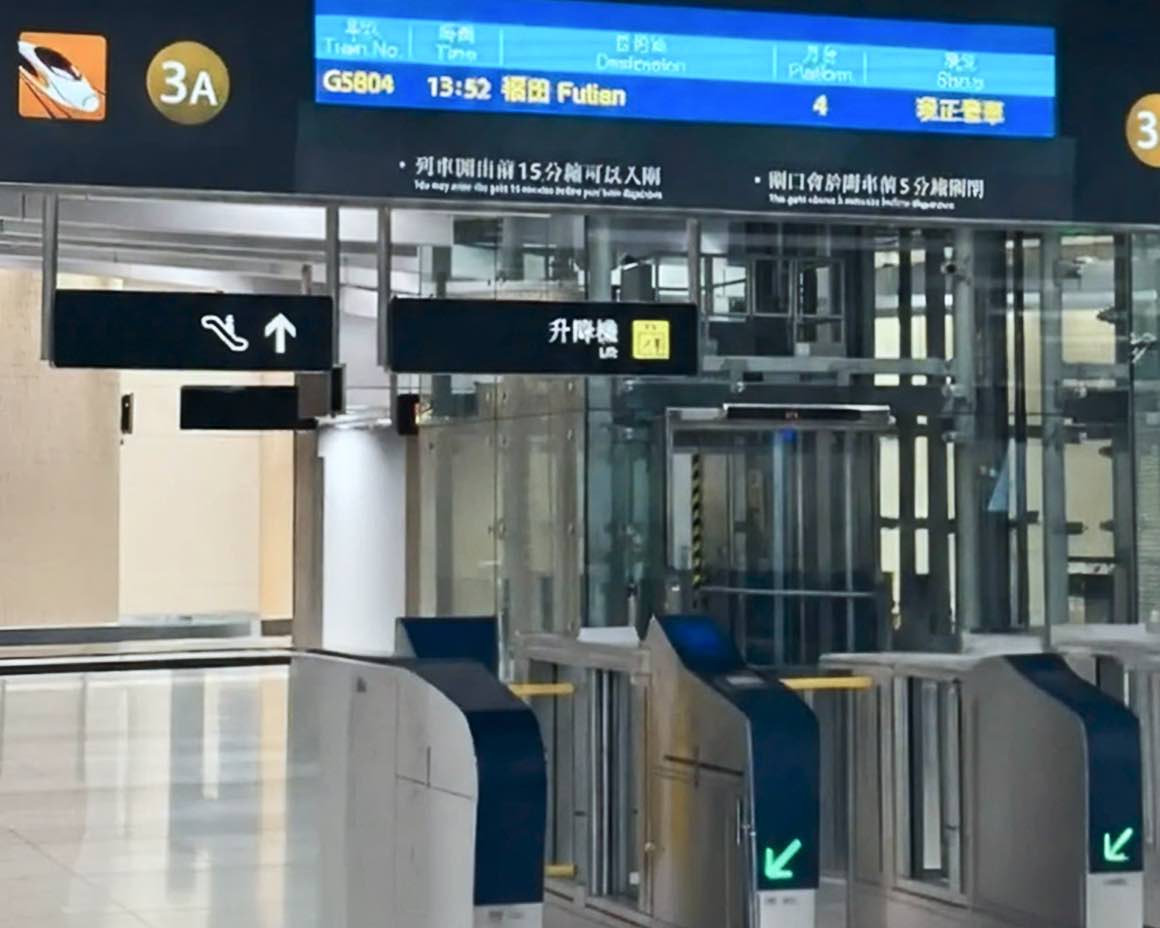
Hong Kong West Kowloon Station: Departure Guide

Step 1: ID check and ticket verification

Present your ID at the self-service gate or counter.

Step 2: Security check and immigration procedures

Complete luggage checks then immigration procedures in the departure hall.

Step 3: Boarding

Enter the gate with your ID/QR code and board the train.

Step 4: Arrival at a Chinese Mainland station

Use your ID/QR code to exit the gate.

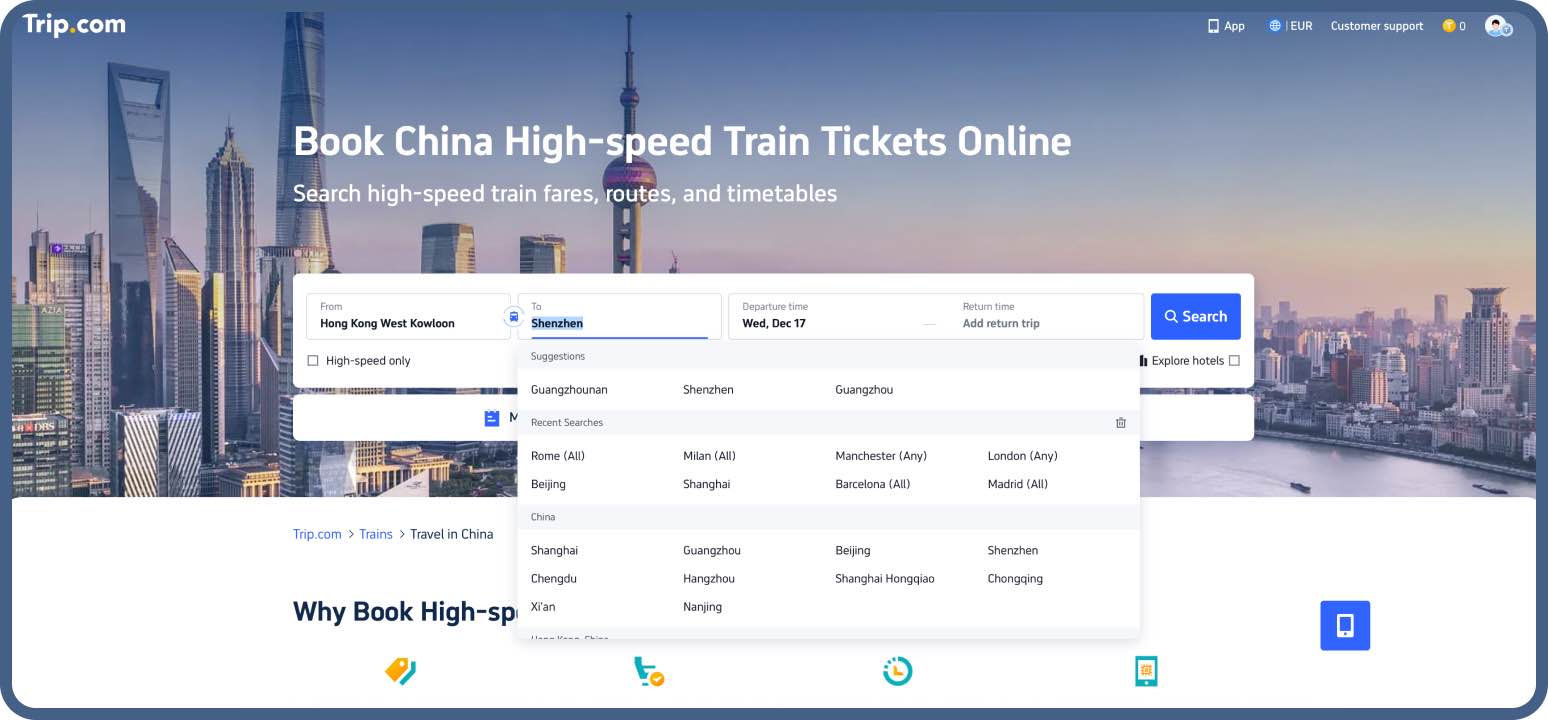
How to book China train tickets

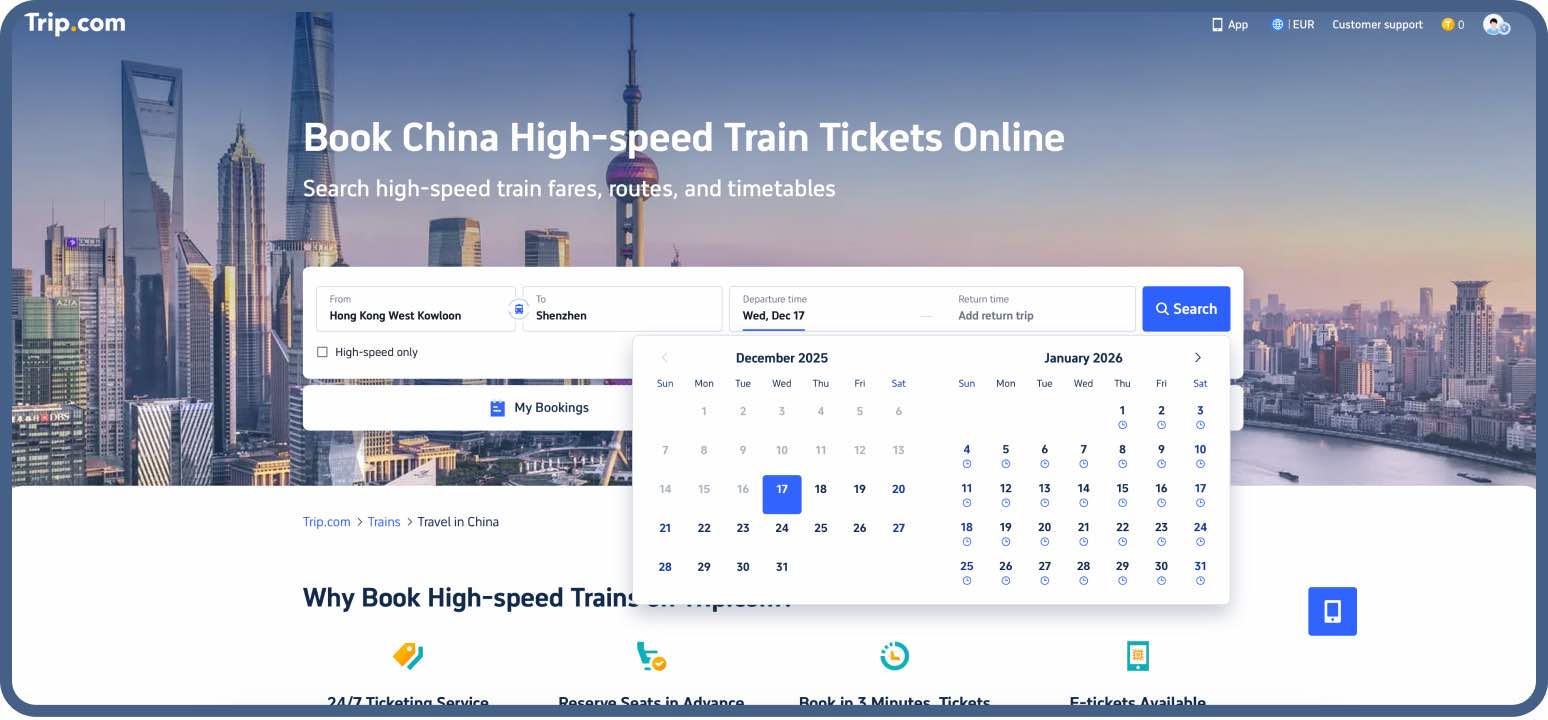
<span>Step 1</span> Select departure and arrival stations

Step 1 Select departure and arrival stations

If multiple stations appear for a city, check the station and city before confirming.

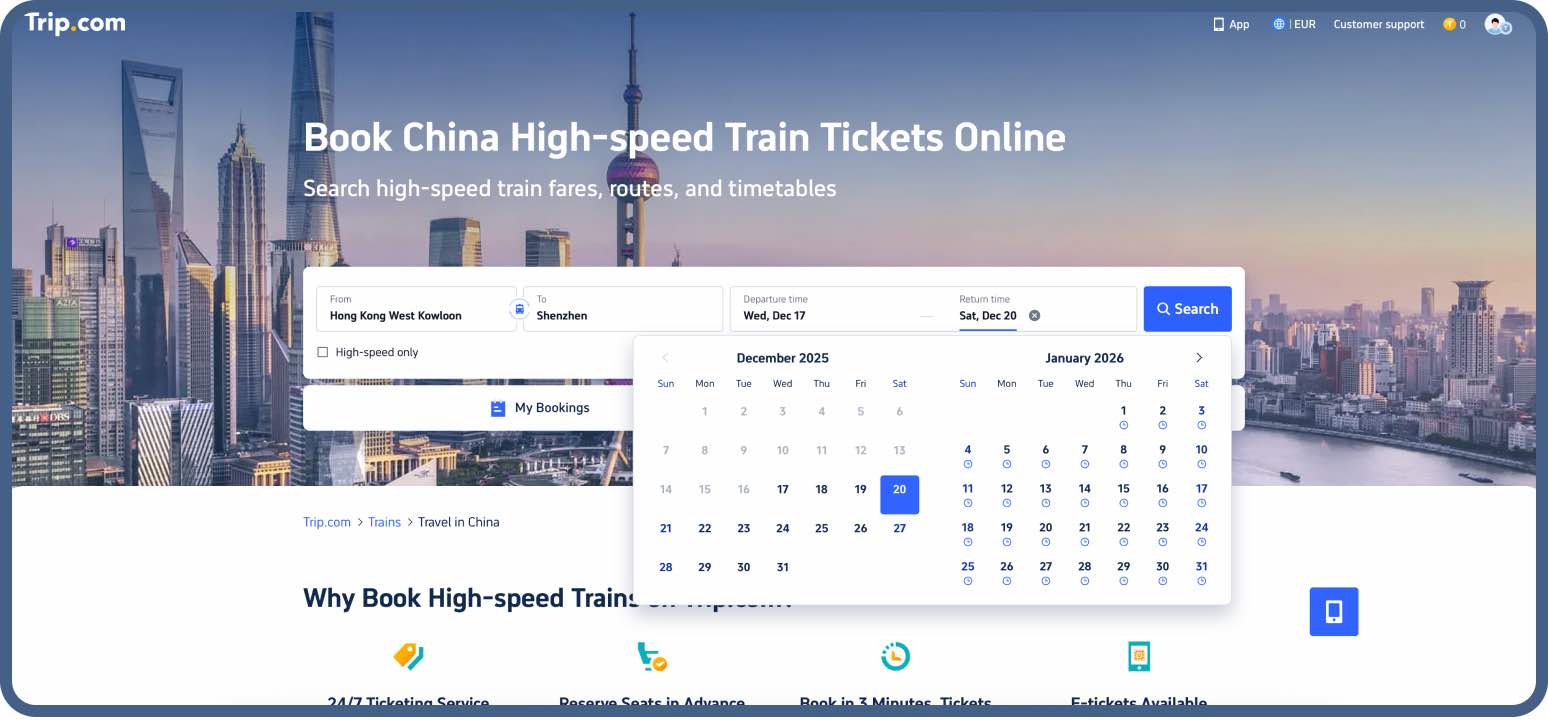
<span>Step 2</span>Select departure date

Step 2Select departure date

Choose a date from the calendar; for tickets that aren’t yet available, come back later or check the release calendar.

<span>Step 3</span>Select return date (if applicable)

Step 3Select return date (if applicable)

If you’re booking a round trip, select the date you wish to return.

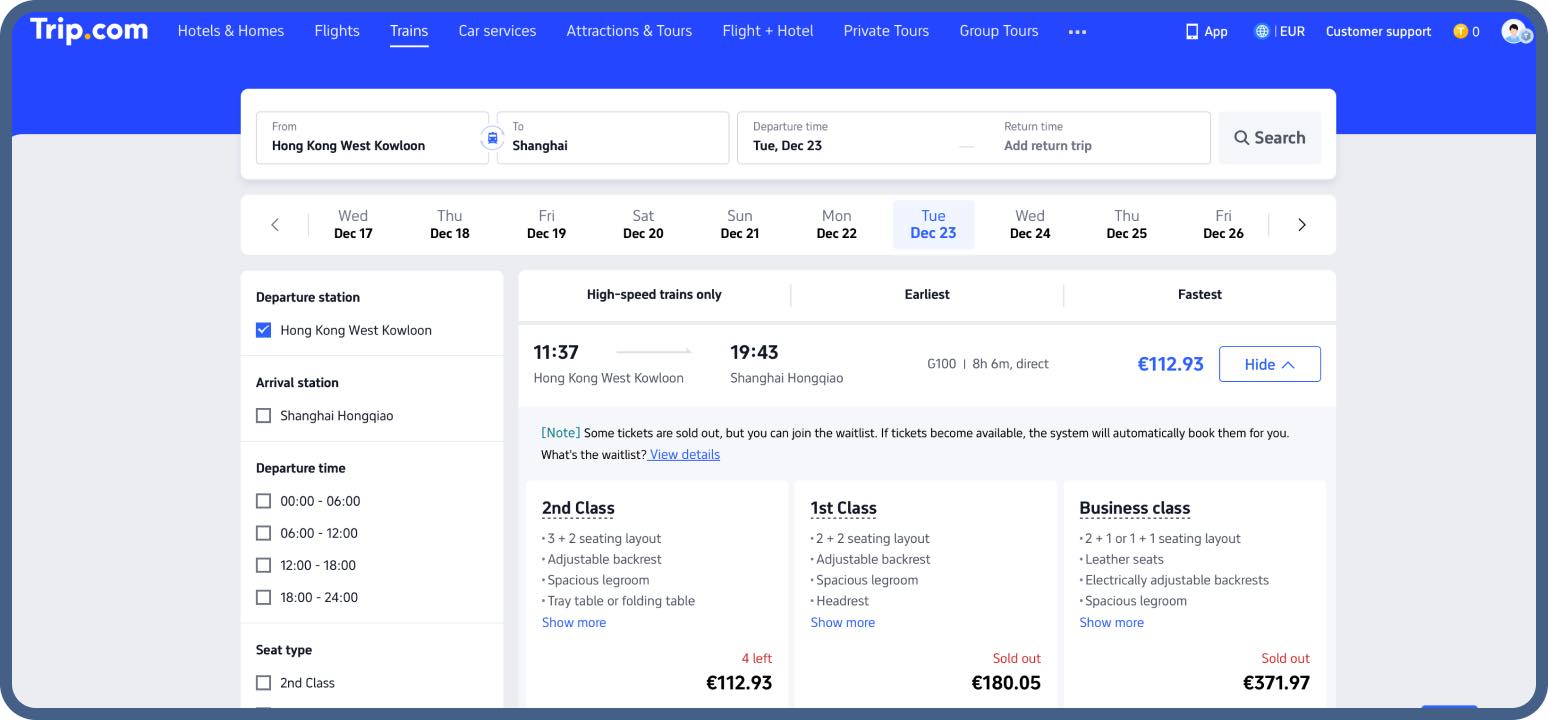
<span>Step 4</span>Choose train and seat class

Step 4Choose train and seat class

Select the most suitable train from the list and your desired seat class.

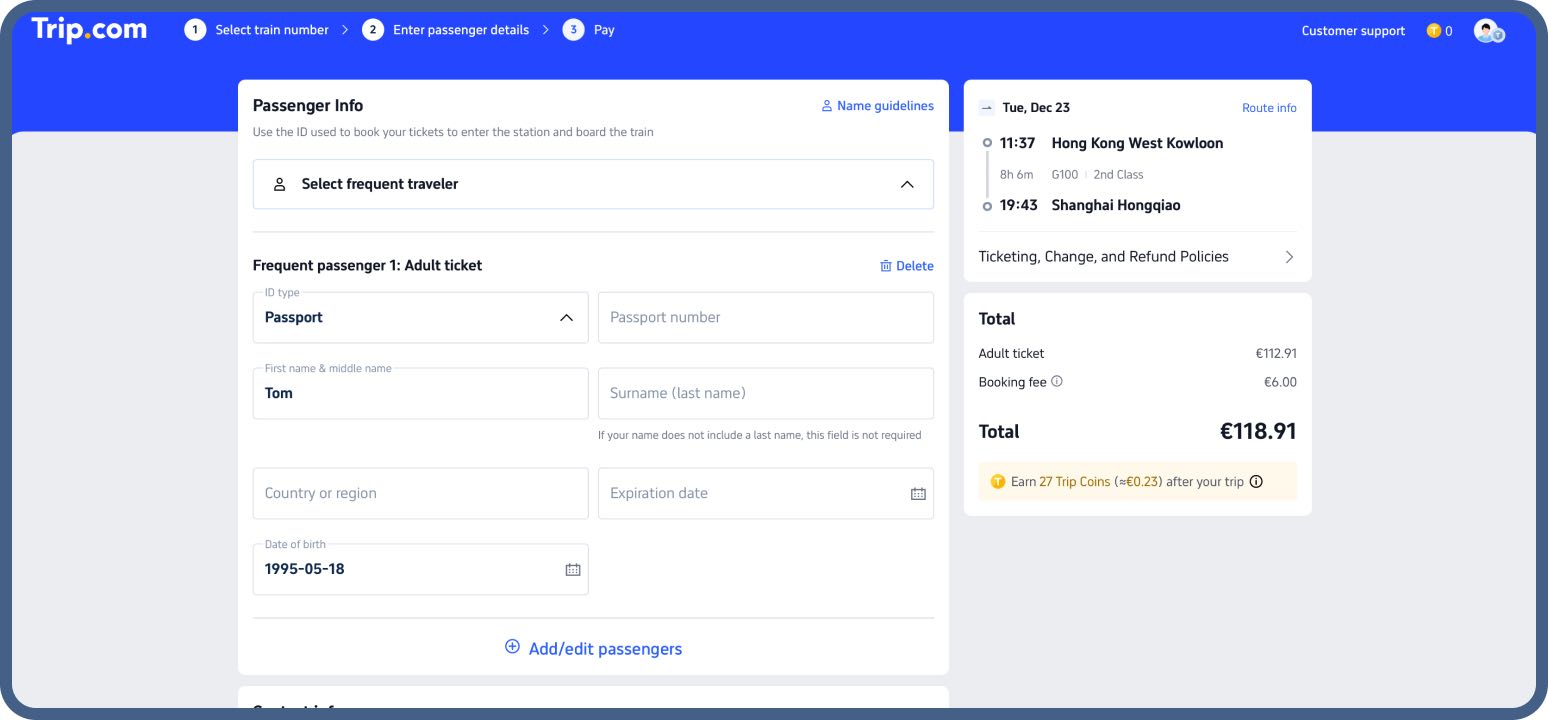
<span>Step 5</span>Enter information

Step 5Enter information

Complete passenger and contact information.

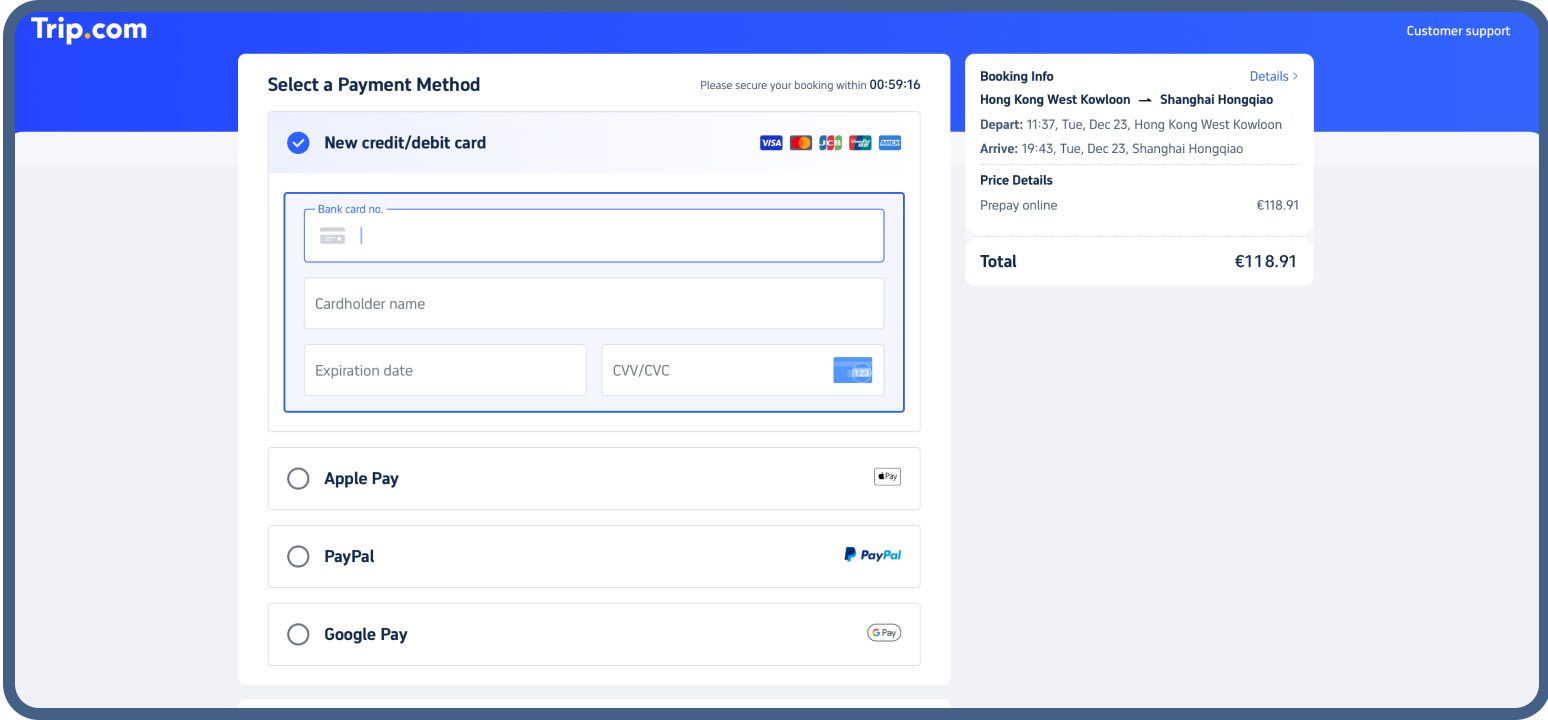
<span>Step 6</span>Choose payment method

Step 6Choose payment method

Multiple payment methods are available - select your preferred method.

Seat types on China high-speed trains

Chinese high-speed rail offers various seat class options to meet travelers’ needs. All trains provide First and Second Class seats, and certain services also include Business Class cars. See what’s offered in each seating class so you can make the most of your train travel.

  • Second Class

    Second Class

    icon 2+3 seating layout

    icon Basic padding

    icon Power outlets

    icon Free WiFi

    icon Bathroom

    icon Dining car

    icon Luggage storage

    icon Most affordable short-distance travel (e.g., Hong Kong to Guangzhou/Shenzhen)
  • First Class

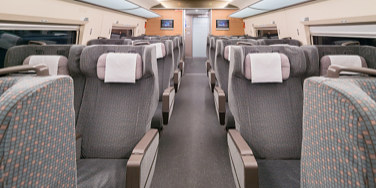
    First Class

    icon 2+2 seating

    iconSoft padding

    iconPower outlets

    iconFree WiFi

    iconSmall tables

    iconBathroom

    iconDining car

    iconLuggage storage

    iconQuieter, more spacious environment

    iconIdeal for business or long-distance trips
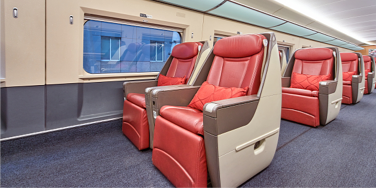
  •  Business Class (Only apply on certain trains)

    Business Class (Only apply on certain trains)

    icon 1+2 seating layout

    icon Fully reclining leather seats

    icon Extra legroom

    icon Amenities (blanket, water, etc.)

    icon Free WiFi

    icon Power outlets

    icon Bathroom

    icon Luggage storage

    icon Top long-distance travel choice (e.g., Hong Kong to Beijing/Shanghai)
High-speed train travel guide

Hong Kong West Kowloon Station provides direct access to over 100 stations across the Chinese mainland, covering multiple provinces, autonomous regions, and municipalities. Key destinations include Beijing, Shanghai, Nanjing, Hefei, Wuhan, Xi'an, Chengdu, Changsha, Fuzhou, Xiamen, Shantou, Guiyang, and Kunming. Ticket purchases require real-name registration. We highly recommend preparing your valid ID and necessary currency prior to departure.

High-speed train travel guide

ID application

Hong Kong, Macau, and Taiwan passengers: Mainland Travel Permit for Hong Kong and Macau Residents, Mainland Travel Permit for Hong Kong and Macau Residents (Non-Chinese Citizens), PRC Residence Permit for Hong Kong and Macau Residents, Mainland Travel Permit for Taiwan Residents, and PRC Residence Permit for Taiwan Residents. You can apply through China Travel Service (Hong Kong) or the relevant entry-exit administration departments.

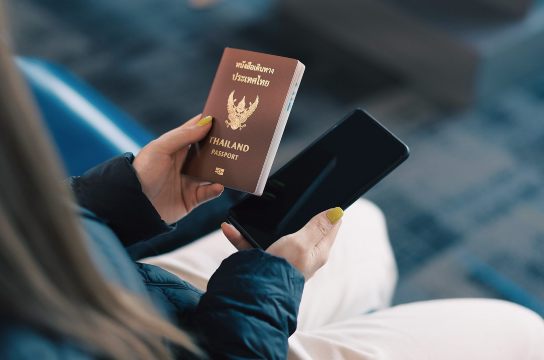
International passengers: A valid passport that complies with PRC regulations, or a PRC Foreign Permanent Resident ID Card. If you do not have a Chinese visa, you must apply in advance at an embassy or consulate.

Chinese mainland residents: Chinese mainland ID card, Entry-Exit Permit for Hong Kong and Macau, or PRC passport. You can apply at the entry-exit administration department of your place of household registration or residence permit.

High-speed train travel guide

ID usage

Hong Kong West Kowloon Station features a "Co-location arrangement": Entry and exit procedures for both the Chinese mainland and Hong Kong are completed within the same station (Level B2 is the Chinese mainland port area, and Level B3 is the Hong Kong port area). Eligible passengers may use the self-service e-channels. The ID used for booking must match the one used for boarding. Passengers can scan their Chinese mainland ID card, Mainland Travel Permit for Hong Kong and Macau Residents, Entry-Exit Permit for Hong Kong and Macau, or Residence Permit to enter and exit the gates directly. No paper tickets are required. Passport holders must use the staff-assisted counters for verification. The name on your booking must exactly match your ID. We recommend arriving at the station 60–90 minutes before departure.

High-speed train travel guide

Currency exchange

Chinese mainland residents can exchange CNY for HK$ at Bank of China, ICBC, and other bank branches using their ID. International passengers can exchange HK$ for CNY, JPY for HK$, GBP for HK$, and other currencies at BOCHK, HSBC, Hang Seng, or city exchange shops (e.g., around Chungking Mansions and Mong Kok). Exchange rates in the city are generally better than at the airport. After clearing customs, you can use WeChat or Alipay linked to foreign cards for QR code payments. You can also top up your Octopus with AlipayHK and WeChat Pay HK.

FAQs about China train tickets

  • Can international travelers book tickets online?

    Yes - foreigners can use their passport to book train tickets online, including Trip.com, making booking seamless. We accept multiple currencies, reward you with Trip Coins (which can be used for future bookings), and our site is available in over 17 languages with 24/7 customer services.

  • How far in advance should I book high-speed rail tickets?

    Tickets for Chinese mainland and Hong Kong high-speed trains are available within 15 days of the departure date.

  • How can I pay for my booking?

    Trip.com accepts credit/debit cards, PayPal, Apple Pay, and Google Pay. You can also use TripCoins or a gift card. Enter your payment details or follow the steps to complete your purchase.

  • Do I need a physical ticket to board?

    No paper ticket is required. All you need is the same ID you used in your booking to enter the station and board the train.

  • Do foreigners need to collect tickets to board?

    No - the ID used to book your train is your ticket. Use the same ID to go through station barriers and board your train.