



▲ In a single day, three ancient capitals unveil the essence of Japan's millennia. From the solemn halls of world heritage sites to the matcha-scented banks of the Uji River; from the mystical corridors of Senbon Torii (Thousand Torii Gates) to the vibrant aesthetics of everyday life in every alley.
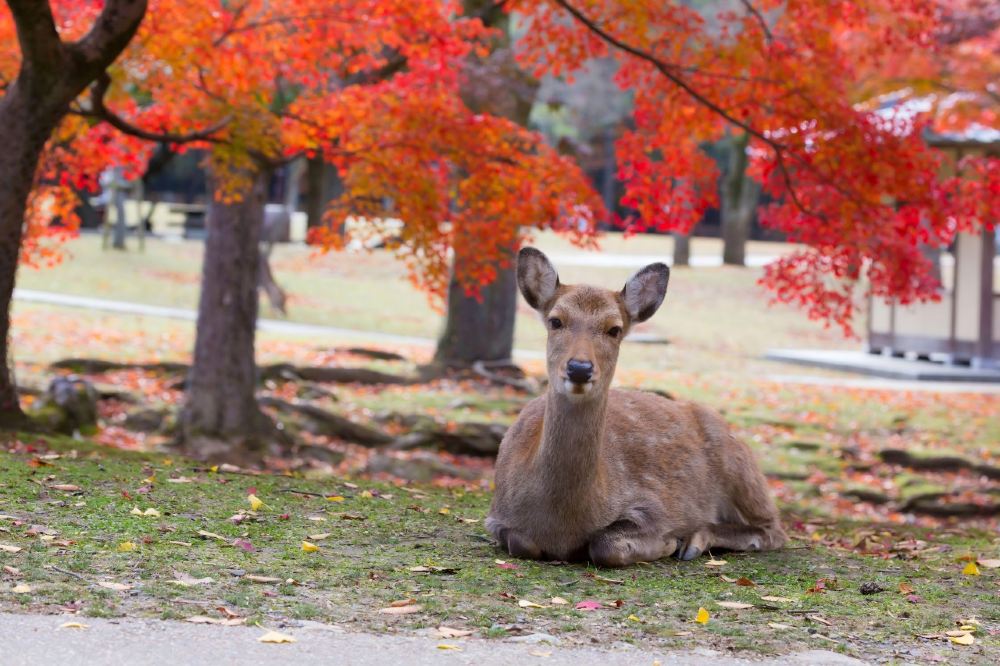
▲ In Nara Park, thousands of wild deer roam freely among ancient trees and lawns. They are not only "natural monuments" protected by the state, but also the spiritual presence of the city of Nara.

▲ You can hand a deer biscuit to an adorable fawn, watching it approach docilely, lower its head to sniff, or even playfully bow in gratitude—feeding, interacting, and taking photos together, every moment is filled with childlike wonder and warmth, creating unforgettable healing memories for a lifetime.

▲ Step inside the hall and gaze up at the 15-meter-tall bronze Vairocana Buddha, solemn with lowered eyes and a faint golden shimmer, as if transported back to the Heijō-kyō capital where envoys from all nations gathered, experiencing the boundless serenity and awe of Buddhist teachings.

▲ Tōdai-ji, built in the 8th century, symbolizes state Buddhism during the Nara period. Its magnificent Great Buddha Hall is one of the world's renowned wooden structures, embodying the grandeur of China's Tang Dynasty and Japanese craftsmanship.

▲ Located by the Uji River, Byodoin Temple was originally a villa for Heian nobility before being converted into a Pure Land Buddhist temple. Its iconic Phoenix Hall reflects on the water, resembling a real-world projection of the Pure Land paradise.

▲ The classic design on the 10-yen coin originates from here—vermilion pillars, the golden Amida Buddha, and ripples in the pond, each frame a distilled expression of millennium-old aesthetics.

▲ Stroll along the Uji River stone-paved path, lined with century-old shops offering everything from matcha warabi mochi and dango to fresh chocolate, each bite infused with the artisans' unique interpretation of tea fragrance.

▲ Here, matcha is not just a beverage, but a philosophy of life—bitterness followed by sweetness, beauty born from tranquility, allowing your taste buds to comprehend Japan's "harmony, respect, purity, and tranquility" through the interplay of mild astringency and refreshing sweetness.

▲ Uji Park unfolds leisurely along the Uji River, where spring brings cherry blossoms lining the banks like snow, summer cloaks the flowing water in fresh greenery, fall maples paint the stone bridge crimson, and winter mists linger like ink wash paintings.

▲ In a quiet corner by the Uji River stands the Statue of Murasaki Shikibu, a literary giant of Japan, who penned the final ten chapters of "The Tale of Genji" here, transforming Uji into the ultimate stage for the aesthetic of "mono no aware."

▲ As the head shrine of over 30,000 Inari shrines across Japan, Fushimi Inari Taisha has been a spiritual center for praying for bountiful harvests and business prosperity since the 8th century, with continuous worship to this day.

▲ The vermilion main hall stands solemn and dignified, with fox statues quietly guarding the sacred grounds—they are regarded as messengers of Inari, their lively eyes seemingly conveying secrets between the mortal world and the divine realm.

▲ Tens of thousands of vermilion torii gates connect end to end, forming a sacred passage stretching for kilometers. Each gate was donated by individuals or companies, inscribed with wishes and gratitude.

▲ Walking through, with dappled light and shadow, the gentle chime of bells, the deeper the steps, the farther the worldly clamor fades—as if traversing a tunnel of time woven by countless wishes, moving toward inner peace and steadfastness.