Xiangning

Things to do in Xiangning

Search attractions or local attractions & tours
Search

Explore top experiences

Top 10 attractions in Xiangning

View all Attractions
Mount Yun Scenic Area
No. 5 of Fall Viewing Attractions in Shanxi

Mount Yun Scenic Area

6.2
4.5/5
1k reviews
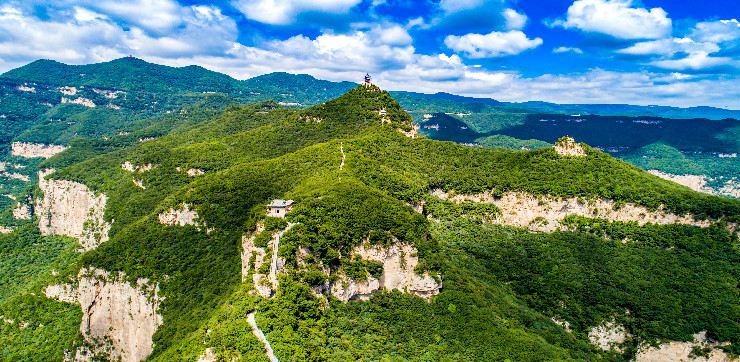
Mount Yun Scenic Area is located in Xiangning County, Linfen City.Lüliang MountainsNestled at the intersection with the Fenwei Graben, this scenic area boasts lush forests and serves as a natural oxygen bar. Legend has it that this was where ancient emperors Yao, Shun, and Yu observed celestial phenomena to measure time, making it a cradle of China's "harmony culture" that continues to thrive here. Beyond its beautiful legends, Mount Yun Scenic Area is a sacred site integrating Confucianism, Buddhism, and Taoism. The mountain houses the Confucian Yunqiu Academy, the Buddhist Duobao Lingyan Zen Temple, and numerous Taoist temples. From the Five Dragon Palace to the First Heavenly Gate, Second Heavenly Gate, Third Heavenly Gate, Patriarch Summit, and finally the Jade Emperor Peak, all are Taoist structures. This area is believed to be the grotto-heaven where Emperor Zhenwu attained enlightenment, making the Five Dragon Palace particularly significant.Zhenwu Hall, and even features a dedicated temple for worshiping the Emperor Zhenwu.Patriarch PeakDuring the Northern Song Dynasty, when the western and northern frontiers were frequently invaded, the imperial court enshrined the mighty Zhenwu Emperor to protect the nation and its people. This site later became the birthplace of the Taoist Longmen School during the Yuan Dynasty. The local folk customs here are equally unique. Every year in the second lunar month, the Mount Yun Scenic Area hosts its Zhonghe Festival temple fair. During this time, countless pilgrims ascend the mountain to worship at its peak, pray for blessings, and fulfill vows—creating an unbroken stream of visitors from dawn till dusk. This tradition has continued uninterrupted from the Tang Dynasty to the present day, earning the Zhonghe Festival recognition as intangible cultural heritage. The Zhonghe culture derived from this festival has also been passed down through generations, enduring for over a millennium.Xiangning · 27.8 km from downtown
Hukou Waterfall tourist area of the Yellow River
No. 8 of Best Things to Do in Shaanxi

Hukou Waterfall tourist area of the Yellow River

8.3
4.6/5
18.1k reviews
The Hukou Waterfall tourist area of the Yellow River is located on the riverbed of the Yellow River in the Qin-Jin Grand Canyon, where the provinces of Shanxi and Shaanxi face each other across the river. The main stream of the Yellow River, originally hundreds of m wide, suddenly narrows to dozens of m and plunges into a deep trough with a drop of 20–30 m, resembling water being poured from a giant pot—hence the name "Hukou" (Pot Mouth). Due to the large amount of sediment carried by the river, the waterfall presents a rare golden-yellow view: the turbid waves roar down with a sound like distant thunder rolling through the valley, while the rising mist lingers before the cliff, earning the nickname "smoke rising from the water." On sunny days, sunlight casts a rainbow over the waterfall, known as "a rainbow playing in the water." The mist may drench visitors even without wind or rain, creating the wonder called "rainfall under a clear sky." Hukou waterfall is regarded as the symbol of the "soul of the Yellow River" and the spirit of the Chinese nation. In 1938, when poet Guang Weiran crossed the Yellow River, he witnessed the roaring waves of Hukou and the boatmen's chants, which inspired him to create the now-legendary Yellow River Cantata. Liang Heng's essay of the same name was selected for middle school Chinese textbooks, and the back of the fourth series CNY 50 banknote also features this scene. Many first learned about it through textbooks and currency before visiting in person. In the past, cargo ships had to leave the water and bypass the waterfall here, leaving behind the maritime memory of "sailing on dry land." The scenery here varies with the seasons: In early spring, the upstream ice melts and the water level rises sharply, coinciding with the blooming of mountain peach blossoms on both banks, known as the "March peach blossom flood." In midsummer, the rainy season brings abundant water, with muddy waves towering into the sky. After fall begins, the rainy season subsides, and the water becomes high and steady. As the fall breeze sweeps by, rainbows often appear, earning the name "Hukou autumn breeze." In deep winter, layers of ice form along the banks, and overflow freezes into inverted ice peaks, glistening under the sunlight, creating the spectacular "upside-down ice peaks." The viewing platform on the Shaanxi side stretches along the cliff top on the western bank, offering a commanding view of the "thousand-mile Yellow River funneled into one pot" and the ten-mile-long Dragon Trough below the waterfall. During high-water seasons, the mist is heavy, and clothes get soaked quickly, so remember to protect your camera and phone; the boardwalk is slippery, so watch your step while walking and taking photos.Yichuan · 39.1 km from Xiangning
Chateau RongZi

Chateau RongZi

3
4.0/5
1 reviews
Attraction 1: Temple of Duke Wen of Jin The Temple of Duke Wen of Jin is the cultural and historical source of the Rongzi Winery Scenic Area, with a history of more than 1,000 years. The area of ​​the rebuilt Temple of Duke Wen of Jin has reached 2,850 square meters, and the old style and layout have been basically restored. The entire building is permeated with obvious Confucian thoughts, fully reflecting the unique charm and infinite charm of Eastern culture. Attraction 2: Rongzi Academy Rongzi Academy was built in 2009, covering an area of ​​3,360 square meters. It was officially completed on August 24, 2011. The academy is the creative base of the Central State Organs Branch of the Chinese Calligraphers Association. The buildings are built according to the terrain and are well-arranged. The academy is a three-courtyard stepped-style academy, with porches in front, back, left, and right, pavilions and towers connected in sequence. It integrates teaching and research, book collection and worship, garden ecology, leisure tourism, calligraphy and painting exchanges, cultural performances, and cultural relics protection. It is a comprehensive framework that has been promoted from a single grape and wine to the in-depth development of grape ecology, landforms, manors, and ruins. Naming the academy "Rongzi" means taking a new path in winery corporate culture, shouldering the responsibilities that winery companies should shoulder in society and realizing the core values ​​that winery companies should have. Attraction 3: Underground Wine Cellar It covers an area of ​​more than 2,700 square meters and is 5.3 meters above the ground. The decoration style is elegant and simple, with a strong Chinese classic and simple charm. It consists of two major parts: the wine culture display area and the oak barrel wine storage area. The wine culture display area vividly tells the beautiful legend of Rongzi's discovery of wine, graphically displays the ancient winemaking process, allows on-site observation of the modern winemaking process, and focuses on presenting Rongzi winemaking equipment and a full range of products. It allows one to deeply appreciate the origin, heritage and charm of Rongzi culture, and is an important window for understanding red wine brewing and Rongzi culture. The oak barrel wine storage area has 2,400 oak barrels, which are arranged in an orderly manner like a military parade team, extending to the end of the wine cellar. They are responsible for providing an oxidizing environment, adding flavor substances, strengthening the wine structure, and highlighting the charm of the wine, and are constantly inspected by tourists. Being in the cellar is like entering the deep palace of Rongzi culture, where you can deeply appreciate the inheritance and development of the high-quality genes of Rongzi red wine, and the integration and value-added of advanced elements. Attraction 4: Winemaking Area The 14,000-square-meter comprehensive production workshop displays the Rongzi winemaking process in all aspects and throughout the entire process. You can see a series of refined operation procedures, such as the grapes being destemmed and crushed into pulp, being fermented in tanks for sedimentation, being aged in stainless steel tanks and oak barrels, being filtered through membranes on the filling line to become finished products for packaging, and being transported to loess caves for storage. You can feel the ingenuity of the thousands of processes required for a bottle of wine to go from the field to the dining table, feel the wonderfulness of the aged dry red wine that takes at least two years to brew, and appreciate the lingering fragrance of the Rongzi red wine that is a confluence of ancient and modern, Chinese and foreign elements. Attraction 5: Tasting Hall There is a wine tasting area, which also displays the Rongzi winemaking process in the Spring and Autumn Period, the distribution of grape planting bases, and the winery's full range of products in various forms. It has a strong and unique wine tasting atmosphere and is an excellent place to experience the taste of Rongzi red wine. Attraction 6: Loess Cave Wine Storage Area The loess cave wine storage area is a major feature of the Loess Plateau. Xiangning County is located in the western Shanxi Loess Plateau at the southern end of the Luliang Mountains, and is a typical loess plateau landform. Local residents have completely preserved the traditional loess cave living style, which has become an important part of the Rongzi Winery tour. Souvenir the cave, there are brick carvings that originated from the 24 solar terms in the Yellow River Basin, in addition to local paper-cutting art window decorations. Relying on its resource advantages and using local materials, the winery has carefully built a loess cave wine storage area with a total area of ​​6,435 square meters for the later storage of wine. In the past, there was a poem praising it: Gentlemen from afar come to this village, don't laugh at the earthen cave without a house, although it is not a fairy cave, it is lovely to be warm in winter and cool in summer. Relying on its resource advantages and using local materials, the winery has built a loess cave wine storage area, which provides natural conditions for the later storage of wine in bottles, with constant temperature and humidity, avoiding direct sunlight, and also preventing noise and vibration. Attraction 7: Rongzi Wine Grape Planting Base It is a standardized demonstration area for wine grape cultivation and a national geographical indication protected production area named after the winery. The base is located at 35°-36° north latitude, 950-1300 meters above sea level, with sufficient sunlight and relative dryness, a temperature difference of more than 15°C between day and night, sandy loam soil, and an average soil thickness of more than 200 meters. These microclimate characteristics and external conditions of the Loess Plateau are very suitable for the growth of high-quality wine grapes, and are praised by experts from all walks of life as the "golden zone for the growth of wine grapes." The cooperative manages growers through order-based contract management and signs a "Grape Price and Technical Management Linkage Agreement" with growers every year based on specific requirements. The local standard "Shanxi Wine Grape Production Technical Regulations" has been formulated and passed, and the "Rongzi Winery" has been certified as a national geographical product, passed the green food certification, and become a standardized wine grape cultivation demonstration base. The horizontal Dulong vine tree shape improvement has been completed. More than 5,800 acres of high-quality wine grape bases have been developed. Here you can breathe in deep gulps of fresh air and look around to see the blue sky against the green leaves and the vineyards against the green hills. We can bathe in the brightness of the early morning sun together among the endless grape vines, letting our elegant mood feel unprecedented comfort and romance. Attraction 8: Heyuan Heyuan is the central node of the winery's comprehensive park. Heyuan has won the gold medal of "Excellent Garden Ancient Building Project". Through the Heyuan corridor, you can reach the comprehensive production workshop, Harmonious Garden, Rongzi Cultural Center, administrative office area, restaurant, Ronghe Building, Beiyuan Wine Grape Planting Professional Cooperative. Under the corridors and roads with strong ethnic characteristics is the exhibition hall of Herui Wine Culture. Heyuan adopts gray pottery and bluestone, returning to nature, and elegantly integrates "harmony" into every brick and tile. Regardless of the cultural connotation and architectural design of the winery, it insists on reflecting Chinese culture. Heyuan describes the marriage between the great Rongzi of the Rongdi country in ancient times and the Duke Xian of Jin, leaving a historical story of the mutual integration of the Chinese nation. Attraction 9: Harmony Garden Located to the south of Rongzi Academy, Harmony Garden corresponds to He Garden, which means harmony. Harmony Garden connects the winery's comprehensive production area, cultural area and leisure and entertainment area. Harmony Garden uses infinitely changing and eclectic artistic techniques to decorate rockery and trees in a limited space, and arrange pavilions, towers, ponds and bridges, making Harmony Garden win by scenery, and the scenery varies with the garden. Attraction 10: Rong Garden Rong Garden has a pool of clear water, fish swimming around, a long corridor and green shades. The harmonious and natural scene interprets the historical story of the integration of Jin and Rong, and highlights the core essence of Rongzi culture. Rong Garden is a Chinese-style "red wine estate" that integrates accommodation, Dining, entertainment, conferences and sightseeing. It has three tea rooms for tourists to taste tea, wine and view the scenery. It provides tourists with an elegant leisure and entertainment space. Being in the garden, you will feel refreshed and relaxed, and it is the preferred place to go after dinner. Attraction 11: Jian Garden Jianyuan is also the winery business school. On the one hand, as the ecological background of Rongzi Winery, it can provide tourists with a place for photography, sketching and garden tours. On the other hand, it can also be used as a place to receive training groups and winery members, and can carry out a series of activities such as wine tasting, tea tasting, performances, etc., especially night performances, to enrich the night scene activities of Rongzi Winery tourism. Attraction 12: Loess Cave Folk Hotel Rongzi Loess Cave Folk Hotel has a total of 4 large courtyards, 148 rooms for accommodation, and a Dining that can accommodate 400 people at the same time. It is a comprehensive accommodation area that integrates study experience, accommodation and Dining, sightseeing, conference and leisure. It is a magnificent building complex with exquisite design and fine craftsmanship, which reflects the unique style of ancient Chinese residential architecture and has a very high ornamental value. The environment here is elegant and quiet, a combination of fashion and elegance, and a collision of modernity and passion. It can help you break free from the constraints of urban pressure and give your tired mind a precious chance to rest. More importantly, you can find a long-lost sense of belonging and meet your beautiful self.Xiangning · 6.1 km from downtown
Shaanxi History Museum
2026 Asia 100 - Family-friendly Attractions

Shaanxi History Museum

9.5
4.8/5
35.1k reviews
Historical background: The Shaanxi History Museum is located to the northwest of the Giant Wild Goose Pagoda and is one of Xi'an's signature attractions. Planning for the museum began in 1977, the foundation stone was laid in November 1986, and it was officially completed and opened on June 20, 1991, when it was named the Shaanxi History Museum. In 2016, it was selected by the Chinese Cultural Relics Society and the Architectural Society of China for inclusion in the "Architectural Heritage of China in the 20th Century." Museum features: It is a large modern museum, and its completion marked a new milestone in the development of China's museum industry. This building complex features Tang-style architecture with a "central hall and four corner towers," arranged in an orderly hierarchy with varied heights, presenting a solemn grandeur that integrates national tradition, local characteristics, and the spirit of the era. The museum covers an area of 65,000 square meters and houses over 1.7 million cultural relics, ranging from simple stone tools used in the earliest stages of ancient humans to various artifacts from social life before 1840, spanning more than one million years. The cultural relics are not only numerous and diverse in type, but also of high quality and broad value. The collection is a dazzling array of treasures. It is an art palace showcasing Shaanxi's history and culture and ancient Chinese civilization, and is known as the "pearl of the ancient capital and treasure house of China." The museum houses many treasures, including bronzes from the Shang and Zhou dynasties, pottery figurines from various dynasties, gold and silverware from the Han and Tang dynasties, and murals from Tang tombs, most of which are treasures from the prosperous periods of the Han and Tang dynasties, and among them are fine pieces that the state prohibits from being taken out of the country. Treasures in the collection: There are three exhibition halls in the center of the museum. The first exhibition hall displays cultural relics from the prehistoric civilization of the Lantian Man 1.15 million years ago to the Qin Dynasty; the second exhibition hall displays cultural relics from the Han Dynasty and the Wei, Jin, Southern and Northern Dynasties; the third exhibition hall mainly features cultural relics from the prosperous Tang Dynasty. Each exhibition hall has its own treasure. Special exhibition halls are located on both the east and west sides of the central hall. The west side houses the "Special Exhibition of Tang Dynasty Treasures (Treasures gallery, artifacts unearthed from Hejiacun)", and many fine gold and silverware pieces from the High Tang period have been moved here for display. The east side houses the "Exhibition of Tang Dynasty Mural Treasures," which displays a number of authentic Tang tomb murals. Yu Ding The Yu ding is placed in the first exhibition hall at the museum entrance, and can be regarded as the treasure of the first exhibition hall. What is placed here is a replica; the genuine artifact is kept in storage. Inscription on the outer wall: The inscription reads "Under the vast heaven, there is no land that is not the king's; within the shores of the land, there is no one who is not the king's subject," reflecting the land ownership system of the Western Zhou period. The inner wall of the Yu Ding bears a four-line inscription of 28 characters, the gist of which is: in the early eighth month of a certain year, Wang Jiang took back the land originally granted to Shi Lu and regranted it to Yu, whereupon Yu had this ding cast to commemorate the event. Empress's jade seal: One of the treasures worth seeing in Exhibition Hall 2 is this jade seal of a Han dynasty empress, displayed on its own. The seal is made entirely of Hetian mutton-fat jade from Xinjiang, and is carved on top with a chi tiger, symbolizing royal power. Tri-colored glazed pottery figurine of a camel carrying musicians: This world-famous tri-colored glazed pottery figurine of a camel carrying musicians is located in the third exhibition hall of the museum, and its overall appearance and colors are well preserved. Seven men are seated on the camel's back, holding different musical instruments. Among them, the figurine holding clappers has its ear inclined and its attention focused, as if intoxicated by the beautiful music. In the middle, a woman is performing, and the camel has its mouth wide open, gazing upward toward the sky, as if also joining its master in singing loudly. Gold-inlaid agate cup with animal-head design: This artifact, located in the special exhibition "Special Exhibition of Tang Dynasty Treasures," is one of the first sixty-four national treasures listed by the National Cultural Heritage Administration that are permanently prohibited from being exhibited abroad. In addition, there are a black-glazed oil-spot bowl, a celadon-glazed ewer with a handle and bottom-fill design, a gilt silver bamboo-joint bronze incense burner,Gold bowl with mandarin duck and lotus petal designAnd many other treasures.China · Xi'an

More things to do

Xiangning Today's weatherOvercast 5-16℃
Xiangning weather for the next 2 days11/1: 5-9℃, 11/2: 7-14℃

Free things to do in Xiangning

What travelers say about Xiangning

user-avatar
Anonymous userOctober 28, 2026
4.0
Amazing ice cave ,i got into the cave with the first group so mot so crowded

Mount Yun Scenic Area

user-avatar
Annie长翅膀的喵July 5, 2026
5.0
Yunqiu Mountain Ice Cave Group is a rare natural ice cave wonder and one of the "World's Three Great Ice Cave Wonders". Formed approximately 3 million years ago during the Quaternary Ice Age, it consists of 11 interconnected cave chambers. The currently open section is over 100 meters long and approximately 15 meters high. The cave maintains a constant temperature of around -10°C year-round, remaining frozen throughout the seasons.

Mount Yun Ice Cave Group

user-avatar
清风若溪September 2, 2023
4.0
Talpo Ancient Village: It is one of the scenic spots in Yunqiu Mountain Scenic Area, Xiangning County, Linfen City, Shanxi Province. It is located in Shenxian Valley of the scenic area. You will pass by the village when you go to the ice cave. There are more than 20 traditional local earth caves and stone arch caves in the village. It has been developed into a tourist attraction for tourists to visit.

Talpo Ancient Village

user-avatar
M55***00October 30, 2026
5.0
The two routes now connect via the Yellow River Bridge. There's a transportation station in Shanxi after crossing the bridge; it's not far. I recommend bringing a raincoat, as you can see it from both sides. Although the core area is small, I still highly recommend it.

The Hukou Waterfall Scenic Area

user-avatar
M29***20October 30, 2026
5.0
Standing on the viewing platform, listening to the roaring Yellow River, I was deeply moved. The massive, brownish-yellow waves surged and cascaded, displaying the unique grandeur of the Mother River—a sight that photos can hardly capture. The mist was heavy, so you'll easily get wet, and the ground was slippery, so be careful. Try to come on a sunny day; the chances of seeing a rainbow are higher. It was a truly meaningful trip through the mountains and rivers.

Hukou Waterfall tourist area of the Yellow River

user-avatar
听爵士的流氓兔May 16, 2023
5.0
Do you like glass plank roads? If you like it, come to Yunqiu Mountain. A new glass plank road has been built on Yunqiu Mountain. It is the longest and highest fully transparent high-altitude glass bridge in Shanxi Province. It is 219 meters long, 195 meters high and 2 meters wide. In addition to being thrilling, it also has a beautiful name, called Yuanyang Bridge. It is surrounded by endless mountain streams, and under your feet are cliffs, high altitudes and strange mountains and rocks. The couples who dare to show their love on the Yunqiu Mountain Yuanyang Bridge are really enviable.

Yuanyang Bridge, Yunqiu Mountain

user-avatar
D78***88August 21, 2026
4.0
The navigation was correct, and the road conditions were good. Upon arriving at the winery entrance, there were no parking spaces, so parking on the street was fine; no one charged. It was free when I visited, supposedly until the end of August. To the left of the entrance is a large Chinese-style garden, supposedly the second phase. The exterior is completed, but the interior is deserted, perfect for taking photos in a traditional Chinese style. However, it was empty, and it felt a bit awkward for two people to wander around. To the right are Rongzi Academy and the underground winery. The academy is just one courtyard, and the interior cannot be visited. The winery itself was a bit of a mess. First-timers couldn't find the entrance at all. Asking for a guide cost 60 yuan, but the guide said you could enter on your own. The area open to visitors is very small; twenty minutes is enough to explore on your own. I suggest not hiring a guide; if you can't find the entrance, wait a while and see if a guide is available to lead you in—just follow them.

Chateau RongZi

user-avatar
金木哓天October 30, 2026
5.0
Stepping into the first exhibition hall, the first sight is truly awe-inspiring. Looking at those terracotta figures, there's a strange feeling, as if being watched by people from thousands of years ago. That murderous aura, that domineering presence—no wonder it was the immortal army of the Qin Empire that annihilated the six states! The mighty Qin, united in the face of national crisis, fought to the death until their blood was spilled.

Emperor Qinshihuang's Mausoleum Site Museum

user-avatar
榕冰子木October 30, 2026
4.0
The Shaanxi History Museum's collection is impressive and well worth a special trip. A minor drawback: We were visiting with an elderly person in their eighties, and there was no clear expedited process for family members to accompany them. Staff members gave conflicting information when we inquired, and one suggested the elderly person enter alone due to the crowds and noise, which was worrying. It's not easy for elderly people traveling from afar, and we hope that the policy for accompanying elderly people can be improved in the future, allowing them to visit the exhibitions with peace of mind.

Shaanxi History Museum

user-avatar
Jools08October 30, 2026
5.0
Recommend to visit after 3pm so you get to experience it by daylight and with all the lights in the evening. It wasn’t overcrowded at that time

Longmen Grottoes

Trip Moments in Xiangning

Popular cities near Xiangning

Frequently asked questions

How can I contact Trip.com customer support?

Get help anytime, anywhere within 30 secondsContact customer support

Change and cancellation policies vary by attractions and tours. Please check the product details page for more information.

Ticket prices may vary between weekdays and weekends, as well as during peak and off-peak seasons. When booking with Trip.com, you can also use Trip Coins to get extra savings. For more tips on booking discounted tickets, please visit Trip.com for the latest information.