https://https://www.trip.com/toplist/tripbest/recommend/fuping/best-things-to-do/10071446068900/?locale=en-US


Best Things to Do

Top 50 Best Things to Do near Fuping [2025]

Show All Photos
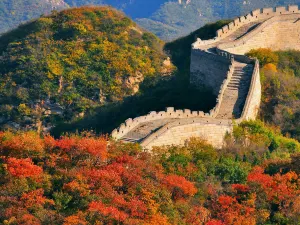
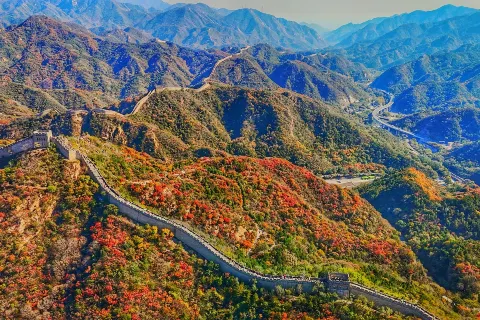
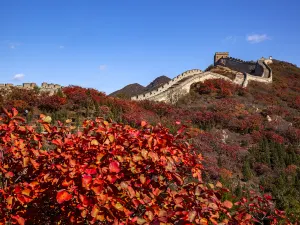
Badaling Great Wall
4.7
/5
55842 reviews
10
From SAR 18.65

Based on 11,099 reviews
Badaling Great Wall/Badaling Wildlife Park | >100 km from downtown
Phone +864008180088
Address: Exit 58 of G6 Beijing-Lhasa Expressway, Yanqing District, Beijing
Recommended sightseeing time: 3–4 hours
Highlights:
Take a cable car to enjoy the fall scenery of The Great Wall
World Heritage Site

Saved by 10204 users39629 positive reviews
Verified user reviews


The Great Wall itself is magnificent, but the scenery is somewhat lacking in winter, and the cold and windy weather makes the experience even worse. However, as a place of spiritual significance, it is still worth a visit.
Buying VIP tickets during peak season is a great deal, as it saves a lot of queuing time. There are dedicated lounges, complimentary photo opportunities and creative ice cream, and you can use the VIP lane throughout the entire trip. You also get priority boarding the cable car. We easily and quickly got to the Great Wall.

Show All Photos
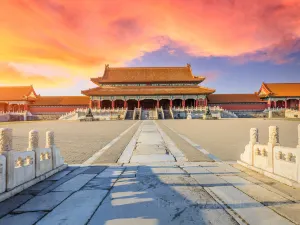
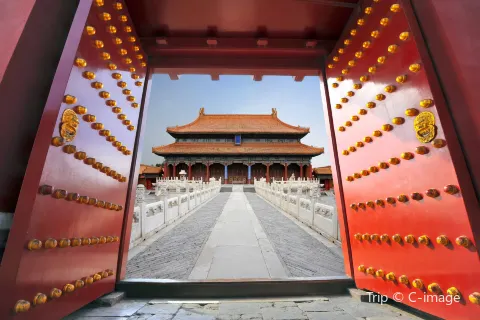
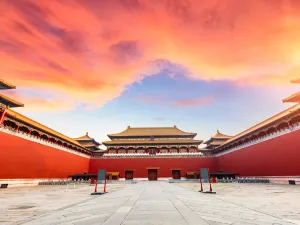
The Palace Museum
4.8
/5
187534 reviews
10
From SAR 31.96

Based on 14,262 reviews
Tian'anmen Square and Wangfujing Area | >100 km from downtown
Phone +864009501925
Address: No. 4, Jingshanqian Street, Dongcheng District, Beijing
Recommended sightseeing time: 0.5–1 day
Highlights:
Admire the flowers and plants in the Imperial Garden in Forbidden City
World Heritage Site
Saved by 15969 users115443 positive reviews
Verified user reviews


It was my first time visiting the Forbidden City, and it was quite windy, but Mr. Xu, the top student from Beijing, remained incredibly enthusiastic and guided us through all the attractions open that day. Highly recommended! 👍👍👍
Teacher Wang's explanation was very detailed, vivid, and interesting, making my trip to the Forbidden City a perfect experience! Through thick and thin, we'll meet again in Beijing! 🥳🥳🥳🥳

Show All Photos
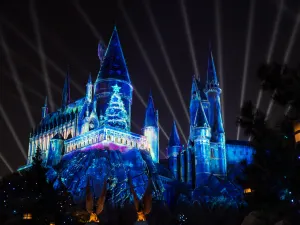
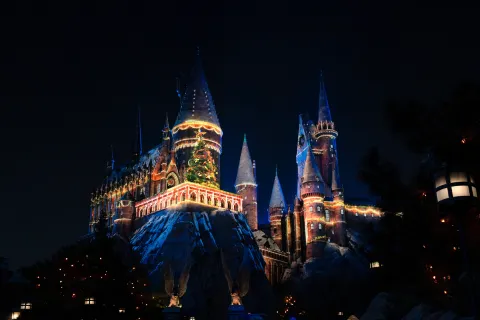
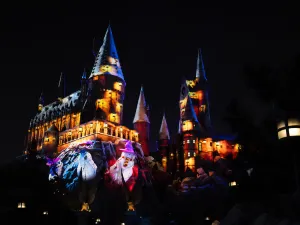
Universal Beijing Resort
4.6
/5
56072 reviews
10
From SAR 177.89
Based on 70 reviews
Universal Beijing Resort and Sorrounding | >100 km from downtown
Phone +864000688688
Address: Universal Beijing Resort, Tongzhou District, Beijing
Recommended sightseeing time: 1–2 days
Highlights:
Summer Water Party
The world's fifth Universal Studios theme park
Saved by 14281 users50720 positive reviews
Verified user reviews



The overall experience at Universal Studios Beijing was fantastic. The rides were thrilling and fun, the shows were top-notch, the effects were stunning, and the technology was amazing. The staff were very attentive and patient, taking great care of visitors. Whether you're enjoying the rides or watching the shows, it's definitely worth a visit.
I just hated the long lines however it was sooo amazing. I had sooo much fun. Next time am booking the fast track tickets as those did not have any queues at all. If you going do yourself that favour and book fast track tickets
No.
4
Show All Photos
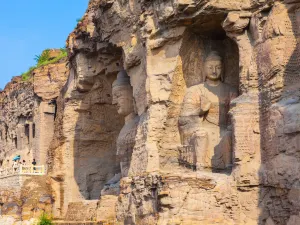
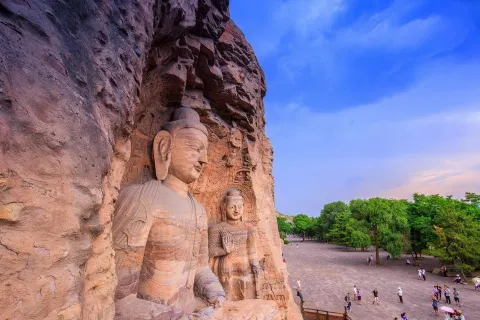
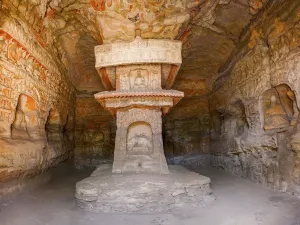
Yungang Grottoes
4.8
/5
31778 reviews
8.9
From SAR 53.27
Based on 996 reviews
>100 km from downtown
Phone +8603527992666
Address: No. 1, Yungang Town, Yungang District, Datong City, Shanxi Province
Recommended sightseeing time: 3–4 hours
Highlights:
Stroll through the grottoes and explore Forty Caves
59,000+ stone sculptures inside caves
Saved by 867 users24823 positive reviews
Verified user reviews
The Yungang Grottoes are quite magnificent. I went in the afternoon, but the guided tour was a bit slow, so I missed seeing the iconic Buddha statue in Cave 20. It was already dark when I got there. Every Buddha statue is exquisite and beautiful. You should come early, otherwise the oxidation will be more severe.
Overall, I enjoyed the trip very much. Our tour guide, Xiao Feng, was attentive and responsible throughout, arranging punctual and safe transportation. Her explanations along the way were also very patient and detailed. I was extremely satisfied and thoroughly enjoyed the trip.
No.
5
Show All Photos
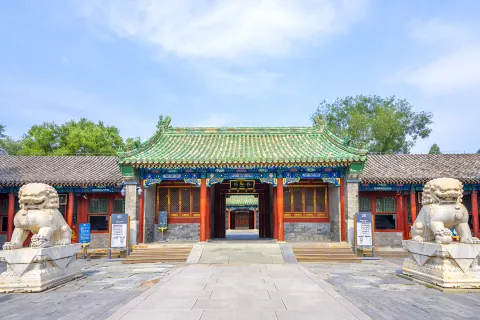
Prince Kung's Palace Museum
4.7
/5
32144 reviews
8.8
From SAR 21.31
Based on 430 reviews
Houhai Area | >100 km from downtown
Phone +8601083288149
Address: No.14, Liuyin Street, Xicheng District, Beijing
Recommended sightseeing time: 2–4 hours
Highlights:
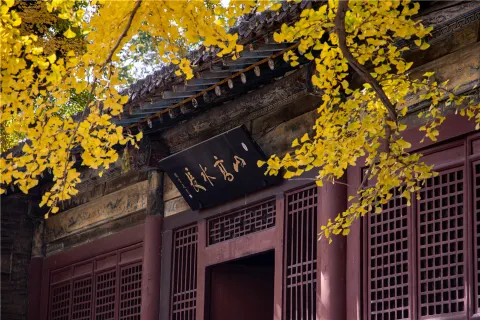
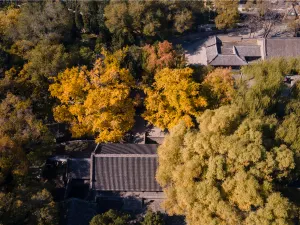
Ginkgo trees and ancient buildings create an autumn scene
Over 30 different architectural complexes
Saved by 4477 users24212 positive reviews
Verified user reviews

Winter is a great time to visit as there is no crowd. Enjoy the street food and the historical mansion of prince gong. Took about 3 hours in there. Station is BeiHaiBei station and 5 mins walk to the mansion
Stepping into Prince Gong's Mansion is like stepping into a long scroll depicting the rise and fall of Qing Dynasty princely residences. This mansion, once the residence of Heshen and later Prince Qing Yikuang, possesses both the grandeur of imperial gardens and the exquisite craftsmanship of Jiangnan courtyards; every brick and tile exudes a sense of history.
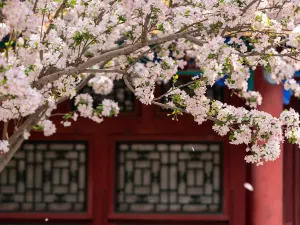
The mansion is divided into the residence itself and the garden. The Yin'an Hall in the central axis of the residence is solemn and majestic, with vermilion pillars and gilded decorations, offering glimpses of the grand banquets once held there. The Duofuxuan and Ledaotang in the eastern axis feature intricately carved wooden windows and powerful calligraphy on plaques, exuding a refined scholarly atmosphere. Most breathtaking is the Xijinzhai in the western axis, with its exquisitely crafted carvings of golden nanmu wood. It is said that Heshen's misuse of this royal wood ultimately led to his downfall.
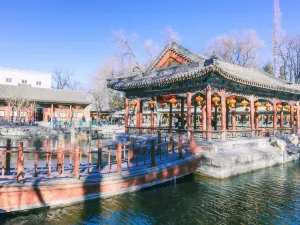
The rear garden is even more ingeniously designed. A winding corridor meanders around the pond, its walls adorned with numerous "福" (fortune/blessing) character steles, each possessing its own unique charm. Hidden among the artificial hills and rocks are secret passages, leading to a panoramic view of the entire garden from the summit. The pond, named "Bat Pond" for its bat-like shape, subtly conveys the wish for "receiving good fortune," showcasing the wisdom of the ancients.
Strolling through the garden, one can appreciate the elegance of the pavilions and towers while also savoring the weight of history. Compared to the grandeur of the Forbidden City, Prince Gong's Mansion possesses a more down-to-earth atmosphere, making it an excellent place to experience the culture of Qing Dynasty princely residences.
No.
6
Show All Photos
Jinci Museum
4.8
/5
14594 reviews
8.6
From SAR 42.62
Based on 119 reviews
Taiyuan Ancient County/Jinci Temple | >100 km from downtown
Phone +864006088608
Address: In Jinci Park, Jinyuan District, Taiyuan City, Shanxi Province
Recommended sightseeing time: 2–4 hours
Highlights:
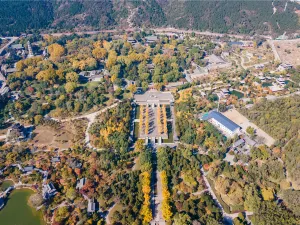
Growing Buddhist Relics Tower overlooking Jinci's panorama
Jinci's Three Treasures showcase ancient architectural charm
Saved by 159 users11423 positive reviews
Verified user reviews


Aside from the rainy day, everything else was great. The only thing was that we came across the Jinci Temple, a place covered in a high school or middle school textbook, and we thought it was worth visiting. The temple itself is very rich in content, and there are other attractions nearby, but because it was raining, we could only visit a few of those places.
It was fantastic! We hired a tour guide who explained the history and origins of Jinci Temple as we walked. The guide was excellent! 😊 We spent about two hours exploring the temple grounds and surrounding area. I especially loved the architecture and trees.
No.
7
Show All Photos
Temple of Heaven
4.7
/5
19587 reviews
8.5
From SAR 30.90
Qianmen, The Temple Of Heaven and Chongwenmen | >100 km from downtown
Phone +8601067028866
Address: No.1, Tiantan Road, Dongcheng District, Beijing
Recommended sightseeing time: 2–4 hours
Highlights:
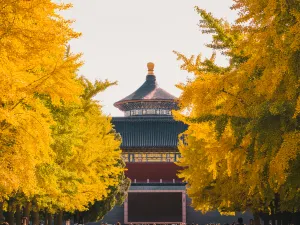
Stroll on Ginkgo Avenue's Golden Carpet
World Heritage Site
Saved by 10968 users13638 positive reviews
Verified user reviews



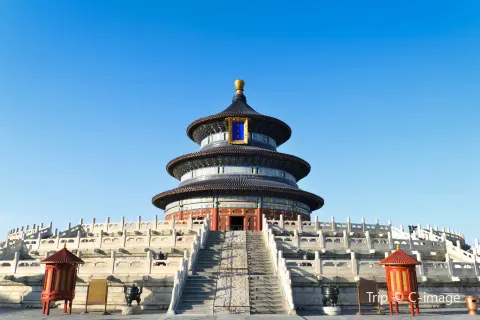
Visiting the Temple of Heaven (天坛) in Beijing is a deeply enriching experience that blends history, architecture, and traditional Chinese philosophy. Built during the Ming Dynasty, this UNESCO World Heritage Site was where emperors once came to pray for good harvests, believing they were the “Sons of Heaven” responsible for maintaining harmony between heaven and earth.The most iconic structure here is the Hall of Prayer for Good Harvests (祈年殿), with its striking blue-tiled roof and perfectly symmetrical design. What’s fascinating is that the entire structure was built without a single nail, showcasing the incredible craftsmanship of ancient Chinese builders. Walking through the vast park grounds, you’ll also notice locals practicing tai chi, singing, or simply enjoying the open space, which adds a living, cultural dimension to the visit.The atmosphere is peaceful and spacious, a pleasant break from Beijing’s busy streets. Whether you’re interested in Chinese history, arch
The booking was done seamlessly. However the QR code I wasn't able to view it in app.. only available to scan the QR code from the email confirmation. Fortunate to experience snow and a different scenery..
No.
8
Show All Photos
Pingyao Ancient City
4.6
/5
21810 reviews
8.5
From SAR 63.92
Based on 1,384 reviews
Inside Pingyao Ancient City | >100 km from downtown
Phone +8603545690000
Address: No. 58 Zhaobi South Street, Pingyao County, Jinzhong City
Recommended sightseeing time: 1–2 days
Highlights:
Enjoy stunning sunset views from the city wall in the evening
World-class photography exhibition
Saved by 513 users13913 positive reviews
Verified user reviews


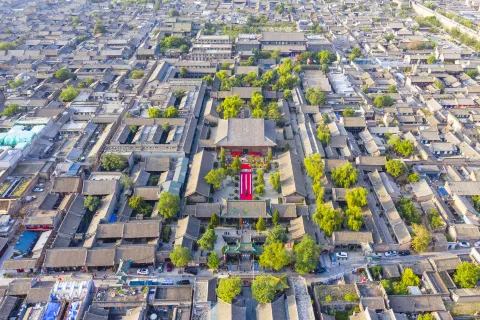
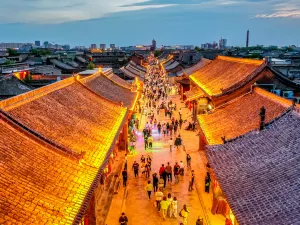
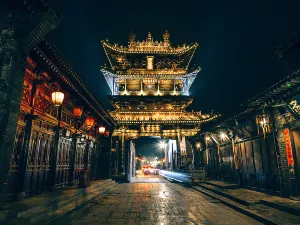
Pingyao was first built during the reign of King Xuan of the Western Zhou Dynasty, approximately 2800 years ago. It is the best-preserved prototype of a Ming and Qing Dynasty county town in China.
The city walls, county government offices, and Rishengchang Exchange House, among other buildings, are completely preserved, reflecting the architectural style and feudal etiquette of the Han Chinese people during the Ming and Qing Dynasties.
This is a combined ticket, and you definitely can't see everything in one day; you'll need at least two days. The attractions are quite far apart, and if you don't visit these sites, the old town is basically just a commercial area. There's not much to see there. Try to avoid eating inside the old town. But the problem is, there don't seem to be many good restaurants outside either.
No.
9
Show All Photos
Summer Palace
4.7
/5
49053 reviews
8.4
From SAR 34.09
Based on 15,118 reviews
Zhongguancun Area | >100 km from downtown
Address: No. 19, Gongmeng Road, Haidian District, Beijing
Recommended sightseeing time: 0.5–1 day
Highlights:
Overlook autumn scenery from the Tower of Buddhist Incense(Summer Palace)
World Cultural Heritage
Saved by 9940 users27638 positive reviews
Verified user reviews

小徐老师知识渊博,讲解耐心细致,让我们真正看懂了颐和园。一路还热心指点最佳的拍照位置,收获满满,不虚此行!
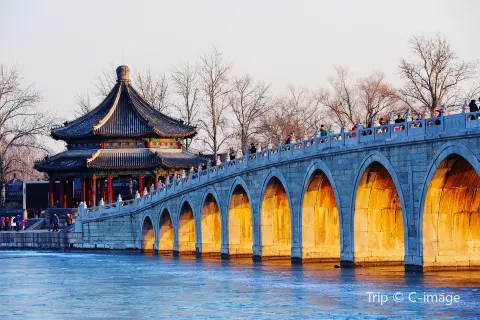
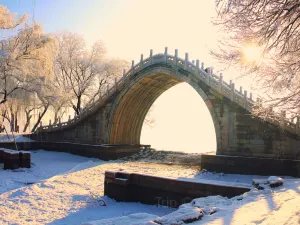
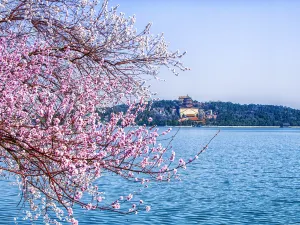
A Winter Wonder | The Peach Blossoms on the West Causeway of the Summer Palace are in Bloom! On a sunny December afternoon, I took a stroll through the Summer Palace. Entering through the South Ruyi Gate, I walked slowly along the West Causeway. The lake water on both sides of the causeway was frozen with a thin layer of ice. In this dry and chilly atmosphere, surprisingly, a peach tree was in bloom. The sparse buds on the branches looked delicate and small. The fully bloomed ones had withered due to the strong winds a few days ago. Finding a perfect photo would require careful searching…
Route: South Ruyi Gate ~ Xiuyi Bridge ~ West Causeway ~ Jingming Tower ~ Jade Belt Bridge ~ Exit through the North Ruyi Gate
No.
10
Show All Photos
Yingxian Wooden Pagoda
4.8
/5
16503 reviews
8.4
From SAR 25.04

Based on 182 reviews
>100 km from downtown
Phone +8603495088889
Address: Northwest corner of Yingxian city, Shuozhou city
Recommended sightseeing time: 1–2 hours
Highlights:
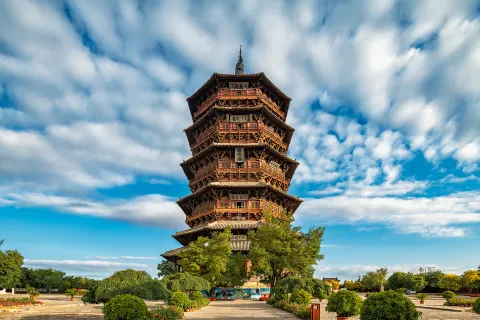
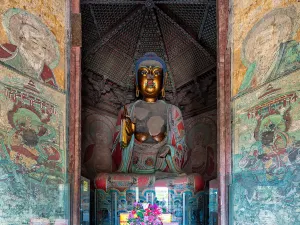
11-foot Buddha statue inside
Panoramic views of nature & history
Saved by 154 users15229 positive reviews
Verified user reviews


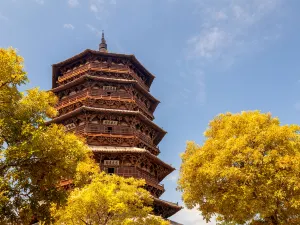
Inside, there's just a pagoda and a small temple. There's not much to see, and you'll finish quickly. If you don't know the history or hire a guide, you'll essentially only see a wooden pagoda. Therefore, it's recommended to learn about the relevant history beforehand or hire a guide.
We booked discounted tickets for the children, and entry was quick and easy with just a scan-to-enter code. Seeing the Yingxian Wooden Pagoda was truly awe-inspiring; its mortise and tenon structure, standing for nearly a thousand years, is remarkably well-preserved. It's a testament to the wisdom and craftsmanship of the ancients.
1
2
3
4
5



About
Payment methods
Our partners
Copyright © 2025 Trip.com Travel Singapore Pte. Ltd. All rights reserved
Site Operator: Trip.com Travel Singapore Pte. Ltd.
Site Operator: Trip.com Travel Singapore Pte. Ltd.