Ordinary Car (standard)
 2+3 seating
 Reserved or Non-Reserved seats
 Standard comfort and support
 Power outlets
 Free Wi-Fi
 Restrooms available
 Luggage storage
 Official partner
 4.6/5
4.6/5The Shinkansen is the Japanese bullet train, a high-speed railway network spanning the length and breadth of Japan's four major islands. Famed for its punctuality and speed, Shinkansen reaches up to 200 mph (320 km/h), with many different lines providing passengers across Japan with renowned Shinkansen speed and comfort.
You'll find the key differences between the services in the table below.
| Feature | Shinkansen Bullet Trains | Regular JR Trains |
|---|---|---|
Distance | Long-distance (Intercity) | Short-medium (Local/Regional) |
Speed | Ultra-fast (up to 186 mph/300 km/h) | Standard speed (60–80 mph/80–130 km/h) |
Train Service Types | Nozomi (fastest express) Hikari (second-fastest) Kodama (every stop) (other lines: Hayabusa.. etc.) | Express Rapid Limited Express Local (every stop) |
Tickets | Basic fare + Limited Express ticket | Basic fare (IC Card [for local/urban travel] or Paper ticket) |
Best for | long-distance travel between major cities | local commuting, or day trips. |
Nozomi, Hikari and Kodama are the three train service types that run along the Tokaido and Sanyo Shinkansen lines. The main difference between these three services is essentially the number of stops they make. From Tokyo to Osaka, for example, Nozomi makes the fewest stops, completing the journey in just 2h 30m. The Hikari service takes 2h 50m for the same journey while Kodama stops at every station on the route, taking about 4h.
| Feature | Nozomi Shinkansen | Hikari Shinkansen | Kodama Shinkansen |
|---|---|---|---|
Speed | Fastest
(Up to 186 mph/300 km/h) | Semi-Fast
(Up to 186 mph/300 km/h) | Slowest (Up to 177 mph/285 km/h) |
Stop Frequency | Major cities only | Major & key stations | All stations |
JR Pass Coverage | Extra ticket required | Fully covered | Fully covered |
Seat Booking | Reserved (Non-reserved available off-peak*) | Reserved & Non-reserved | Reserved & Non-reserved |
Best For | Time-critical travel | JR Pass holders | Flexible travel / Smaller stops |
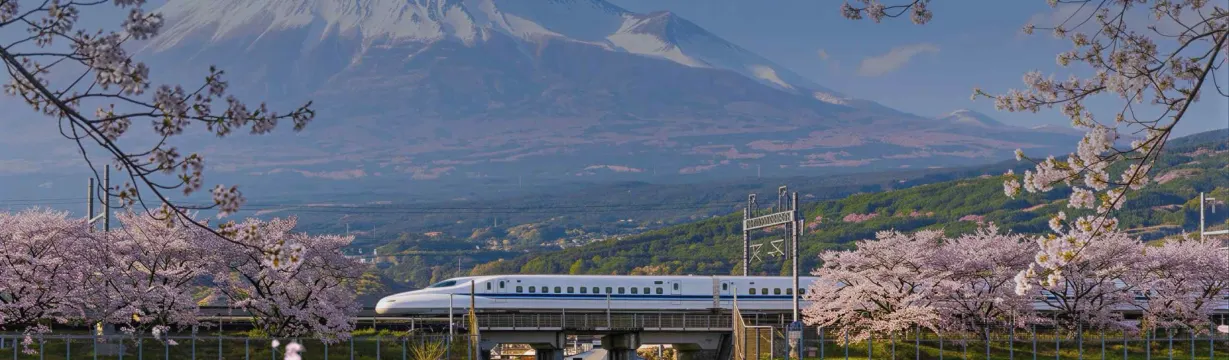
The Shinkansen route from Tokyo to Osaka is a popular journey along Japan's Golden Route, with the scenic highlight being the view of Mount Fuji about 40 to 45 minutes into the journey. Reserve a seat on the right-hand side for the best view!
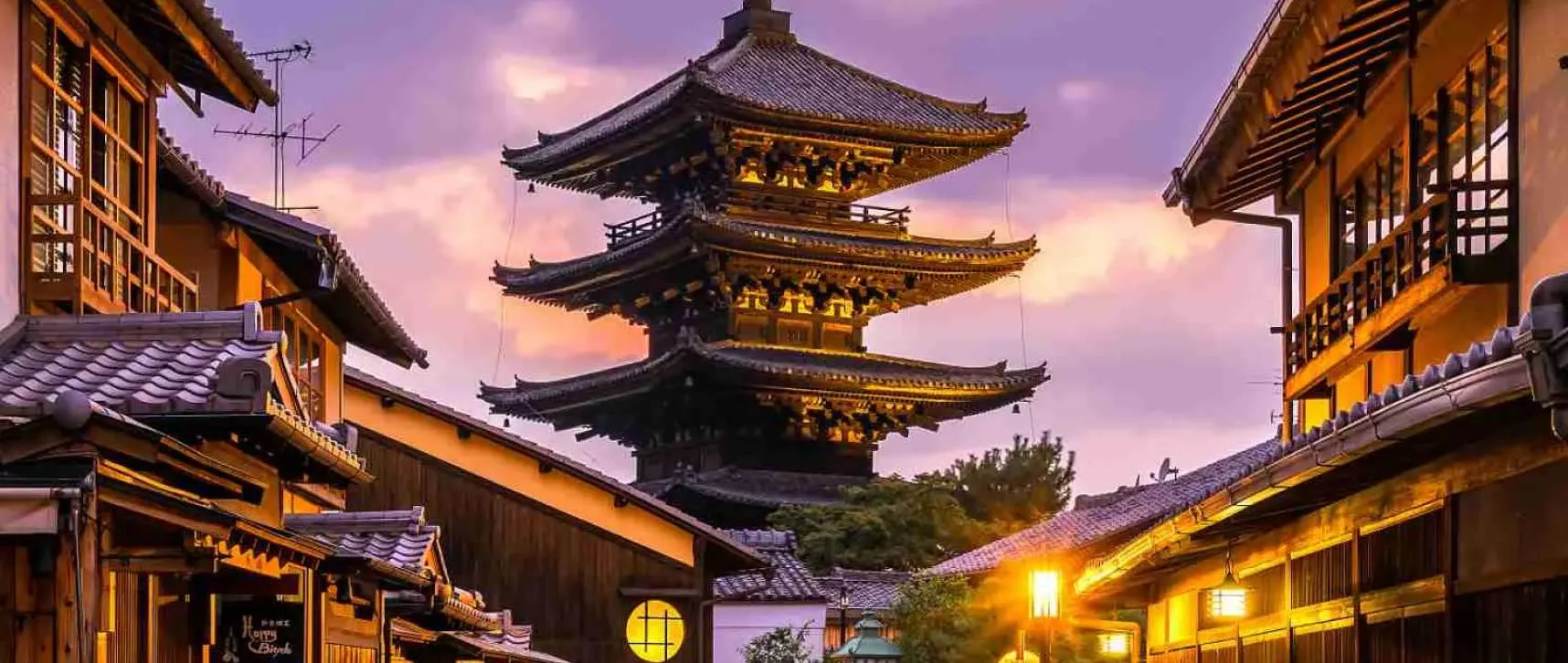
There are two stations in Japan's capital serving Shinkansen trains from Tokyo to Kyoto: Tokyo Station or Shinagawa Station. Tokyo Station is normally the first stop on the line, so you may have a better chance of nabbing a non-reserved seat here, though Shinagawa is more compact and easier to navigate with luggage.
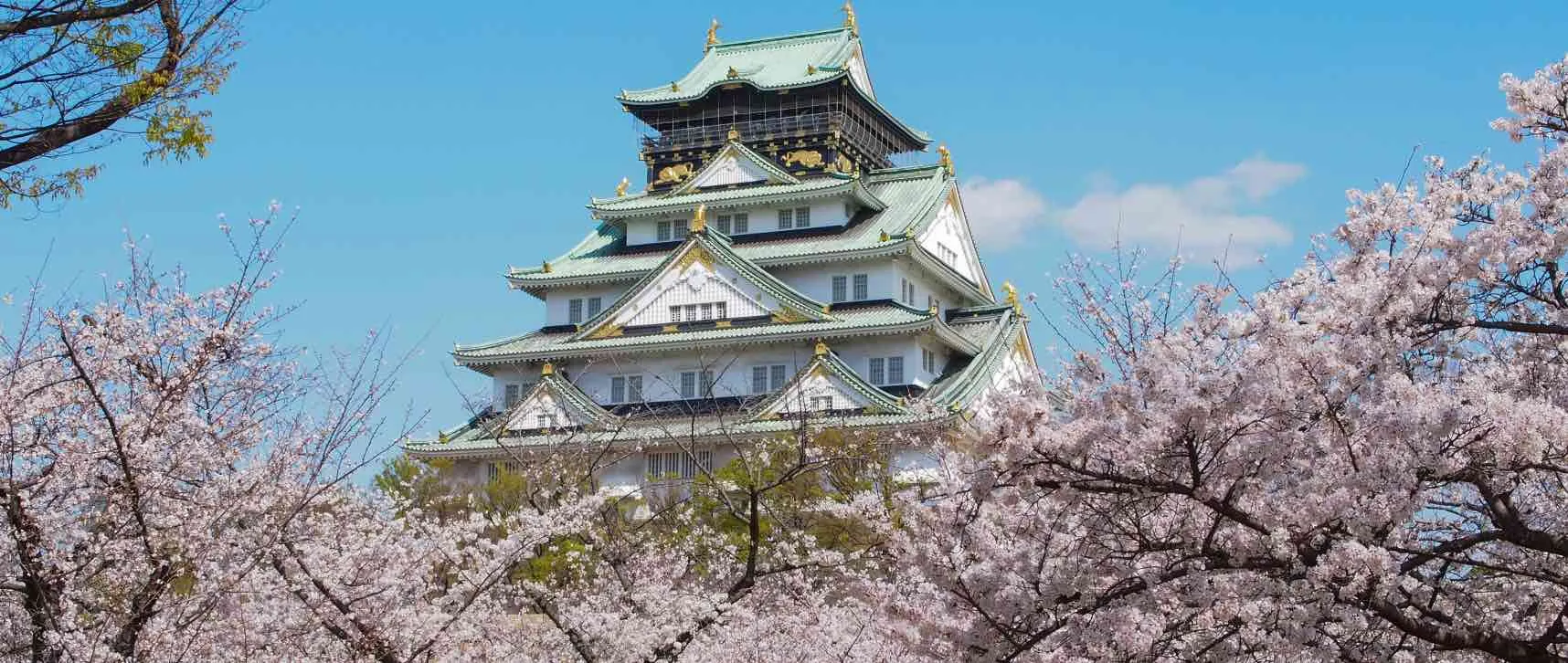
The Shinkansen Osaka to Kyoto bullet train departs from Shin-Osaka station, meaning you will need to take a subway or local train transfer if starting in central Osaka – e.g. from Namba or Umeda. The Shinkansen halves the journey duration of regular trains, taking just 13–15 minutes compared to 25–30 minutes.
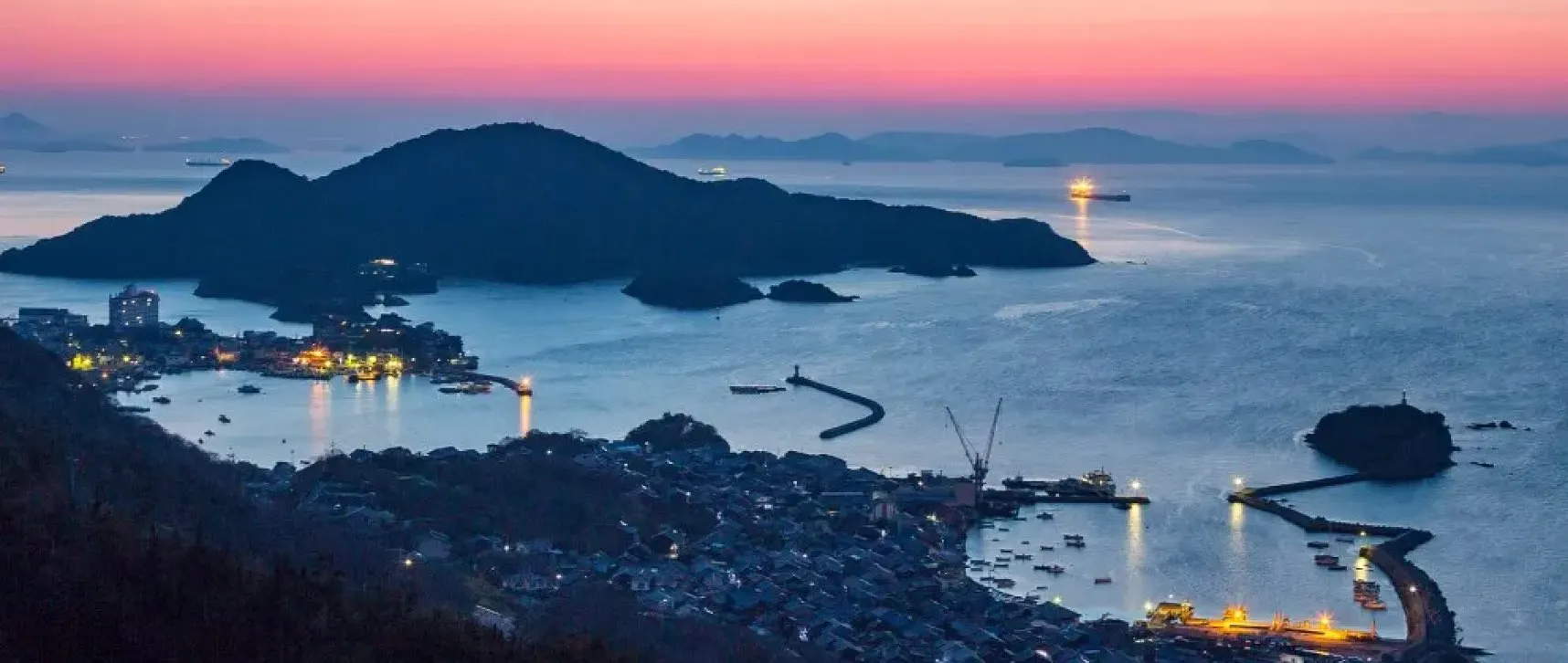
The Shinkansen from Kyoto to Hiroshima is a swift journey with highly regular departures, especially on Nozomi services. Remember, if you are travelling from Kyoto to Hiroshima with a JR Pass, Nozomi bullet trains are not covered – you will need a separate supplementary ticket. If you decide to go by Hikari or Sakura services, you may need to transfer at Shin-Osaka or Shin-Kobe station.
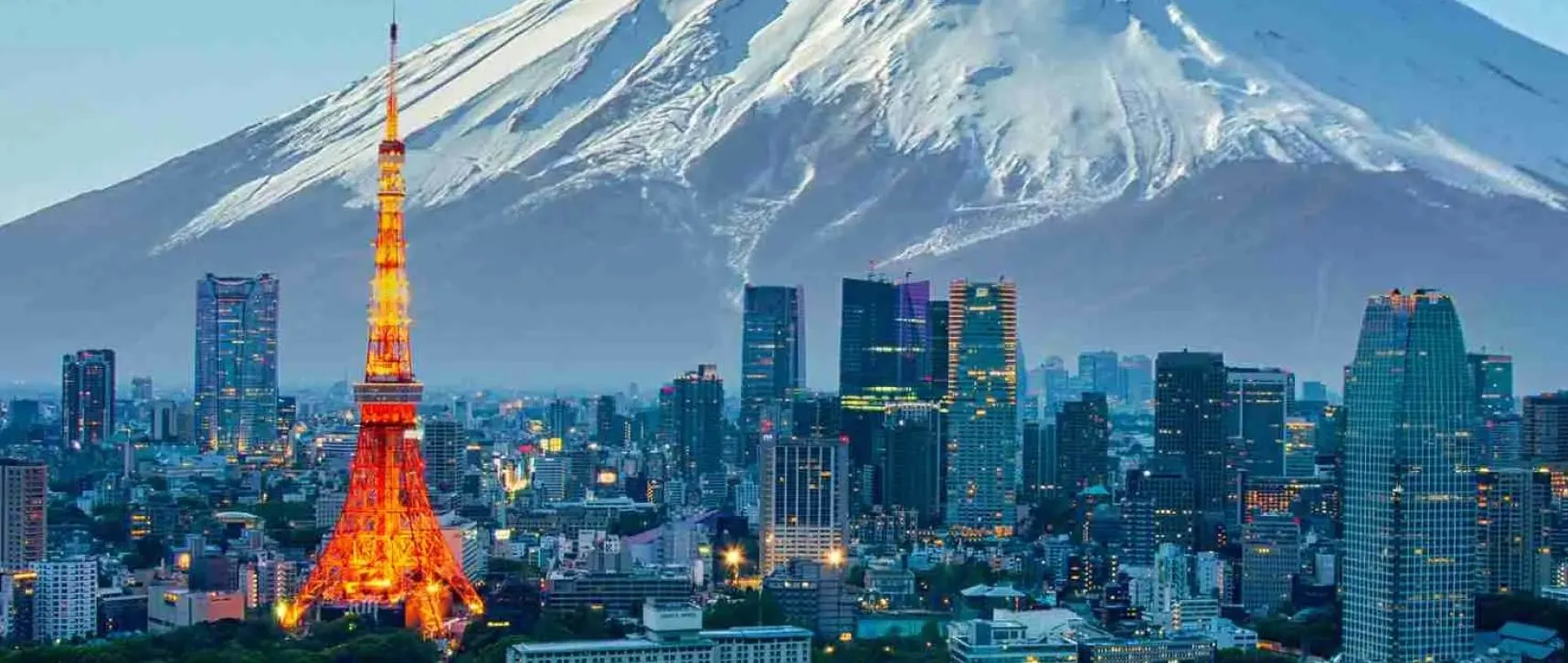
The bullet train from Nagoya to Tokyo covers the 212-mile (341 km) distance in as little as an hour and a half. If you want to take the Shinkansen from Nagoya to Tokyo Haneda Airport, you will need to transfer to a roughly 20-minute commuter train at Shinagawa Station to continue your journey to the airport.
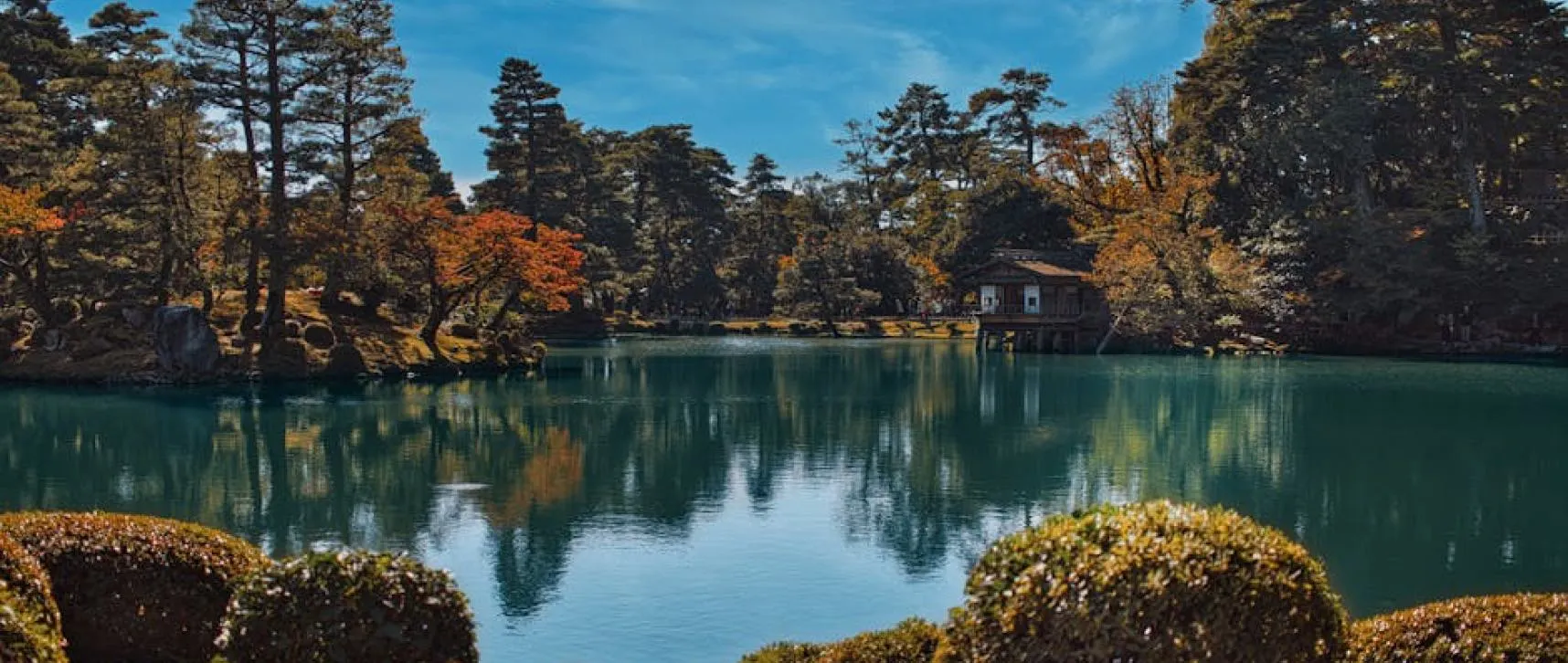
The Tokyo to Kanazawa route is part of the Hokuriku Shinkansen line, which is completely covered by the JR Pass. The journey offers views of stunning mountainscapes, especially between Nagano and Toyama.
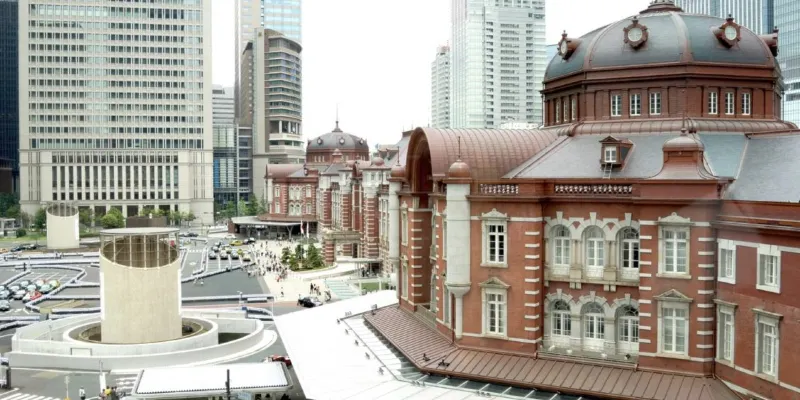
Tokyo Station is Japan's central hub for the Shinkansen network. You can reach Kyoto/Osaka and the Tohoku and Hokkaido regions from here. Shinkansen platforms are all located on the East Side (Yaesu) of the station.
Address: 1 Chome Marunouchi, Chiyoda City, Tokyo 100-0005, Japan
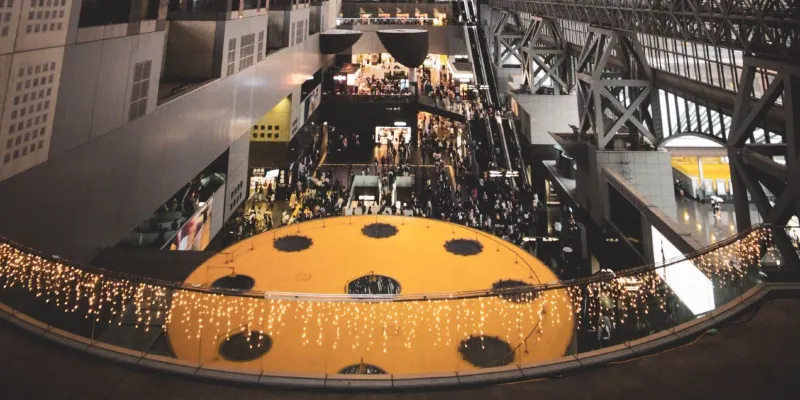
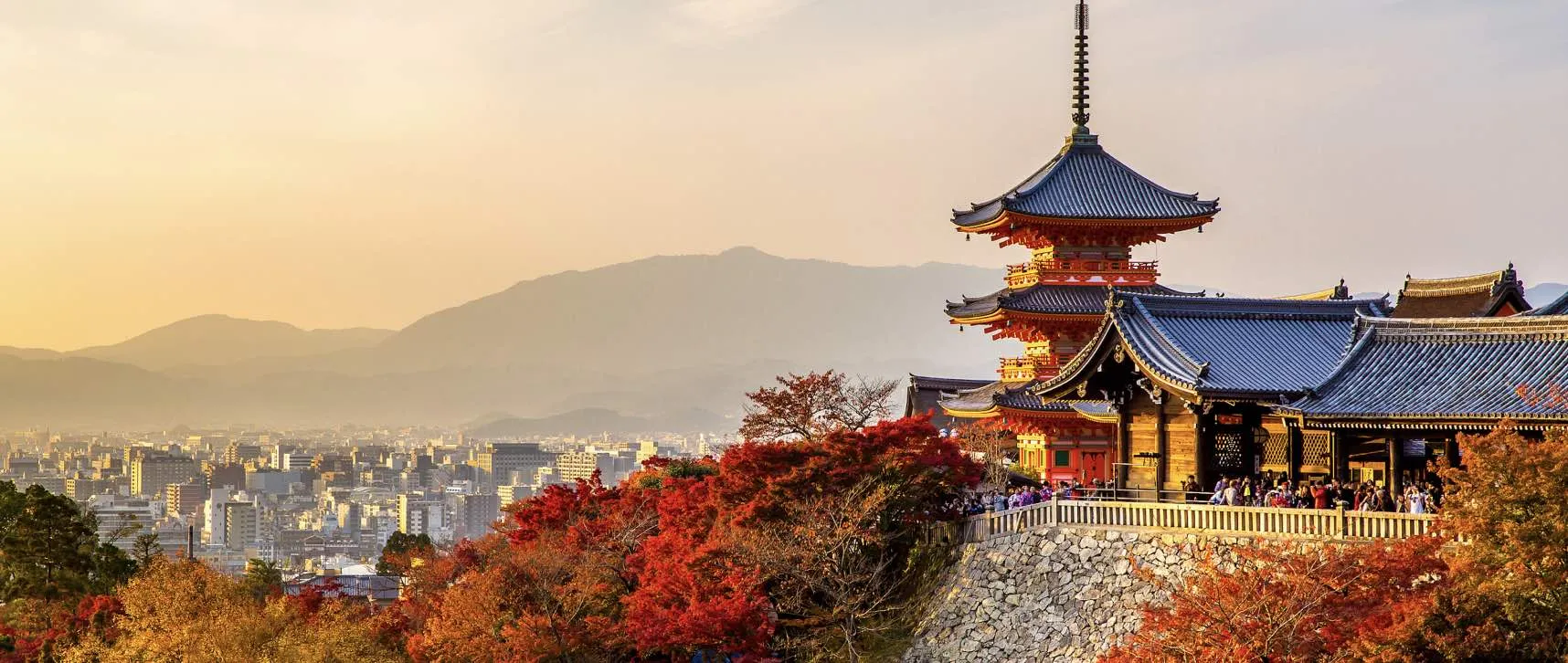
Kyoto Station is the only Shinkansen station in Kyoto and operates the Tokaido-Sanyo bullet train line connecting to Tokyo, Osaka and Hiroshima. Shinkansen platforms are on the south (Hachijo) side of the 3rd floor.
Address: Higashishiokoji Kamadonocho, Shimogyo Ward, Kyoto, Japan
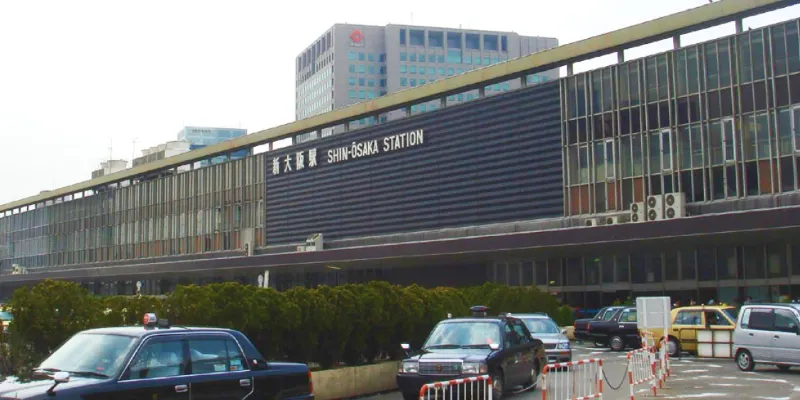
Three Shinkansen lines run through Shin-Osaka Station: the Tokaido, Kyushu and Sanyo lines, connecting to Tokyo, Hiroshima and Fukuoka, respectively. Access to Shinkansen trains is via South or Central Gates on the 3rd floor.
Address: 5 Chome-16-1 Nishinakajima, Yodogawa Ward, Osaka, 532-0011, Japan
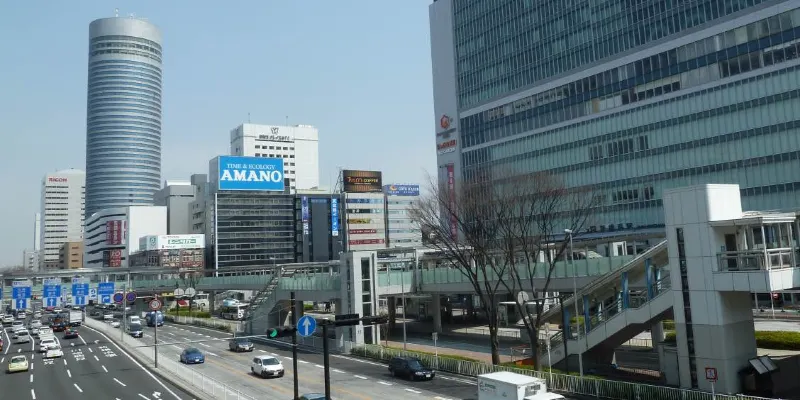
Shin-Yokohama station connects Tokyo to western cities, such as Tokyo, Nagoya and Osaka. Shinkansen platforms are on the 3rd floor, and you can transfer by local rail to Yokohoma Station in about 10 minutes.
Address: 2 Chome Shinyokohama, Kohoku Ward, Yokohama, Kanagawa 222-0026, Japan
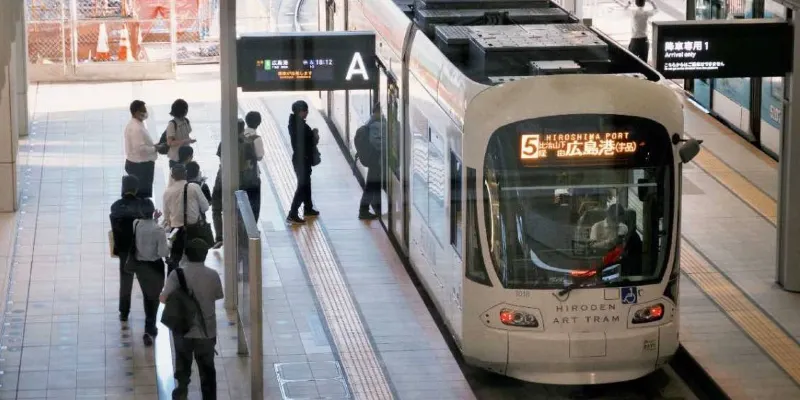
Hiroshima Station is a key stop on the Sanyo Shinkansen line, connecting to major cities like Tokyo, Osaka and destinations on Kyushu. The Shinkansen area is located on the 3rd floor.
Address: 2-37 Matsubaracho, Minami Ward, Hiroshima, 732-0822, Japan
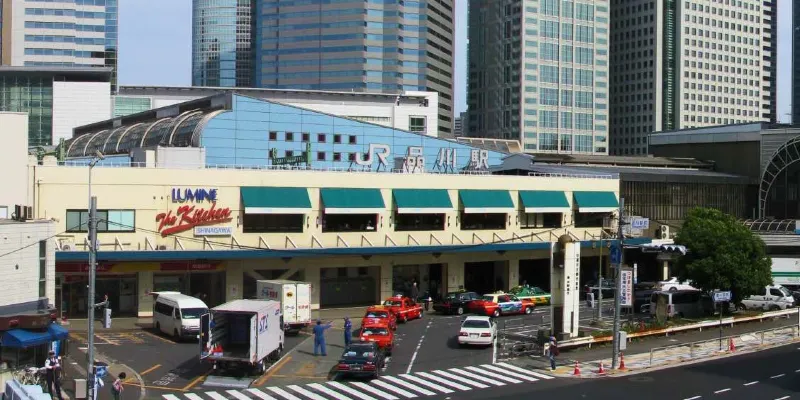
Shinagawa is Tokyo's second Shinkansen station and is quick and easy to navigate. Bullet trains from here connect to Nagoya, Osaka and Fukuoka. Shinkansen gates are located inside the JR concourse closer to the East Side (Konan).
Address: 3 Chome-26-27 Takanawa, Minato City, Tokyo 108-0074, Japan
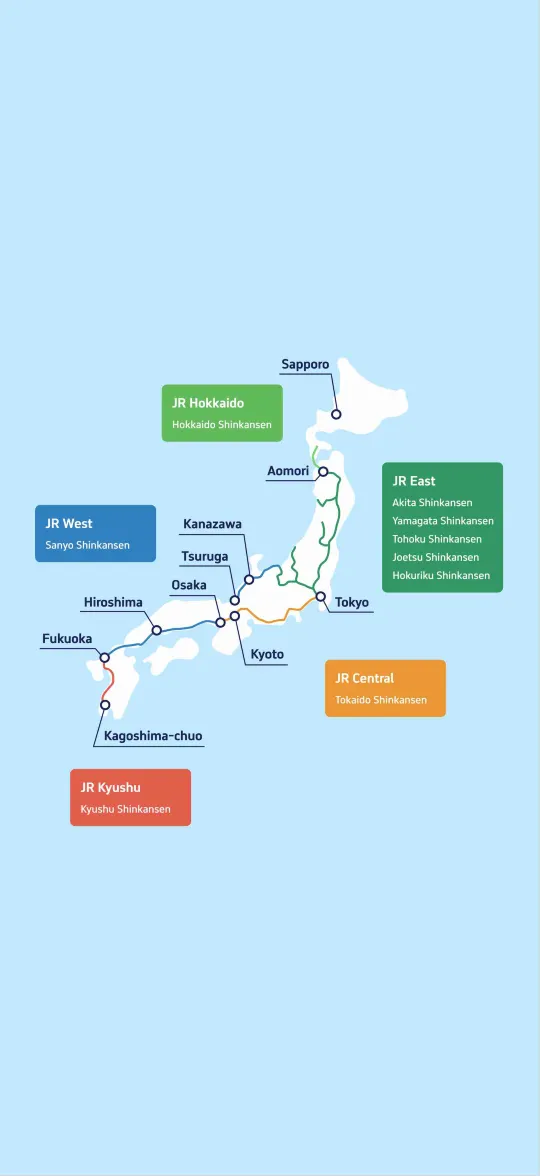
The Tokaido Shinkansen is the original bullet train line in Japan, with top speeds of up to 177 mph (285 km/h). The line stretches 320 mi (515 km) and connects major destinations such as Tokyo, Kyoto and Yokohama.
The Hokuriku Shinkansen connects Tokyo to Tsuruga in the Fukui Prefecture. The line spans 292 miles (470 km) and reaches top speeds of 171 mph (275 km/h) in some stretches. Key intermediary stops along the Hokuriku Shinkansen line include Takasaki, Nagano and Kanazawa.
The Sanyo Shinkansen is a 344-mile (554 km) long line connecting Shin-Osaka Station in Osaka to Hakata Station in Fukuoka. It reaches top speeds of 186 mph (300 km/h) and serves major western Japanese cities such as Kobe, Okayama and Hiroshima.
Tohoku Shinkansen is Japan's longest bullet train line, at 420 miles (675 km). It spans from Tokyo in the south to Shin-Aomori in the north, stopping at major destinations such as Sendai, Morioka and Koriyama along the way. Tohoku bullet trains reach top speeds of 200 mph (320 km/h) in some stretches, which also makes it the fastest Shinkansen line in Japan.
The JR Pass is a travel pass that allows visitors to Japan to take unlimited journeys on the JR Network, from Shinkansen lines to local buses. It is a great option for passengers who want to cover high distances on their trip to Japan. Discover all the details on the JR Pass and network policy below.
The National JR Pass covers travel on all Shinkansen lines across Japan. On most train services, you don't need to pay any extra fees to travel on bullet trains when you have a JR Pass, which is not the case when travelling with regular paper tickets or IC cards. This makes travelling with a JR Pass a highly convenient option for passengers who want to cover lots of distance in a short amount of time while in Japan.
If you're planning on sticking to one region during your stay in Japan, a regional JR pass is a great option. This can be an affordable way to still benefit from unlimited Shinkansen rides.
Some example of regional JR passes valid on Shinkansen trains include the JR East-South Hokkaido Rail Pass for travel between Tokyo, Sendai and Sapporo; the JR Tokyo-Wide Pass for travel within the desingated greater Kanto area; and the JR West All Area Pass for trabel on the Sanyo and Hokuriku Shinkansen lines connecting major cities like Osaka, Kyoto and Hiroshima.
Although the JR Pass does not incur a supplementary fee on most Shinkansen lines, there are two exceptions. On Nozomi and Mizuhu services (the fastest services on the Tokaido–Sanyo and Sanyo–Kyushu routes respectively), JR Pass holders must purchase an additional ticket before boarding.
Advance seat reservaions are required to sit in a reserved car. Luckily, JR Pass holders can make Shinkansen seat reservations for free at ticket machines and ticket offices, where they will receive a seat reservation ticket indicating the seat number.
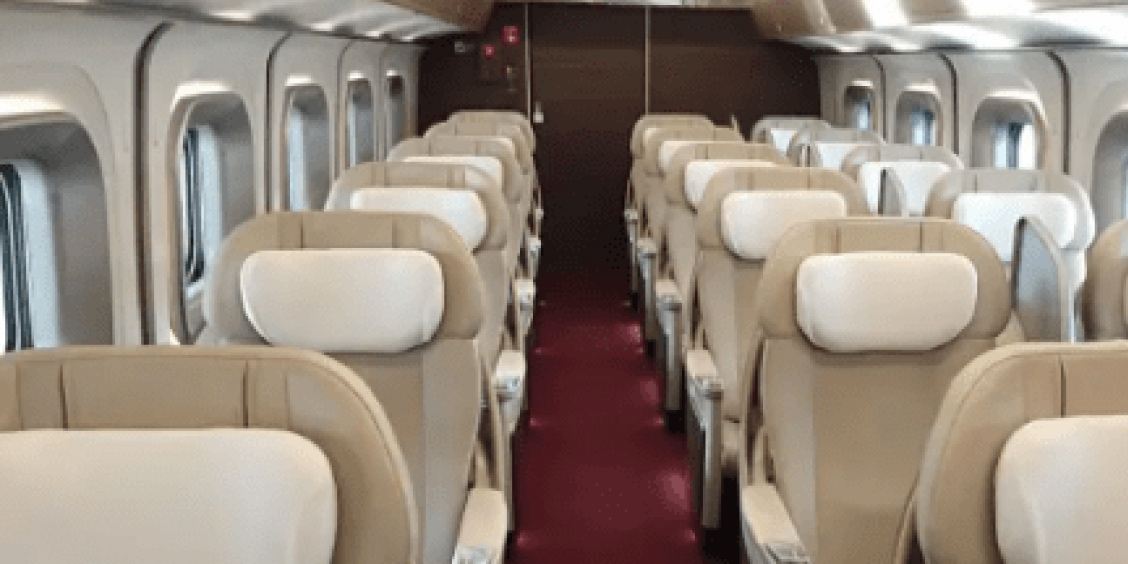
In Japan, bullet trains—known as Shinkansen—are normally divided into two main classes: Ordinary (standard) and Green (first). Some trains have an extra Gran Class (luxury). Exact features vary by operator. Here's what to expect:
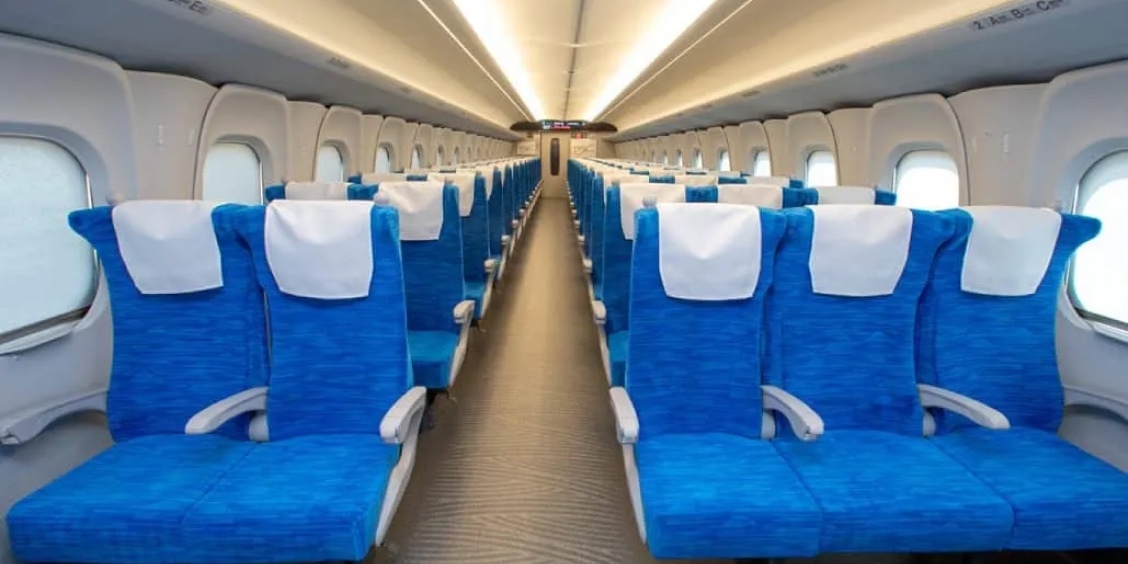 2+3 seatingReserved or Non-Reserved seatsStandard comfort and supportPower outletsFree Wi-FiRestrooms availableLuggage storage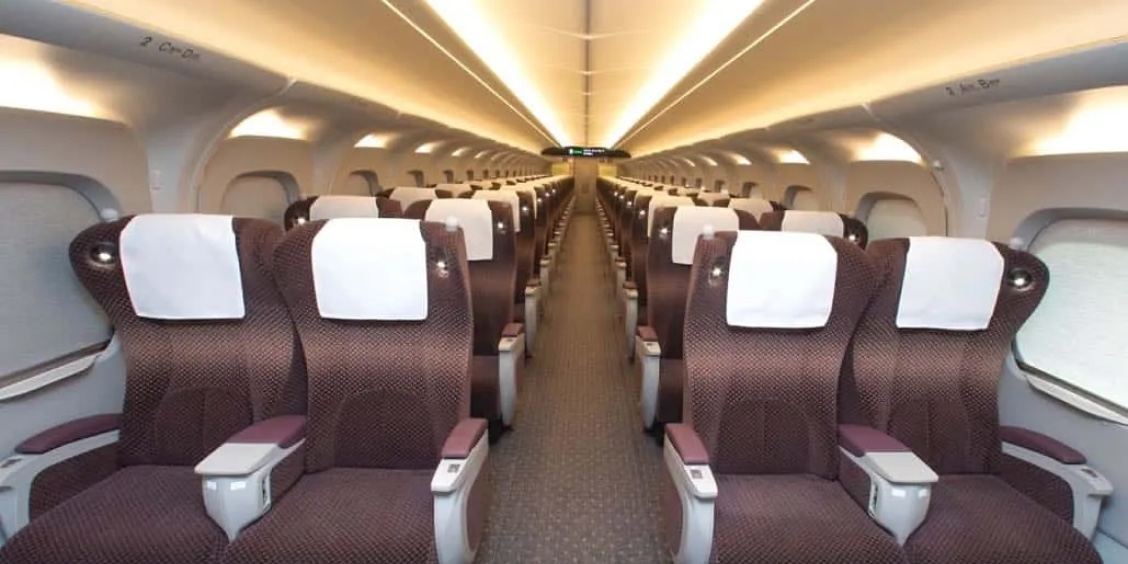
 2+2 seatingReserved seats
 Spacious with wide seats and extra legroomPower outletsFree Wi-FiRestrooms available
 Personal reading lights
 Quieter, premium atmosphere
 Perfect for business travelers and those seeking a more relaxing journey
 1+2 seatingUltra spacious and reclining leather seatsPower outletsFree Wi-Fi
 Complimentary water, snacks, and wet towels
(*Not available on "GranClass (No Beverage or Light Meal Service)" trains)
Complimentary water, snacks, and wet towels
(*Not available on "GranClass (No Beverage or Light Meal Service)" trains) Dedicated attendant service on most services
 Luxury amenities like slippers
 More privacy and spaceTop choice for luxury. Only available on certain lines (like Hokuriku).
Shinkansen luggage policies can vary slightly by line, but baggage allowance is uniform across all Shinkansen routes. If you're traveling with oversized luggage, you'll need to review the Shinkansen luggage rules a bit more closely.
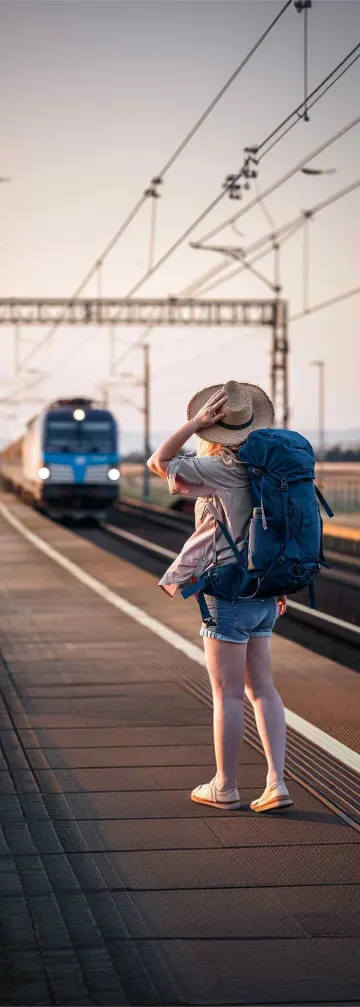
Baggage with total dimensions between 161 cm and 250 cm (height + width + depth) are considered oversized baggage. Passengers with oversized baggage must reserve an oversized baggage seat on lines between some major cities (same price as regular reserved seat). These seats are usually found at the last row of each car, and oversized bags can be placed in the space behind your seat. Traveling without a reservation for this luggage space can result in a fine on some lines.
There are three categories of Shinkansen child tickets, each with different pricing and age limits. Consult the different ticket categories below.
| Category | Age Group | Fare Price |
|---|---|---|
Adult ticket | 12+ years old | 100% (Full Price) |
Child | 6 – 11 years old | 50% (Half Price) |
Infant | 1 – 5 years old | Free |
Baby | Under 1 year old | Free |
Infants (1 to 5 years) and babies (under 1 year) generally travel free on Shinkansen trains, except in some specific situations as follows:
If your kid needs their own reserved seat, a charge will apply for their seat. This will vary depending on the car class:
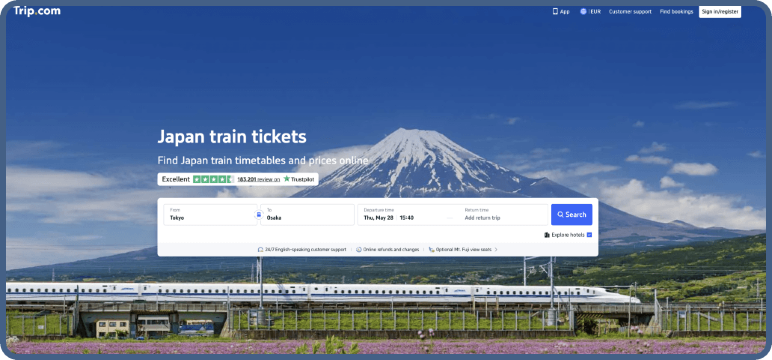
Enter your origin and destination, select your travel dates and number of passengers. Add a return date if needed to see Shinkansen schedules on Trip.com.
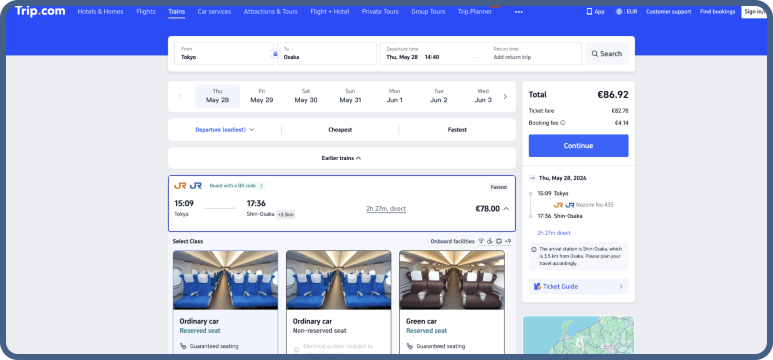
Pick your departure time and choose Ordinary or Green Car class. Click through and complete the passenger details in the form.
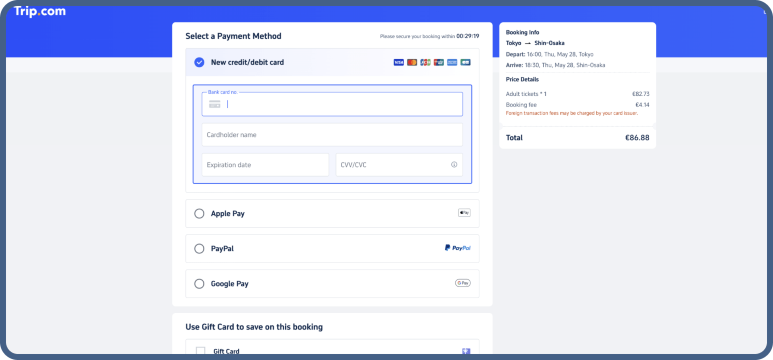
Complete your booking and pay in your chosen currency with secure payment methods, including credit/debit cards, Apple Pay, PayPal, and Google Pay.
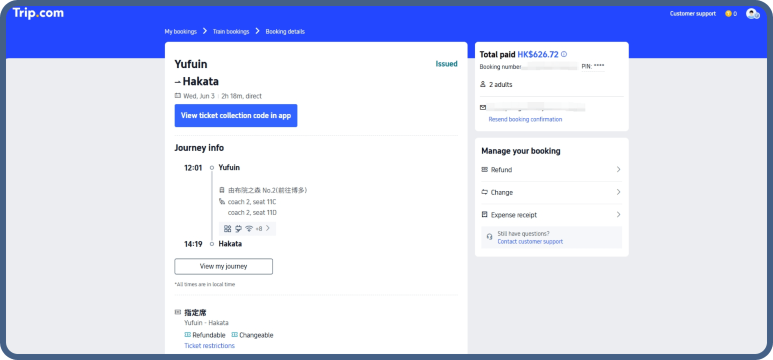
Receive your e-tickets and itinerary details via email or through the Trip.com app. Confirmation is instant as soon as payment is complete.
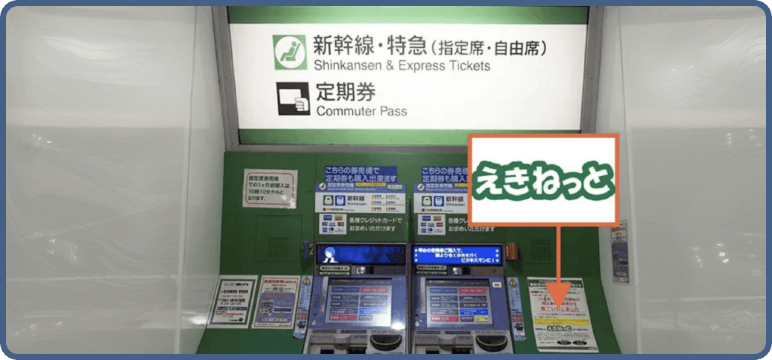
For most journeys, you can go through the ticket gates by scanning your QR code. If needed, you can easily print tickets at the ticket machine.
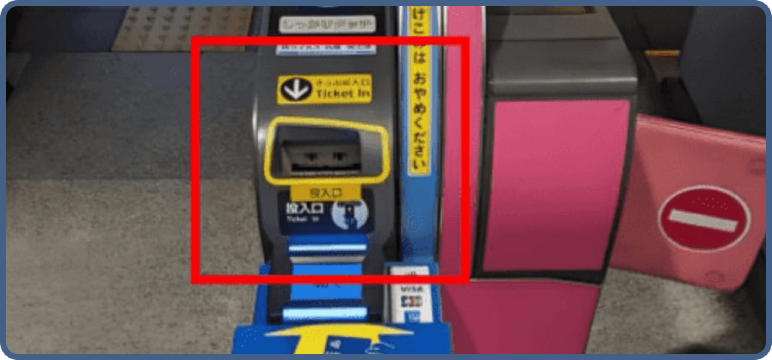
Scan your QR code or insert your paper ticket into the barriers to access the platforms and board the train.
Yes, Trip.com is an authorized Shinkansen partner that provides authentic tickets and guaranteed bookings directly through official Japan Rail systems.
Advance Shinkansen tickets can be booked up to 90 days before travel date on Trip.com. Making an advance booking guarantees you can travel at your preferred times and in the seats of your choosing, which is especially valuable when travelling during the busy months.
For most routes, you can scan your Trip.com QR code directly at the gate before boarding. For some routes, a route-specific guide will be sent to your indicated email address after booking. This will explain how to proceed with collecting your Shinkansen tickets. Usually, the Shinkansen ticket exchange process involves scanning the QR you receive at a green 'Reserved Seats' ticket machine or showing to staff at the JR Ticket Office to receive your physical Shinkansen ticket.
The top speed of Shinkansen bullet trains is 200 mph (320 km/h), although this varies depending on the line and train model.
Nozomi, Hikari and Kodama are different bullet train services that differ in their stop frequency. Nozomi is the express service that makes the fewest stops, allowing for fastest journey times, while Hikari makes slightly more stops and Kodama stops at every station on the Tokaido-Sanyo Shinkansen line.
There are three tiers of seating on Shinkansen: Ordinary, Green and Gran Class. Ordinary represents standard/economy class, the Green Car is equivalent to business class while Gran Class is the luxury, VIP First Class option. Gran Class is limited to select Shinkansen lines.
Yes, you can absolutely eat and drink on Shinkansen bullet trains. In fact, it is part of the experience. Specific ready lunches called Ekiben are even sold at Japanese train stations for consumption on board.