Gallery of the Academy of Florence(Gallery of the Academy)
Galleria dell’Accademia di Firenze based on 32,704 reviews
 2026 Europe 50 - Best Things to Do
Opening hours of Gallery of the Academy of Florence
Gallery of the Academy of Florence Highlights: Must-See Features and Attractions
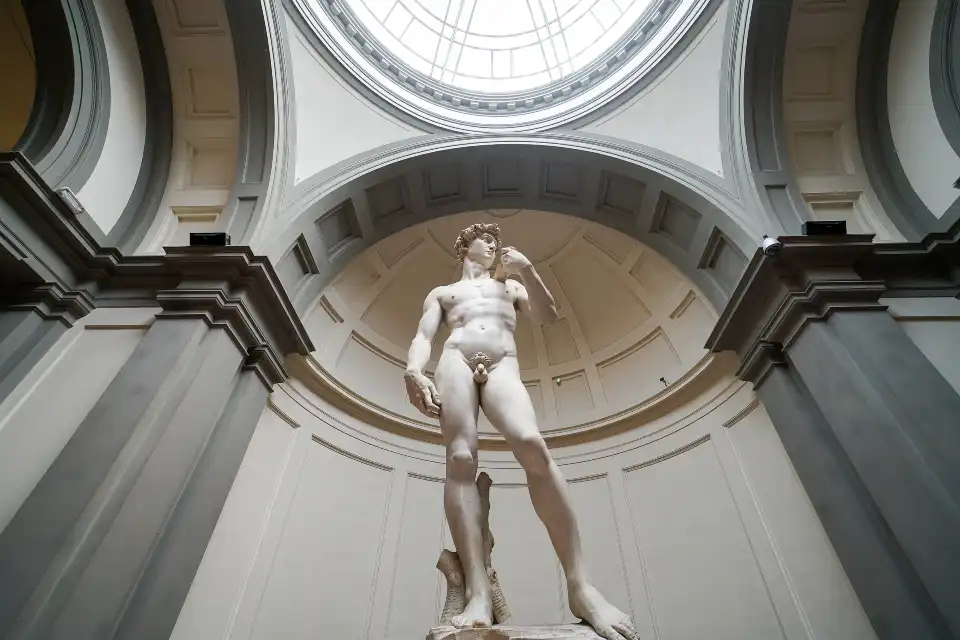
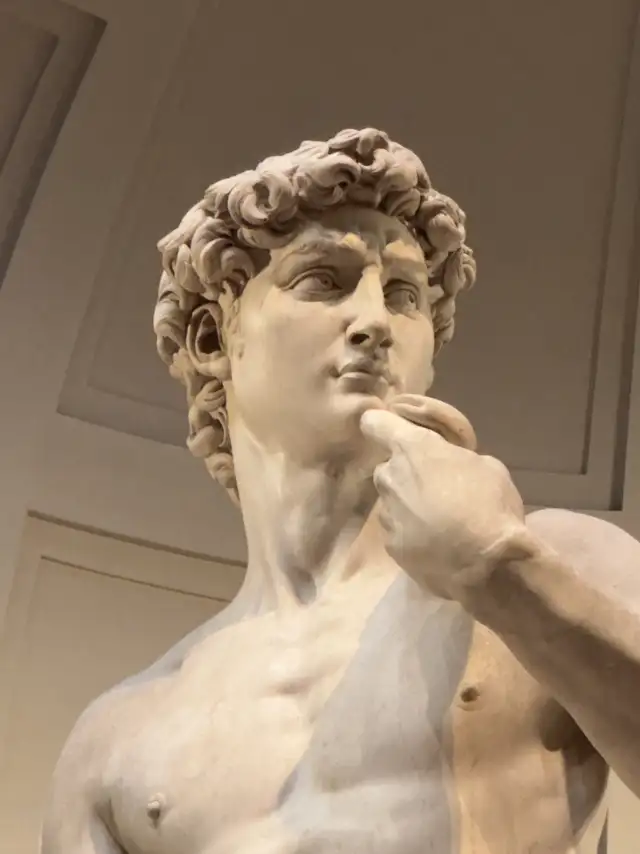
The Gallery of the Academy of Florence was established in 1784 by Grand Duke Pietro Leopoldo of Tuscany through the reorganization of Florence's art education institutions. It is located on the former sites of the San Matteo Hospital and the San Niccolò Monastery, with its origins tracing back to the Academy of Drawing Arts founded by Cosimo I de' Medici in 1563. The gallery's collection initially served as a teaching resource for students to copy original works. In 1873, to protect Michelangelo's David from exposure to the elements in Piazza della Signoria, the statue was secured on a wooden cart and transported through the center of Florence to the gallery. As the dedicated exhibition hall was not yet completed, it remained sealed in a wooden crate for nine years until the Tribune of David, designed by architect Emilio De Fabris, was finished and opened to the public. Today, David stands bathed in natural light from the skylight above, drawing countless visitors who come specifically to see it.
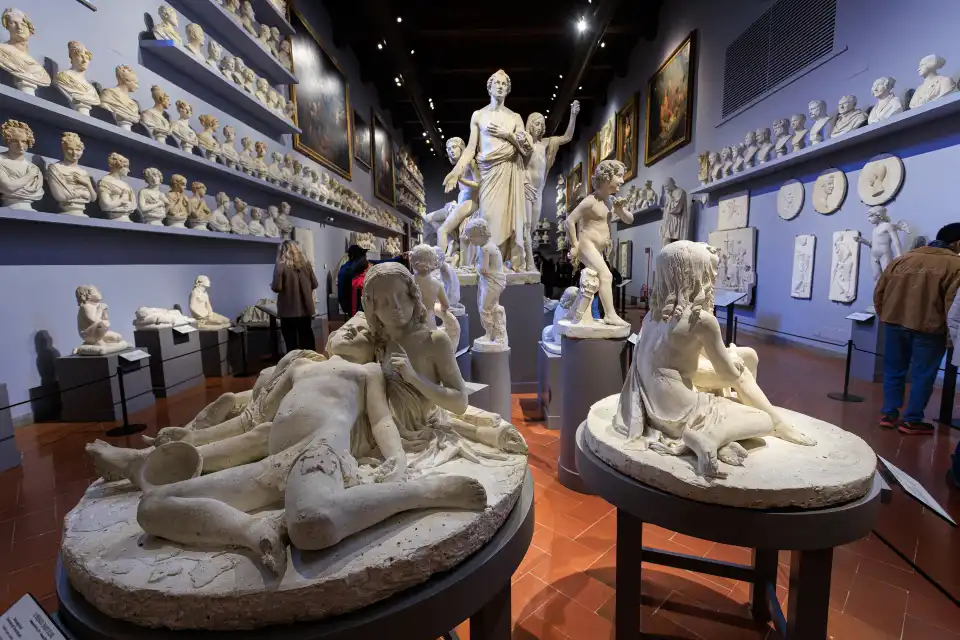
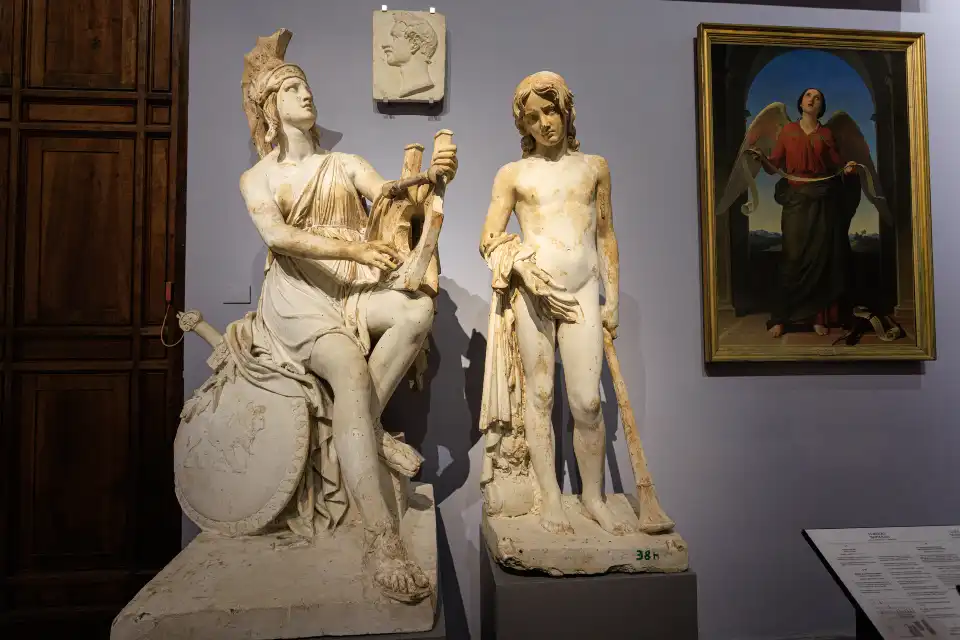
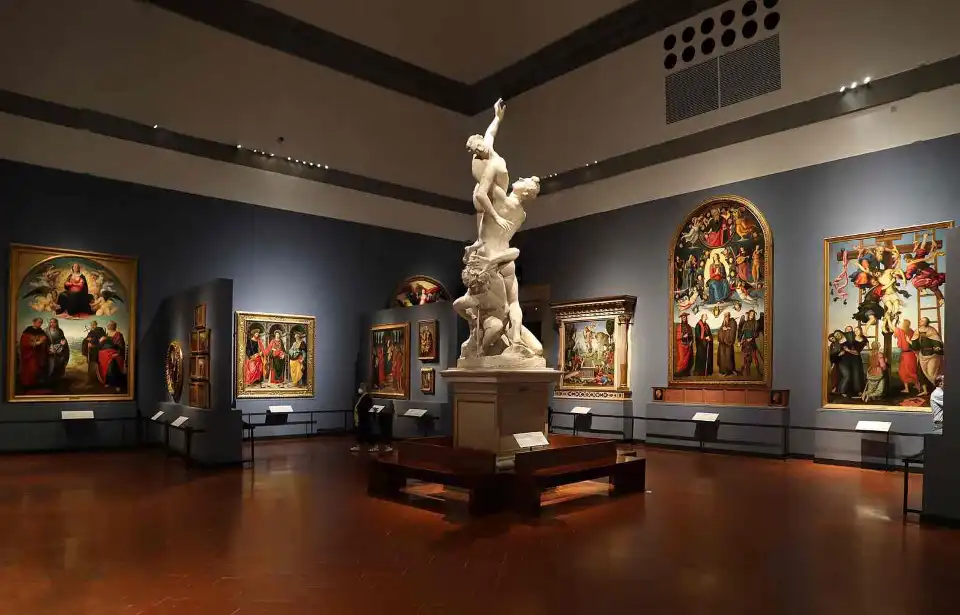
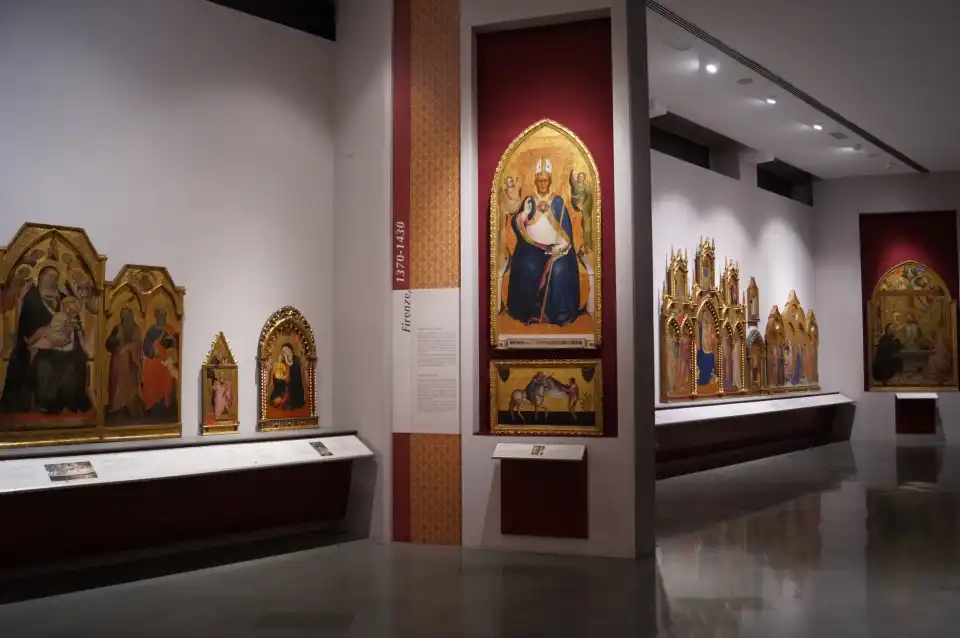
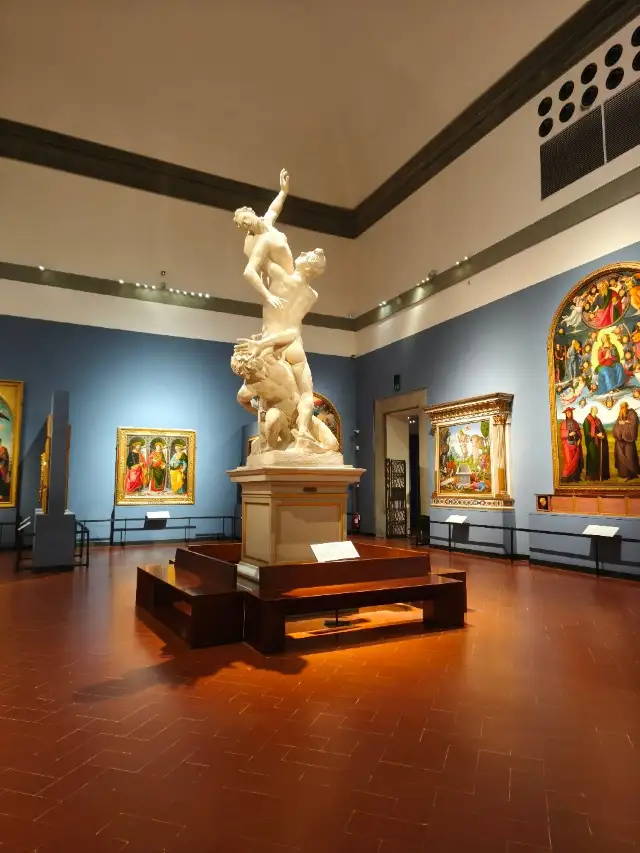
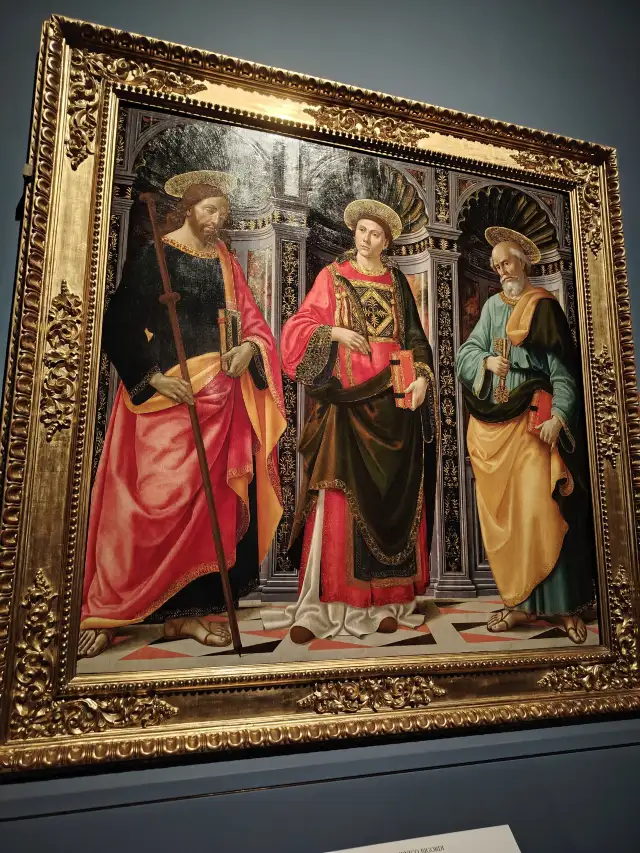
The museum also displays a concentrated collection of Michelangelo's four unfinished sculptures, "The Prisoners," originally carved for Pope Julius II's tomb, along with the equally incomplete "St. Matthew." The human figures appear to be breaking free from the rough stone, offering a direct experience of his "unfinished" sculptural language. At the center of the Hall of the Colossus near the entrance stands Giambologna's full-scale terracotta model for the marble group "The Rape of the Sabine Women," created for the Loggia dei Lanzi. Surrounding it are 15th- to 16th-century Florentine paintings by Botticelli, Perugino, Filippino Lippi, and others. The 19th-century hall, originally a women's hospital ward, now replicates the studio of Lorenzo Bartolini, displaying plaster models. The museum also houses a musical instruments section, featuring a Stradivari viola and cello once owned by the Medici family, as well as early keyboard instruments made by Bartolomeo Cristofori, the inventor of the piano.
The visitor route extends from the Hall of the Colossus at the entrance to the Hall of David at the end. Most travelers turn back to the exit after seeing "David," leaving the painting galleries and the musical instrument department on both sides with sparse crowds, making them great places for quiet art viewing. The museum is not large and has a clear layout. Long queues at the entrance are common during the peak season, but the painting galleries and musical instrument exhibition areas are less crowded and worth visiting as well.
Gallery of the Academy of Florence Reviews: Insider Insights and Visitor Experiences
Gallery of the Academy of Florence Photos: Trip Moments
 Accademia Gallery Florence|See the Original David Up CloseA must-visit hidden gem in Florence! Compared to the crowds at the Uffizi Gallery, the Accademia Gallery is more tranquil and less crowded. It houses Michelangelo's original David statue, allowing you to admire this world-class sculpture masterpiece up close, delivering a breathtaking experience 🗿. Highlights The entire gallery focuses on sculpture art, with the centerpiece being the 5.17-meter-tall David statue. The muscle lines and facial expressions are exquisitely perfect. Standing at the foot of the statue, you can truly feel the ultimate charm of Renaissance sculpture. The gallery also features Michelangelo's unfinished Slave series sculptures, whose incomplete lines carry a unique artistic tension. The exhibition halls are quiet and serene, perfect for immersing yourself in the power of art. Photo Spots Shoot straight on at the central axis of the David statue for a full view of the sculpture, creating a solemn and sophisticated atmosphere; symmetrical spots along the corridors on both sides of the exhibition hall offer a minimalist European art style; get close to capture the detailed textures of the sculptures, maximizing the sense of quality. Tips to Avoid Pitfalls Advance ticket booking is a must, as tickets are hard to get during peak season! Touching the sculptures and loud noises are strictly prohibited inside the gallery. It is not recommended to bring children who might run or play loudly; please keep the exhibition hall quiet. The suggested visit duration is about 2 hours, as the venue is not large and does not require too much time. Drone photography of the exhibits inside the gallery is forbidden.Mia Brighton6

 Timeless Magic of the Galleria dell'AccademiaI’ve been a tour guide in Florence since 2006 and have recounted the Galleria dell'Accademia countless times. Yet somehow, it continues to surprise me every single visit. I recall a particularly special moment: I entered during an evening concert. The violins were tuning, and standing before Michelangelo’s David, I was moved to tears. It felt as though I was seeing it for the first time. It’s true that this museum is very popular, but my recommendation is to visit early in the morning or during evening openings. If possible, choose a weekday and avoid peak periods—this completely transforms the experience. The Galleria dell'Accademia isn’t only about the David; it’s a place meant to be savored slowly, in every season, allowing the art to touch your soul. And don’t forget the music-themed room!_TI***hw1

 Confusing Ticket Experience but Beautiful MuseumWe purchased adult tickets through the Headout app for two adults, assuming children could enter for free since there was no child ticket option on the app. Upon arrival, we asked the staff three times whether our Headout tickets were valid for entry, and each time, we were reassured that everything was fine and just instructed to wait in line. When we tried asking another staff member, the same employee came over repeatedly to confirm that our tickets were valid. Yet, at the entrance, we were informed we needed to go to the ticket office and pay for a child's ticket. At the ticket office, they exchanged the app tickets for ones with barcodes, revealing that the original ones were insufficient. This created a lot of confusion, and the staff’s behavior seemed odd, especially after we had asked multiple times for clarification. However, despite this frustrating experience, the museum itself is stunning. Though not very large, it is undoubtedly worth a visit._TI***ky
- summervacay
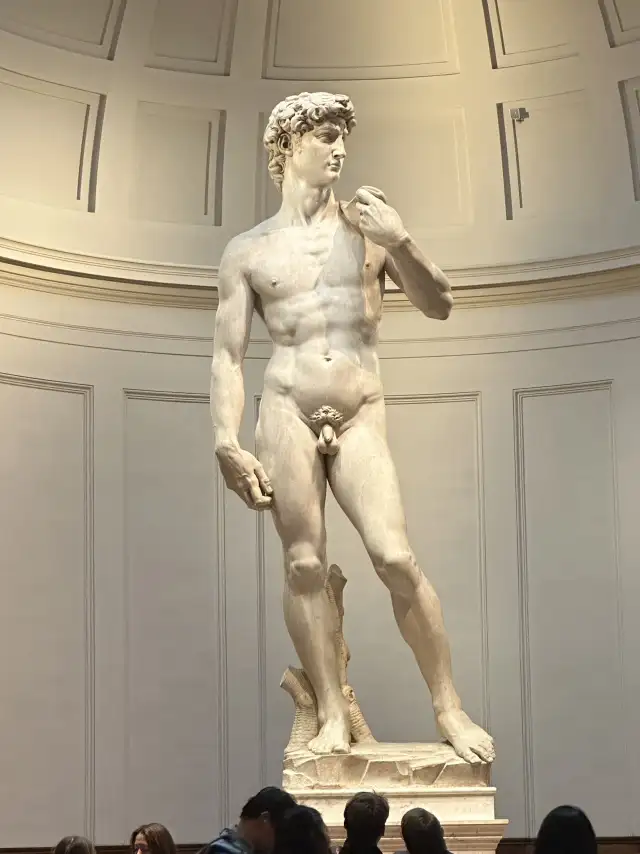
Florence’s Icon: Michelangelo’s David At The Accademia Gallery#summervacay Michelangelo's David – Florence Location: Galleria dell'Accademia, Florence, Italy 1. Historical Context Commissioned: 1501 by the Opera del Duomo (Florence Cathedral Works). Artist: Michelangelo Buonarroti (age 26). Material: A single block of Carrara marble, discarded by previous sculptors as "flawed." Completion: 1504 (took 3 years). Original Placement: Palazzo della Signoria (Florence’s town hall), symbolizing the Republic’s defiance against tyranny. Relocation: Moved to the Accademia Gallery in 1873 for preservation. A replica now stands in Piazza della Signoria. 2. Artistic Significance Renaissance Ideal: Embodies humanism – celebrating human strength, beauty, and intellect. Technical Mastery: David’s contrapposto stance (weight shifted to one leg) creates lifelike dynamism. Anatomical precision: Veins, muscles, and tendons rendered with scientific accuracy. Intense gaze: Captures the moment before battle – focused, alert, and resolute. Symbolism: Biblical underdog (David vs. Goliath) = Florence’s struggle against powerful rivals (e.g., Medici, Papal States). Represents civic virtue, liberty, and the triumph of reason over brute force. 3. Key Features Size: 5.17 meters (17 feet) tall. Details: Right hand: Slightly enlarged, symbolizing strength ("la mano di Dio" – the hand of God). Slingshot: Barely visible over his shoulder, emphasizing intellect over weapons. Expression: Calm determination, not aggression – a revolutionary departure from earlier depictions. Flaws: A crack in the left ankle (reinforced in 2004) and subtle disproportion in the torso (due to original viewing angle from below). 4. Why It’s Iconic Cultural Impact: Cemented Michelangelo as the greatest sculptor of the Renaissance. Enduring Legacy: A universal symbol of courage, democracy, and human potential. Preservation: Survived an assassination attempt (1991) when a vandal damaged its left foot. Visiting the Accademia Gallery See: The David dominates the Tribune, bathed in natural light from a skylight. Nearby: Michelangelo’s unfinished "Prisoners" sculptures, revealing his carving process. Tip: Book tickets in advance – queues are legendary! "In every block of marble I see a statue... I have only to hew away the rough walls." – Michelangelo The David remains a testament to genius transforming stone into immortal spirit. 🏛️ Fun Fact: The statue’s toe was once kissed by lightning during a storm in 1511 – locals saw it as divine approval!MikeYong981
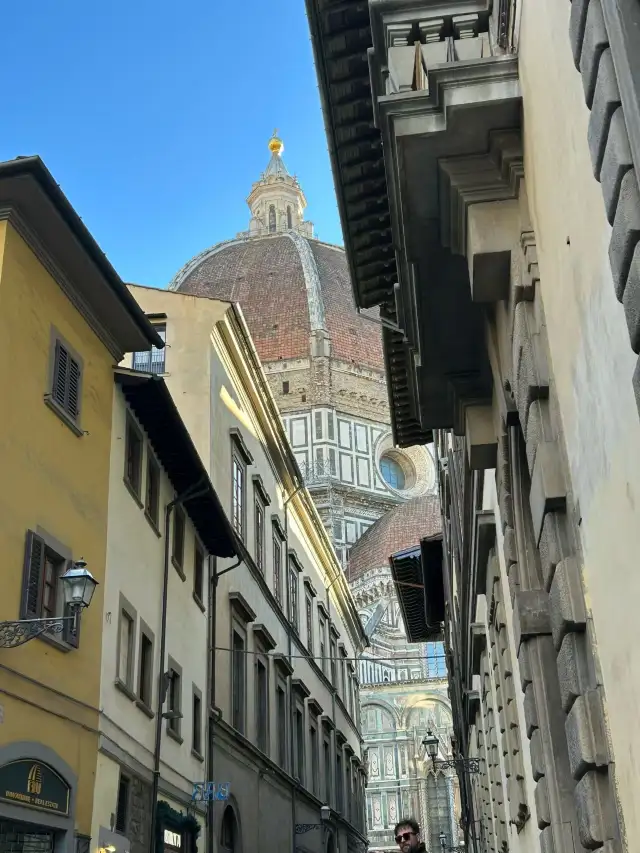 Day 7|The Artistic Pinnacle Day in FlorenceDay 7|The Artistic Pinnacle Day in Florence 🎨 Today is the day to get closest to the soul of the Renaissance. Early in the morning, we climbed the over 700-year-old Cathedral of Santa Maria del Fiore (Duomo di Firenze) and Giotto's Campanile (Campanile di Giotto). Ascending the 463 stone steps, our footsteps traced back through time, climbing higher and higher as the city's red-tiled roofs, the gentle waves of the Arno River, and the distant Tuscan hills gradually unfolded in our view. Standing atop the dome, the breeze gently brushed our faces, and Florence’s morning light scattered like golden dust, as if a breathing painting. Figline e Incisa Valdarno · Metropolitan City of Florence Next, we headed to the Galleria dell’Accademia to pay homage to its crown jewel—Michelangelo’s immortal masterpiece, the Statue of David. This 5.17-meter-tall sculpture captures the focused strength of young David before facing the giant, with veins and muscle textures so detailed they take your breath away. Gazing closely, you can feel a life force that transcends time and space, as if the stone itself has been given a soul. In the afternoon, we visited the Uffizi Gallery (Galleria degli Uffizi). Here are countless treasures of the Renaissance: Botticelli’s The Birth of Venus and Primavera, Leonardo da Vinci’s Annunciation, masterpieces by Raphael and Titian... Each painting is the heartbeat of an era. Wandering through the galleries feels like a conversation with history, immersed in the eternal glow of art. At dusk, looking out from the gallery’s window toward the Arno River, the golden sunset bathed the Ponte Vecchio, and the entire city was gently wrapped in light, shadow, and music. This day was the deepest tribute to Florence—a pilgrimage of art and a dialogue with the soul.SerendipitysResple1

- 海外に行こう
- イタリア
- フィレンツェ
- アカデミア美術館
- ダビデ像
- ミケランジェロ
- ヨーロッパ旅行
- 海外旅行
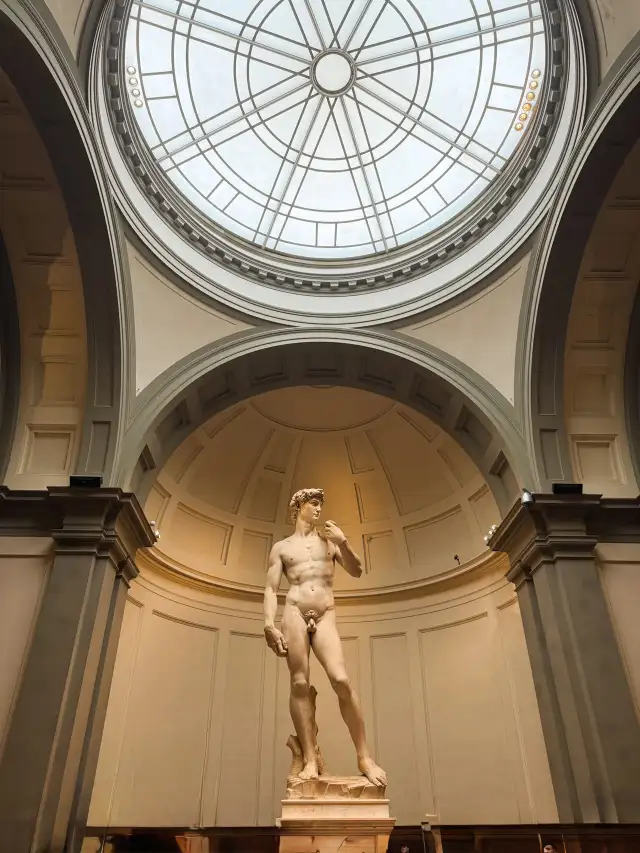
Meet Michelangelo's 'David'One of the must-visit places in Florence is the Accademia Gallery, where the original masterpiece 'David' by Michelangelo is displayed! Standing at an impressive height of 5.17 meters, this marble sculpture is truly breathtaking. From the detailed muscles, the tension in the fingertips, to the piercing gaze when viewed head-on—every aspect exudes divine artistry. Many visitors are surprised by how deeply moved they are by this sculpture. Though compact, the gallery is packed with remarkable exhibits! Take your time to admire Michelangelo's unfinished sculptures 'Prisoners,' Renaissance paintings, and for music enthusiasts, the display of Stradivarius instruments is a treat. This space feels like a small treasure chest of art, encompassing paintings, sculptures, and music✨ With 1.5 to 1.7 million visitors annually, this popular Florence spot requires reservations◎ Location📍: Via Ricasoli, 58/60, 50129 Firenze FI, Italy Hours🕒: 8:15 AM–6:50 PM (Last entry at 6:20 PM / Closed Mondays) Admission💰: €16 (on-site purchase) / €20 (online reservation)100/366旅するしおり9
- overratedspots
Pescheria Fish Head Eyeball Inspection Alley#overratedspots The Pescheria (Fish Market) is a sensory overload. I was walking through the alley, trying to look like a seasoned pro, when I stopped to inspect a particularly large fish head. I leaned in close to examine the teeth—because that’s what foodies do, right?—and the eyeball quite literally popped out and landed on my shoe. I let out a yelp that echoed off the walls. The fishmonger roared with laughter, slapped his knee, and then proceeded to show the eyeball to every other vendor, who all joined in the mocking. I spent the rest of the morning known as "The Lady with the Fish Eye." I eventually bought the fish just to save face, but I have no idea how to cook it. Everyone talks about the freshness, but nobody talks about the biological hazards. Has a sea creature ever personally attacked you in Venice? And more importantly, what do I do with a fish head that has already made eye contact with me? Discussion: What’s the weirdest interaction you’ve had with a vendor at the Pescheria?minop009
- mustvisitattractions
- florence2026
- springintuscany
- uffizigallery
- visitflorence
- renaissancevibes
- florenceitinerary
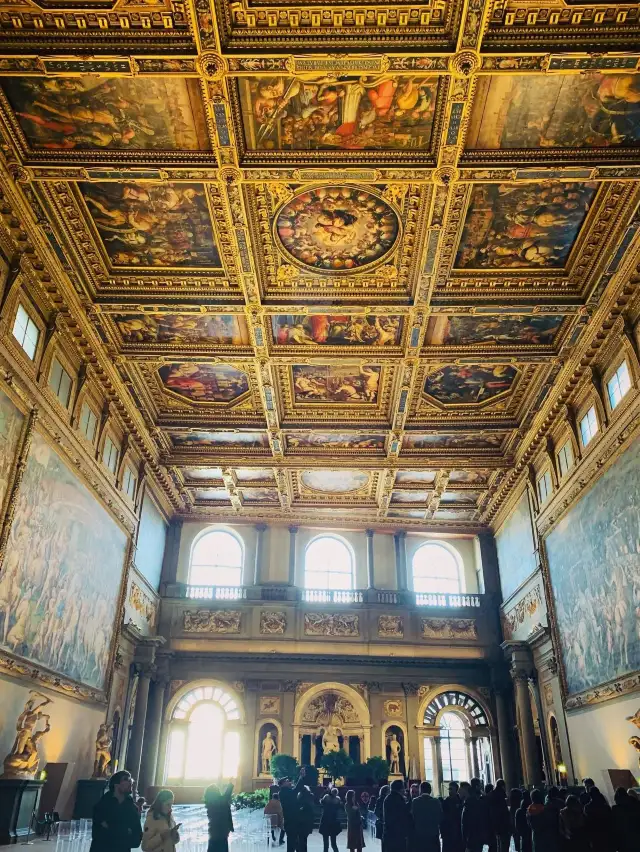
Renaissance in Bloom: Your 2026 Spring Escape to Florence 🇮🇹🌸#mustvisitattractions In 2026, Florence isn’t just an open-air museum; it’s a living, breathing masterpiece reaching its peak. As the Tuscan sun warms the terracotta rooftops, the "Cradle of the Renaissance" sheds its winter chill for a vibrant, floral awakening. Imagine the scent of wisteria drifting through the Bardini Gardens or standing in Piazza del Duomo to witness the Scoppio del Carro (Explosion of the Cart)—a 500-year-old Easter tradition that ignites the city with literal fireworks. From the newly reopened wings of the Uffizi to the sun-drenched "Wine Windows" of the Oltrarno, 2026 is the year of "Structured Serenity." The city is more pedestrian-friendly than ever, inviting you to be a flâneur among the marble giants. Whether you’re chasing the perfect sunset at Piazzale Michelangelo or tasting the first pressing of spring olive oil, Florence in spring is a sensory symphony you have to hear to believe. Your 2026 Florentine Spring Blueprint 🥨🎨 🚈 Transportation: Florence is a walker’s dream, but for hills, use the "at bus" app for digital tickets. In 2026, you can also "Tap-to-Pay" with any contactless card on all buses and trams. Reach the city via the high-speed Frecciarossa train—just 1.5 hours from Rome. 🗓️ Best Time to Travel: Late March to May 2026. Aim for March 25 to catch the Florentine New Year parade, or Easter Sunday (April 5) for the spectacular fireworks at the Duomo. Temperatures are a perfect. 📍 Must-Visit Hot Spots: · The Uffizi & Accademia: Essential for Botticelli and Michelangelo’s David; · Bardini Gardens: For the famous mid-April wisteria tunnel; · Mercato Centrale: The ultimate hub for authentic spring truffles and local cheeses. 🗺️ Suggested 3-Day Itinerary: · Day 1: The Duomo climb and Uffizi masterpieces. · Day 2: A morning at the Boboli Gardens, afternoon leather shopping in Santa Croce, and sunset at Piazzale Michelangelo. · Day 3: A "Wine Window" tour in the Oltrarno and a visit to the world's oldest pharmacy, Santa Maria Novella. 🛑 Do’s and Don’ts: ✅ Do book "Timed-Entry" tickets for museums at least 2 months out—2026 rules are strict! ❌ Don't eat on the sidewalks of the 60 protected streets in the historic center (new 2026 fines apply). ✅ Do validate your bus ticket immediately to avoid a €100+ fine. ❌ Don't settle for the first gelato you see—look for "natural" colors (mint should be white, not neon green!). ✅ Do say "Buongiorno" to local shopkeepers. #Florence2026 #SpringInTuscany #UffiziGallery #VisitFlorence #RenaissanceVibesTrips by CK1
- holidayitinerary
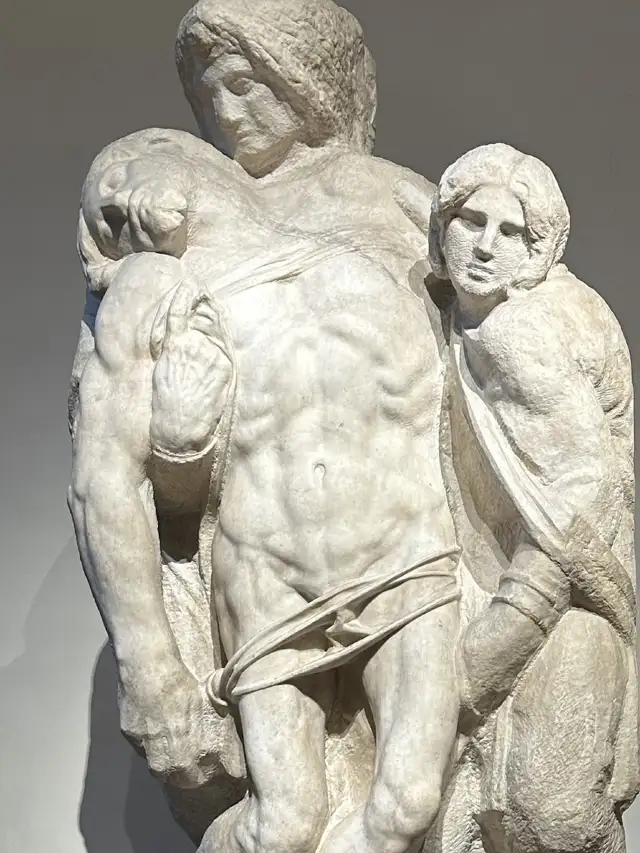
Florence’s Unfinished Secrets: Dawn With Michelangelo’s Trapped Giants#holidayitinerary MICHELANGELO’S “PRISONERS”: FLORENCE’S FROZEN REVOLUTION Where four colossal figures writhe in Carrara purgatory—half-flesh, half-stone—eternally battling the block. Step into Michelangelo’s mind: a storm of genius, doubt, and divine frustration.| You enter the Hall of Prisoners, dawn light slicing through high windows. Suddenly—silence. Atlas strains under invisible weight, his unfinished back muscles rippling like seismic waves. The air chills to 18°C—marble-preservation cold. To your right, The Awakening Slave arches violently, a knee bursting from stone as if mid-earthquake. A guard whispers, "Vedi la rabbia?" (See the rage?). You circle The Young Slave—his face smoothed to angelic calm, legs rough-hewn in rebellion. This isn’t sculpture—it Florence’s raw creative scream, frozen since 1527. PRO STRATEGY: HACK THE UNFINISHED Goal Tactic Why It WORKS Sacred Solitude Tue/Thu 7:45 AM Entry Empty hall; chisel marks glow in angled dawn light. Golden Angle Behind “Atlas” See Michelangelo’s drill holes + claw-chisel fury. Storm Drama Thunderstorms @ Skylight Lightning flashes animate struggle—stone seems to move. Secret Close-Up Mezzanine Stairs (Guard Permission) Eye-level with Bearded Slave’s snarling lips. Avoid Crowds Post-3 PM Weekdays School groups vanish; guards relax + share stories. HIDDEN STORIES & STONE SECRETS SLAVE SECRET LOOK FOR Atlas Charcoal Grid Lines Michelangelo’s measurement marks on left shoulder. The Awakening Slave Bulging Vein in Neck Carved in one take—rage made visible. Bearded Slave Unsmoothed Tears Rough streaks below eyes—intentional sorrow. Young Slave “Giorno’s Cut” Deep gash on thigh (apprentice’s fatal mistake). David’s Shadow Alignment with Tribune Slaves face David—symbolizing art’s triumph. ETHICAL ENGAGEMENT 📸 NO FLASH: UV erases charcoal sketches (ISO 6400 + tripod). 🚫 NEVER TOUCH: Skin oils stain marble—€1000 fine. 🤫 SILENCE = RESPECT: These are Michelangelo’s raw diaries in stone. 🕯️ LIGHT A CANDLE: Donate to Opificio delle Pietre Dure (restoration fund). 👂 LEARN THE QUOTE: "La scultura è un'arte che si fa per forza di levare" (Sculpture is the art of removal). TACTICAL INTEL CATEGORY INSIDER TIP TICKETS Firenze Card (€85)—book “Accademia + David” slot 3+ months ahead. COOLING Hall of Prisoners—16°C year-round (dress in layers). RESTROOMS Post-David Exit—less crowded than entrance. REFLECTION Polished Floor Near “Young Slave”—see inverted struggle. EMERGENCY Guard Desk (Hall Entry)—“Art Overload” kits (water + balsamic crackers). UNFINISHED MASTERWORKS BEYOND SITE WORK SECRET BASILICA SAN LORENZO Unfinished Medici Tomb Figures Grotesque torsos—rage against Pope’s deadlines. BARGELLO MUSEUM Brutus Bust Rough neck—left incomplete after Medici murder. CASA BUONARROTI Battle of Centaurs 15-year-old Michelangelo’s first rebellion. PALAZZO VECCHIO Genio della Vittoria Hidden in Salone dei Cinquecento—twisted agony. FINAL WISDOM: These slaves are Michelangelo’s manifesto: true art lieMikeYong981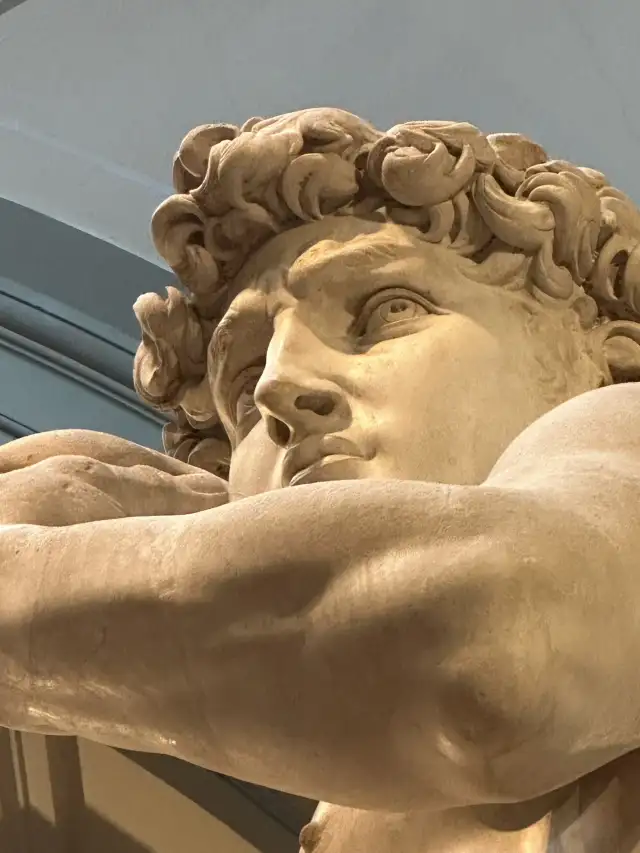
- holidayitinerary
Where Marble Breathes: David’s Eternal Defiance#holidayitinerary DAVID: The Marble Revolution Where a block of discarded stone became a symbol of freedom, anatomy defies gravity, and every chisel mark whispers, “Man is godly.” Stand before the sculpture that redefined humanity. Pro Strategy: Hack the Pilgrimage Goal Tactic Why It Works Sacred Solitude Accademia @ 7:45 AM (Tue/Thu) Pre-tour rush; David alone in golden light. Golden Angle View from Hall of Prisoners’ End Dawn hits David’s face; Duomo alignment through window. Storm Power Thunderstorms: Tribune Dome Skylight Lightning flashes illuminate marble veins like live wires. Secret Close-Up Mezzanine Stairs (Guards Permit) Eye-level with David’s hand—see chisel fractures. Avoid Crowd Tsunamis Book "Skip-Line + Coffee" Ticket (€28) Priority entry + espresso at Caffè del David. Hidden Stories & Marble Secrets Element Secret Look For The Flawed Ankle Hairline Crack (Left Side) Michelangelo’s "repair" hidden in marble veins. Blood Veins Blue-Grey Veins in Hands Natural Carrara streaks—look like pulsing vessels. Political Gaze Eyes Fixed South-East Targets Rome—symbolic defiance against Medici enemies. Ghost of the Stone Original Block Grooves Back right thigh—unpolished, honoring the quarry. WWII Protection Bricked-Up Alcove Where David hid during bombing (1943–44). Ethical Engagement 📸 No Flash Ever: UV yellows marble (ISO 3200 max). Guards confiscate phones for violations. 🚫 Never Touch: Oils erode surface—€500 fine + lifetime Accademia ban. 🤫 Silence is Prayer: No phones, whispers only—David’s hall is sacred. 🕯️ Light a Candle: Donate to Opera del Duomo (funds marble restoration). 👂 Learn the Quote: "Davide colla fromba, e io coll’arco—Michelagnolo" (David with sling, I with bow—his signature on contract). Tactical Intel Category Insider Tip Tickets Firenze Card (€85)—entry + 72hr city access. *Book 3+ months ahead*. Timed Entry 8 AM Slot—only 30 pax allowed. Arrive 7:30 AM for buffer. Cooling Zones Hall of Prisoners—16°C, benches beneath Michelangelo’s unfinished slaves. Restrooms Post-David Exit Hall—clean, empty, free. Emergency Guard Desk (Left of David)—"Art Overload" kits (water + dark chocolate). Rituals & Unseen Perspectives Experience Method Backstory Vein Revelation 10 AM Sun Strike Light hits right hand—blue veins "pulse" visibly. Duomo Alignment Mezzanine @ 8:15 AM David’s gaze intersects Brunelleschi’s dome. Touch the Base Palazzo Vecchio Replica Rub David’s toe for luck—tradition since 1504. Slave’s Echo Stand Behind "Atlas" Statue David’s presence makes unfinished slaves "strain". Moonlit Ghost Piazzale Michelangelo @ Midnight Locals swear replica’s eyes glow green. Final Wisdom: David is where stone becomes flesh, and flesh becomes myth. End at 7:45 AM as guards unlock the hall. Walk slowly. Let his eyes find you first. Then circle—left for the poet, right for the warrior. His cracked ankle holds 523 years of survival. Qui, anche il marmo trema (Here, even marble trembles).MikeYong981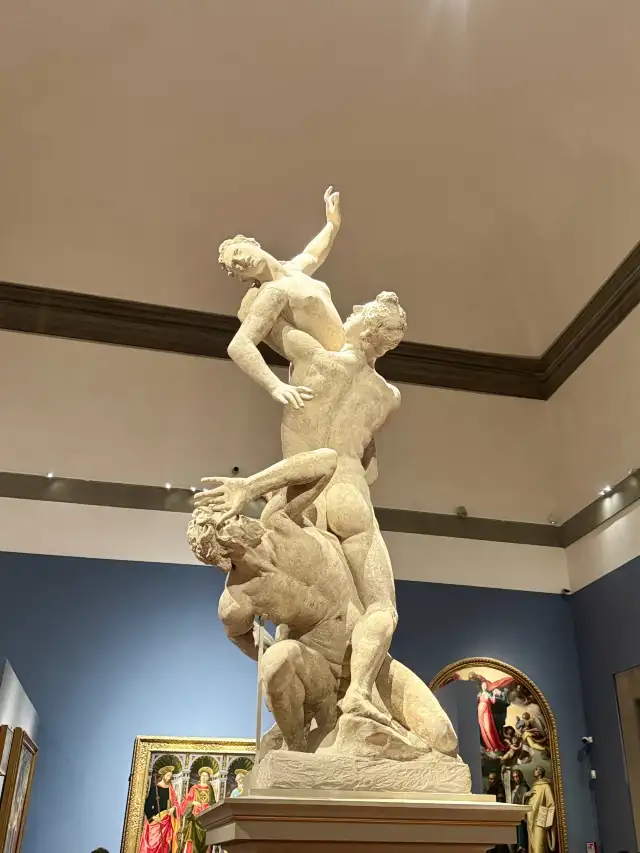 Followed the Trip.com Tuscany must-visit list to the Accademia Gallery in FlorenceFinally saw Michelangelo's original "David" in person! This Renaissance masterpiece is an absolute must-visit landmark in Florence—5-star recommendation! The museum's centerpiece, the statue of David, stands 5.17 meters tall. Standing before it, you'll be struck by its overwhelming sense of power. Recommended viewing order: First, stand back to take in the statue's majestic presence. Then, move closer to examine the intricate details carved into the marble—the veins, hair, and hand texture. Finally, be sure to walk around to the side and back. Most tourists miss this angle, but the muscle definition here is nothing short of miraculous. The museum features more than just David; it also houses the "Rape of the Sabine Women" and several of Michelangelo's unfinished "Prisoners" sculptures. You can see the master's creative process, which is equally worth taking the time to appreciate. ⏰ Duration: Approx. 1.5 hours 💡 Practical tips: 1️⃣ Be sure to book your tickets online in advance. I highly recommend grabbing the earliest 8:30 AM slot. Even for the early slot, crowds will quickly pour in after opening, and there are basically no tickets available on-site. 2️⃣ Allow plenty of time for your visit. Don't just rush through; take a moment to calm your mind and appreciate the details of the sculptures. 3️⃣ Photography is allowed inside, but flash is prohibited to protect the artifacts. 4️⃣ Large backpacks must be checked. Try to travel light for your visit. 5️⃣ Closed on Mondays. Remember to plan your itinerary accordingly. Only by seeing the original in person can you understand that no photo can capture its impact. If you come to Florence, you must add the Accademia Gallery to your itinerary!EnchantedForest5566

- summervacay
From Art Academy To Iconic Museum: Florence’s Galleria dell’Accademia#summervacay Galleria dell'Accademia di Firenze Location: Via Ricasoli 58/60, Florence, Italy Established: 1784 (as a teaching museum for the adjacent Accademia di Belle Arti art academy) Key Features & Significance: Michelangelo’s David: The museum’s centerpiece and one of the world’s most iconic sculptures. Housed in the dramatic Tribuna del David, a domed room built in 1873 specifically to showcase the statue. David symbolizes Renaissance ideals of beauty, humanism, and civic freedom. Michelangelo’s "Prisoners" (Slaves): Four powerful unfinished sculptures (Atlas, Awakening Slave, Bearded Slave, Young Slave) intended for Pope Julius II’s tomb. Showcase Michelangelo’s "non-finito" technique, revealing how he "freed" figures from stone. Florentine Renaissance Art: Paintings by Giotto, Botticelli, Ghirlandaio, and Perugino (13th–16th centuries). Gothic altarpieces and Byzantine-style panels illustrating Florence’s artistic evolution. Plaster Cast Gallery: 19th-century collection of plaster models by Lorenzo Bartolini and Luigi Pampaloni, used for teaching anatomy and composition. Musical Instruments Collection: Features rare pieces like a Stradivarius violin and the world’s oldest surviving upright piano (1739). Visitor Experience: Layout: Compact and manageable (unlike the Uffizi), focused on Michelangelo. Atmosphere: The Tribuna del David creates a theatrical, awe-inspiring encounter with the statue. Crowds: Expect long queues; book timed tickets online months in advance. Photography: Permitted (no flash), but tripods/selfie sticks banned near David. History & Purpose: Founded by Grand Duke Pietro Leopoldo to consolidate art schools under one roof. Originally displayed Renaissance paintings for student study; later became a public museum. David was moved here in 1873 from Piazza della Signoria to protect it from weathering. Why Visit? "The Galleria dell’Accademia is a pilgrimage site for art lovers — a temple to Michelangelo’s genius. Its intimate scale lets you engage deeply with fewer masterpieces, culminating in the transcendent experience of standing before David." Nearby: 5-minute walk to the Duomo and San Marco Museum (Fra Angelico frescoes). Hours: Tuesday–Sunday: 8:15 AM–6:50 PM (closed Mondays, Jan 1, Dec 25). Tip: Combine with a visit to the Opera del Duomo Museum (where David was originally meant to stand). The Galleria dell’Accademia is more than a museum — it’s a celebration of Florence’s artistic soul. 🎨✨MikeYong982

Other visitors' reviews of Gallery of the Academy of Florence
Show More Reviews🎨 Accademia Gallery, Florence 🇮🇹 — Home of Michelangelo’s David! ✨Visiting the Accademia Gallery was one of the highlights of my time in Florence! ❤️ Seeing Michelangelo’s magnificent David in person was absolutely breathtaking. The incredible details, lifelike proportions, and sheer size of this masterpiece are impossible to fully appreciate through photographs. 😍🏛️I was equally fascinated by Michelangelo’s unfinished Prisoners sculptures, which reveal his extraordinary creative process. The museum may be smaller than the Uffizi, but its collection is truly remarkable! 🎨💡 Travel tip: Book tickets in advance to avoid long queues, especially during peak season. Allow around 1–2 hours to explore comfortably. 🎟️❤️ An unforgettable experience for anyone who appreciates art, history, and the genius of the Renaissance!#AccademiaGallery #Florence #Michelangelo #ItalyTravel