OverviewReviewsWin PrizesTrip MomentsDetailsNearbyRecommendedFAQ
Share to
Show all
Shanghai Art Museum (China Art Museum)(China Pavilion)
上海美术馆(中华艺术宫)
6.1
4.6/5
1,363 Review
 based on 380 reviews
 No. 20 of Family-friendly Attractions in Shanghai
Open Opening hours of Shanghai Art Museum (China Art Museum)
Free entry
Dress code | + 3 more
Recommended sightseeing time: 3–5 hours
Address:
205 Shangnan Road, Pudong New Area, Shanghai
Map
Phone:Ticket inquiry: +86-4009219021|+86-21-20202010|+86-21-20252018
Shanghai Art Museum (China Art Museum) Highlights: Must-See Features and Attractions
Some information may have been translated by Google Translate
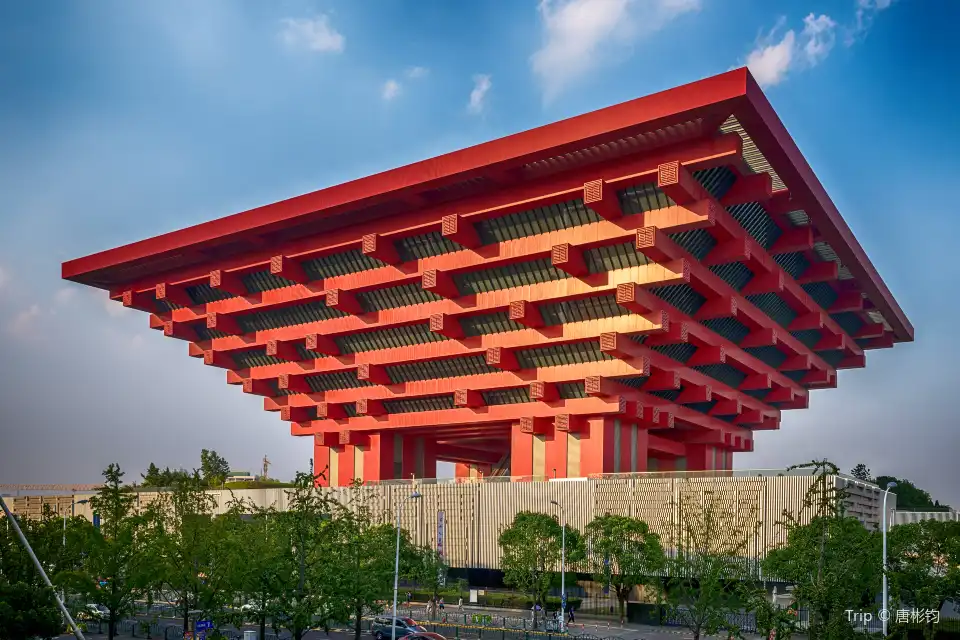
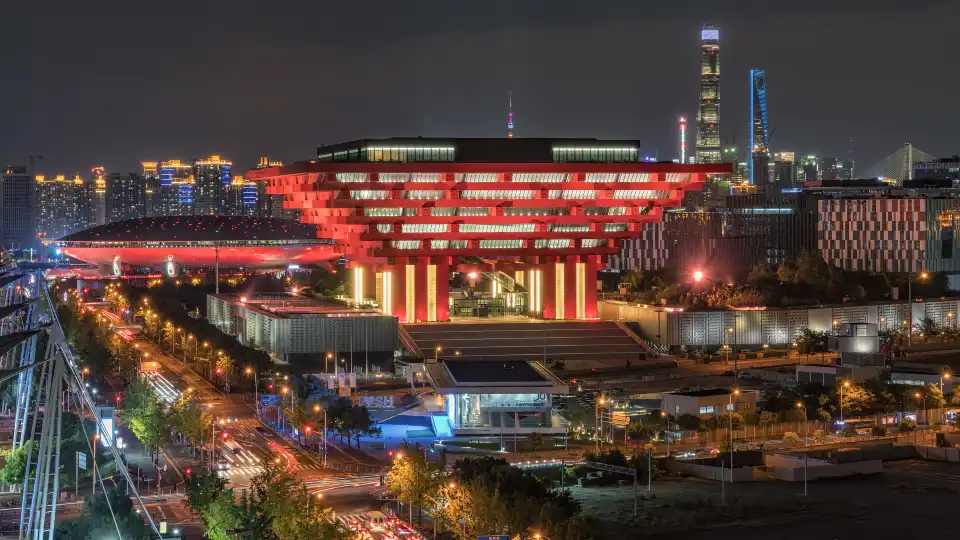
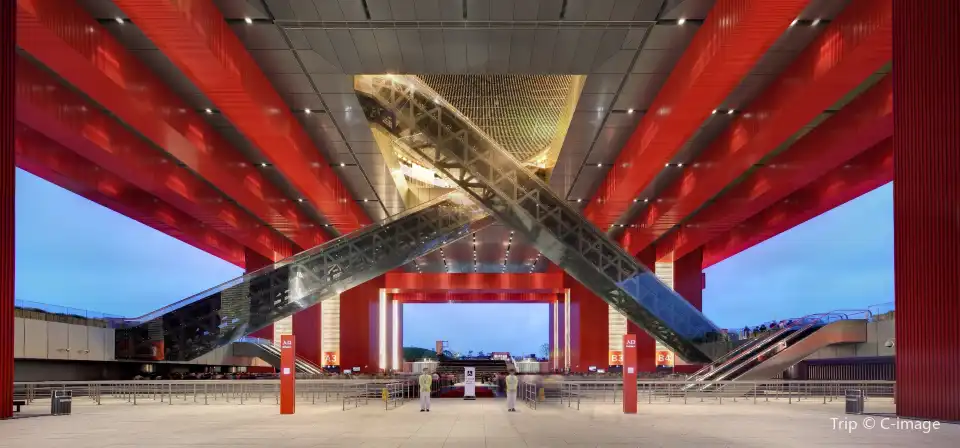
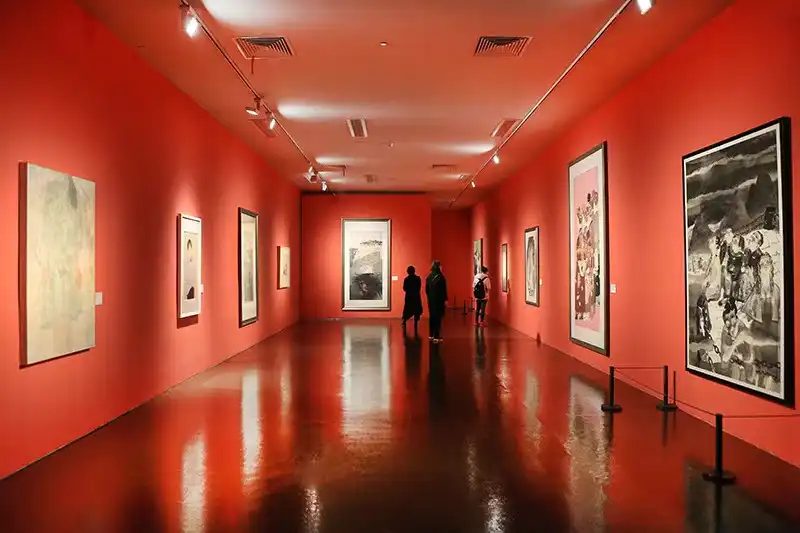
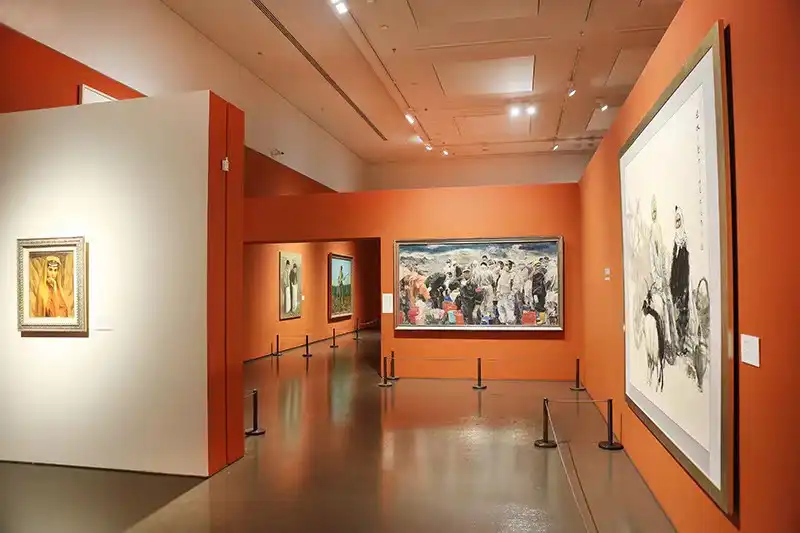
The China Art Museum is located near the banks of the Huangpu River in Shanghai's Pudong District. Originally the China Pavilion at the 2010 Shanghai World Expo, it is one of the largest art museums in Asia. The museum's building is a stunning example of modern Chinese architecture. Visitors enter by riding up long escalators, which give the feeling of ascending into the building's core. The museum's collection is centered on Chinese artists, with a focus towards the modern. Several themed galleries chronicle the broad swath of Chinese art history. Art lovers and anyone fascinated by architecture will not want to miss this place.
Shanghai Art Museum (China Art Museum) Reviews: Insider Insights and Visitor Experiences
Write a review
Shanghai Art Museum (China Art Museum) Photos: Trip Moments

- tripbest
A Must-Visit for Families: Shanghai Art Museum (China Art Museum)—The Ultimate Cultural Experience.The Shanghai Art Museum (China Art Museum) definitely deserves its spot on the "Family-Friendly Rankings." It’s fully equipped with facilities and services for parents and kids, plus it's super easy to get to via public transport or by car, with affordable parking available. What really stands out is how the site preserves its authentic cultural vibe while offering a wide range of exhibition themes and stunning visuals. It hits all the right notes for a family outing, making it a fantastic spot to bring the little ones. I'd recommend this place to my friends in a heartbeat. With so many diverse exhibitions showcasing both Chinese and Western cultures, I was genuinely impressed and surprised by the depth of the experience. All the essential info—like the name, address, and opening hours—is spot on, so you won’t have any trouble planning your trip. Pro tip: aim for a morning visit to beat the crowds and take your time with the art. Even during peak times like the National Day holiday, the museum is so vast that it never feels cramped. The best times to explore are either first thing in the morning or an hour or two before closing. If you get hungry, there are drinks and snacks for sale inside, but feel free to bring your own light bites; there are plenty of spots to sit down and recharge. _reviewer_TX***iy
 Shanghai Weekend Must-Visit: The Legendary Ginkgo Forest with Photo Tips🧚♀️A must-visit ginkgo forest in downtown Shanghai this weekend🎨 The color intensity is 100%💕 Convenient transportation🆓 Both ginkgo and maple leaves are out💯 Here’s a personally tested citywalk route & photo guide‼️ . 📍Navigation location: Expo Park - The Twelve Zodiac Signs, remember it’s not the Expo Cultural Park 🚇Transportation: Exit 4 of China Art Museum Station on Line 8, about a 10-minute walk, or Exit 1 of Line 13, about a 15-minute walk. . 📷Tour route & photo spots guide: 💛Ginkgo Forest: 💗On the big lawn, rows of ginkgo trees, currently 100% yellow! There are also ginkgo leaves on the ground, super beautiful. ⏰The central core area is crowded with photographers; if you want to shoot here, try to arrive before 10 AM! Or try low-angle shots, or go to the bench spot behind. . 🤎Mo’s Caffe second-floor terrace: 💯Right next to the big lawn in a small house, this spot can avoid crowds based on personal experience. 🤳One spot is at the corner of the terrace, with a big yellow ginkgo tree behind, shoot leaning on the railing. 🖼️Overhead shots of the distant ginkgo forest, have the subject stand on the steps near the terrace by the ginkgo forest. 🍂Overhead shots of the walkway below, sitting on the bench under the ginkgo tree is very romantic. . 🧡Maple Forest: Opposite the ginkgo forest, many maple trees have red leaves. The maples here are relatively short, suitable for portrait shots. . 💚Rooftop viewing platform: You can shoot the cycling greenway from above, with colorful maple and ginkgo leaves on both sides, and few people around. . 🩵Li Coffee: The popular curved sky bridge with a strong design sense, but it’s crowded here, making it hard to get empty shots. . 💙Rest station diagonally opposite the curved sky bridge: Famous door, you can frame it with the ginkgo in front, quite artistic, but it’s sparse now! . 👉Nearby attractions: Expo Cultural Park, Hou Tan Wetland Park, China Art MuseumCALLIE GARNER


- chinaartmuseum
- shanghai
- chinatravel
- shanghaitravel
Is the China Art Museum Shanghai's Most Striking Landmark?The very first thing that grabs your attention is the China Art Museum building itself. Massive, vibrant red, and uniquely shaped, it looks just like a crown. It’s no surprise that the architectural concept is officially named the "Oriental Crown." This iconic structure originally served as the China Pavilion for the World Expo 2010. Inside, there’s just as much to see. Even if you aren’t an art connoisseur, exploring contemporary Chinese art here is a fascinating experience. You’ll find plenty of great photo spots, unique installations, and thought-provoking masterpieces. 🎨 Who should visit? Anyone interested in modern art, unique architecture, or travelers looking to discover something new in Shanghai. 📍 Name: China Art Museum / 中国艺术宫 (中华艺术宫) Address: 205 Shangnan Road, Pudong, Shanghai, China In Chinese: 上海市浦东新区上南路205号 🚇 Nearest Metro: China Art Museum Station, Line 8.mikov.mm1
 Unstoppable fun! The ultimate Shanghai Aquarium guide with a complete playbook🐳 Shanghai Ocean Aquarium|Immersive Underwater Adventure Ultimate Guide✨ Who can resist the healing blue world! Located in the heart of Lujiazui, directly accessible by subway with no hassle, featuring a 155-meter underwater tunnel perfect for photos, ideal for both family outings and dates. Now is the perfect time to go~ 🎫 Tickets 🎟️ Adult ticket: about 160 RMB/person 🎟️ Child ticket (1-1.4 meters): about 110 RMB/person 🎟️ Senior ticket (65+ years): about 110 RMB/person 🎟️ Free admission for children under 1 meter, must be accompanied by an adult 🎟️ Family annual pass: about 888 RMB, more cost-effective for frequent visits 💡 Tip: Online tickets are cheaper than on-site, no need to exchange tickets, just scan the code; special discount tickets require on-site purchase with ID; last entry at 5:30 PM, don’t get caught by the time. 🏨 Hotels 🏨 High-end hotels in Lujiazui: about 800-1500 RMB/night, within walking distance, amazing night views 🏨 Comfortable hotels along the subway line: about 400-600 RMB/night, convenient travel along Line 2 🏨 Cost-effective homestays: about 300-500 RMB/night, clean and cozy, suitable for families 💡 Tip: Prioritize Lujiazui or Line 2 area to save commuting time; weekend prices rise, book at least 3 days in advance; choose hotels with breakfast when traveling with kids for convenience. 🚇 Transportation 🚇 Subway: Lines 2/14, Lujiazui Station, Exit 1/2, about 5 minutes walk, highly recommended 🚌 Bus: Routes 82, 85, 795, get off at Lujiazui Ring Road Fenghe Road stop 🚗 Driving: Aquarium parking about 15 RMB/hour, nearby malls about 10 RMB/hour 💡 Tip: Public transport is the easiest; Lujiazui is heavily congested on weekends, driving not recommended; parking spaces are limited, arrive early or take the subway. 🚶 Itinerary ⏰ Suggested visit time: 2-3 hours, one-way route with no backtracking 🚶 Route: 3F China Zone → 2F Amazon/Australia → Cold Water Zone → Polar Zone → B2 Underwater Tunnel → 1F Exit 🐠 China Zone: See Chinese sturgeon, Yangtze alligator, very meaningful local rare species 🐧 Polar Zone: Adorable penguins waddling around, full of healing power 🌌 Jellyfish Zone: Dreamy under colorful lights, perfect for photos 🌊 155-meter Underwater Tunnel: Moving walkway with 360° views of sharks and rays swimming overhead 📸 Best photo spots: middle of the 155-meter underwater tunnel, penguin house, jellyfish secret realm, giant viewing window, China Zone koi pond 💡 Tip: One-way route only, no backtracking; turn off flash when taking photos to avoid disturbing marine life; penguin house is cold, bring a light jacket; weekdays in the morning are least crowded for the best experience. 🍔 Food 🍱 On-site snacks: burgers, pasta about 50-80 RMB, enough to fill you up 🍜 Nearby malls: Super Brand Mall/IFC Mall, full range of Chinese and Western food, about 80-150 RMB/person 🥤 Convenience stores: FamilyMart/Lawson outside the aquarium, water and snacks about 10-20 RMB, great value 🍦 Ocean-themed ice cream: about 35 RMB, visually appealing and great for photos 💡 Tip: Food inside is pricey, bring a small amount of sealed snacks; eat off-peak to avoid lines; durians, self-heating foods, and other strong-smelling items are prohibited. ✨ Summary Recommendation Shanghai Ocean Aquarium occupies a prime location in Lujiazui with zero transportation hassle. The 155-meter super-long underwater tunnel is the highlight, with eight exhibition zones covering rare marine creatures from around the world. The indoor constant temperature means no weather worries. Perfect for photos and educational family fun. Clear routes and relaxed pace mean you can enjoy without exhausting yourself. A must-visit blue healing paradise in Shanghai!_Kate_291


- chinaartmuseum
- shanghaiart
- shanghaiguide
- shanghaiexhibition
- 上海
🏛️ China Art Museum - A Must for Art Lovers in ShanghaiOne of the best places in Shanghai to explore modern and contemporary Chinese art — and the building itself is impossible to miss. ❤️ Originally built as the China Pavilion for Expo 2010, the huge red structure is now home to the China Art Museum. Inside, you’ll find multiple floors of paintings, Chinese ink art, sculpture and rotating exhibitions featuring both established and contemporary artists. With its enormous exhibition spaces, you can easily spend a few hours here — and there’s almost always something new to discover. 📍 China Art Museum (中华艺术宫), Pudong, Shanghai 🚇 China Art Museum Station, Line 8 🎨 Check the current exhibitions before visiting, as some special shows may require separate tickets. A great stop if you want to see a more local side of Shanghai’s art scene. ✨ #ChinaArtMuseum #ShanghaiArt #ShanghaiGuide #ShanghaiExhibition #上海Lina Sinchuk

- earlybirdvsnightowl
- shanghaiarchitecture
Early Bird Light Under Shanghai’s Giant Red Crown 🌅Ask most travelers about Shanghai and they will tell you the city only wakes up after dark. They point you toward the neon glow of the Bund at 10:00 PM or tell you to squeeze into Xintiandi’s late-night cocktail lounges until 2:00 AM. My travel buddies always groan when my 5:00 AM alarm goes off on holiday, convinced that waking up before sunrise is pure punishment. Honestly, they have it backward. While the night owls are sleeping off their midnight pan-fried dumplings, the city hands over its boldest architecture to the few of us willing to beat the commute. When I stepped out of the taxi along Shangnan Road in Pudong at 5:45 AM, the air was crisp and smelled faintly of river mist and steaming bamboo baskets from a corner breakfast stall. Walking up to the China Art Museum—the massive red inverted pyramid that used to be the China Pavilion—at that hour feels like stepping onto a movie set before the crew arrives. By 10:30 AM, the wide pedestrian plaza is a loud, chaotic sea of school groups, tour flags, and visitors lining up for the escalators. At dawn, the vast concrete forecourt belonged entirely to me, a lone street sweeper, and a retired local jogging past the metro exits. 🏛️ For anyone who chases architectural symmetry and clean reflections, sunrise here is unbeatable. Under the harsh midday sun, the interlocking red steel beams—modeled after ancient Chinese dougong brackets—can look flat and overwhelming. As the first pale gold light crept over the Pudong skyline, those fifty-six red crossbeams caught a deep, warm glow with razor-sharp shadows underneath. I crouched by a wet patch of granite left over from the morning street washers, lining up the sixty-three-meter crown for a clean mirror shot without a single stranger walking through my frame. 📸 I sat on the cold stone steps with a hot paper cup of unsweetened soy milk and a fresh savory jianbing crepe I had grabbed down the block, watching the sky turn from slate blue to bright amber. Night owls get the city’s flashy nightlife and crowded bars, which is fun for a Friday evening. After a few days on the road, though, noisy late-night districts all blur together. Early mornings give you the breathing room to actually take in the engineering and hear your own footsteps across the plaza. ☕ By 7:30 AM, buses were rumbling down the avenue and my peaceful window had officially closed. Heading back to the hotel with my camera card full of crisp frames while my friends were still hitting snooze, I knew I had made the right call. Keep the midnight bar crawls—I will take empty plazas and sunrise geometry every single time. ✨ #earlybirdvsnightowlT-Rex Pro
 The autumn edition of "Studio Ghibli Anime World" at Shanghai World Expo Park is now open!Who would have thought! The autumn in World Expo Park has directly brought the "golden fairy tale" into the city✨ The hundreds of meters long ginkgo avenue looks like it's covered with a golden carpet, and even the wind feels gentle when you walk in~ 🌼【Must-Visit Spots】 1. Ginkgo Avenue (The star attraction) Mid to late November is the golden period! The hundreds of meters of ginkgo trees turn completely yellow, and sunlight filters through the leaves, like stepping into a scene from the anime "The Wind Rises"🌞 Just standing under the trees and taking photos will give you a "fall atmosphere blockbuster" vibe. 2. Houtan Wetland Park A combination of ginkgo + reed marsh + small bridges and flowing water! Sitting on the wooden boardwalk, you can capture the distant view of the "ginkgo forest + Huangpu River," fully immersing in the autumn mood of Jiangnan~ There is also a glass viewing platform to overlook the river view. 3. China Art Museum (A convenient bonus) Right next to the park! The "China Red" of the former China Pavilion from the World Expo contrasts beautifully with the golden ginkgo, perfect for photos. Free admission (remember to bring your ID). After visiting the park, it's very comfortable to stop by the exhibition. 📸【Photo Tips】 · Outfit: Wear light colors (white/cream/light blue) to create a "fresh autumn feel" with the golden ginkgo. · Angles: ✅ Crouch in a pile of ginkgo leaves and shoot upwards (get close to the lens to highlight the feeling of being "surrounded by ginkgo") ✅ Stand in the middle of the avenue and have a friend shoot from afar (to capture the depth of the "golden tunnel") ✅ Pick a ginkgo leaf to cover the lens (to add a dreamy effect) · Time: Recommended before 10 AM or after 4 PM for soft, non-harsh lighting~ ⚠️【Tips for Visiting】 1. Free! Free! The park has no entrance fee, just go! 2. Transportation: Take Metro Line 8 to "China Art Museum Station," then a 5-minute walk. 3. Avoid crowds: Weekends are busy; arrive early if you want empty shots! 4. Nearby food: Walk 500 meters to Expo Source for "Da Hu Chun Sheng Jian" (old Shanghai flavor) and "Nan Xiao Guan Ben Bang Cai" (the sweet and sour pork ribs are amazing). The autumn at World Expo Park is truly a "healing corner in the bustling city"🍂 You don’t have to go far to get that golden romance. Hurry up and bring your friends to step on the ginkgo leaves this weekend!CosmicTraveler7271

 Between heaven and earth | encountering a frozen epicEntering the China Art Museum, the first thing that greeted me was not the exhibition hall but the group of towering sculptures in the outdoor plaza. The over 9-meter-tall Pillar of the Drama God proudly points to the sky, its shaft carved with countless theatrical faces; the Dragon Horse, inspired by the bronze kui dragon pattern from the Shang and Zhou dynasties, soars as if about to leap into the clouds at any moment. The sunlight slants across the rough surfaces of the works, making the words “between heaven and earth” glow with heat—this is not a mystical thought floating beyond the clouds, but a grounded reality with feet on the earth and head under the sky. Zeng Chenggang, a leading figure in contemporary Chinese sculpture, currently serves as president of the China Sculpture Society and dean of the Shanghai Academy of Fine Arts. Born in 1960 in Pingyang, Zhejiang, he graduated from the sculpture department of the China Academy of Art in 1991. Early on, he made a splash with The Three Heroes of Jianhu, winning the gold medal at the 7th National Art Exhibition. His art is deeply rooted in traditional Chinese culture, drawing nourishment from ancient Chinese bronze art to form a unique style that “uses Eastern freehand brushwork as the spiritual core and modern composition and spatial exploration as the structural language.” The taotie and nipple patterns of bronze vessels are deconstructed and reassembled into vibrant artistic elements—strong and majestic, with grand imagery. Inside the exhibition hall, the show unfolds in four major chapters. In “Life imagery,” the centerpiece Lotus · Water symbolizes the unending vitality of life through the lotus’s purity and uprightness; the Spirit series derives from the bronze ritual vessel jue, exuding a solemn and commanding aura amid its ancient simplicity. In “Historical echoes,” the early gold medal-winning The Three Heroes of Jianhu condenses the resolute spirit of revolutionaries in bronze’s rugged texture; the Liangshan heroes series reconstructs classics with hollow carving, where the “emptiness” of Lu Zhishen and Wu Song contains centripetal power, sublimating into a totem of national spirit between void and substance. “Spirit of heaven and earth” shifts the perspective to grand narratives—the group sculpture Chinese homeland depicts the life postures of 56 ethnic groups, and United in the same boat distills the collective spirit of the Chinese nation moving forward hand in hand. Standing before these sculptures, one feels small yet senses a quiet and overwhelming spiritual power. Zeng Chenggang said this exhibition “not only presents my creative journey of over 40 years but also attempts to respond to how contemporary Chinese sculpture finds its position between tradition and modernity, individual and collective, material and spirit.” What the audience faces is not just the scale and structure of the sculptures but the life will, cultural symbols, and spiritual power running through them. As dusk approached when I left the museum, looking back, those sculptures still stood silently between heaven and earth. I suddenly understood the meaning of “between heaven and earth”—it points to the vastness of the natural universe and concerns each person’s spiritual positioning between history, society, and self. Zeng Chenggang’s 48 years of creation tell us that true sculpture is never just about shaping form but about speaking for the times between heaven and earth. 🏠Name: China Art Museum (Shanghai Art Museum). 📍Address: 205 Shangnan Road, Pudong New Area, Shanghai. 🧩Exhibition: Between heaven and earth – Zeng Chenggang sculpture exhibition. ⌚️Hours: Open 10:00 AM–6:00 PM (last entry 5:00 PM, closed Mondays). 🎫Admission: Free. 🚇Transport: Metro Line 8, China Art Museum Station, Exit 3. Community Creation Center Guide Editorial DepartmentVoyagingWanderer


- china
- museum
- art
- shanghai
A Review of the China Art Museum in Shanghai. 。There are quite a few museums and galleries in Shanghai, and I had the chance to visit the art museum. Finding the museum and getting there is easy via the metro; the station is named after the museum itself. The museum is vast, and several large pavilions on the first two floors are also quite large and free of charge. There are also some performances and shows held there that require a paid ticket. The upper floors are accessible by elevator. It is well worth stopping by for contemporary art that truly reflects the essence of the country.Cholponbv
 In Shanghai! The hotel I've stayed at offers the best value for money, it's really amazing! !🏨 Hyatt Zhen Hotel Shanghai Expo Kapok 📍Superb location The hotel is located in the core area of the Pudong Expo district, right inside Expo Park, adjacent to the Shanghai Expo Exhibition Center and the China Art Museum. The surrounding transportation is very convenient, just a few subway stops to bustling areas like West Nanjing Road. Whether you're going to exhibitions, concerts, or sightseeing, it's very convenient👍. 🏨 Comprehensive hotel facilities · Rooms: The hotel has 329 exquisite rooms, suites, and apartments. The rooms are designed to be bright and transparent, offering stunning views of the Huangpu River and Lujiazui skyline😍. The premium river view rooms provide a wide view of the S-shaped Huangpu River, capturing the beautiful scenery of the Magic City. · Dining: On the first floor, SUGAR PAVILION offers healthy light meals, specialty coffee, and also features art exhibitions. The second floor’s Light Gallery regularly hosts art exhibitions. The fourth floor’s Little Nanyang Restaurant specializes in Huaiyang and local Shanghai cuisine, and there is a 1,700-square-meter Light Rooftop Garden, making dining here very pleasant. · Others: The hotel’s fitness center, Yuehuo, is equipped with Technogym equipment, great news for fitness lovers. 💖 Excellent stay experience The hotel service is super thoughtful. After a riverside walk at night, the room is already prepared with a turndown service, and the slippers are thick and soft, very comfortable to step on. The room is also equipped with a smart control panel; just call “Xiao Mian Xiao Mian” to control the room, super convenient. The amenities are from Penhaligon's, and the hairdryer is Dyson, full of quality. 🌟 Highlights revealed · Shanghai-style design: The hotel’s design inspiration comes from the “Mansion Secret Garden,” blending Eastern aesthetics with classic elements of old Western-style houses. The leather vintage sofas and carved cabinets in the lobby, along with old maps and photos in the public areas, make you feel like you are in a Shanghai mansion from the last century. · Night ceremony: Every Monday, Wednesday, and Friday at 6:28 PM, the hotel holds a Shanghai-style night ceremony in the first-floor lobby. As the melody of "In the Mood for Love" plays, cheongsam dancers gracefully perform, and guests can enjoy a specially prepared “Shanghai cocktail,” creating a fully immersive atmosphere.Sophia Garcia Sophia_8106

 Expo Park never gets boring even after 100 visits in a year (with route🍁 Shanghai has entered the ginkgo viewing season The cold wind suddenly rises Ginkgo leaves flutter down with the wind They dance along the roads and under the trees Step out of your home And encounter this autumn-exclusive ginkgo yellow The Expo Park near your home⛲️🍂 Is an annual limited-time natural feast! It’s not just a patch of yellow trees, But a place that blends industrial memory, The lively river breeze, and modern garden art. It’s also adjacent to the Expo Culture Park, A narrow riverside leisure belt Where you can walk or run along the greenway, Or ride a bike on the cycling path, Enjoying the beautiful scenery of the south bank of the Huangpu River. The ginkgo tree lane in the Hou Tan area features towering ginkgo trees, With golden crowns intertwining in the air~ Forming a magnificent “golden tunnel”! Sunlight filters through the branches and leaves~ Creating dappled light and shadow, visually stunning! It’s truly beautiful!!!🍂 ⛺️This place is perfect for walking, camping, picnicking, cycling, running, taking kids out, walking dogs, team building, dating, playing frisbee, and watching the sunset🌅 ⛲️Park: Expo Park 📍Address: No. 2700, Expo Avenue, Pudong New Area, Shanghai 🚗Driving: Expo Center or Expo World 🚇Metro: Line 13 Expo Avenue (Exit 1) or Line 8 China Art Museum ⏰Open: 24 hours 🤳Photo spots🤳 1️⃣Ginkgo Gate (Wangjiang Station | Rest Station) 2️⃣Popular Overpass 3️⃣Large Lawn in front of the 12 Zodiac Signs 4️⃣Eternal Love 5️⃣Under the Ginkgo Trees 6️⃣Celebration Plaza 😋😋Crazylee has some tips: 👚1. About clothing. White tones are suitable for photographing ginkgo. 🤳2. About photography. If you want great shots, it’s best to come before 9 AM on weekends; after that, it gets very crowded. On weekdays, there are fewer people and you can shoot anytime. 🌅3. About sunset. The park borders the riverside, perfect for watching the sunset, absolutely stunning! 🚗4. About transportation. The metro is very convenient. If driving, I personally prefer parking at Expo World; just cross the street and you’re there. 🤤5. About food. There are self-service water dispensers and coffee shops inside the park. Delivery is also okay but inconvenient since you have to pick it up at the park entrance. For campers, it’s recommended to bring your own snacks. After playing, there are several malls nearby with almost everything you need for eating, drinking, and restroom breaks—super convenient. 💙💚 Life is a wilderness, wishing you wealth and leisure… 💜🧡Ethan Wilson4 Bliss

 Shanghai World Expo Tongsen HotelShanghai World Expo Tongsen Hotel is a high-end luxury cultural lifestyle brand under the Hyatt Hotels Corporation, and the first Tongsen brand hotel in the Asia-Pacific region. It is adjacent to core landmarks of the Expo Park, including the China Art Palace and the Mercedes-Benz Arena. The hotel features 254 rooms and suites, with interior design that blends Shikumen arch elements and Art Deco style, using high-end materials such as leather and flannel. It offers views overlooking the Huangpu River and the Lujiazui skyline.SoothingIndulgenceByMoore3

Additional information
Surrounding area map of Shanghai Art Museum (China Art Museum)
Attractions near Shanghai Art Museum (China Art Museum)
Show more

Hotels near Shanghai Art Museum (China Art Museum)
Show more
Restaurants near Shanghai Art Museum (China Art Museum)
Show more
Stores near Shanghai Art Museum (China Art Museum)
Show more
Shanghai Art Museum (China Art Museum) FAQ
Trip.com picks
Popular cities in China
Popular Shanghai Tours
Best Shanghai Experiences
Popular Destinations
Things to do in ZhangjiajieThings to do in JiuzhaigouThings to do in SuzhouThings to do in ShanghaiThings to do in SanyaThings to do in BeijingThings to do in TaipeiThings to do in ChinaThings to do in HarbinThings to do in ZhuhaiThings to do in DujiangyanThings to do in MacauThings to do in ChengduThings to do in ShenzhenThings to do in Hangzhou
Shanghai Xuyan Gongfu Banquet: Tang Warrior Immersive Dinner ShowEnjoy private night views | Shanghai day trip including the Bund, Huangpu River cruise, and Lujiazui / Multilingual options availableShanghai Wild Animal Park Safari Guide Service | Family Package OptionsHalf-day cyber city walk in Lujiazui, Shanghai Shanghai Subway Line 2: People's Square + East Nanjing Road + Museum - A Journey of Culture and LifeShanghai private guided half-day tour Zhujiajiao Ancient TownShanghai Future Tech Discovery – AI & Robotics Half-Day TourShanghai Haichang Ocean Park Private Group Day Tour : Charter Service + TicketsShanghai Yu Garden Immersive Light Night Tour | Admission, English-Speaking Guide & Hotel TransfersShanghai Poetry Feast: 360° Rotating Tang-Song Poem Immersive Dinner ShowShanghai Half-Day Tour | Shanghai Tower 118th Floor + The Bund + Sightseeing Bus + Huangpu River Night CruiseShanghai Romance Park Entry + Show Pass Shanghai Private Day Tour to Zhujiajiao Water Town and City AttractionsShanghai Zhujiajiao Water Town City Highlight Day Tour+Jade Buddha TempleLimited-time special offer! | Shanghai Circus World - ERA2 Time Travel Acrobatic Show TicketsShanghai SIM CardShanghai Spa & MassageShanghai Travel EssentialsShanghai Yacht CharterWellness & Spa in ShanghaiShanghai Travel ServicesShanghai Sports & AdventureShanghai Cultural ExperienceShanghai ActivitiesShanghai Connectivity SolutionsShanghai Day ToursShanghai TransportationShanghai Bus TicketsThings to do in ShanghaiThings to do in BeijingThings to do in Hong KongThings to do in OsakaThings to do in ZhangjiajieThings to do in SingaporeThings to do in ChongqingThings to do in TokyoThings to do in GuangzhouThings to do in Xi'anThings to do in ChinaThings to do in JapanThings to do in ThailandThings to do in VietnamThings to do in South KoreaMore recommendations
Nearby Attractions
Shanghai Disney Resort | The Bund | TASTE OF CHINA Immersive Chinese Restaurant | Oriental Pearl Radio & Television Tower | Yu Garden | SHANGHAI MARATHON 2026 | Lujiazui | Disney Town | Shanghai Tower | Shanghai Songcheng Show Park | Shanghai Ocean Aquarium | Huangpu River Cruise(Shiliupu Pier) | Shanghai Natural History Museum | Shanghai Museum | Shanghai City God Temple Tourist Area | Shanghai Zoo | Huangpu River | Shanghai Maglev Train | Nanjing Road Pedestrian Street | Top of Shanghai Observatory
Popular Types of Attractions in Shanghai
Sightseeing tours | Night view | Boat tour | Cable car | Historical attractions | Nature and wildlife | Natural scenery | Climbing & viewpoints | Beaches and shores | Parks | Amusement parks | Film and television bases | Ice and snow parks | Outdoor activities | Climbing & viewpoints | Hiking | Cycling | Exhibitions & events | Performances | Concerts | Exhibitions | Cultural institutions | Themed exhibition halls | Science & technology museums | Museums | Water sports | Rafting | Kayaking | Boating/Sailing | Leisure activities
Popular Restaurants in Shanghai
PHÉNIX | The Kitchen Table | Mercato by Jean-Georges | Da Dong (iAPM Mall) | Jean Georges | Cheng long hang | Dragon Phoenix | Da Ivo | REN HE GUAN·SHANGHAI CUISINE | Guanguanji Muslim Restaurant (Zhejiang Central Road Branch) | FU HE HUI | Fu 1088 | Epicure on 45 | MAISON LAMELOISE SHANGHAI | DA VITTORIO SHANGHAI | SHANGHAI CLASSICAL RESTAURANT | Xiande Lai Pork Ribs & Rice Cake (Yunnan South Road Main Branch) | JESSE RESTAURANT | Ruifuyuan Restaurant (Maoming South Road) | Da Hu Chun (Middle Sichuan Road Branch) | CENTOUNO | Eat N Work (Lujiazui River View Branch) | No. 3 Warehouse Restaurant | Taian Table | Muse Pent House Restaurant | THE YIDAO RESTAURANT | POP on the bund | LAGO BY MGM | Kathleen's Waitan Western Restaurant (Waitan Branch) | Alimentari Grande
Popular Destinations
Basdeomai Travel | Bird Island Travel | Vyakhori Travel | El Molino Travel | Asheboro Travel | Zadar County Travel | Vaskovo Travel | Bichhuwa Chhakka Travel | The Barossa Council Travel | Morganza Travel | Thuy Phong Travel | Demechi Travel | Sandy Creek Township Travel | Blendija Travel | Bohio Kanrakuinday Kayra Travel | Alsbach-Hahnlein Travel | Cold Higham Travel | Urluia Travel | Belyaevo Travel | Newton and Noss Travel | Huta-Studenets'ka Travel | Nazareth Travel | Ausacker Travel | Hunda patti umari Travel | TT. Neo Travel | Brodiv Travel | Alfredo Marcondes Travel
Recommended attractions at popular destinations
Popular Attractions in Bangkok | Popular Attractions in City of Manila | Popular Attractions in Tokyo | Popular Attractions in Taipei | Popular Attractions in Hong Kong | Popular Attractions in Seoul | Popular Attractions in Kuala Lumpur | Popular Attractions in Los Angeles | Popular Attractions in Shanghai | Popular Attractions in New York | Popular Attractions in Shenzhen | Popular Attractions in Osaka | Popular Attractions in Singapore | Popular Attractions in London | Popular Attractions in Guangzhou | Popular Attractions in San Francisco | Popular Attractions in Beijing | Popular Attractions in Macau | Popular Attractions in Bali | Popular Attractions in Jakarta | Popular Attractions in Paris | Popular Attractions in Ho Chi Minh City | Popular Attractions in Istanbul | Popular Attractions in Phuket | Popular Attractions in Chicago | Popular Attractions in Seattle | Popular Attractions in Toronto | Popular Attractions in Orlando | Popular Attractions in Cebu | Popular Attractions in Chiang Mai
Popular Ranked Lists
Top 10 Global Traveller-Picked Attractions in Zhongshan | Top 50 Global Traveller-Picked Hotels in Shenzhen | Top 20 Global Traveller-Picked Attractions in Changchun | Popular Premium Hotels in Jiaozuo | Top 50 Global Traveller-Picked Attractions in Guangzhou | Top 50 Global Traveller-Picked Attractions in Qingdao | Top 50 Global Traveller-Picked Hotels in Guangzhou | Top 20 Global Traveller-Picked Attractions in Lijiang | Top 20 Global Traveller-Picked Hotels in Harbin | Popular Global Traveller-Picked Attractions in Kunshan | Top 50 Global Traveller-Picked Restaurants in Shanghai | Top 20 Global Traveller-Picked Hotels in Lijiang | Top 20 Global Traveller-Picked Hotels in Guilin | Top 10 Global Traveller-Picked Attractions in Xuzhou | Top 20 Global Traveller-Picked Hotels in Nanjing | Top 20 Global Traveller-Picked Attractions in Dalian | Top 20 Global Traveller-Picked Attractions in Fuzhou | Popular Premium Hotels in Zixi | Top 10 Global Traveller-Picked Attractions in Nanchang | Top 20 Global Traveller-Picked Attractions in Shenyang | Top 50 Global Traveller-Picked Restaurants in Fuzhou | Top 50 Global Traveller-Picked Restaurants in Wuhan | Top 50 Global Traveller-Picked Hotels in Shanghai | Top 20 Global Traveller-Picked Restaurants in Hefei | Top 50 Global Traveller-Picked Hotels in Chongqing | Top 50 Global Traveller-Picked Restaurants in Kunming | Top 20 Global Traveller-Picked Hotels in Dongguan | Popular Global Traveller-Picked Attractions in Nantong | Top 20 Global Traveller-Picked Restaurants in Rizhao | Top 20 Global Traveller-Picked Hotels in Foshan
Trending Travelogues
Shanghai Hongqiao Airport: Terminal Map, Layout & Metro | Which Shanghai Train Station Should You Use? Complete List,Comparison and Boarding Guide | Shanghai Hongqiao Railway Station: Metro, Tickets & Transfers (2026) | Shanghai Railway Station: Metro, Trains & Tickets (2026) | Where to Stay in Shanghai: Best Areas and Top Hotels | Shanghai Underground: Metro Tickets, Lines and Station Guide 2026 | Shanghai Disney Shop Guide 2026: Must-Buy Souvenirs and Pins | Shanghai to Beijing High Speed Train 2026: Routes, Fares & Booking | Shanghai Disneyland 2026: Tickets, Rides & One-Day Plan | Shanghai Disneyland Fastpass 2026: Premier Access Price & How to Buy | 2026 Guide to Shanghai Pudong Airport: Transit Visa & PVG Airport Shuttle | Shanghai Disneyland Fastpass 2026: Premier Access Price & How to Buy | Shanghai Travel Guide: What to Know Before You Visit Shanghai | 7 Days in China: 4 Best Itinerary Options for Every Traveler (2026 Guide) | China Public Holidays in the Year of the Horse 2026: Complete Calendar, Dates, Customs & Travel Tips | 2026 China Visa Processing Time for U.S. Travelers: Full Timeline Guide | Trip Community - Become Our Core Members! | Trip Community - Become Our Core Members! | [Trip Planner in Shanghai] How to enjoy a 3-day and 2-night Shanghai tour, a comprehensive itinerary planning guide! | How to enjoy a 2-day and 1-night Shanghai tour, a comprehensive itinerary planning guide! | 【Shanghai Marathon 2025】Race Entry Packages on Sale 8.20 at Trip.com! | The Ultimate Guide to Shanghai Dumplings: A Traveler’s Culinary Adventure | Best Things to Do in Shanghai Solo in 2025 | 2026 Shanghai Maglev Train-The Fastest Train from PVG to Downtown Shanghai | Home to Hipster: 8 Places for Artistic Youth besides Shanghai 1933 Workshop | Shanghai Breakfast: Eating Breakfast Like a Local in Shanghai | Traditional Shanghai Street Food: Shanghai Cuisine Bucket List 2026 | Shanghai Restaurants Near Me: Snacks and Other Authentic Cuisine from the Whole China 2026 | 🌟 Trip Moments Posting Guidelines 🌟 | What To Do In Ubud With The Kids: 3 Easy Treks For The Family
Popular Trip Moments
✨ Enchanted autumn woods: Moss-draped trees, cozy park benches, and crisp carpets of fallen leaves! | ✨ Enchanted autumn woods: Moss-draped trees and crisp carpets of fallen leaves! 🍂🌲✨ | ✨ Golden autumn magic: Strolling through serene leaf-strewn park trails! 🍁🍂✨ | ✨ Golden autumn magic: Strolling through leaf-strewn park trails! 🍁🍂✨ | ✨ Golden autumn magic: Serene parklands, misty morning light, and vibrant fall foliage! 🍂🌳✨ | ✨ Golden autumn magic: Exploring historic charm and serene seasonal landscapes! 🍂🏰✨ | ✨ Enchanting autumn tales: Cozy harvests, misty forests, and vibrant fall foliage! 🍂🍇🏡 | ✨ Rustic charm and vibrant autumn magic: Discovering nature's fairytale escapes! 🍂🍁🏡 | Magical Moments at Shanghai Disney Resort: An Unforgettable Family Adventure | Peaceful Evening Stroll at Shanghai Greenhouse Garden | Shanghai's hidden autumn metasequoia forest in Sanlin Riverside Forest Park | Believe it or not, you can stay in a river-view room inside Nanxun Ancient Town for about 100 yuan per person. | Shanghai's top autumn attraction! The Gongqing Chrysanthemum Exhibition is at its peak | Shanghai's top autumn destination: The water forest at Qingxi Country Park is as beautiful as an oil painting | Shanghai Museum of Literature + Ba Jin Library: A Hongkou literary study tour | Amanyangyun Shanghai | Tips to avoid pitfalls | Zhenjiang was colonized by the British? You only know the truth once you're here | Wukang Courtyard, Shanghai | Top 5 weekend family getaway spots within 1.5 hours of Shanghai | Shanghai Disneyland photo spot guide | Who else gets it! The romance of autumn in Shanghai is all at Gongqing Forest Park | China's easternmost remote island | Drove here from Shanghai in about two hours. Didn't want a long, tiring trip for the weekend, so we chose this place. | Walk from the Bund to Suzhou Creek | All the romance of Shanghai nights is on this route | Bulgari Hotel Shanghai | Experience a 2,000+ Hair Spa | Looking for a getaway in the Yangtze River Delta? Escape to ANUE Liyang for autumn | Moganshan Chiang Kai-shek Trail | 10km Bamboo Sea & Republic of China Era Loop | Autumn air is crisp, and Shanghai's stunning sea of autumn flowers is back again and again! It's truly a sea of flowers | No. 8 Hengshan Road | A literary and artistic block where old and new collide, hidden in the plane tree district | I can't believe there's a forest-style treehouse hidden right next to Shanghai Disneyland!
More Things To Do in Shanghai
Mainland China 5G eSIM | Day Pass/Total Data Package | ChatGPT Available | 24-Hour Billing | 1-365 Days | QR Code | "Shanghai ERA Acrobatic Show Tickets | Circus World"-Instant E-ticket Booking via QR Code | Shanghai Huangpu River nightlife sightseeing cruise ticket - 45 min essence route (Bund + Lujiazui panoramic night tour) | Limited-time special offer! | Shanghai Circus World - ERA2 Time Travel Acrobatic Show Tickets | Hangzhou Lingyin Temple + West Lake Cruise + Leifeng Pagoda Day Trip, including Buffet Afternoon Tea and Song Dynasty Tea Ceremony. | Shanghai Huangpu River night cruise 45-minute highlights tour (English service + optional customize half-day tour) | "Shanghai ERA Acrobatic Show Tickets | Circus World"-Instant E-ticket Booking via QR Code | Shanghai - Oriental Pearl Radio & Television Tower sightseeing + revolving restaurant buffet - enjoy express access / selected skyline restaurant | Shanghai Huangpu River Night Cruise - Shiliupu Wharf / Options include Dragon Boat, Crystal Boat, or Happy Captain Boat | [Xuyan · imperial feast] Shanghai Xuyan · panoramic immersive ancient culture palace dining show [Tang · chang'an fu / all nations coming to pay homage / Xu · dunhuang / gong fu banquet - multiple themes] | Shanghai Palace Banquet: Immersive experience of a royal feast thousands of years ago (fine Food and Beverages+ dance performance + Qin Dynasty historical and cultural experience + optional Clothes & Accessories and makeup) | [GONGYAN ORIENTAL ART·Imperial Feast] Shanghai GONGYAN ORIENTAL ART|Panoramic Immersive Ancient Imperial Culture Banquet Show [Optional Lunch/Dinner + Performance, Time-Traveling "Han Culture" Experience in Shanghai] | Tickets for Shanghai's must-see ERA Acrobatic Show | Circus City QR Code Admission | | Half-Day Tour to Zhujiajiao Ancient Town [Explore the Millennial Water Town with Timeless Charm and Lively Atmosphere] | Express access - buffet experience at Shanghai Oriental Pearl Tower cloud revolving restaurant | Shanghai Shuyanfu Private Dining Room • Immersive Experience of an Ancient Imperial Banquet (Exclusive Private Room + Immersive Recreation of Imperial Luxury + Classical Music and Dance) | 1-day tour to Xitang Historic Town of China | Shanghai multilingual guide/interpreter | Chinese, English, Japanese, French and Russian guide/business interpreter | attraction guide | Shanghai corporate study tour·China Eastern Airlines/Lenovo Future/SenseTime·Visiting leading companies | Shanghai-Suzhou round-trip┃Gusu Hanshan Temple┃night boat dock┃Tianping Mountain fall foliage┃Humble Administrator's Garden stone viewing | Shanghai Chongming Island private car 1-day tour | Shanghai Nanjing guide / interpretation / English Japanese Korean Russian guide / business investigation exhibition interpretation | Shanghai, a world-class city - foreign language local guide - multilingual interpreter - guide - commentary service | [ChinaGem] Shanghai: Zhujiajiao Water Town & Film Park Private Day Trip by Private Car | Tongji University [Special Feature: Current Students] Guide/Includes Reservation/Campus Study Life Sharing | XUYAN Shanghai - Immersive Ancient Imperial Banquet|Dining + Costume Experience + "All Nations Paying Tribute" Themed Performance [Makeup/Photography/Portrait Services Available] | [5G SIM Card] China 5G Universal SIM Card Total 10GB/15GB/30GB/45GB High-speed 5G Unlimited Data (Pick up at Shanghai Pudong Airport) | Shanghai: In-depth guided tour of Shing Wong Temple tourist area in Shanghai, 2 hours|Understand what Shanghai was like before it opened as a treaty port | Shanghai Jing'an Temple Wukang Mansion Tianzifang Yu Garden Nanjing Road The Bund private group day tour | Shanghai departure: Wuxi Plum Garden + Lihu Park private charter 1-day tour
Some content is uploaded by users, and specific information is subject to actual conditions
Other visitors' reviews of Shanghai Art Museum (China Art Museum)
Show More ReviewsViewing the Mawangdui Han Tombs solely from the perspectives of "Eastern Sleeping Beauty" and "treating the dead as if they were alive" seems too superficial. The Mawangdui Han Tombs reveal the underlying ideological foundation of Chinese civilization as an axial civilization, following the breakthroughs in ritual and legal concepts by the various schools of thought during the pre-Qin period. 1. The Changsha Kingdom, as the only surviving non-royal kingdom of the Han Dynasty, possessed the unique political wisdom of the Chinese scholar-official class: using Confucian culture for military and official positions, and using Daoist culture for self-cultivation. 2. One of the hallmarks of civilization is writing. The emergence of numerous silk manuscripts reflects the importance of inheritance in Chinese civilization. Whether it's the guiding exercises of traditional Chinese medicine, the Yellow Emperor's Inner Classic, or the Daoist Tao Te Ching and the Book of Changes, they all reveal the survival principles of inner cultivation manifested externally in Chinese civilization. 3. Lacquerware and textiles not only demonstrate the advanced craftsmanship of the time but also reflect the spirit of artisans. Given the lifespan of people at that time, ordinary people might only be able to do one thing in their entire lives, but it was precisely because of their high level of focus that they perfected their products. Having no other choice became the best choice: this is the "Huang-Lao Way" revered at the time. 4. The burial objects in the Mawangdui Han Tomb did not include gold, silver, or jade artifacts. The silk books and daily utensils not only reflect the funeral custom of "treating the dead as if they were alive," but also reveal the underlying logic of the aristocratic class's belief in the "cycle of heaven": using writing and technology to guide the way to the afterlife.