Berlin 2026 Guide: Must-see attractions, local cuisine, and practical tips! | Trip.com
 Local GuidesLast updated on Trip.com: 30/12/2025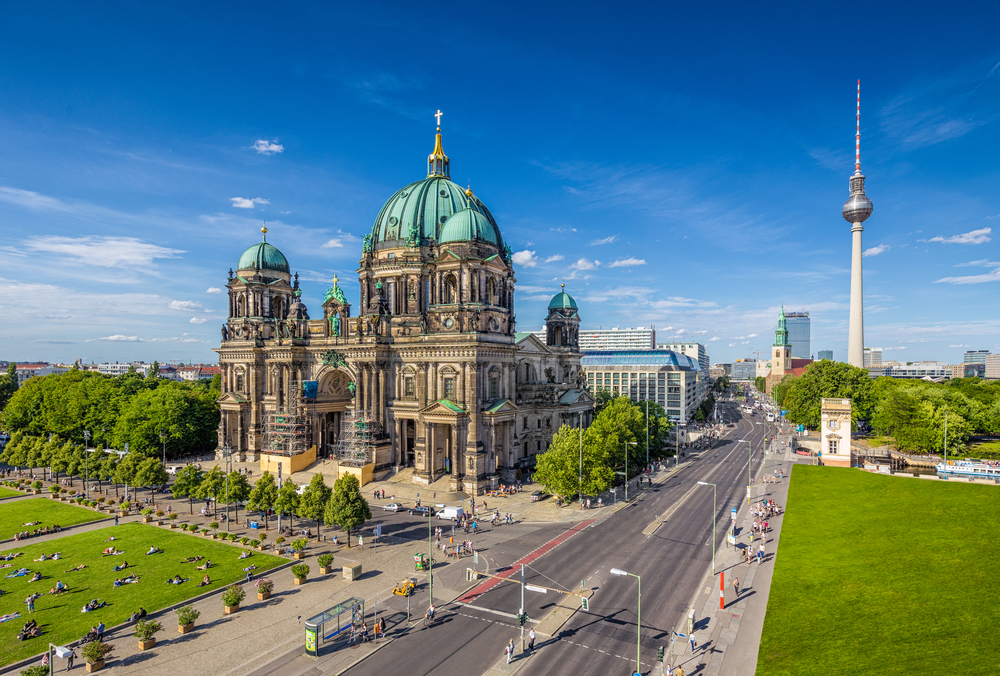
Berlin Brief Guide
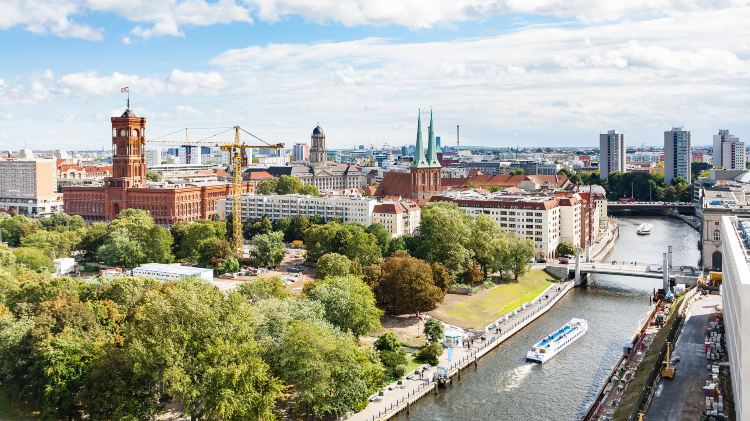
Berlin is full of history and things to see, from the Berlin Wall to lively spots like street food markets and nightclubs. Street art and cozy cafes add to its creative energy, making every corner feel alive. This guide makes your visit simple, covering key sights and local tips.
Berlin Must-try local experiences
Experience Berlin's Iconic Landmarks
Explore Berlin’s rich history with visits to the Brandenburg Gate, Charlottenburg Palace, and the Reichstag Building. Take time to visit the Holocaust Memorial (officially the Memorial to the Murdered Jews of Europe), a striking and solemn tribute to the millions of Jewish lives lost during the Holocaust.
Explore Berlin's Museums
Spend a day on Museum Island, home to the Pergamon Museum, Altes Museum, and Neues Museum, each offering unique art and historical exhibits.
Experience the Berlin Wall Memorial
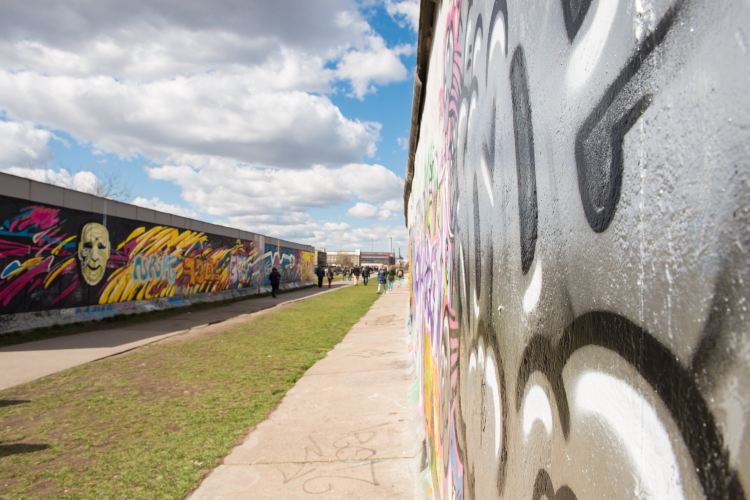
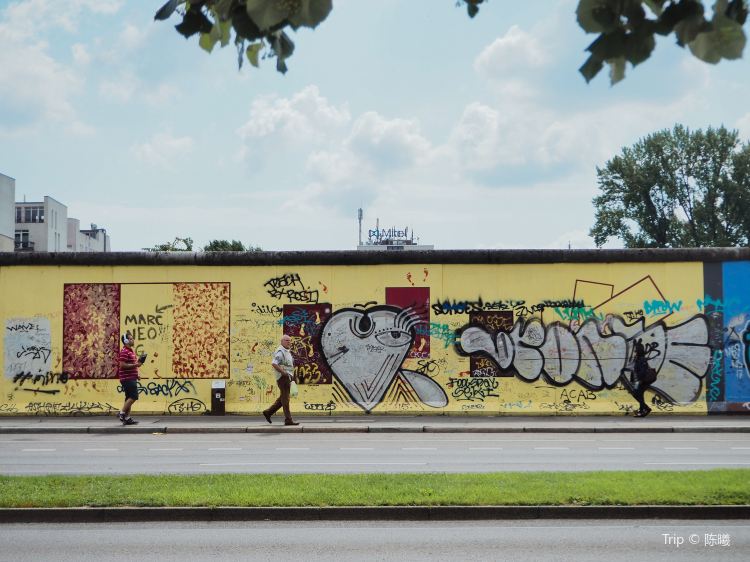
Visit the Berlin Wall Memorial and East Side Gallery to understand the city's divided past, featuring murals by international artists.
Experience Berlin's Vibrant Street Art Scene
Explore Berlin's vibrant street art in neighborhoods like Kreuzberg and Friedrichshain, featuring colorful murals and thought-provoking graffiti.
Visit a Traditional German Beer Hall
Experience local beer culture at a traditional beer hall, enjoying a pint of German beer in a lively atmosphere.
Explore Berlin's Theaters
Catch a performance at the Berlin Philharmonic or Deutsches Theater, offering a range of plays and concerts from classic to contemporary.
Join the Carnival of Cultures
Experience the vibrant Carnival of Cultures in May, celebrating Berlin's multicultural diversity with parades, music, and food.
Savor Berlin's Culinary Delights
Indulge in Berlin's cuisine with dishes like Crispy pork knuckle, Curried sausage and Potato dishes, and explore the city's diverse food scene. Visit local cafes to enjoy expertly brewed coffee and delicious pastries.
Find Treasures at Mauerpark Flea Market
Experience Berlin's vibrant flea market culture at Mauerpark, browsing vintage clothing, antiques, and enjoying live music.
Capture the Beauty of the Brandenburg Gate at Sunset
Capture stunning photos of the Brandenburg Gate at sunset, offering a picturesque backdrop for memorable travel photos.
Take a Scenic Boat Tour
Enjoy a scenic boat tour on the Spree River, admiring Berlin's landmarks and green spaces from the water.
Berlin Must-see Attractions
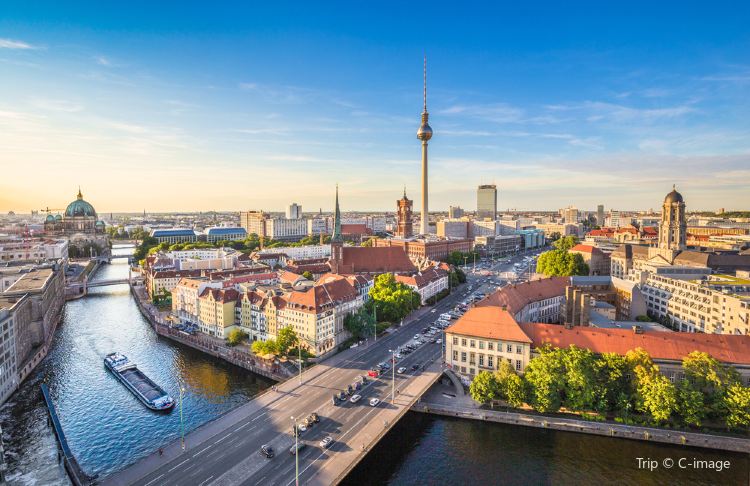
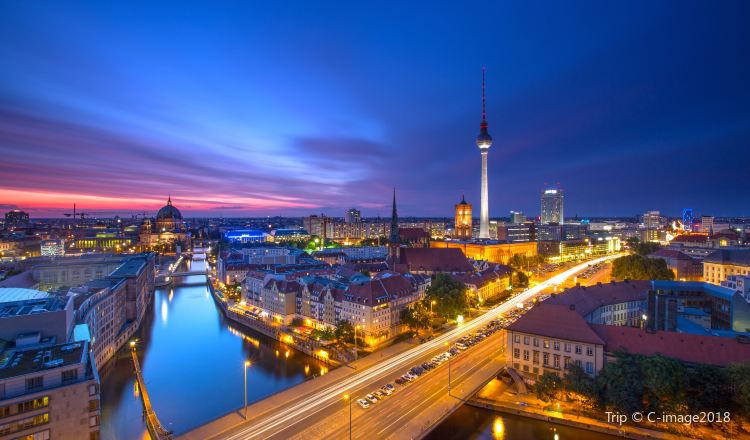
Berlin, a city steeped in history and culture, boasts iconic landmarks such as the UNESCO-listed Museum Island, the symbolically significant Brandenburg Gate, the architecturally stunning Berlin Cathedral, the evocative Berlin Wall Memorial, and the towering Berliner Fernsehturm, each offering unique insights into the city's rich past and vibrant present.
Museum Island
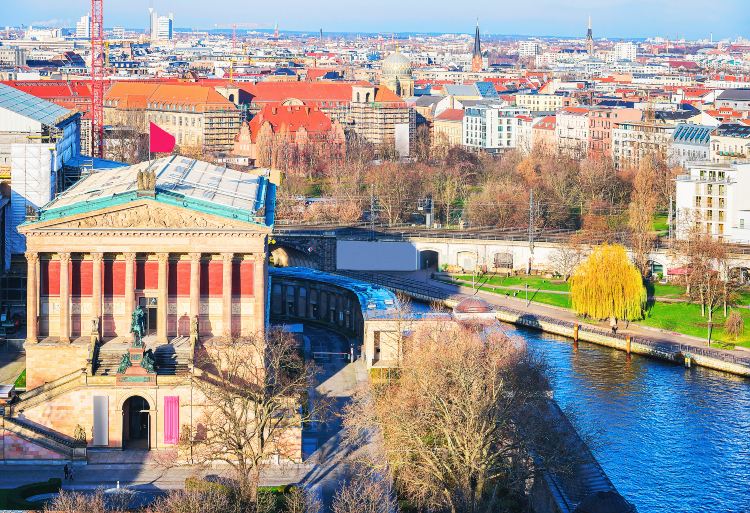
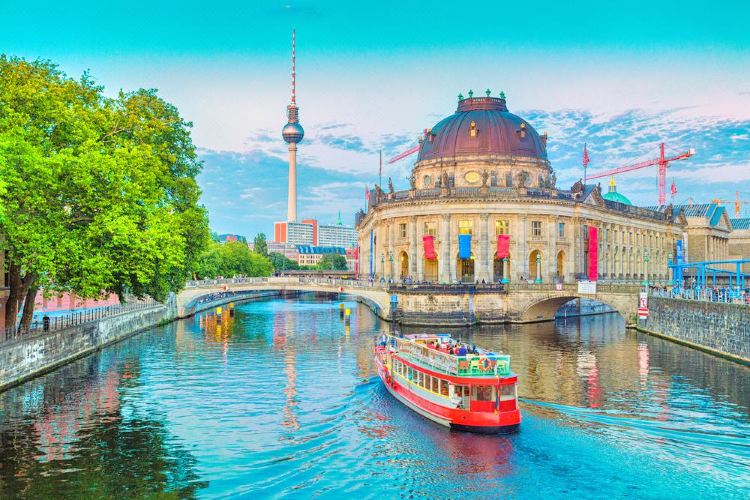
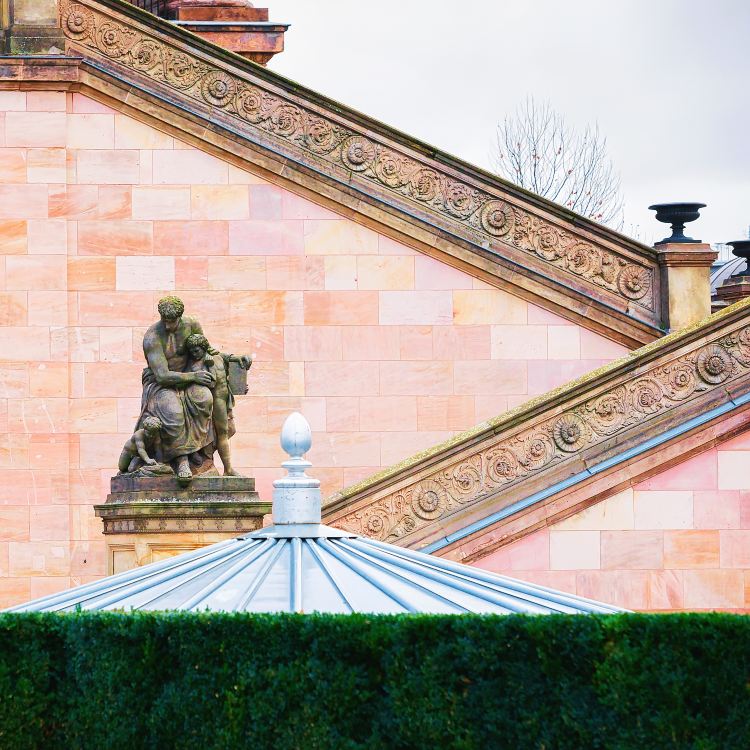
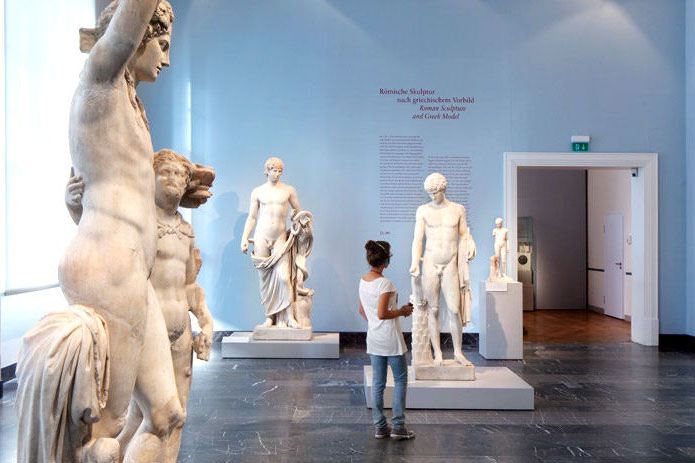
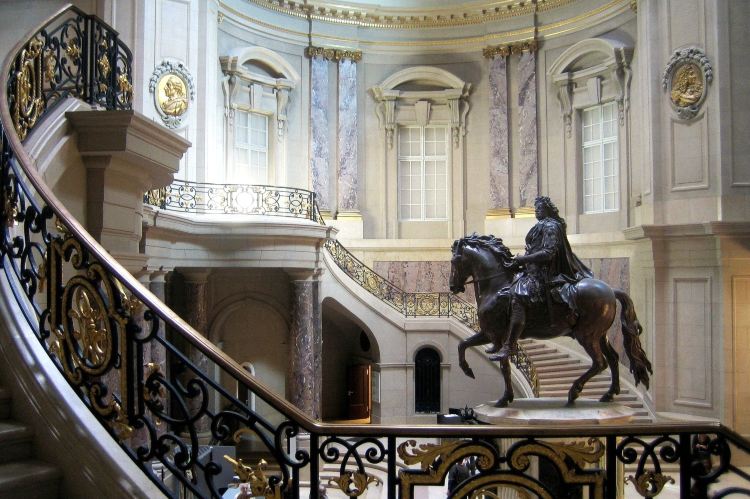
Museum Island in Berlin is a UNESCO World Heritage Site that stands as a testament to the evolution of museums as cultural and social institutions. This unique ensemble of five museums, designed by renowned architects, offers visitors a journey through art and history, from ancient civilizations to 19th-century European art. The complex is not only celebrated for its extensive collections, including the famous bust of Nefertiti housed in the Neues Museum but also for its architectural grandeur, with buildings like the Altes Museum showcasing neoclassical design. Visitors can explore the museums individually or through interconnected spaces like the Archaeological Promenade, which aims to create a seamless museum experience. Museum Island is a cultural hub where visitors can immerse themselves in the rich tapestry of human history and creativity.



Brandenburg Gate
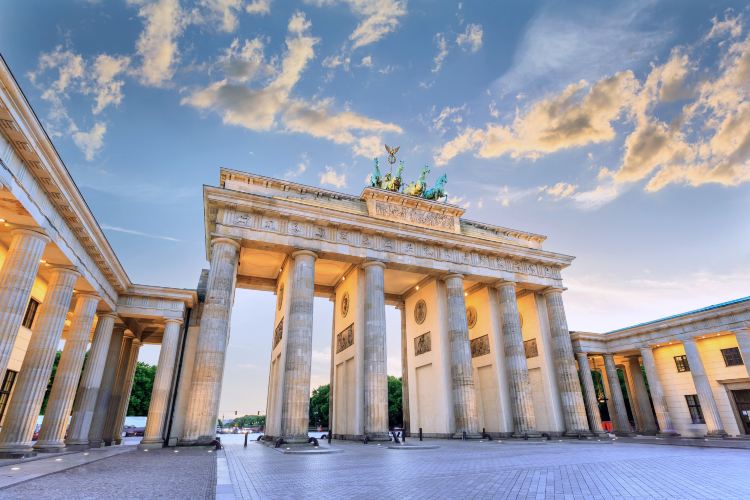
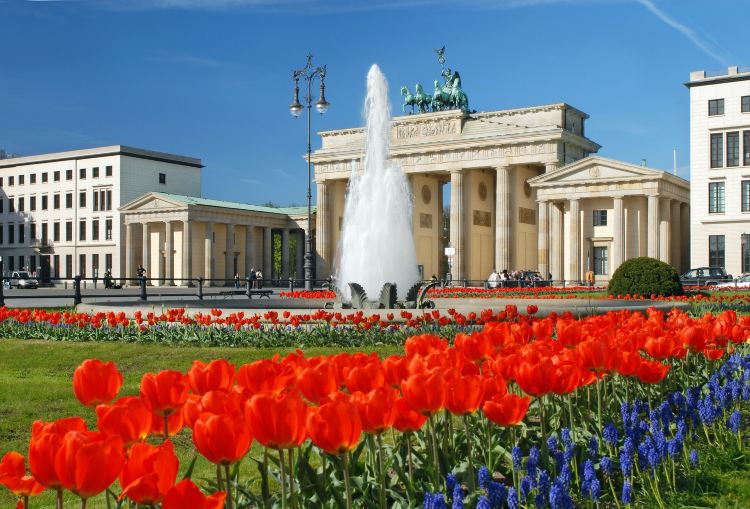
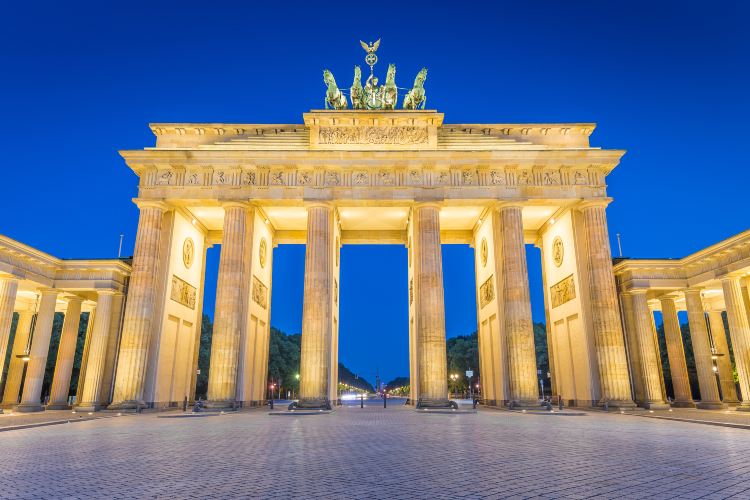
The Brandenburg Gate in Berlin stands as a monumental testament to Germany's history, embodying the nation's journey through periods of division and unity. This neoclassical structure, completed in 1791, was inspired by the Propylaea of the Acropolis in Athens and has since become an iconic symbol of Berlin. The gate's design features twelve Doric columns and is crowned by the Quadriga, a bronze sculpture of a chariot drawn by four horses, which has its own storied past of being taken by Napoleon and later returned to signify victory. Once a marker of division when the Berlin Wall enclosed it, the Brandenburg Gate now epitomizes European unity and peace, especially since its reopening in 1989 after the fall of the Wall. Visitors can walk through the gate, experiencing the same path once reserved for royalty, and absorb the rich historical ambiance of this iconic landmark.


Berlin Cathedral
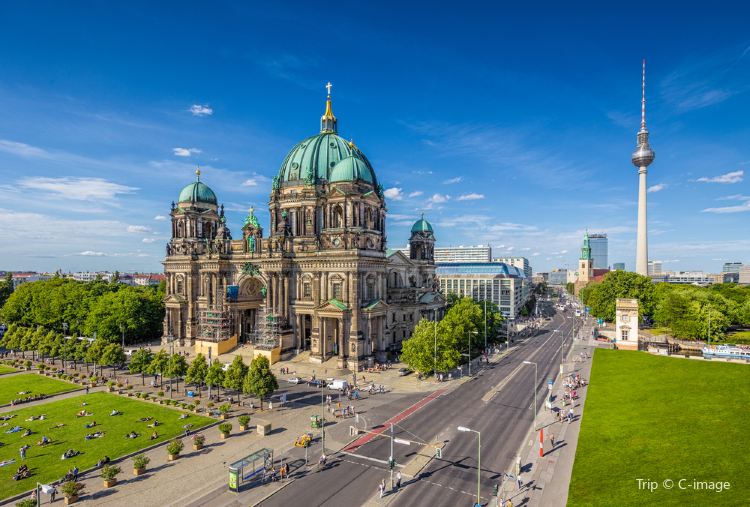
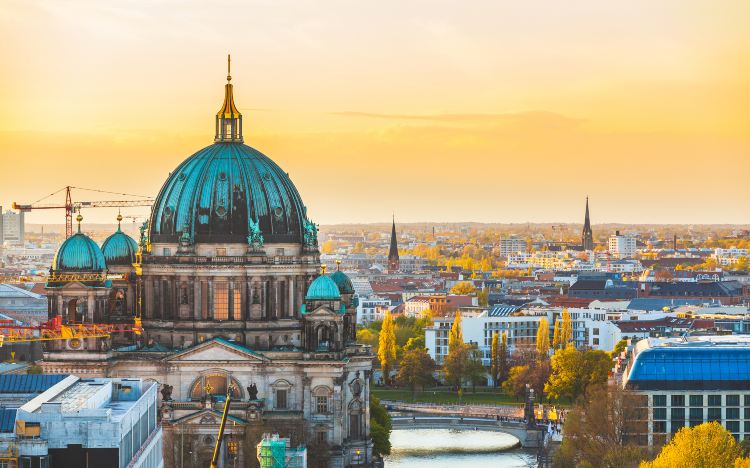
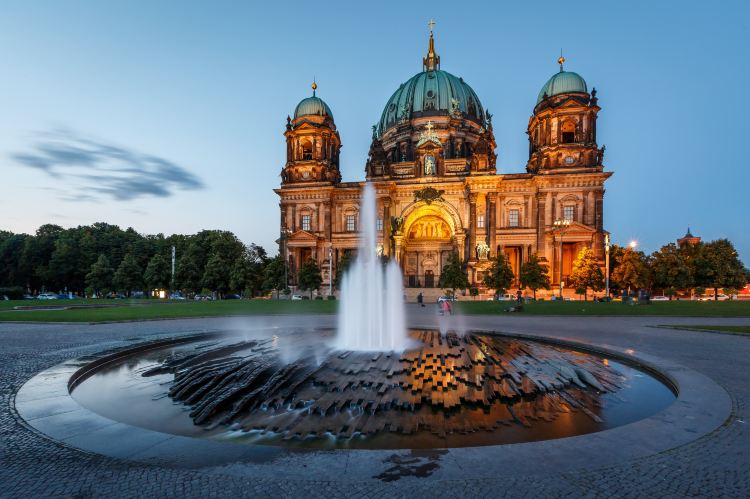
Berlin Cathedral, also known as Berliner Dom, stands as a significant historical and architectural landmark in Berlin's central Mitte district, located on Museum Island. This grand structure, commissioned by Kaiser Wilhelm II and completed in 1905, showcases a blend of Renaissance and Baroque Revival styles, designed by Julius Raschdorff. The cathedral's interior is adorned with an exquisitely carved raised pulpit, baptismal and matrimonial chapels, an imperial staircase, a gold altar, and a notable organ with over 7000 pipes.
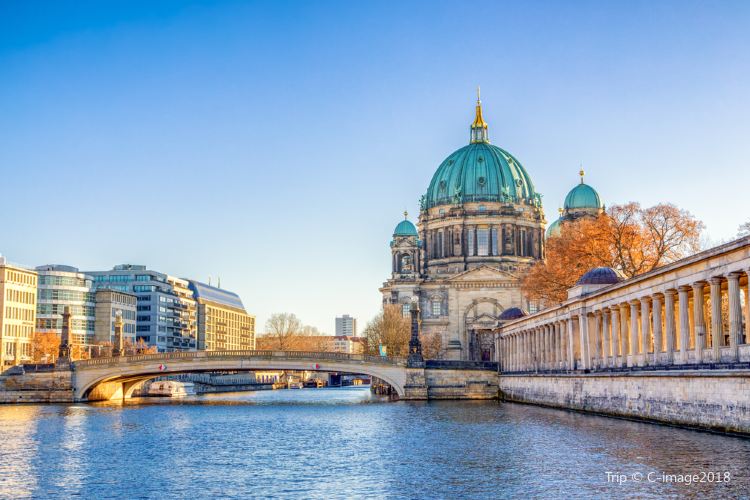
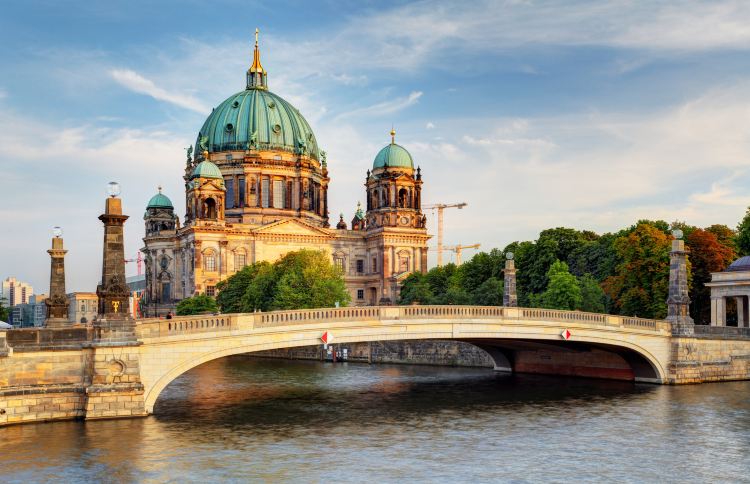
Visitors can attend services, explore the cathedral's museum, and enjoy the rich musical tradition through concerts featuring the historic organ and choirs. One of the highlights is the climb to the dome, offering panoramic views of Berlin's cityscape, including the synagogue, Gendarmenmarkt, and the Reichstag. The Hohenzollern Crypt, a significant dynastic burial place, contains 90 burials from the 16th to the 20th century. The cathedral's history, dating back to the Middle Ages, and its subsequent reconstructions, reflect the evolution of Berlin's religious and cultural landscape.


Berlin Wall Memorial
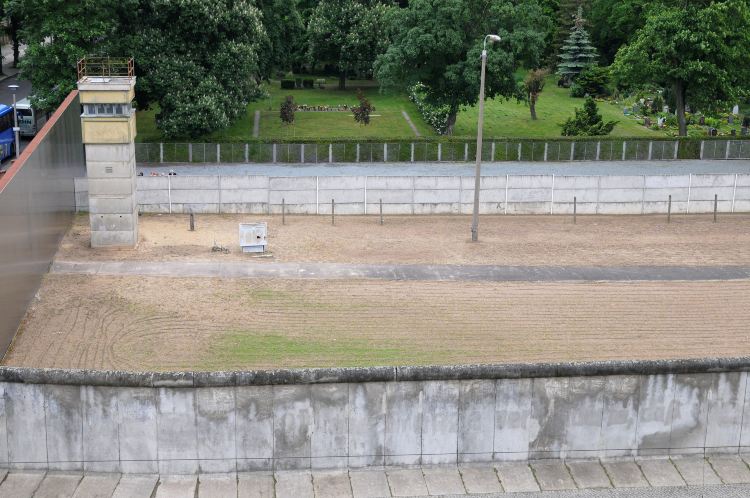
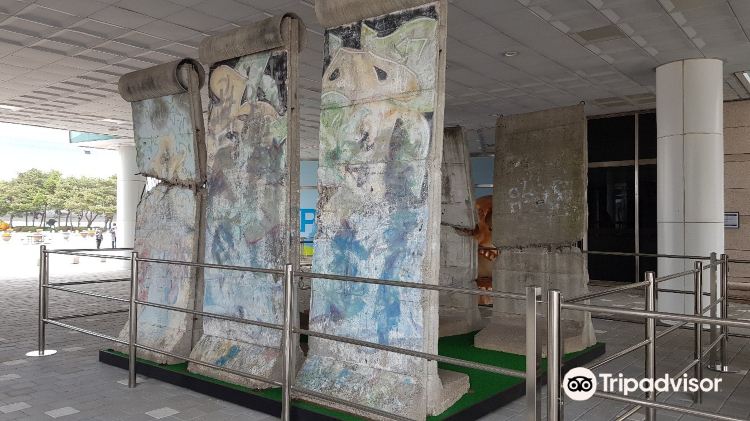
The Berlin Wall Memorial, situated along Bernauer Strasse, is a poignant reminder of the city's divided past and the impact of the Berlin Wall on the lives of Berlin's citizens. This central memorial site extends over 1.4 kilometers of the former border strip and includes the last remaining section of the Wall with its original fortifications, offering visitors a vivid impression of the border defenses as they stood until the late 1980s.
Visitors to the memorial can engage with various indoor and outdoor exhibitions that document the history of Berlin's division and the Wall's construction and fall. The outdoor exhibition uses the former border strip to illustrate the Wall's history, while the indoor exhibition, including the Documentation Center and Visitor Center, provides a deeper understanding through photos, videos, and audio recordings. The site also features the Chapel of Reconciliation and the Window of Remembrance, which honors the victims of the Wall. The observation tower offers panoramic views of the historical site, allowing for a comprehensive experience of the area's significance.


Berliner Fernsehturm
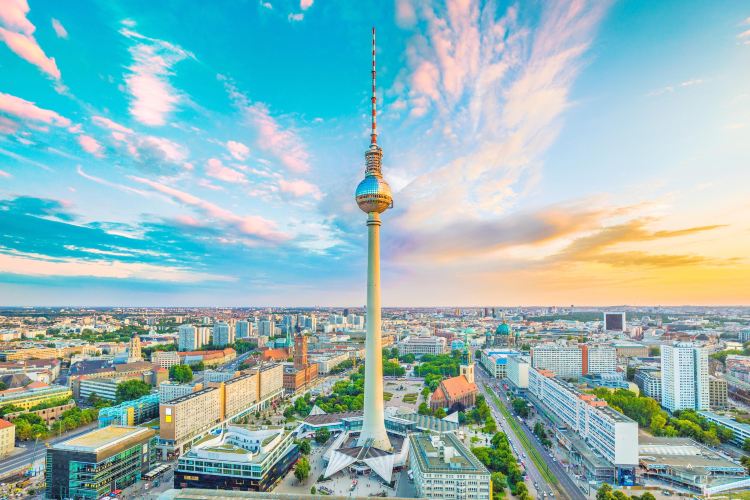
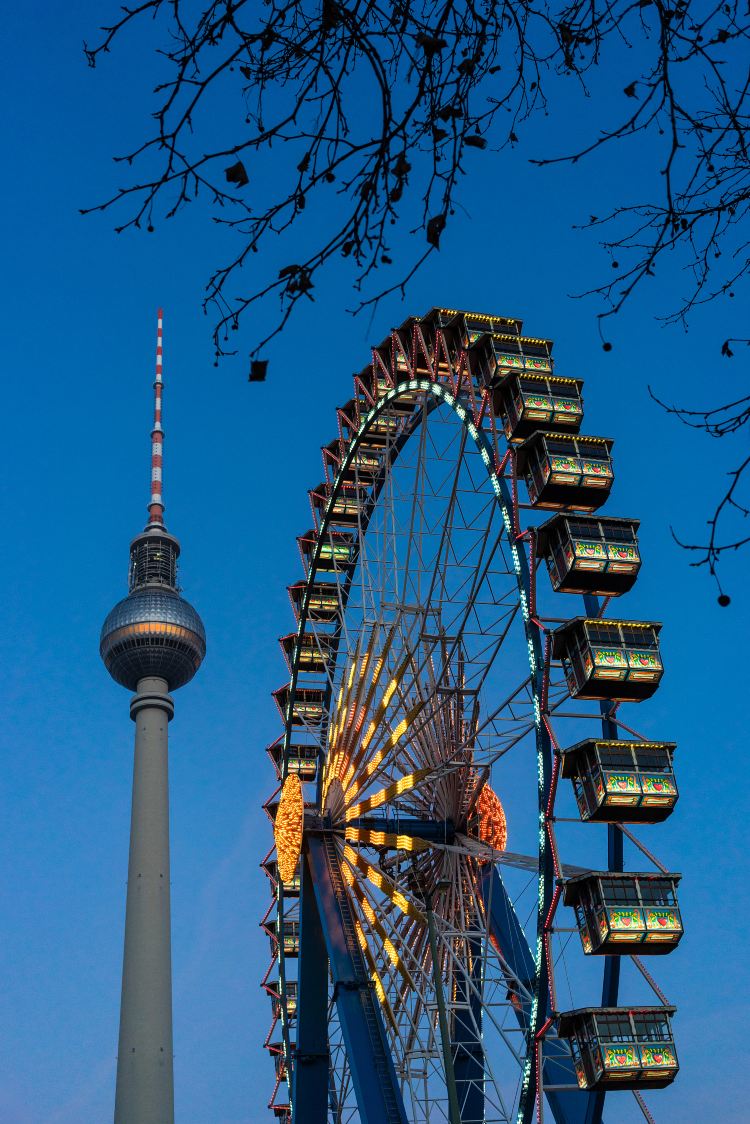
The Berliner Fernsehturm, also known as the Berlin TV Tower, is a quintessential symbol of the city and a must-see attraction for visitors. Standing at 368 meters, it is the tallest structure in Germany and offers an observation deck with stunning 360-degree panoramic views of Berlin. Constructed between 1965 and 1969, the tower was a showcase of GDR engineering and a symbol of Communist power, now transformed into a landmark of reunified Germany. The tower's sphere houses a rotating restaurant, providing a unique dining experience with a changing backdrop of the cityscape. Visitors can ascend to the observation deck via a speedy elevator, gaining a bird's-eye view of Berlin's historic and modern landmarks. The Berliner Fernsehturm is not only an architectural marvel but also a testament to the city's history and its journey through time.


Berlin Food Guide
Berlin's food scene is a rich tapestry of traditional flavors and culinary innovation, featuring hearty staples like crispy pork knuckle and rye bread, iconic street food such as currywurst, classic dishes like Kartoffelsalat, and the refreshing tartness of Berliner Weisse beer, all reflecting the city's historical roots and evolving tastes.
Crispy pork knuckle

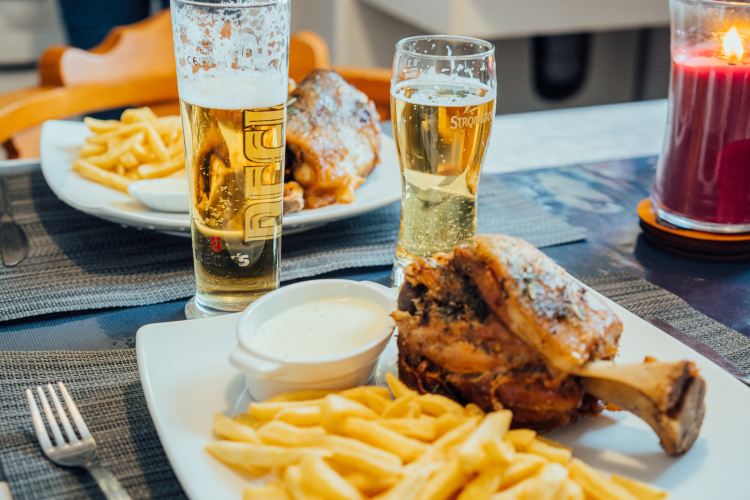
A succulent and hearty dish that is a staple in the city's culinary scene, especially savored in beer halls like Augustiner in the Gendarmenmarkt area. This German delicacy is characterized by its slow-roasted skin that turns crackling and crispy, encasing the moist and tender meat beneath. Traditionally accompanied by a beer gravy and best enjoyed with a Riesling or a robust Pilsner, the pork knuckle epitomizes the German love for rich flavors and generous portions.
Curried sausage
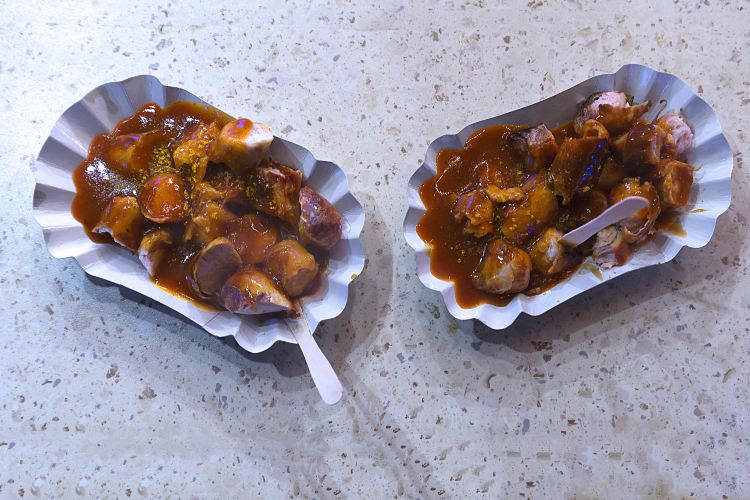

Berlin's iconic street food, created by Herta Heuwer in 1949, is a testament to post-war resourcefulness and culinary innovation. This savory snack features steamed, then fried pork sausage, cut into bite-sized pieces and smothered in a distinctive curry ketchup sauce, a blend that owes its existence to British soldiers' supplies. A symbol of the city, currywurst is enjoyed by millions annually, often accompanied by fries or bread rolls, and has inspired songs, novels, and even a museum dedicated to its history.
Potato dishes

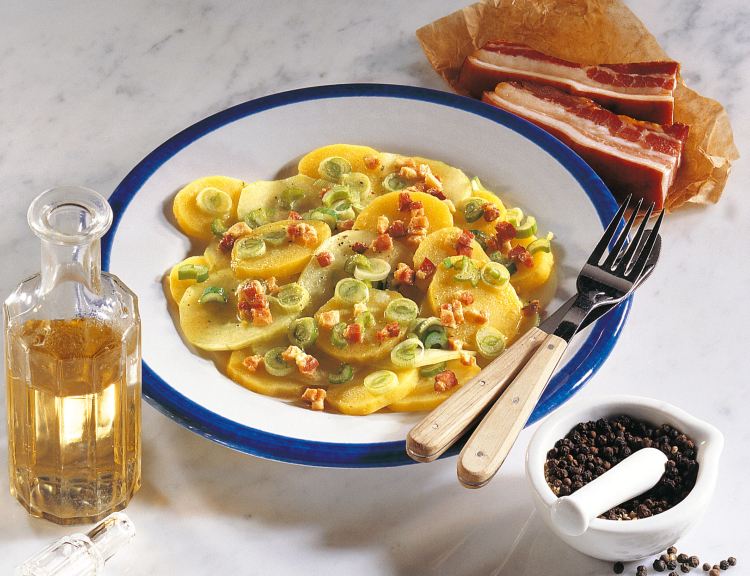
A traditional German Potato Salad that has been a staple in Berlin households since the early 1900s. Made with a blend of potatoes, mayonnaise, and onions, it offers a tangy flavor and is sometimes served with fried eggs mixed into the salad. This dish is commonly found at food festivals and events throughout Berlin, providing an excellent opportunity for visitors to savor a classic German taste.
Rye bread


A staple of German cuisine, characterized by its coarse texture and dense composition, primarily made from whole grains such as rye. This hearty bread is a fundamental part of traditional meals like Abendbrot, where it is typically served with butter, cheese, and cold meats. Renowned for its long history and cultural significance, rye bread is a must-try for those visiting Berlin's esteemed bakeries, such as Soluna and Weichardt Bakery.
Berliner weisse
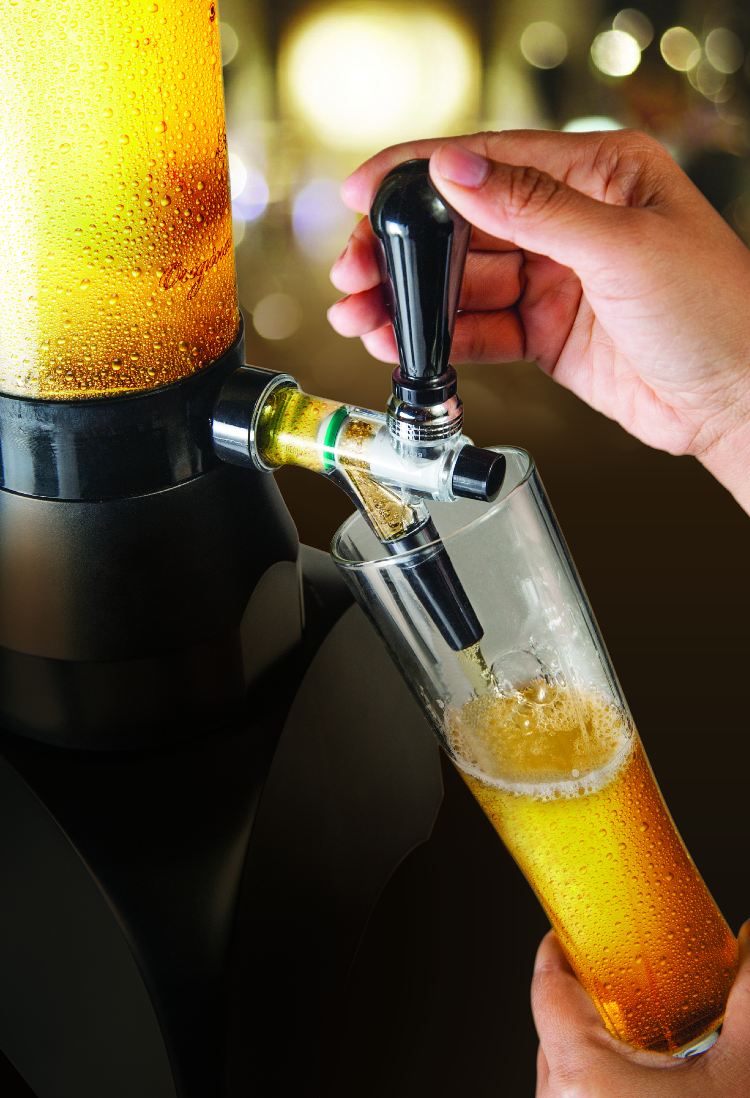
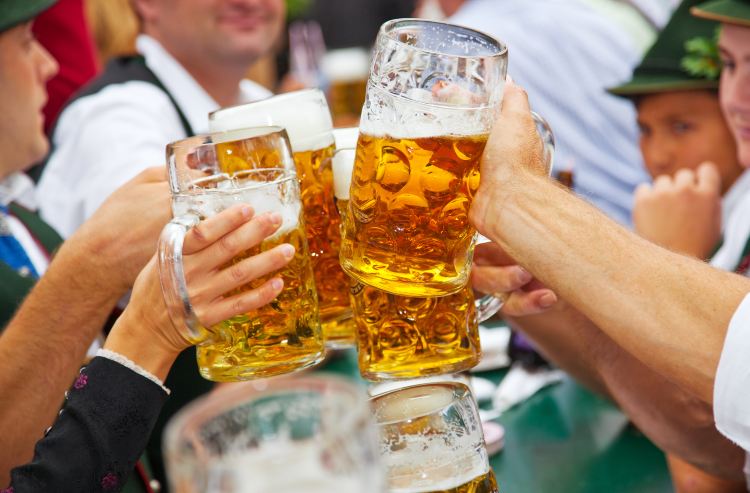
A traditional German beer that has gained a resurgence in popularity, particularly in the United States. Known for its tartness and mild sourness, this wheat beer is characterized by its low alcohol content and a refreshing, effervescent quality. While Germans traditionally add syrup to their Berliner Weisse.
Berlin Transportation
How to Get There
Berlin is a major transportation hub with excellent international connections. Travelers can arrive by plane, train, or long-distance bus from across Europe and beyond.
By Plane:
Berlin Brandenburg Airport (BER) is the city's sole international airport, serving flights from numerous global destinations. The airport has excellent public transit connections to the city center.
- Airport Express Train (FEX): The fastest option, taking about 30 minutes to reach Berlin Hauptbahnhof (Central Station).
- Regional Trains (RE7, RB14): Also offer quick and frequent service to central Berlin.
- S-Bahn (S9): Provides a frequent, slightly slower rail connection to the city center.
- Bus (X7, X71): Connects the airport to the U-Bahn (underground) network, taking about 45–55 minutes to reach the central city.
By Train:
Berlin Hauptbahnhof is a central hub for Germany's high-speed and regional rail network, Deutsche Bahn (DB). It is well-connected to major European cities like Amsterdam, Prague, Vienna, and Copenhagen.
By Bus:
Long-distance bus services, like FlixBus, offer affordable routes connecting Berlin to other European cities. These buses typically arrive at the central bus station (Zentraler Omnibusbahnhof), which is easily connected to the city's public transport network.
Local Transportation
Berlin's public transportation network, operated primarily by the BVG, is one of the most comprehensive and efficient in Europe. It operates on a unified fare system that covers all modes of transport.
Public transit tickets and cards
- Fare Zones: The city is divided into three fare zones—A, B, and C. For most tourists, traveling within the city center, you will only need a ticket for zones AB. The airport and the city of Potsdam are in zone C, requiring an ABC ticket.
- Single Ticket (Einzelfahrschein): Valid for one journey in one direction for up to 120 minutes. No return or round-trip tickets are permitted on this ticket.
- 24-Hour Ticket (Tageskarte): Offers unlimited travel within your selected zone(s) for 24 hours from the time of validation. It is a cost-effective option for a full day of sightseeing.
- 7-Day Ticket (7-Tage-Karte): Ideal for a longer stay, this ticket provides unlimited travel for seven consecutive days.
- Tourist Cards: For those planning to visit multiple attractions, the Berlin WelcomeCard and Berlin CityTourCard include a public transport ticket and offer discounts of up to 50% at many sights.
- Validation: It is crucial to validate (stamp) your ticket at one of the small machines on the platform or in the bus/tram before starting your journey. Traveling with an unvalidated ticket can result in a hefty fine.
S-Bahn (Rapid Urban Rail): An overground rail network (recognizable by the green and white 'S' logo) that connects the city center with suburbs and surrounding areas.
U-Bahn (Underground): The city's subway network (marked by a blue and white 'U' sign) offers a fast way to get around the core of the city. On weekends, the U-Bahn runs 24/7.
Tram (Straßenbahn): An extensive tram network, concentrated in the eastern part of Berlin, complements the U-Bahn and S-Bahn.
Bus (Omnibus): A dense network of bus routes fills the gaps in the rail network. Famous double-decker routes, like the 100 and 200, are great for an inexpensive sightseeing tour.
Taxis and Ride-sharing: Taxis are plentiful and can be hailed on the street or booked via apps. Ride-sharing services like Uber are also active in Berlin and can be booked via their app.
Cycling and E-scooters: For a more active way to explore, Berlin offers numerous bike and e-scooter sharing options through apps like Tier, Lime, and Nextbike.
Berlin Where to Stay
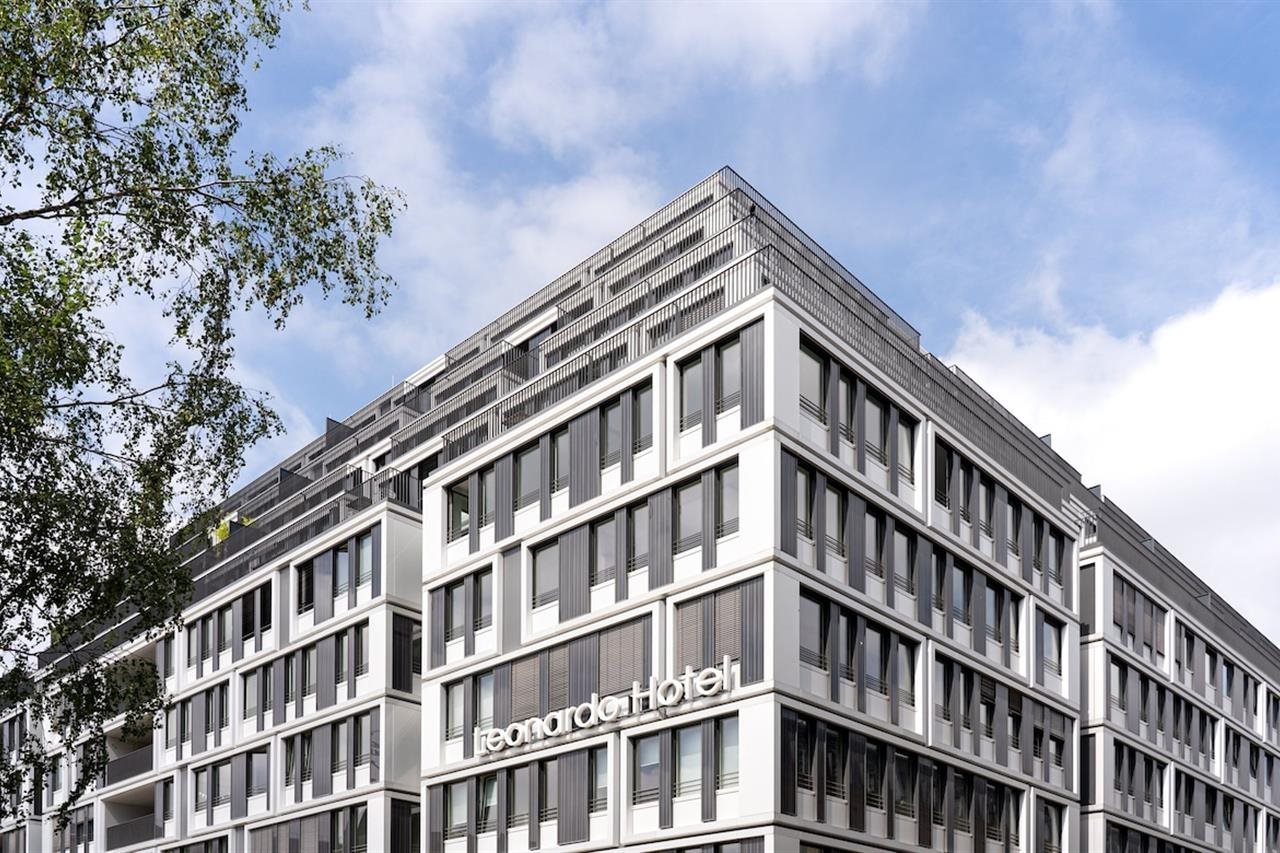
Berlin is a city that has undergone significant transformation, offering a diverse range of accommodation options across its various districts. From the historic center to the more modern outskirts, Berlin's hotel landscape is as varied as the city itself.
Berlin City Centre
Historic landmarks, cultural hotspots, convenient transportation
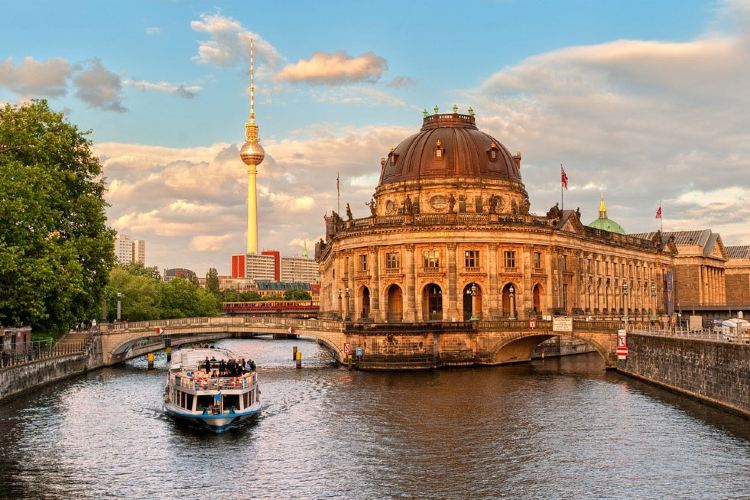
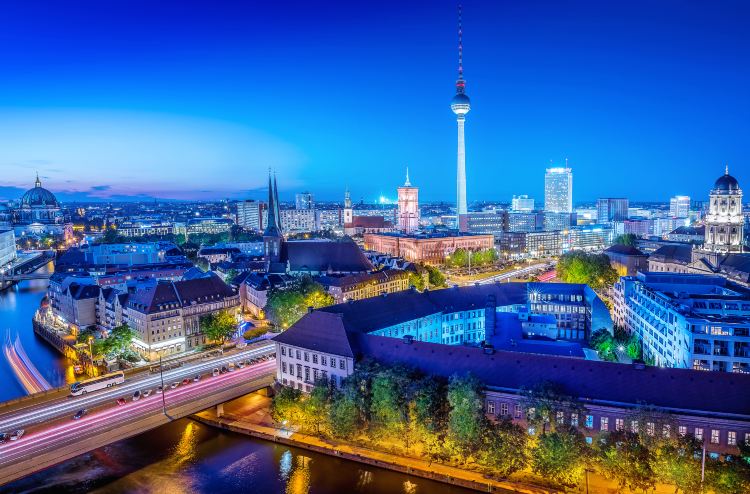
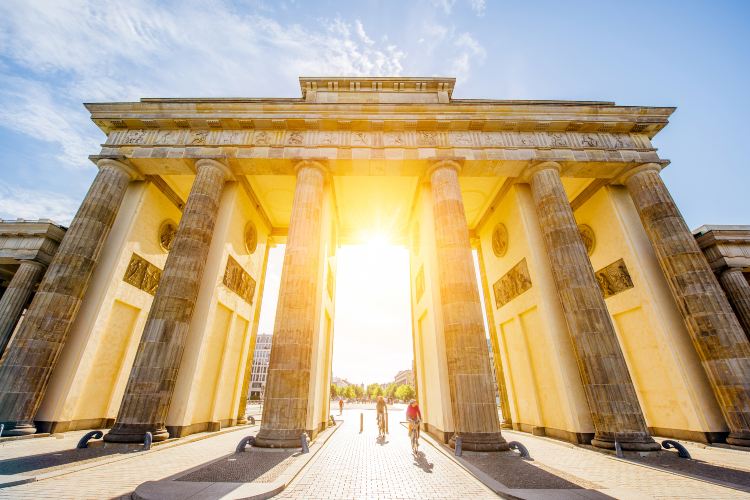
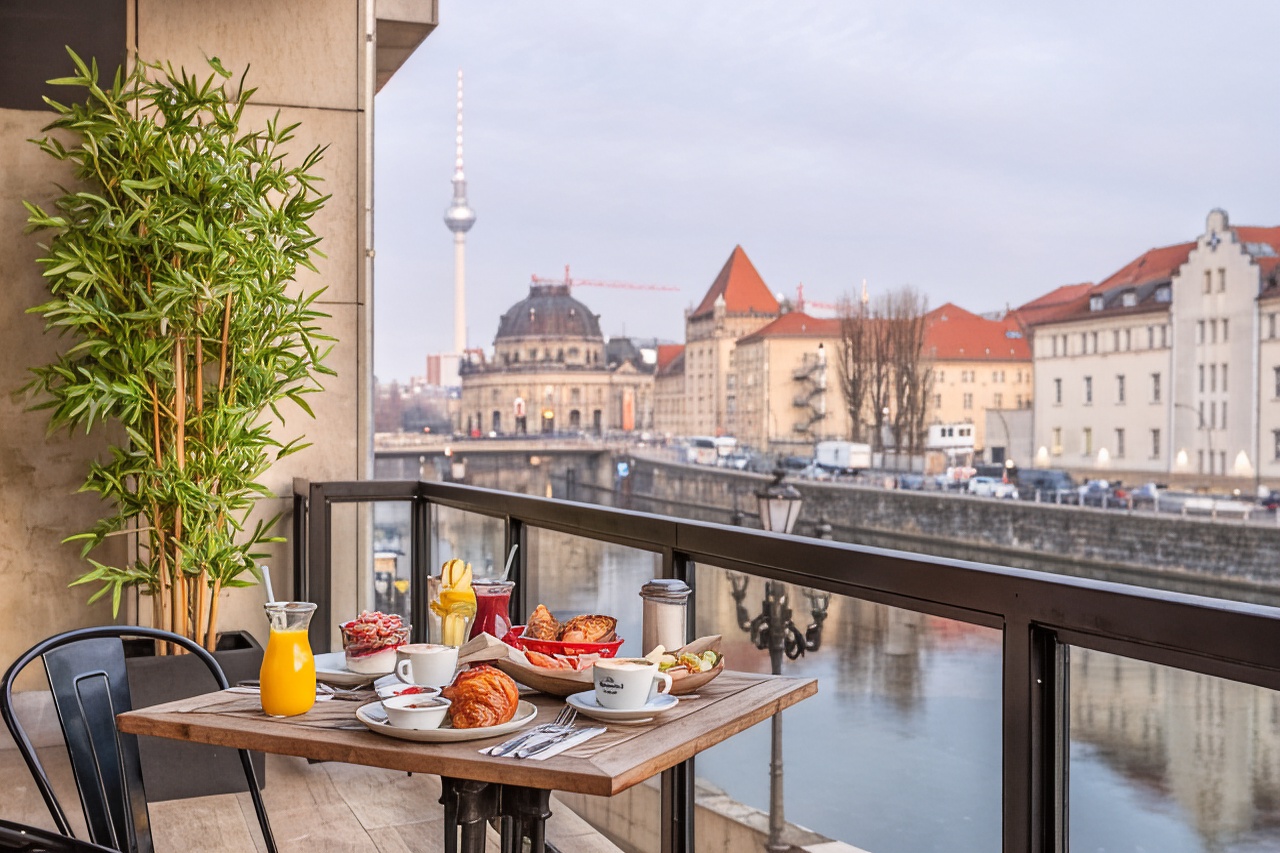
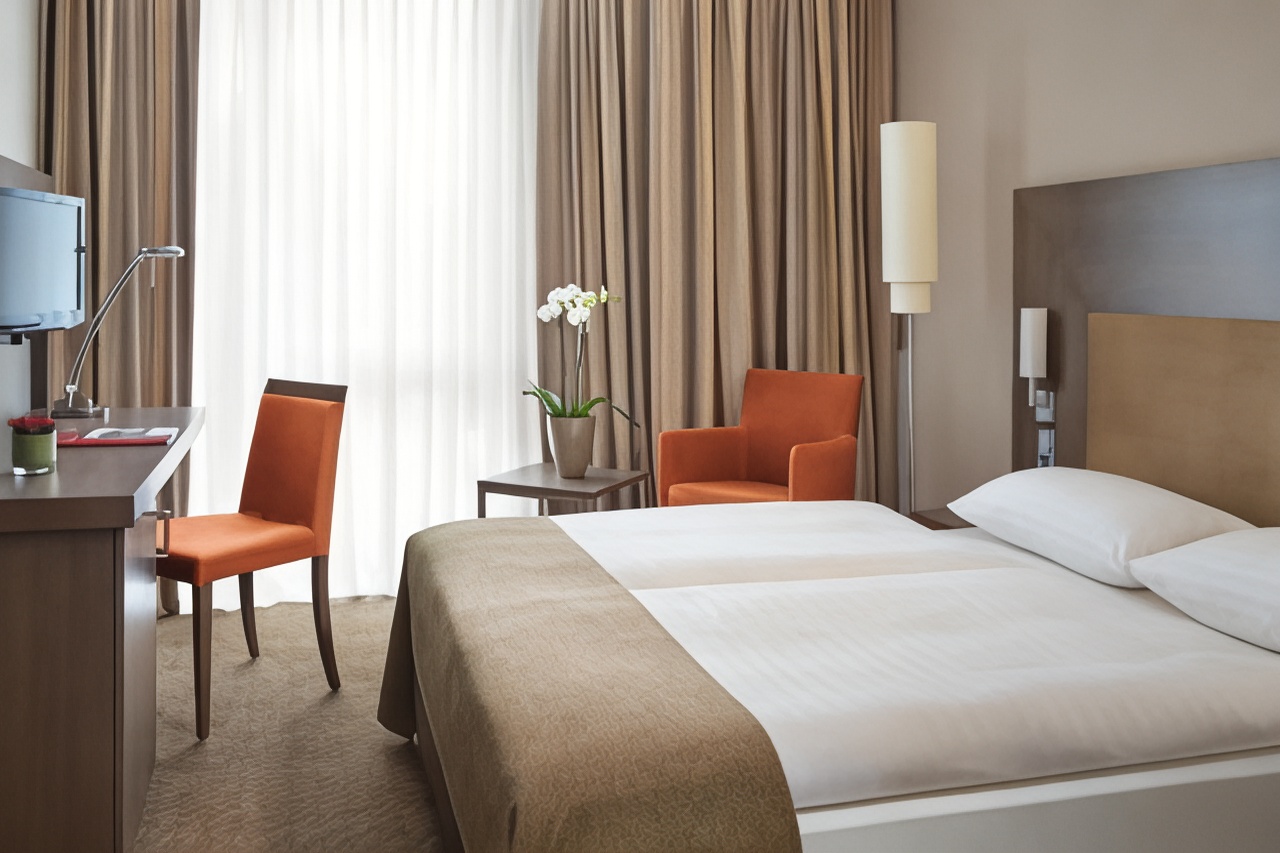
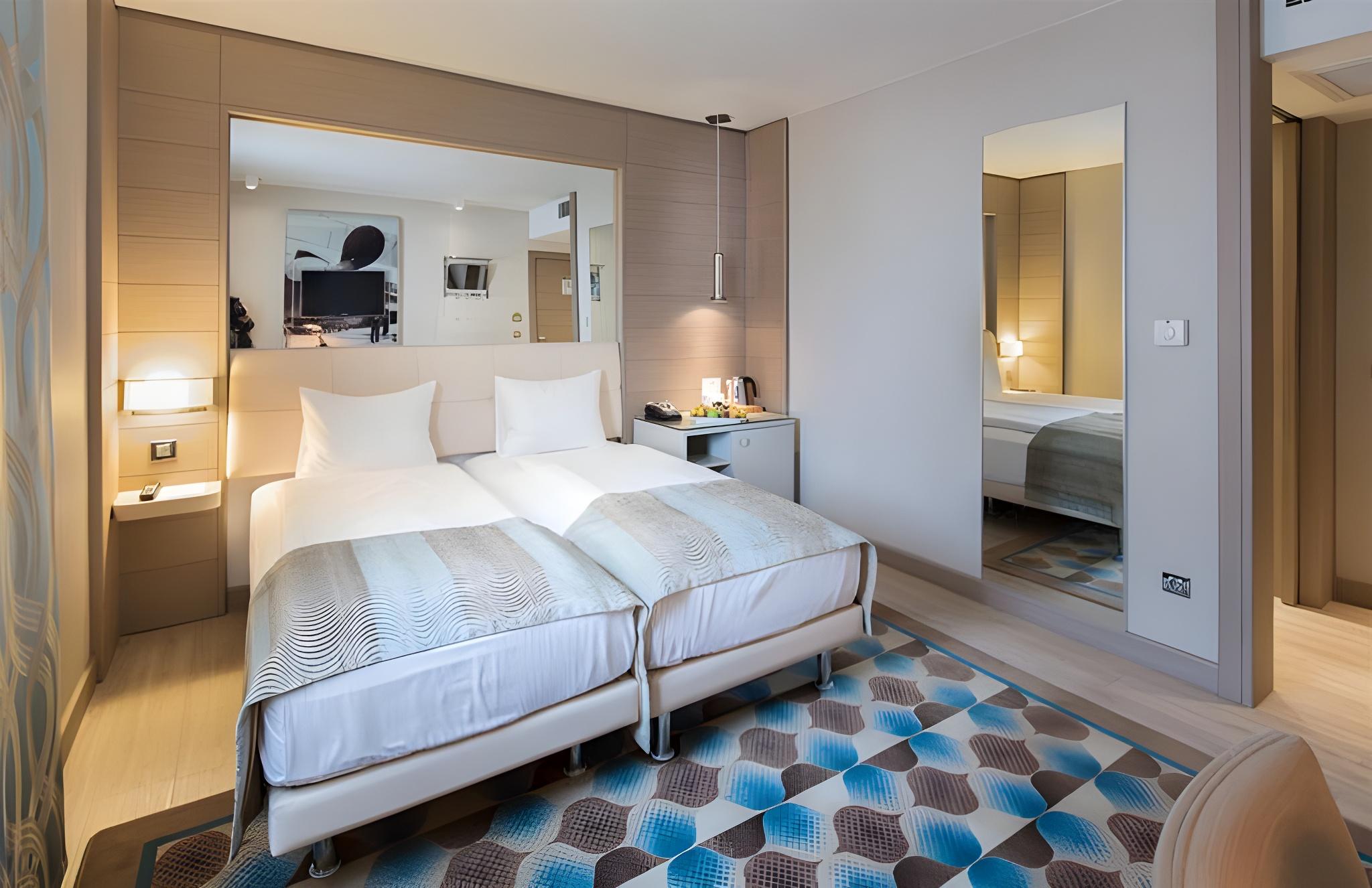
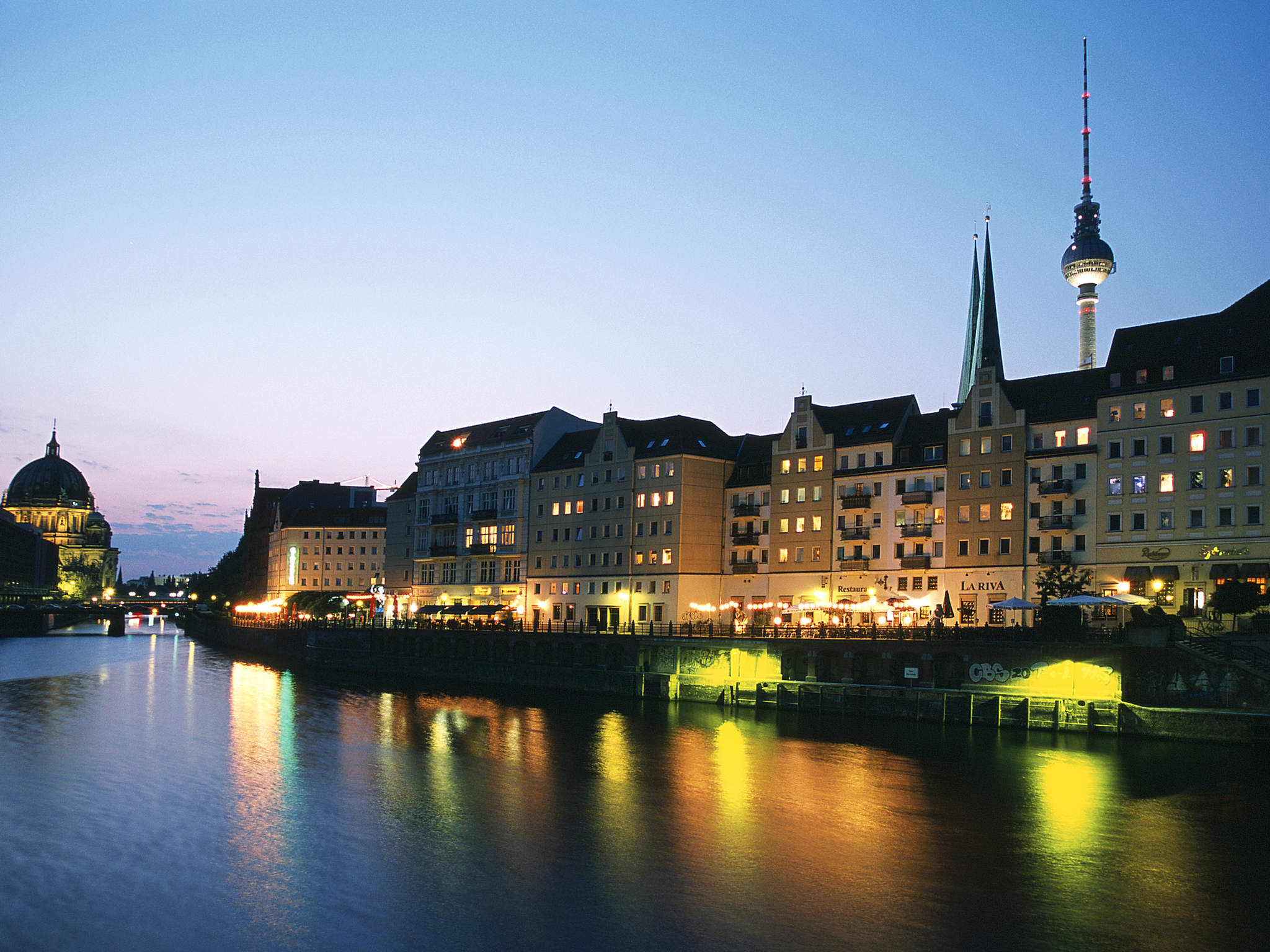
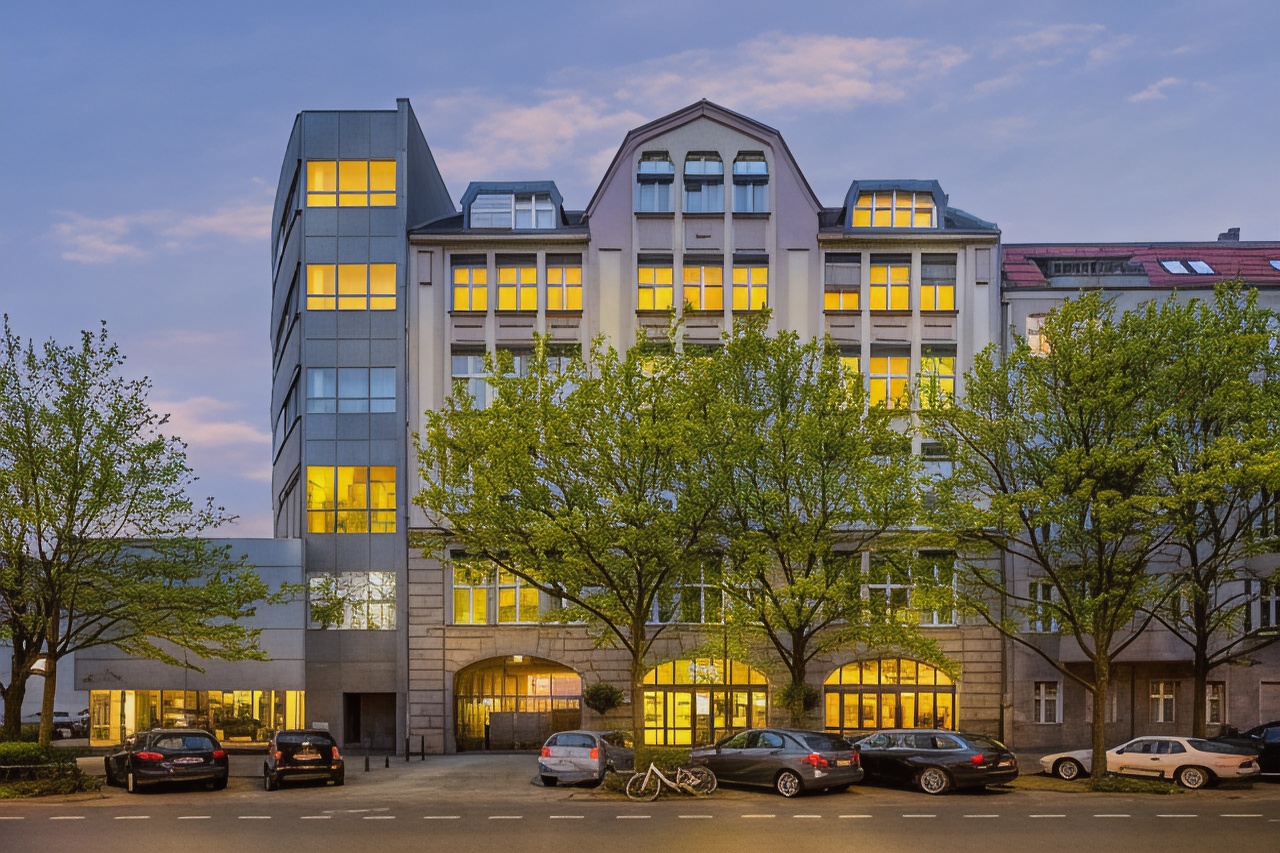
The Berlin City Centre is the heart of the city, boasting a rich history and a plethora of cultural landmarks. It is an ideal location for travelers who wish to be in close proximity to iconic attractions such as the Brandenburg Gate, Museum Island, and the TV Tower. The area is well-served by public transportation, making it easy to explore the rest of the city. Hotels in the city center range from luxury accommodations to more budget-friendly options, ensuring that there is something for every type of traveler. The vibrant atmosphere is complemented by a variety of dining and shopping options, as well as a lively nightlife scene.
Messe Berlin
Convenient for business travelers, close to exhibition grounds
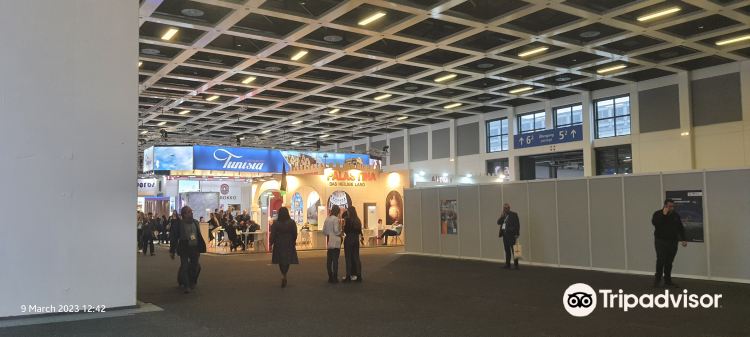
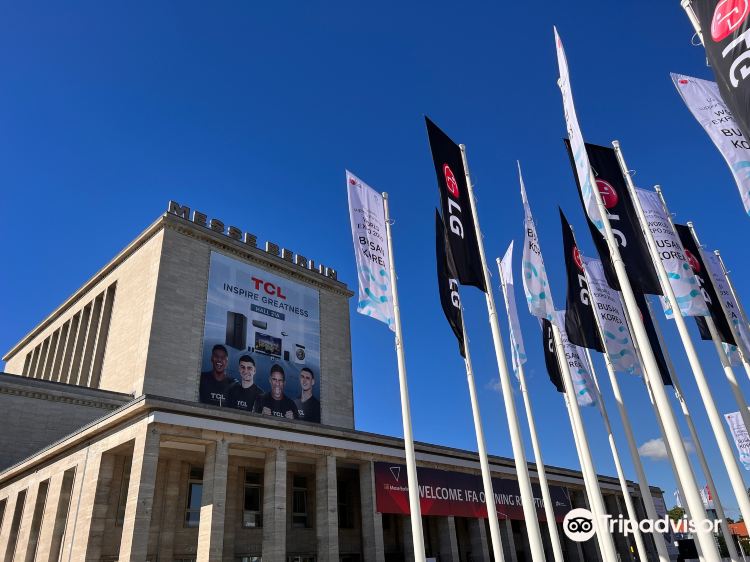
Messe Berlin is particularly convenient for business travelers attending trade fairs and conventions. Located in the Charlottenburg-Wilmersdorf district, it is in the vicinity of the Berlin ExpoCenter City and the CityCube Berlin, making it an optimal choice for those visiting for events. The area offers a selection of hotels that cater to the needs of business guests, with amenities designed to facilitate work and relaxation. Although it is a bit removed from the city's main cultural attractions, it still provides good public transport connections for exploring Berlin during downtime.
Charlottenburg
Elegant charm, shopping avenues, cultural experiences
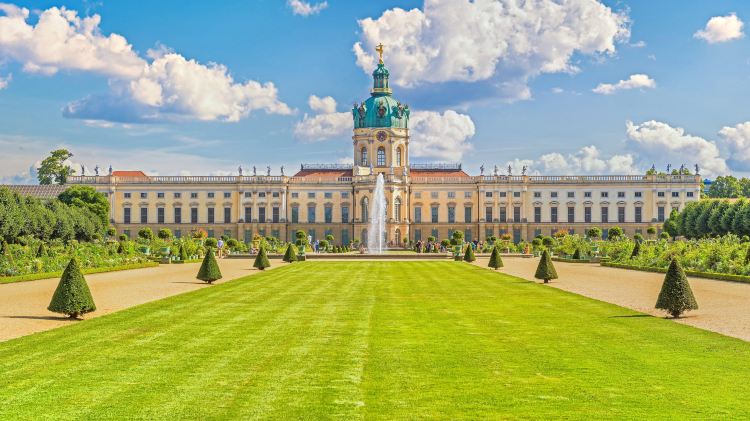
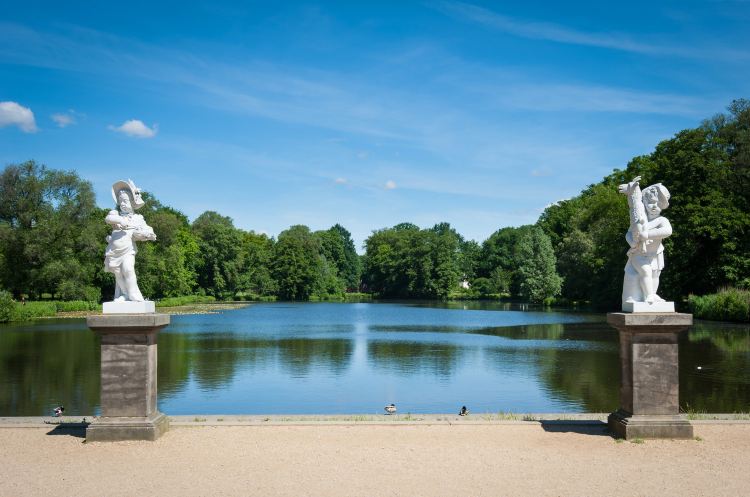
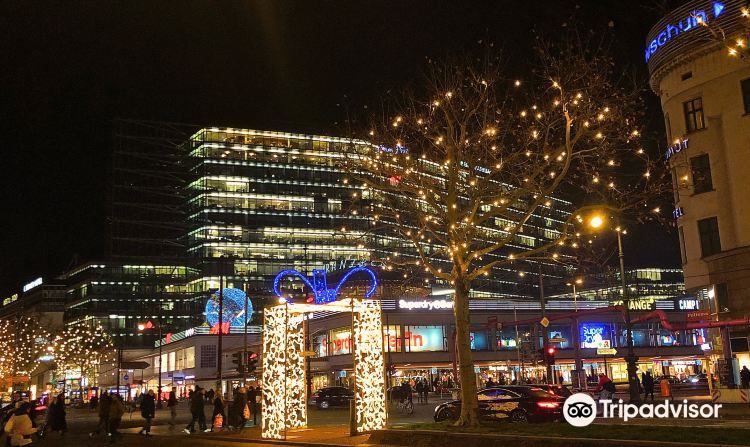
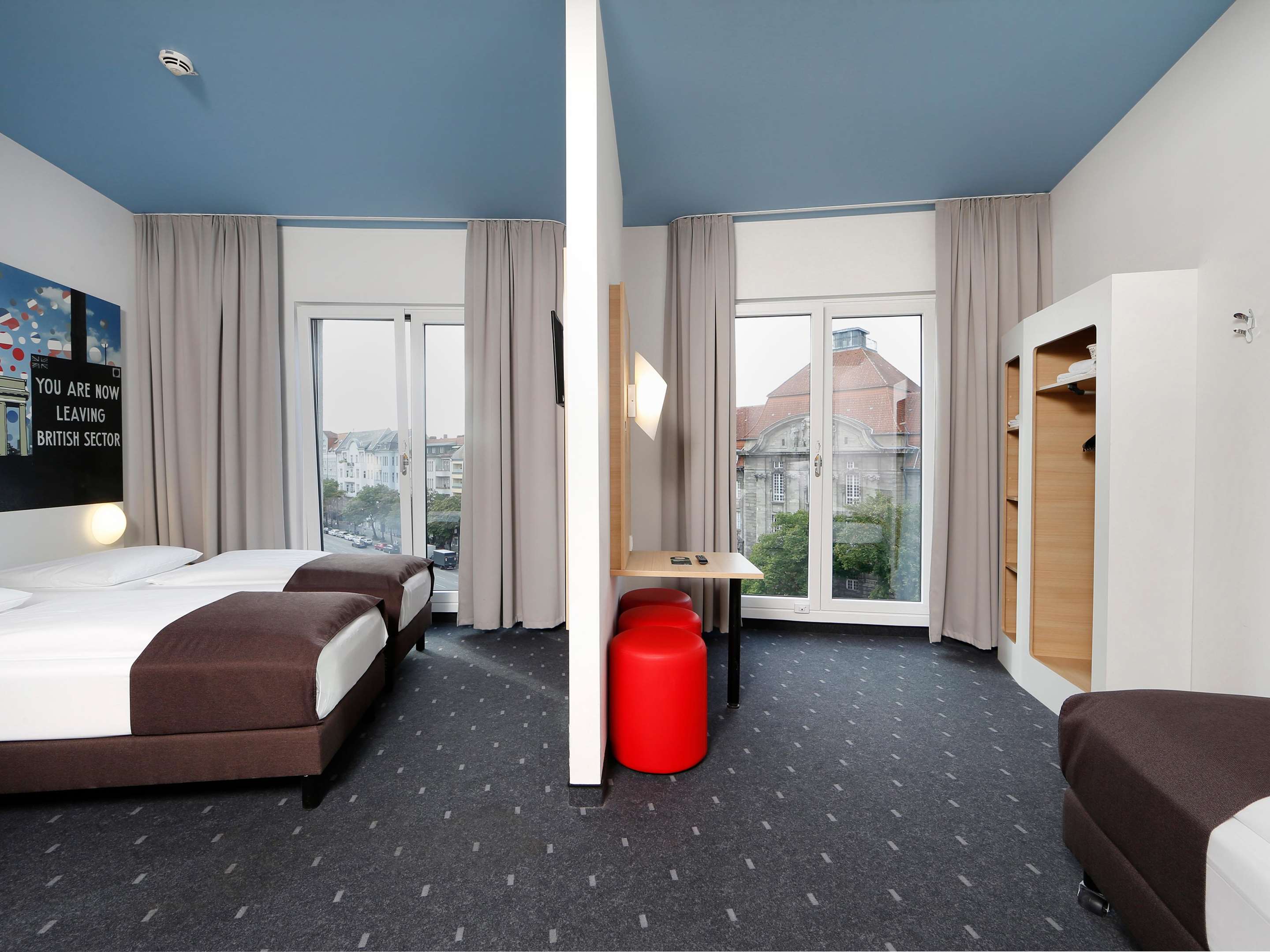
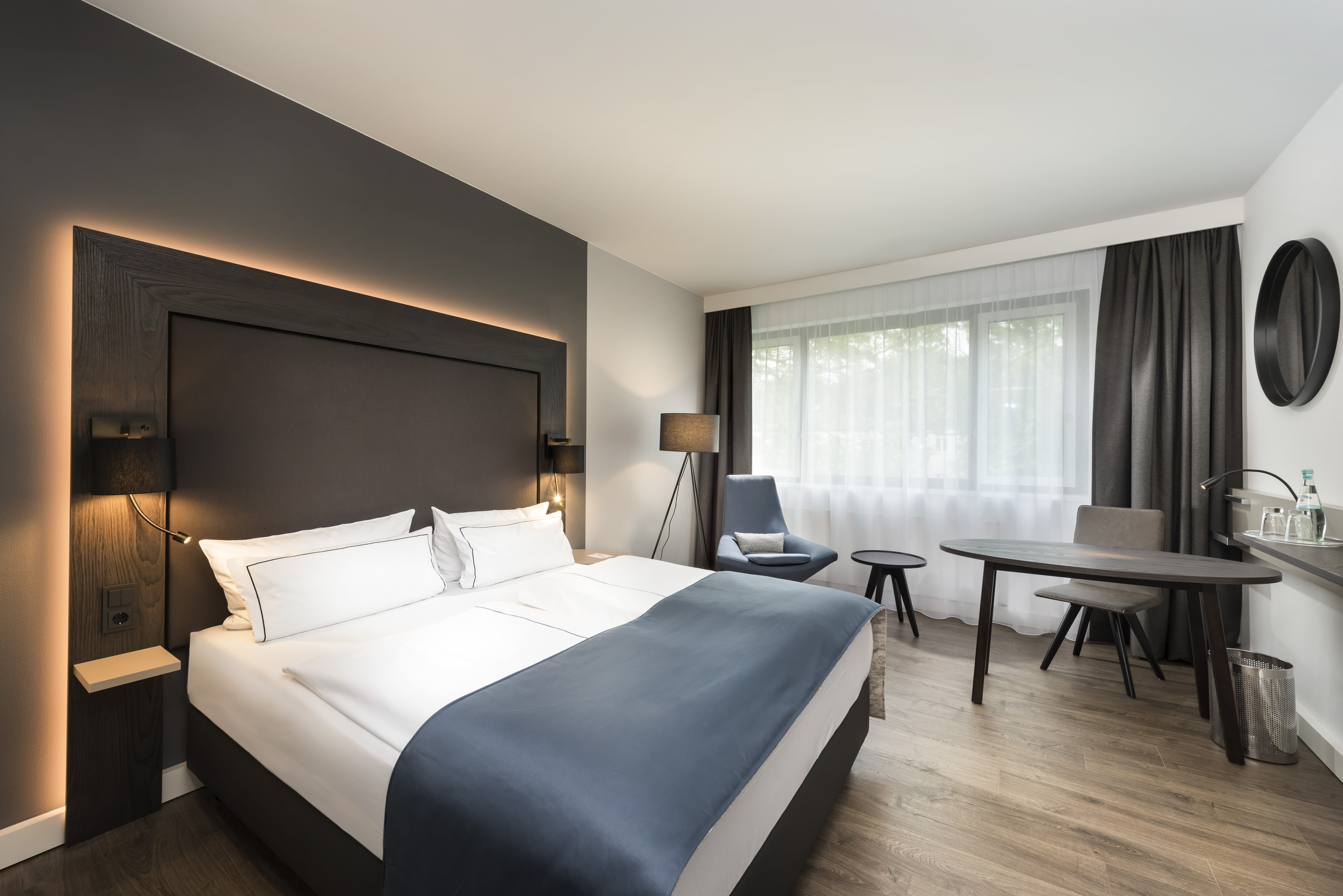
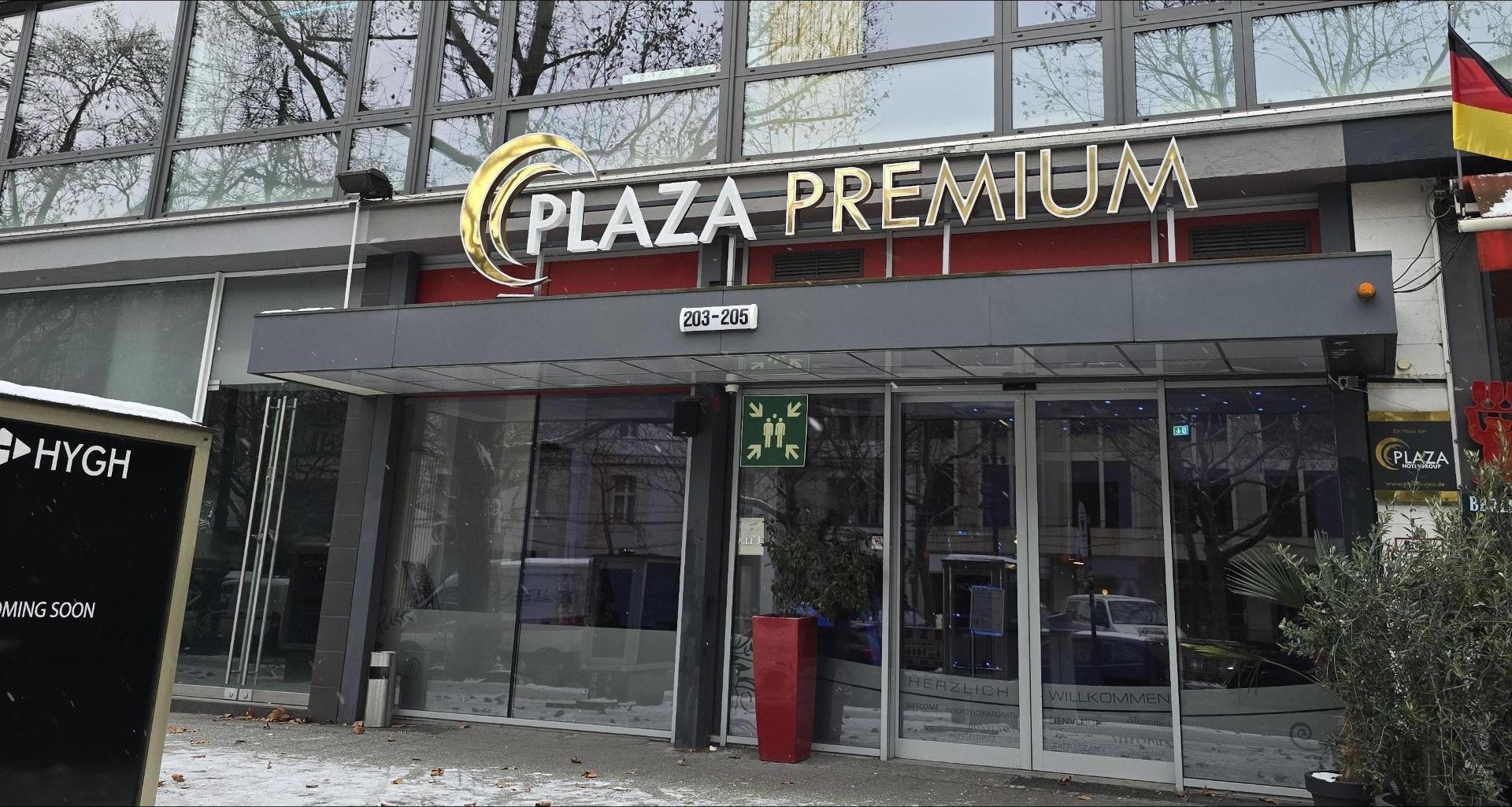
Charlottenburg is characterized by its elegant charm and is home to the magnificent Charlottenburg Palace and its surrounding gardens. This district is a shopper's paradise, with the famous Kurfürstendamm avenue offering a range of high-end boutiques and department stores. The area is also rich in cultural experiences, with several theaters and the Berlin Zoo nearby. Accommodations in Charlottenburg reflect the upscale nature of the district, with a mix of historic hotels and modern establishments. The neighborhood's refined ambiance is perfect for travelers seeking a quieter, more genteel experience while still having access to excellent dining options and convenient transportation links to the rest of Berlin.
Berlin Best Time to Visit
Best Time to Visit
The best time to visit Berlin is during the shoulder seasons of May to June and September to October, when the weather is pleasantly mild and the summer crowds have not yet peaked. For warm, lively weather and outdoor festivals, July and August are ideal, though you should expect larger crowds and higher prices. For budget travel and the festive Christmas markets, late November and December are your best bet, but be prepared for cold temperatures.
Berlin Travel Tips
1. Master public transport tickets and validation
Berlin's public transport operates on a trust system, but that doesn't mean you can skip paying. Always validate your ticket - stamp your ticket at the small machines on the platform for U-Bahn and S-Bahn or inside the bus/tram. A plain-clothed inspector can fine you heavily if you don't.
2. Carry cash for smaller purchases and tips
Have cash on hand for small cafes, kiosks, local bars, food stands, and flea markets. Tipping is not mandatory but appreciated for good service. A tip of 5–10% is standard in restaurants and can be rounded up when paying.
3. Book major attractions and tours in advance
For popular attractions like the Reichstag Building and the TV Tower, booking in advance is essential. During peak season, especially summer, entry tickets and tour slots can sell out quickly.
4. Stay safe from pickpockets in crowded areas
As with any major city, pickpocketing is a risk, particularly in crowded tourist hotspots. Keep bags and wallets secure, especially in crowded spots like Alexanderplatz or on busy U-Bahn and S-Bahn trains. The German police are generally helpful to foreigners and are the first point of contact if you are robbed or need help.
5. Be cautious when discussing history
While younger Berliners may be open to discussing the city's complex 20th-century history, the topic should be approached with sensitivity. Avoid making jokes about sensitive historical periods like the Nazi era, as this is unacceptable. Many Berliners, especially the younger generation, are willing to have a thoughtful conversation if you approach the subject respectfully.
6. Respect pedestrian rules
Wait for the green light. Berliners take traffic rules seriously, and crossing the street outside of designated areas (jaywalking) can result in a fine.
7. Be aware of quiet hours
In residential areas, quiet hours are generally enforced from 10 p.m. to 6 a.m. to minimize noise disturbance for residents.
8. Respect recycling rules
Germany's waste management system is highly organized. Use the color-coded bins for different types of waste: yellow for plastics, blue for paper, and black for residual waste. Follow the system to avoid fines and show respect for the local environmental standards.
9. Beware of bicycle lanes
Berlin has extensive bike lanes, often on sidewalks. Stay alert and avoid walking in these lanes to prevent accidents with cyclists, who have the right of way. Look for different paving patterns or markings to identify bike lanes. Treat bike lanes like streets: look both ways before crossing and never stop or walk on them.
Berlin Useful Guide
Local Language
The official language in Berlin is German, but English is widely spoken and understood, particularly in tourist areas, hotels, and among the city's large international and younger population.
While English is widely spoken in central districts and many service-based businesses, visitors should not assume everyone is proficient, especially in less tourist-heavy areas or for official matters. Learning a few basic German phrases is always appreciated and can enhance your experience, though you will generally find it easy to get by speaking only English.
Local APP
Jelbi: An all-in-one "mobility super app" from the BVG (Berlin's public transport company). Book and pay for public transport (U-Bahn, S-Bahn, bus, tram), taxis, and various shared services like e-scooters (Voi, Lime, Bolt), bikes (Nextbike), and cars (Miles, Sixt share).
BVG Fahrinfo: Offers real-time route planning, departure and arrival times, and platform numbers.
Free Now: A taxi and ride-hailing app, operating similarly to Uber.
Nextbike: A popular bike-sharing service. Rent bikes by scanning a QR code with the app. An account is linked to hundreds of other cities across Europe.
Resident Advisor (RA): This app is a must for anyone interested in Berlin's famous club scene.
Berlin WelcomeCard: The app version of the tourist card, which combines a public transport ticket with discounts for many popular attractions.
Internet and Communication
Free Wi-Fi hotspots
Free public Wi-Fi is available across Berlin at U-Bahn and some S-Bahn stations, the airport, and many popular tourist sites. This option is convenient and cost-free for basic connectivity, but it can be less secure and unreliable due to high usage.
Local physical SIM cards
Prepaid SIM cards offer a cost-effective solution for reliable mobile service. You can purchase them in the city at telecom stores like Telekom, Vodafone, and O2, as well as at electronics stores and supermarkets. You will need your passport for registration.
eSIM (embedded SIM)
For those with a compatible phone, an eSIM offers the most convenience, letting you buy and activate a data plan online before you arrive. It eliminates the need to find a store or handle a physical card, allowing you to get started immediately upon arrival. Popular global providers include Airalo and Holafly.
Portable Wi-Fi devices (Pocket Wi-Fi)
A pocket Wi-Fi device is ideal for travelers with multiple devices or those traveling in a group. You can rent a device that creates a secure Wi-Fi hotspot for multiple devices simultaneously.
International roaming
While convenient for last-minute needs, relying solely on international roaming is generally the most expensive option, with costs dependent on your home country provider. EU citizens can benefit from "Roam Like at Home" rules, but non-EU visitors should check their plan's specific rates or risk high charges.
Currency and Payment
The Euro € is used in Berlin.
Cash: Always carry some cash, including small bills and coins, for purchases in smaller cafés, food stalls, bakeries, and flea markets, as well as for tipping. Some restaurants and taxis may also be cash-only. A reserve of around €50–€100 per person is a reasonable amount to have on hand.
Credit and debit cards: Visa and Mastercard are the most widely accepted credit and debit cards, especially in urban areas and larger retailers. American Express is less commonly accepted. Card payments are common in hotels, supermarkets, department stores, and many tourist-focused restaurants. Always have a backup payment option, as some places may have a minimum purchase amount for cards or their machine may be temporarily down.
When paying with a card, always choose to be charged in the local currency (Euros), not your home currency. Paying in your home currency means the merchant, not your bank, is converting the money at an often unfavorable exchange rate.
Mobile and contactless payments: Contactless payments via Apple Pay and Google Pay are gaining traction, especially in larger shops and on public transport ticket machines. The contactless payment limit for cards in the Eurozone is typically €50.
Weather in Berlin

28°
/
16°
33°
/
16°

36°
/
18°

25°
/
15°

21°
/
13°
20°
/
15°
23°
/
14°
 Trending in Berlin
Silent Film Classics Under the Stars: UFA Film Nights on Museum Island@Museum IslandSilent Film Classics Under the Stars: UFA Film Nights on Museum Island
Hohenzollern crypt reopens after six-year closureHohenzollern crypt reopens after six years
Berlin's Neues Museum: ruin chic at its finest@Neues MuseumBerlin's Neues Museum: beautiful ruins at their best
Berlin: FAQ

What's the most popular attractions in Berlin?
What is the best season to visit Berlin?
Popular destinations
Bangkok
Tokyo
Kuala Lumpur
Los Angeles
Shanghai