Budapest 2025 Guide: Must-see attractions, local cuisine, and practical tips! | Trip.com
 Local GuidesLast updated on Trip.com: 01/09/2025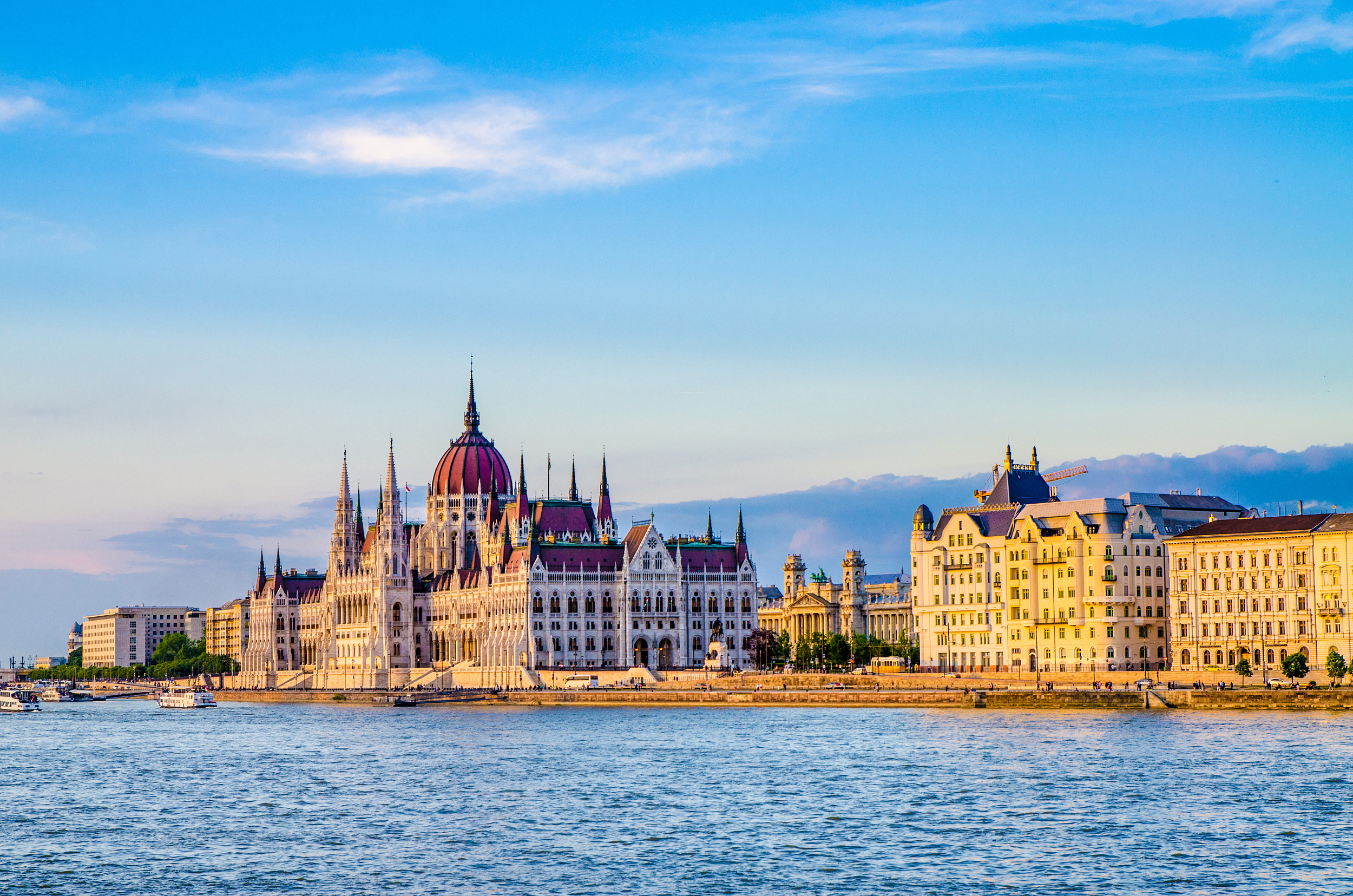
Budapest Brief Guide
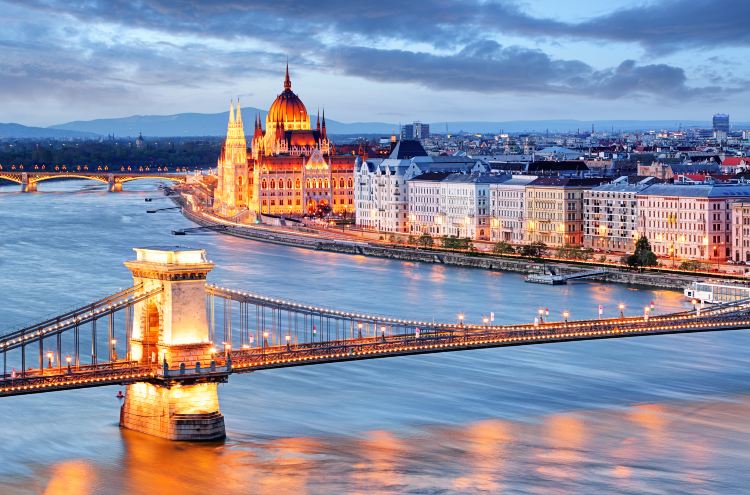
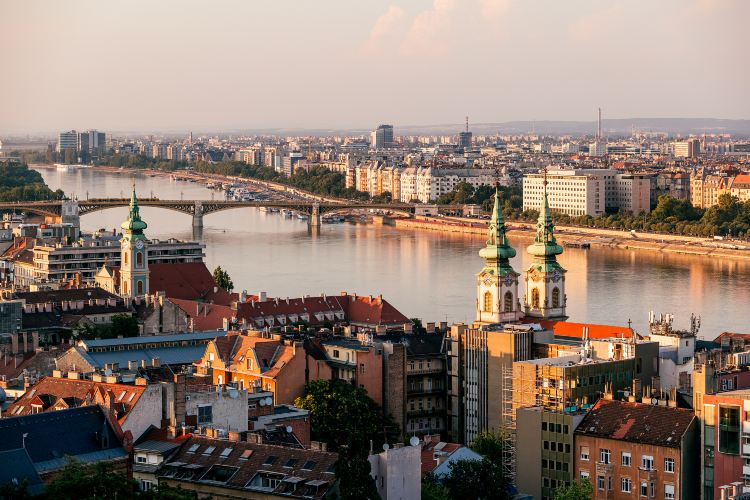
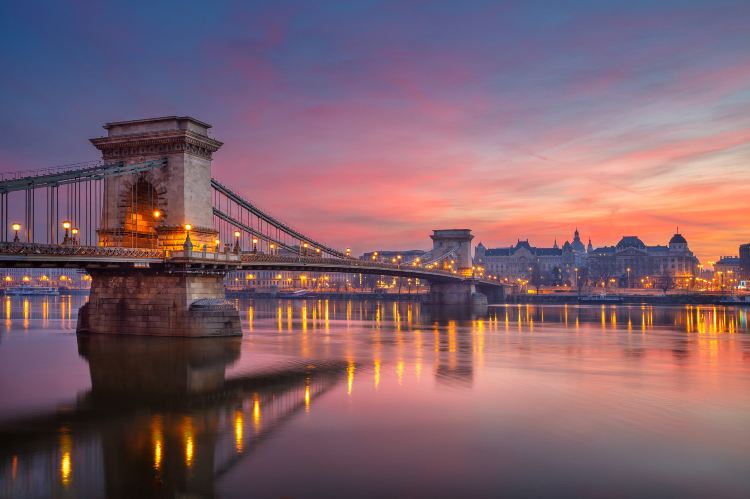
Budapest is the capital city of Hungary and it is also known as the "Pearl on the River Danube." The two banks of the River Danube, west and east, were the two cities of Buda and Pest. Starting in 1873, they were united into a single city, now called Budapest. Buda, on the west bank, holds the highlands. Castle Hill gathers together many scenic spots and symbolic landmarks, such as Halaszbastya (Fisherman's Bastion) and Matthias Church. The hill is also a great place for beautiful views of distant Pest. Pest, on the east bank, is mostly flat. This is the site of the magnificent Hungarian parliament building, as well as famous shopping streets.
Budapest Must-try local experiences
Enjoy Panoramic City Views
Ride the 150-year-old funicular to Buda Castle for sweeping views of the Danube River. Wander cobblestone streets in the Castle District, passing historic towers. Gaze at Budapest's skyline from Fisherman's Bastion, where spires frame sunrise or sunset. Sip coffee at a castle café or stroll past street musicians, soaking in the city's historic heights.
Explore Historic Landmarks
Stroll through Buda and Pest to admire Hungary's Parliament Building's pointed arches and riverside setting. Visit St. Stephen's Basilica, climbing to its dome for city views. Walk the Danube promenade, spotting Castle Hill's Matthias Church. Cross Széchenyi Chain Bridge's stone lions or Liberty Bridge's green ironwork, pausing at Margaret Bridge's arches, immersed in Budapest's storied architecture.
Cruise the Danube River
Board a Danube River cruise to glide past glowing bridges at night. Pass Széchenyi Chain Bridge's stone lions and Liberty Bridge's ironwork. Admire the lit-up Parliament Building's reflection on the water. Raise a glass of Hungarian wine to the city's beauty or sway to onboard music, capturing Budapest's shimmering skyline.
Taste Hungarian Cuisine
Savor goulash, a spicy beef stew, or chicken paprikash at a tavern. Pair with Tokaj aszú wine, a sweet variety. Grab a chimney cake, a caramelized pastry, from a stall. Try lángos, fried dough with sour cream, or stuffed cabbage rolls at a market—sample hortobágyi palacsinta, savory pancakes, relishing Budapest's hearty flavors.
Relax in Historic Cafés
Visit New York Café's century-old gilded halls for a Dobos cake, a layered sponge, or gold-dusted coffee. Listen to live piano music in its marble splendor. Try Ruszwurm's pastries, favored by Empress Sisi, in a cozy setting. Sip coffee by chandeliers or read a book in a velvet chair, soaking in Budapest's grand café tradition.
Soak in Thermal Baths
Unwind in Budapest's thermal baths, a centuries-old ritual—lounge in Széchenyi Baths' outdoor pools or Gellért Baths' Art Nouveau halls with mosaic domes. Enjoy Rudas Baths' Ottoman-style arches or Lukács Baths' healing springs. Play chess on a poolside board or chat with locals, embracing the city's soothing spa culture.
Shop at Markets and Boutiques
Browse Central Market Hall's vibrant stalls for goose liver pâté or Hungarian paprika. Buy Tokaj aszú wine, a sweet dessert wine, or embroidered tablecloths upstairs—Stroll Váci Street's boutiques for porcelain or jewelry. Haggle for painted eggs at a market or sip coffee at a shop's café, uncovering Budapest's crafted keepsakes.
Ride Vintage Trams and Metro
Hop on a yellow vintage tram along Pest's Danube bank, passing Parliament's spires and Chain Bridge's lions. Ride Metro Line 1, a UNESCO World Heritage Site and Europe's oldest subway, with yellow cars and tiled stations. Watch riverfront landmarks glide by or admire retro platforms' mosaics, traveling through Budapest's historic rhythm.
Attend Music and Opera Performances
Enjoy opera or ballet at the Hungarian State Opera House, with its golden frescoes and chandeliers. Hear folk or classical concerts at the House of Music's sleek halls. Clap for violinists in a grand auditorium or sway to a Gypsy band, diving into Budapest's rich musical heritage.
Visit Budapest Ruin Bars
Explore ruin bars like Szimpla Kert, abandoned buildings reborn as quirky nightlife hubs in the Jewish Quarter. Sip pálinka, a fruit brandy, amid mismatched chairs and street art. Dance to live bands or browse flea market stalls. Chat in a graffiti-lined courtyard, soaking in Budapest’s creative bar scene.
Reflect at Historical Museums
Visit the House of Terror to honor victims of Hungary's Nazi and Communist regimes. Pause at Shoes on the Danube, a memorial for WWII Jewish victims. Explore the Great Synagogue's heritage or the Hospital in the Rock's wartime caves. Stand quietly at a riverside plaque, reflecting on Budapest's solemn past.
Budapest Must-see Attractions
Budapest, the capital of Hungary, boasts a variety of architectural and historical landmarks such as the Hungarian Parliament Building, Buda Castle, St. Stephen's Basilica, and Fisherman's Bastion, each offering unique insights into the country's rich cultural and political heritage, complemented by unique experiences like the Danube Boat Tour.
Hungarian Parliament Building
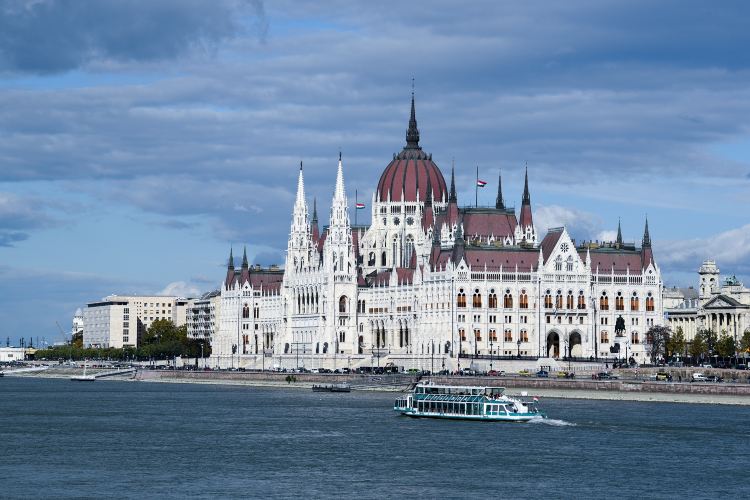
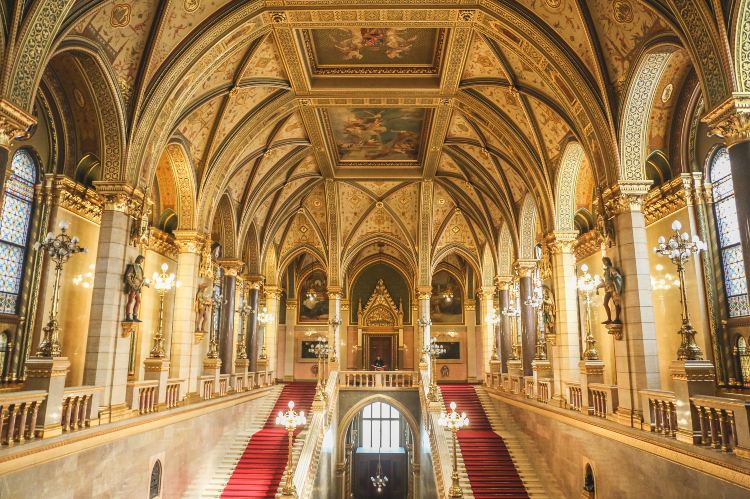
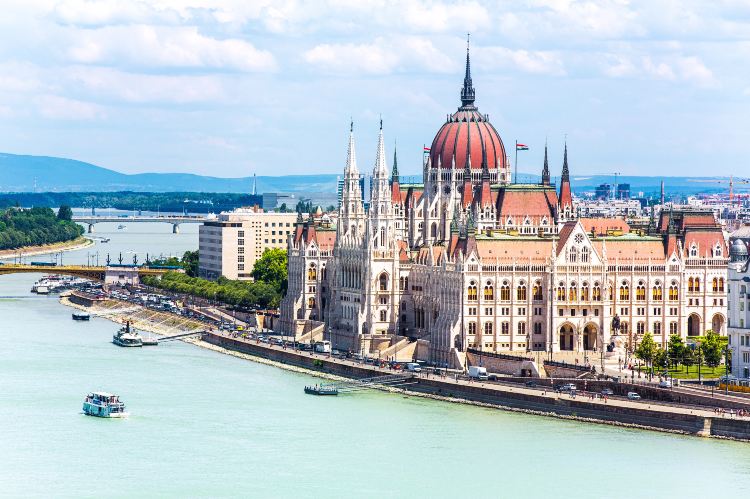
The Hungarian Parliament Building, an architectural masterpiece on the Danube River in Budapest, is celebrated for its Gothic Revival and Renaissance Revival designs. Designed by Imre Steindl and built with exclusive Hungarian resources, it symbolizes national identity. Visitors to the Parliament can enjoy guided tours, experiencing its grandeur from the grand staircases to the dome, while viewing historical symbols like the Holy Crown housed within. This iconic structure serves not only as the center of Hungarian legislation but also as a heritage museum, displaying the richness of Hungary’s political and cultural history.

 _ce***65The official website reservation was sold out four days in advance, and the ticket I got later through Ctrip could not choose the time period. As an important landmark of the Austro-Hungarian Empire, it is definitely a must-see landmark. Some of it is still used for official business, and most of it is for tourism. The whole process took one hour. The staff generally had average English. If you are late for more than ten minutes, the ticket will be invalid. It is important to remind you that the electronic ticket cannot be used directly and must be printed on paper. You can ask the hotel front desk for assistance.
Budapest Danube Boat Tour
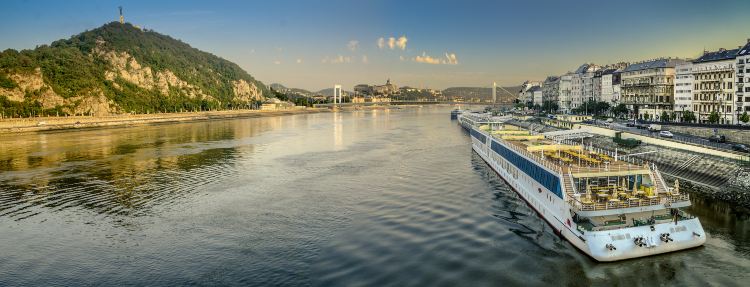
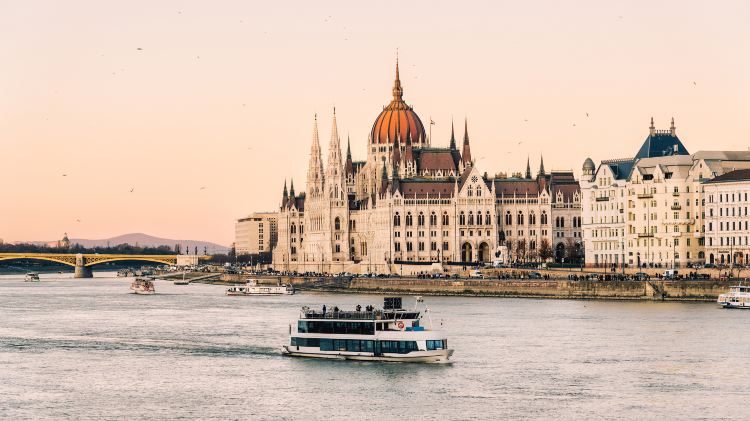
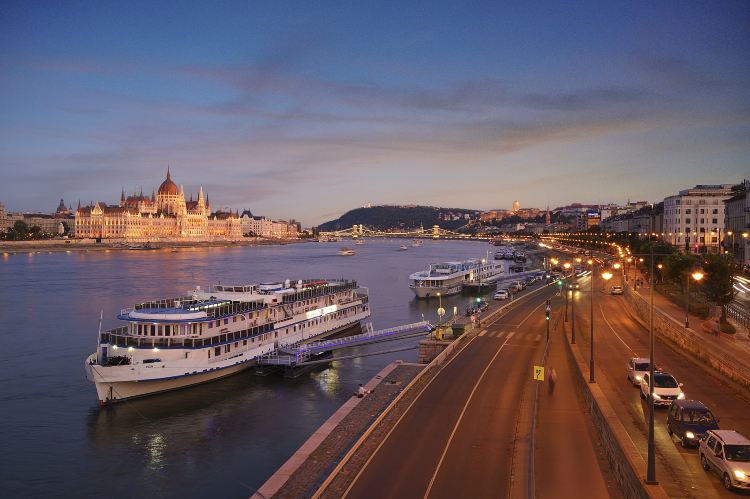
The Budapest Danube boat tour features a mix of daytime and nighttime cruises, allowing visitors to either sightsee or engage in leisurely rides with drinks like prosecco or cocktails. The optional audio guides available provide historical insights, enriching the traveling experience. Some cruises even replicate historical 19th-century Hungarian steamboats, offering a unique and educational perspective on Budapest’s maritime heritage.
Fisherman's Bastion
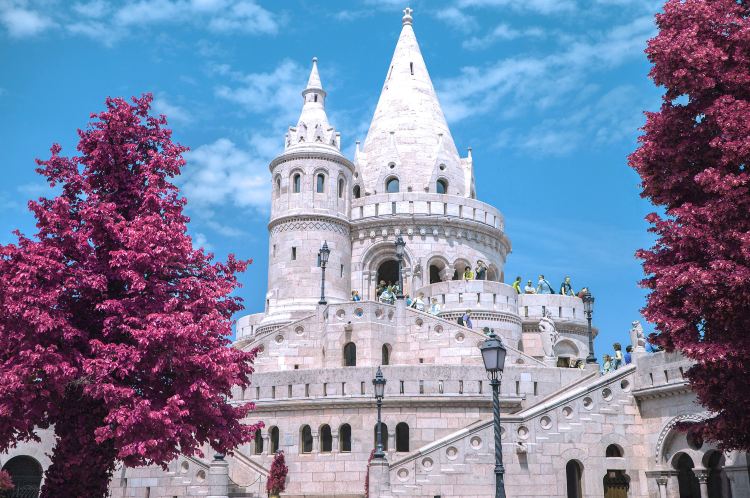
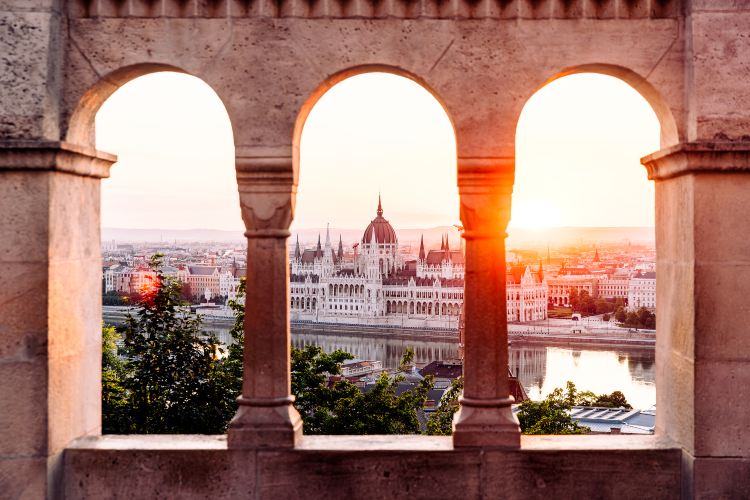
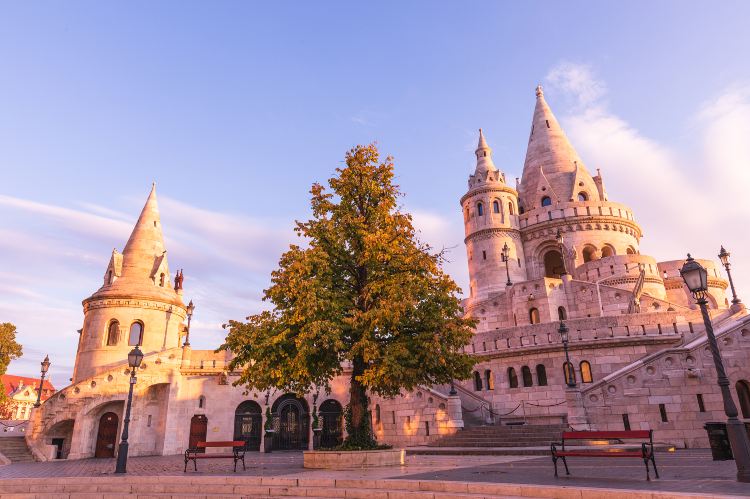
Fisherman's Bastion, a remarkable piece of Neo-Romanesque architecture in the Buda Castle District, offers stunning views of Budapest's key sights including the Hungarian Parliament and St. Stephen’s Cathedral. Its design by architect Frigyes Schulek and terraces built in the late 1800s make it a prime location for both historical appreciation and photography, ideal for capturing Budapest's panoramic beauty. The site has rich historical roots dating back to its medieval role as a protective barrier, maintained by the fishermen's guild.
Buda Castle
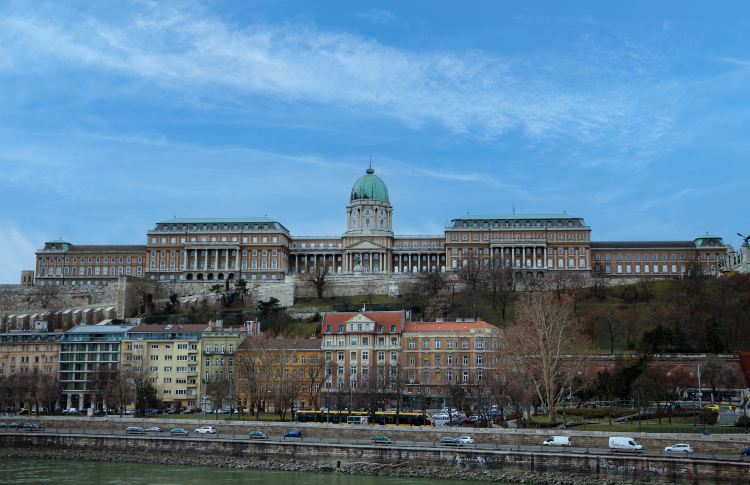
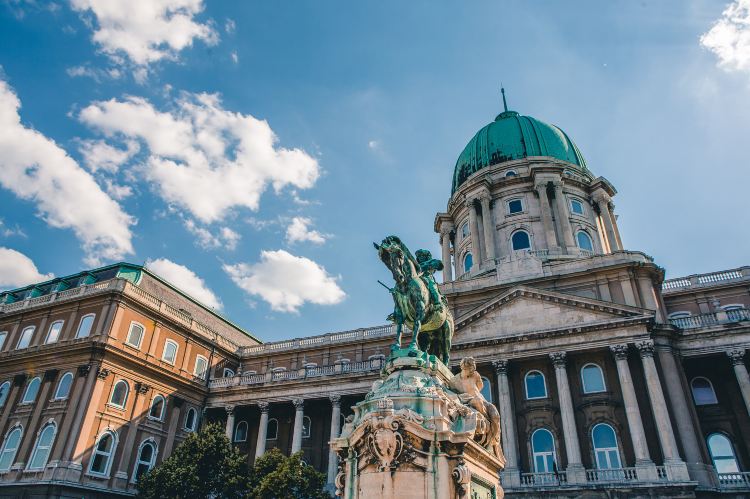
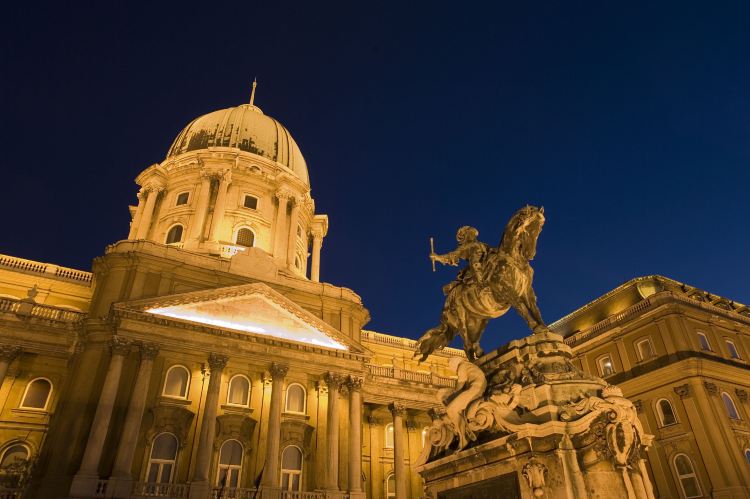
Buda Castle in Budapest, also known as the Royal Palace, displays a diverse architectural blend from Gothic to Baroque styles, developed over centuries since its initial construction in the 13th century. Currently hosting several museums including the Budapest History Museum, it serves as a key cultural and educational hub, representing the historical and architectural evolution of Hungary. This makes the castle not just a monumental site but also a center for cultural immersion and learning.

St. Stephen's Basilica
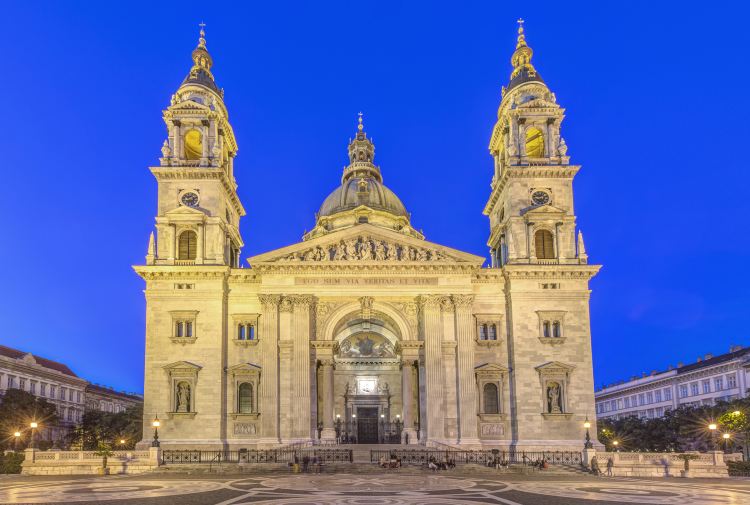
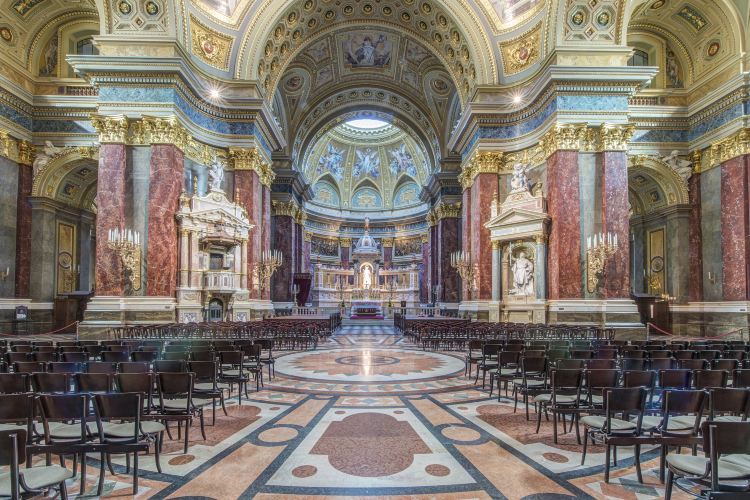
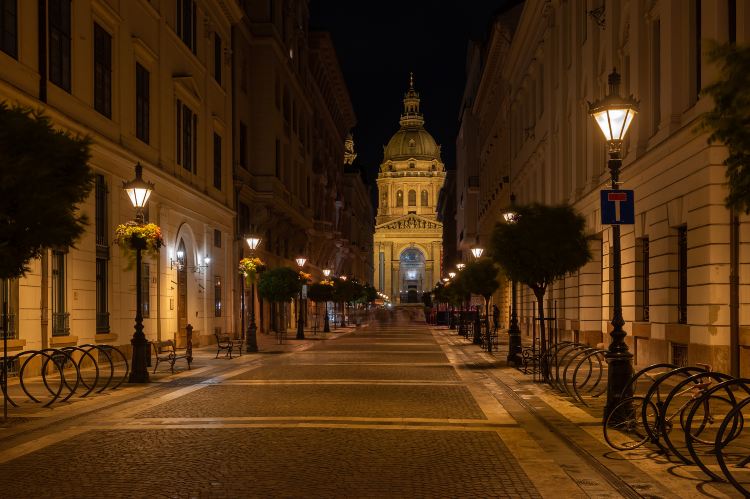
St. Stephen's Basilica, dedicated to Hungary's first king, features his mummified right hand, the Holy Right Hand, as a major attraction. The basilica offers panoramic city views from the dome and is known for its exceptional acoustics, hosting regular organ concerts. Capable of holding 8,500 people, it stands as one of the largest churches in Hungary, also serving as a key cultural venue with various musical events.
Budapest Food Guide
Budapest's food scene offers a variety of traditional Hungarian dishes such as Goulash, fisherman's soup, chicken paprikash, and stuffed cabbage, each characterized by rich flavors and a hearty composition, frequently accompanied by spices like paprika and chili powder.
Goulash
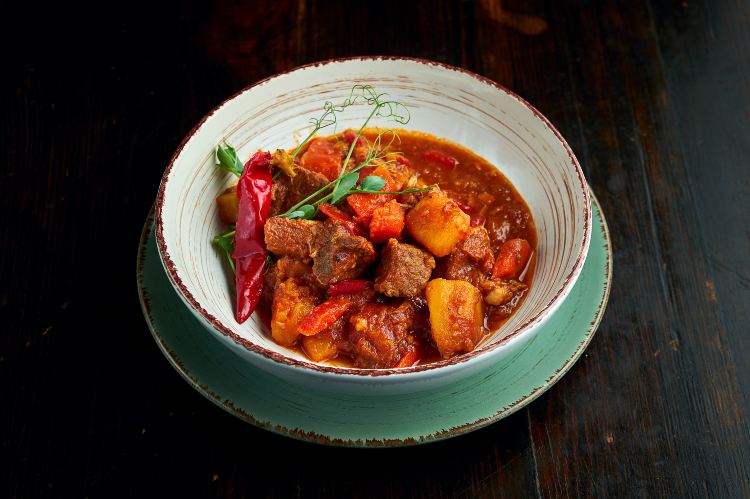
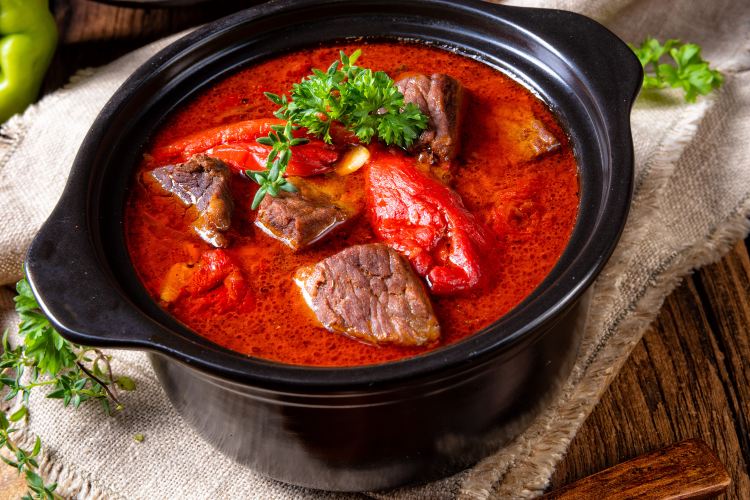

Goulash, a renowned Hungarian dish, is a hearty soup made with beef, potatoes, onions, tomatoes, and a dash of chili powder. It offers a rich and mildly spicy flavor that pairs well with bread. This comforting dish is a staple in many restaurants across Budapest.
Fisherman's Soup
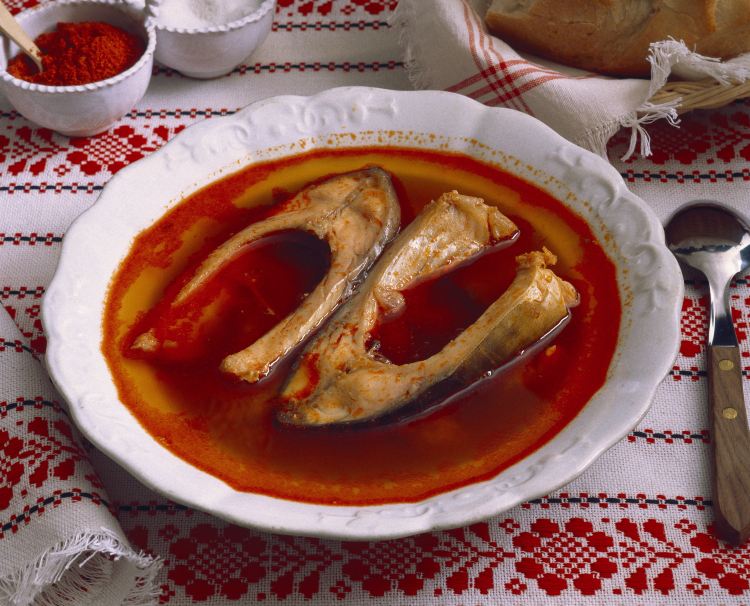
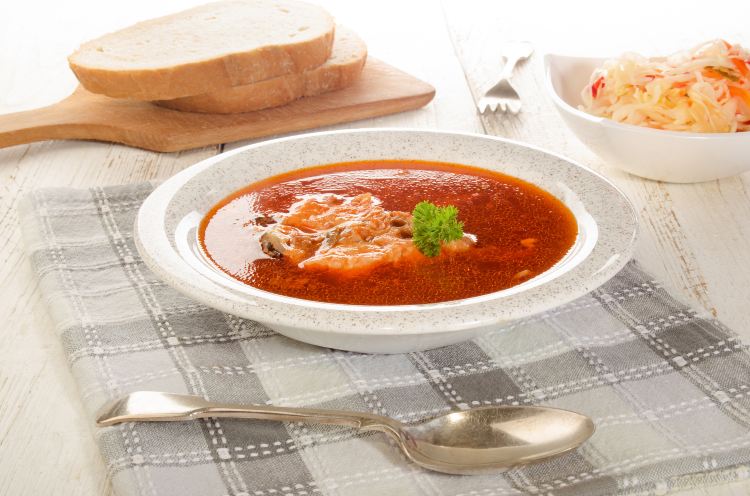

In Budapest, fisherman's soup is traditionally prepared with fresh fish and simmered with potatoes, onions, and plenty of chili powder. This thick, vibrant red soup features tender fish infused with a spicy taste from the chili, making it a beloved Hungarian delicacy that leaves a lasting impression.
Chicken Paprikash

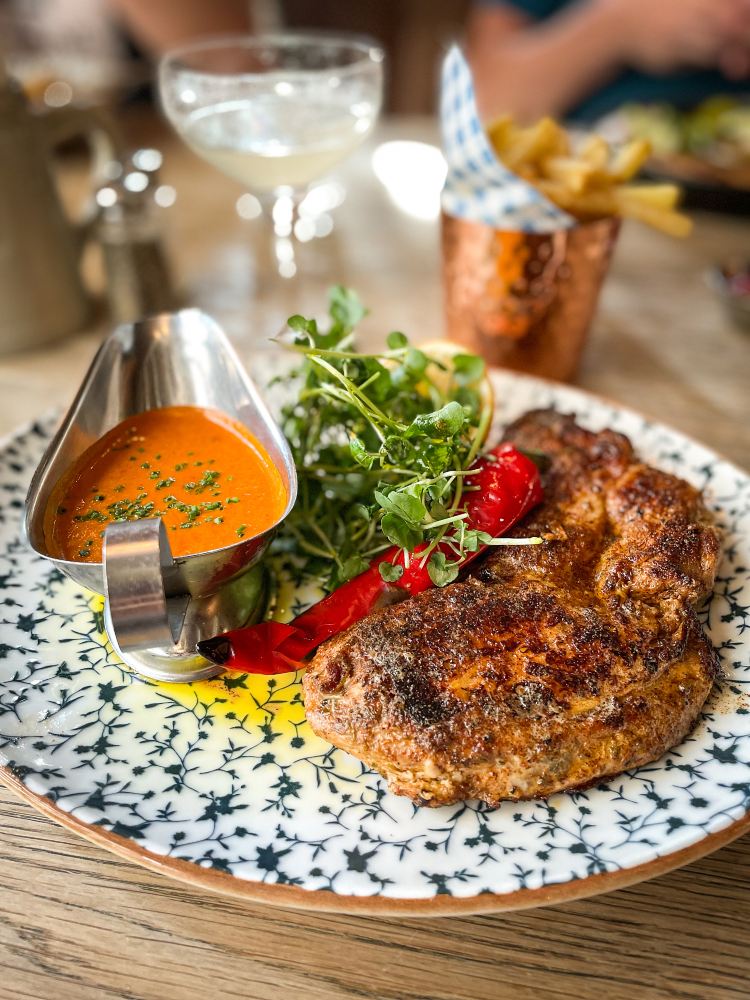
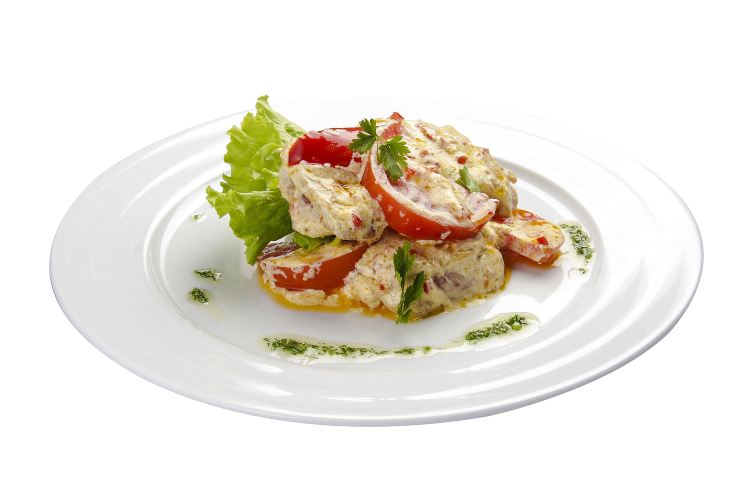
Chicken Paprikash, a celebrated dish in Budapest, is crafted using a generous amount of paprika sauce. The chicken is lightly fried until crisped slightly, then simmered in a stew pot with a specially made local paprika sauce. It is served with Spätzle(German egg noodles) and garnished with sour cream. The spicy paprika pairs delightfully with the sweet cream and the tender, smoothly-cooked chicken, creating a wonderful and delicious cuisine.
Stuffed Cabbage
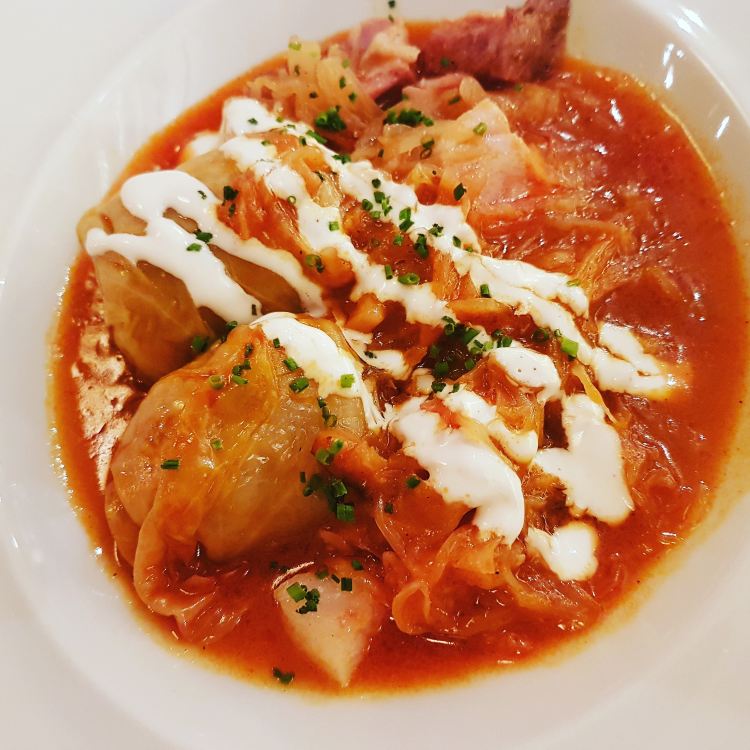

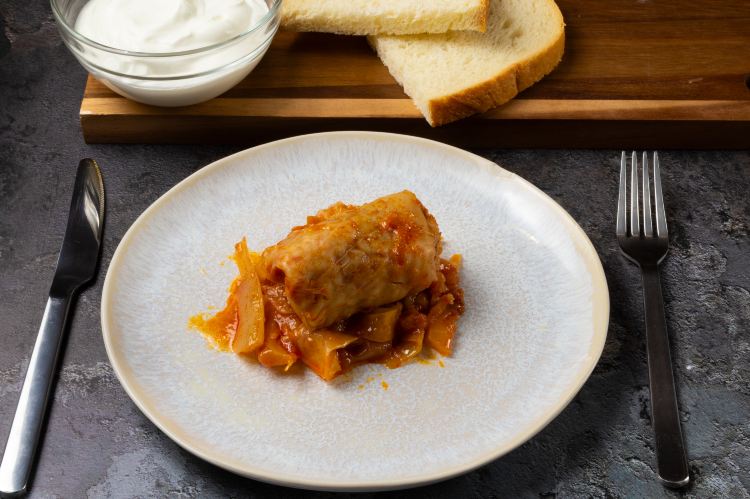
Stuffed cabbage, a celebrated delicacy from Budapest, features cabbage leaves encasing a filling of rice, meat, tomatoes, and pickles that are then boiled. The cooking process involves plenty of flavorful broth. At serving time, additional broth is poured over the rolls, which are savored together with the broth for an exceptionally tasty dish.
Budapest Transportation
How to Get There
Budapest is primarily reached by air through its main airport, with efficient public transportation to the city center, as well as by train or bus from European cities such as Vienna or Prague.
By Air:
Budapest Ferenc Liszt International Airport (BUD), about 16 km (10 miles) southeast of the city, handles all commercial flights.
To City Center
- Bus 100E Airport Express: This is the most popular option, offering a direct, affordable, and frequent service to the city center.
The bus travels directly from the airport to three major central stops: Kálvin tér, Astoria, and Deák Ferenc tér, the final stop. The journey typically takes around 40 minutes, depending on traffic. Buses run 24/7. During the day, they operate every 7–10 minutes, and at night (from midnight to 3:30 a.m.), every 30–40 minutes.
A special single ticket is required, which costs approximately 2,200 HUF (€5.50). This ticket is not included in standard public transport passes. You can purchase tickets from the purple BKK ticket vending machines at the airport, from the BudapestGO app, or directly on the bus with a bank card using the BudapestPay&GO service.
- Bus 200E + M3 Metro: This is the most budget-friendly option, though it requires a transfer.
From the same bus stop as 100E, take the regular 200E bus from the airport to the Kőbánya-Kispest metro station. From there, transfer to Metro Line 3 (the blue line) to reach the city center. The total journey takes approximately 50–60 minutes, including the transfer. The 200E bus runs frequently during the day. After 11 p.m., night buses and an extended 200E route are used to connect to the night metro service.
The combined journey costs approximately 900 HUF (approx. €2.50), as it requires two standard single tickets. Standard public transport passes cover this route. You can buy tickets from BKK vending machines at the airport or use the BudapestGO app.
- Taxis: Exit arrivals to the official taxi rank outside Terminal 2 B. Főtaxi is the official airport taxi partner. You can book a taxi at the booth located just outside the terminal, and they will provide you with a voucher displaying an estimated fare. Avoid unofficial taxis to prevent overcharges; request a receipt. Approximately 9,000–12,000 HUF (approx. €25–€30) to the city center, depending on traffic.
- Ride-Shares: Bolt and Uber pick up from the short-term parking lot (P1 or P2, 2-5 min walk from arrivals; follow signs). Similar to official taxis, a fare to the center is typically 9,000–12,000 HUF. Book via app after landing (requires data); pay cashless. Convenient and often cheaper than taxis, but wait times can vary during peaks.
- MiniBUD Airport Shuttle: This is a shared shuttle service that offers a more comfortable and direct, door-to-door journey. The shared shuttle takes you directly from the airport to your specific accommodation address. The travel time depends on the number of other passengers on board and their drop-off locations. It can take anywhere from 30 to 60 minutes. Cost varies based on your destination and group size. Expect to pay around 4,000 HUF (€12) for a single traveler. You can book online in advance or at the MiniBUD kiosk in the arrivals hall.
By Train:
To get to Budapest by train, you will likely arrive at one of the main stations—Keleti, Nyugati, or Kelenföld—depending on your origin. For tickets, you can book online through a Hungarian or international rail service or purchase them at the station.
Budapest-Keleti: Located in Eastern Budapest (Pest), this station serves as the main international and intercity railway terminal, handling trains from Vienna, Munich, and Zürich. It connects to Metro line 2 (red).
Budapest-Nyugati: Located in Northwest Budapest (Pest), this station serves many national and some international routes. Connected to Metro Line 3 (blue) and trams.
Budapest-Kelenföld: Located in Southwest Budapest, this station is an important hub for domestic and international high-speed and regional services. Connected to Metro line 4 (green).
By Bus:
Bus travel to Budapest is a popular and often more affordable alternative, especially for short- to medium-distance international trips. International buses typically arrive at the city's main bus terminal, Népliget, or another designated stop, depending on the operator.
Népliget Bus Station: located in South-eastern Budapest in the 9th district, adjacent to Népliget Park.The main hub for nearly all scheduled international and long-distance bus services, including major operators like FlixBus and RegioJet. The station is conveniently connected to the M3 metro line (blue line) via the Népliget metro station.
Local Transportation
Public transportation in Budapest offers several options for tourists, including the inclusive Budapest Card, the flexible BudapestGO app, and individual tickets. Your best choice depends on how much sightseeing you plan to do and how frequently you'll use public transport.
Budapest Card
This is an all-inclusive tourist pass that bundles free public transportation with discounts and complimentary entry to select attractions. It is available for different durations, from 24 to 120 hours.
It includes unlimited public transport, free and unrestricted travel on all BKK services (buses, metro, trams, trolleybuses, and HÉV suburban railways) within the city limits, as well as free entry to over 30 museums and attractions, with discounts of up to 50% available at many others. An upgraded 72h Plus version includes a free miniBUD airport transfer, a Danube cruise, and a ride on the Buda Castle Funicular.
The card is activated by signing it and writing the start date and time. It is valid from that moment for the chosen duration.
BudapestGO app
The BudapestGO app is the official mobile application of BKK, designed to help you navigate the city easily and purchase digital tickets. Through the app, you can purchase single tickets, time-based tickets, and various travel passes, including 24-hour and 72-hour travel cards. To validate your digital tickets, simply hold your phone near the NFC stickers located on vehicles or at metro station entrances.
If you only plan to use public transport occasionally, single-ride tickets are a straightforward option.
Metro: Four lines (M1 yellow historic, M2 red, M3 blue, M4 green) cover the city, operating 4:30 AM to 11:30 PM, every 2-5 minutes during peak hours. The M1, M2, and M3 lines intersect at the central Deák Ferenc tér station.
Trams: Trams are a beloved and iconic part of Budapest's cityscape. Their yellow cars run on over 30 lines, covering nearly 100 miles of track. They are especially useful for inner-city travel and are a great way to sightsee from street level. Most trams operate from approximately 4:30 a.m. to 12:30 a.m.. Tram 6 runs 24 hours a day.
Key routes for tourists
- Tram 2: Often hailed as one of the most scenic tram routes in the world, it runs along the Pest embankment of the Danube River. It offers stunning views of the Buda Castle, Fisherman's Bastion, and the Parliament Building.
- Trams 4 and 6: These are the busiest tram lines in Europe and run along the Grand Boulevard, connecting major hubs in both Buda and Pest.
Buses: Budapest's extensive bus network comprises over 200 lines, connecting almost every part of the city, including suburban and hard-to-reach areas such as the Buda Hills.
- Daytime buses (4:30 a.m.–11:50 p.m.): The standard blue buses cover the city extensively.
- Trolleybuses: These distinctive red buses run on overhead electric cables and serve the flatter Pest side of the city.
- Night buses (numbered 900–999): An extensive network of night bus services operates between approximately midnight and 4:30 a.m.
Taxis: Metered taxis (Főtaxi, Bolt Taxi) can be hailed or found at ranks. Short rides cost between HUF 2000 and 4000, with a night surcharge.
Ride-Shares: Bolt, Uber via apps; fares similar to taxis.
Bike Rentals: The MOL Bubi sharing system allows users to access the service by downloading a mobile app and paying by the minute. The system is designed for short trips. If you need a bike for an extended period, it may be better to use a traditional bike rental shop.
Budapest Where to Stay
Budapest is a vibrant city divided into several districts each offering distinct accommodation options for travelers. Among the prime areas for travelers are District VI-Terezvaros, Fisherman's Bastion, and the Hungarian Parliament Building area, each renowned for their unique characteristics and amenities for visitors.
District VI-Terezvaros (Artistic hub, historical architecture)
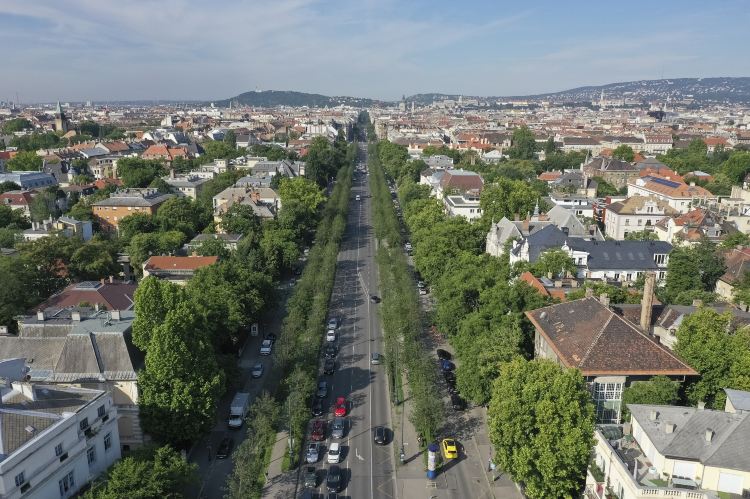
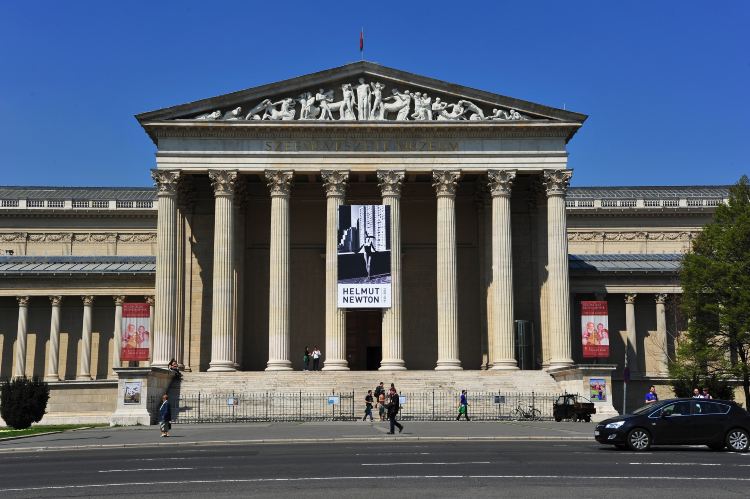
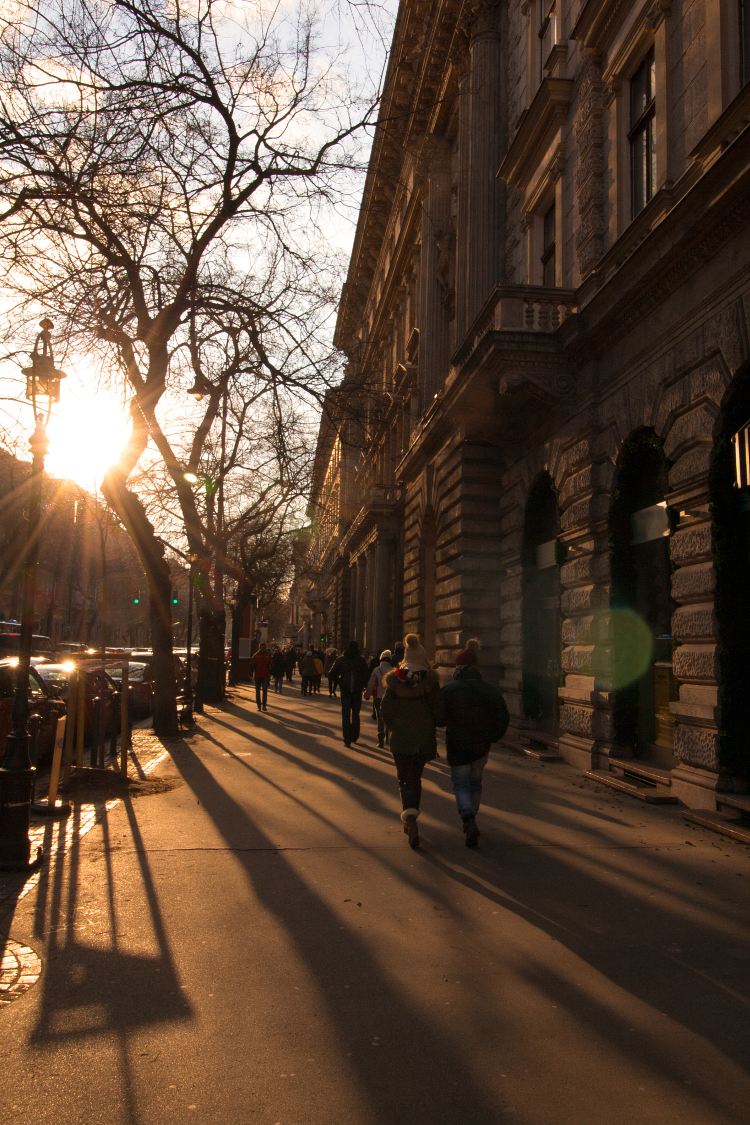
District VI, known as Terezvaros, features a blend of art, culture, and historical architecture. It's celebrated for Andrássy Avenue, often compared to Paris' Champs-Élysées due to its historical and aesthetic significance. This area is encased with Neo-Renaissance mansions, high-end shops, and cultural venues like the Hungarian State Opera House. The district is also noted for its vibrant nightlife and array of cafes, offering a bohemian atmosphere ideal for those who enjoy urban exploration by day and lively streets by night. The accessibility here is heightened by its efficient public transportation network including the Metro Line 1, making it convenient for visitors navigating the city.
Fisherman's Bastion (Iconic architecture, panoramic views)
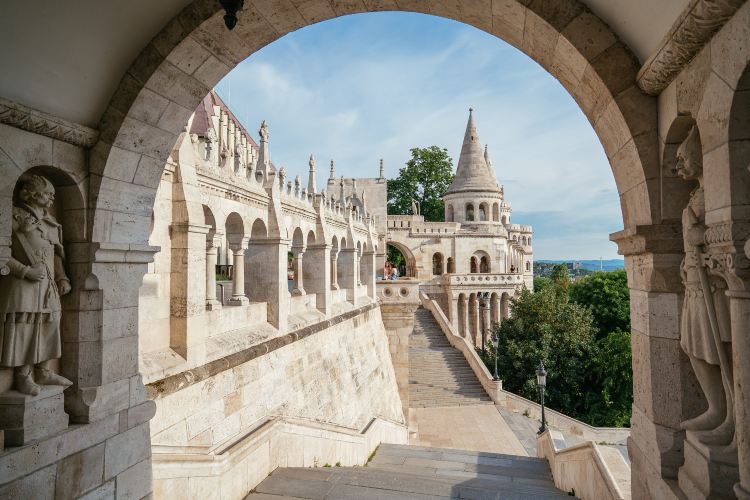
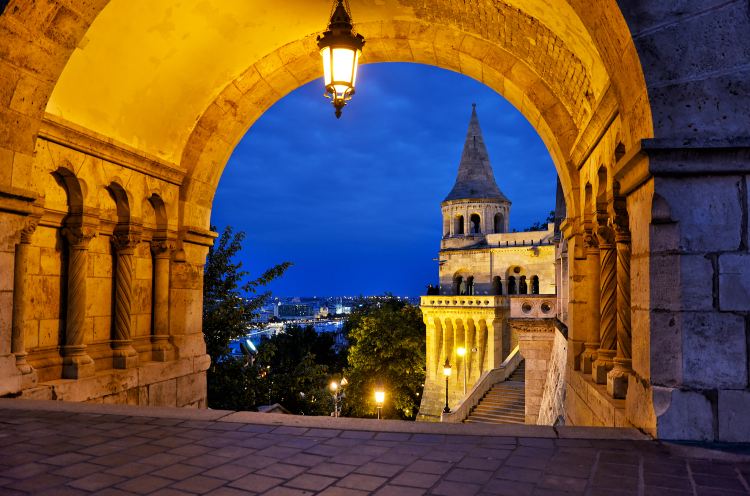
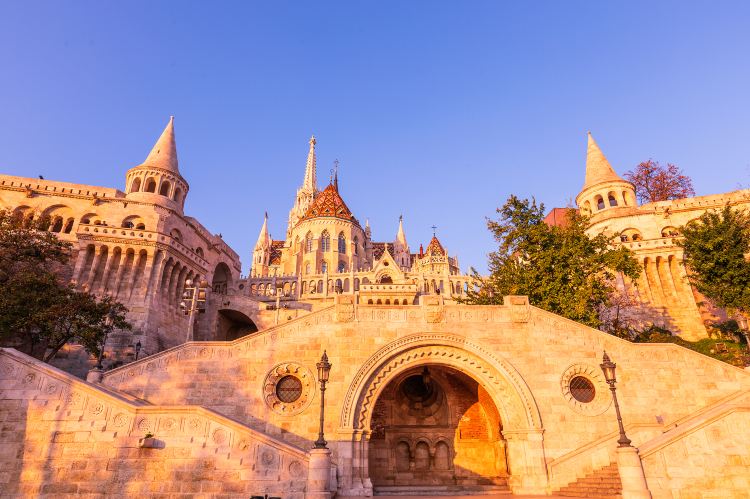
Located in the Castle District on the Buda side of the city, Fisherman’s Bastion provides stunning panoramic views of the cityscape, including the Danube and the Hungarian Parliament Building. Known for its picturesque fairy-tale architecture, this area attracts photographers and travelers alike, drawn by the romantic, scenic setting ideal for those who appreciate iconic views and architectural beauty. While popular, visiting during early morning or late evening is less crowded, making it perfect for peaceful explorations of its towers and terraces.
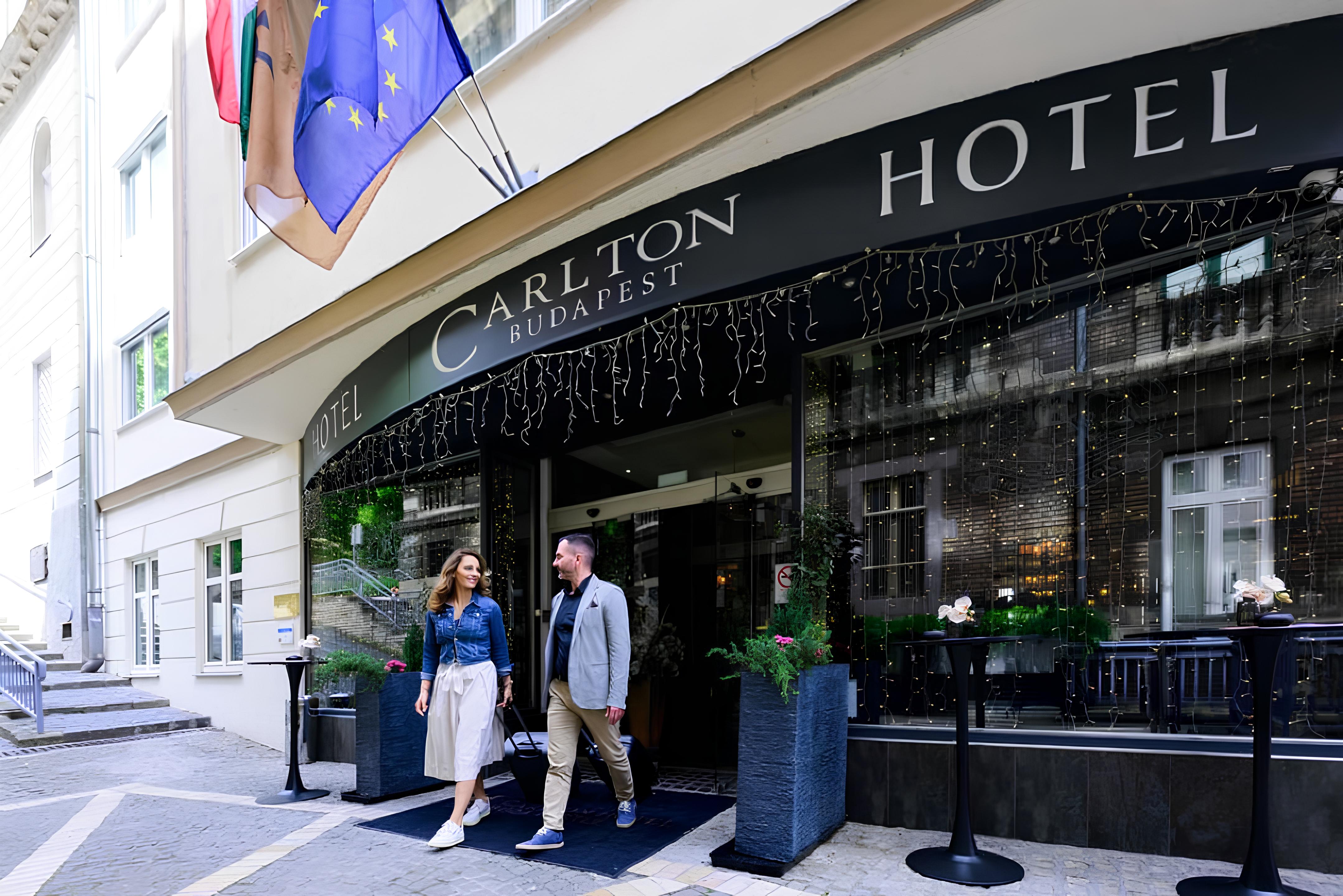
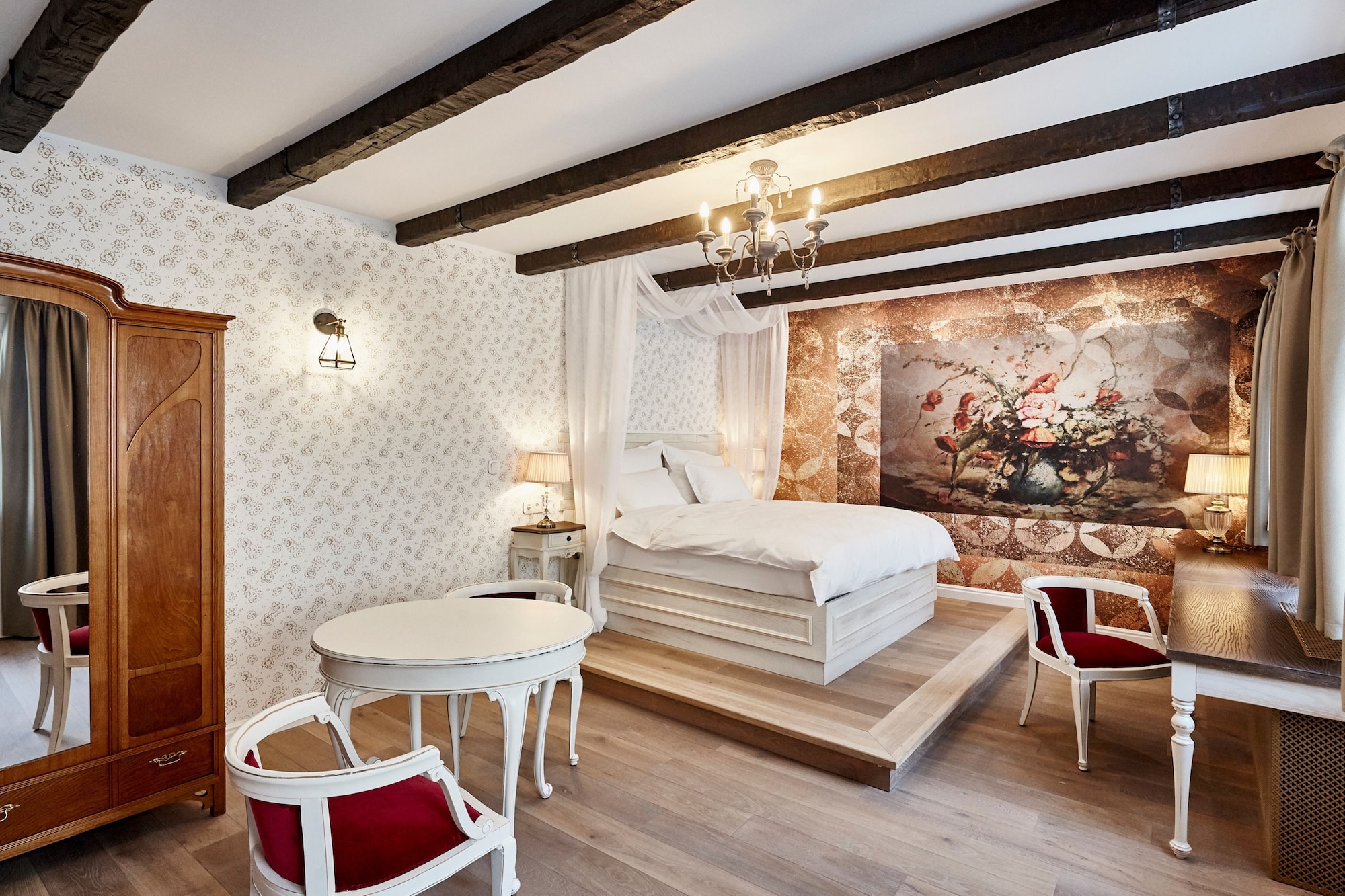
Hungarian Parliament Building Area (Legislative significance, architectural splendor)
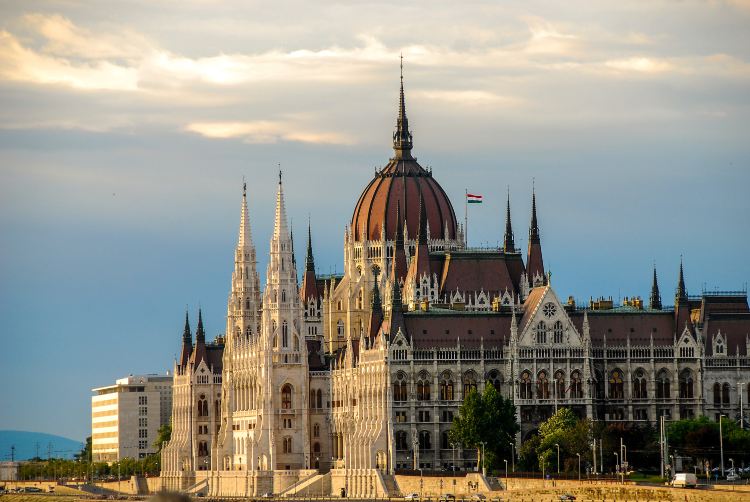
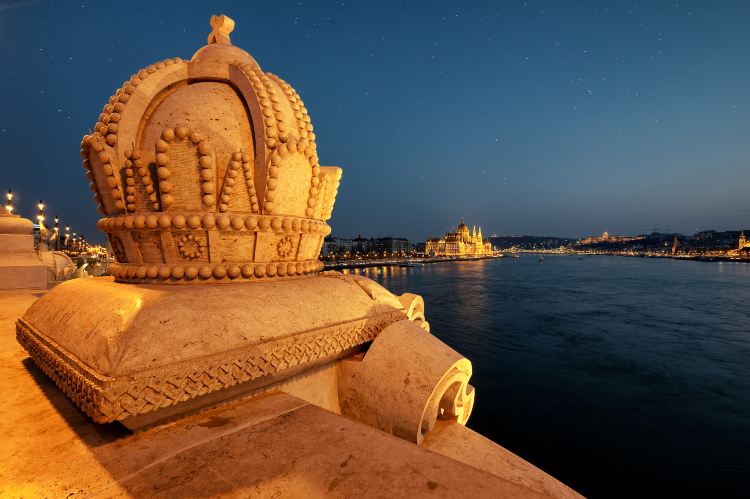
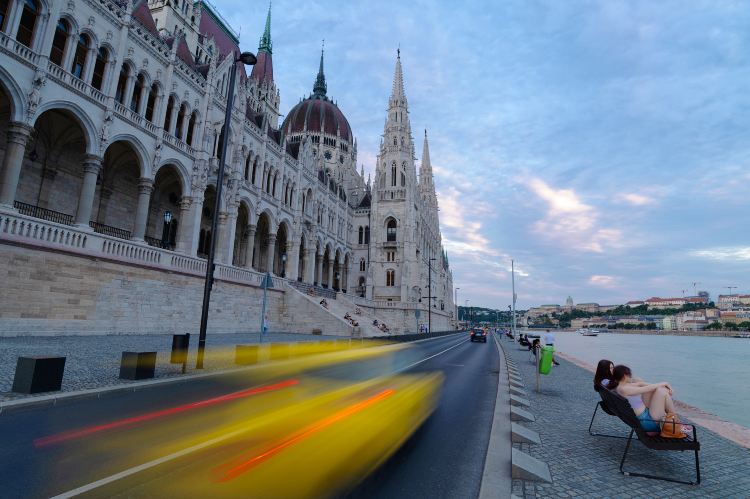
he area surrounding the Hungarian Parliament Building is pivotal for those interested in politics and architecture. This iconic building, reflecting Neo-Gothic, Neo-Baroque, and Neo-Renaissance influences, is among the largest Parliament buildings in the world. Visitors here can enjoy guided tours offering insights into Hungary's legislative history and a close view of the majestic interiors and the Holy Crown of Hungary. The location is easily accessible, lying along the Danube and well-connected by public transportation, adding to its convenience for visitors.
Budapest Best Time to Visit
Best Time to Visit
March–May and September–October offer mild weather, blooming parks, and fall foliage, as well as festivals with fewer crowds. August is lively for events but hot and busy; December sparkles with Christmas markets.
Spring (March–May): Temperatures range from 5°C to 20°C (41°F–68°F), with variable rainfall and sunshine; blooming on Andrassy Avenue. Festivals like the Budapest Spring Festival (April), lower crowds for baths or castle visits.
Summer (June–August): 15°C–30°C (59°F–86°F), sunny and humid; long days for river cruises. Peak season; crowds/prices increase by 20-30%, book 3-4 months in advance.
Autumn (September–November): 10°C–22°C (50°F–72°F), crisp and clear; golden foliage in City Park.
Winter (December–February): 0°C–5°C (32°F–41°F), short days with fog/snow. Festive Christmas markets at Vörösmarty Square (December).
Budapest Travel Tips
1. Prepare Entry Documents
Bring your passport, return flight tickets, hotel bookings, travel insurance, and a rough itinerary, as customs officials may request them at Budapest Ferenc Liszt International Airport. Declare cash exceeding €10,000 (or equivalent) when entering or leaving the EU to avoid penalties. Have digital or printed copies of bookings ready to ensure a smooth entry.
2. Use Bolt for Safe and Affordable Rides
Avoid hailing taxis on Budapest’s streets, as some drivers overcharge tourists. Use the Bolt app for transparent, affordable fares (often cheaper than traditional taxis). Book a ride via the app for trips from the airport or within the city. Standard Uber is unavailable, but it partners with licensed drivers, such as Főtaxi, for reliable service. Always confirm the fare on the app before riding.
3. Validate Public Transport Tickets Properly
Budapest’s BKK system (metro, trams, buses, and boats) requires a ticket to be purchased before boarding via ticket machines, the BudapestGO app, or from bus drivers. Single tickets must be validated at yellow machines in metro stations or onboard buses or trams—look for a timestamp or punched holes. Keep your tickets until the journey ends, as inspectors (identified by red or blue armbands) may check and issue fines for invalid tickets. For multi-day trips, purchase a 24-hour or 72-hour pass for unlimited travel (no validation required) on all lines, except the 100E airport bus, which requires a separate ticket. Tram 2 offers scenic views of the Danube, perfect for sightseeing.
4. Check for Service Charges Before Tipping
Many Budapest restaurants add a 10–15% service charge (szerviz) to the bill, which is visible as a separate line item. Check your bill before tipping to avoid doubling up. If no service charge is included, tip 10% for good service by rounding up the bill or telling the server the total amount (including tip) when paying. In bars, round up small amounts. Tip thermal bath attendants or cloakroom staff 100–200 HUF, and hotel staff 200–500 HUF per bag. Always use the Hungarian forint (HUF) for tips.
5. Beware of Street Scams
Avoid strangers offering free flowers, bracelets, or photo help, as they may demand high tips. Be cautious of “friendly” women inviting you to bars, a common scam targeting male travelers with inflated bills. Decline politely and stick to reputable venues. Watch for pickpockets on crowded metro lines or tourist spots like the Danube Promenade. Keep valuables in a money belt or a zipped bag, not in your pockets. Book tours through trusted platforms to avoid fake guides.
6. Book Thermal Baths and Attractions in Advance
Budapest’s thermal baths (e.g., Széchenyi, Gellért) and attractions require online bookings, especially in summer or around Christmas. Book via official sites or Trip to secure spots and skip lines. The Budapest Card provides free museum entry, discounted bath tickets, and unlimited public transportation.
7. Pack the Essentials
Bring a swimsuit, flip-flops, and a towel for Budapest’s thermal baths to avoid rental costs. Pack a swimming cap for bathhouse pools (not thermal pools), as it’s required to prevent drain clogs. Budapest’s weather can be unpredictable—carry an umbrella or raincoat for sudden summer downpours and light layers for chilly evenings. Hotels may not provide toiletries like toothbrushes or slippers, so be sure to pack these essentials. Bring a Type C/F European plug adapter (230V, 50Hz) for devices, as hotels rarely supply them.
8. Exchange Money Wisely
Budapest uses the Hungarian forint (HUF), not euros. Avoid street money changers or Euronet ATMs, which charge high fees. Use ATMs at reputable banks, such as OTP, for better rates. Withdraw smaller amounts (e.g., 9,000 HUF) to obtain small bills for tips or public toilet fees. Some tourist-area shops accept euros but give change in forint at poor rates. Check exchange rates before converting cash at banks or authorized kiosks in malls.
9. Respect Hungarian Etiquette
Hungarians value formality—greet shopkeepers with “Jó napot” (Good day) and say “Köszönöm” (Thank you). Avoid smiling excessively at strangers, as it’s less common in this culture and may attract unwanted attention. Don’t clink beer glasses when toasting, a taboo linked to the 1848 Revolution. Dress conservatively at religious sites like St. Stephen’s Basilica (cover shoulders, avoid shorts)
10. Know Emergency Contacts
Save Budapest’s emergency numbers: 112 for general emergencies, 107 for police, 104 for medical services. Keep your hotel’s address and phone number in Hungarian for quick assistance if lost.
Budapest Useful Guide
Local Language
Hungarian is the primary language.
English is widely spoken in tourist areas, hotels, restaurants, shops, and transport due to Budapest's popularity with visitors. It's easy to navigate using English alone, with bilingual signs in key spots; less common among older locals or in suburbs, but apps and gestures help.
Local APP
BudapestGO: Public transport schedules, ticket purchases, route planning.
Bolt/Uber: Ride-shares and taxis.
We Love Budapest: Events, dining, nightlife recommendations.
Moovit: Comprehensive transport navigation.
OpenTable: Restaurant bookings.
Internet and Communication
eSIM: Providers like Airalo, eTravelSim, Orange Travel, or local Telekom, Yettel, or Vodafone offer prepaid plans for tourists. Buy online for activation or at BUD airport kiosks (Telekom, Yettel, Vodafone).
Physical SIM: Available at airport kiosks (Telekom, Yettel, Vodafone), malls, or stores like MediaMarkt.
Pocket Wi-Fi: Rent from airport counters or online.
Free Wi-Fi is widespread in hotels, cafés, public squares via Budapest Free WiFi (registration required), and transport hubs.
Pre-book eSIMs or pocket Wi-Fi online for convenient airport pickup.
Currency and Payment
Currency: Hungarian Forint (HUF, Ft).
In Budapest, cards and contactless payments are widely accepted in tourist areas, but cash is preferred for small vendors, markets, or tips.
Credit/debit cards: Visa and Mastercard are widely accepted, including contactless options; American Express is less commonly accepted. Notify your bank of your travel plans to avoid any blocks.
Cash: ATMs are plentiful at the airport, banks, and malls; a 4-digit PIN is required, and withdrawal fees apply.
Mobile payments: Apple Pay and Google Pay are popular at stores and transport.
Weather in Budapest

5°
/
2°

5°
/
3°
6°
/
4°

7°
/
4°
8°
/
3°
7°
/
2°
6°
/
2°
 Trending in Budapest
Budapest-Belgrade railway to open on February 20, 2026Budapest-Belgrade railway to open on February 20, 2026
From St. Stephen's Basilica to Fisherman's Bastion: Capturing Budapest's Scenic Wonders@St. Stephen's BasilicaSt. Stephen's Basilica in Budapest is solemn and magnificent.
Asiana Airlines Launches New A350 Routes: Direct Flights from Seoul to Milan/BudapestAsiana Airlines Launches New A350 Routes, Direct Flights from Seoul to Milan/Budapest
Budapest: FAQ

What's the most popular attractions in Budapest?
What currency is used in Budapest?
How to get to Munich from Budapest?
Popular destinations
Bangkok
Tokyo
Kuala Lumpur
Los Angeles
Shanghai