Cairo 2026 Guide: Must-see attractions, local cuisine, and practical tips! | Trip.com
 Local GuidesLast updated on Trip.com: 22/09/2025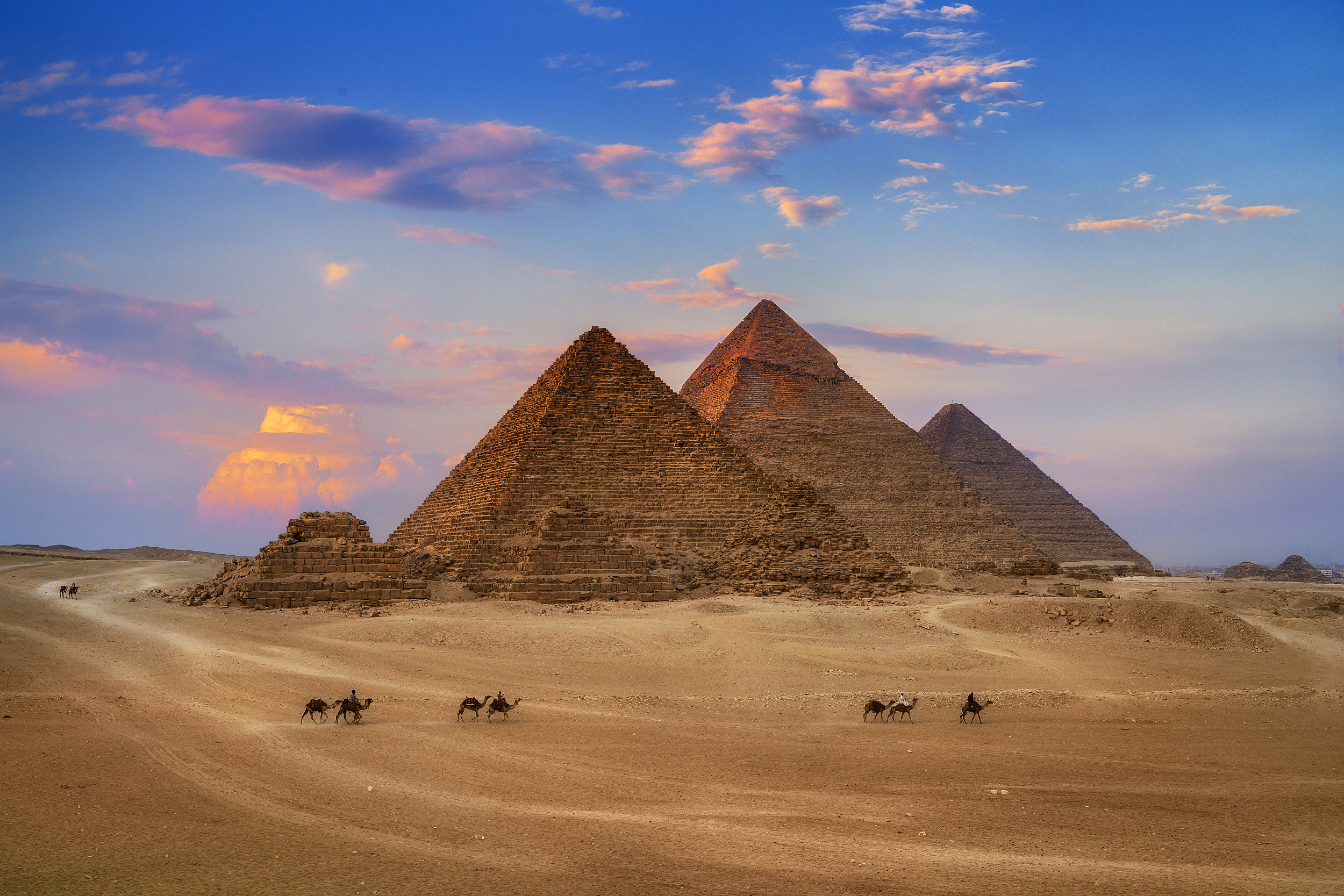
Cairo Brief Guide


Cairo, the vibrant capital of Egypt, is a city where ancient wonders blend seamlessly with modern life. Nestled along the life-giving Nile, it enchants visitors with its timeless charm and dynamic energy. Cairo serves as a gateway to Egypt’s rich history while offering a lively present. Plan an unforgettable adventure in Cairo with our guide.
Cairo Must-try local experiences
Discover the Ancient Pyramids
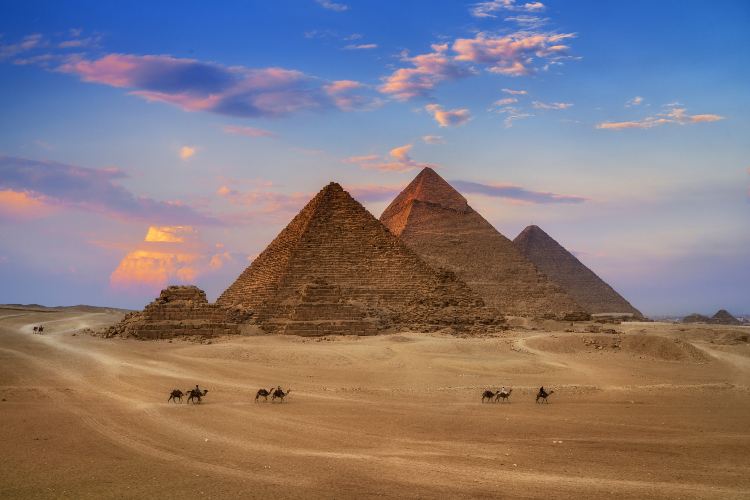
The outskirts of Cairo are home to some of the world's most renowned stone wonders. Visit Giza to see the magnificent pyramids of Khufu, Khafre, and Menkaure, along with the mysterious Sphinx that stands guard over them. You can climb the ramps for close-up views or take a camel ride at sunset. These iconic structures seamlessly blend history and mystery, making them ideal for stunning photos and an unforgettable experience filled with timeless awe.
Visit Historic Museums
Explore the treasures of Egypt in magnificent halls. At the Grand Egyptian Museum, you can see Tutankhamun's gold mask and mummies displayed in climate-controlled galleries. Nearby, the National Museum of Egyptian Civilization showcases royal sarcophagi and various artifacts. Both locations offer audio guides, providing an engaging and informative experience that helps uncover the secrets of the pharaohs.
Take a Cruise on the Nile River
Experience the beauty of Cairo by taking a relaxing cruise along the Nile. Board a felucca sailboat from the Corniche and enjoy a wind-powered journey past illuminated bridges and hotels. Consider a dinner cruise that features belly dancing and a buffet. These excursions showcase the city's vibrant atmosphere at dusk, combining serene waters with lively entertainment.
Explore the Colorful Markets
Bargain in the bustling markets filled with spices and silks. Khan el-Khalili teems with lantern stalls, perfume shops, and silver vendors nestled in narrow alleys. Enjoy a cup of mint tea at one of the cafes while you browse. It's an exhilarating experience that allows you to find great deals and feel the vibrant trading atmosphere of Cairo.
Wander Historic Islamic Quarters
Wander through medieval streets adorned with minarets and domes. Visit the vast courtyards of Al-Azhar Mosque and discover the history of its 1,000-year-old university. Close by, the Mosque-Madrasa of Sultan Hassan stands out with its towering gateways. These walks combine elements of faith, stunning architecture, and peaceful courtyards, offering a rich cultural experience.
Discover Coptic Heritage Sites
Explore Cairo's Christian heritage in a tranquil neighborhood. Visit the Hanging Church, which is supported by ancient Roman pillars, and the Ben Ezra Synagogue, known for its biblical significance. Stroll through Benha el-Asl to discover cave churches and beautiful icons. These hidden gems provide a peaceful glimpse into history, offering a serene escape from the hustle and bustle of the city.
Climb to Panoramic Tower Views
Take a ride to enjoy stunning city views from Cairo Tower. At 187 meters, the observation pod sways gently as it overlooks the Nile and the city skyline, especially beautiful at night. To enhance your experience, visit a rooftop bar in Zamalek for cocktails. It's a quick thrill that showcases Cairo's blend of the old and new from above.
Catch Evening Mesmerizing Shows
Experience the lights dancing on ancient stones at the Giza Sound and Light Show. The spectacle narrates tales of the pyramids with lasers and music emanating from the paws of the Sphinx. It's best to book evening slots for cooler temperatures. This dramatic show transforms history into a family-friendly adventure.
Savor Delicious Local Foods
Enjoy bold flavors from street vendors. Try koshari, a delicious mix of rice, lentils, and pasta topped with spicy tomato sauce, in bustling districts. Don't miss out on ta'ameya falafel or hawawshi meat pies from local vendors. Consider joining a guided tour to sample all of the best dishes while learning the stories behind each flavorful bite.
Stroll Around Artistic Street Scenes
Explore the vibrant murals and galleries in trendy neighborhoods. Al Moez Ldin Allah Al Fatmi features colorful walls that depict daily life and offers cozy cafes for taking a break. Zamalek's art spaces feature exhibitions and workshops. These creative walks infuse a modern touch into Cairo's ancient charm.
Relax in Traditional Hammams
Experience relaxation with a steam bath ritual at City Stars Hammam. Enjoy invigorating scrubs and soothing massages in luxurious marble rooms, complete with black soap treatments. Consider booking couples' sessions for a shared moment of tranquility and relaxation. This is an excellent way to recharge after long days, as it combines self-care with local wellness traditions.
Join Nighttime Walking Tours
Explore illuminated alleys after dark with guided tours of Muizz Street. Discover medieval gates and mosques while hearing tales of sultans. Safe group experiences make it easy to wander securely. This immersive journey reveals Cairo's hidden depths beneath the stars and street lamps.
Cairo Must-see Attractions
Cairo, Egypt offers a rich tapestry of attractions ranging from the historic Egyptian Museum with its extensive collection of antiquities and designs to the vibrant and cultural Khan el-Khalili bazaar, the scenic and economically vital Nile River, the architecturally and historically significant Cairo Citadel, and the ancient Hanging Church, making it a city with both a deeply rooted history and a dynamic cultural landscape.
The Egyptian Museum in Cairo
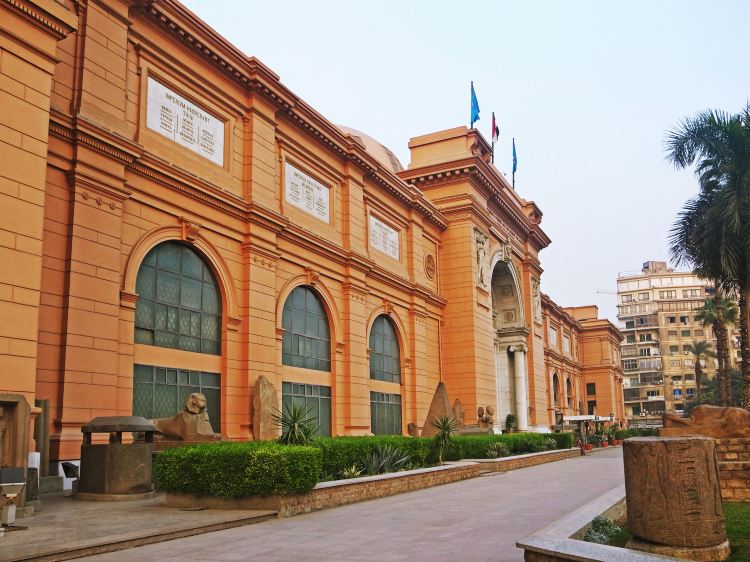
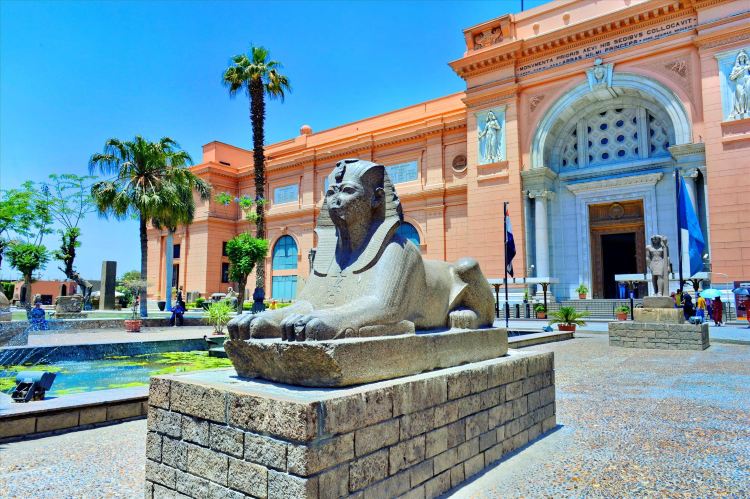
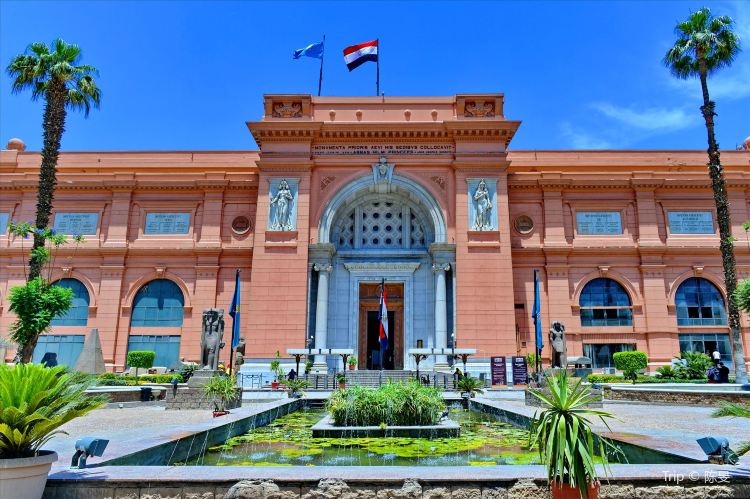
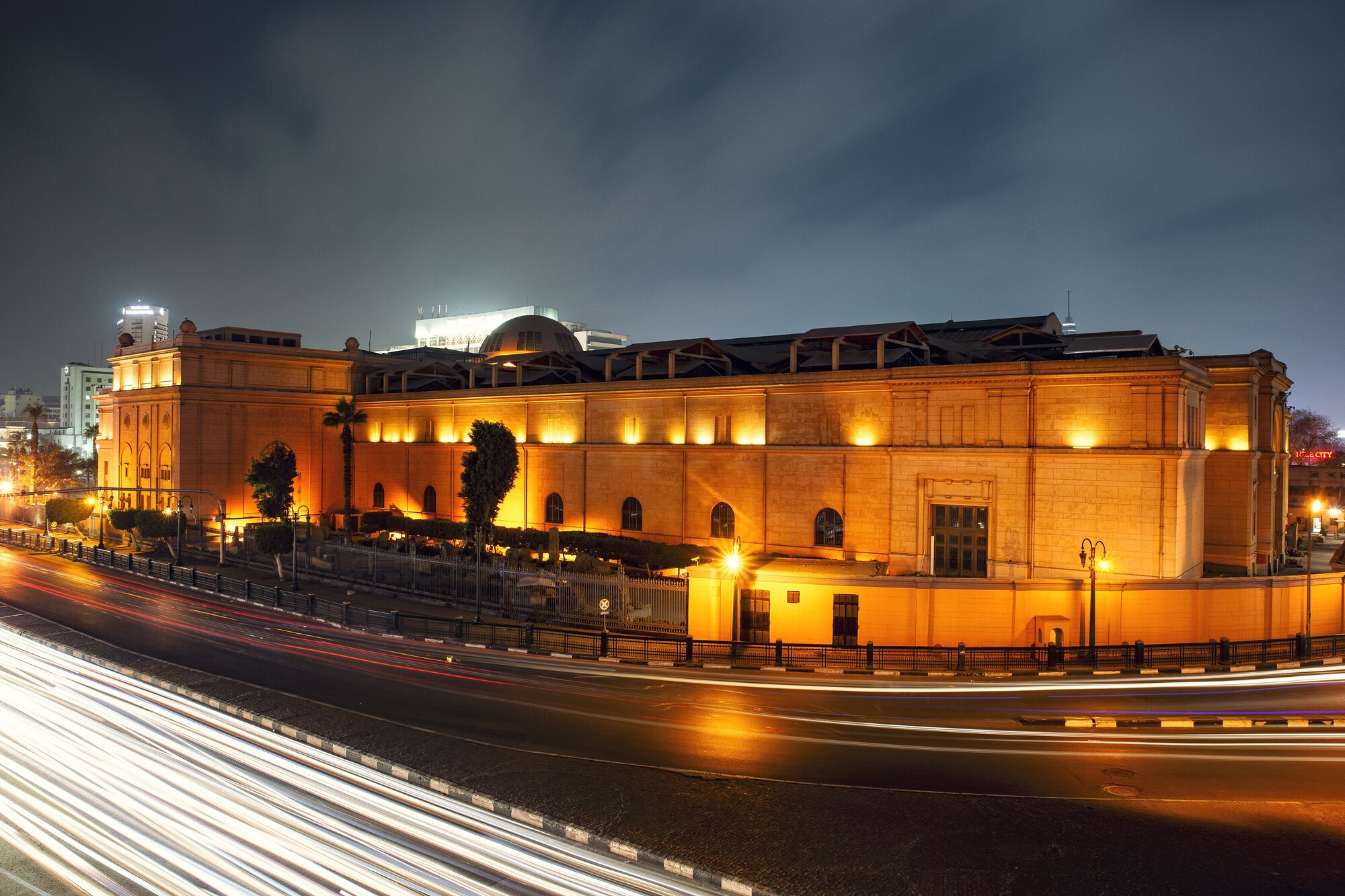
The Egyptian Museum in Cairo stands as a historic landmark, distinguished by its extensive collection of Pharaonic antiquities and its role in housing over 100,000 artifacts from the span of ancient Egyptian history, including the famous Tutankhamun treasures. Its Neoclassical design by Marcel Dourgnon adds to its stature as a cultural treasure in its own right. While visitors enjoy the wide array of exhibits, from colossal statues to intricate jewelry, they must adhere to strict policies ensuring the preservation and respect of these historic items.

 邋遢达文A must-visit place in this lifetime. Compared to other places, there are far fewer scammers. Many ancient artifacts, including mummies, are on display. Tutankhamun's mask is inside the museum, but photography is not allowed. The enormous statues are truly awe-inspiring.
Khan el-Khalili
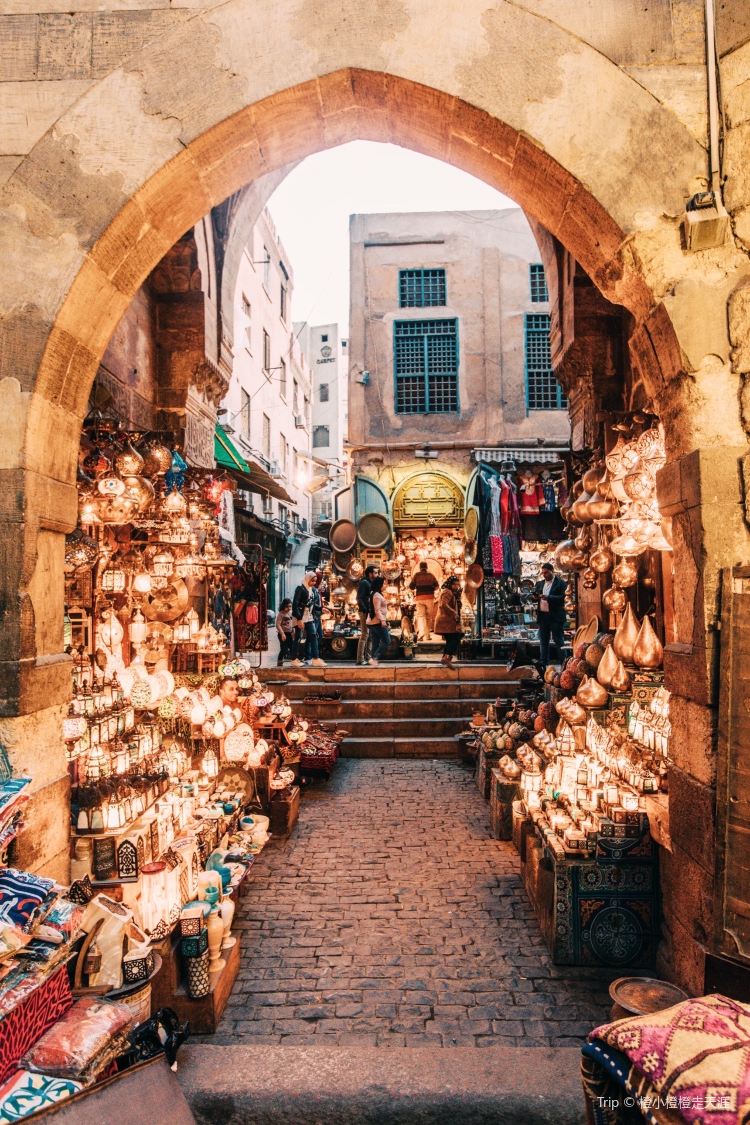
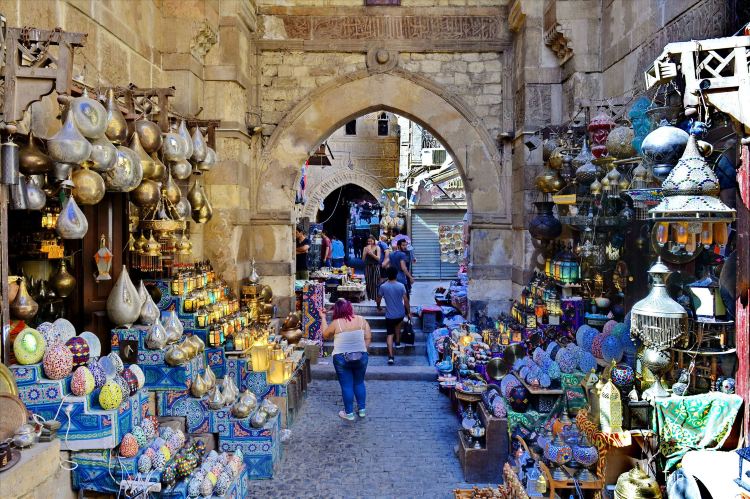
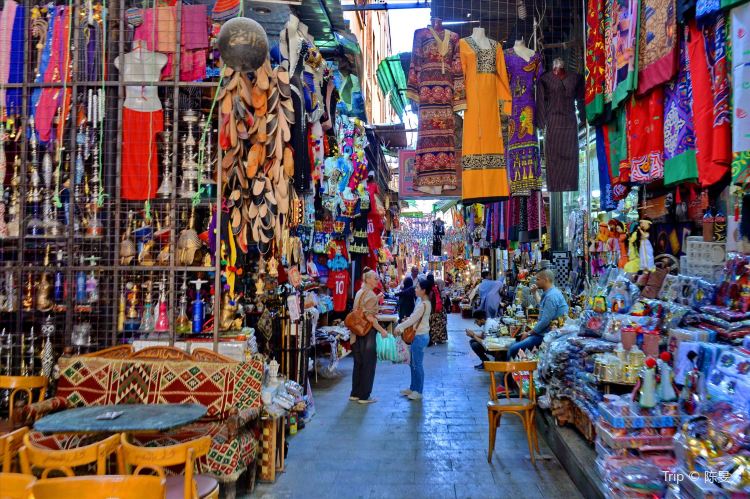
Khan el-Khalili in Cairo stands out as a historic bazaar, established during the Mamluk period and famous for its elaborate gates and a labyrinth of alleyways from the 16th century. It vibrantly encapsulates local culture with diverse stalls offering spices, gold, handicrafts, and more, making it the epitome of a traditional Middle Eastern market. The market's extended hours and unique arrangement of shops around courtyards present tourists with a comprehensive cultural and shopping experience.
Nile River
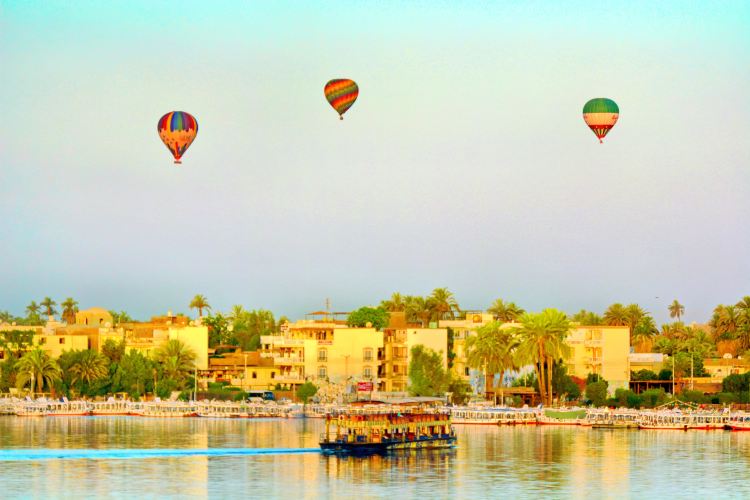
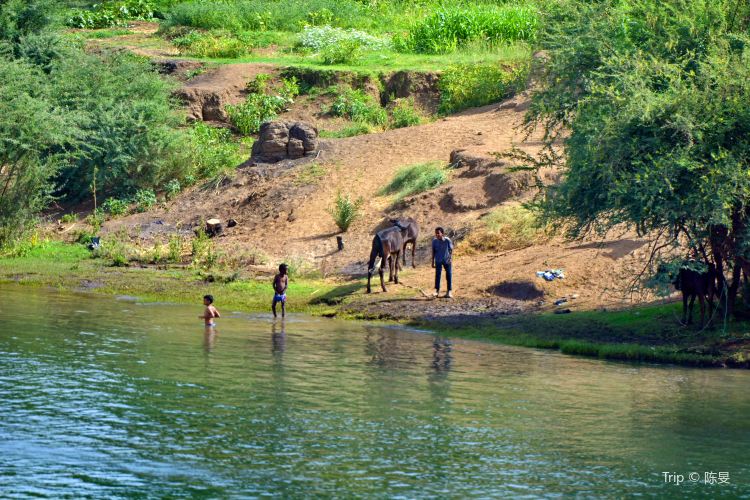


Nile River in Cairo provides a blend of historical and picturesque experiences via its range of cruises, spotlighting both ancient and modern cityscapes. The river's fertile banks have supported agricultural activities, crucial to the growth of civilizations. It continues to be a vital waterway for transportation, especially during flood seasons, making it a key component of Cairo's economic and cultural fabric.
Cairo Citadel
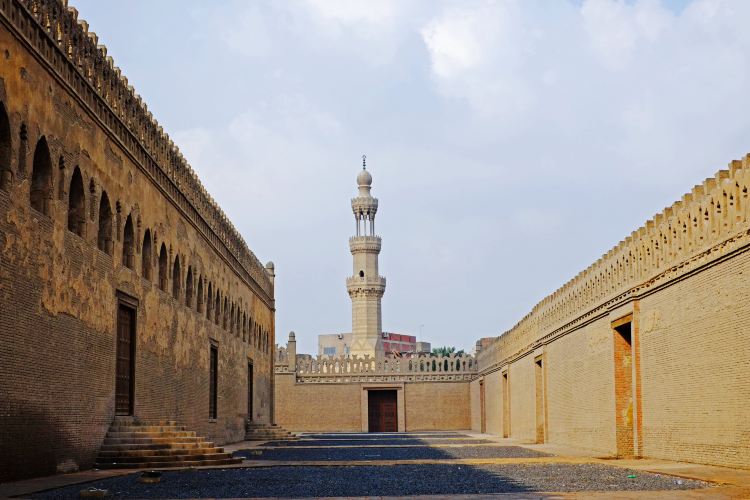
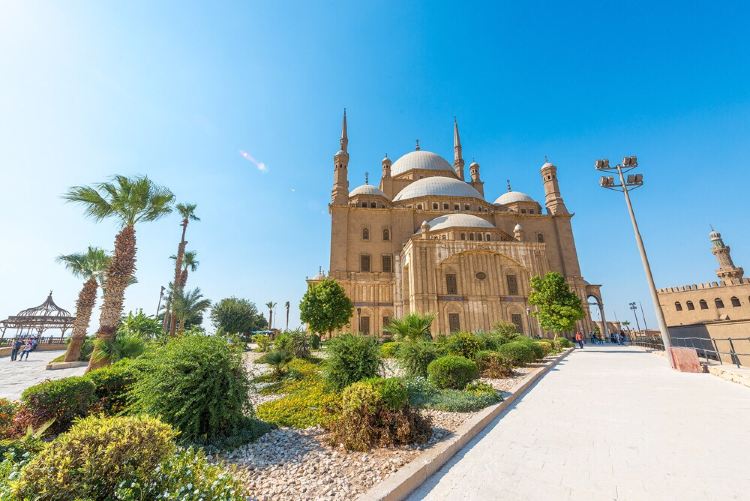
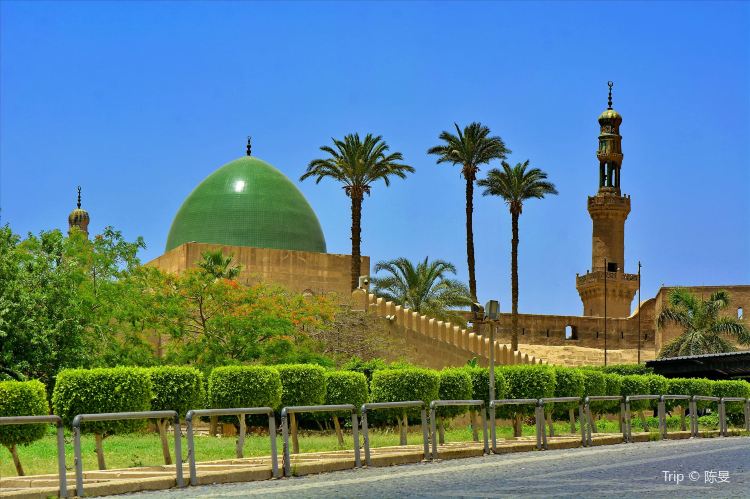
Cairo Citadel offers a profound glimpse into Egypt's historical and architectural evolution, featuring the grand Mosque of Muhammad Ali Pasha and providing stunning views over the city. Visitors can indulge in exploring its rich past through various preserved sites, including mosques with significant historical value and museums that exhibit the Citadel's role through different epochs. This attraction not only allows for an educational journey but also offers leisurely walkthroughs within its expansive, historically rich complex.
The Hanging Church
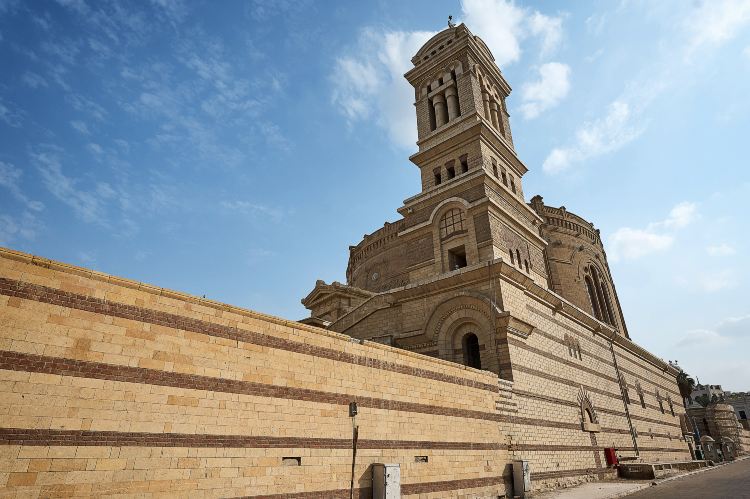
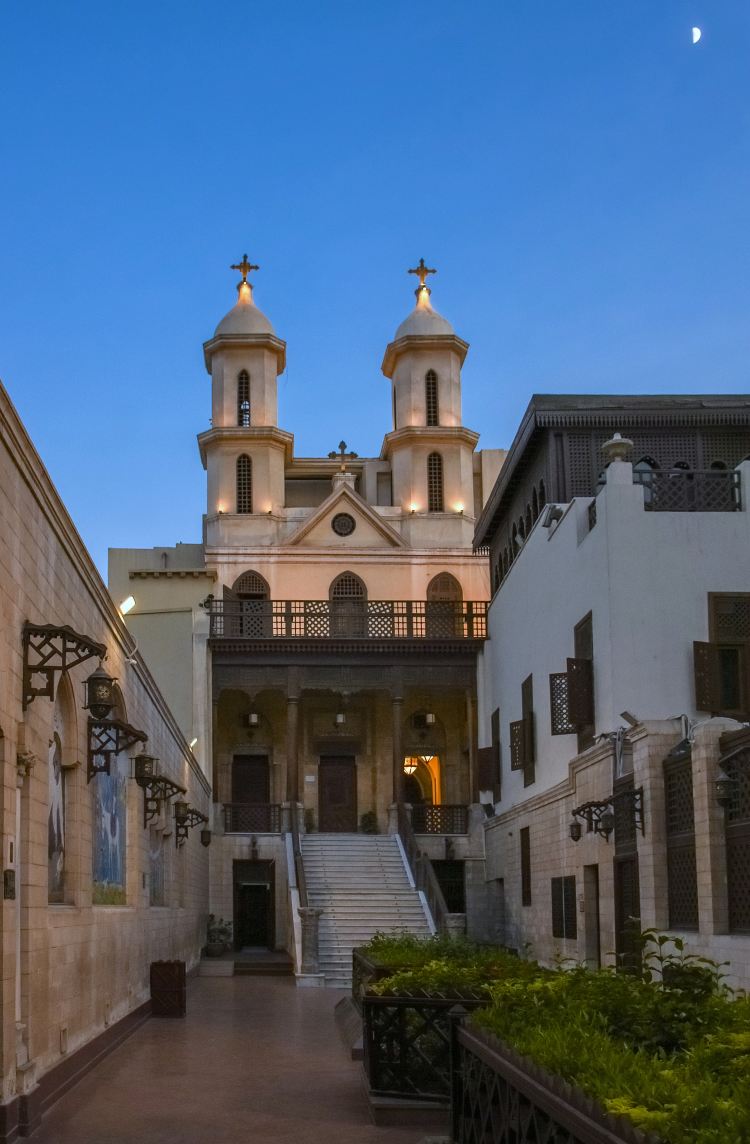
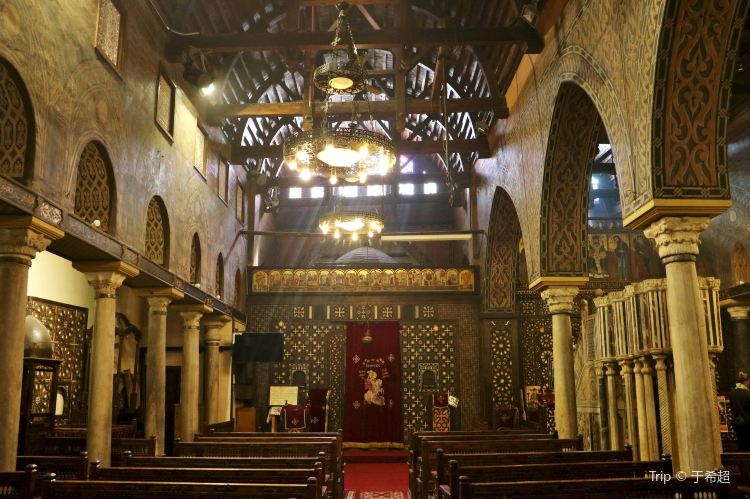
The Hanging Church, located in Coptic Cairo, is remarkable for its structure built on top of a Roman fortress' gateway, making the nave look like it’s floating, giving rise to its name. Dating back possibly to the 3rd century AD, it is one of Egypt's most historic Christian worship sites. Inside, the church is decorated with intricate bone and ivory inlays resembling Islamic art. Historically, it became the seat of the Coptic Orthodox Pope following the Islamic conquest. The church is part of Coptic Cairo, an area filled with ancient Christian sites and the extensive Coptic Museum.

Cairo Food Guide
Cairo's food scene showcases a range of hearty, flavorful dishes such as the carb-heavy Koshary, the spicy meat-filled Hawawshi, the nutritionally balanced Mahshi, and the simple yet flavorful Ful Medames, each offering a unique taste and texture that highlights the local culinary tradition.
Koshary

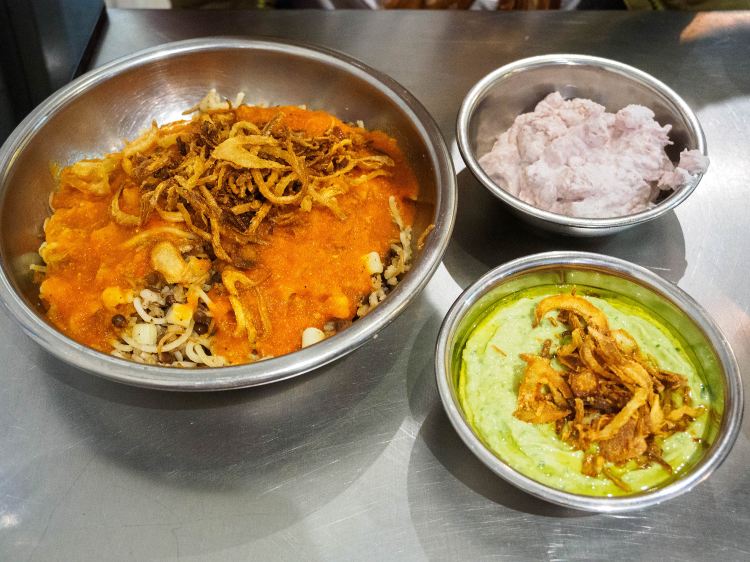
Known as Cairo's quintessential street food, Koshary is a hearty dish that combines rice, pasta, and lentils with chickpeas, tomatoes, garlic, and crispy fried onions, topped with a tangy tomato-vinegar sauce. This carb-heavy delicacy is not just filling but also provides a delightful texture contrast with the softness of the lentils against the crunch of the onions. It is available throughout Cairo and is especially popular during vegan fasting periods. It is both an affordable and quick meal, making it a staple for many in Cairo.
Hawawshi
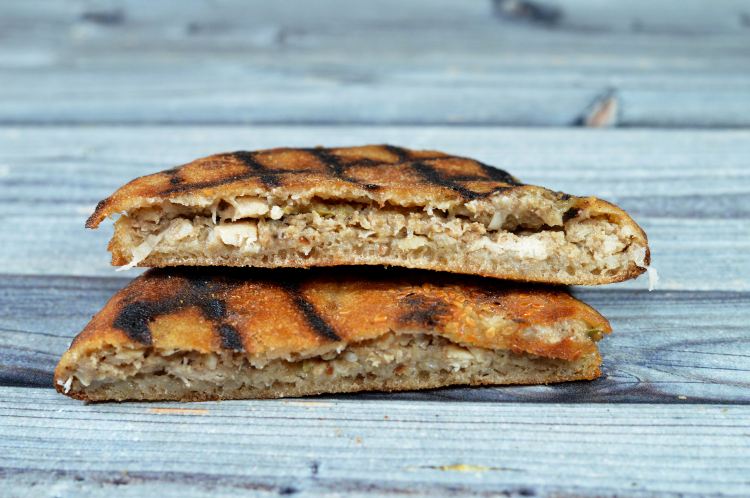
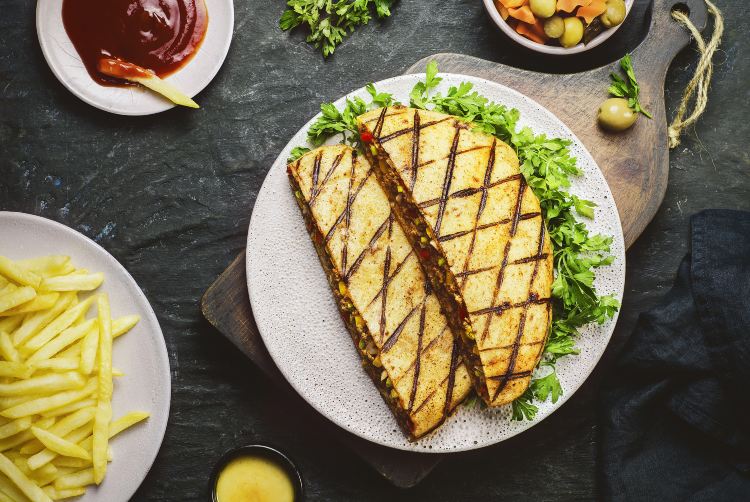
A beloved treat across Cairo, Hawawshi is essentially a spicy meat-filled pita sandwich. The stuffing consists of minced meat, which can include a mix of peppers, onions, and sometimes pine nuts, all seasoned with aromatic spices and baked until the bread is crispy and golden. This dish is frequently served as street food and provides a satisfying quick meal for people on the go. Its crispy exterior and moist, flavorful meat filling showcase the blend of textures and flavors that Egyptian cuisine is known for.
Mahshi
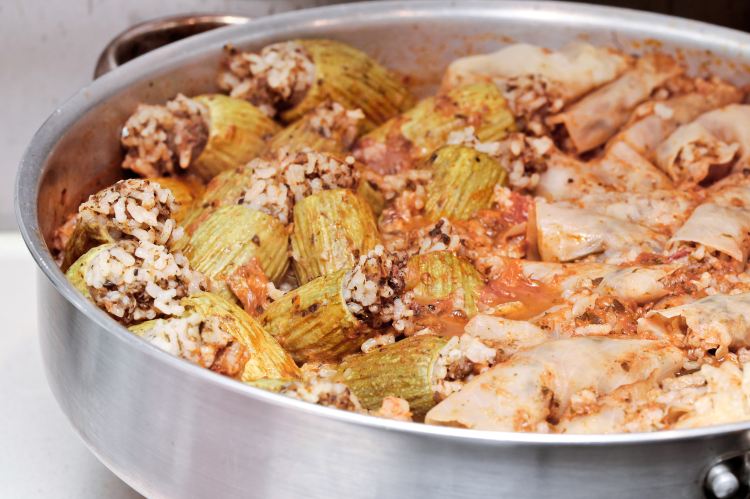
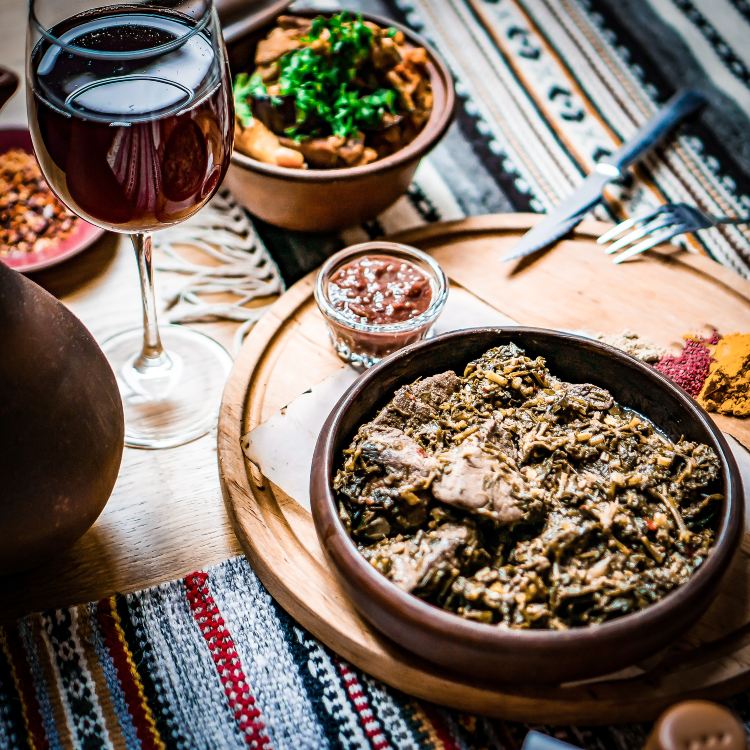
Mahshi refers to various vegetables like marrows, peppers, cabbage leaves, or grapevine leaves stuffed with spiced rice and minced meat mixture, although it can also be prepared vegetarian. This dish offers a delightful presentation as well as being a nutritionally balanced choice, featuring vegetables and flavorful rice. While commonly found in home cooking, Mahshi is also served in restaurants throughout Cairo, representing a traditional and cherished part of local cuisine.
Ful Medames
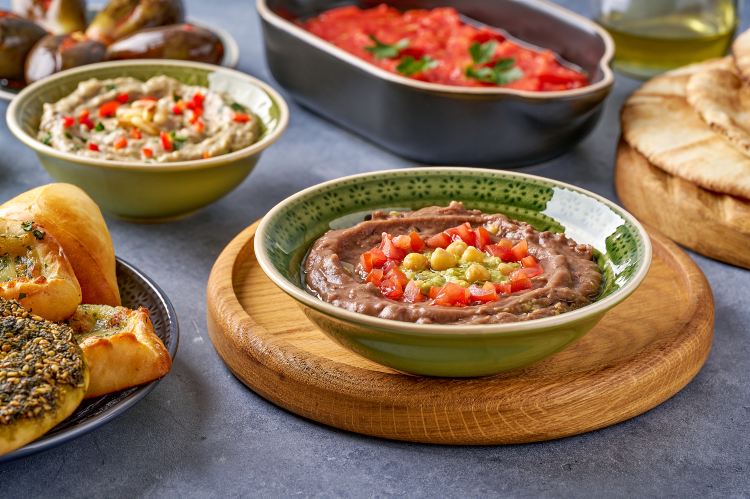
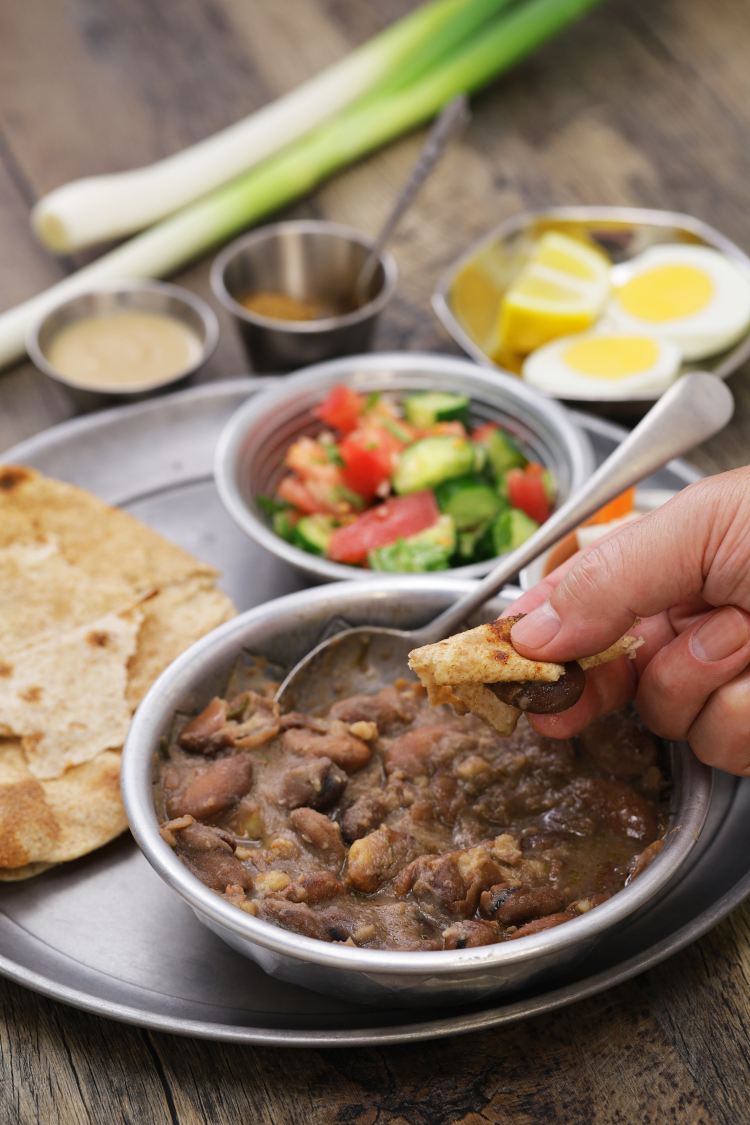
A staple breakfast or street food in Cairo, Ful Medames is made from seasoned fava beans and often accompanied by olive oil, lemon juice, garlic, and onion. This dish is traditionally served with pita bread, making it a flavorful and filling start to the day. It's celebrated for its simplicity and depth of flavor, deriving from the combination of earthy beans and vibrant spices. In Cairo, Ful Medames is not only a culinary delight but also a cultural connector, bringing people together over a shared love for comforting, simple meals.
Cairo Transportation
How to Get There
By Air:
Cairo International Airport (CAI) is the main hub for most international travelers visiting Egypt, located about 22 kilometers (14 miles) northeast of downtown Cairo.
To the city center
- Uber/Careem: The most reliable and recommended option for tourists. Using a ride-hailing app with an international credit card eliminates the need for cash and haggling. A ride typically takes 30-60 minutes, depending on Cairo traffic.
- Taxi: Official white taxis are available outside the terminal. You should agree on a price before getting in, as meters are often "broken" for tourists. Expect to pay more than with ride-hailing apps.
- Public Bus: An inexpensive option, but not recommended for first-time visitors with luggage. Buses are crowded and don't stop directly at the terminals, requiring a shuttle transfer.
Sphinx International Airport (SPX): This smaller airport handles a limited number of international and domestic flights, particularly from the Red Sea resorts. It is closer to the Giza Plateau than Cairo International. Located in Giza, about 45 km (28 miles) west of downtown Cairo.
By train
Egypt has a rail network connecting major cities, with Cairo as the central hub.
Ramses Station (Midan Ramses) in downtown Cairo is connected to the city's metro system. Regular services connect Cairo with Alexandria, Luxor, and Aswan. For the best comfort, book first-class air-conditioned seats or, for longer overnight journeys, a private sleeper car.
By bus
For budget-conscious travelers or those heading to destinations not served by trains, long-distance buses are a practical alternative.
Tahrir Bus Station (downtown) or Almaza Station (near CAI) serve routes from Luxor, Hurghada, and Alexandria via Go Bus or Super Jet.
Local Transportation
Cairo’s bustling streets favor taxis and ride-shares for efficiency, with a metro system for budget travel.
Cairo Metro: The Cairo Metro is the fastest and most reliable way to navigate the city, helping you avoid the notorious traffic above ground. It operates daily from 5 a.m. to 1 a.m. Fares are based on distance, with tickets ranging from 8 to 20 EGP, depending on the number of stations traveled. For frequent users, a rechargeable metro card is a convenient option.
The metro system consists of three lines, with Line 1 (Blue) and Line 2 (Red) being the most useful for tourists, as they connect major areas such as Downtown and Giza. Additionally, women-only carriages are available on most trains (typically located in the middle), providing a comfortable and safe option for female travelers, especially during rush hour.
Ride-hailing services (Uber and Careem): For convenience and transparent pricing, ridesharing apps such as Uber and Careem are often the best choice for tourists. Drivers use GPS, which eliminates the need for extensive directions. While these services may not be the cheapest option available, they are generally much more affordable than traditional taxis. Additionally, you can view the price estimate before confirming your trip.
Taxis: Traditional taxis primarily come in two types: the classic black-and-white taxis and the more modern white or yellow cabs. With the older black-and-white taxis, it's essential to negotiate the fare with the driver before starting your journey, as they often do not use a meter. For white taxis, always ensure that the driver uses the meter. If they refuse, either agree on a price up front or look for another cab. Be cautious of "pirate taxis," especially at tourist sites and airports. Reputable drivers can typically be found at hotel taxi stands or by hailing them from the street.
Public buses: While a very budget-friendly option, public buses can be challenging for tourists to navigate due to crowds, the lack of English signage, and inconsistent routes. Route numbers are typically in Arabic, and you will need to pay the driver directly with small bills. You may need to shout your destination or signal to the driver to get off.
Nile Taxis: These small boats provide a quicker method of travel between certain riverside stops, such as Zamalek and Maadi. Be prepared to negotiate the price.Felucca Rides: Enjoy a leisurely experience on traditional sailboats, which are perfect for sightseeing and sunset cruises.
Bike-sharing: In Cairo, the "Cairo Bike" app allows you to find and unlock bicycles for short trips at a low hourly rate. Always prioritize safety, as traffic can be unpredictable.
Cairo Where to Stay
Cairo is a vibrant metropolis that offers a wide variety of accommodation options, each with its own unique character, situated in different districts to suit various preferences.
The Egyptian Museum in Cairo
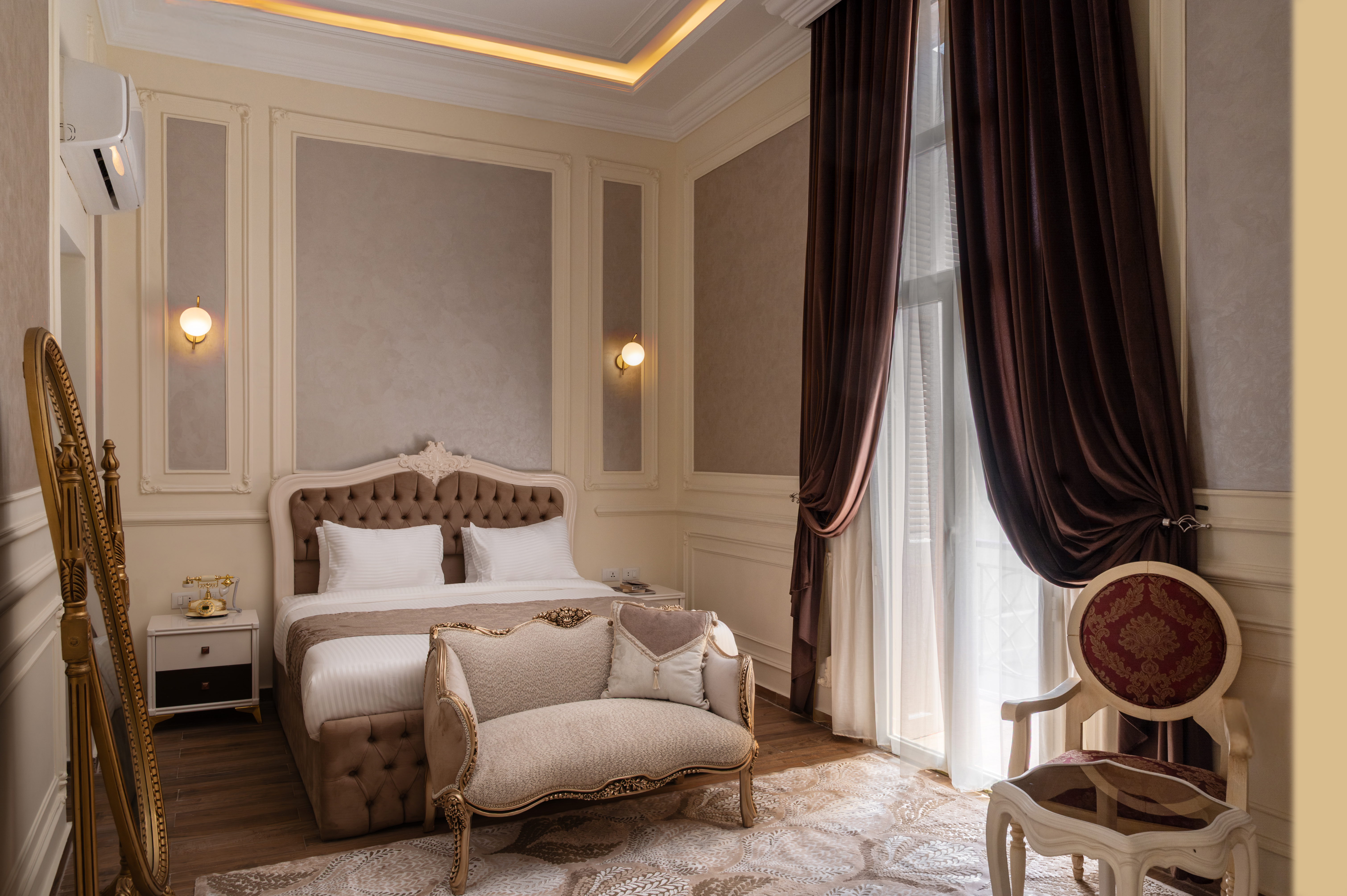
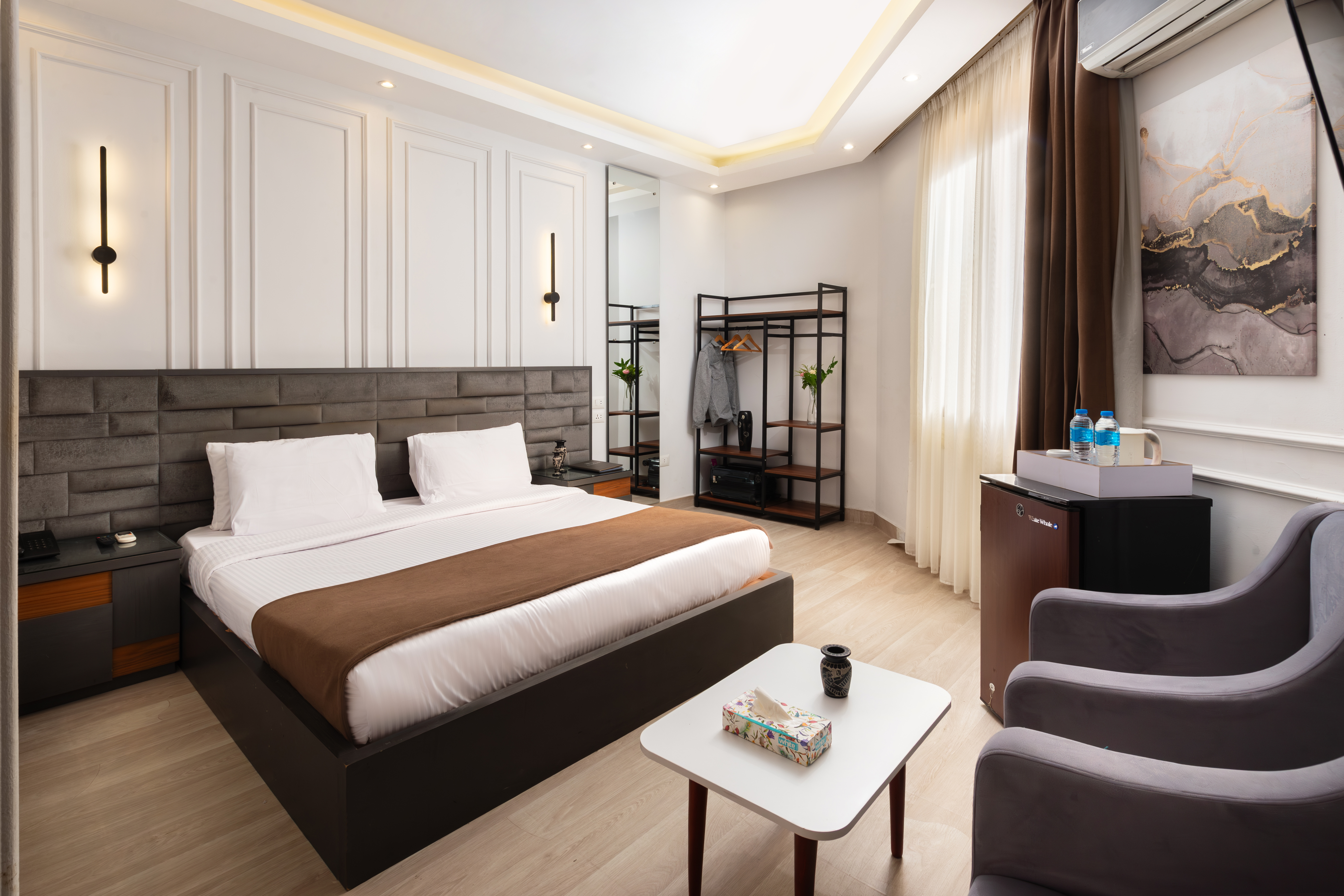
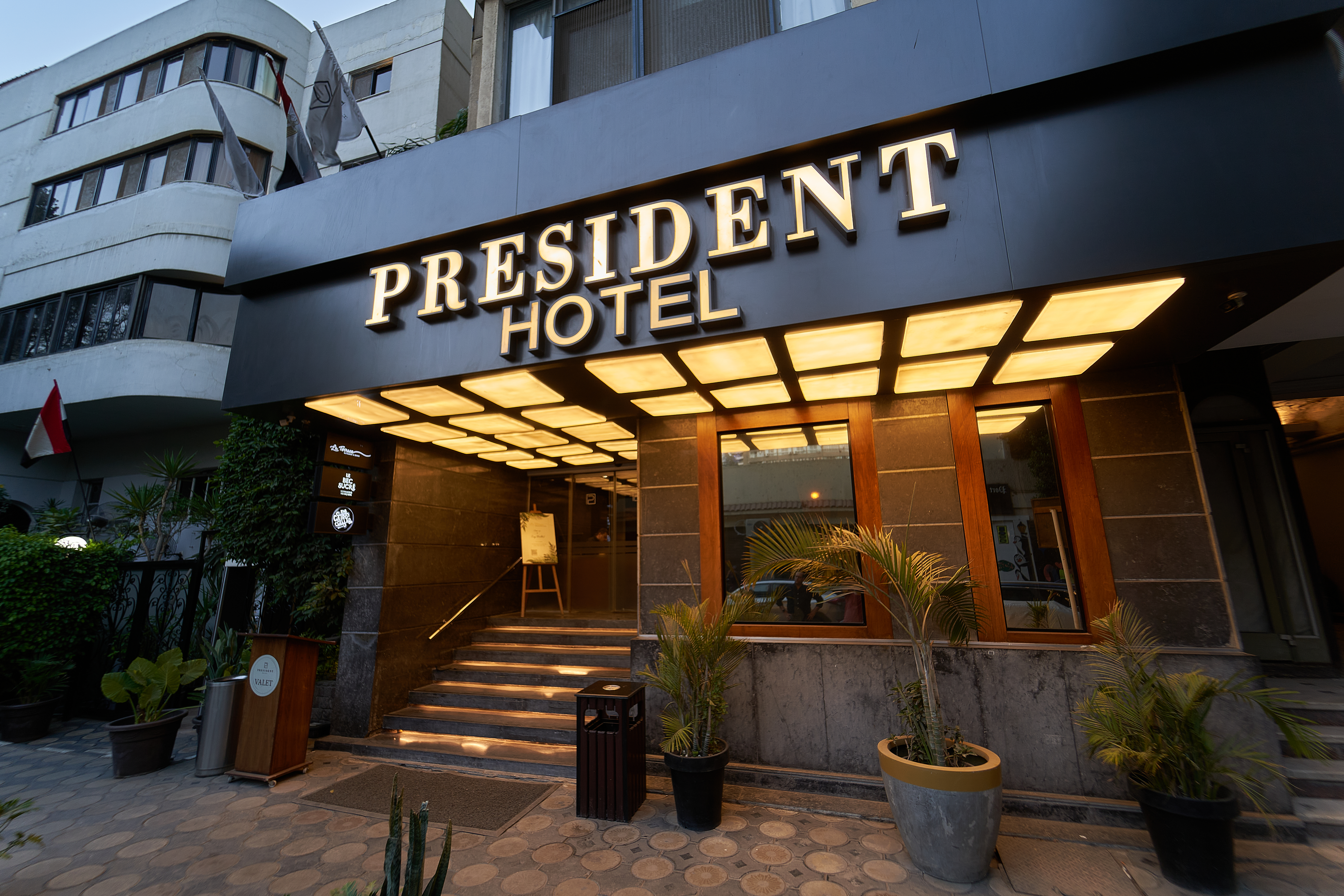
This central hub pulses with urban energy, steps from the iconic Egyptian Museum and its pharaonic treasures. Expect budget to mid-range hotels with Nile views, plus hostels for backpackers. The area buzzes with cafes, koshari stalls, and 24/7 street life, but noise and traffic can be intense. It's ideal for history buffs wanting quick access to Khan el-Khalili and Tahrir Square. Walk to metro stops for easy city navigation, though evenings may feel chaotic.
Zamalek
Zamalek offers an upscale, leafy retreat on an island in the Nile, blending calm with sophistication. Boutique hotels and serviced apartments cater to those seeking quieter stays with river views. Trendy cafes, art galleries, and expat-friendly restaurants line the streets, perfect for relaxed evenings. It's ideal for families or couples seeking a balance of urban access and serenity. The Cairo Opera House is a short walk, but taxis are needed for the pyramids. Expect higher prices and a cosmopolitan vibe.
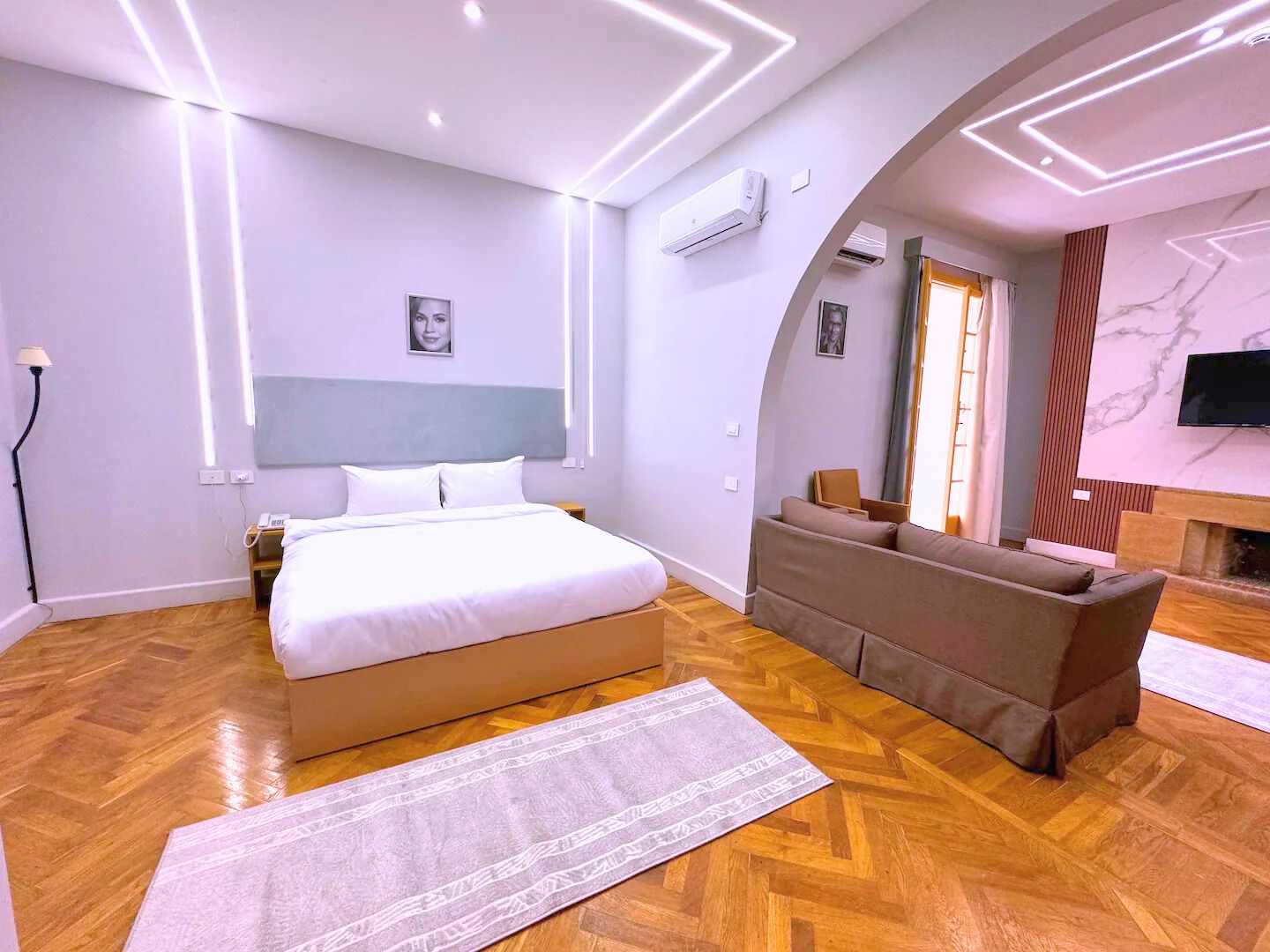
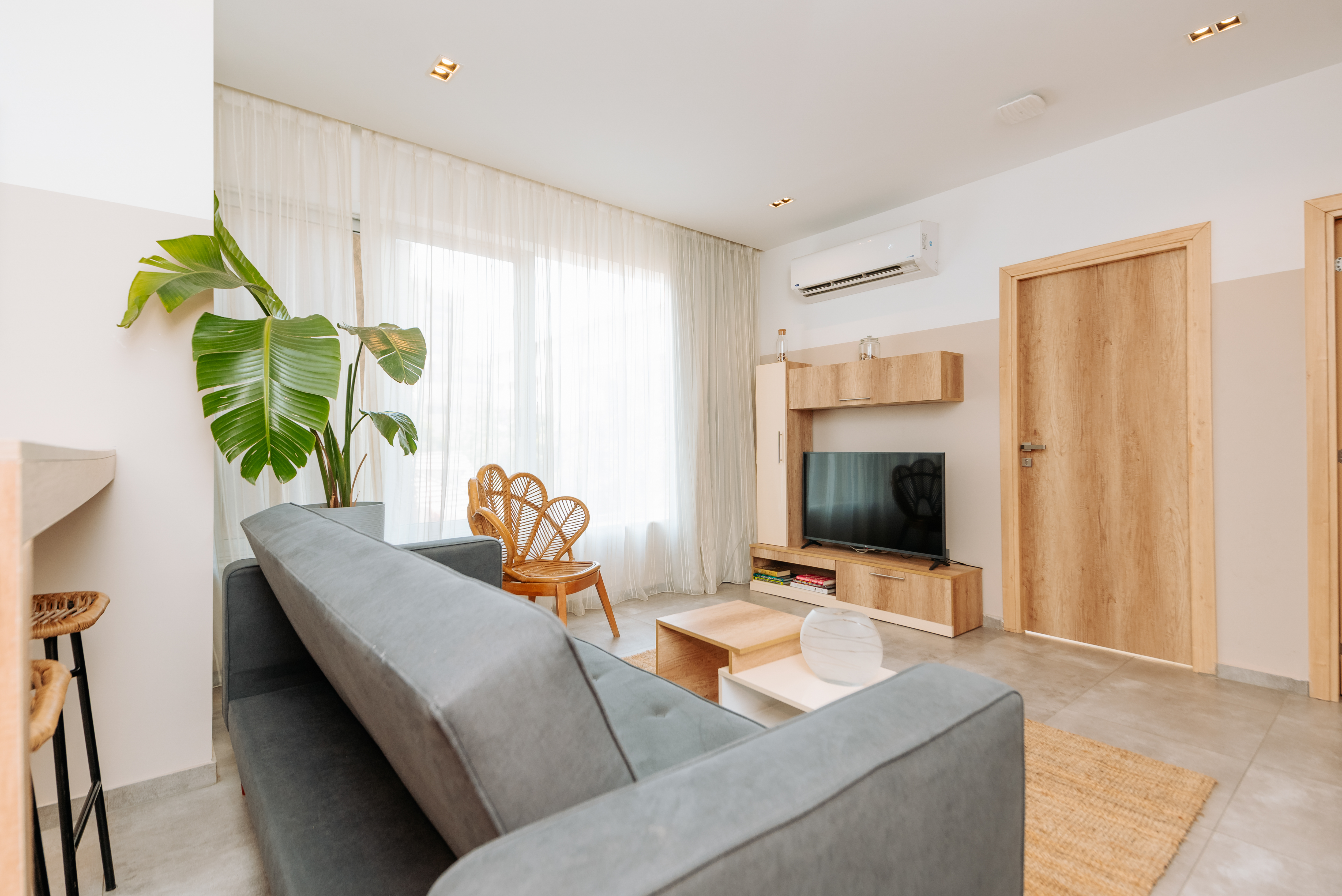
City Stars Mall
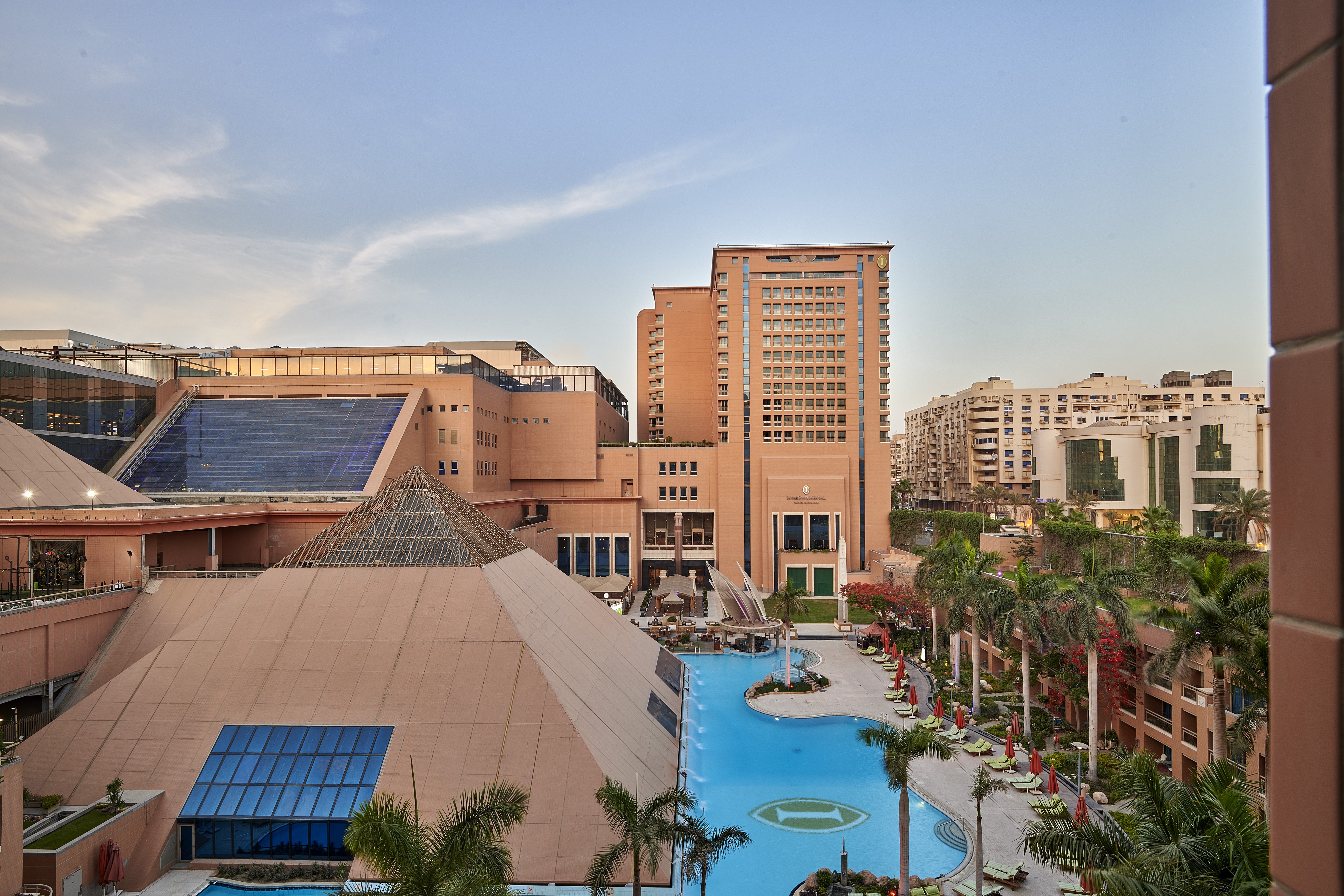
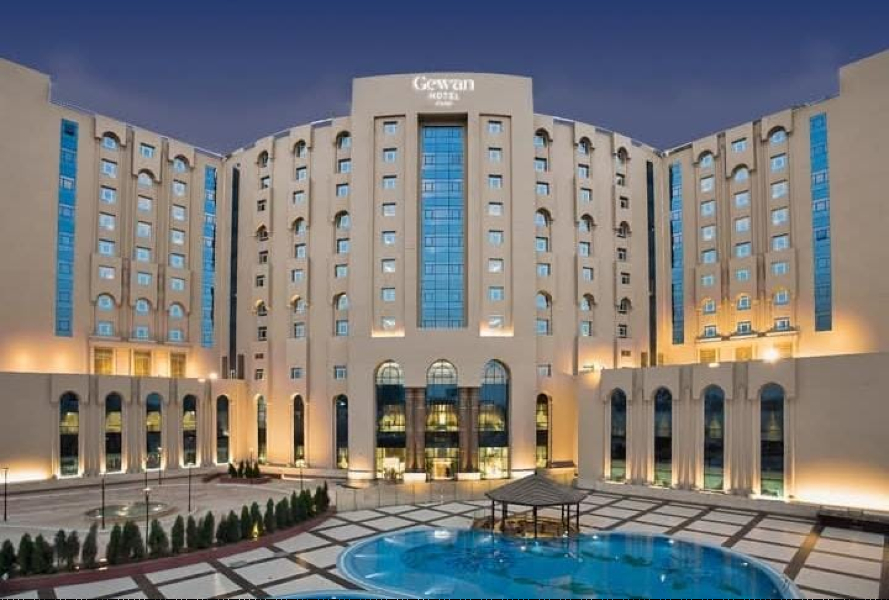
Nasr City’s modern sprawl surrounds City Stars, Egypt’s largest mall, packed with shops, cinemas, and dining. Stay in sleek hotels or resorts with pools, ideal for families and shoppers craving convenience. The area feels suburban, with quieter streets than downtown but less historic charm. It’s close to the airport and has easy Uber access for Giza trips. Expect chain restaurants and a commercial vibe, ideal for those who prioritize comfort over culture. Traffic can snarl during rush hours.

Cairo Best Time to Visit
Best Time to Visit
The best time to visit Cairo is between October and December. During these months, the weather is cooler, making it more comfortable to explore the bustling city and its historic sites. This period is also the peak tourist season, so it is advisable to book accommodations and flights well in advance.
Another great time to visit Cairo is during April and May. The weather in this period is pleasant, with comfortable temperatures that avoid the excessive heat of the summer months. Additionally, the winter crowds have usually dispersed by then, allowing you to enjoy the city’s attractions with fewer tourists and more reasonable prices for accommodations and flights.
Cairo Travel Tips
1. Understand your visa options
While many nationalities can get a visa-on-arrival for $25 at major airports, obtaining an e-Visa online in advance is often the smoother and safer option. Verify your country's specific requirements through the official Egyptian government e-Visa portal. Use only official government websites to avoid scams.
2. Use ride-hailing apps for predictable transport
For safer, metered, and English-speaking rides, rely on apps like Uber and Careem rather than hailing a taxi on the street. For quicker trips during peak traffic hours, consider using the Metro.
3. Navigate road crossings with confidence and care
Cairo's traffic is notoriously chaotic and not pedestrian-friendly. Look for an opening in the traffic and cross with purpose. Many locals will cross in small groups, which can provide a safer shield.
4. Carry small Egyptian pound (EGP) notes
Cash is essential for many transactions in Cairo, from markets to smaller taxis and tips. ATMs frequently dispense large bills (e.g., 200 EGP), which can be challenging to break. Carry a sufficient amount of small-denomination notes for daily expenses.
5. Watch for currency and payment scams
Be wary of incorrect change and fake notes, which can be an issue when paying with large denominations. Always use official banks or ATMs for currency exchange, and be careful when using credit cards in smaller establishments.
6. Understand the local tipping (baksheesh) culture
Tipping is a cultural expectation in Egypt for a wide range of services. Have a separate pocket for small EGP notes to use for baksheesh for small services. For guides, a tip of 50–100 EGP per person is appropriate for a full-day tour. For restaurant bills, add 10–15% if a service charge is not included. Hotel staff: 10–20 EGP per service.
7. Dress modestly, especially at religious sites
Loose-fitting, conservative clothing is recommended for both men and women to respect local culture and avoid unwanted attention, especially at religious sites and in less touristy areas. When visiting mosques, please remove your shoes and silence your phone. Women must cover their hair, but often a scarf can be borrowed at the entrance.
8. Be cautious of scams at tourist sites
Scammers often target tourists at sites like the pyramids. Ignore offers for "free" items, unofficial tours, or photos, as they always come with a hidden cost. Book services through official channels and be firm but polite in declining.
9. Haggle respectfully in markets
In bazaars like Khan el-Khalili, bargaining is expected. Starting at 30–50% below the initial asking price is a common tactic. A polite and good-humored approach is often the most effective.
10. Respect local photography rules
Taking pictures of people without their consent is not allowed. The use of drones is illegal without a permit, and photographing military or government buildings is forbidden. Be mindful of signs indicating photography is restricted.
11. Expect adjusted schedules during Ramadan
If your visit coincides with the Islamic holy month, be aware that many places will have adjusted hours. It is respectful to avoid eating, drinking, or smoking in public during fasting hours, but you can enjoy the vibrant evening festivities.
12. Be vigilant about personal safety
While Cairo is generally safe, be aware of your surroundings, especially in crowded areas. Keep valuables secure in a hotel safe, and use a money belt or secure pouch for cash when out and about. Solo female travelers should exercise additional caution, particularly at night.
13. Stick to bottled or filtered water
Cairo's tap water is not safe for drinking. Buy sealed 1-liter bottles from stores and avoid ice in your drinks. Consider bringing a filtered water bottle to reduce plastic waste and purify tap water.
14. Avoid discussing sensitive topics
It's advisable to avoid discussing politics or religion in public with strangers. Public displays of affection are generally considered inappropriate.
Cairo Useful Guide
Local Language
Arabic is the primary language spoken in Egypt.
In tourist areas such as hotels, sites, and airports, English is widely spoken. Bilingual signs and menus are common. However, in markets or rural areas, English proficiency is limited, so it's advisable to use translation apps or gestures. Learning a few basic phrases, such as "shukran" (thank you) and "min fadlak" (please), can be a courteous way to communicate.
Local APP
Uber: The most reliable ride-hailing app, widely available in Cairo, Alexandria, and Hurghada. It allows you to track your ride and pay via credit card, which helps avoid common taxi scams.
Careem: Another popular ride-hailing app in major cities, which is now owned by Uber but is still widely used. It functions similarly to Uber and provides a fixed, pre-determined fare.
inDrive: A newer ride-hailing option where passengers can negotiate the fare with the driver. It is important to note that payment is usually in cash and the final price can be higher than the initial bid.
Go Bus: A long-distance coach app that offers comfortable, air-conditioned journeys between major cities like Cairo, Luxor, and Hurghada. Booking in advance is recommended.
Swvl: A service that offers booking for bus and minibus rides, often for longer distances or fixed city routes. It can be a cost-effective option for some routes.
Google Maps: Essential for navigation, especially in the busy and complex streets of Cairo. It works well for public transport routing, including the Cairo Metro.
WhatsApp: This is the most common and preferred communication method in Egypt. Tour guides, drivers, and even some hotel staff use it to communicate with guests.
Google Translate: While many Egyptians in tourist areas speak English, this app can be a lifesaver for translating signs, menus, or basic communication with locals in less tourist-heavy areas.
Egypt Transport: This app is particularly useful for navigating the Cairo Metro and getting information on train schedules and ticket prices.
Internet and Communication
Local SIM Card (Physical): This is the most traditional option for mobile connectivity. To use a local SIM card, you'll need to purchase it from a local mobile provider.
You can find SIM cards at airport kiosks when you arrive, official retail stores (such as Vodafone, Orange, Etisalat/e&, and WE), or smaller phone shops. Make sure you have an unlocked phone and your passport for the registration process. This option is best for tourists who plan to stay for an extended period.
eSIMs offer a modern and convenient option for mobile connectivity. You can purchase one online from international providers such as Airalo, Holafly, Nomad, or Saily. This allows you to select and set up your plan before leaving home. However, ensure that your phone is compatible with eSIM technology. Keep in mind that some eSIM plans from third-party providers are data-only and may not include a local phone number.
Wi-Fi (free and paid) is available at most tourist hotels, upscale cafés, and some restaurants in major cities. Most hotels offer Wi-Fi, but the quality varies widely. You can rent a portable Wi-Fi device (or MiFi) for your trip.
Currency and Payment
Currency: The official currency is the Egyptian Pound (EGP).
Cash: Despite the increasing use of cards, Cairo remains largely a cash-based society. Always carry a good amount of Egyptian pounds in small denominations (10, 20, 50 EGP) for taxis, markets, street vendors, and tips.
Credit/Debit Cards: Credit and debit cards are widely accepted at upscale hotels, restaurants, large retail stores, and shopping malls. Visa and Mastercard are the most reliable options. However, some merchants may prefer cash to avoid transaction fees. Be sure to notify your bank of your travel plans to prevent fraud-related transaction blocks.
ATMs are readily available in major tourist areas, city centers, and malls. For security reasons, it's best to use bank ATMs and avoid those located in isolated areas. Be mindful of possible fees from both your home bank and the Egyptian bank. When withdrawing cash, choose to be charged in Egyptian Pounds (EGP) to avoid unfavorable "dynamic currency conversion" rates.
Currency exchange: Exchange bureaus offer better rates than hotels or the airport and are found throughout the city. Never exchange money with individuals on the street, as it is risky and can be illegal.
Weather in Cairo

23°
/
11°

22°
/
10°
22°
/
12°
23°
/
12°
23°
/
12°
23°
/
13°
25°
/
14°
 Trending in Cairo
The World Awaits: The Grand Egyptian Museum Finally OpensThe long-awaited Grand Egyptian Museum finally opens
Awe-inspiring Egyptian Museum: 120,000 authentic artifacts@The Egyptian Museum in CairoThe Egyptian Museum in Cairo brims with artifacts
Grand Egyptian Museum unveils its mysteries, reviving the glorious history of the NileGrand Egyptian Museum unveils its mysteries, reviving the glorious history of the Nile
Cairo: FAQ

What's the most popular attractions in Cairo?
How to get to The Suez Canal from Cairo?
Popular destinations
Bangkok

Tokyo
Kuala Lumpur
Los Angeles

Shanghai