Changsha 2026 Guide: Must-see attractions, local cuisine, and practical tips! | Trip.com
 Local GuidesLast updated on Trip.com: 14/07/2026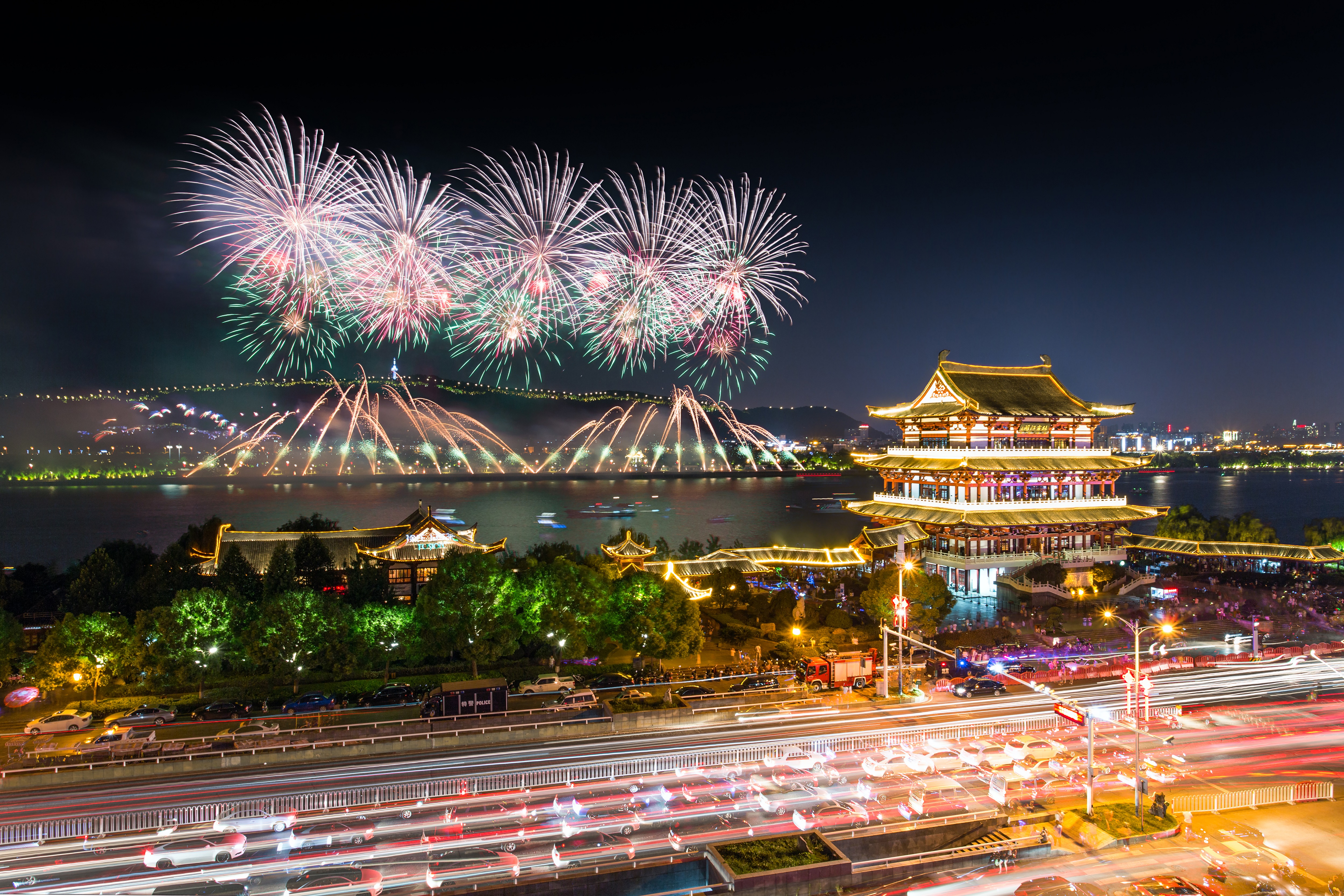
Changsha Brief Guide
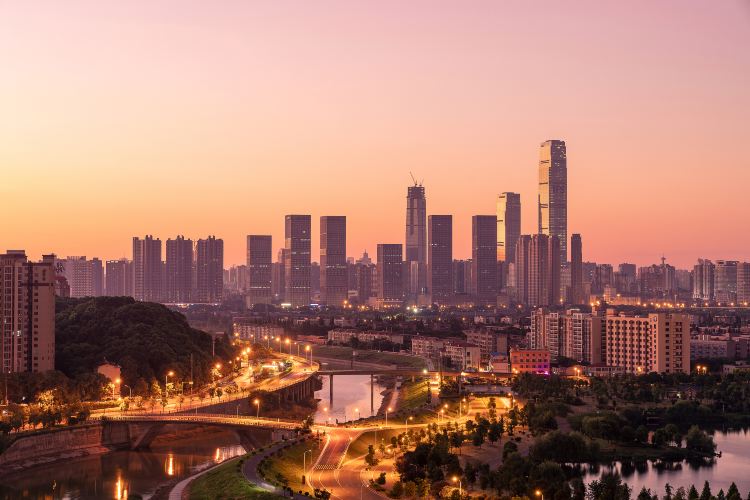

Bold, bustling, and deliciously chaotic: Changsha is Hunan’s heart. Feast on chili-drenched street food, stroll Orange Island’s skyline-dotted riverbanks, and hike mist-wrapped Yuelu Mountain where ancient scholars once pondered. Plan your journey into China’s flavor-packed, history-rich hub.
Changsha Must-try local experiences
Savor Night Market Delights
Stroll Pozi Street or Huangxing Road Walking Street, where stalls grill Changsha's stinky tofu, sugar oil cakes, and spicy crawfish. Slurp rice noodles in chili broth at corner shops or sip Tea Yan Yue Se's creamy milk tea. Crowds weave through vendors, their woks hissing with Hunan's bold flavors, rooted in the province's love for spice and communal dining.
Cruise the Xiang River at Night
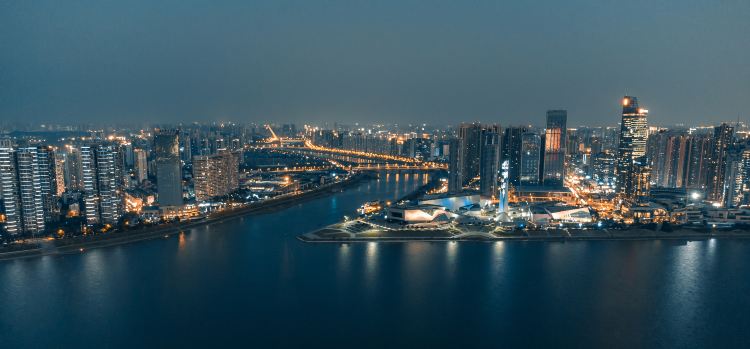
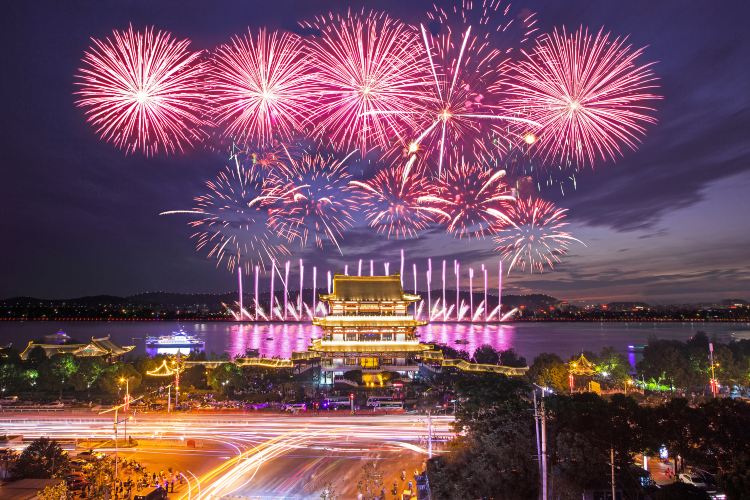
Board a Xiangjiang River cruise as Changsha's skyline sparkles. Orange Island's statues, Du Fu Pavilion's wooden arches, and Fisherman's Wharf glide past, lit by vibrant light shows. High-rises glow along the banks, their reflections dancing on the water. On Orange Island, observation trains roll through gardens, offering a relaxed way to soak in the dazzling nighttime panorama.
Stroll the Xiang River's Scenic Banks
Walk the Xiangjiang River's banks, where Changsha's skyline meets quiet trails. Tied to Mao's revolutionary poetry, Orange Isle hosts his towering statue, a nod to Hunan's political history. Wide paths invite cycling, with ferries crossing the current. At dusk, sunsets paint the hills gold, blending the river's calm with the city's modern energy.
Capture Trendy Urban Scenes
Photograph Wenheyou's retro diners, styled like 1980s Changsha with neon signs and Hunan snacks. IFS's KAWS, a giant pop-art sculpture, looms over rooftops. Xie Zilong Photography Museum's contemporary photography rotates in temporary exhibits. Meixi Lake International Culture and Art Central Grand Theater, nicknamed "The Lotus" for Zaha Hadid's petal-like design, stands out against the skyline. These spots hum with Changsha's modern, artistic energy.
Ascend Urban Heights for Views
Climb Mount Yuelu trails or ride its cable car to a summit overlooking Changsha's skyline and Xiangjiang River. Pass Yuelu Academy's ancient halls and Aiwan Pavilion's red pillars. At Helipad 77 Rooftop Bar in Wanjiali International Shopping Plaza, sip drinks as city lights spread below. Both spots blend Changsha's natural and urban landscapes.
Uncover Hunan's Historical Treasures
At Hunan Museum, Western Han Dynasty Mawangdui tombs yield silk clothes, T-shaped paintings, and Lady Xin Zhui's preserved body, reflecting Chu culture. Visit Mawangdui Han Tombs and Wangyue Park for royal graves. The Changsha Bamboo and Wooden Slips Museum holds Warring States Period texts on wood. These sites reveal Hunan's ancient artistry and history.
Chase Autumn's Vibrant Colors
From late October to December, Lieshi Park's water firs glow red, Mount Yuelu's maples blaze, and Yanghu Wetland Park's golden reeds frame egret towers. Cycle flower paths or walk boardwalks, snapping photos of fall's vivid hues. Locals celebrate Mid-Autumn Festival with mooncakes and lanterns, adding festive warmth to Changsha's autumn landscapes.
Experience Traditional Foot Massage
Relax in Changsha's foot massage parlors, where therapists use reflexology rooted in Chinese wellness traditions. Soak feet in herbal baths, then unwind in modern or traditional settings with tea or snacks. The city's thriving massage culture, one of China's largest, reflects Hunan's focus on health and hospitality.
Explore Tianxin's Historic Pavilion
Visit Changsha's Tianxin Pavilion, rebuilt in 1746 during the Qing dynasty on a Ming-era site. Its stone walls and wooden beams frame views of modern towers. Locals burn incense at altars, honoring Hunan's spiritual traditions. Camellia gardens bloom beside plaques detailing Taiping Rebellion battles, connecting Changsha's Qing-era past with its lively present.
Changsha Must-see Attractions
Changsha is a city in Hunan Province, China, offering a rich tapestry of historical and cultural attractions, including Orange Island, with its ties to Mao Zedong; the Hunan Provincial Museum, showcasing relics from the Han Dynasty; the Du Fu River Pavilion, celebrating the Tang poet Du Fu; and HBtown, a modern entertainment complex blending cultural heritage with contemporary leisure activities.
Orange Island
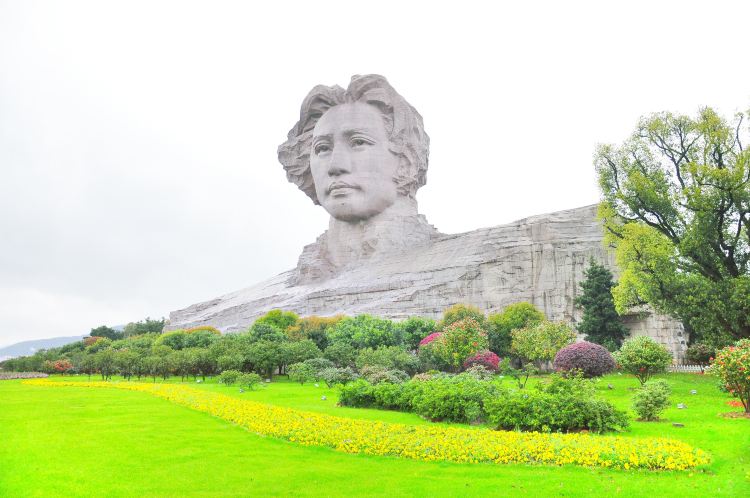
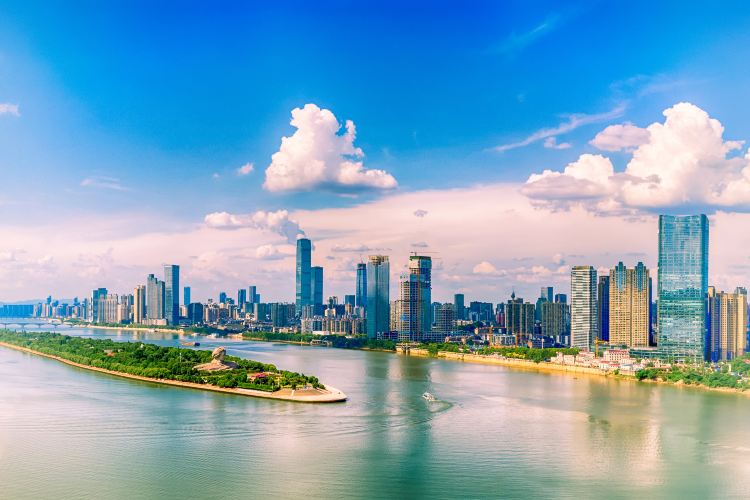
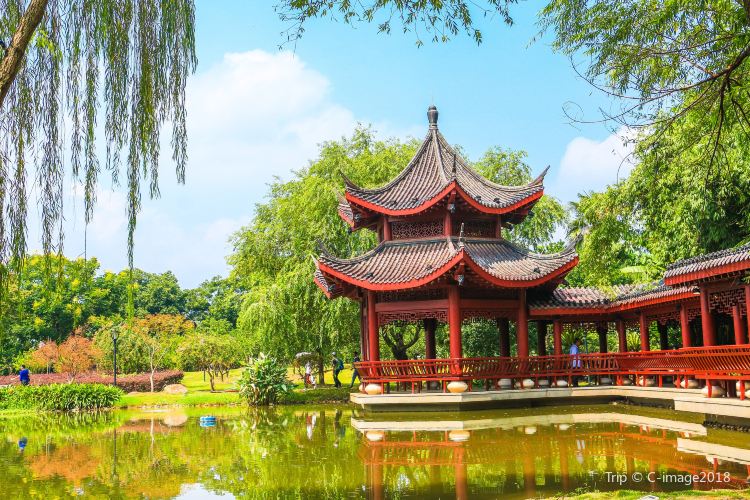
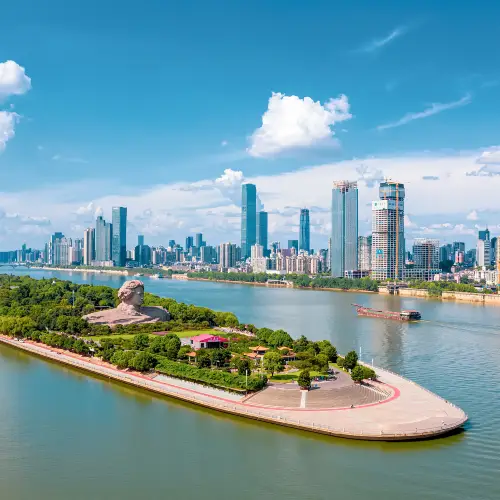
Orange Island (Changsha), also known as Juzi Island, is a historically significant and scenic destination located in the center of the Xiangjiang River in Changsha City, Hunan Province. It is celebrated for its picturesque beauty in every season. The island is closely associated with Mao Zedong, who spent his early years in Changsha and whose youthful statue is a prominent feature on the island. Visitors can explore the island's attractions, such as the 100-meter Fountain, which is as splendid as a waterfall. The island also offers a tranquil escape from urban life, with its transformation into a large recreational park that includes a variety of subtropical plants and leisure activities. Orange Island's winter scenery is listed as one of the eight best-known sceneries in Hunan Province, making it a year-round destination for tourists.


Hunan Provincial Museum

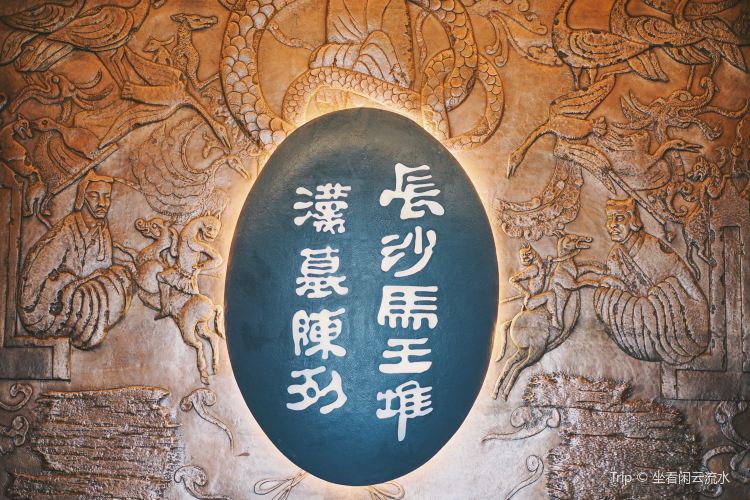
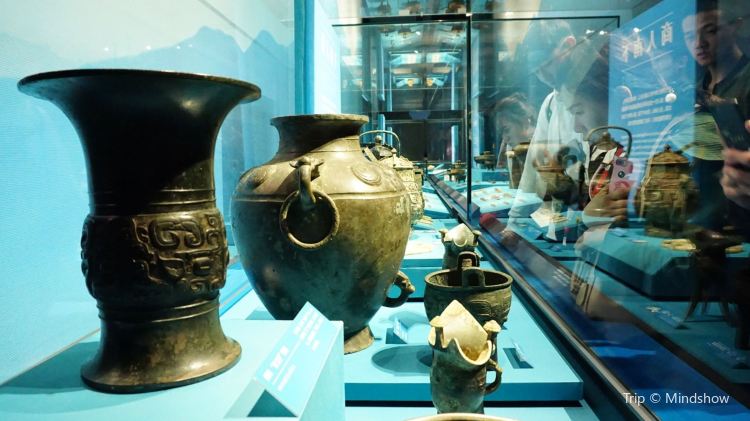
Hunan Provincial Museum is a treasure trove of Chinese history and culture, showcasing a vast array of artifacts that span thousands of years. As the largest comprehensive museum in Hunan Province, it offers visitors an immersive experience of the region's rich heritage. The museum is particularly renowned for its Mawangdui Han Tombs Exhibition, which presents over 3,000 relics including well-preserved lacquer wares, exquisite silks, and a miraculously preserved female corpse, offering a glimpse into the life and beliefs of the Han Dynasty. Additionally, the museum's permanent exhibitions feature Shang and Zhou Dynasty bronzes, ceramics from famous kilns, and calligraphy and paintings from the Ming and Qing Dynasties, reflecting the artistic and technological advancements of these periods. Visitors can explore these collections and gain insights into the historical and cultural development of Hunan Province.



Du Fu River Pavilion

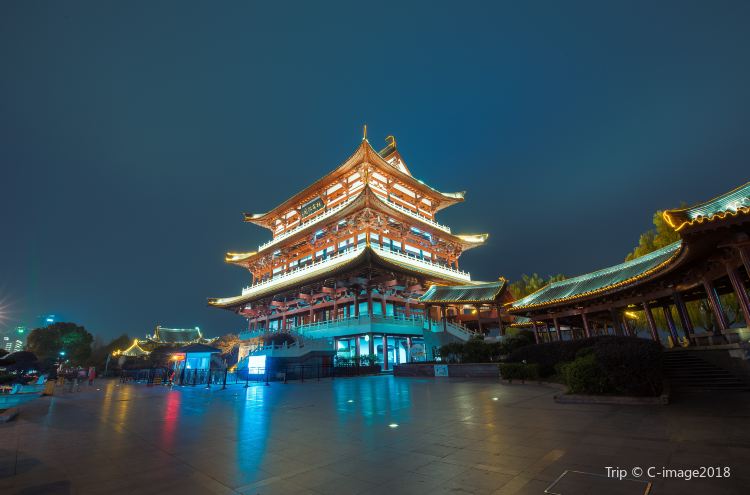
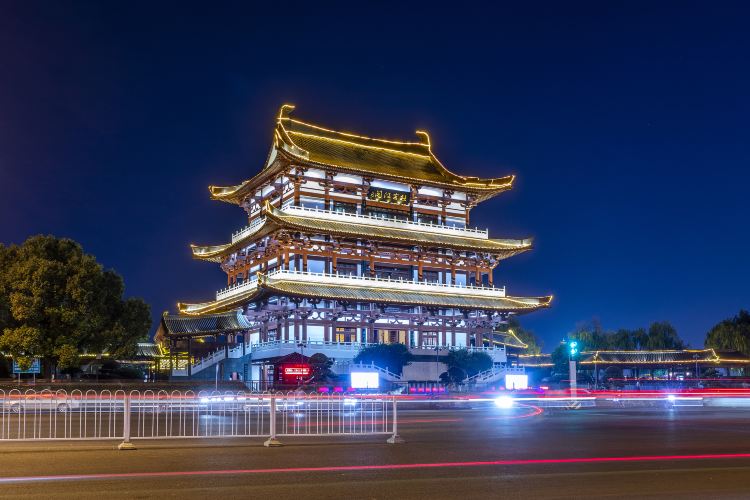
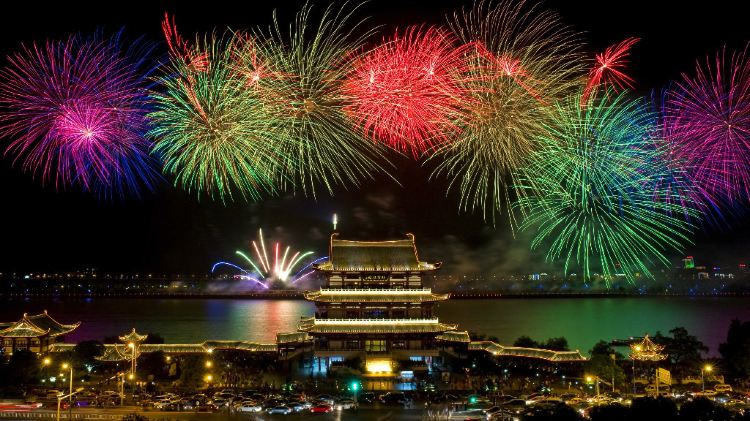
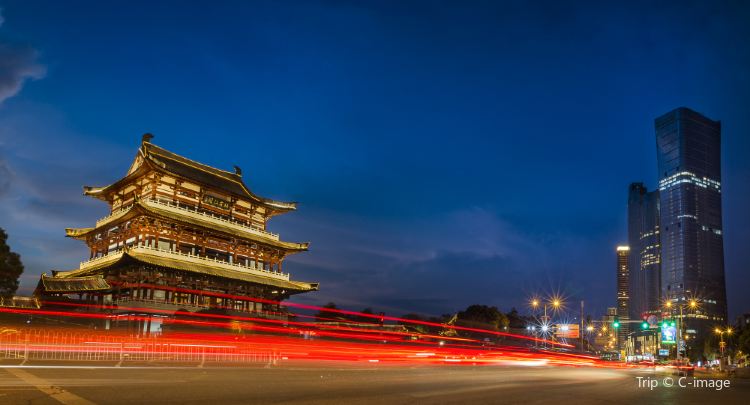
Du Fu River Pavilion is a tribute to the legendary Tang poet Du Fu, offering visitors a deep dive into Chinese literary history and traditional architecture. The pavilion, a typical Tang-style building with a high base and four layers of overhanging eaves, stands on the banks of the Xiang River, providing a picturesque setting for those interested in poetry, calligraphy, and painting. Inside, the pavilion houses a Du Fu Memorial Hall with a statue of the poet and wall paintings narrating his life, alongside works by renowned calligraphers. The third floor features an exhibition hall dedicated to Changsha's historical celebrities, while the top floor serves as a reception and antique exhibition hall. Visitors can immerse themselves in the rich cultural heritage and enjoy the serene river views that once inspired one of China's greatest poets.


HBtown





HBtown in Changsha offers a unique blend of cultural heritage and modern entertainment, encapsulating the essence of both ancient and contemporary attractions. The HB (Changsha) Film Town Park, with its themes of "Old Changsha" and "European Town," is a testament to the city's ability to integrate its rich cultural history with international influences. Visitors can immerse themselves in a meticulously crafted Italian environment, complete with a replica of an Italian railway station entrance and a Venetian-style setting. While the park's food offerings remain authentically Chinese, the attractions are diverse, ranging from virtual reality experiences like the adventures of Pinocchio to an escape game set in a Florentine house. The park's dedication to film and leisure makes it a vibrant spot for entertainment and cultural exploration.


Changsha Food Guide
Changsha's food is famous for its unique local characteristics and rich flavors, from the spicy and fragrant taste of shrimp, the crispy on the outside and tender on the inside stinky tofu, the sweet and crispy sugar oil glutinous rice cake, the cool and smooth scraped mung bean jelly to the fresh and spicy chopped pepper fish head, all reflect the ultimate pursuit of Hunan cuisine for spicy and fresh flavors and are a gourmet experience not to be missed by foodies.
Taste Shrimp

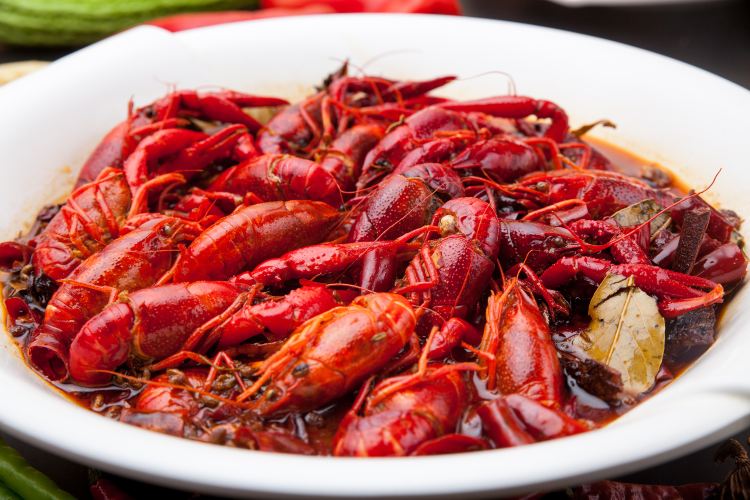
Also known as spicy crayfish, it is a traditional famous dish of Changsha, belonging to the Hunan cuisine series, with crayfish as the main ingredient, the taste is spicy and fragrant, and the color is bright red. This dish originated at the end of the 20th century, initially popular at night snack stalls, and later became a nationally known snack, especially the classic pairing with beer stalls on summer nights. When cooking, spices such as chili and Sichuan pepper are often used to retain the original taste of the shrimp, the meat quality is chewy and firm, and it is one of the favorites of Changsha people for late-night snacks.
Changsha Stinky Tofu
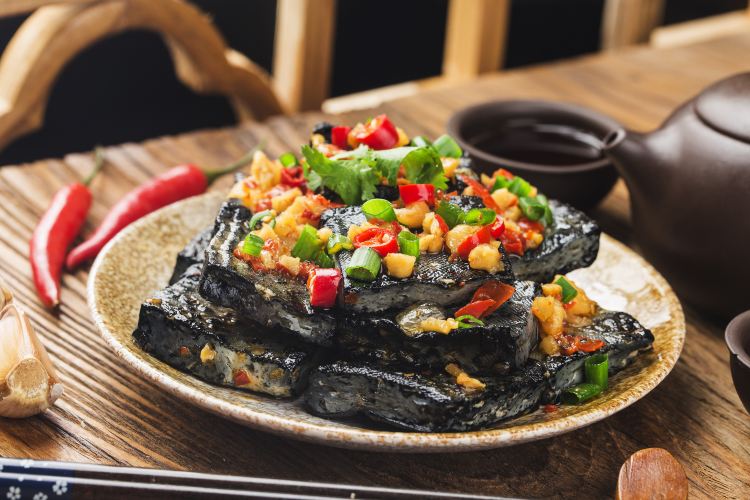
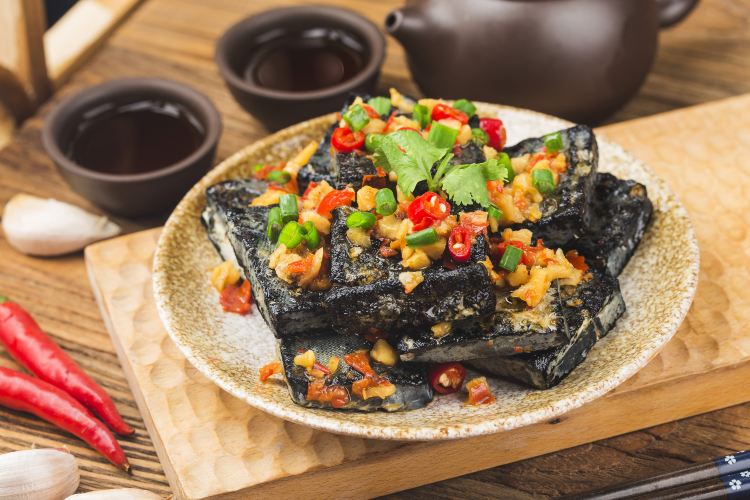
Changsha stinky tofu is dark in color, crispy on the outside, and tender on the inside, smells stinky, but tastes fresh and spicy. It is a traditional specialty snack of Changsha. Its production process is complex, requiring multiple processes such as screening, soaking, grinding, and fermenting. Finally, after deep-frying, it is crispy on the outside and tender on the inside, served with specially made chili sauce, coriander, and other seasonings, with a unique flavor. Changsha stinky tofu is not only a delicacy but also a cultural heritage. The production skills of Huogongdian stinky tofu have a history of a hundred years and have become the most vivid symbol of Changsha's fireworks.
Sugar Oil Glutinous Rice Cake

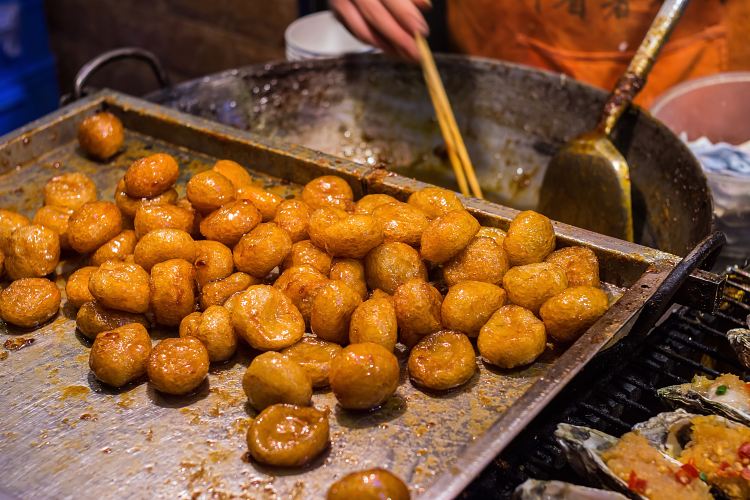
It is a traditional famous snack of Changsha city, with glutinous rice flour and sugar as the main ingredients, characterized by golden yellow and crispy, sweet but not strong, oily but not greasy. The production process of this snack is fine, after frying until both sides are light golden brown, pour in the sugar syrup and quickly merge, making the rice cake soft and colored, and shiny with oil, then it can be taken out of the pot. Changsha people take sugar oil glutinous rice cake as breakfast or afternoon tea, fresh out of the pot when it is sweet and soft, which is a real test of the patience of foodies.
Scraped Mung Bean Jelly
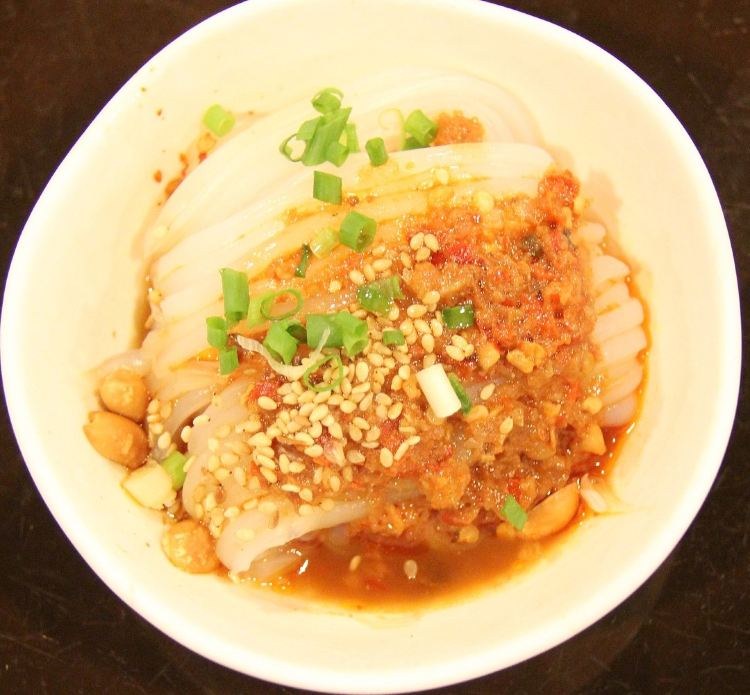
It is a very popular traditional snack in Changsha, made mainly from mung bean starch, with a sour and spicy, cool and smooth taste. During the production process, the starch water is boiled in the pot until it is thick, then poured into a container to cool and solidify, then scraped into strips with a special tool, and mixed with various seasonings for consumption. It is especially popular in summer, not only can be tasted at street stalls but also can be made at home, it is a snack with Hunan local characteristics.
Chopped Pepper Fish Head
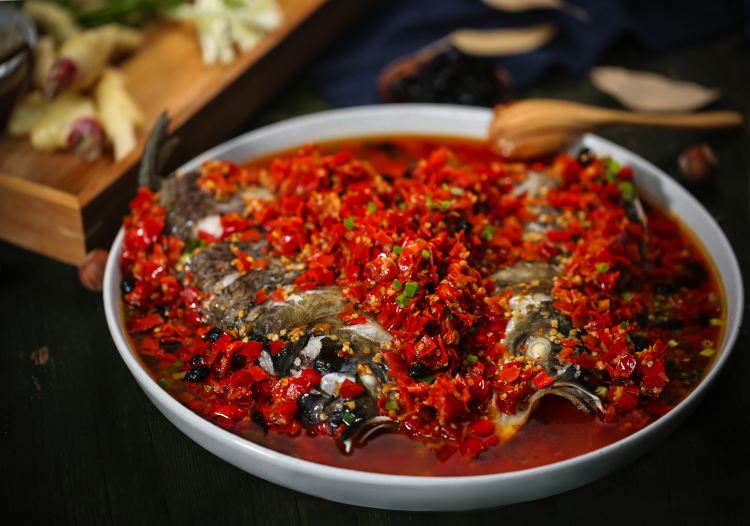
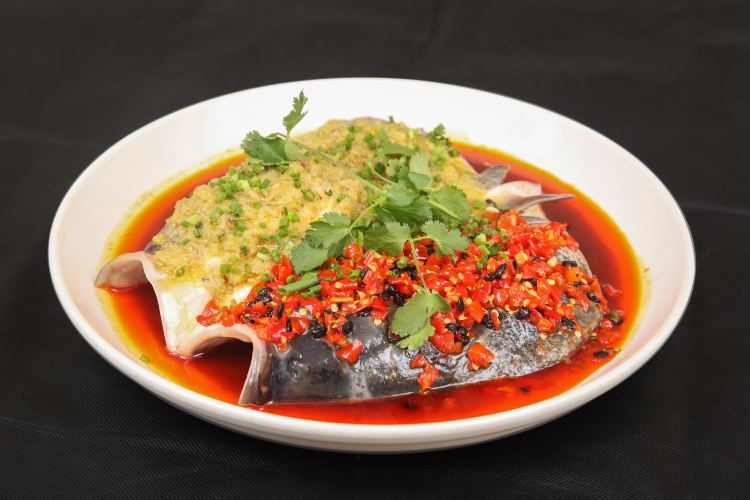
Chopped pepper fish head is a traditional famous dish of Hunan Province, which is deeply loved by foodies for its fresh and spicy, pepper-flavored characteristics. The cooking of this dish is strict, the selected fish head needs to be large and fatty, matched with old altar chopped pepper and other chopped pepper seasonings, steamed until the fish meat is fresh, tender, and smooth. Chopped pepper fish head is not only the leading card of Hunan cuisine but also has been presented as a representative of Hunan cuisine, winning the praise of international friends.
Changsha Transportation
How to Get There
Changsha, the capital of Hunan Province and a major transportation hub in central China, is accessible by air, rail, bus, or water from international and domestic locations.
By Air
Changsha Huanghua International Airport (CSX): Located 24 km (15 miles) east of downtown in Huanghua Town, Changsha County, it’s Hunan’s largest airport, serving international and domestic destinations.
To City Center:
Airport Shuttle Bus: Routes to downtown (e.g., Wuyi Square, Civil Aviation Hotel) take ~50–60 minutes. Operates from 6:30 AM until the last flight. Pay via cash, Changsha Tong card, or WeChat/Alipay.
Maglev Train: The Changsha Maglev Express connects the airport to Changsha South Railway Station (~10 minutes). Operates 7:00 AM–10:00 PM, every 15–20 minutes. Pay via Changsha Tong card, mobile QR codes, or tickets.
Tip: The Maglev is scenic and efficient; board at Terminal 1 or 2 for direct access to high-speed rail.
Taxis: ¥60–100 to downtown (40–50 minutes, metered).
By Train
Changsha South Railway Station: The primary hub for high-speed trains (G-series) on the Beijing-Guangzhou and Shanghai-Kunming lines, connecting to Beijing (5–6 hours), Shanghai (5–6 hours), Guangzhou (2–2.5 hours), and many other locations. Located 13 km (8 miles) south of downtown in Yuhua District.
Changsha Railway Station: Centrally located, it serves regular trains and some high-speed trains.
Both stations are linked by metro lines 2/4.
By Bus
East Bus Station: Serves Hefei, Nanchang, Xiamen, and Hunan cities.
South Bus Station: Serves Guilin, Xiamen, Nanjing, and Hunan cities.
West Bus Station: Serves Zhangjiajie (4–5 hours), Shaoshan, and western Hunan.
Trains are faster for most routes; buses are better for rural destinations like Fenghuang.
By Water
Changsha Passenger Port: Links via Xiang River and Dongting Lake to Yangtze River ports like Chongqing, Wuhan, Nanjing, and Shanghai. Limited tourist routes, primarily for cargo or local ferries to Yueyang or Changde.
Local Transportation
Changsha’s public transportation is efficient, affordable, and tourist-friendly, with English signage in metro stations and key areas.
Metro: Changsha Metro, with 7 lines, covers all main attractions, including Yuelu Mountain (Line 4), Orange Island (Line 2), and Hunan Provincial Museum (Line 1).
Operating 6:00 AM–11:00 PM.
Fares and Payment Options: Distance-based
Single-Journey Ticket: Purchased at vending machines (English interface, accepts ¥1 coins, ¥5–20 bills).
Changsha Tong Card: Rechargeable, offers ~10% fare discount, valid for metro, Maglev, and buses.
Mobile QR Codes: Use Alipay/WeChat “Changsha Metro” mini-program to scan at gates. Requires city-specific setup.
Maglev: The Changsha Maglev Express connects Changsha South Railway Station to Huanghua Airport via one stop (Langli Station). Ideal for airport transfers.
Fares: Payable via Changsha Tong card, mobile QR codes, or tickets.
Buses: Over 100 routes complement the metro system and cover downtown and the suburbs.
Fares: Payable via cash (exact change), Changsha Tong card, or Alipay/WeChat QR codes.
Use Baidu Maps or Amap for routes, as buses have limited English signage.
Taxis and Ride-Hailing: DiDi offers ride-hailing with English interfaces, ideal for ordering a car ride, including taxis.
Bicycles: Bike-sharing (Meituan, HelloBike) is widely available.
Changsha Where to Stay
Changsha offers a myriad of accommodation options across various districts, each revealing a unique facet of the city's charm. From bustling commercial hubs to serene riverside locales, visitors can find a place to stay that caters to their preferences and travel itinerary.
Wuyi Square
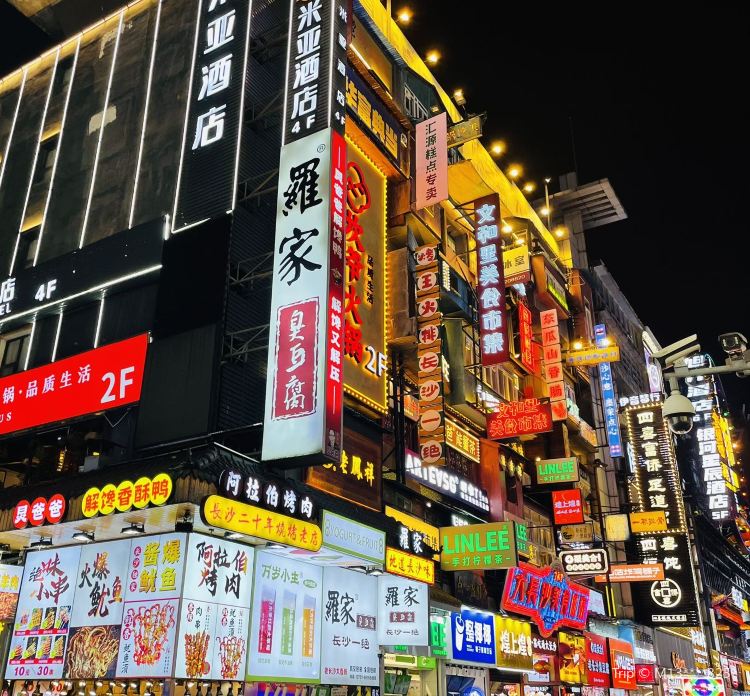

Hotel Style Highlight: Wuyi Square is a bustling nucleus in Changsha, encircled by a range of hotels from budget to luxury. It attracts travelers desiring a lively urban experience and access to shopping and cultural sites.
Location Advantages: Hotels near Wuyi Square are at the city's commercial and entertainment core. The area boasts excellent connectivity, with metro stations nearby, making it a prime spot for discovering Changsha
Must-see Attractions: The square is an activity center, close to key sites like the Hunan Provincial Museum, which showcases the area's history and culture. The vibrant Huangxing Road Pedestrian Street, ideal for shopping and local delicacies, is also within reach.


Yuelu Mountain
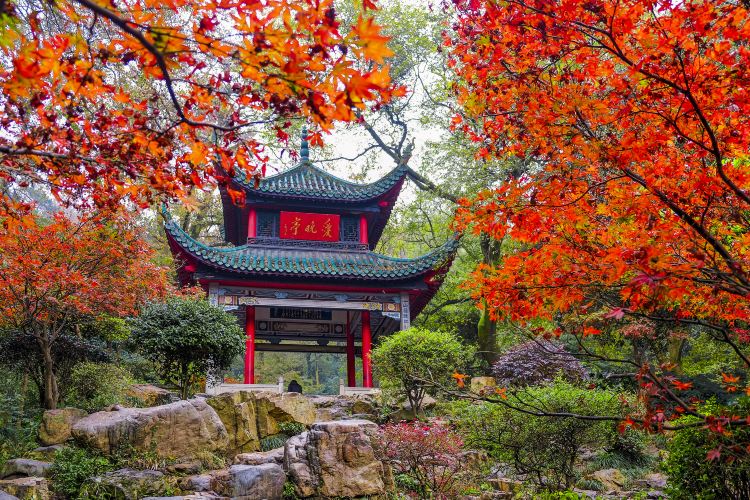
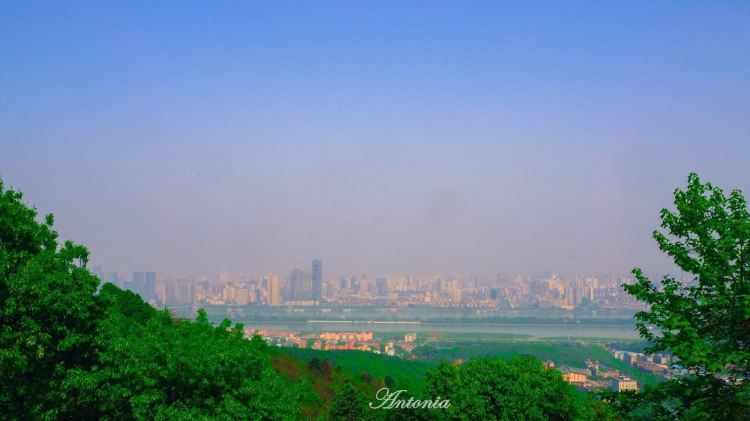
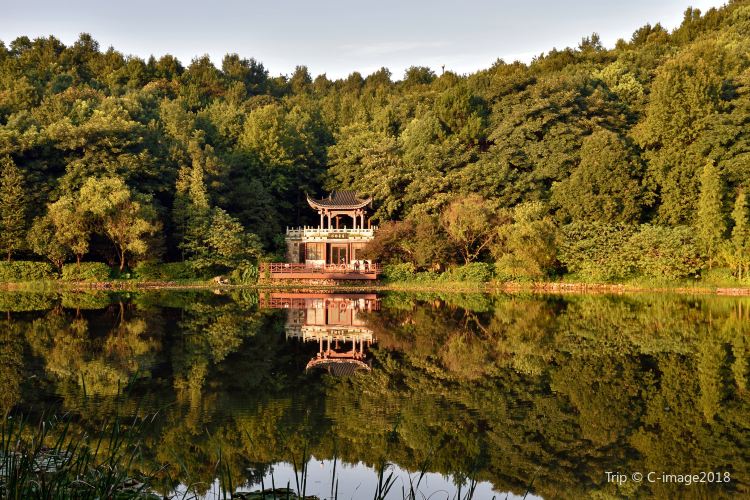
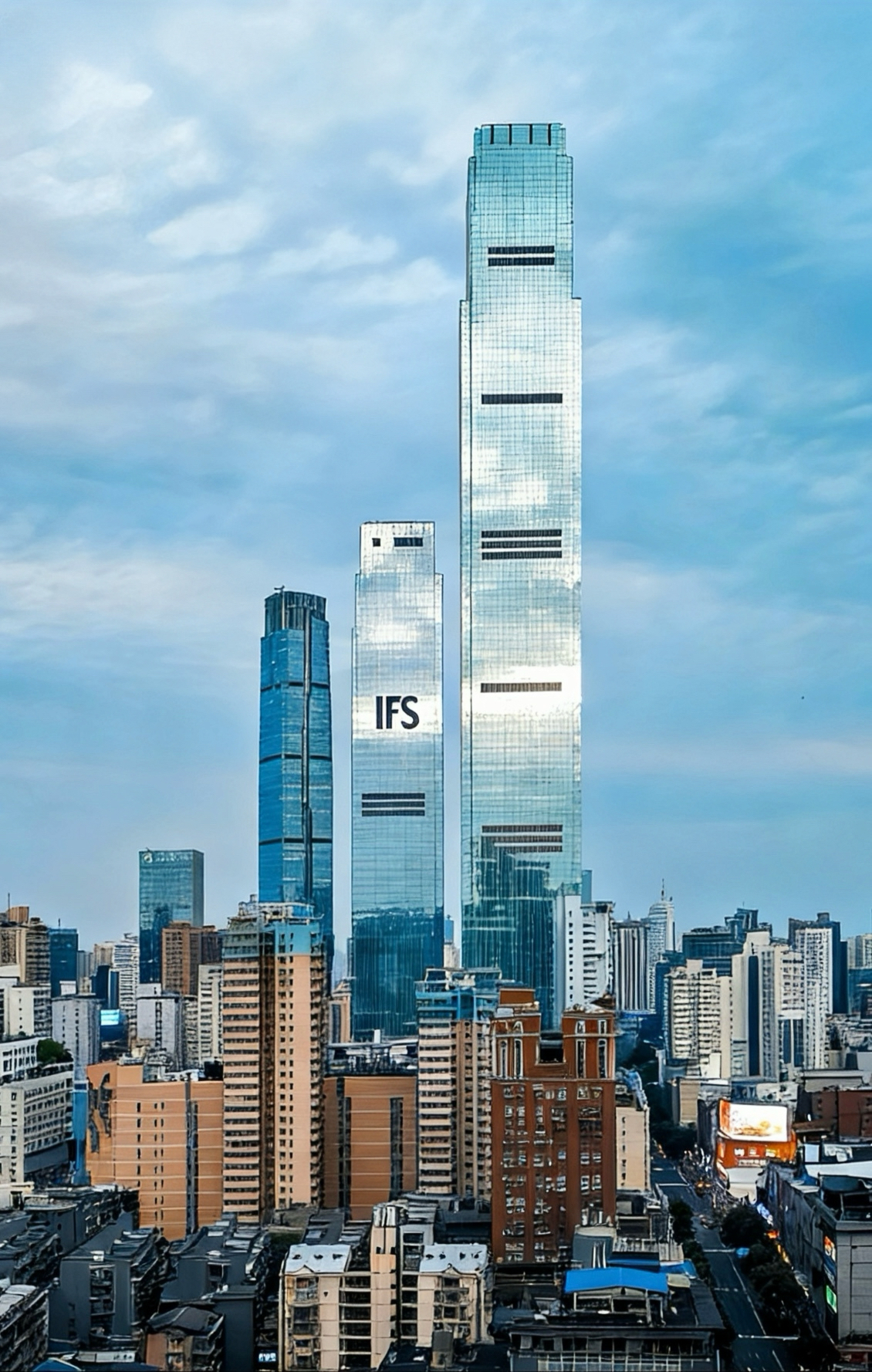
Scenic Features: Yuelu Mountain area is known for its natural beauty and cultural significance, with accommodations often providing picturesque views of the mountainous landscape.
Location Advantages: Staying in this region allows for easy access to Yuelu Academy and the lush surroundings of Yuelu Mountain, perfect for those seeking a tranquil escape within the city.
Must-see Attractions: The historic Yuelu Academy, Lushan Temple, and the scenic Aiwan Pavilion are just a few of the attractions that draw visitors to this area, offering a rich blend of history and nature.
Long He Stadium(Sports and Events Hotspot)
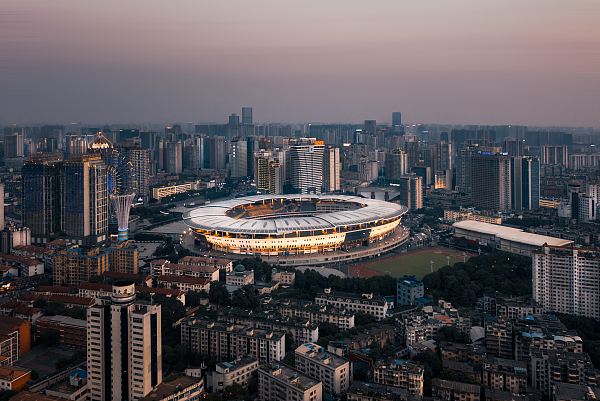
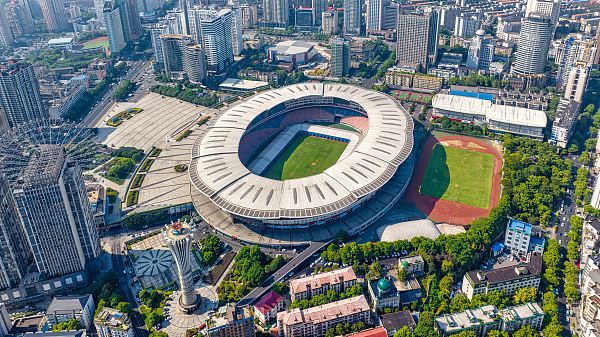
Long He Stadium, situated in the Tianxin District, is a prime location for sports enthusiasts and event-goers. The stadium hosts a variety of sports activities and events, including football matches and concerts, making it a vibrant area for visitors. Accommodations near the stadium cater to guests attending these events, offering convenience and comfort. The area is well-connected by public transportation, ensuring that travelers can easily access other parts of the city. While staying in this region, visitors can also explore nearby attractions and enjoy the local cuisine at food stalls within the stadium complex.
Changsha Best Time to Visit
Best Time to Visit
Spring (April–Early June) and Autumn (Late September–November) are Changsha’s optimal seasons, offering mild temperatures, vibrant festivals, and stunning natural scenery. Avoid summer’s intense heat and winter’s smog for comfortable exploration.
Spring:15–28°C (59–82°F), blooming flowers with light April/May showers. Peony Festival at Hunan Botanical Garden (April); Dragon Boat Races on Xiang River (June).
Summer: Hot, humid 28–38°C (82–100°F); frequent afternoon thunderstorms.
Autumn: Crisp, sunny 18–25°C (64–77°F); golden ginkgos along Orange Island. Red Leaves Festival at Yuelu Mountain (November)
Winter: Cold, damp 0–8°C (32–46°F); persistent haze.
Changsha Travel Tips
1. Set Up Alipay and WeChat Before Your Trip
China is mostly cashless. Download Alipay or WeChat before your trip to Changsha. Link your international Visa or Mastercard and complete real-name authorization to use QR code payments, as many local vendors, restaurants, and even small shops no longer accept cash. Test the apps in advance to ensure smooth transactions.
2. Download Local Apps for Navigation and Ride-Hailing
Western apps like Google Maps and Uber are unavailable in Changsha. Download Amap for navigation and DiDi Chuxing for ride-hailing before your trip. Both offer English support; Amap is reliable for walking routes, while DiDi is cheaper and safer than street taxis, especially for late-night travel.
3. Translate with Baidu or Youdao Dictionary
Google Translate is inaccessible in Changsha. Download Baidu Translate or Youdao Dictionary for real-time translations. Use their photo translation feature for menus, signs, or attraction guides, as English is rarely spoken outside major hotels or tourist sites.
4. Understand Tipping Customs
Tipping isn’t common in Changsha, especially at local restaurants or night markets, and may confuse staff. At upscale hotels or restaurants near Wuyi Square, small tips (10–20 CNY) are acceptable but not expected. A smile or a simple “xièxiè” (thank you) is often enough to show genuine appreciation.
5. Use Metro for Easy Travel
Changsha’s metro connects key sites like Wuyi Square and Orange Island. Pay with Alipay or WeChat QR codes, or purchase tickets at English-friendly station machines. Download “Changsha Bus Travel” or “Xiangxing Yikatong” apps for routes. Lines get crowded during rush hours (7–9 AM, 5–7 PM); travel off-peak. For Orange Island, take Metro Line 2 to Juzizhou Station, then walk 300 meters north (5 minutes). For Yuelu Mountain, use the South Gate, a short walk to Yuelu Academy.
6. Handle Spicy Hunan Cuisine Carefully
Changsha’s Hunan dishes, like spicy noodles or stinky tofu, are delicious but fiery. If you have a sensitive stomach, ask restaurants about their spice levels and consider bringing digestive medicine. If you can't eat spicy food, ask the servers to make your food "Bu yao la de" (no spicy).
7. Avoid Street Scams
On Huangxing Road or near Wuyi Square, be cautious of strangers offering to scan QR codes and provide free souvenirs, as they may attempt to push paid services. Skip photo ops with “Sun Wukong” or human statues, as they often demand to be paid after. Book tours via Trip or official websites for authentic experiences, not street vendors.
8. Protect Valuables in Crowds
Busy areas like Wuyi Square and Huangxing Road Pedestrian Street can attract pickpockets, especially during holidays. Use a money belt for wallets and phones. Stay alert at night markets like Pozi Street.
9. Book Attractions in Advance
Reserve tickets for the Hunan Museum, Orange Island, and Yuelu Mountain via WeChat mini-programs, Trip, or the official websites, especially during peak seasons (April–May and October). Hunan Museum and Li Zijian Art Museum close Mondays; book 3–7 days ahead for holidays to skip lines. Use your passport for real-name entry.
10. Access Blocked Apps Safely
Western apps like Google, WhatsApp, and Instagram may not be available in Changsha. Purchase an eSIM with roaming data or download a reliable plugin before travel to access these apps securely.
11. Claim Tax Refunds on Shopping
Overseas travelers can claim a Value-Added Tax refund on purchases of at least 200 CNY in a single day at designated tax-free stores in Changsha, like IFS Mall. Request a tax refund invoice and application form at the store, and process your refund at the shop or airport counters when departing, using mobile payments, bank cards, or cash.
12. Use Chinese Names for Navigation
Chinese map apps like Amap don’t recognize English names for hotels, attractions, or restaurants. Before navigating, find the Chinese name of your destination (e.g., 橘子洲 for Orange Island) via online search. Copy the Chinese characters into Amap or DiDi Chuxing for accurate results. Save these names in a note for quick access during your trip.
13. Save Emergency Contacts
Save Changsha’s emergency numbers: 110 for police, 120 for medical, and 12345 for English-speaking tourist assistance. Keep a written copy of your hotel’s address in Chinese (ask your hotel for a card) to show taxi drivers or locals if you get lost, as English addresses are rarely understood.
Changsha Useful Guide
Local Language
Mandarin Chinese is the official language.
English signage is widespread in tourist areas, but English is not widely spoken.
Local APP
WeChat: China’s all-in-one app for messaging, social media, and digital payments. English interface available.
Alipay: A leading payment app for cashless transactions at restaurants, shops, and public transport. Its “Transport” feature supports metro and taxi payments. English version available.
DiDi: China’s top ride-hailing app, offering taxi and private car services with an English interface. Integrates with Alipay or WeChat for seamless payments.
Baidu Maps: The most reliable navigation app in China, offering detailed maps, real-time traffic, and transit routes for metro and buses. Superior to Google Maps for local accuracy. Alternative: Amaps app.
Youdao Dictionary: A Chinese-English dictionary and translation app, perfect for communicating with non-English-speaking taxi drivers or reading menus. Includes offline OCR for scanning signs.
Internet and Communication
Staying connected in Changsha is essential for navigation, payments, and communication, given China’s reliance on mobile apps and limited access to some Western services.
eSIMs: eSIMs are a convenient option for travelers, enabling instant activation without the need for a physical SIM card. Purchase online before your trip; activate upon arrival. Ensure your device supports eSIM.
Local SIM Cards: Local SIMs from providers like China Mobile, China Telecom, or China Unicom offer reliable 4G/5G coverage in Changsha. Available at airports or official provider shops.
Present your passport at the time of purchase; airport staff can assist with setup. China Unicom often has better English support.
Wi-Fi: available in hotels, hostels, and some cafes (e.g., Starbucks) but less common in public spaces like parks or streets. Many Wi-Fi networks require a Chinese phone number for SMS verification.
Currency and Payment
The official currency is the Chinese Yuan (CNY, ¥), also known as Renminbi (RMB). Notes come in denominations of ¥1, ¥5, ¥10, ¥20, ¥50, and ¥100; coins are available in denominations of ¥0.1, ¥0.5, and ¥1.
Digital Payments:
Changsha is largely a cashless city, with mobile apps dominating transactions. WeChat Pay and Alipay are widely accepted. Link a foreign bank card (Visa/Mastercard) to WeChat or Alipay before arrival.
Cash:
Cash is rarely needed but can be useful for small vendors (e.g., street food stalls), single-ride tickets on public transportation, or in rural areas. Carry small denominations (¥1–20) for convenience.
Credit/Debit Cards:
Visa and Mastercard are accepted at major hotels, upscale restaurants, and some retailers in Changsha, but less common at smaller venues. American Express is rarely accepted.
Notify your bank of travel plans to avoid card blocks.
ATMs and Cash Withdrawals:
ATMs accepting foreign cards (Visa/Mastercard) are widely available at banks, airports, and shopping areas. Most offer English interfaces.
Look for PLUS (Visa) or Cirrus (Mastercard) logos. American Express is rarely accepted, except at select ATMs in airports or high-end hotels.
Fees: ¥10–15 per withdrawal (some banks waive for partners). Home bank fees: ~3% + $5 (check your issuer). Currency conversion fee: 1–3% (Visa/Mastercard rate).
Reliable Banks: Bank of China, ICBC, China Construction Bank, HSBC China.
Weather in Changsha

27°
/
21°

24°
/
21°
26°
/
21°

28°
/
20°

27°
/
19°
28°
/
19°
29°
/
20°
 Trending in Changsha
Discover Dunhuang treasures at Hunan Museum@Hunan MuseumDiscover Dunhuang treasures at Hunan Museum
Collect passport stamps across ChinaStamp your way across China, collect them all
New cultural heritage route links Dawangshan and the provincial museum@Dawangshan International Tourism ResortNew cultural heritage route links Dawangshan and the provincial museum
Changsha: FAQ

What's the most popular attractions in Changsha?
Things to do near Changsha for family & child?
Any recommended attractions about nature scenery in Changsha?
How to get to Ili from Changsha?
How to get to Huaniao Island from Changsha?
How to get to Nanchang from Changsha?
Popular destinations

Bangkok

Tokyo
Kuala Lumpur

Los Angeles
Shanghai