Dali 2025 Guide: Must-see attractions, local cuisine, and practical tips! | Trip.com
 Local GuidesLast updated on Trip.com: 02/01/2025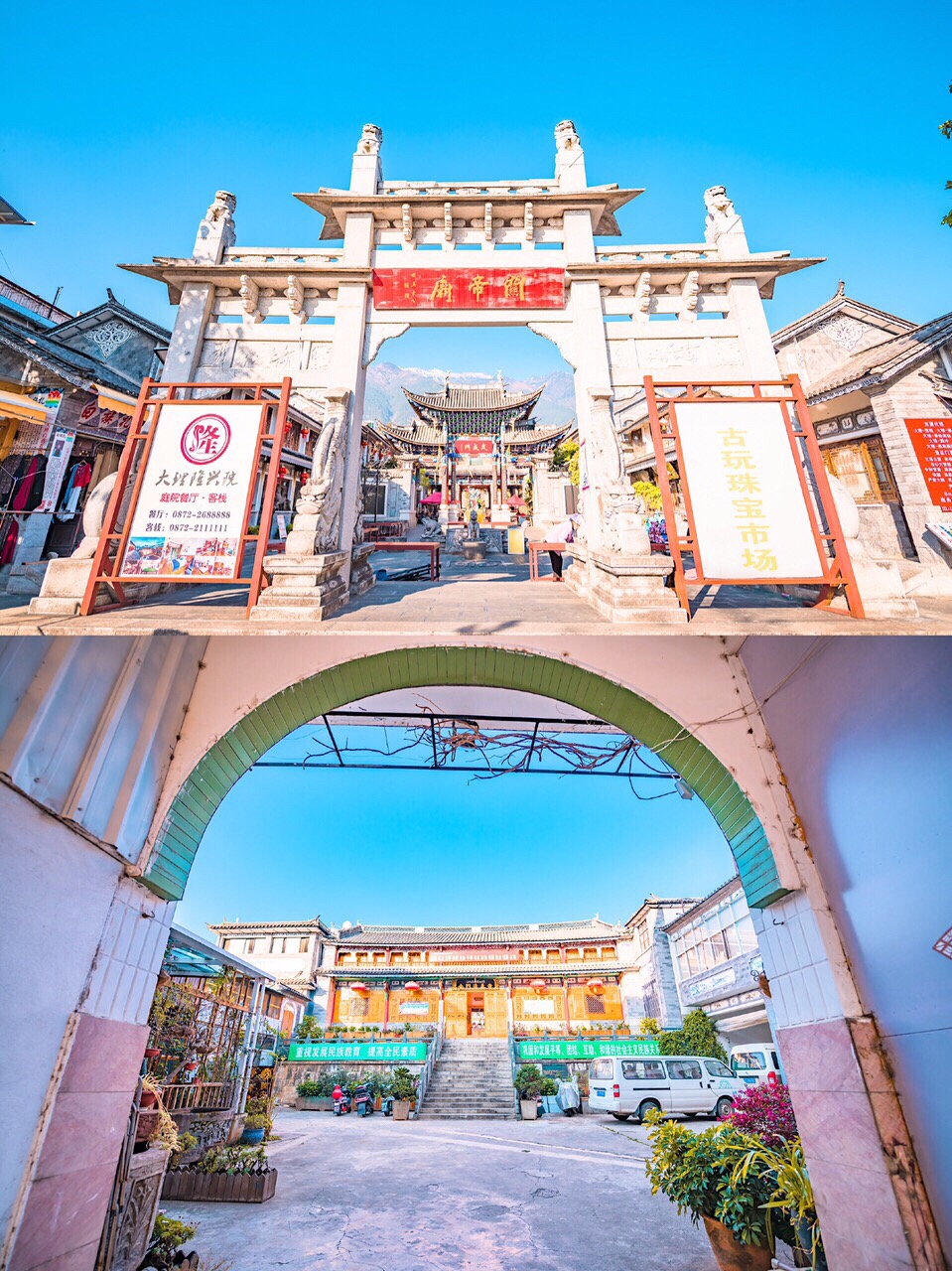
Dali Brief Guide
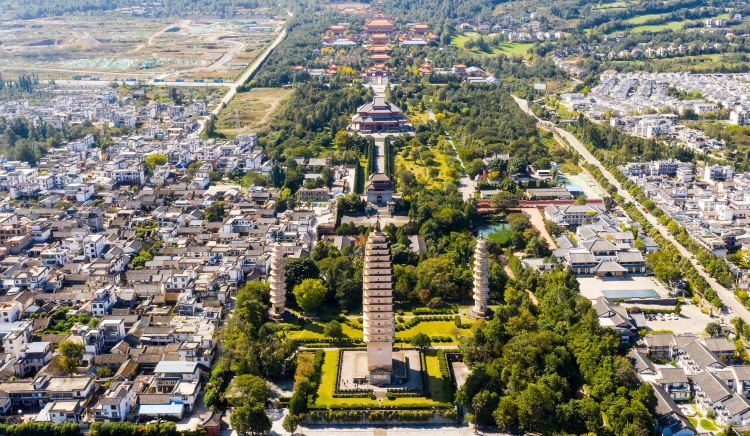
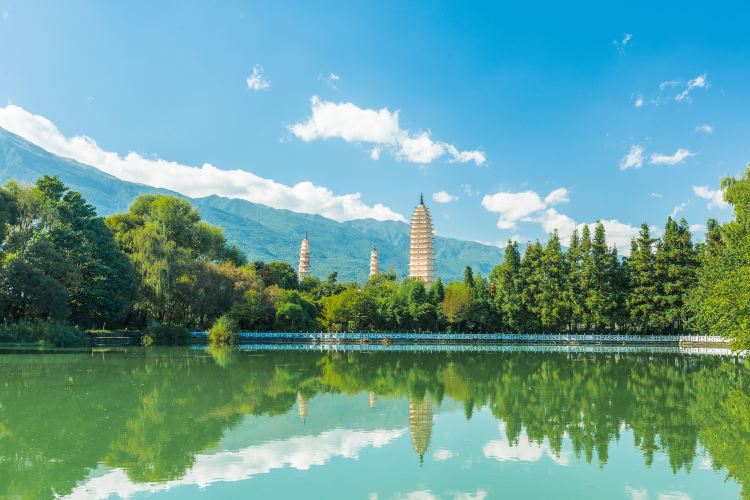
Dali City, located in western Yunnan Province, China, was the capital of the ancient Nanzhao Kingdom and Dali Kingdom. Dali City is inhabited by a concentration of minority peoples, mainly the Bai. At the heart of this scenic area is Dali Old Town, north of which stands the Three Pagodas of the Chongsheng Temple, a legacy of the Nanzhao and Dali Kingdoms. On the periphery of simple and elegant Dali are the majestic Cang Mountain and charming Erhai Lake.
Dali Must-try local experiences
Experience Tranquility at Erhai Lake
Take a scenic boat trip on Erhai Lake, visit Nanzhao Style Island, and enjoy the peaceful ambiance surrounded by stunning mountain views.
Hike to the Summit of Cangshan Mountain
Hike up Cangshan Mountain for breathtaking views of Dali and Erhai Lake, explore lush forests, and discover hidden waterfalls.
Discover the Beauty of Xizhou
Explore Xizhou's well-preserved Bai architecture, visit local workshops, and experience the authentic charm of this historic town.
Learn the Art of Tie-Dyeing
Join a tie-dyeing workshop to create your own Bai textile art and learn traditional techniques from local artisans.
Explore the Warriors and Horses Marshal Mansion and Immerse Yourself in Bai Culture
Visit the Warriors and Horses Marshal Mansion to learn about the history and culture of the Bai ethnic group, local history, and traditional crafts.
Celebrate the Torch Festival
Experience the Torch Festival in July or August with torch-lit parades, traditional dances, and festive activities.
Savor the Flavors of Dali
Indulge in Dali's culinary scene with specialties like Erhai fish, Xizhou baba, and milk fan, and explore bustling night markets
Shop for Bai Handicrafts
Purchase unique Bai handicrafts like tie-dye fabrics, silver jewelry, and wood carvings as souvenirs and gifts.
Dali Must-see Attractions
Dali is a culturally rich and historically significant region in China, known for its ancient city with Bai ethnic architecture, the scenic Cangshan Mountain range, the tranquil Erhai Lake, the iconic Three Pagodas of Chongsheng Temple, and the traditional Bai ethnic Zhangjia Garden, each offering unique insights into the area's heritage and natural beauty.
Dali Ancient City
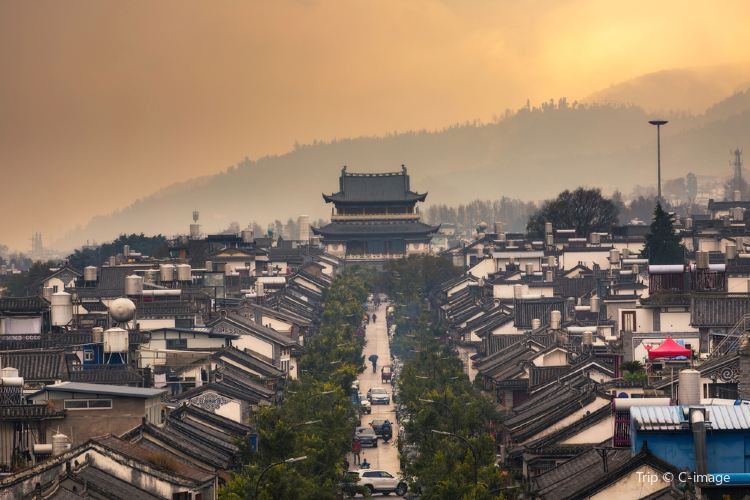
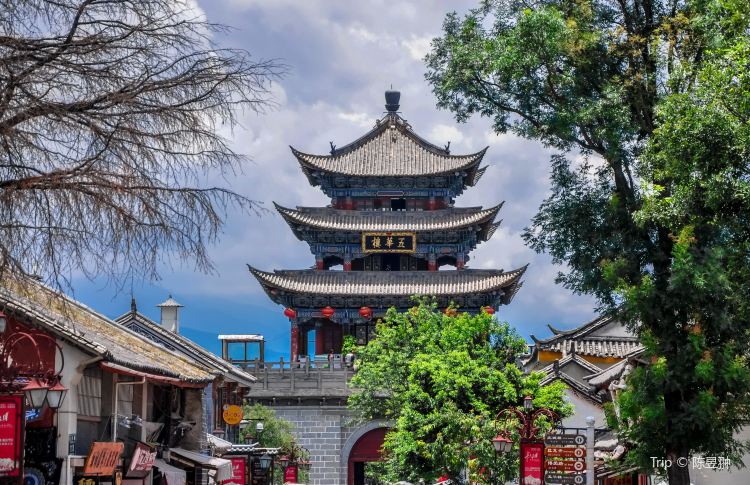
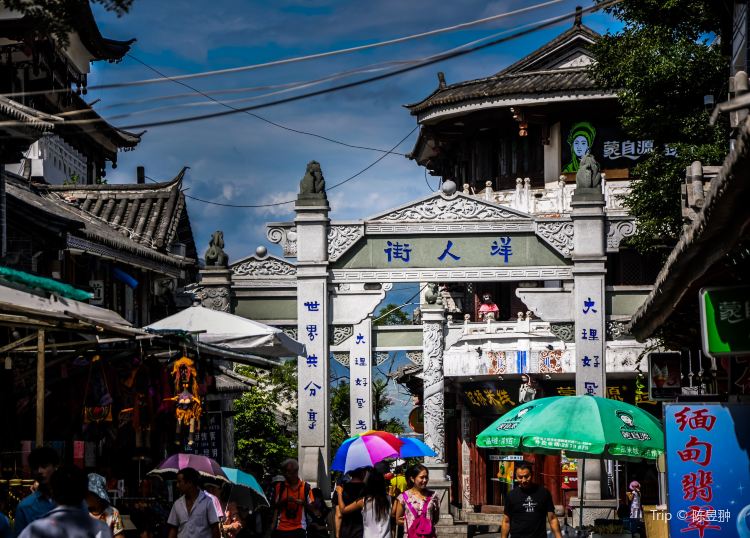
Dali Ancient City, nestled between the Cangshan Mountains and Erhai Lake, is a historical gem that dates back to the Ming Dynasty, offering visitors a glimpse into its rich past and the vibrant culture of the Bai ethnic minority. The city's layout, with its uniform streets and marketplaces, has remained unchanged for centuries, providing a sense of timelessness and authenticity. Visitors can explore the distinctive Bai folk houses, characterized by '3 rooms and a wall screening' and '4 joints and 5 courtyards', which showcase the intricate craftsmanship and cultural heritage of the region. The cobble-paved streets, adorned with traditional artworks and handicrafts, invite tourists to immerse themselves in the local atmosphere and participate in the famous 'Three-course Tea' ceremony, a cultural staple for receiving guests. Dali Ancient City stands as a testament to the area's historical significance as a gateway to the Silk Road in Southwest China and continues to be enchanted with its ancient architecture and enduring traditions.

 不一样的风采778In early winter, the ginkgo trees in Dali Ancient City are quietly putting on a "gradient color feast." Golden yellow and emerald green intertwine on the branches, concealing the lingering charm of late autumn while revealing the brightness of winter, making the ginkgo viewing period seem even longer.
Cangshan Mountain

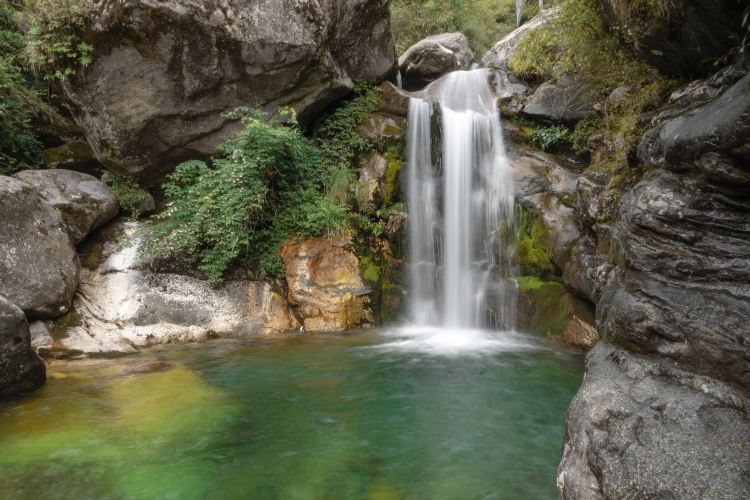
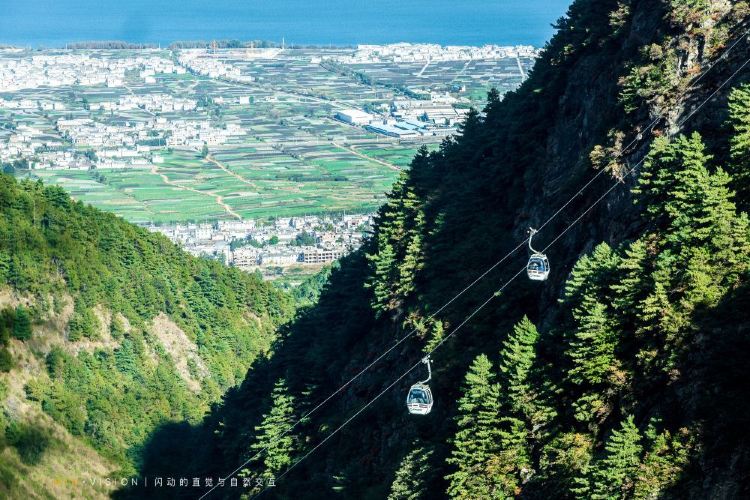
Cangshan Mountain in Dali, known for its stunning natural beauty and cultural significance, is a must-visit destination for nature enthusiasts and hikers. The mountain range boasts nineteen peaks and eighteen streams, with the highest peak, Malong, reaching 4,122 meters. The area is celebrated for its diverse flora and the 'Clouds, Snow, Peaks, and Streams' that create a picturesque landscape, especially during spring when the azaleas bloom. Visitors can explore the mountain via cableways or by hiking along trails such as the Jade Cloud Road, which offers panoramic views and passes by waterfalls and overlooks Lake Erhai. The mountain's snow-capped peaks are a year-round spectacle, contributing to the 'Four Greatest Scenes of Dali'. Hiking and photography are popular activities, allowing tourists to immerse themselves in the mountain's serene and majestic environment.
Erhai Lake


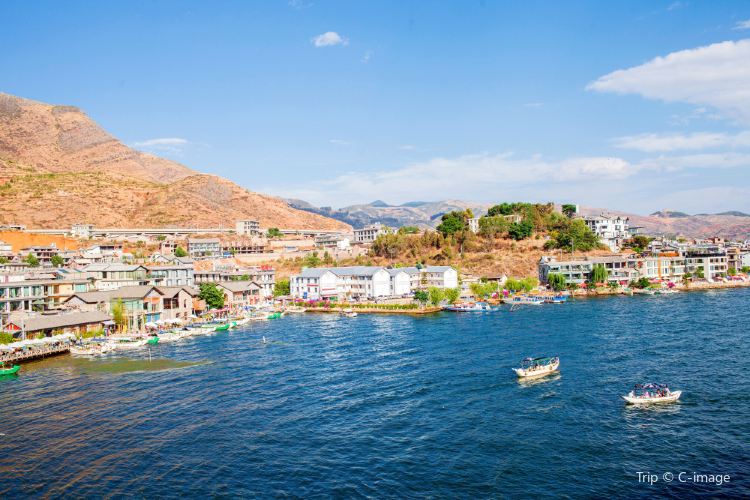
Erhai Lake, known as the "Pearl of the Plateau," is a stunning alpine fault lake that offers a serene and picturesque setting for visitors. The lake is celebrated for its crystal-clear waters and the enchanting "Silver Cangshan and Jade Erhai" scenery, where the Cangshan Mountain peaks are often reflected on the lake's surface. Tourists can engage in a variety of activities such as boating, cycling, and photography to fully appreciate the lake's beauty. The best times to visit are in the spring and autumn, with the area also offering a captivating view of black-headed gulls in winter. Erhai Lake is not only a natural wonder but also an important cultural and historical site, with its waters being a crucial food source for the local Bai people, who are known for their unique fishing methods using trained cormorants.

Three Pagodas of Chongsheng Temple Cultural Tourism Area
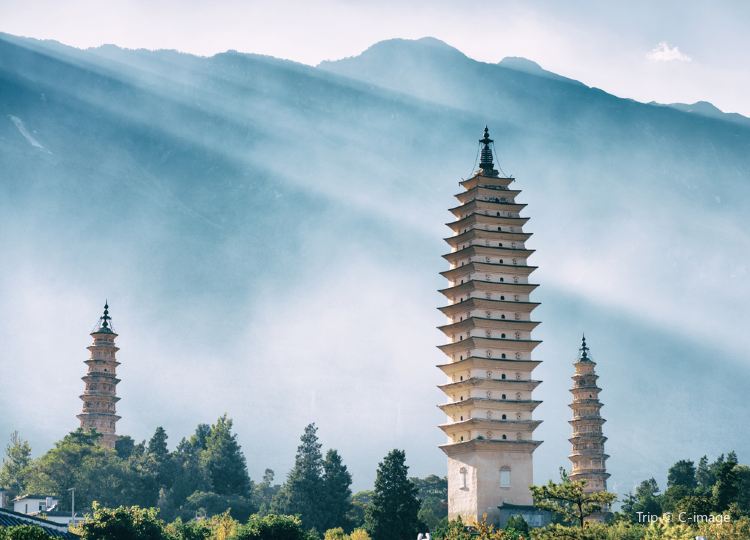
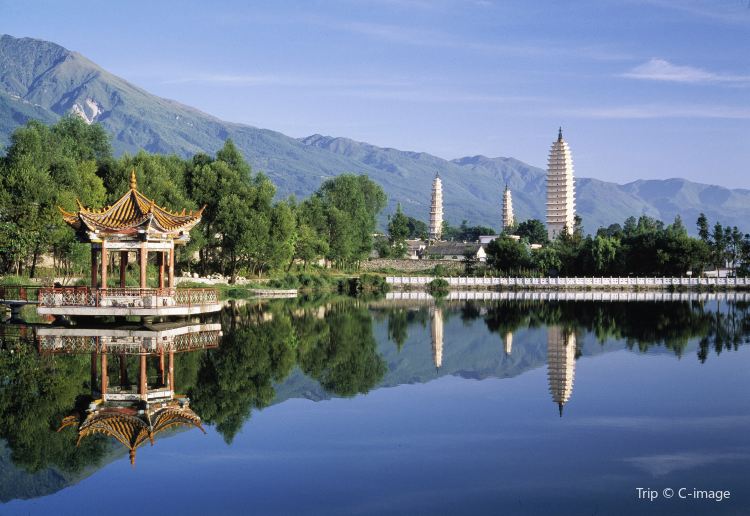
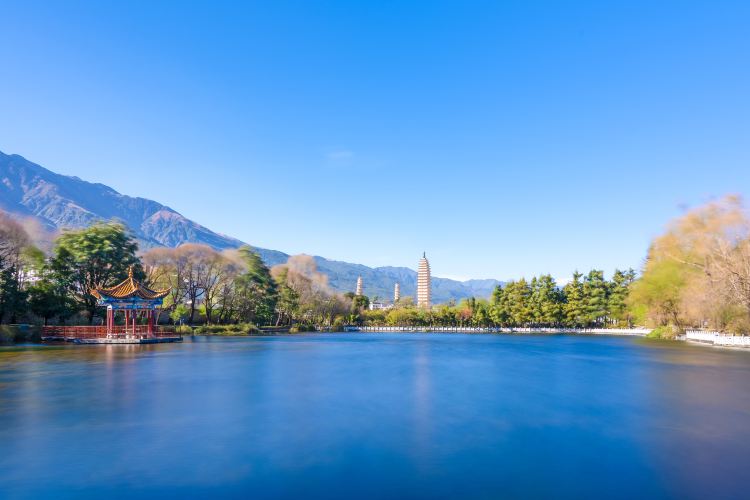
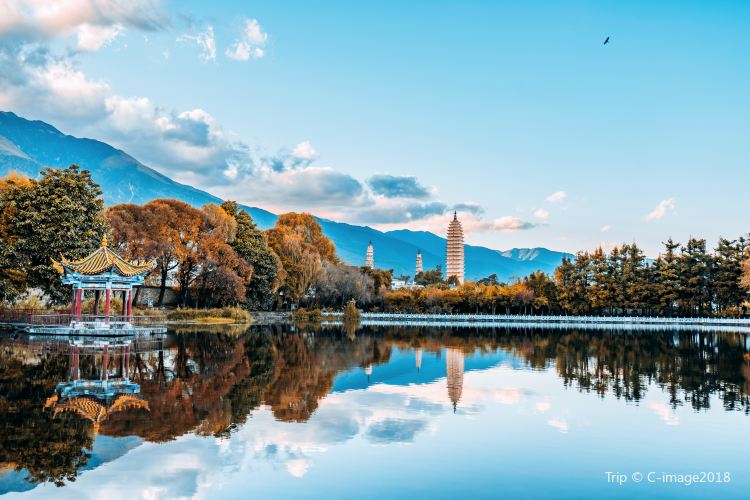
The Three Pagodas of Chongsheng Temple Cultural Tourism Area in Dali is a remarkable historical site that embodies the essence of ancient Chinese architecture and Buddhist culture. Dominated by the towering Qianxun Pagoda, flanked by two smaller octagonal pagodas, this ensemble has withstood the test of time, including numerous natural disasters. The Qianxun Pagoda, built during the reign of the Nanzhao Kingdom, is an impressive 69.13 meters tall and offers an interior wooden staircase that allows visitors to ascend and enjoy panoramic views of the Ancient City of Dali. The smaller pagodas, each standing at 42.19 meters, are adorned with tiers of upturned eaves and white marble Buddha statues, reflecting the architectural style of the Dali Kingdom.
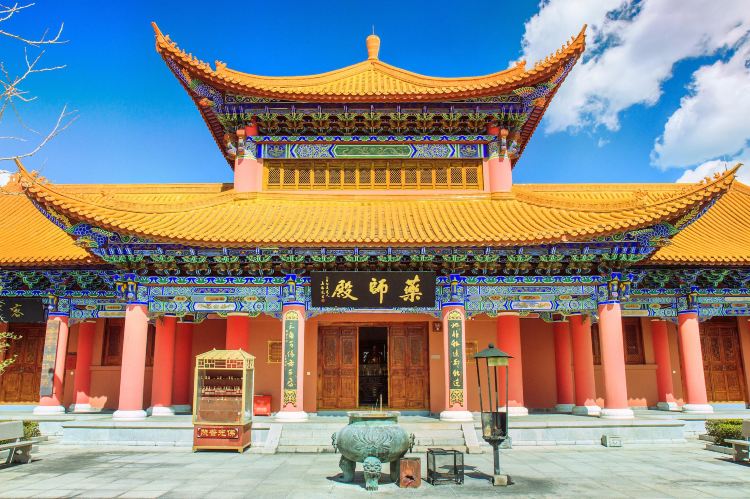
Visitors to the Three Pagodas can immerse themselves in the rich history and cultural significance of the site, which includes inscriptions and relics that provide insight into the Buddhism of the region. The Chongsheng Temple complex, once the royal temple of the Dali Kingdom, has been reconstructed and now offers a grand exploration of Buddhist prayer halls and cultural artifacts, including the largest bell in Yunnan and numerous dragon sculptures. The site is not only a testament to religious devotion but also a place of serene beauty, with its location against the backdrop of Cangshan Mountain and facing Erhai Lake. Visitors can experience the grandeur of the pagodas both during the day as they rise through the mist and at night when they are beautifully illuminated.

Zhangjia Garden
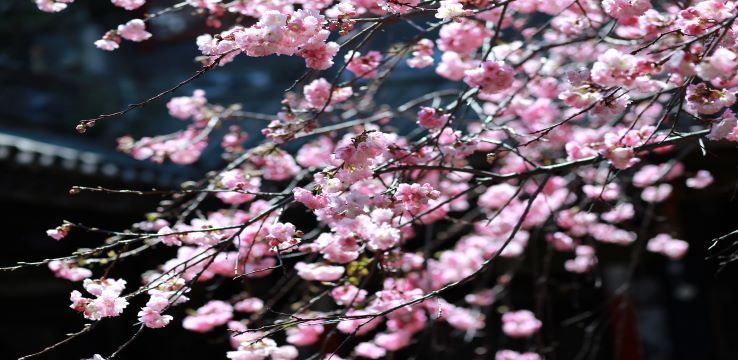

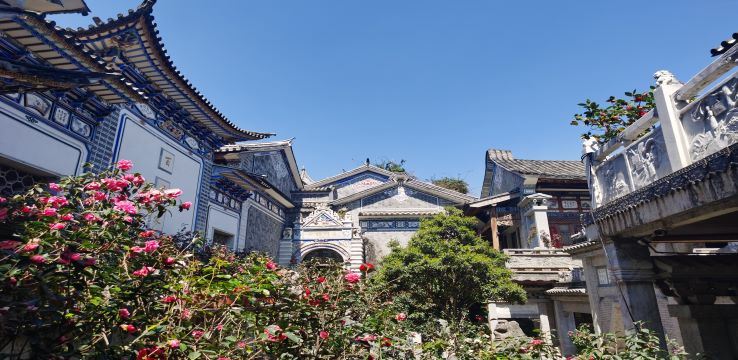

Zhangjia Garden in Dali, renowned as "the first park in Yunnan Province," is a quintessential representation of Bai ethnic architecture and a historical relic that offers visitors a glimpse into the traditional Bai residential style. The garden, enveloped by lush camellias and azaleas, provides a serene environment where one can appreciate the beauty of the local flora and the ancient tea trees that are a hallmark of the region. Visitors can explore the courtyard with its 3-side houses and a screen wall, as well as a central yard with 4 small patios on each corner, which together reflect the unique history and culture of the Bai people.
Dali Food Guide
Dali's food, exemplified by dishes such as Stewed Carp in Sand Pot, Xizhou Crisp Pie, Dairy Fans, and the Three Courses of Tea ceremony, offers a rich tapestry of flavors and culinary practices that reflect the region's heritage and the Bai ethnic group's philosophy of life.
Stewed Carp in Sand Pot
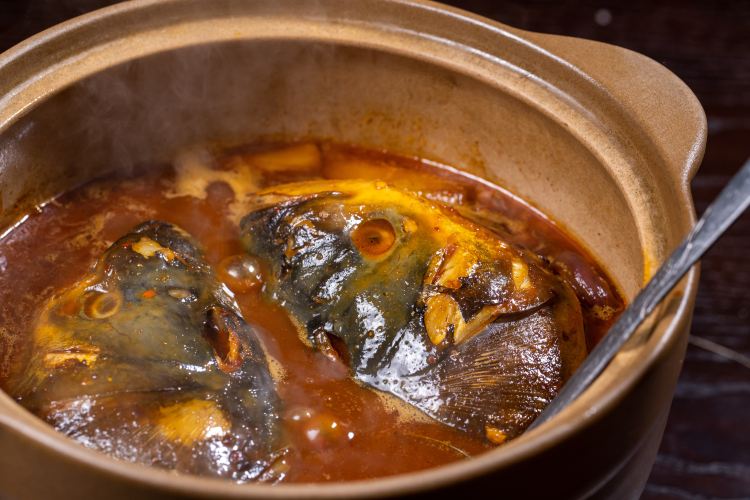
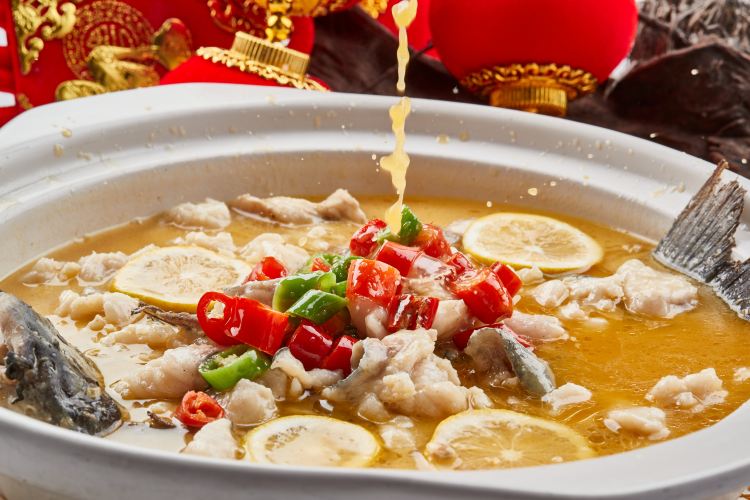
A signature dish of Dali, Stewed Carp in Sand Pot, or Sha Guo Yu, is a flavorful local favorite. The cooking process begins with a base of slender chicken and a variety of ingredients such as dried mushrooms, shrimp, and dried scallops to create a rich soup. Fresh carp from Erhai Lake is then added to the sand pot, making this dish a true representation of Dali's culinary heritage and a must-try for visitors.
Xizhou Crisp Pie
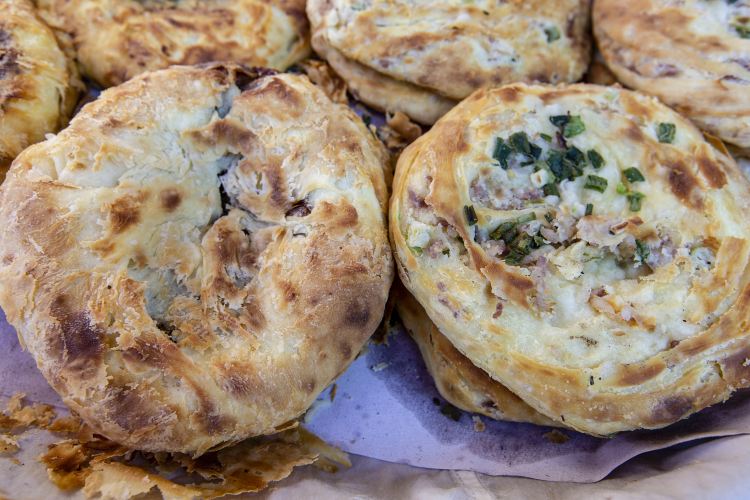
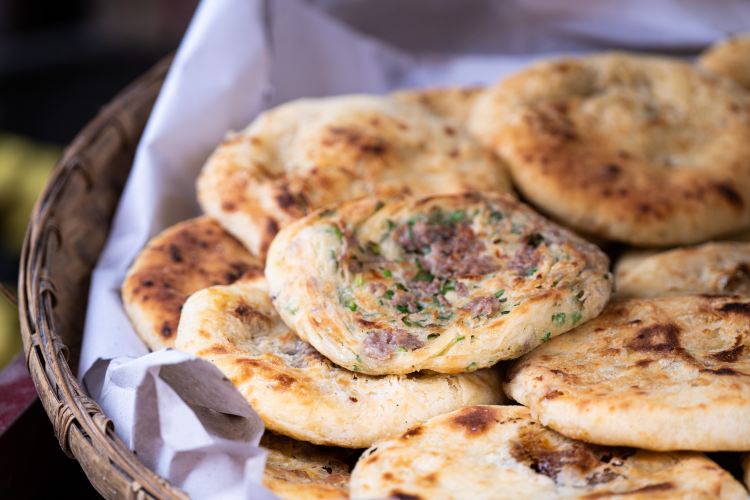
Known locally as Xi Zhou Ba Ba, this savory baked snack is a staple of Dali's street food scene. Made from wheat flour and topped with a mix of chopped onions, salt, and diced ham, it offers a unique combination of sweet, soft, and crispy textures. Xizhou Crisp Pie is a delightful treat for those looking to experience the everyday flavors of Dali.
Dairy Fans
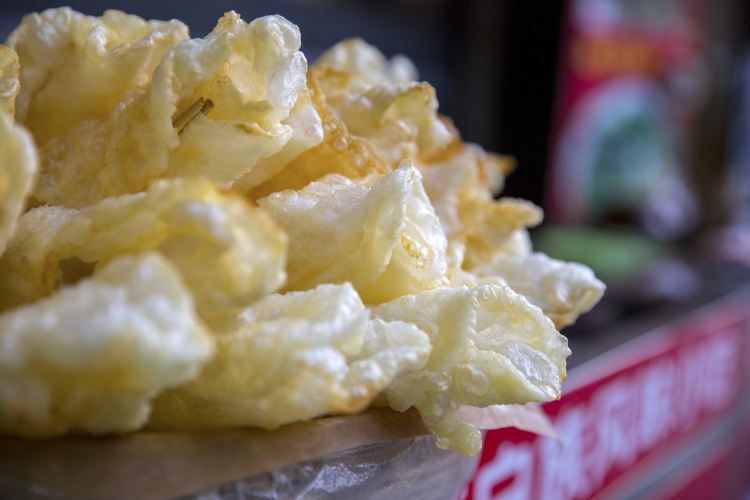
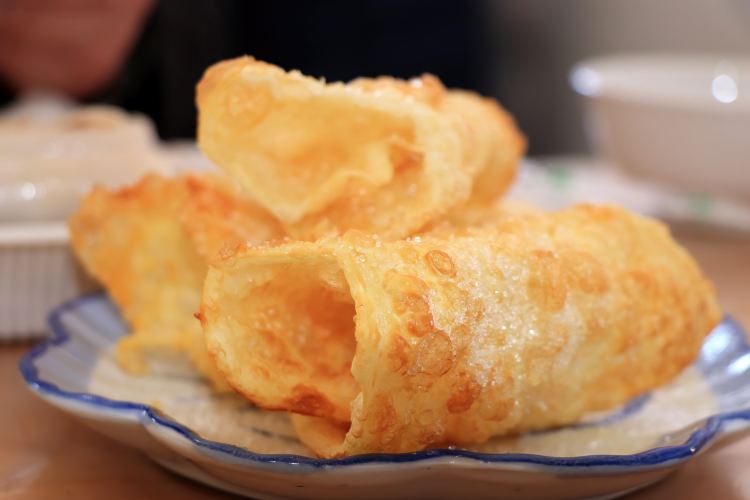
In Dali, Dairy Fans, or Rushan, is a versatile food item made from milk and yogurt. This local specialty can be prepared in various ways, including frying, steaming, roasting, and boiling, and is sometimes used as an ingredient in other dishes like Stewed Spot-carp and Three Course Tea. Rushan showcases the innovative use of dairy in Dali's cuisine.
Three Courses of Tea
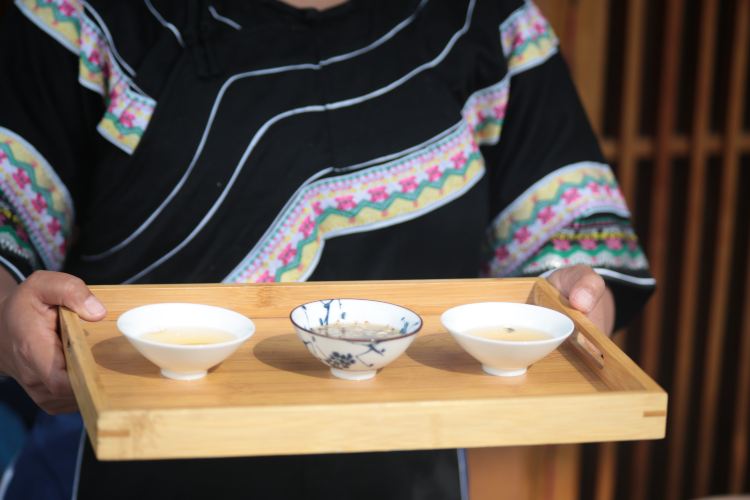
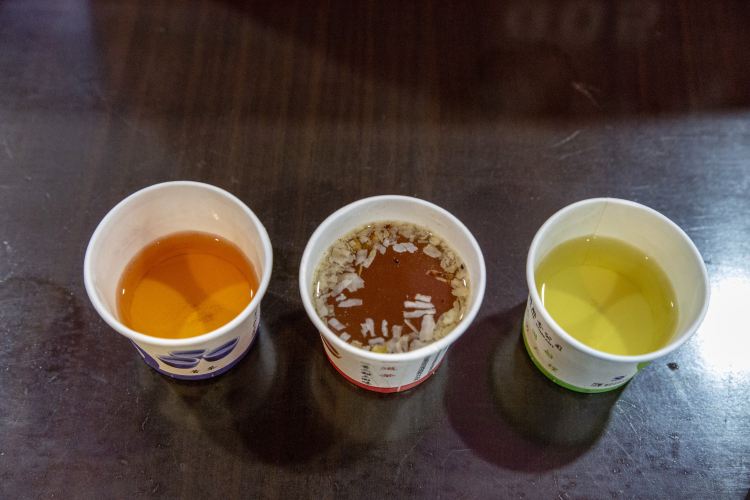
This traditional tea ceremony, performed by the Bai ethnic group, encapsulates the philosophy of life through its flavors. The ceremony starts with "bitter tea," followed by "sweet tea," and concludes with "aftertaste tea," which includes ingredients like Sichuan pepper, ginger, and cinnamon. Each course of the Three Courses of Tea offers a different sensory experience, reflecting the journey of life's hardships, joys, and complex emotions.
Dali Transportation
Local Transportation
In Dali, the most common and convenient local transportation options include buses, taxis, and bicycles, which cater to the needs of both residents and tourists.
Buses in Dali are a popular means of transportation, with a network that connects various parts of the city and its attractions. The fare for this route is typically around 3 Yuan, making it an economical choice for getting around.
Taxis in Dali offer a more personalized travel experience, they can be hailed to reach any corner of the city, and they are especially useful for destinations that are not easily accessible by bus.
For those who prefer an eco-friendly and leisurely pace, renting a bicycle is an excellent option. Dali is known for its scenic routes, such as those around Erhai Lake, making cycling a popular activity among tourists. Bicycle rentals are readily available and provide a unique way to experience the local culture and landscape.
Dali Where to Stay
Dali is a city in Yunnan Province, China, known for its historical significance and stunning natural beauty. The city's lodging is spread across several key areas, each offering unique experiences and amenities to travelers.
Dali Ancient City(Historic charm, cultural experiences)
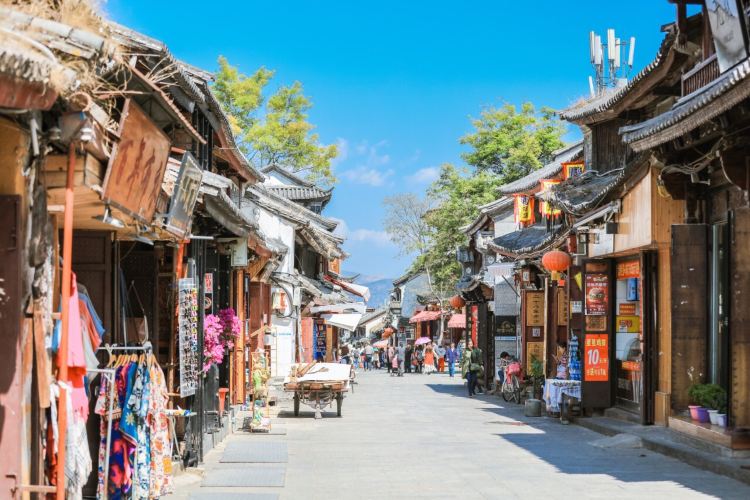
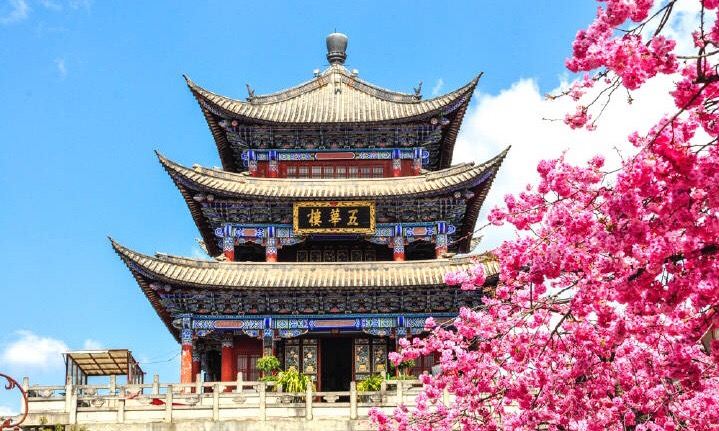
Dali Ancient City, nestled between Cangshan Mountain and Erhai Lake, is a historic town with a profound Bai culture. Accommodations here are characterized by traditional Bai ethnic architecture, offering a blend of cultural immersion and modern comforts. Visitors can explore ancient gates, temples, and museums within walking distance. The area is well-connected, with convenient access to Dali Railway Station and Dali Airport for easy transportation. Nearby attractions include Cangshan Mountain for hiking and Erhai Lake for scenic cruises. The city's layout facilitates exploration on foot, bike, or electric motorcycle, with a variety of local eateries and shops to enjoy. The ancient city is a hub for experiencing Dali's rich history and culture, with a lively atmosphere and a range of accommodation options.
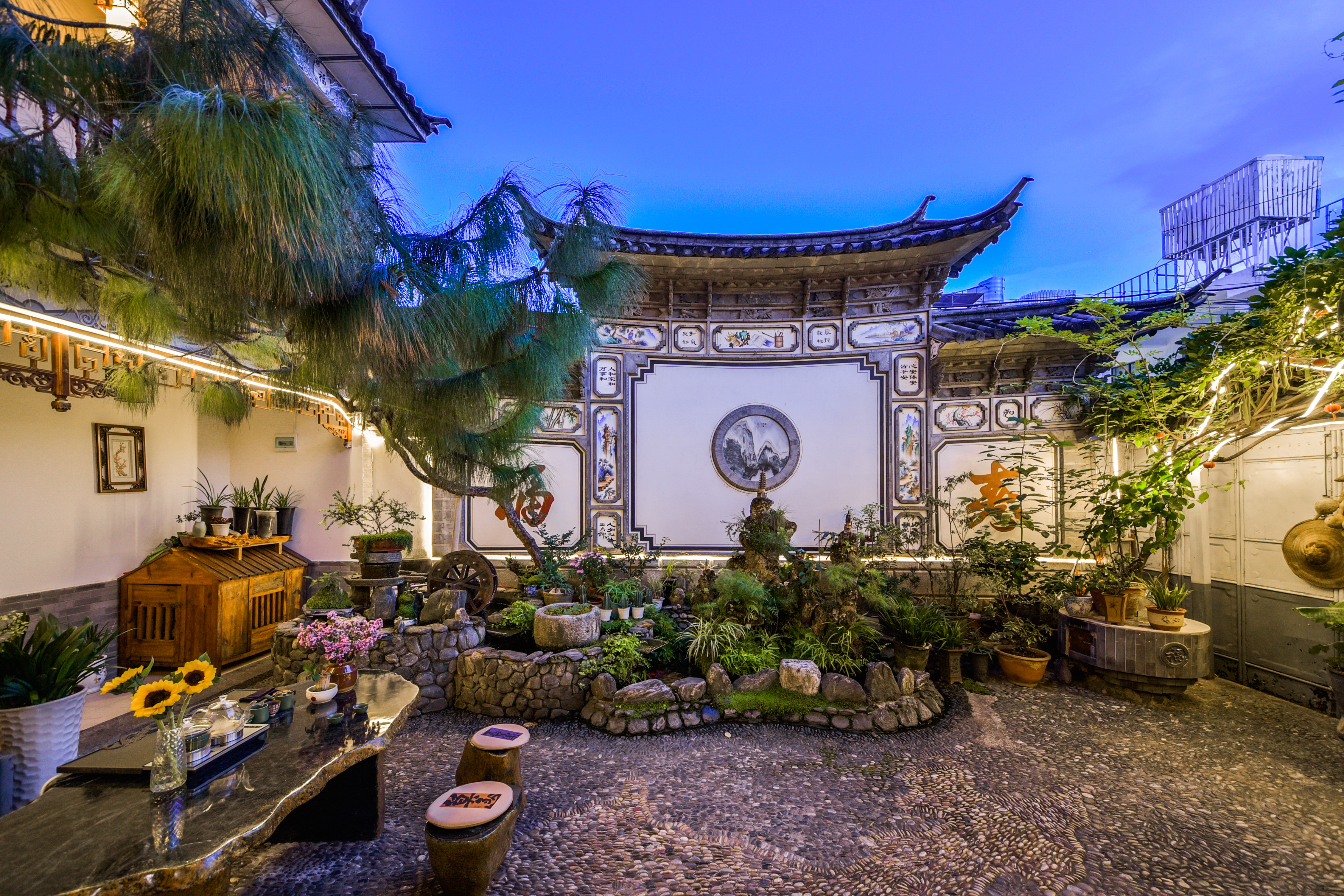

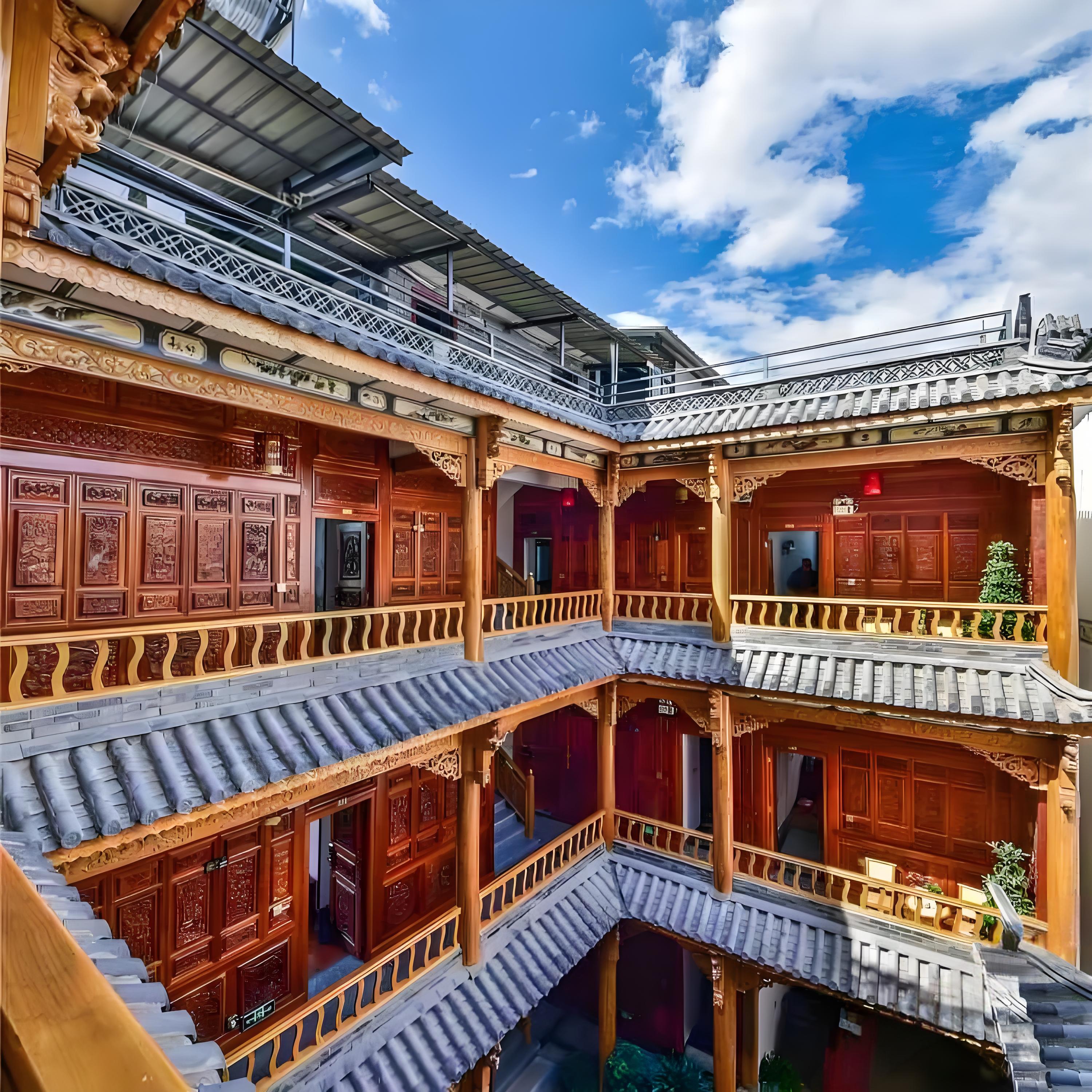
Shuanglang Town(Picturesque views, serene environment)
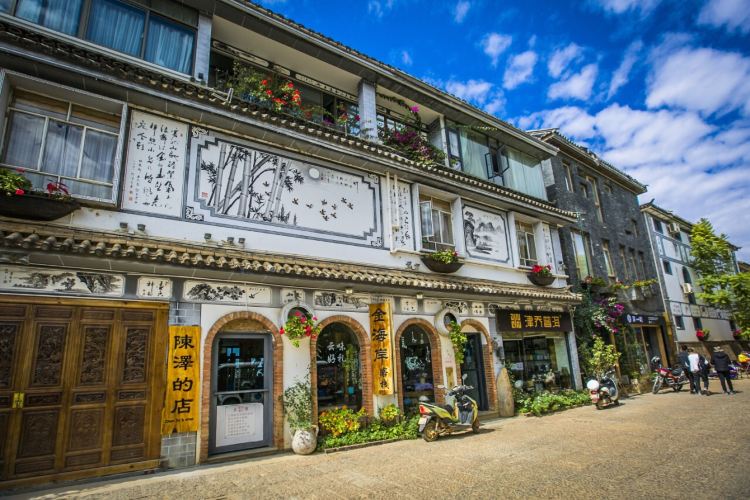

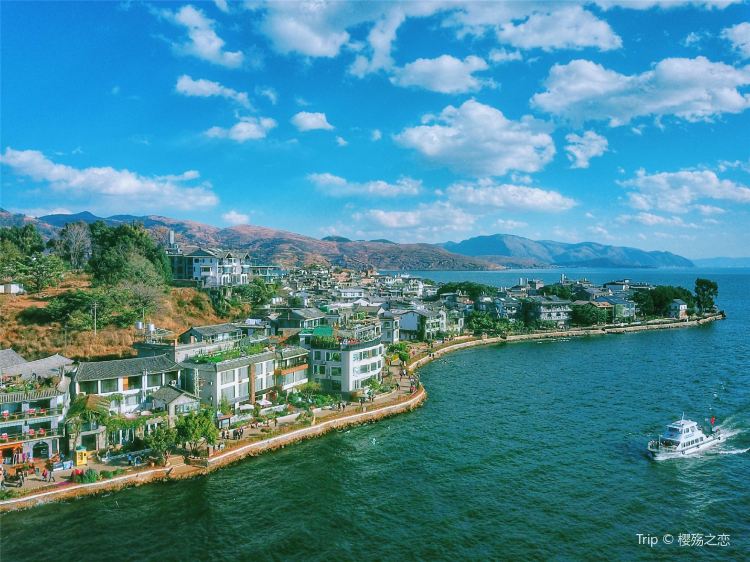
The ancient town of Shuanglang located on the northeast bank of Erhai Lake, offers breathtaking views of the lake and Cangshan Mountain. This area is known for its tranquil environment and is a provincial historic and cultural town. Accommodations here often provide stunning lake views and a peaceful retreat from the bustling city. The scenic area is accessible by bus, taxi, or chartered bus from Dali Ancient City, with the journey offering scenic vistas along the way. Shuanglang is ideal for those seeking a serene escape and the opportunity to enjoy the natural beauty of Dali. Visitors can explore Nanzhao Customs Island, Kuixing Pavilion, and Dao Yi Pang Fishing Village, as well as enjoy local delicacies and artistic spaces like Yang Liping's Residence - Moon Palace.
Erhai Park(Natural beauty, recreational activities)
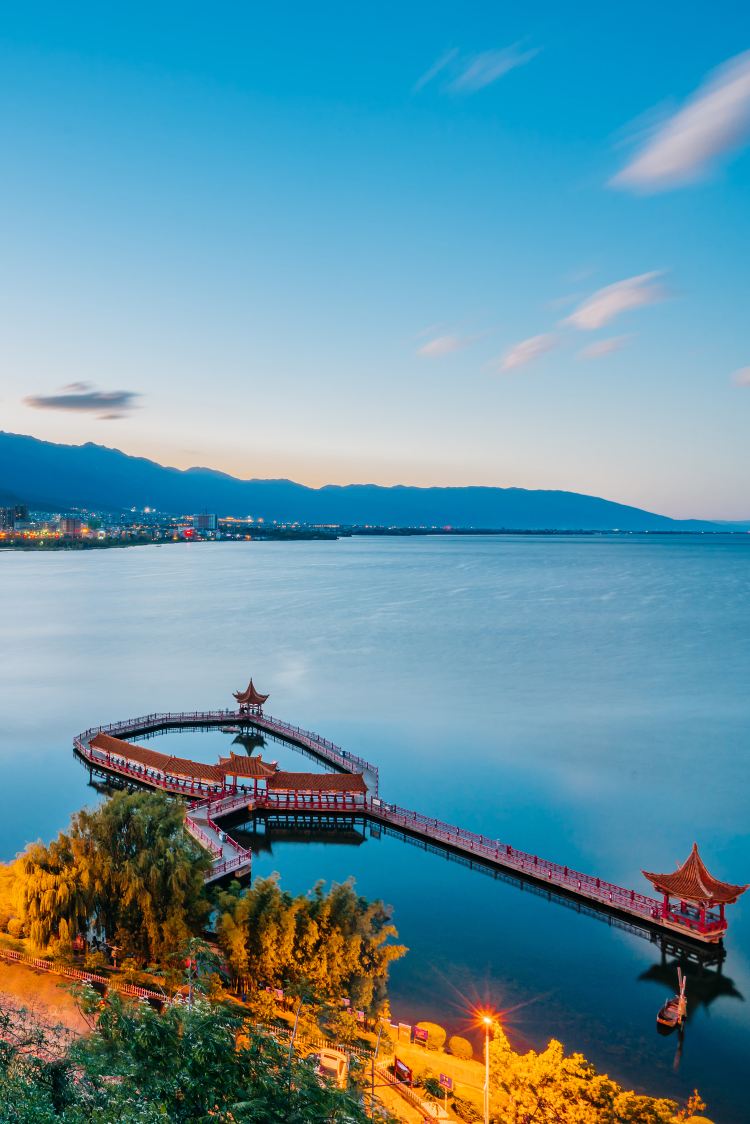
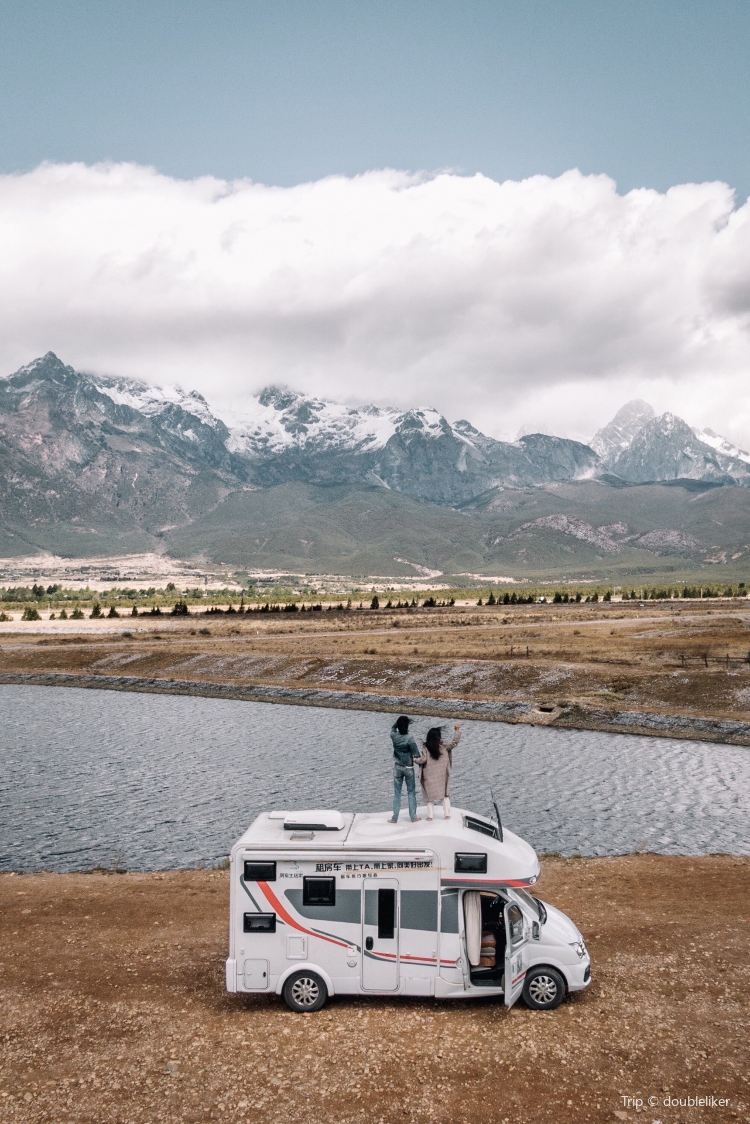
Erhai Park, situated near Erhai Lake, is a prime location for those looking to enjoy the natural splendor of Dali. The park provides a picturesque setting with easy access to outdoor activities such as cycling and boating on the lake. Accommodations in this area are ideal for nature lovers and those interested in recreational pursuits. The park is a short distance from Dali's city center, offering a blend of convenience and natural beauty. Visitors can enjoy the Erhai Moon, a famous sight where the moon is reflected on the lake's surface, and explore nearby attractions like the Cangshan Mountain and the Three Pagodas. The park's proximity to the lake and mountains makes it a favored spot for a relaxing stay amidst Dali's scenic landscapes.



Dali Best Time to Visit
Best Time to Visit
The best time to visit Dali is from March to May and from mid-October to November. During these periods, the weather is fine with little rain, making it very suitable for sightseeing and outdoor activities. Spring in Dali is particularly beautiful with azaleas blossoming on the Cangshan Mountains and a vibrant Erhai Lake, offering a fantastic season for a visit. Additionally, many ethnic festivals occur in March and April, providing a rich cultural experience. Autumn also presents clear and dry conditions, ideal for enjoying the golden wheat fields and the large daily temperature differences that characterize this season.
Dali Useful Guide
Local Language
Dali, a cultural hub in Yunnan, China, is linguistically diverse. Mandarin is the official language, with English used in business and administration. The Bai people, forming the majority, speak their own language, contributing to the multilingual tapestry alongside other ethnic languages.
Local APP
WeChat: An essential app for communication and transactions in China, offering messaging, social media, and digital wallet services.
Alipay: Widely used for cashless payments and public transportation, supporting foreign credit cards and phone numbers.
DiDi: The go-to ride-hailing app in China, similar to Uber, with an English version available for convenience.
MetroMan: Useful for navigating the subway systems in major Chinese cities, providing up-to-date information and route planning.
Trip.com: is a popular online travel platform that provides a comprehensive range of services including booking flights.
Internet and Communication
Mobile data packages for immigrants in China are available through local carriers such as China Mobile and Unicom. China Mobile offers prepaid data SIM cards with unlimited text messages and calls within China, and high-speed connections, sometimes even 5G. Unicom provides SIM cards with data packs that include unlimited music applications, and both do not require long-term contracts.
Public WiFi in China is widely available in places like airports, restaurants, coffee shops, and malls. However, connecting to these networks often requires a Chinese phone number for text verification, which can be a challenge for travelers without a local SIM card.
Weather
Dali experiences a mild subtropical highland climate with a distinct wet and dry season. Winters are short, mild, and dry, while summers are warm with significant rainfall. Travelers should pack layers, as daily temperature fluctuations can be significant, with cooler mornings and evenings. During the wet season, from May to October, rain gear is essential due to frequent showers. High altitude and intense UV radiation require sun protection, including hats, sunglasses, and sunscreen. Windy conditions are common, so a windbreaker is advisable.
Currency and Payment
In Dali, cash in RMB and mobile payments are the primary payment methods for foreign tourists.
Cash is essential, especially for transactions in smaller shops and rural areas, with RMB being the official currency.
Mobile payments, such as Alipay and WeChat Pay, are increasingly accepted and can be linked to international cards.
When using ATMs for cash withdrawals, be mindful of potential fees, and remember that mobile payment options may have transaction limits and fees for foreign users.
Weather in Dali

17°
/
1°

17°
/
0°
18°
/
1°
17°
/
1°
17°
/
1°
16°
/
1°
16°
/
1°
 Trending in Dali
Cangshan Mountain cable car and hiking guides are popular@Cangshan MountainCangshan Mountain cable car and hiking guides are popular
Fallen ginkgo leaves on Yu'er Road will not be swept away immediately@Dali Ancient CityFallen ginkgo leaves on Yu'er Road will not be swept away immediately
Cangshan Mountain Looks Like a Fairyland After Snow@Cangshan MountainCangshan Mountain Looks Like a Fairyland After Snow
Popular destinations
Bangkok

Tokyo
Kuala Lumpur
Los Angeles

Shanghai