Fuzhou 2025 Guide: Must-see attractions, local cuisine, and practical tips! | Trip.com
 Local GuidesLast updated on Trip.com: 07/07/2025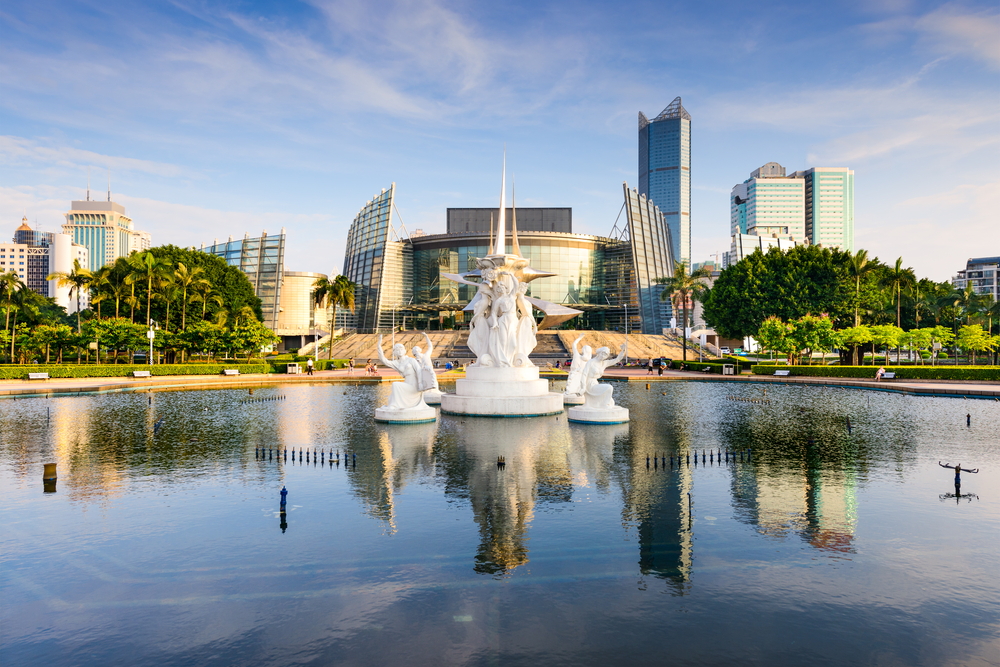
Fuzhou Brief Guide
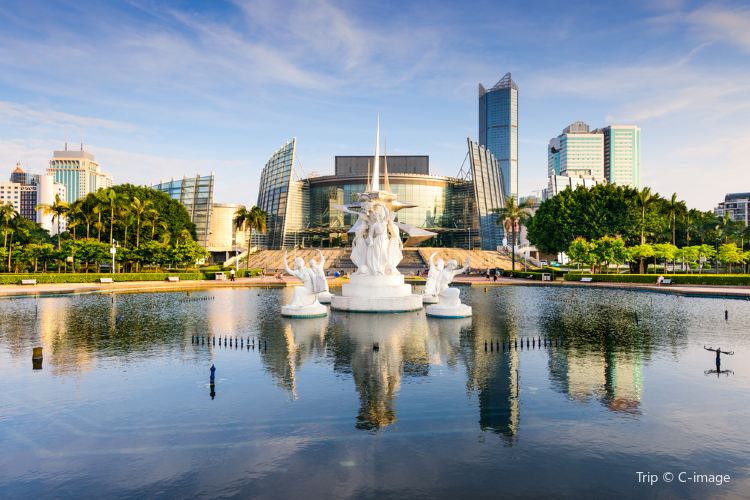
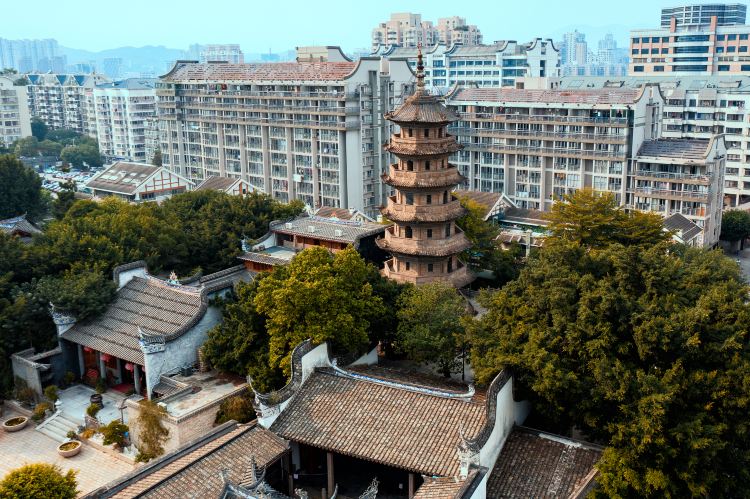
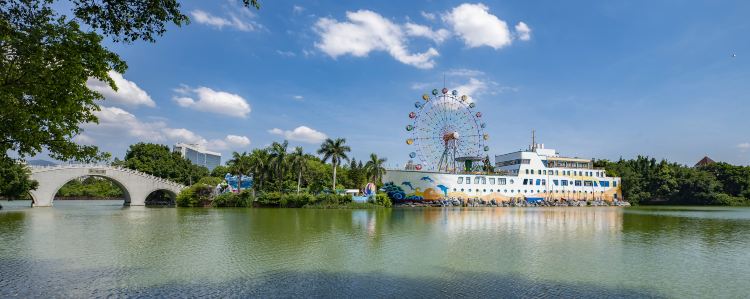
Fuzhou is Fujian’s green capital, where misty mountains cradle ancient banyan-shaded temples. Soak in natural hot springs, explore historic lanes, and feast on local delicacies at bustling night markets. Follow our guide to unlock Fuzhou’s hidden gems and secrets for the perfect trip!
Fuzhou Must-try local experiences
Explore the Historic Three Lanes and Seven Alleys
Wander through the preserved historical district of Three Lanes and Seven Alleys, discovering traditional courtyard houses, quaint shops, and local eateries, immersing yourself in Fuzhou's rich architectural heritage.
Discover the Beauty of Gushan
Ascend Gushan for panoramic views of Fuzhou, hike through lush forests, visit ancient temples, and enjoy the tranquility of nature.
Cruise the Tranquil Minjiang River
Embark on a relaxing river cruise along the Minjiang River, admiring the city's skyline, picturesque bridges, and enjoying the gentle breeze.
Discover the Fuzhou National Forest Park
Explore the lush greenery, scenic trails, and diverse flora and fauna of Fuzhou National Forest Park, perfect for hiking and picnicking.
Savor the Flavors of Fuzhou Cuisine
Sample local specialties like Fotiaoqiang, Litchi Pork, and fish balls, known for their delicate flavors and fresh ingredients.
Shop for Souvenirs at Nanhou Street
Discover unique souvenirs and local products at Nanhou Street, a bustling pedestrian street lined with shops and stalls.
Visit the Dongjiekou Scenic Resort
Dongjiekou is a bustling commercial district with modern shopping malls, department stores, and a variety of shops.
Capture the Beauty of Xichan Temple
Visit Xichan Temple to capture stunning photos of its architecture, surrounding nature, and peaceful ambiance.
Fuzhou Must-see Attractions
As a part of Pingtan Island, the World Heritage Haitan Island attracts tourists with its natural and cultural highlights, the culturally rich Sanfang Qixiang's ancient architecture, the serene Min River Night Cruise, and the historic and scenic charm of Minyue Water Town, making it a diverse destination in Fujian Province.
Pingtan Island

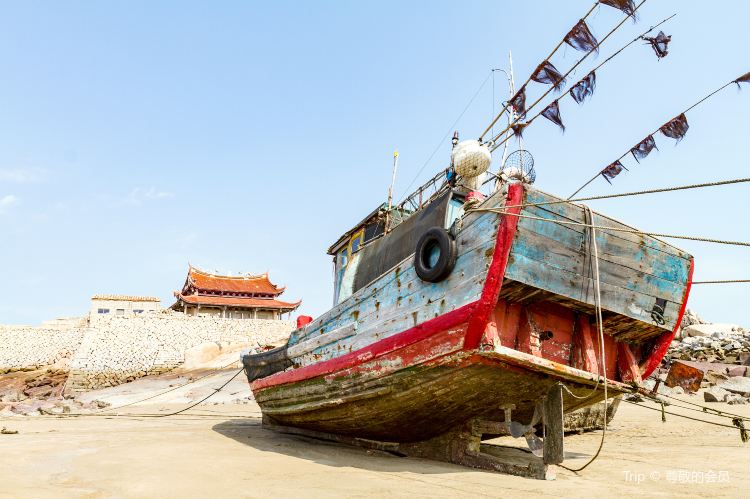


Haitan Island, a UNESCO World Heritage-listed prospect, is a part of Pingtan Island. Pingtan Island balances natural and historical allure, making it a prime destination in Fujian Province. Renowned for its pristine beaches and the enchanting "Blue tears" phenomenon, the island offers a range of activities from water sports to exploring bioluminescence during the summer months. Visitors can also delve into the local culture by experiencing ancient temples and traditional fishing villages, enriching their travel with historical and cultural insights.

 不羁的云朵雨季节yhqCycling or driving around the island is highly recommended, especially the northern route (Longwangtou - Changjiang'ao - Northern Ecological Corridor) and the southern route (Longwangtou - 68 Nautical Mile Scenic Area - Tannan Bay).
• The island has strong ultraviolet radiation, so be sure to take precautions against sunburn (sunscreen, hat, sunglasses).
• Some experiences are affected by weather and tides (such as watching "blue tears" and hiking), so it is recommended to check the latest information before traveling.
In short, Pingtan Island offers magnificent natural scenery, a rich historical heritage, and a wealth of modern activities.
不羁的云朵雨季节yhqCycling or driving around the island is highly recommended, especially the northern route (Longwangtou - Changjiang'ao - Northern Ecological Corridor) and the southern route (Longwangtou - 68 Nautical Mile Scenic Area - Tannan Bay).
• The island has strong ultraviolet radiation, so be sure to take precautions against sunburn (sunscreen, hat, sunglasses).
• Some experiences are affected by weather and tides (such as watching "blue tears" and hiking), so it is recommended to check the latest information before traveling.
In short, Pingtan Island offers magnificent natural scenery, a rich historical heritage, and a wealth of modern activities.Sanfang Qixiang
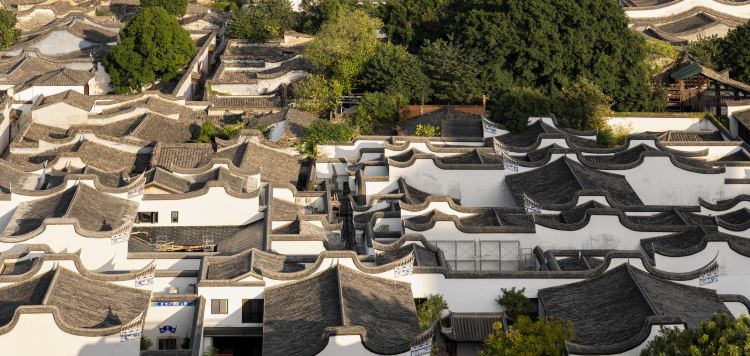

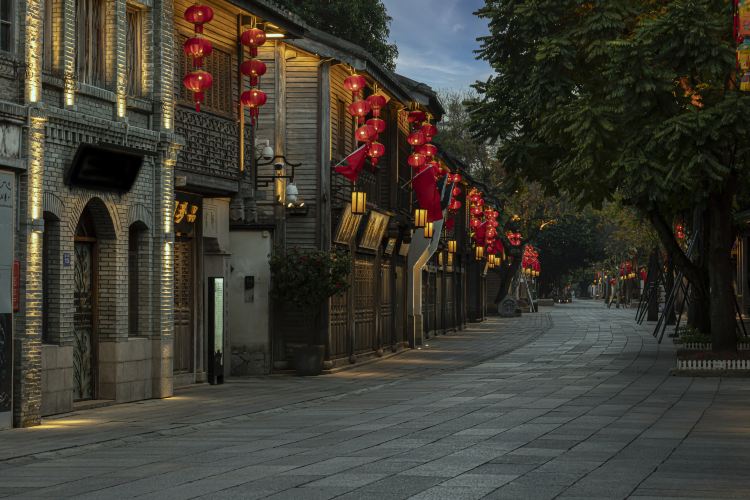
Sanfang Qixiang embodies a significant cultural and architectural history, with its well-preserved buildings from the Ming and Qing dynasties showcasing traditional Chinese architecture. It stands as a testament to ancient urban planning with its original layouts reflecting the historical lifestyle of scholars and officials. Visitors can engage with the heritage by exploring former residences of notable figures, experiencing the authenticity of the district's urban design, and enjoying the tranquil ambiance accentuated by evening lanterns.

Min River Night Cruise
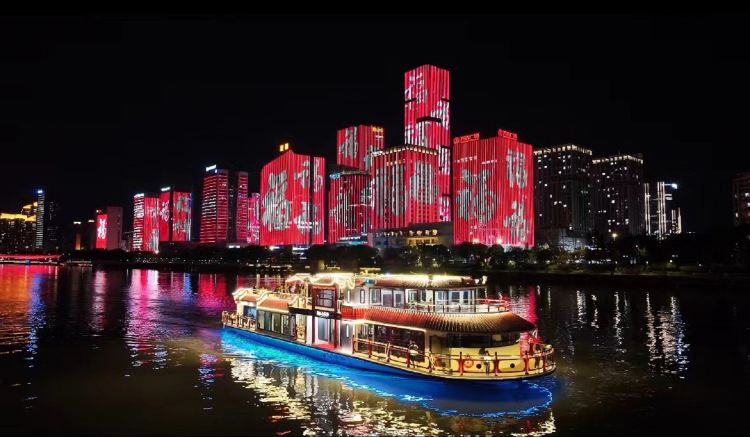
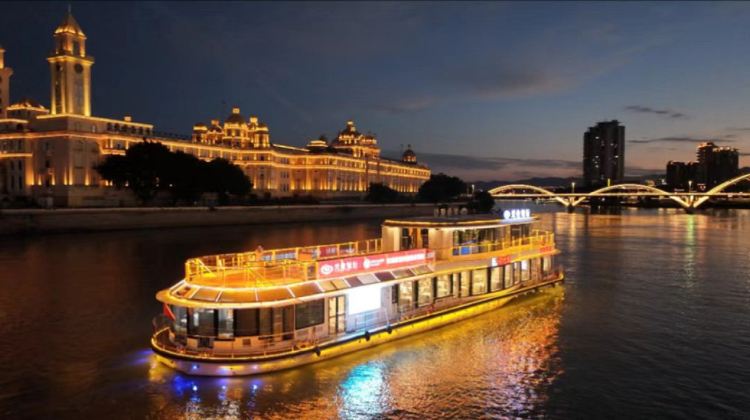
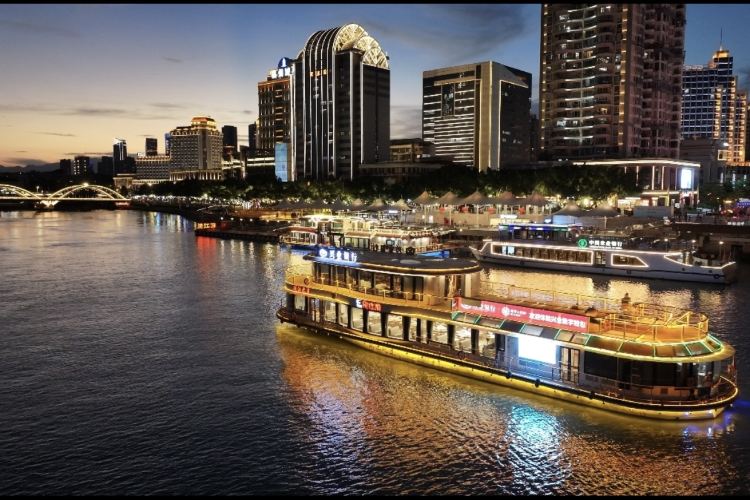
The Min River Night Cruise in Fuzhou provides a scenic, nighttime journey along the grand and wide river, beautifully illuminated by riverside lights. This tranquil experience allows passengers to immerse in stunning views and reflects the river's historical significance as a cultural hub, adding depth to the serene escape from urban life.
Minyue Water Town
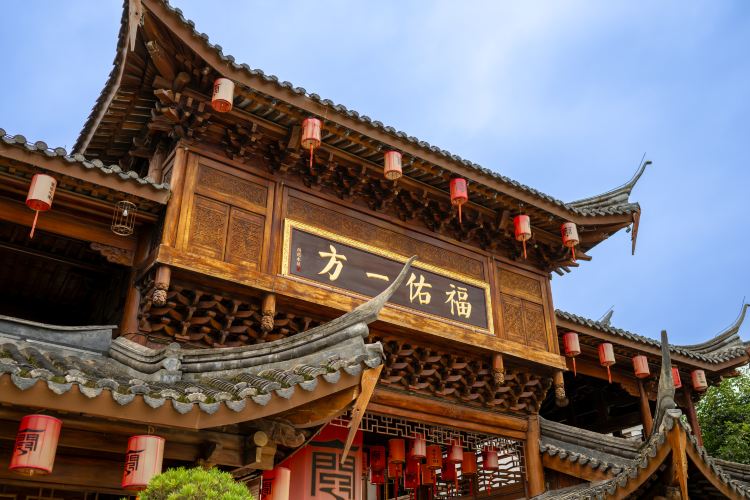
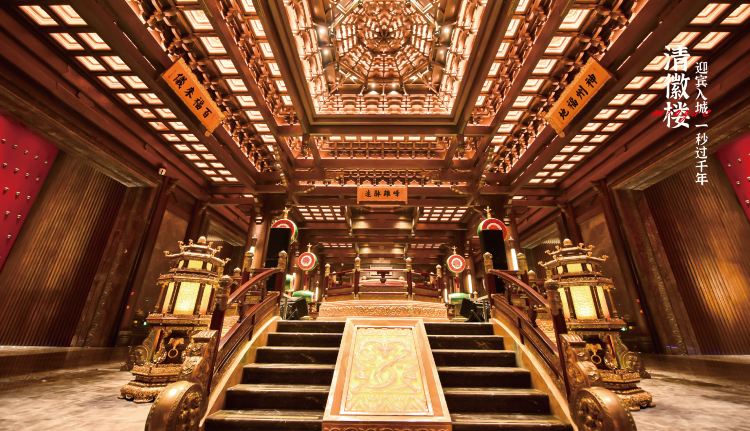
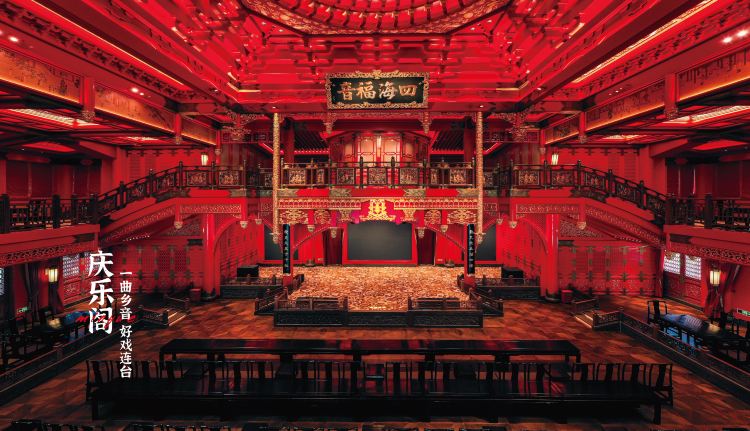
Minyue Water Town, a nine-year labor of love, captures the essence of Fuzhou's ancient urban design. With themes of the maritime Silk Road, the town brings to life the century-old charm of Fuzhou's watery landscapes. A stroll through its streets is like a journey back a thousand years, enveloped in the rich tapestry of Minyue heritage. As night falls, the town's lanterns cast a mesmerizing glow, making it a feast for the eyes. The highlight is the spectacular water and light show, which combines vibrant illuminations, soul-stirring melodies, a kaleidoscope of fountains, and cutting-edge 3D projections for an unforgettable sensory experience.
Fuzhou Food Guide
Fuzhou is renowned for its diverse and rich culinary offerings, featuring dishes like the century-old Buddha Jumps Over the Wall, the over two-centuries-old Lychee Pork, the much-loved Taro Paste, and the distinctively flavored Pot Side Paste. Each dish showcases unique tastes and exemplary cooking techniques.
Buddha Jumps over the Wall
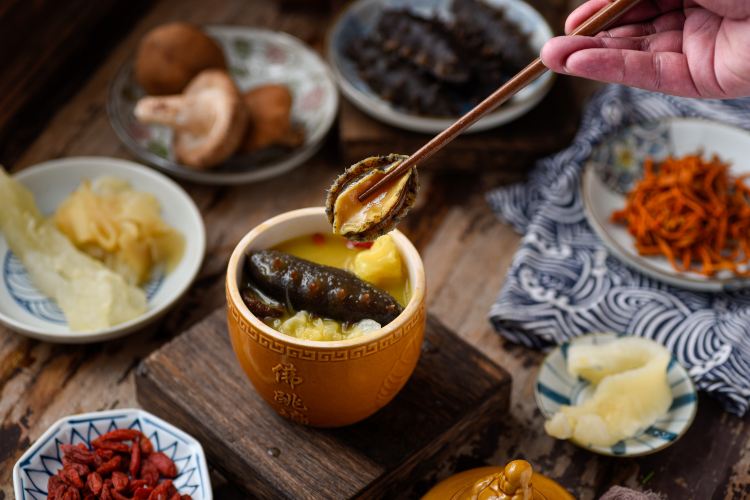

Buddha Jumps over the Wall is a celebrated traditional dish from Fuzhou, boasting a century-old legacy. Crafted using over 20 ingredients such as shark fin, sea cucumber, and scallops, this delicacy presents a potent meaty aroma accompanied by a rich and delectable broth when served.
Lychee Pork

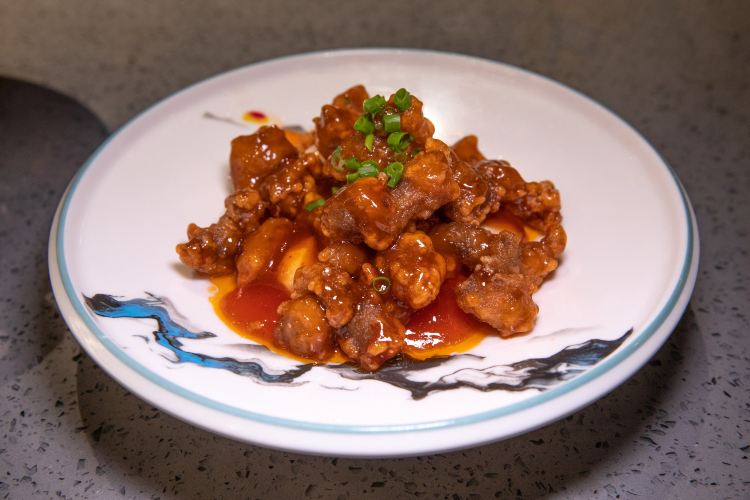
Lychee pork, a celebrated local dish, boasts a rich history spanning over two hundred years. Crafted from lean pork and sculpted into lychee shapes, it is typically cooked with various flavorings, delivering a delightful sweet and sour flavor.
Taro Purée
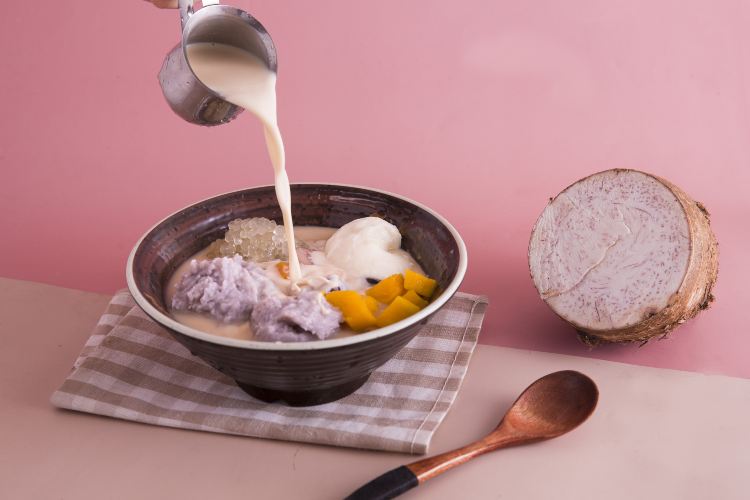

Taro purée, a popular dessert frequently enjoyed at local banquets, enjoys immense popularity among diners. The dish predominantly uses betel nut taro as its primary ingredient. After steaming, the taro is transformed into a smooth purée and then enhanced with flavorful additions such as crushed red dates, cherries, and winter melon sugar, resulting in a fragrant and pleasantly sweet dessert.
Ding Bian Hu

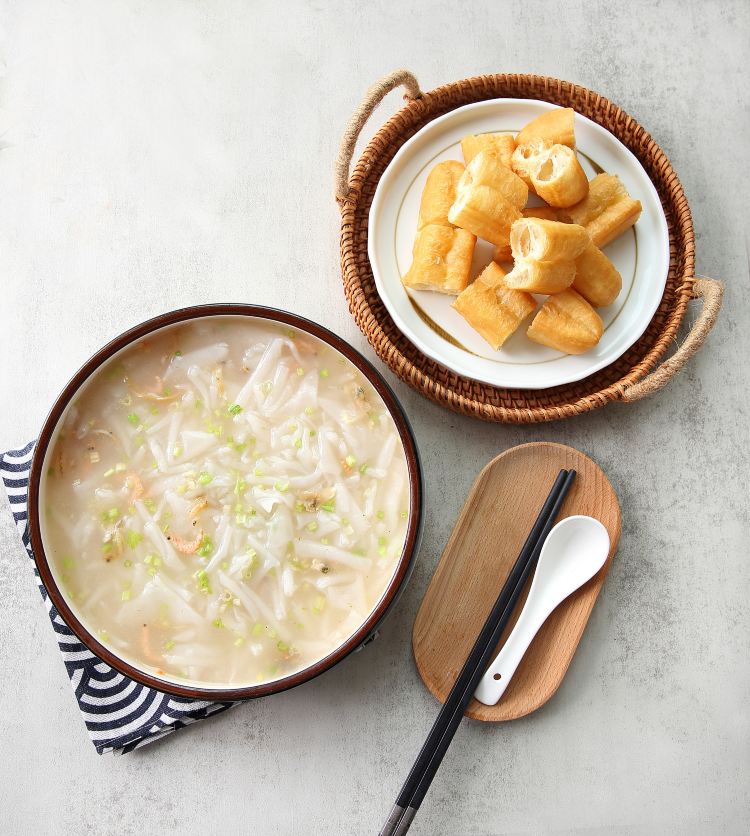
Ding Bian Hu, is renowned for its savory flavor. The dish features a base of clam juice broth, into which rice milk is heated until it forms a dry skin that is then scraped into the pot. Accompanied by condiments such as celery, green onions, and dried shrimp, Ding Bian Hu emits an enticing aroma upon serving and offers a smooth, rich taste.
Fuzhou Transportation
How to Get There
Fuzhou's transportation network is well-developed, with Fuzhou Changle International Airport and the city's railway stations being key hubs for intercity travel.
Fuzhou Changle International Airport (IATA: FOC, ICAO: ZSFZ) is an international airport located about 50 km east of central Fuzhou. It serves as a major hub for airlines such as Fuzhou Airlines and XiamenAir. The airport is a significant gateway for both passenger and cargo flights, connecting Fuzhou to various domestic and international destinations.
Fuzhou's railway stations, including Fuzhou Railway Station and Fuzhou South Railway Station, are pivotal in the city's transportation system.
Local Transportation
Fuzhou's metro system offers a convenient way to navigate the city, with 5 lines currently in service. The metro stations are well-connected to other forms of transportation, such as buses and taxis, facilitating easy transfers.
City buses in Fuzhou provide extensive coverage of the downtown area, with various daily bus lines operating from early morning until late at night.
Fuzhou Where to Stay
Fuzhou has a variety of accommodation options spread across several regions of interest to travelers. The main hubs for accommodation could be characterized by their unique features and strategic locations close to significant attractions and transportation facilities, which cater to differing traveler needs from convenience to scenic views.
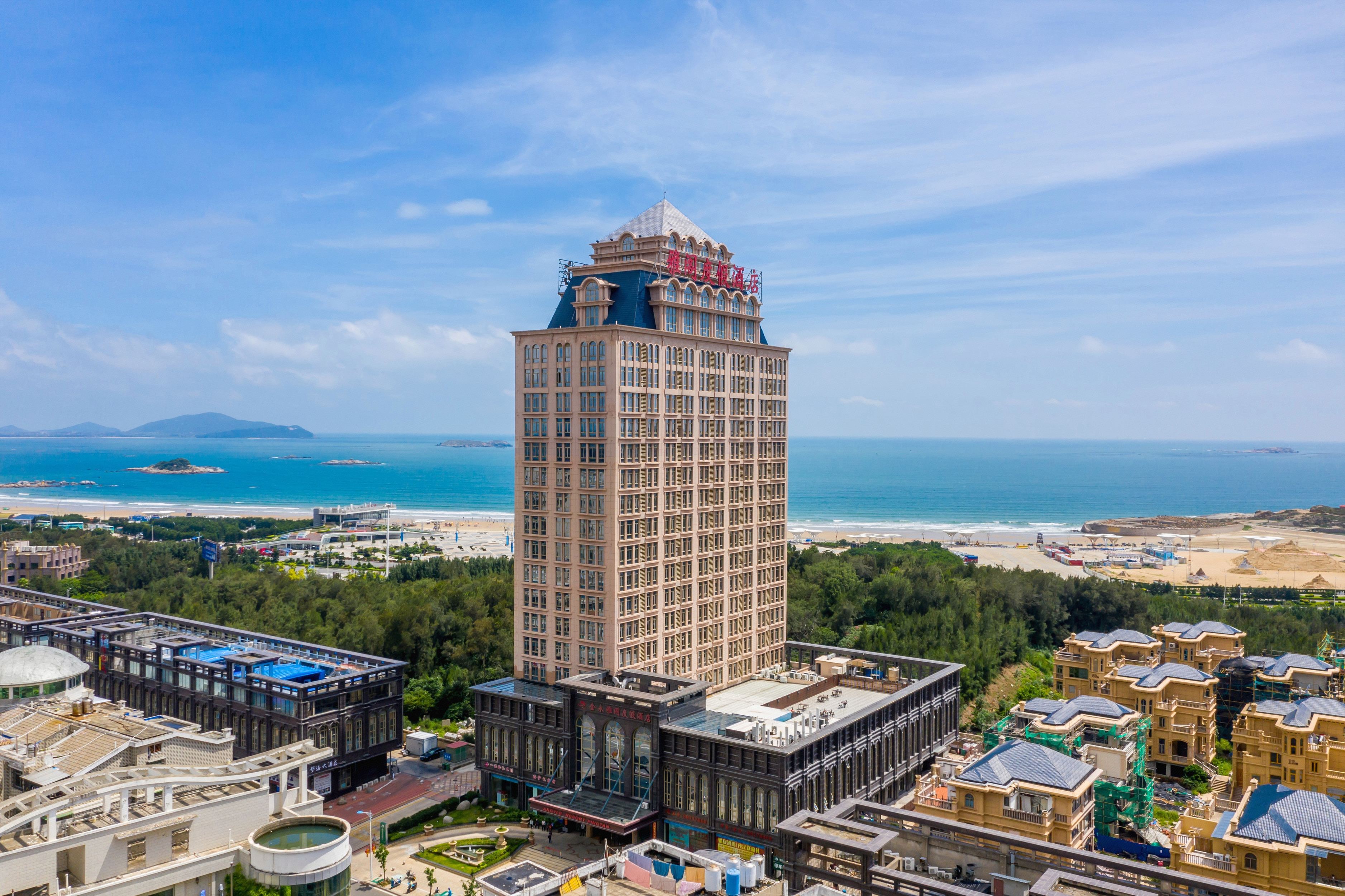
Pingtan Island (Natural beauty, Adventure opportunities)


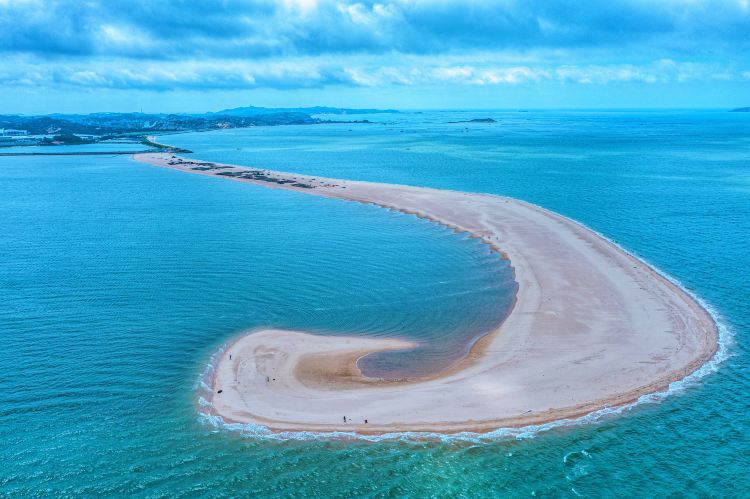
Pingtan Island, accessible by the newly introduced Fuzhou-Pingtan railway, offers a marked contrast to the bustling urban centers, presenting a peaceful escape with its natural coastal beauty and adventure activities. It offers clear blue waters and wide sandy beaches ideal for relaxation and water sports alike. The island's unique geological features and coastal views provide ample opportunity for nature lovers and photographers. Cultural immersion is also facilitated with local snack options reflecting Taiwan-style seafood, making Pingtan not only a place for sightseeing but also for gastronomic exploration. For those interested in more dynamic activities, the island hosts international kiteboarding competitions.
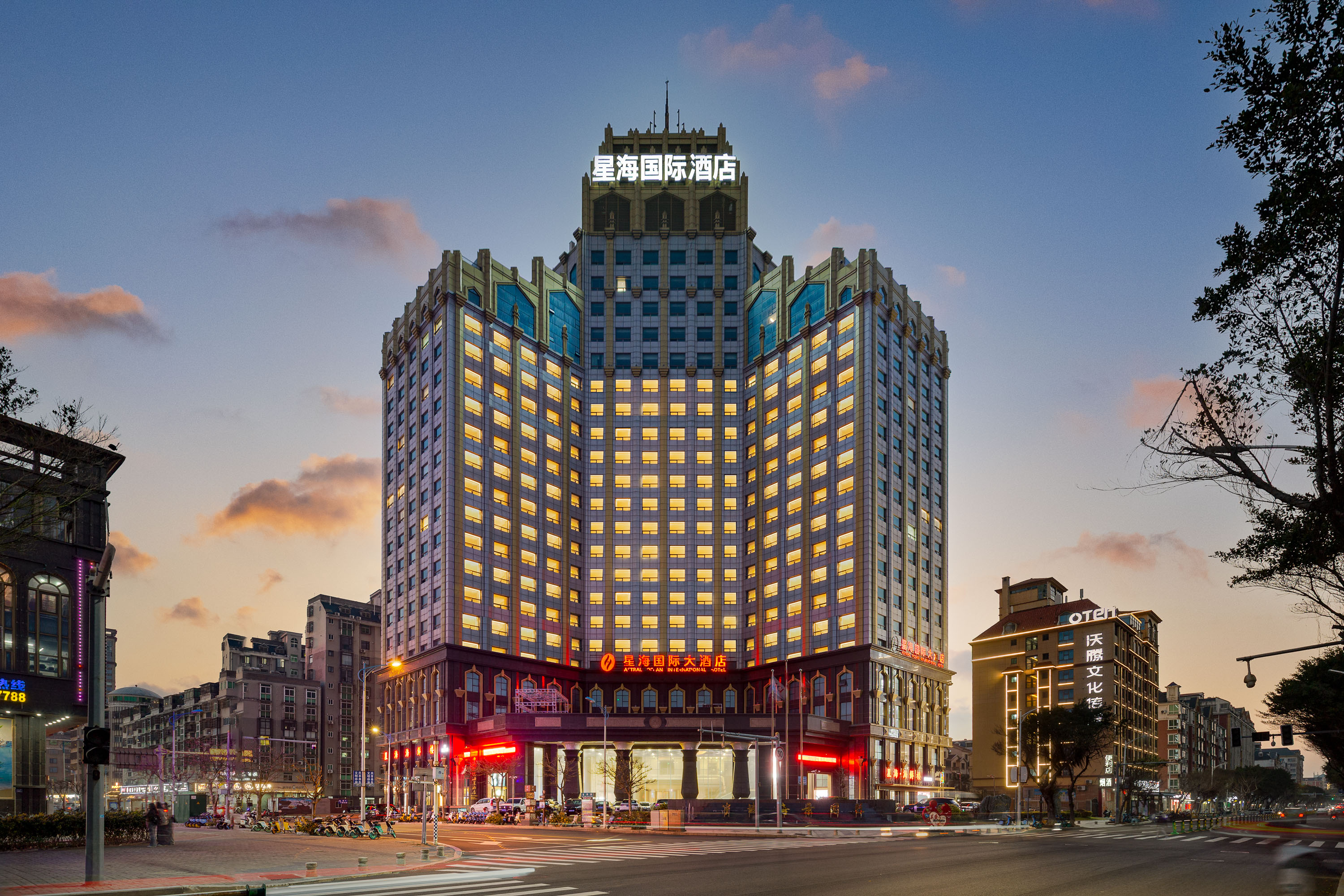

Dongjiekou Shopping Center (Rich commercial activity, Accessibility to traditional crafts)
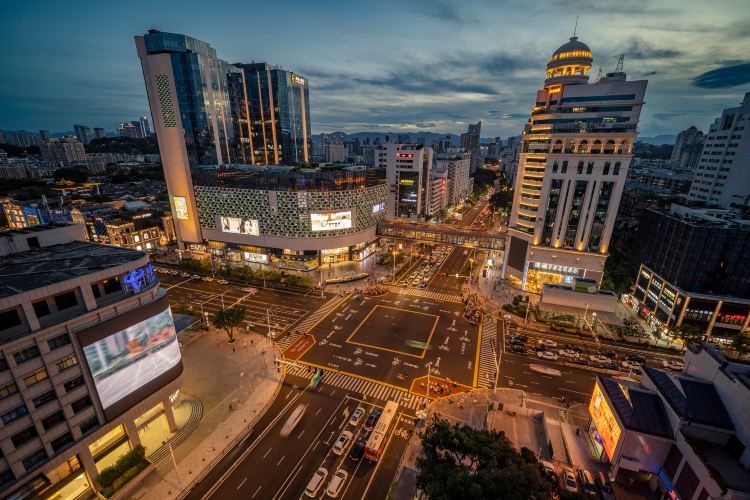
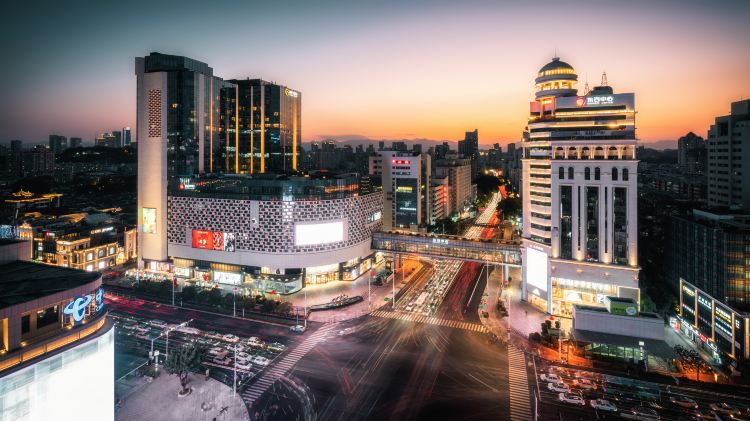
Dongjiekou serves as a vibrant commercial heart in Fuzhou and is a favorable choice for travelers interested in shopping and cultural crafts. The area is known for its bustling marketplaces and is surrounded by a variety of traditional handicraft shops. It also stands out for its easy access to several major bus routes, making it convenient for tourists to explore wider areas of the city. In addition to shops and markets, Dongjiekou also features cultural sites where one can find Fuzhou’s famous lacquerware, horn combs, and stone carvings, encapsulating the traditional essence of the city. This creates a vivid, culturally rich atmosphere likely to enhance the travel experience, particularly for those keen on tangible cultural encounters.
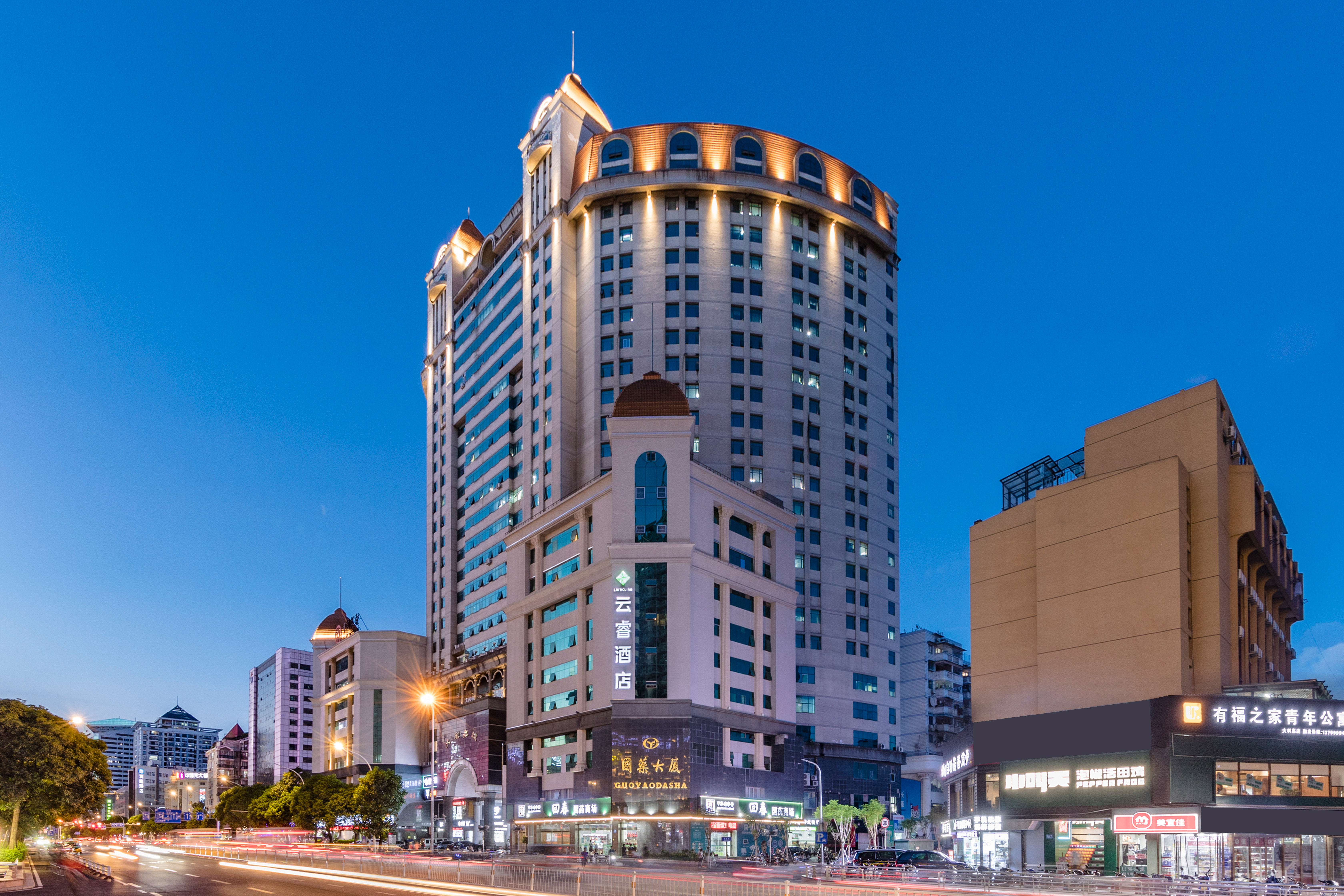
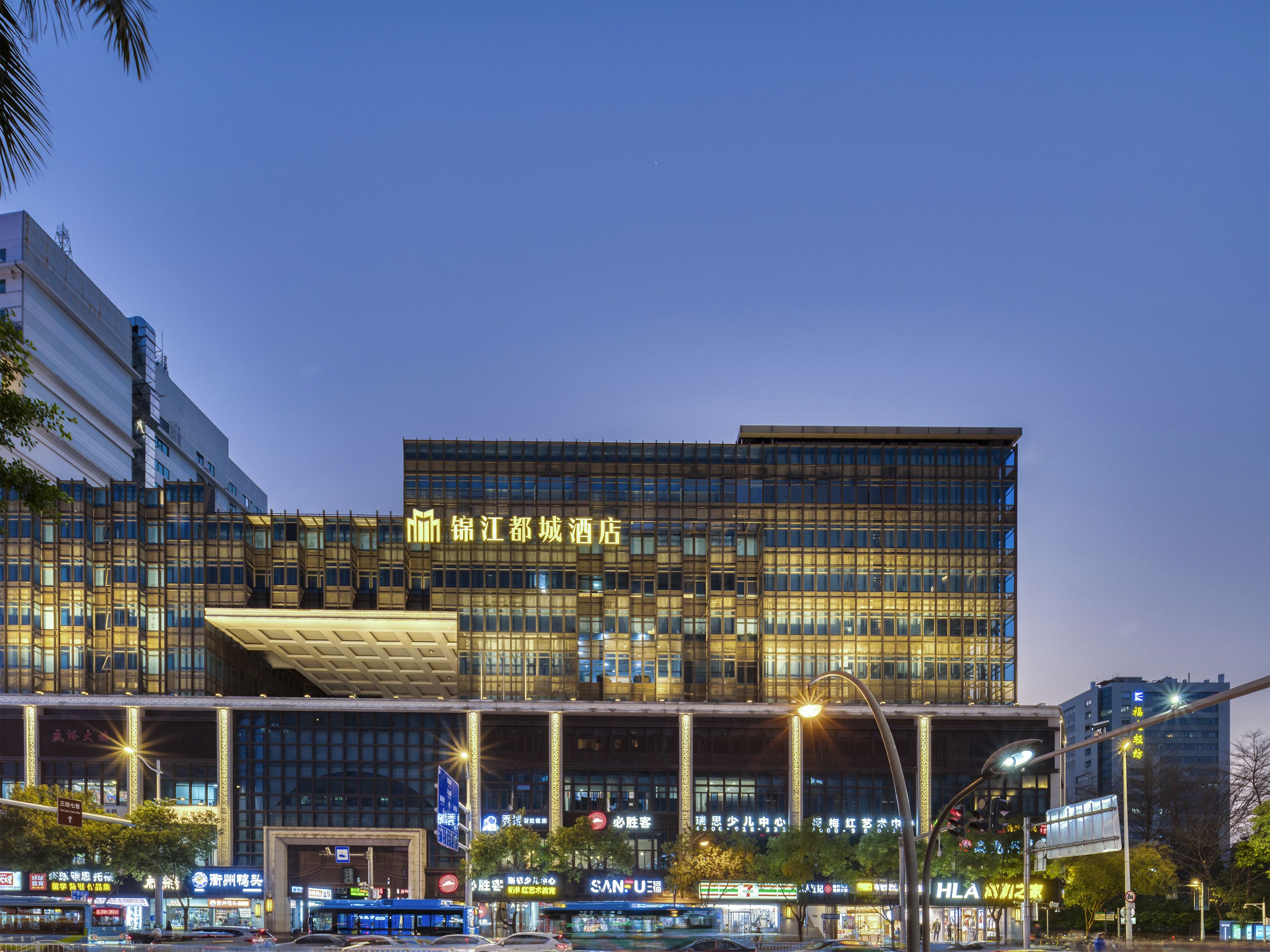
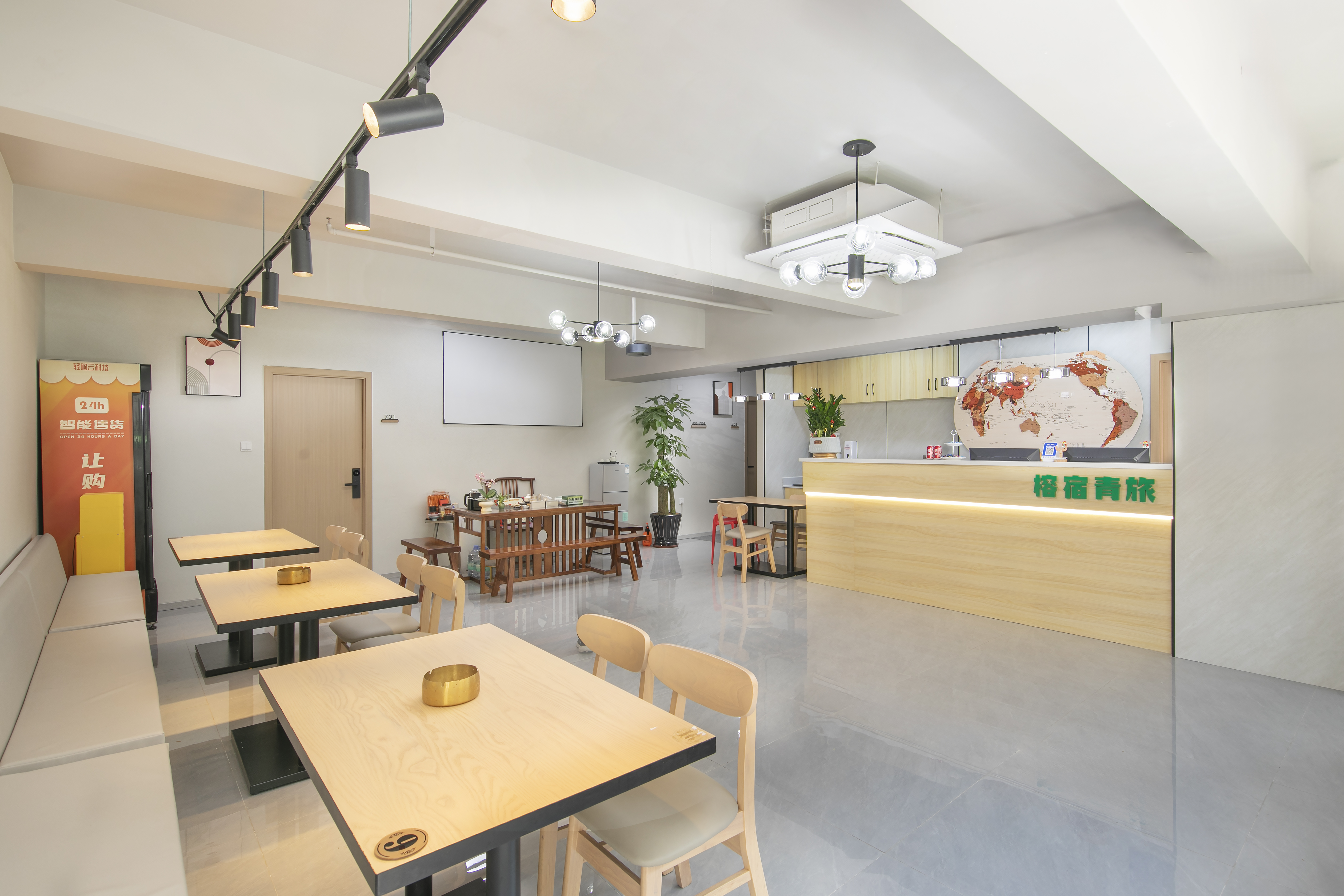
Longwangtou Beach (Scenic coastal experiences, Relaxation focus)



Longwangtou Beach is an optimal location for visitors looking to unwind by the seaside, offering pristine stretches of sand and a quieter atmosphere as opposed to the more commercialized tourist spots. It provides a serene environment ideal for family outings and leisure activities, characterized by its untouched natural beauty. Its scenic coastlines invite relaxing walks and contemplative moments.
Fuzhou Best Time to Visit
Best Time to Visit
The best time to visit Fuzhou is during the autumn months, particularly from September to November. This period is marked by comfortable temperatures, clear skies, and abundant sunshine, making it ideal for outdoor activities and exploring the city's attractions. Autumn is also the peak travel season in Fuzhou due to the pleasant weather. Additionally, winter, from December to February, is considered a good time to visit, with the least precipitation and a dry climate, although it can be a bit cooler. It is advisable to avoid visiting during the Cross-Straits Fair for Economy and Trade in May due to the potential shortage of accommodations.
Fuzhou Useful Guide
Local Language
Fuzhou, the capital of Fujian Province, is home to the Fuzhou dialect, also known as Fuzhounese, a branch of the Eastern Min languages. While Mandarin is the official language in China, Fuzhounese is widely spoken in the region and among the diaspora. Translation services and language apps can assist travelers, and many locals are bilingual in Mandarin. To overcome language barriers, visitors can use gestures, maps, and facial expressions. Learning basic Fuzhounese phrases can impress locals, though it's not necessary for communication.
Local APP
Alipay: Widely used for quick QR code payments, and also helpful for public transport and taxi services.
WeChat: Essential for communication and also acts as a digital wallet, allowing transactions and social interactions.
Baidu Maps: Provides accurate navigation and real-time traffic updates, superior to Google Maps in China.
MetroMan: Helpful for navigating subways across major cities and planning your journey efficiently.
WAYGO: Offers instant translation of Chinese, Japanese, and Korean text into English without needing an internet connection, perfect for travelers.
Trip.com: is a popular online travel platform that provides a comprehensive range of services including booking flights.
Internet and Communication
Mobile data packages for immigrants in China are available through local carriers such as China Mobile and Unicom. China Mobile offers prepaid data SIM cards with unlimited text messages and calls within China, and high-speed connections, sometimes even 5G. Unicom provides SIM cards with data packs that include unlimited music applications, and both do not require long-term contracts. Prices for eSIMs with unlimited data start at just $6 for China.
Public WiFi in China is widely available in places like airports, restaurants, coffee shops, and malls. However, connecting to these networks often requires a Chinese phone number for text verification, which can be a challenge for travelers without a local SIM card. Global WiFi devices like Skyroam can be a convenient alternative, offering the ability to connect multiple devices and requiring no additional setup upon arrival in China.
Weather
Fuzhou, the capital of Fujian province, experiences a humid subtropical climate with mild winters and hot, muggy summers. The city sees abundant rainfall, particularly from February to June, with a peak in May and June during the "plum rain" season. Typhoons can affect the area from June to early November. With an average annual temperature of about 19.6°C (67.28°F), the weather is generally mild. Tourists should pack lightweight, breathable clothing and a raincoat for the rainy season, and warmer layers for the cooler months. It is advisable to wear comfortable walking shoes due to the city's terrain and potential for wet weather. In light of the intense summer heat, with temperatures occasionally exceeding 40°C (104°F), sun protection is essential. During typhoon season, visitors should stay informed about weather advisories and take necessary precautions.
Currency and Payment
In Fuzhou, mobile payments, bank cards, and cash are frequently used payment methods for foreign tourists.
Mobile payments via platforms like Alipay, WeChat Pay, and UnionPay are widely adopted, with features to link international credit cards. Bank cards, especially overseas bank cards, are accepted at a high rate among key merchants and automated teller machines across Fujian province.
For cash transactions, foreign visitors can easily exchange their home currency in various locations, ensuring readiness for places that may not accept digital payments.
There are transaction limits and spending caps on mobile payments for foreigners to consider, and it is advisable to check if venues display logos of accepted payment organizations when using bank cards.
Weather in Fuzhou

20°
/
14°
23°
/
14°

25°
/
16°
21°
/
11°
19°
/
13°
25°
/
15°

21°
/
12°
 Trending in Fuzhou
Fuzhou Hot Spring Season Kicks Off@Headstream Hot SpringFuzhou Hot Spring Season Kicks Off
Unlock Fuzhou's Red Culture Study Tour Routes@Three Lanes And Seven AlleysFuzhou launches 13 Red Tour routes
Picturesque Scenery During Guling's Leaf-Peeping Season@The Drum RidgePicturesque Scenery During Guling's Leaf-Peeping Season
Fuzhou: FAQ

What's the most popular attractions in Fuzhou?
Things to do near Fuzhou for family & child?
How to get to Guian from Fuzhou?
How to get to Zhangzhou Maluanwan from Fuzhou?
How to get to Fuzhou from Guangzhou?
What's the best food in Fuzhou?
Popular destinations

Bangkok
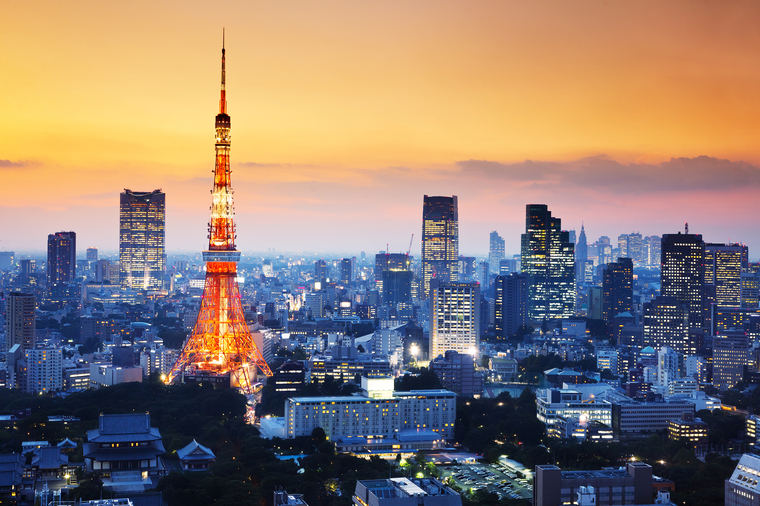
Tokyo
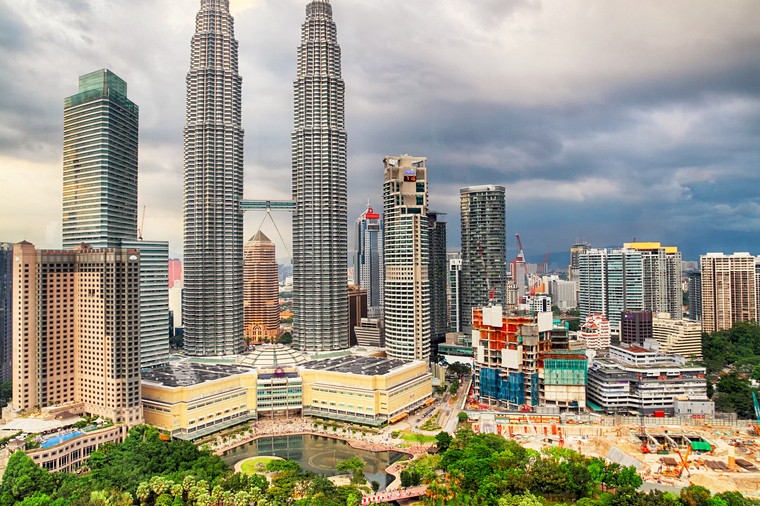
Kuala Lumpur

Los Angeles
Shanghai