Guiyang 2025 Guide: Must-see attractions, local cuisine, and practical tips! | Trip.com
 Local GuidesLast updated on Trip.com: 01/09/2025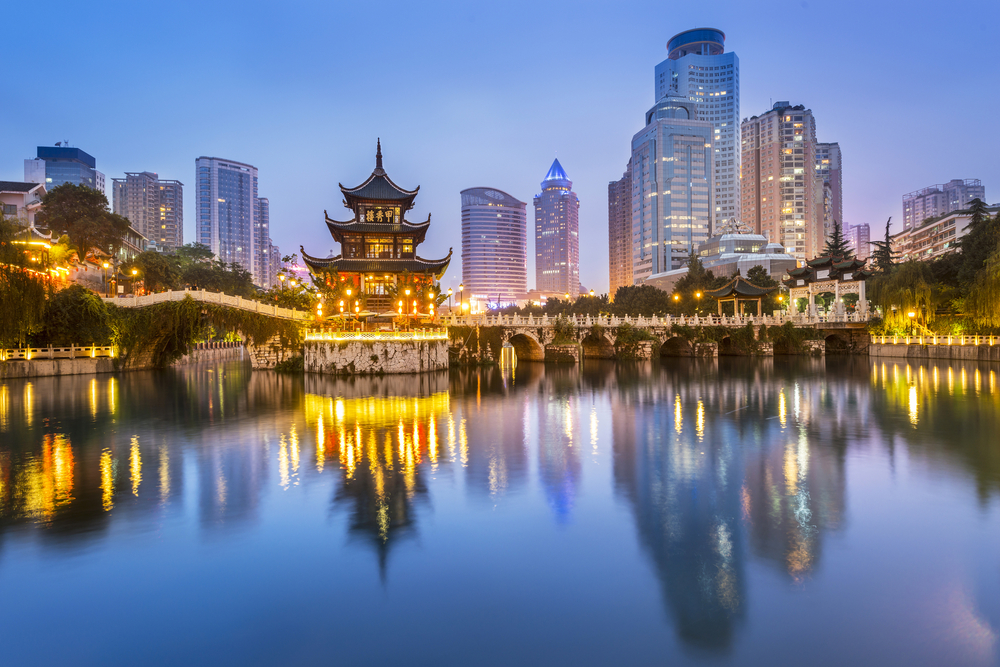
Guiyang Brief Guide
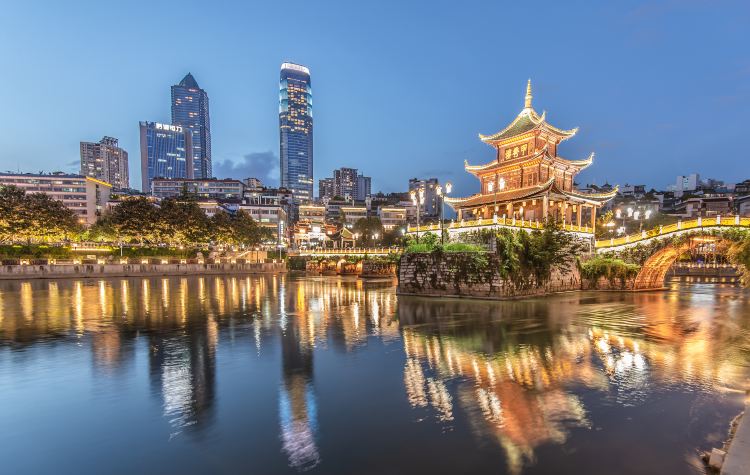
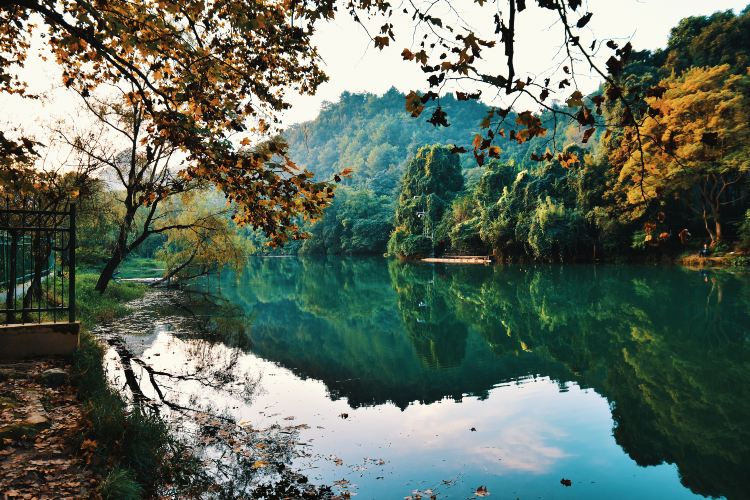
Guiyang is a famous city for escaping the summer heat, as it is a city of forests. The city's mountains and water combine to make up a magnificent landscape. The climate here is also very suitable for living. Summers are cool but winters are not too cold. If you want to travel and play in the downtown area, you can visit the landmark local Jiaxiu Building or Zhucheng Plaza.
You can also climb up the mountain at Qianling Mountain Park and pray for good fortune at Hongfu Temple. Many tourists and travelers go to the Huaxi District in the outer suburbs. Principal cinematography on the classic Chinese movie "The Missing Gun" took place at Qingyan Ancient Town and Huaxi National Wetlands Park. Guiyang's cuisine is also not to be missed. Food from Guizhou is characteristically known for being sour and spicy. The abundant variety of snacks and many bustling night markets have a distinctly unique charm.
Guiyang Must-try local experiences
Explore the Splendors of Guiyang's Natural Wonders
Discover Guiyang's iconic landmarks like Huangguoshu Waterfall, Qingyan Ancient Town, and Qianling Mountain Park. Enjoy scenic hikes, ancient temples, and panoramic views.
See macaques at Qianling Mountain Park
Stroll through Qianling Mountain Park, enjoy the natural scenery, observe the wild macaques, and experience the feeding interaction. You can also enjoy the beauty of nature by hiking, visiting Hongfu Temple, and boating on the lake.
Sample Local Cuisine
Guiyang is famous for its spicy and flavorful dishes like sour fish soup, spicy chicken, and ""Tofu in love"". Explore street food markets for culinary delights.
Discover Unique Treasures at Local Markets
Explore Guiyang's vibrant markets like Huaxi Night Market for unique souvenirs and local products.
Capture the Beauty of Jiaxiu Tower at Night
Jiaxiu Tower is beautifully illuminated at night, perfect for stunning nighttime photography with reflections on the Nanming River.
Guiyang Must-see Attractions
Guiyang is a city rich in cultural and natural attractions, offering experiences that blend ancient architecture, traditions, and scenic landscapes, from the historical Ming and Qing architectural styles of Qingyan Ancient Town to the dramatic karst formations and cultural performances of Tianhetan.
Qingyan Ancient Town
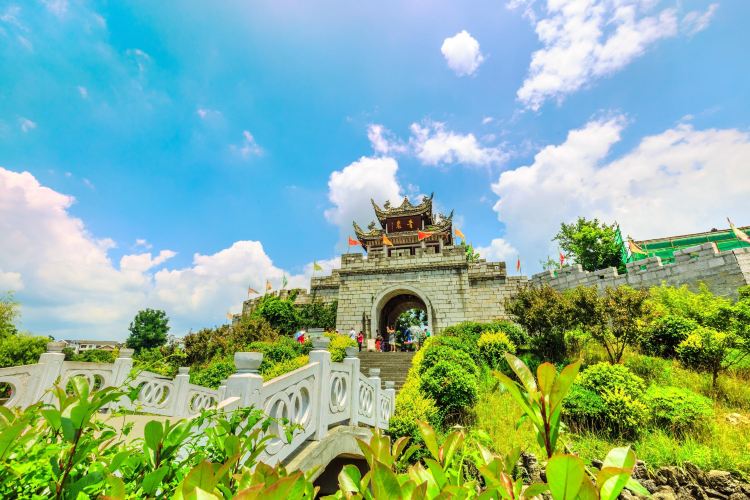
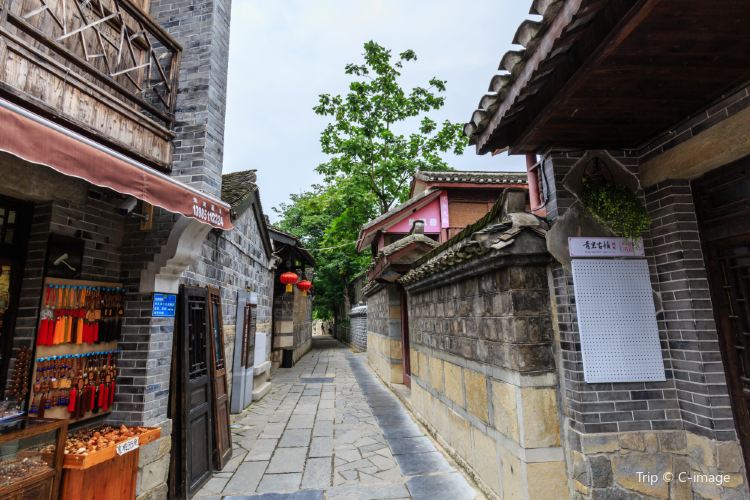
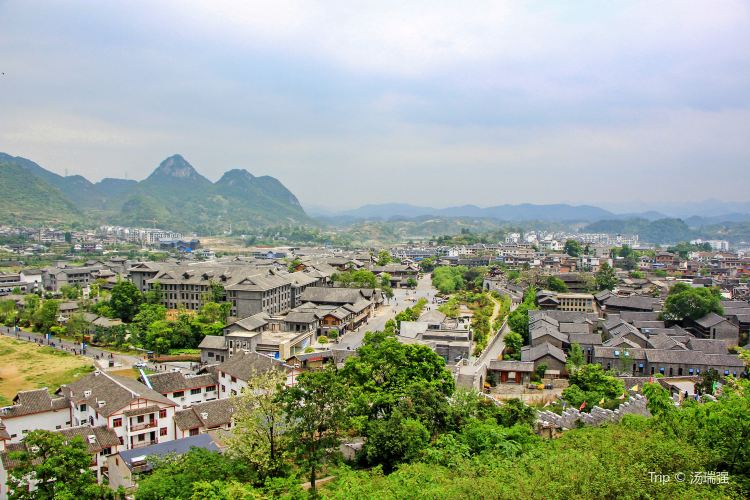
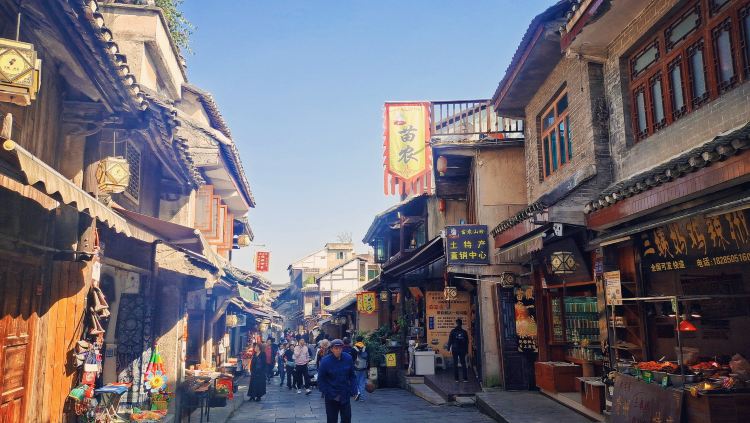
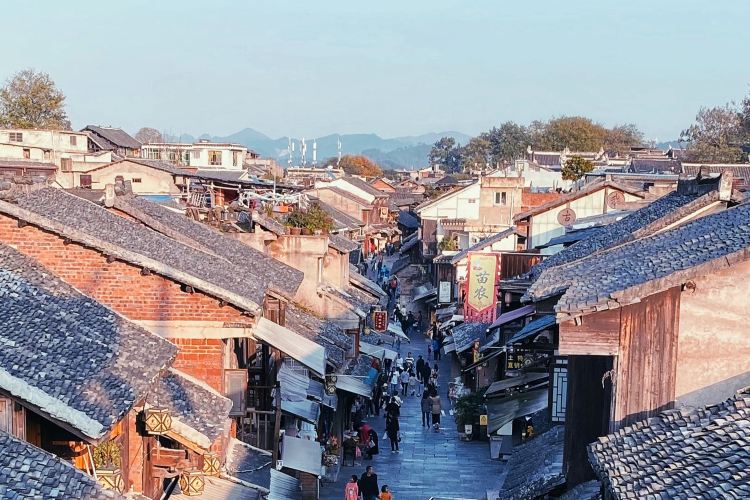
Established in 1378, Qingyan Ancient Town is renowned for its Ming and Qing architectural styles and its deep historical and cultural essence. Guests can explore various preserved structures, from temples to residences, all showcasing the town's rich cultural tapestry. The town not only captivates with its ancient stone constructions and scenic landscapes but also provides insight into a blend of religious traditions, enhancing its value as an educational and photographic site. Being a national 5A tourist spot, it promises an enriching experience for every visitor.

 M44***52I. Qingyan Braised Pig's Trotters
The braising liquid for these pig's trotters is made from over ten kinds of precious Chinese medicinal herbs, simmered over a low flame. After cooking, it's served with local specialty Shuanghua vinegar, creating a truly authentic Qingyan pig's trotter experience. The trotters are incredibly fragrant and tender, rich yet not greasy. Qingyan braised pig's trotters have a long history, dating back over a hundred years, and are also known as "Zhuangyuan Trotters" (Scholar's Trotters).
II. Huang Family Rose Sugar
Qingyan Huang Family Rose Sugar originated in Jiangxi and was introduced to Qingyan during the Kangxi period of the Qing Dynasty. It is made using a traditional Huang family recipe, now improved by Huang Linsheng, the tenth-generation inheritor. Using high-quality ingredients such as malt, glutinous rice, and rose petals, it undergoes thirteen meticulous processes with spring water. The result is a sweet and refreshing drink with the soft, chewy texture of malt and the delicate fragrance of rose honey, making it an excellent choice for tourist souvenirs.
III. Prickly Pear Glutinous Rice Wine
Prickly pears are a popular food, but their uses extend beyond just eating them directly; they can also be used to make wine. The people of Qingyan Ancient Town all know that wine brewed from prickly pears is exceptionally fragrant and mellow, with a unique flavor and texture. It is precisely because of this that prickly pear glutinous rice wine has become a major specialty of Qingyan Ancient Town, attracting a constant stream of visitors every year. Prickly pear glutinous rice wine not only tastes delicious but is also very beneficial to health. It is rich in various amino acids, vitamins, and active substances beneficial to human health, and has effects such as anti-cancer, anti-epidemic, cholesterol-lowering, and prevention of coronary heart disease.
IV. Qingyan Chicken Chili Peppers
Because freshly cooked chicken chili peppers don't taste as good as cold ones, they have now been developed into a convenient food product. Produced in bulk, customers can pick them up as they arrive, which is both convenient and quick, and the taste is even better than freshly cooked chicken chili peppers.
Besides the above-mentioned delicacies, Qingyan boasts many other unique and delicious snacks, such as Yangjia Salted Vegetables from the Ancient Town, Iced Yangmei (Chinese bayberry), Wooden Hammer Crisp, Guizhou Bull Demon King (a type of pastry), as well as Lao Tusi Filled Cake, Miwang Shanlan Crisp, Qingyan Tofu, Tofu Fruit, Tofu Balls, and many more, too numerous to mention.
V. Lao Tusi Filled Cake
This is a traditional Han Chinese snack from Guizhou, a customary food for the Qingming Festival. The history of making this cake dates back over 100 years, with many specialized stalls operating throughout Guizhou before and after the liberation. Early cakes were shaped like mooncakes, with fillings including ham, red bean paste, rose petals, and white sugar. They were pan-fried in a little lard over low heat until both sides were slightly golden brown, resulting in a fragrant, crispy, and sweet treat. Today, the varieties of cakes in Guizhou vary greatly depending on the fillings, and their flavors and shapes are also diverse.
VI. Wooden Hammer Pastry
Wooden hammer pastry is made by mixing cooked sugar syrup with roasted dried fruit, placing the mixture on a homemade work surface, and then quickly pounding it with wooden hammers by two strong men until it forms a thin, crumbly paste. It is then cut while still hot. It is fragrant, crispy, and sweet but not cloying. The dried fruit used is made from carefully selected green ingredients such as osmanthus, monk fruit, walnuts, peanuts, and sesame seeds.
M44***52I. Qingyan Braised Pig's Trotters
The braising liquid for these pig's trotters is made from over ten kinds of precious Chinese medicinal herbs, simmered over a low flame. After cooking, it's served with local specialty Shuanghua vinegar, creating a truly authentic Qingyan pig's trotter experience. The trotters are incredibly fragrant and tender, rich yet not greasy. Qingyan braised pig's trotters have a long history, dating back over a hundred years, and are also known as "Zhuangyuan Trotters" (Scholar's Trotters).
II. Huang Family Rose Sugar
Qingyan Huang Family Rose Sugar originated in Jiangxi and was introduced to Qingyan during the Kangxi period of the Qing Dynasty. It is made using a traditional Huang family recipe, now improved by Huang Linsheng, the tenth-generation inheritor. Using high-quality ingredients such as malt, glutinous rice, and rose petals, it undergoes thirteen meticulous processes with spring water. The result is a sweet and refreshing drink with the soft, chewy texture of malt and the delicate fragrance of rose honey, making it an excellent choice for tourist souvenirs.
III. Prickly Pear Glutinous Rice Wine
Prickly pears are a popular food, but their uses extend beyond just eating them directly; they can also be used to make wine. The people of Qingyan Ancient Town all know that wine brewed from prickly pears is exceptionally fragrant and mellow, with a unique flavor and texture. It is precisely because of this that prickly pear glutinous rice wine has become a major specialty of Qingyan Ancient Town, attracting a constant stream of visitors every year. Prickly pear glutinous rice wine not only tastes delicious but is also very beneficial to health. It is rich in various amino acids, vitamins, and active substances beneficial to human health, and has effects such as anti-cancer, anti-epidemic, cholesterol-lowering, and prevention of coronary heart disease.
IV. Qingyan Chicken Chili Peppers
Because freshly cooked chicken chili peppers don't taste as good as cold ones, they have now been developed into a convenient food product. Produced in bulk, customers can pick them up as they arrive, which is both convenient and quick, and the taste is even better than freshly cooked chicken chili peppers.
Besides the above-mentioned delicacies, Qingyan boasts many other unique and delicious snacks, such as Yangjia Salted Vegetables from the Ancient Town, Iced Yangmei (Chinese bayberry), Wooden Hammer Crisp, Guizhou Bull Demon King (a type of pastry), as well as Lao Tusi Filled Cake, Miwang Shanlan Crisp, Qingyan Tofu, Tofu Fruit, Tofu Balls, and many more, too numerous to mention.
V. Lao Tusi Filled Cake
This is a traditional Han Chinese snack from Guizhou, a customary food for the Qingming Festival. The history of making this cake dates back over 100 years, with many specialized stalls operating throughout Guizhou before and after the liberation. Early cakes were shaped like mooncakes, with fillings including ham, red bean paste, rose petals, and white sugar. They were pan-fried in a little lard over low heat until both sides were slightly golden brown, resulting in a fragrant, crispy, and sweet treat. Today, the varieties of cakes in Guizhou vary greatly depending on the fillings, and their flavors and shapes are also diverse.
VI. Wooden Hammer Pastry
Wooden hammer pastry is made by mixing cooked sugar syrup with roasted dried fruit, placing the mixture on a homemade work surface, and then quickly pounding it with wooden hammers by two strong men until it forms a thin, crumbly paste. It is then cut while still hot. It is fragrant, crispy, and sweet but not cloying. The dried fruit used is made from carefully selected green ingredients such as osmanthus, monk fruit, walnuts, peanuts, and sesame seeds.Huaxi Yelang Valley

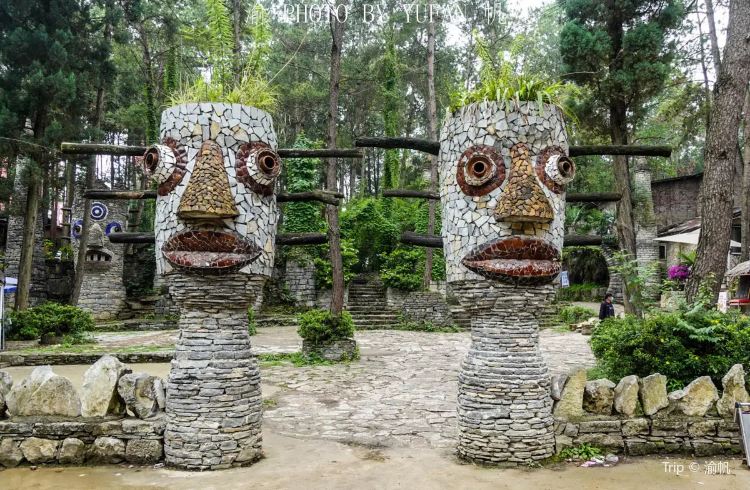
Huaxi Yelang Valley envelops visitors within the depths of Guizhou's Karst landscape and local indigenous cultures. Created by artist Song Peilun, the valley is a living canvas displaying a blend of architectural styles and natural beauty, ideal for exploring ancient Yelang culture. The valley also hosts daily Nuo Opera Shows, emphasizing its cultural significance.
Qianling Mountain Park
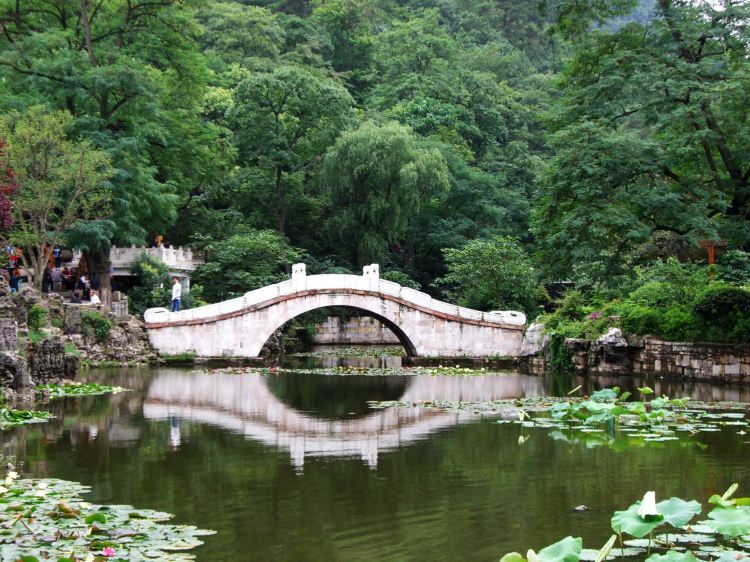
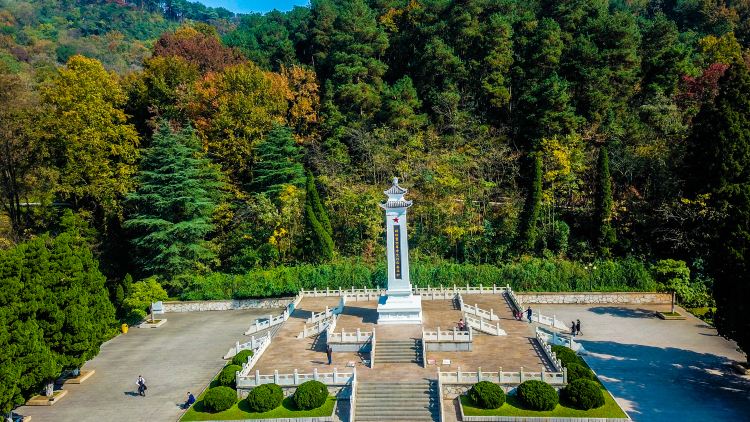
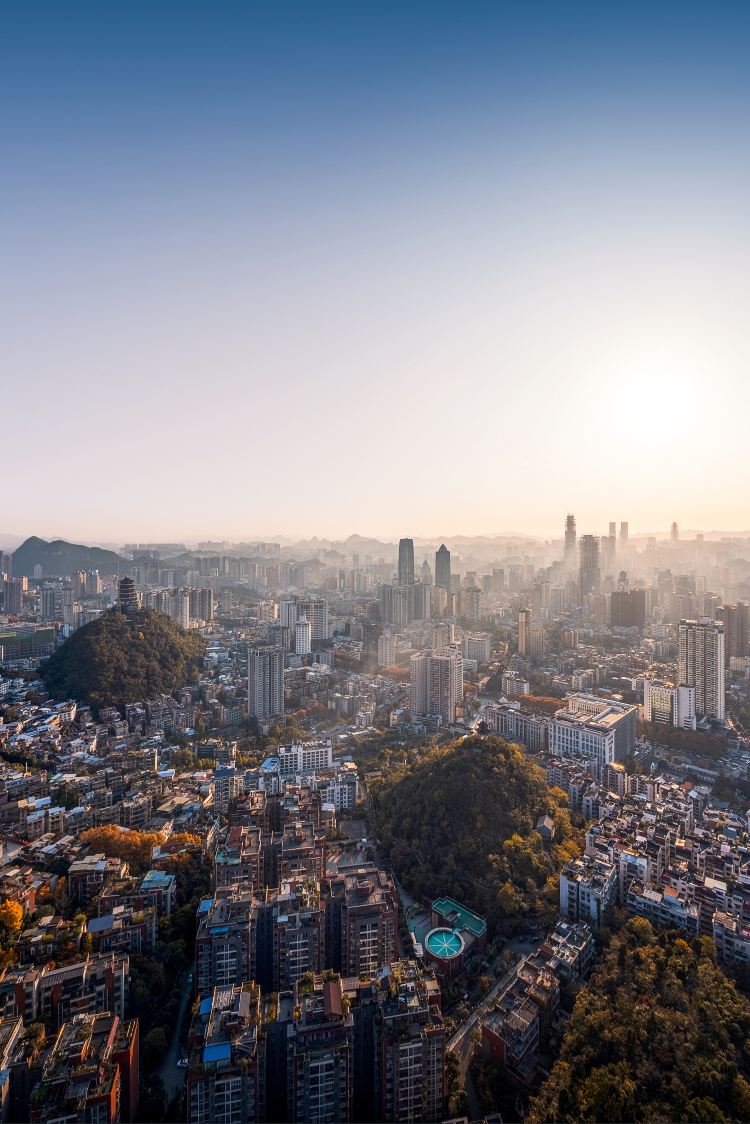
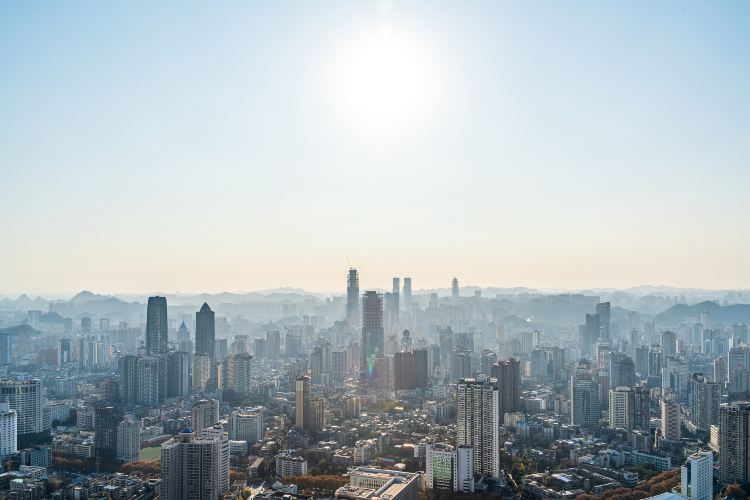
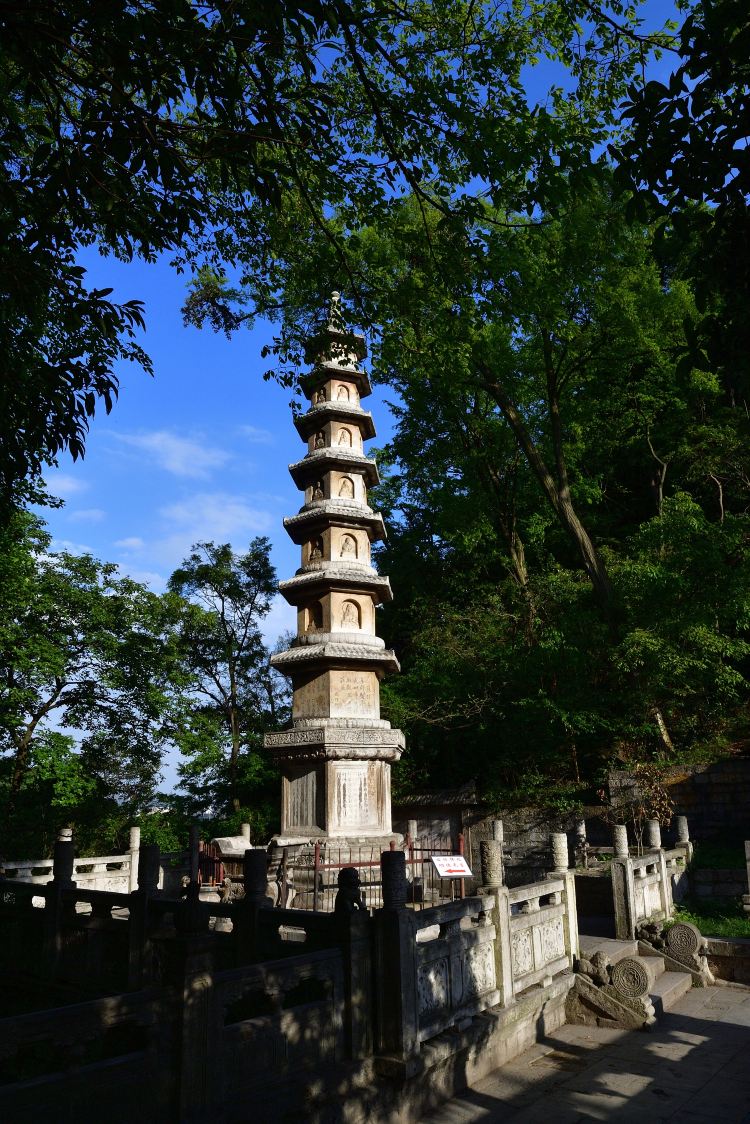
Qianling Mountain Park, established in 1957, is known for its lush greenery and historical sites such as the Hongfu Temple, dating back to 1672. This urban park combines natural attractions like verdant forests, springs, and a rich diversity of plants with cultural elements, exemplified by the temple and the natural macaque sanctuary. Visitors can explore the temple via a scenic hike, enjoying the serene environment and panoramic city views, making it a perfect blend of nature and spirituality.
Tianhetan
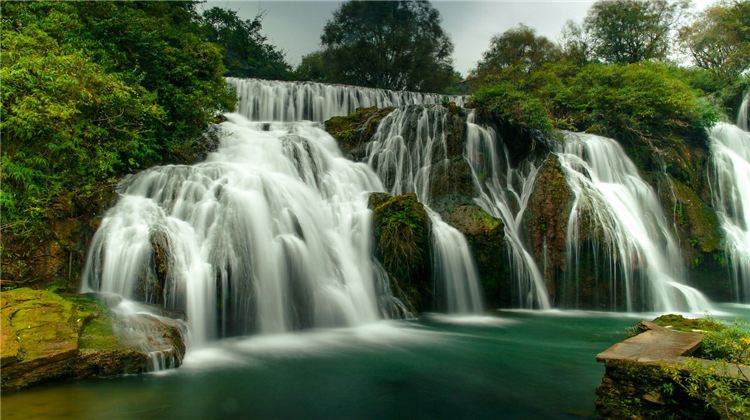
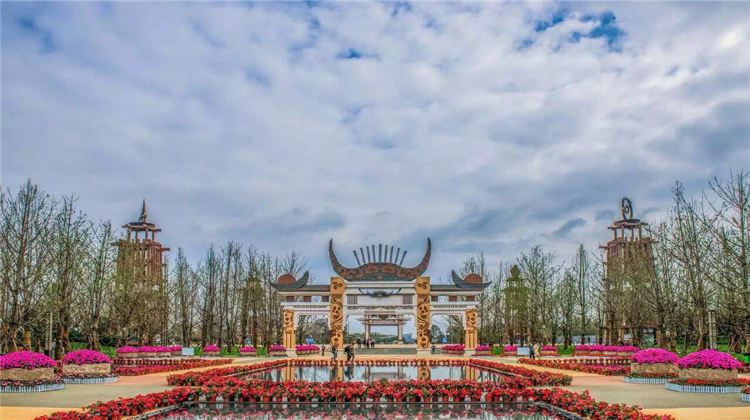

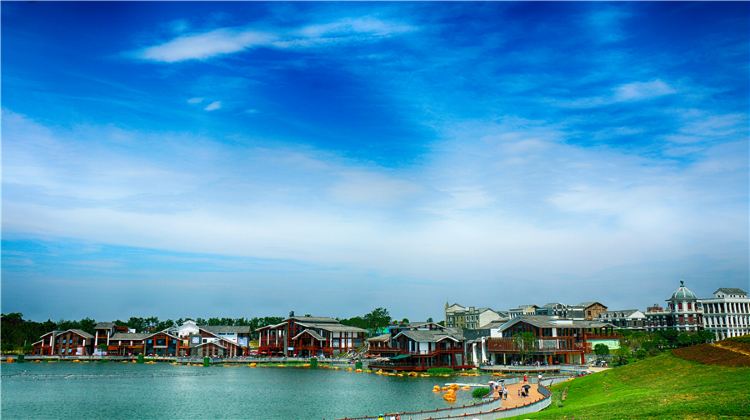
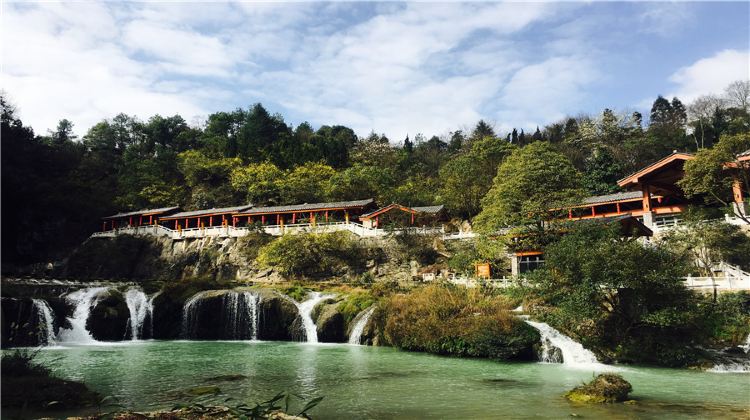
Tianhetan in Guiyang is renowned for its dramatic karst scenery and historical features. Highlights include varied karst formations, significant stone bridges, and captivating waterfalls. A haven for explorers, it offers boat and walking tours through enchanting caves and past the imposing Wolong Waterfall. Cultural elements enrich the experience with ethnic performances, while the best visiting times span from spring to autumn for optimal natural beauty.

Jiaxiu Tower
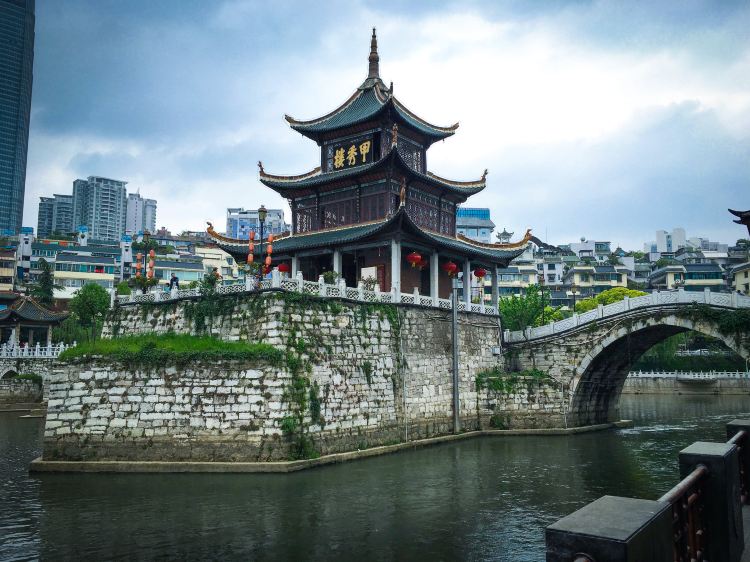
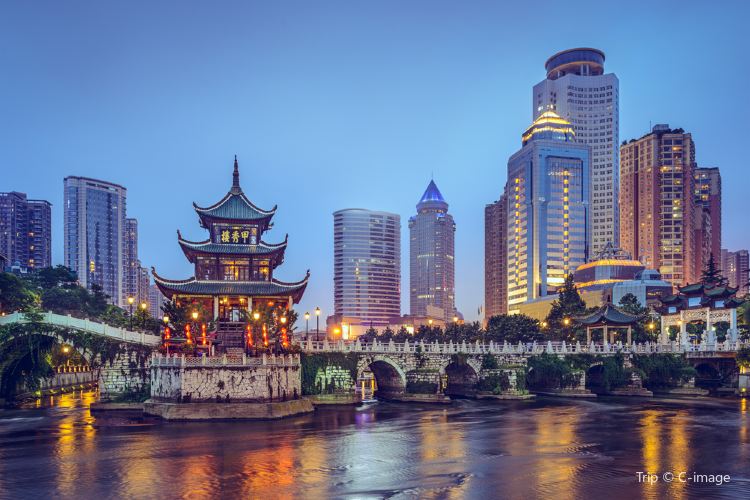

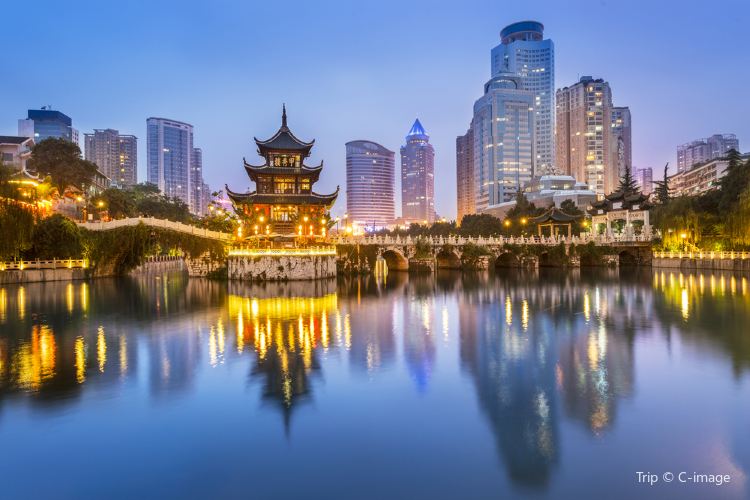
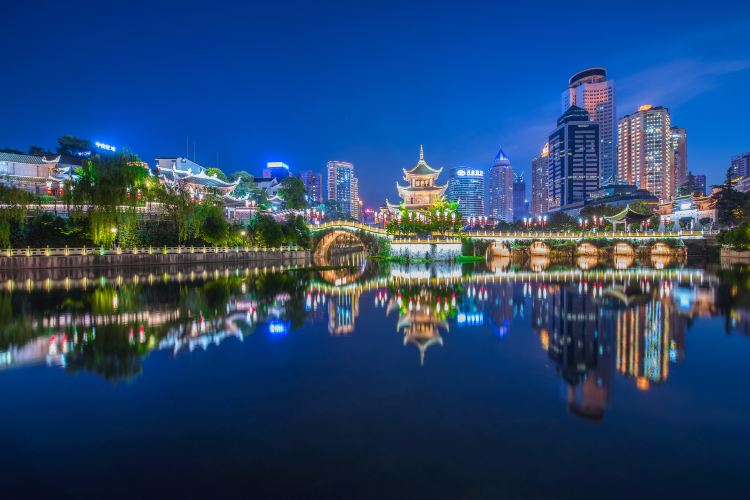
Jiaxiu Tower, Guiyang's distinguished cultural emblem, showcases traditional Chinese architecture with its red pillars and green tiles, providing magnificent night views as it lights up and reflects on the Nanming River. Inside, the tower narrates local history through extensive exhibits and ancient texts, highlighting its role in motivating academic achievements historically. The attached Fuyu Bridge and serene Cuiwei Garden contribute to the scenic beauty and cultural depth, offering a peaceful escape with panoramic views.
Guiyang Food Guide
The cuisine in Guiyang is celebrated for its authentic flavors and distinct seasoning. Dishes like the flavorful Changwang noodles, tender Huaxi beef noodles, appetizing sour soup fish, and crispy golden tofu balls provide a deeply satisfying taste experience.
Guizhou-Style Sour Beef Hotpot
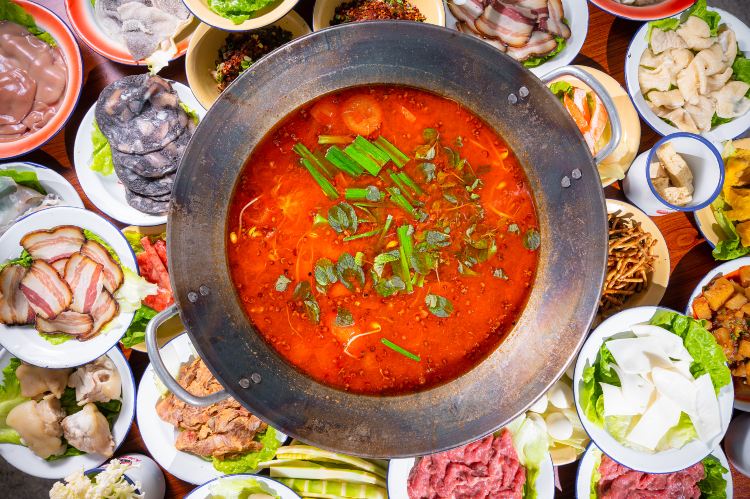
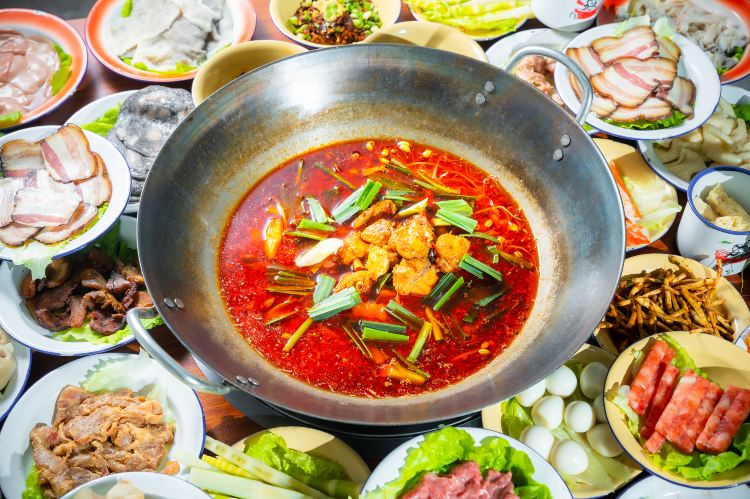
Guizhou-Style Sour Beef Hotpot is a culinary delight originating from the mountainous province of Guizhou in Southwest China. Known for its bold flavors, this hotpot features tender slices of beef cooked in a vibrant, sour broth that's infused with local herbs and spices. The sourness comes from the use of traditional fermented tofu and tomatoes, which adds a tangy depth to the dish. The Guizhou-Style Sour Beef Hotpot is typically served with a variety of fresh vegetables, mushrooms, and noodles, allowing diners to customize their meal with a range of textures and tastes. It's a perfect blend of spicy, sour, and savory notes that warm the heart and satisfy the soul, reflecting the rich culinary traditions of Guizhou.
Huaxi Beef Rice Noodles
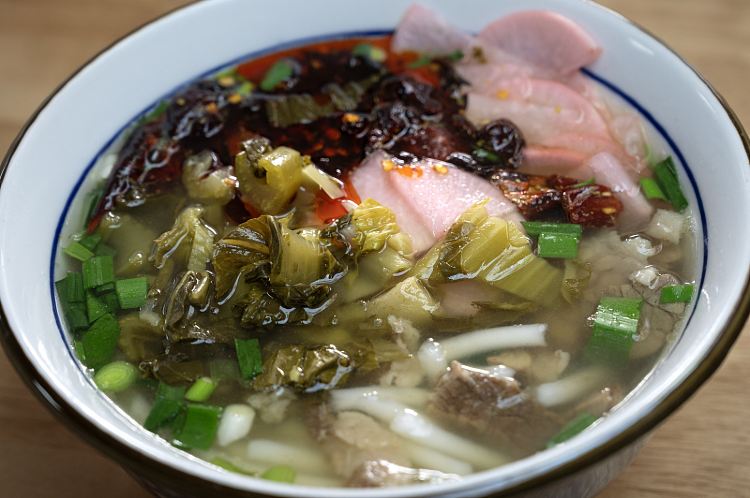
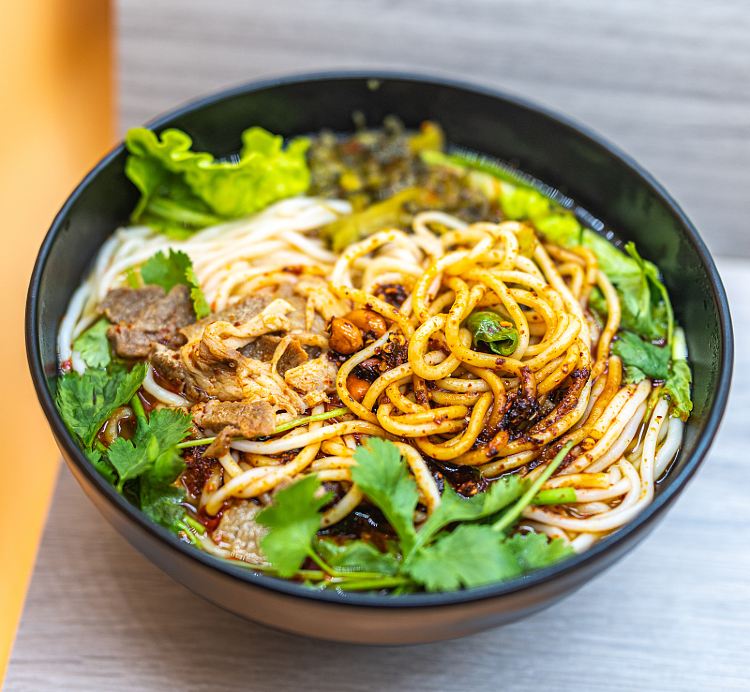
Huaxi beef rice noodles feature a deliciously fresh soup and tender, melt-in-your-mouth beef. The beef pieces are evenly cut, juicy, and tender. The rice noodles are silky smooth with just the right amount of chewiness. Enjoying them with the original broth offers a lingering, memorable flavor.
Sour Fish Soup
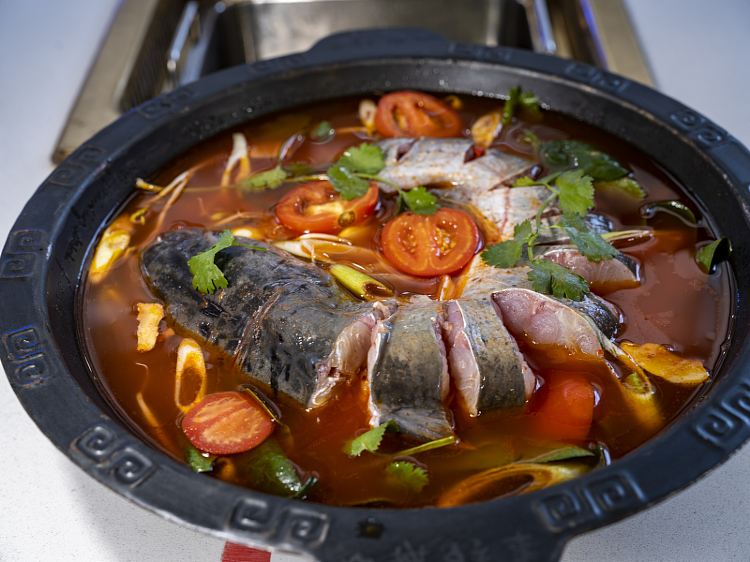
Sour fish soup is a renowned local dish in Guiyang, crafted with a unique secret recipe for the sour broth. To preserve freshness, only live fish are used. The addition of tomatoes, chili peppers, and spices creates a deliciously sour and spicy flavor that's exceptionally tender. Once the fish is consumed, the remaining broth can be used for hot pot, offering a versatile and distinctive dining experience.
Guizhou Crispy Tofu Balls
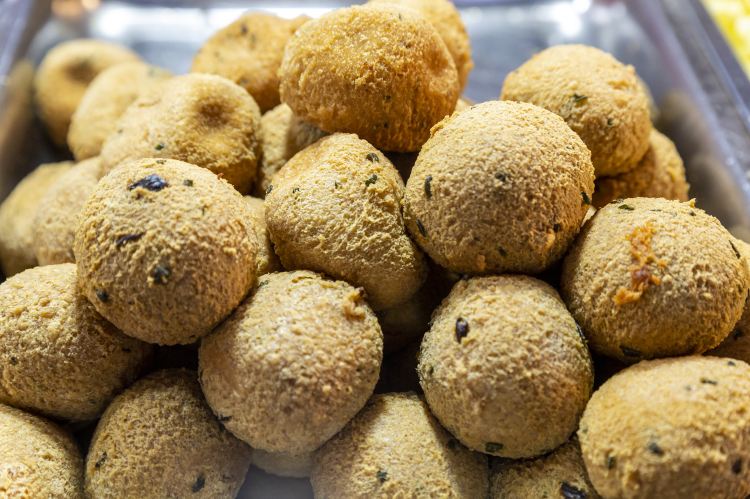
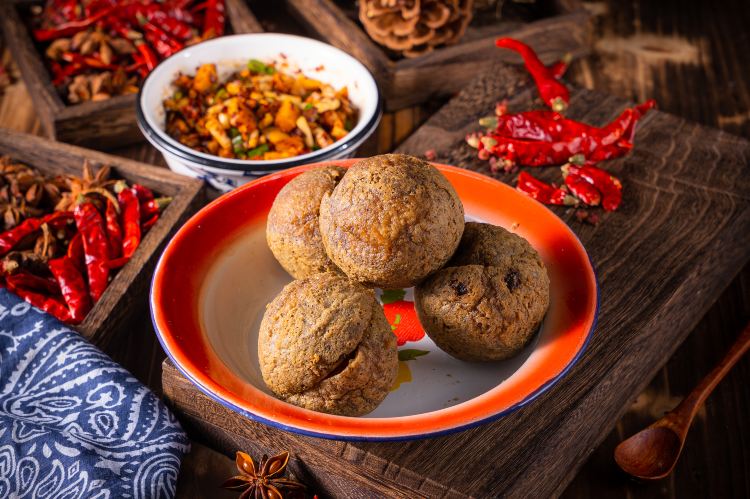
Guizhou crispy tofu balls are a traditional delicacy in Guiyang. These tofu balls are fried until golden brown, resulting in a crispy outer layer and a soft, smooth interior. Depending on personal preferences, these tofu balls are often served with a dipping sauce made from fish mint, pickled radish, and a mix of scallion and ginger.
Guiyang Transportation
How to Get There
Guiyang's transportation network is well-developed, with Guiyang Longdongbao International Airport and Guiyang East Railway Station being two of the major transportation hubs.
Guiyang Longdongbao International Airport (IATA: KWE) is located 21.4 km southeast of the city center and serves as a key hub for air travel in the region. The airport has undergone expansions to accommodate increasing passenger and cargo traffic, with the recent addition of Terminal 3. To reach the city from the airport, travelers can use the Guiyang Metro or take a taxi.
Guiyang East Railway Station, situated 15 km northeast of downtown Guiyang, is a major railway hub that serves high-speed trains on several key routes, including the Shanghai-Kunming and Guangzhou-Guiyang high-speed railways. The station is equipped with modern facilities and offers a variety of services to passengers. To get to the city from Guiyang East Railway Station, the most convenient options are taxis or buses, as there is currently no metro service directly to the station.
Guiyang North Railway Station, located 6 kilometers (3.7 miles) northwest of the city center, 20 kilometers (12 miles) northwest of Guiyang Longdongbao International Airport. A major hub for high-speed rail, it serves crucial routes including the Shanghai–Kunming, Guiyang–Guangzhou, and Chongqing–Guiyang high-speed railways.
Guiyang Railway Station, centrally located, is the city's original and main station, primarily handling regular (conventional) passenger trains. Serves older, traditional rail lines, such as the Liuzhou–Guiyang, Guiyang–Kunming, and Chongqing–Guiyang railways.
Local Transportation
Taxis in Guiyang offer a convenient way to navigate the city, with fares starting at 10 RMB for the first kilometer during the day and 12 RMB at night. Drivers are known to be helpful, and hotels provide cards with instructions in Chinese and English to assist visitors in returning to their accommodations.
The Guiyang Metro, also known as Guiyang Urban Rail Transit (GYURT), efficient way to travel, especially for covering long distances across the city and avoiding traffic jams. Fares are mileage-based and can be paid for with a "Smart Card," which provides a small discount, or with a mobile payment app like Alipay.
Public buses in Guiyang are an affordable transportation option, charging only 1 to 2 RMB for travel throughout the city. This mode of transport is popular among locals and visitors alike for its extensive coverage and low cost.
Guiyang Where to Stay
From bustling city centers to serene scenic spots, the city caters to a variety of experiences and budgets.
Spray pool


Spray Pool area is a vibrant and dynamic part of Guiyang, ideal for younger travelers or those interested in e-sports. The proximity to Guiyang Railway Station and Spray Pool Subway Station offers hassle-free connectivity to various parts of the city.
Attractions nearby include Wenchang Pavilion and Jiaxiu Tower, adding cultural excursions to the visit. Staying in this area provides an enjoyable nightlife experience with accommodations offering impressive facilities.
Jiaxiu Tower
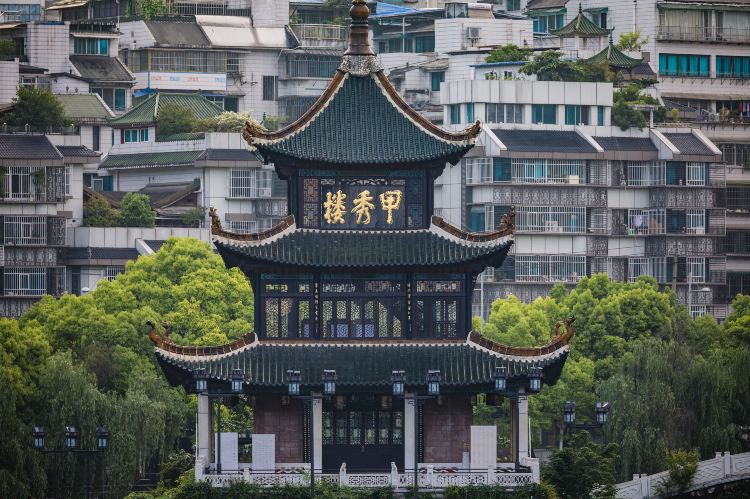

Located in the Nanming District, the area around Jiaxiu Tower is steeped in culture and history, marked by the iconic Ming Dynasty tower itself. With easy access through various bus routes, visitors can explore nearby historical sites like the Cuiwei Pavilion and Avalokitesvara Temple.
The area comes alive at night with a stunning view of the tower lit up, reflecting its beauty in the Nanming River. The charm of old Guiyang is palpable here, making it a must-stay for heritage lovers.
Huaguoyuan Area
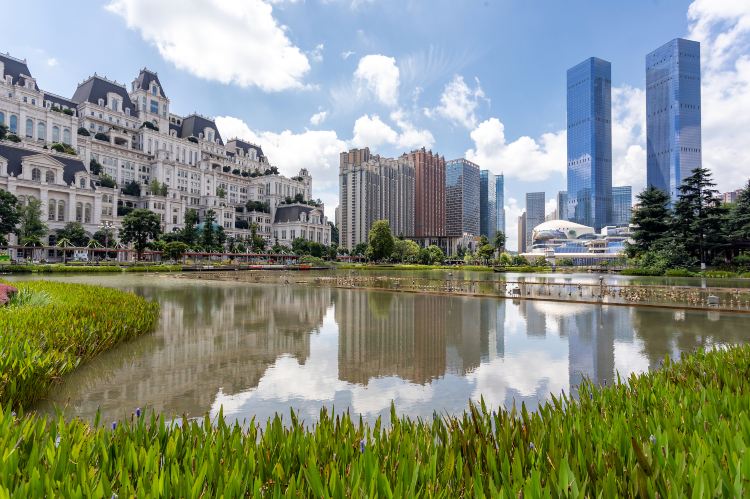
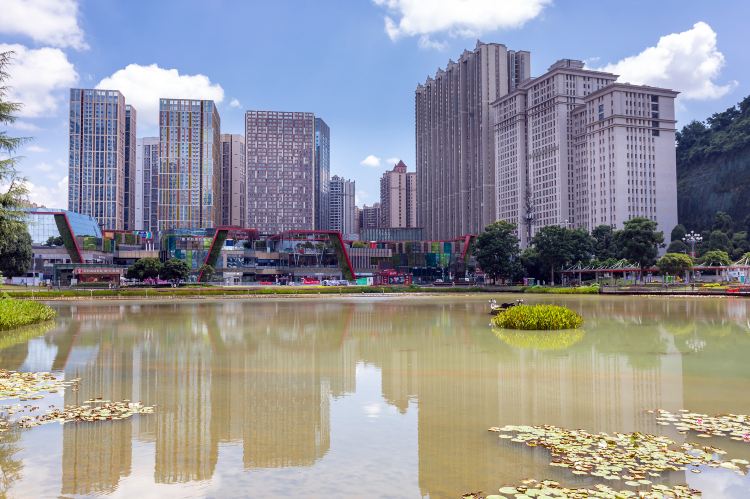
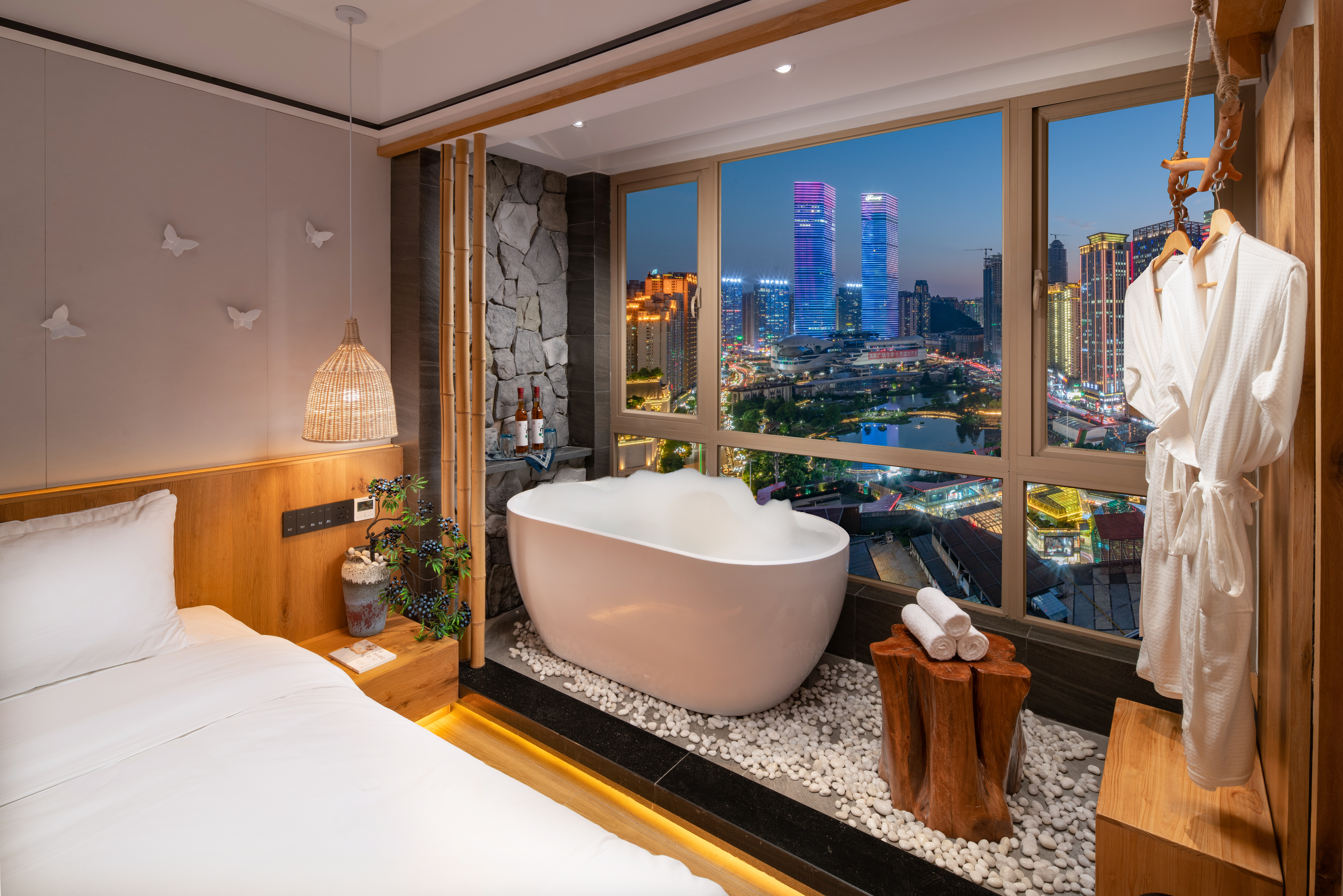
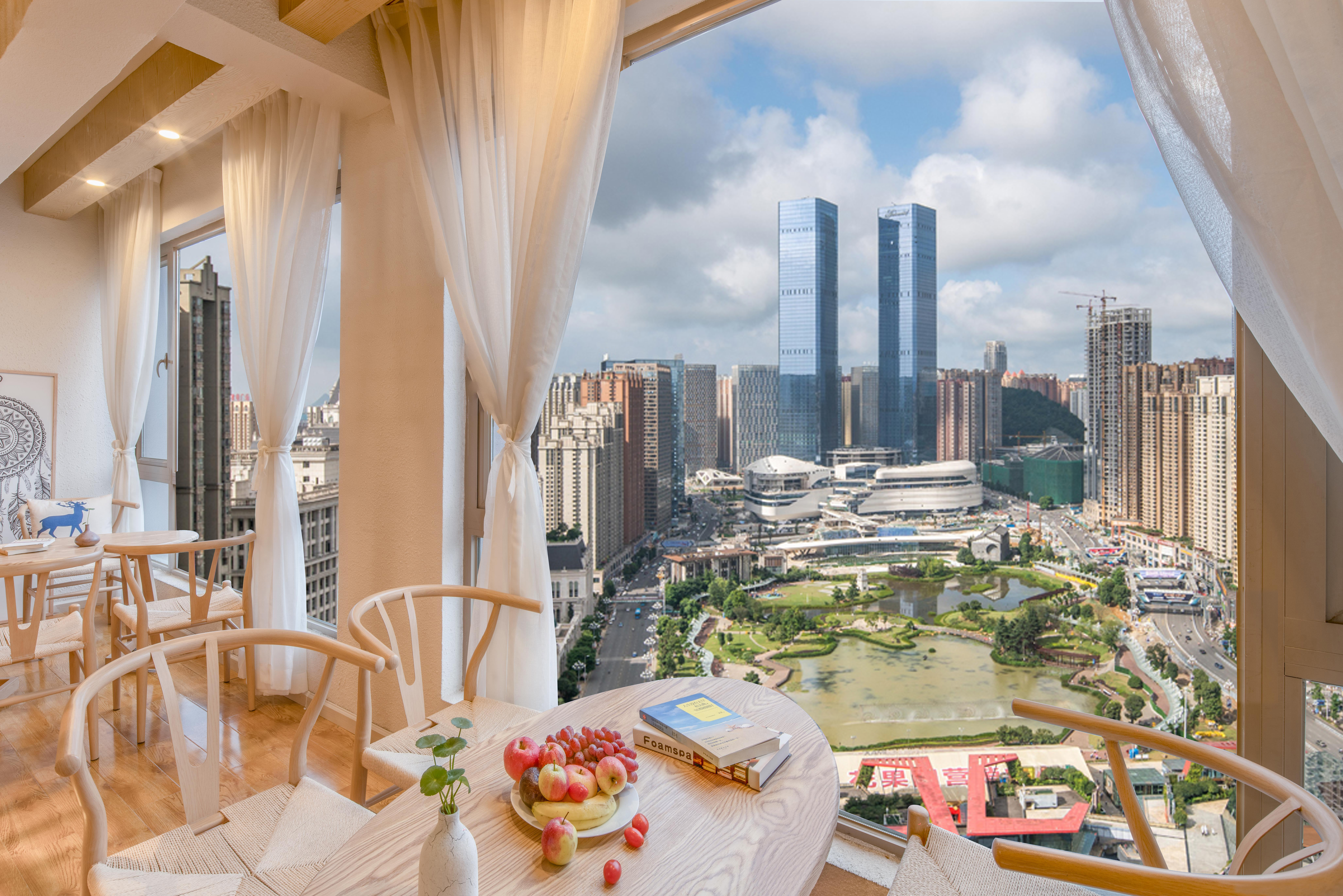
As one of the busiest and most expansive commercial areas in Guiyang, Huaguoyuan offers a plethora of shopping, dining, and entertainment options. The area boasts modern homestays and impressive facilities like fitness centers and laundry rooms.
It's particularly suitable for families or travelers who prioritize convenience and a lively neighborhood atmosphere. The local mall and proximity to major hotels make it a hub of activity that’s both exciting and convenient.

Guiyang Best Time to Visit
Best Time to Visit
The best time to visit Guiyang is during the summer months from June to September. This period offers warm and pleasant weather, with temperatures rarely exceeding 30°C, ideal for appreciating the grand waterfalls and exploring the city's natural beauty. Additionally, spring, particularly March and April, is a great time to experience traditional Miao festivals and enjoy the blooming countryside. Autumn also presents a colorful palette in the landscape, making it another recommended season for visiting Guiyang.
Guiyang Useful Guide
Local Language
Guiyang, the capital of Guizhou Province, is home to a diverse population that includes various ethnic minority groups, which contributes to the multilingual landscape of the city. Mandarin Chinese is the official language, widely spoken and understood, with local dialects and minority languages also present. For travelers, language barriers can be mitigated through English-speaking tour guides provided to visitors, and staff in star-rated hotels often speak English. Translation apps and interpretation services can further ease communication challenges. When encountering language difficulties, using maps, gestures, and facial expressions can be effective communication strategies.
Local APP
Alipay: Widely used across China for simple QR code payments and accessing public transport options.
WeChat: An essential app in China providing communication, payment, and social networking services. New visitors should have it downloaded for convenience and connecting with others.
Baidu Maps: The most reliable mapping service in China offering real-time traffic updates, navigation, and public transportation information.
Amap: Known for accurate navigation and detailed public transportation information, helpful for maneuvering through cities.
MetroMan: Useful for navigating major city metros and planning routes, covering all cities with metro systems.
Internet and Communication
Mobile data packages for travelers in China are available through local carriers such as China Mobile and Unicom. China Mobile offers prepaid data SIM cards with unlimited text messages and calls within China, and high-speed connections, sometimes even 5G. Unicom provides SIM cards with data packs that include unlimited music applications, and both do not require long-term contracts.
Public WiFi in China is widely available in places like airports, restaurants, coffee shops, and malls. However, connecting to these networks often requires a Chinese phone number for text verification, which can be a challenge for travelers without a local SIM card. Global WiFi devices like Skyroam can be a convenient alternative, offering the ability to connect multiple devices and requiring no additional setup upon arrival in China.
Weather
Guiyang, the capital of Guizhou province, experiences a subtropical moist temperate climate. The city enjoys mild weather, with no extreme heat in summer or severe cold in winter. Average temperatures range from 4.6°C in January to 24°C in July. Rainfall is abundant, particularly from March to August, with the city receiving an annual average of 1197mm. Due to its elevation, Guiyang can have significant temperature fluctuations between day and night.
When packing for Guiyang, include a variety of clothing options to accommodate the temperature changes. Rain gear is essential year-round due to frequent precipitation. For protection against intense ultraviolet radiation, bring sunscreen and hats. A windproof coat is advisable for cooler mornings and evenings. In winter, layering with jackets, fine sweaters, and thermal bottoms is recommended.
Currency and Payment
In Guiyang, the predominant payment methods are mobile payments, including WeChat Pay and Alipay, along with credit/debit card usage featuring major brands like Visa and Mastercard.
WeChat Pay and Alipay are extensively accepted across various services in Guiyang. The addition of global card brands such as Mastercard and Visa to these platforms has further streamlined payments for foreign tourists. Credit/debit cards with UnionPay, Visa, Mastercard, and other logos are accepted at many locations, from tourist attractions to supermarkets and hotels. Additionally, cash withdrawal and currency exchange services are available at numerous bank branches and ATMs throughout Guiyang.
Foreign tourists should note that mobile payments like WeChat Pay may involve transaction fees, particularly for transactions exceeding certain amounts. Similarly, ATM withdrawals and currency exchanges may include a service fee, which varies depending on the bank and the type of transaction.
Weather in Guiyang

14°
/
9°

13°
/
8°

18°
/
8°
20°
/
4°
13°
/
2°

15°
/
4°
14°
/
5°
 Trending in Guiyang
Nonstop Flights From Guiyang to Ho Chi Minh City Now AvailableNonstop Flights From Guiyang to Ho Chi Minh City Now Available
Guiyang Luodian Attraction Discount Package: Exchange Ticket Stubs for 20% OffGuiyang Luodian Attraction Discount Package: Exchange Ticket Stubs for 20% Off
With the completion and opening of the Panxing High-speed Railway, all cities in Guizhou are now connected by high-speed rail.With the completion and opening of the Panxing High-speed Railway, all cities in Guizhou are now connected by high-speed rail.
Guiyang: FAQ

What's the most popular attractions in Guiyang?
Things to do near Guiyang for family & child?
Any recommended attractions about nature scenery in Guiyang?
How to get to Kunming from Guiyang?
Best selfie spot in Guiyang?
What is the best season to visit Guiyang?
Popular destinations

Bangkok

Tokyo
Kuala Lumpur

Los Angeles
Shanghai