Harbin 2026 Guide: Must-see attractions, local cuisine, and practical tips! | Trip.com
 Local GuidesLast updated on Trip.com: 11/12/2025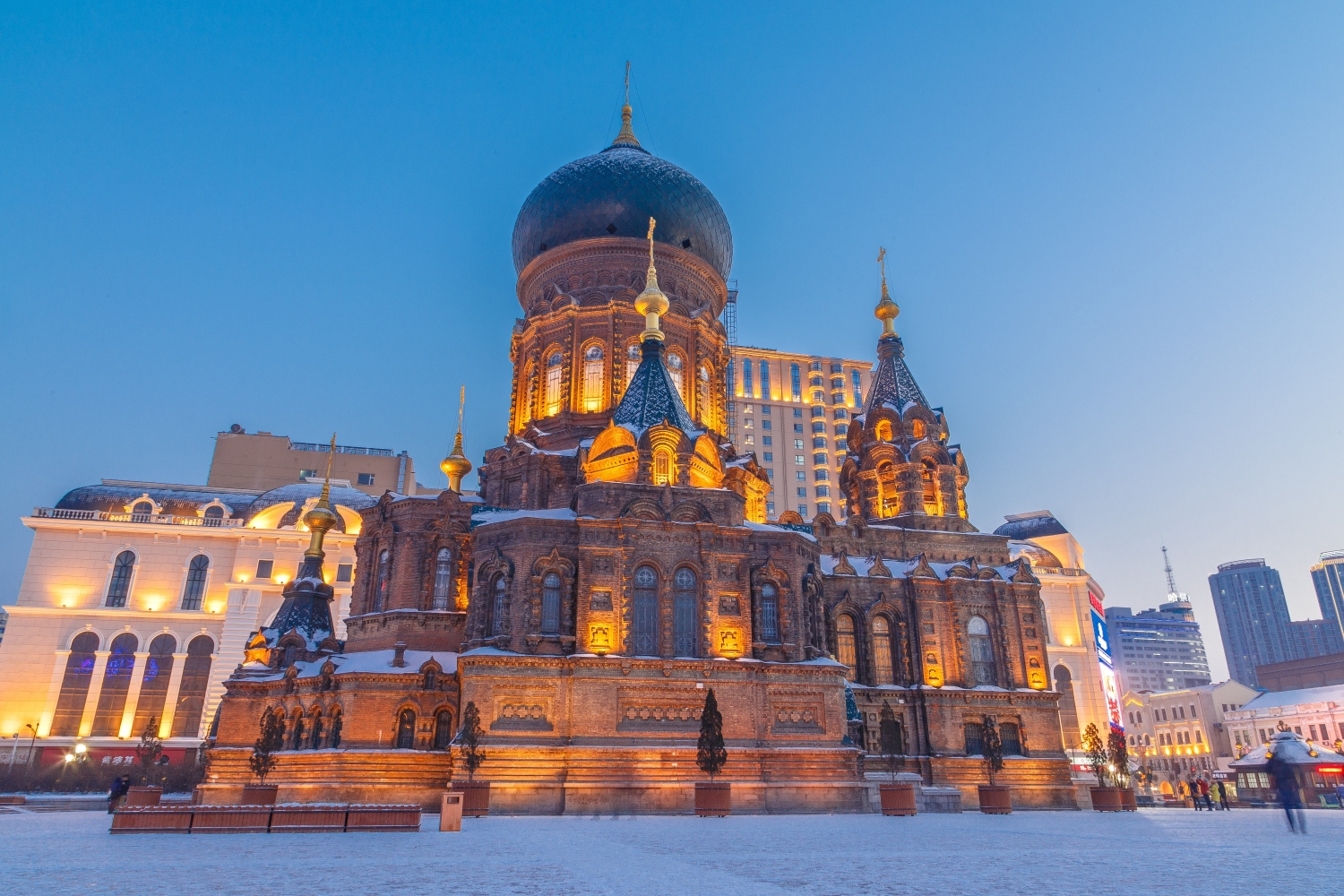
Harbin Brief Guide

Harbin, the capital of China’s northernmost province, is famous for its epic winter ice and snow festival, Russian-influenced architecture, and freezing Siberian climate. From the dazzling Ice and Snow World’s giant illuminated sculptures to historic Central Street and nearby Snow Town, it offers a unique cold-weather adventure. This guide will help you plan your perfect trip!
Harbin Must-try local experiences
Marvel at the World’s Largest Ice and Snow Festival (Winter Only)
Explore Harbin’s iconic winter highlights, including massive snow sculptures at Sun Island Snow Sculpture Art Expo and the glowing, full-size ice buildings with thrilling slides at Harbin Ice and Snow World. These nearby sites offer a mix of daytime natural-light views and evening LED-illuminated spectacles.
Stroll Along Historic Central Street
Walk the 1.4 km cobblestone Central Street lined with preserved early-1900s Baroque and Byzantine architecture. Browse shops for Russian souvenirs like matryoshka dolls and chocolates, and relax at historic cafes.
Visit Saint Sophia Cathedral and Explore Architecture Art Square
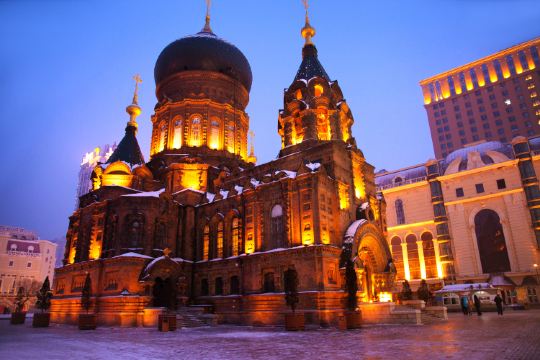
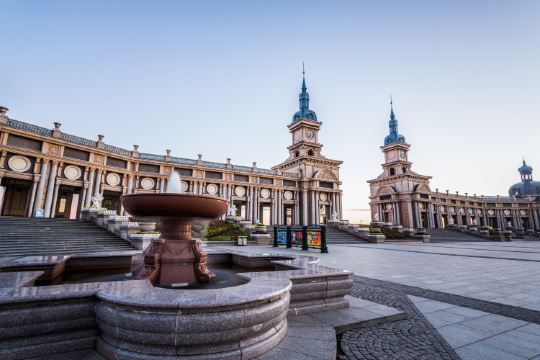
Admire the striking green-domed Saint Sophia Cathedral, home to the Harbin Architecture Art Museum showcasing the city’s multicultural heritage. Wander the surrounding square with restored Russian, Jewish, and Art Nouveau buildings that shine at night.
Encounter Majestic Tigers at Siberian Tiger Park
Ride a protected caged bus through China’s largest Siberia Tiger Park to observe over 1,000 tigers in semi-natural habitats. Optional live feeding sessions provide an intense, up-close wildlife experience.
Enjoy Year-Round Adventures on the Songhua River
In winter, cross the frozen Songhua River by foot or horse-drawn sleigh, try ice skating, ice sailing, or long ice slides. In summer, opt for scenic river cruises or the cable car for sweeping views across the water.
Relax in Harbin's Scenic Parks
Explore Zhaolin Park’s gardens and pavilions year-round, with traditional glowing ice lanterns in winter. Stroll Stalin Park along the riverbank for tree-lined paths, statues, and open spaces perfect for people-watching or picnics.
Savor Northeastern Chinese Cuisine and Harbin Street Foods
Enjoy hearty Northeastern dishes, including crispy sweet-and-sour pork, stir-fried eggplant, potato, and pepper, smoked red sausages, and large dumplings. Sample street favorites like Madie'er popsicles (creamy treats popular even in cold weather) and tanghulu (candied fruit skewers).
Escape to Volga Manor for a Russian-Themed Retreat
Visit this expansive Volga Manor resort just 45 minutes from downtown, featuring replica wooden churches, onion domes, and birch forests. Dine on authentic borscht and black bread, and enjoy seasonal activities from beautiful walks to winter snow play.
Catch a Performance at Harbin Grand Theatre
Attend a concert, ballet, or opera in Harbin Grand Theater - striking futuristic venue designed by MAD Architects. Guided tours are available to explore its innovative design and excellent acoustics.
Discover Underwater Wonders at Theme Parks
See polar bears, penguins, and beluga whales with interactive shows at Harbin Polarland, including its unique polar-themed accommodations. Visit the indoor Poseidon Underwater World for marine tunnels, shark exhibits, and family-oriented aquariums suitable for any weather.
Harbin Must-see Attractions
Harbin, a city renowned for its International Ice and Snow Festival, offers a diverse array of attractions including the world's largest Siberian Tiger Park, a panoramic Songhua River cableway, the historic St. Sophia Cathedral and adjacent Sophia Square, and the unique Harbin Polarpark, providing visitors with experiences ranging from wildlife conservation to architectural history and polar-themed entertainment.
Northeast Tiger Forest Park



Northeast Tiger Forest Park, also known as Siberian Tiger Park, is a unique wildlife sanctuary located in Harbin, dedicated to the preservation of the endangered Siberian tiger. As the world's largest reserve for these majestic animals, the park offers visitors the chance to observe over 1,000 purebred Siberian tigers, along with other species such as white tigers, lions, and leopards, in a setting that mimics their natural habitat. Unlike traditional zoos, guests can safely watch these powerful creatures from the security of a caged bus, witnessing their natural behaviors as they roam, play, and even engage in hunting simulations with live feedings. The park also features a Popular Science Exhibition Hall, where visitors can enrich their knowledge about tiger conservation. The best times to visit are summer and winter, when the park's wild training field is open, providing an even more thrilling experience as tigers demonstrate their hunting prowess.

 JohnWick | 2025These two attractions are practically must-sees for any trip to Harbin. The tigers at the Northeast Tiger Park were basically all stuffed after the Lunar New Year holiday; I was among the first to arrive yesterday, and the large golden shaded tigers were already in a "take it or leave it" state! 😂😂😂
Songhua River Sightseeing Cableway
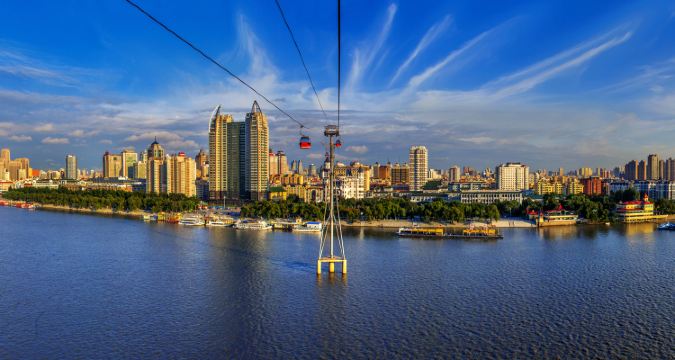

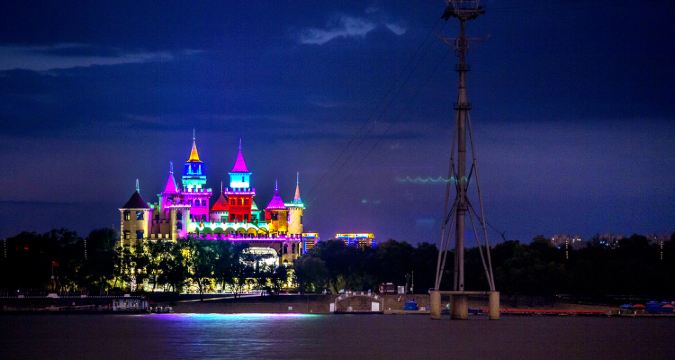
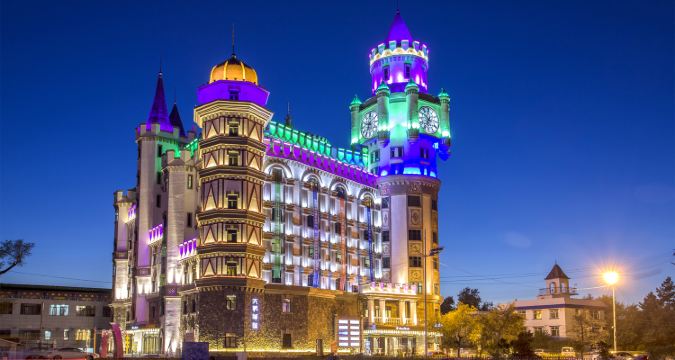
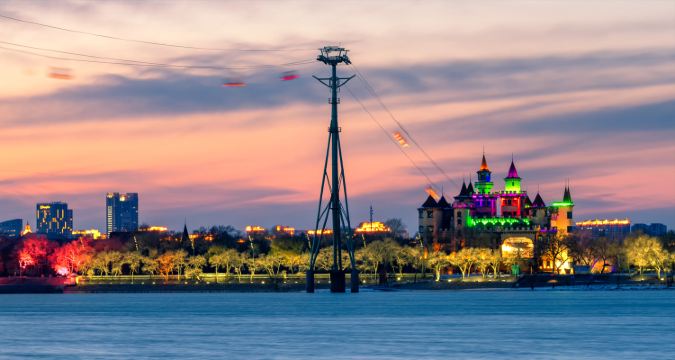
The Songhua River Sightseeing Cableway in Harbin offers a unique vantage point to appreciate the beauty of the Songhua River and its surroundings. As a prominent feature of the region, the cableway provides a panoramic view of the river's vast floodplain and the thick forests of Da Hinggan Ling, Xiao Hinggan Ling, and Changbai Mountains. In winter, the area is known for the enchanting phenomenon of soft rime, which draws tourists from around the globe. The ropeway itself spans 1156 meters, with a midpoint bridge towering over 70 meters above the river, allowing for an unobstructed view of the landscape and the river's charming waves and ripples. Visitors can experience the thrill of gliding over the river to reach the Sun Island Scenic Area, making it a famous tourist route in Harbin.

St. Sophia Cathedral
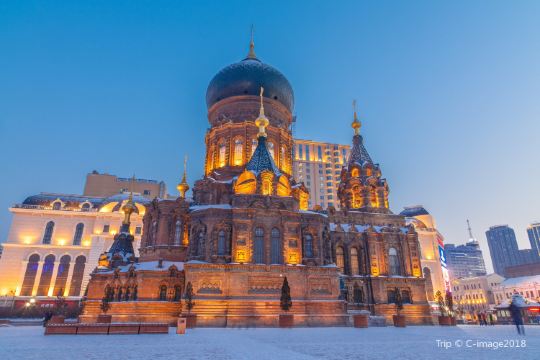
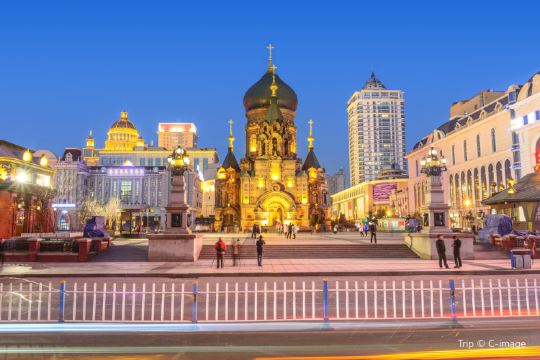
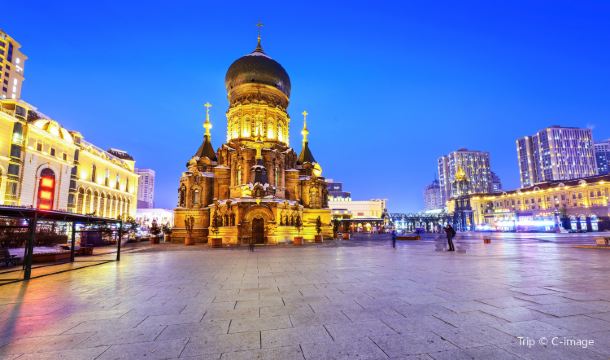
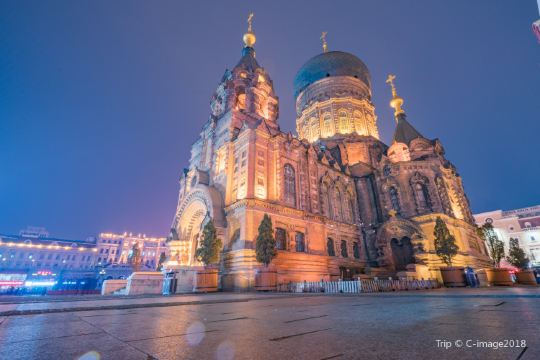
St. Sophia Cathedral, a city known for its International Ice and Snow Festival and Siberian Tiger Park, stands as a testament to the city's rich cultural tapestry. This Byzantine-style cathedral, built in 1907 and completed in 1932, is the largest Eastern Orthodox church in the Far East. With its magnificent green onion dome and red brick walls, the cathedral is a striking example of Neo-Byzantine architecture. Visitors can explore the Harbin Architecture Art Gallery housed within, which displays over a thousand photographs that narrate the history of Harbin. The cathedral's bell tower, once home to seven bells that could be heard for kilometers, adds to the historical charm of the site.
Sophia Square
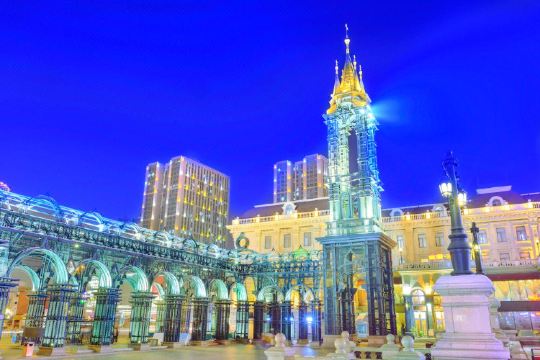
Visitors to Sophia Square can admire the cathedral's grandeur, explore the gallery's thematic exhibitions, and enjoy the square's European architectural ambiance. The square, with its leisure plaza, offers a space for relaxation and cultural activities, such as pottery and cinema, amidst its picturesque setting. The best time to visit is from mid-November to late March, when the cathedral's splendor can be fully appreciated.
Harbin Polarpark
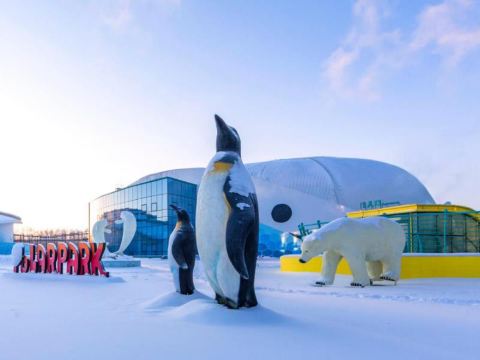

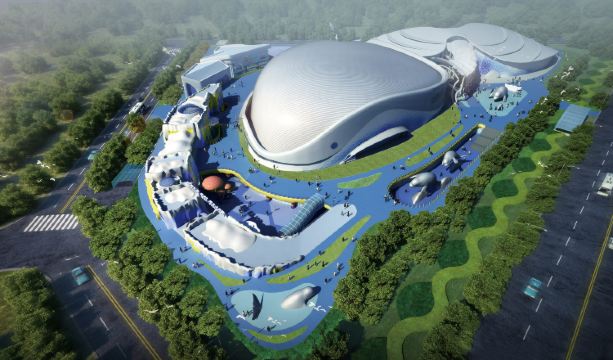
Harbin Polarpark, acclaimed as the world's first polar performing entertainment theme park, is a standout attraction in Harbin, offering visitors an immersive experience with polar wildlife and a variety of themed shows. The park is celebrated for its diverse array of polar animals, including the famous Antarctic penguin Manbo, the world's first penguin born in an inland city, and serves as the mascot of Harbin city tourism. With its unique underwater performance drama featuring beluga whales, Harbin Polarland provides a magical spectacle that has garnered international recognition. The park's themed areas, such as the Da Hinggan Ling and Fisherman's Wharf, enhance the visitor experience by simulating natural environments and offering interactive experiences. Harbin Polarland is not only a place to witness the charm of polar animals but also to enjoy captivating performances, making it a must-visit destination for nature lovers and those seeking entertainment alike.
Harbin Food Guide
Harbin, a city in Northeastern China, is renowned for its culinary delights such as the sweet and sour Guo Bao Rou, the street snack Grilled Cold Noodles, the culturally symbolic Harbin Red Sausage, and the traditional Pig Slaughter Dish, each reflecting the region's rich gastronomic heritage and local flavors.
Guo Bao Rou

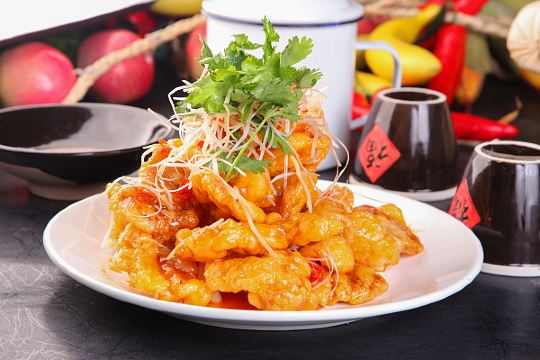
A traditional Northeastern Chinese dish originating from Harbin, it primarily uses pork tenderloin as the main ingredient, while Halal restaurants substitute beef for pork. Guo Bao Rou is golden in color, with a sweet and sour taste, crispy on the outside and tender on the inside. It is a landmark delicacy of Harbin and has been included in the national "Landmark Delicacies Directory". The cooking process includes slicing, marinating, coating with batter, frying until golden brown, then stir-frying with thickened sauce, and finally drizzling with a prepared sweet and sour sauce. It is recommended to be consumed hot to maintain its optimal flavor.
Grilled Cold Noodles


Grilled Cold Noodles are one of the characteristic snacks of the Northeast region, originating from Mishan City in Heilongjiang Province's Jixi City. Its preparation method is simple: place the cold noodle dough on an iron plate, add ingredients such as eggs, sausages, onions, etc., and grill, then brush with a special sauce. The taste is moderately salty and sweet, and it is very popular with people. Grilled Cold Noodles are not only a street snack but have also become a common memory of the Northeastern youth, a culinary miracle created by an era.
Harbin Red Sausage
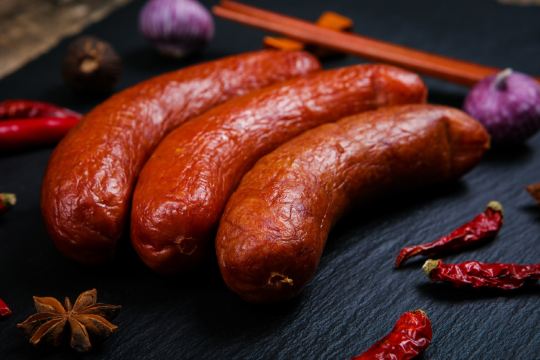

Originating from Russia, Harbin Red Sausage is a type of sausage made from pork, starch, garlic, and other ingredients. It has a jujube-red color and a rich, delicious taste. This sausage is made through multiple processes including marinating, stuffing, filling, baking, boiling, and smoking, giving it a unique smoky flavor. It is fatty but not greasy and is nutritionally rich. Harbin Red Sausage is not only an authentic Northeastern specialty but also a cultural symbol with a hundred years of history. It can be eaten directly or used in various cooking methods such as frying, stir-frying, and boiling in soups.
Pig Slaughter Dish
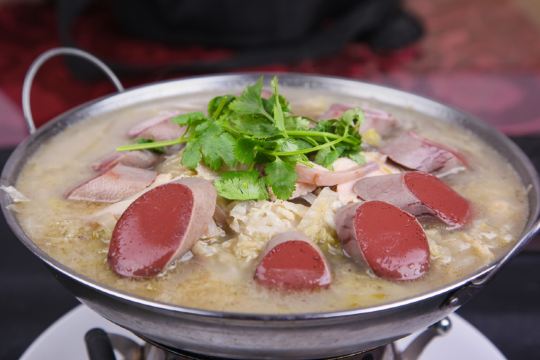
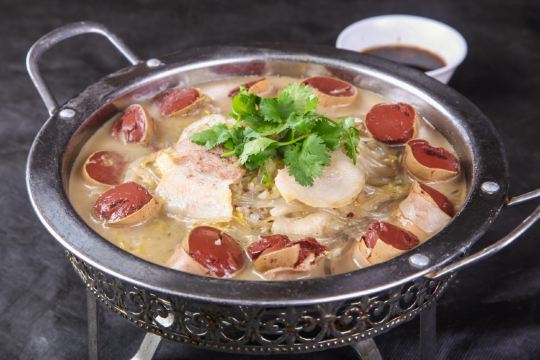
Pig Slaughter Dish is a Northeastern specialty cuisine, particularly popular in the Harbin area. It is a series of stewed dishes cooked from various parts of the pig. This dish originates from the traditional practices of Northeastern rural areas, where every household would cook Pig Slaughter Dish during the pig slaughtering season at the end of the year. It has now developed into a representative delicacy of Harbin. The preparation of Pig Slaughter Dish is exquisite, with main ingredients including pork belly, blood sausage, pickled vegetables, etc. Various seasonings are also added during cooking, making the dish both delicious and not greasy, much loved by diners.
Harbin Transportation
How to Get There
Harbin's transportation network makes it accessible year-round, though winter snow can cause minor delays—plan ahead for flights and trains during the Ice Festival (January–February).
By Air
Harbin Taiping International Airport (HRB), 33–41 km northwest of downtown (40–60 min drive). Serves 50+ routes to major Chinese cities (Beijing 2h, Shanghai 3h, Guangzhou 4h, Shenyang 1.5h) and international spots like Seoul, Osaka, Vladivostok, and Los Angeles.
Airport → City options:
Airport shuttle buses (8 lines, ¥20, 50–70 min to Harbin Railway Station or Central Street; runs 6:00 AM–last flight).
Taxi/Didi: ¥100–150, 40–60 min (insist on meter; app English-friendly).
By Train
Harbin West Railway Station (HSR hub, 10 km southwest of the center) and Harbin Railway Station (central, near attractions). Over 100 daily HSR trains.
From stations: Metro Line 2/3 to center (¥2–5, 10–20 min) or Didi (¥20–50).
Local Transportation
Harbin's local transport is efficient and tourist-friendly, with a growing metro network ideal for winter warmth, plentiful taxis and ride-hailing, plus cheap buses.
Metro
Three lines (1, 2, and loop Line 3) connect key areas, including Central Street, Harbin Railway Station, West Railway Station, and Ice and Snow World. Clean, heated, with English signage/announcements; fares ¥2–6; runs 6:00 AM–10:30 PM.
Public Buses
Over 100 routes cover the city extensively, including tourist spots; flat fare ¥1–2 (exact cash or QR/mobile pay). Affordable but crowded in winter; limited English—use Amaps or the Alipay app for routes and real-time tracking.
Taxis
Metered and abundant; reliable for short trips, but drivers rarely speak English—have destinations in Chinese.
Ride-Hailing (Didi)
Download the Didi app (English interface available); often cheaper than taxis with multiple car options (including taxis), cashless, upfront pricing.
Shared Bikes
Apps like HelloBike (blue), Meituan (yellow), or Didi Qingju (green) via Alipay/WeChat; ¥1.5–3 per 30 min. Convenient in summer along Central Street or riverside, but avoid in winter due to ice and snow.
Harbin Where to Stay
Harbin is a fascinating destination that offers a diverse range of accommodation options, each with its own unique characteristics and charm. The city's accommodation scene is a reflection of its regional diversity, providing options for every type of traveler, from those seeking luxury experiences to budget-conscious visitors.
Zhongyang Street
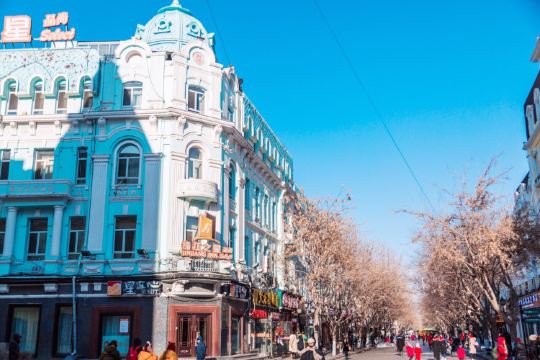
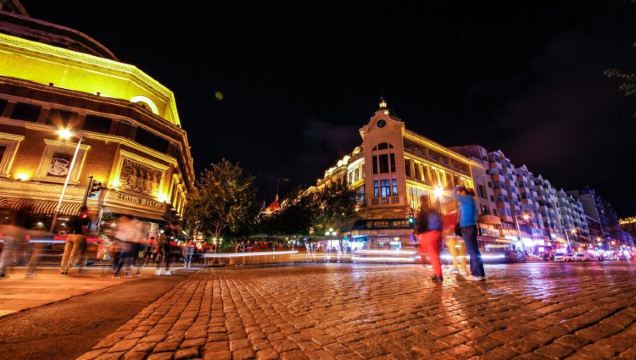
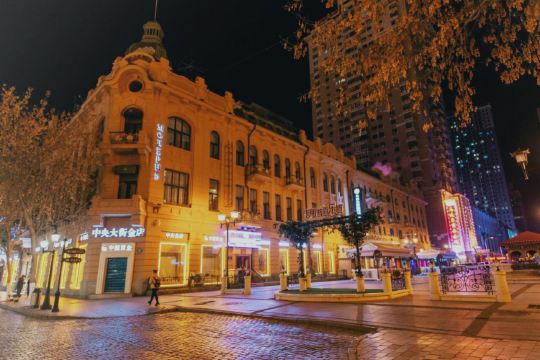
Architectural Charm: Central Avenue, or Zhongyang Street, showcases a variety of European architectural styles. Its exotic history has earned it the nickname "The Eastern Moscow," making it a haven for architectural enthusiasts and history buffs.
Shopping and Dining: A hub with numerous shops and restaurants, it offers everything from local crafts to international brands, along with a mix of cuisines, including authentic Russian fare. Ideal for those seeking Harbin's vibrant commercial scene.
Nearby Attractions: Zhongyang Street is close to the Songhua River, Zhaolin Park, and St. Sophia Cathedral, making it convenient for visitors to explore the city's cultural landmarks by foot."
St. Sophia Cathedral
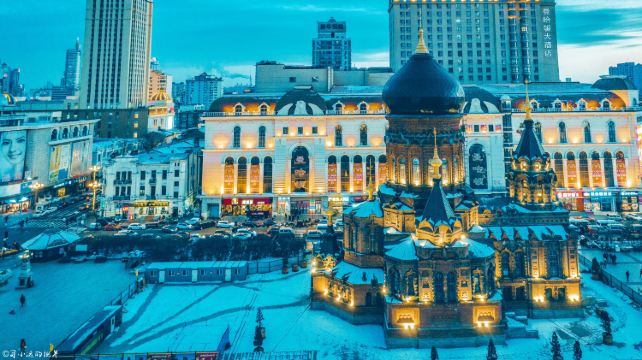
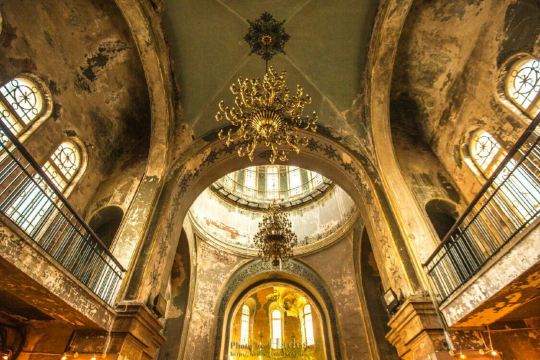
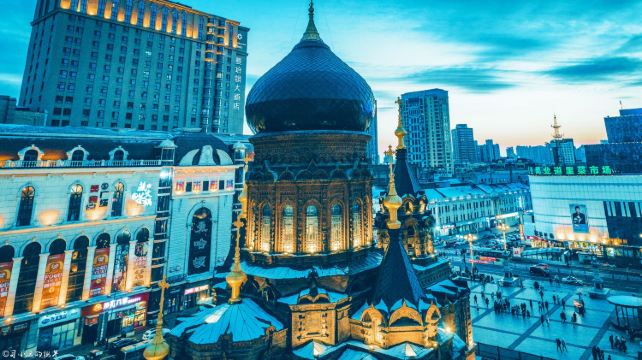
Cultural Experience: Staying by St. Sophia Cathedral allows immersion in Harbin's rich cultural legacy. This Byzantine architectural gem isn't just visually stunning but also houses an art gallery depicting Harbin's historical and cultural journey.
Serene Ambiance: The vicinity of St. Sophia Cathedral is a quiet haven compared to the lively Zhongyang Street, providing a peaceful retreat yet remaining near central Harbin.
Accessibility: Its location ensures convenient public transport, facilitating city exploration and visits to attractions like the Ice and Snow World and other festival sites in winter.
Harbin Ice and Snow World
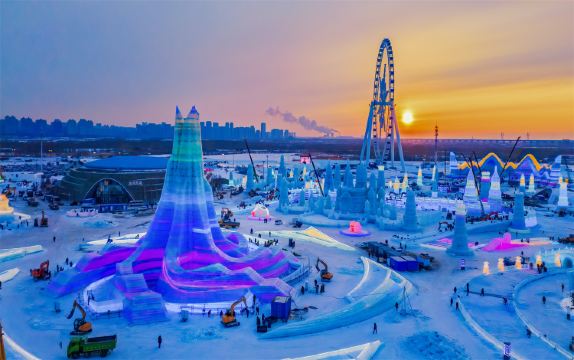
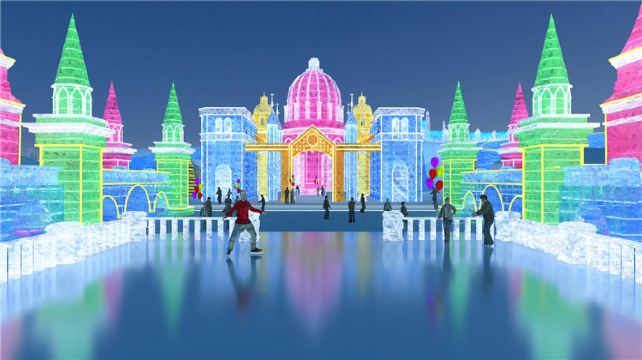
Winter Wonderland: Attending the Harbin Ice and Snow Festival situates visitors at the festivities' core, near the Ice and Snow World. This zone becomes a magical ice and snow realm, boasting stunning sculptures and activities that honor the winter season.
Family-Friendly Entertainment: The Ice and Snow World hosts a variety of winter sports and cultural events for all ages, perfect for families desiring the complete Harbin winter experience.
Nighttime Spectacle: The sculptures and edifices, bathed in colorful lights at night, are easily viewed from nearby accommodations, sparing guests the need to travel far for the illuminated ice masterpieces.
Harbin Best Time to Visit


Harbin Travel Tips
1. Set Up Alipay or WeChat Pay Before Arrival
Harbin is increasingly cashless, with vendors at night markets and attractions often preferring QR codes. Download Alipay or WeChat, link your international card, and verify your identity pre-trip to pay seamlessly for metro fares, street food, and souvenirs.
2. Dress in Multiple Insulating Layers
Harbin's winter temperatures can drop below -30°C (-22°F). Wear thermal base layers (merino wool or synthetics), fleece or down mid-layers, and a waterproof/windproof outer shell. Bring high-quality, cold-rated boots, thick wool socks, insulated gloves/mittens, a warm hat that covers your ears, and a scarf or face mask.
3. Use Didi for Safe Winter Rides
Taxis can be hard to hail in blizzards—download Didi for English-friendly ride-hailing, upfront pricing, and heated cars. It's usually cheaper than metered taxis.
4. Book Ice and Snow Festival Tickets in Advance
The Harbin International Ice and Snow Sculpture Festival is the main draw. Buy tickets for the Ice and Snow World ahead of time, as lines can be long and tickets may sell out during peak season. Check official sources for opening dates which are typically from late December to February.
5. Protect Electronics from the Cold
Batteries drain rapidly in extreme cold. Keep phones, cameras, and power banks in an inner pocket close to your body heat. Carry a portable power bank and use devices quickly when exposed to the elements to preserve battery life.
6. Carry Your Passport for ID Checks
Chinese law requires you to carry your passport at all times. You will need it for police checks, hotel check-ins, and booking real-name entry tickets for major attractions.
Harbin Useful Guide
Local Language
Mandarin Chinese (Standard Chinese, using Simplified characters) is the official language in Harbin and across China.
Navigating with English is challenging outside major tourist spots like the Ice and Snow Festival or Central Street, where bilingual signage and basic English from younger locals (under 40) or staff can help. Rely on translation apps.
Local APP
Alipay: Super-app for payments, ride-hailing, and attraction tickets; link international cards or use it via TourCard for foreigners.
WeChat: All-in-one for messaging, payments (WeChat Pay), and mini-programs like bookings; essential for contacting locals or guides.
Didi: Ride-hailing like Uber; English interface, cashless, great for cold-weather taxis to Ice World.
Amap (Gaode Maps): Accurate navigation with English support; real-time metro/bus routes, offline maps for Central Street.
Baidu Maps: Alternative mapping app; integrates transport and translation, useful for rural spots like Volga Manor.
Google Translate or Papago: Instant text/camera translation for menus and signs; Papago for better Mandarin accuracy.
Internet and Communication
Harbin offers strong 4G/5G coverage in the city center and tourist areas. Free public Wi-Fi ("iHarbin" or hotel/cafe networks) is available at MRT stations, malls, and attractions, but often requires passport registration and is slow/insecure.
For mobile data, eSIMs are easiest: buy from Airalo, Nomad, Holafly, or Saily; activate via QR pre-flight on compatible phones.
Physical SIMs (¥100–300 for 10–30GB/30 days) from China Mobile/Unicom/Telecom counters at Taiping Airport; pocket Wi-Fi rentals (¥150–250/day) suit groups but need airport pickup.
Currency and Payment
China's currency is the Renminbi (RMB or CNY).
Digital payments dominate (90%+ transactions), but cash is still accepted in most places.
Cash: Carry ¥100–300 in small bills (¥10–50) for emergencies—accepted widely but change scarce for ¥100+ notes.
Cards: Visa/Mastercard/JCB accepted at hotels, malls, and chains (tap/contactless common); Amex limited—use no-fee cards like Wise; 2–3% foreign fees apply.
Digital Payments: Alipay/WeChat Pay via QR code (link international cards or preload TourCard in-app); ideal for everything from metro to Ice tickets—set up pre-trip.
Weather in Harbin

-7°
/
-16°

-2°
/
-13°

-5°
/
-20°
-7°
/
-10°
2°
/
-4°
5°
/
-5°

8°
/
-4°
 Trending in Harbin
Robot dog hits the ice in Northeast China@Songhua RiverRobot dog hits the ice in Northeast China
Harbin's massive snow rave returns@China Harbin Ice And Snow WorldHarbin's massive snow rave returns
The Terracotta Army has slept for millennia, yet still has to rise for "ice duty"@China Harbin Ice And Snow WorldAfter sleeping for thousands of years, the Terracotta Army still has to get up for "ice duty"
Harbin: FAQ

What's the most popular attractions in Harbin?
Things to do near Harbin for family & child?
Any recommended attractions about nature scenery in Harbin?
How to get to Harbin from Nanjing?
How to get to Harbin from Guangzhou?
How to get to Mohe from Harbin?
Popular destinations
Bangkok
Tokyo
Kuala Lumpur
Los Angeles
Shanghai