Iceland 2025 Guide: Must-see attractions, local cuisine, and practical tips! | Trip.com
 Local GuidesLast updated on Trip.com: 03/01/2025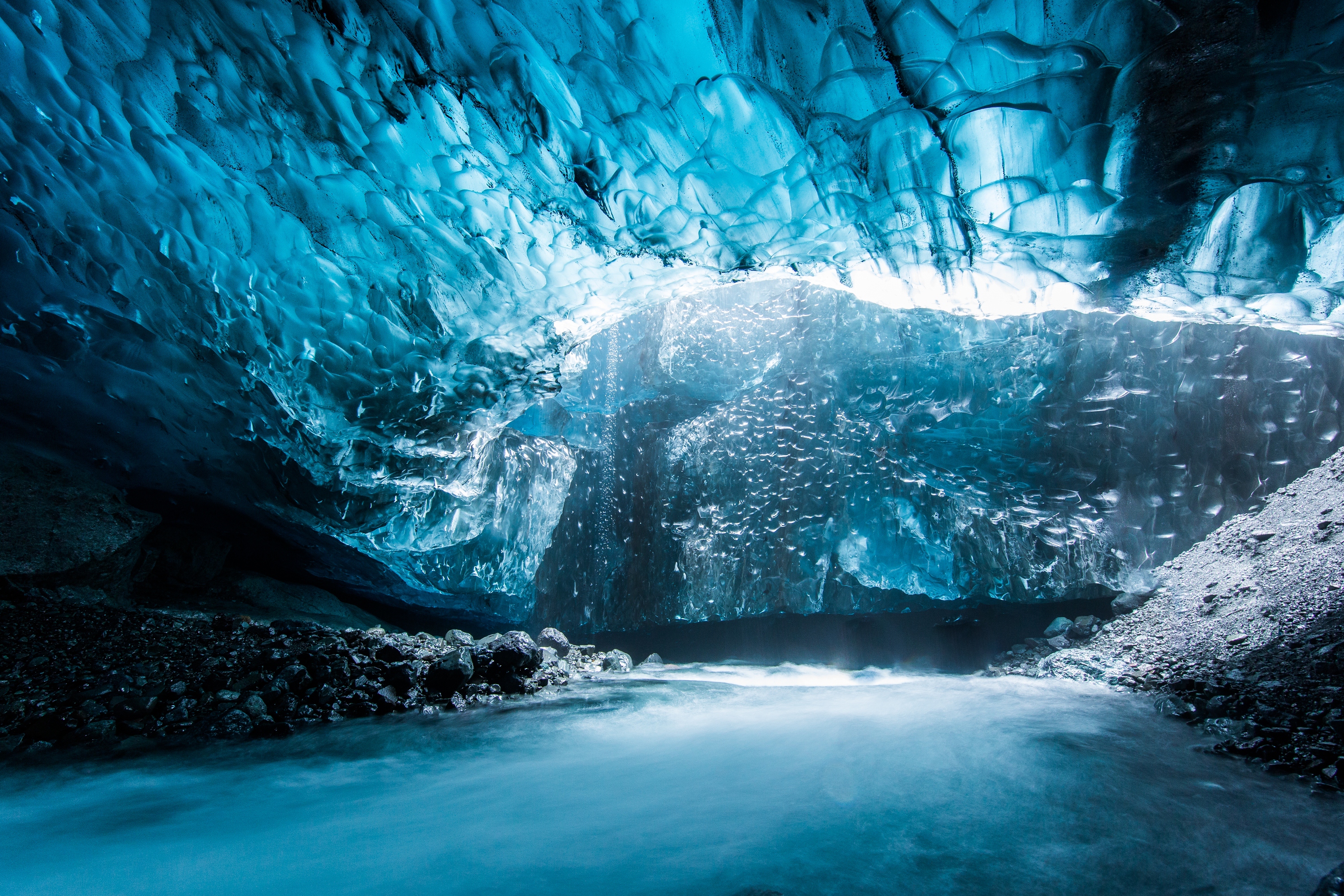
Iceland Brief Guide
Iceland, the land of fire and ice, offers a stunning array of natural wonders, from volcanoes and glaciers to geothermal springs and fjords. It's a paradise for nature enthusiasts and adventurers, with the chance to see the northern lights and soak in the Blue Lagoon's geothermal spas.
Rich in history and culture, Iceland was settled by Norsemen in the 9th century, boasting the world's first parliament at Þingvellir and a literary legacy rooted in medieval sagas. Reykjavik, the capital, has a vibrant arts and music scene, blending historical elegance with modern flair.
Tourist attractions in Iceland are diverse, with Þingvellir National Park combining historical importance with natural splendor as part of the Golden Circle. The Gullfoss waterfall and Strokkur geyser are natural highlights, while Reykjavik's streets are lined with museums, galleries, and eateries, topped off with views from the Hallgrimskirkja church.
Iceland Must-try local experiences
Witness the Northern Lights Dance
Experience the magic of the Aurora Borealis, best viewed from September to April in areas with minimal light pollution. Photograph the Northern Lights over Thingvellir National Park's dramatic landscapes, ideal for stunning photos.
Explore the Golden Circle
Journey through Iceland's Golden Circle, featuring Thingvellir National Park, the Geysir Geothermal Area, and Gullfoss Falls. You can also try special experiences such as snowmobiling, snorkelling in the Silfra Rift and riding Icelandic horses.
Soak in Natural Hot Springs
Relax in the Blue Lagoon's milky-blue geothermal waters surrounded by lava fields. Visit Reykjadalur Valley for a secluded bathing experience.
Embark on a Glacier Hike
Hike across Iceland's glaciers with guided tours that provide equipment and safety instructions. Enjoy breathtaking views of ice formations.
Lava Show in Iceland
The Lava Show is a display of magma heated to 1100°C in a safe environment. It allows visitors to experience the flow and changes of the magma up close and provides a deeper understanding of Iceland's volcano background, the principles, and the history of eruptions through videos and explanations.
Experience the Iceland Airwaves Music Festival
The Iceland Airwaves Music Festival takes place in Reykjavík every November and takes its name from the first gig held in 1999 in the hangar of an airline. The festival consists of not only formal performances, but also informal smaller shows that take place in a variety of venues at the same time, including small bars, coffee shops, bookstores, hotels, and more.
Savor Icelandic Culinary Delights
Sample traditional Icelandic dishes like skyr, hangikjöt, and fresh seafood. Don't miss the catch of the day.
Shop for Icelandic Wool Products
Find high-quality wool products like handknitted sweaters at stores such as the Handknitting Association of Iceland.
Capture the Beauty of Jökulsárlón Glacier Lagoon
Photograph the floating icebergs at Jökulsárlón Glacier Lagoon and the nearby Diamond Beach.
Explore Ice Caves
Take guided tours to ice caves in glaciers like Vatnajökull during winter for a surreal experience.
Take a Whale Watching Tour
Join a whale-watching tour from Reykjavik or Husavik to see various whale species up close.
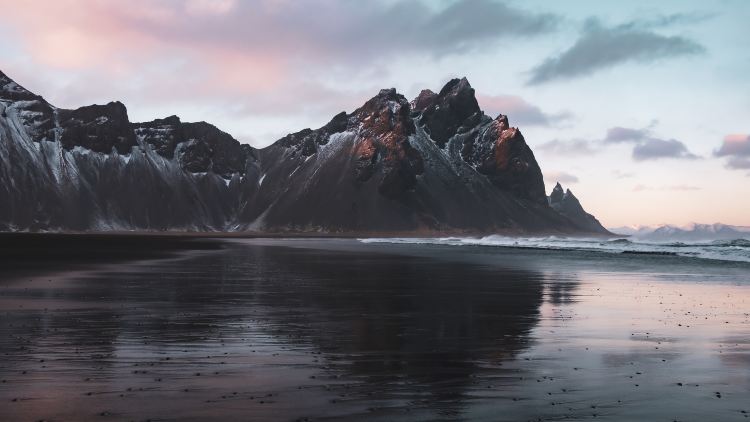
Photograph the Black Sand Beaches of Vik
Capture the dramatic landscapes and basalt columns of Vik's black sand beaches, especially Reynisfjara.
Iceland Best cities to visit
Reykjavik
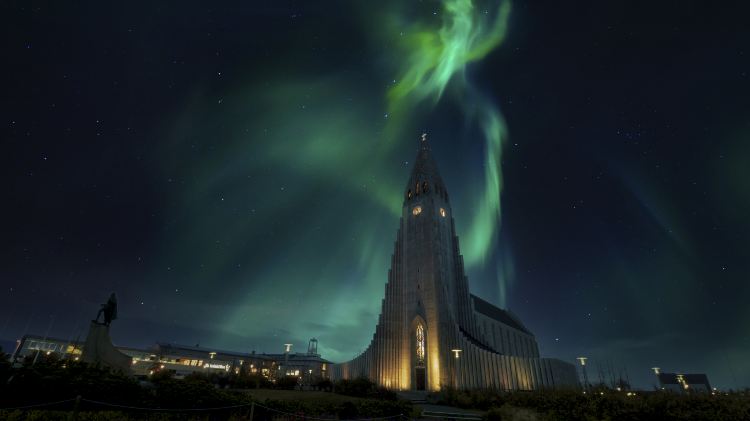
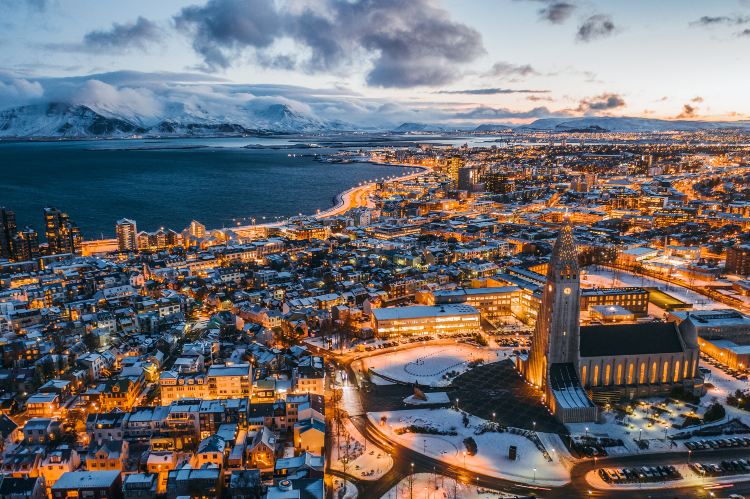
Reykjavik, on the coast of Iceland, is the country's capital and largest city. Known for its endless summer days and long winter nights, Reykjavik teems with life. The city’s vibrant arts and music scenes are always showcasing something new. Set astride the Mid-Atlantic Ridge, Reykjavik’s spirit swells from its deep reservoirs of geothermal energy. Spend some time down by the harbor where you can enjoy the freshest North Atlantic seafood catches, then take in an art gallery or two before retiring to one of the city’s famous hot springs. From there you can enjoy splendid views of the Northern Lights. Iceland’s Viking history is ever-present and the city is a fantastic place for families with children. Unspoiled nature, majestic beauty, and friendly residents; truly, Reykjavik is an incredible destination.
Akureyri
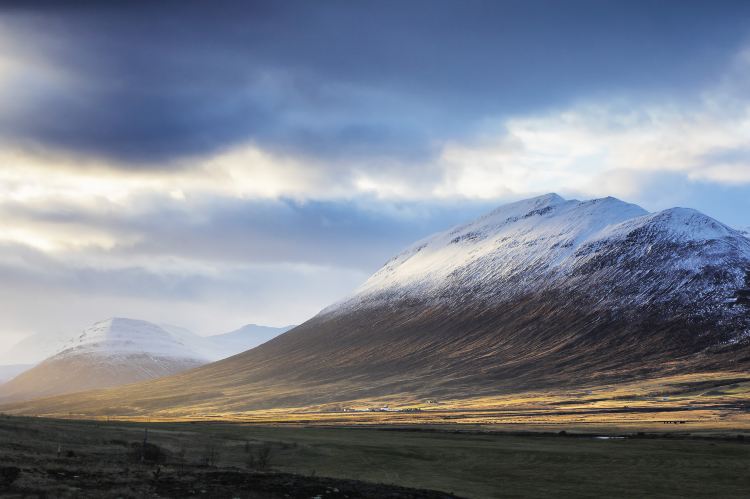
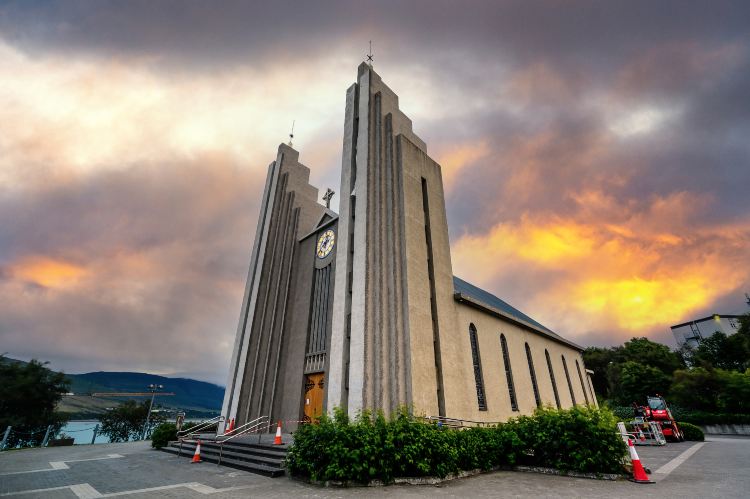
Akureyri, known as Iceland's "Capital of the North," is a destination with both rich history and vibrant modern culture. As the country's second-largest city, it houses approximately 20,000 inhabitants and features a variety of attractions, from the historical Akureyri Church to the contemporary Akureyri Art Museum. Visitors can explore abundant natural beauty and engage in adventures such as whale watching and Northern Lights hunting. This charming city offers a unique blend of experiences for all who visit, making it a must-see in northern Iceland.
Vik
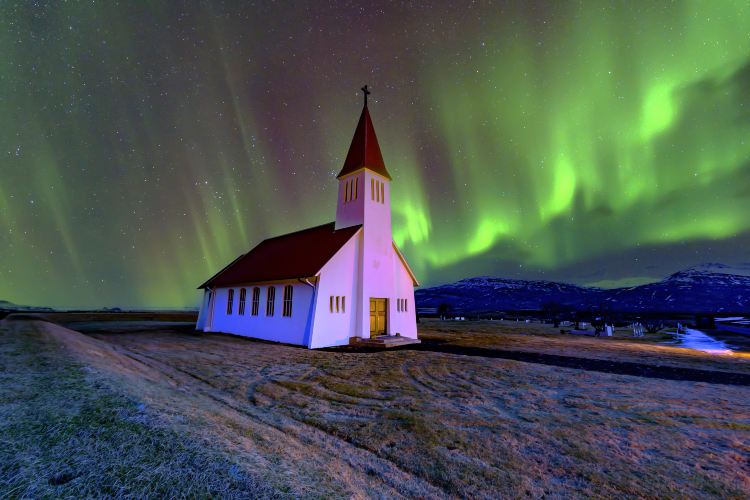
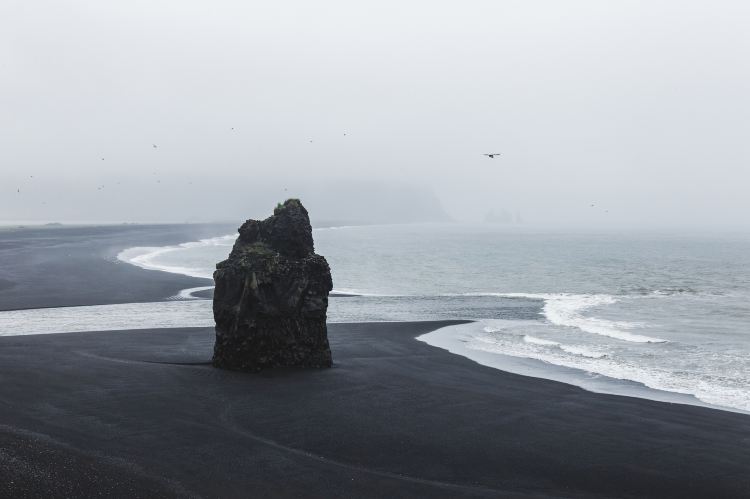
Vik, known as Vik í Myrdal, is the southernmost village in Iceland and a paramount spot for tourists exploring the Icelandic South Coast. It offers picturesque views of black sand beaches, dramatic cliffs, and unique geological formations. Famous for its proximity to natural attractions like the Reynisfjara Black Sand Beach and the Dyrhólaey cliffs, Vik provides a rich birdwatching experience and serves as a gateway to the larger Vatnajökull National Park. Rich in history, from early settlements to playing a critical role during volcanic disruptions, Vik captures the essence of Icelandic culture and resilience.
Iceland Transportation
How to Get There
Travelers to Iceland primarily use air or sea routes. Most international flights arrive at Keflavík International Airport, which serves as a major hub with numerous airlines operating year-round. For sea travel, the M/S Norröna ferry operates from Denmark, providing weekly service and allowing passengers to bring vehicles.
Local Transportation
In Iceland, the primary mode of public transportation is operated by Strætó, which provides bus services both in Reykjavík and throughout the country. The bright yellow buses are distinct and cover a comprehensive network, although there is no all-encompassing hop-on/hop-off pass for the entire island. For off-the-beaten-path exploration or navigating tougher terrains, numerous car rental options are available, including economy cars and more robust SUVs for highland F roads. Additionally, ferries serve as a vital link for traveling to various islands and fjords, significantly during the summer months when services are more frequent.
Iceland Best Time to Visit
Best Time to Visit
The optimal time to visit Iceland to witness the Northern Lights is between September and March. This period provides long, nights ideal for observing these ethereal lights. Specifically, the chances are higher around the equinoxes in March and September. For those interested in exploring Iceland's vibrant summers, the best months are between June and August, when you can experience the midnight sun, warmer temperatures, and possibly spot some wildlife.
Iceland Travel Tips
1. Book Blue Lagoon in Advance
The Blue Lagoon is one of Iceland's most popular attractions and requires advance reservations. It can get fully booked, especially during peak seasons. Pre-booking is essential to secure your desired date and time. Tickets have a one-hour window of flexibility for arrival. Make your reservation early to avoid disappointment.
2. Check Road and Weather Conditions
Icelandic weather can be unpredictable. Always check road conditions on the official website safetravel.is before embarking on a journey, especially during winter. Many interior roads (F-roads) are only accessible by 4x4 vehicles and are closed in winter. Check road conditions, weather warnings, and vehicle requirements before planning your route. Always heed wind and weather warnings to ensure a safe trip.
3. Geysir Area Safety
In the Geysir geothermal area, stay within the designated paths and viewing areas to avoid injury from hot water and steam. The water can reach temperatures between 80-100°C. Always wear sturdy shoes for good grip and avoid testing the water temperature with your hands. Be cautious of wind direction as it can blow hot water droplets.
4. Midnight Sun Phenomenon
From mid-May to mid-August, Iceland experiences nearly 24 hours of daylight. Bring an eye mask if you're sensitive to light when sleeping. Enjoy outdoor activities like hiking, whale watching, and visiting waterfalls under the midnight sun. Popular spots include Seljalandsfoss and Gljufrabui Waterfalls, and Jokulsarlon Glacier Lagoon.
5. Be Wary of Sneaker Waves
Iceland's beaches, like Reynisfjara, are known for dangerous sneaker waves. Stay well away from the water's edge to avoid being swept away. Always heed warning signs and stay in designated safe zones. Sneaker waves can appear without warning and are powerful enough to drag people into the ocean.
6. Glacier Safety
Never attempt to explore glaciers without a certified guide. Hidden crevasses and unstable ice make glaciers extremely dangerous for inexperienced visitors. Always use proper equipment like crampons and helmets, and follow safety instructions from your guide. Check weather forecasts and choose a hike that matches your experience level.
7. Drone Regulations
Drone usage is regulated in Iceland. Avoid flying drones in national parks, near airports, or in densely populated areas without proper permits. Drones must not exceed 120 meters in altitude and must be kept within the pilot's line of sight. Respect privacy and avoid flying over crowds or public buildings and be at least 150 meters away from public buildings. In addition, stay away from planes, vehicles, and boats.
8. High Cost of Alcohol
Alcohol is expensive in Iceland. Consider purchasing duty-free alcohol upon arrival to save money during your stay.
9. Strict Off-Road Driving Laws
Driving off-road is illegal in Iceland due to environmental protection laws. Stick to marked roads to avoid hefty fines and protect the delicate ecosystems. Off-road driving can cause significant damage to vegetation and wildlife habitats, and is punishable by severe penalties. Instead, explore Iceland's highland F-roads with a 4x4 vehicle for a legal and thrilling adventure.
10. Camping Regulations
Wild camping is restricted in Iceland. Use designated campsites and obtain landowner permission if camping on private property. It is illegal to camp in vehicles outside organized campsites or urban areas. Always follow Leave No Trace principles to protect the environment.
Iceland Useful Guide
Safety notice
When traveling in Iceland, always prioritize being prepared for natural hazards such as volcanic eruptions, earthquakes, and sudden weather changes. The Icelandic Meteorological Office offers crucial alerts and safety guidelines. Be especially cautious when driving; adhere to local driving laws, avoid distracted driving, and never stop abruptly on the road for pictures.
In any emergency, dial 112 - the primary emergency contact for police, fire, and medical assistance. This number can also connect you with search and rescue services. To be always prepared, download the '112 Iceland' app to send your GPS location to emergency services, ensuring a quicker response, especially in remote areas.
Always check road conditions and the weather forecast before venturing out, particularly during the winter, and remember that appropriate preparation can significantly mitigate risks.
Local Language
Icelandic is the national and official language of Iceland, spoken by a vast majority of the population. While Icelandic has remained relatively unchanged over the centuries, English is also widely spoken, making communication for travelers easier. Travelers can enhance their experience by learning key Icelandic phrases such as "já" (yes), "nei" (no), and "takk" (thank you). Translation apps and local guides can also assist in overcoming language barriers, ensuring a smooth visit to this culturally rich nation.
Local APP
Vedur: A vital app that provides weather forecasts and alerts to help you adjust your plans in Iceland's unpredictable weather. Download this app to stay prepared during your travels.
Klappið: The official public transportation payment app in Reykjavik, allowing you to easily purchase and validate bus tickets and passes on your smartphone, enhancing your commuting experience.
Safe Travel: Keep this website bookmarked for comprehensive travel safety information, alerts, and the ability to register your itinerary when exploring Iceland, especially useful in remote areas.
Road.is / Færð og Veður: Either bookmark Road.is or download the app for real-time updates on road conditions, crucial for safe driving across Iceland, particularly in severe weather.
Parka: Use this app for hassle-free parking payments in key locations, including Reykjavik and various tourist destinations across Iceland.
Plug adapters
In Iceland, power plugs and sockets are of types C and F, with a standard voltage of 230V and a frequency of 50 Hz.
Internet and Communication
Mobile data packages for visitors in Iceland are available from the major telecommunications providers such as Siminn, Vodafone Iceland, and Nova. Siminn offers a prepaid plan with 10GB of mobile data for around $23 USD , while Vodafone Iceland's prepaid plans start from approximately $13 USD for 3GB of data. Nova provides options ranging from 2GB for about $16 USD to 100GB for around $29 USD. These SIM cards can be purchased at various locations including Keflavik Airport upon arrival.
Public WiFi is widely accessible throughout Iceland, with free WiFi available at Keflavik Airport, hotels, cafes, and restaurants. In Reykjavik, you can find Wi-Fi access throughout the city center, and many hotels and guesthouses outside of the capital area offer internet connection. For those traveling by car, rental car companies may include WiFi in the vehicle, and major petrol stations across the country also offer Wi-Fi connection.
 Trending in Iceland
Blue Lagoon, Iceland: A Blue Marvel on Earth@Blue LagoonDon't miss the Blue Lagoon hot spring experience in Iceland
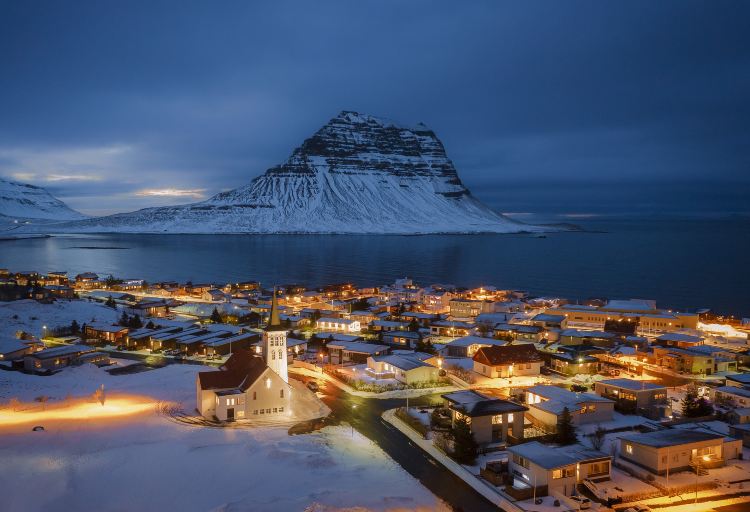
A winter guide to Snæfellsnes: A dream trip to the red church and Kirkjufell@Ingjaldshóll ChurchA winter guide to Snæfellsnes: A dream trip to the red church and Kirkjufell
New Year's Eve Fireworks and Bonfires Light Up the Night Sky in Reykjavik@HallgrimskirkjaNew Year's Eve Fireworks and Bonfires Light Up the Reykjavik Sky
Popular destinations
Bangkok
Tokyo
Kuala Lumpur
Los Angeles
Shanghai