Jakarta 2025 Guide: Must-see attractions, local cuisine, and practical tips! | Trip.com
 Local GuidesLast updated on Trip.com: 09/09/2025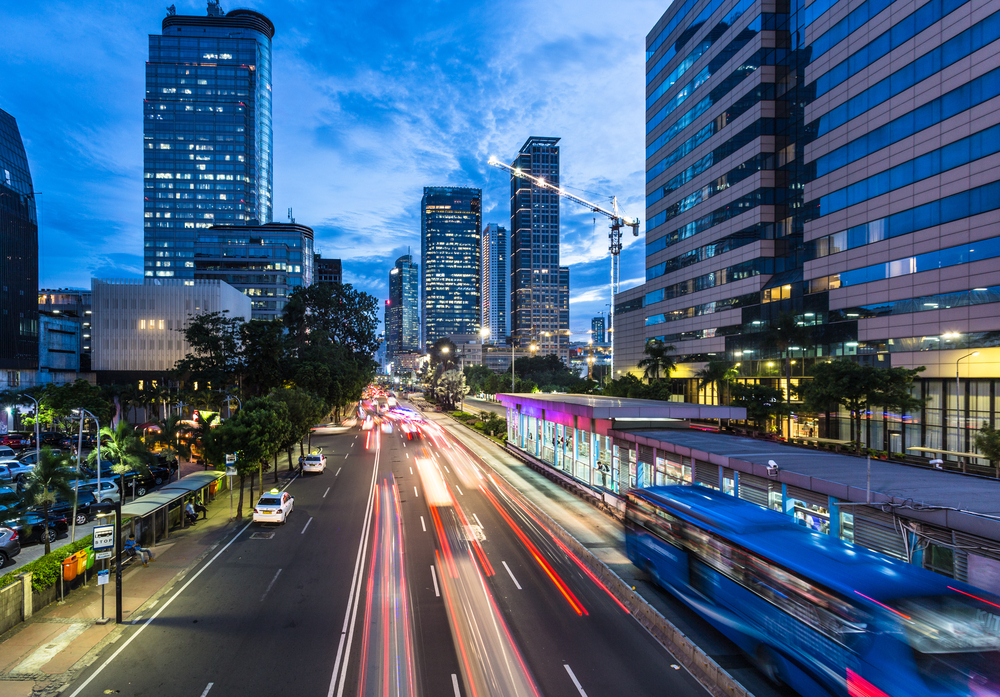
Jakarta Brief Guide
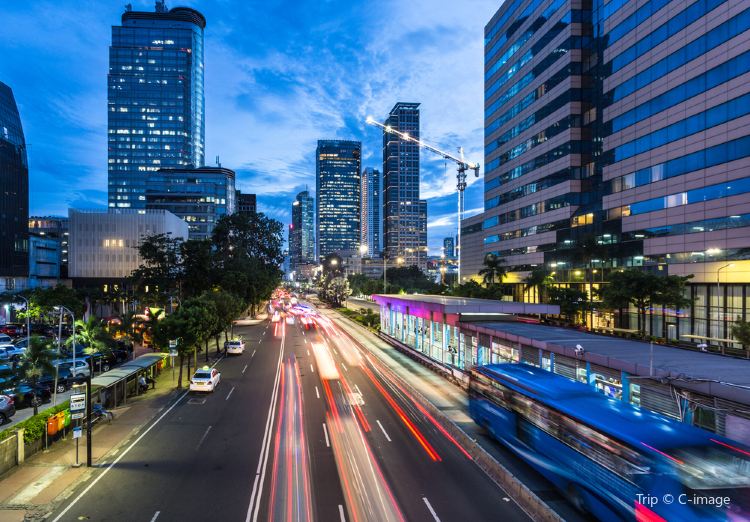
Jakarta, Indonesia’s dynamic capital on Java island, is a vibrant blend of history and modernity, with charming sites like Kota Tua, bustling street food scenes in Glodok Chinatown, and green escapes in Ragunan Zoo or Taman Mini cultural park. Dive into lively markets like Pasar Baru for Batik treasures or enjoy day trips to Thousand Islands. Jakarta promises an exciting urban adventure. Plan your perfect Jakarta experience with our guide.
Jakarta Must-try local experiences
Explore the National Monument (Monas)
Visit the National Monument, a symbol of Indonesia's independence, for panoramic views of Jakarta and a museum showcasing the country's history.
Visit the Istiqlal Mosque and Jakarta Cathedral
Explore the Istiqlal Mosque, the largest in Southeast Asia, and the nearby Jakarta Cathedral to appreciate the city's religious diversity and architecture.
Experience Traditional Batik Making
Learn the art of Batik in workshops where you can see artisans at work and try creating your own Batik piece.
Experience the Jakarta Fair
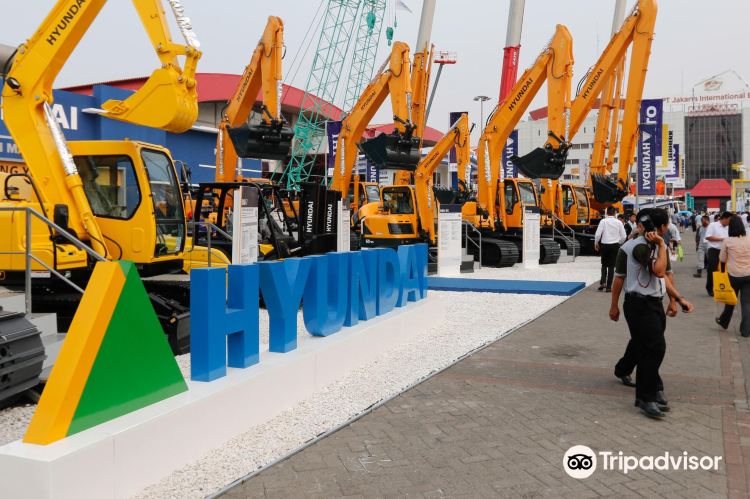
Held from June to July, the Jakarta Fair features exhibitions, concerts, and food stalls, offering a glimpse into local culture and commerce.
Sample Local Cuisine
Indulge in Jakarta's culinary scene with dishes like Nasi Goreng, Sate, and Gado-Gado, and street foods like Kerak Telor and Martabak.
Shop at Tanah Abang Market
Visit Tanah Abang Market, one of the largest textile markets in Southeast Asia, for a wide variety of fabrics, clothing, and accessories.
Capture the Sunset at Ancol Beach
Head to Ancol Beach for stunning sunset views and a picturesque setting for photography over the Java Sea.
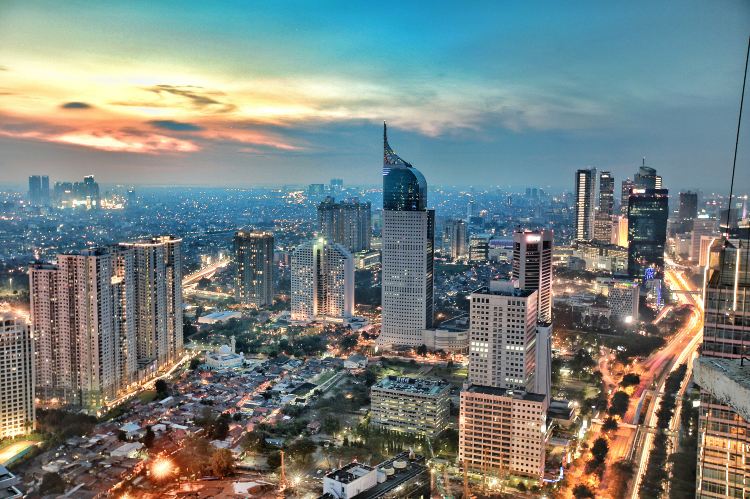
Photograph the Skyline from Skye Bar
Visit Skye Bar on the 56th floor of the BCA Tower for breathtaking views of Jakarta's skyline, ideal for night photography.
Take a Boat Ride in Sunda Kelapa Harbor
Experience a boat ride in Sunda Kelapa Harbor to see traditional wooden schooners and capture Jakarta's maritime heritage.
Relax at Taman Mini Indonesia Indah
Spend a day at Taman Mini Indonesia Indah, a cultural park showcasing Indonesia's provincial diversity with traditional houses and performances.
Visit the Ragunan Zoo
Explore Ragunan Zoo, home to a variety of animals including endangered species, and learn about wildlife conservation.
Jakarta Must-see Attractions
Jakarta is Indonesia's bustling capital, boasting a rich tapestry of historical landmarks such as the culturally significant Old Town and Merdeka Square, the neo-Gothic Jakarta Cathedral, the awe-inspiring Istiqlal Mosque, and the vibrant Glodok Chinatown Market, each offering unique insights into the city's diverse heritage and contemporary life.
Jakarta Old Town
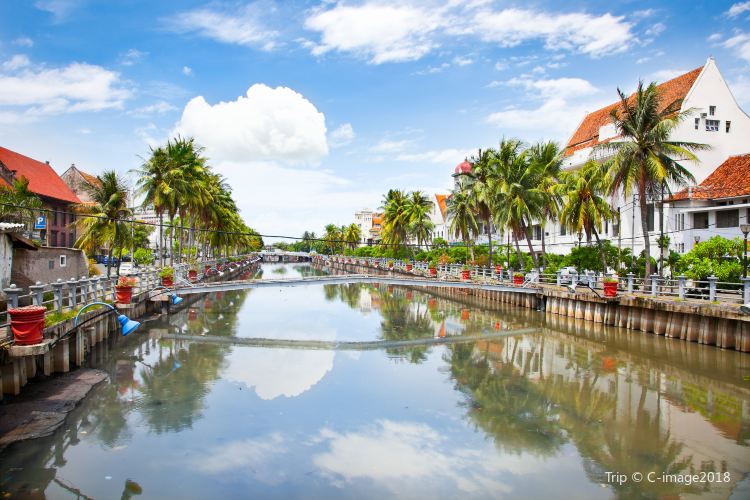
Jakarta Old Town, also known as Kota Tua Jakarta, is a historic enclave representing the original downtown area of Jakarta, Indonesia. Rich in Dutch colonial architecture, the area is a testament to the city's past as a significant trading port during the 17th century. Visitors to Jakarta Old Town can immerse themselves in the cultural and historical heritage of the region, exploring well-preserved buildings and museums that echo the stories of bygone eras.
The neighborhood is not only a hub for history enthusiasts but also a vibrant spot for tourists to enjoy street performances, visit art galleries, and engage with the local atmosphere. The central Fatahillah Square, surrounded by cafes, restaurants, and souvenir shops, often buzzes with activity, offering a lively experience for those who wander its paths.

 NNashThis is nice place with the colonial buildings and a good spaceous square. Its surrounded by good cafes and restaurant. I enjoyed staying at a restaurant cafe to enjoy the view.
Merdeka Square
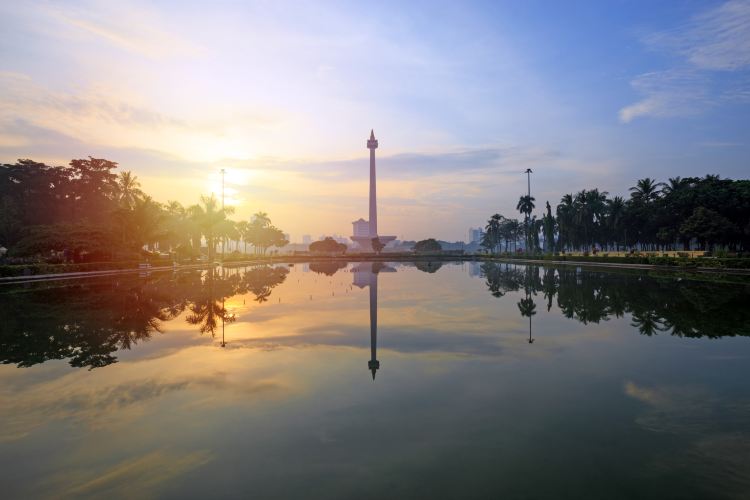
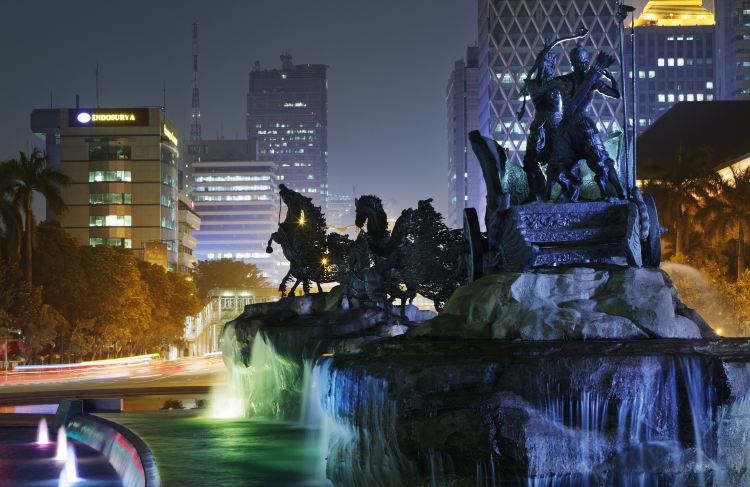
Merdeka Square in Jakarta, known locally as Medan Merdeka, is a beacon of national pride and a symbol of Indonesia's independence. This expansive square, one of the largest in the world, is anchored by the iconic National Monument, or Monas, which stands as a testament to the country's struggle for freedom. The square is a hub for cultural and civic activities, hosting events such as Independence Day ceremonies and various national celebrations. Visitors can immerse themselves in the historical and cultural significance of the area while enjoying the greenery of the surrounding park, complete with a musical fountain and a deer enclosure. The square is a popular spot for recreation, offering a serene environment for sports, picnics, and leisurely strolls, especially on weekends. With its central location in Jakarta, Merdeka Square is not only a place of historical importance but also a vibrant public space for locals and tourists alike to gather and experience the spirit of the city.
Jakarta Cathedral
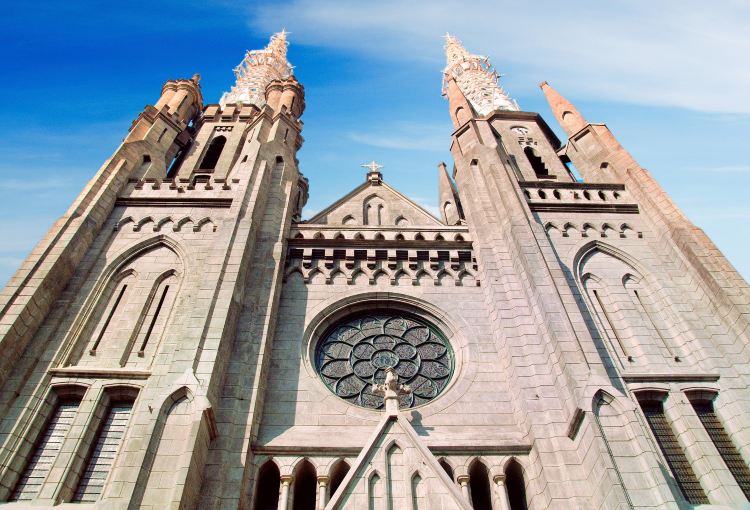
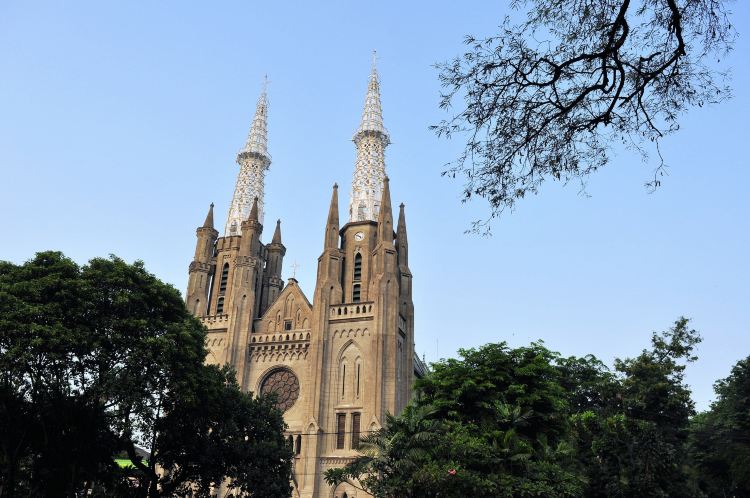
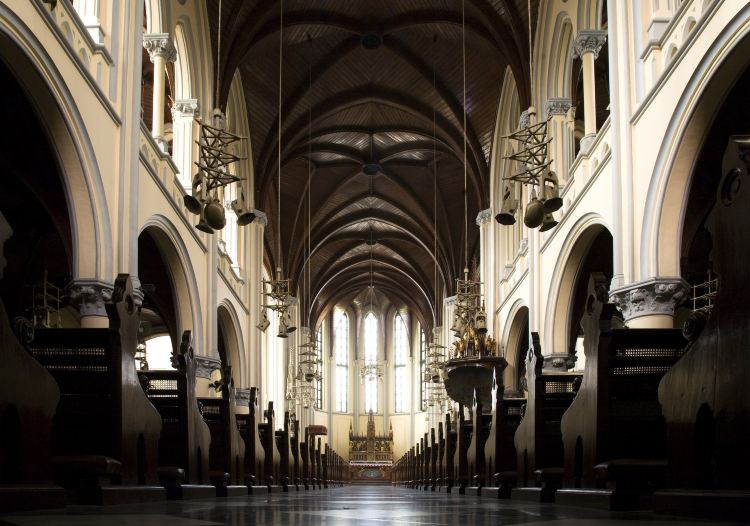
Jakarta Cathedral, officially named Gereja Santa Maria Diangkat ke Surga, is a prominent Roman Catholic cathedral in Jakarta, Indonesia, known for its neo-Gothic architectural style and historical significance. Consecrated in 1901, the cathedral features distinctive characteristics such as three main spires, with the two tallest standing at 60 meters and the third at 45 meters. Visitors can explore the Jakarta Cathedral Museum on the upper floor, which houses relics of Catholic rituals and the history of Roman Catholicism in Indonesia. The cathedral's design, resembling a cross, and its interior adorned with Stations of the Cross paintings, provide a spiritual journey for those meditating on the sufferings of Jesus Christ. The proximity of the cathedral to the Istiqlal Mosque symbolizes Indonesia's philosophy of unity in diversity, with both establishments cooperating during religious festivals.
Istiqlal Mosque
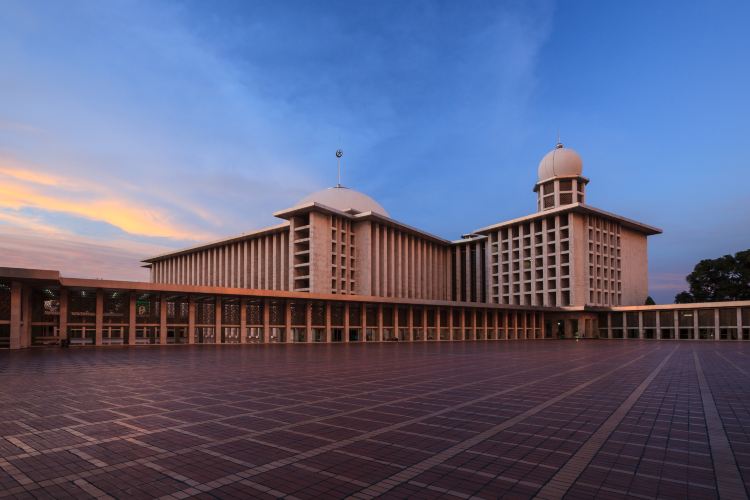
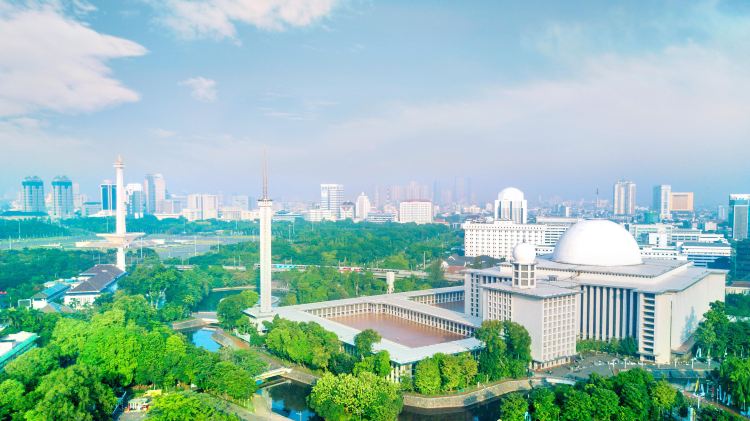
The Istiqlal Mosque in Jakarta, a symbol of Indonesian independence and religious tolerance, is the largest mosque in Southeast Asia and a prominent architectural marvel. Designed by Frederich Silaban, the mosque's construction reflects Indonesia's rich cultural diversity and commitment to religious harmony, as it stands opposite the Jakarta Cathedral and near Merdeka Square. The mosque's grandeur is enhanced by its recent renovation, which included state-of-the-art LED lighting, creating an awe-inspiring ambiance for both interior and exterior spaces. Visitors can appreciate the mosque's impressive prayer hall, which can accommodate a vast number of worshippers, and its towering minaret, which calls the faithful to prayer. While non-Muslims are not permitted in the main prayer hall, they are welcome to explore other parts of this architectural masterpiece and witness the mosque's role in fostering a sense of community and spiritual reflection.
Glodok Chinatown Market
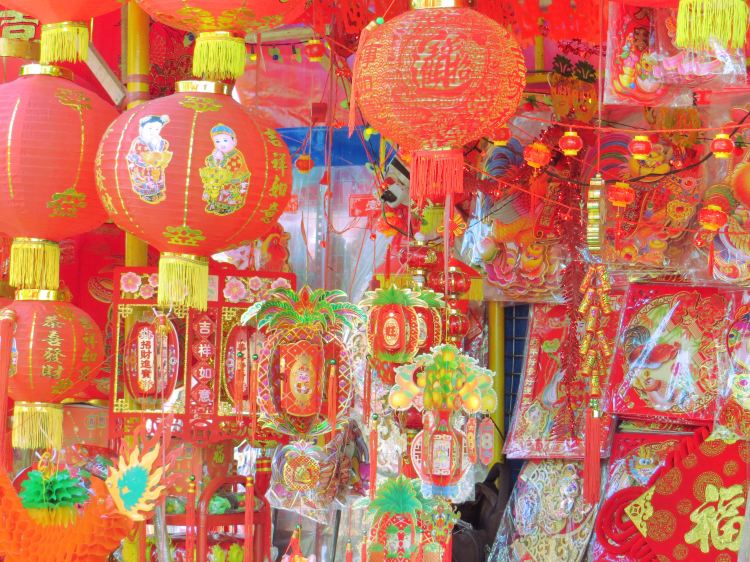
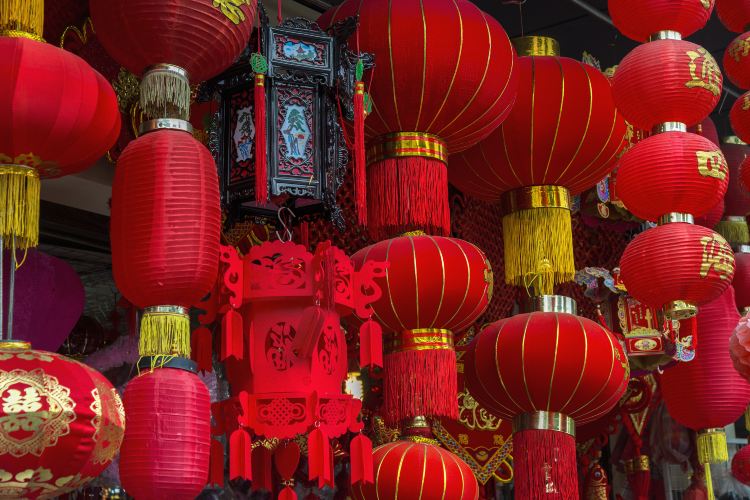
Glodok Chinatown Market in Jakarta is a vibrant hub of cultural fusion, where the rich heritage of Chinese settlements is palpable amidst the bustling Indonesian capital. Known for its market, Glodok is a place where visitors can immerse themselves in a sensory experience, with colorful temples like Da Shi Miao and Jin De Yuan, alongside a plethora of shops selling a diverse range of goods from electronic equipment to traditional Chinese pottery. The area is a gastronomic delight, offering authentic Chinese street food and a chance to engage with the local community and their daily lives. This historic neighborhood promises an authentic encounter with Chinese culture, set against the dynamic backdrop of Jakarta's own cultural tapestry.
Jakarta Food Guide
Jakarta's food scene is a vibrant mix of local flavors and cultural fusions, highlighted by dishes such as the vegetable and peanut sauce medley of Gado-gado, the diverse street food experience of Satay with regional variations, and the seafood-enhanced Nasi Goreng that embodies Indonesia's national culinary identity.
Gado-gado
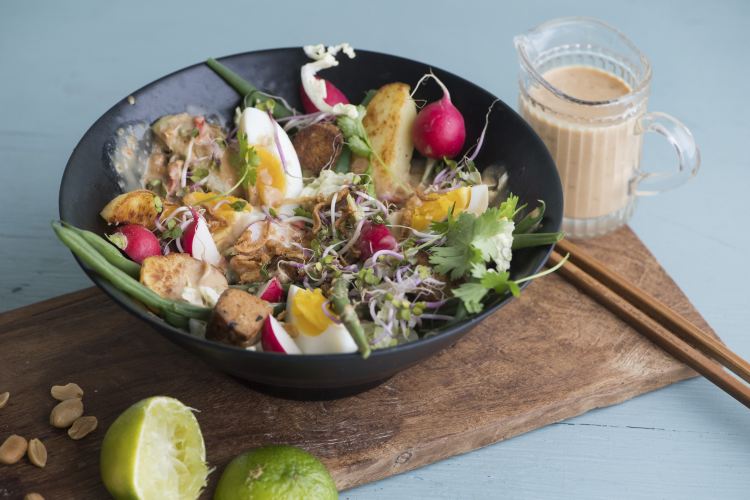
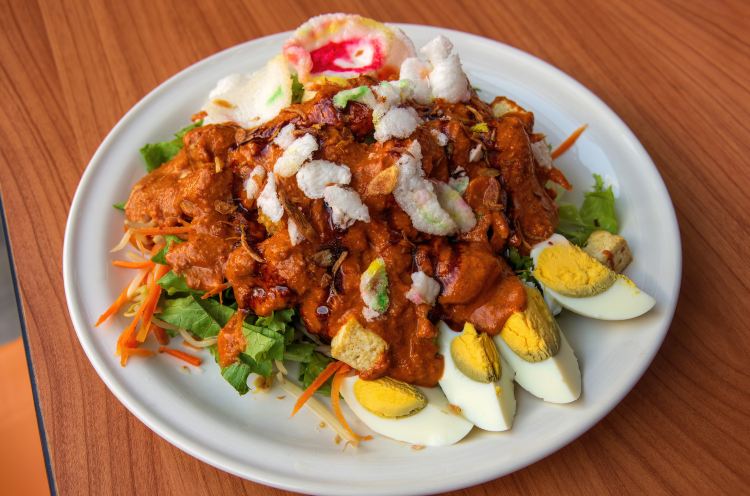
A celebrated Indonesian dish that is akin to a salad, featuring a mix of fresh seasonal vegetables, eggs, tofu, and a distinctive peanut sauce. Originating from Indonesia, this one-dish meal incorporates native ingredients and is often accompanied by hard-boiled eggs, boiled potatoes, fried tofu, tempe, and rice cakes such as lontong or ketupat. The term 'Gado-gado' itself translates to "mix" or "medley," reflecting the variety of ingredients that are steamed and served with the spicy peanut sauce dressing.
Satay
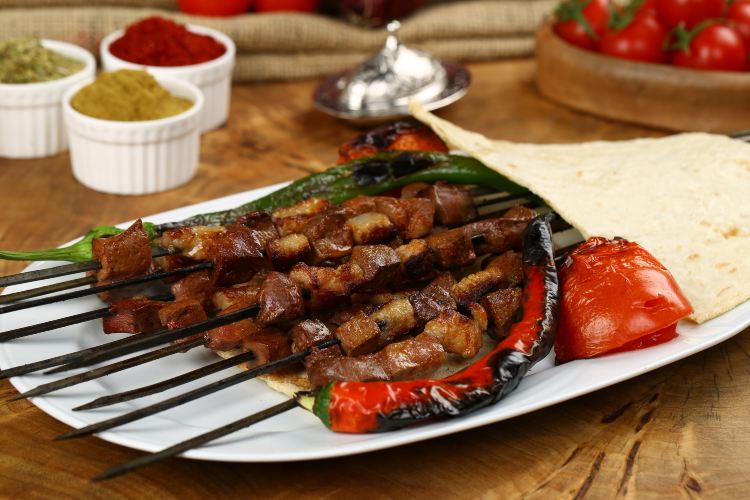
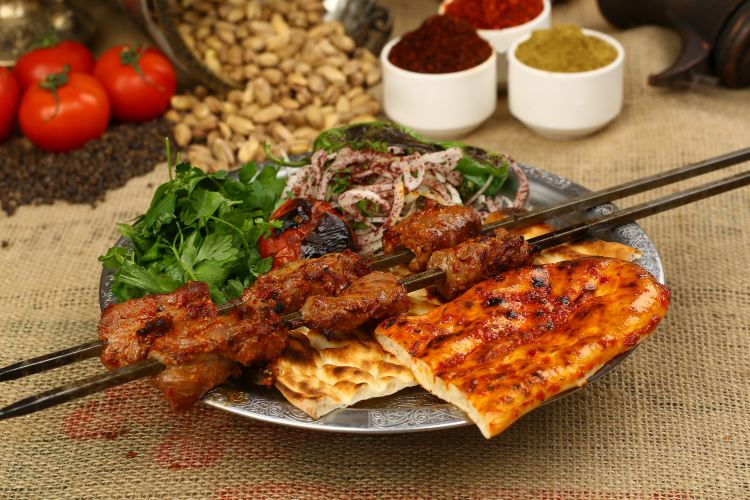
A diverse and flavorful street food staple, with variations like Sate Ayam Madura, known for its roasted peanut sauce and a mix of chicken meat cuts. Sate Buntel, a rich and mouth-melting experience made from minced young goat meat, is a must-try from central Java. For a unique taste, Sate Padang offers a thick sauce with regional differences, such as the coconut-coated version from Dangung-Dangung.
Black Pepper Crab
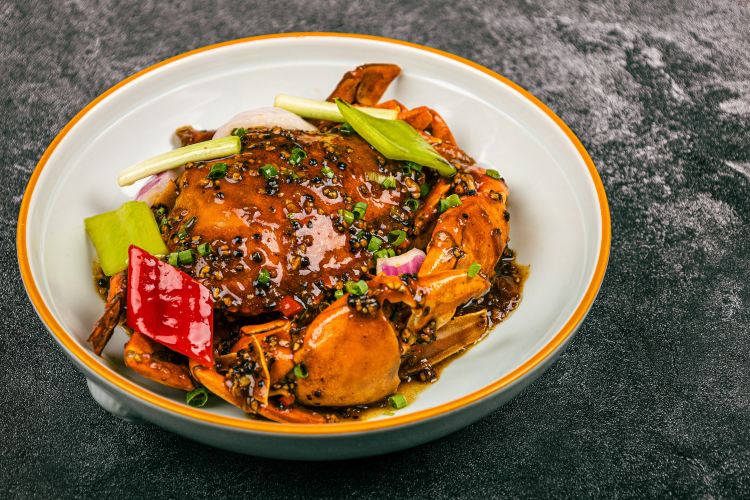
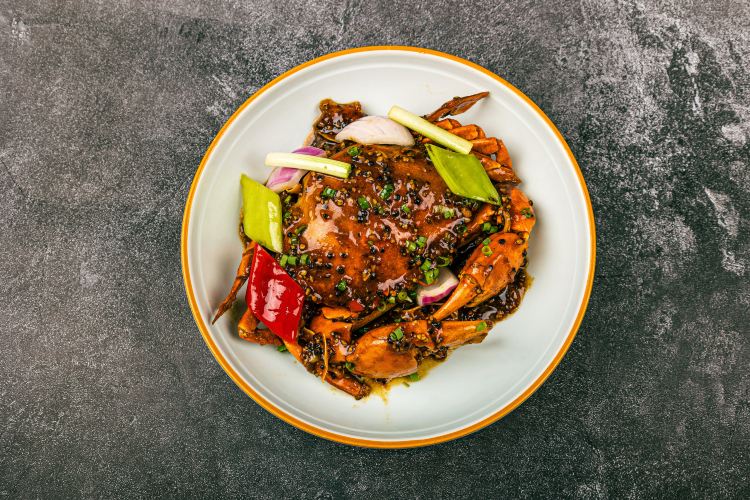
Jakarta boasts an abundance of seafood, offering numerous culinary methods to savor its bounty. The black pepper crab stands out as a particularly renowned dish. A custom-blended black pepper sauce envelops the crab, creating a symphony of flavors with each bite: the succulence and firmness of the crab meat, a gentle heat from the black pepper, and a hint of sweetness from indigenous spices, ensuring a rich and gratifying experience.
Nasi Goreng
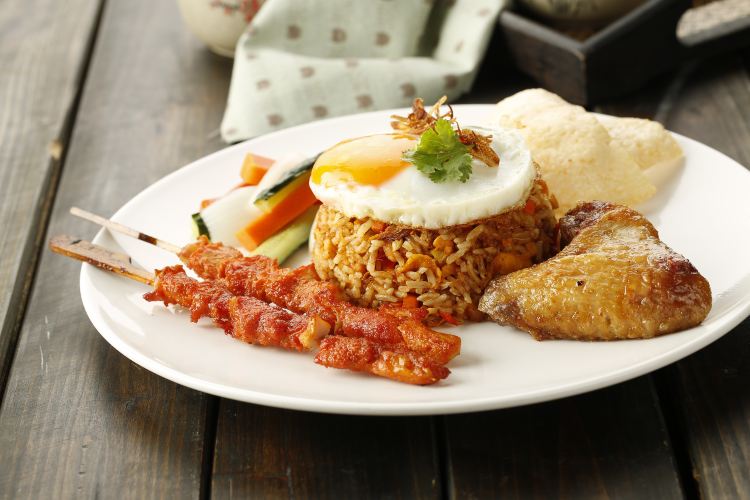
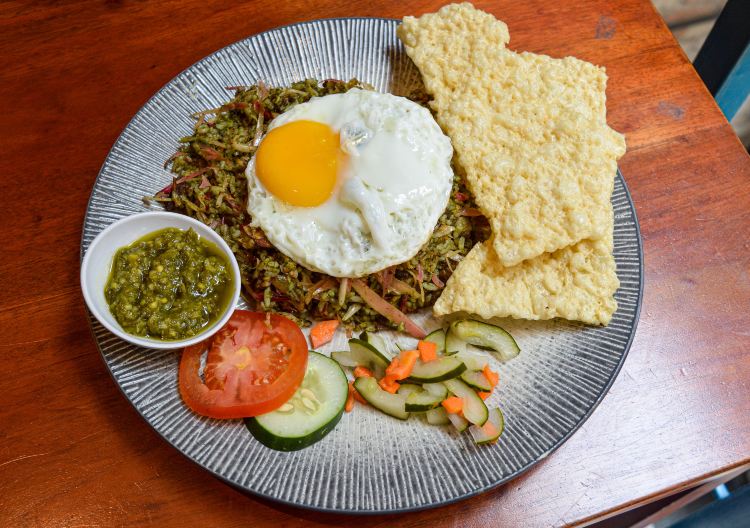
It is Jakarta's take on Indonesia's national dish, often enhanced with seafood like prawns and squid to give it a unique local flavor. This dish, with its roots in ancient China, represents the cultural fusion of Indonesian cuisine, combining stir-fried rice with a mix of local spices, kecap manis, and ingredients like shallots, garlic, and chilies. A staple that can be enjoyed any time of day, Nasi Goreng is served with accompaniments such as a fried egg, prawn crackers, and bawang goreng for added texture and taste.
Roast Chicken


Jakarta's grilled chicken, known as Indonesian Yogyakarta Spicy Grilled Chicken, is a popular local delicacy. Typically seasoned with a spicy blend that includes coconut milk, each restaurant puts its own twist on the dish by adding unique seasonings or accompaniments, resulting in a variety of distinct flavors across different eateries.
Jakarta Transportation
How to Get There
By Air:
Soekarno-Hatta International Airport (CGK): the main airport for both international and domestic flights, located in Tangerang, Banten, approximately 20–30 km (12-18 miles) northwest of Central Jakarta.
To City Center:
- Airport Rail Link (KA Bandara): This is the fastest and most convenient option to avoid Jakarta's notorious traffic jams. The trains run from Terminal 3 Soekarno-Hatta Airport Station (shuttle from T1/T2) to Manggarai Station, with a key stop at BNI City Station in the heart of Central Jakarta—approximately 55 minutes. Purchase tickets at machines or Railink app (cash/card/e-wallet).
- DAMRI Airport Bus: A more budget-friendly option, though vulnerable to traffic. Buses operate from all terminals (find bus stops on the ground level) to various destinations, including Gambir Station in the city center, Kemayoran, and the Blok M terminal, 1-2 hours depending on traffic and the final destination; buy tickets at counters or from the driver (cash/card).
- Taxi and ridesharing (Grab/Gojek): Official Blue Bird or Silver Bird taxis at terminal ranks; metered fares to the center. Use the MyBlueBird app for taxi tracking. Grab or Gojek from designated zones (app-guided); Around 45 minutes with light traffic, but it can take over 2 hours during peak hours.
By Train:
Jakarta is the central hub of Java's rail network, with several major stations serving both long-distance and commuter routes. Book tickets via the KAI app or at stations.
Gambir Station: A major station for long-distance executive-class trains, situated in Central Jakarta near the National Monument (Monas).
Manggarai Station: This is a vital railway hub in South Jakarta, serving as a transfer point for commuter lines and the Airport Rail Link.
Pasar Senen Station: Another significant station for long-distance economy and business class trains, located in Central Jakarta.
Sudirman Station/BNI City Station: A stop on the Airport Rail Link and an integrated transport hub with access to the MRT and TransJakarta bus network.
By Bus:
Buses are a common and affordable mode of transport within Java and from neighboring islands. Jakarta has several major bus terminals that serve different parts of the city and the country. Buy tickets at terminals or online; budget-friendly with AC/WiFi on express buses.
Kampung Rambutan: A large terminal in East Jakarta that serves routes to other parts of Java.
Tanjung Priok: A central terminal in North Jakarta, near the seaport.
Pulogebang: One of the newest and largest terminals, located in East Jakarta.
Local Transportation
Jakarta offers a variety of local transportation options to navigate the bustling city.
JakLingko Card (KMT - Kartu Multi Trip):
This is the primary payment card for Jakarta's integrated public transportation system, covering TransJakarta (BRT buses), MRT Jakarta, LRT Jakarta, and KAI Commuter (KRL) trains. While officially rebranded as "JakLingko Card," it is often referred to as the KMT (Kartu Multi Trip), which is used for KRL and is universally accepted across the network.
Get it from: The card itself usually costs around IDR 30,000 (excluding any initial balance). Payment is typically cash at stations/convenience stores, but some larger stations might accept debit cards.
- KAI Commuter (KRL) Stations: Available at all KRL stations. Look for customer service counters or vending machines.
- TransJakarta Bus Stops (BRT shelters): Many larger TransJakarta stations sell the cards.
- MRT Jakarta Stations: Available at all MRT stations.
- Indomaret / Alfamart (Convenience Stores): Some convenience stores also sell these cards, though availability might vary.
Tap your card on the designated reader when entering and exiting the gates at MRT/LRT/KRL stations or when entering/exiting the TransJakarta shelters. The fare is automatically deducted.
Mass Rapid Transit (MRT) Jakarta: The current North-South Line (Phase 1) runs from Lebak Bulus in South Jakarta to Bundaran HI in Central Jakarta, with future expansions planned. The MRT runs daily from early morning until late at night.
Light Rail Transit (LRT): Two separate LRT systems operate in Jakarta, providing service to different parts of the city.
- LRT Jakarta: Operates a single line in North Jakarta, connecting Pegangsaan Dua to Velodrome. Phase 1B, extending the line to Manggarai, is planned to be operational by 2026.
- LRT Jabodebek: Connects Jakarta with the satellite cities of Bogor, Depok, and Bekasi. It has two main lines from Dukuh Atas: one heading to Cibubur and the other to Bekasi.
KAI Commuter Line (KRL Jabodetabek): The KRL is an extensive electric commuter rail network that connects Jakarta to its surrounding metropolitan areas (Jabodetabek). The network comprises six lines, which include: Red Line: Bogor–Jakarta Kota, Yellow Line: Bogor–Jatinegara, Blue Line: Bekasi–Jakarta Kota, Green Line: Rangkasbitung–Tanah Abang, Brown Line: Tangerang–Duri, and Pink Line: Tanjung Priok–Jakarta Kota.
TransJakarta (BRT): an extensive bus system, reaching areas not covered by the rail networks. There are 13 main BRT corridors, along with numerous cross-corridor and feeder routes that expand its reach across the city and into the suburbs.
Ride-hailing apps (Grab and Gojek): They offer both car and motorbike (ojek) options. Can be paid in cash or using the app's cashless options.
Bajaj: These three-wheeled auto-rickshaws are a fun, local option for short-distance travel on backstreets. You must negotiate the fare with the driver before starting.
Jakarta Where to Stay
Jakarta is a sprawling metropolis, offering a diverse array of accommodation options across its many districts. The city's hotels are spread out in various neighborhoods, each with its own unique charm and convenience for travelers, ranging from the bustling central areas to the more serene and upscale neighborhoods in the south.
Kuningan (Modern and upscale, diverse dining scene)
Kuningan, situated in South Jakarta, is a contemporary and affluent area known for its high concentration of embassies, luxury hotels, and upscale shopping centers. It is a hub for business travelers and tourists seeking a mix of modern amenities and local culture. The region boasts a vibrant dining scene, with a plethora of international cuisines available to satisfy diverse palates. Kuningan is also characterized by its accessibility, with good transport links making it easy for visitors to navigate the city. The area's proximity to major attractions and commercial centers adds to its appeal as a convenient and comfortable place to stay for both leisure and business purposes.
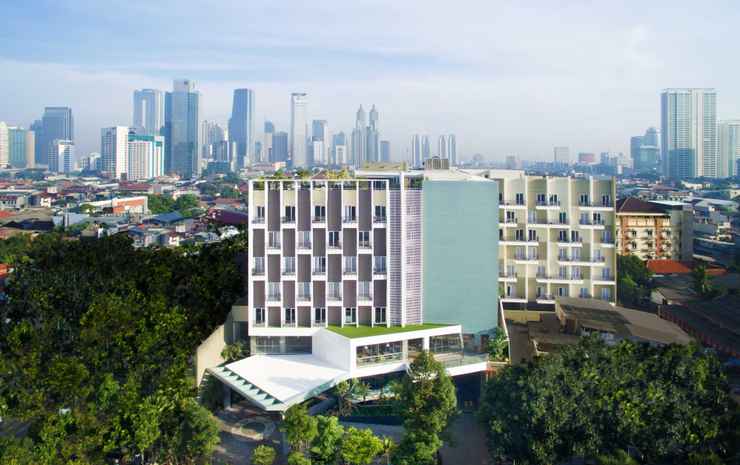
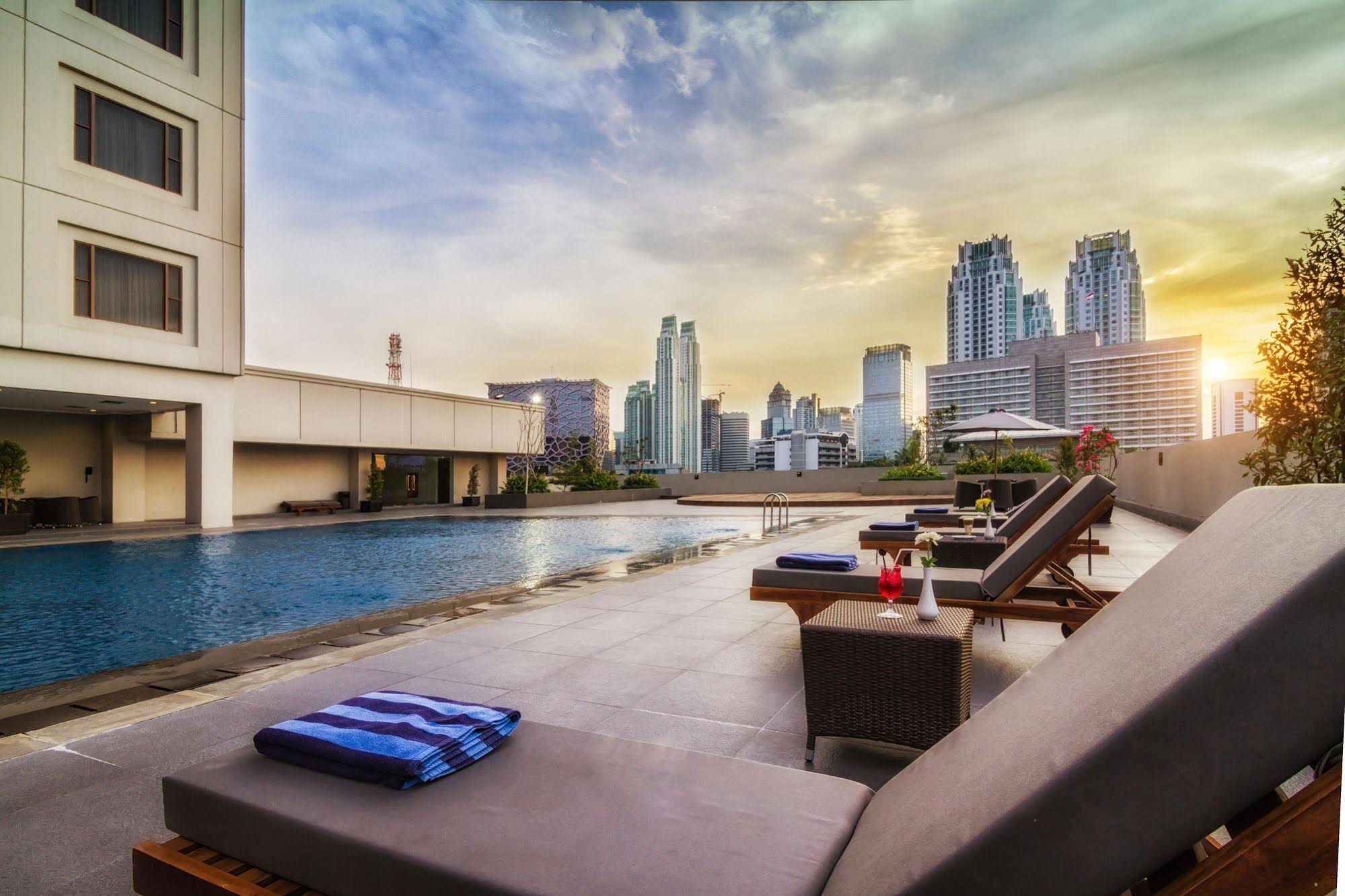
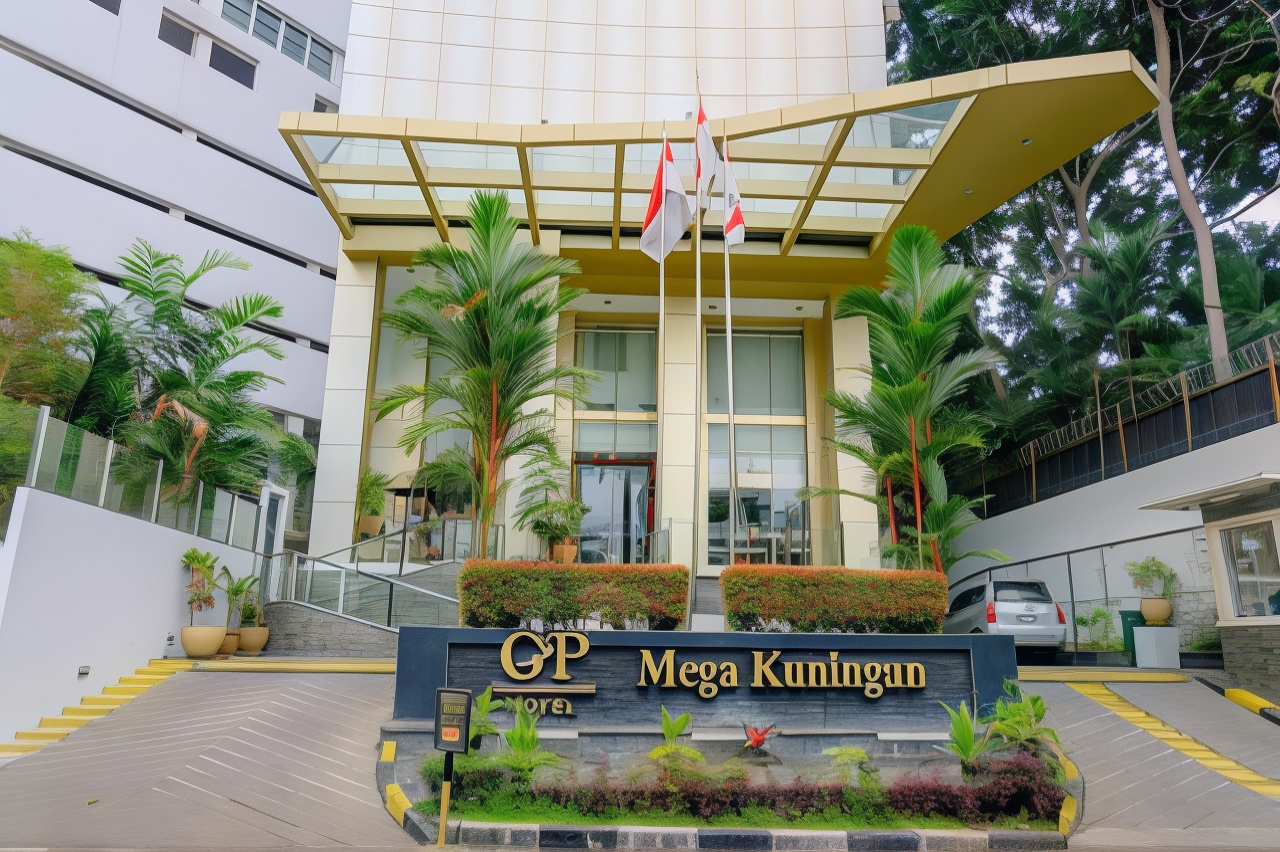
Pluit (Strategic location, family-friendly attractions)
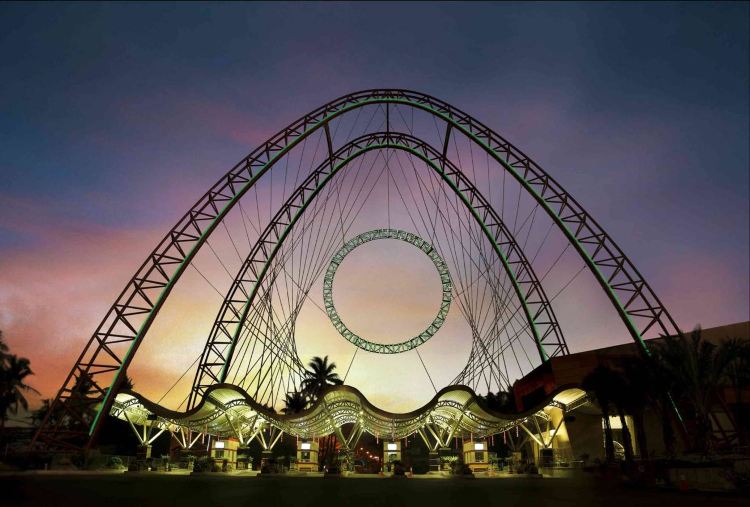
Pluit is located in North Jakarta, adjacent to the Jakarta Bay. It has transformed from a swampy area into a district surrounded by modern infrastructure and shopping malls. This neighborhood is particularly appealing for its strategic location, being just 30 minutes away from Soekarno-Hatta International Airport via the highway. Pluit is also known for family-friendly tourist attractions such as Waterbom Jakarta and Ancol Dreamland. The presence of several large shopping centers, including Emporium Pluit Mall and Baywalk Mall, makes it a convenient spot for shopping and entertainment. The area's easy access to other parts of Jakarta is a significant advantage for travelers looking to explore the city.
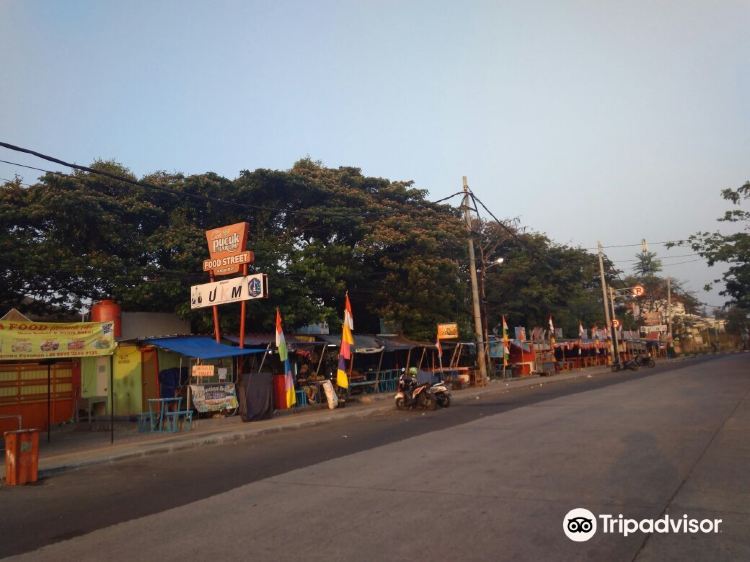
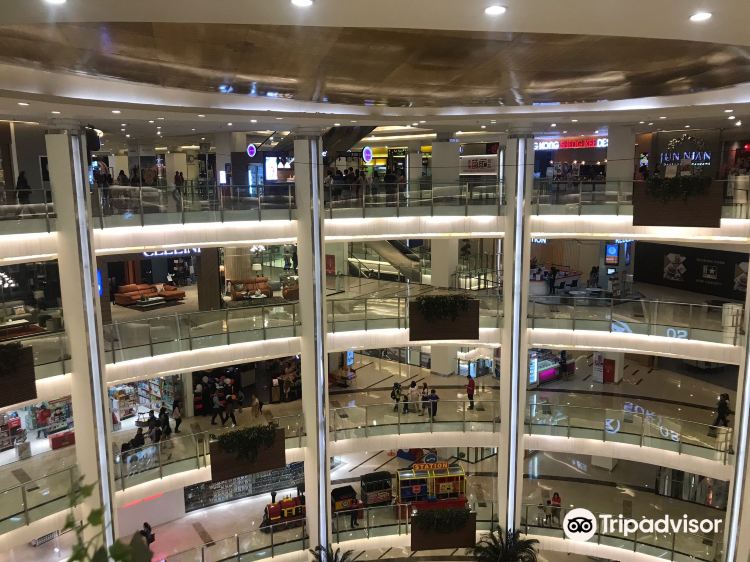
Sudirman (Central business district, nightlife, and shopping)
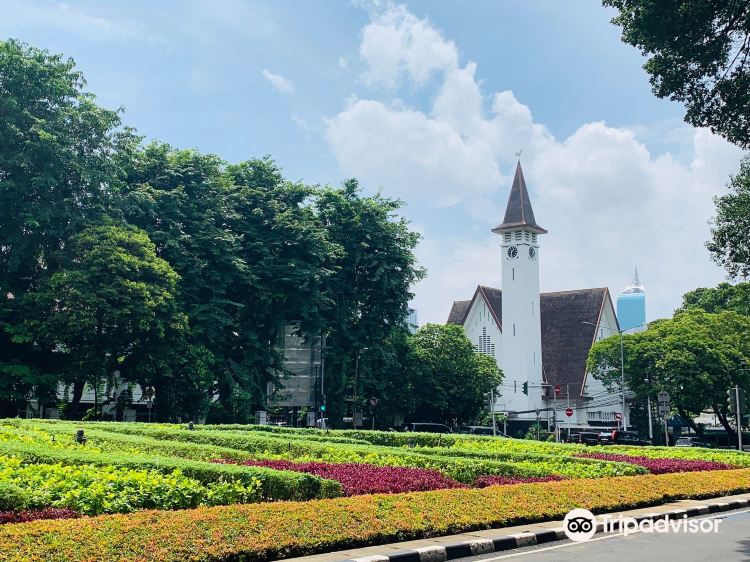
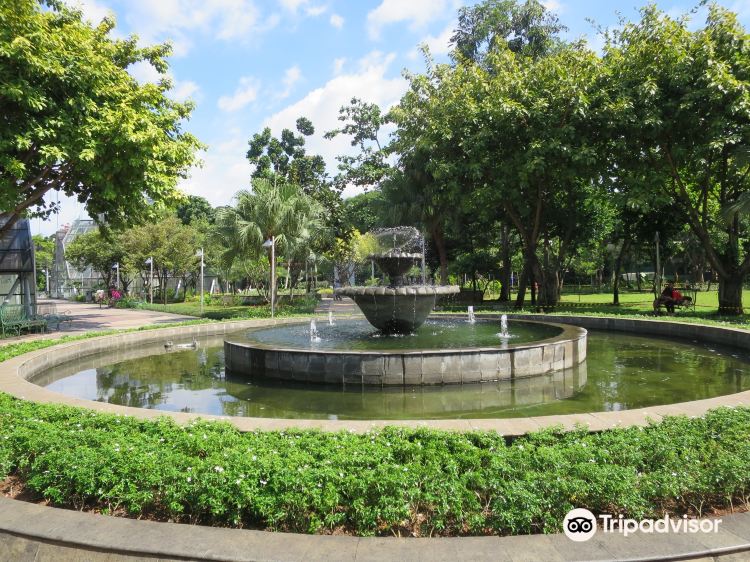
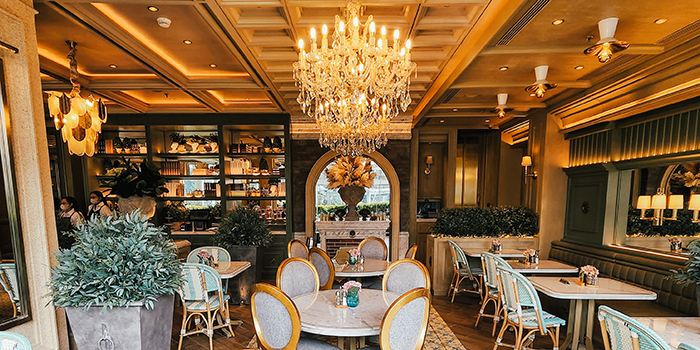
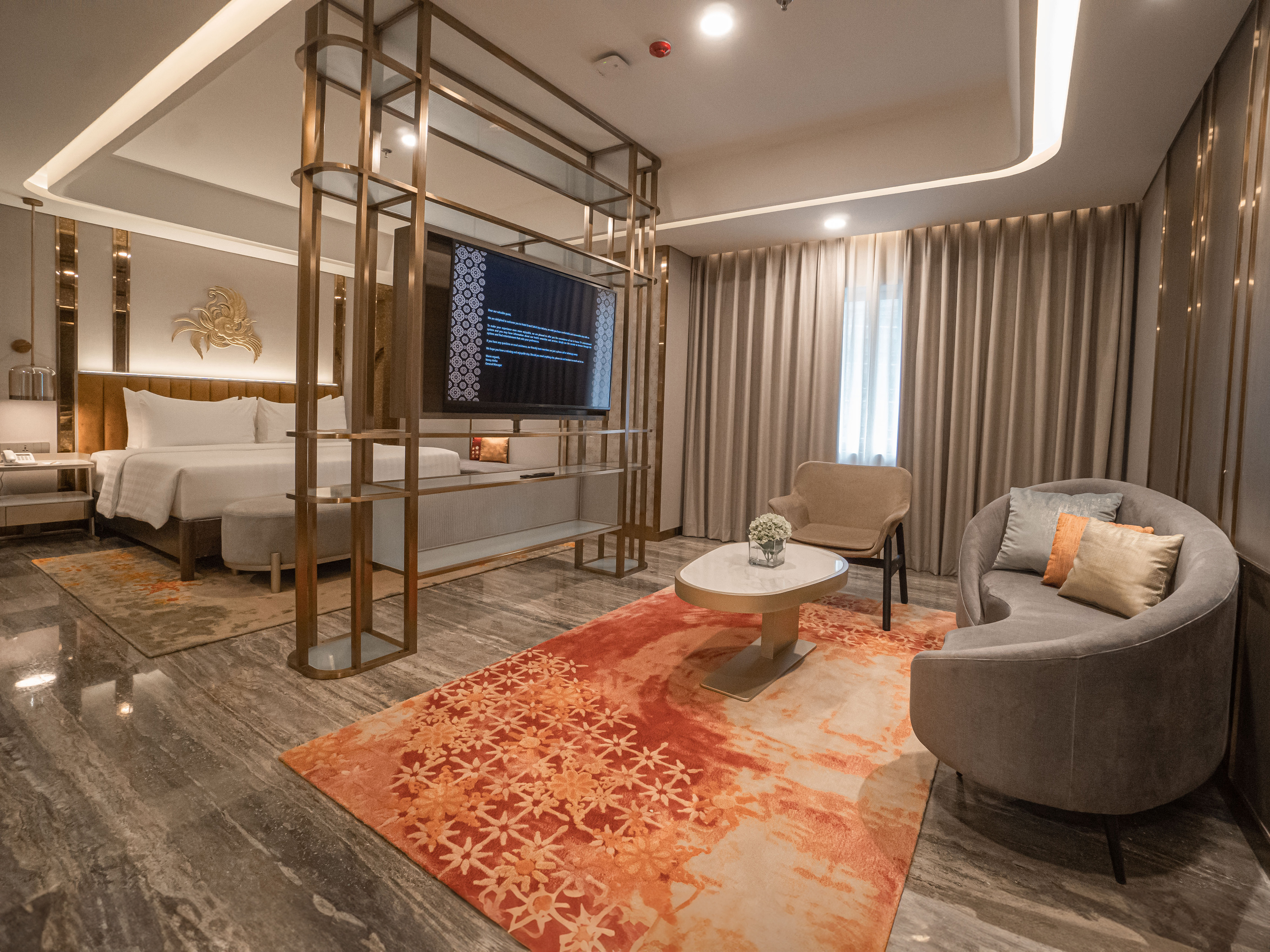
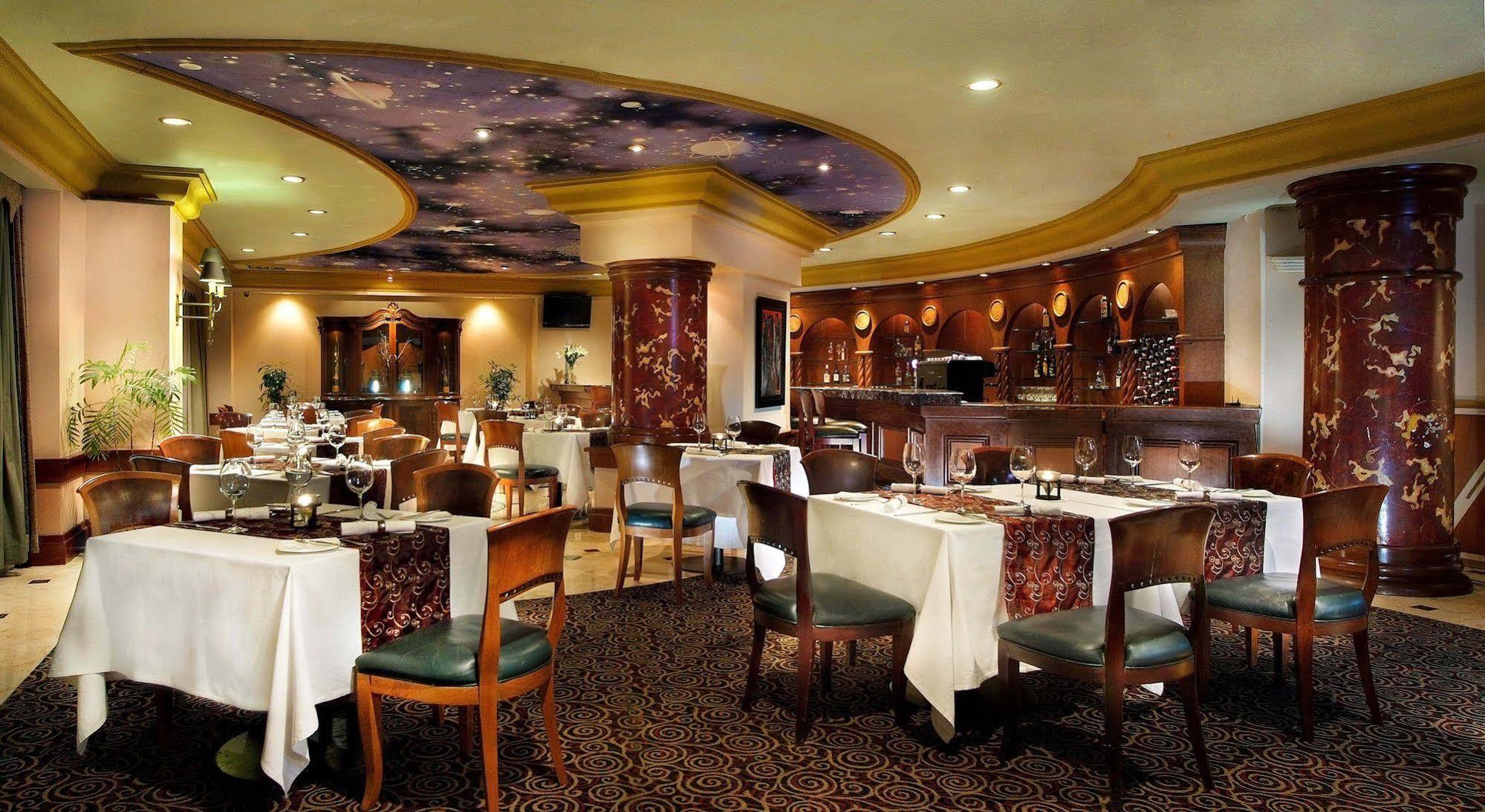
Sudirman, or the Sudirman Central Business District (SCBD), is a prime area in Central Jakarta, known for its classy wine bars, high-end shopping malls, and vibrant nightlife. It is the city's commercial heart, with a plethora of luxury hotels, office buildings, and shopping destinations like Plaza Indonesia and Grand Indonesia. Sudirman is well-connected by public transportation, including the Sudirman Station, making it an ideal location for visitors who want to experience Jakarta's dynamic urban life. The area's proximity to cultural landmarks and public parks, such as Taman Menteng and Taman Suropati, adds to its appeal as a place that combines work and leisure seamlessly.

Jakarta Best Time to Visit
Best Time to Visit
Jakarta’s tropical climate is hot and humid year-round; the dry season (May-October) is best for outdoor exploration with clear skies, while wet season (November-April) offers lower prices but frequent rain.
Dry Season (May–October): 26°C–32°C (79°F–90°F), sunny with low rain, perfect for parks or markets.
Wet Season (November–April): 25°C–31°C (77°F–88°F), humid with heavy rain, especially December-February.
Jakarta Travel Tips
1. Plan Ahead for Monas
The National Monument (Monas) is closed on Mondays, so plan your visit accordingly. Arrive early to avoid long lines and the heat.
2. Flood and Monsoon Preparedness
Jakarta is prone to flooding, especially during the rainy season from November to April. Pack a lightweight raincoat or umbrella, check weather forecasts, and establish a family communication plan. Assemble a disaster supply kit and be familiar with evacuation routes. Avoid walking or driving through floodwaters and stay updated with local weather alerts.
3. Dress Modestly for Istiqlal Mosque
When visiting Istiqlal Mosque, dress modestly. Women should cover their heads and wear long sleeves and skirts or trousers. Clothing should cover arms and legs, and should not be tight or transparent.
4. Be Polite and Use Right Hand
Always use your right hand when giving or receiving items, as the left hand is considered impolite in Indonesian culture.
5. Stay Alert for Pickpockets
Pickpocketing can be an issue in crowded areas like Tanah Abang. Thieves often use distraction techniques or bump into you to steal your belongings. Use anti-theft bags, keep valuables out of sight, and stay vigilant in busy places to avoid falling victim.
6. Drink Bottled Water
Tap water in Jakarta is not safe to drink due to inadequate infrastructure, contamination from waste dumping, and poor water quality regulations. Always opt for bottled water or use proper filtration systems to avoid waterborne illnesses.
7. Street Food Caution
While Jakarta's street food is delicious, be cautious. Choose busy stalls with high turnover, avoid raw or partially cooked foods, and bring your own cutlery. Avoid ice unless it's made from mineral water to prevent stomach issues.
8. No Photography in Religious Sites
Photography is often prohibited inside religious sites like mosques and temples. Always ask for permission before taking pictures, as some places have strict no-photo policies while others may allow it with restrictions.
9. Drone No-Fly Zones
Drone photography is restricted in many areas of Jakarta, including government buildings, military installations, and within a 500-meter radius of restricted areas. Drones must also maintain a distance from airports and crowds. Always check local regulations and obtain necessary permits before flying.
10. Alcohol Consumption
Alcohol consumption is restricted in certain areas. Always check local regulations and respect dry zones, especially near religious sites. In Jakarta, public drinking is generally frowned upon and restricted to licensed establishments. The legal drinking age is 21, and alcohol sales are limited in small retail businesses. During Ramadhan, alcohol restrictions are stricter.
Jakarta Useful Guide
Local Language
Bahasa Indonesia is the primary language.
English is widely spoken in tourist areas, such as hotels, malls, and restaurants, particularly in central Jakarta, where bilingual signs and menus are prevalent. Fluency is limited among older locals or in markets—use translation apps for ease; learn simple phrases like “terima kasih” (thank you) for courtesy.
Local APP
Gojek/Grab: Super apps for ride-shares, food delivery, payments, and tickets; English interface—key for transport and meals, cashless preferred.
Google Maps: Essential for navigation and finding points of interest in Jakarta.
Moovit: Public transport schedules for MRT, LRT, and buses
WhatsApp: Widely used for communication with businesses and locals in Jakarta.
Internet and Communication
eSIM Options: Airalo, Nomad, Holafly, and GigSky offer plans for tourists valid for 7-30 days. Activation is online, and they provide strong 4G/5G coverage in the city, though it may be weaker in the suburbs.
Physical SIM Cards: Telkomsel, XL Axiata, and Indosat are available at CGK kiosks (Terminals 2 and 3). They offer tourist packs for 7 to 30 days; a passport is needed.
Pocket Wi-Fi: Rent at CGK or online, ideal for groups; reliable in malls, spotty outdoors.
Free Wi-Fi: WiFi is available in hotels, malls, and cafes (like Starbucks and McDonald’s). Public WiFi in Jakarta requires registration and is often slow; it is suitable for light browsing but not secure for sensitive tasks.
Currency and Payment
Currency: Indonesian Rupiah (IDR, Rp).
Credit/Debit Cards: Visa and Mastercard are widely accepted in hotels, malls, and larger restaurants, while American Express is less common. To avoid issues, notify your bank before traveling. Be aware of foreign transaction fees, which can range from 1% to 3%. It’s advisable to use cards for larger payments; contactless payments are available for transactions under $50.
Cash: Cash is essential for smaller eateries, buses, and markets. ATMs located at CGK, banks, and malls dispense Indonesian Rupiah (IDR). However, there are foreign card fees of IDR 25,000 to 50,000, and a 4-digit PIN is required. For better exchange rates, it’s best to exchange money at banks or the airport.
Mobile Payments: Apple Pay and Google Pay are accepted at malls and hotels. Local e-wallets such as OVO or GoPay (requires an Indonesian phone number) can be linked to your card and are useful for ride-sharing and food deliveries. However, these may not be universally accepted by smaller vendors, so setting up GoPay can provide added convenience.
Weather in Jakarta

31°
/
24°

31°
/
24°

31°
/
25°
31°
/
24°
31°
/
24°
32°
/
25°
31°
/
24°
 Trending in Jakarta
Miniature park, where cultural buildings from 33 provinces come together@Taman Mini Indonesia IndahRecommended cultural experiences at Taman Mini Indonesia Indah
Ancol Dreamland Park year-end event calendar@Ancol DreamlandAncol Dreamland Park year-end event calendar
Crafting Culture: Jakarta’s Batik Experience with Lunch & Souvenir@Museum of TextileCrafting Culture: Jakarta’s Batik Experience with Lunch & Souvenir
Jakarta: FAQ

What's the most popular attractions in Jakarta?
What do I need to know before visiting Jakarta?
Popular destinations
Bangkok
Tokyo
Kuala Lumpur
Los Angeles
Shanghai