Japan 2026 Guide: Must-see attractions, local cuisine, and practical tips! | Trip.com

Japan Must-try local experiences
Explore Historic Temples and Shrines
Visit Kyoto and Nara to immerse yourself in Japan’s rich cultural heritage. Iconic sites like the golden Kinkaku-ji Temple or Kiyomizu-dera Temple, perched on a hillside with stunning views of Kyoto, offer a glimpse into Japan’s past. Stroll through the enchanting red torii gates of Fushimi Inari Shrine or explore world heritage sites like Byodo-in Temple in Uji and Enryaku-ji on Mount Hiei for a deep dive into Japan’s history.
Marvel at Mount Fuji’s Beauty
Mount Fuji, Japan’s tallest mountain and a UNESCO World Heritage site, captivates with its symmetrical beauty. For the best views, head to Lake Kawaguchi, where the peak reflects on calm waters, ideal for photography. Adventurous visitors can climb it during the summer season (July to early September), with the sunrise from the summit being a bucket-list moment. Even from a distance, its majesty is a highlight, easily accessible via day trips from Tokyo.
Visit World-Class Museums
Japan boasts over 5,700 museums, including the Nara National Museum, Kyoto National Museum, and Tokyo National Museum. The Tokyo National Museum boasts the world’s largest collection of Japanese art, including samurai swords and ukiyo-e woodblock prints. In Nara, the Shosoin Exhibition showcases treasures over a millennium old. Private museums also display rare artifacts, like the ultra-rare Yohen Temmoku tea bowl, one of only three in the world. For a playful twist, the Ghibli Museum in Mitaka brings Studio Ghibli’s animated worlds to life—perfect for film fans.
Unwind in a Traditional Onsen and Ryokan
Japan’s onsen (hot springs) are a centuries-old tradition for relaxation and wellness, fed by natural geothermal waters. Soak in historic bathhouses at Kusatsu or Arima Onsen, known for their healing properties, or visit Kinosaki Onsen, where you can hop between charming public baths in a yukata robe. Pair your visit with a stay at a ryokan, a traditional inn with tatami rooms, sliding doors, and multi-course kaiseki meals. This immersive experience blends nature, culture, and tranquility, offering a perfect reset for body and soul.
Have Fun at Theme Parks
Japan’s theme parks mix global appeal with local flair, a hit with Western families and thrill-seekers alike. Tokyo Disneyland and DisneySea feature exclusive rides not found elsewhere, while Universal Studios Japan in Osaka immerses you in the Wizarding World of Harry Potter. For adrenaline junkies, Fuji-Q Highland offers world-class roller coasters with Mount Fuji as a backdrop, while Ghibli Park brings Studio Ghibli’s beloved films to life.
Go on an Anime and Movie Pilgrimage
Anime and film fans will love exploring real-life locations from their favorite stories, a unique draw for Western pop culture enthusiasts. In Tokyo, Akihabara buzzes with anime shops and electronics, while Enoshima Island, a short trip away, inspires series like Your Name. Visit sites from Slam Dunk or Spirited Away for a nostalgic thrill.
Taste Fresh Seafood at Vibrant Markets
Japan’s seafood markets are a feast for the senses, revealing the country’s deep connection to the ocean. At Tokyo’s Toyosu Market, watch lively morning fish auctions and savor fresh sashimi or sushi at onsite restaurants. In Wakayama, dig into seafood rice bowls bursting with local catch. For a hands-on experience, join a sushi-making class or a guided market tour to learn about Japan’s seafood culture and try preparing your own dish. These bustling markets offer a delicious dive into Japan’s culinary heart.
Experience a Traditional Tea Ceremony
The chanoyu tea ceremony is a choreographed ritual of preparing matcha, offering travelers a serene glimpse into Japanese mindfulness. In Kyoto, join a session at a tea house, learn the art of whisking matcha, and enjoy wagashi sweets. It’s a calm, authentic experience that contrasts with Japan’s fast-paced cities, perfect for those seeking peace and tradition.
Watch Sumo and Kabuki Performances
Japan’s traditional performing arts, like sumo and kabuki, blend athleticism and drama. Feel the excitement of sumo wrestling at Ryogoku Kokugikan during tournaments in January, May, or September. And don't miss the dramatic artistry of kabuki at Tokyo’s Kabukiza Theatre for a taste of traditional performing arts.
Enjoy Japan’s Seasonal Scenery
Japan’s landscapes transform with each season. Spring brings vibrant cherry blossoms, autumn paints mountains with red and yellow foliage, summer offers lush greenery and fireworks, and winter blankets the country in serene snowscapes. Experience Japan’s stunning natural beauty, which transforms with each season.
Join a Traditional Festival
Participate in vibrant festivals like Gion Matsuri (July) - one of Japan’s grandest festivals, featuring massive, ornate floats paraded through the streets and lively street food stalls. Join the energetic Awa Odori in Tokushima (August), where locals perform traditional group dances under lantern-lit skies. Or experience Aomori’s Nebuta Matsuri (August), known for its giant, illuminated paper floats depicting mythical warriors, accompanied by taiko drums and dazzling fireworks. For a more intimate vibe, try the Takayama Festival in Gifu (spring or autumn), with intricately crafted floats and serene lantern displays. Enjoy music, dance, and local delicacies at these unforgettable celebrations.
Savor Japan’s Diverse Cuisine
Japan’s culinary scene is a global treasure, blending precision, tradition, and regional flair. Dive into fresh sushi at a Tokyo counter, where chefs craft delicate nigiri before your eyes. Slurp steaming ramen at a cozy shop, from creamy tonkotsu in Fukuoka to soy-based broths in Hokkaido. Try okonomiyaki, a savory pancake grilled to perfection in Hiroshima, or indulge in melt-in-your-mouth Kobe beef in Hyogo. For an authentic experience, visit a local izakaya (Japanese pub) to share small plates like yakitori skewers and sake with locals. Book a kaiseki meal for a multi-course dining ritual showcasing seasonal ingredients. Every bite tells a story of Japan’s rich food culture.
Shop for Unique Souvenirs
Shopping in Japan blends tradition and modernity. In Tokyo’s Ginza, explore upscale stores for luxury goods and tech gadgets, while Kyoto’s Nishiki Market tempts with handmade ceramics, textiles, and artisanal snacks. Pick up a Japanese chef’s knife or a kimono as a memorable gift.
Take a Journey on Scenic and Bullet Trains
Japan’s railways are a journey in themselves, blending cutting-edge technology with breathtaking views. Ride the sleek Shinkansen (bullet train) to zip between cities like Tokyo and Kyoto, marveling at its precision and comfort. For a slower pace, hop on scenic routes like the Genbi Shinkansen, with art-filled carriages, or the nostalgic Tsugaru Railway “stove train” in winter, warmed by a coal stove. Pass through mountains, coastal cliffs, or cherry blossom tunnels, with each route showcasing Japan’s stunning landscapes. A train ride is both a cultural experience and a window into Japan’s natural beauty.
Engage in Outdoor Adventures
Japan’s varied terrain offers endless outdoor fun for active travelers. Hike the historic Nakasendo Trail between Kyoto and Tokyo, or explore the spiritual Kumano Kodo routes in Wakayama. In winter, ski at Niseko in Hokkaido, known for its powdery snow, or kayak in Okinawa’s turquoise waters — perfect for adventure seekers looking beyond city sights.
Experience Japanese Nightlife
Japan’s nightlife buzzes with energy, appealing to Westerners who love after-hours fun. Start with an izakaya crawl in Tokyo’s Golden Gai, sipping sake in tiny bars, or belt out tunes at a karaoke box—a Japanese classic. Explore Osaka’s neon-lit Dotonbori or Tokyo’s Kabukicho for a wild night out.
Participate in Traditional Workshops
Hands-on workshops let visitors engage with Japan’s crafts, a hit with those seeking active cultural experiences. Learn kintsugi (repairing pottery with gold) or make soba noodles in a class. In Kyoto, try ikebana (flower arranging) or a tea ceremony lesson. Many are offered in English, and you’ll leave with a handmade souvenir—perfect for a deeper, personal connection to Japan’s artistic traditions beyond just sightseeing.
Japan Best cities to visit
Tokyo
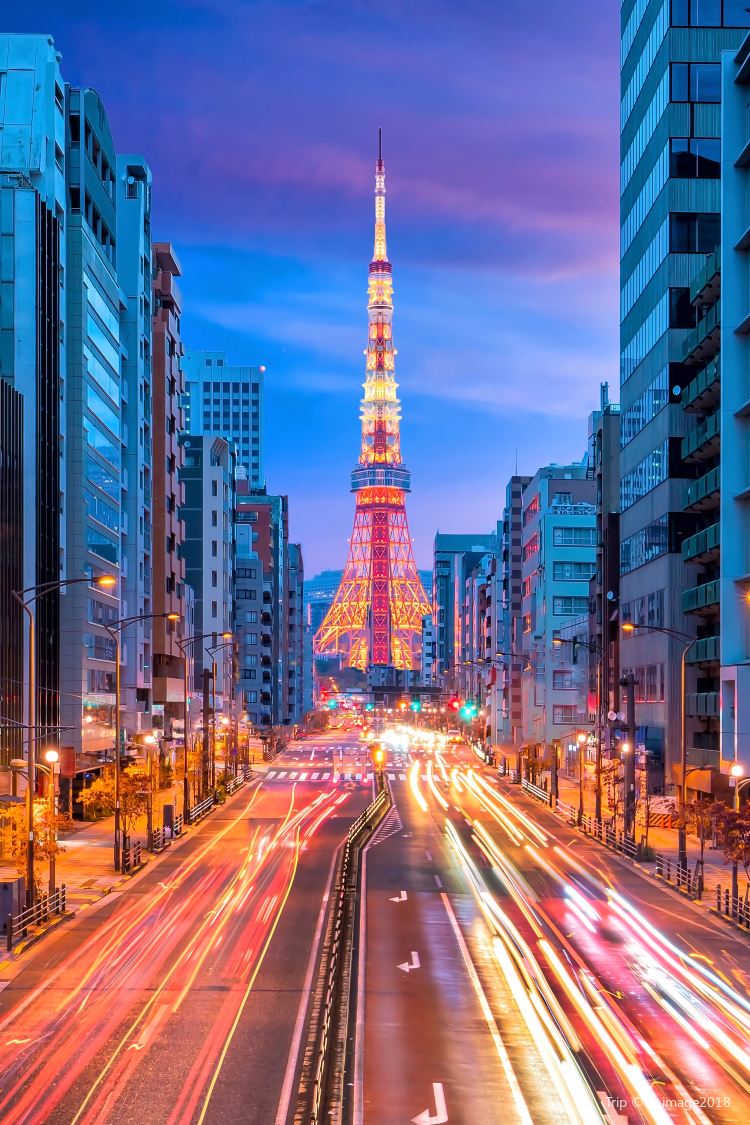
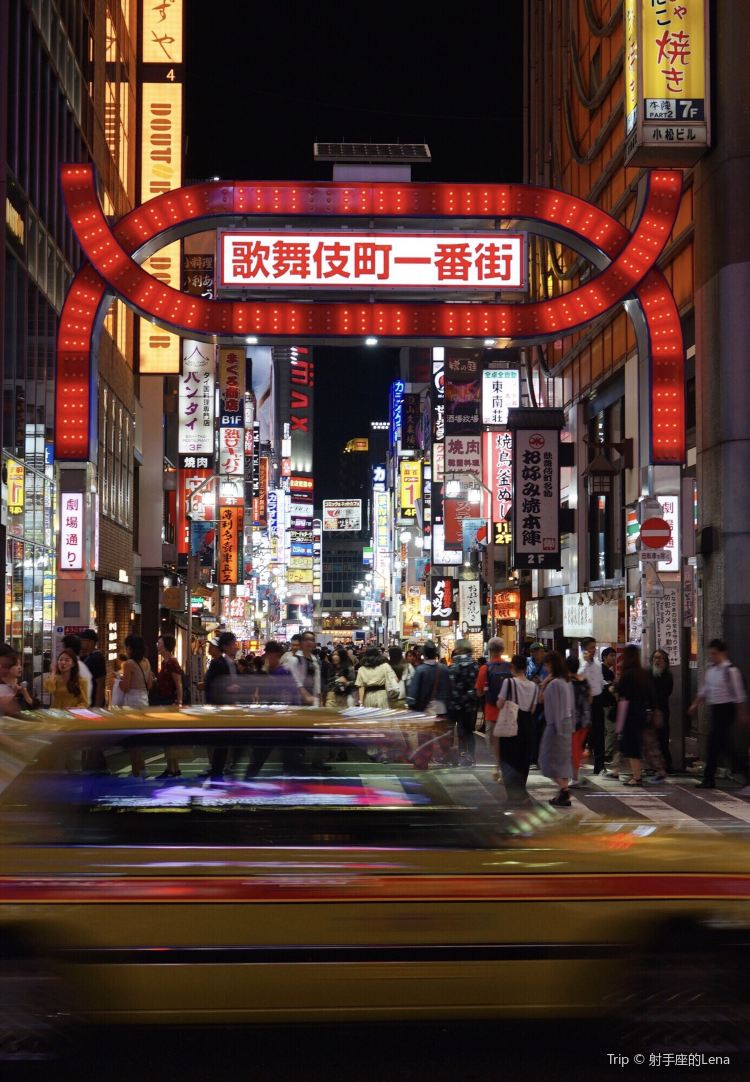
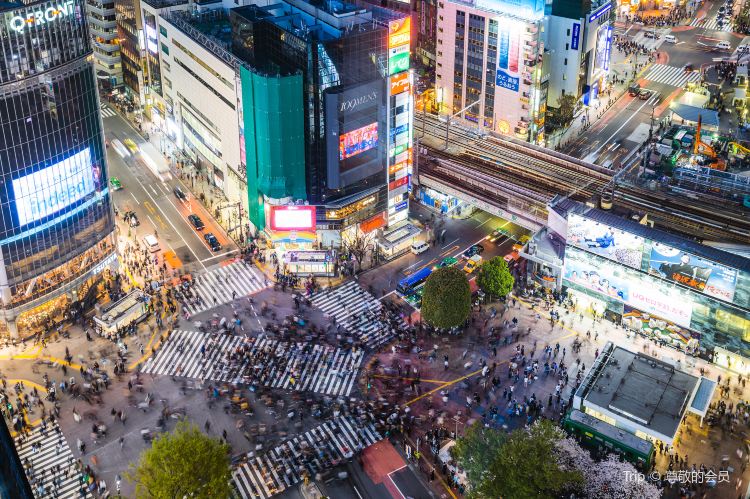
Japan’s electrifying capital, blending futuristic innovation, vibrant pop culture, and historic charm. Tokyo pulses with relentless energy, where neon-lit streets and cutting-edge technology coexist with tranquil shrines and traditional ryokans.
Key Experiences: Navigate the bustling Shibuya Crossing; visit Meiji Shrine for serene spirituality; explore Akihabara’s anime and electronics shops; savor sushi at Tsukiji Outer Market; shop in Ginza’s luxury boutiques or Harajuku’s quirky fashion streets; ascend Tokyo Skytree for panoramic views; experience a traditional tea ceremony in Asakusa near Senso-ji, Tokyo’s oldest temple.
Best For: Urban adventurers, pop culture enthusiasts, and history buffs.
Osaka
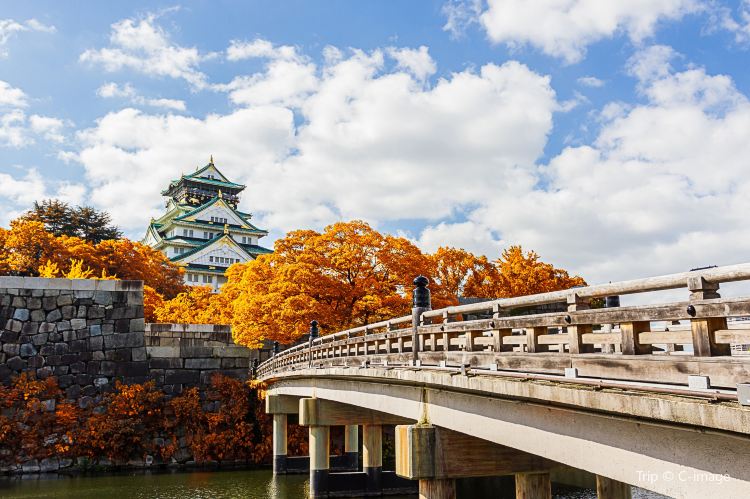
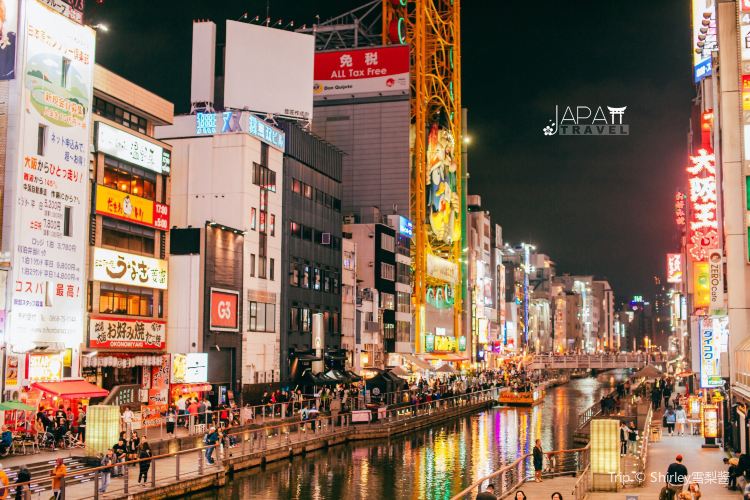
A lively metropolis famous for its food scene, friendly locals, and vibrant nightlife. Osaka buzzes with warm, down-to-earth energy, blending gritty charm with culinary passion and lively entertainment.
Key Experiences: Feast on takoyaki and okonomiyaki in Dotonbori’s neon-lit food hub; visit Osaka Castle for samurai history; thrill at Universal Studios Japan’s rides; explore Shinsekai’s retro Tsutenkaku Tower; take a Yodogawa River cruise for skyline views; shop in Shinsaibashi’s bustling arcades; enjoy nightlife in Namba’s izakayas.
Best For: Food lovers, nightlife enthusiasts, and families.
Kyoto
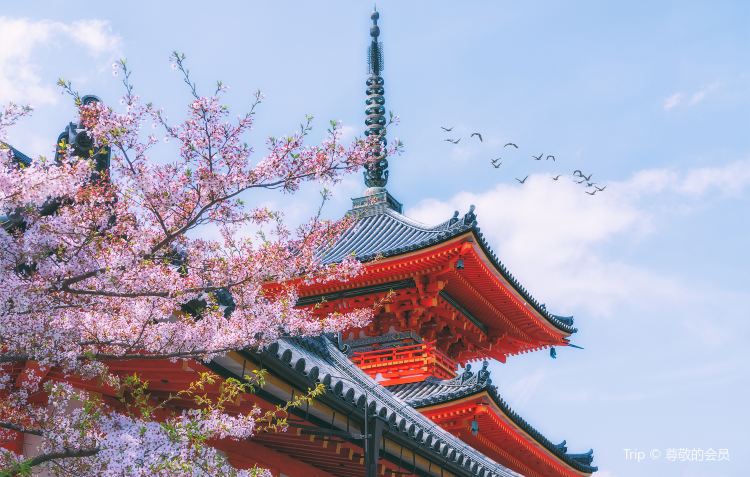
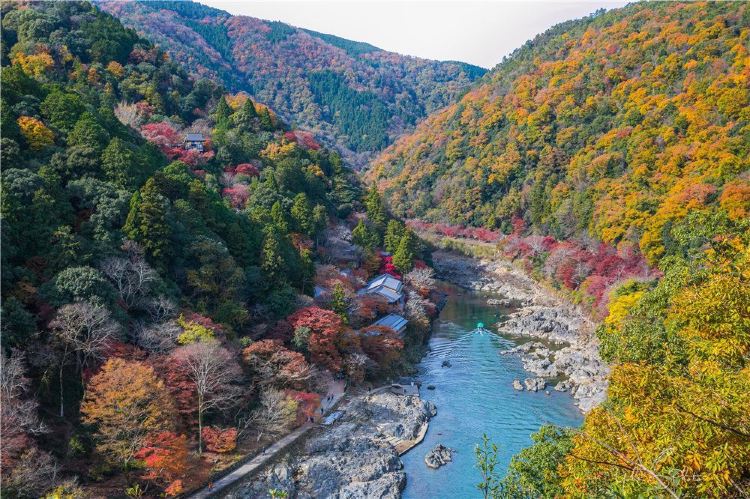
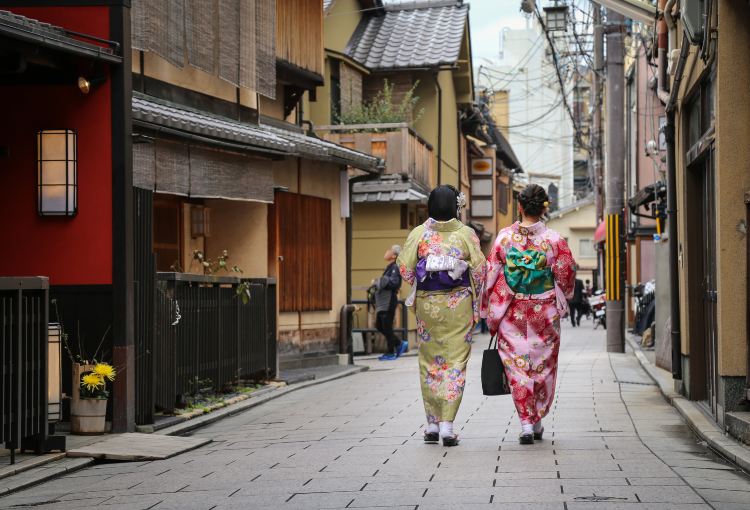
Japan’s cultural heart, renowned for its ancient temples, traditional tea houses, and preserved heritage, offers a deep dive into history.
Key Experiences: Wander through Fushimi Inari Shrine’s thousands of red torii gates; admire Kinkaku-ji’s golden pavilion; stroll the Arashiyama Bamboo Grove for serene beauty; explore Gion’s historic streets, possibly spotting geisha; enjoy a kaiseki (multi-course) meal; participate in a tea ceremony; view seasonal cherry blossoms or autumn foliage at Maruyama Park.
Best For: Culture lovers, history enthusiasts, and those seeking tranquility.
Japan Transportation
How to Get There
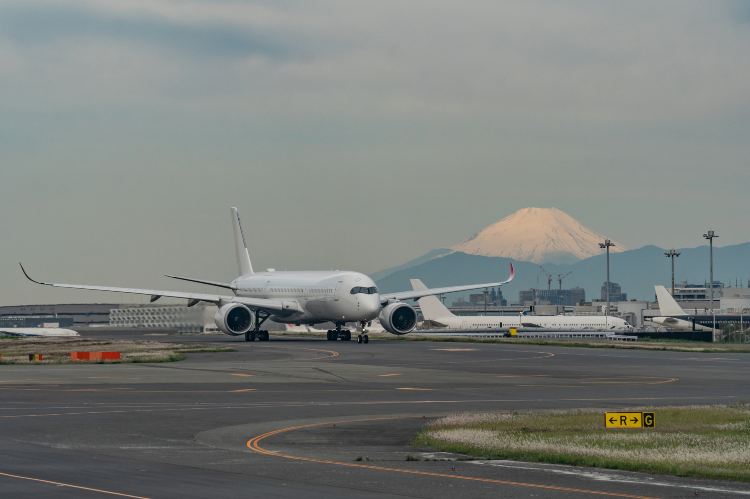
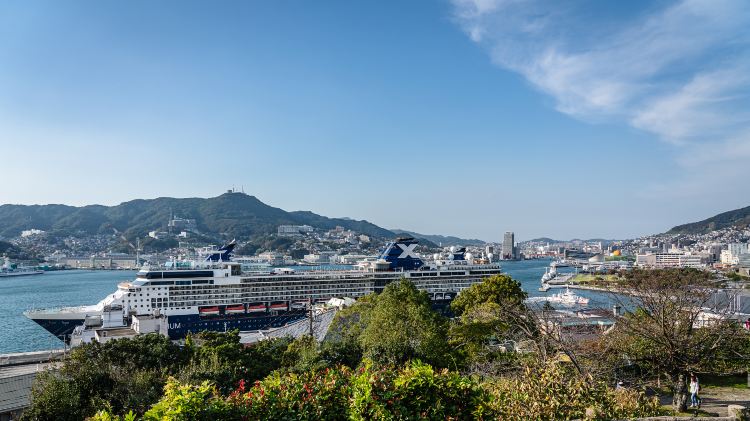
Japan can be reached by international flights to major airports such as Narita and Haneda in Tokyo, Kansai in Osaka, and several other regional hubs. Additionally, international ferry services provide a leisurely travel option, connecting Japan with nearby countries like China and South Korea.
Local Transportation
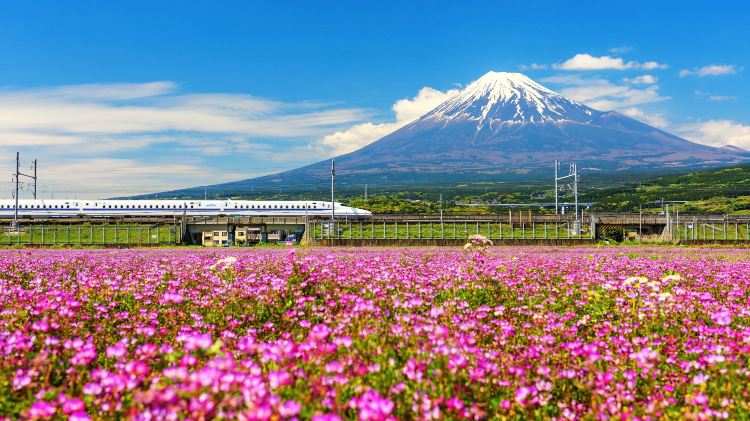
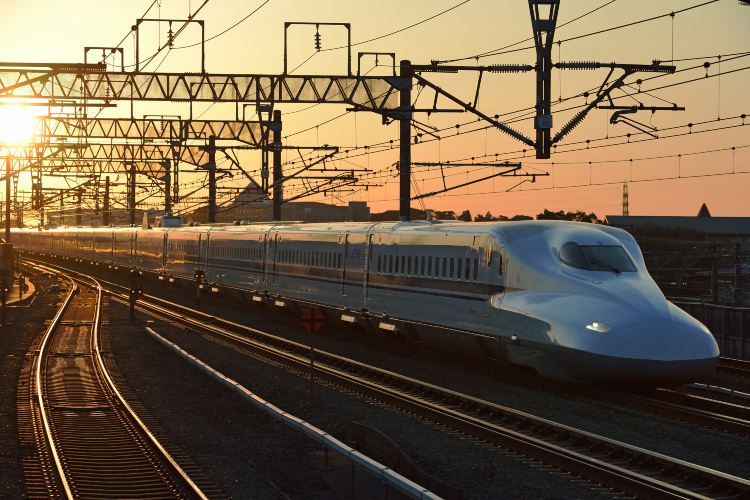
Japan offers a highly efficient and diverse range of transportation options for visitors, making it easy to navigate cities and regions:
1. Trains (Shinkansen and Local Trains)
Shinkansen (Bullet Trains): High-speed trains connecting major cities like Tokyo, Osaka, Kyoto, and Hiroshima. Fast (up to 320 km/h), reliable, and comfortable. The Japan Rail (JR) Pass is a cost-effective option for tourists, covering most Shinkansen and JR lines for 7, 14, or 21 days.
Local Trains and Subways: Extensive networks in cities like Tokyo, Osaka, and Kyoto. Efficient, punctual, and well-signposted. Use IC cards (e.g., Suica or Pasmo) for seamless fare payments across trains, subways, and buses.
2. Domestic Flights
Ideal for covering vast distances (e.g., Tokyo to Sapporo or Okinawa). Airlines like ANA and JAL offer reliable service, with budget carriers like Peach or Jetstar for cheaper fares. Book early for deals.
3. Buses
City Buses: Common in urban areas and smaller towns where trains are less frequent. IC cards are widely accepted. Timetables and routes may require some familiarity or translation apps.
Highway Buses: Affordable for long-distance travel between cities, especially overnight routes. Comfortable and cheaper than the Shinkansen, but slower.
4. Taxis: Available in cities and tourist areas. Clean, reliable, but expensive compared to public transport. Most drivers don’t speak English, so having your destination written in Japanese helps. Ride-hailing apps like Uber exist but are less common outside major cities.
5. Metro: Major cities like Tokyo, Osaka, and Nagoya have extensive subway systems. Fast, frequent, and tourist-friendly with English signage. IC cards work here, and day passes are available for unlimited rides.
6. Ferries: Useful for island-hopping (e.g., to Okinawa or Hokkaido). Vary from basic to luxury liners. Scenic but slower than trains or flights for long distances.
7. Bicycles and Walking: Bicycles are popular in cities like Kyoto or Hiroshima for short distances. Rentals are widely available. Many areas are pedestrian-friendly, with attractions often clustered together.
8. Car Rentals: Suitable for rural areas like Hokkaido or Kyushu. An International Driving Permit is required. Roads are well-maintained, but parking and tolls can be costly. Navigation systems often have English options.
Japan Best Time to Visit
Best Time to Visit
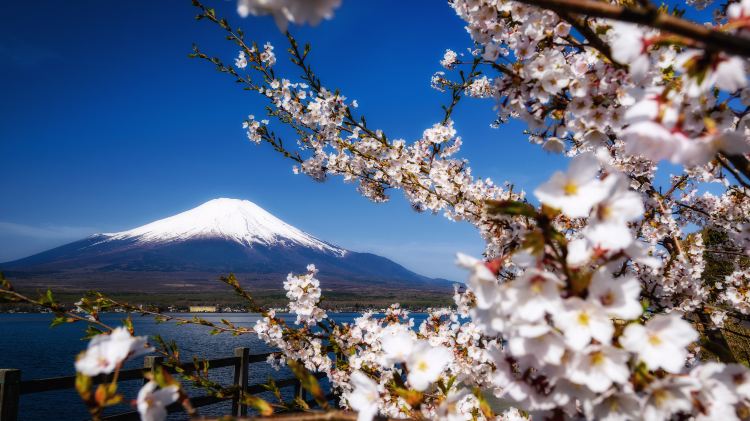
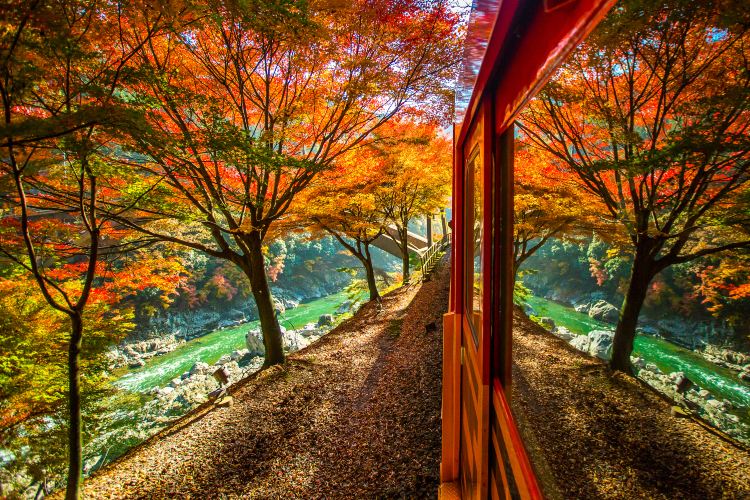
The best time to visit Japan depends on your preferences for weather, festivals, and crowd levels, but spring and autumn are generally ideal for their mild climates and scenic beauty.
Spring (March-May) is peak season, with cherry blossoms (sakura) blooming across cities like Tokyo, Kyoto, and Osaka, especially late March to early April, drawing crowds to hanami (flower-viewing) events.
Autumn (September-November) offers stunning fall foliage, particularly in Kyoto and Nikko, with comfortable temperatures and fewer tourists than in spring.
Summer (June-August) is hot and humid, best for festivals like Gion Matsuri in Kyoto, but expect rain in June (tsuyu season).
Winter (December-February) is cold but ideal for skiing in Hokkaido, onsen (hot spring) visits, and fewer crowds at attractions, plus vibrant New Year celebrations.
For budget travelers, late autumn or winter (excluding the New Year) offers lower costs and quieter sites. Check regional weather and book early for spring or autumn to secure accommodations during peak seasons.
Japan Travel Tips
1. Use Visit Japan Web for Fast Customs Clearance
Before arriving in Japan, register on the Visit Japan Web to create a QR code for faster immigration and customs clearance, especially during peak seasons. Complete the online form with passport and itinerary details at least a week in advance to avoid airport delays. Make sure to take a screenshot of the QR code to present it at the border without having to access the system again.
2. Remember to Carry Some Cash
Many traditional shops and small restaurants in Japan only accept cash. Carry some to avoid payment issues. Make sure to have 20,000 to 30,000 yen on you if you plan to eat out or shop, especially outside of tourist areas.
3. Tipping is Not Required
Tipping is not customary in Japan, as service is included in bills, reflecting local hospitality culture. Pay the exact amount presented. At izakayas, expect an “otoshi” fee (small appetizer, ~300–500 JPY) as a standard cover charge per person, not a tip. Decline extra tips to respect norms.
4. Follow Local Etiquette in Public Transit
Keep quiet on Japan's trains and buses, avoiding loud talks, eating, or phone calls. Check platform signs to board the correct train direction, and use station maps or apps to avoid missing stops.
5. Women-only Carriages Operate During Specific Hours
Some JR and private railway trains in Japan have women-only carriages, usually operating during morning and evening rush hours. The schedule and carriages may vary depending on the company and line, so be careful not to enter the women-only carriage by mistake.
6. Follow Left-Hand Traffic and Regional Escalator Rules
In Japan, cars drive on the left, and pedestrians should also keep to the left on sidewalks and stairs to avoid obstructing others. On escalators in most regions, including Tokyo, stand on the left and walk on the right. In the Kansai region (centered around Osaka), the opposite applies: stand on the right and walk on the left.
7. Respect Local Religious Customs
When visiting shrines or temples, maintain a quiet and respectful demeanor. Ask for permission before taking photos and avoid entering sacred or restricted areas.
8. Follow Local Queuing Etiquette
Japan has a strong queuing culture. Line up orderly for trains, buses, or restaurants. When boarding trains line up on either side of the door, allowing passengers to exit before boarding. Pedestrians have the right of way at crosswalks, and drivers typically yield to them.
9. Line up Correctly and Specify Dining Preference at Convenience Stores
In busy Japanese convenience stores, follow the floor markers to queue between aisles and wait for an available cashier instead of approaching the counter directly. Japan applies different tax rates for takeout (8%) and dine-in (10%) purchases. At checkout, clearly inform the staff if you plan to eat in the store. If you’ve paid the takeout rate, do not consume your food inside to avoid confusion or issues.
10. Respect Onsen (Hot Springs) Culture
Onsens, Japan’s hot spring baths, require showering before entry to keep the water clean. Keep towels out of water, tie up long hair, and avoid splashing. Tattoos may be banned due to cultural stigma; consider visiting private onsens or covering small tattoos. Confirm the rules directly with the facilities before your visit.
11. Smoke Only in Designated Areas
Smoking is banned in many public places in Japan, with strict fines for violations. Use designated smoking zones and avoid smoking while walking or discarding cigarette butts improperly.
12. Never Stop at Railroad Crossings or Trespass on Tracks
Photography in crossings or on tracks is prohibited. Keep your head and hands behind the yellow line until trains stop completely.
13. Sort Garbage Correctly to Avoid Fines
Japan has strict garbage sorting rules, dividing waste into categories like burnable (food scraps, paper), non-burnable (ceramics, metal), recyclable (PET bottles, cans, glass), and bulky items. Sort and dispose of garbage according to local guidelines to avoid penalties. Public trash bins are rare, so carry a small bag to hold your trash until you can dispose of it properly.
14. Follow Restaurant Policies on Takeout and Outside Food
In Japan, taking leftovers home from restaurants is uncommon and often not permitted, so don’t expect to pack uneaten food. Bringing outside food or drinks to restaurants is also generally prohibited. If you have special dietary needs or preferences, confirm with the staff in advance.
15. Clearly Inform Restaurants About Allergies Related to Common Seafood Ingredients
Seafood, including fish stock or bonito flakes, is widely used in Japanese cuisine, even in dishes that appear non-seafood-based, like soups or sauces. If you have allergies, especially to seafood, inform restaurant staff clearly before ordering, ideally using a translated allergy card or app due to potential language barriers.
16. Use the Cash Tray When Paying
At many shops and restaurants, a small tray is provided at the counter for cash payments. Place your money in the tray rather than handing it directly to the cashier. This ensures a smooth transaction and keeps interactions respectful.
17. Learn Basic Earthquake Safety
Earthquakes can occur in Japan, so it’s wise to be prepared. When checking into accommodations, note the location of emergency exits and evacuation routes. If an earthquake happens, stay calm, take cover under sturdy furniture, and follow staff or local instructions.
18. Plan for Safe Visits to Mount Fuji and Natural Sites
When visiting Mount Fuji or other natural attractions in Japan, check weather forecasts and follow posted safety guidelines. Wear sturdy hiking shoes, pack rain gear and warm clothing, and be aware of altitude sickness risks, especially at higher elevations. Bring sufficient food and water, as facilities may be limited, and always take your trash with you, as public bins are scarce.
19. Book Restaurants Early and Prepare for Language Barriers
In Japan, many upscale restaurants and hotel dining venues require reservations, often weeks or months ahead, and last-minute cancellations may incur fees. Some establishments may not accept bookings from non-Japanese speakers due to language barriers, so use online platforms or ask a local contact for help. Confirm reservation policies when booking to avoid surprises.
20. Reserve Popular Attractions Early to Secure Entry
Major attractions like Shibuya Sky, Warner Bros. Studio Tour Tokyo – The Making of Harry Potter, and Ghibli Park in Nagoya often require advance reservations, with tickets for peak times selling out quickly. Book through official websites or online platforms well in advance. Be aware that many attractions close during Japan’s New Year holiday season, so check schedules before planning your visit.
21. Claim Tax-Free Shopping for Purchases Over 5,000 Yen
In Japan, purchases over 5,000 yen (pre-tax) in a single day at participating department stores, drugstores, or electronics shops often qualify for tax-free shopping. Always carry your passport to complete the tax-exemption process at the store. Keep tax-free items sealed in their original packaging until you leave Japan, as customs may check them.
22. Pack Rain Gear and Monitor Weather for Rainy and Typhoon Seasons
Japan’s rainy season (typically June to July) brings frequent showers, so pack a compact umbrella or raincoat. During typhoon season (August to October), flights, bullet trains, and other public transport may face delays or cancellations, so check weather forecasts daily and confirm travel schedules with operators like JR or airlines.
23. Follow Drone and Photography Regulations
Drone use in Japan is strictly regulated, so check local rules and complete the required procedures before flying. Avoid taking photos or videos in public spaces that might be considered intrusive, especially on trains, where it could be mistaken for unauthorized photography. When filming, try to avoid capturing people’s faces to prevent issues.
24. Have Fun at Theme Parks
Japan’s theme parks mix global appeal with local flair, a hit with Western families and thrill-seekers alike. Tokyo Disneyland and DisneySea feature exclusive rides not found elsewhere, while Universal Studios Japan in Osaka immerses you in the Wizarding World of Harry Potter. For adrenaline junkies, Fuji-Q Highland offers world-class roller coasters with Mount Fuji as a backdrop, while Ghibli Park brings Studio Ghibli’s beloved films to life.
Japan Useful Guide
Safety notice
Emergency Numbers:
Police: 110
Fire/Ambulance: 119
Coast Guard: 118
Safety Advice:
Japan is very safe, with low crime rates. Use common sense and keep valuables secure in crowded areas.
Earthquakes are possible; follow local guidance and check evacuation routes in hotels.
Local Language
Japanese is the primary language.
English Usage: Common in tourist areas, major cities, and transport hubs (e.g., signs, announcements). Limited in rural areas or among older locals. Use translation apps and learn basic phrases to be polite.
Local APP
Google Maps: Reliable for real-time transit routes, walking directions, and finding attractions. Supports English and Japanese, with train and bus schedules.
Google Translate: Translates Japanese text, signs, or speech via camera or voice. Offline mode is available, which is crucial for rural areas with limited English.
Japan Travel by NAVITIME: A Comprehensive app for transit, tourist spots, and itineraries. Includes offline maps and English-friendly guides.
Tabelog: Popular for finding restaurants with user reviews and ratings. English version available, but Japanese proficiency helps for full use.
Suica/Pasmo (via Apple Wallet/Google Pay): Manage IC card balances for trains, buses, and shops. Convenient for cashless travel; requires compatible devices.
Japan Official Travel App: Offers guides, maps, and emergency info from Japan’s tourism board. Includes event listings and safety tips in English.
Plug adapters
Plug Type: Type A and B (two flat pins, sometimes with a grounding pin).
Voltage: 100V, 50/60Hz (varies by region).
Bring a Type A/B adapter. Most modern electronics handle 100-240V, but check your devices. A universal adapter is ideal.
Internet and Communication
eSIM: Convenient for tourists. Providers like Airalo, U-mobile, or Mobal offer prepaid eSIM plans (1-10GB, 7-30 days). Activate online before or upon arrival.
Physical SIM: Available at airports, convenience stores, or electronics shops.
Pocket Wi-Fi: Rent at airports or online (e.g., Japan Travel SIM, Ninja WiFi). Offers unlimited data, ideal for heavy users or groups.
Book eSIM or Wi-Fi in advance for airport pickup. Free Wi-Fi is available in cafes, stations, and tourist spots, but may require registration.
 Trending in Japan
Universal Studios Japan x One Piece summer carnival kicks off@Universal Studios JapanUniversal Studios Japan x One Piece summer bash kicks off
Universal Studios Japan unveils adults-only Halloween horror experience@Universal Studios JapanUniversal Studios Japan unveils adults-only Halloween horror experience
Top Okinawa fireworks 2026: approx. 10,000 light the night@Ocean Expo ParkOkinawa fireworks festivals 2026 picks: approx. 10,000 ignite the night
Popular destinations
Bangkok
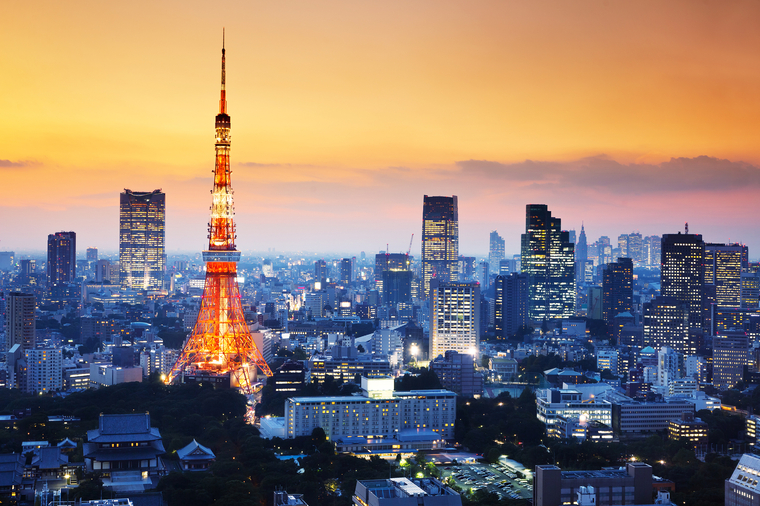
Tokyo
Kuala Lumpur

Los Angeles
Shanghai