Jiangxi 2025 Guide: Must-see attractions, local cuisine, and practical tips! | Trip.com
 Local GuidesLast updated on Trip.com: 08/01/2025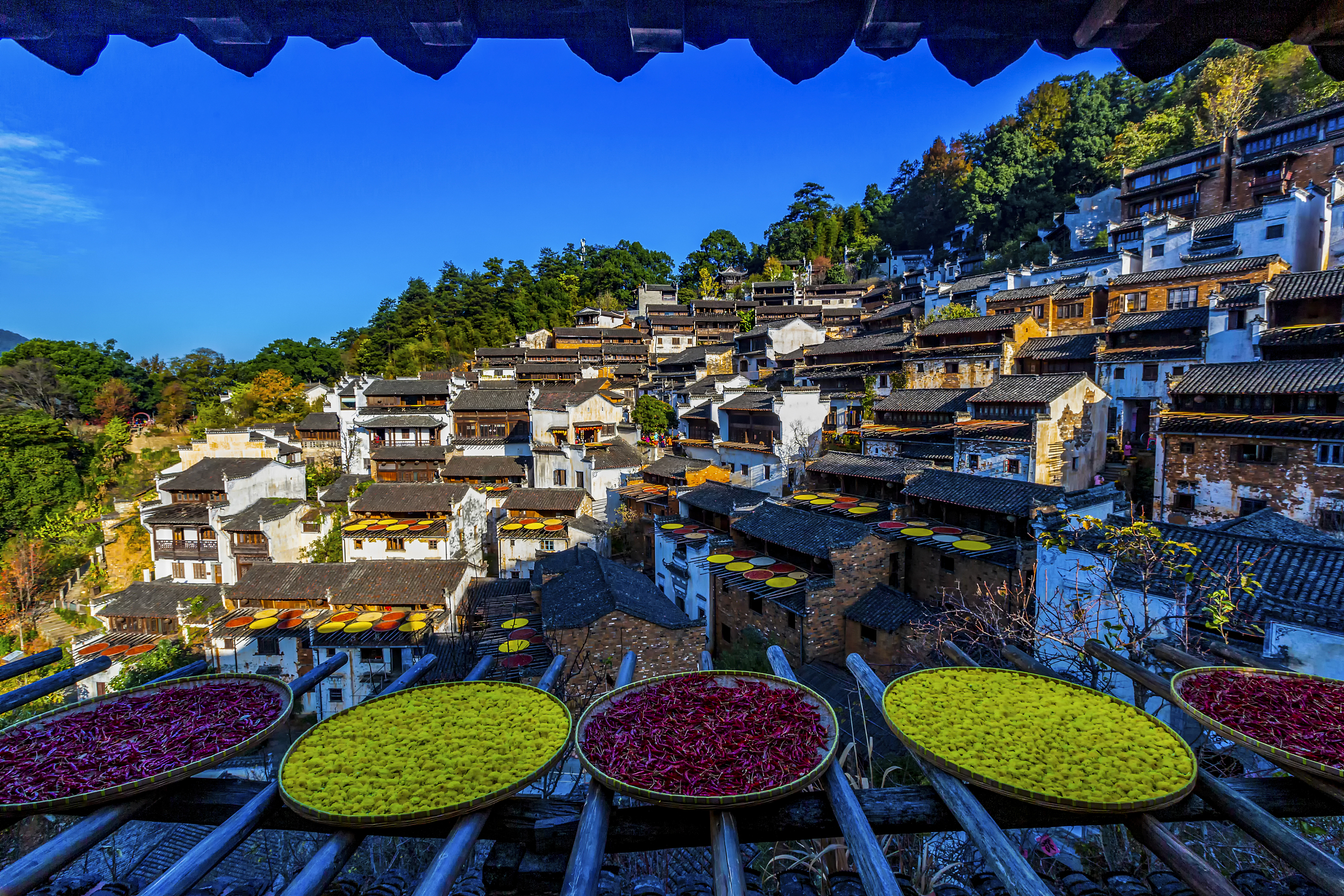
Jiangxi Brief Guide



Jiangxi, an inland province in southeastern China, is rich in history, culture, and natural beauty. It is famous for Jingdezhen, the world-renowned porcelain capital, and its lush landscapes like Lushan National Park, a UNESCO World Heritage site. For visitors, the scenic spots provide a varied and enriching travel experience.
Not only known for its unique geographical features and historical sites, Jiangxi is also famous for its distinct cuisine. Jiangxi cuisine is spicy and flavorful, with specialties such as Lushan San Shi and steamed foods being popular among tourists. The local tea, particularly Lushan Yunwu Tea, is recognized nationwide.
Top attractions include the ancient 'porcelain capital' Jingdezhen, the idyllic landscapes of Wuyuan, and the spiritual heights, Mount Lu. The combination of cultural activities and breathtaking natural beauty in Jiangxi ensures a rewarding journey for all who visit.
Jiangxi Must-try local experiences
Explore the Majestic Mountains of Jiangxi
Jiangxi is renowned for its stunning mountain scenery. Hike up Lushan, a UNESCO World Heritage Site, and explore the granite pillars and lush forests of Sanqing Mountain Xiaoyao Valley.
Cruise along the Picturesque Poyang Lake
Embark on a scenic cruise on Poyang Lake, China's largest freshwater lake, and admire the stunning views of Lushan. The lake is also a haven for migratory birds.
Wander Through Wuyuan
Wuyuan is often called the 'most beautiful countryside in China.' Its picturesque villages, ancient architecture, and vibrant rapeseed flower fields in spring make it a must-visit.
Discover the Ancient City of Jingdezhen
Immerse yourself in the rich history of Jingdezhen, renowned as the 'Porcelain Capital' for over 1,700 years. Visit ancient kilns, bustling porcelain markets, and try creating your own pottery. You can also visit local shops and markets to purchase beautiful porcelain pieces as souvenirs, ranging from delicate teacups to intricate vases.
Experience Hakka Culture in Ganzhou
Visit Ganzhou, the 'Hakka Capital of the World,' and explore ancient villages with distinctive tulou houses, traditional Hakka performances, and authentic Hakka cuisine.
Savor the Flavors of Jiangxi Cuisine
Indulge in the diverse flavors of Jiangxi cuisine, known for its spicy and sour notes. Sample local specialties such as Nanchang Fried Noodles, Poyang Lake Steamed Fish, and Ganzhou Hakka Dishes.
Snap Shots at the Tengwang Pavilion
The Tengwang Pavilion provides stunning views of Nanchang and the Gan River. Its historical architecture and scenic surroundings make it an ideal spot for memorable photos.
Jiangxi Best cities to visit
Nanchang


Nanchang is regarded as one of the birthplaces of the Chinese revolution and holds an important place in Chinese history.
In Nanchang, you can visit Nanchang August 1st Memorial Hall, the original site of the New Fourth Army and other places of interest regarding the revolution. You can also visit the Jiangxi Provincial Museum to learn more about Jiangxi Province. You can also go to Tengwang Pavilion, Shengjin Pagoda and other historic sites, along with Meiling Mountain or Poyang Lake for the natural scenery.
Jingdezhen
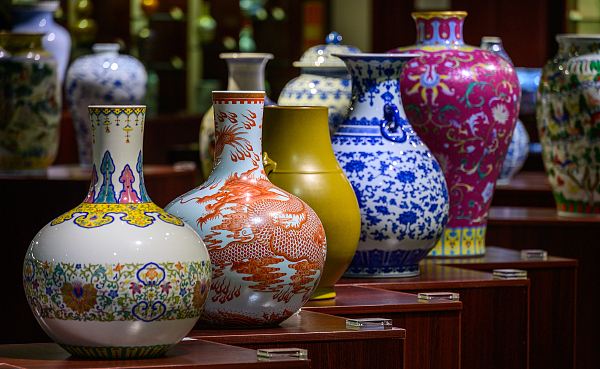
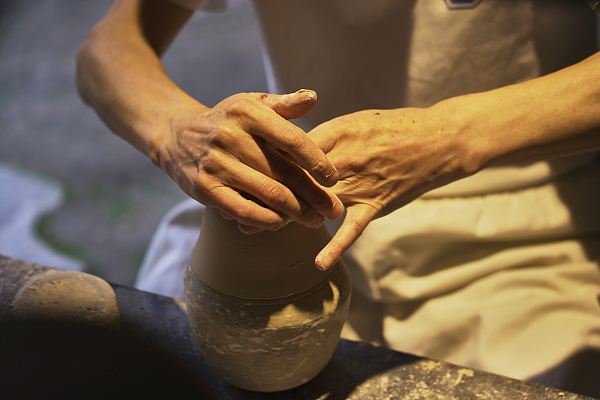
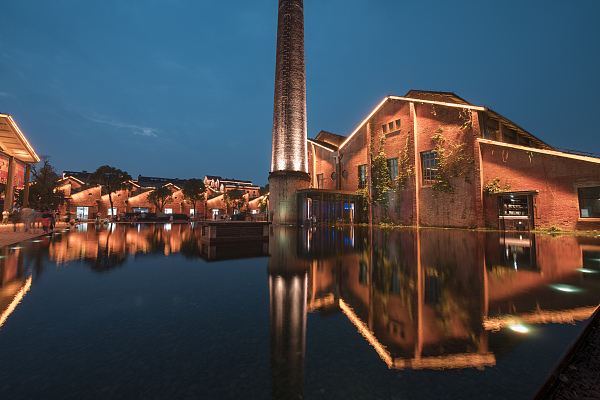
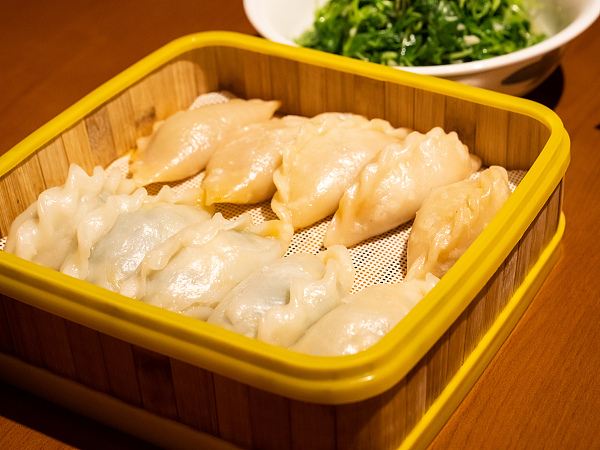
Though it is just a small city with numerous porcelain factories, Jingdezhen is worth a visit for its cultural and industrial importance to the country. Having produced porcelain for nearly two thousand years, Jingdezhen today houses one of the world's most impressive collections of Chinese ceramic art and artifacts. More than 30 historical ruins connected to porcelain production are found in the city, including the ancient Hutian Kiln and the Imperial Klin of the Ming and Qing dynasties.
Wandering around Jingdezhen Ceramic History Museum, Porcelain Street, China Porcelain Garden, or the Sanbao Ceramic Art Institute, you can learn more about the local ceramics collection. You can also taste the local flavor by ordering a spicy dumpling called Jiaoziba.
Wuyuan


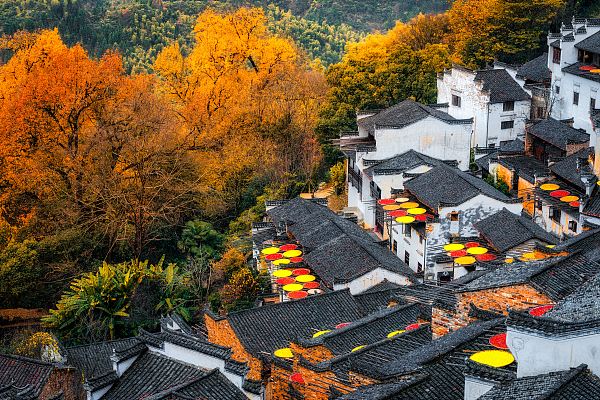
Wuyuan is located at the junction of Jiangxi Province and Anhui Province. The scenery here is extremely beautiful.
In the springtime the mountains are abloom with wild canola. In autumn, the maple leaves all turn red. Other than the natural landscape, Wuyuan's country villages are also worth visiting.
Gray stone walls and white roof tiles are highly characteristic of the local traditional architecture. In combination with the simple local cuisines, many travelers are enticed to come here.
Jiangxi Transportation
How to Get There

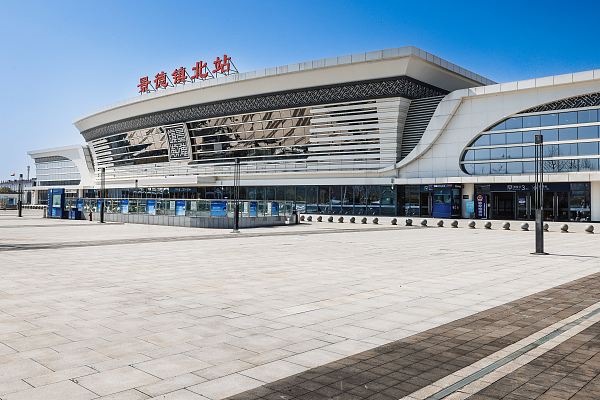

To reach Jiangxi, the most feasible options include flying and taking the train from various locations.
Travelers can find direct flights to cities like Nanchang, Jingdezhen, and Ganzhou utilizing airlines such as Air China and Asiana Airlines.
Additionally, there are comprehensive train services available connecting Jiangxi to major cities like Beijing, offering both affordable and faster travel choices. These transport connections facilitate easy access to Jiangxi for international and domestic visitors alike.
Local Transportation

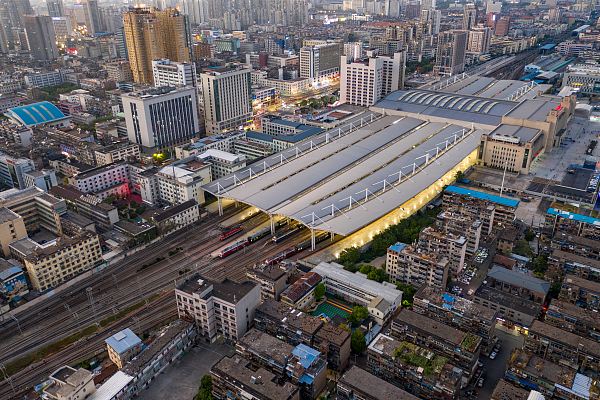
Jiangxi's transportation network includes several effective transportation services enhancing connectivity and accessibility across the province.
Railway: One significant mode is its extensive railway system which links cities internally and with other regions in China. The Shanghai-Kunming Railway and Beijing-Kowloon Railway are major routes, facilitating swift travel from Jiangxi to cities like Shanghai and Beijing in four hours. Additionally, the Nanchang Railway Station operates a substantial part of this network, connecting to other major cities.
Metro: The metro system in Nanchang, the capital of Jiangxi, symbolizes urban transportation development. Currently, with multiple lines functioning and several more planned, it efficiently connects key city attractions and business districts.
Bike: The rise of bike-sharing programs in Jiangxi cities like Nanchang offers a green and economical choice for short journeys, enhancing urban mobility and supporting environmental conservation efforts.
Jiangxi Best Time to Visit
Best Time to Visit
The best time to visit Jiangxi is during the spring (March to May) and autumn (September to November) when the weather is mild and pleasant.
In spring, places like Lushan and Wuyuan are particularly vibrant with blooming flowers, providing a spectacular natural display.
Autumn in Jiangxi showcases a stunning array of colors at scenic spots such as Huangling in Wuyuan and Poyang Lake, offering picturesque views and ideal temperatures for outdoor activities.
Jiangxi Useful Guide
Safety notice
Keep up with local weather forecasts and follow instructions for evacuation if necessary.
Familiarize yourself with emergency contact numbers; for police, dial 110; for fire emergencies, 119; and for medical emergencies, call 120.
In case of any other emergencies, contact local tour operators, hotel management, or use the specific emergency numbers provided in your location.
Local Language
The official language in China is Mandarin, also known as Standard Chinese.
While traveling in China, language apps and local interpretation services are helpful tools for language assistance. Effective communication can be achieved through simple phrases, gestures, or even showing phrases on your smartphone.
Basic phrases in Mandarin include "Nǐ hǎo" (Hello) and "Xǐshǒujiān zài nǎ?" (Where is the bathroom?).
Local APP
DiDi: Similar to Uber, this app is essential for convenient transportation across cities in China.
WeChat: Beyond messaging, it supports various city-specific transit mini-programs and payment options.
Alipay: A must-have for mobile payments, and it uniquely catifies foreign credit cards.
Plug adapters
In China, power plugs and sockets (outlets) of type A, type C, and type I are used. The standard voltage is 220 V at a frequency of 50 Hz.
Internet and Communication
Mobile data packages for tourists in China are available through local carriers such as China Mobile and Unicom. China Mobile offers prepaid data SIM cards, unlimited text messages and calls within China, and high-speed connections, sometimes even 5G. Unicom provides SIM cards with data packs that include unlimited music applications, and both do not require long-term contracts.
Public WiFi in China is widely available in airports, restaurants, coffee shops, and malls. However, connecting to these networks often requires a Chinese phone number for text verification, which can be challenging for travelers without a local SIM card.
 Trending in Jiangxi
Shangrao's Winter Festival of a Hundred Plays Kicks Off@Vagoo Scenic AreaShangrao's Winter Festival of a Hundred Plays Kicks Off
The Best Time for Fall Maple Viewing in Huangling@Wuyuan HuanglingThe Best Time for Fall Maple Viewing in Huangling
Wangxiangu Cliff: A Picturesque World of Heroes and Night Lights@Vagoo Scenic AreaWangxiangu Cliff: A Picturesque World of Heroes and Night Lights
Popular destinations

Bangkok

Tokyo
Kuala Lumpur

Los Angeles
Shanghai