Jingdezhen 2025 Guide: Must-see attractions, local cuisine, and practical tips! | Trip.com
 Local GuidesLast updated on Trip.com: 27/08/2025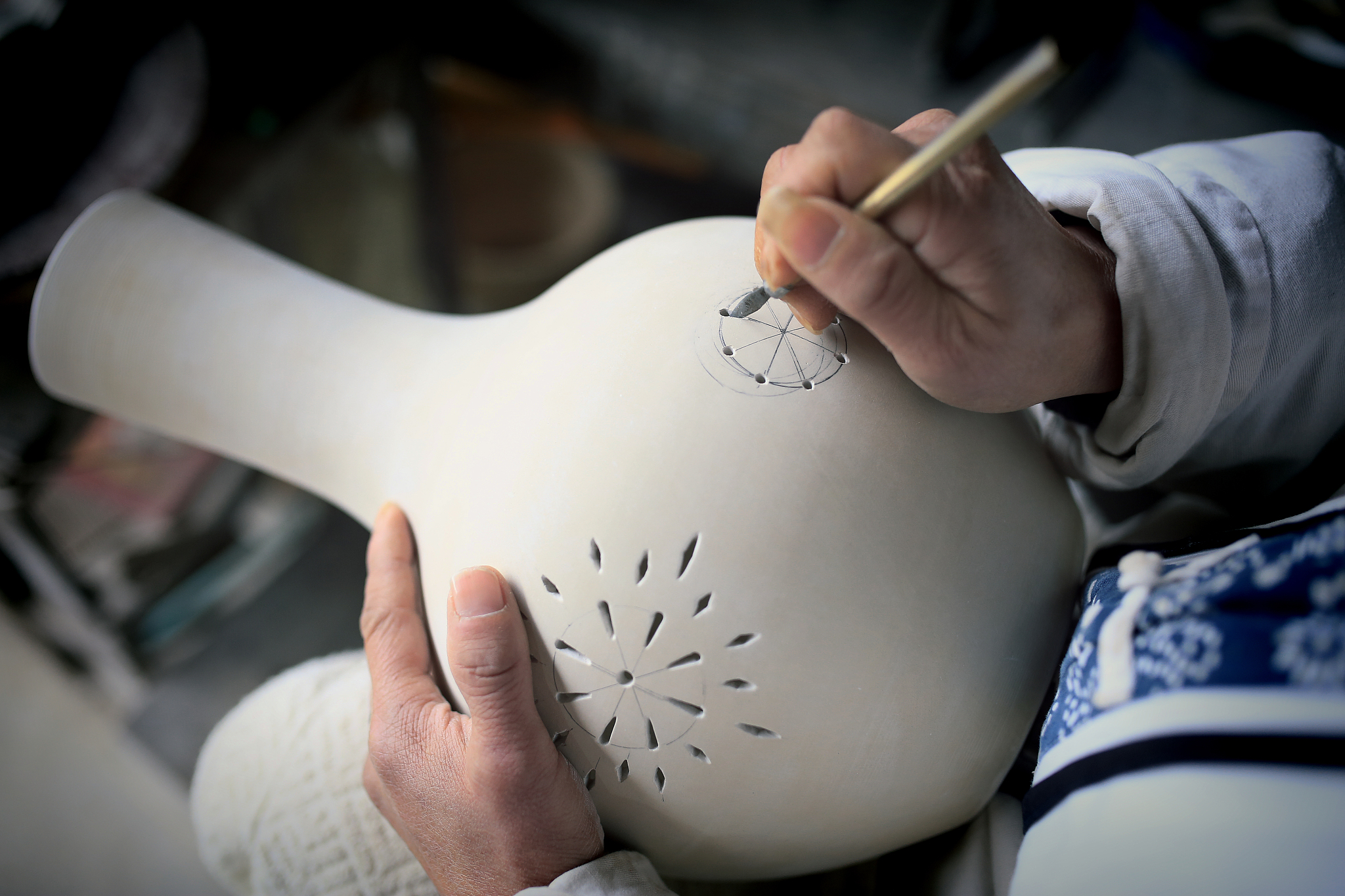
Jingdezhen Brief Guide
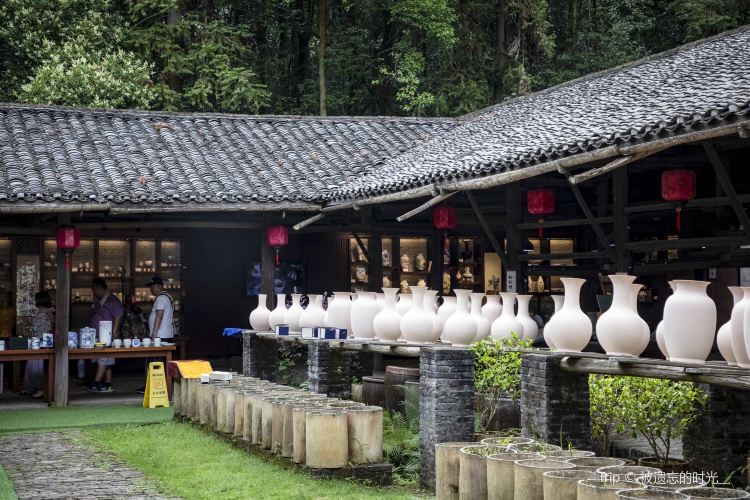
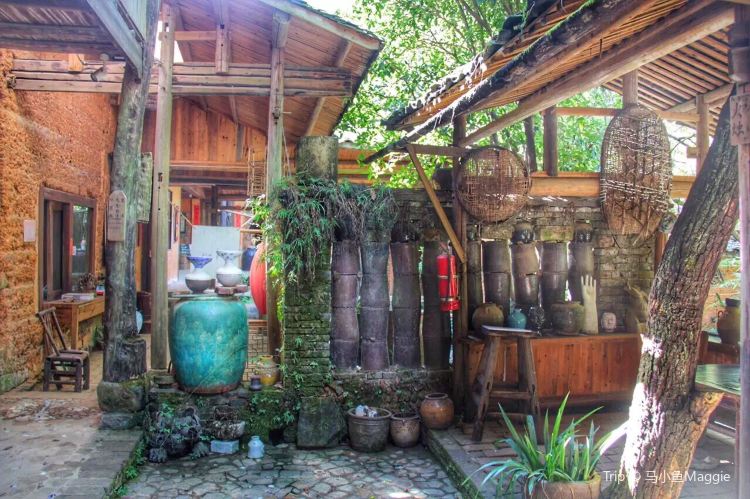
Jingdezhen City is worth a visit for its cultural and industrial importance to the country. Having produced porcelain for nearly two thousand years, Jingdezhen today houses one of the world's most impressive collections of Chinese ceramic art and artifacts. More than 30 historical ruins connected to porcelain production have been found in the city, including the ancient Hutian kiln and the royal kilns in the Ming and Qing Dynasties.
Stop by the Ceramic History Museum, Porcelain Street, China Porcelain Garden or the Sanbao International Ceramic Village to learn the most about the local ceramics collection. Get a taste of local flavor by sampling Jiaoziba, a spicy dumpling prevalent in this region.
Jingdezhen Must-try local experiences
Discover the Legacy of Porcelain
Explore Jingdezhen's rich history of porcelain production at the Ancient Kiln Folk Customs Museum and Porcelain Street, where you can see centuries-old kilns and buy exquisite porcelain wares.
Embrace Your Inner Artist with a Pottery Workshop
Unleash your creativity at Jingdezhen's pottery workshops, where you can learn shaping, molding, and glazing techniques from experienced artisans.
Visit the Jingdezhen Ceramics Museum
Discover an extensive collection of ceramics from different dynasties at the Jingdezhen Ceramics Museum.
Witness the Spectacle of the International Ceramic Fair
Held annually in October, the Jingdezhen International Ceramic Fair showcases contemporary and traditional ceramics from around the world.
Savor the Flavors of Jingdezhen
Indulge in Jingdezhen's unique dishes like Porcelain-bowl Steamed Chicken and explore local eateries and night markets for regional specialties.
Bring Home a Piece of Jingdezhen
Browse shops along Porcelain Street or specialized markets to find exquisite porcelain souvenirs, from delicate tea sets to intricate sculptures.
Capture the Beauty of the Sanbao International Porcelain Village
Photograph contemporary ceramic art installations, traditional workshops, and charming cafes in the picturesque Sanbao International Porcelain Village.
Capture the Beauty of Yaoli Ancient Town
Yaoli Ancient Town offers well-preserved ancient architecture and beautiful landscapes, making it a perfect spot for photography.
Jingdezhen Must-see Attractions
Jingdezhen, often referred to as the porcelain capital, boasts an array of cultural and artistic attractions including the Ancient Kiln Folk Customs Museum, Taoyang Alley Historical and Cultural Tourist Area, Taoxichuan Creativity Square, Jingdezhen Ceramics Museum, and Yaoli Destination, each offering immersive experiences that highlight the city's profound heritage and innovative approaches in ceramic craftsmanship and artistry.
Ancient Kiln Folk Customs Museum
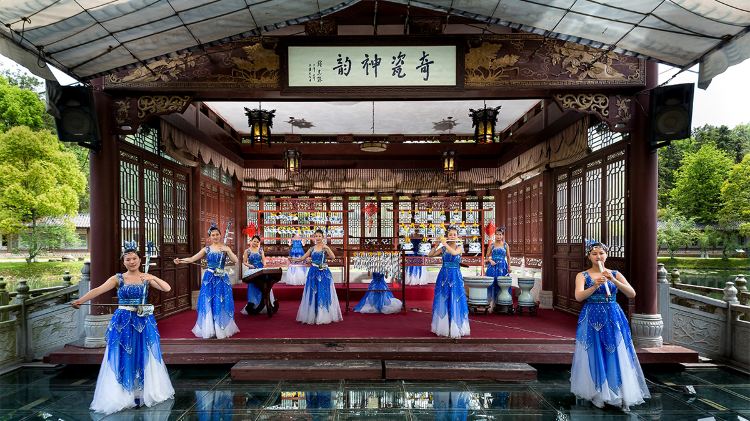
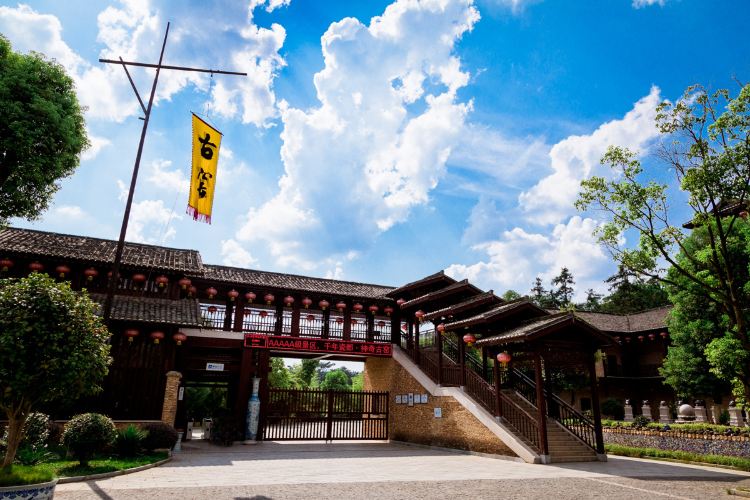
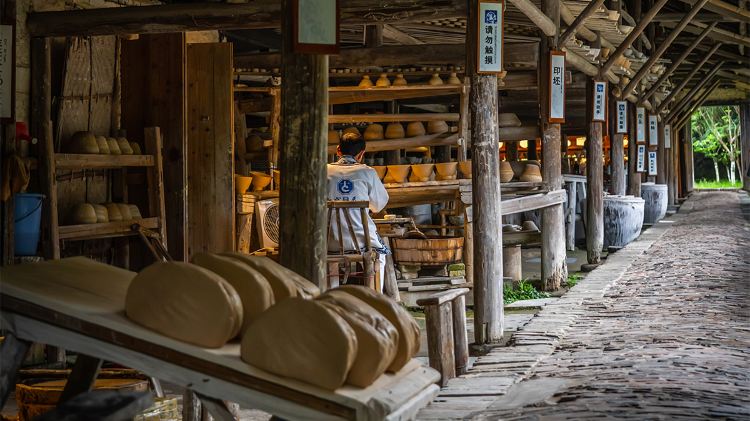
The Ancient Kiln Folk Customs Museum is architecturally inspired by traditional kilns, with vaults that allow natural light and wind to enhance the viewing experience. The museum focuses on the heritage and craft of porcelain making in Jingdezhen, offering an immersive experience enriched by the local historical context.

 Anonymous userWe hired guide number 21, Ms. Xu, for the scenic area. Her explanations were very professional and detailed. This trip allowed me to learn about the processes of porcelain making and firing. The scenic area is beautiful and not too crowded. Highly recommended! You can also buy porcelain and tableware inside the scenic area. The intangible cultural heritage teachers are highly skilled; it was truly eye-opening.
Taoyang Alley Historical and Cultural Tourist Area
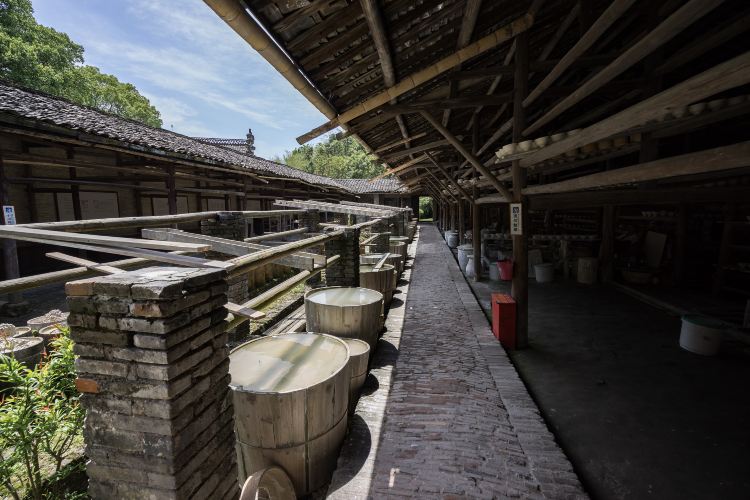
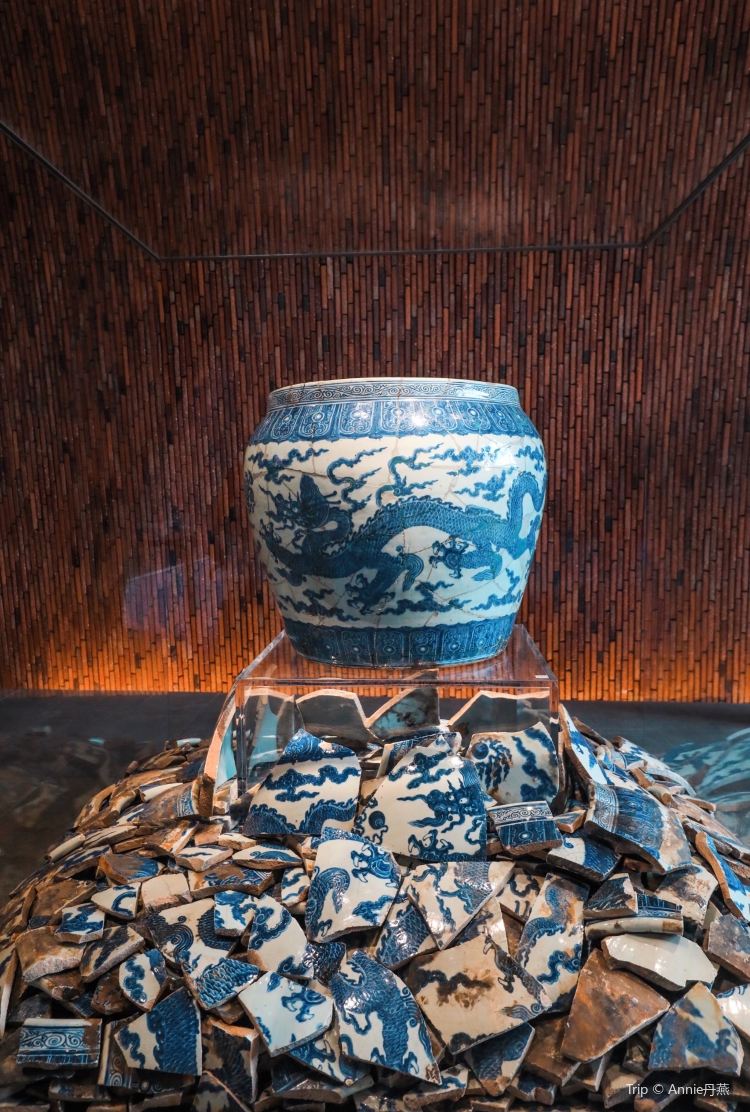
Taoyang Alley Historical and Cultural Tourist Area in Jingdezhen is renowned for its profound heritage in porcelain craftsmanship, which dates back more than 1,700 years. This tourist area is being developed into a center for the preservation and innovation of ceramic culture. Visitors here can explore ancient imperial kiln sites, engage in pottery workshops, and visit art museums and galleries. This location is not only a place for cultural preservation but also an artistic hub that promotes innovation in ceramic arts, appealing to both cultural enthusiasts and creative minds.

Jingdezhen Ceramics Museum
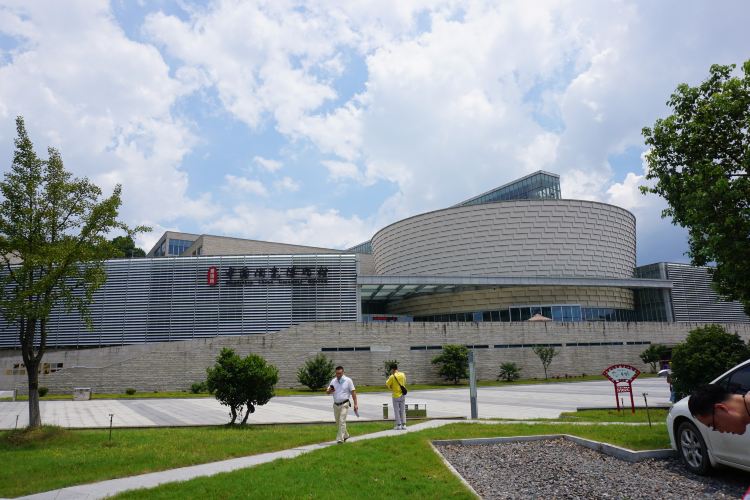
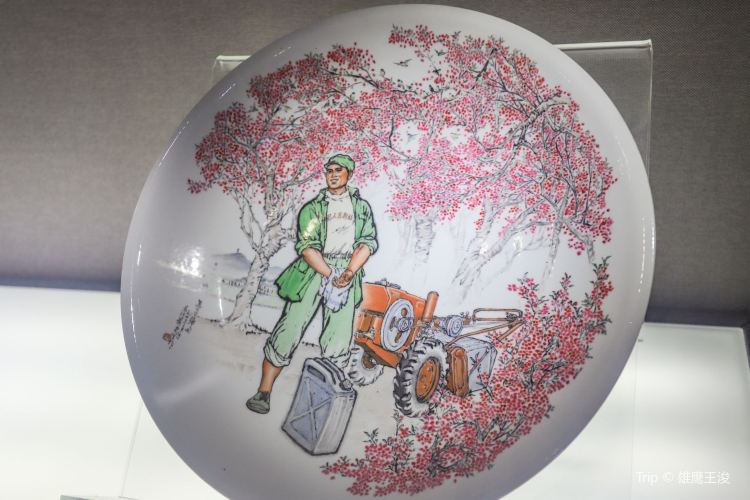
Jingdezhen Ceramics Museum offers a comprehensive view of China's rich ceramic heritage, displaying over 40,000 ceramic items spanning from the Neolithic to Qing Dynasty. The museum's interactive exhibits, including ancient kiln workshops and Qing Dynasty houses, provide live ceramic-making demonstrations, immersing visitors in the historical and technical aspects of ceramic craftsmanship. The detailed exhibitions follow the chronological development of ceramics, enhancing visitors' appreciation and understanding of this ancient art form.
Taoxichuan Creativity Square
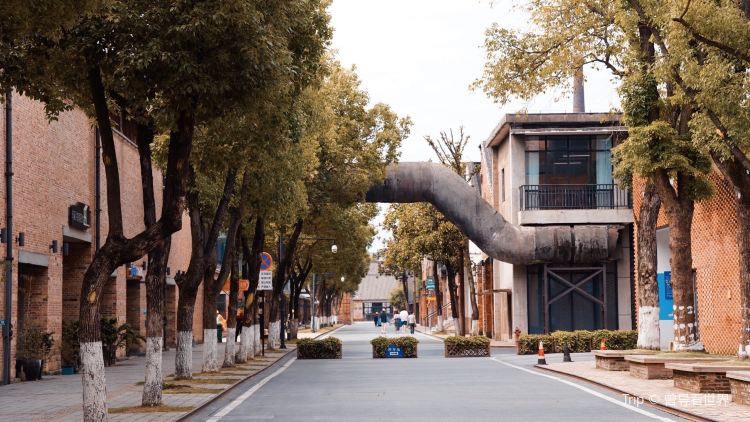
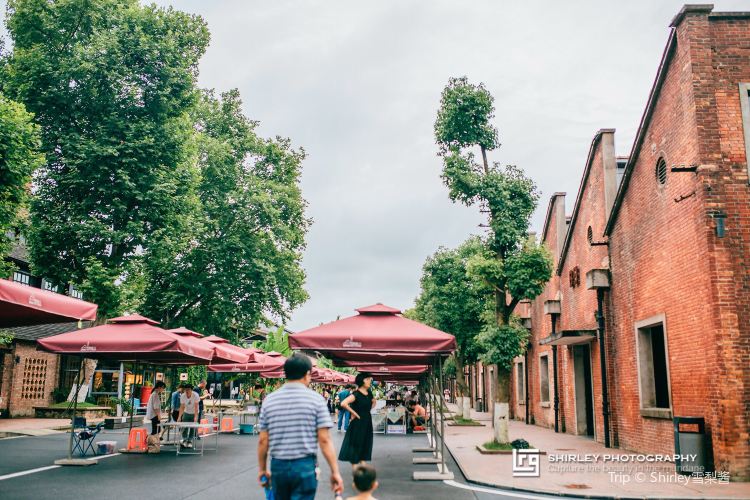
Taoxichuan Creativity Square, located in the porcelain capital of Jingdezhen, seamlessly blends traditional crafts with modern cultural industries. It has revitalized historical sites into dynamic spaces such as the Ceramic Industry Museum and the Taoxichuan Ceramic Academy, serving as a beacon for cultural exchange and artistic collaborations. The area hosts a variety of cultural activities, making it an essential platform for young artists and designers to interact and exhibit their work.
Yaoli Ancient Village

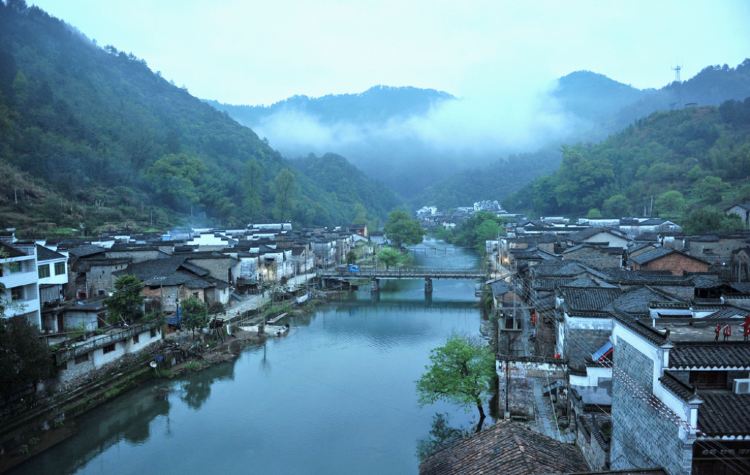
Nestled in Jingdezhen, Yaoli is renowned as the cradle of Jingdezhen porcelain with a history stretching back to the Mid-Tang Dynasty. It combines stunning natural landscapes with a rich ceramic heritage. Visitors can immerse themselves in traditional porcelain-making, explore ancient Ming/Qing-style structures, and enjoy the natural beauty filled with rare species and traditional tea culture.
Jingdezhen Food Guide
The traditional cuisine of Jingdezhen focuses primarily on local snacks like Jiaozi Ba (glutinous rice dumplings), Lengfen (cold noodles), Jian Shui Ba (alkaline rice cakes), and Dou Chong (bean broth). Each dish boasts distinctive flavors, incorporating traditional local tastes such as spicy radish and chive bean curd filled dumplings, as well as unique culinary innovations like alkaline rice cakes paired with stewed vegetables. These dishes are not only popular among locals but also carry deep historical and cultural meanings.
Glutinous rice dumplings
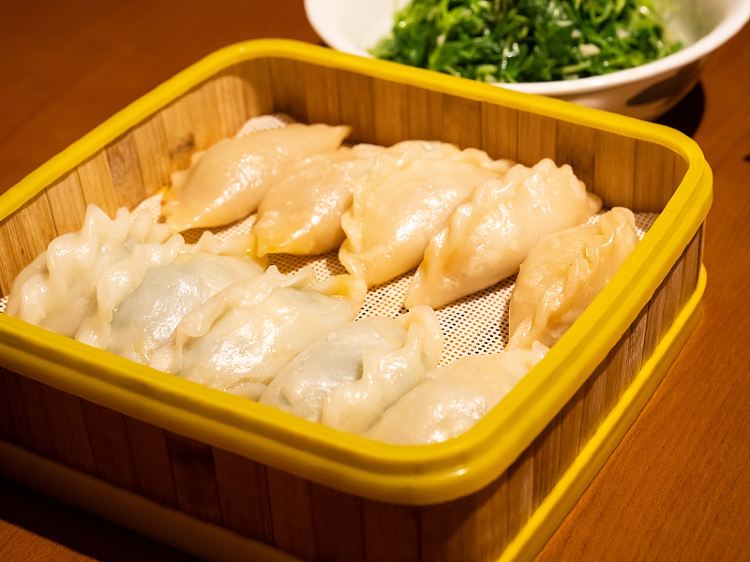
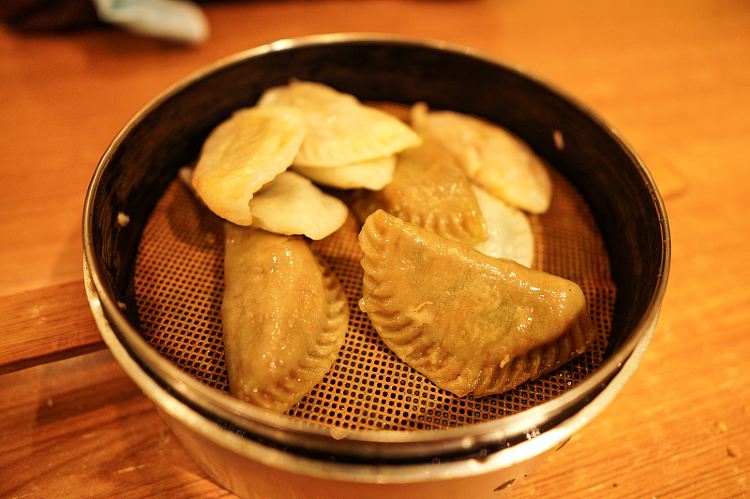
Glutinous rice dumplings is a classic snack from Jingdezhen, available in both spicy and mild versions. The spicy dumpling cake is usually filled with shredded radish, whereas the mild version contains fillings like Chinese chives and dried tofu, along with variations like bean sprouts and pickled vegetables. Though shaped like traditional dumplings, dumpling cakes differ in that they have a rice flour skin. After steaming, they can be optionally fried for a unique taste and texture.
Cold noodles
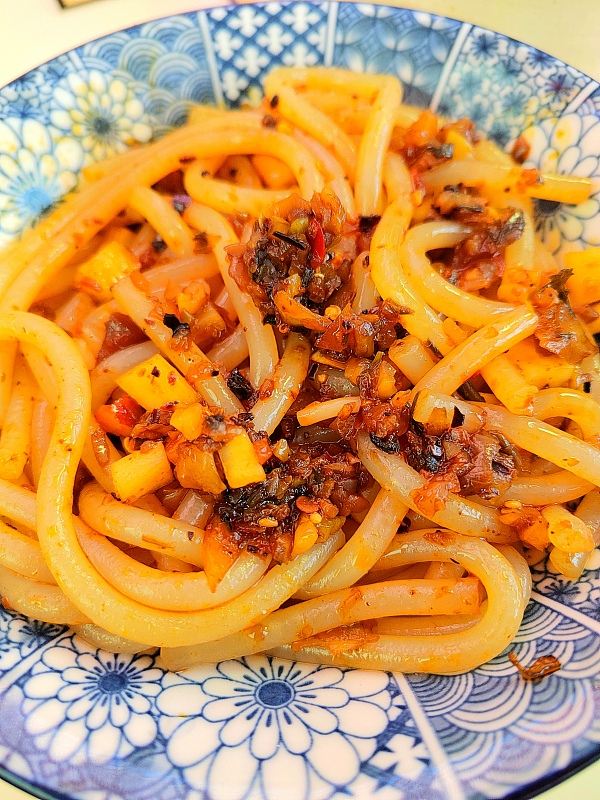
In Jingdezhen, while porcelain-making is merely a livelihood, eating cold noodles is central to their way of life. Jingdezhen's cold noodles are distinct for their thicker strands that offer a satisfying blend of softness and chewiness. To prepare, they are simply mixed with condiments such as chili peppers, green onions, sesame oil, minced pickles, radish pieces, and orange peel. More than just a local favorite, Jingdezhen's cold noodles symbolize the nostalgia of those who’ve moved away from their hometown, preserving a taste of home for generations.
Jian Shui Ba (alkaline rice cakes)
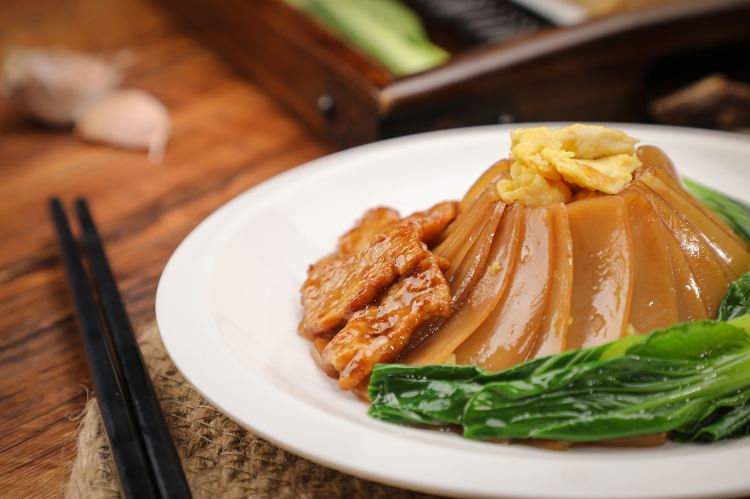
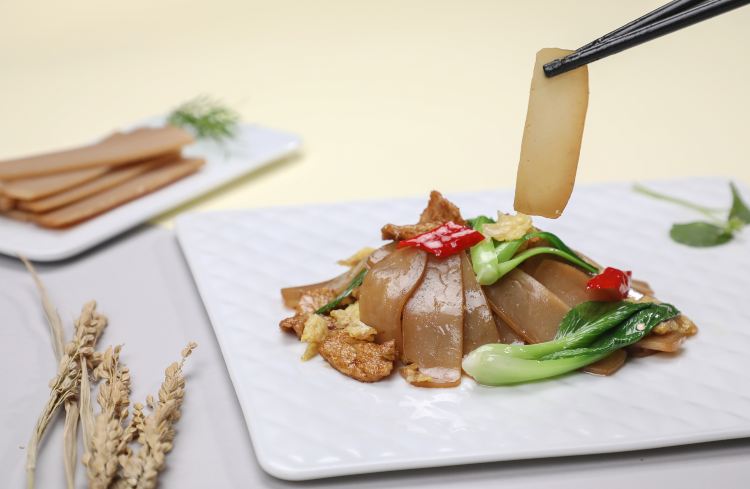
Jian Shui Ba, or alkaline rice cakes, is a traditional snack from Jingdezhen. Made with a mixture of rice flour and alkaline water, these cakes are known for their unique texture and flavor. Typically enjoyed steamed and served with a variety of fillings or as a side dish, they embody the rich culinary heritage of the region.
Dou chong tofu in soup
A staple in Jingdezhen cuisine, dou chong, is essentially tofu, akin to fried tofu, and when simmered in a broth of pork ribs or fish, it becomes exceptionally flavorful. The preparation begins by pan-frying fresh fish or meat with various seasonings, followed by adding pre-soaked dou chong. The mixture is then gently simmered in clear water until it absorbs the flavors. This dish uniquely combines the savory essence of meat with the fresh taste of dou chong, creating a delightful culinary experience.
Jingdezhen Transportation
How to Get There
Jingdezhen's transportation network is centered around its airport and railway stations, which are essential for intercity travel and contribute significantly to the city's connectivity.
Jingdezhen Luojia Airport (IATA: JDZ) serves as a key aviation hub for the region, with a range of domestic flights connecting to major Chinese cities. Located approximately 8 kilometers from the city center, the airport facilitates access to Jingdezhen for both domestic and international travelers. To reach the city from the airport, passengers can use the airport shuttle bus service or take a taxi.
Jingdezhen North Railway Station (Jingdezhenbei) is a prominent railway hub, offering high-speed train services to various destinations including Shanghai, Beijing, Hangzhou, and Nanchang. The station is equipped with modern facilities and provides a convenient gateway to the city. From Jingdezhen North, travelers can easily access the city center and other areas, as it is the most utilized station for tourists. The high-speed train routes make it a preferred choice for reaching Jingdezhen efficiently.
Local Transportation
Taxis in Jingdezhen offer a convenient way to navigate the city.
The public bus service in Jingdezhen is another mode of local transportation.
Ride-hailing services are available but can be expensive and less convenient, especially around Jingdezhen North Station where vehicles are scarce. This has led to an oversupply of ride-hailing drivers in the city. For those looking to explore the city at their own pace, renting an electric scooter is a cost-effective alternative.
Jingdezhen Where to Stay
Jingdezhen, renowned as the "Porcelain Capital," boasts a rich history in ceramics. Whether one is immersed in cultural explorations or appreciative of artistic endeavors, Jingdezhen has regions suitable for all.
Taoxichuan Creativity Square
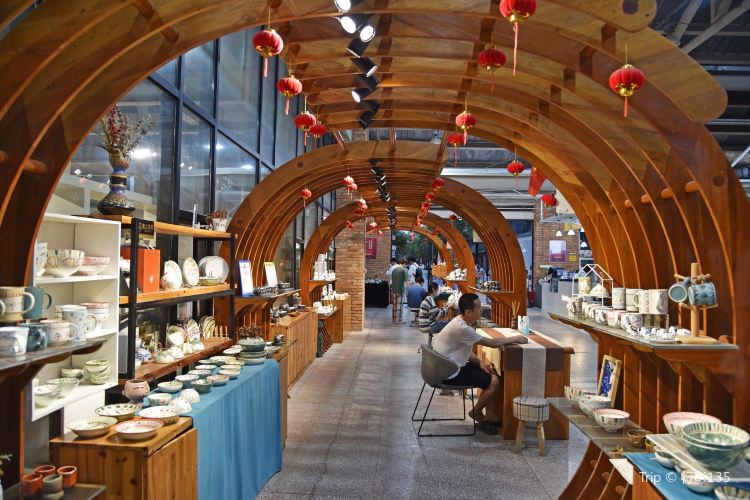
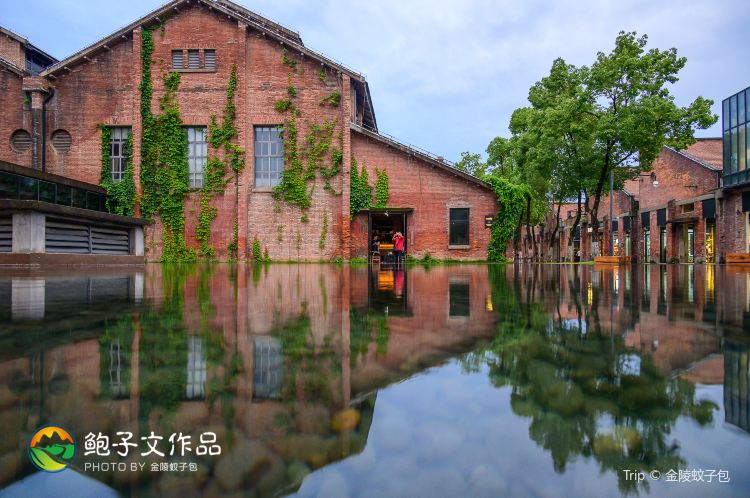
Taoxichuan Creativity Square, positioned in the heart of Jingdezhen, offers a deep dive into the city's artistic heritage. This vibrant art district thrives with numerous galleries, art shops, and creative spaces, making it a hub for art lovers and creative minds. The square's strategic location provides easy accessibility to essential amenities and is a stone’s throw from major transport links, facilitating smooth travel to and from the area. Nearby, the Taoxichuan Hotel offers a unique stay, reflecting the area's ceramic craftsmanship, and ensuring a culturally rich experience for visitors. Additionally, the proximity to Jingdezhen Railway Station and Luojia Airport adds to the convenience for travelers exploring the broader region.
Jingdezhen Ceramics Museum
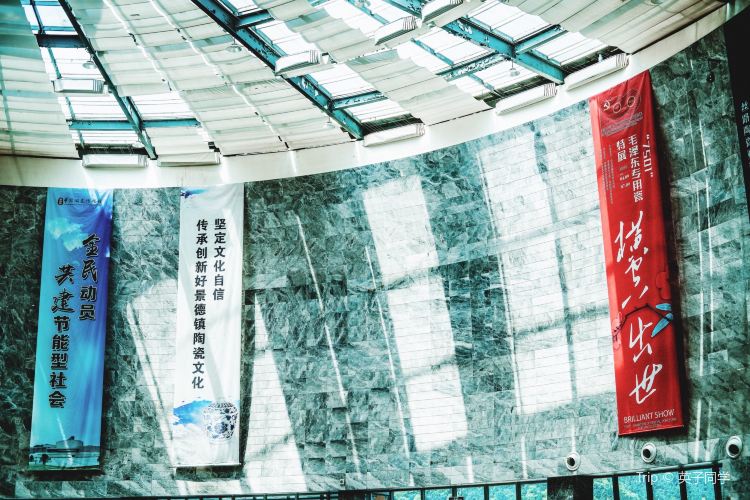
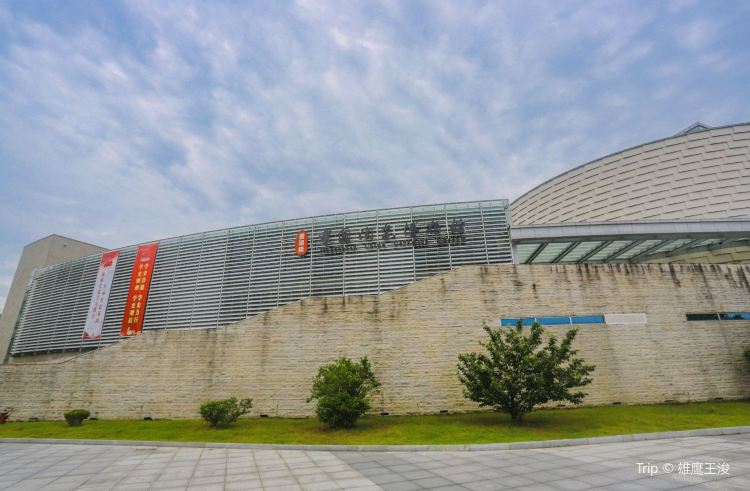
Located centrally, the Jingdezhen Ceramics Museum area is a treasure trove for history enthusiasts and culture seekers. This region offers a profound historical context, detailing over 1,700 years of porcelain artistry pivotal to Jingdezhen’s identity. Essential for anyone looking to understand the city's cultural fabric, the museum is surrounded by numerous traditional ceramic workshops where visitors can observe artisans at work. This area’s ambiance is enriched during October when the Jingdezhen International Ceramics Expo takes place, offering an enhanced cultural itinerary. Accommodations in this area are conveniently located, providing easy access to further explore the city's rich heritage.
People's Square
People’s Square serves as a dynamic focal point of Jingdezhen, surrounded by a bustling community and abundant local attractions. The surrounding area is dotted with leisure spots, markets, and eateries, providing a lively atmosphere and a glimpse into the local lifestyle. The Jingdezhen National Ceramic Festival, celebrated nearby, brings an added layer of vibrancy, showcasing the city's deep-rooted ceramic traditions through various events and performances. For those wanting a more immersive experience, staying near this square offers a convenient base to partake in the local daily bust.
Jingdezhen Best Time to Visit
Best Time to Visit
The best time to visit Jingdezhen is during the autumn months, particularly from August to October. This period is favored for its favorable climate with more sunny days than in summer, providing great convenience for getting around. Additionally, the annual Jingdezhen International Pottery and Porcelain Festival, which takes place in October, is a highlight, offering visitors the chance to experience the city's rich ceramic culture. Spring, from February to April, is also a recommended time to visit due to moderate rainfall and temperature, making it suitable for outdoor activities and exploring the city's attractions.
Jingdezhen Useful Guide
Local Language
Jingdezhen, known as the "Porcelain Capital," is located in Jiangxi Province, China, where Mandarin is the official language. Despite Mandarin's prevalence, the linguistic landscape of China is diverse, with a multitude of languages and dialects spoken across the country. In Jingdezhen, visitors may encounter local dialects, such as Gan, which is spoken in the Jiangxi province. Communication for non-Mandarin speakers can be challenging, as English is not widely spoken. ranslation apps and gestures can aid in overcoming language barriers. For a more immersive experience, engaging with locals through the universal language of art, particularly porcelain, can be enriching.
Local APP
Alipay: Perfect for cashless payments, it's widely used across China for various transactions and services.
WeChat: Considered essential in China, it functions for messaging, social media, payments, and numerous other services.
Baidu Maps: Provides accurate and up-to-date navigation within China, surpassing Google Maps in reliability.
Didi Chuxing: The go-to ride-hailing app in China, works similar to Uber.
Internet and Communication
Mobile data packages for immigrants in China are available through local carriers such as China Mobile and Unicom. China Mobile offers prepaid data SIM cards with unlimited text messages and calls within China, and high-speed connections, sometimes even 5G. Unicom provides SIM cards with data packs that include unlimited music applications, and both do not require long-term contracts.
Public WiFi in China is widely available in places like airports, restaurants, coffee shops, and malls. However, connecting to these networks often requires a Chinese phone number for text verification, which can be a challenge for travelers without a local SIM card.
Currency and Payment
In Jingdezhen, the primary modes of payment are mobile payments, specifically Alipay and WeChat Pay, which dominate the market.
Alipay and WeChat Pay cater to various services and are accepted by vendors large and small, offering ease of transactions through QR code scanning. Moreover, these platforms now accommodate foreign visitors by allowing linkage with international bank cards, enhancing accessibility and convenience for tourists.
To ensure a smooth payment experience, be mindful of any transaction fees when utilizing mobile platforms and maintain vigilance for personal data security, considering the provided information on potential privacy challenges within China's mobile payment ecosystem.
Weather in Jingdezhen

18°
/
7°

19°
/
8°
23°
/
11°
24°
/
9°

16°
/
5°
16°
/
7°
16°
/
7°
 Trending in Jingdezhen
Fall Foliage Season Begins at Jingdezhen Ancient Kiln, a Winter Romance in the Millennium-Old Porcelain Capital@Jingdezhen Ancient Kilns and Folk Customs MuseumFall Foliage Season Begins at Jingdezhen Ancient Kiln, a Winter Romance in the Millennium-Old Porcelain Capital
Hunting for porcelain in Jingdezhen is the real treasure huntHunting for porcelain in Jingdezhen is a real treasure hunt
Jingdezhen ceramic mystery boxes are so addictive to unboxJingdezhen ceramic mystery boxes are so addictive to tourists
Popular destinations

Bangkok

Tokyo
Kuala Lumpur

Los Angeles
Shanghai