Kota Kinabalu 2025 Guide: Must-see attractions, local cuisine, and practical tips! | Trip.com
 Local GuidesLast updated on Trip.com: 08/04/2025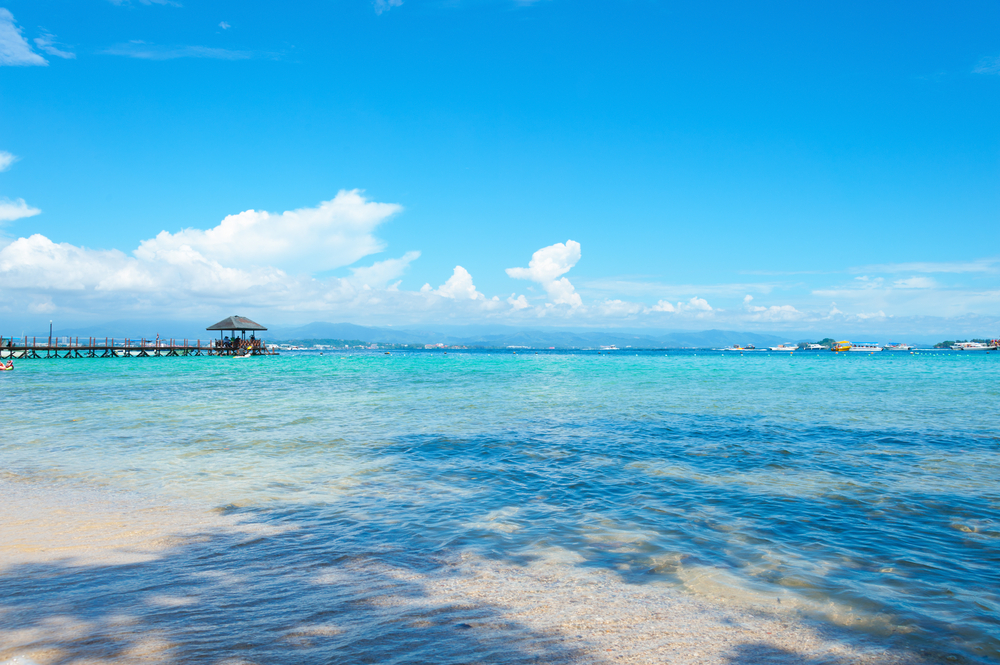
Kota Kinabalu Brief Guide
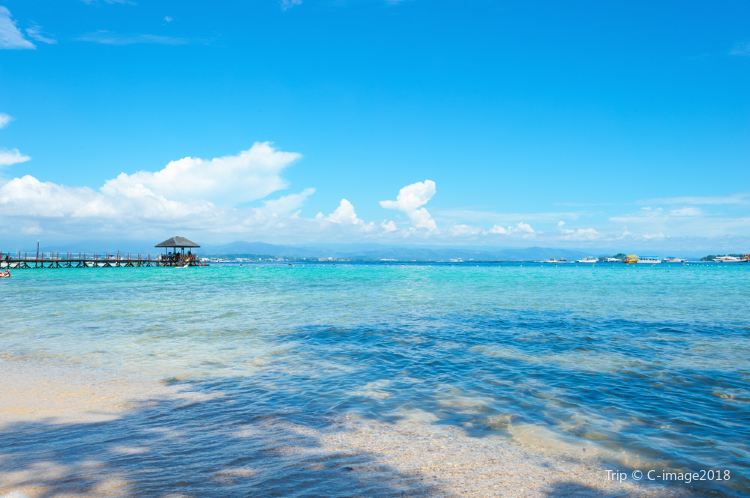
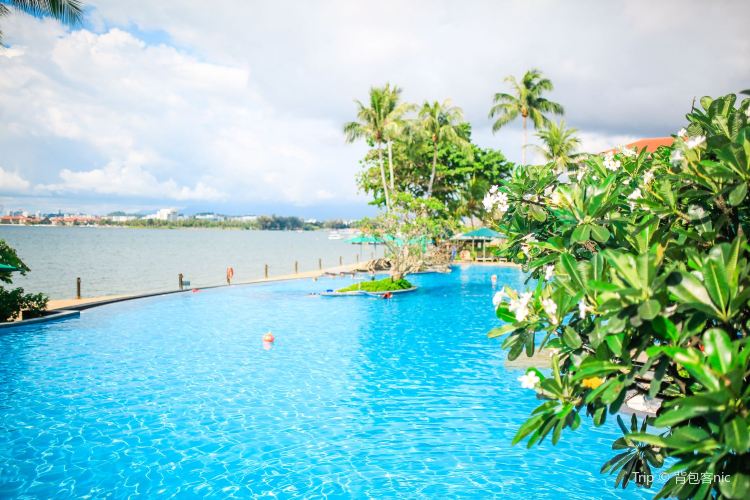
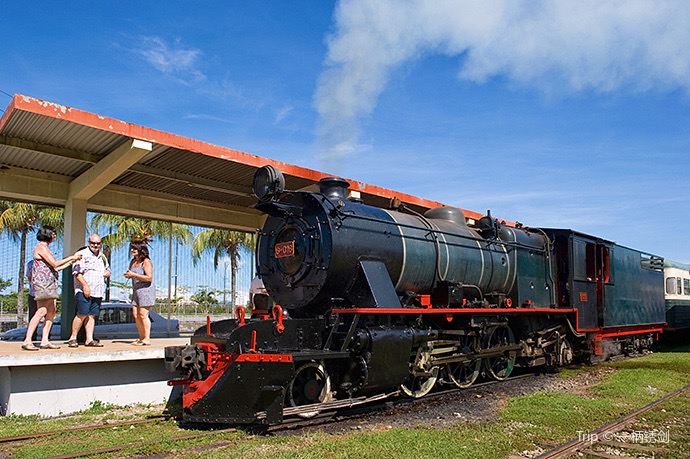
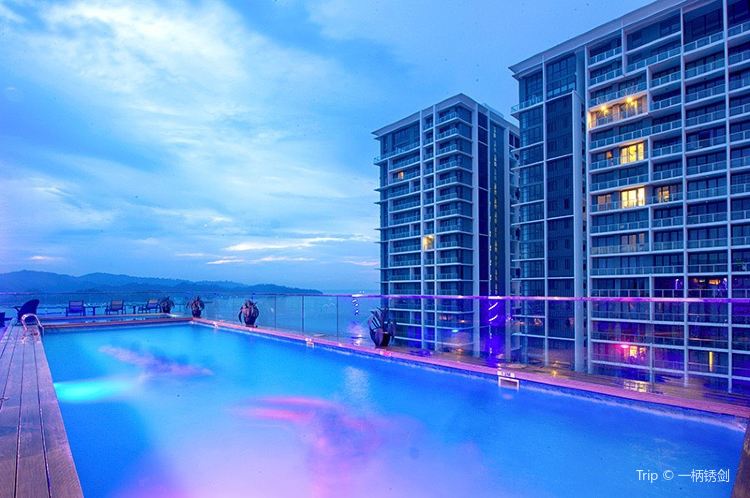
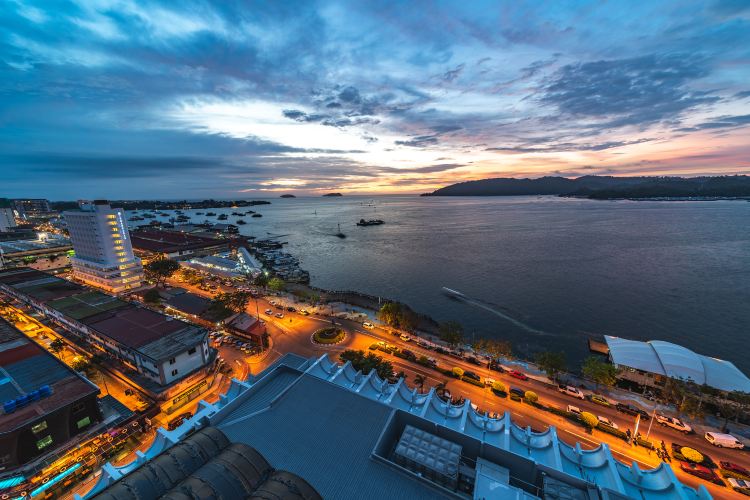
Kota Kinabalu, your passport to Borneo's breathtaking beautys, invites you to explore its captivating blend of nature and culture. Begin your journey with the historic Atkinson Clock Tower and enjoy panoramic views from Signal Hill. The city's diverse architecture—from golden-domed mosques to tranquil temples—tells a story of rich heritage. Tempt your taste buds with local specialties like laksa, a dish as memorable as the sunsets over Pulau Manukan. Whether you're seeking adventure or relaxation, Kota Kinabalu is a destination that crafts its own unforgettable tale.
Kota Kinabalu Must-try local experiences
Discover Kota Kinabalu City Centre
Marvel at the Kota Kinabalu City Mosque, its lagoon mirroring its elegance under a full moon. Admire the towering deities at Pu Toh Tze Temple, then soak in panoramic views from Signal Hill Observatory Platform. Each spot tells a unique tale of Kota Kinabalu’s charm—your adventure awaits.
Glide Through Sabah's Natural Beauty and Wildlife
Explore Kota Kinabalu stunning landscapes—Tunku Abdul Rahman Marine Park offers islands with crystal-clear waters and sandy shores, perfect for adventure. Tanjung Aru Beach sets the stage for breathtaking sunsets, ideal for capturing unforgettable moments. Glide along the Klias River, where proboscis monkeys and dazzling fireflies illuminate the lush wildlife habitat.
Discover the Living Traditions of Sabah’s Five Tribes
Uncover Sabah’s rich heritage at Mari Mari Cultural Village, where the traditions of five tribes—Dusun, Rungus, Lundayeh, Bajau, and Murut—spring to life. From masterful farmers to legendary warriors, each tribe shares its unique tale in a setting where history and modernity coexist. Step into their world, and let Sabah’s culture spark your next adventure.
Witness the Pesta Kaamatan Harvest Festival
Join Pesta Kaamatan on May 30th and 31st each year—Sabah’s Harvest Festival, a vibrant celebration of culture and unity. Over 50 ethnic groups gather in traditional attire, sharing music, dance, and gratitude for nature’s bounty. It’s a celebration as rich in spirit as it is in color.
Savor Sabah’s Flavors in Kota Kinabalu
Taste Kota Kinabalu’s culinary soul through dishes like hinava (zesty raw fish salad), ambuyat (sticky sago), and tuaran mee (stir-fried noodles). Savor smoky ikan bakar (barbecued fish) by the sea, and end with pinjaram, Sabah’s crispy “UFO Cake.” From street stalls to seaside spots, every bite is a flavorful journey—come hungry, leave happy.
Shop Your Way Through Kota Kinabalu
Step into Kota Kinabalu’s shopping scene, where tradition meets modern flair. Wander through the Handicraft Market, a lively maze of handmade crafts, pearls, woven baskets, and traditional beadwork—ideal for unique finds. For contemporary picks, explore Suria Sabah or Imago Mall, where fashion, tech, and local treats await.
Kota Kinabalu Must-see Attractions
Kota Kinabalu serves up a feast for the senses—think fiery sunsets at Tanjung Aru Beach, the sparkling waters of Tunku Abdul Rahman Marine Park, and the cultural pulse of Mari Mari Cultural Village. Whether you’re chasing mountain highs or ocean blues, this city has a way of making every moment unforgettable.
Tanjung Aru Beach
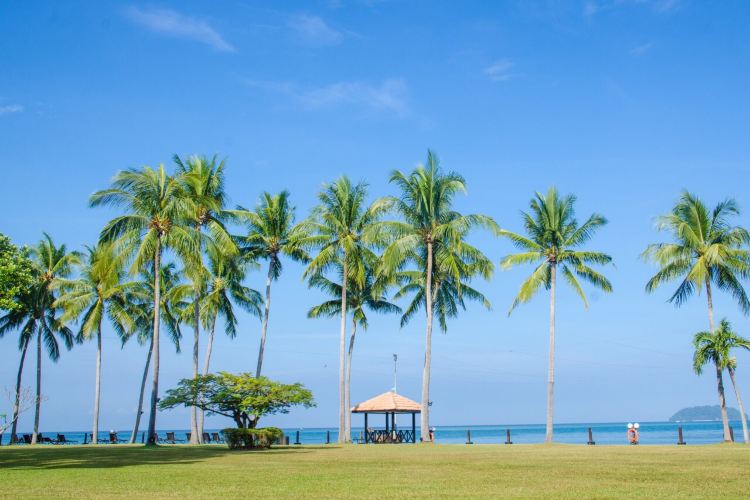

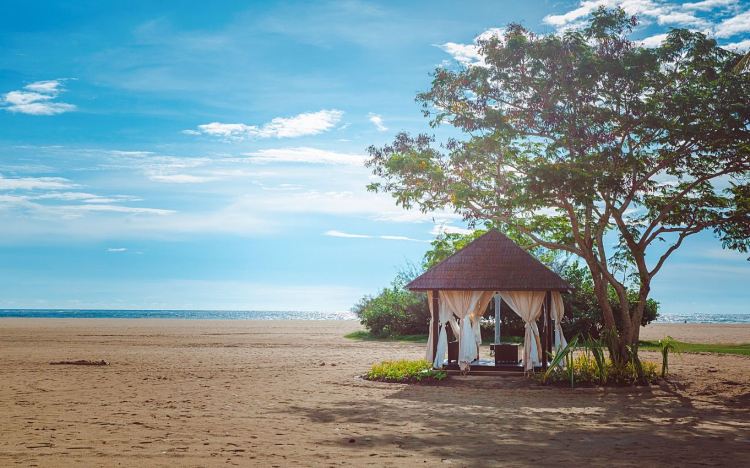

Tanjung Aru Beach is famous for its world-class sunsets, framed by casuarinas (aru trees). Fly kites, picnic, or stroll along the shore as the sky lights up in fiery hues. Don’t leave too soon—the afterglow is pure magic. First Beach’s food stalls make it the perfect spot to end the day.

 BonnieStunning Sunsets: Ranked as one of the world's most beautiful beaches for watching sunsets by National Geographic, it boasts the second-most beautiful sunsets in the world, offering stunning views of the fiery clouds. As the sun sets, the sky glows red, and the sea shimmers.
Soft and Fine Sand: The sand is as soft as carpet and feels comfortable on bare feet. The waves are gentle, perfect for playing in the water, and you can even spot small crabs crawling around on the beach.
• Convenient Location: Located west of Kota Kinabalu city, it's only a 10-15 minute drive from the city center and close to Kota Kinabalu Airport, making it easily accessible for both locals and tourists.
• Abundant Amenities: The beachfront promenade often hosts evening barbecues with live bands. Nearby is King Philip Park, featuring gardens, recreational facilities, a children's playground, a jogging path, and a central artificial lake with a musical fountain show.
BonnieStunning Sunsets: Ranked as one of the world's most beautiful beaches for watching sunsets by National Geographic, it boasts the second-most beautiful sunsets in the world, offering stunning views of the fiery clouds. As the sun sets, the sky glows red, and the sea shimmers.
Soft and Fine Sand: The sand is as soft as carpet and feels comfortable on bare feet. The waves are gentle, perfect for playing in the water, and you can even spot small crabs crawling around on the beach.
• Convenient Location: Located west of Kota Kinabalu city, it's only a 10-15 minute drive from the city center and close to Kota Kinabalu Airport, making it easily accessible for both locals and tourists.
• Abundant Amenities: The beachfront promenade often hosts evening barbecues with live bands. Nearby is King Philip Park, featuring gardens, recreational facilities, a children's playground, a jogging path, and a central artificial lake with a musical fountain show.Masjid Bandaraya Kota Kinabalu
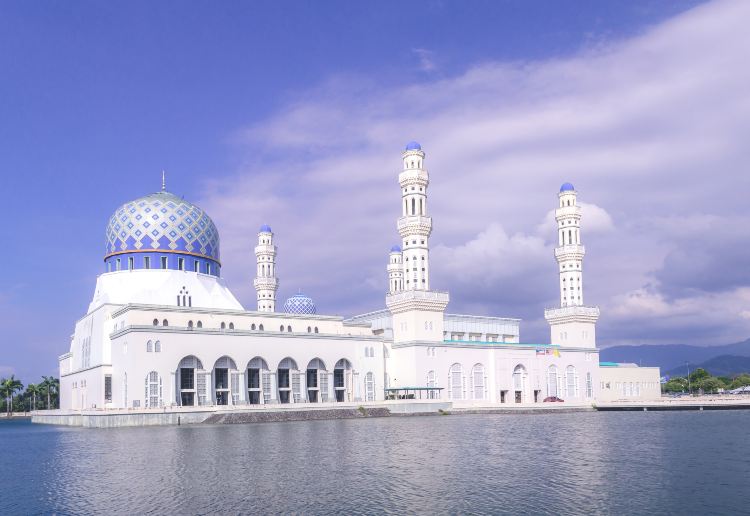
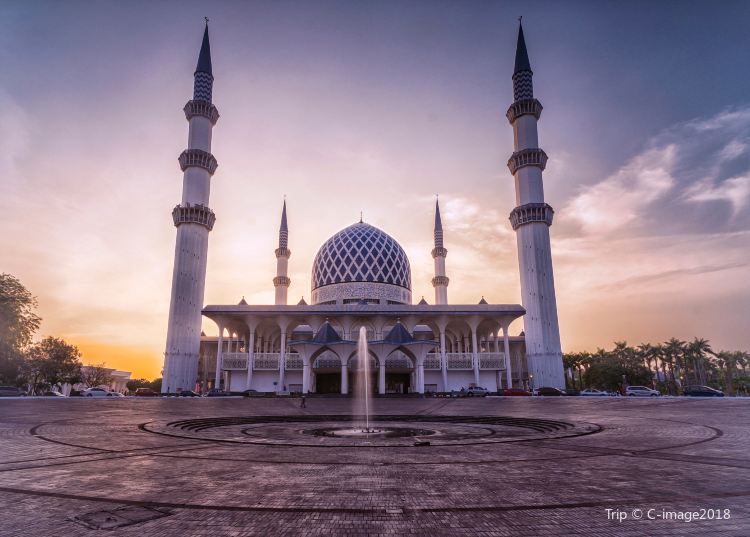
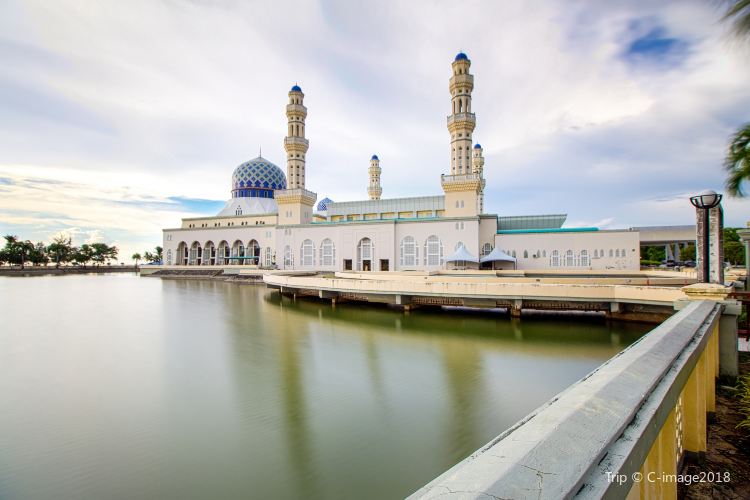
The Kota Kinabalu City Mosque, nicknamed “The Floating Mosque,” is a masterpiece of serenity and design. Perched by Likas Bay, its domes and minarets reflect flawlessly in the lagoon, especially at dawn or dusk—perfect for photos and quiet moments. Inspired by the Nabawi Mosque in Medina, it welcomes non-Muslim visitors outside prayer times (modest attire required).
Mengalum Island
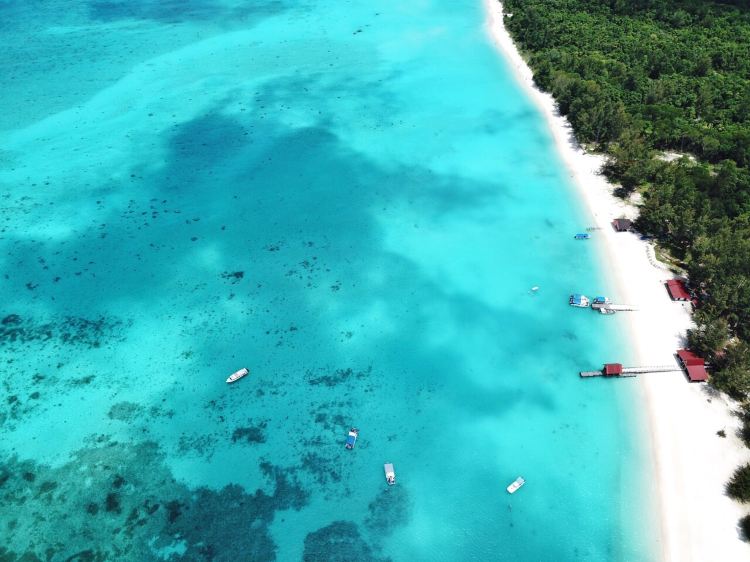

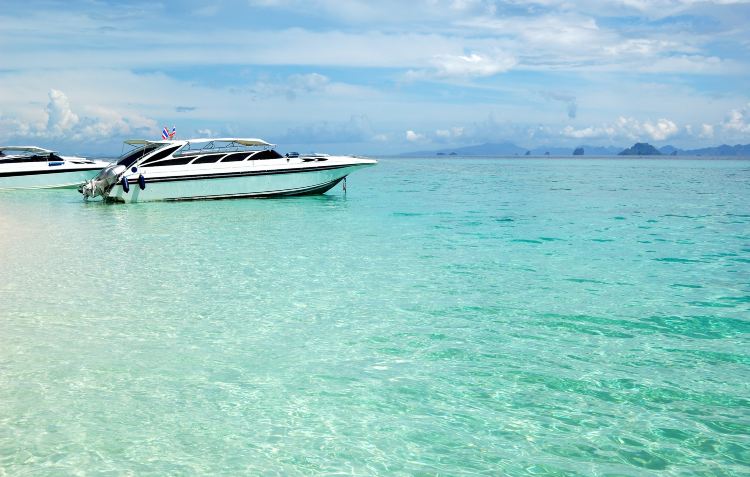
Mengalum Island offers a tranquil escape with its powdery white sands, sparkling turquoise waters, and thriving marine ecosystems. Steeped in history, it’s linked to Ferdinand Magellan’s voyages, with an ancient anchor resting near its shores as a quiet witness to the past. Snorkel among coral gardens, try deep-sea fishing, or simply unwind in its untouched tranquility. For a peaceful escape with a hint of history, Mengalum is paradise perfected.
Gaya Street
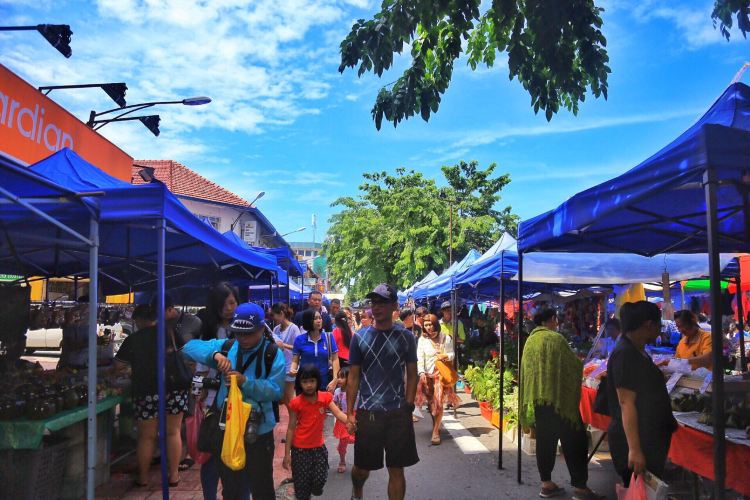
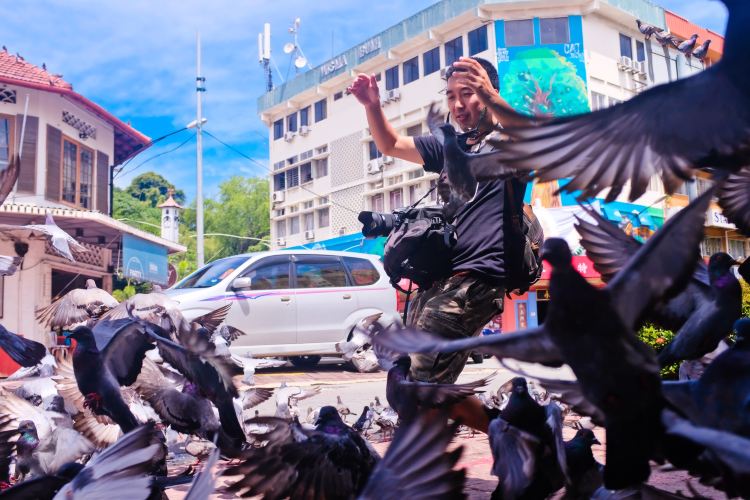
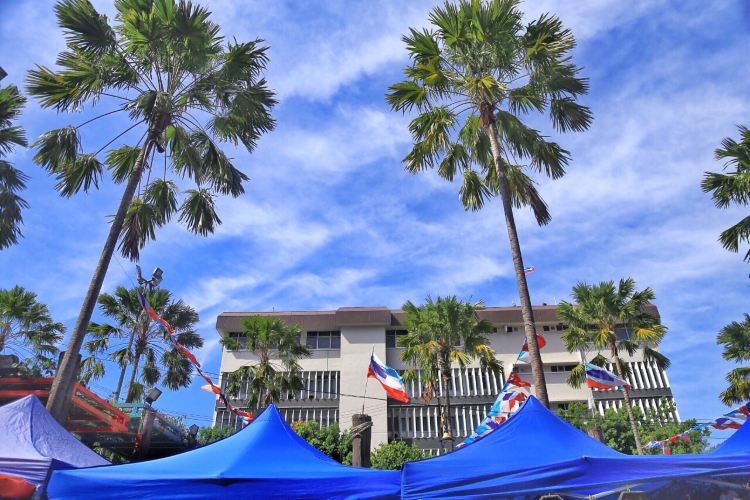
Gaya Street, Kota Kinabalu’s historic Chinatown, has been a cultural hub since 1902—once called Bond Street during British rule. Its Sunday market is the star, filled with fresh produce, local crafts, antiques, and even pets. A gathering spot for farmers, traders, and shoppers, it’s more than a market—it’s where the city’s stories unfold. Come for the finds, stay for the charm.
Manukan Island
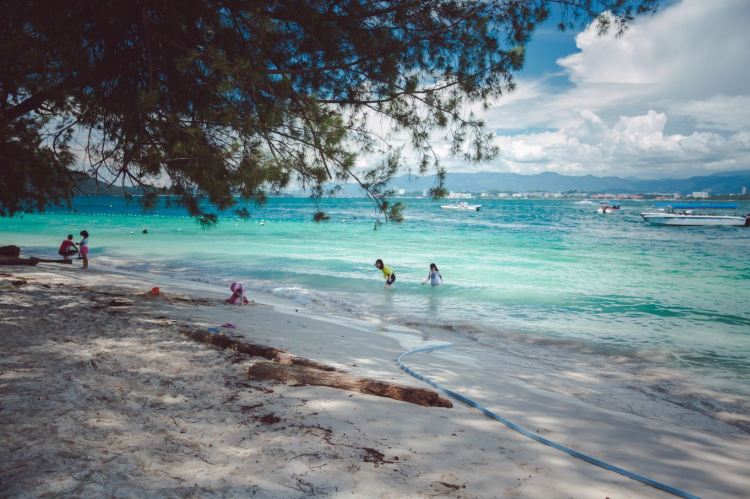
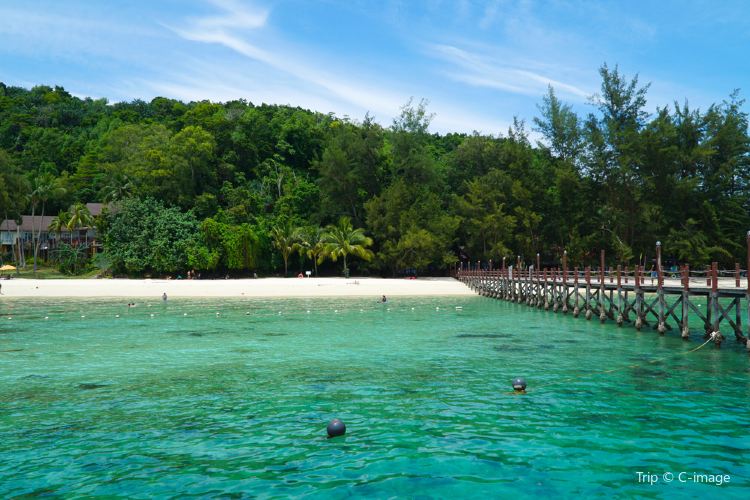
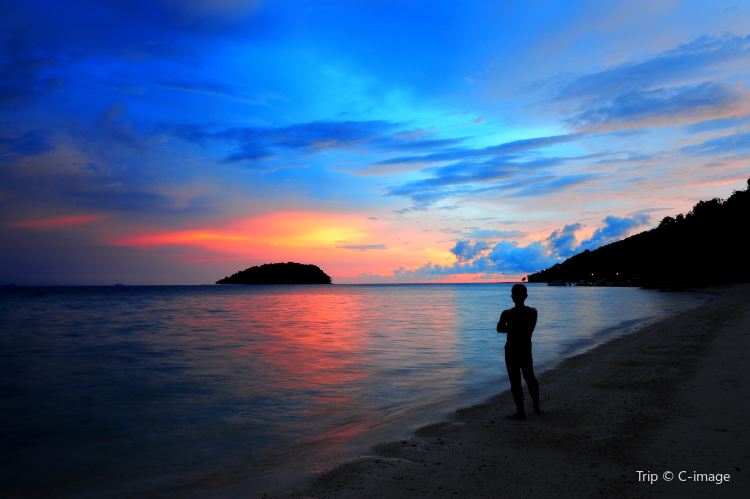
Escape to Manukan Island, a tropical gem just a short speedboat ride from Kota Kinabalu. With its banana-shaped silhouette, crystal-clear waters, and powdery white sands, it’s a haven for snorkeling, swimming, or simply soaking up the sun. Nature trails wind through lush greenery, while the island’s resort offers comfort without crowding. Catch local sailors racing on Sundays, try water sports, or just let the island’s rhythm slow you down.
Kota Kinabalu Food Guide
Kota Kinabalu's food scene is a rich tapestry of cultural heritage, featuring the herbal-infused bak kut teh, the nostalgic Hainanese chicken rice, and the unique Sabah Laksa, each offering a taste of the region's diverse culinary traditions and community connections.
Tiger Prawn
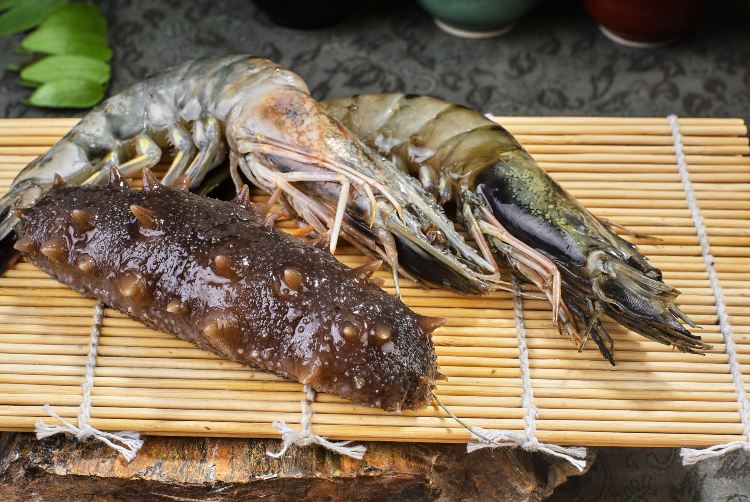
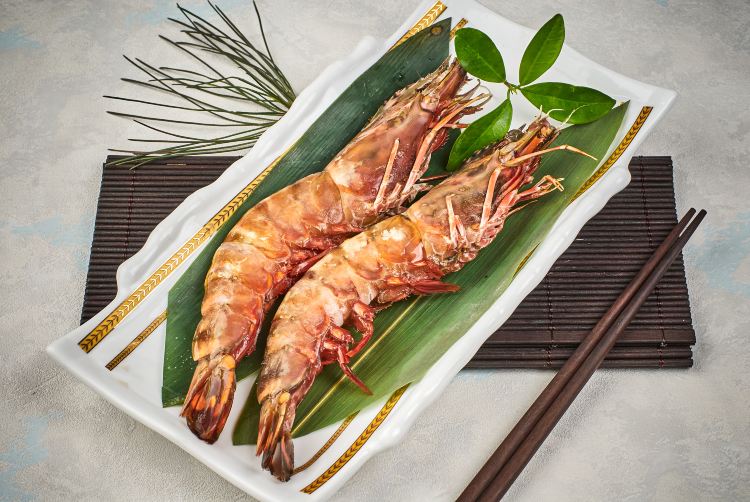
Situated along the coast, Kota Kinabalu boasts a thriving fishing industry that delivers a wide variety of fresh seafood, with the tiger prawn standing out as a notable specialty. These prawns, distinguished by their large size and distinctive stripes, are celebrated for their succulent and springy texture. For aficionados of marine fare, a visit to the area isn't complete without savoring these iconic crustaceans, which are considered a quintessential part of the local culinary experience.
Bak Kut Teh
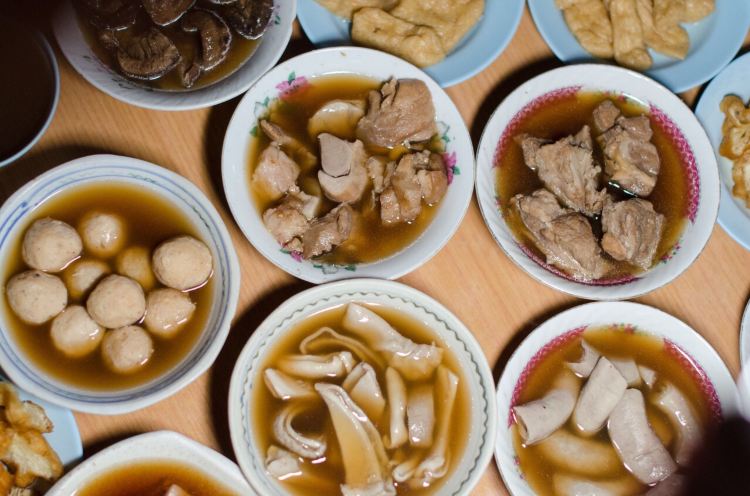
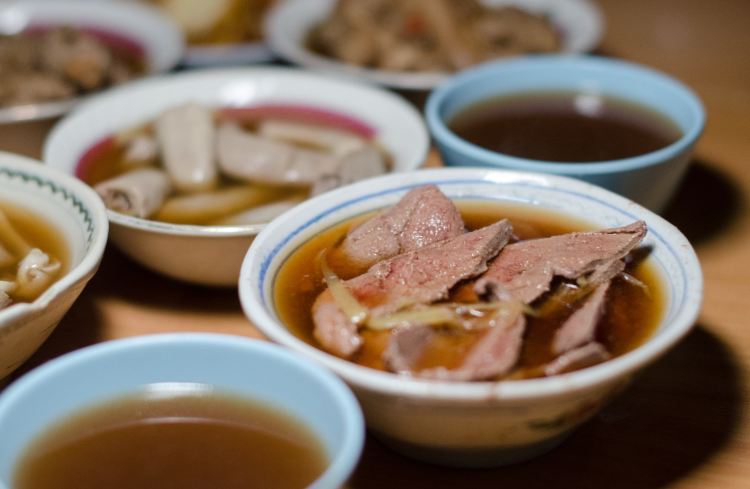
Bak kut teh, a heritage dish of Malaysia, is celebrated for its rich herbal broth and tender pork ribs. Originating from the Hokkien community, it has become a symbol of Malaysia's multicultural culinary landscape. In Kota Kinabalu, establishments like Yu Kee and Sin Kee offer this delicacy with a variety of meats and serving styles, including the popular claypot version.
Hainanese Chicken Rice
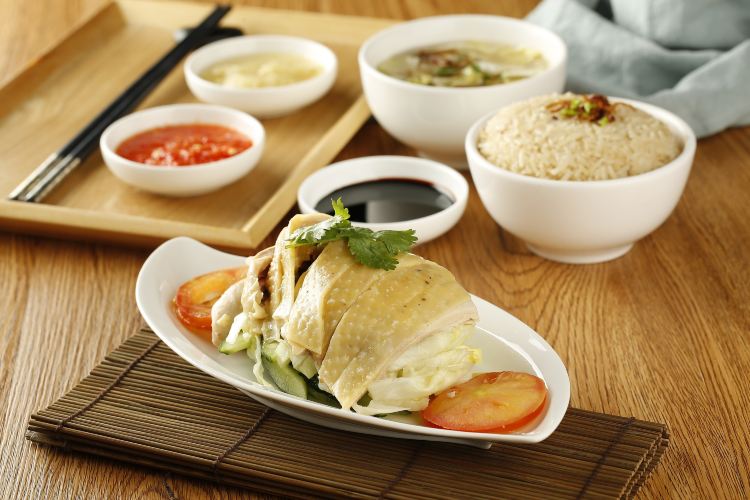
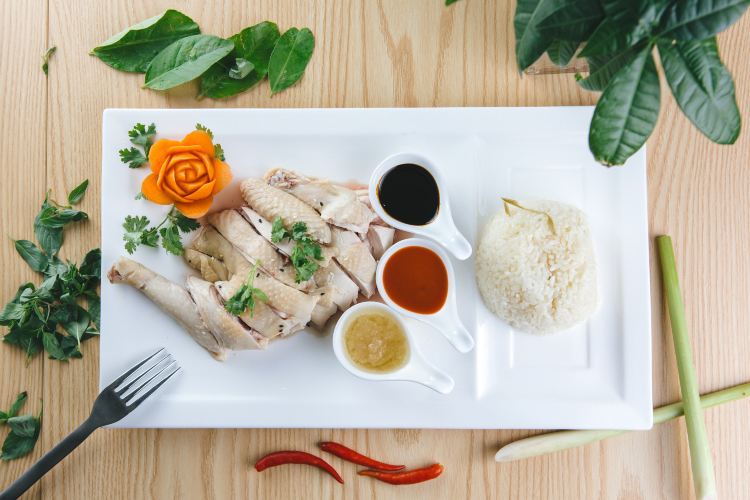
Hainanese Chicken Rice is a beloved dish in Kota Kinabalu, featuring poached chicken, fragrant rice cooked with chicken oil, and a flavorful dipping sauce. Andrew Wong Hin Hau's restaurant is renowned for its dedication to quality, serving about 180 portions daily to customers who appreciate the taste of heritage and nostalgia. This dish not only satisfies the palate but also represents a cultural connection for the Hainanese diaspora in Southeast Asia, embodying a sense of home.
Fresh Crabs
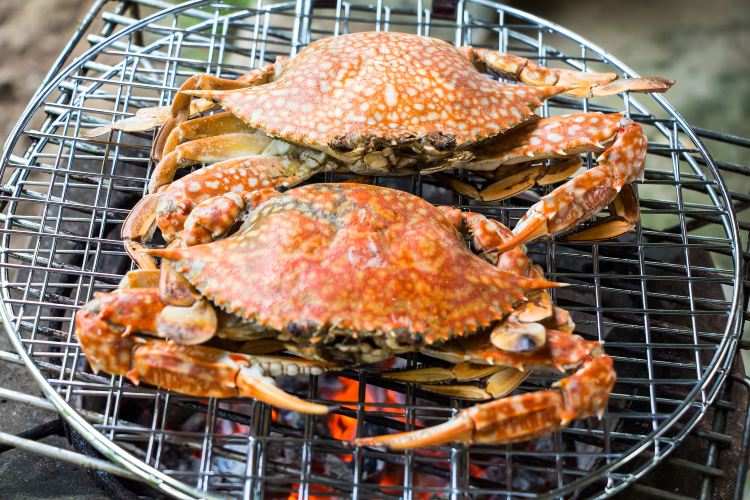
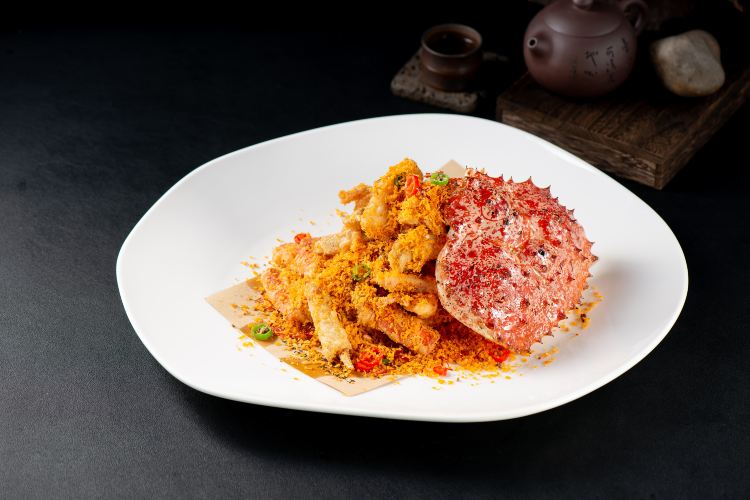
When visiting Kota Kinabalu, indulging in the fresh seafood is essential, with an array of tasty seafood options frequently gracing the menus. Not only are the tiger prawns a favorite, but the large, savory crabs also draw considerable attention from food enthusiasts. The crab meat is notably fresh, tender, and succulent. Local eateries often feature popular dishes such as aromatic steamed crabs and stir-fried crabs with salted egg yolk.
Laksa
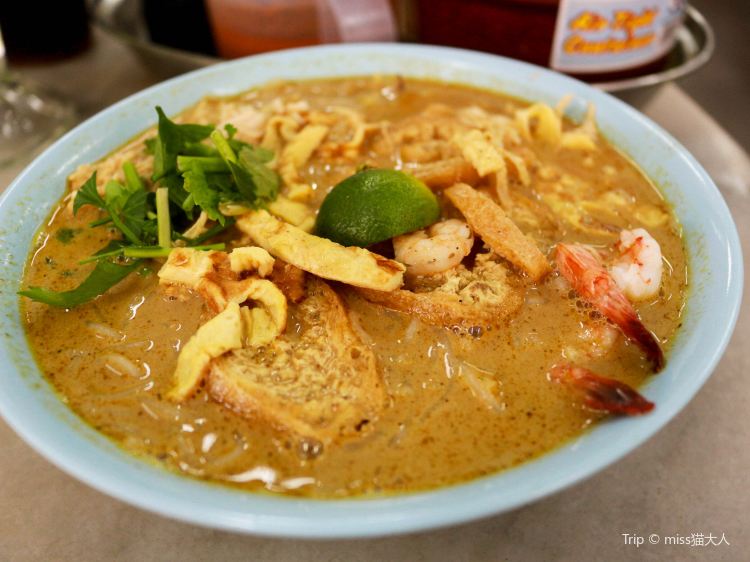
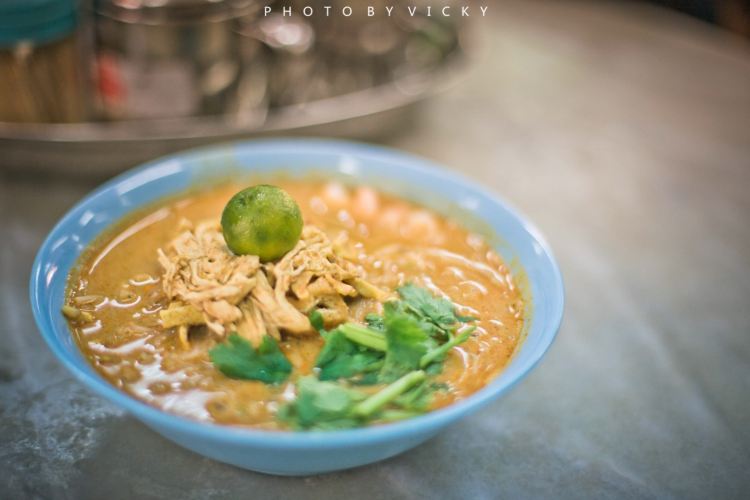
Curry laksa is a rich, coconut-based noodle soup known for its creamy texture and aromatic spices. The broth is infused with a blend of curry, coconut milk, and chili, creating a perfect balance of heat and creaminess. It’s typically served with vermicelli noodles and topped with prawns, shredded chicken, and tofu puffs. For an extra zing, add a side of chili paste and a squeeze of lime. For an authentic experience, Yee Fung Laksa on Gaya Street is the place to be.
Kota Kinabalu Transportation
How to Get There
By Air:
Kota Kinabalu International Airport (KKIA) is the gateway to Sabah and said to be Malaysia’s second busiest airport, connecting both local and international flights. To reach the city, you can use following options:
Airport Bus: Runs every 45 minutes, operating from 7:30 to 20:15. Look out for the bus heading to Kota Kinabalu Downtown.
Taxis: Available 24/7 from both terminals. Use the coupon system at Level 1 for a fixed fare of around 30MYR to the city centre.
Ride-hailing: Grab is the most popular ride-hailing app in Malaysia. Pick-up is at a designated area (left out of Level 1). Ensure you have a working SIM card—tourist SIMs are available at KKIA.
By Bus:
Buses are the most affordable way to explore Sabah. Key bus stations:
- North Bus Terminal Inanam: Long-distance express buses to East Coast cities like Sandakan, Tawau, and Semporna. Operates 6:30 am–8:30 pm.
- Padang Merdeka: Buses to West Coast and Interior towns like Keningau, Kudat, and Ranau. Taxis available nearby.
- Wawasan Bus Terminal (temporarily in front of Marina Court): Mini buses to Papar, Kinarut, and Penampang.
- KK Central: Buses to Southern Sabah (Sipitang), Sarawak (Lawas), and Brunei. Bring your passport for cross-border trips.
Local Transportation
Ride-hailing: Grab is the most popular ride-hailing app in Malaysia. Pick-up is at a designated area. Ensure you have a working SIM card.
Taxis: Taxis are a convenient way to get around the city, commonly found near tourist spots, hotels, and malls. However, meters are rarely used, so always agree on the fare before your trip.
Public Buses: A budget-friendly way to explore Kota Kinabalu, connecting the city center, suburbs, and major attractions. While the network isn’t extensive, it’s reliable. Check schedules and routes in advance to plan your trip.
Rental Cars and Motorcycles: For more freedom, rent a car or motorcycle. Rental agencies offer options for all budgets, letting you explore Sabah’s scenic landscapes at your own pace. Familiarize yourself with local traffic rules before driving.
Boat: For a unique experience close to the city, boat rides to the islands are accessible from Jesselton Point. This service is ideal for day trips to enjoy the sandy beaches and clear waters.
Kota Kinabalu Where to Stay
Kota Kinabalu is a prime destination in Malaysia, known for its stunning beaches, vibrant markets, and diverse accommodation options. The city's lodging is spread across various areas, each offering unique experiences to travelers, from beachfront relaxation to cultural immersion in local markets.
Tanjung Aru Beach(Serene sunsets, beachfront leisure)
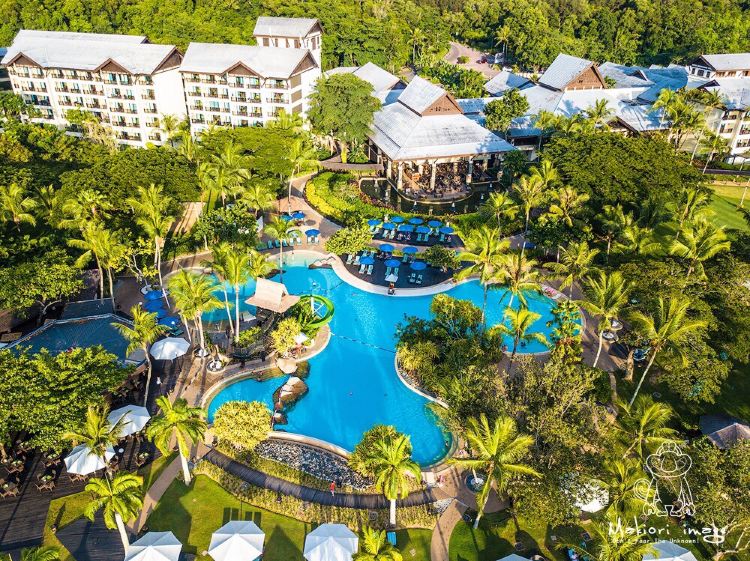
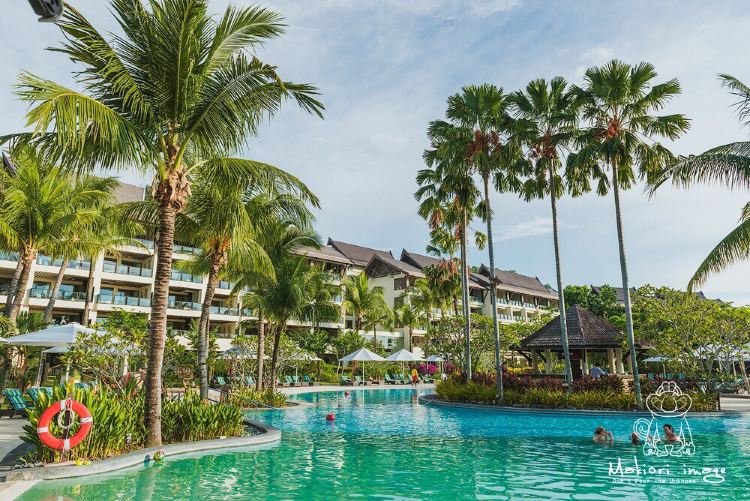
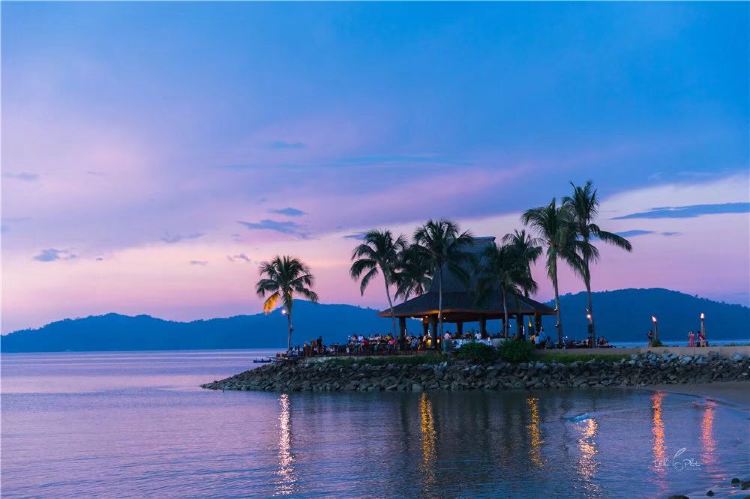
Tanjung Aru Beach is renowned for its serene sunsets and beachfront leisure activities. This area is characterized by its casuarinas-lined shores and is a hub for kite flying, picnics, and water sports. The beach is also conveniently located near the airport, making it easily accessible for travelers. Public transportation options such as taxis and local buses are available for exploring the city.
Gaya Street(Cultural vibrancy, market experience)
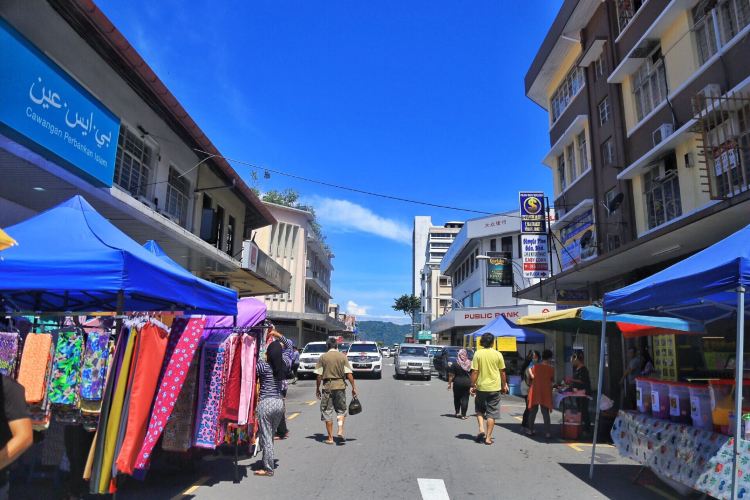
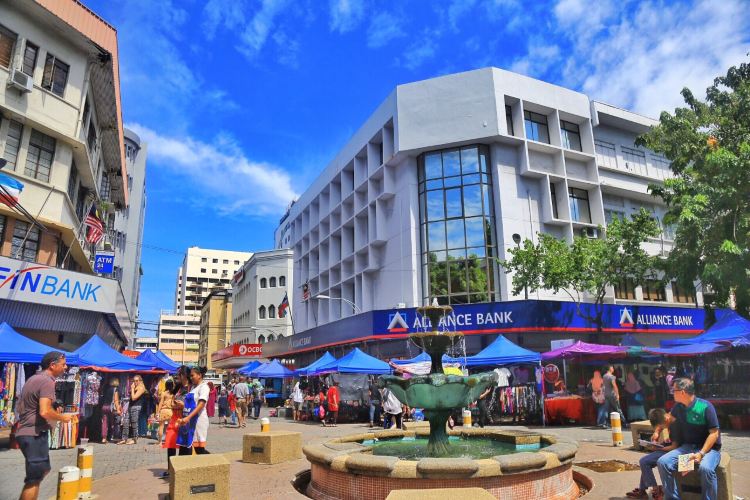
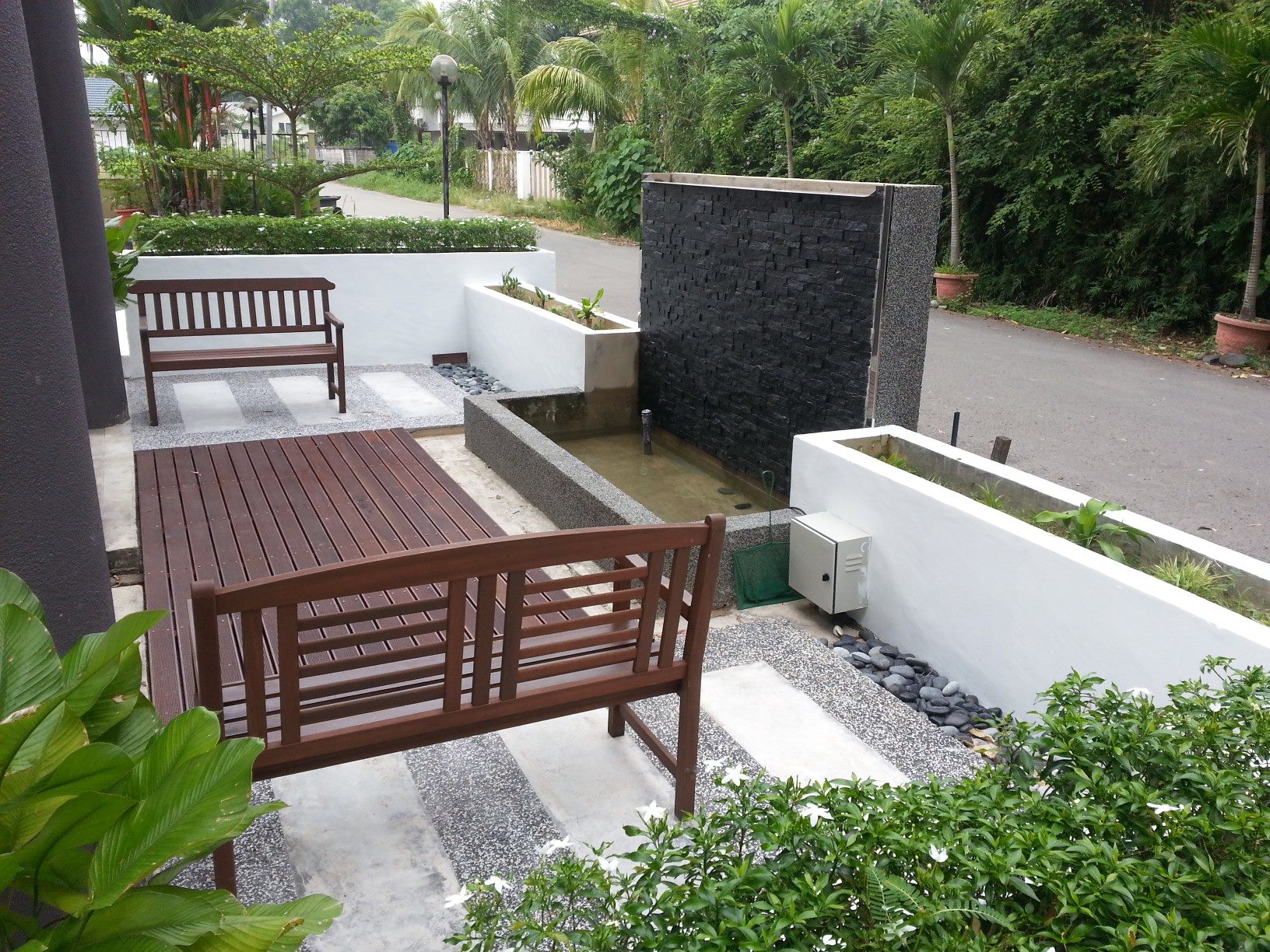
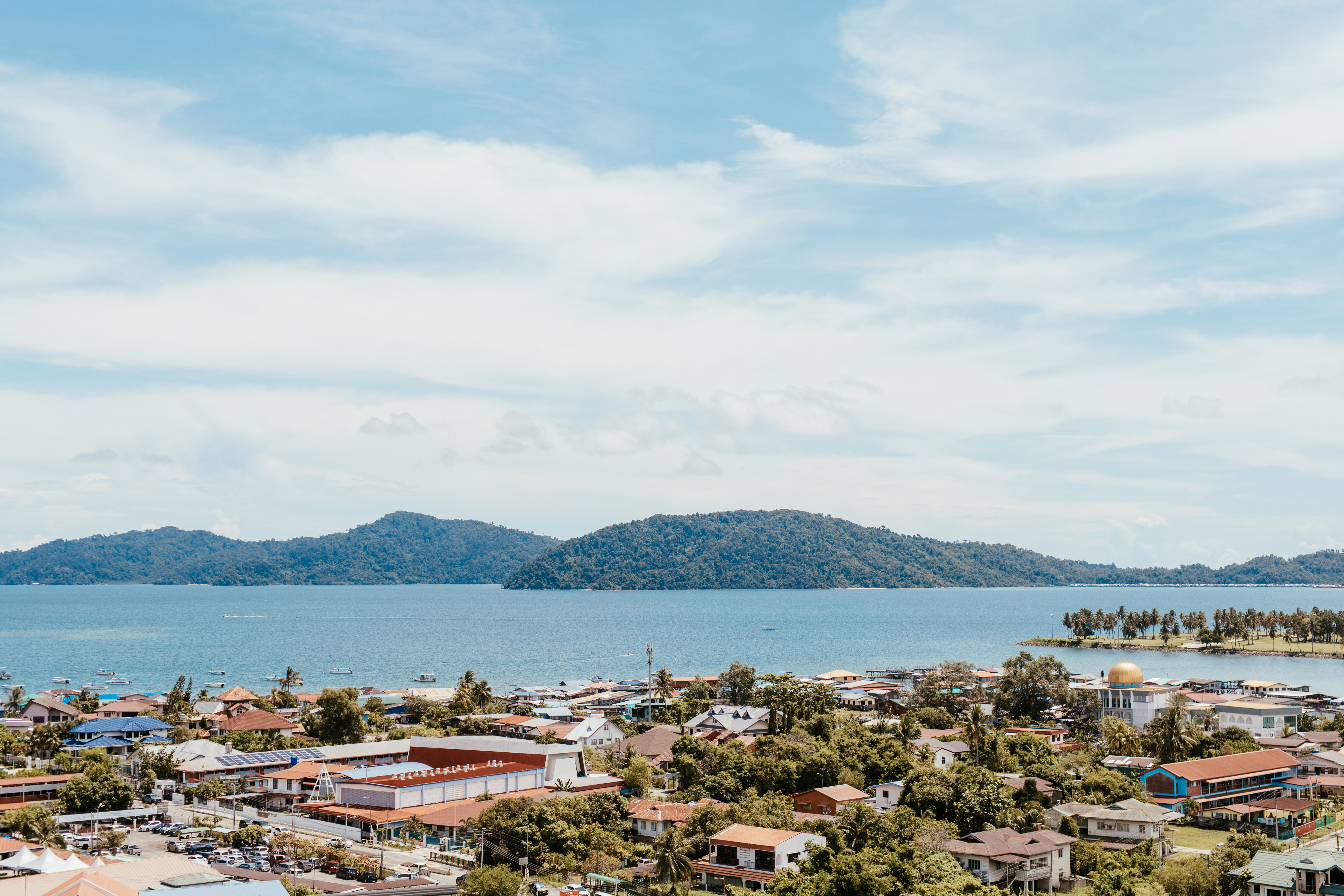
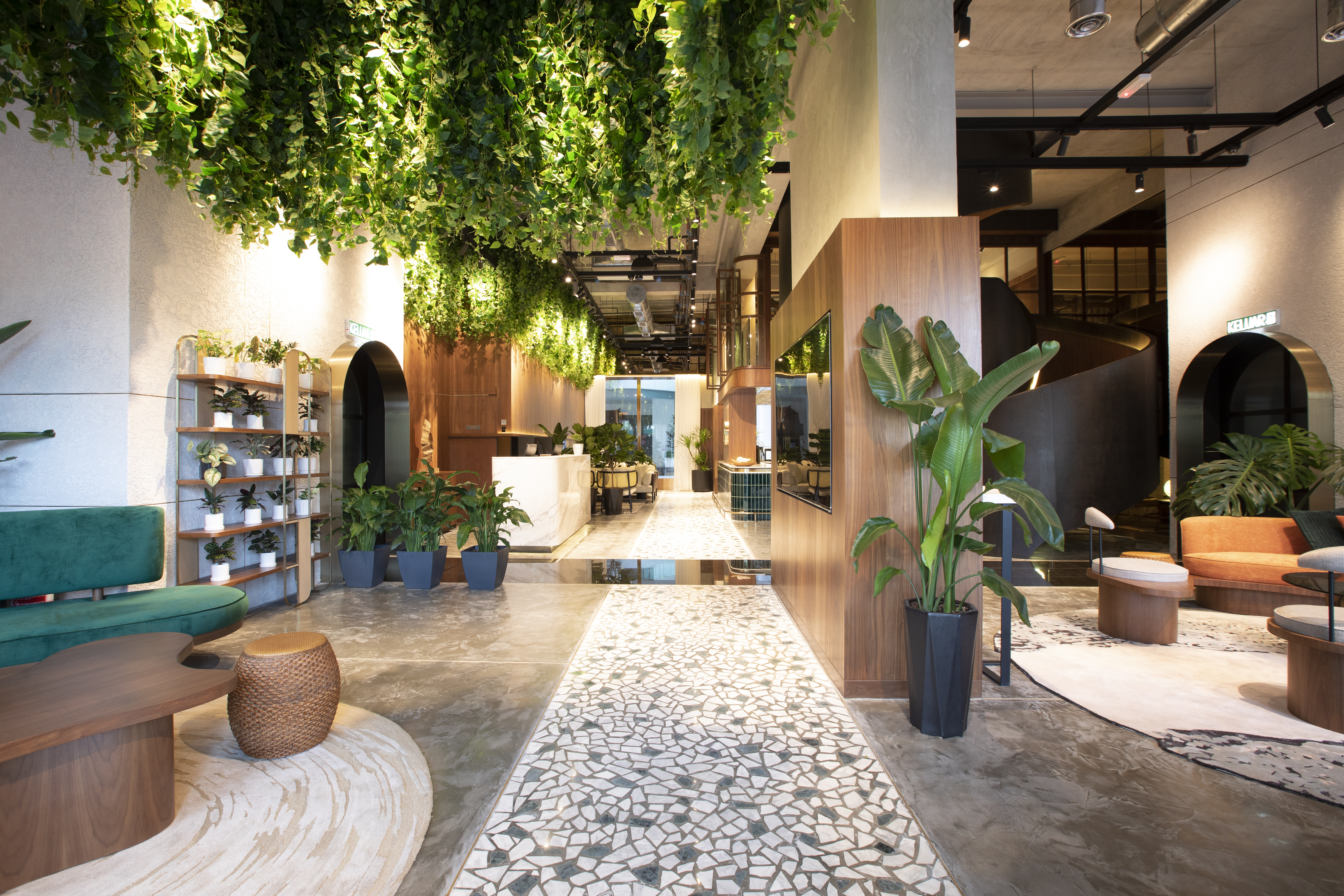
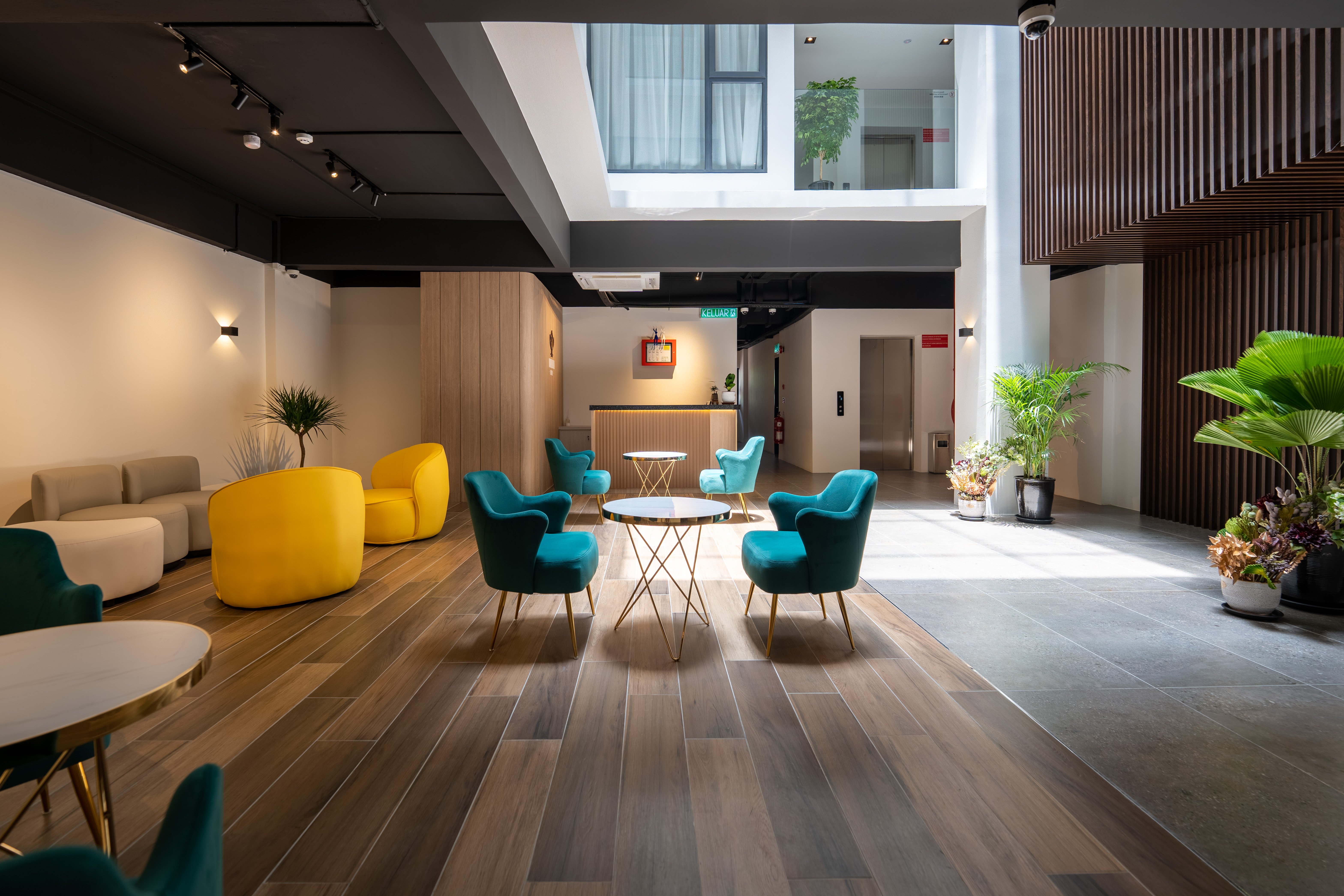
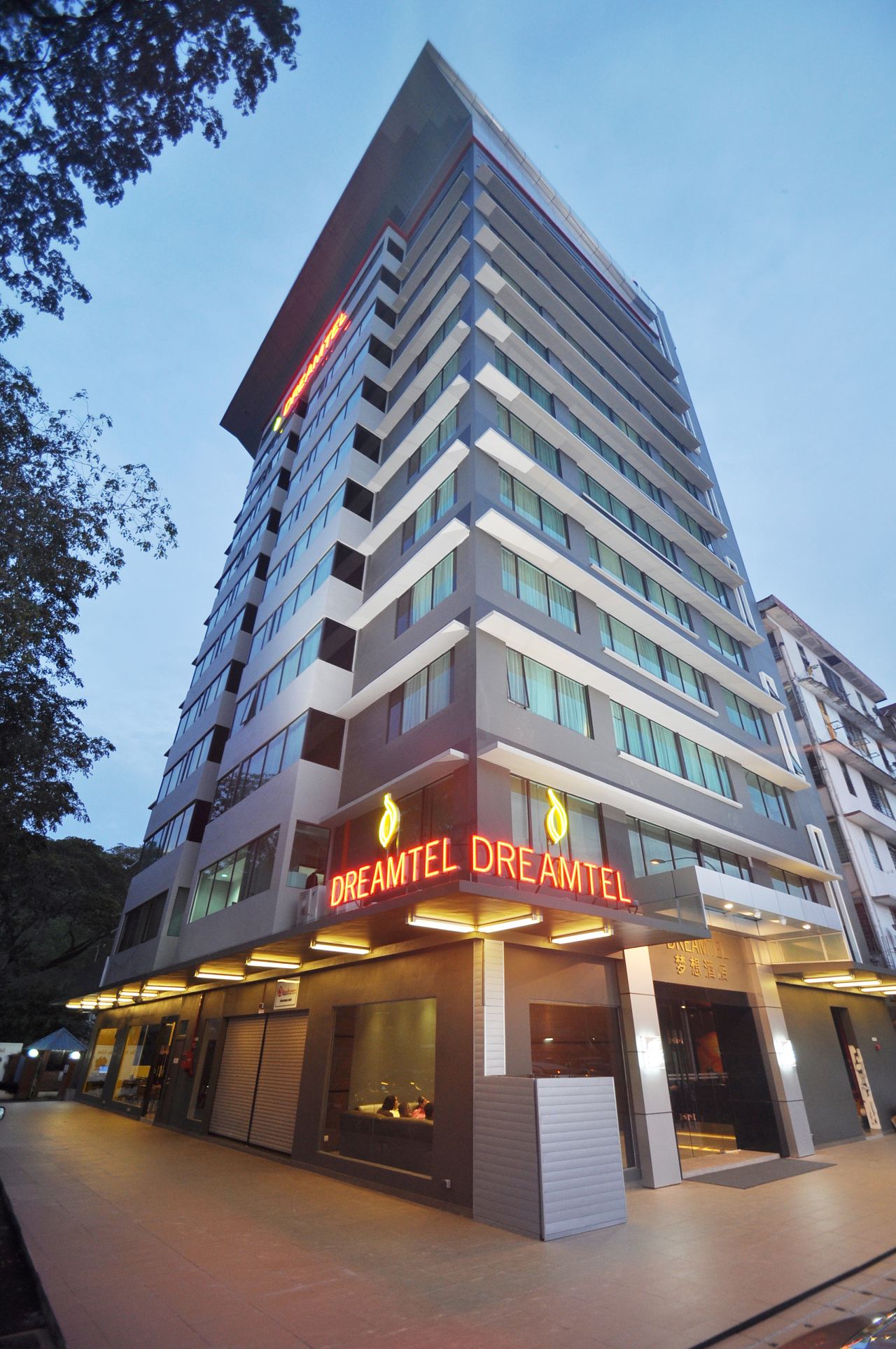
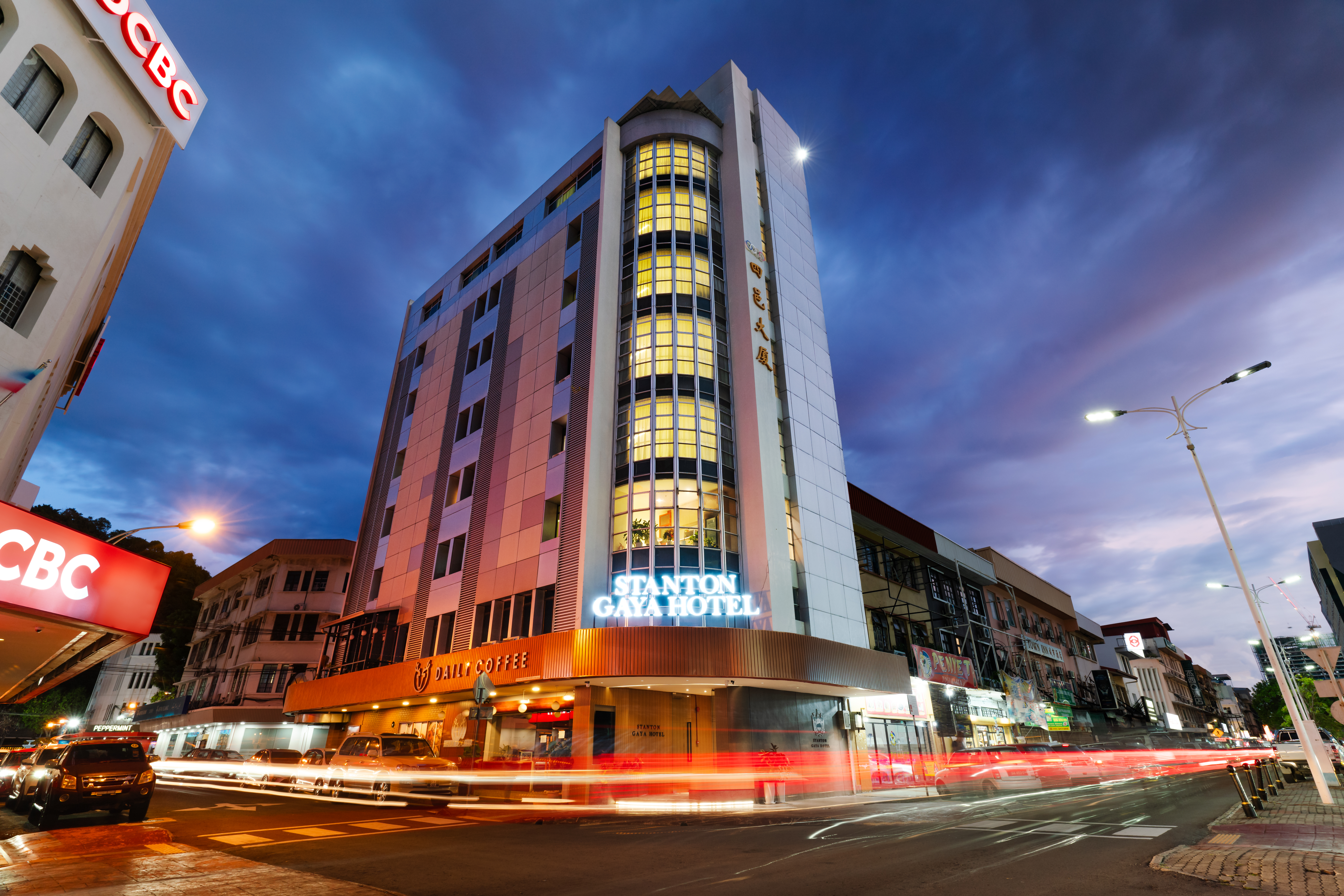
Gaya Street is the cultural heart of Kota Kinabalu, offering a vibrant market experience and a taste of local life. The area is bustling with activity, especially during the Gaya Sunday Market and Api-Api Night Food Market. Visitors can enjoy a range of local delicacies and shop for souvenirs and handicrafts. The street is lined with a variety of accommodations, from boutique hotels to budget-friendly hostels, catering to diverse traveler needs. Gaya Street's central location provides easy access to public transportation and is within walking distance of many city attractions.
Mantanani Islands(Diving paradise, secluded retreat)
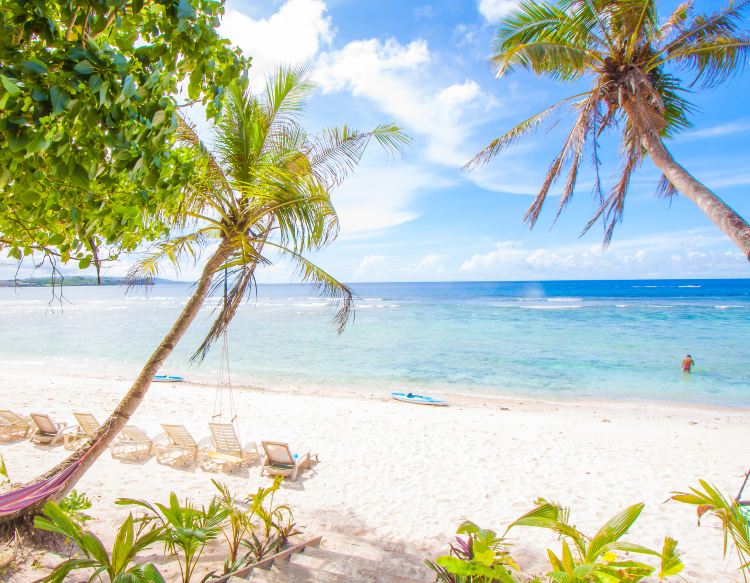
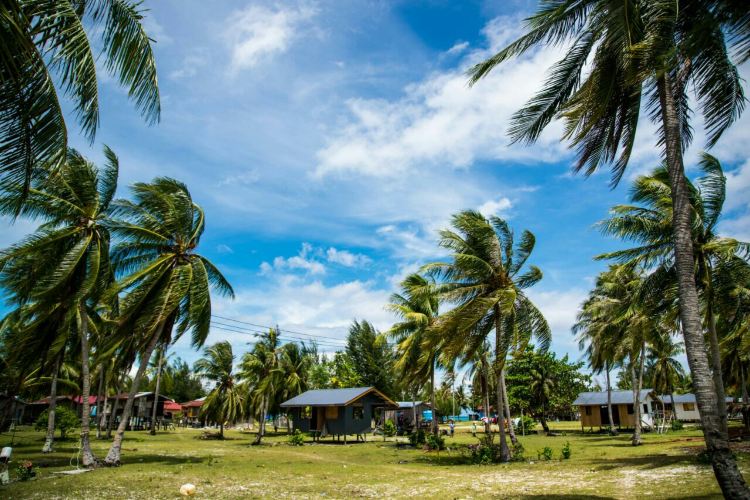
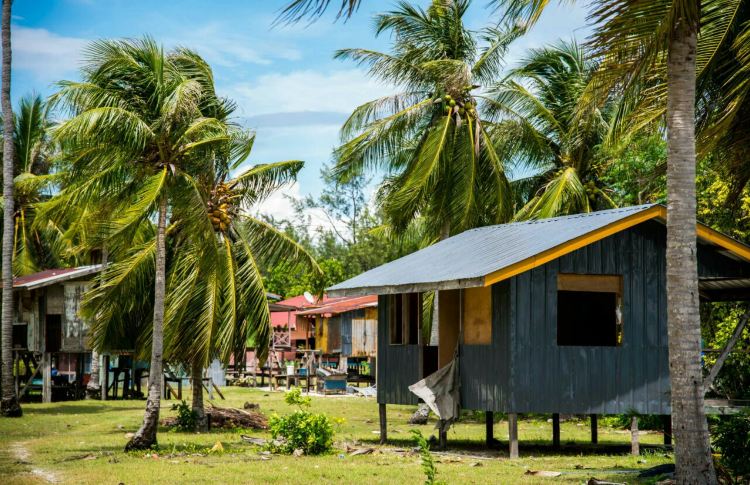
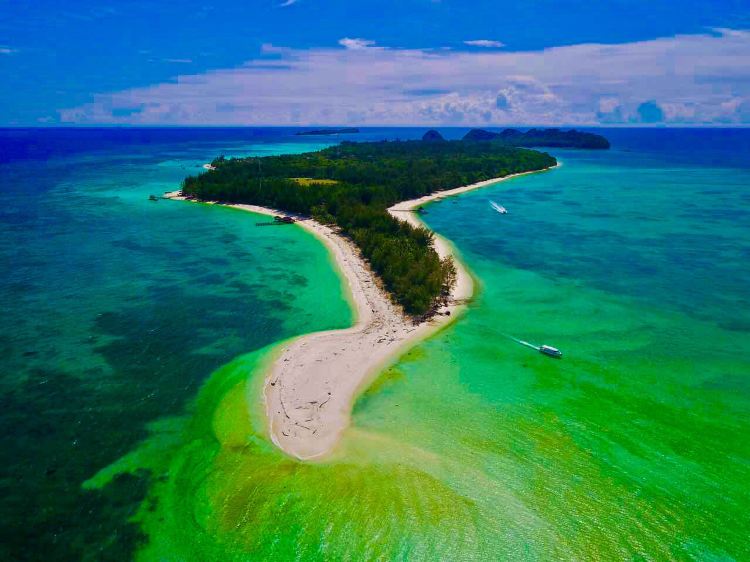
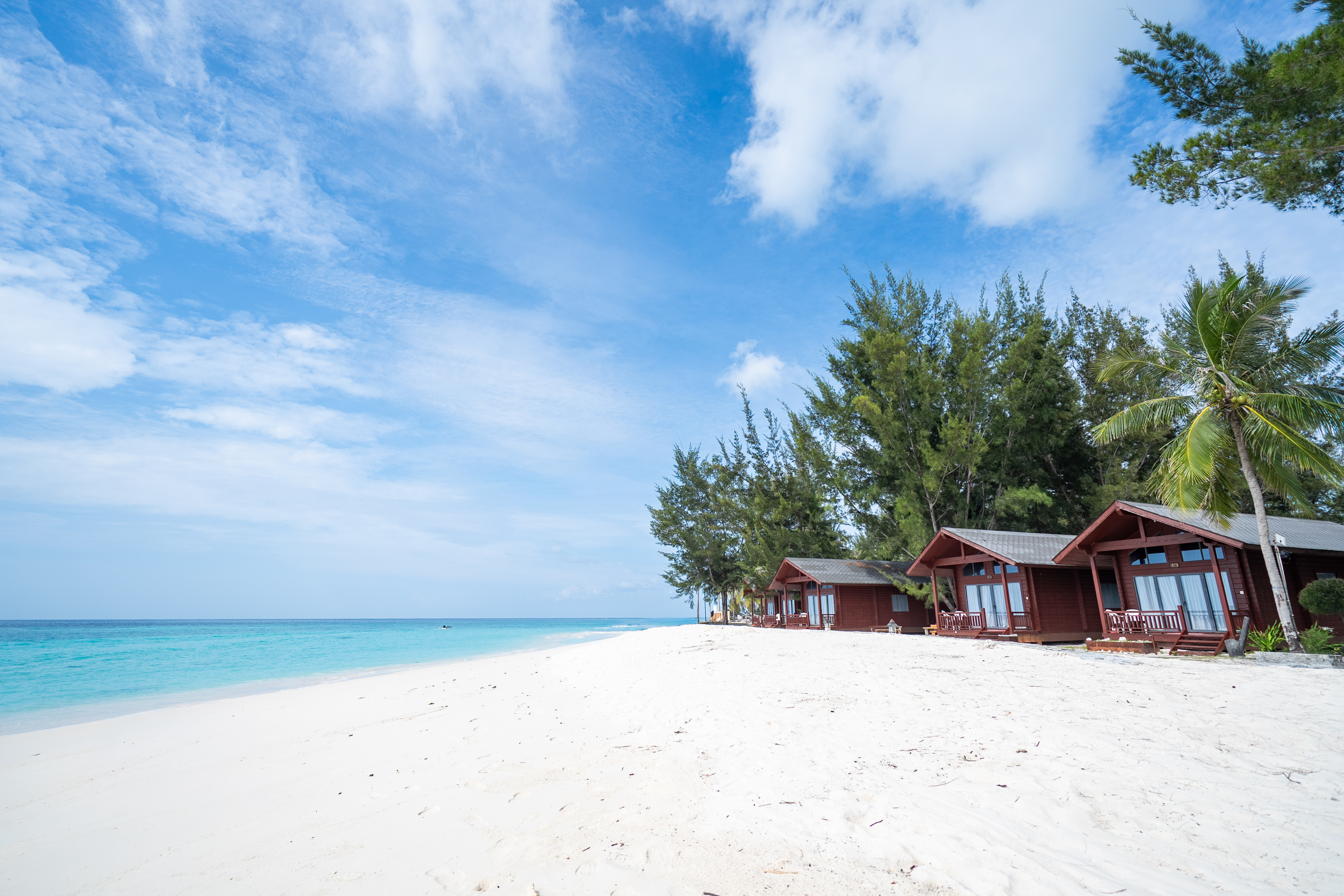
The Mantanani Islands are a secluded retreat, perfect for diving enthusiasts and those seeking tranquility. The islands are known for their white sandy beaches, clear waters, and rich marine life, including the elusive dugong. Accommodations on the islands are mainly operational resorts that offer day trips and overnight stays. Access to these islands requires a boat trip from Kota Kinabalu, and transport can be arranged through various travel agents.

Kota Kinabalu Best Time to Visit
Best Time to Visit
Visit during the dry season (April to September) for sunny weather, ideal for hiking, diving, and outdoor activities. For a cultural highlight, plan your trip around the Kaamatan Festival in May. The wet season (October to March) brings lush landscapes and fewer crowds, though occasional rain. Pack a rain jacket and enjoy waterfalls and rainforests at their peak.
Kota Kinabalu Travel Tips
1. Mount Kinabalu Climb Preparation
Climb during the dry season (March–September). Book permits and Panalaban accommodation 3-6 months ahead—slots fill fast. Permits are tied to your accommodation, and the climb requires 2 days and 1 night. Respect local beliefs by avoiding loud noises or shouting on the mountain as the mountain is considered sacred.
2. Respect Local Customs and Traditions
Kota Kinabalu is home to various ethnic groups and religions. Dress modestly and be respectful when visiting places of worship. Avoid public displays of affection.
3. Ramadan Considerations
If visiting during Ramadan, be mindful of eating, drinking, or smoking in public during daylight hours. Many restaurants may be closed or have limited hours, so plan meals accordingly.
4. Beach Safety
Watch for strong currents and jellyfish, especially during the monsoon season (November–February). Swim only in designated areas with lifeguards.
5. Mosquito Repellent
Use 30-50% DEET in rural/jungle areas; 15% DEET works in the city. Avoid herbal repellents—they’re ineffective and attract wasps. Bring high-concentration DEET from home; it’s rare in Malaysia. Test for skin reactions. Rainy season (October–February) increases mosquito activity—always carry repellent.
6. Tipping Culture
Tipping is not mandatory in Kota Kinabalu, as most hotels and restaurants include a 10% service charge. However, small tips for housekeeping, bellboys, or guides who provide excellent service are appreciated.
7. Tourism Tax
Foreign tourists must pay a tourism tax of RM 10 per room per night, usually settled at check-in. Plan for this additional cost when budgeting for accommodations.
8. Drone Photography Regulations
Drone photography in Kota Kinabalu is regulated by the Civil Aviation Authority of Malaysia (CAAM). Permits are required for flights above 120m, in controlled airspace, or near aerodromes. Avoid flying over crowded areas, private properties, and government buildings. Always keep your drone in sight.
Kota Kinabalu Useful Guide
Local Language
In Kota Kinabalu, Bahasa Malaysia is the official language, but English is widely spoken, especially in tourist areas. Learning a few basic Malay phrases like "Terima kasih" (thank you) can go a long way in connecting with locals.
Local APP
Google Translate/Google Lens: Handy for translating languages and identifying things through photos.
Google Maps: Your go-to navigation app for exploring the city.
Grab/Maxim/AirAsia Ride: E-hailing services in Kota Kinabalu
Foodpanda/Grab Food: Must-have apps for satisfying your food cravings with online orders.
Internet and Communication
SIM Cards: Grab one at KKIA—Celcom, Digi, or Maxis offer plenty of data for a month, fast 4G/5G; KKIA’s arrival hall has booths—pick by data need, reload at 7-Eleven later.
Wi-Fi Spots: Free at KKIA, cafes like Starbucks, most hotels, often needs a sign-in.
Weather
Wet Season: October to March, with higher rainfall and occasional storms.
Dry Season: April to September, generally drier but still unpredictable, with occasional rain.
Currency and Payment
The Malaysian Ringgit (MYR) is the local currency, with exchange counters available throughout the city. Credit cards like VISA, MasterCard, and American Express are widely accepted in stores, supermarkets, and restaurants. E-wallets such as GrabPay are also popular—look for the e-wallet logo at payment counters for cashless convenience.
Weather in Kota Kinabalu

32°
/
24°

32°
/
24°

32°
/
24°
32°
/
24°
32°
/
24°
31°
/
23°
32°
/
24°
 Trending in Kota Kinabalu
Gaya Street Sunday Market | Kota Kinabalu@Gaya StreetGaya Street Sunday Market | Kota Kinabalu
Mari Mari Cultural Village Traditional Culture Experience@Mari Mari Cultural VillageMari Mari Cultural Village Traditional Culture Experience
Kokol Hill Sunset: City Lights Meet Nature's Magic@Kokol Hill ElfBeautiful sunset views at Kokol Hill, Kota Kinabalu
Kota Kinabalu: FAQ

What's the most popular attractions in Kota Kinabalu?
Any recommended attractions about nature scenery in Kota Kinabalu?
Popular destinations
Bangkok
Tokyo
Kuala Lumpur
Los Angeles

Shanghai