Leshan 2025 Guide: Must-see attractions, local cuisine, and practical tips! | Trip.com
 Local GuidesLast updated on Trip.com: 11/11/2024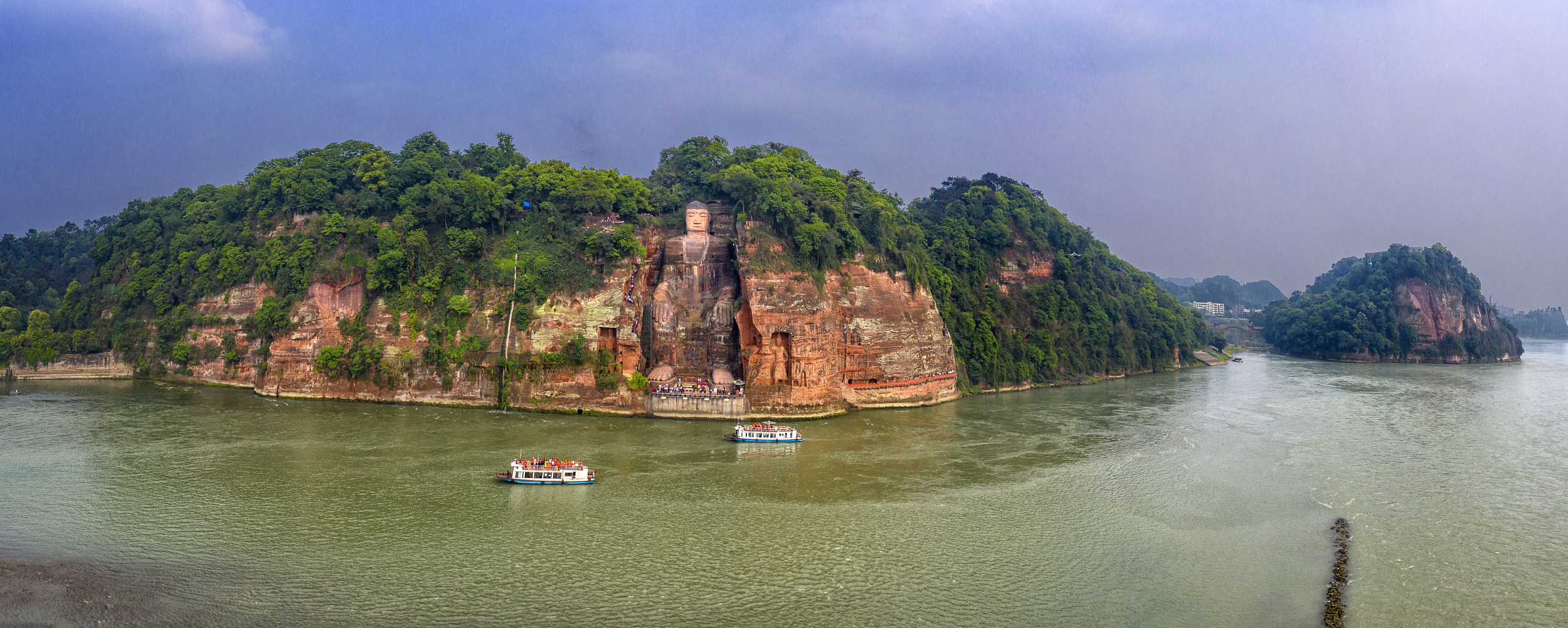
Leshan Brief Guide
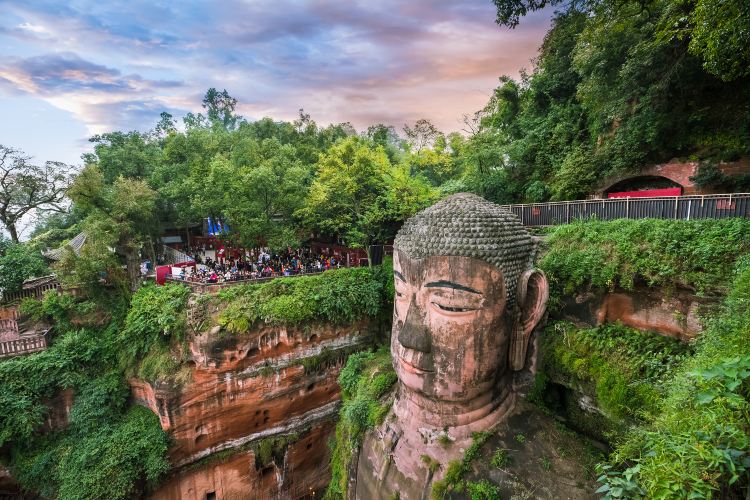
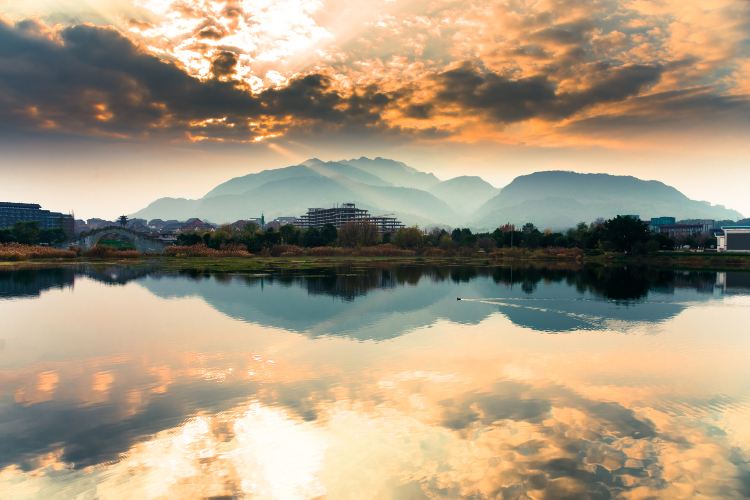
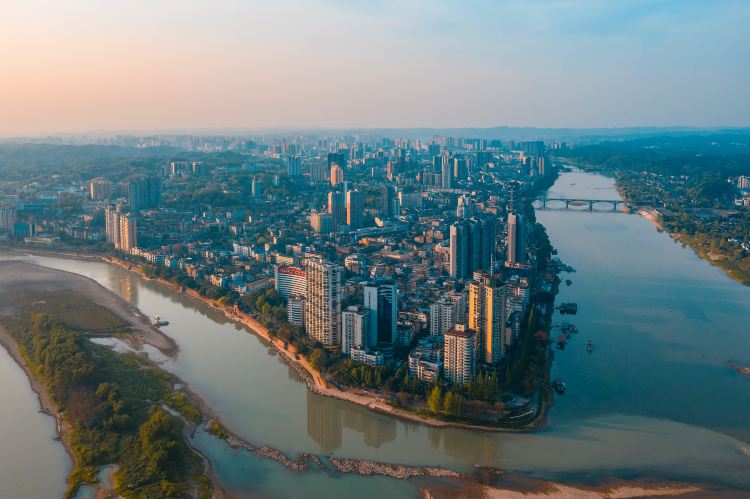
True to its name, Leshan is a "city of mountains and rivers". The landscape here is magnificent, with many historic sites, and it is one of Sichuan's great tourist destinations. Mount Emei, in the area of Leshan, is one of the four great Buddhist mountains in China. Deep in the mountains, there are many temples, suffusing the area with a serene Buddhist atmosphere. From here you can also gaze out at the sunrise and the sea of clouds. The Giant Buddha is also a scenic spot you absolutely must visit. Designed as a statue of a seated Maitreya Buddha, it is a fine work of cliff-carving from the Tang Dynasty. Additionally, you can take a ride on the "living fossil of the Industrial Revolution", widely known as the "Jiayang small train". Chugging cheerfully along in the mountain wilderness showcases the elegance of trains made in the local area.
Leshan Must-try local experiences
Pilgrimage to Leshan Giant Buddha and Lingyun Temple
Gaze upon the Leshan Giant Buddha, the tallest stone-carved Buddha in the world. Descend the cliff staircase for a closer look or take a boat ride for a full view of this UNESCO World Heritage site. Afterwards, head to Lingyun Temple to experience the serenity and solemnity of Buddhist culture.
Visit Jiading Lane and Handicraft Experience
Visit Jiading Lane to take photos of traditional buildings and streetscapes in the ancient town, capturing its unique style and historical atmosphere. You can also participate in handicraft experiences, such as bamboo weaving and paper-cutting, to appreciate the charm of these traditional skills.
Leshan Sichuan Opera Face Changing Show
Watch the wonderful Sichuan Opera Face Changing Show and feel the unique artistic charm of Sichuan Opera and the exquisite skills of the actors. You will be amazed by the magic and rapid changes of the face-changing.
Enjoy Tea Culture
Engage in the tradition of tea drinking at a local tea house. Sample various teas, observe the brewing process, and enjoy the peaceful ambiance.
Participate in the Leshan Big Buddha Tourism and Culture Festival
The Leshan Buddha Tourism and Culture Festival is held in autumn every year, bringing together a wealth of cultural activities and performances, including folk performances, concerts and food festivals, to experience the diverse culture of Leshan.
Savour authentic Sichuan Cuisine
When in Leshan, you must try authentic Sichuan cuisine, such as Sichuan hot pot, stilt-legged beef and sweet-skinned duck. You can enjoy these authentic flavours at the night markets and snack streets in Leshan.
Stroll around Zhanggongqiao Street
Wandering down Zhanggongqiao Street reveals a variety of unique food stalls and handicraft shops, perfect for purchasing local specialty souvenirs. The unforgettable atmosphere of the lively night market adds to the experience.
Take a Panoramic Photo of Leshan Big Buddha
The view of Leshan Giant Buddha and both sides of the Minjiang River from the top of Wuju Mountain is one of the ideal locations for taking panoramic photos of the Leshan Giant Buddha. Choose a clear day to go there to get the ideal visual effect.
Leshan Night Cruise
Take a cruise at night to visit the confluence of the three rivers in Leshan and enjoy the city lights and river scenery at night, and feel the night charm of Leshan.
Leshan Must-see Attractions
Leshan, a city rich in cultural and natural heritage, boasts spectacular sites such as the UNESCO-listed Leshan Giant Buddha, the verdant Mount Emei with its ancient monasteries and endemic wildlife, the extensive Buddha statue collection at Oriental Buddha Capital, the mysterious Heizhugou known as "China's Bermuda", and the historically significant Jiayang steam train, offering visitors a profound blend of spirituality, history, and natural beauty.
Mount Emei
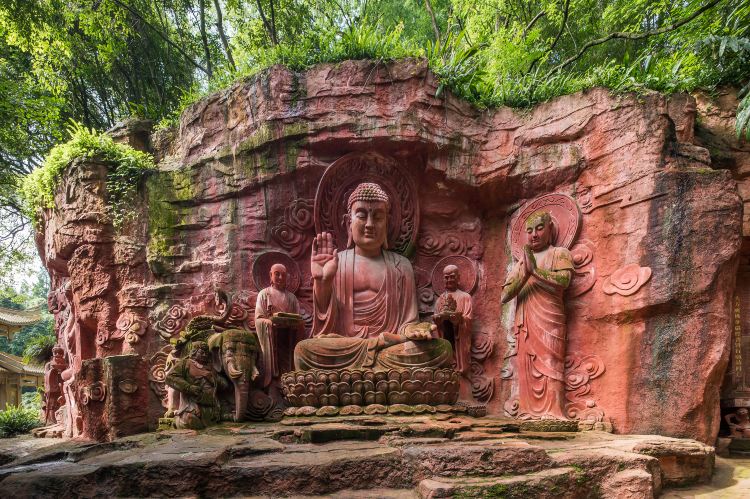
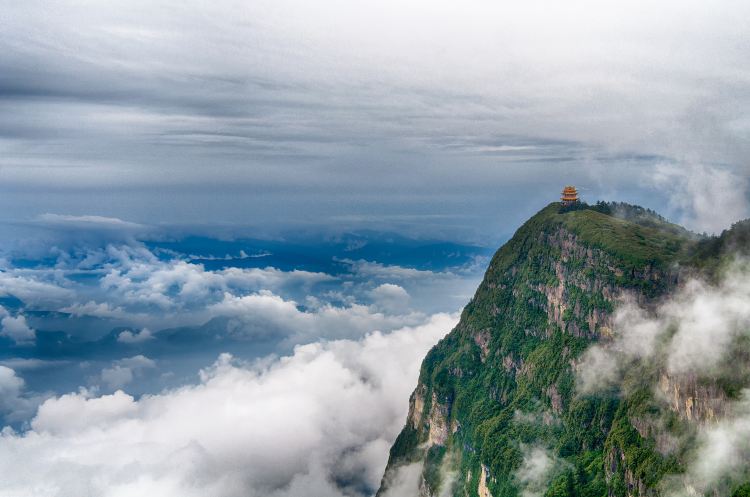
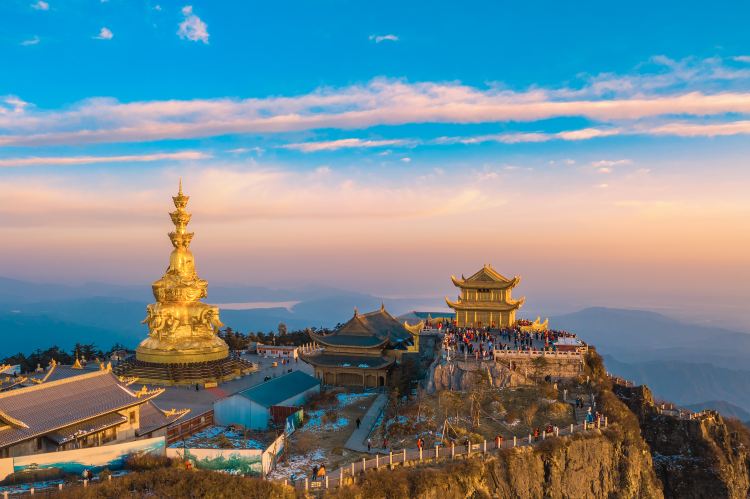
Mount Emei offers a profound blend of natural and cultural heritage, with its verdant landscapes, ancient monasteries, and endemic wildlife. Renowned as a spiritual site, it encompasses the first Buddhist temple in China and has been a beacon of Buddhist devotion. The mountain is celebrated for its scenic vistas, particularly the transformative sunrise views, and houses UNESCO-listed sites including the impressive Leshan Giant Buddha.

 Anonymous userIt was fantastic, a very satisfying trip. The cable car was very smooth and could hold a lot of people. There were no queues during this season. The scenery was beautiful and pleasant, and the weather was perfect. I highly recommend taking the cable car and shuttle bus when visiting Mount Emei for a relaxed and enjoyable experience.
Leshan Giant Buddha
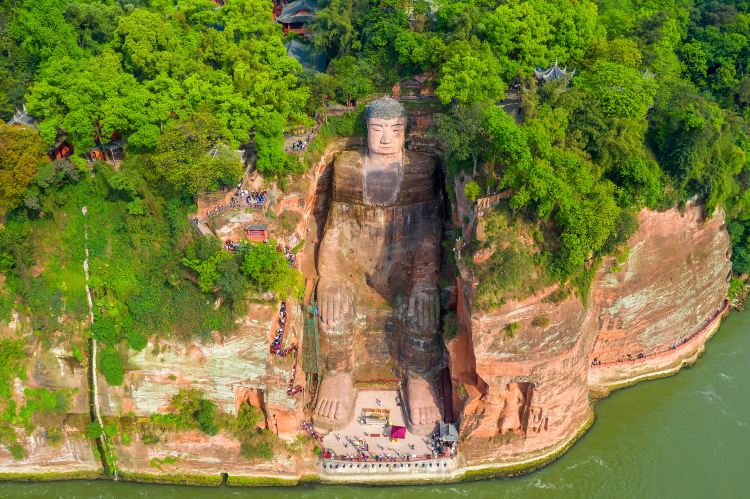
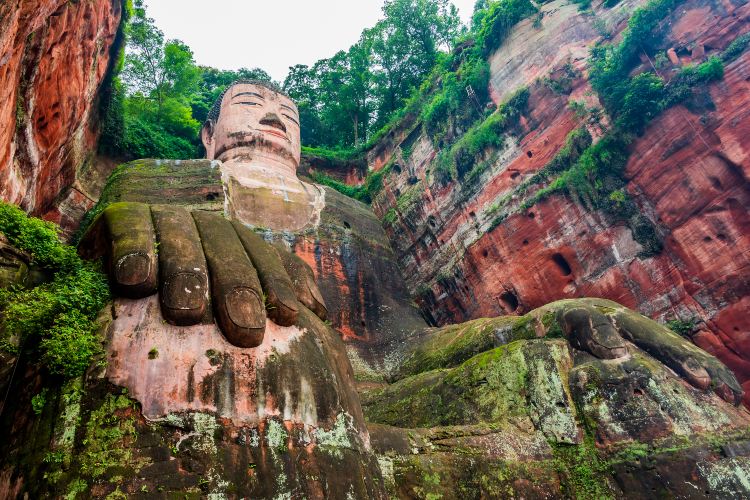
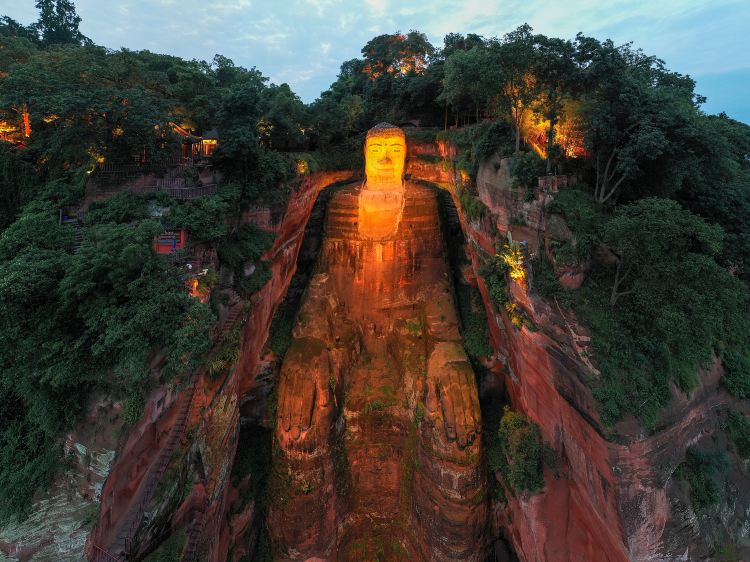
Leshan Giant Buddha, carved into Mount Lingyun, symbolizes Maitreya and is a UNESCO World Heritage Site. As the world's tallest stone Buddha, it mesmerizes visitors with its architectural artistry including coiled hair buns and a sophisticated internal drainage system. Tourists can experience this spiritual site up close by navigating the steep stairs to its base or from the river for a comprehensive view.
Oriental Buddha Capital
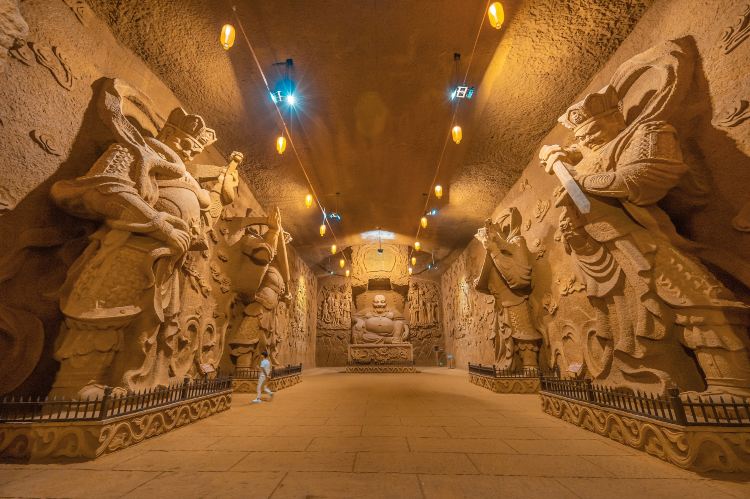
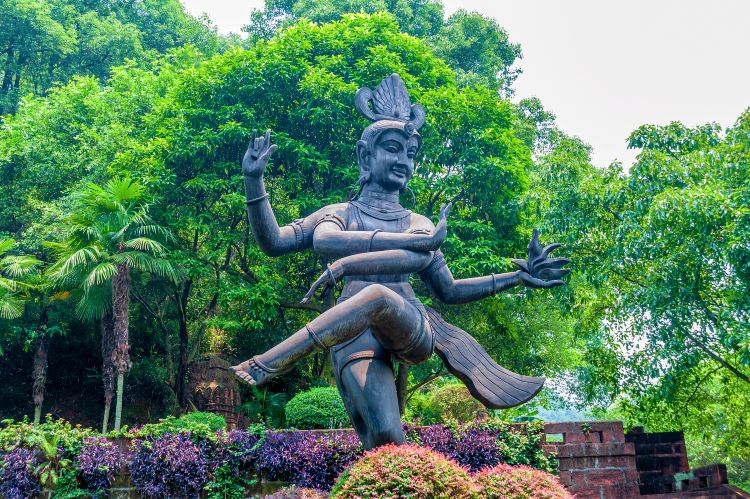
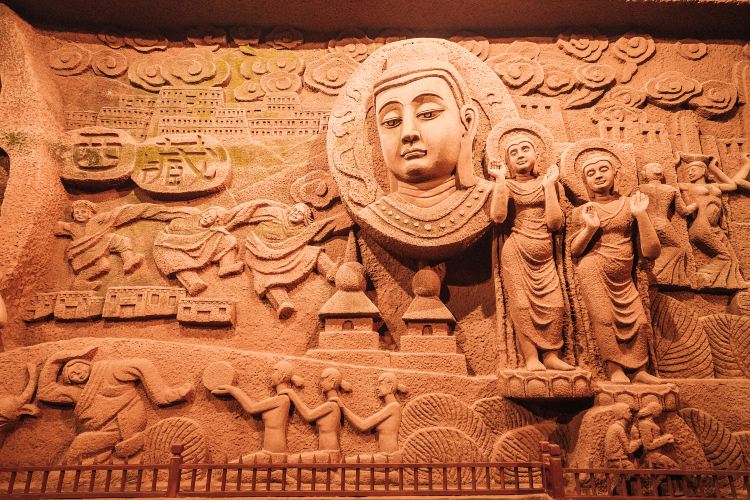
Oriental Buddha Capital, engraved in Leshan’s Lingyun mountain, features an extensive collection of over ten thousand Buddha statues, prominently highlighted by the colossal 170-meter-long Sleeping Giant Buddha. This site not only showcases the centuries-old Buddhist culture through its meticulously crafted stone carvings but also harmoniously blends with the mountain’s natural vegetation, maintaining its ecological balance. The area resonates with a deep history, offering visitors insights into the long-standing spiritual and artistic heritage.

Heizhugou
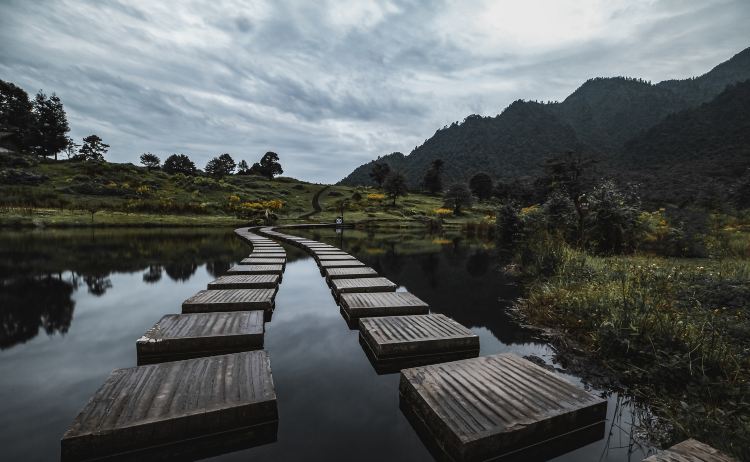
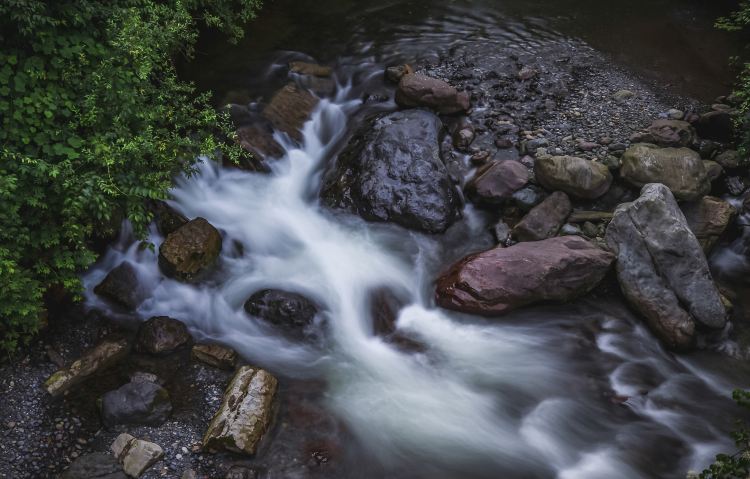
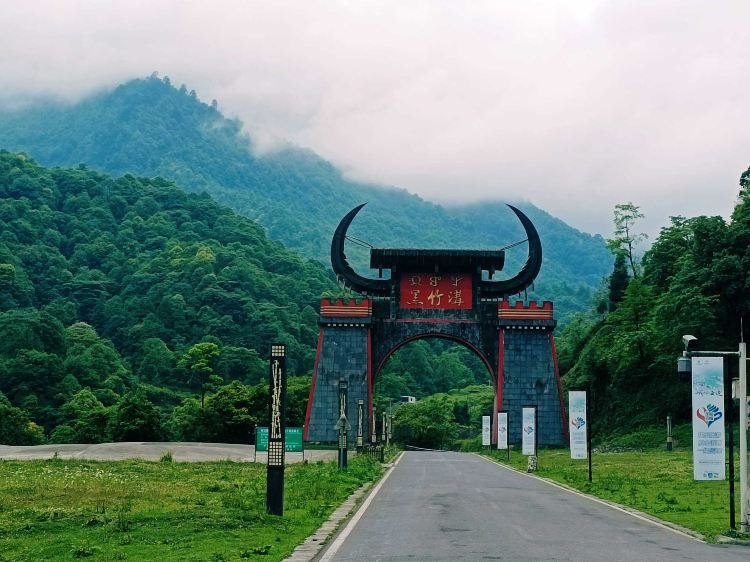
Heizhugou in Leshan, Sichuan, characterized as "China's Bermuda", intrigues with its folklore of disappearances and connection to the 30th parallel north, similar to other mysterious locations globally. The area offers a blend of cultural and natural beauty, where visitors can enjoy the pristine landscapes of its primordial forests or explore the expansive wetland park which might conceal natural hot springs.
Jiayang Steam Train
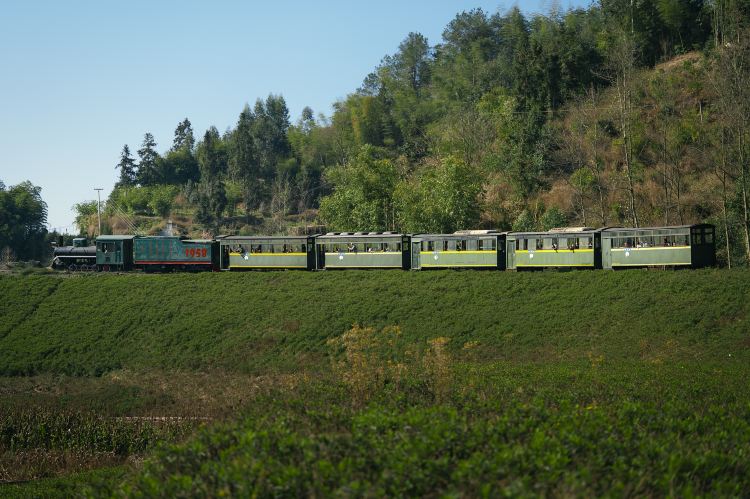
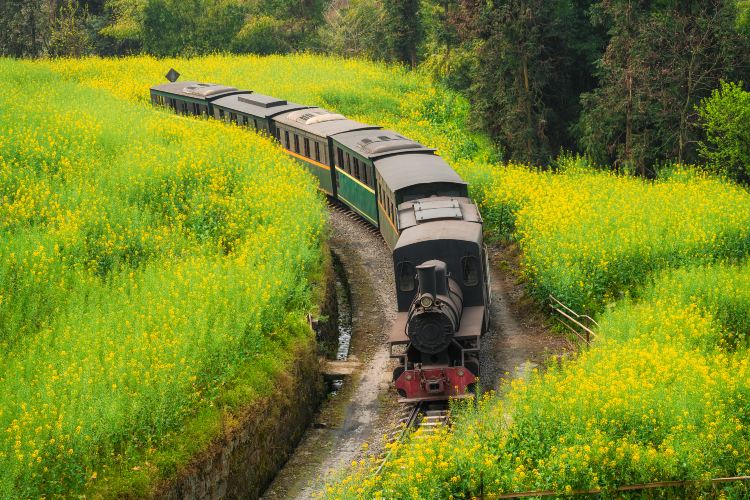
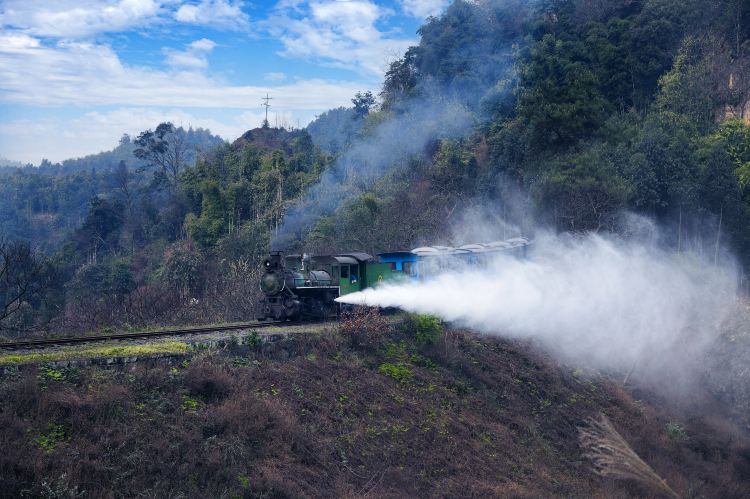
The Jiayang steam train is an operational heritage site, characterized as the only operating narrow-gauge steam train globally. It embodies a significant historical epoch, specifically Industrial Revolution in the 18th century, providing an immersive journey through Sichuan's picturesque landscapes. Travelers experience a 2-3 hour ride that encapsulates the charm of past eras with its authentic rocking motions, particularly during the vibrant flower seasons. This attraction is best visited in early to mid-March, August, and September for optimal scenic beauty.
Leshan Food Guide
Leshan's cuisine is renowned for its traditional preparation techniques and rich palette of flavors. Highlights include the visually appealing tofu pudding, the crispy and tender sweet skin duck, the historically significant Xiba tofu, and the robustly flavored, uniquely prepared beef. Each dish reflects Leshan locals' meticulous attention to detail and their deep passion for both ingredients and taste.
Tofu pudding
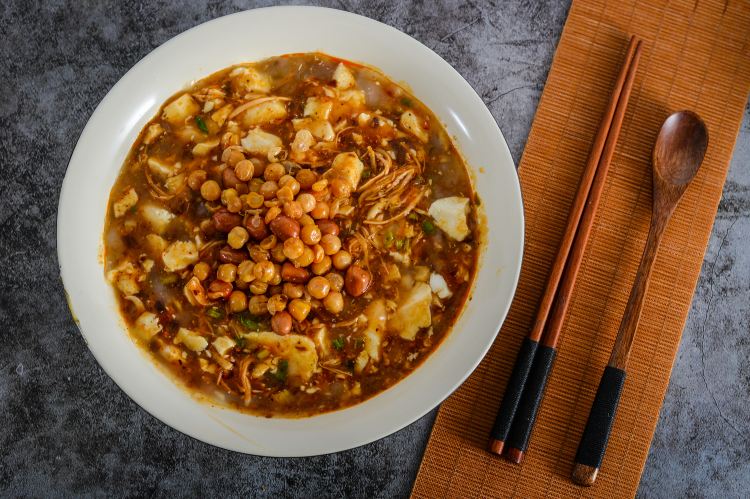
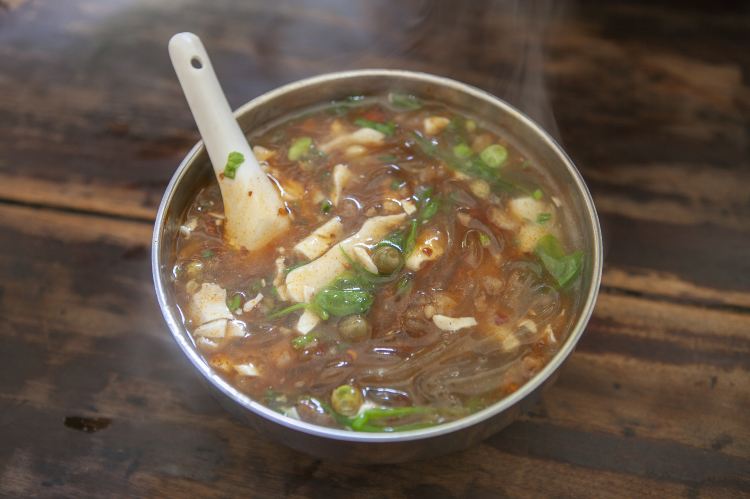
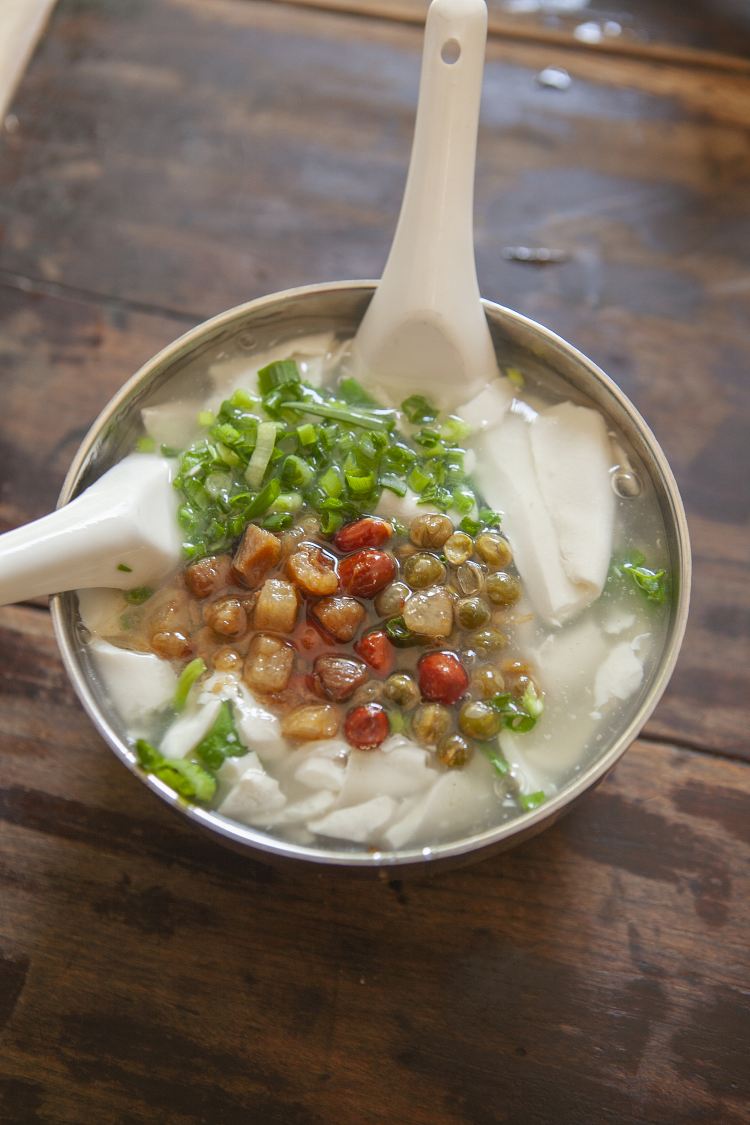
Tofu pudding is a beloved snack known for its distinctive flavor in Leshan. Served with soybeans, cilantro, and spicy chili oil, this aesthetically pleasing dish offers a broth that is both savory and smooth to the taste. In the local area, additions like beef, pork, or sweet rice wine can be mixed in to enhance the jellied tofu, giving it an exceptional twist.
Sweet skin duck
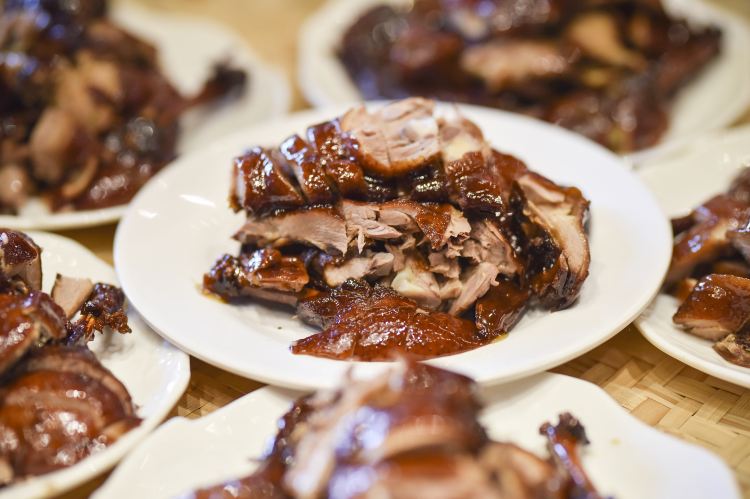
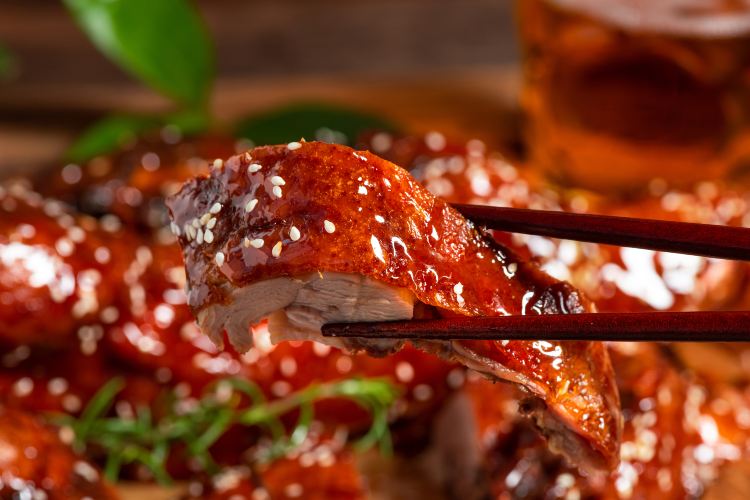
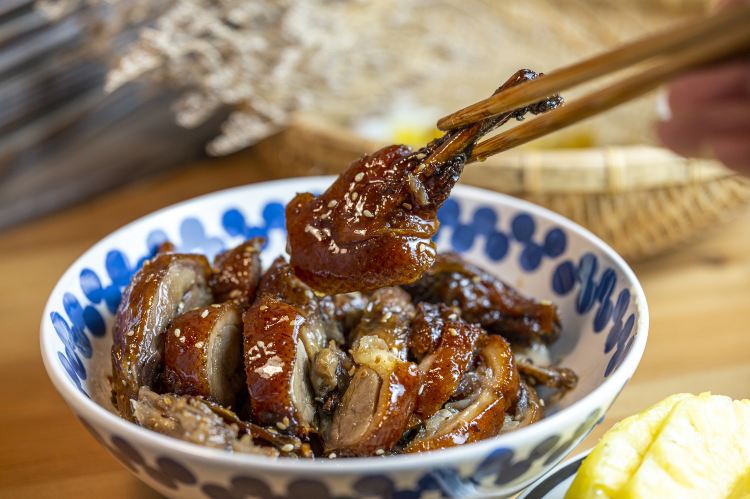
Sweet skin duck is a renowned delicacy from Leshan, cherished by the locals for its unique flavor. Prepared through an intricate series of cooking steps, the duck boasts an aromatic scent and a glossy, reddish appearance. The skin offers a perfect blend of sweet and salty, delivering a crisp and flaky texture. The meat itself is well-seasoned, yielding an exceptionally tender bite.
Xiba tofu
The production of Xiba tofu is meticulous and distinctive, boasting a history that spans over 2,000 years and has consistently remained a favorite among people. Presently, Xiba tofu is available in a wide array of products, offering an extensive taste that can be spicy, rich or subtly seasoned, all characterized by a delicate, silky texture.
Qiaojiao beef
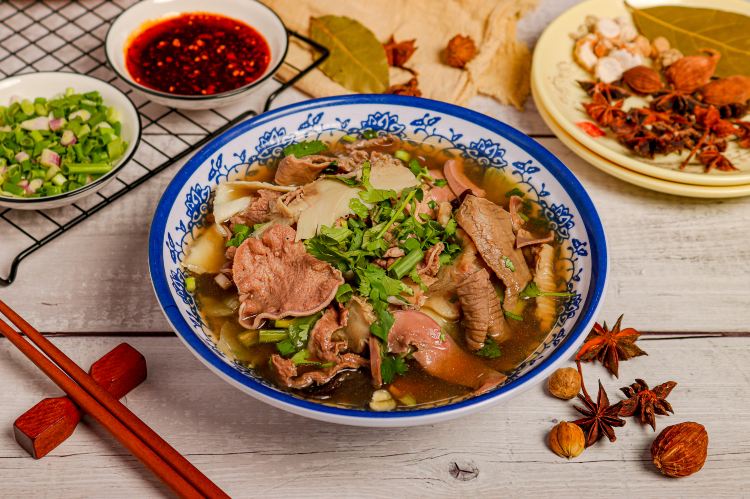
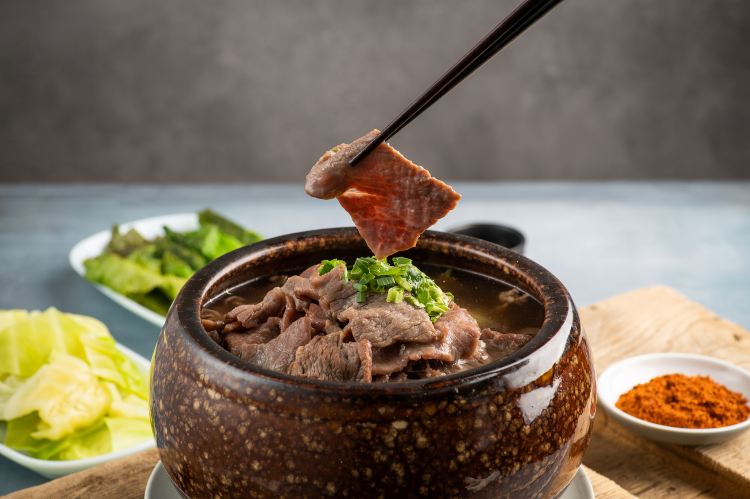
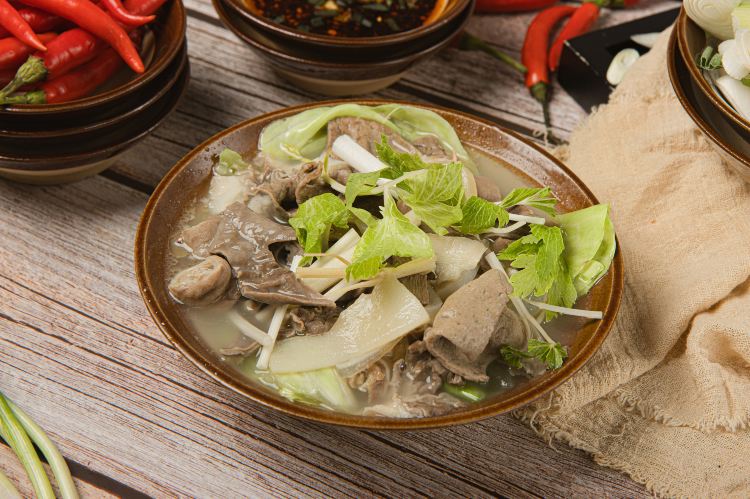
Qiaojiao beef is a traditional culinary specialty. It features a simmering pot of beef broth along with freshly sliced beef and offal laid out on the counter that entices everyone around. Various ingredients are served in individual bowls filled with this steaming broth, topped with a sprinkle of cilantro and celery. The aromatic and rich broth, alongside the tender, succulent beef, offers a deeply satisfying experience.
Leshan Transportation
How to Get There
Leshan's transportation network is well-connected, primarily relying on its railway station and long-distance bus stations for intercity travel, as there is currently no operational airport in the city.
Leshan Railway Station is a key hub for high-speed trains, located approximately 10 kilometers from the city center and 12 kilometers from the Leshan Giant Buddha. It serves as a junction for the Chengdu-Leshan-Emeishan Intercity High-Speed Railway, offering convenient access to popular destinations such as Chengdu, Mianyang, Jiangyou, and Emeishan. To reach the city, passengers can take a taxi or bus.
The city's long-distance bus network is anchored by three main stations: Leshan Coach Terminal, Leshan Xiaoba Tourist Bus Station, and Leshan Lianyun Bus Station. They provide connections to various cities including Chongqing, Meishan, Zigong, and Mianyang. Buses are a common mode of transportation for reaching the city from these stations, with frequent services to key destinations.
Local Transportation
In Leshan, public buses and taxis are the primary modes of city transportation. The city bus system consists of several routes, such as Bus No. 3, No. 601, No. 605, and K1, which lead to major attractions like the Leshan Giant Buddha. Taxis in Leshan offer a convenient option for direct travel, with the fare starting at CNY 5 for the first 2 kilometers during the daytime and increasing slightly at night
Leshan also offers sustainable transportation choices like car rentals. Travelers can rent a car to explore the city at their own pace. This service provides flexibility and ease for visitors, especially those wanting to travel to destinations like the Leshan Giant Buddha without relying on public transportation schedules.
Leshan Where to Stay
Leshan offers a delightful array of accommodation choices spread across its different regions, each with unique features tailored for varying traveler needs. Prominent accommodation areas include the vicinity of the Leshan Giant Buddha, Leidong Plateau, and Zhanggong Bridge Food Street. These areas cater extensively to tourists visiting from the nearby city of Chengdu and those interested in exploring local attractions and experiencing the cultural heritage of Leshan.
Zhanggong Bridge Food Street (Rich cultural offerings, popular dining options, proximity to the Giant Buddha)
Zhanggong Bridge Food Street stands at the heart of Leshan's culinary scene, renowned for its vibrant night street food market. This region promises an unforgettable gastronomic experience with local specialties such as beef soup pots and Bobo chicken. It's also near major attractions including the Leshan Giant Buddha, making it an ideal stay for food lovers and cultural explorers alike. Hotels here are typically characterized by their accessibility to Leshan's rich culinary offerings and cozy rooms.
Golden Summit (Peaceful and spiritual atmosphere, access to Buddhist cultural sites)
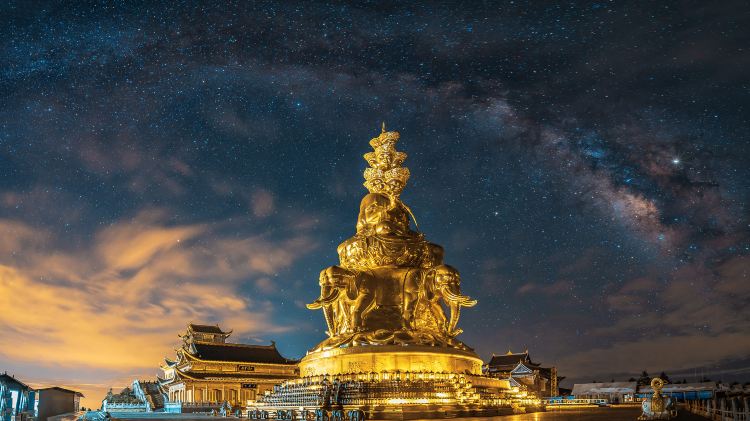
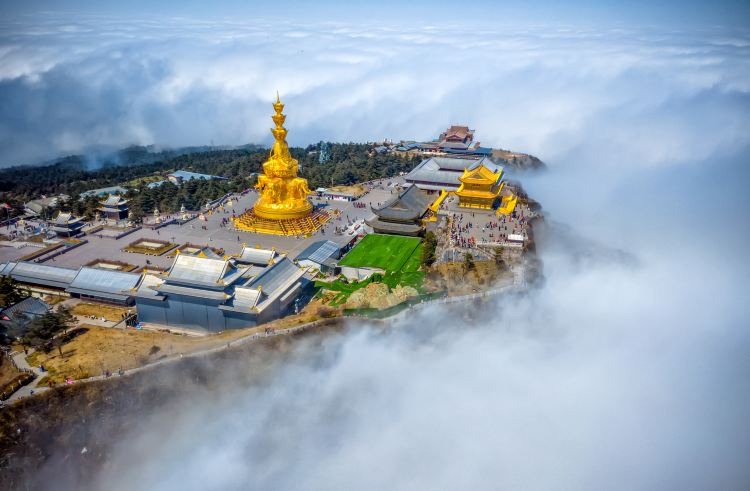
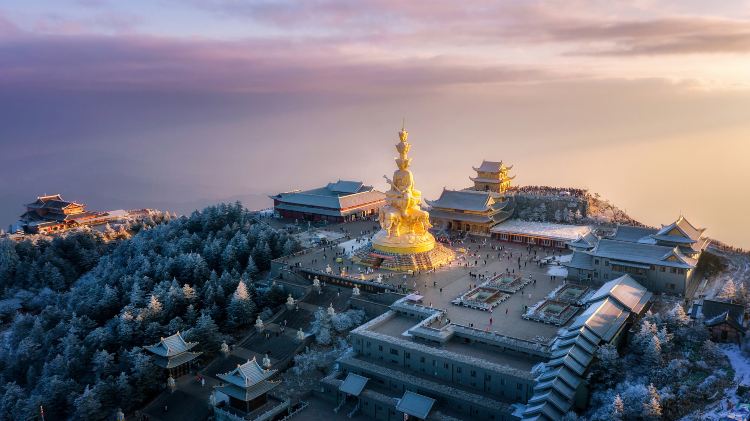
Located in Emeishan City, near Leshan, the Golden Summit area is enveloped in spirituality and tranquility. This serene location is surrounded by various temples and offers stunning views of the Samantabhadra statue and access to spiritual rituals. Accommodation in this area is geared towards those seeking a peaceful retreat, with features like quiet environments, proximity to temple sites, and rooms offering majestic views of the mountain landscapes. The presence of both moderate and budget accommodation options makes it suitable for a range of visitors.
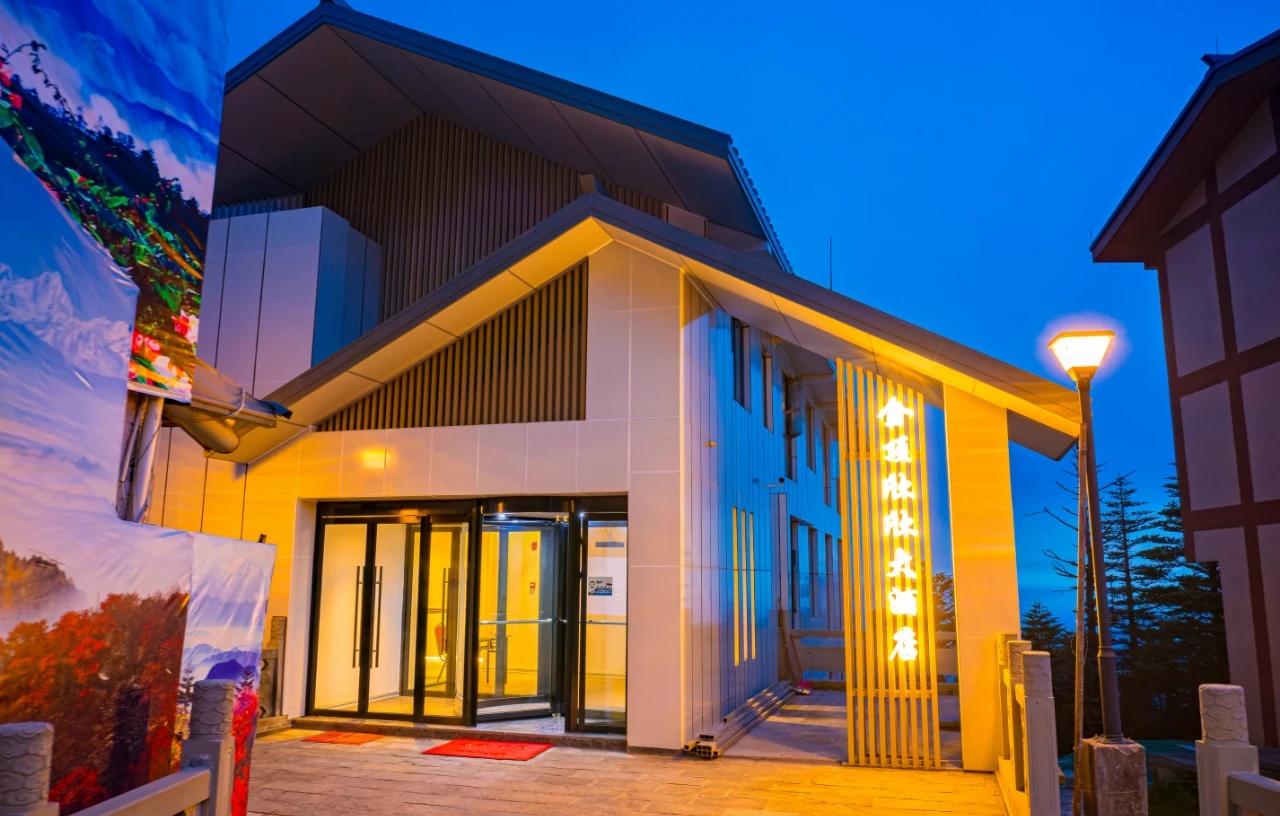
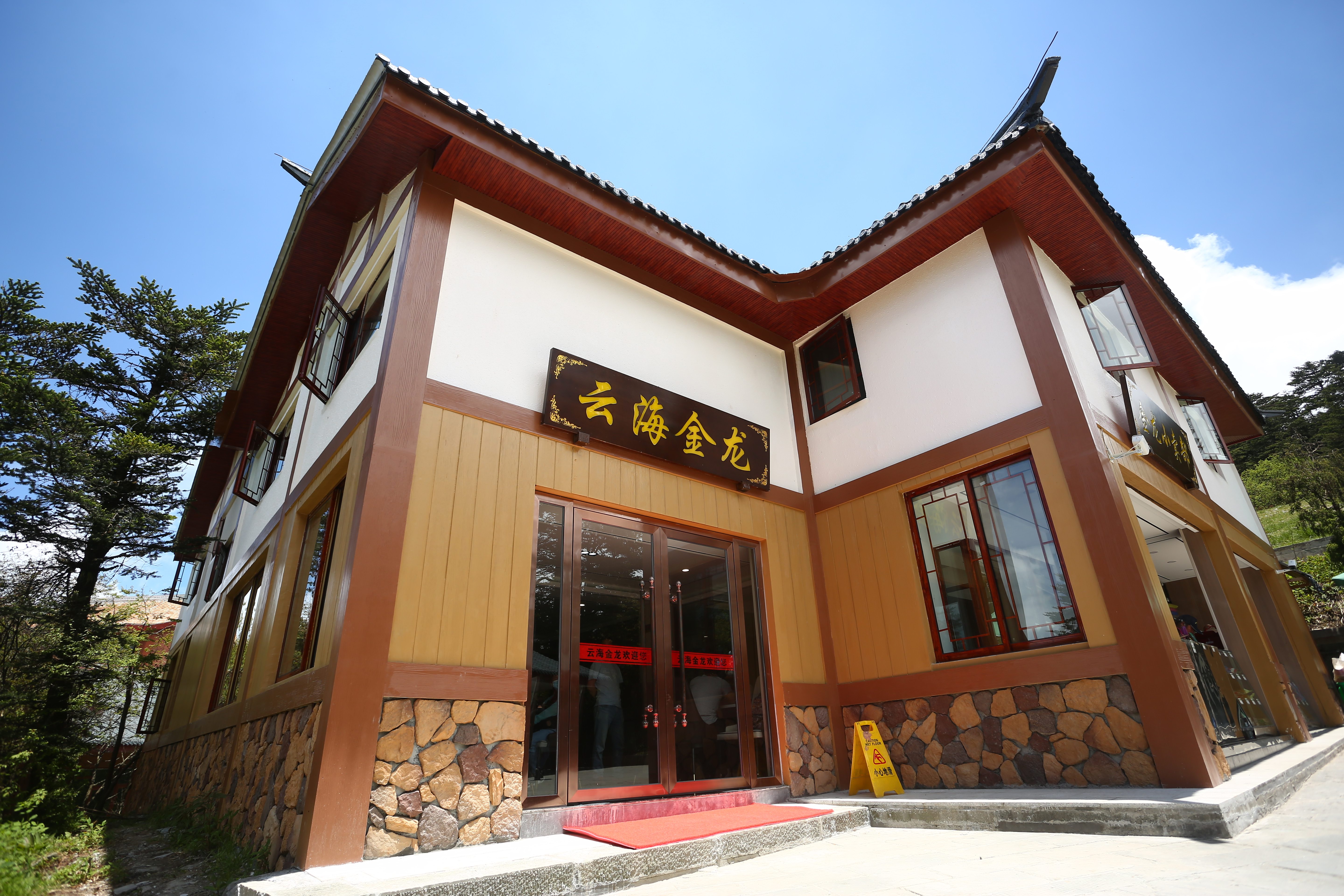
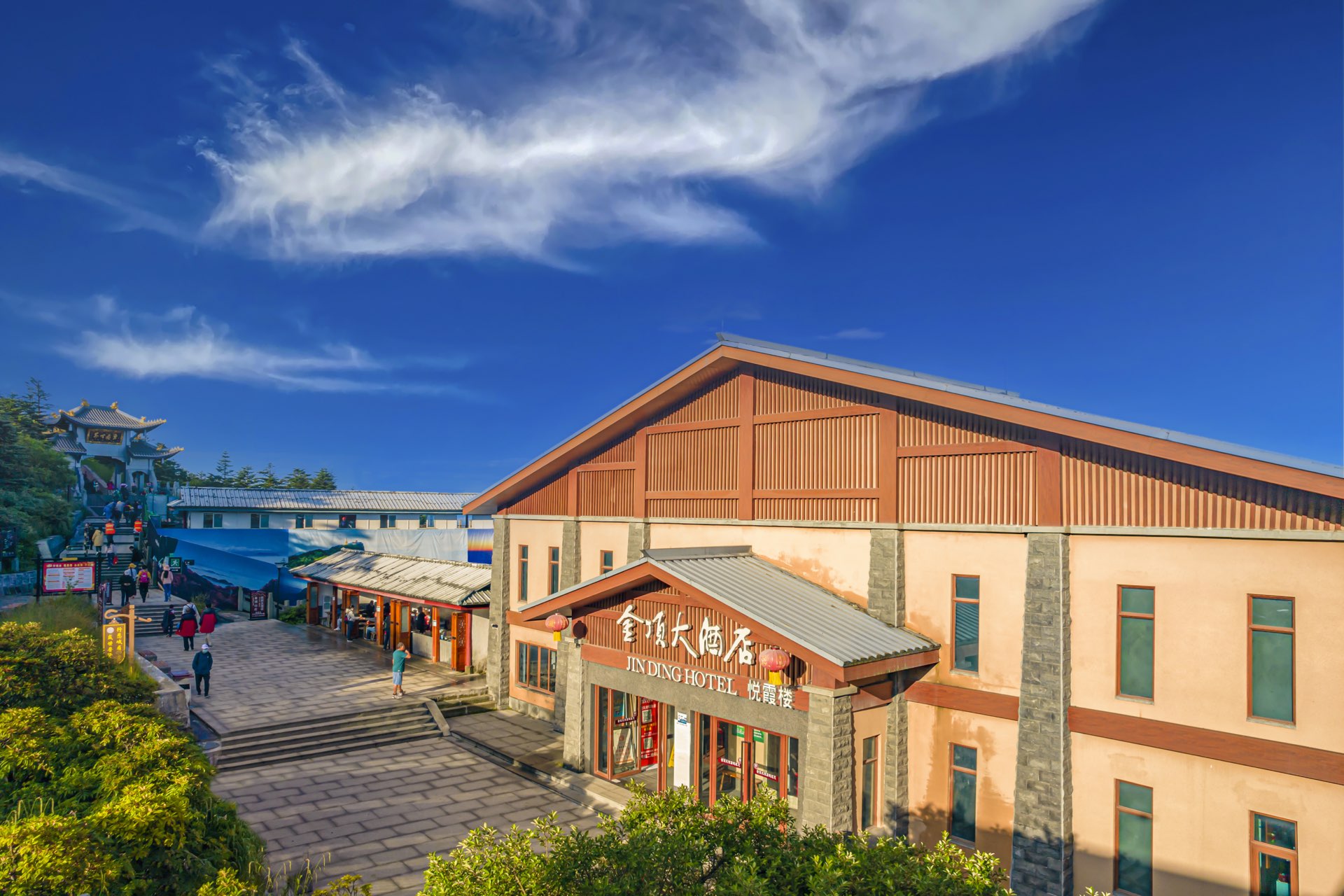
Leidong Plateau (Economical stays, breathtaking natural vistas, essential stop for mountain explorers)
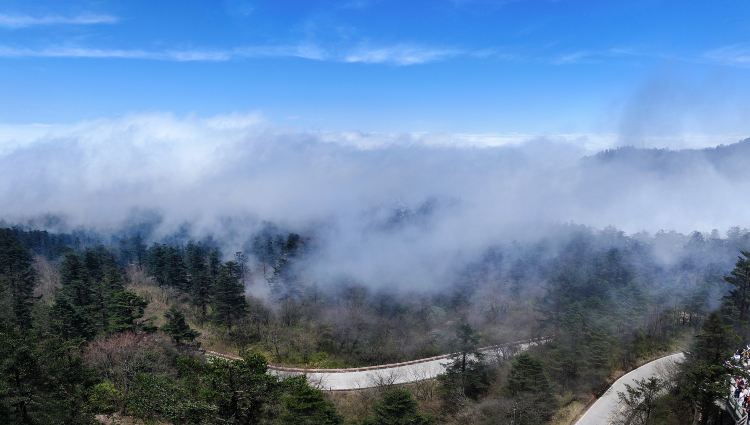
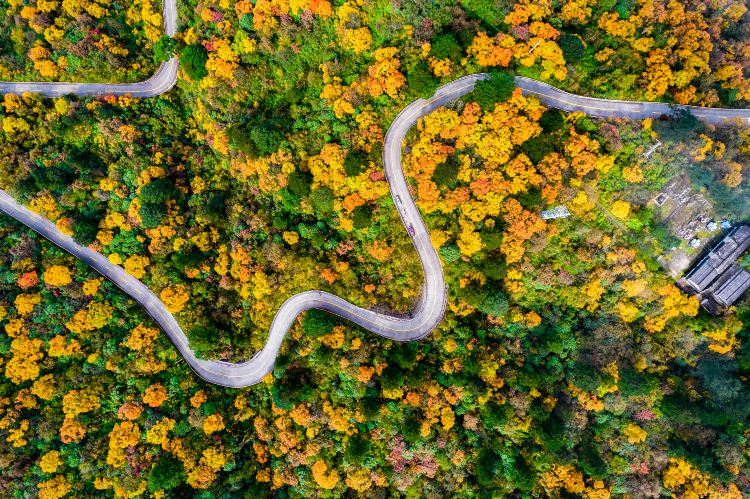
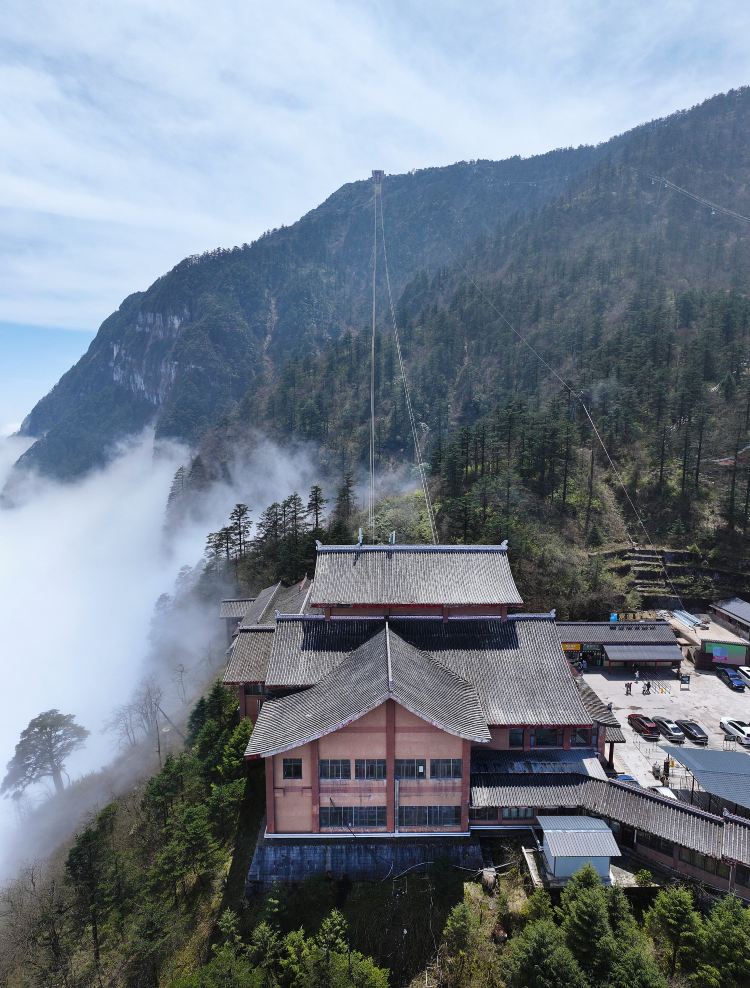
Leidong Plateau serves as an essential hub for visitors heading to the Golden Summit of Mount Emei. As a strategic stopping point, it offers budget-friendly accommodations and is known for its breathtaking morning views and proximity to natural trails. Accomodations here hold basic living facilities, catering primarily to adventurous visitors and nature enthusiasts. This region is popular due to its affordability and natural beauty surrounded.
Leshan Best Time to Visit
Best Time to Visit
The best time to visit Leshan is during the spring (March to May) and autumn (September to November). These seasons offer mild and pleasant weather, making it comfortable for visitors to explore scenic areas like the Leshan Giant Buddha. In spring, the region is adorned with a vibrant display of blooming flowers, enhancing the natural beauty of the landscapes. Autumn brings crisp, cool air and the mountains are decorated with colorful foliage, providing a picturesque backdrop for travelers.
Leshan Useful Guide
Local Language
Leshan, located in Sichuan Province, China, is home to a unique dialect distinct from other cities in the province. The primary language spoken is Mandarin Chinese. Travelers may face language barriers as English is not widely spoken; however, basic Mandarin phrases and translation apps can help. Effective communication can also be aided by using maps, gestures, and facial expressions.
Local APP
Alipay: Widely used in China for easy transactions almost everywhere simply by scanning a QR code.
WeChat: Essential for messaging, social sharing, and mobile payments, also offers taxi services and food ordering.
Didi Chuxing: Offers integrated services with Alipay and acts like Uber for ride-hailing in China, simplifying transportation for users without Chinese phone numbers.
Baidu Maps: Provides accurate, real-time navigation and street views, making it invaluable for finding your way around in China.
MetroMan: Useful for navigating the subway systems across major Chinese cities, aiding in planning and route calculation.
Trip.com: is a popular online travel platform that provides a comprehensive range of services including booking flights.
Internet and Communication
Mobile data packages for immigrants in China are available through local carriers such as China Mobile and Unicom. China Mobile offers prepaid data SIM cards with unlimited text messages and calls within China, and high-speed connections, sometimes even 5G. Unicom provides SIM cards with data packs that include unlimited music applications, and both do not require long-term contracts . Prices for eSIMs with unlimited data start at just $6 for China .
Public WiFi in China is widely available in places like airports, restaurants, coffee shops, and malls. However, connecting to these networks often requires a Chinese phone number for text verification, which can be a challenge for travelers without a local SIM card. Global WiFi devices like Skyroam can be a convenient alternative, offering the ability to connect multiple devices and requiring no additional setup upon arrival in China .
Weather
Leshan features a monsoon-influenced humid subtropical climate. The winter in Leshan is mild, and short, and less rainfall, while summers are long, hot, and humid, and witness most of the annual rainfall. The city experiences significant rainfall during the summer months from June to September, contributing to more than 70% of its annual precipitation. Leshan faces weather extremes ranging from high humidity levels reaching up to 90% in August to colder winters with potential frost but rare snowfall.
When traveling to Leshan, light and breathable clothing is appropriate for the summer, whereas warmer layers are advised for the winter. Always carry an umbrella or rain gear, especially if visiting during the rainy season. When venturing to higher elevations, like nearby Mount Emei, consider sun protection and additional layers to handle cooler temperatures and more intense UV radiation.
Customs and taboos
* Touching the walls inside the Leshan Giant Buddha area is a significant taboo because the structure is part of a delicate Danxia landform and could be further damaged by such actions.
* Respect the statue's features. Don't worship or take photos of weathered Buddha statues that lack heads, a waistband, draped clothing, and a golden body.
* At Leshan's Giant Buddha, avoid photographing or looking at deep caves along the path, which can be ancient rock tombs.
* Don't take photos of representations or depictions of a trapped dragon, such as a dragon sculpture that could spray water, which represents bad luck.
Currency and Payment
In Leshan, the prevalent payment methods include cash, credit cards, and mobile payments like Alipay and WeChat Pay.
Cash is widely accepted and useful for all types of transactions particularly in smaller or rural venues. Credit cards such as Visa, Mastercard are accepted in most large hotels, restaurants, and malls. Alipay and WeChat Pay are extremely convenient for various services and can be linked with international cards to facilitate payment for foreign tourists.
Tourists should note that there might be transaction charges when withdrawing cash from ATMs or when using credit cards depending on their bank's policies.
Weather in Leshan

14°
/
11°

18°
/
10°
17°
/
11°

15°
/
8°
13°
/
4°

14°
/
4°
13°
/
5°
 Trending in Leshan
Leshan's Gull-Watching Season Returns with Thousands of Red-Billed Gulls Dancing in the Winter Sun@Leshan Giant BuddhaLeshan's Gull-Watching Season Returns with Thousands of Red-Billed Gulls Dancing in the Winter Sun
Ginkgo Trees Adorn the Leshan Giant Buddha in Winter@Leshan Giant BuddhaGinkgo Trees Adorn the Leshan Giant Buddha in Winter
Opening hours for these attractions in Sichuan have changed@Leshan Giant BuddhaOpening hours for these attractions in Sichuan have changed
Leshan: FAQ

What's the most popular attractions in Leshan?
How to get to Leshan from Chengdu?
How to get to Leshan from Emeishan?
What's the best food in Leshan?
How to get to Leshan from Chongqing?
Popular destinations
Bangkok
Tokyo
Kuala Lumpur
Los Angeles
Shanghai