Lisbon 2026 Guide: Must-see attractions, local cuisine, and practical tips! | Trip.com
 Local GuidesLast updated on Trip.com: 28/08/2025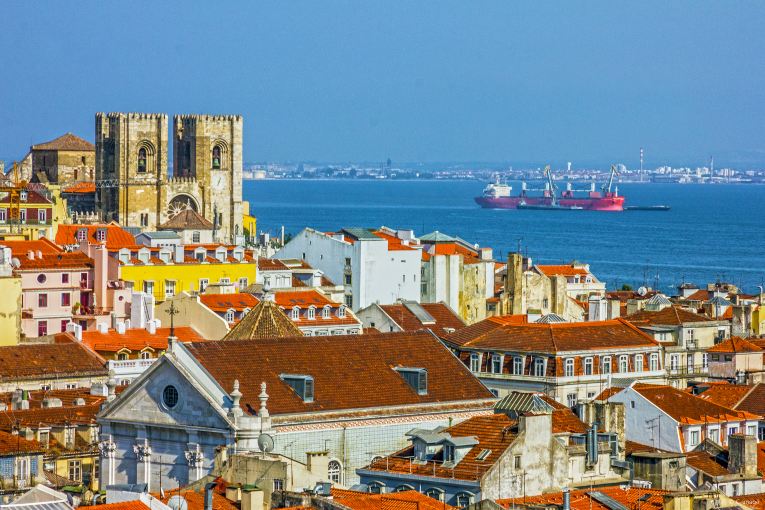
Lisbon Brief Guide
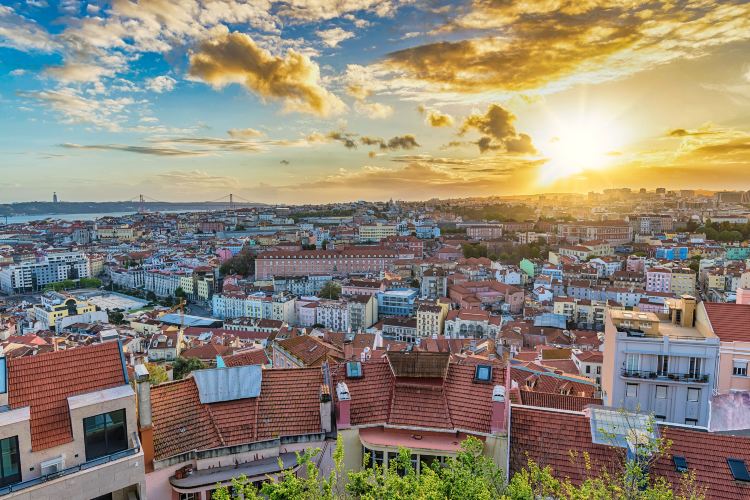
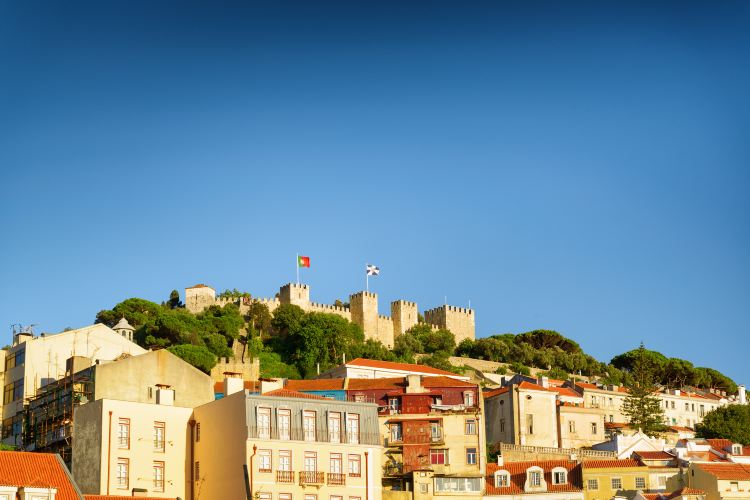
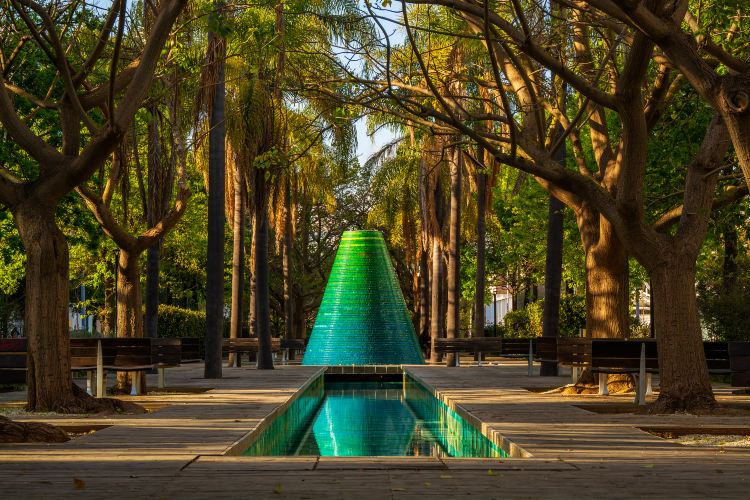
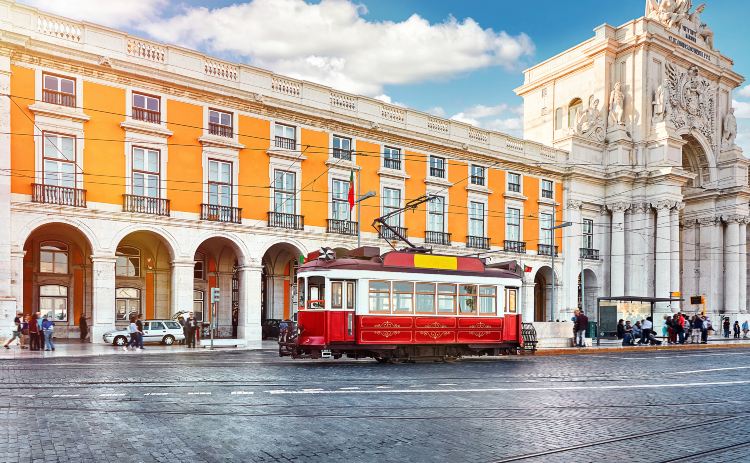
Lisbon, Portugal’s beautiful capital, is a captivating blend of colorful tiled buildings, historic trams, and sweeping Tagus River views. Known for its seven hills, iconic Belém Tower, lively Alfama district, and fado music, it offers a rich culinary scene with pastéis de nata and seafood, plus easy access to nearby beaches like Cascais. Plan your perfect Lisbon adventure with our guide.
Lisbon Must-try local experiences
Stroll Belém's Historic Shores
Belém at sunset, where Belém Tower guards the Tagus River's edge. Explore Jerónimos Monastery's intricate stonework, a nod to the Age of Exploration, and admire the Discoveries Monument's carved explorers. Savor a warm pastéis de Belém, its custard crisp and creamy. Lisbon's maritime legacy unfolds in these historic landmarks, glowing under golden skies.
Ride Historic Trams and Funiculars
Board Lisbon's 19th-century trams, like Tram 12 circling Alfama's alleys, Tram 15 linking Figueira Square to Belém, or Tram 28 winding from Bairro Alto to Alfama. Ride funiculars, Glória or Bica, climbing steep hills to vibrant plazas. These historic vehicles, trams clattering and funiculars soaring, reveal Lisbon's layered past amid tiled facades and sunlit rooftops.
Soar to Scenic Viewpoints
Ascend the Santa Justa Lift, a 19th-century iron tower, to Lisbon's hilltop miradouros. From Miradouro de Santa Luzia, gaze over Alfama's terracotta roofs to the Tagus River's shimmer. Miradouro da Senhora do Monte unveils the Seven Hills' sweeping panorama, dotted with azulejo tiles. These vistas weave Lisbon's mountain-sea charm, framed by rolling hills and azure skies.
Sway to Fado's Soulful Melodies
In Alfama's Tasca do Chico or A Baiuca, fado—Portugal's 19th-century folk songs—fills candlelit taverns like Casa de Linhares. Sip Colares red or Bucelas white wines, savoring petiscos like cod fritters and olives as guitars strum. Lisbon's nightlife hums with fado's haunting melodies, weaving raw emotion through cobbled lanes and smoky air.
Savor Portuguese Culinary Classics
Relish pastéis de Belém, custard tarts dusted with cinnamon, or sardinhas assadas, grilled sardines fresh from the Atlantic. Savor açorda, garlic-bread stew, bacalhau with creamy potatoes, caldeirada fish stew, or cozido à portuguesa. From Mercado da Ribeira's modern stalls to Alfama's tavernas, Lisbon's coastal flavors weave a savory heritage into every vibrant bite.
Cruise the Tagus River
Sail the Tagus River, Lisbon's maritime artery, on motorboats, sailboats, or yachts, departing Cais do Sodré or Belém at sunset for a golden-hour glow. Glide past Ponte 25 de Abril's red arches, with Alfama's pastel facades shimmering. Tracing Portugal's seafaring legacy, these cruises unveil the city's waterfront charm against rippling waves and salty breezes.
Explore Sintra and Cabo da Roca
An hour from Lisbon, Sintra's UNESCO-listed Pena Palace boasts vibrant Romantic turrets, while Quinta da Regaleira's mystic gardens hide spiral wells. The Moorish Castle's ramparts loom over misty hills. A lighthouse crowns Atlantic cliffs at Cabo da Roca, Europe's westernmost point. This day trip blends fairy-tale vibes with rugged coastal views, surrounding you with history and sea mist.
Wander Alfama's Ancient Alleys
Roam Alfama's medieval alleys, born in Moorish times, where laundry sways above cobblestones. Visit Lisbon Cathedral's Gothic arches and Fado Museum, tracing Portugal's musical soul. Savor açorda, a garlic-bread stew, in a family-run tasca. Lisbon's oldest district hums with timeless allure, its azulejo-tiled churches weaving history into every narrow lane.
Discover LX Factory's Creativity
In Alcântara, LX Factory, a 19th-century textile factory, thrives as Lisbon's creative hub. Browse Ler Devagar's quirky bookstore, sip craft brews in art-filled cafés, or admire vibrant street murals. From design studios to rooftop bars, this reinvented industrial enclave pulses with modern energy, blending raw concrete with Lisbon's innovative spirit in sunny weather.
Discover Lisbon's Iconic Museums
Explore the sleek curves of the MAAT Museum in Belém, showcasing contemporary art with Tagus rooftop views. Visit the National Tile Museum in a 16th-century convent, celebrating azulejo tile artistry from Moorish patterns to modern designs. These cultural gems are alive with creativity.
Day Trip to Cascais
Journey 30 minutes to Cascais, where sandy beaches meet Atlantic waves. Marvel at Boca do Inferno's crashing cliffs and explore Casa das Histórias Paula Rego, a pyramid-shaped art museum. Stroll the marina's pastel villas, savoring seafood by the shore.
Lisbon Must-see Attractions
Lisbon, Portugal's capital, is a city rich in history and culture, featuring iconic landmarks like the Belem Tower and Jeronimos Monastery, the charming ancient district of Alfama with its Fado music, the historically significant Castelo de São Jorge, and the luxurious Avenida da Liberdade, all of which together offer a diverse and immersive experience for visitors.
Belém Tower
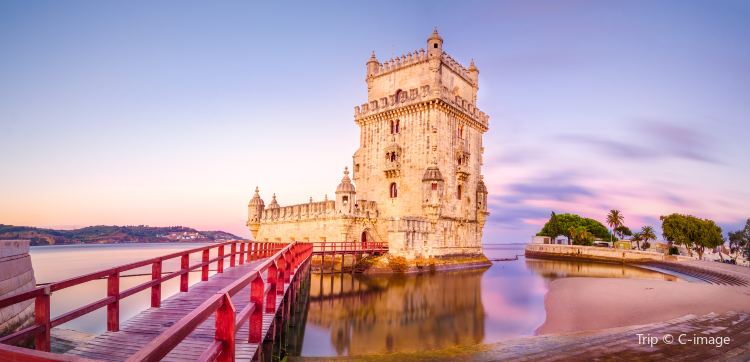
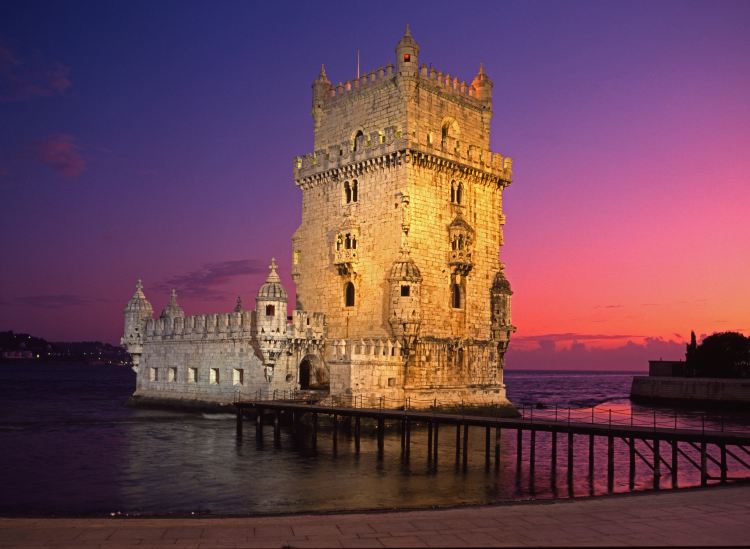
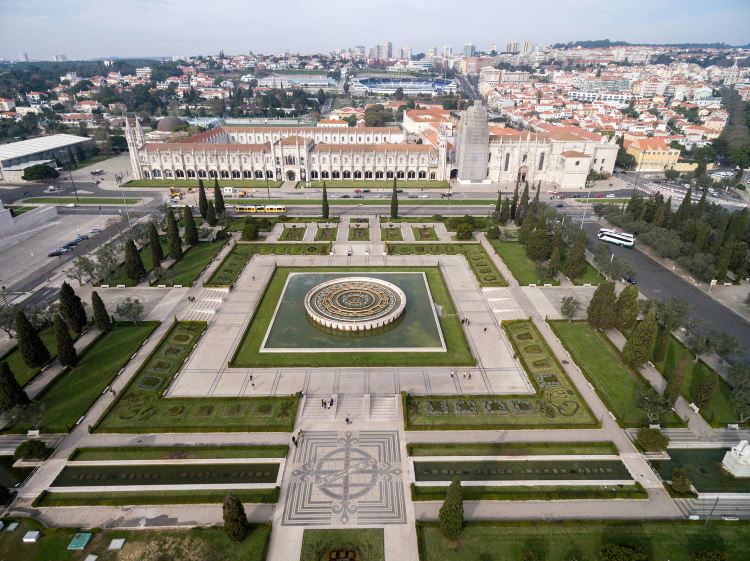
Belém Tower, officially known as the Tower of Saint Vincent, is a 16th-century fortification in Lisbon that stands as a symbol of Portugal's Age of Discoveries and its maritime and colonial history. This UNESCO World Heritage Site, recognized since 1983, showcases the Portuguese Manueline style, incorporating architectural influences such as Moorish-inspired minarets. Visitors can explore its military history, admire the ornate stone carvings, and enjoy panoramic views from the rooftop terrace. The tower's historical significance is further highlighted by its various roles throughout the centuries, including serving as a lighthouse, customs center, and state prison. Its exterior, adorned with the Cross of Christ and a carving of a rhinoceros, is particularly noteworthy and best appreciated from the landside or by boat.



Jerónimos Monastery
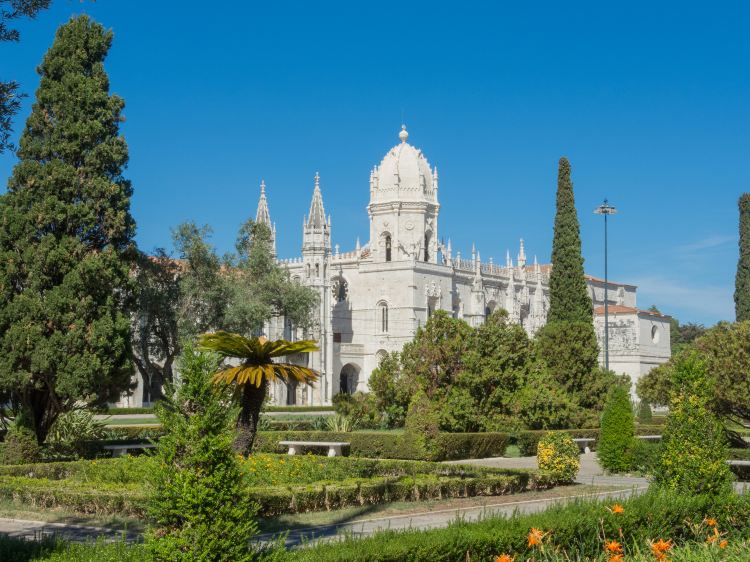
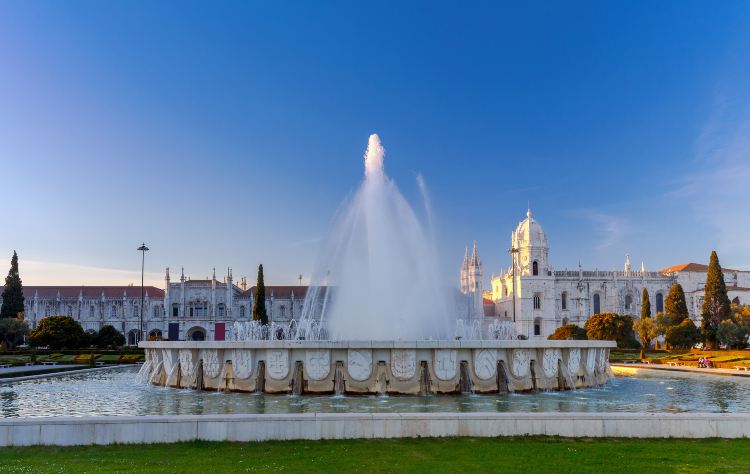
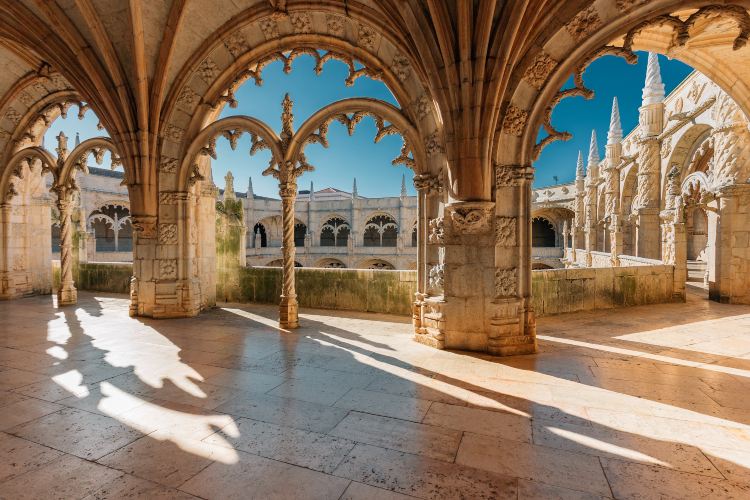
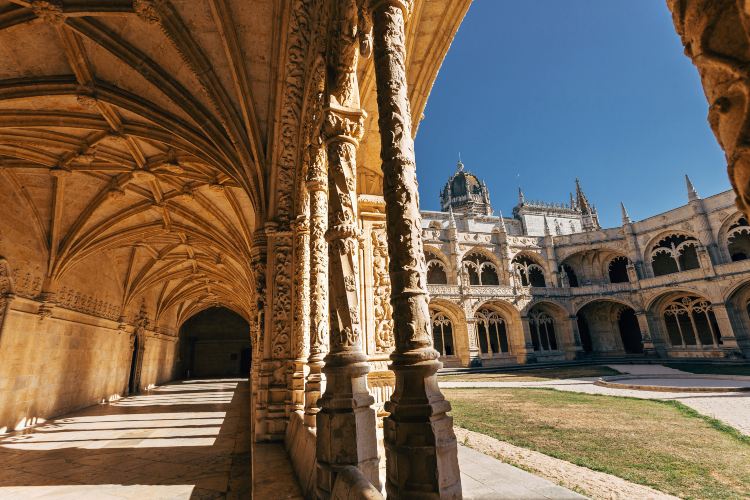
Jerónimos Monastery, also known as the Hieronymites Monastery, is a monumental symbol of Portugal's Age of Discovery and a UNESCO World Heritage Site, celebrated for its Manueline architecture, a Portuguese Gothic style. Visitors can explore the ornate cloisters, which are adorned with maritime motifs and intricate carvings, reflecting the era's nautical achievements. The monastery also serves as the final resting place for prominent historical figures such as Vasco da Gama and King Manuel I. Its rich history and stunning architectural details make it a must-visit attraction in Lisbon.



Alfama
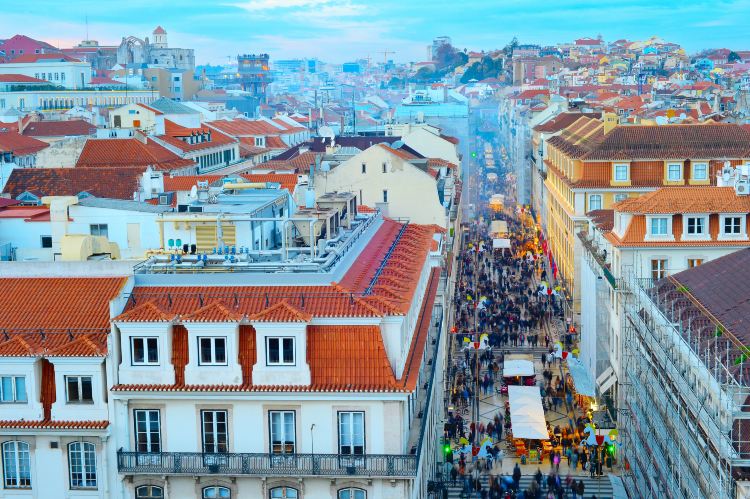
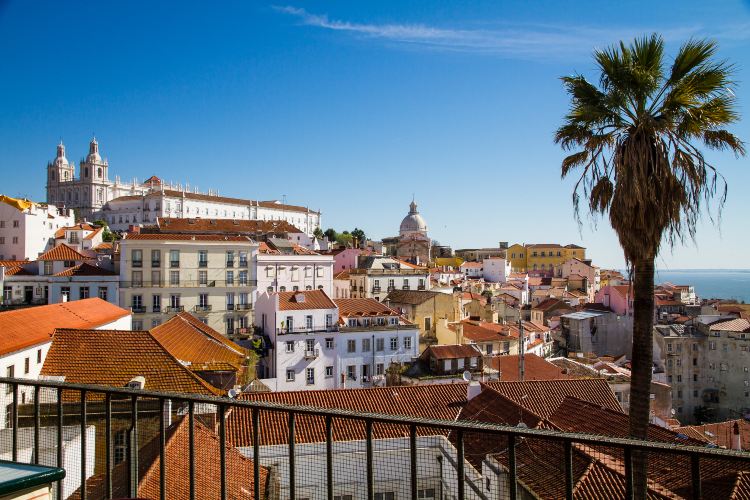
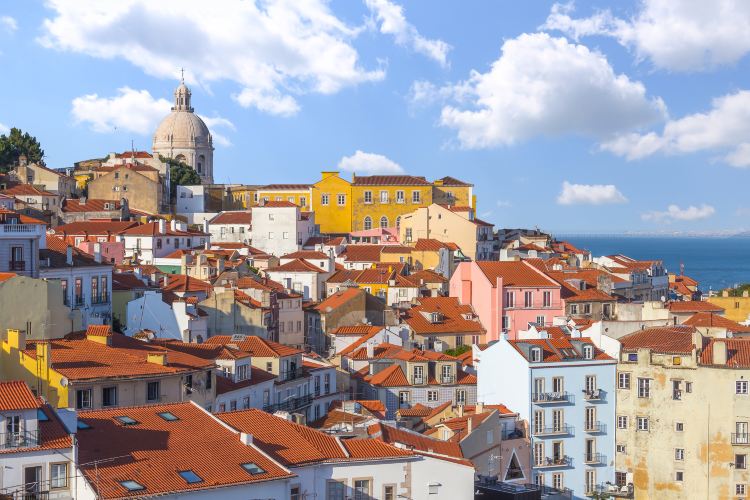
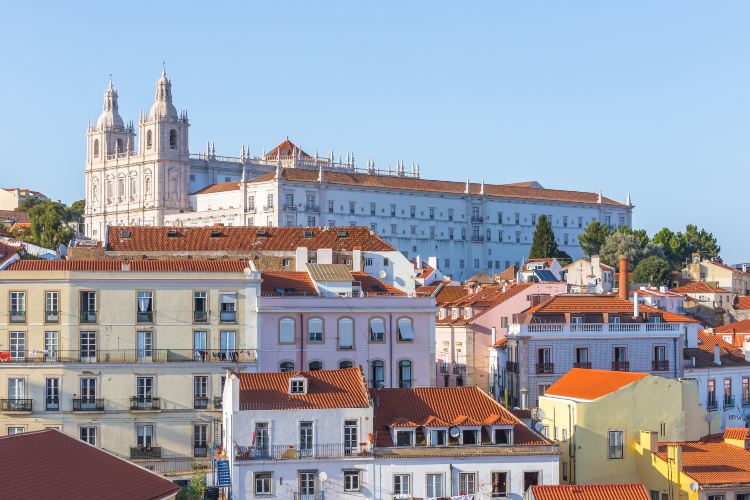
Alfama, Lisbon's oldest district, is a captivating maze of narrow cobbled streets and traditional houses that climb steep hills, offering a rich tapestry of cultural and historical experiences. This neighborhood is renowned for its deep connection to Fado music, a melancholic genre that reflects the soul of Portugal, with many venues offering live performances. Visitors can immerse themselves in Alfama's history by exploring iconic landmarks such as Castelo de São Jorge, which provides panoramic views of the city, and the Lisbon Cathedral, a testament to the area's religious heritage. Alfama's picturesque viewpoints, or 'miradouros', offer breathtaking vistas, particularly at Miradouro das Portas do Sol, which is a perfect spot for photography and reflection. Walking through Alfama is akin to stepping into a living museum, where the vibrant street life and colorful houses adorned with azulejos tiles reveal the authentic charm of Lisbon.

Castelo de São Jorge
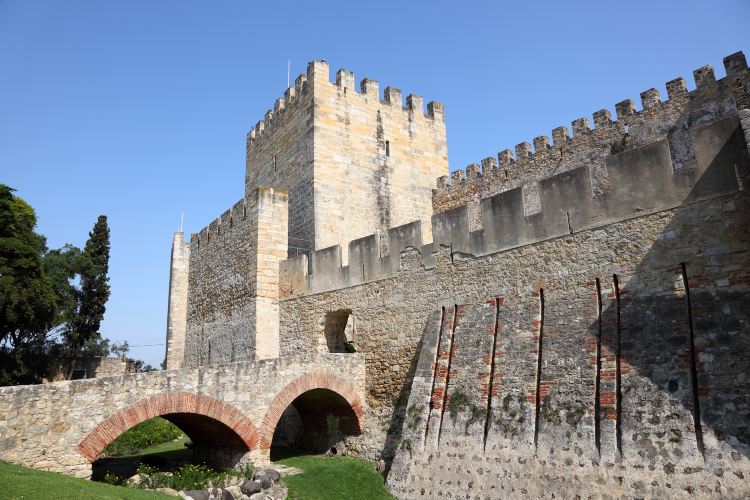
Castelo de São Jorge, perched atop Lisbon's highest hill, is a beacon of historical significance and a treasure trove of cultural heritage. This medieval military stronghold, with its 11 towers, offers breathtaking panoramic views of the city, making it a prime location for both history enthusiasts and photographers alike. Visitors can immerse themselves in the castle's storied past, which has seen the rise and fall of various civilizations from the Celts to the Moors, and its pivotal role in the Christian Reconquista. The castle's restoration in the 1940s has enhanced its allure, providing guests with the opportunity to explore the fortified battlements, tranquil gardens, and a museum showcasing artifacts that narrate Lisbon's rich history. A visit to Castelo de São Jorge is a journey through time, where one can witness the evolution of a nation from its strategic military beginnings to its current status as a cherished national monument.


Avenida da Liberdade
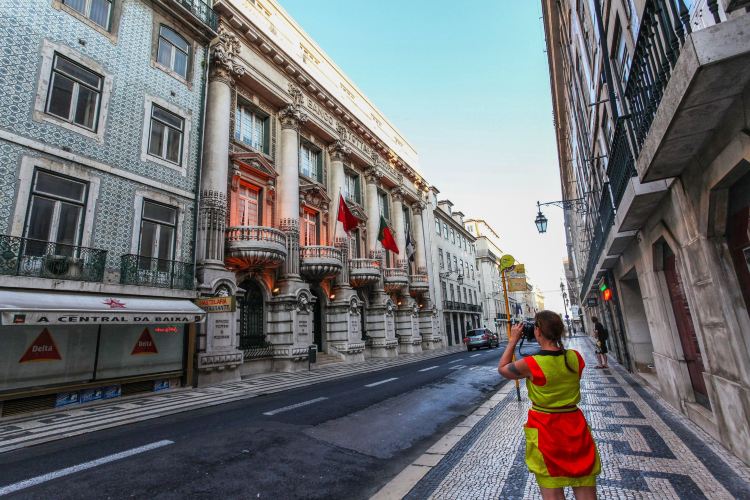
Avenida da Liberdade in Lisbon, often likened to Paris's Champs Élysées, is a grand boulevard that embodies the city's historical charm and contemporary luxury. This prestigious avenue, stretching from Restauradores Square to Praça do Marquês de Pombal, is renowned for its classical 19th-century Portuguese architecture, with a selection of late 19th-century buildings and stunning Art Nouveau properties. Visitors can admire the intricate mosaic patterns on the pavements, a distinctive Lisbon feature, and the avenue's monuments and statues that pay homage to significant cultural figures.
As Lisbon's main boulevard, Avenida da Liberdade is a hub for high-end shopping, featuring an array of international luxury brands, making it a paradise for those seeking designer goods. The boulevard is also lined with luxury hotels, offering visitors a taste of opulence. For those interested in cultural experiences, the avenue serves as the focal point for the Popular Saint Festivals in mid-June, where vibrant carnival processions take place. With its blend of historical significance, architectural beauty, and modern indulgences, Avenida da Liberdade offers a multifaceted experience in the heart of Lisbon.


Lisbon Food Guide
Lisbon's food scene is a rich tapestry of flavors, featuring a variety of Portuguese wines, the iconic pasteis de nata, traditional grilled sardines, and the versatile codfish, each with deep historical roots and cultural significance, reflecting the city's culinary diversity and tradition.
Seafood Paella

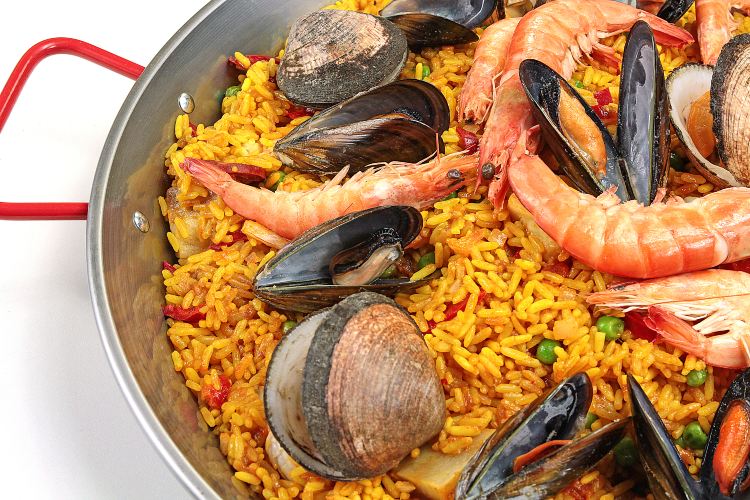
Seafood rice ranks among the favored main courses in Portugal. The Portuguese version typically features a mix of fresh shellfish, crabmeat, squid, and various other seafood, slowly cooked in a savory broth with onions and tomatoes, then seasoned with salt and black pepper to enhance the aroma and flavor. Authentic Portuguese seafood rice is usually found only in specialized dining establishments.
Portuguese Wines


Portuguese wines in Lisbon is a testament to the city's growing reputation for fine wines, with a range of options from reds to vinho verde. These wines are often paired with meals, enhancing the dining experience with their diverse flavors and styles. Wine enthusiasts can explore the local vineyards and wine farms to fully appreciate the award-winning and internationally recognized Portuguese wines.
Portuguese Egg Tarts


Portuguese egg tarts, known locally as pasteis de nata, are a must-try delicacy in Lisbon with a history dating back over 300 years to the Jerónimos Monastery in Belém. These iconic pastries feature a flaky crust and a creamy, sweet custard filling, often enjoyed with a sprinkle of cinnamon and powdered sugar. The original recipe is a closely guarded secret, with Pastéis de Belém being the most famous place to savor them, where they sell up to 40,000 tarts on special days.
Grilled Sardines
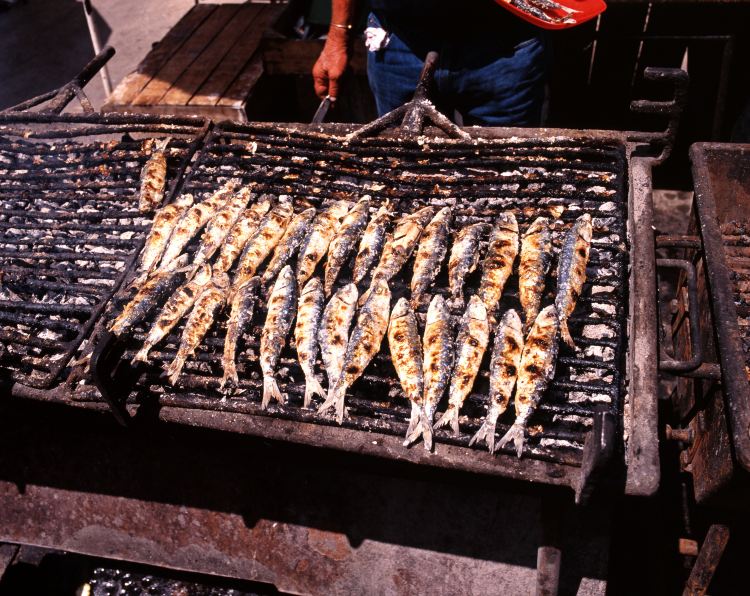
Grilled Sardines is a staple of Lisbon's culinary scene, especially during the month of June when the city celebrates the Sardine Festival in honor of Saint Anthony. These sardines are traditionally grilled over coals and often served with a slice of bread and a drizzle of olive oil. Available fresh from May to October, they can be enjoyed at grill stations across the city or at home, with their fatty nature contributing to the characteristic flare-ups during grilling.
Codfish

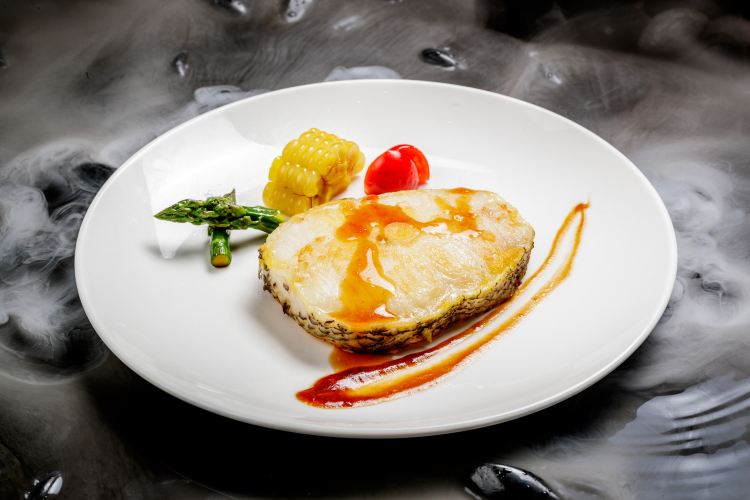
Codfish, known as "bacalhau" in Portuguese, is an integral part of Lisbon's culinary identity, often referred to as the "fiel amigo" or faithful friend. This versatile fish has a storied history, with Portugal's relationship with cod dating back to the 14th century, when commercial treaties with England exchanged salt for codfish, and it became a staple food through the Codfish Campaign initiated in 1934. Bacalhau á Gomes de Sá, a beloved dish, is prepared in a casserole with potatoes, onions, hard-boiled eggs, and black olives, and is just one of the 365 traditional recipes that showcase the Portuguese ingenuity in cod cuisine.
Lisbon Transportation
How to Get There
Lisbon is easily accessible via its main airport, with efficient public transport links to the city center, supplemented by trains and buses from other European cities.
By Air:
Humberto Delgado Airport (LIS), also known as Lisbon Portela Airport, is located 7 km (4.3 miles) northeast of the city center, serving all commercial flights.
To City Center
- Metro: Upon exiting the arrivals hall at Terminal 1, turn right and follow the signs for the metro, marked by the red “M” logo. The station is located directly outside.
Take the Red Line (Aeroporto–Saldanha) to downtown stations such as Baixa-Chiado or Rossio. The journey takes about 20-30 minutes. If you need to transfer, you can do so at Alameda for the Green Line or São Sebastião for the Blue Line. Trains run every 6-9 minutes, from 6:30 AM to 1:00 AM.
You can purchase a Navegante card from the ticket machines (with an English language option available) and load it with a single fare or a 24-hour pass, which also includes buses and trams. You can also use contactless bank cards for single fares by tapping them at the gates.
- Buses: Find the bus stop outside of Terminal 1. Lines 744, 783, and 708 connect the airport to the city center. Buy tickets at airport kiosks or from the driver onboard.
- Taxis: Exit Terminal 1 arrivals and proceed directly to the taxi rank located outside, available 24/7. Metered fares to downtown are € 20-25 (extra charges apply for luggage and tolls), with a travel time of 15-25 minutes, depending on traffic. Night fares (9 PM-6 AM) are 20% higher. Ensure the meter is on and request a receipt to avoid scams. Pay with cash, credit/debit cards, or mobile payments; confirm card acceptance.
- Ride-Shares: Uber, Bolt, or FreeNow pick up at the P2 parking lot (short-stay car park on the Departures floor, north of arrivals). Fares are similar to those of taxis; however, Bolt may be a more affordable option.
By Train:
Key stations to arrive at include Gare do Oriente and Santa Apolónia. Take a high-speed train from a major city within Portugal, like Porto or Faro, or a long-distance train from Spain. International high-speed train services connect Lisbon to cities such as Madrid, while domestic high-speed Alfa Pendular (AP) trains provide fast connections within Portugal. Tickets can be purchased via the CP website or at the station.
By Bus:
Sete Rios or Gare do Oriente terminals serve FlixBus or Rede Expressos from Madrid (8 hours), Porto (3.5 hours), or other regional destinations. You can purchase tickets online through the companies' websites or apps for the best fares, or at bus stations and sometimes on the bus itself.
Local Transportation
Lisbon’s compact center is walkable, but its hills make trams, buses, and the metro more efficient for travel. The city’s transportation system features iconic trams, funiculars, and ferries, complemented by taxis and ride-sharing services for added convenience. Biking is less common due to steep terrain.
Tickets and Navegante Card:
The Navegante Occasional card is the recommended choice for public transportation. It costs €0.50 and is valid for one year. You can load the card with "Zapping" credit, which allows for pay-as-you-go travel on the metro, bus, tram, ferry, and trains, making it more economical than purchasing single tickets. Alternatively, you can load either a 24-hour pass or a 3-day pass directly onto the card.
To purchase the card, visit the metro stations or transport operator points. After buying it, you can load it with credit or a pass and use it to tap against contactless readers to access gates and board various modes of transport.
Metro: Four lines (Red, Blue, Green, Yellow) serve downtown and suburbs, operating from 6:30 AM to 1:00 AM, with service every 5-10 minutes.
Trams: Lisbon's tram network consists of six main operational lines: 12E, 15E, 18E, 24E, 25E, and 28E. Most of these lines operate historic yellow trams, but Line 15E features modern articulated trams and connects the city center to Belém. The 28E line is the most famous, serving as a popular tourist route that winds through historic neighborhoods such as Alfama. Trams operate daily from 6 AM to 11 PM, running every 10 to 15 minutes. Due to its popularity and crowded conditions, it’s advisable to be cautious of pickpockets.
Buses: Carris operates more than 90 routes. Daytime buses run from approximately 5:00 AM to 11:30 PM, followed by a limited night bus service. Night buses, marked with the letter "N," operate during the hours when the daytime routes are not in service, providing transportation from approximately 12:00 AM to 5:00 AM
Hop-on, Hop-off Sightseeing Bus: City Sightseeing or Yellow Bus Tours cover Belém, Alfama, and Parque das Nações, offering 24/48-hour tickets and audio guides. Buses depart every 20-30 minutes, from 9 AM to 6 PM.
Taxis: Metered, hail at ranks or via apps like Bolt, or FreeNow; short rides €5-10, night surcharges apply.
Ride-Shares: Uber/Bolt, book via app; fares similar to taxis, cashless.
Bike Rentals: Gira is a bike rental scheme in Lisbon that offers bikes for rent to both residents and tourists. Download the GIRA app, create an account, select a pass (daily, monthly, or annual), locate an available bike using the app's map, and then unlock it. When you're done, ride to the nearest GIRA station, park, and then rate your experience in the app to complete your trip.
Lisbon Where to Stay
Lisbon offers a diverse range of accommodation areas, each with its own unique charm and characteristics.
Avenida da Liberdade(Luxurious, central, designer shopping)

Avenida da Liberdade is Lisbon's grand boulevard, akin to the Champs Élysées, lined with luxury shops, high-end restaurants, and prestigious hotels. This central location offers easy access to the city's main attractions and is ideal for those who appreciate designer shopping and elegant 19th-century Portuguese architecture. The avenue's proximity to key metro stations like Restauradores, Avenida, and Praça do Marquês de Pombal makes it a convenient base for exploring Lisbon. Accommodations here cater to travelers seeking a blend of luxury and convenience in the heart of the city.
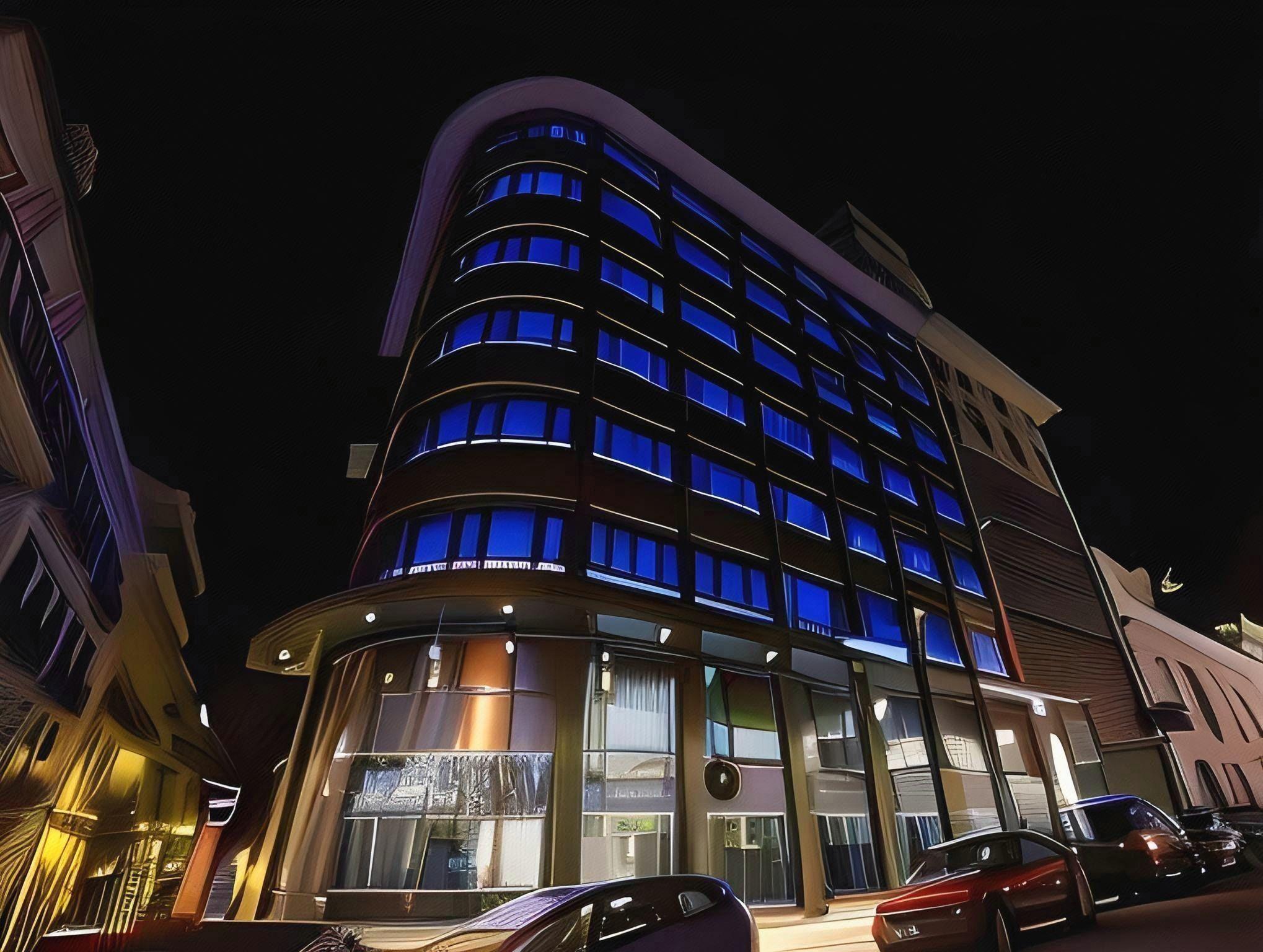
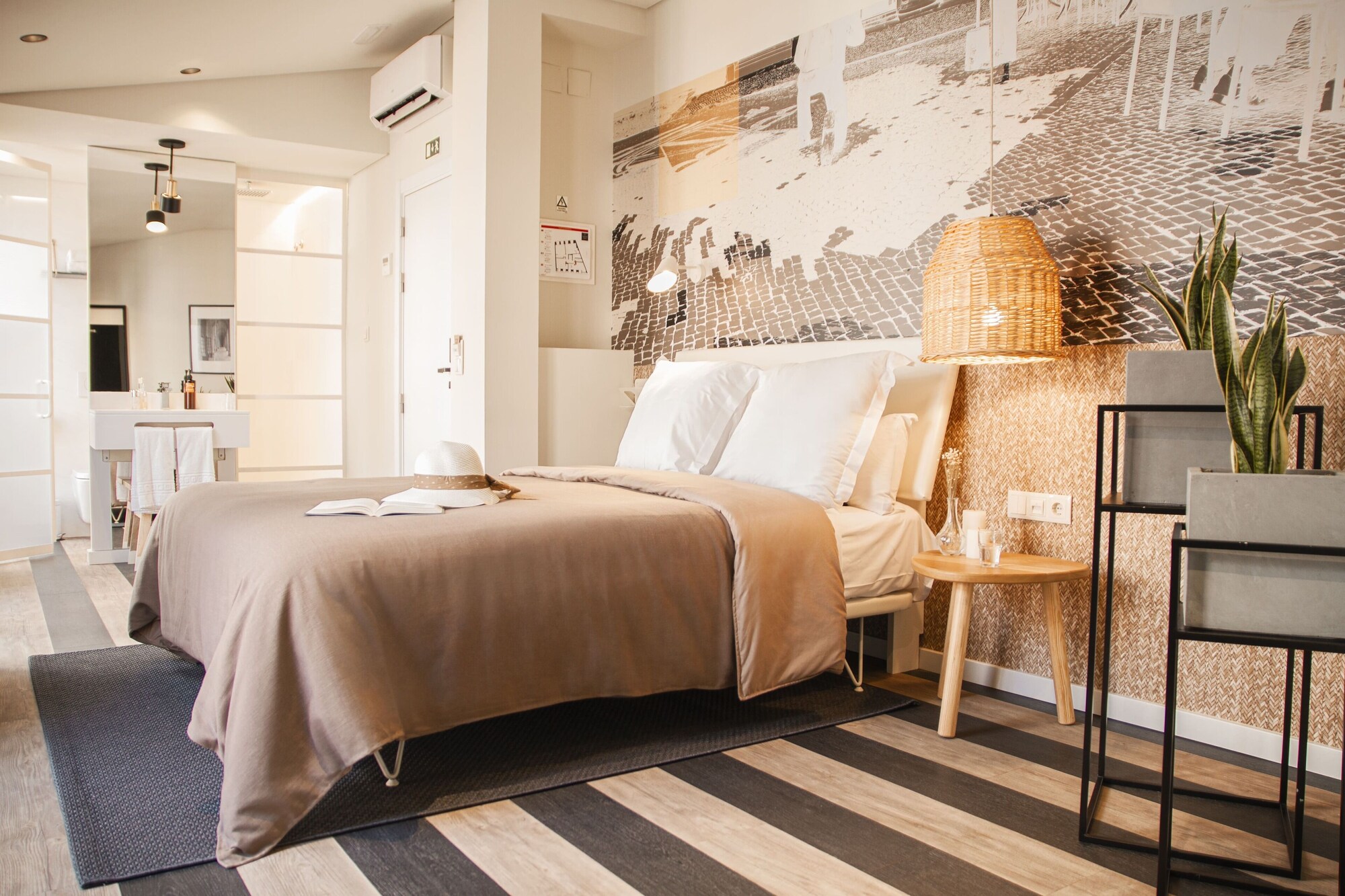
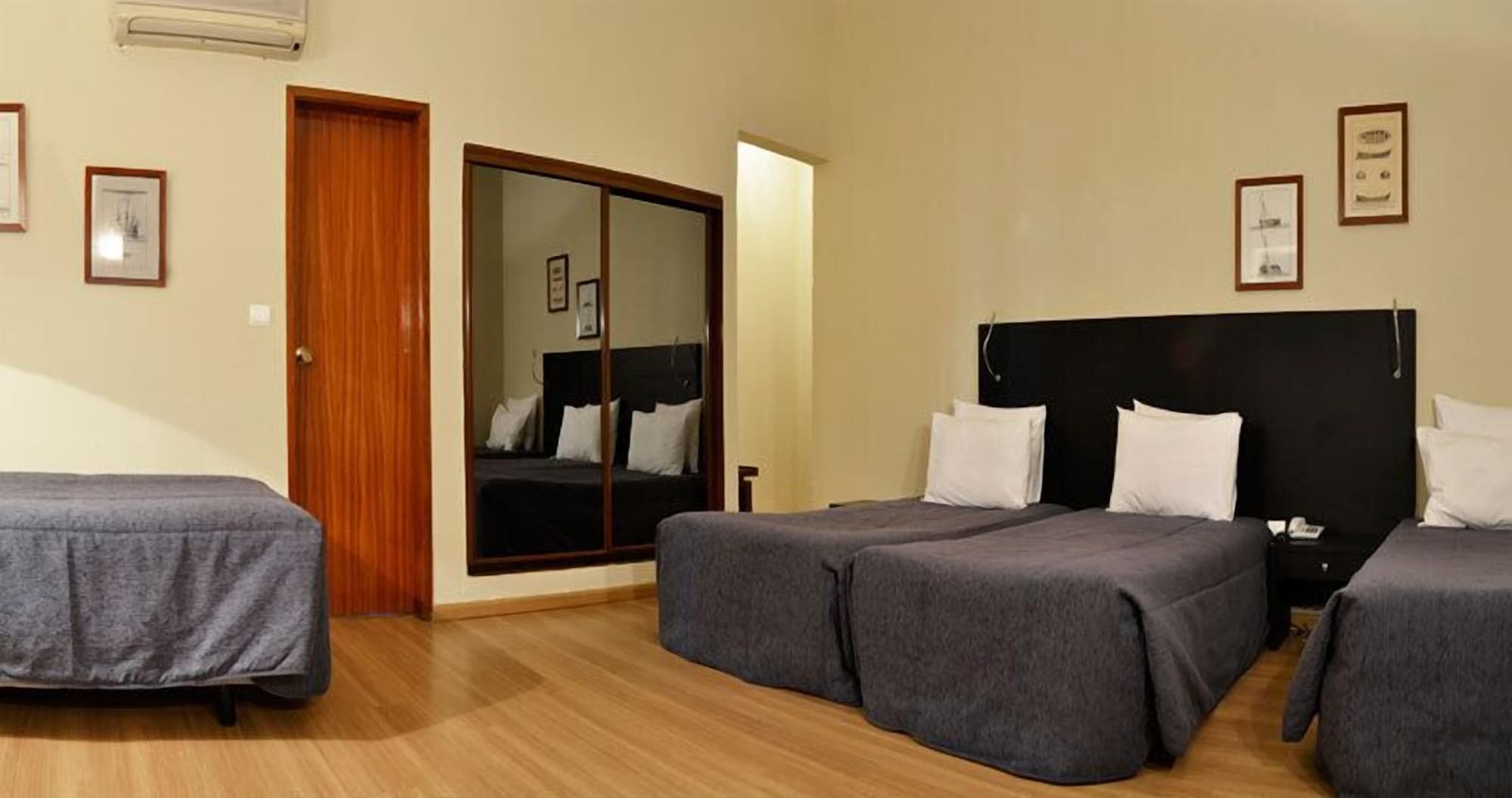
Lisbon Old Town(Historic, picturesque, cultural)
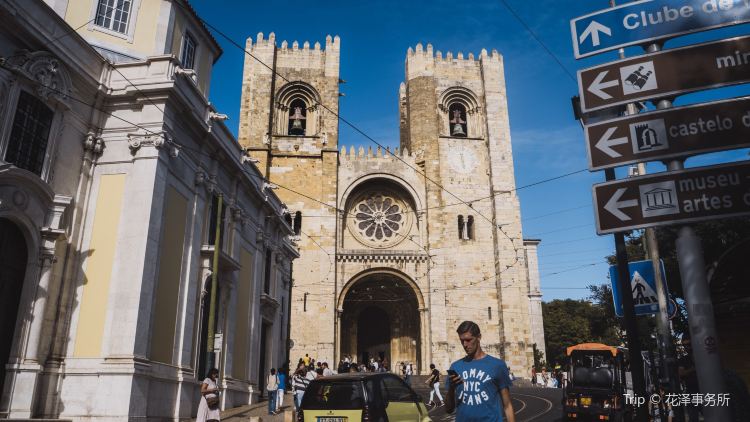
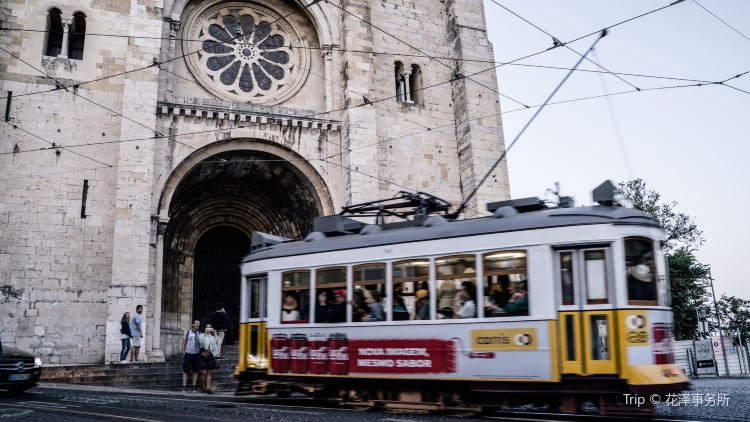
Lisbon's Old Town, encompassing neighborhoods like Alfama and Mouraria, is the city's historic soul, boasting a labyrinth of narrow, cobblestone streets and traditional Fado music houses. This area is rich in cultural heritage, with landmarks such as the Castelo de São Jorge and Lisbon Cathedral offering a glimpse into the city's storied past. The Old Town's accommodations are often found in beautifully restored buildings, providing an authentic Lisbon experience. Visitors can immerse themselves in the local culture and enjoy the charm of staying in the oldest part of the city.
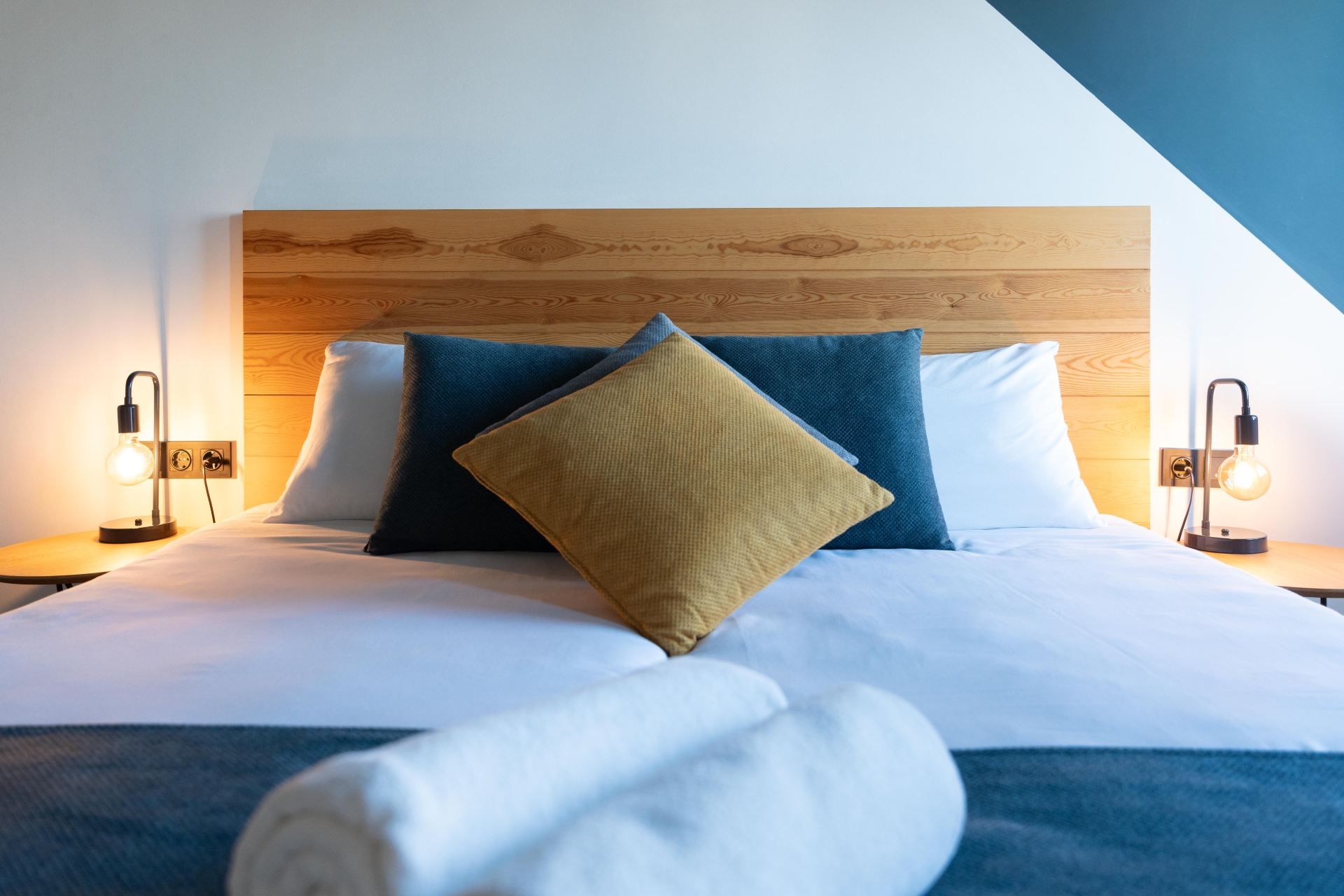
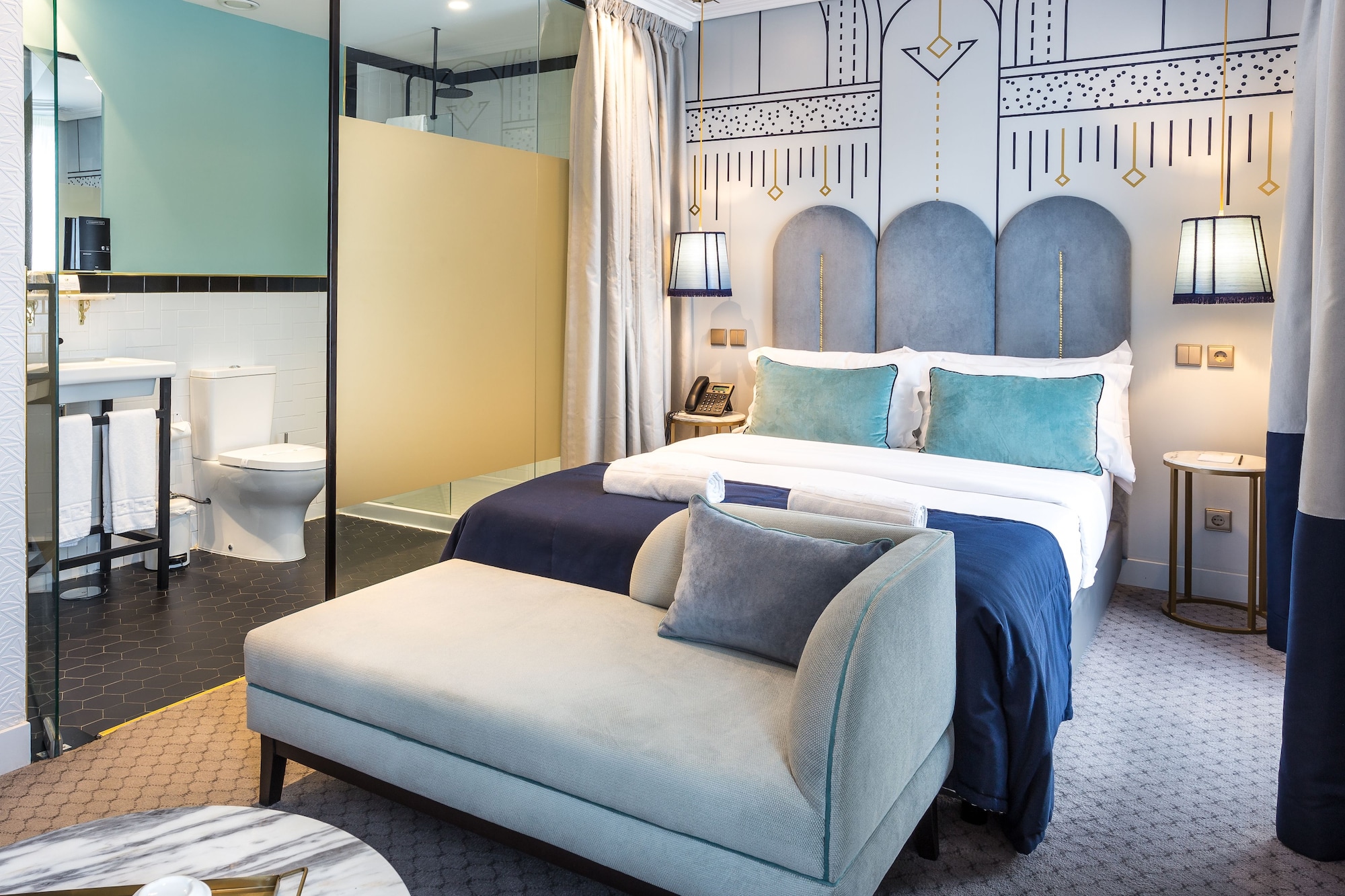
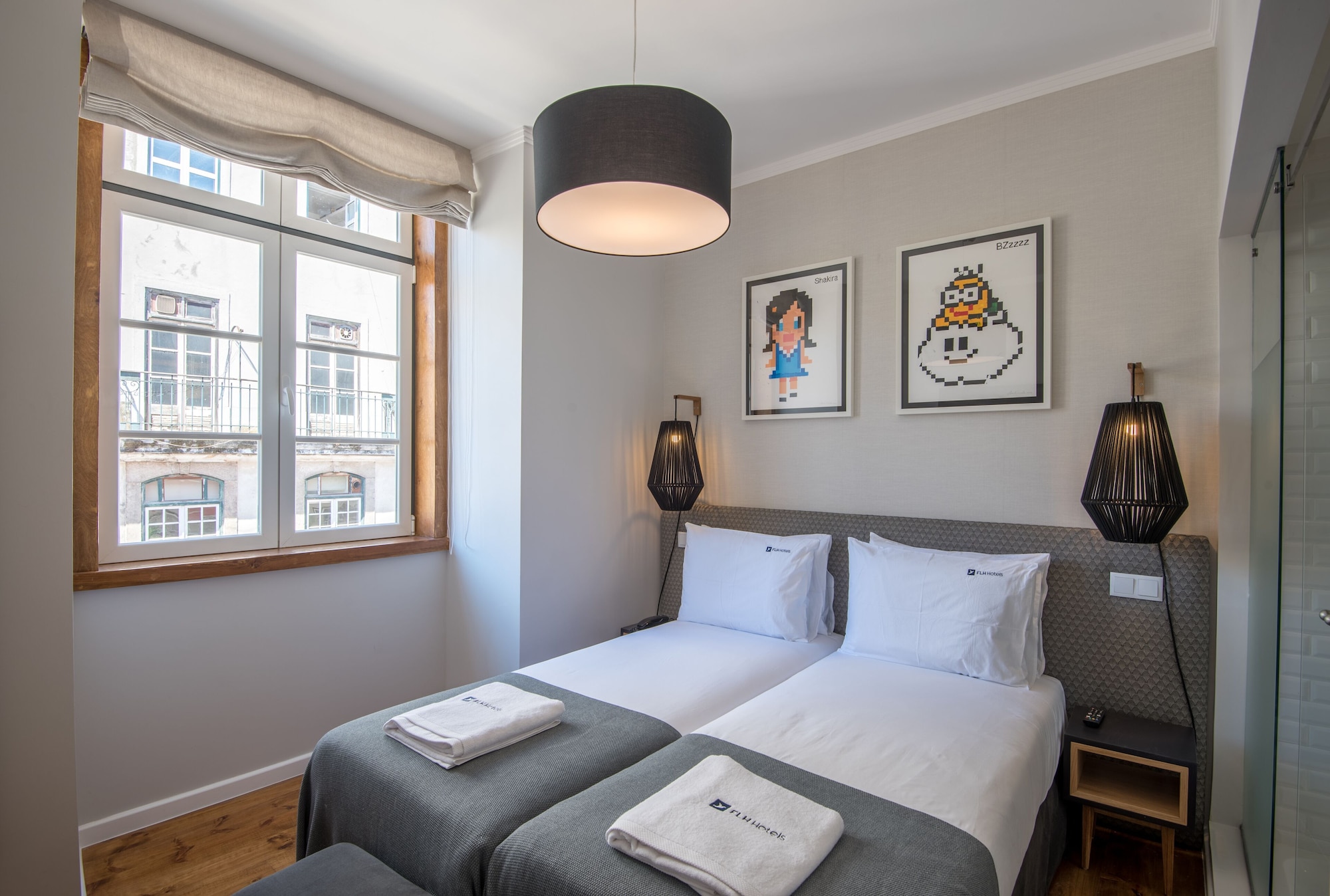
Parque das Nacoes(Modern, family-friendly, business district)
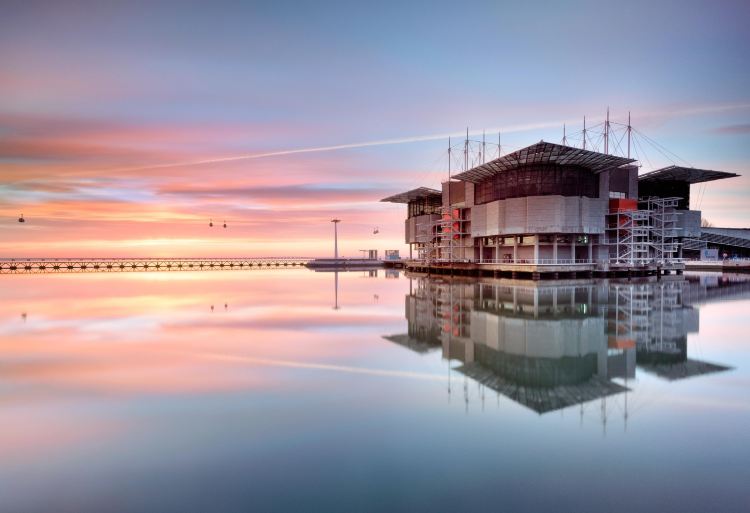

Parque das Nações is a contemporary district known for its futuristic architecture and family-friendly attractions, such as the Oceanário de Lisboa and the Pavilhão do Conhecimento science museum. This area, transformed from an industrial wasteland for Expo 1998, is now a bustling business hub with a variety of dining options and a major shopping center. Accommodations in Parque das Nações are modern and cater to both business travelers and families looking for a safe environment with plenty of activities. The district is well-connected by public transport, with the Oriente metro station providing easy access to the rest of Lisbon.
Lisbon Best Time to Visit
Best Time to Visit
Lisbon’s mild climate makes it a year-round destination, with September–October offering warm, sunny days and fewer crowds, ideal for exploring hills or nearby beaches. March–May brings blooming parks and festivals, while summer is lively but busy. December glows with holiday markets despite cooler, wetter weather.
Spring (March–May): Temperatures 12°C–20°C (54°F–68°F), with sunny days, occasional showers, and blooming jacarandas.
Summer (June–August): 18°C–28°C (64°F–82°F), mostly sunny with long days. Peak season for festivals like NOS Alive (July) and beaches; crowds surge 20-30%, and prices rise. Book 3-4 months ahead.
Autumn (September–October): Warmest at 15°C–25°C (59°F–77°F), clear skies, and fewer tourists.
Winter (December–February): 8°C–15°C (46°F–59°F), rainy with shorter days. December sparkles with Christmas markets at Eduardo VII Park and festive lights. Quieter, cheaper, ideal for museums or fado bars.
Lisbon Travel Tips
1. Use Bolt or Uber for Affordable Rides
Avoid hailing taxis on Lisbon’s streets, as some drivers may overcharge tourists, especially from Humberto Delgado Airport. Use Bolt or Uber for transparent, affordable fares. Opt for official taxis in cream or black-green only if you use a meter or agree on a fare beforehand. Apps are safer and often cheaper than street taxis.
2. Get a Navegante Card for Public Transport
Purchase a Navegante card at metro stations or online for unlimited rides on Lisbon’s metro, trams, buses, ferries, and local trains. Choose a 24-hour pass for cost savings over single tickets. Load the card via ticket machines (English available) or the Navegante app. The iconic Tram 28 is scenic but crowded—board early at Martim Moniz to secure a seat.
3. Opt for the Lisboa Card for Savings
The Lisboa Card (available in 24, 48, or 72-hour durations) offers unlimited public transportation (metro, trams, and buses) and free or discounted entry to attractions such as Jerónimos Monastery, Belém Tower, and the National Tile Museum. Buy it at the airport, tourist offices, or online via Trip. It’s ideal for packed itineraries, saving time and money compared to individual tickets.
4. Book Popular Attractions Early
São Jorge Castle in Alfama draws crowds by mid-morning. Book tickets online through the official site for fast entry with a QR code, especially in summer or during festivals like Santos Populares (June). Reserve spots for Jerónimos Monastery or Oceanário de Lisboa in advance to skip lines. Check Monday closures for museums, as many are shut on that day.
5. Beware of Scams in Tourist Areas
In busy squares like Praça do Comércio or Rossio, avoid hawkers selling fake souvenirs or offering “free” tours—they may demand payment. On Tram 28, watch out for pickpockets in crowded areas; keep your bags zipped and in front of you. Decline politely and stick to reputable vendors or Trip for tours.
6. Manage Restaurant Cover Charges
Lisbon restaurants often serve couvert (bread, olives, cheese) before meals, which costs €2–10 if consumed. Check the menu for prices or ask the server if it’s free; politely decline with “Não, obrigado” if you don’t want it. Some restaurants include a 5–10% service charge (check the bill). Tipping isn’t expected, but it's appreciated for exceptional service—round up or leave a small change.
7. Wear Comfortable Shoes for Hills
Lisbon’s seven hills and cobblestone streets in Alfama and Bairro Alto require sturdy, non-slip shoes, such as sneakers. High heels or flimsy sandals lead to slips or fatigue, especially on steep inclines like the Elevador da Glória route. Comfortable footwear ensures you enjoy panoramic views without discomfort.
8. Plan Around Monday Closures
Many attractions, such as Jerónimos Monastery and Belém Tower, close on Mondays, but São Jorge Castle and the Museu Coleção Berardo remain open. Check schedules on official sites like Visit Portugal before planning. Cathedrals like Sé de Lisboa or nearby Sintra palaces are good alternatives on Mondays. Always verify hours during holidays, such as Christmas or Easter.
9. Reserve Restaurants in Advance
Popular restaurants in Bairro Alto or Cais do Sodré, such as Cervejaria Ramiro, which specializes in seafood, fill up quickly, especially on weekends. Book a table a day or two in advance via phone, official websites, or apps to avoid long waits. Walk-ins are risky during peak dinner hours (8–10 PM).
10. Pack for Weather and Coastal Winds
Lisbon’s weather varies—summers hit 82-86°F (28–30°C), winters drop to 46-59°F (8–15°C). Bring sunscreen (SPF 50+), sunglasses, and a hat for protection against the intense summer sun, especially when visiting Belém or LX Factory. Coastal winds near the Tagus River or the 25 de Abril Bridge call for a light jacket or scarf, even in spring. Carry a compact umbrella for sudden showers. Hotels may not provide toiletries, so be sure to pack a toothbrush and shampoo.
11. Respect Local Etiquette
Greet shopkeepers with “Bom dia” (Good morning) or “Boa tarde” (Good afternoon) for politeness. At restaurants, wait to be seated and avoid loud conversations, as Portuguese culture values calm dining. Dress modestly at religious sites, such as Sé de Lisboa (cover your shoulders and avoid shorts).
12. Know Emergency Contacts
Save Lisbon’s emergency numbers: 112 for police, medical, or fire services (English support available). Keep your hotel’s address in Portuguese (ask for a card) for use with taxis or for assistance.
Lisbon Useful Guide
Local Language
Portuguese is the primary language.
English is widely spoken in tourist areas, hotels, restaurants, and transportation hubs due to Lisbon’s global appeal. Navigation is easy with English, with bilingual signs in key spots.
Local APP
Navegante: Manage metro/bus/tram fares, top up Navegante card, and real-time schedules.
Bolt/Uber: Cashless ride-hailing
CP Portugal: Train schedules/tickets to Sintra, Cascais, or Porto.
Moovit: Public transport navigation, integrates metro/tram/bus.
Citymapper: Navigation for walking, transit, or driving; includes metro/tram routes.
Internet and Communication
eSIM: Providers like Airalo, Holafly, or local Vodafone, MEO offer prepaid plans for travelers. Buy online or at the airport Vodafone kiosk (located in the arrivals hall).
Physical SIM: Available at airport shops, supermarkets, or carrier stores.
Pocket Wi-Fi: Rent at the airport or online; suits groups.
Free Wi-Fi: Common in hotels, cafés, and public areas like Rossio Square (may require registration).
Pre-book eSIMs or Wi-Fi online for airport pickup.
Currency and Payment
Currency: Euro (€, EUR).
Credit and debit cards are widely accepted in tourist areas, while cash is often more practical for small vendors or for giving tips.
Credit/Debit Cards: Visa and Mastercard are widely accepted, while American Express is less common. Contactless payments are common as well. Be sure to notify your bank before traveling.
Cash: ATMs are located at the airport (avoid Euronet due to high fees), banks, and malls; a 4-digit PIN is required. Cash is useful for small purchases or markets.
Mobile Payments: Apple Pay and Google Pay are accepted at most shops and transit.
Weather in Lisbon

24°
/
14°
23°
/
13°
20°
/
13°

21°
/
12°
21°
/
12°

22°
/
13°
0°
/
0°
 Trending in Lisbon
25th of April Bridge: Lisbon's Golden Gate Views@25th of April Bridge25th of April Bridge: Lisbon's Golden Gate Views
See Lisbon from the Christ the King observation deck@25th of April BridgeSee Lisbon from the Christ the King observation deck
Top 10 Spectacular Aquariums for Rare Creatures and Experiences@Atlantic Sea-ParkTop 10 Spectacular Aquariums for Rare Creatures and Experiences
Popular destinations

Bangkok

Tokyo
Kuala Lumpur
Los Angeles

Shanghai