Madrid 2025 Guide: Must-see attractions, local cuisine, and practical tips! | Trip.com
 Local GuidesLast updated on Trip.com: 01/12/2025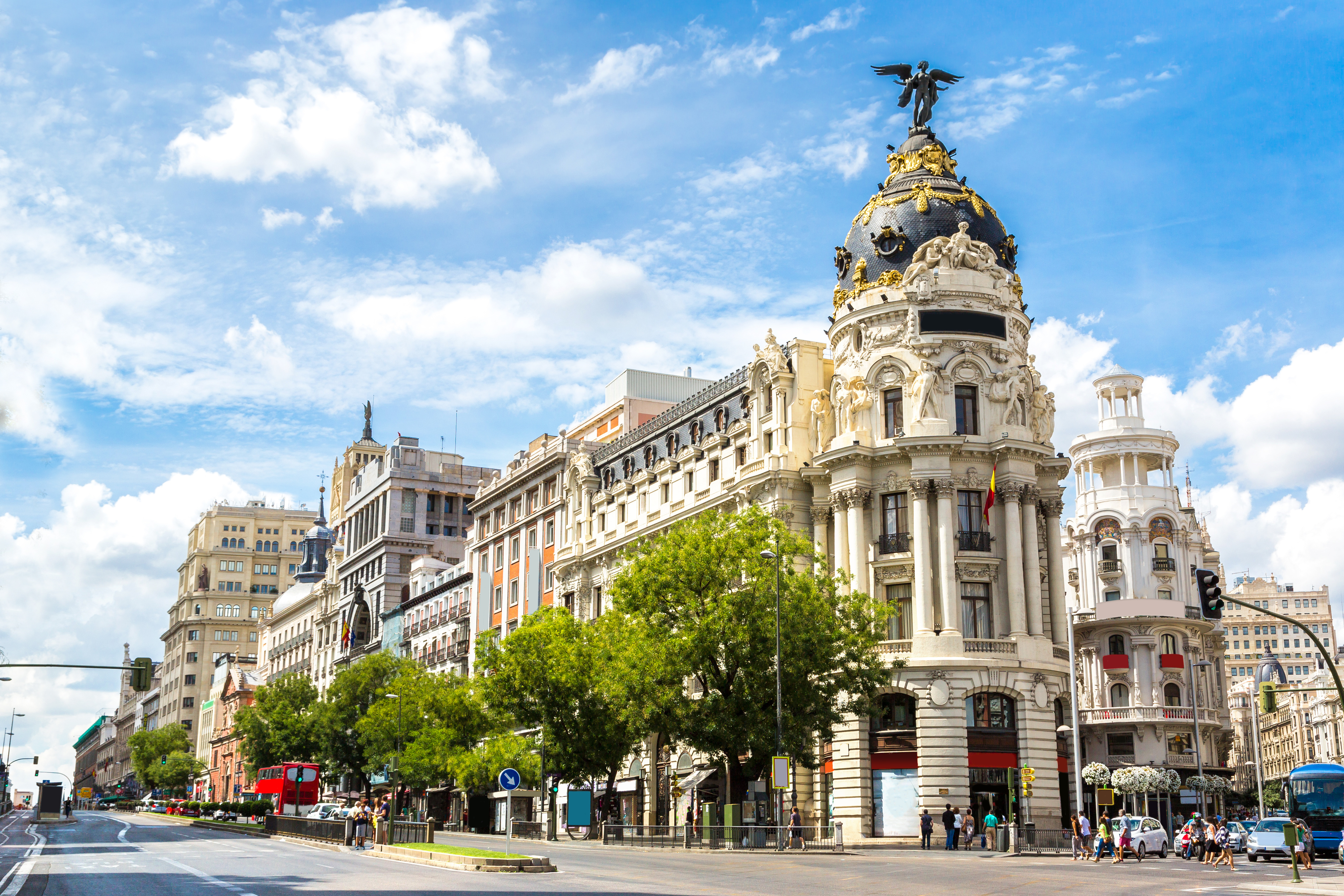
Madrid Brief Guide
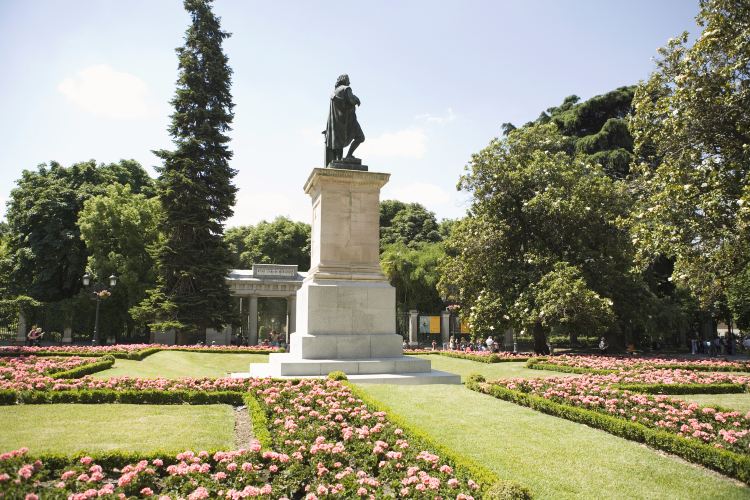
Madrid, Spain's vibrant capital, is a cultural hub featuring stunning architecture like the Royal Palace and Plaza Mayor, along with world-class museums such as the Prado and Reina Sofía. Enjoy lush green spaces like Retiro Park, a lively tapas scene in Malasaña and La Latina, passionate flamenco shows, and bustling markets like El Rastro. With an average of 300 days of sunshine, it boasts vibrant nightlife, football at Santiago Bernabéu Stadium, and day trips to historic Toledo or Segovia. Plan your perfect Madrid adventure with our guide.
Madrid Must-try local experiences
Explore Vibrant Museums and Art Galleries
Dive into Madrid's art scene at the Prado Museum, showcasing Velázquez's Las Meninas and Goya's Black Paintings. Reina Sofía stuns with Picasso's Guernica, while Thyssen-Bornemisza spans Renaissance to Pop. The Sorolla Museum, the artist's former home, glows with luminous Mediterranean scenes. This creative odyssey unveils Spain's artistic heartbeat through the centuries, sparking awe in every frame.
Stroll Lively City Plazas
Roam Madrid's vibrant squares, from Puerta del Sol's Carlos III statue to Plaza Mayor's 17th-century arches alive with street performers. Plaza de Cibeles dazzles with its iconic fountain and grand Palacio de Comunicaciones. Sip coffee or catch weekend improv plays, soaking in the city's historic charm and bustling energy.
Uncover Royal Historical Gems
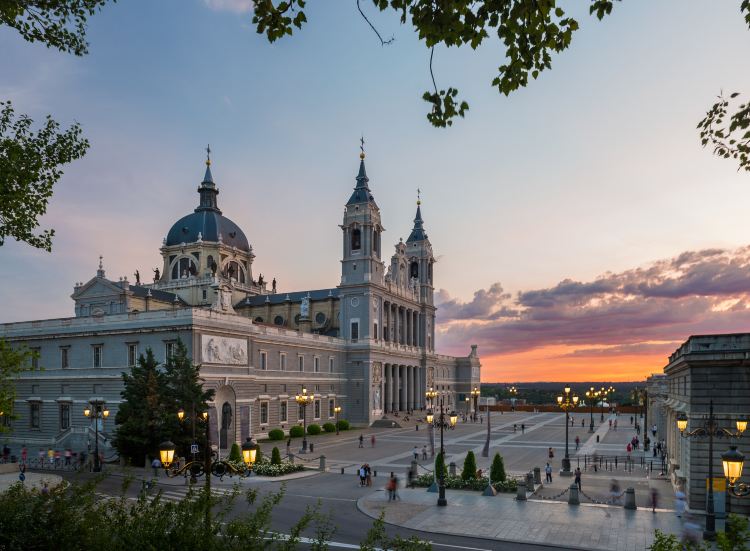
Step into Madrid's regal past at the Palacio Real, its Royal Armory, and Wednesday-Saturday guard changes, gleaming with history and tradition. El Retiro's Monument to Alfonso XII graces the lake, while the Crystal Palace hosts modern art. Almudena Cathedral's vivid interiors shine nearby. These landmarks weave tales of royalty and culture, inviting exploration.
Embrace Flamenco's Fiery Spirit
Feel flamenco's pulse at Corral de la Morería's dinner shows or Casa Patas' intimate stage, where guitar strums and fierce dances ignite. This Andalusian art, blending song and movement, courses through Madrid's cultural soul, drawing you into Spain's passionate rhythm with every clap and step.
Feel Soccer Passion
Ignite your love for soccer at Santiago Bernabéu Stadium, where Real Madrid's trophies and holograms thrill. Civitas Metropolitano, Atlético de Madrid's vibrant home, buzzes with fan spirit. These stadium tours reveal Spain's sporting legacy, alive with rivalry and triumphant moments that echo through the stands.
Savor Bold Spanish Flavors
Feast at Mercado de San Miguel, brimming with jamón ibérico and chilled sangria. Savor cocido madrileño winter stew or bocadillo de calamares in La Latina's Cava Baja tapas bars, alongside arroz al horno and croquetas. Dunk churros in chocolate at La Mallorquina, where Madrid's culinary heritage bursts with warmth and flavor.
Discover Toledo's Cultural Mix
Venture to Toledo, once Spain's capital, where the Gothic Toledo Cathedral and the El Greco Museum shine. The Alcázar's military museum and Synagogue of Santa María la Blanca reflect Christian, Islamic, and Jewish roots. Wander the Jewish Quarter's cobblestone lanes, immersed in a vibrant cultural blend etched into soaring spires and ancient walls.
Relax in Madrid's Famous Parks
Glide across El Retiro's lake by rowboat, with the Crystal Palace sparkling nearby. Casa de Campo offers sweeping city views, linked by cable car to Parque del Oeste. El Capricho, an 18th-century Romantic park in Barajas, charms with elegant follies. These green escapes weave calm into Madrid's lively pulse.
Enjoy Theater and Performances
Bask in Madrid's performing arts along the Gran Vía, where Art Deco theaters stage musicals and dramas. Matadero Madrid, a former slaughterhouse turned arts hub, hosts bold contemporary shows. From flamenco-infused plays to avant-garde dance, these venues ignite the city's creative spirit, offering a stage for every story.
Hunt Treasures in Local Markets
Roam El Rastro's Sunday stalls, bursting with vintage books and flamenco records. Gran Ganga lures with retro fashion, while Mercado de San Antón in Chueca tempts with gourmet tapas. Mercado de Motores' monthly vintage market in the Railway Museum hums with unique finds, inviting you to uncover Madrid's eclectic artistry.
Madrid Must-see Attractions
Madrid is a city steeped in cultural richness, boasting landmarks like the Royal Palace with its artistic heritage, the Prado Museum's extensive European art collection, the iconic Santiago Bernabéu Stadium, the traditional Las Ventas Bullring, and the modern art-filled Museo Nacional Centro de Arte Reina Sofía, each offering unique historical insights and experiences.
Royal Palace of Madrid
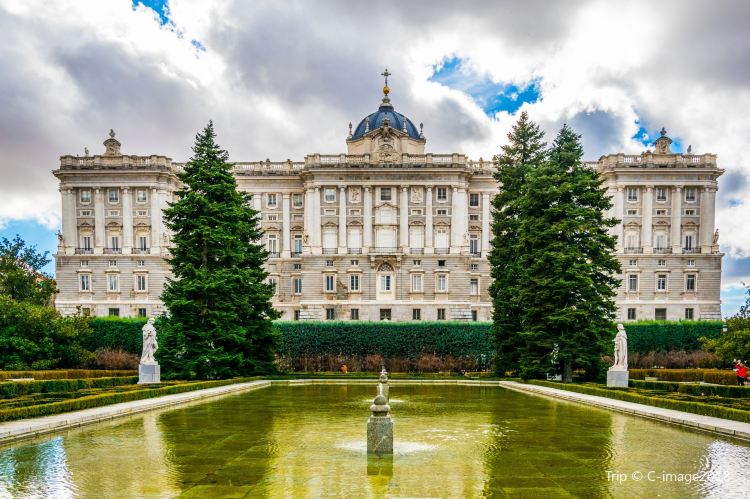
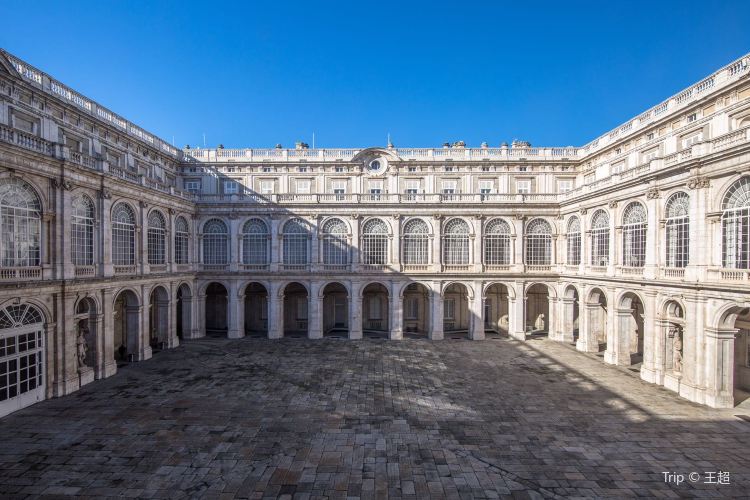
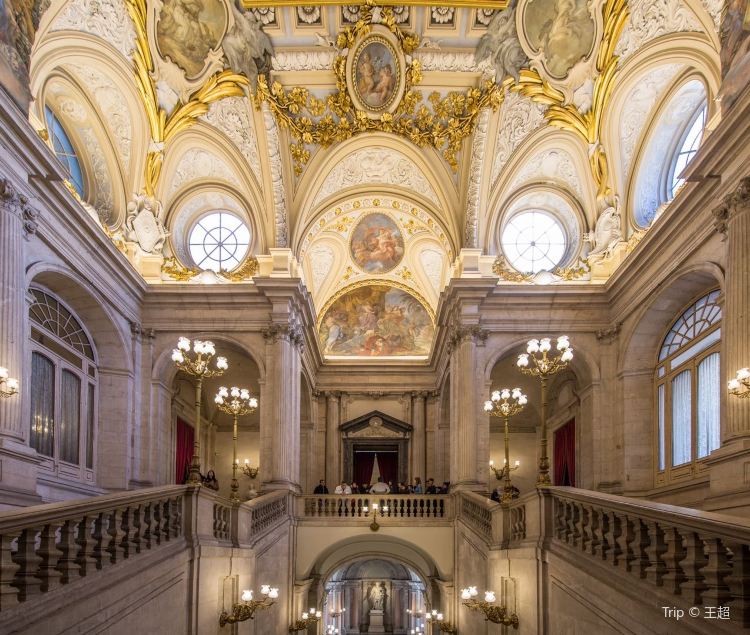
The Royal Palace of Madrid, a grand 18th-century edifice, stands as a testament to Spain's rich history and architectural grandeur. Built on the site of a former Moorish castle, this palatial structure was completed in 1764 and is recognized for its artistic style, which is debated to be either Baroque or Neo-classical. The palace is not only the official residence of the Spanish Royal Family but also serves as a venue for state ceremonies.
Visitors can marvel at the palace's numerous rooms, including the Royal Guards' Room, the Columns Room, the Hall of Mirrors, and King Charles III's room, which are adorned with paintings by illustrious artists like Velázquez, Goya, Rubens, El Greco, and Caravaggio. The Royal Palace is also home to the only complete Stradivarius string quintet in the world, housed within its walls alongside other significant collections such as the Royal Armoury of Madrid. This historical monument offers a journey through the evolution of Spanish royalty and provides a cultural experience through its art exhibits and the opulent decoration of its rooms.

 Anonymous userI went to queue early in the morning. One line was for buying tickets on-site, and the other was for those who already had tickets, so don't queue in the wrong line! The staff were friendly, and the palace was luxurious and worth seeing.
Prado Museum
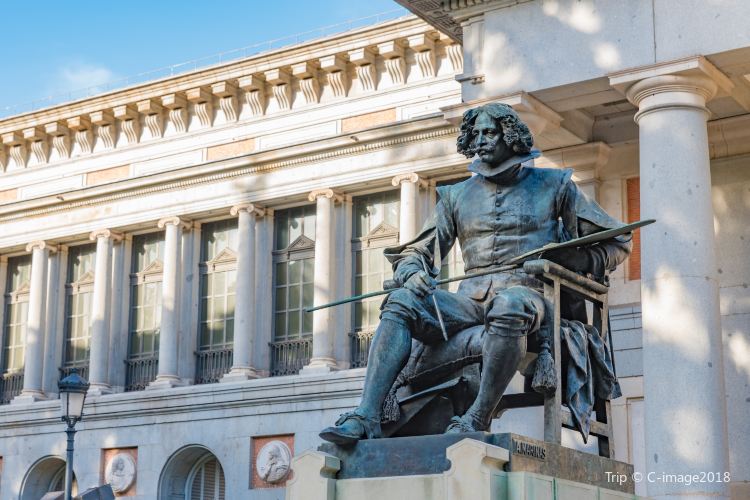
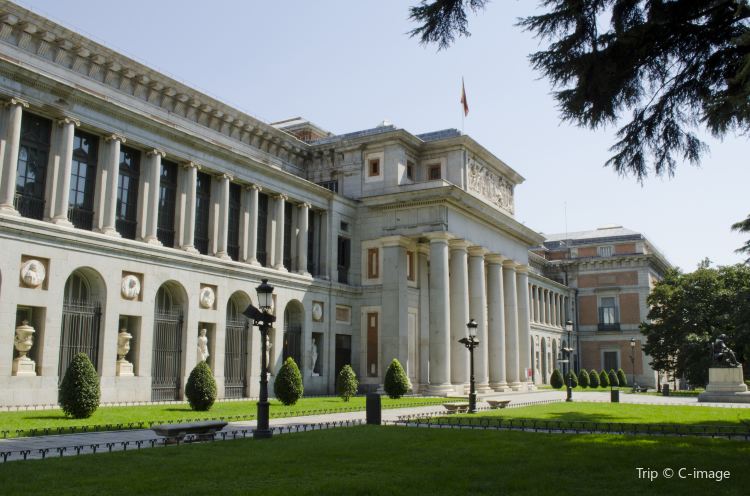
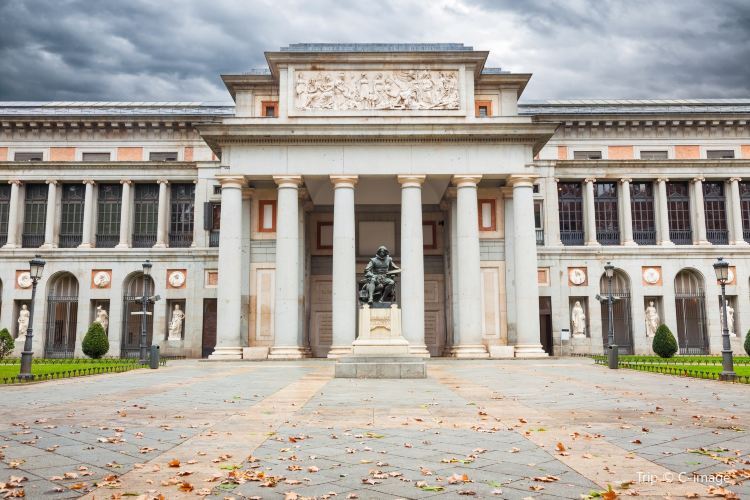
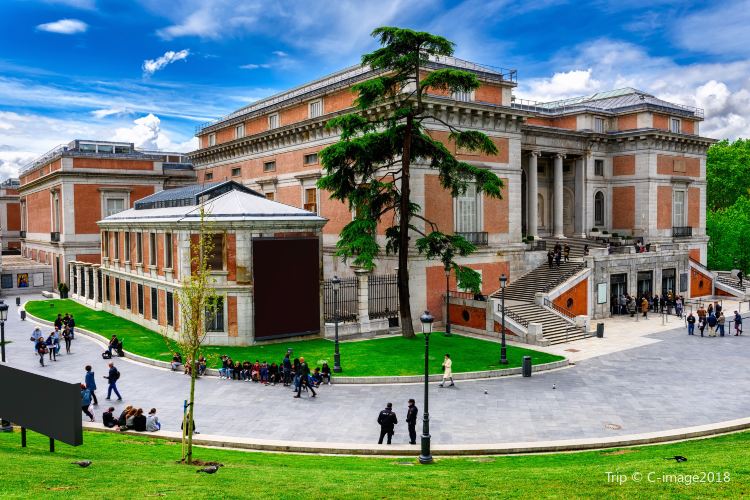
The Prado Museum, officially known as Museo Nacional del Prado, is a treasure trove of European art, showcasing an extensive collection that spans from the 12th to the early 20th century. Renowned for its rich assembly of Spanish masterpieces, the museum is home to the world's most comprehensive collection of Spanish paintings, including iconic works such as Velázquez's "Las Meninas" and Goya's "Third of May, 1808". Visitors can immerse themselves in the artistic heritage of not only Spain but also Italy, Flemish, and other European schools, with masterpieces by El Greco, Hieronymus Bosch, Rubens, and Titian.
The Prado's historical significance is further enhanced by its inclusion in the UNESCO World Heritage list in 2021, and its neoclassical architecture, designed by Juan de Villanueva, adds to the grandeur of the experience. As one of the most visited art museums globally, the Prado offers a profound cultural journey through its meticulously curated exhibitions and is a must-visit for art enthusiasts and history buffs alike.
Santiago Bernabéu Stadium
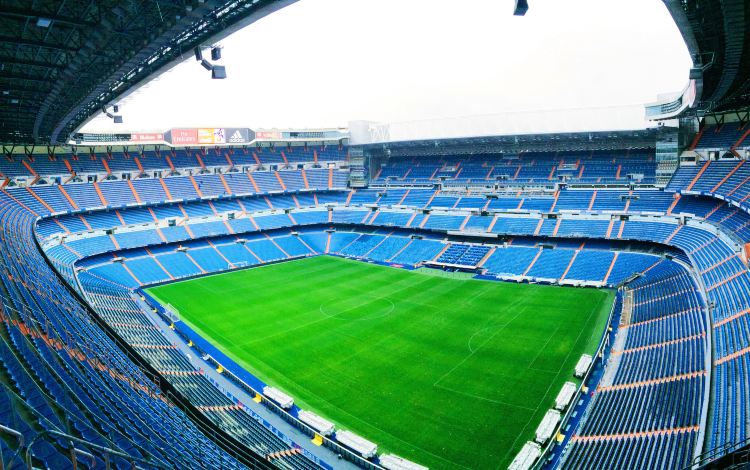
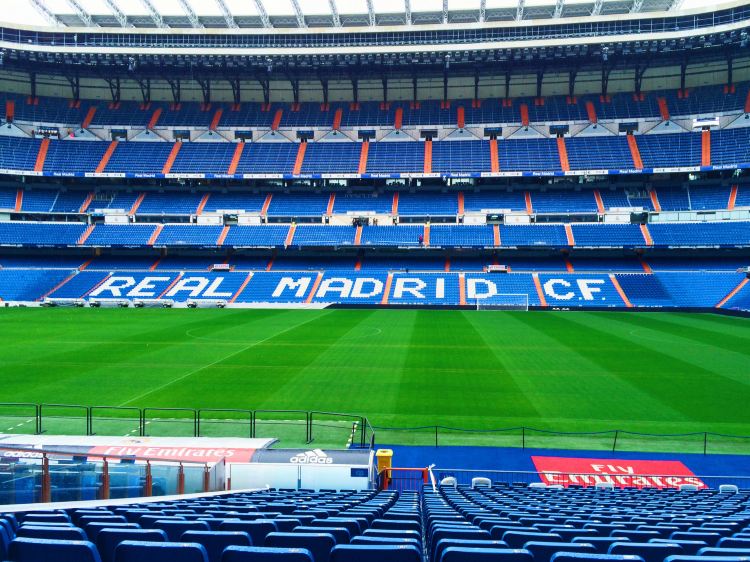
Santiago Bernabéu Stadium in Madrid stands as an emblematic symbol of football history and culture, renowned for being the home of Real Madrid since its inauguration in 1947. This iconic venue has witnessed numerous historic moments, including the 1982 FIFA World Cup final, the UEFA 1964 European Nations' Cup final, and multiple European Cup/UEFA Champions League finals.
Visitors to the stadium can immerse themselves in the rich legacy of Real Madrid by taking the Tour Bernabéu, which offers access to the presidential box, the bench, the changing rooms, and even the opportunity to walk onto the field of play. The tour also includes a visit to the club's trophy exhibit, showcasing memorabilia such as shirts, balls, and photographs, along with an interactive section that celebrates the team's illustrious history.
Las Ventas Bullring
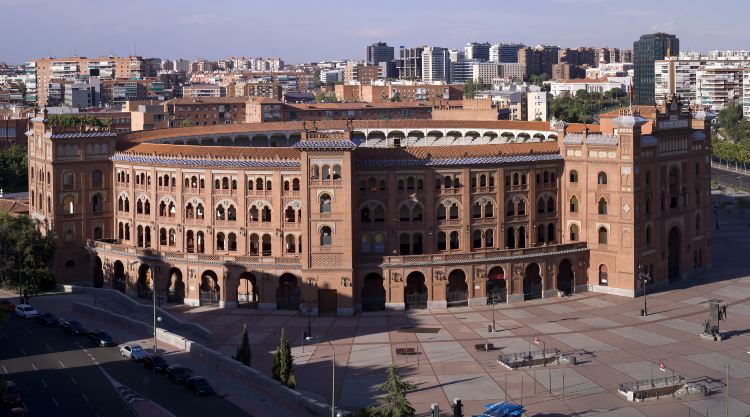
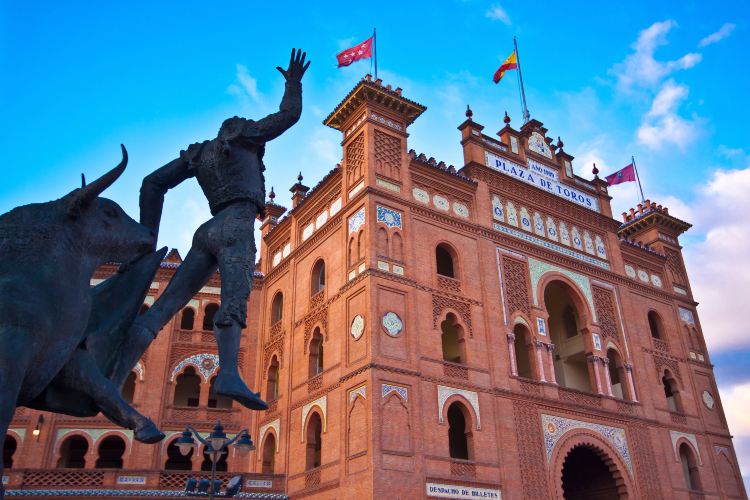
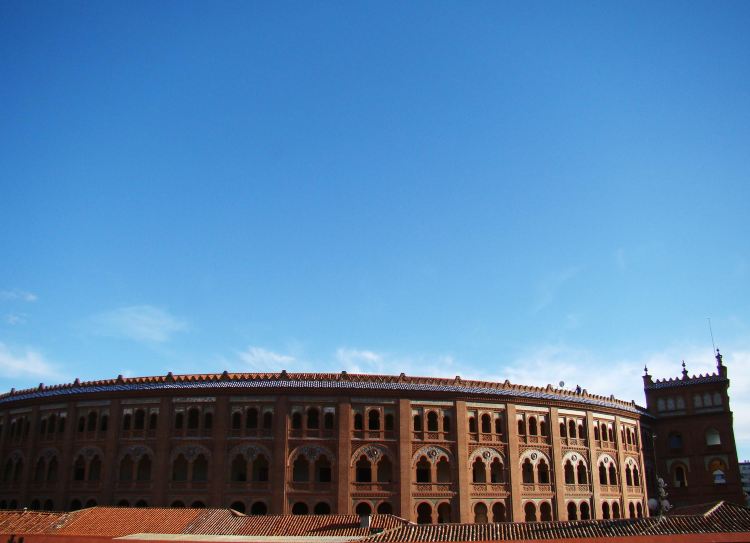
Las Ventas Bullring, known as the heart of bullfighting in Spain, is an iconic attraction in Madrid with a rich history and distinctive Neo-Mudéjar architecture. Inaugurated in 1931, it is the largest bullring in Spain and the third-largest in the world, with a seating capacity of 23,798 spectators. The bullring is not only a venue for bullfights but also a museum that showcases the history and culture of bullfighting, including costumes, accessories, and portraits of famous bulls and toreros.
Visitors can experience the grandeur of Las Ventas through various tours, including an audio-guided Tourist Tour and private guided tours, which provide access to key areas such as the Bullfighting Museum, the Door of Triumph, and the arena itself. For those seeking a more immersive experience, the Virtual Bullfighting Experience offers a virtual reality simulation of facing a bull. The bullring's cultural significance is further highlighted by its designation as a Site of Cultural Interest since 1994.

Museo Nacional Centro de Arte Reina Sofía
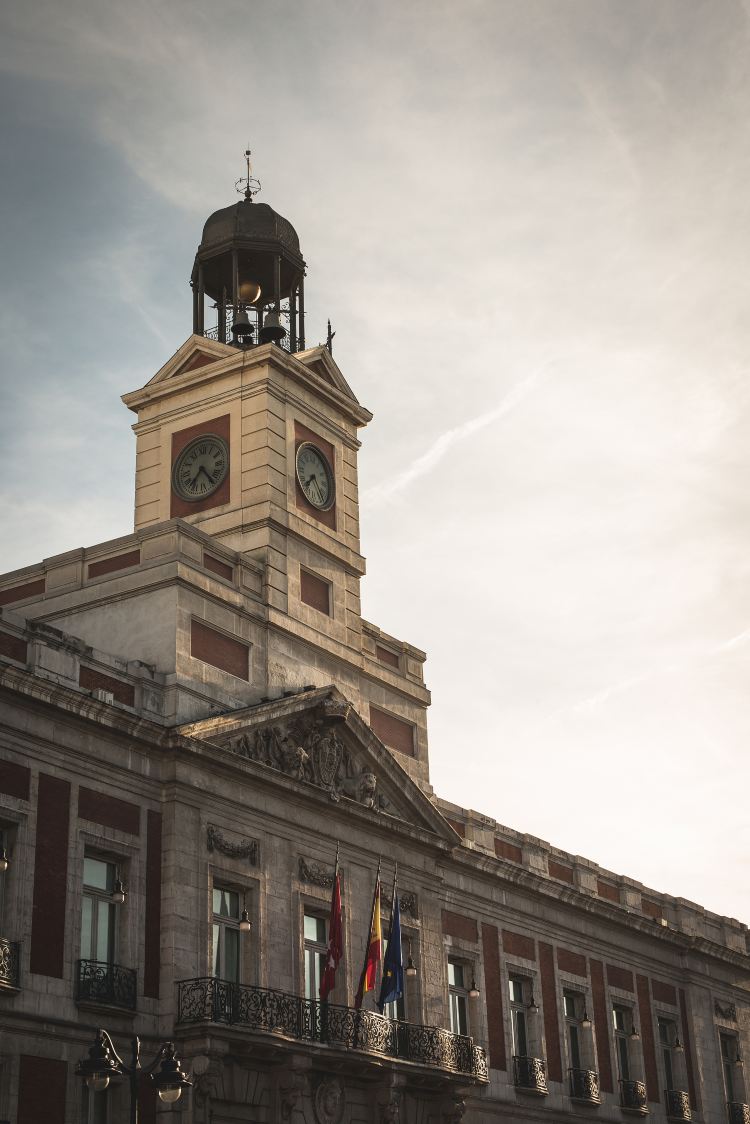
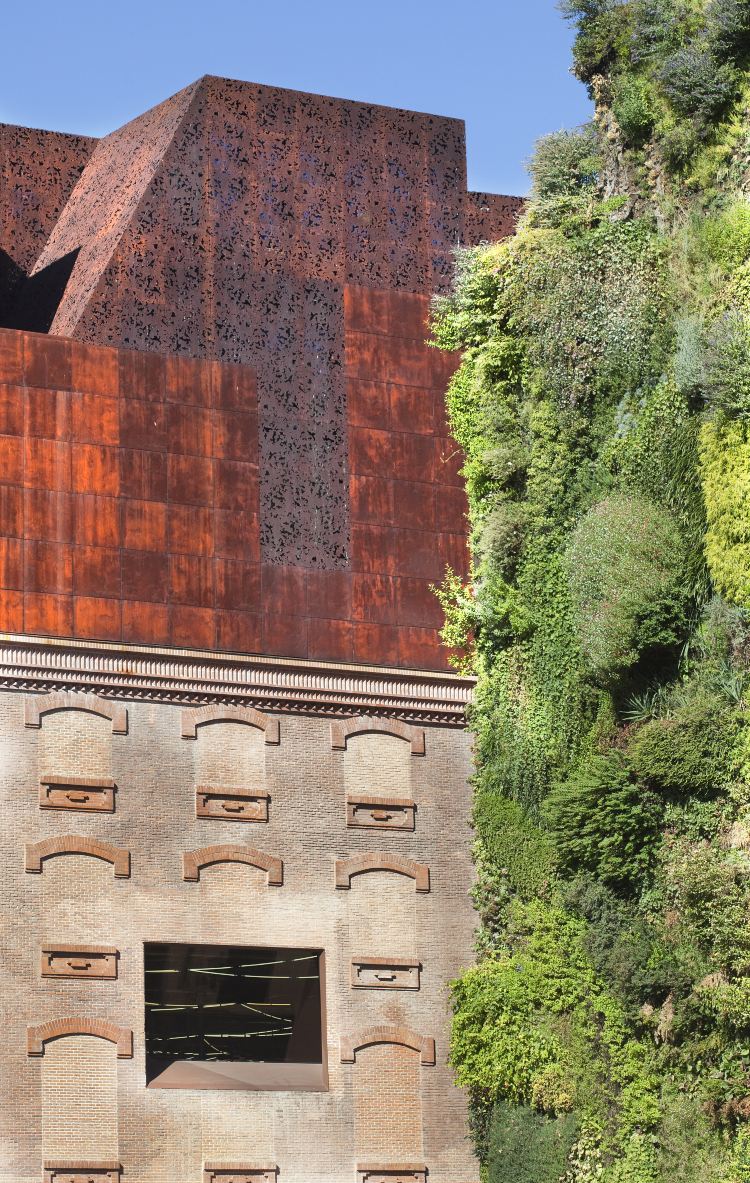
The Museo Nacional Centro de Arte Reina Sofía is a beacon of 20th-century art, renowned for its extensive collection of Spanish masterpieces, including iconic works by Pablo Picasso and Salvador Dalí. The museum's highlight is Picasso's "Guernica," a powerful political statement that has become a symbol of anti-war sentiment.
Housed in a historic building with a modern extension, the Reina Sofía offers a blend of history and contemporary design, with the Nouvel building adding a modern touch to the museum's neoclassical architecture. Visitors can explore thematic exhibitions that provide a critical study of the past through art, offering narratives that resonate with the present. The museum's dynamic approach to displaying its collection invites guests to engage with art in a way that transcends chronological constraints, focusing instead on the relationships and stories that art can tell.
With its commitment to education and multimedia content, including a specialized art library and interactive online resources, the Reina Sofía is not just a museum but a cultural hub that enriches the understanding of modern art.
Madrid Food Guide
Madrid's food scene is a rich tapestry of traditional Spanish flavors, featuring iconic dishes such as the seafood-laden Paella, the sweet indulgence of Churros with hot chocolate, the ubiquitous Tortilla de Patata integral to tapas culture, and the hearty Cocido Madrileño stew, each reflecting the city's culinary heritage and love for both simple and elaborate fare.
Seafood paella
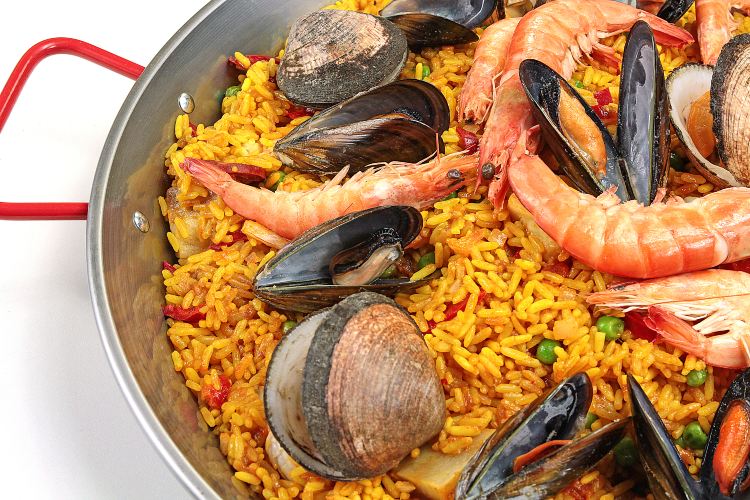
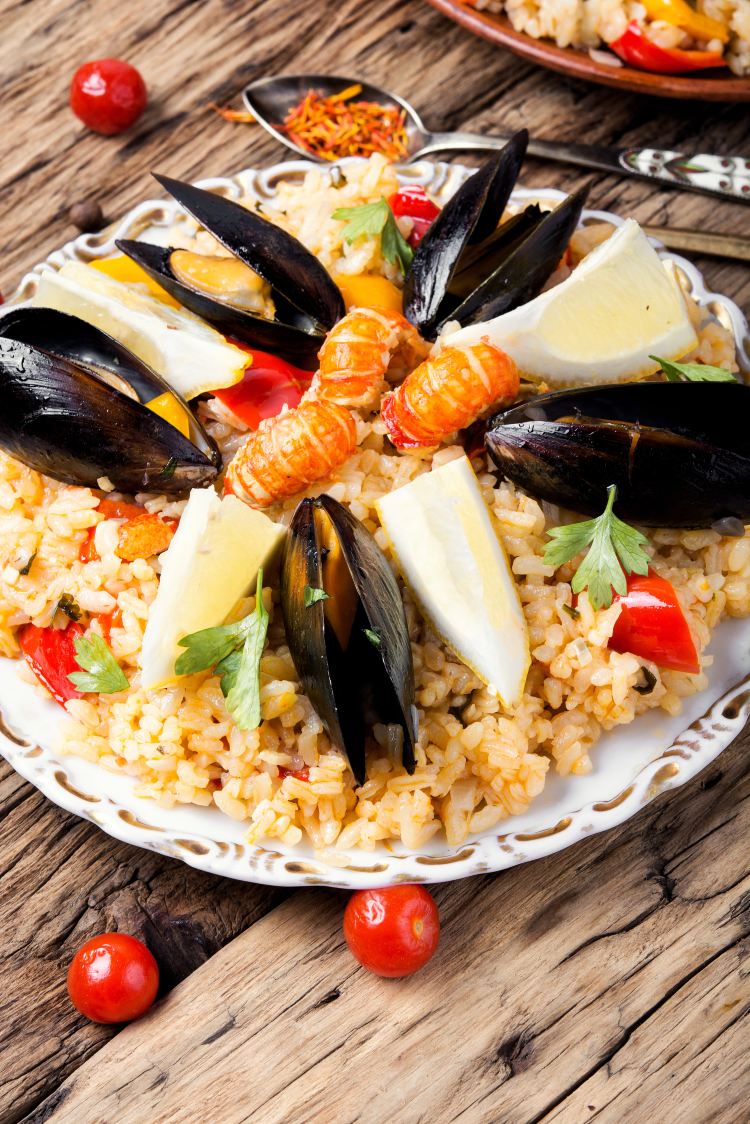
A traditional Spanish dish that embodies the essence of Mediterranean cuisine with its combination of rice, seafood, and seasoning. Known for its rich, savory flavors and juicy seafood, it is often served as a main course and is perfect for special occasions or entertaining guests. The dish is prepared in a large, shallow pan, and key ingredients include Spanish short-grain rice, a variety of seafood such as shrimp, mussels, clams, and squid, along with saffron and paprika to bring out its distinctive taste.
Churros and hot chocolate
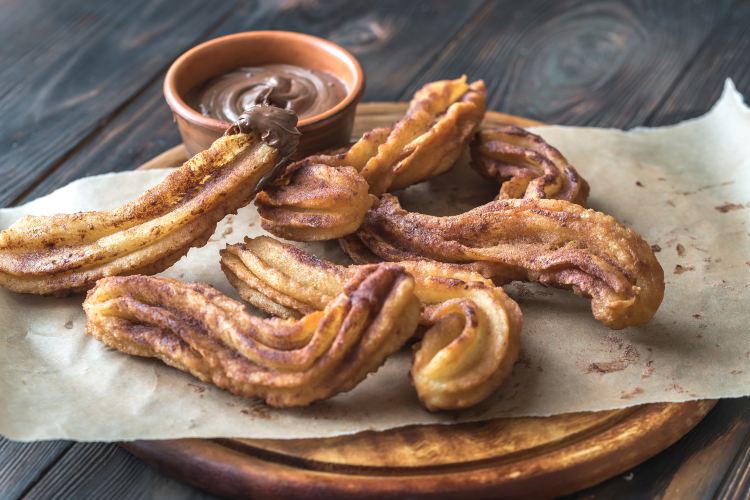
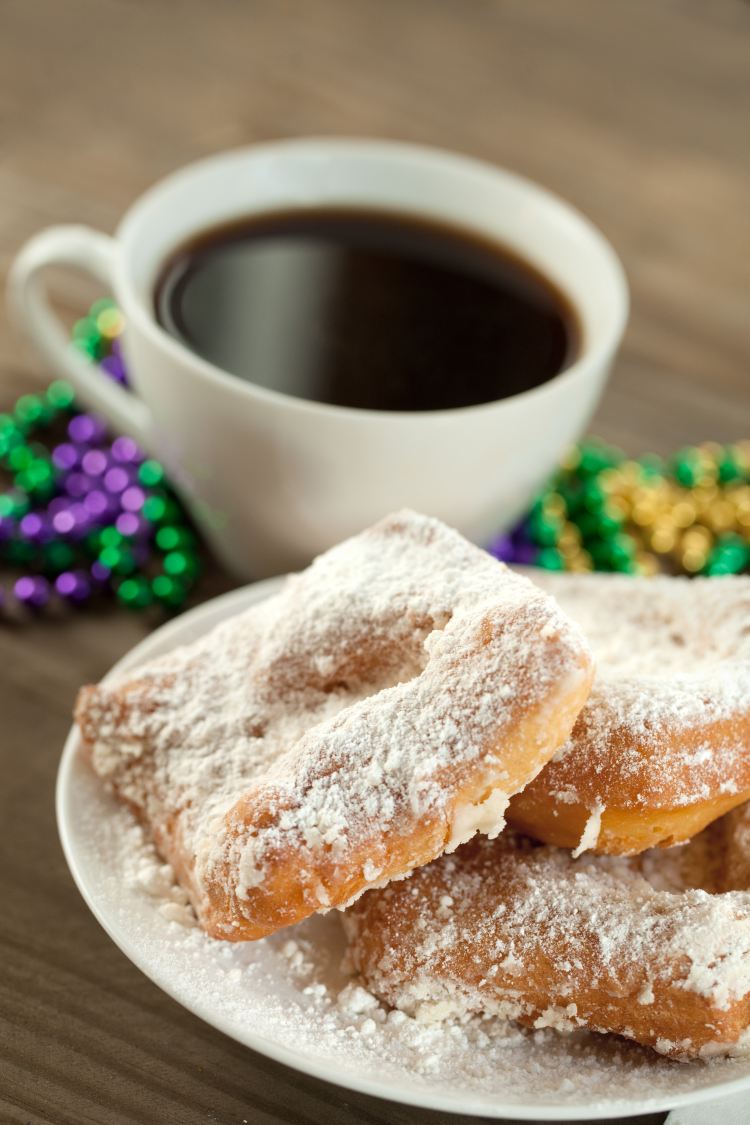
A classic Madrid treat, with the city's most famous chocolate shop, San Gines, serving this popular breakfast combination since the late 19th century. The churros are long, crunchy sticks of dough, deep-fried and typically enjoyed dipped in a thick, steaming cup of authentic Spanish hot chocolate. While San Gines is a historic spot known for its quick service and daily production of over 4,000 churros, other notable churrerías in Madrid offer their own versions of this decadent pairing.
Tortilla de Patata
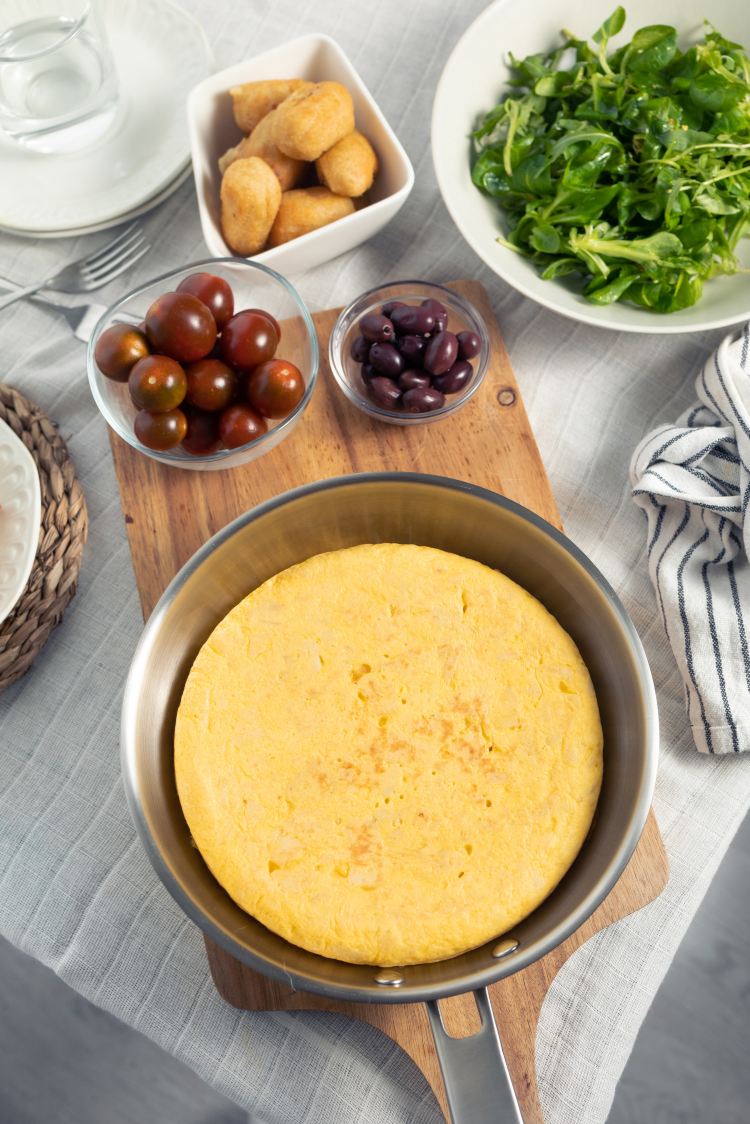
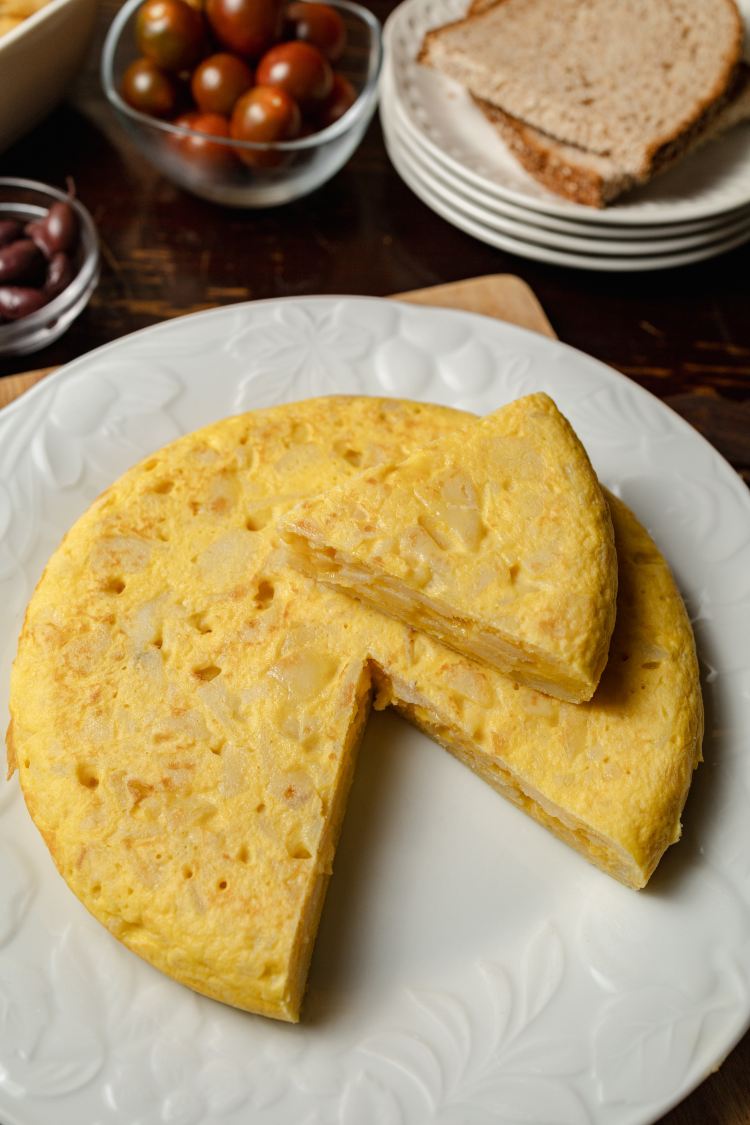
A classic Spanish omelette that is a staple in Madrid's tapas scene, often enjoyed with a glass of vermouth. This beloved dish is made with eggs, potatoes, and sometimes onions, and can be served hot or cold, making it a versatile option for any tapas crawl. The tortilla de patata is not only a delicious comfort food but also a symbol of Spanish culinary tradition, reflecting the country's love for simple yet flavorful ingredients.
Cocido madrileño
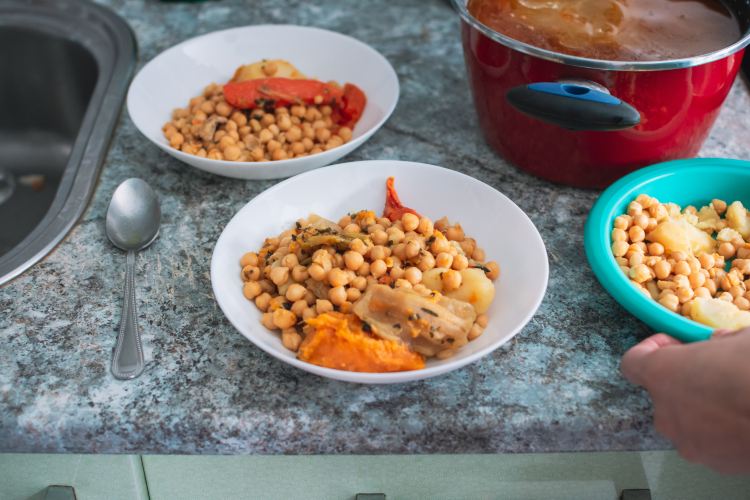
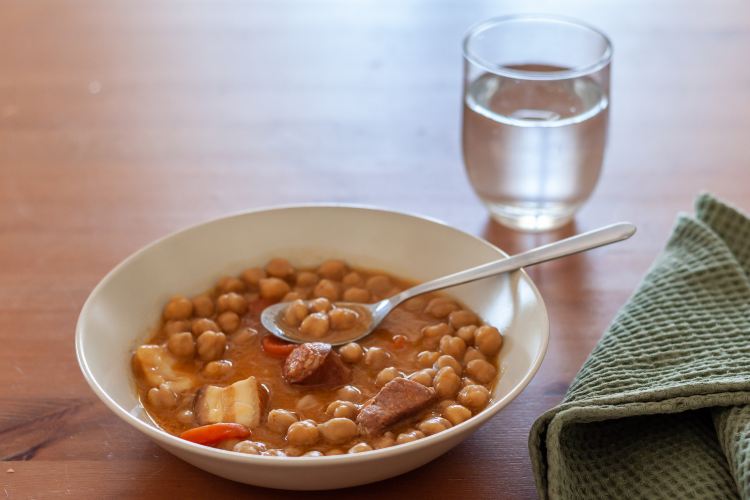
A traditional chickpea-based stew from Madrid, combining chickpeas, vegetables, and various meats. It is known for its tender texture and unique flavor, perfect for cold days. This emblematic dish, rooted in the Sephardic Jewish dish adafina, evolved over time with the addition of pork to prove Christian faith during the Inquisition and is now a staple of Madrid cuisine. Served in the distinctive "en tres vuelcos" manner, it starts with a noodle soup, followed by a plate of chickpeas and vegetables, and finally, the meats, reflecting the historical distribution of food in Madrid's old households.
Lechon
Madrid's century-old tradition of roasting suckling pig is a hallmark of many time-honored restaurants. Expertly chosen piglets are basted with butter, rosemary, and garlic before being roasted in a blazing oven, with careful seasoning adjustments throughout. The result is a succulent pig with a golden-orange, crispy skin. The most succulent part of the meat, known for its delicate and smooth texture, lies in the inner thighs, delivering an exquisite blend of flavors.
Madrid Transportation
How to Get There
Madrid is easily reached by air through its main international airport, with quick public transport links to the city center, or by high-speed trains and buses from across Europe and Spain.
By Air:
Adolfo Suárez Madrid–Barajas Airport (MAD), situated 13 km (8 miles) northeast of the city, serves as Spain's busiest hub for international and domestic flights, operated by carriers such as Iberia, Ryanair, and Air Europa.
To City Center
- Airport Express Bus (Line 203): Upon exiting any terminal (T1-T4), follow the signs to the bus stops located outside (most international flights are near T1/T2). The yellow Express Bus (Line 203) operates from all terminals to key locations in the city center.
Daytime (6:00 a.m. to 11:30 p.m.): The bus ends its route at Atocha Station.
Nighttime (11:30 p.m. to 6:00 a.m.): The bus concludes at Plaza de Cibeles.
The journey takes around 30 to 45 minutes, depending on traffic and your departure terminal. The fare is approximately €5, payable directly to the driver in cash or by contactless card.
- Metro (Line 8): This is a fast and affordable way to get into the city, but you will likely need to transfer to a different line to reach your final destination. Metro Line 8 (the pink line) connects the airport stations at Terminal 2 (T1-T2-T3 station) and Terminal 4 (T4 station) to Nuevos Ministerios station. From Nuevos Ministerios, you can transfer to other metro lines. The journey takes approximately 15 to 20 minutes. The metro operates from around 6:05 a.m. to 1:33 a.m.
The ticket price includes a base fare plus an airport supplement, totaling around €4.50 to €5. You will need to purchase a reusable Multi Card, which costs €2.50, and load your ticket onto it.
- Cercanías Train (C1/C10): The most direct public transport option to major train stations is the Cercanías commuter trains, specifically Lines C1 and C10. These trains connect Terminal 4 (T4) at the airport to key stations in the city, including Chamartín and Atocha. If you arrive at a different terminal, a free shuttle bus is available to take you to T4. The journey to Atocha station takes approximately 30 minutes. Train services run from around 6:00 a.m. to midnight, and you can purchase tickets from the vending machines at the station.
- Taxis: A fixed fare of €33 applies to all official taxis for trips between the airport and any destination within Madrid's central M-30 zone. To find an official taxi, follow the signs to the taxi ranks located outside the arrivals halls of each terminal. Always ignore drivers offering rides inside the terminal. Taxis are available from the ranks outside the terminals 24/7, and up to 4 passengers can travel together, with luggage included. Payment can be made in cash or by card at the end of the ride; however, please be aware that traffic conditions may vary.
- Ride-Shares: Using Uber, Bolt, or FreeNow from designated areas (as directed by the app) costs between €25 and €40 to reach the center (20-40 minutes), with potential surge pricing during peak times. It's advisable to book after landing (data is needed), and the payment is cashless. These services are often cheaper than traditional taxis, but availability can fluctuate.
By Train:
Madrid Atocha (Madrid Puerta de Atocha-Almudena Grandes): This is the largest and most central station, handling most high-speed (AVE) and long-distance trains from cities like Barcelona, Seville, and Valencia. Connects directly to Metro Line 1 (light blue).
Madrid Chamartín-Clara Campoamor: Located in northern Madrid, this station primarily serves domestic routes to the north and northwest, as well as some international connections and night trains. Connects to Metro Lines 1 (light blue) and 10 (dark blue).
Atocha Cercanías: Adjacent to the central Atocha station, this serves the local and regional Cercanías commuter trains.
By Bus:
Bus travel is a budget-friendly and flexible option for reaching Madrid, particularly from other Spanish or European cities.
Estación Sur (Méndez Álvaro): Located in the south of Madrid, this is the main hub for long-distance and international bus services, operated by companies such as FlixBus and ALSA. The station is directly connected to the Méndez Álvaro metro station (Line 6).
Avenida de América: This station primarily serves buses to and from the north and northeast of Madrid, and the surrounding areas. The station is a major transport interchange, offering connections to multiple metro lines.
Local Transportation
Madrid's local transportation system is efficient, safe, and convenient, consisting of an integrated network of metro, buses, and commuter trains. For travelers, the system is based on a reusable, contactless card called the Tarjeta Multi, which can be loaded with various ticket types and passes.
Multi card (Tarjeta Multi):
The Tarjeta Multi is the foundational card for all public transport in Madrid. It is a non-personal, contactless, and rechargeable card that costs €2.50 to purchase. You can buy the Multi Card at any Metro or Cercanías train station from automated machines, as well as at authorized tobacconists and kiosks. The card is valid for 10 years and can be used by multiple people; however, each individual must validate a ticket for their own journey.
Tourist Travel Pass (Abono Turístico):
This pass is ideal for tourists who plan to use public transportation frequently, as it offers unlimited travel for a specified duration. It is available for Zone A, which covers central Madrid and most tourist sites, as well as Zone T, which includes all public transportation in the region, including destinations such as Toledo and El Escorial.
Passes can be purchased for 1, 2, 3, 4, 5, or 7 consecutive calendar days. They are sold at Metro stations, authorized retailers, and the airport, and are loaded onto a free Multi Card.
Metro: The metro network is the fastest way to get around the city and is one of the most extensive in Europe.
- Lines 1-12: These are the main subway lines that serve the city and its surrounding areas, each identified by a unique color for easy navigation.
- Ramal (R) Line: This special line connects Ópera and Príncipe Pío stations, acting as a shuttle between these two points. It generally operates from 6:00 a.m. to 1:30 a.m.
Please note that a separate supplement of €3 is required for travel to and from the airport using the Metro. Standard Metro tickets are valid within Zone A, which encompasses the entire city center.
Trams/Metro Ligero (Light Rail): The light rail system operates above ground, linking the outskirts of the city center. It has four lines (ML1-ML4) that connect to suburban areas. The service runs from 6 AM to midnight, with trains arriving every 5 to 10 minutes. You can use your Multi Card and travel passes, which can be topped up for use on the light rail.
EMT Buses: The public buses, identified by their distinctive blue color, are operated by the EMT company and serve areas not covered by the Metro. There are over 200 EMT routes, with buses running every 5 to 15 minutes.
Daytime services operate from approximately 6:00 a.m. to 11:30 p.m., after which a network of night buses, known as "Búhos," takes over until around 6:00 a.m.
Passengers can purchase a single ticket directly from the driver using cash (with notes usually accepted up to €5) or a contactless card.
Cercanías (commuter trains): The Cercanías suburban train system connects the center of Madrid with the surrounding region. Atocha and Chamartín serve as the main hubs. Services are organized by zones, and ticket prices depend on the number of zones traveled.
Taxis: White cabs with a meter. Short rides typically cost between €5 and €15. Please note that a night surcharge applies.
Ride-sharing services: Uber, Cabify, and FreeNow offer city trips priced between €5 and €15.
Bike share (BiciMAD): Madrid's municipal electric bike-sharing system is accessible to residents and visitors. To get started, download the BiciMAD app and follow the instructions to register and purchase a temporary pass for unlimited rides over a period of 1, 3, or 5 days.
Madrid Where to Stay
Madrid is a city that offers a diverse range of accommodation options, with each neighborhood providing its own unique charm and characteristics.
Madrid City Center
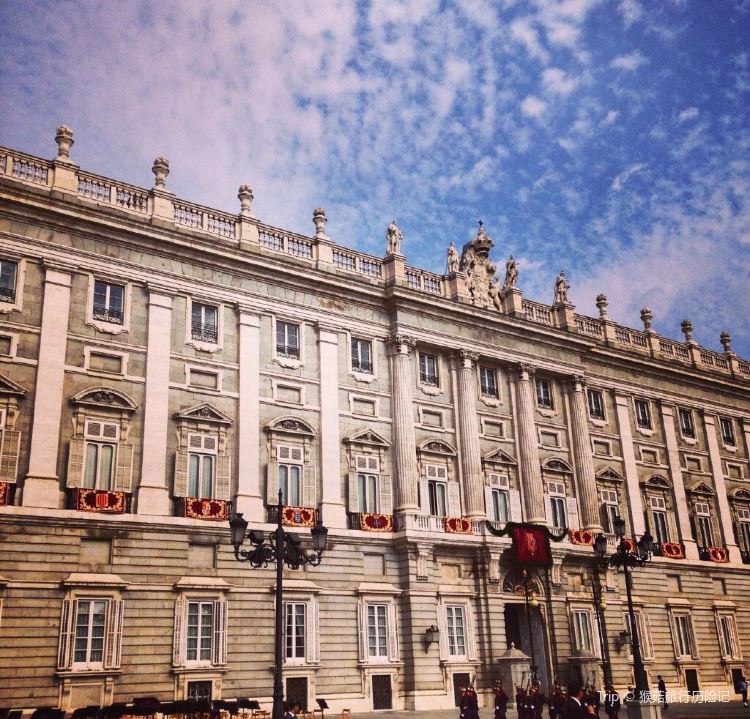
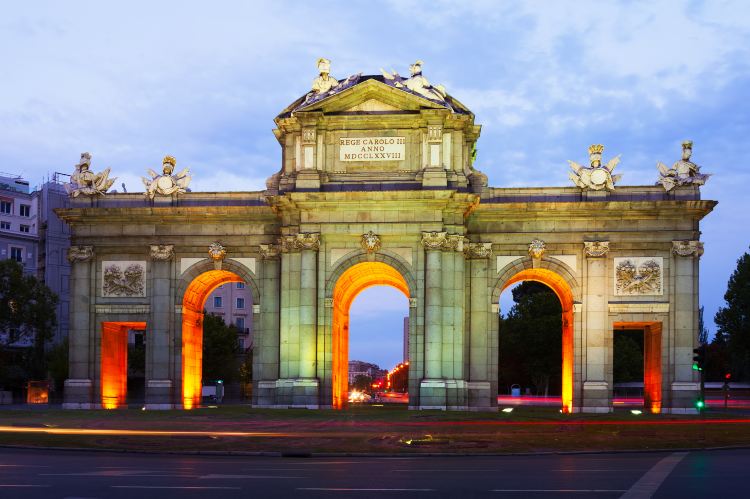
The Madrid City Center is the pulsating heart of the city, offering a vibrant atmosphere and proximity to cultural landmarks. This area is ideal for travelers who want to be in the thick of the action, with easy access to attractions like the Prado Museum, Royal Palace, and Plaza Mayor. The neighborhood is well-served by Madrid's efficient public transport system, including the metro and buses, making it easy to explore the rest of the city. The accommodation here ranges from luxury hotels to more budget-friendly options, catering to a wide spectrum of visitors. The central location also means that guests are never far from Madrid's renowned restaurants, shops, and nightlife.
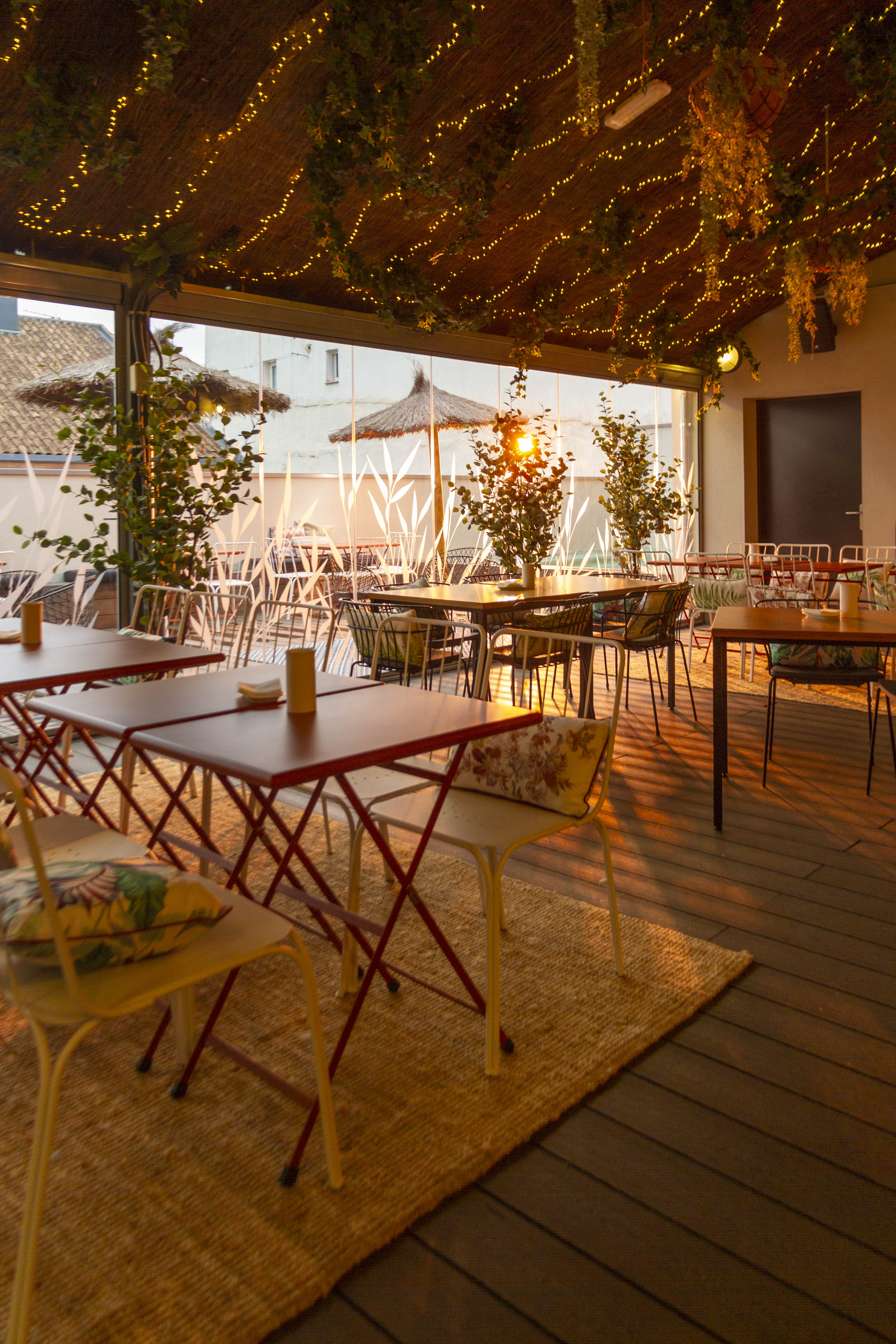
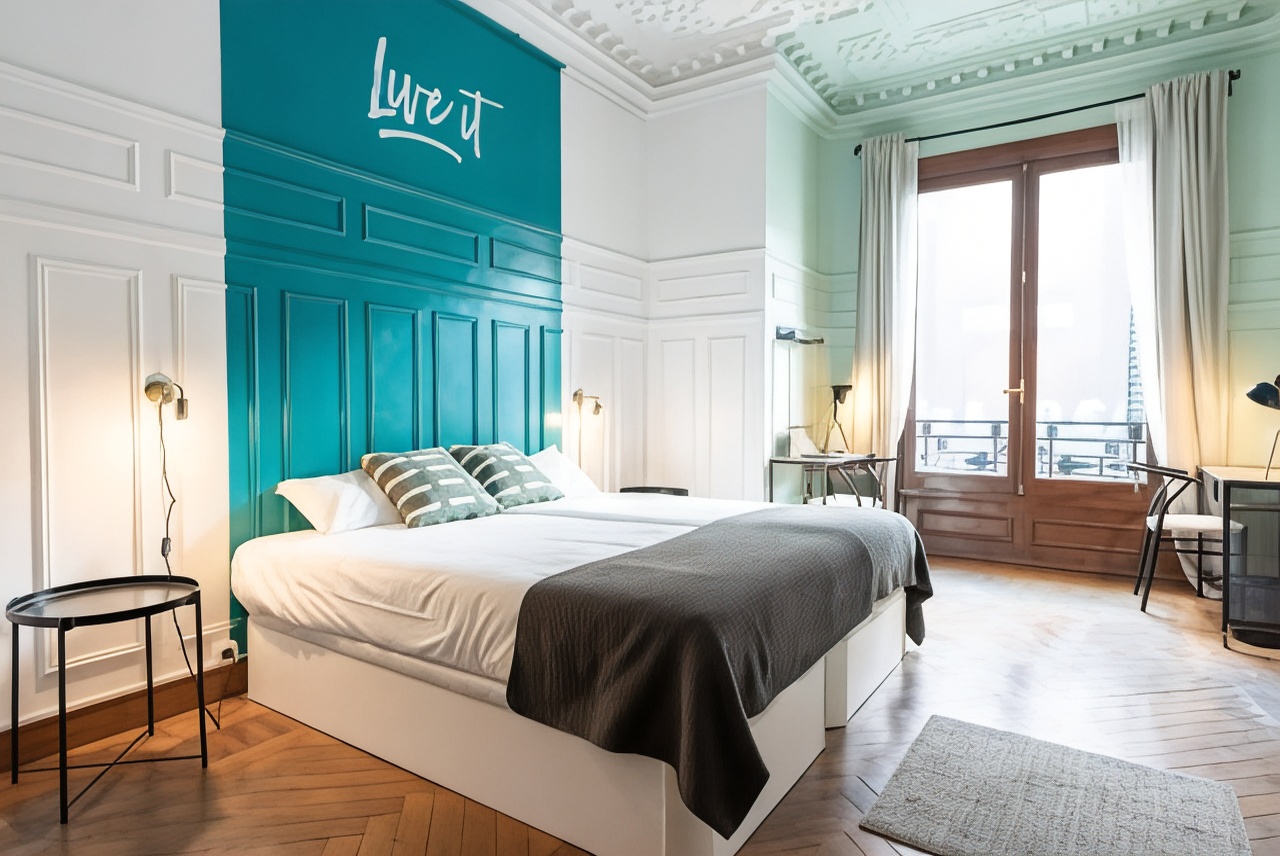
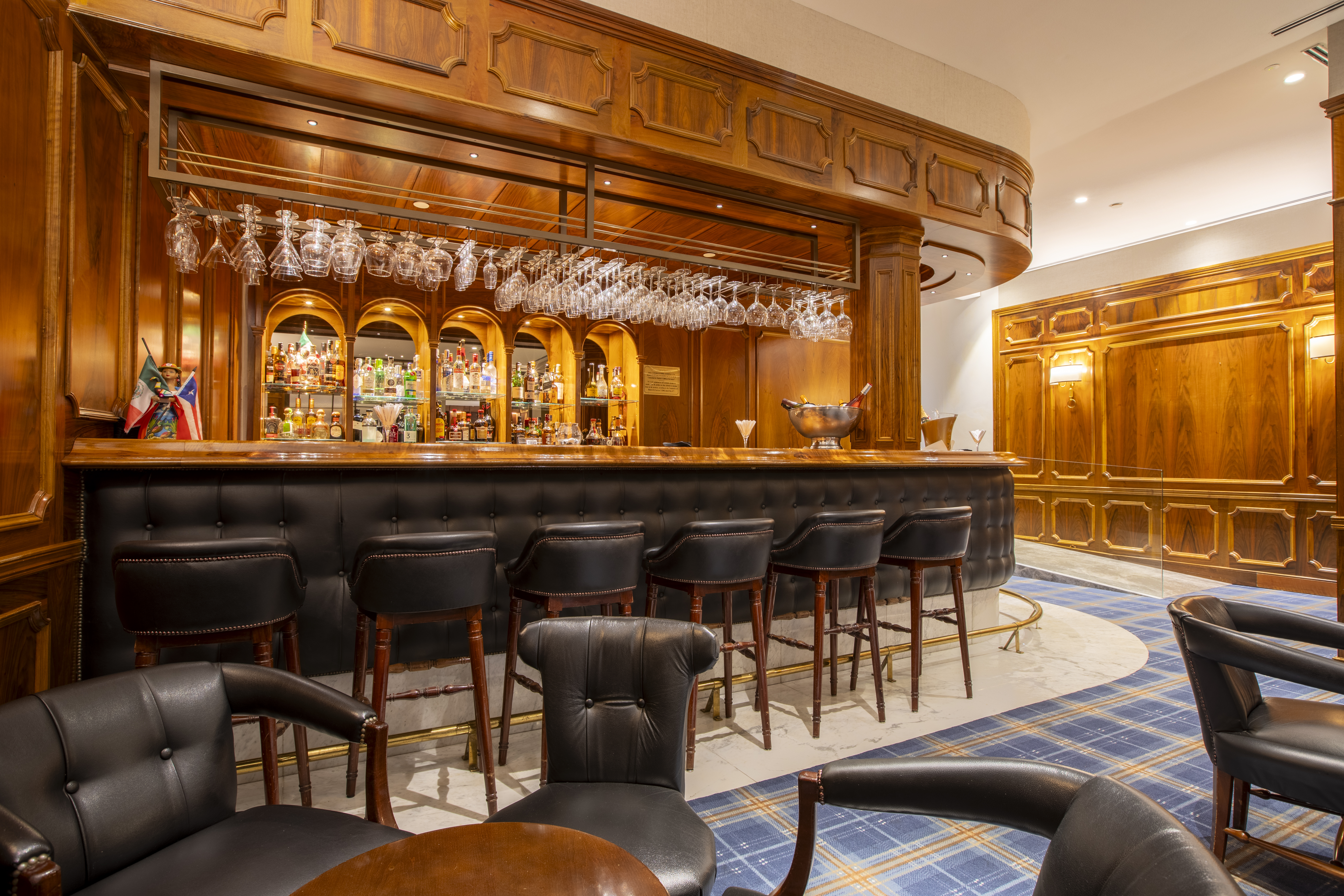
Santiago Bernabéu Stadium
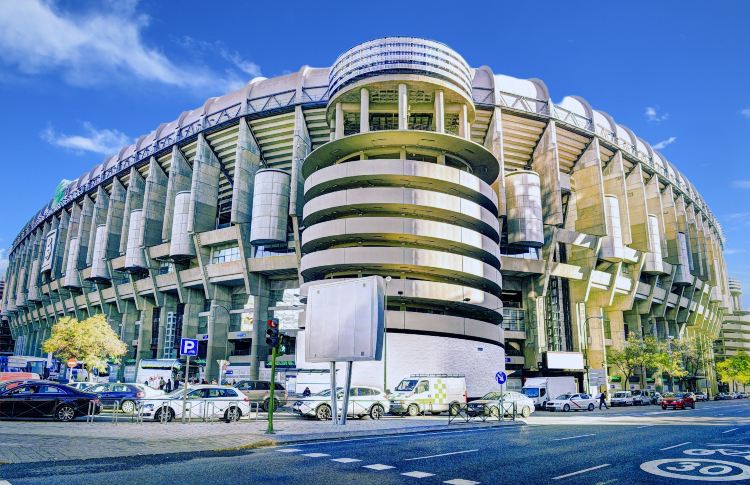
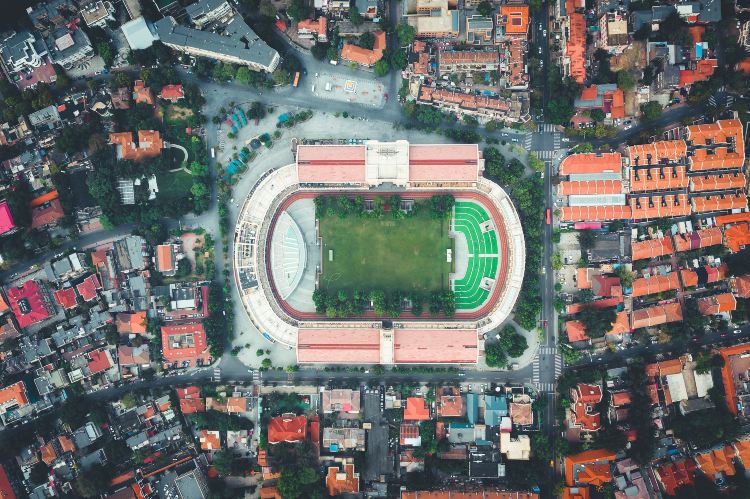
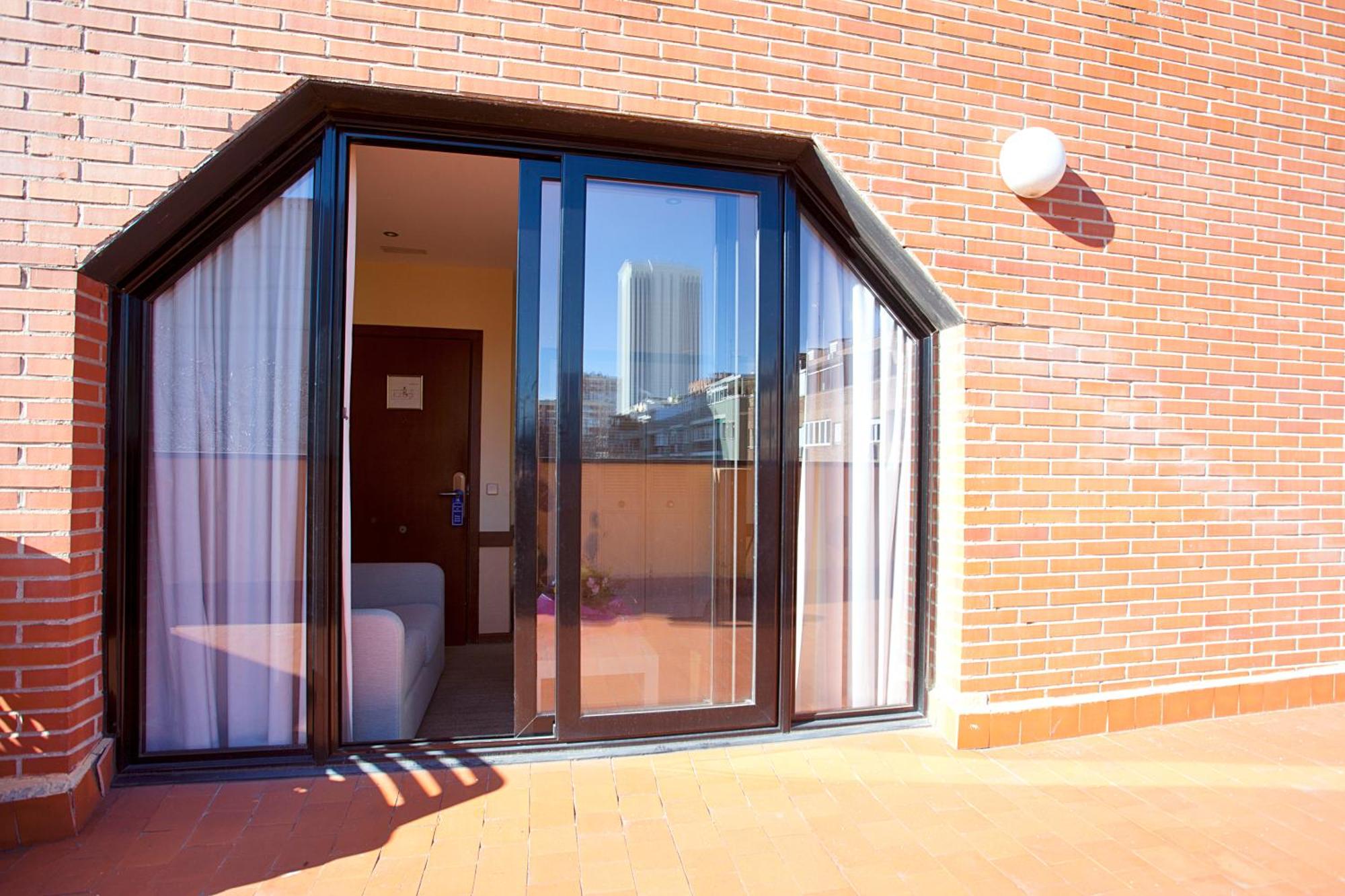
Located in the Chamartín district, the area around Santiago Bernabéu Stadium is a haven for sports enthusiasts and fans of Real Madrid CF. The stadium itself is a major attraction, offering tours that allow visitors to delve into the history and successes of the club. The neighborhood boasts modern amenities and upscale surroundings, with a selection of fine-dining restaurants and high-end shops nearby. Accommodations in this area are typically more luxurious, with several hotels offering views of the stadium. The district is well-connected by public transport, including the metro, making it a convenient base for exploring Madrid.
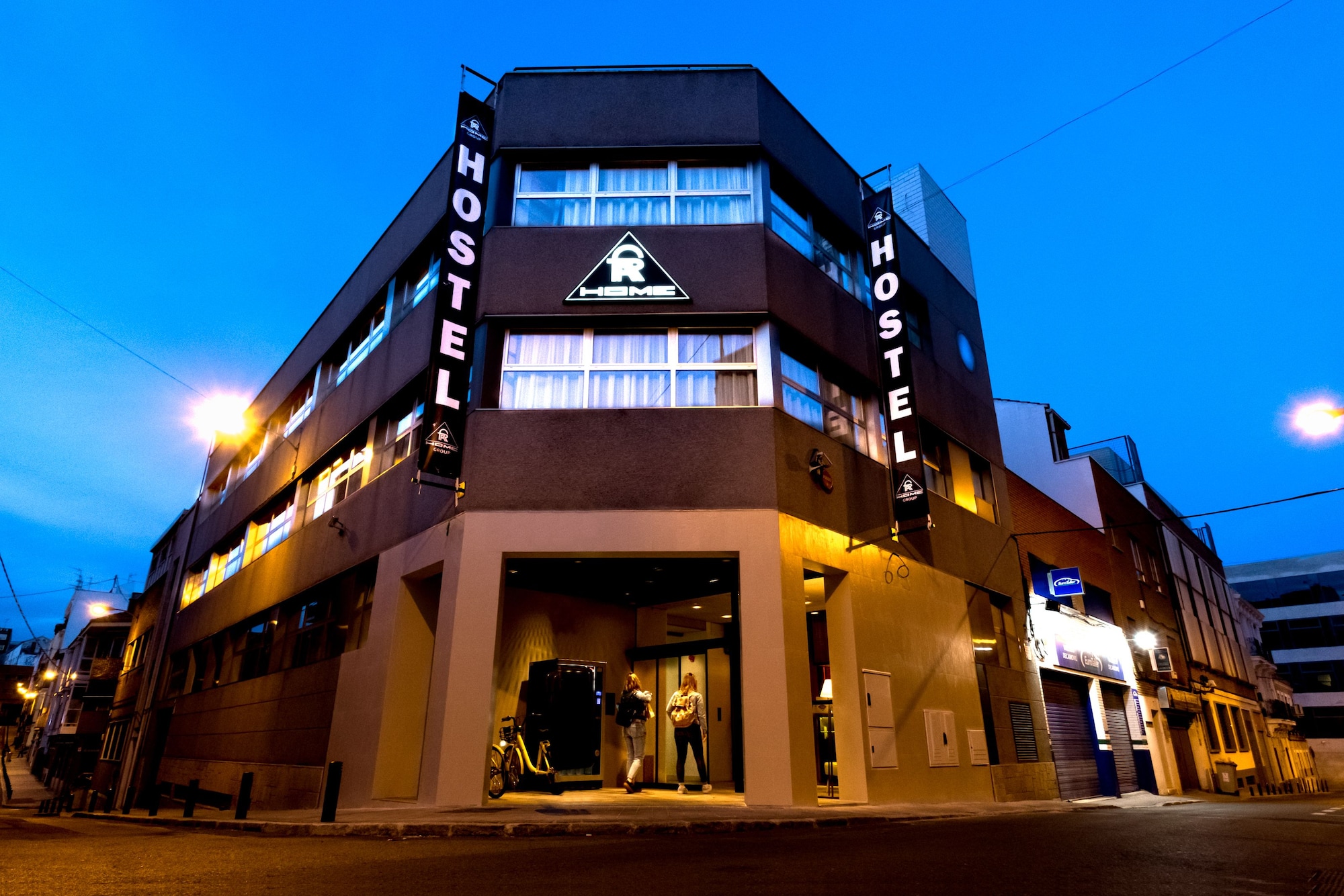
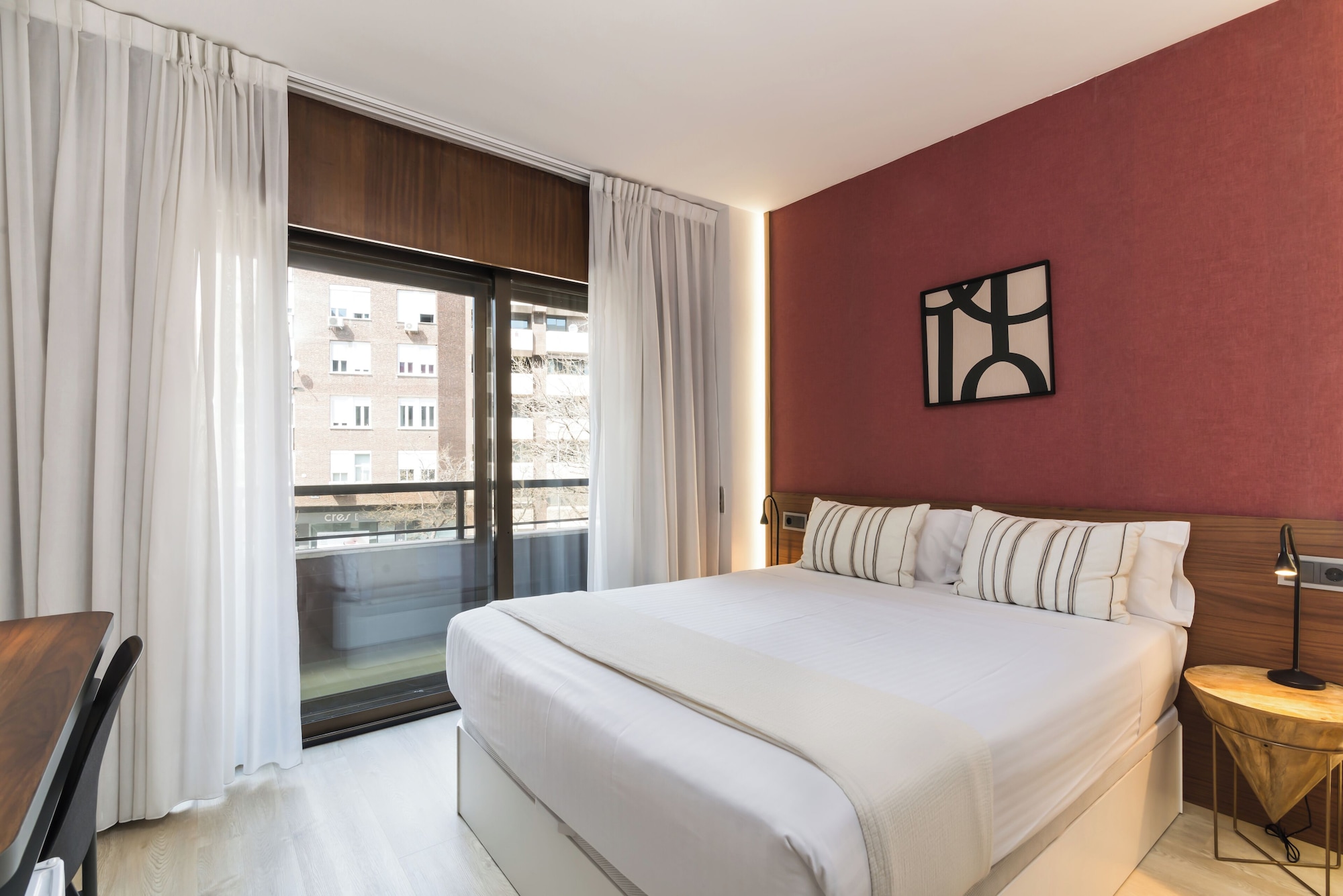
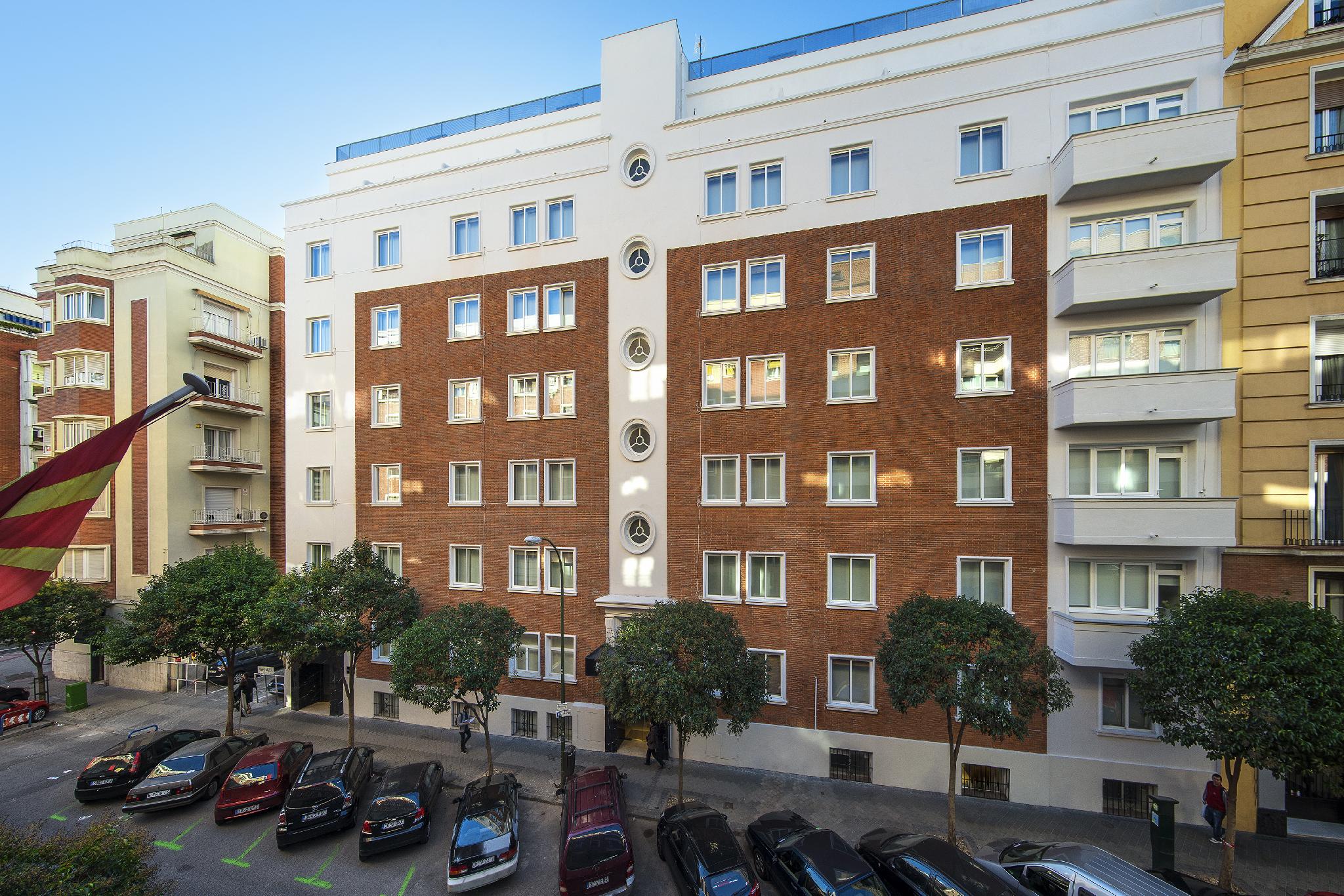
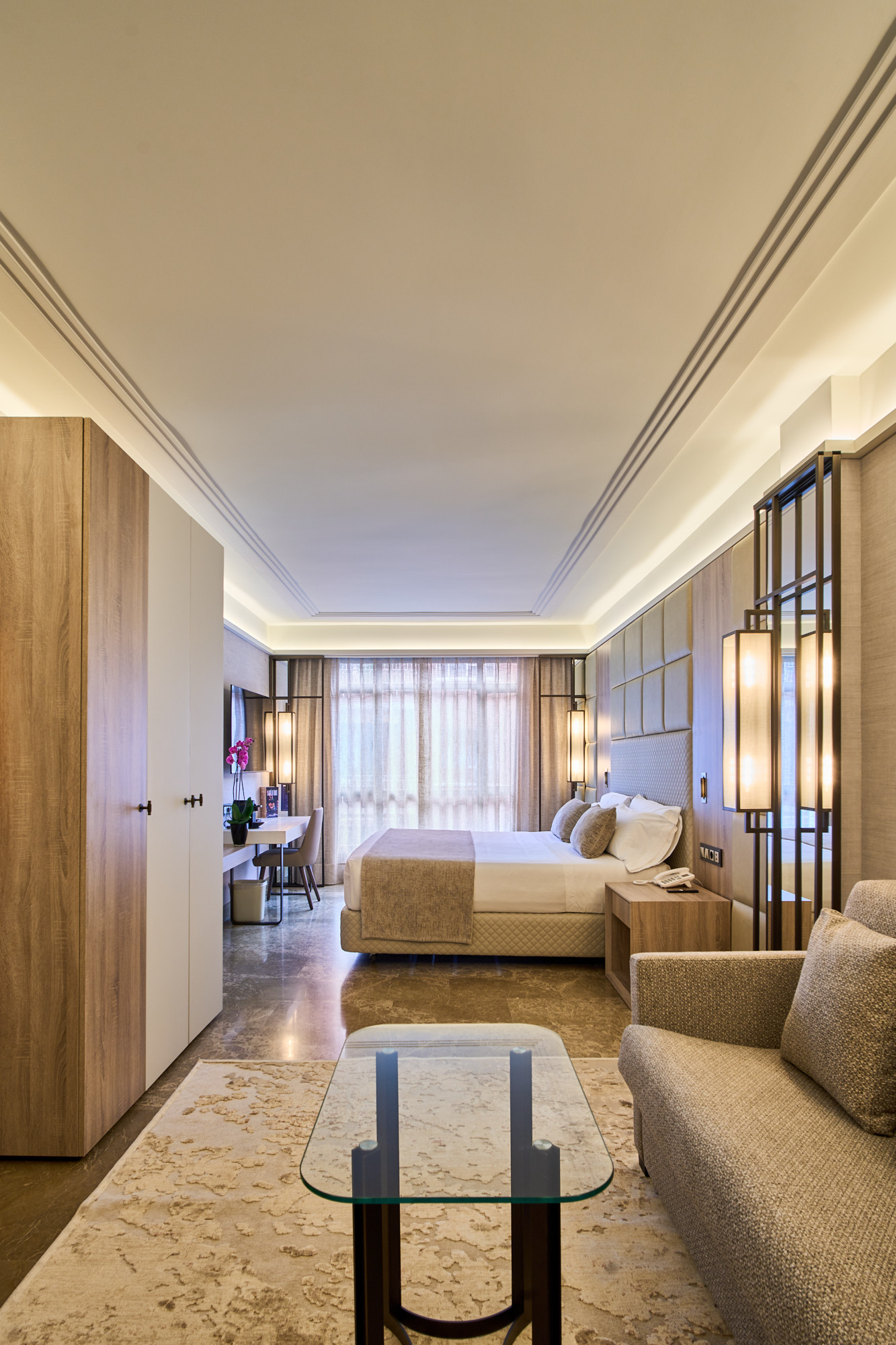
Salamanca
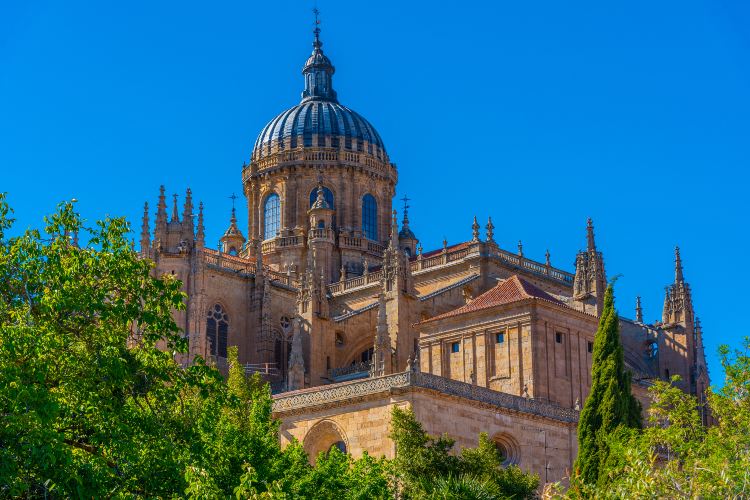
Salamanca is Madrid's most exclusive quarter, known for its stately mansions, designer boutiques, and fine dining establishments. The neighborhood exudes a refined atmosphere, with accommodations that are often luxurious and grand. Visitors can enjoy a leisurely stroll along the chic shopping boulevards of Serrano and Ortega y Gasset, or explore the niche museums and cultural attractions that dot the area. Salamanca is also home to several foreign embassies, adding to its cosmopolitan feel. While the district is quieter than the bustling city center, it remains well-connected by public transport, including the metro and buses.
Madrid Best Time to Visit
Best Time to Visit
The best time to visit Madrid is during the spring, specifically from March to May, when the city's parks are vibrant with blooming flowers and the weather is warm but not too hot, making it perfect for outdoor sightseeing. Additionally, the Fiestas de San Isidro in mid-May offer a rich cultural experience with traditional festivities.
Madrid Travel Tips
1. Carry Euros for Small Purchases
Use Visa, Mastercard, or mobile apps like Apple Pay at most Madrid shops and restaurants, but carry bills and coins for small cafés, markets, or occasional paid public toilets (1–2 euros). Exchange currency at banks for better rates than at airports. Some tapas bars offer cash discounts, so be sure to check before paying.
2. Use a 10-Ride Metro Card
Buy a 10-ride Tarjeta Multi at metro stations for cost-effective travel on Madrid’s metro and buses, shareable among travelers. Tap to board; no exit swipe needed. The airport metro (Line 8) requires a separate single ticket, not covered by the card.
3. Book Uber or Bolt for Taxis
Use Uber or Bolt for affordable and transparent taxi fares, especially when traveling to or from the airport. Both apps support the English language and card payments, which are often cheaper and more reliable than street taxis.
4. Walk Central Madrid
Madrid’s compact center makes walking ideal, with spots like Puerta del Sol and the Prado Museum just a 15-minute stroll away. Use Google Maps or a similar app for accurate routes, as locals, eager to help, may confidently share incorrect directions due to their enthusiasm. Wear comfortable shoes for cobblestone streets.
5. Stay Alert for Pickpockets
Guard your wallets and phones while on the metro and in crowded spots like Plaza Mayor to avoid pickpockets. Use a crossbody bag or secure pockets, and avoid flashing valuables. Madrid is safe for walking day or night, but stay cautious in narrow streets near Lavapiés after midnight.
6. Avoid Common Scams
In Puerta del Sol or Plaza Mayor, decline “free” roses, bracelets, or charity petitions, as vendors may demand payment after you accept them. Avoid fake guides offering tours. Check restaurant menus in touristy areas to prevent bill padding, where extra charges are added without notice.
7. Tip Sparingly for Service
Tipping isn’t required in Madrid; locals may leave 1–2 euros or round up the bill as a gesture of appreciation for good service. Check bills for included service fees to avoid double-tipping. If paying by card, ask waiters to add a small tip if you’re satisfied.
8. Ask About Bread or Appetizer Charges
Some restaurants charge 5–10 euros for bread or appetizers placed on your table; ask if they’re free and decline politely if not needed. Eat dinner late (9–11 PM) to align with Spanish hours.
9. Drink Tap Water
Madrid’s tap water (“agua del grifo”) is safe, high-quality, and sourced from nearby mountains, a point of local pride. Request it at restaurants to avoid the costs of bottled water. Carry a reusable bottle to refill at public fountains in parks like Retiro.
10. Plan Around Siesta Hours
Many small shops and museums close during siesta (2–5 PM), especially outside tourist areas. Plan visits to attractions like the Prado Museum in the morning or evening. Use siesta time for relaxed tapas lunches or exploring open sites.
11. Book Attractions and Football Matches Early
Reserve tickets for the Prado Museum, Royal Palace, or Real Madrid games weeks in advance via the official websites, especially in spring or fall, as tickets sell out quickly. Bring ID for ticket checks and arrive early to skip crowds.
12. Save Emergency Numbers
Call 112 for police, medical, or fire emergencies in Madrid. Save your hotel’s address. Ask police in tourist areas for directions if you get lost.
Madrid Useful Guide
Local Language
Spanish is the primary language, spoken with a Castilian accent in Madrid.
English is widely spoken in tourist areas, hotels, restaurants, shops, and transport hubs due to Madrid's international appeal. It's easy to navigate using English alone, with many signs and menus bilingual; however, in residential areas or when interacting with older locals, basic Spanish phrases and translation apps can be helpful.
Local APP
Citymapper: Comprehensive navigation for metro, buses, trains, and walking.
EMT Madrid: Official app for bus schedules, routes, and tickets.
Metro de Madrid: Real-time metro info, ticket purchases.
Cabify: Ride-shares, more popular than Uber in Madrid.
Renfe: Train schedules/bookings for day trips.
El Tenedor (The Fork): Restaurant reservations, deals.
Internet and Communication
eSIM: Providers such as Airalo, Saily, Ubigi, Holafly, or local providers like Vodafone, Orange, and Movistar offer prepaid plans for tourists. You can purchase plans online for instant activation or at kiosks in the MAD airport (Vodafone, Orange, Movistar in arrivals).
Physical SIM: Available at airport kiosks (Vodafone, Orange, Movistar), malls like Gran Vía, or stores such as El Corte Inglés; tourist packs are available for 7-30 days.
Pocket Wi-Fi: Rent from airport booths or online (HippocketWifi), ideal for groups sharing data.
Free Wi-Fi is available in hotels, cafés, public squares via WiFi Madrid (registration required), and transport hubs such as metro stations.
Pre-book an eSIM or pocket Wi-Fi online for convenient airport pickup.
Currency and Payment
Currency: Euro (EUR, €).
Credit/debit cards: Visa and Mastercard are widely accepted, including contactless payments. American Express is less common, especially in smaller establishments. It's advisable to notify your bank before traveling to avoid any blocks on your card, and expect foreign transaction fees ranging from 1% to 3%.
Cash: ATMs are widely available at airports, banks, and malls. To use them, you'll need a 4-digit PIN, and there may be fees of €2 to €5 for foreign cards. It’s advisable to withdraw euros and keep small denominations (€5, €10) for use on buses, at markets, and for tipping. For better exchange rates, consider exchanging currency at banks rather than at the airport.
Mobile payments: Apple Pay/Google Pay popular at stores, transport machines, and restaurants.
Weather in Madrid

13°
/
8°

10°
/
5°

12°
/
6°
10°
/
6°
13°
/
5°
13°
/
5°
13°
/
5°
 Trending in Madrid
Zootopia 2 is a viral hit! Discover the real-life destinations from the movieZootopia 2 is a viral hit! Discover the real-life destinations from the movie
Madrid's lesser-known Mint Museum@Mint MuseumMoney Heist Museum Madrid
A Taste of Madrid: All Your Cravings at Mercado de San Miguel@Mercado de San MiguelA Culinary Feast at San Miguel Market in Madrid
Madrid: FAQ

What's the most popular attractions in Madrid?
How to get to Madrid from Barcelona?
Popular destinations

Bangkok
Tokyo
Kuala Lumpur
Los Angeles
Shanghai