1. Declare Items at Australian Entry
Complete an eTravel declaration online at immi.homeaffairs.gov.au before arriving in Melbourne, declaring all medicines (with English prescriptions for Rx drugs), cash over AUD 10,000, and food. Australia bans the import of meat, dairy, and fresh produce to protect biosecurity; however, snacks or packaged foods can be declared for inspection to avoid fines or detention. Check online for the full list of restricted items.
2. Drive with a Valid License
To rent a car in Melbourne, bring your driver’s license and an International Driving Permit (IDP) or certified English translation (e.g., from your country’s auto association) if your license isn’t in English. Drive on the left side of the road and obey the speed limits. Book rentals for day trips, but use public transport in the city to avoid parking hassles.
3. Use a Myki Card for Public Transport
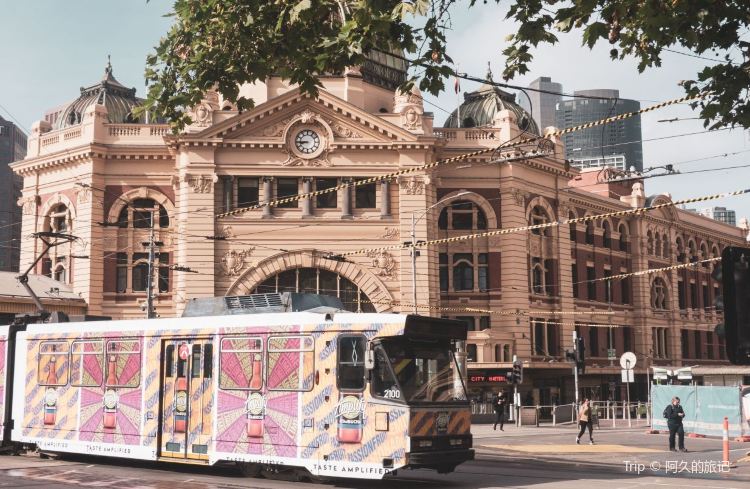
Buy a Myki card online, at train stations, convenience stores, or Tullamarine Airport for Melbourne’s trams, trains, and buses. Top up with cash or a card at Myki machines. Tap on for paid tram zones (Zones 1 and 2); no card is required in the Free Tram Zone (CBD, marked stops). Cash or credit isn’t accepted, so keep your Myki topped up.
4. Get to Melbourne from the Airport on a Budget
From Tullamarine Airport, take the SkyBus (one-way or return available; every 15 minutes) to Southern Cross Station, bookable at skybus.com.au. Another budget option is to buy a Myki card at airport terminals 2–4, add credit, and catch the 901 bus from Terminal 4 to Broadmeadows Station, then transfer to a city-bound train. Taxis to the city center cost around AUD 75, depending on location.
5. Follow Transport Etiquette
On Melbourne’s trams, step off to let passengers exit during crowded rides, then reboard. Hail buses by waving to stop them, and tap your Myki at train platform validators before boarding. Stand to the left on escalators, leaving the right side for walkers, especially at busy stations like Parliament, where the escalators are steep and long.
6. Follow Pedestrian and Public Etiquette
Press buttons at Melbourne crosswalks to trigger green pedestrian signals; wait for the green man to cross, as jaywalking risks fines. Keep to the left on sidewalks to match the local flow. In public spaces like Federation Square, keep voices low and avoid blocking paths, respecting the city’s relaxed yet orderly vibe, especially during events or peak hours.
7. Understand Melbourne’s No-Tipping Culture
Tipping isn’t expected in Melbourne’s restaurants, cafes, or taxis, as wages cover service. Tip only for exceptional service (5–10%), at your discretion. Expect a 1.5% card surcharge or a 10–15% surcharge on weekends and holidays at eateries, as listed on menus.
8. Follow Alcohol Purchase and Drinking Rules
Show a passport or ID (19+ age) when buying alcohol at Melbourne’s bars, bottle shops, or restaurants. Public drinking is prohibited in parks, on beaches, or streets, with strict fines. Drink only at licensed venues or bring your own (BYO) restaurants (check for “BYO” signs and bring wine or beer).
9. Stay Safe in Melbourne
Melbourne’s CBD is generally safe, but avoid walking alone late at night in areas like Flinders Street Station or King Street. Keep bags zipped and phones secure in busy spots like Bourke Street Mall. Ignore strangers offering unsolicited help to avoid scams.
10. Book Popular Attractions in Advance
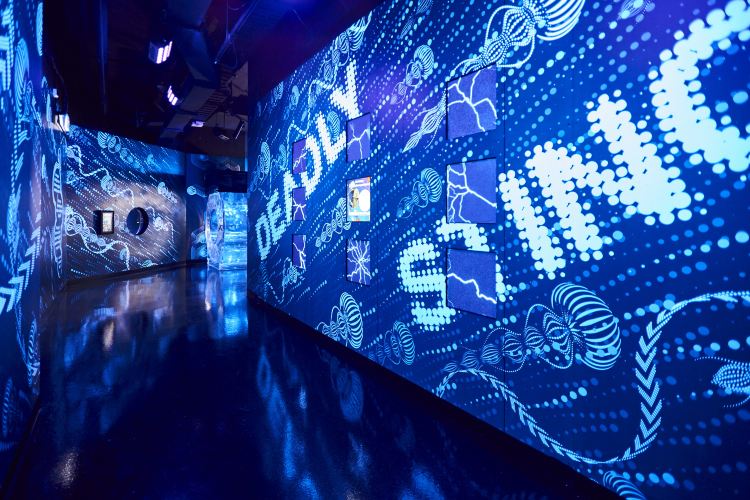
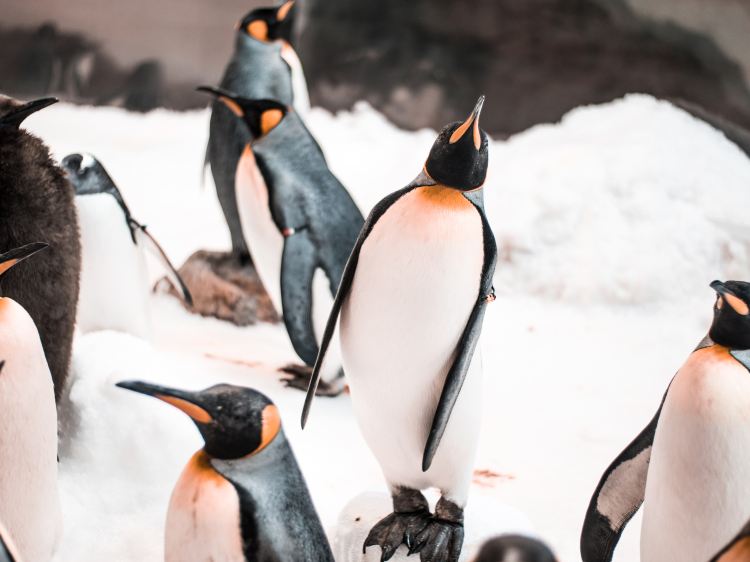
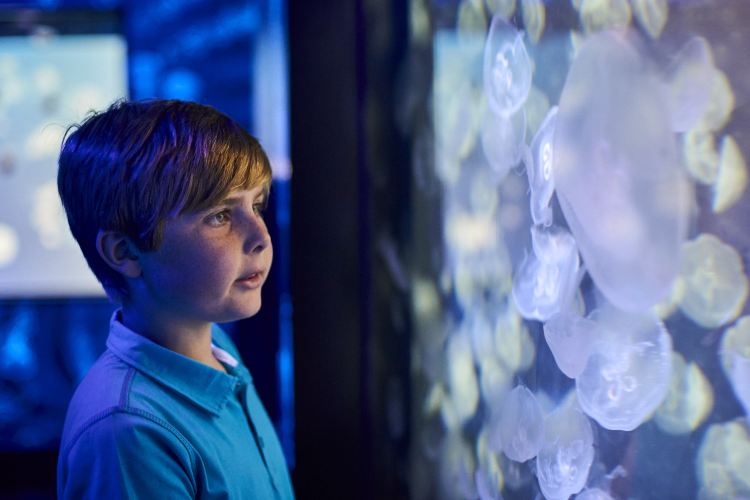
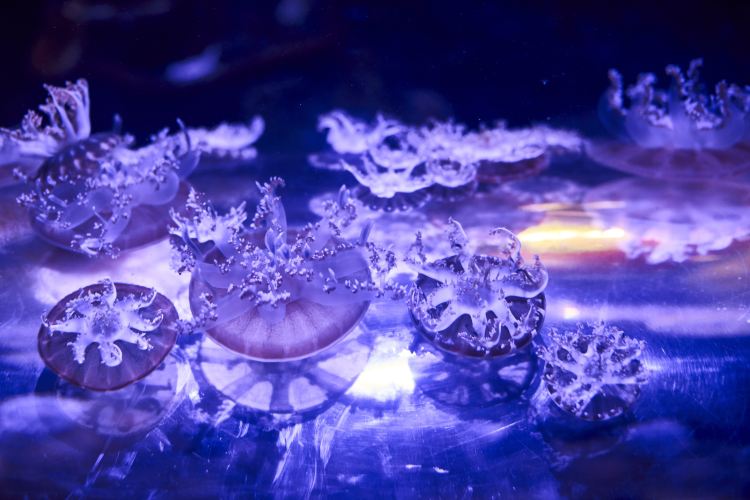
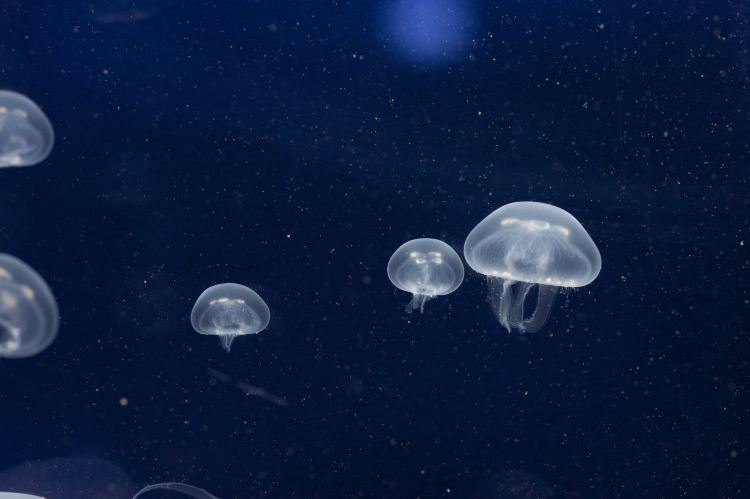
Reserve tickets for Puffing Billy Steam Train, SEA LIFE Melbourne Aquarium, or Phillip Island’s Penguin Parade at least a week ahead via official sites or Trip to skip peak-season queues. Book early for timed entries, especially for families, and arrive at least 15 minutes before your scheduled time to ensure a smoother visit.
11. Order Coffee Like a Local
Melbourne’s coffee culture, rooted in 1950s Italian migration, shuns chains for indie cafes. Order a “magic” (double ristretto with steamed milk - a unique Melbourne invention) at CBD spots like Degraves Street for a local experience; it’s an off-menu favorite.
12. Stay Calm About Wildlife Myths
Melbourne’s urban areas pose no threat from Australia’s infamous wildlife, like snakes or spiders, despite tourist fears. Encounters are rare in the CBD or St Kilda; focus on sunscreen (SPF 50+) for UV protection instead.
13. Plan Around Shopping Hours
Melbourne’s boutiques and malls, such as Melbourne Central, close early (5 PM) on Mondays, Tuesdays, and Wednesdays, and often on Sundays. Shop late on Thursdays or Fridays (until 9 PM) for extended hours, or visit Saturday mornings for markets like Queen Victoria. Check store hours ahead to plan visits, especially in South Yarra or Chadstone.
14. Prepare for Melbourne’s Unpredictable Weather
Melbourne’s weather, dubbed “four seasons in a day,” shifts rapidly—think sunny 68°F (20°C) mornings turning rainy and windy by noon, or summer heatwaves hitting 104°F (40°C) then cooling to 57°F (14°C). Winter brings chilly days with temperatures as low as 41°F (5°C), accompanied by occasional warm surprises of up to 75°F (24°C). Pack layers (t-shirts, sweaters, waterproof jacket), a compact umbrella, and sturdy walking shoes for CBD’s cobblestone laneways.
15. Save Emergency Contacts
Save Australia’s emergency number, 000, for police, ambulance, or fire, and 131 444 for non-urgent police help. Keep your hotel’s address handy for quick assistance.

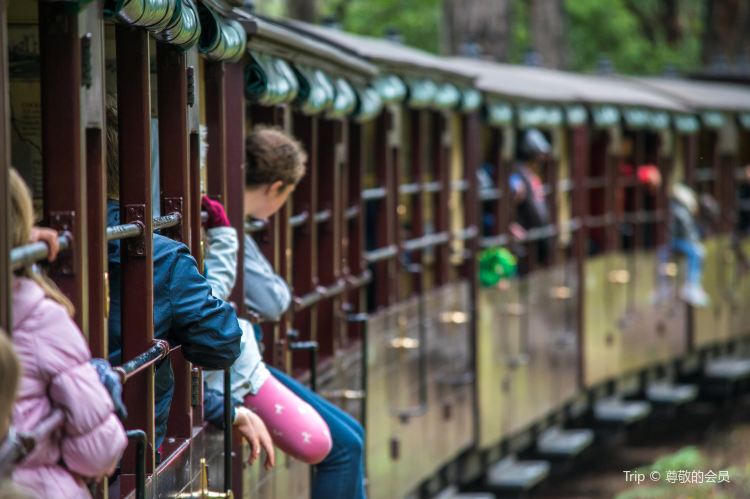
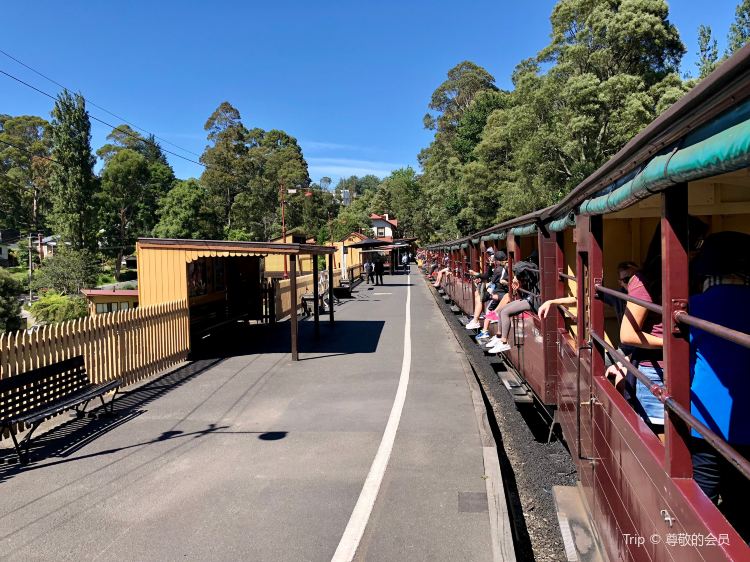
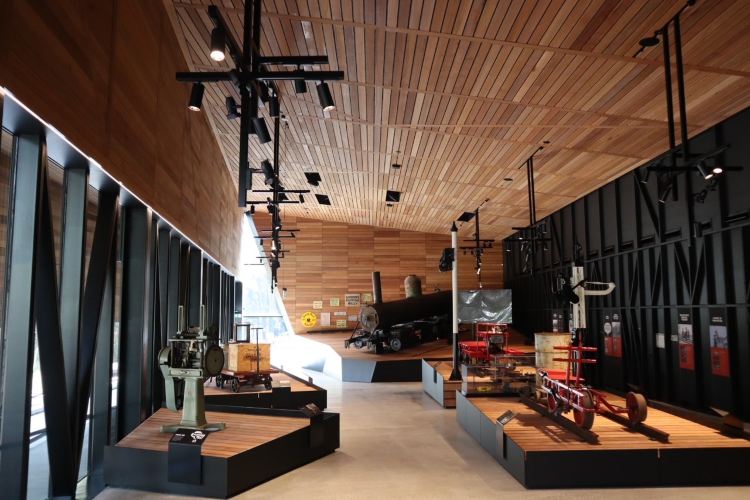
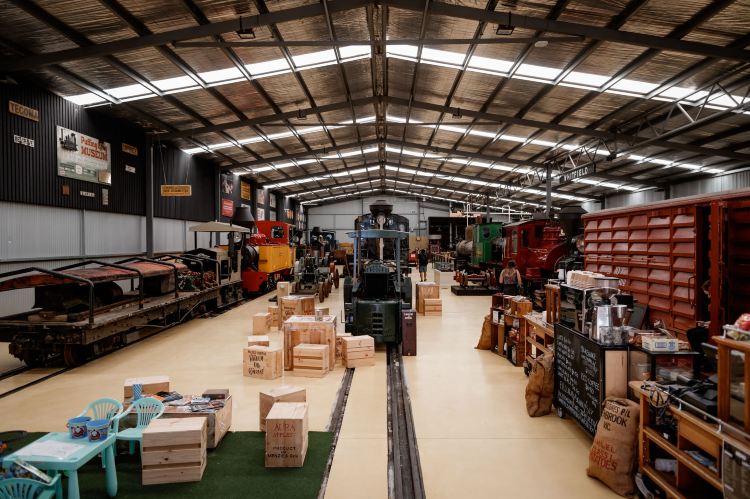

 iQOO🐮The Puffing Billy steam train is really great! Sitting in the retro carriage, listening to the whistle, passing through dense forests and valleys. The scenery along the way is picturesque, and you can stick your feet out of the window and wave and interact with the enthusiastic residents. It feels like being in a fairy tale world. This unique journey makes people forget their troubles and is extremely comfortable.