Metro Manila 2025 Guide: Must-see attractions, local cuisine, and practical tips! | Trip.com
 Local GuidesLast updated on Trip.com: 16/10/2025
Metro Manila Brief Guide
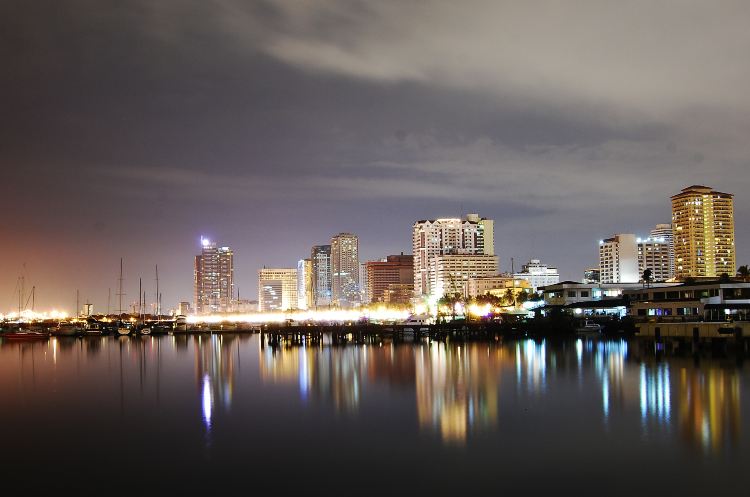
Manila, the bustling capital city of the Philippines, beautifully combines colonial history in Intramuros with modern malls and vibrant street food scenes. Explore nearby islands for exciting island-hopping adventures or enjoy traditional adobo at local eateries. This guide will help you navigate the city’s cultural sites and discover hidden gems.
Metro Manila Must-try local experiences
Discover the Walled City of Intramuros
Explore the historic heart of Manila within the walls of Intramuros. Visit Fort Santiago, San Agustin Church, and Casa Manila. Consider a bamboo bike tour or a kalesa ride for a unique experience.
Find Peace at Rizal Park
Escape the city buzz at Rizal Park, a green oasis in Manila. Stroll through gardens, visit the Rizal Monument, and enjoy a picnic surrounded by locals and tourists.
Shop and Dine at Bonifacio Global City
Bonifacio Global City (BGC) is a modern district known for upscale shopping, dining, and entertainment. Visit the Mind Museum, shop at high-end stores, and enjoy a variety of cuisines.
Experience Manila Bay Sunset
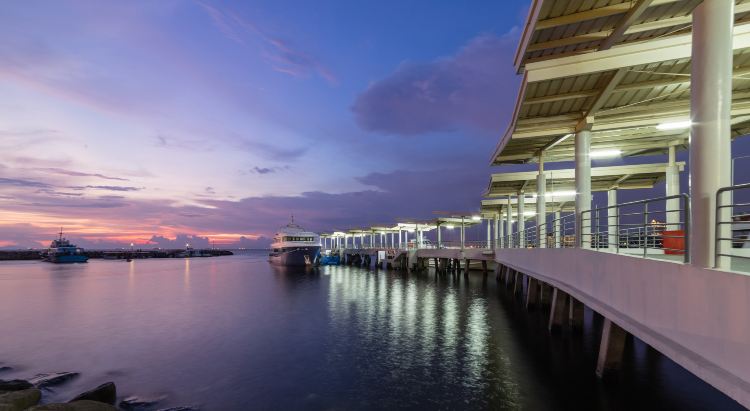
Manila Bay is famous for its stunning sunsets. Head to the Baywalk area or take a sunset cruise to witness the breathtaking view as the sun sets over the water.
Attend a Cultural Show at the Cultural Center of the Philippines
The Cultural Center of the Philippines hosts various cultural performances, including traditional Filipino dances, music, and theater, offering a deep dive into local arts.
Explore Quiapo Church and Market
Visit Quiapo Church, home to the Black Nazarene, and explore the bustling market around it. Experience vibrant local culture, religious practices, and traditional crafts.
Visit the Bahay Tsinoy, Museum of Chinese in Philippine Life
The Bahay Tsinoy, Museum of Chinese in Philippine Life showcases the history and contributions of the Chinese-Filipino community, highlighting the blending of Chinese and Filipino traditions.
Savor the Flavors of Filipino Cuisine
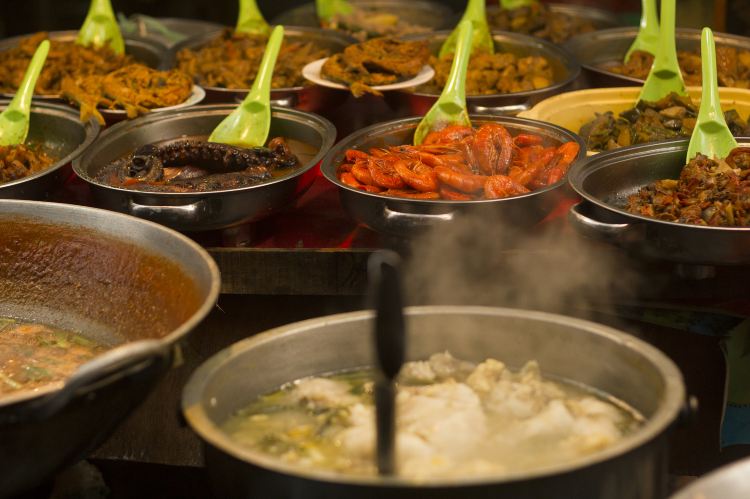
Embark on a culinary adventure through Filipino cuisine. Try classic dishes like adobo, sinigang, and lechon, and sample street food like isaw and taho. And Halo-Halo is a popular Filipino dessert made with crushed ice, sweetened fruits, jellies, and topped with leche flan and ube.
Shop for Treasures at Greenhills Shopping Center
Experience the unique shopping scene at Greenhills Shopping Center, offering a mix of high-end boutiques, bargain finds, and local crafts. Be sure to haggle for the best prices.
Discover Local Crafts at Divisoria Market
Dive into the bustling atmosphere of Divisoria Market, a shopper's paradise. Find everything from clothing and accessories to homeware and souvenirs at bargain prices.
Find the Perfect Photo Spot
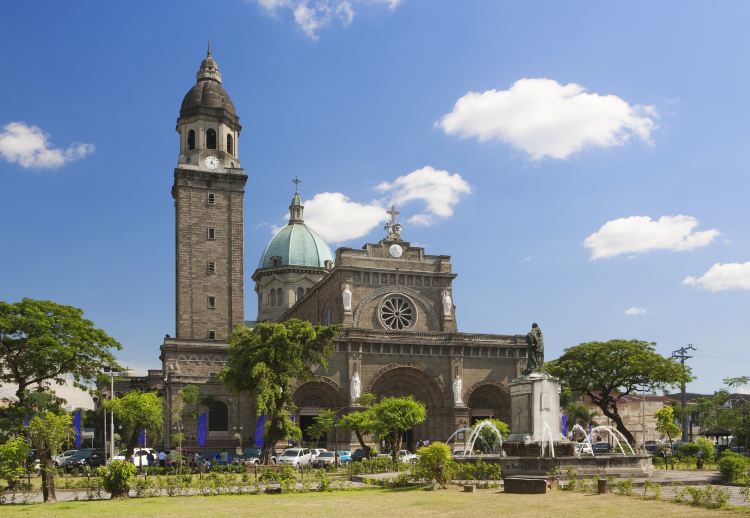
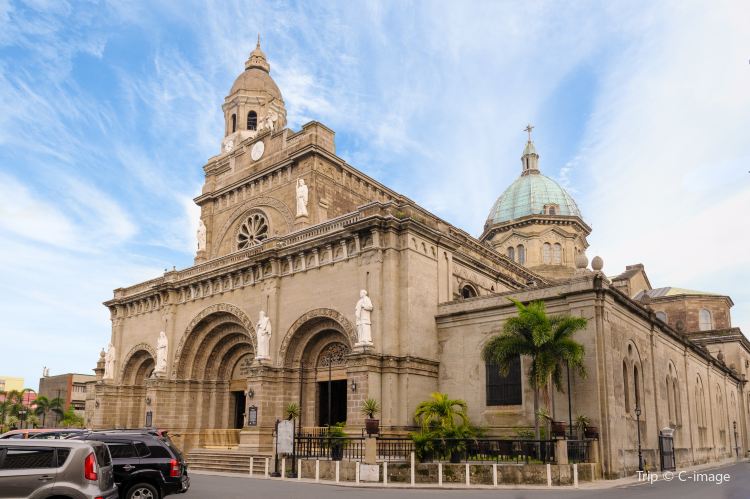
Capture stunning photos of the historical Fort Santiago. The fort's architecture and views of the Pasig River offer a unique backdrop for your travel memories. Manila Cathedral, located in Intramuros, is an architectural gem. Its grand facade and intricate interiors make it a perfect spot for photography enthusiasts.
Photograph the Colorful Streets of Binondo
Binondo, Manila's Chinatown, is vibrant and full of life. Capture the bustling streets, colorful shops, and delicious food stalls for a memorable photo experience.
Experience the Thrill of Jeepney Ride
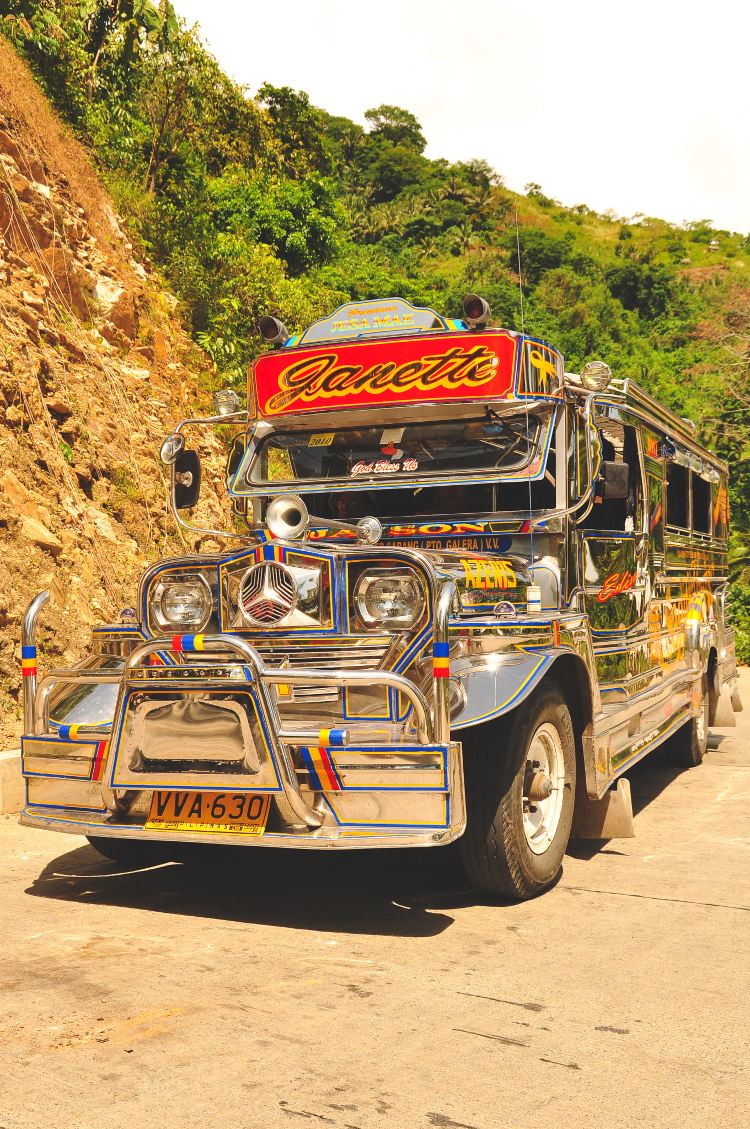
Hop on a jeepney, the iconic Filipino public transportation, for an authentic local experience. These colorful and often crowded vehicles offer a unique way to navigate the city streets.
Relax at Manila Ocean Park
Manila Ocean Park is an oceanarium and marine-themed park offering various attractions, including a walk-through tunnel, sea lion shows, and a jellyfish exhibit. It's a fun and educational experience for all ages.
Visit the Ayala Museum
The Ayala Museum in Makati offers a rich collection of Filipino art, history, and culture. Explore its dioramas, gold collection, and contemporary art exhibits for a deeper understanding of the Philippines.
Metro Manila Best cities to visit
Manila
Manila blends Eastern and Western cultures, featuring both modern high-rise buildings and historic structures filled with charm. Visitors can explore famous historical sites such as Manila Cathedral and Fort Santiago.
Quezon City
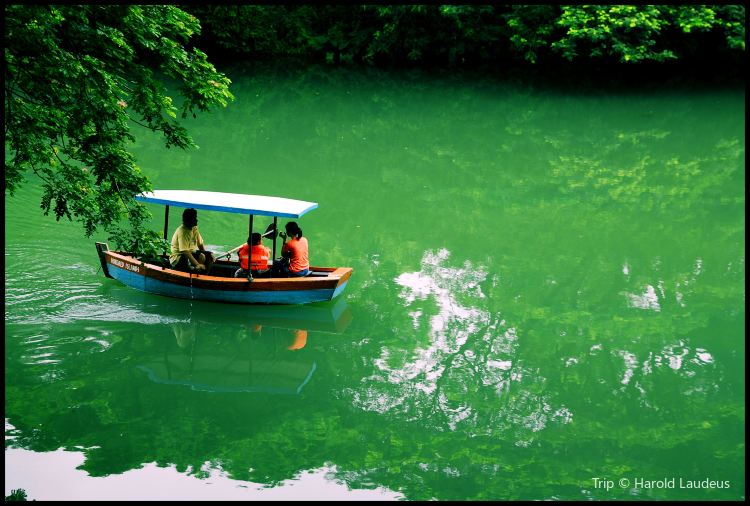
Quezon City, the largest and most populous city in Metro Manila, Philippines, was once the capital of the country for 28 years and boasts a rich history and vibrant culture. Known for its historical landmarks like the EDSA People Power Monument and thriving university scene including the University of the Philippines, the city blends educational prestige with cultural heritage. Quezon City also offers a multitude of attractions including lush eco-parks like La Mesa Ecopark, and diverse culinary hotspots such as Maginhawa Street, making it a desirable location for tourists seeking a mix of shopping, dining, and relaxation. With efficient public transportation and various accommodation options, the city is accessible and welcoming to visitors.
Makati
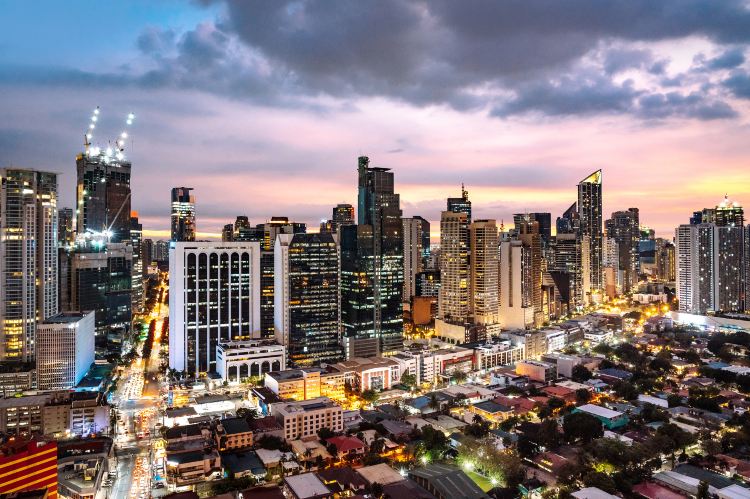
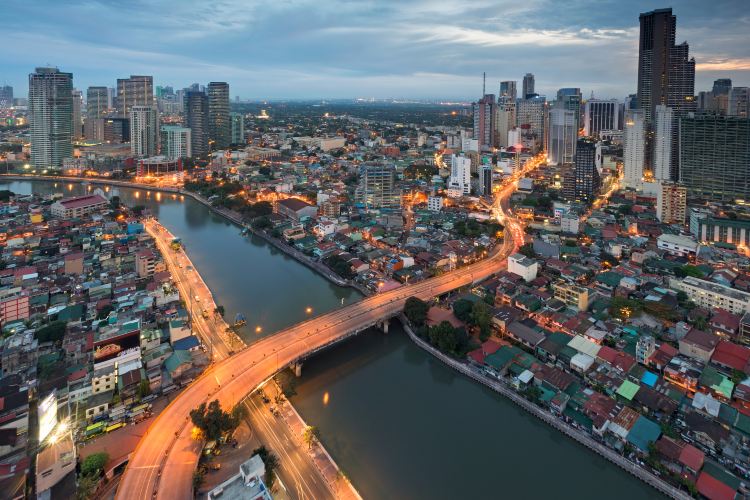
Makati City, known as the financial, commercial, and economic hub of the Philippines, is home to upscale shopping malls, luxury hotels, and multinational corporations. This vibrant city offers a rich history with roots dating back to the 17th century and played a pivotal role during the Spanish colonial period. Known for its high-end shopping and diverse dining options, Makati's attractions include the Ayala Center, Greenbelt, and numerous museums and parks. Visitors can enjoy a variety of entertainment options, from bustling nightlife in bars and cafes to cultural exhibits in its museums.
Pasay
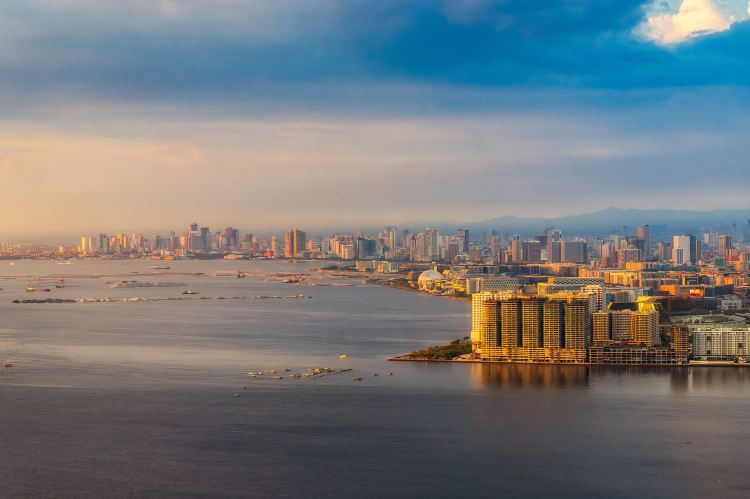
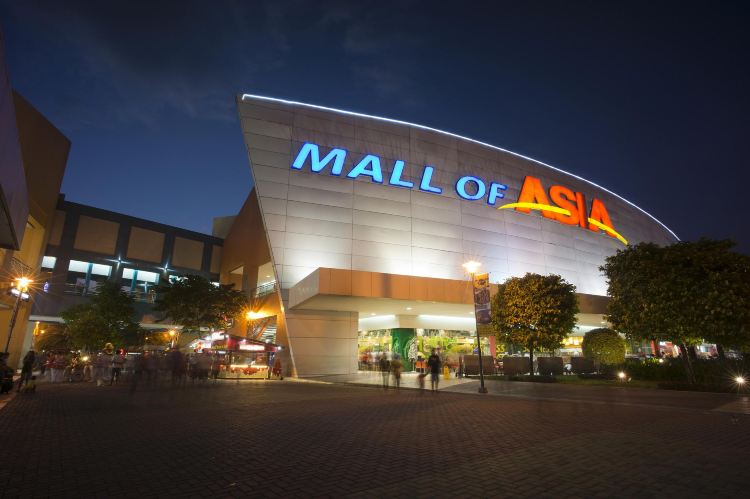
Pasay is a vibrant city in Metro Manila, Philippines, known for its dynamic mix of attractions, shopping, and nightlife. Hosting Ninoy Aquino International Airport, the city is considered a travel hub, easily accessible and well-connected. Highlights include the SM Mall of Asia, the Cultural Center of the Philippines, and numerous shopping and dining options, making it a favored spot for both tourists and locals. Pasay's lively culture is further enriched by its diverse culinary scene, offering a blend of local and international flavors.
Metro Manila Transportation
How to Get There

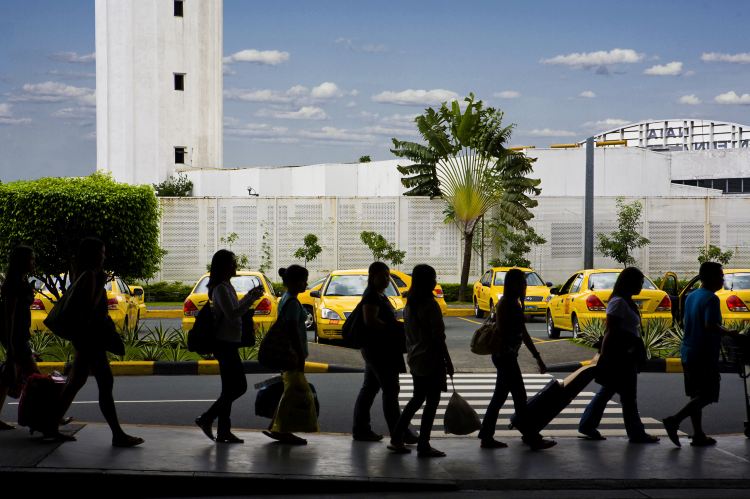
By air
Ninoy Aquino International Airport (MNL): Located between the cities of Pasay and Parañaque, NAIA is the Philippines' primary international gateway and the only airport serving Metro Manila.
NAIA has four terminals, though Terminal 4 is currently closed for rehabilitation. Note that covered walkways do not connect the terminals, so you will need to take a taxi, Grab, or shuttle bus to transfer between them. This can take up to several hours, depending on traffic.
By bus
Various bus terminals across Metro Manila, such as the Parañaque Integrated Terminal Exchange (PITX), serve provincial routes connecting the capital with nearby and distant provinces.
By sea
Ferries and other sea transport services connect Manila with other islands in the Philippines. This is a slower but often cheaper option.
Local Transportation
Getting around Metro Manila can be a challenge due to heavy traffic, but a variety of public and private options are available.
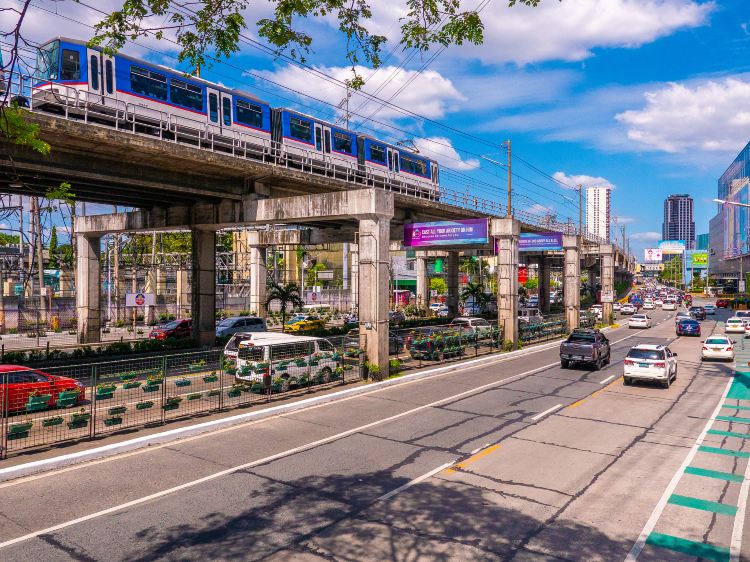
MRT and LRT: Metro Manila has two primary rail systems: the Metro Rail Transit (MRT) Line 3 and the Light Rail Transit (LRT) Lines 1 and 2. These are the fastest ways to travel during rush hour, but they can get extremely crowded. Fares are low, and routes cover key areas like EDSA, Manila, and Quezon City.
Grab: This is the most convenient and reliable option for tourists. It functions similarly to Uber, offering cars and taxi services with upfront pricing, driver details, and GPS tracking.
Angkas and Joyride: For solo travelers or those in a hurry, these motorcycle ride-hailing apps offer a quick way to navigate congested streets. They are not recommended during peak traffic or for those with significant luggage.
Jeepneys: These iconic, colorfully decorated vehicles are a cultural symbol and a cheap way to get around. Each jeepney follows a specific, fixed route, which is indicated on its signage. Payment is made by passing the fare to the driver or conductor.
Buses: Buses cover a wide network of routes across Metro Manila. Some are air-conditioned, while others are not. Fares are collected by a conductor, who will issue a ticket.
Tricycles: These are motorcycle-towed sidecars used for short-distance trips, particularly within suburban areas and residential neighborhoods where larger vehicles cannot pass. Fares should be negotiated before the ride.
Metro Manila Best Time to Visit
Best Time to Visit
The best time to visit Metro Manila is during the dry season from January to April. This period offers the most conducive weather for exploring and enjoying outdoor activities due to the lower likelihood of rain and generally pleasant temperatures. Additionally, during these months, there are various festivals such as Ati-Atihan, Dinagyang, and the Feast of the Black Nazarene, enhancing the cultural experience for visitors.
Metro Manila Travel Tips
1. Check Visa and Entry Rules
Most visitors from over 150 countries are eligible for a 30-day visa-free stay, provided their passport has at least six months' validity and one blank page. Download the eTravel app for free health registration 72 hours before arrival—no tests or quarantines needed.
2. Allow Extra Time for Airport (NAIA) Transfers
NAIA's four terminals are spread out without a satellite hall—budget 20-60 minutes between them via shuttle or taxi, plus traffic. Arrive 3 hours early for internationals.
3. Protect Against Dengue Mosquitoes
Dengue risks are year-round, with outbreaks every 2-5 years. Always use DEET repellent (30%+), wear long sleeves at dusk, and stay in screened rooms; no vaccine for travelers yet.
4. Drink Only Bottled Water
Tap water isn't safe due to microbes—stick to sealed bottles from stores like 7-Eleven, not street vendors. Avoid ice in drinks unless from trusted spots; boil or filter if needed.
5. Book a Grab Ride for Safety
Traffic can be bad, so use the Grab app for metered rides—cheaper and safer than yellow taxis, which may rig meters. Share your trip details and pay cashless to avoid haggling.
6. Watch for Pickpockets in Crowds
To avoid petty theft in MRTs or Divisoria, use zip bags, skip jewelry, and store passports in hotel safes. Avoid "helpful" strangers offering tours that end in fees.
7. Eat Street Food from Busy Stalls
Sample isaw or taho from high-turnover vendors for freshness—start small to test your stomach. Peel fruits; malls like SM have safer options.
8. Follow Smoking and Vaping Rules
No smoking in public, including streets and malls—vaping's banned too. Use designated areas only. Possession of any drugs means life in prison - police raids are common.
9. Bargain Politely at Markets
Haggle 30-50% off at Divisoria or Greenhills—smile, start low, and walk away if needed; no bargaining in fixed-price malls. Small bills help with change.
Metro Manila Useful Guide
Safety notice
When traveling in Metro Manila, understanding and adhering to traffic rules and regulations is crucial to ensure safety on the roads. Be aware of natural disaster risks such as earthquakes and typhoons, and ensure preparedness by having an emergency kit and a family emergency plan in place.
Always have important emergency contact numbers saved, such as the National Disaster Risk Reduction and Management Council (NDRRMC) at (02)8911-1406, the Philippine National Police (PNP) at 117 for immediate assistance in any crisis, and the Emergency 911 National Office at 911 in case of emergency.
Local Language
The official languages of the Philippines are Filipino (a standardized form of Tagalog) and English. Navigating Metro Manila using only English is surprisingly easy for tourists, as a high percentage of the population has some degree of fluency.
Local APP
Grab: A widely used ride-hailing service in the Philippines, known for its efficiency and availability of various vehicle options, including motorcycles and cars.
Sakay.ph: For navigating Metro Manila's complex public transport, this app is invaluable. It provides detailed transit directions for jeepneys, buses, and trains, helping you figure out the most efficient routes and transfers.
Angkas: Specializes in motorcycle taxi services, providing a fast option for maneuvering through traffic, especially during peak hours.
JoyRide: Noted for its ride-hailing services and commitment to customer satisfaction.
Waze: An excellent alternative to Google Maps, Waze provides real-time traffic updates and navigation assistance.
WhatsApp: This messaging app is commonly used in the Philippines. You may need it to communicate with tour guides, accommodation hosts, or service providers.
GCash: The most popular mobile wallet in the Philippines, widely used for online and offline payments. Many tourists top up their GCash at convenience stores or from their home bank for a cash-free experience.
Plug adapters
In the Philippines, power outlets use Type A, B, and C plugs, and the standard voltage is 220 V with a frequency of 60 Hz.
Internet and Communication
Prepaid SIM cards
Purchasing a local prepaid SIM card is the most common way for tourists to get affordable and reliable internet access.
The three major players in the Philippines' mobile market are Smart, Globe, and DITO. Smart is generally recommended for its more exhaustive coverage, while Globe is also a reliable alternative. DITO is a newer player offering cheaper prices, but its coverage is more limited, making it better suited for use within urban centers like Metro Manila rather than for island-hopping.
eSIM
eSIMs offer a convenient, all-digital alternative to physical SIM cards, allowing you to get connected as soon as you land. Both Smart and Globe offer eSIM plans for tourists. There are also international eSIM providers like Airalo, Nomad, and Holafly that have plans for the Philippines.
Free Wi-Fi
Free public Wi-Fi is available in many parts of Metro Manila, but it should not be your sole communication option.
International roaming
Using your home mobile provider's international roaming plan is an option, but it is typically the most expensive method.
 Trending in Metro Manila
A fantastic journey to Fort Santiago in the Philippines@Fort SantiagoA fantastic journey to Fort Santiago in the Philippines
National Museum of the Philippines: Where History Meets Art@National Museum of Fine ArtsExploring the Cultural Heritage of the National Museum of Fine Arts
Explore the Colorful World of the Cultural Center of the Philippines@Cultural Center of the PhilippinesThe Cultural Center of the Philippines offers a rich cultural experience
Popular destinations
Bangkok
Tokyo
Kuala Lumpur
Los Angeles
Shanghai