Milan 2025 Guide: Must-see attractions, local cuisine, and practical tips! | Trip.com
 Local GuidesLast updated on Trip.com: 25/08/2025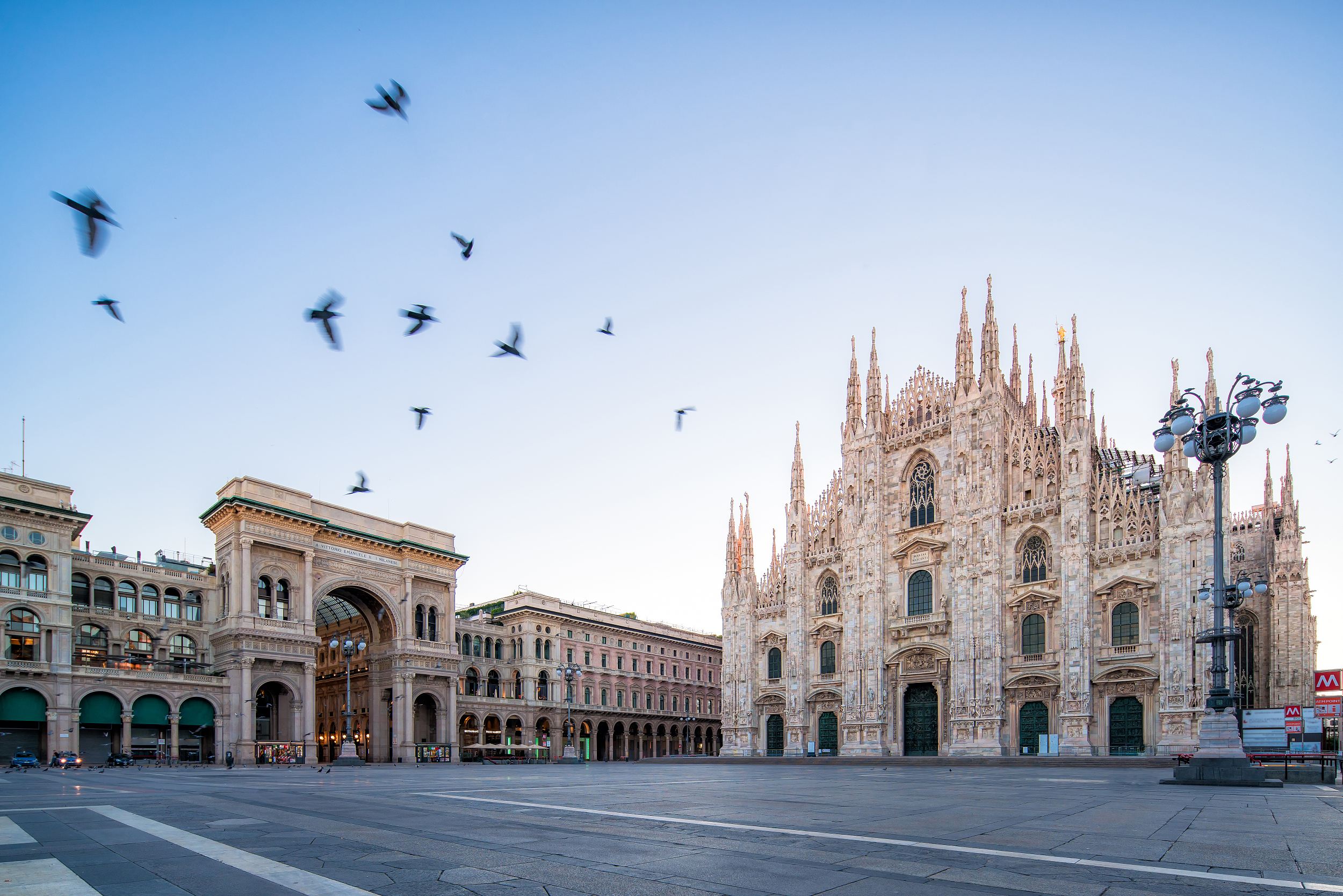
Milan Brief Guide
Milan, Italy’s fashion and financial capital, is a dynamic metropolis blending Gothic masterpieces like the Duomo cathedral and La Scala opera house with modern design districts and exciting nightlife. It’s renowned for its art galleries, high-end shopping along Via Montenapoleone, and vibrant culinary scene. Plan your perfect Milan adventure with our guide.
Milan Must-try local experiences
Wander Through Milan's Historic Core
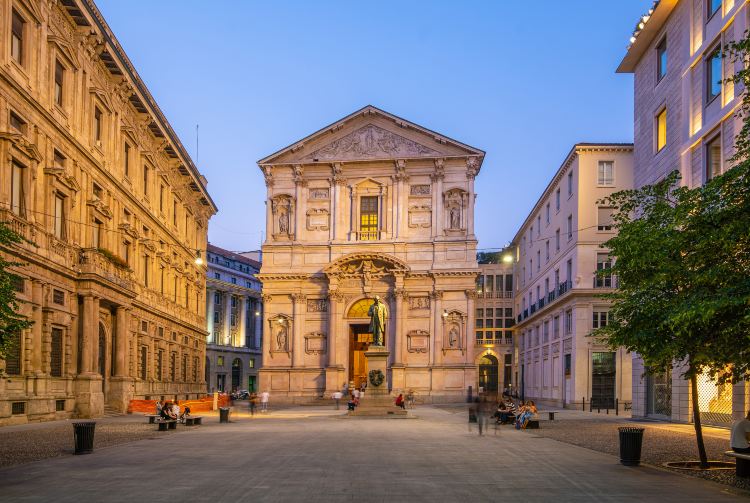
Stroll Milan's city center, where the Duomo's Gothic spires tower over bustling piazzas. Explore Sforza Castle's medieval courtyards, home to da Vinci’s manuscripts. Pass through Galleria Vittorio Emanuele II's ornate arches, admiring the mosaic floors. These ancient streets, lined with Renaissance facades, pulse with Milan's rich history, offering a vivid journey through its architectural legacy.
Marvel at Renaissance Art Gems
Gaze at da Vinci's The Last Supper in Santa Maria delle Grazie, a UNESCO masterpiece of raw emotion. In Brera's art district, admire Pinacoteca di Brera's Caravaggio and Raphael works, like The Marriage of the Virgin. Wander past galleries and antique shops, soaking in Milan's vibrant creative pulse, alive with Renaissance brilliance.
Discover La Scala's Opera Legacy
Step into Teatro alla Scala, Milan's iconic opera house built in 1778, for Verdi or Puccini's soaring arias. On a guided tour, admire its grand marble facade, red-velvet auditorium, and gilded chandeliers. Even without a performance, the theater's museum showcases Verdi's scores and costumes, revealing Italy's musical heritage.
Savor Milanese Culinary Delights
Relish Milan's iconic dishes: saffron-infused risotto alla milanese, tender ossobuco, and crispy cotoletta. Sample creamy gorgonzola or sweet panettone in Brera's trattorias. Sip espresso in historic cafes or treat yourself to tiramisu's rich layers. These Lombardy-rooted flavors, served in cozy settings, celebrate Milan's gastronomic heritage, delighting food lovers with every bite.
Explore Milan's Diverse Shopping Scene
As Italy's fashion capital, Milan dazzles with Quadrilatero d'Oro's luxury boutiques like Gucci and Prada. Browse Galleria Vittorio Emanuele II's elegant arcades for Versace. Discover trendy boutiques in Brera's cobbled lanes or affordable finds on Corso Buenos Aires. From high-end to eclectic, this vibrant shopping medley, paired with chic cafes, reflects Milan's sartorial soul.
Tour Milan on Vintage Trams
Ride Milan's historic Line 1 tram, its wooden seats and clanging bells evoking 1920s elegance. Wind past the Duomo, La Scala, and Brera's charming streets, glimpsing Milan's landmarks. Operating since 1876, these trams are a beloved symbol of the city's innovative past, offering a nostalgic, immersive way to explore its urban heritage.
Dive into Fashion Week's Buzz
Experience Milan Fashion Week in February or September, transforming the city into a global runway. Even without show tickets, enjoy street-style displays, pop-up exhibitions, and vibrant after-parties in Brera or Navigli. From open-air photo walls to designer showcases, this event immerses you in Milan's trendsetting energy, captivating style lovers.
Relax by Navigli's Scenic Canals
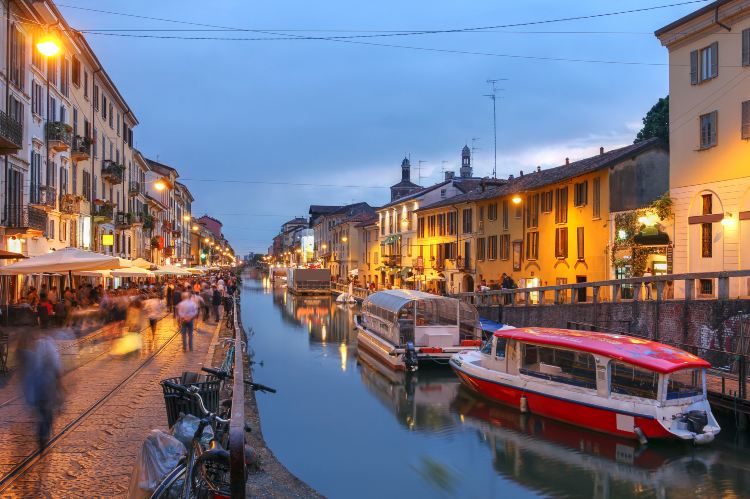
Stroll Navigli's historic canals, once Milan's trade lifelines, where lamplight glimmers on water at dusk. Sip wine at cozy bars, dine at riverside trattorias, or admire vibrant street art in this bohemian district. Blending 14th-century engineering with modern nightlife, Navigli offers a romantic, lively escape under starlit skies.
Watch Milan's Football Rivalry
Feel the electric atmosphere at Stadio San Siro, called Meazza by Inter Milan fans and San Siro by AC Milan supporters, reflecting its dual legacy. Cheer during the Derby della Madonnia as rival teams clash under floodlights. Tour the museum for trophies and history. This passionate spectacle ignites Milan's football fervor, thrilling sports fans.
Experience F1's Italian Grand Prix
Head to Monza, 20 minutes from Milan, for the Italian Grand Prix in September. Watch Formula 1 cars race past Ferrari's passionate fans at the historic autodrome, built in 1922. Join lively fan zones, explore pits, or cheer trackside amid festive vibes. This exhilarating event radiates speed and Italian pride, captivating motorsport enthusiasts.
Embrace the Aperitivo Tradition
Join Milan's aperitivo hour, from 6 to 9 PM, where bars serve cocktails like the negroni sbagliato, invented here at Bar Basso, with bountiful snacks. Mingle with locals in Navigli's lively haunts or Brera's chic lounges, savoring olives, focaccia, and cheeses. This vibrant social ritual, blending drinks and bites, defines Milan's stylish evenings, perfect for complete cultural immersion.
Unwind in Parco Sempione
Escape to Parco Sempione, Milan's lush park, strolling through blooming gardens and serene lakes. Admire the Arco della Pace's marble grandeur or relax under ancient oaks near Sforza Castle. This green oasis, a local favorite, blends nature and history, offering a tranquil retreat from Milan's urban buzz for all ages.
Milan Must-see Attractions
Milan is an Italian cultural and historical epicenter, boasting the magnificent Gothic Duomo, the bustling Piazza del Duomo, the opulent Galleria Vittorio Emanuele II, the artistic treasure of Santa Maria delle Grazie with The Last Supper, and the storied Sforza Castle, all of which encapsulate the city's rich heritage and artistic grandeur.
Milan Cathedral
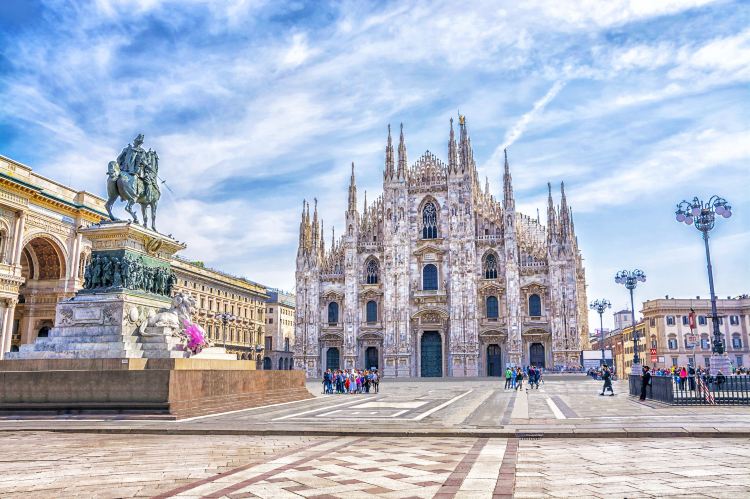
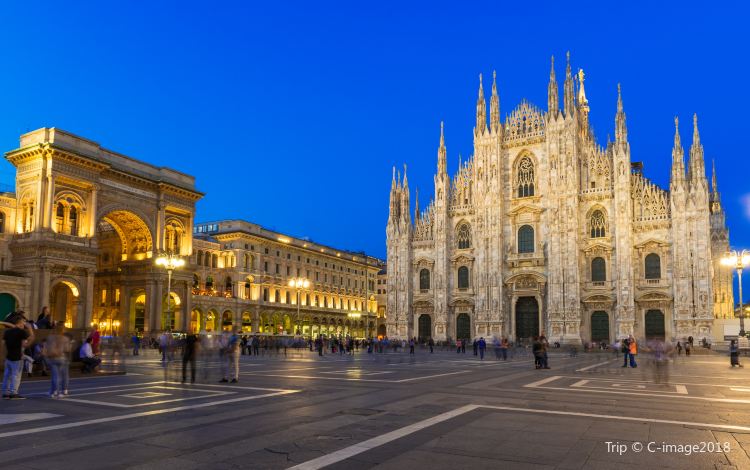
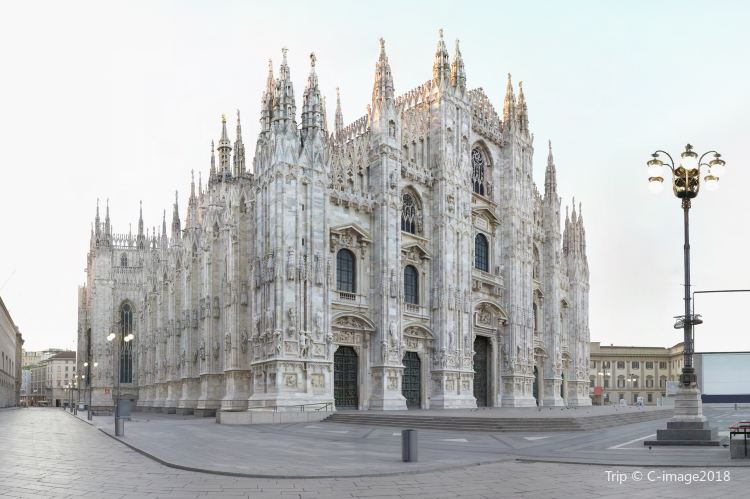
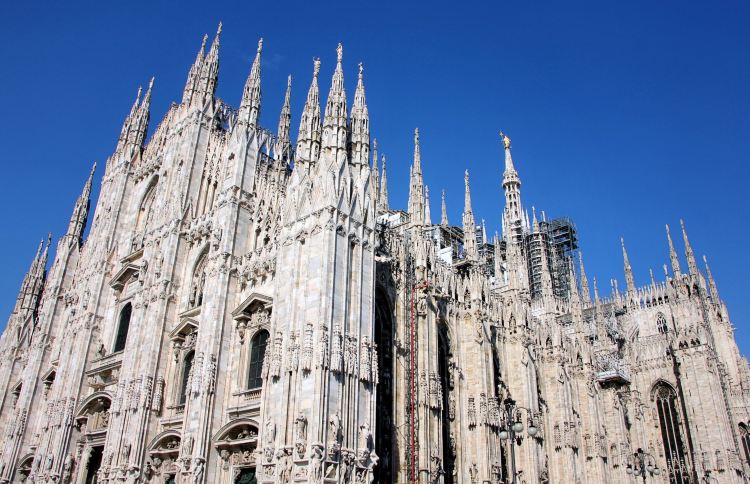
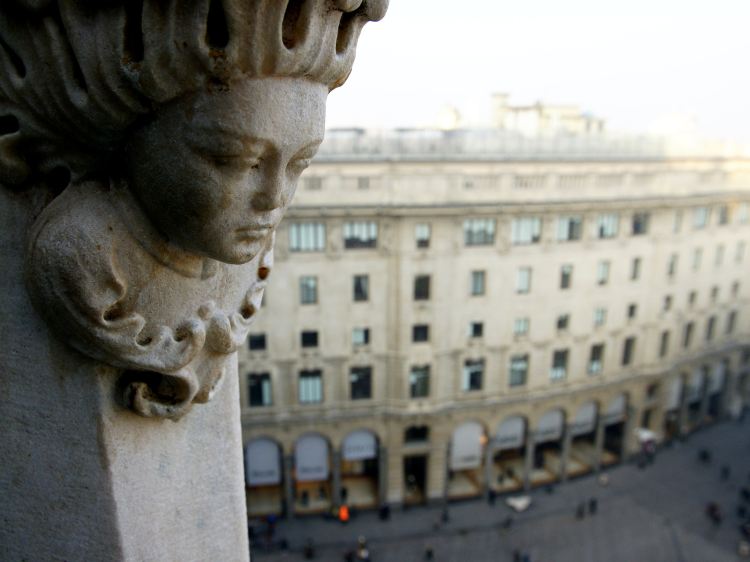
Milan Cathedral, also known as Duomo di Milano, is a monumental symbol of Milan and a masterpiece of Gothic architecture. Its construction, which began in 1386, spanned over six centuries, involving a multitude of artists, architects, and workers from across Europe. The cathedral is renowned for its intricate façade adorned with spires and statues, including the famous gilded Madonnina atop the highest spire. Inside, visitors can marvel at the vast interior with five great aisles, enormous stone pillars, and a staggering number of statues, totaling over 3,400. The rooftop terraces offer panoramic views of Milan and a closer look at the architectural details. The cathedral also houses significant religious artifacts, such as a nail said to have been used in the crucifixion of Jesus Christ. Milan Cathedral stands not only as a place of worship but also as a testament to the rich historical and cultural tapestry of Milan.

 Pao CaballeroI think it’s completely worth it, all the art and history that goes through the walls of the cathedral, also the steps you put in while going up the hundred stairs, gorgeous views and experience. Please note that they are currently under renovation so a few parts aren’t available to the public
Cathedral Square
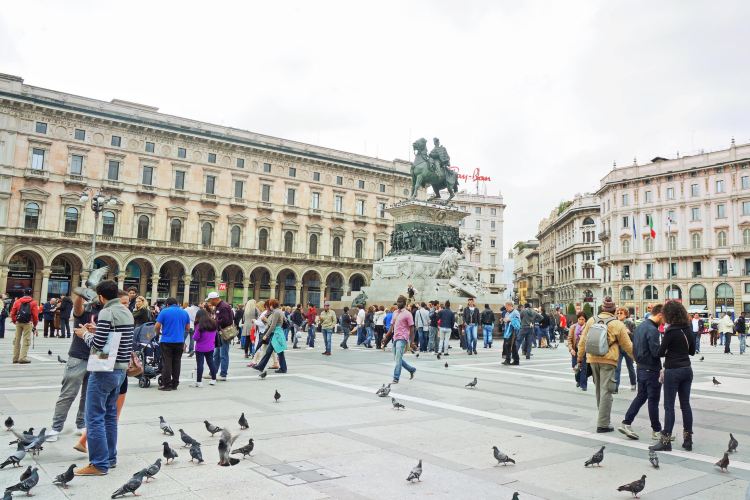
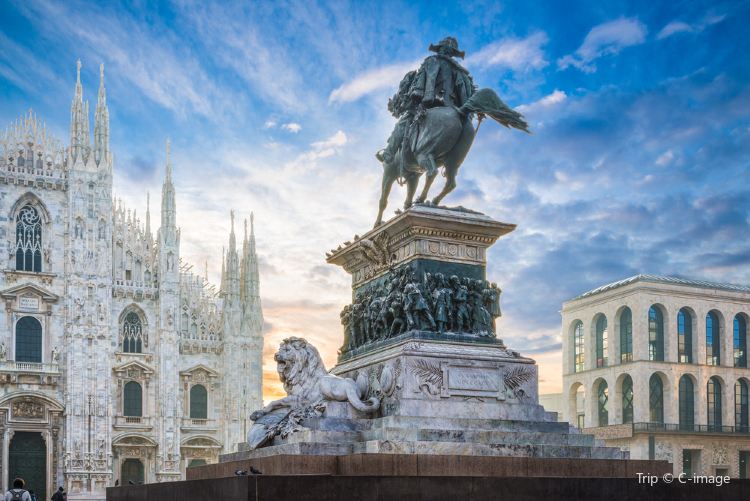
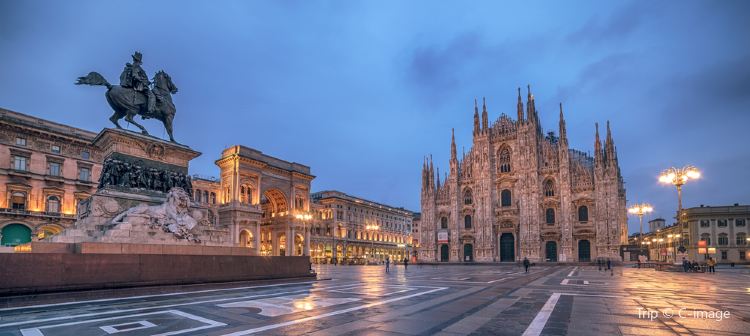
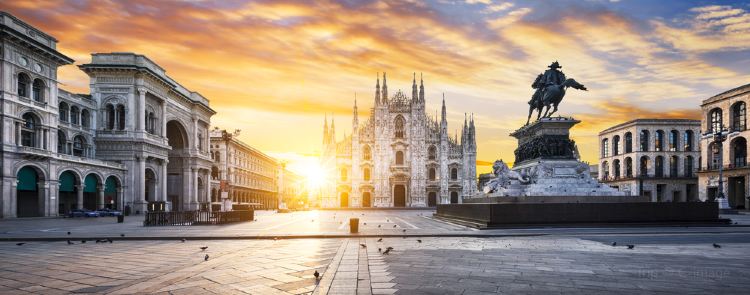
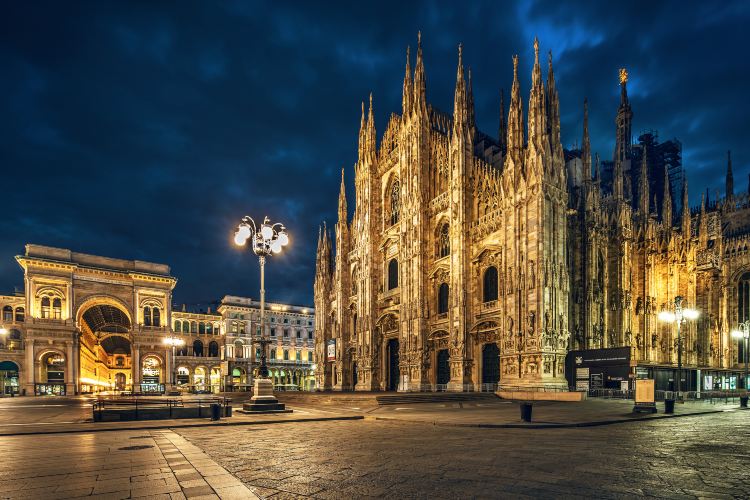
Cathedral Square, also known as Piazza del Duomo, is the geographic and cultural heart of Milan, marked by the iconic Milan Cathedral (the Duomo). This square is not only a testament to the city's rich history but also a hub of artistic and social significance. The square's current design, largely attributed to architect Giuseppe Mengoni, showcases monumental buildings and the renowned Galleria Vittorio Emanuele II arcade, which is a highlight for many visitors. The Piazza del Duomo has evolved from a medieval market square to a grand open space that balances the cathedral's Gothic facade with surrounding grand buildings. Visitors can enjoy the impressive view of the square from the cathedral's roof, where the geometric patterns of the pavement are visible, and appreciate the historical monument dedicated to Vittorio Emanuele II, the first king of Italy. The square is a bustling attraction that offers a glimpse into Milan's past and present, making it a must-visit for anyone traveling to the city.

Galleria Vittorio Emanuele II
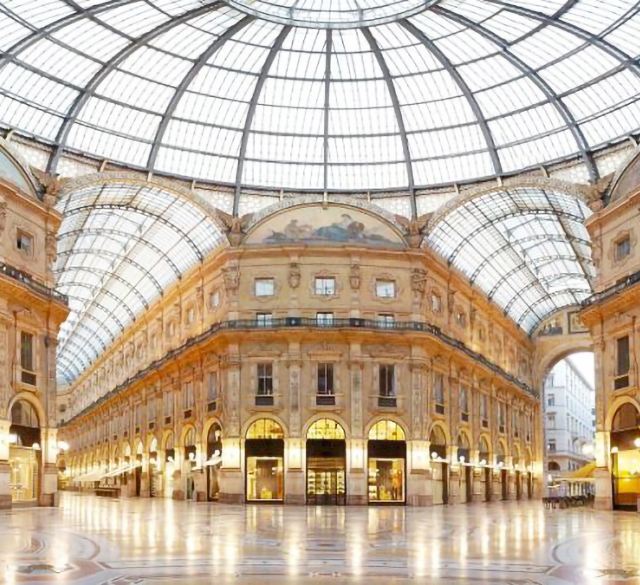
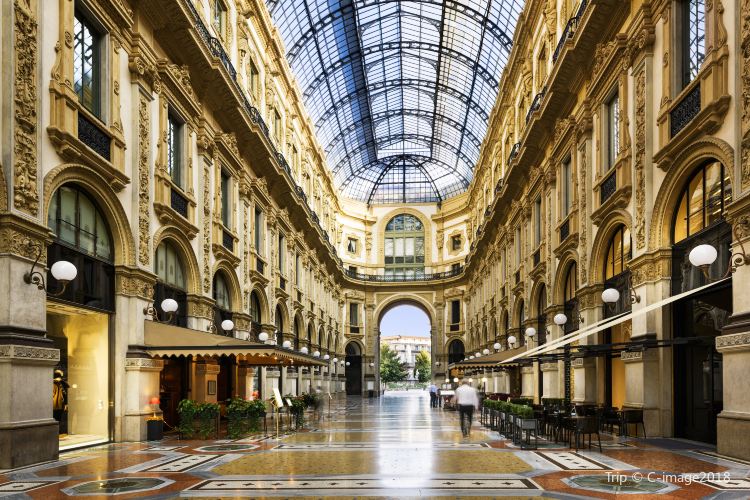
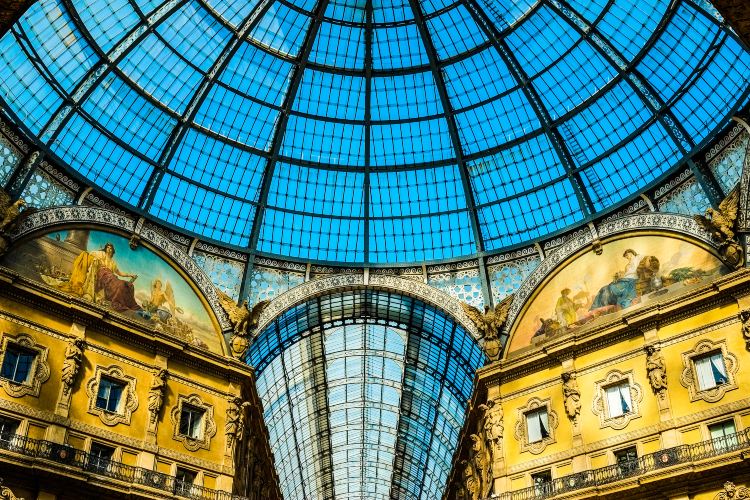
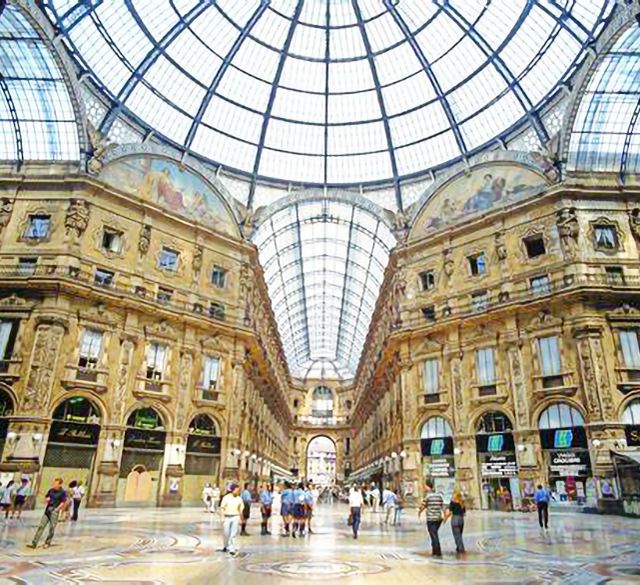
Galleria Vittorio Emanuele II in Milan, known as "il salotto di Milano" (Milan's drawing room), is a historic and architectural marvel that stands as Italy's oldest active shopping gallery. Designed by Giuseppe Mengoni and built between 1865 and 1877, this four-story double arcade features two glass-vaulted arcades intersecting in an octagon, crowned by a grand glass dome. Visitors can admire the patriotic mosaics and statues, including the coat of arms of Savoy and allegorical representations of Italian cities. As a cultural and social hub, it offers luxury shopping, dining in historic restaurants and cafes, and the opportunity to engage in the Milanese tradition of spinning three times on the bull’s groin area mosaic for good luck.
Basilica di Santa Maria delle Grazie
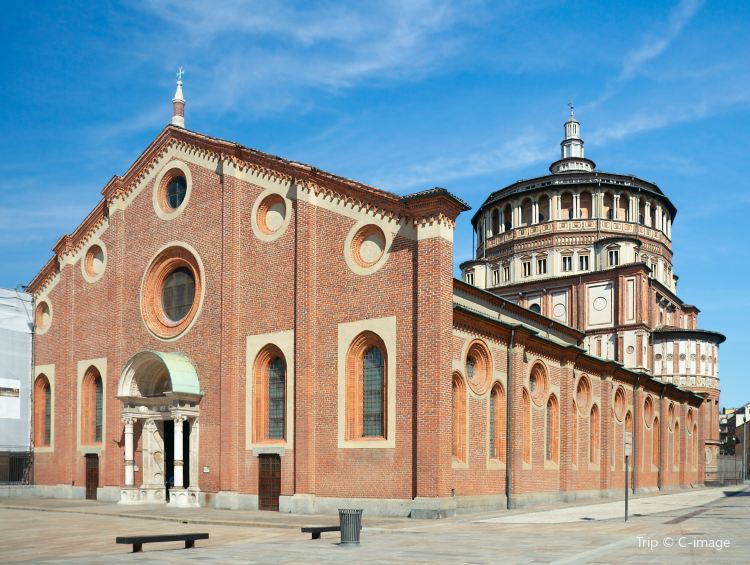
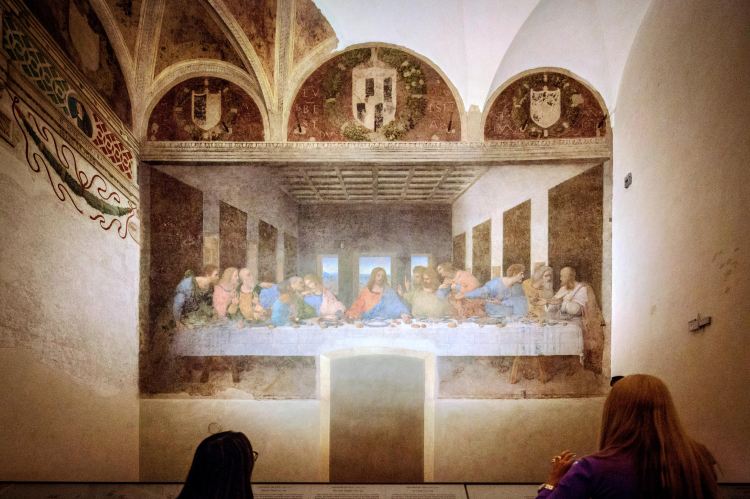
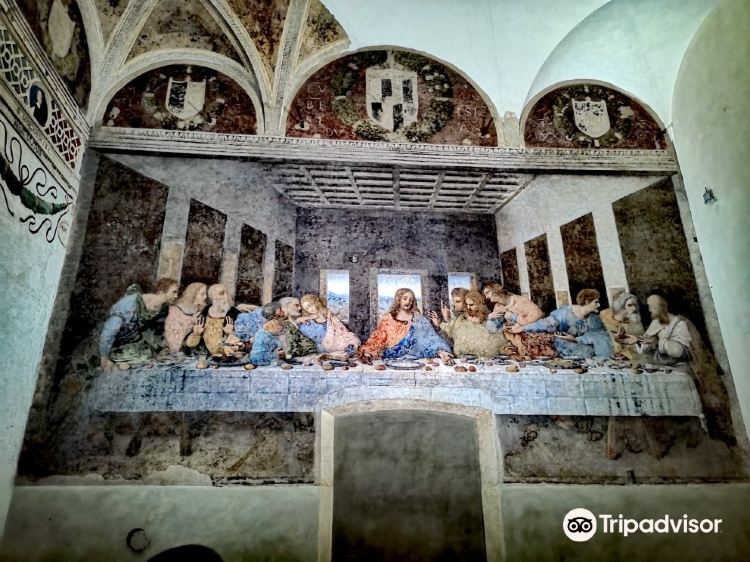
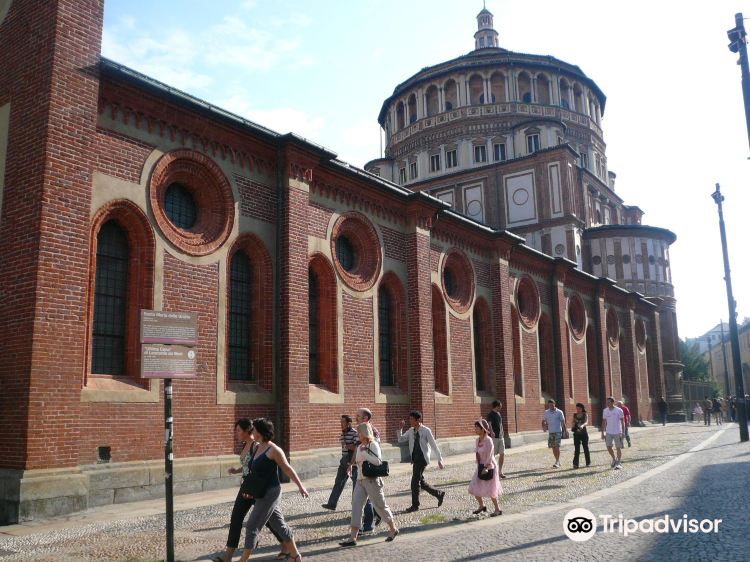
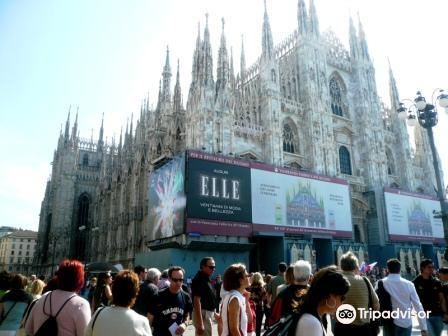
Basilica di Santa Maria delle Grazie in Milan is a renowned UNESCO World Heritage Site, celebrated for its architectural beauty and historical significance, particularly as the home of Leonardo da Vinci's iconic fresco, The Last Supper. The church, a masterpiece of the Italian Renaissance, showcases a blend of Gothic and Renaissance styles, with contributions from architects like Guiniforte Solari and Donato Bramante. Visitors can explore the church's artistic heritage, including chapels decorated by eminent artists and the Old Sacristy, now a cultural center hosting various events. The Last Supper, housed in the refectory, is a major draw for art enthusiasts and tourists alike, offering a glimpse into Leonardo's mastery and the profound emotional narrative of a pivotal moment in Christian history.
Sforza Castle
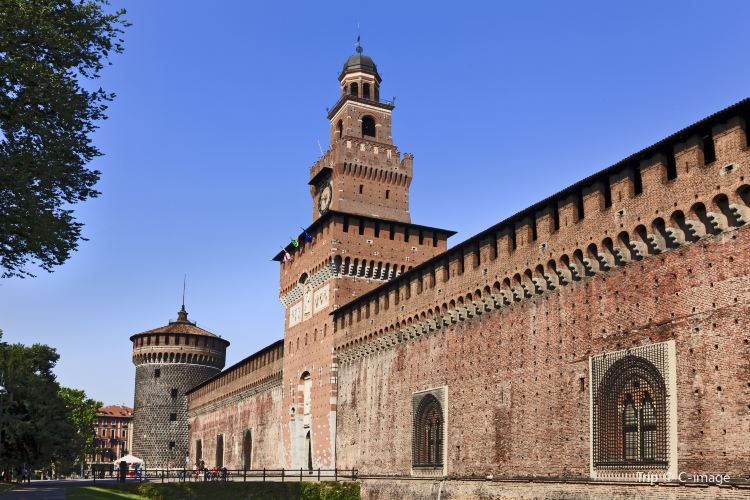
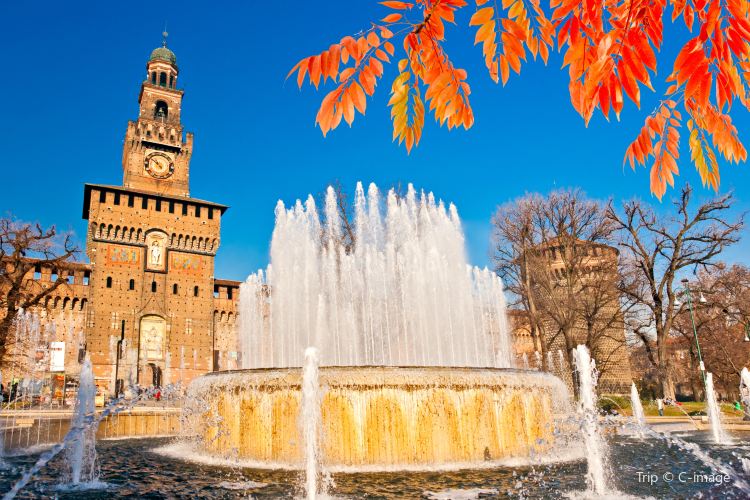
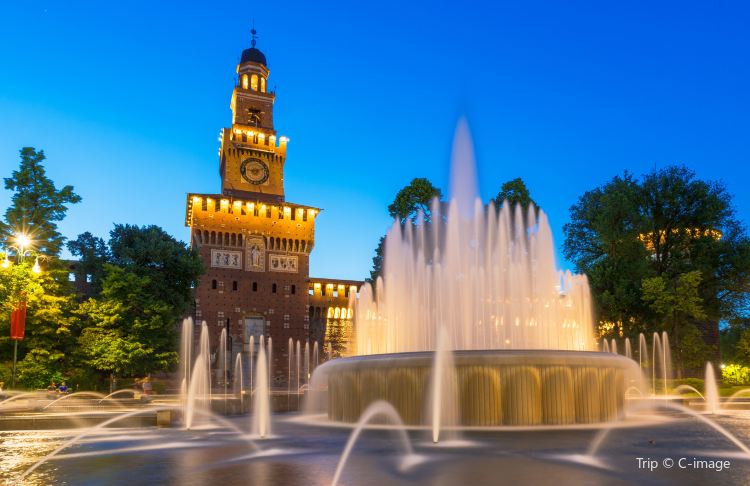
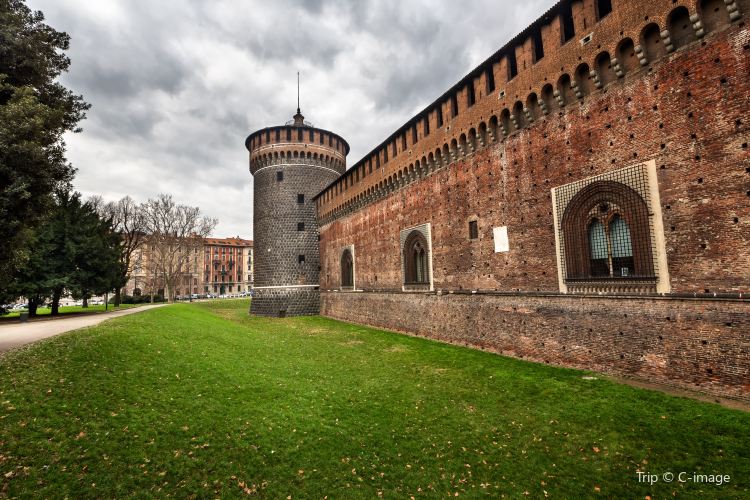
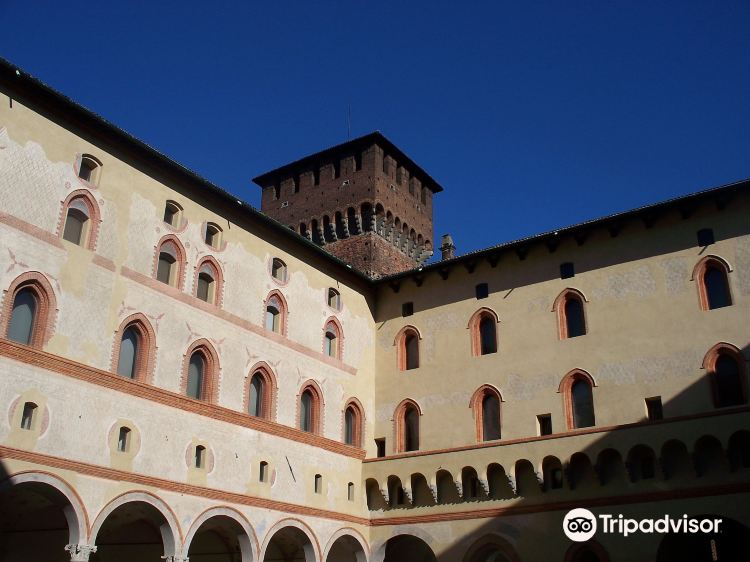
Sforza Castle, also known as Castello Sforzesco, is a historic fortress in the heart of Milan, Italy, with a rich history dating back to the 14th century. This impressive brick structure, originally built by the Visconti family and later expanded by the Sforzas, has been a residence, a citadel, and even a barracks throughout its varied past. Today, it stands as a cultural hub, housing several museums and art collections, including the Pinacoteca del Castello Sforzesco and the Museum of Ancient Art. Visitors can marvel at the Renaissance-style architecture, explore the beautiful gardens and courtyards, and view masterpieces such as Michelangelo's Pietà Rondanini. The castle's quadrangular plan with towers, gates, and courtyards offers a journey through history and art, making it a must-see attraction for tourists in Milan.
Milan Food Guide
Milan's food scene is a rich tapestry of history and innovation, from the birthplace of the modern espresso machine and the traditional espresso bar culture to the versatile pasta dishes, the luxurious Risotto alla Milanese rooted in slow-cooking traditions, and the city's acclaimed gelaterias boasting the highest number of top-rated ice cream parlors in Italy.
Pizza
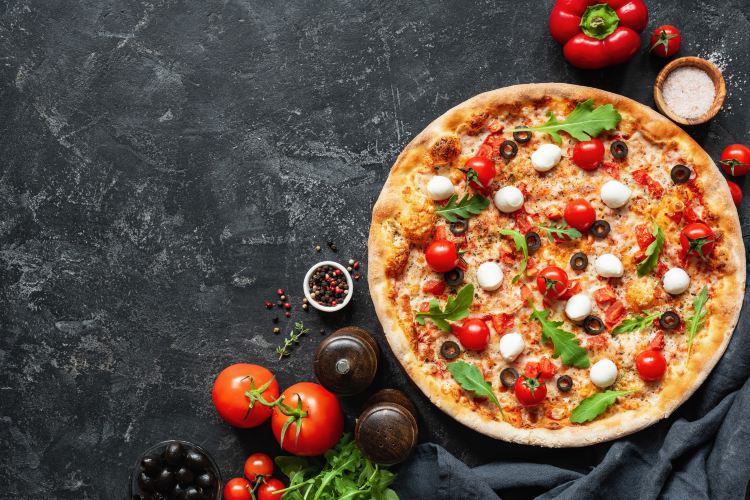
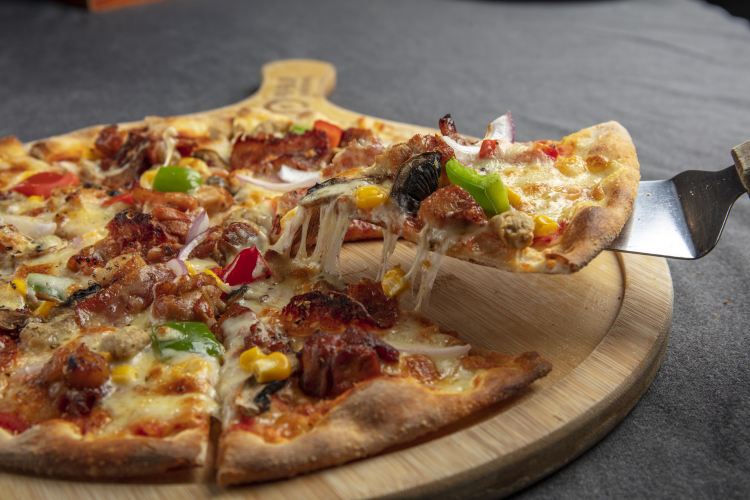
When in Italy, pizza is an absolute must-try. The famous Italian pizza can be found in nearly every Milanese restaurant. With a plethora of flavors to choose from, thanks to their thin crusts and hearty toppings, it's almost impossible to make a quick decision. For those eager to sample a range of flavors in one go, visiting a pizzeria that offers pizza by the slice is the perfect solution. This way, you can indulge in a variety of tastes all at once, a truly gratifying experience.
Espresso

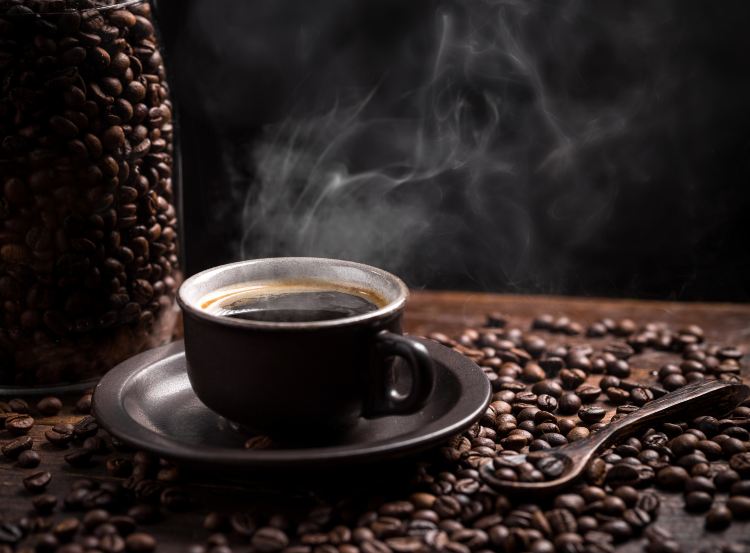
A testament to the city's rich coffee history, where the improved espresso machine was first introduced at the 1906 Milan International Exposition by Luigi Bezzera and Desiderio Pavoni . This innovation led to the creation of the first espresso bar, a concept that has since become a staple in Italian culture, with bars serving as quick-stop locations for a shot of this intensely flavored brew . Despite the traditional espresso culture, Milan welcomed its first Starbucks Reserve Roastery in 2018, offering a different take on coffee culture with space to relax and socialize, a contrast to the typical Italian espresso bar experience .
Pasta
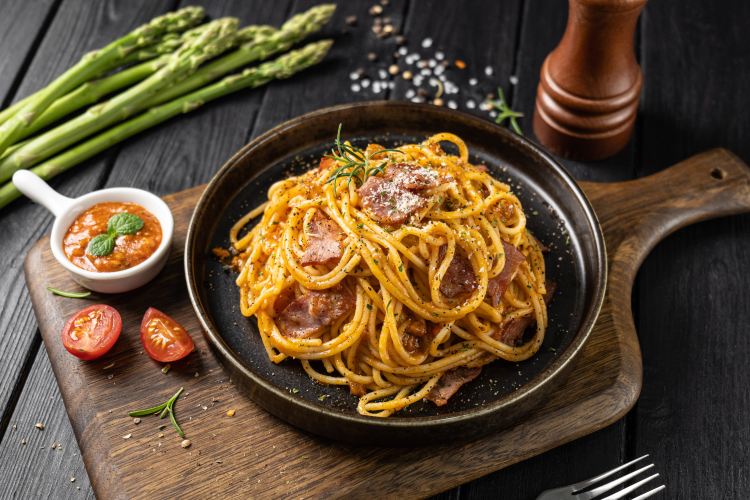
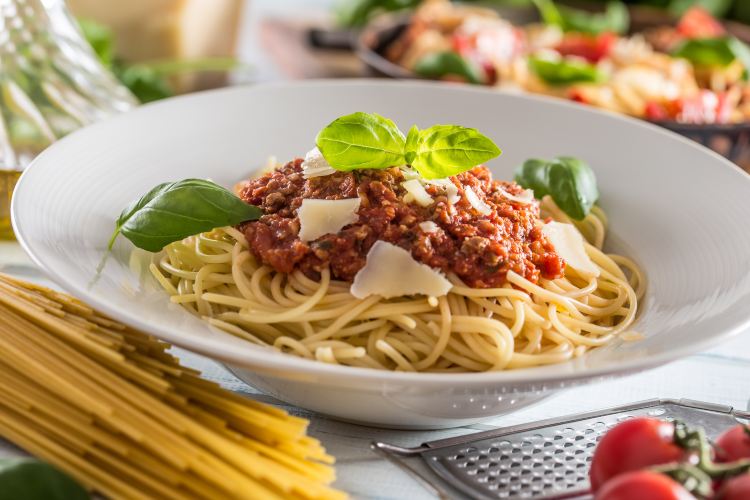
As a staple of Milanese cuisine, it is celebrated for its versatility and the love Italians have for it. In Milan, pasta is not just food but an expression of culture, with a variety of dishes from the simple yet classic carbonara to the rich and hearty ragout. Cooking classes in Milan offer an immersive experience, teaching the art of pasta making from scratch, paired with local wines and cheeses for a truly authentic taste.
Risotto
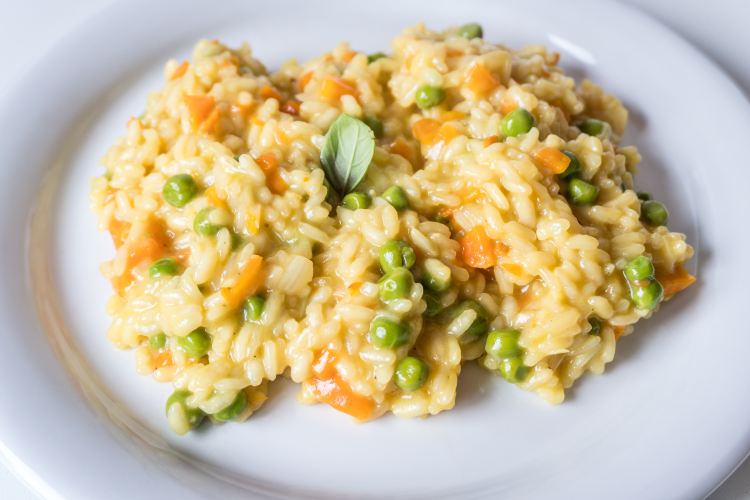
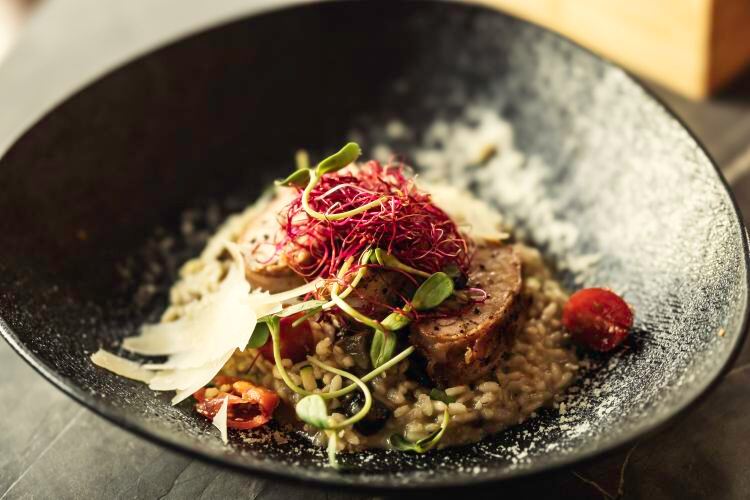
It is a luxurious Milanese staple that dates back to the 1800s, with its first recipes appearing in cookbooks of that era. This creamy, saffron-infused dish is a testament to Milan's history under Spanish rule and the region's slow-cooking traditions, often served as a standalone dish or alongside other specialties. Prepared with Carnaroli rice, beef or vegetable broth, butter, and Parmigiano-Reggiano, it's a celebration of local ingredients and culinary craftsmanship, perfect for festive occasions or as a hearty main course.
Ice Cream
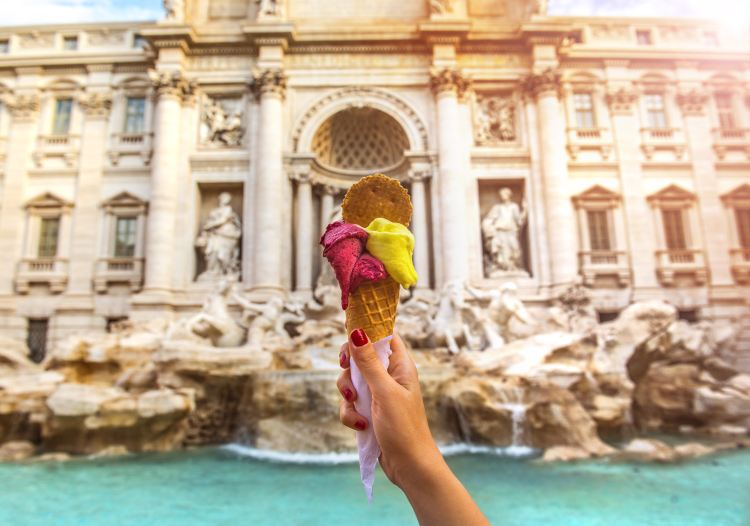
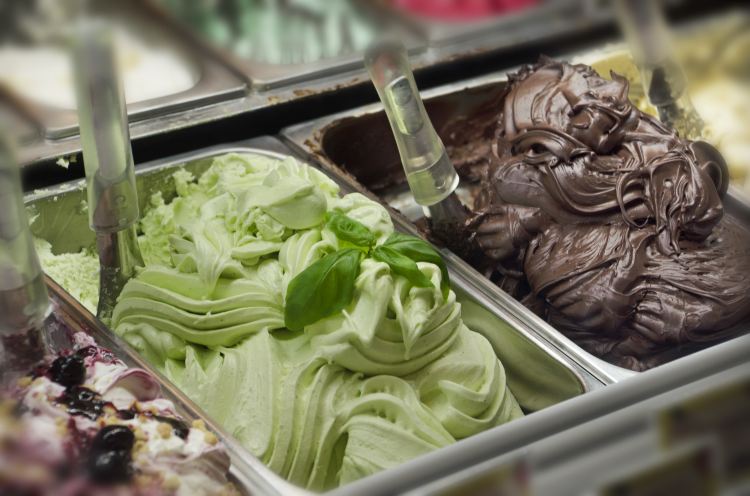
It is a delightful treat that has earned the city the title of having the largest number of top-rated ice cream parlors in Italy, as reviewed by Gambero Rosso. With a reputation for quality and innovation, establishments like Gnomo Gelato, Gelateria Rigoletto, and Gelateria LatteNeve stand out for their exceptional chocolate ice cream, local flavors, and traditional recipes using fresh, zero-mile ingredients. Whether you prefer classic tastes or adventurous combinations, Milan's gelaterias, such as Gusto 17 and Avgvsto Premiata Gelateria, promise a premium ice cream experience that reflects the city's culinary excellence.
Milan Transportation
How to Get There
Milan is well-connected by air, train, or bus, with seamless links to the city center from its three main airports.
By Air:
Malpensa Airport (MXP), 50 km (31miles) northwest of the city, handles most international flights.
To City Center
- Malpensa Express Train: is the easiest way to get to and from Milan’s Malpensa airport. Runs twice per hour to Milano Centrale or Cadorna stations. Tickets can be bought online, at machines, or via the Trenord app.
- Buses: Services like Autostradale or Terravision operate every 10-20 minutes to Milano Centrale. Tickets are available online or onboard.
- Taxis: Fixed rate of €110 to the city center, available at dedicated ranks. You’ll find taxi ranks outside of gate 6 at Terminal 1 and outside of gate 4 at Terminal 2.
Linate Airport (LIN), 7 km (4 miles) east, serves domestic and European flights.
To the city center: To reach the city, you can take the Metro M4 Line, which operates from 6 AM to 12:30 AM, with trains running every 3 to 6 minutes. Alternatively, there is an airport bus that goes to Milano Centrale station, departing every 30 minutes starting at 8:30 AM, with the last bus leaving at 9:30 PM.
Bergamo Orio al Serio Airport (BGY), approximately 55km (34 miles) from Milan city center, is a low-cost hub.
Bergamo Airport to Milan
- Shuttle Bus: Several bus companies provide direct routes to Milano Centrale station, including Flibco, Terravision, and Autostradale. The journey takes approximately 50 minutes and costs around 10 euros one-way. The buses depart from Bergamo Airport Bus Station. You can purchase tickets online or at the airport counter.
- Taxi: Official airport taxis are conveniently located just outside the arrivals hall. Look for licensed white taxis that display company logos and have working meters. The fare to central locations, such as the Duomo or Milano Centrale, is typically between €90 and €110. For outer areas or during peak times, fares may rise to €130 or more.
By Train:
Milano Centrale is the largest and most important train station in Milan, serving both domestic and international routes. It is well-connected to the city's public transport network.
Milano Porta Garibaldi is another major station, particularly for connections to Turin and Como.
You can find train schedules and purchase tickets on the websites of Trenitalia, Italo, or Rail Europe.
If you plan to travel extensively by train within Italy or across Europe, consider purchasing a Eurail Pass for potential cost savings and added convenience.
By Bus:
Lampugnano or San Donato terminals serve coaches like FlixBus from across Italy and Europe, with affordable routes. You can book tickets online through the bus operators' websites or apps, or at the bus station ticket offices.
Local Transportation
Milan’s compact center is easy to navigate on foot, and its extensive ATM public transit network, including metro, trams, and buses, ensures efficient transportation. For added convenience, taxis and ride-shares are readily available.
Metro: Five lines (M1 red, M2 green, M3 yellow, M4 blue (partially under construction), and M5 lilac cover the city extensively, operating from 6:00 AM to 12:30 AM (frequent every 2-5 minutes; every 30 minutes at the outer stops of the M2 line).
Tap your contactless credit/debit card at designated turnstiles (look for the contactless symbol) for single rides; it automatically caps at the daily rate after multiple trips.
For stays of 2+ days, consider buying a paper 3-day ticket (available at stations/kiosks) – it’s cheaper than three daily caps and more reliable than app QR codes.
Trams: Milan boasts Italy's largest tram network, with 17-18 lines (numbered 1-33, though not all are active) connecting the city center and surrounding areas.
Ride iconic, vintage-style streetcars – a charming and efficient way to explore the city.
Buses: Milan has a comprehensive bus network with over 80 local bus lines and several trolleybus lines that complement the metro and tram systems.
Buses offer scenic above-ground travel but can be slower than the metro due to traffic. Always validate physical tickets upon boarding or activate digital tickets before boarding.
For late nights, "Linee Notturne" buses run midnight-6:00 AM, safely covering major routes after regular services end.
Hop-on, hop-off sightseeing bus: A Milan hop-on, hop-off bus tour provides a convenient way to explore the city, allowing you to visit numerous attractions at your own pace. You can purchase tickets for 24, 48, or 72 hours and choose from multiple bus routes that cover various parts of Milan. The buses offer open-top double-decker views and onboard commentary.
Taxis and Ride-Shares: Use official white taxis (hailed on-street, at ranks, or via apps like Free Now): fares are metered, with extras for luggage/late nights.
Uber offers only premium (Uber Black) or taxi-linked services. For affordable, regulated rides, use local apps like Free Now, itTaxi, or appTaxi to book licensed taxis.
Bike Rentals: Use BikeMi (or eBikeMi for electric bikes), Milan’s official bike-share:200+ stations citywide, open 365 days/year (7:00 AM–midnight).
Rentals max 2 hours per trip; choose daily, weekly, or annual subscriptions via app/website.
Car Rentals: Not recommended in the city; Milan's excellent public transport, taxis, and bike-sharing (BikeMi) make cars unnecessary and inconvenient within the city. Rent only if visiting the countryside, Lakes (e.g., Garda), or the Dolomites—where a car provides freedom to reach villages inaccessible by train.
Milan Where to Stay
Milan is a city renowned for its fashion, culture, and history, offering a diverse range of accommodation options across its various districts.
Milan Cathedral
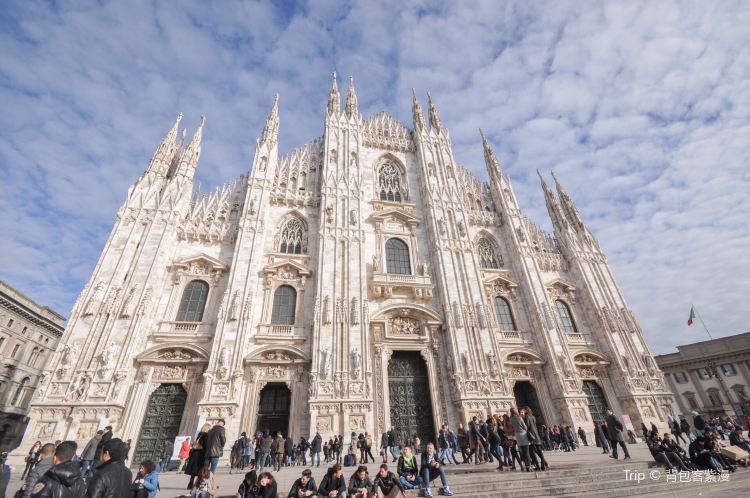
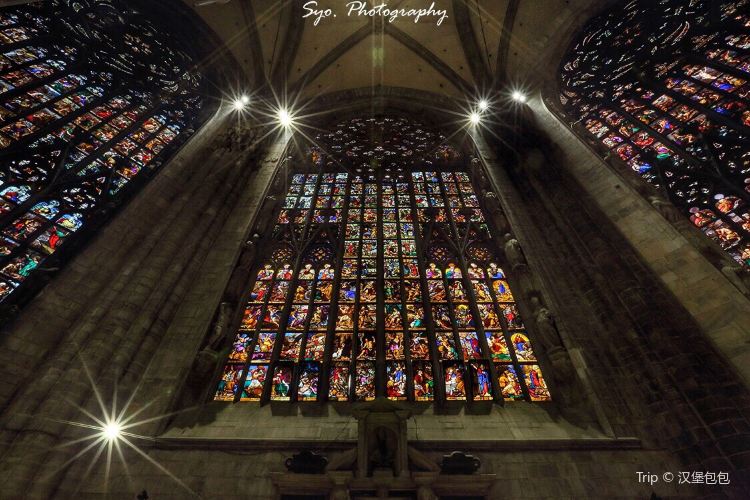
The area around Milan Cathedral, also known as the Duomo, is the historical and cultural heart of the city. It is ideal for those looking to stay close to iconic landmarks like the Galleria Vittorio Emanuele II and the Royal Palace. The district is characterized by its accessibility to top attractions, high-end shopping, and a plethora of dining options. Hotels in this area range from luxury to mid-range, offering views of the cathedral and easy access to the metro for exploring further afield. The Duomo itself is a masterpiece of Gothic architecture, with its spires and statues dominating the skyline, and the nearby Piazza del Duomo is a hub of activity and a prime spot for people-watching.
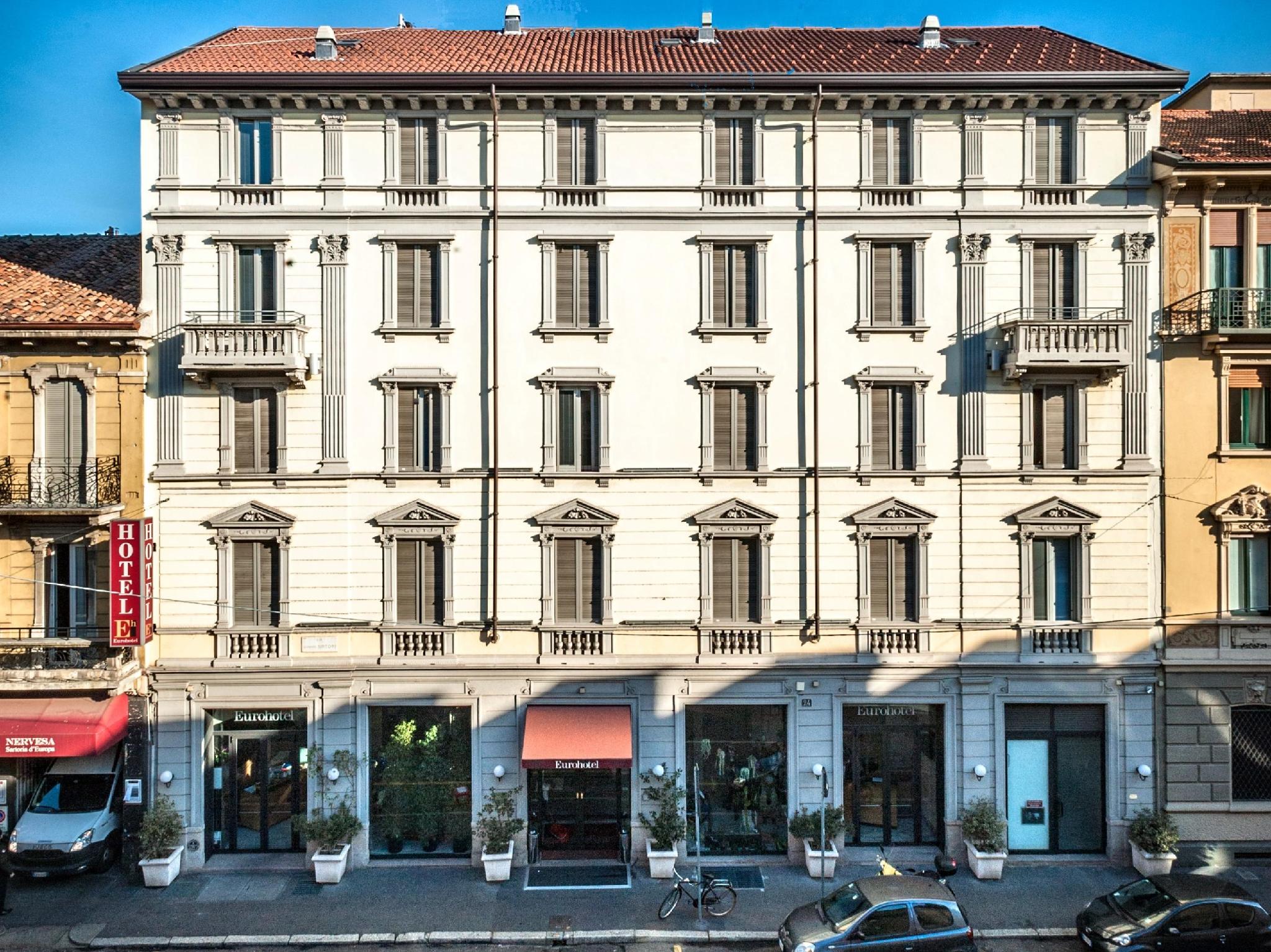
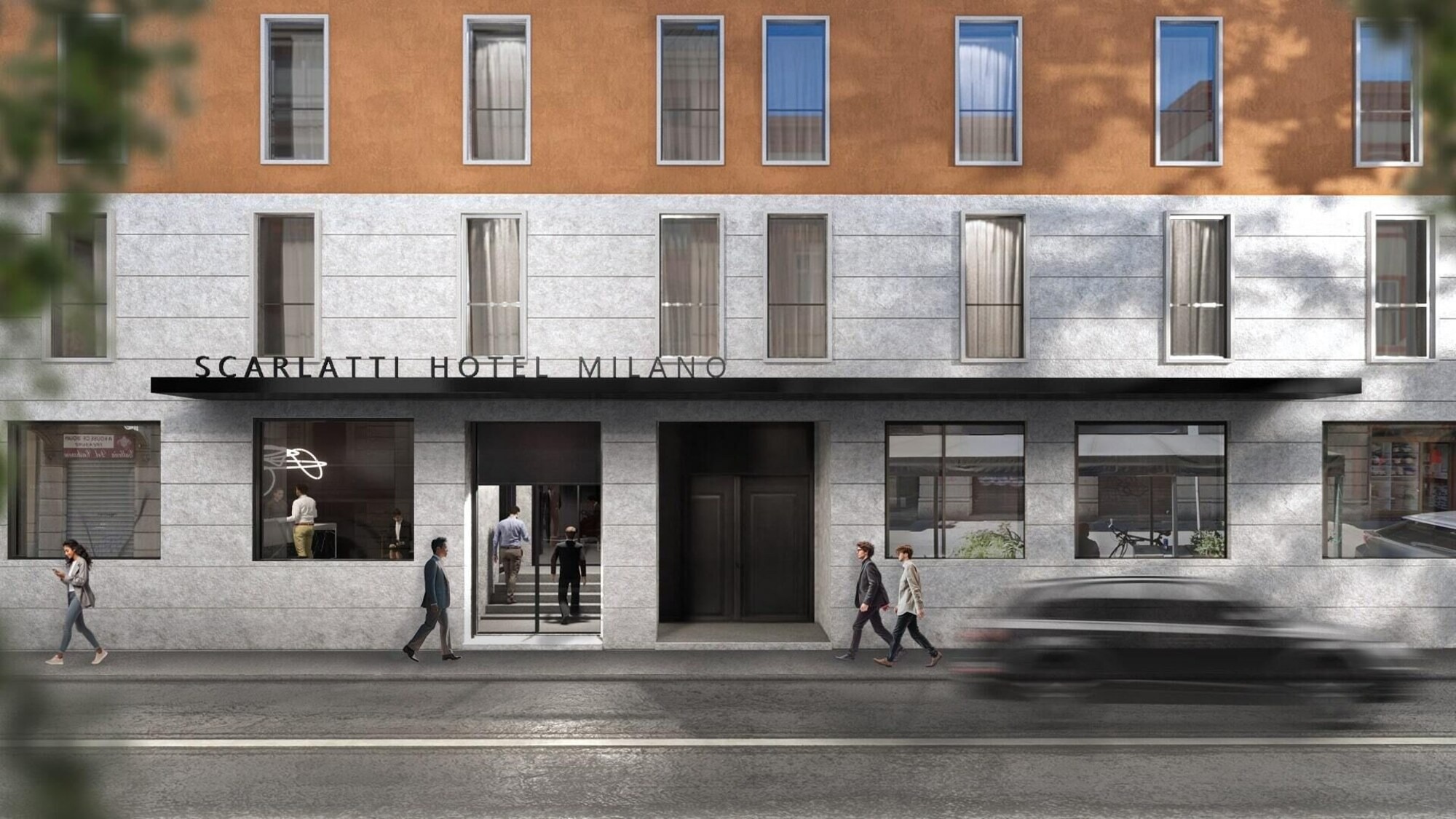
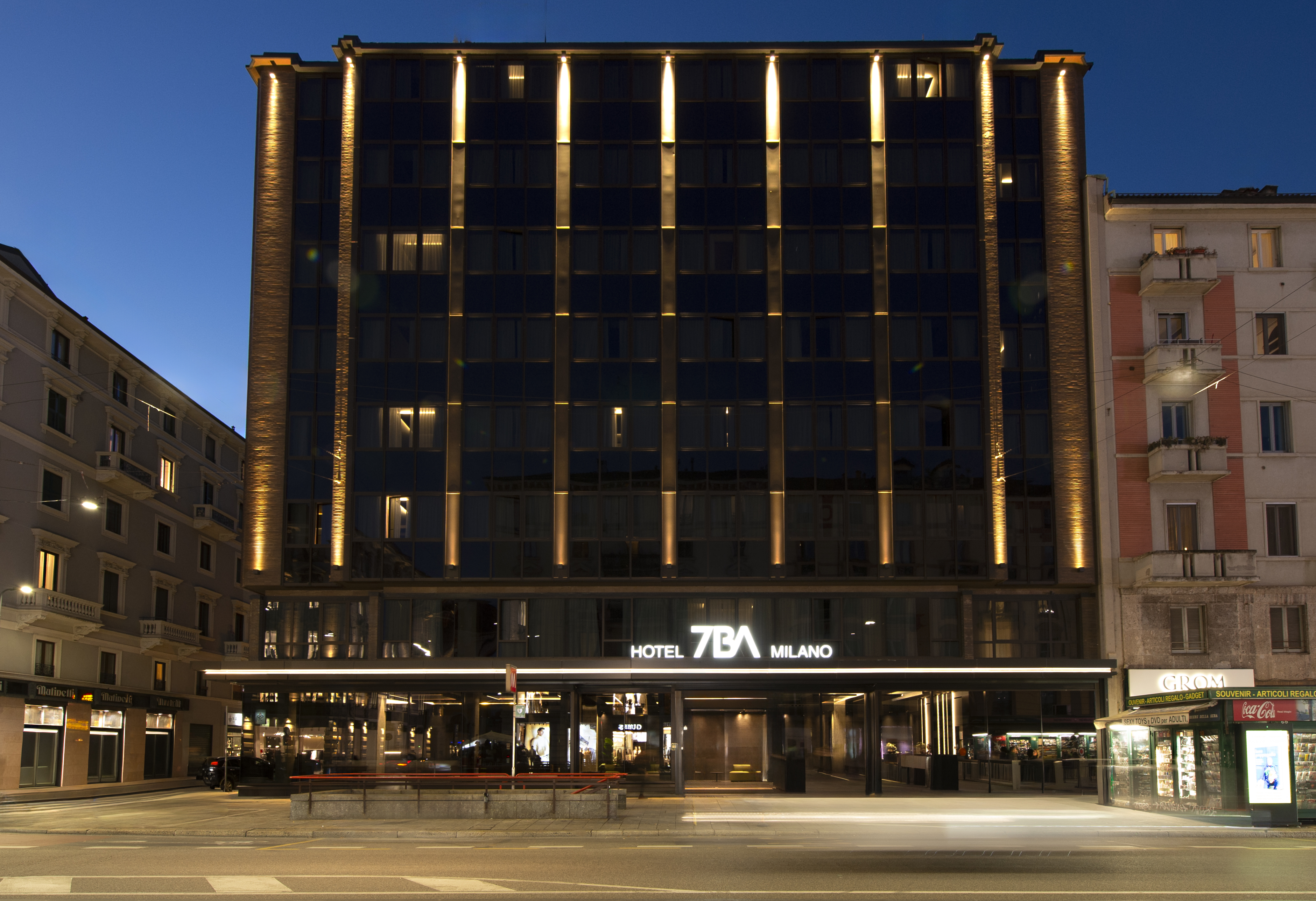
Fiera Milano
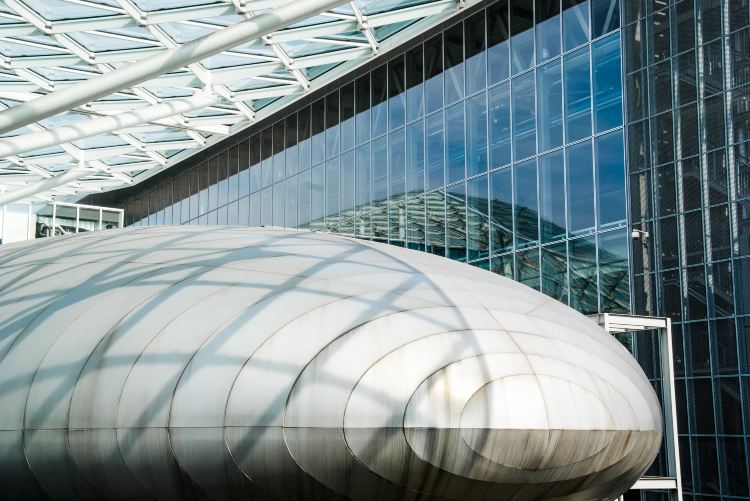
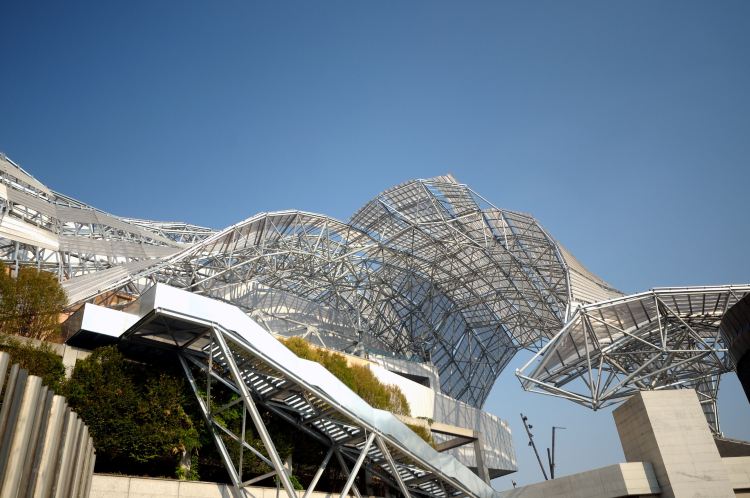
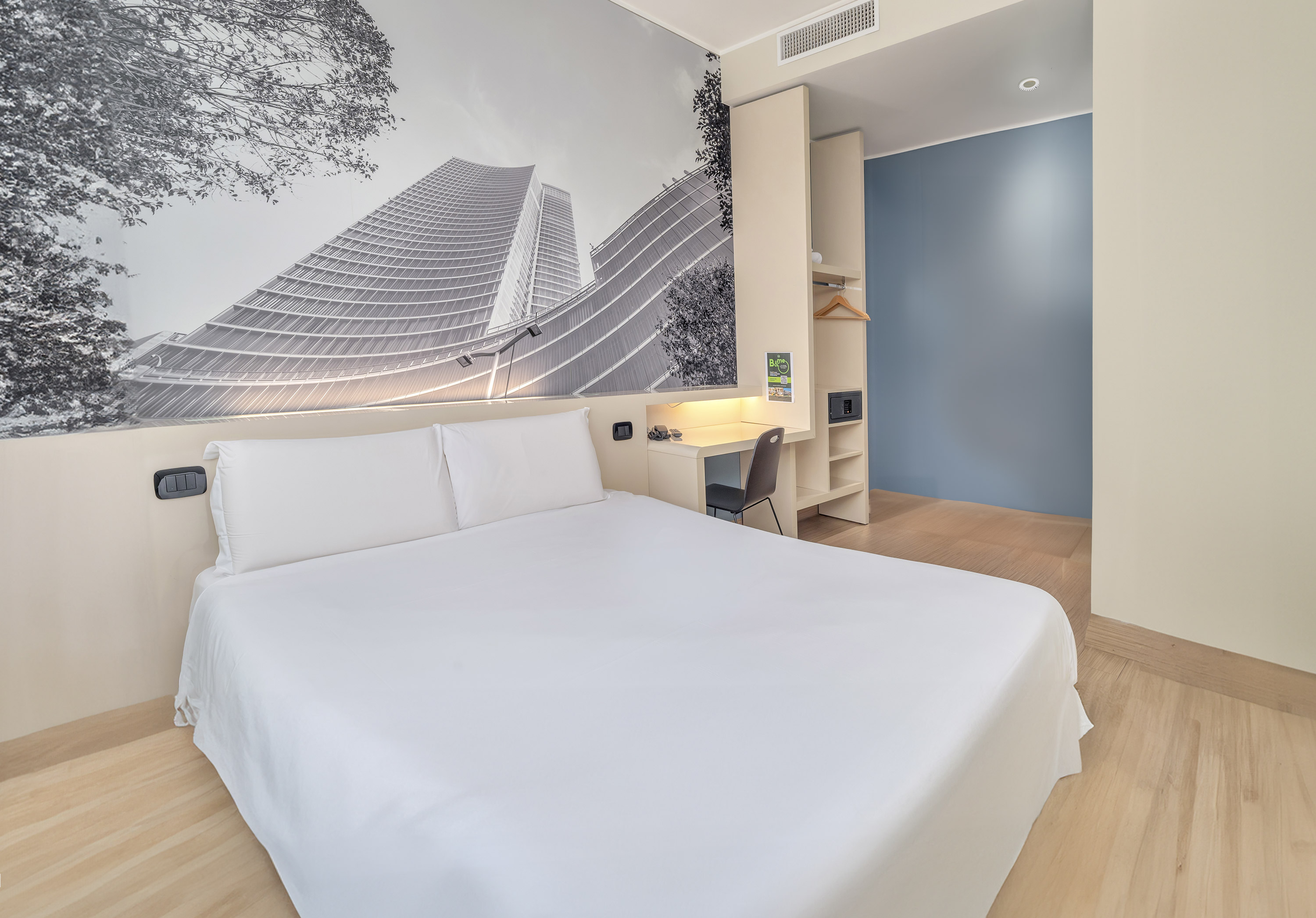
Fiera Milano is a modern district that has emerged as a blend of business and leisure. It features contemporary architecture, including the sleek skyscrapers of the City Life project. This area is particularly suitable for business travelers due to its proximity to the Fiera Milano exhibition center and the MiCo Milano Congressi. The district is well-connected by public transportation, with several metro, bus, and tram lines providing easy access to other parts of the city. Accommodations here are modern and often cater to business clientele, but the area also offers shopping and dining options for leisure visitors.
Chinatown
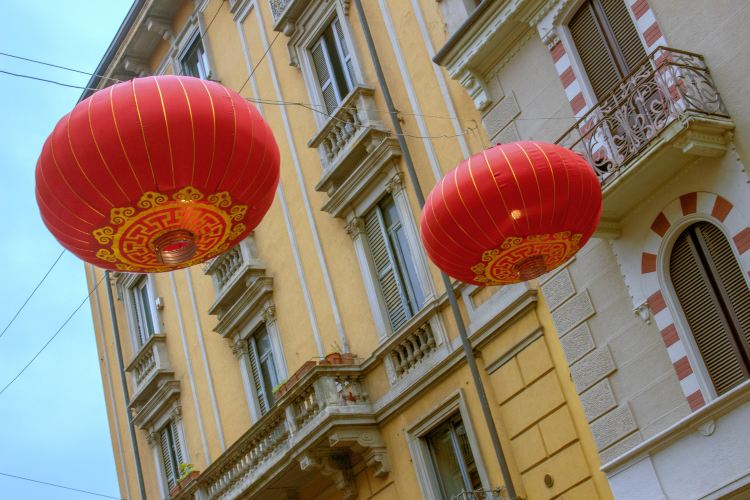
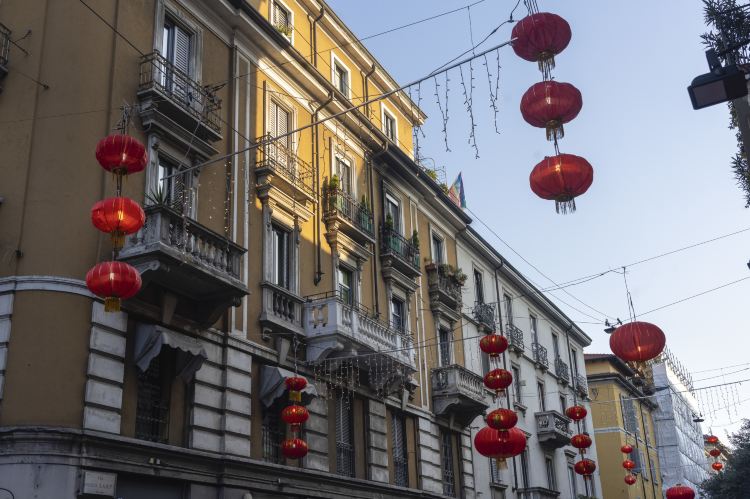
Milan's Chinatown, centered around Via Paolo Sarpi, is a lively and culturally diverse neighborhood. It offers a unique experience with its oriental shops, restaurants, and markets. Visitors can explore the Oriental Mall for ethnic products or enjoy authentic Chinese-Vietnamese cuisine. The area is known for its affordable accommodation options and is well-connected by public transportation, including buses and light rail. During the Chinese New Year, the district comes alive with colorful parades and festivities. Chinatown provides a different facet of Milan's multicultural charm and is a great choice for travelers interested in cultural diversity and budget-friendly stays.
Milan Best Time to Visit
Best Time to Visit
April–June and September–October offer mild weather, blooming parks or fall foliage, and fewer crowds, with events like Milan Design Week in April.
Spring (March–May): Temperatures range from 5°C to 20°C (41°F to 68°F). Rain is unpredictable, but blooming gardens and fewer crowds make it great for outdoor sites like Sempione Park. By May, days lengthen, making it ideal for aperitivo evenings.
Summer (June–August): Temperatures range from 15°C to 30°C (59°F to 86°F). The weather is warm and sunny, but can be humid; this is peak tourist season with higher prices and larger crowds. Many locals go on vacation in August, which results in some shops closing. This time is perfect for festivals, but it's advisable to book accommodations early.
Autumn (September–November): Temperatures ranging from 10°C to 20°C (50°F to 68°F) bring crisp air and golden leaves. With fewer tourists and increasing rainfall, this is an excellent time to visit museums and enjoy wine tastings.
Winter (December–February): Temperatures range from 0°C to 8°C (32°F to 46°F). It is chilly with short days, offering only 7-8 hours of daylight and occasional fog or snow. The atmosphere is festive, highlighted by Christmas markets in Piazza Duomo and January sales, but be prepared for cold winds.
Milan Travel Tips
1. Carry Small Euro Bills and Cards
Bring small euro bills (€5–10) and coins (€0.50–€1) for Milan’s markets, small restaurants, or public restrooms (carry tissues, as restrooms may lack paper), as some venues only accept cash. Use Visa or Mastercard for shops and hotels, which are widely accepted.
2. Get Discounted Teatro alla Scala Tickets
Score 25% off Teatro alla Scala tickets by visiting the box office one hour before a show, when leftover or returned seats are released (not a guarantee). Arrive early, as discounts sell out fast, and check teatrolascala.org for schedules. It's a budget-friendly way to access Milan’s iconic opera house.
3. Navigate Milan’s Public Transport
Ride Milan’s metro, buses, or trams with tickets from station machines, tobacco shops, or newsstands, costing €2–3. You can download the ATM app and link your card for contactless travel. Tap your cards or tickets at metro gates for entry and exit, and on buses and trams upon boarding. Check atm.it for schedules, and validate tickets to avoid fines, ensuring smooth city travel.
4. Understand Milan's Taxi System
Use Free Now, itTaxi, or Uber apps to book licensed taxis. Milan’s taxis operate in designated sectors and are only permitted to pick up clients within the sector for which they are licensed (e.g., city center, Malpensa). Drivers can take you anywhere but can’t pick up fares outside their sector, so expect a “return fee” for fuel and service on long trips like airport runs. Always check the meter, as the only binding fare; app estimates aren’t accurate.
5. Dress Respectfully for Churches
Wear modest clothing (long pants, skirts, or covered shoulders) when visiting Milan’s churches like the Duomo, avoiding sleeveless tops, shorts, or miniskirts. Remove your hats and keep quiet to show respect to worshippers. Visit after Sunday Mass (typically noon) to avoid services, ensuring access and a respectful experience at religious sites.
6. Order Coffee Like a Local
Order a cappuccino or caffè latte before 11 AM, as Milanese people tend to avoid milk-based drinks later in the day, believing they hinder digestion. Say “un caffè” for espresso, not “latte,” to prevent getting actual milk. Use “macchiato” for espresso with a dash of milk. Pay at the counter after ordering at small cafés, blending in with local coffee culture.
7. Understand Milan’s No-Tipping Norm
Tipping isn’t expected in Milan’s restaurants, cafés, or taxis, as service is typically included in the bill. Round up for exceptional service if desired, but it’s not required. Pay the listed amount, whether by card or cash.
8. Avoid Milan’s Tourist Scams
Stay alert at the Duomo, Galleria Vittorio Emanuele II, Stazione Centrale, or on the metro, where pickpockets use distractions like bumping or holding up cardboard signs to steal wallets and phones. Use anti-theft bags, secure zippers, and keep packs in front. At Piazza del Duomo, avoid aggressive vendors who force bracelets or birdseed for photos and demand payment. Say “no” firmly and walk away. Ignore sidewalk oil paintings; scammers claim damage for cash.
9. Reserve Last Supper Tickets Early
Book tickets for Leonardo da Vinci’s The Last Supper at cenacolovinciano.org months ahead, as slots are limited. Arrive 15 minutes early with your passport and reservation for a 15-minute viewing. If online slots are gone, try calling the ticket hotline or join a guided tour, which may have reserved spots, ensuring access to this iconic artwork.
10. Plan Your Visit for Shopping Sales
Time your Milan visit for winter (early January–early March) or summer (early July–early September) sales, when fashion items are often discounted by up to 70%. Check the exact dates online a month in advance, as they vary annually. Shop at outlets like Quadrilatero della Moda, but compare prices to maximize savings during these key periods.
11. Follow Museum and Gallery Rules
Respect rules at Milan’s museums: no touching artworks, no food or drinks, and no photos in restricted areas. Check closing days (often Monday) on official sites, and arrive early to avoid crowds. Store large bags in lockers to ensure a smooth and respectful visit to cultural sites.
12. Stay Hydrated on the Go
Carry a reusable water bottle to refill at Milan’s public fountains (vedovelle), which provide safe drinking water. Avoid buying overpriced bottled water near attractions. Check for fountain locations in central areas to save money and stay refreshed while exploring the city.
13. Save Emergency Contacts
Store Italy’s emergency numbers: 112 for general emergencies, 113 for the police, 118 for medical assistance, and 115 for the fire department. Keep your hotel’s address and a local contact handy for quick help.
Milan Useful Guide
Local Language
Italian is the primary language.
English Usage: English is widely spoken in tourist areas, hotels, restaurants, shops, and transport hubs due to Milan's international business scene. It's easy to navigate using English, though learning basic Italian phrases enhances interactions.
Local APP
CityMapper: Provides navigation and up-to-date information on the best routes for various transportation modes in Milan.
ATM Milano: The official public transport app offering route calculations, transport options, and service updates.
FREENOW: Books taxis or ride-shares, including airport transfers.
Uber: Cashless rides across the city.
Trenitalia: Train schedules, bookings, and tickets for regional trips.
BikeMi: For bike-sharing rentals and station locations.
YesMilano: Official tourism app for attraction guides, events, maps, and discounts.
Internet and Communication
eSIM: Providers like Airalo, Holafly, TIM, Vodafone, or WindTre offer prepaid plans. Buy online for instant activation or at airports.
Physical SIM: Available at airports, Vodafone/TIM stores, or supermarkets like Coop.
Pocket Wi-Fi: Rent from online or airport booths, suitable for groups.
Free Wi-Fi is widespread in hotels, cafés, public squares via the WiFi Milano network (registration required), and transport hubs.
Pre-book eSIMs or pocket Wi-Fi online for easy airport pickup.
Currency and Payment
Currency: Euro (EUR, €).
In Milan, credit/debit cards and contactless payments are dominant, especially in tourist areas, though cash is useful for small vendors.
Credit/debit cards: Visa and MasterCard are widely accepted, including contactless payments, while American Express is accepted less frequently. Notify your bank about your travel to prevent card blocks.
Cash: ATMs are plentiful; withdraw euros using a 4-digit PIN, but be aware of the fees. The cash is needed for markets, small purchases, or tips.
Mobile payments: Apple Pay and Google Pay are widely accepted at most shops, restaurants, and transportation gates.
Weather in Milan

11°
/
8°
11°
/
7°
10°
/
5°
9°
/
7°
9°
/
6°
11°
/
5°

10°
/
5°
 Trending in Milan
Unlock a winter fairytale in Milan this Christmas season@Milan CathedralUnlock a winter fairytale in Milan this Christmas season
Asiana Airlines Launches New A350 Routes: Direct Flights from Seoul to Milan/BudapestAsiana Airlines Launches New A350 Routes, Direct Flights from Seoul to Milan/Budapest
A Guide to Milan's Architecture: Gothic Spires, Glass Arcades, and Red-Brick Castles@Monumental Cemetery of MilanA Guide to Milan's Architecture: Gothic Spires, Glass Arcades, and Red-Brick Castles
Milan: FAQ

What's the most popular attractions in Milan?
What is the best season to visit Milan?
Best selfie spot in Milan?
What is a good souvenir from Milan?
Popular destinations
Bangkok
Tokyo
Kuala Lumpur
Los Angeles
Shanghai