Sapporo 2025 Guide: Must-see attractions, local cuisine, and practical tips! | Trip.com
 Local GuidesLast updated on Trip.com: 08/01/2025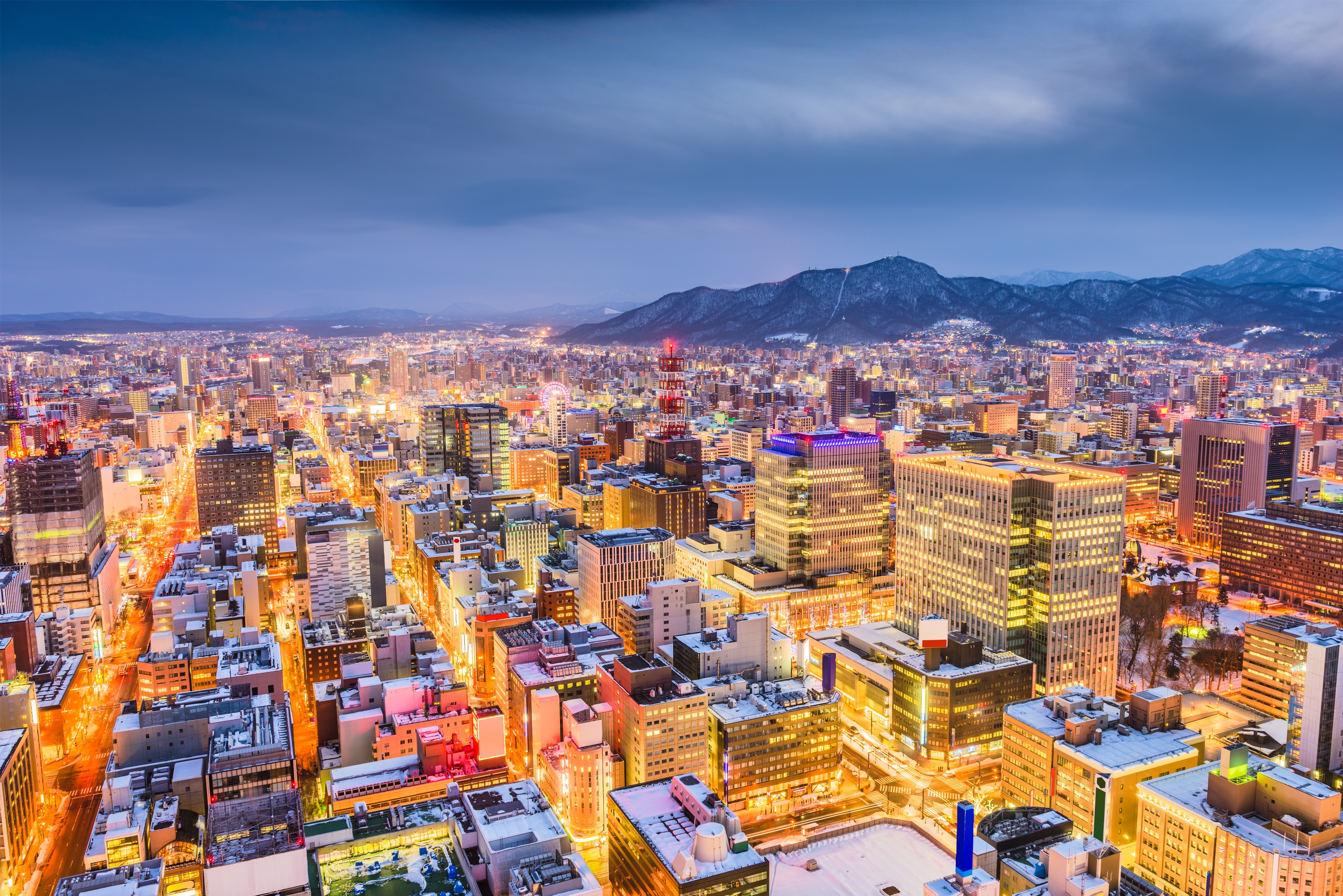
Sapporo Brief Guide
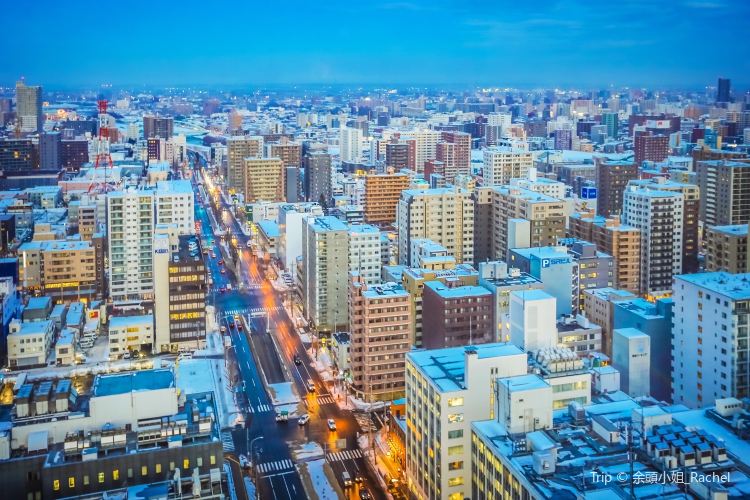
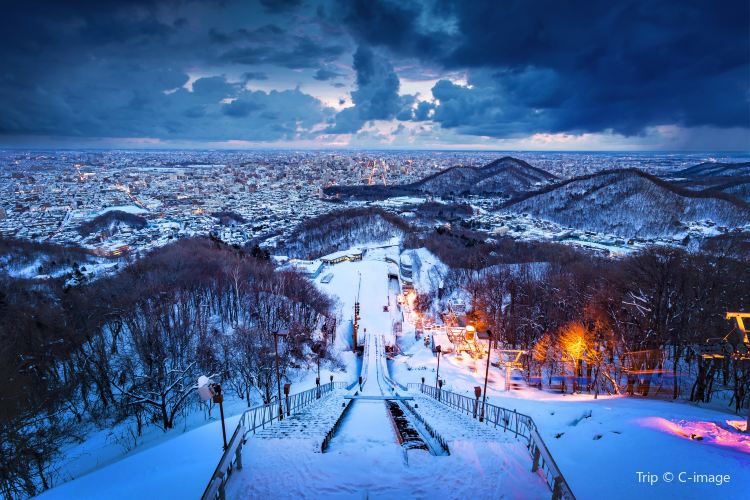
Sapporo is the center of Hokkaido and a must-visit for many tourists to Hokkaido. It is also a veritable center for dining and shopping. Sapporo has many iconic buildings, such as Sapporo Clock Tower, the red-brick Former Hokkaido Government Office, the Sapporo TV Tower and Hokkaido University. Most structures are elegant and beautiful in design, adding a lot of color to the cityscape. Sapporo’s Odori Park has ice and snow festivals in the winter and hosts the Sapporo Beer Festival in the Summer. Shiroi Koibito Park is a beautiful confectionery and a great place to see how chocolate treats are made, while Sapporo Ramen Republic is perfect for sampling Hokkaido’s delicious specialty ramen.
Sapporo Must-try local experiences
Discover Sapporo's Winter Wonderland
Experience the magic of the Sapporo Snow Festival in February, featuring breathtaking snow and ice sculptures. Afterward, visit the Sapporo Beer Garden and Sapporo Beer Museum to learn about the local brew.
Explore Sapporo's Urban Oasis
Stroll through Odori Park and ascend the Sapporo TV Tower for panoramic views. Visit Shiroi Koibito Park, a charming chocolate factory and theme park.
Relax at Jozankei Onsen
Located just outside Sapporo, Jozankei Onsen offers a serene hot spring experience surrounded by beautiful nature, perfect for unwinding.
Discover Moerenuma Park
Designed by artist Isamu Noguchi, this park blends art and nature, making it a great spot for a leisurely walk or a picnic.
Immerse Yourself in Chocolate Delights
Indulge your sweet tooth at Shiroi Koibito Park, a whimsical chocolate factory and theme park where you can create treats and explore beautiful gardens.
Sample Local Cuisine
Don't miss trying Sapporo's famous dishes like miso ramen, fresh seafood, and jingisukan (grilled mutton). These culinary delights are a must-try.
Find Unique Souvenirs at Tanukikoji Shopping Street
Stroll along Tanukikoji Shopping Street, a covered arcade with shops, boutiques, and restaurants, perfect for discovering unique souvenirs and local crafts.
Capture the Cityscape from Sapporo TV Tower
Ascend the Sapporo TV Tower for breathtaking panoramic views of the city, especially stunning at night when the city lights up.
Snap Pictures at Hokkaido University
The campus of Hokkaido University is beautiful year-round, with cherry blossoms in spring and golden ginkgo trees in autumn, making it a picturesque spot.
Find Tranquility at Hokkaido Jingu
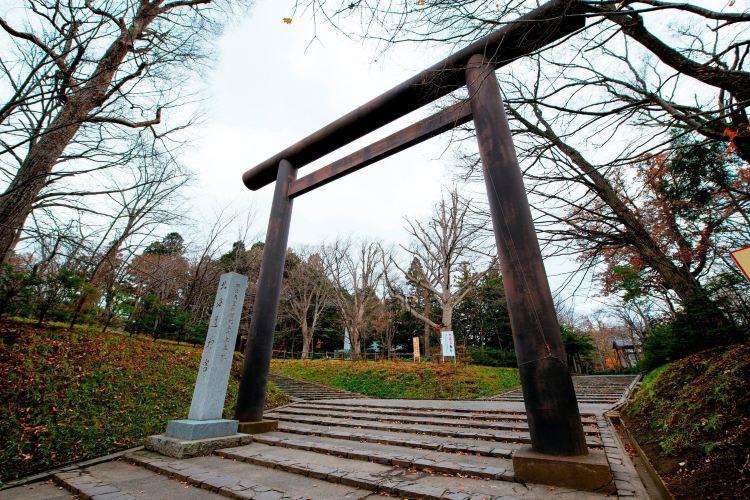
Escape the city bustle with a visit to Hokkaido Jingu, a serene oasis with traditional architecture, perfect for capturing the beauty of this spiritual retreat.
Take a Day Trip to Otaru
Just a short train ride from Sapporo, Otaru is a charming port town known for its historic canal, glassworks, and delicious seafood.
Sapporo Must-see Attractions
Sapporo is a diverse city offering a mix of cultural and natural attractions, including the chocolate-themed Shiroi Koibito Park, the verdant Odori Park known for its festivals, the therapeutic Jozankei Onsen hot springs, the panoramic Sapporo TV Tower, and the spiritual and historical Hokkaido Jingu shrine.
Shiroi Koibito Park
Shiroi Koibito Park in Sapporo is a delightful sweets theme park that offers a unique blend of British design and Hokkaido cultures . Visitors can marvel at the Tudor House architecture and immerse themselves in the world of chocolate at the CHOCOTOPIA FACTORY, where they can learn about the history of Shiroi Koibito and witness the production of these famous cookies . The park provides interactive experiences such as cookie-making courses at the Sweets Workshop DREAM KITCHEN, allowing guests to create their own sweet treats . Additionally, the Chocolate Lounge OXFORD serves exclusive sweets that can only be tasted within the park . With its combination of educational and hands-on attractions, Shiroi Koibito Park is a must-visit for families, chocolate enthusiasts, and anyone looking to experience a touch of English charm in Japan .
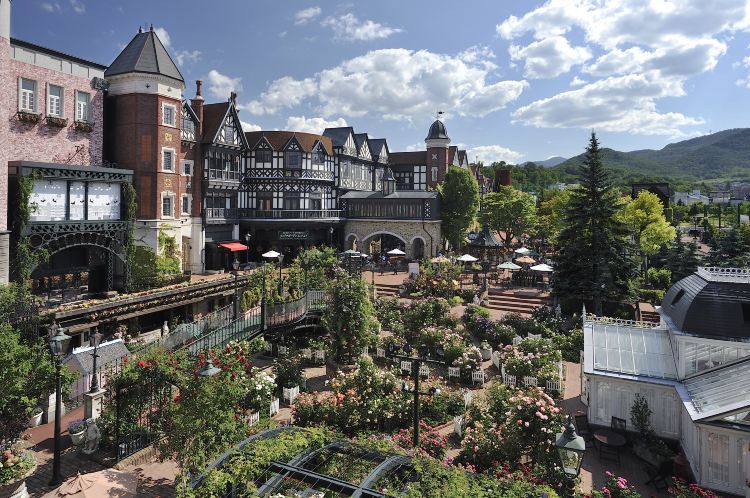
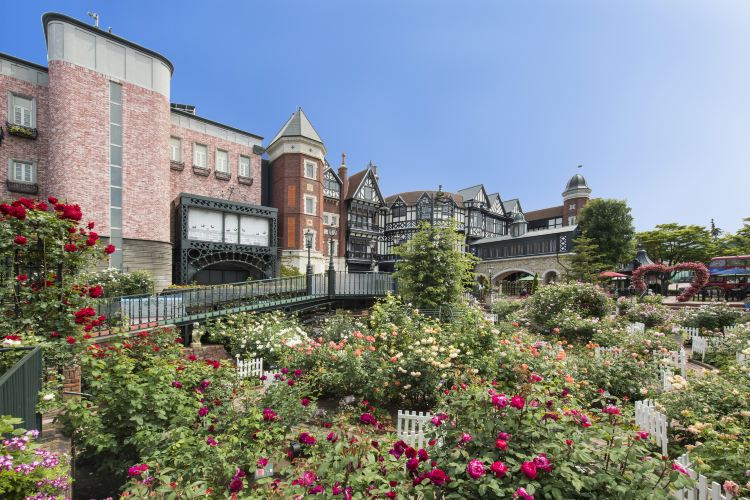

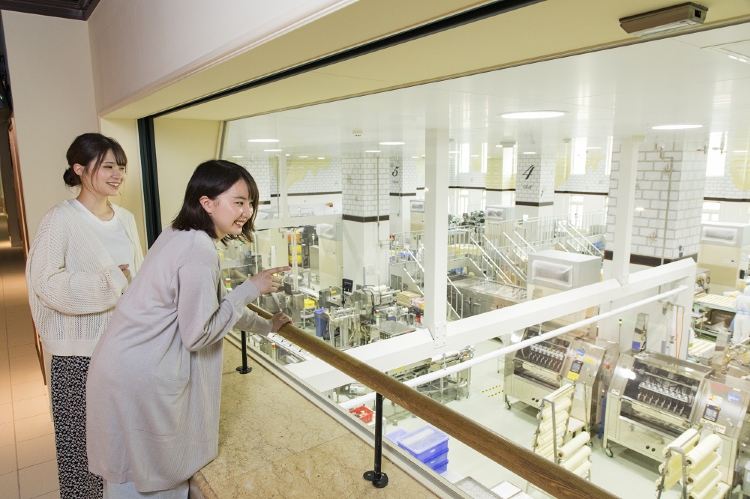

 _TX***qzThe theme park gives an insight of their history, how their chocolates, cakes and sweets are made and interactive items that visitors can enjoy. They also have a sweet making workshop.
Odori Park
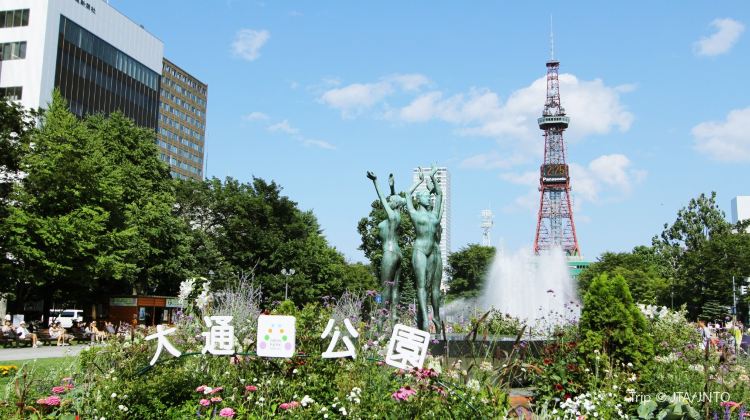
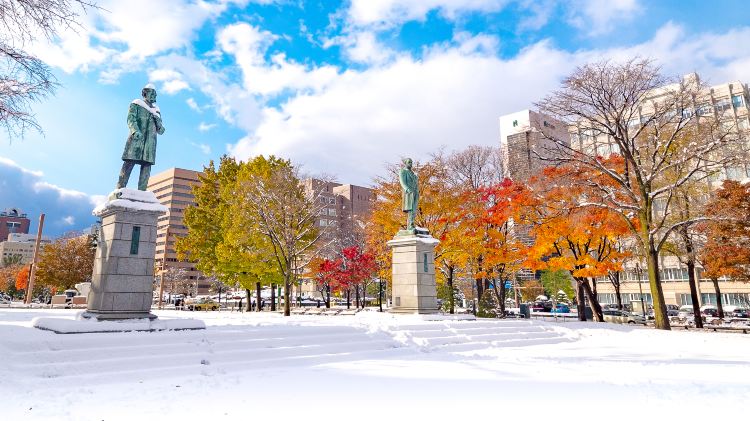
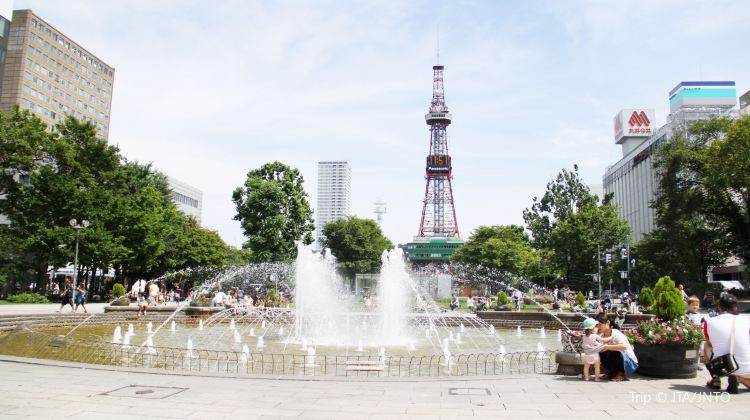
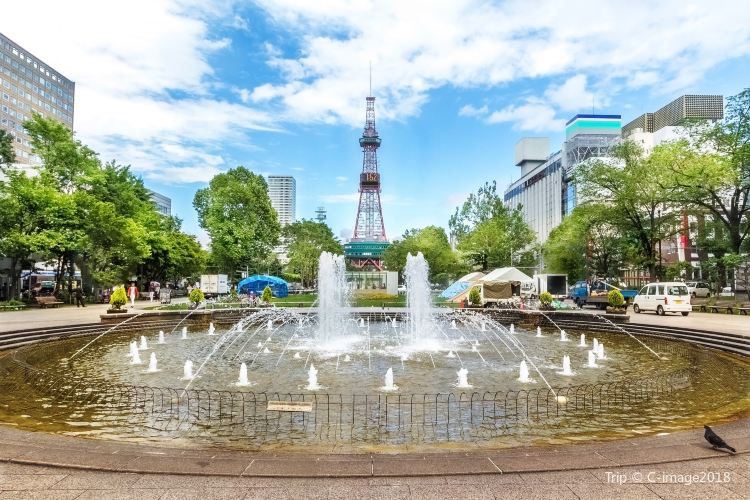
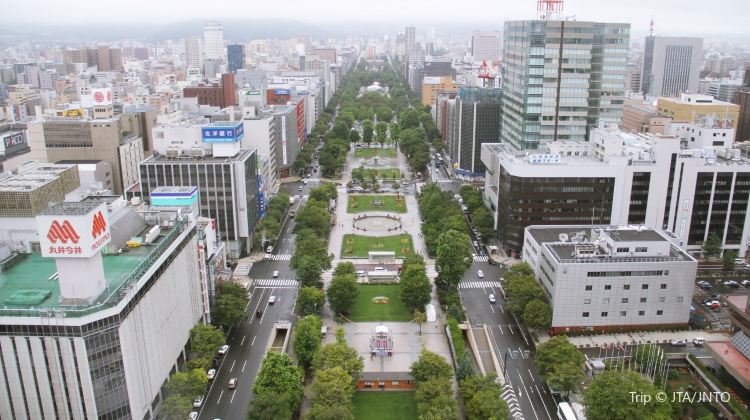
Odori Park in Sapporo, originally a firebreak turned into a central urban oasis, is a verdant stretch that offers a blend of natural beauty and cultural festivities. This 1.5-kilometer park, adorned with 4,700 trees of 92 species including the city's official lilacs, provides a tranquil space for relaxation amidst its lawns and fountains. It is a venue for Sapporo's major events such as the Sapporo Snow Festival and the Sapporo Beer Festival, reflecting its historical significance as a site for various ceremonies since the Meiji period. Visitors can enjoy the changing scenery of flowerbeds, partake in seasonal festivals, and appreciate the park's history, which dates back to its establishment as a firebreak in 1871.

Jozankei Onsen
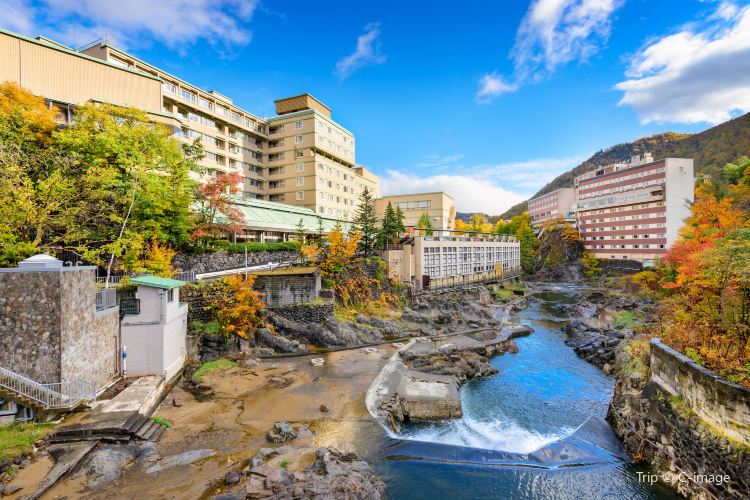
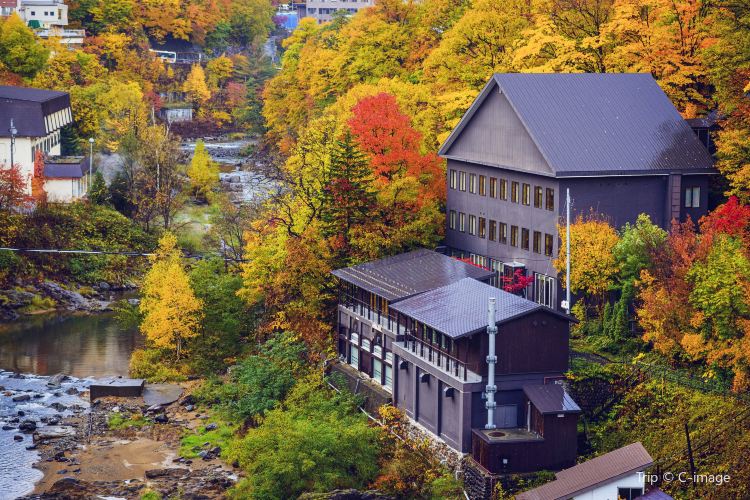
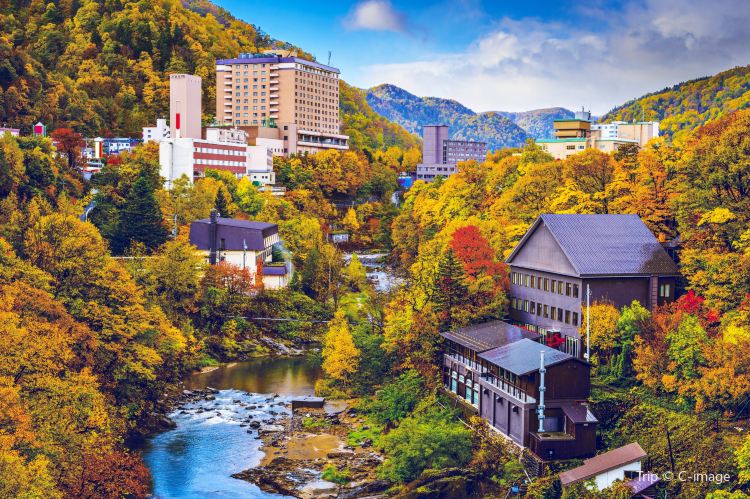
Jozankei Onsen, nestled in the picturesque valley of Shikotsu-Toya National Park, is Sapporo's serene hot spring paradise, renowned for its therapeutic waters and cultural charm. With a history dating back to 1866, this resort town boasts over 20 ryokan inns, offering visitors a blend of traditional Japanese hospitality and modern comforts. The onsen waters, rich in minerals, are celebrated for their health benefits and the sodium chloride springs leave bathers with a lasting warmth and silky skin. Seasonal beauty is a highlight here, with vibrant autumn foliage and winter's enchanting snow lantern festival, "Yukitouro," creating a magical atmosphere. Visitors can indulge in the free footbaths, experience the local legend of the kappa, and explore nearby ski resorts for a blend of relaxation and adventure.
Sapporo TV Tower
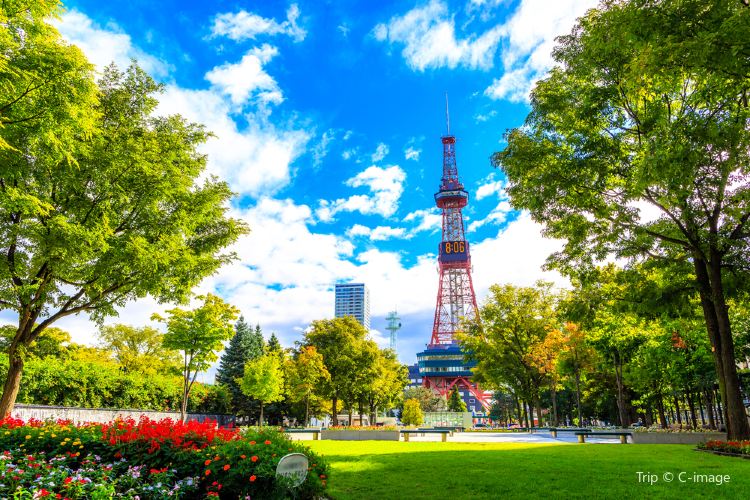
The Sapporo TV Tower, a prominent landmark of Sapporo since its construction in 1957, stands at 147.2 meters tall and offers visitors a unique perspective of the city from its observation deck located 90 meters above ground. Designed by the renowned architect Tachū Naitō, also known for planning the Tokyo Tower, it has become an iconic symbol of Sapporo's skyline and a testament to the city's growth and modernization.
Visitors to the tower can enjoy panoramic 360-degree views of Sapporo, Odori Park, and on clear days, sights extending to the Ishikari Plain and the Sea of Japan. The observation deck is particularly popular for its vantage point during seasonal events, such as the snow festival and the winter illuminations. Additionally, the tower houses a souvenir shop and a gallery that delves into the history and development of Sapporo, enriching the visitor experience with cultural insights.
Hokkaido Jingu
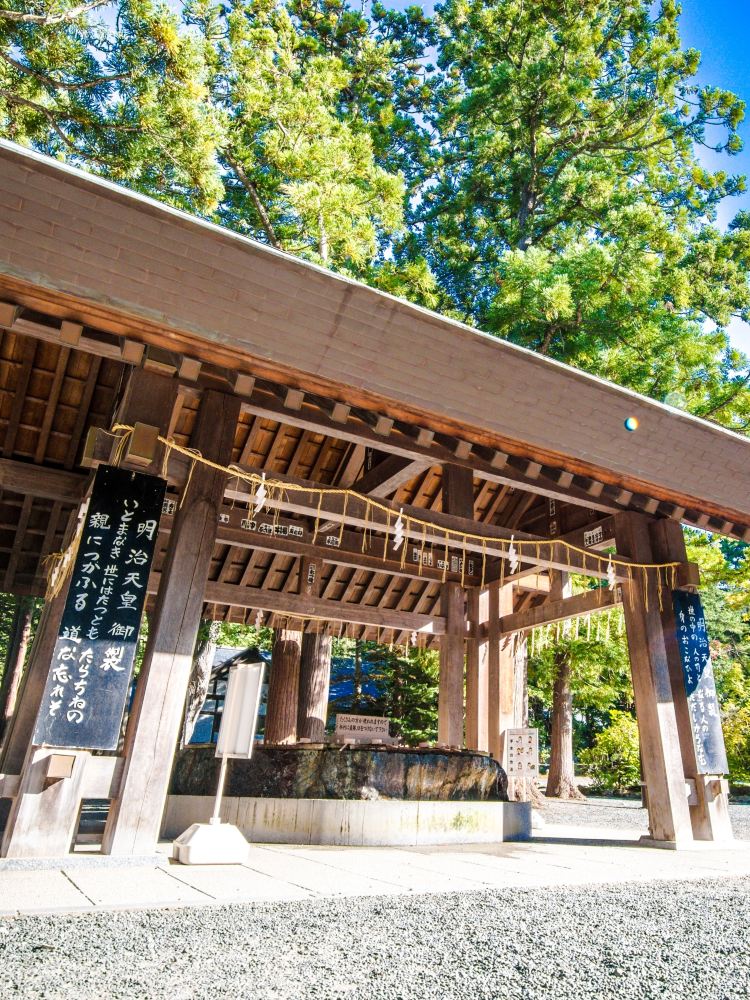
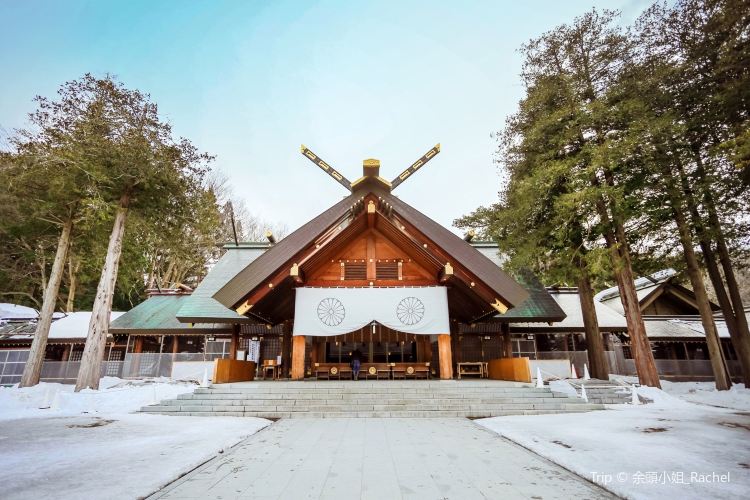
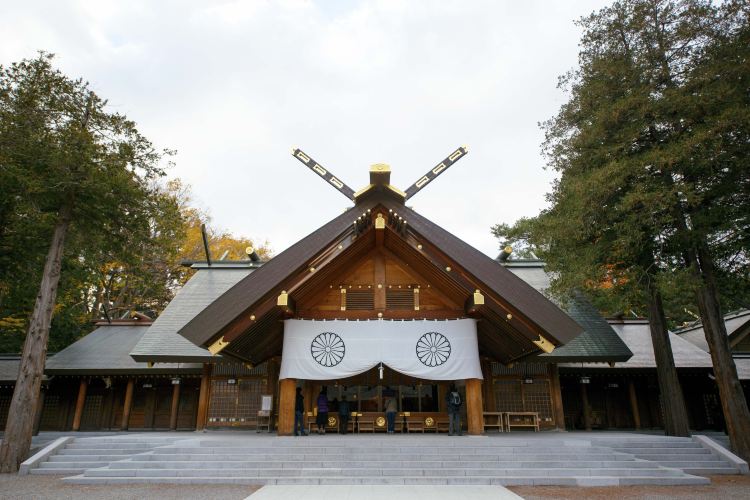
Hokkaido Jingu, also known as Hokkaido Shrine, is a spiritual cornerstone in Sapporo, deeply rooted in the region's pioneering history and Shinto beliefs. Established in 1869, it enshrines deities that symbolize the development and protection of Hokkaido, including the soul of Emperor Meiji. Visitors can immerse themselves in the shrine's tranquil atmosphere, participate in traditional Shinto practices, and witness the vibrant cherry blossoms during spring, which is considered one of the best times for photography. The shrine's annual Sapporo Festival, featuring a parade of Mikoshi, is a cultural highlight, while the serene grounds offer a year-round retreat for reflection and connection with nature.
Sapporo Food Guide
Sapporo's food scene is renowned for its miso ramen with rich, flavorful broth and unique toppings, the social and savory Jingisukan barbecue, the aromatic and spicy soup curry, and an abundance of fresh seafood, reflecting the city's culinary diversity and regional specialties.
Miso Ramen
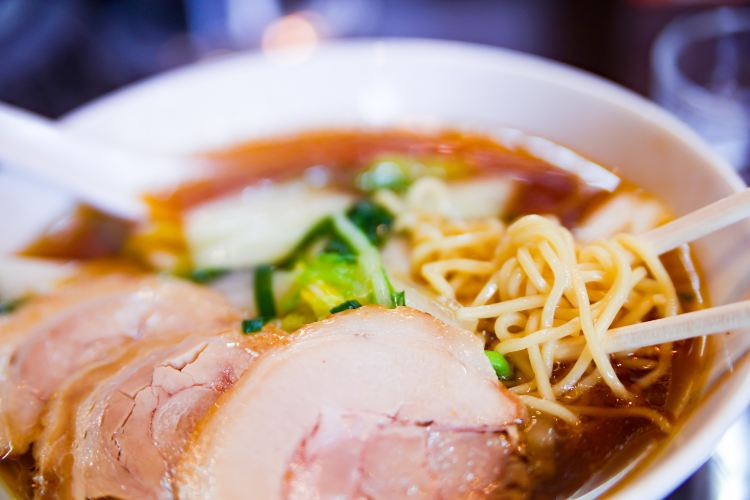
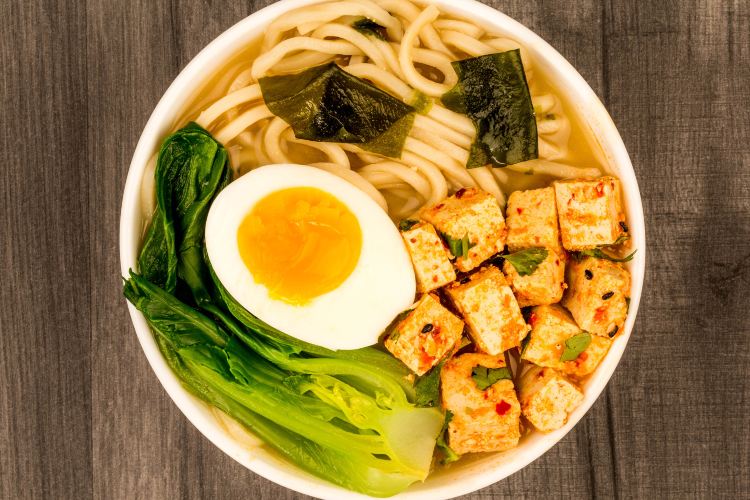
Sapporo is celebrated for its miso ramen, a dish featuring a rich broth flavored with miso paste and typically topped with minced pork, chashu pork, soft-boiled eggs, and vegetables. The noodles used are often thick and curly, and popular toppings include butter and corn, which add a distinct local flavor to the dish. Miso ramen is a staple in Sapporo's culinary scene and can be enjoyed at various eateries throughout the city, including the famous Ganso Ramen Yokocho, or Original Ramen Alley.
Jingisukan
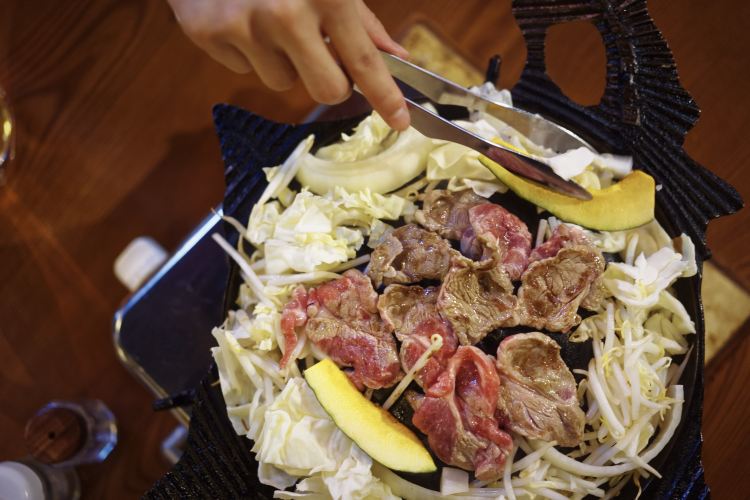
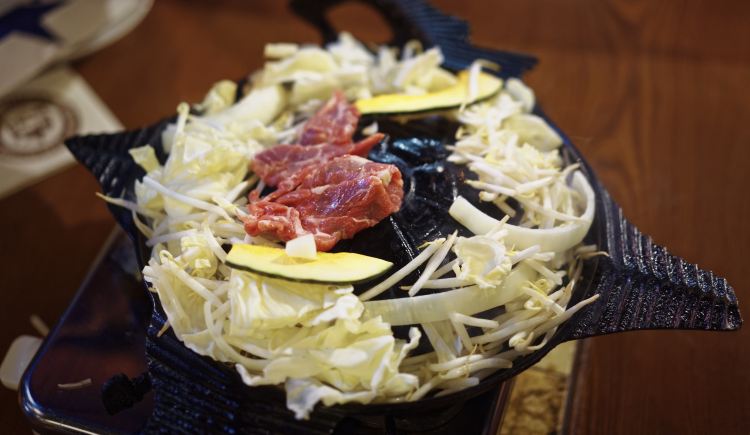
Also known as Genghis Khan, this unique barbecue dish features tender strips of lamb or mutton cooked over a dome-shaped grill, often accompanied by vegetables like bean sprouts, cabbage, and pumpkin. Jingisukan is a distinctive Hokkaido specialty, with Sapporo being a prime location to savor this soul food, which is marinated in an apple and onion sauce to enhance its flavor. It is a social dining experience that reflects the region's agricultural heritage and the popularity of lamb in Hokkaido.
Soup Curry
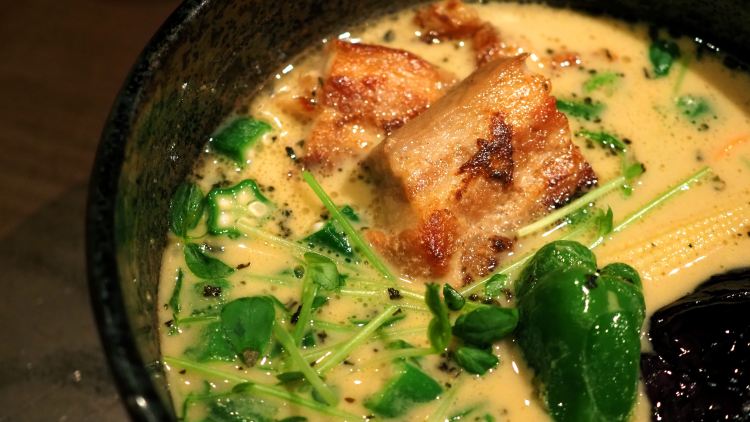
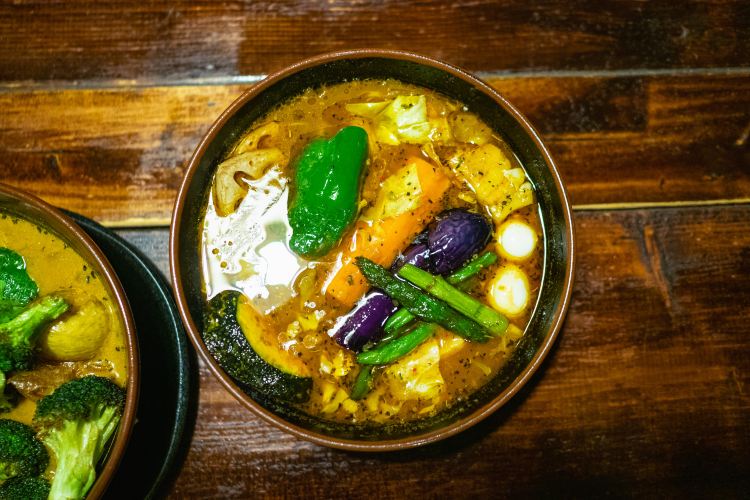
Originating from Sapporo, soup curry is a spicier and more flavorful version of Japanese curry, served with a variety of roasted vegetables and often bone-in chicken thigh. The dish is characterized by its thin, soup-like consistency and a complex spice profile that may remind diners of Indian or Thai curries. Soup curry is a must-try for those looking to experience a unique and aromatic Hokkaido creation.
Seafood
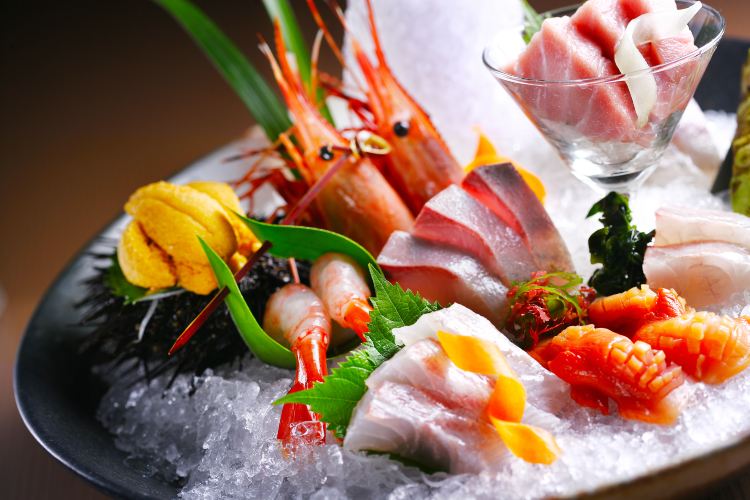
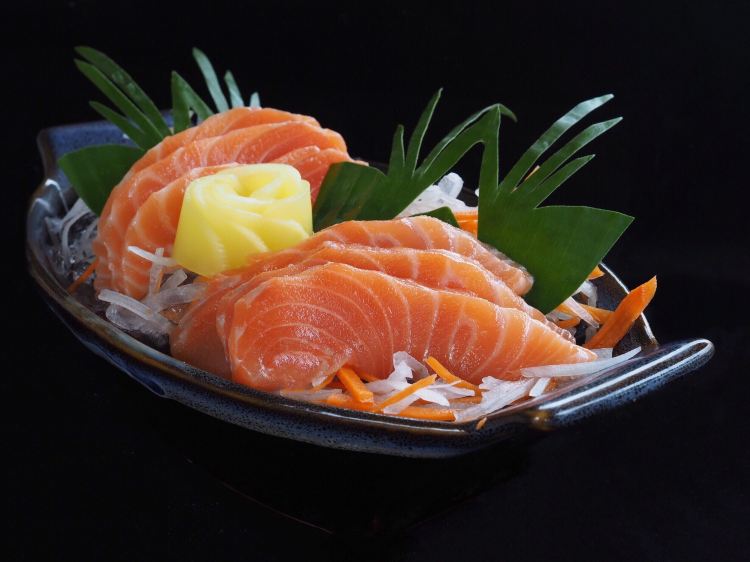
Sapporo's proximity to the sea ensures a bounty of fresh seafood, including crab, uni (sea urchin), hotate (scallops), and various types of fish. Kaisendon, a bowl of sushi rice topped with fresh seafood, is a popular way to enjoy the local catch. The city's markets, such as the Nijo Fish Market, offer an opportunity to sample seafood that is both fresh and reasonably priced.
Sapporo Transportation
How to Get There
Sapporo's transportation infrastructure is well-developed, with New Chitose Airport and Sapporo Station being the primary gateways for intercity travel.
New Chitose Airport, the largest airport in Hokkaido, is located a short distance from Sapporo and serves as a major hub for domestic and international flights. It is well-equipped with facilities and offers ground transportation options such as railways and buses to Sapporo. To reach the city from New Chitose Airport, travelers can take the JR train, which takes only 37 minutes to Sapporo Station.
Sapporo Station, a major railway station, is the central hub for JR Hokkaido's train services and is connected to the Subway Sapporo Station. It is a key point for accessing various parts of Hokkaido and offers numerous shopping and dining options. From Sapporo Station, visitors can easily travel to other regions, including Otaru and New Chitose Airport, making it an essential part of the city's transportation network.
Local Transportation
Sapporo's subway system is a key component of the city's public transportation, offering a convenient and efficient way to navigate the urban area. The Sapporo Municipal Subway operates three lines: the Namboku Line, Tozai Line, and Toho Line, which connect at Odori Station and provide access to various parts of the city, including major tourist destinations. The subway is particularly advantageous for sightseeing, as it is less affected by snow compared to above-ground transportation.
The streetcar, or tram, in Sapporo offers a unique travel experience, especially in the southwestern part of the city where the subway does not reach.
Bike-sharing is another popular mode of local transportation in Sapporo, with services like "Porocle" providing easy access to bicycles for both tourists and locals.
Sapporo Where to Stay
Sapporo is a vibrant city in Hokkaido, Japan, known for its dynamic urban culture and proximity to natural hot springs and ski resorts. The city's accommodations are spread across several key areas, each offering unique experiences and conveniences for travelers.
Jozankei Onsen(Hot springs, scenic beauty, relaxation)
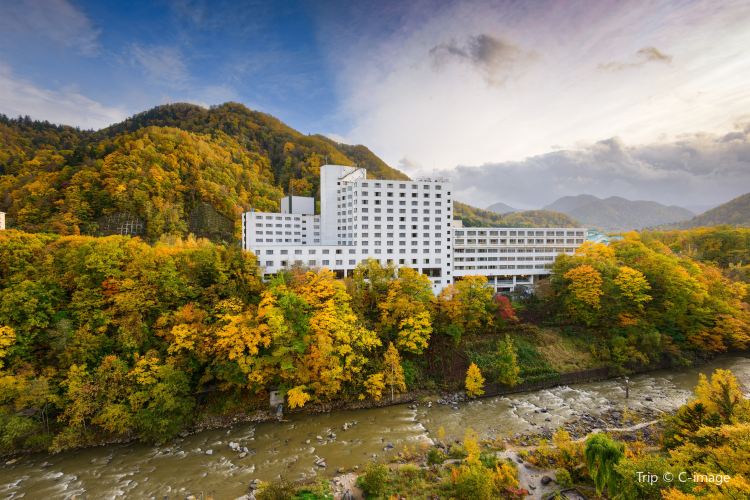
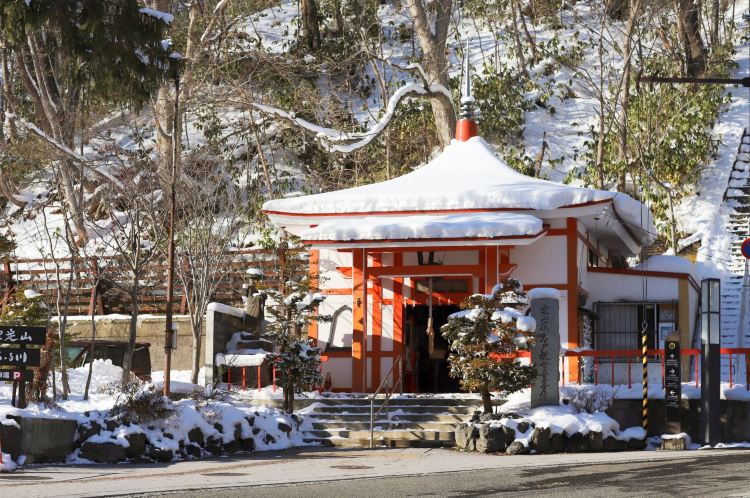
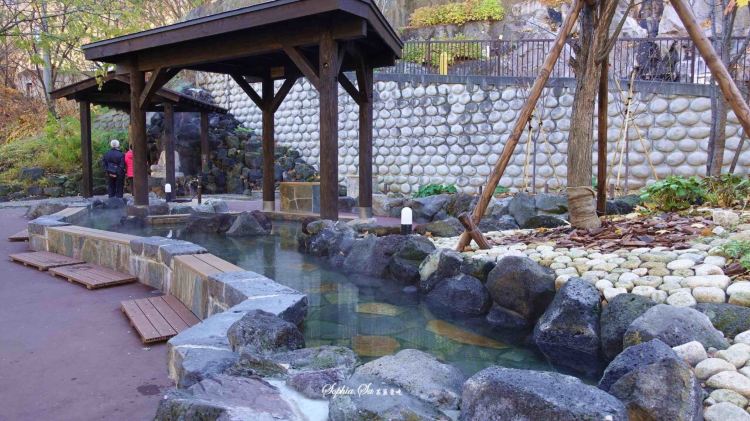
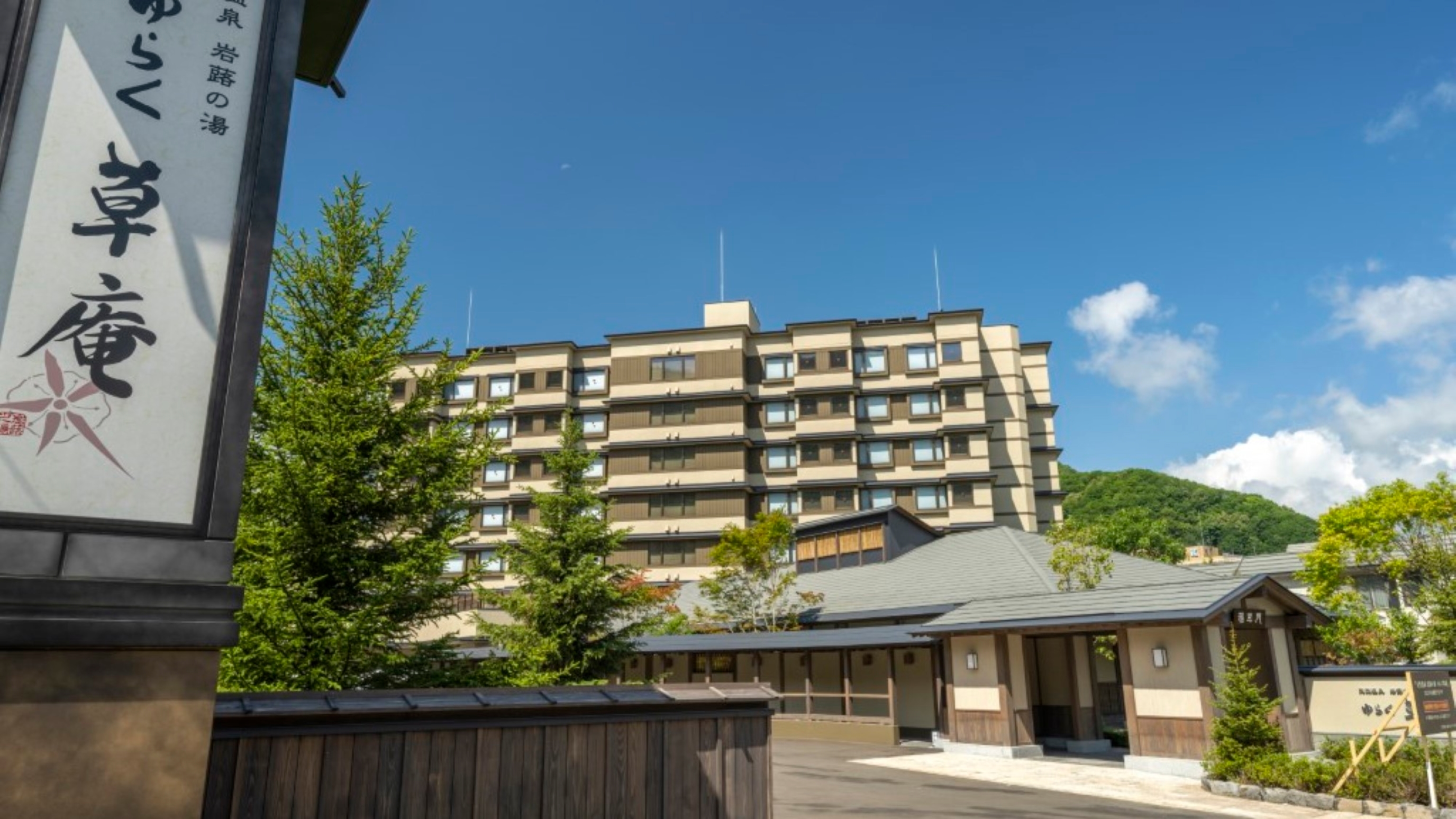
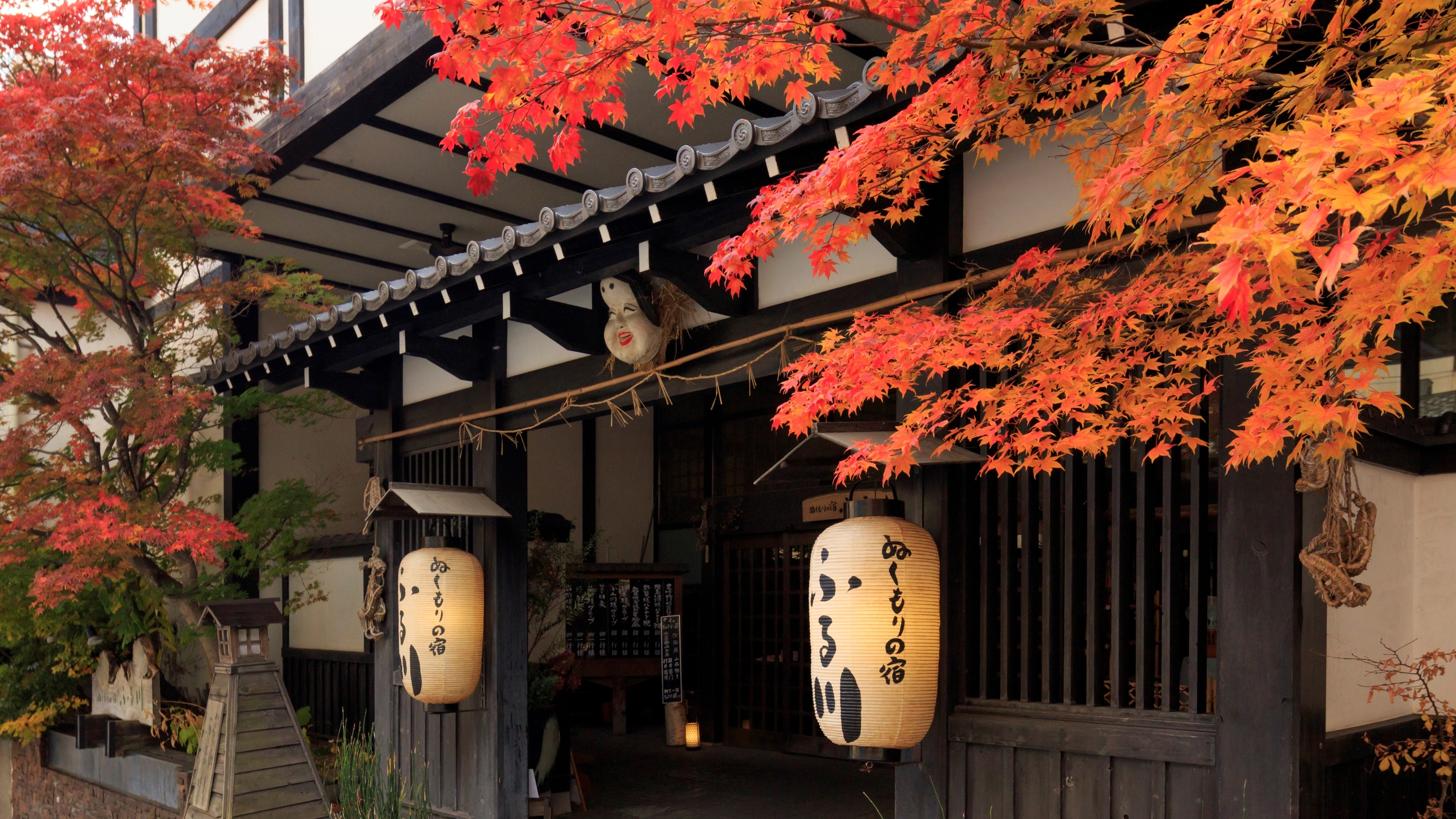
Jozankei Onsen, known as "Sapporo’s Annex," is a hot spring district less than an hour's drive from the city center. This region is characterized by its therapeutic hot springs, scenic beauty, and tranquil environment. Visitors can indulge in the healing waters, enjoy the picturesque views of Shiraito Fall, and partake in seasonal events like the Yukitouro. The area's ryokans offer a traditional Japanese lodging experience, complete with onsen baths and local cuisine. It's a haven for those seeking relaxation away from the hustle and bustle of the city.

Tanukikoji Shopping Street(Shopping haven, cultural mix, and local life)
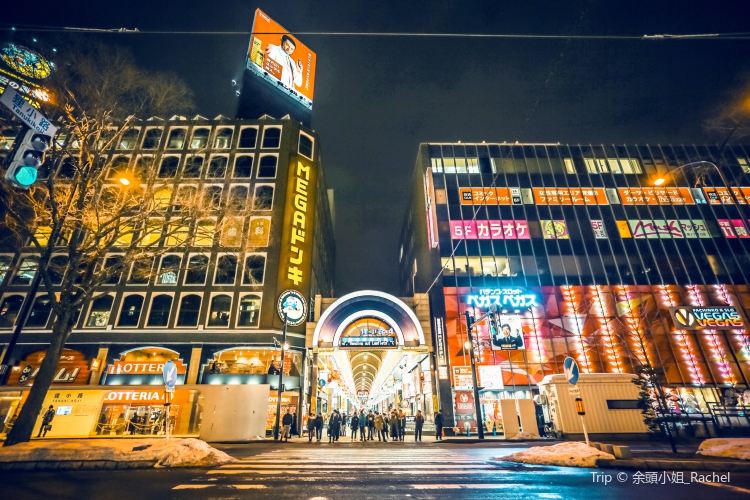
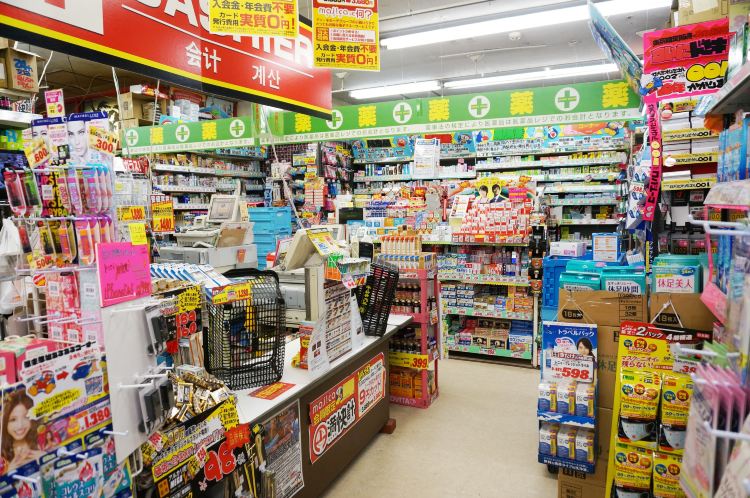
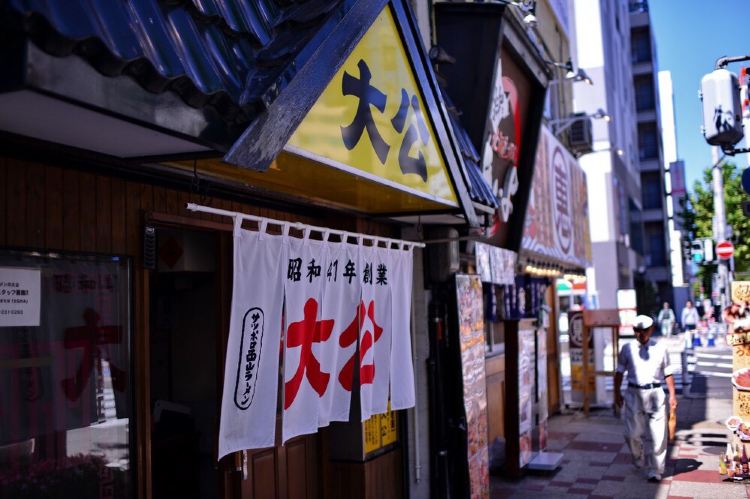
Tanukikoji Shopping Street is a shopper's paradise, featuring a mix of traditional and modern stores along a historic arcade. This region is a cultural hub where visitors can experience the local life of Sapporo. The street is home to a variety of shops, restaurants, and bars, offering everything from Sapporo specialties to international cuisine. The covered arcade allows for all-weather shopping, and the proximity to Susukino, Sapporo's entertainment district, adds to the area's appeal. Accommodations here cater to those who wish to be in the center of Sapporo's shopping and nightlife.
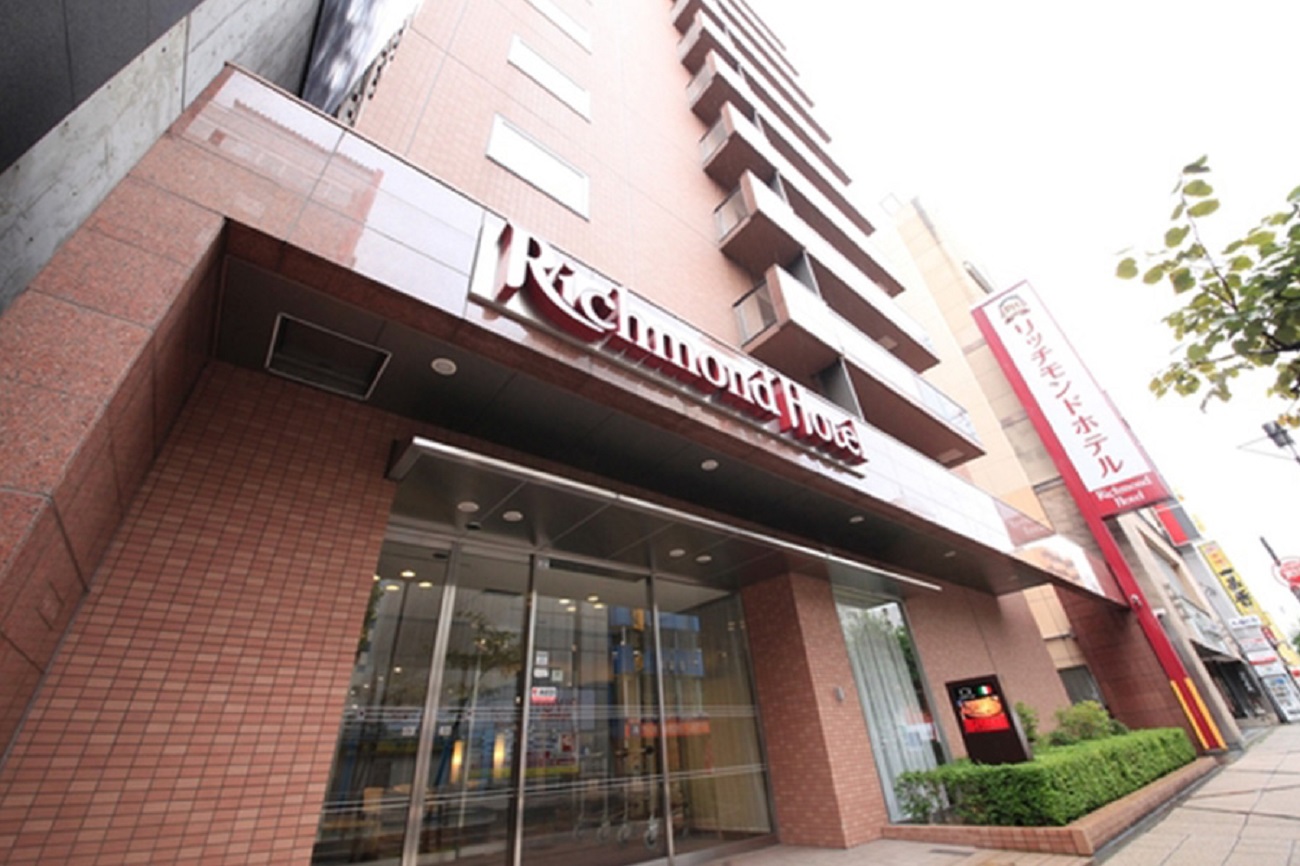
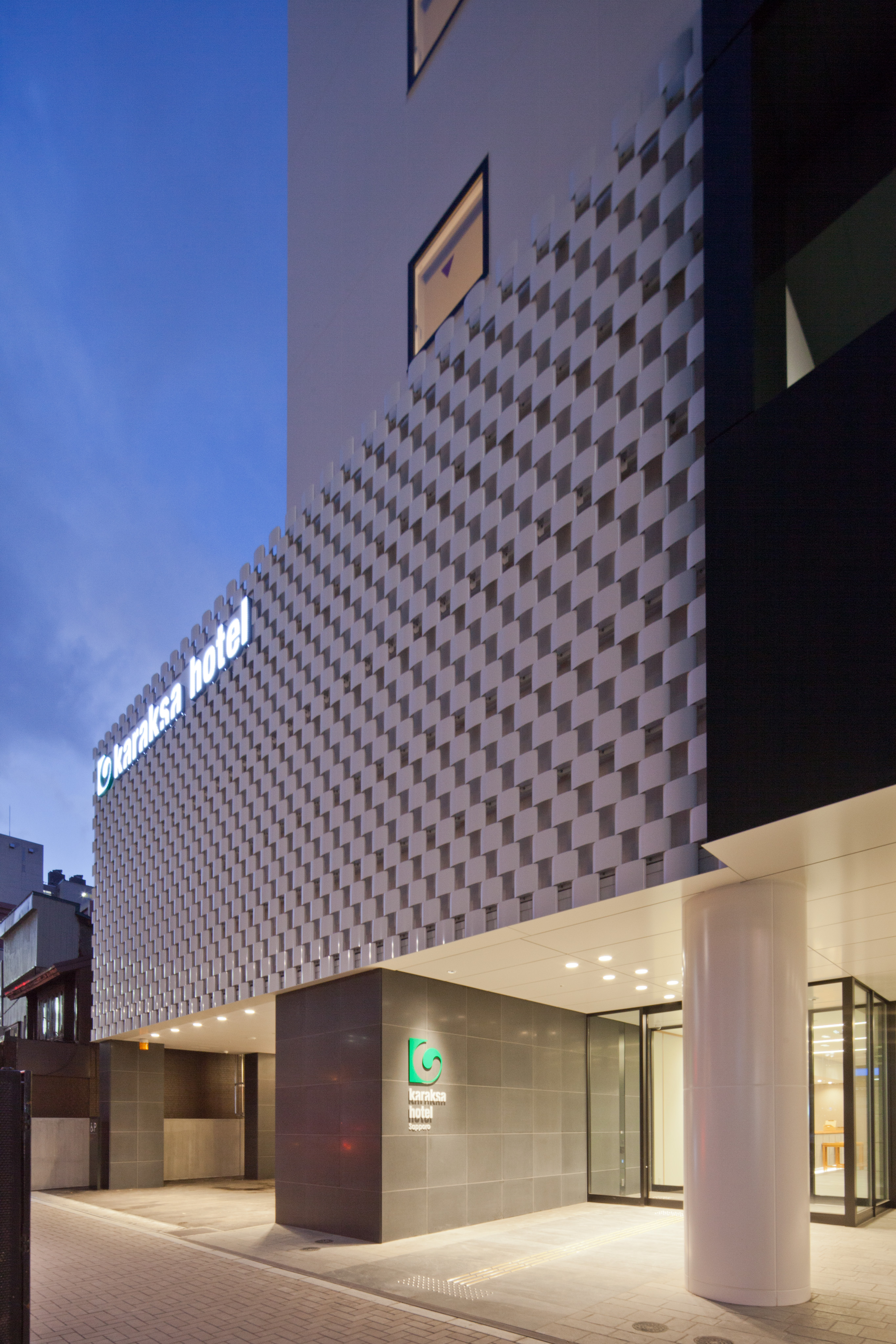
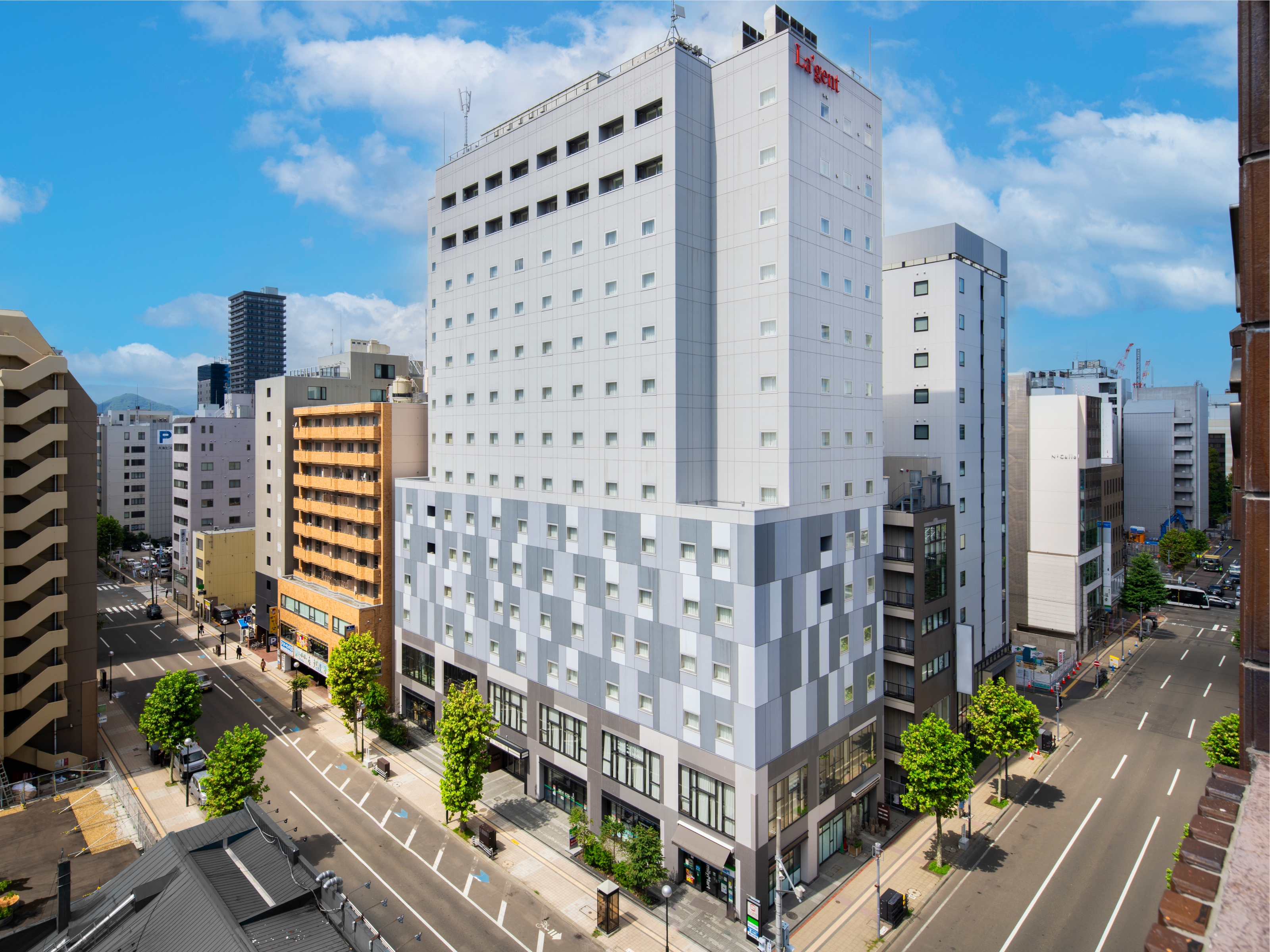
Odori Park(Central location, vibrant events, and greenery)
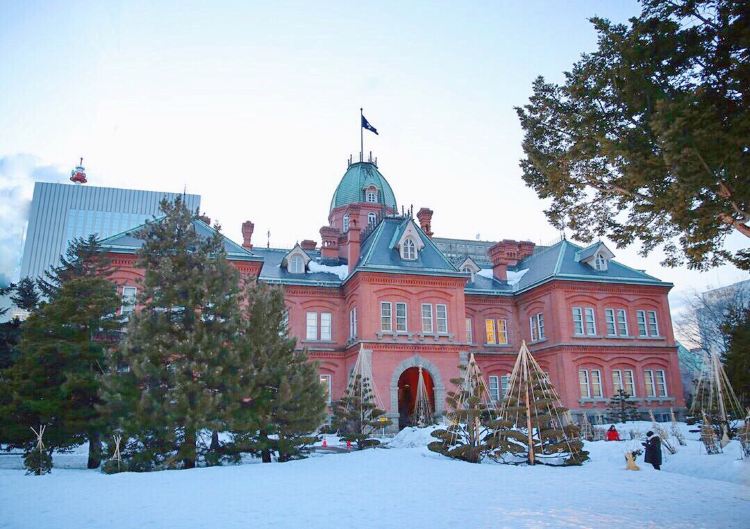
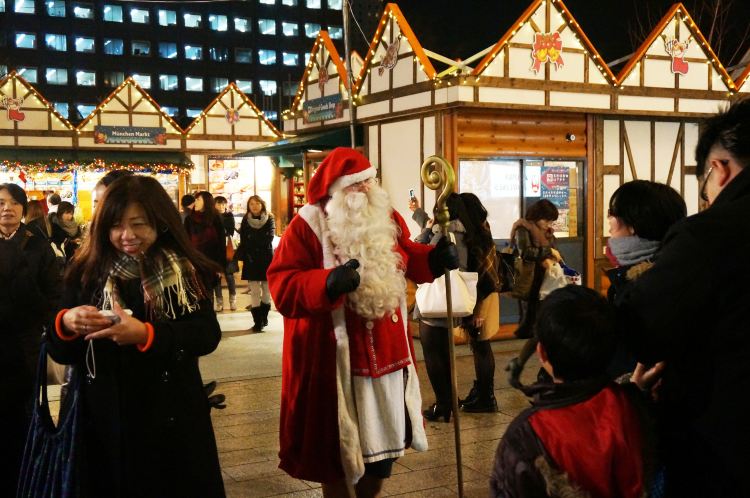
Odori Park is the heart of Sapporo, offering a central location that is perfect for tourists wanting to experience the city's vibrant events and lush greenery. Accommodations in this area provide easy access to the Sapporo TV Tower, various sculptures, and the park's beautiful flower beds. The region is bustling with activities throughout the year, including the Sapporo Snow Festival and beer gardens, making it an ideal spot for those who enjoy urban excitement and cultural festivities. The proximity to subway stations ensures convenient transportation for exploring further afield.
Sapporo Best Time to Visit
Best Time to Visit
The best time to visit Sapporo is during the winter months, specifically from December to February. This period is ideal for those who love winter sports and festivals, as the city is known for its excellent skiing conditions and the world-famous Sapporo Snow Festival held in February. The snow-covered landscape provides a picturesque backdrop for a variety of winter activities, including snowboarding and ice fishing.
Sapporo Travel Tips
1. Reserve Early for Popular Attractions
Many popular attractions in Sapporo, such as the Sapporo Beer Museum and the Shiroi Koibito Park, require reservations, especially during peak seasons. Make sure to book your tickets online well in advance to secure your spot. Additionally, some attractions may have specific best viewing times, so plan to make the most of your visit.
2. Mount Moiwa Ropeway Operating Hours
The Mount Moiwa Ropeway operates from 10:30 AM to 10:00 PM (last ascent at 9:30 PM) during the green season (April to November) and from 11:00 AM to 10:00 PM (last ascent at 9:30 PM) during the winter season (December to March). For a romantic night view, plan to arrive before sunset and stay for the twinkling city lights.
3. Be Cautious of Slippery Roads
During winter, roads and sidewalks in Sapporo can become extremely slippery due to ice and snow. Wear appropriate footwear with a good grip and consider using anti-slip spikes. Walk with small sliding steps and lower your center of gravity. You can also use sand from grit bins scattered around the city to improve traction on icy surfaces.
4. Public Trash Can Scarcity
Public trash cans are scarce in Sapporo, as in the rest of Japan. Carry a small bag with you to store your trash until you find a proper disposal place.
5. Strict Smoking Regulations
Smoking is prohibited in many public places in Sapporo, including streets and parks. Smokers must use designated smoking areas or smoking rooms in public facilities. Some restaurants have separate smoking and non-smoking areas. Adhere to the regulations to avoid fines.
Sapporo Useful Guide
Local Language
The official language in Sapporo is Japanese. Tourists can find translation services at information centers and use language apps for assistance. Multilingualism is present due to global influences, with English and other languages spoken to varying degrees. Effective communication for travelers includes learning basic Japanese phrases and utilizing non-verbal cues.
Local APP
Uber Eats: A leading food delivery app in Japan with a significant number of downloads and innovative self-driving robot delivery services in Tokyo.
Demae-can: Another popular food delivery service in Japan that has seen increased downloads and revenue, especially during the pandemic.
Yelp: Connects people with a wide range of local businesses and services, offering reviews and photos in multiple countries, including Japan.
OMOTENASHI GUIDE: An app that provides multilingual information on announcements and events at transportation and other facilities without the need for manual searches.
Japan Travel - Route, Map, Guide: Offers comprehensive route searches, train connection information, and details on free Wi-Fi hotspots across Japan.
Trip.com: is a popular online travel platform that provides a comprehensive range of services including booking flights.
Internet and Communication
Mobile data packages for immigrants in Japan are available for purchase, with options such as prepaid SIM cards offering unlimited data valid for 8 to 31 days. These SIM cards are provided by Japan's primary mobile operators like Mobal and SoftBank, ensuring 4G internet speed for tasks such as loading maps and ordering taxis. It's important to note that these SIM cards are data-only and do not include call or text services.
Public WiFi in Japan is widely accessible, with free hotspots available in major cities, international airports, hotels, and various establishments like coffee chains and convenience stores. For more comprehensive coverage, especially in remote areas, renting a personal hotspot or pocket WiFi device is recommended. These devices offer unlimited data and can connect multiple devices, ensuring internet access across Japan.
Weather
Sapporo experiences a semi-continental climate with comfortable summers and freezing, snowy winters. The temperature typically ranges from 10°F to 78°F throughout the year, rarely going below -1°F or above 86°F. Heavy snowfall is common in winter, with an average of over 15 feet per year, making it essential to dress warmly with layers, down jackets, and non-slip boots. During summer, the weather is warm and rainy, with temperatures around 30°C (86°F) on hot days. It is advisable to wear waterproof shoes and carry layers that can be easily added or removed due to the significant temperature fluctuations between day and night. For protection against intense cold and potential snowstorms, travelers should have windproof and waterproof outerwear, as well as accessories like scarves, gloves, and hats.
Currency and Payment
In Sapporo, credit cards and mobile payments are widely accepted, with cash as a necessary backup.
Credit cards like Visa, MasterCard, and JCB are commonly used at major hotels, stores, and restaurants, while ATMs at 7-Eleven stores allow cash withdrawals using foreign cards.
Mobile payment apps such as PayPay and Line Pay are also popular, though compatibility with non-Japanese phones may vary.
Carrying cash is advisable for smaller establishments or rural areas, and be mindful of ATM withdrawal fees and mobile payment limits.
Weather in Sapporo

0°
/
-7°
-4°
/
-7°

0°
/
-5°
2°
/
-1°
2°
/
-4°
3°
/
-3°
-1°
/
-6°
 Trending in Sapporo
Shiroi Koibito Park Opens Winter "Snow Fantasy"@Shiroi Koibito ParkShiroi Koibito Park Launches Winter "Snow Fantasy"
Jozankei Onsen: Hot Springs, Saunas, and Scenic Strolls@Jozankei OnsenJozankei Onsen: Hot Springs and Saunas
Smile Rink Sapporo: Winter magic on ice@Odori ParkSmile Rink Sapporo: Winter magic on ice
Sapporo: FAQ

What's the most popular attractions in Sapporo?
How to get to Tokyo from Sapporo?
What is the best season to visit Sapporo?
Best selfie spot in Sapporo?
What is a good souvenir from Sapporo?
Popular destinations
Bangkok
Tokyo
Kuala Lumpur
Los Angeles
Shanghai