Toronto 2026 Guide: Must-see attractions, local cuisine, and practical tips! | Trip.com
 Local GuidesLast updated on Trip.com: 26/08/2025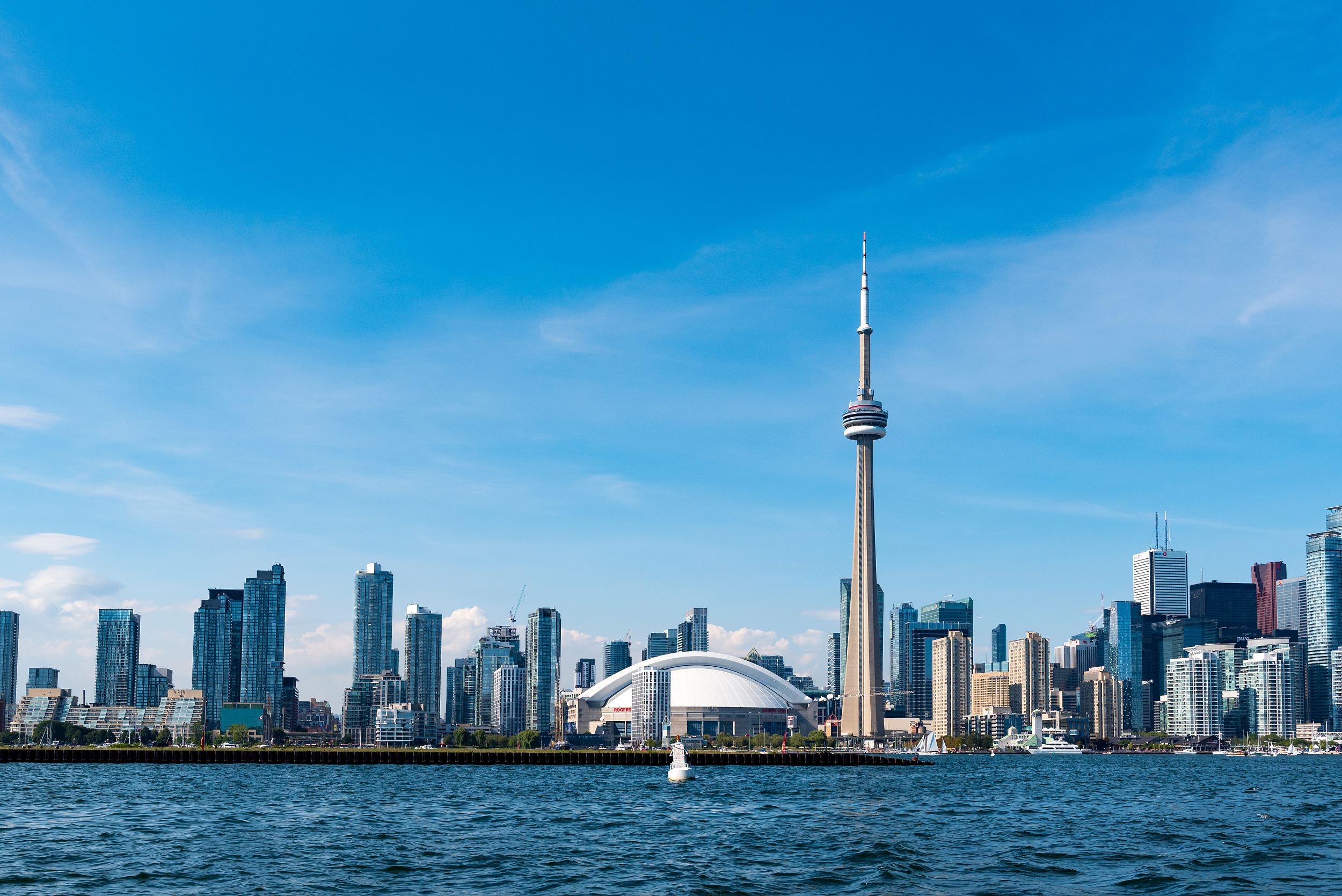
Toronto Brief Guide
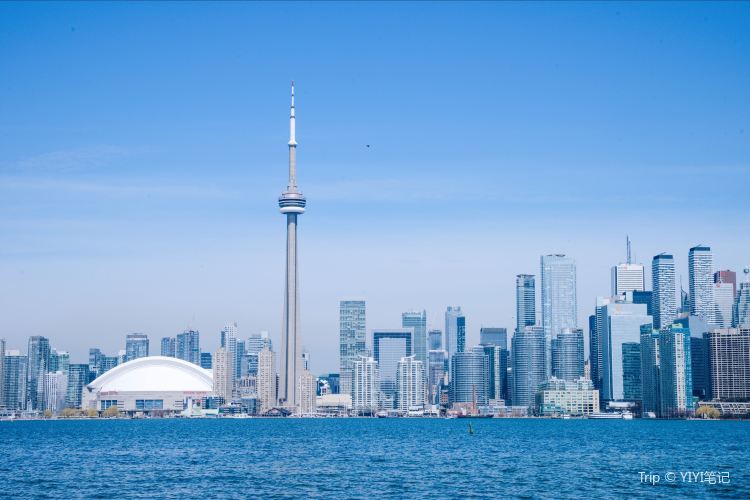
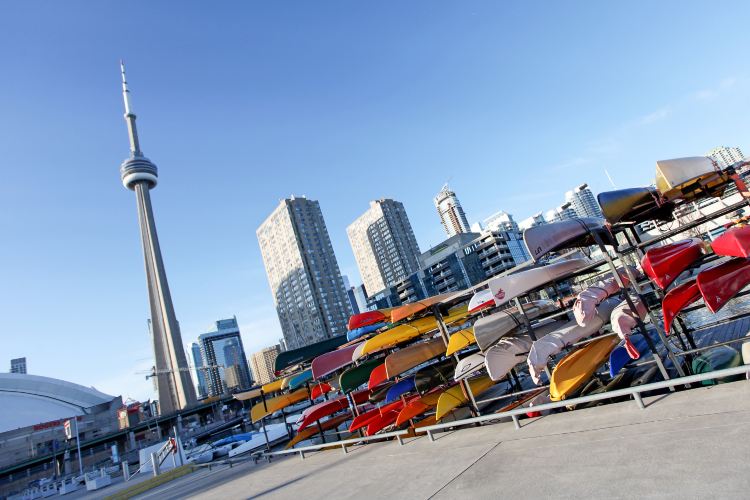
Toronto, Ontario's vibrant capital, blends city energy with lakeside calm. Explore downtown's skyline, savor dim sum in Chinatown, indulge in pasta in Little Italy, or taste bold flavors at Kensington Market. Visit the Royal Ontario Museum, shop in Queen West, and enjoy views from the CN Tower. Don't miss a ferry to the islands or try a peameal bacon sandwich. With its diversity and charm, Toronto invites endless exploration.
Toronto Must-try local experiences
Soar to CN Tower's Heights
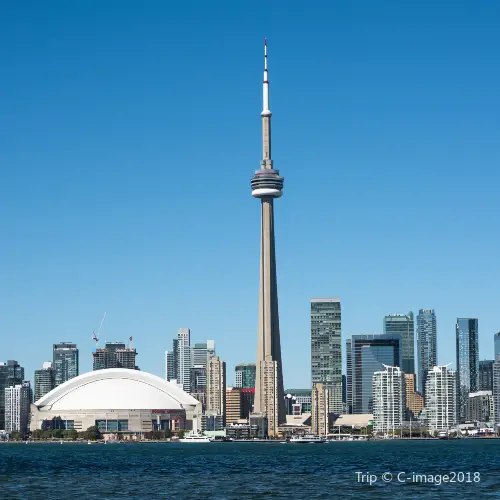
Ascend the CN Tower, Canada's 553-meter icon, for panoramic views of Toronto's skyline and Lake Ontario. Dine at 360 Restaurant, rotating past twinkling city lights, or brave the EdgeWalk, a hands-free thrill along the tower's rim. This towering marvel blends breathtaking vistas with adrenaline, unveiling Toronto's urban expanse under shimmering skies.
Cycle Through City Parks
Rent a bike to explore Toronto Islands' summer trails, weaving past Ward's Island beaches with CN Tower views. In winter, skate at Harbourfront's Natrel Rink or Nathan Phillips Square's iconic rink, gliding under city lights. Picnic under willows or twirl on ice, immersing in Toronto's seasonal rhythms amid sunlit shores and frosty plazas.
Uncover Casa Loma's History
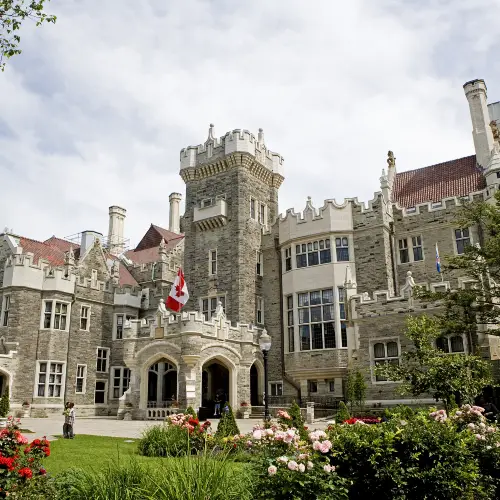
Wander Casa Loma, a 1914 Gothic Revival castle featured in X-Men, through opulent rooms and secret passages. Join a medieval escape room or stroll through its blooming gardens. Nearby, the University of Toronto's Trinity College boasts Gothic libraries resembling Hogwarts' halls. This architectural journey reveals Toronto's cinematic and storied elegance.
Savor Global Culinary Delights
Toronto's cultural mosaic shines at St. Lawrence Market with lobster rolls and butter tarts. In Kensington Market, try Jamaican jerk chicken or Japanese takoyaki. Savor dim sum in Chinatown, handmade pasta in Little Italy, or poutine citywide. From Caribbean to Asian influences, these vibrant flavors weave a culinary journey through the city's diverse, culture-rich neighborhoods, perfect for exploring global tastes.
Explore Artistic Districts' Charm
Stroll the Distillery District, born from 1832's Gooderham & Worts Distillery, with red-brick warehouses hosting breweries and galleries. In Yorkville, browse luxe boutiques and bold art spaces. Admire Queen West's Graffiti Alley murals or the Art Gallery of Ontario's Group of Seven works. Toronto’s creative pulse thrives in this vibrant blend of heritage and innovation.
Admire Autumn Maple Splendor
Journey an hour to Mount Nemo for fiery maple leaves blanketing cliffs, or stroll Toronto's High Park, Trinity Bellwoods, and Rouge Urban National Park, glowing with crimson and gold. Taste maple-glazed donuts under rustling canopies, soaking in autumn's charm. Under crisp October skies, Canada's iconic landscapes shimmer in these vibrant, leaf-strewn havens.
Marvel at Niagara Falls
Journey 90 minutes to Niagara Falls, where thundering waters cascade over mist-soaked cliffs. Ride Niagara City Cruises, drenched by roaring rapids, or explore Journey Behind the Falls’ tunnels. Hike Niagara Glen's trails or spin on the Niagara SkyWheel, with nightly lights illuminating the spectacle. This day trip unveils nature's majestic power in a breathtaking, misty embrace.
Escape to Toronto Islands
Ferry to Toronto Islands, a 19th-century summer retreat from Toronto's buzz. Bike Centre Island's paths, kayak past Hanlan's Point, or ride Centreville Amusement Park's carousel. Skate frozen lagoons in winter or picnic under spring cherry blossoms, the skyline sparkling across the water. This oasis blends nostalgic charm with nature's calm, shimmering under Lake Ontario's breezes.
Toronto Must-see Attractions
Toronto is a vibrant Canadian metropolis boasting iconic landmarks such as the CN Tower, the natural splendor of Niagara Falls, the historic elegance of Casa Loma, the academic prestige of the University of Toronto, and the cultural richness of the Royal Ontario Museum.
CN Tower
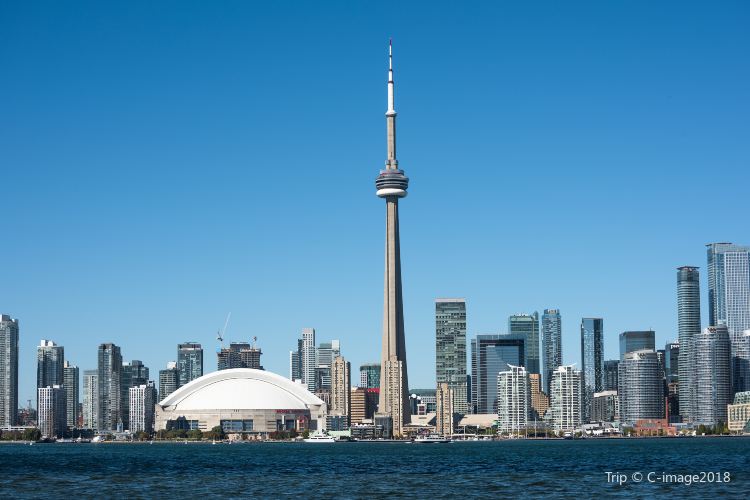
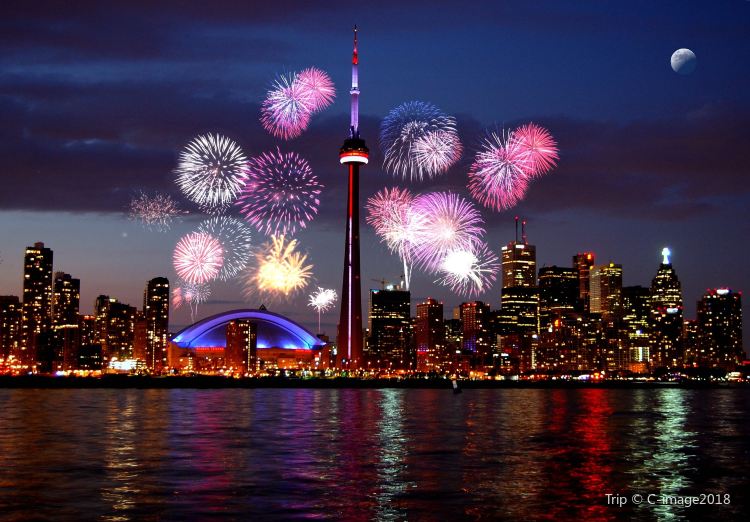
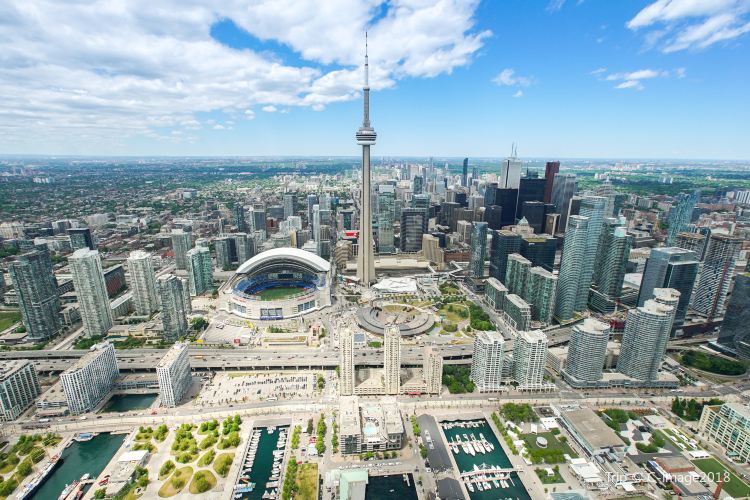
The CN Tower in Toronto stands as an iconic symbol of the city and a celebrated Canadian landmark. Once the world's tallest freestanding structure, it offers visitors a unique blend of observation decks, thrilling experiences, and dining options. The Main Observation Level provides panoramic views of Toronto from 346 meters above ground, featuring floor-to-ceiling windows for an unobstructed perspective of the city's beauty. For those seeking an adrenaline rush, the EdgeWalk offers an unparalleled hands-free journey around the tower's main pod, 116 storeys high, delivering breathtaking vistas and a heart-pounding experience. Additionally, the 360 Restaurant presents a revolving dining experience with a seasonal menu, complemented by the stunning backdrop of Toronto's skyline. The CN Tower's status as a must-visit attraction is undisputed, providing unforgettable views, excitement, and culinary delights.


Niagara Falls



Niagara Falls, located on the border between Ontario, Canada and New York, United States, is a breathtaking natural wonder recognized globally for its immense beauty and spectacle. The falls consist of three separate waterfalls: Horseshoe Falls, American Falls, and Bridal Veil Falls, with Horseshoe Falls being the most expansive and renowned. The Canadian side, known for offering superior views, allows visitors to experience the falls up close through various vantage points, including Queen Victoria Park and the Journey Behind the Falls attraction. While the falls themselves are the main draw, the surrounding city of Niagara Falls, Ontario, provides additional entertainment options, such as casinos, the Niagara SkyWheel, and the Winter Festival of Lights, enhancing the tourist experience. The best time to visit is during the summer months when the weather is warm and all attractions are fully operational, but the falls can be enjoyed year-round, each season offering a unique perspective of this natural spectacle.


Casa Loma
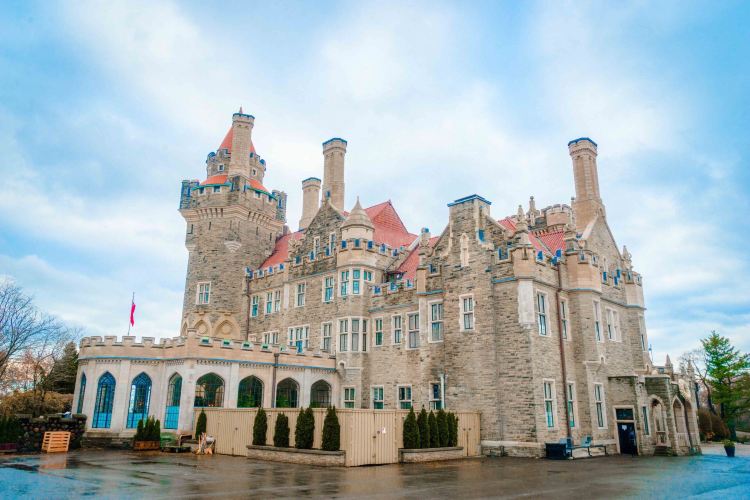
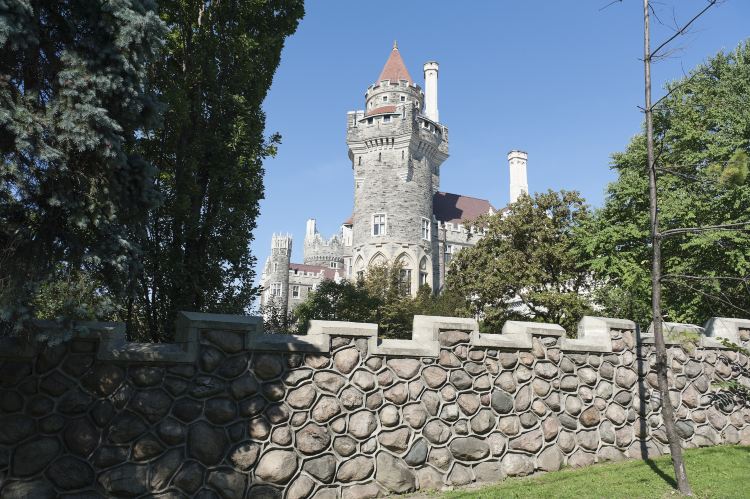
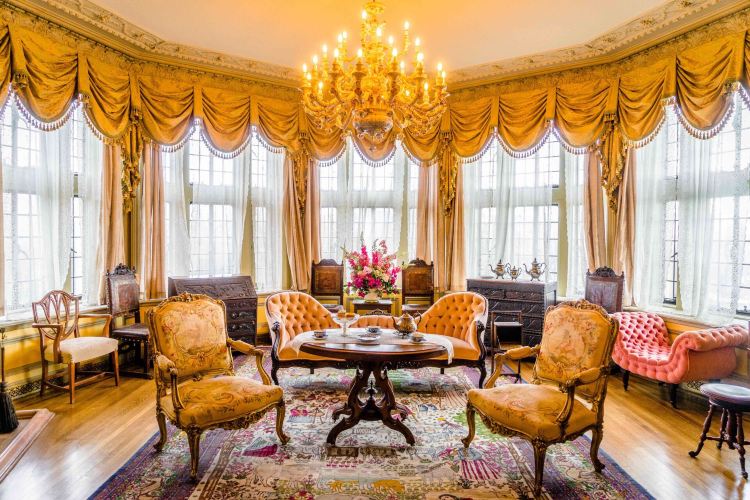
Casa Loma, a Gothic Revival castle-style mansion in Toronto, stands as a testament to the grand vision of financier Sir Henry Pellatt. Constructed between 1911 and 1914, this historic estate boasts 98 rooms, secret passageways, and an impressive array of early 20th-century innovations such as a central vacuuming system and an oven large enough to cook an ox. Visitors can immerse themselves in the opulence of the past as they explore the grandiose rooms, climb the Gothic towers for panoramic views of Toronto, and discover the estate's lush gardens. Casa Loma also serves as a cultural hub, hosting exhibits and events that celebrate its rich history, including the Queen's Own Rifles of Canada Regimental Museum and the Dark Side Tunnel Exhibit. Its unique architecture and historical significance make it a sought-after filming location and a popular venue for weddings and other events.

University of Toronto
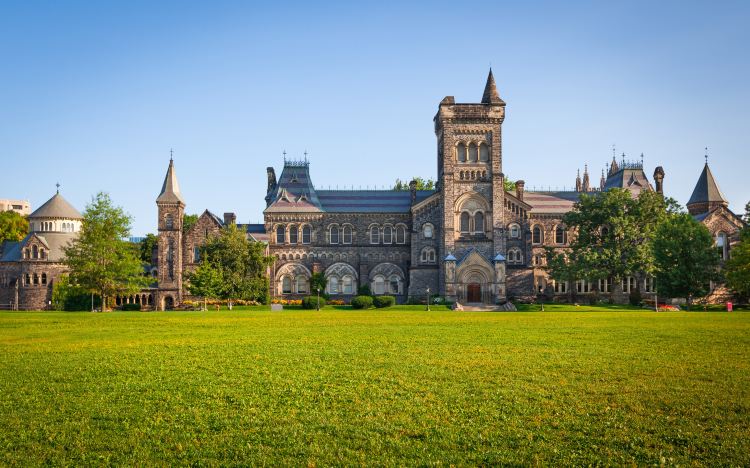
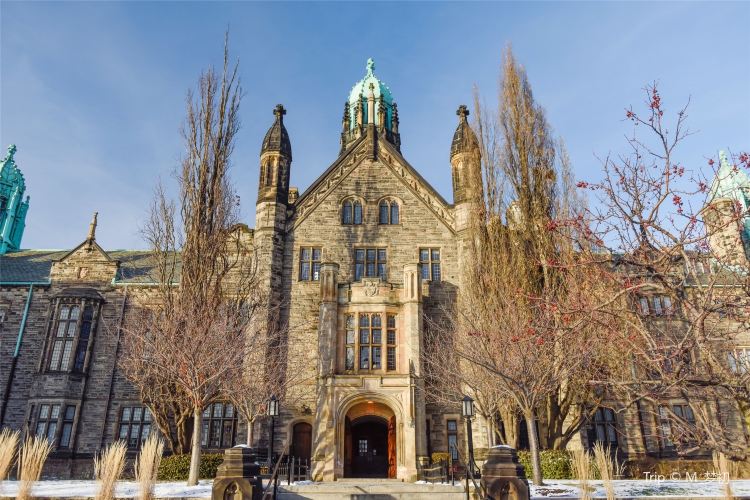
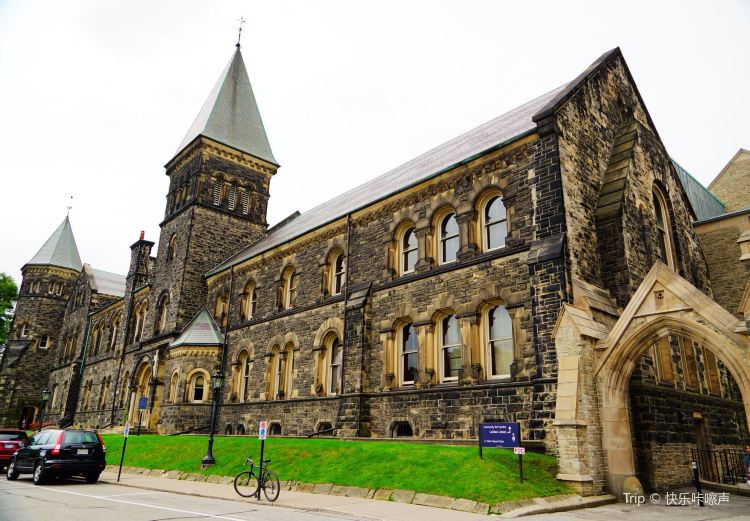
The University of Toronto, established in 1827, stands as a beacon of academic excellence and a research powerhouse in Canada and globally. With its rich history and commitment to innovation, the university has cultivated a diverse and inclusive community, fostering an environment where ideas and progress thrive. As a visitor, you can immerse yourself in the university's vibrant atmosphere, explore its historic architecture, and engage with the intellectual culture that permeates the campuses. The university's extensive library system, one of the largest in North America, offers a wealth of knowledge and resources for exploration. Whether you're interested in the arts, sciences, or professional studies, the University of Toronto provides a glimpse into the world of cutting-edge research and academic distinction.


Royal Ontario Museum
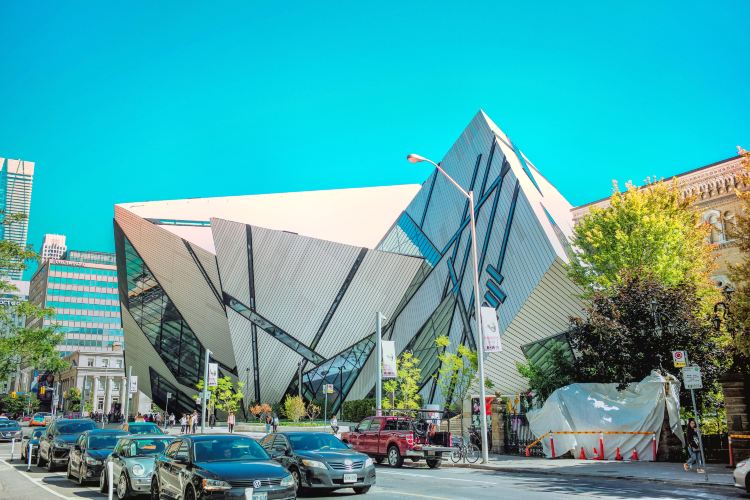
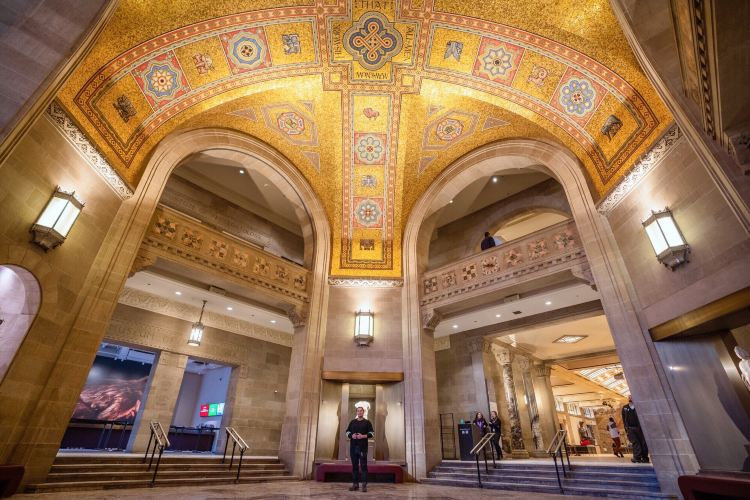
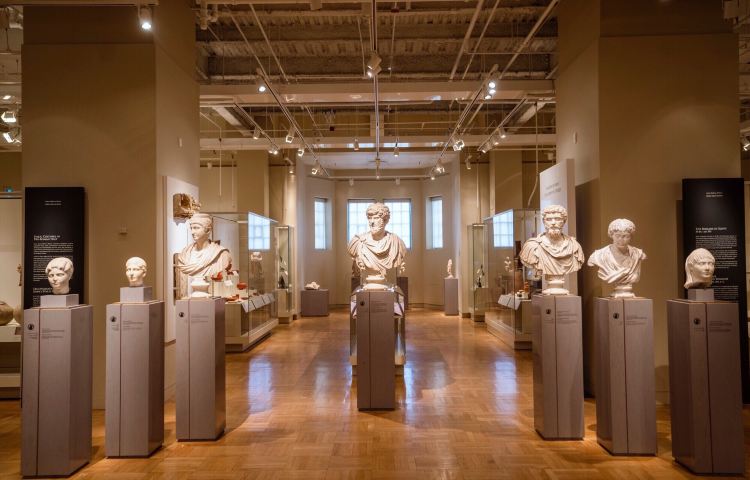
The Royal Ontario Museum (Toronto) is a beacon of art, culture, and nature, showcasing a world-class collection of 13 million artifacts and natural history specimens. As one of North America's top cultural institutions, it offers visitors an immersive experience through its 40 gallery and exhibition spaces. The museum's architecture is a harmonious blend of the original heritage structure and the modern Michael Lee-Chin Crystal, designed by Daniel Libeskind, making it a dynamic cultural destination in the heart of Toronto. The ROM is not only a treasure trove for art enthusiasts and history buffs but also serves as a leading research institute, contributing significantly to our understanding of the world. Visitors can engage with a diverse array of exhibits, from ancient relics to contemporary art, and participate in educational programs that bring the collections to life.

Toronto Food Guide
Toronto's food scene offers a diverse array of culinary delights, from the boutique oysters at Diana's Seafood and the communal tradition of the Toronto Beefsteak Co.'s events to the iconic Peameal Bacon Sandwich at St. Lawrence Market, reflecting the city's rich history and evolving gastronomic culture.
Grilled salmon
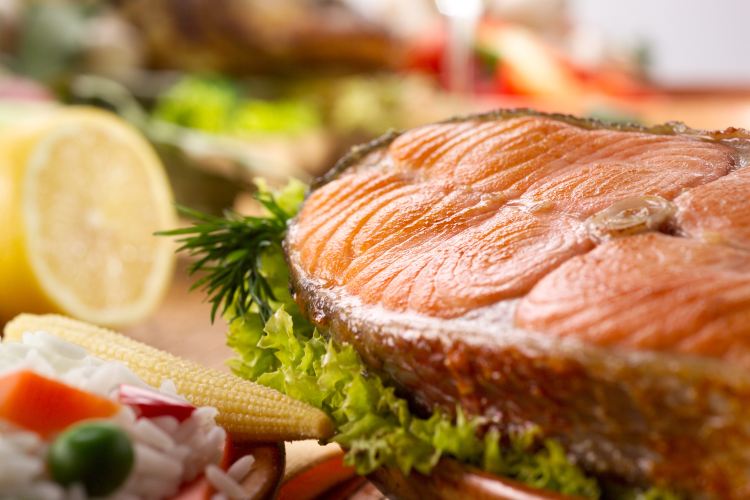
Atlantic salmon, commonly referred to as salmon, is a culinary favorite in Toronto. The preparation involves skewering salmon slices onto tender poplar twigs and roasting them until they achieve a crispy exterior and a succulent interior. This method of roasting preserves the salmon's inherent freshness, offering a melt-in-your-mouth tenderness that leaves a lasting impression with its delectable taste.
Oyster
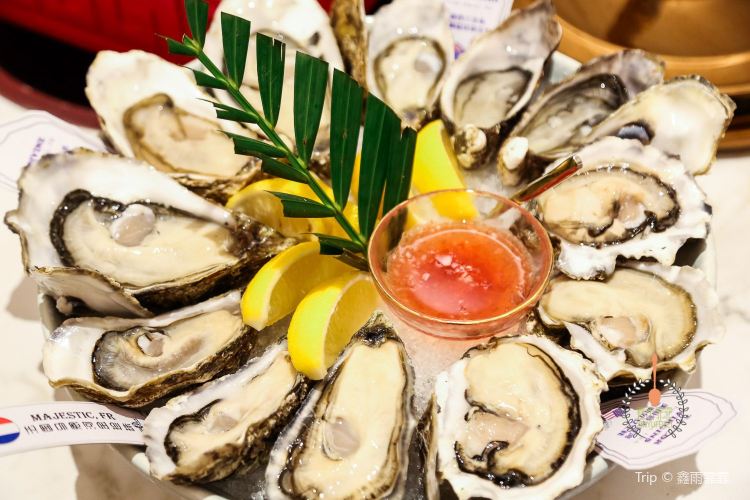
A sought-after delicacy that showcases the city's love for high-quality, boutique bivalves, often served in a range of settings from cozy to upscale. Diana's Seafood, a family-run market and restaurant, offers an impressive variety of oysters, with daily selections ranging from 20 to 40 types, including the sweet Eel Lake from Nova Scotia and the metallic-tasting wild Belons from Maine. With a booming oyster business and growing demand, especially from the Canadian market, enthusiasts are encouraged to indulge in these exquisite seafood treasures before prices potentially soar.
Beefsteak

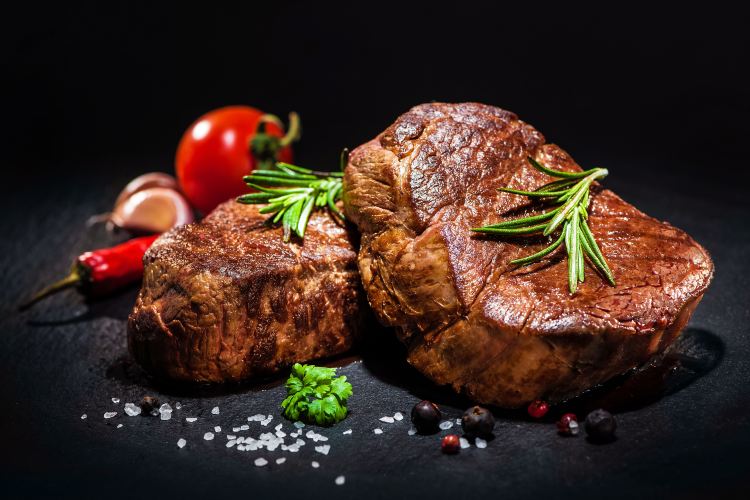
A tradition that hails from the mid-1800s New York & New Jersey, where it began as a political fundraiser and vote-buyer. This culinary experience is now offered by the Toronto Beefsteak Co., which caters to various events including celebrations and birthday parties, aiming to create memorable moments with the perfect pairing of beef and beer. The company, established by the Ascari Hospitality group, ensures a dedicated team to meet all event planning needs, emphasizing the cultural background of the beefsteak and its social aspect.
Pacific geoduck sashimi
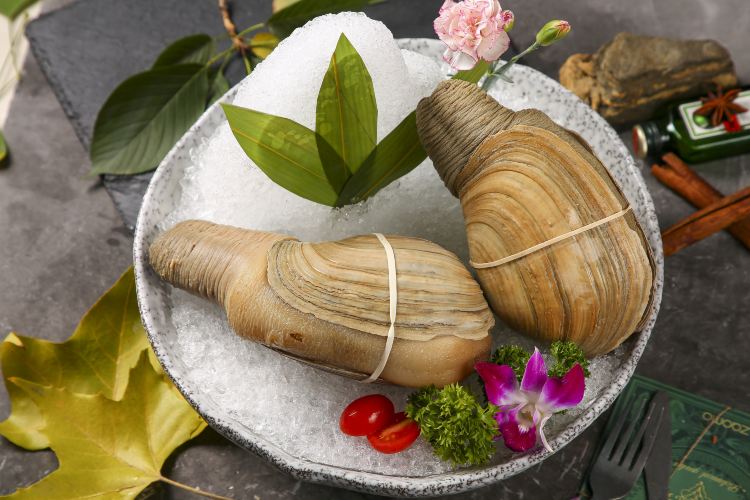
The geoduck, known as the Pacific gaper, is a type of clam that's edible and boasts a distinctive look. It can be enjoyed in various styles, either cooked or raw. One popular way to savor it is as sashimi, where the geoduck is thinly sliced into delicate, wavy pieces. Its flesh is known for being both crunchy and tender, offering a succulent and sweet flavor that's considered a culinary highlight in Toronto.
Bacon Sandwich

A Toronto staple recognized for its simple yet delicious combination of cooked peameal bacon on a Kaiser roll, often accompanied by honey mustard. Officially declared Toronto's signature dish by Mayor John Tory, it features lean and salty pork, sometimes garnished with lettuce and a Canadian flag on a toothpick. Originating from the city's history as a pork processing hub, the sandwich is a nod to Toronto's legacy and can be savored at the famous Carousel Bakery in St. Lawrence Market.
Toronto Transportation
How to Get There
Toronto’s gateways link globally and locally—air, rail, bus, or road.
Toronto Pearson International Airport (YYZ): Canada’s busiest hub, 25 km west in Mississauga, handles most international and domestic flights.
Union Pearson (UP) Express trains reach Union Station in ~25 minutes for a moderate fare. TTC buses (e.g., 900 Airport Express) connect to subway lines; GO buses hit downtown hubs. Taxis, Uber, or Lyft offer direct rides—higher cost, book via app. .
Billy Bishop Toronto City Airport (YTZ): On Toronto Islands, ideal for short-haul flights (e.g., Montreal, Ottawa).
A 90-second ferry or pedestrian tunnel links to downtown; free shuttles run to Union Station. Taxis or rideshares wait nearby—quick but busy. Free Wi-Fi and a small lounge keep waits comfy. Accessibility includes ramps and staff support.
Union Station: Downtown’s rail and bus core.
VIA Rail connects to Montreal (5 hrs), Ottawa (4 hrs); GO Transit serves suburbs like Mississauga. Amtrak ties to New York (~13 hrs).
Long-distance buses (FlixBus, Megabus) arrive here or at nearby terminals. TTC subway’s inside—easy transfers.
By Car: Highways 401, 400, and QEW feed Toronto. Border crossings (e.g., Niagara, Buffalo) are ~1-2 hrs away—passports needed for U.S. entry. Parking downtown’s tight—use apps like Green P.
Local Transportation
Toronto’s transit is broad—subway, buses, bikes, or rideshares.
TTC (Subway, Buses, Streetcars): Multiple subway lines span downtown to suburbs, running ~6:00 AM-1:30 AM (Monday-Saturday), ~8:00 AM-1:30 AM (Sunday).
Buses and streetcars cover the city, most matching subway hours; select night routes (e.g., Yonge, Queen) run 24 hours.
PRESTO cards tap for a small fare; paper tickets or mobile passes work too. Rush hours (7-9 AM, 4-6 PM) crowd up. Wheelchair-accessible stations and low-floor vehicles common.
GO Transit: Trains and buses stretch to suburbs (e.g., Brampton, Hamilton). PRESTO or e-tickets scan for variable fares—buy ahead. Stations like Union or Downsview link TTC.
Rideshares/Taxis: Uber, Lyft, or Beck Taxi—book via app or flag at stands. Short rides cost moderate; airport or late-night trips pricier. Drivers take cards or mobile pay.
Bike Shares: Bike Share Toronto’s 7,000+ red bikes cover downtown to waterfront. Unlock via app for cheap short rides—helmets advised. Paths along Lakeshore or Don Valley suit cycling; stations are dense.
Walking: Downtown’s flat—Chinatown to Distillery’s ~20 mins. Crosswalks and ramps aid accessibility; winter salt clears sidewalks.
Toronto Where to Stay
The city's hotels are spread across various districts, each offering unique experiences and amenities to travelers.
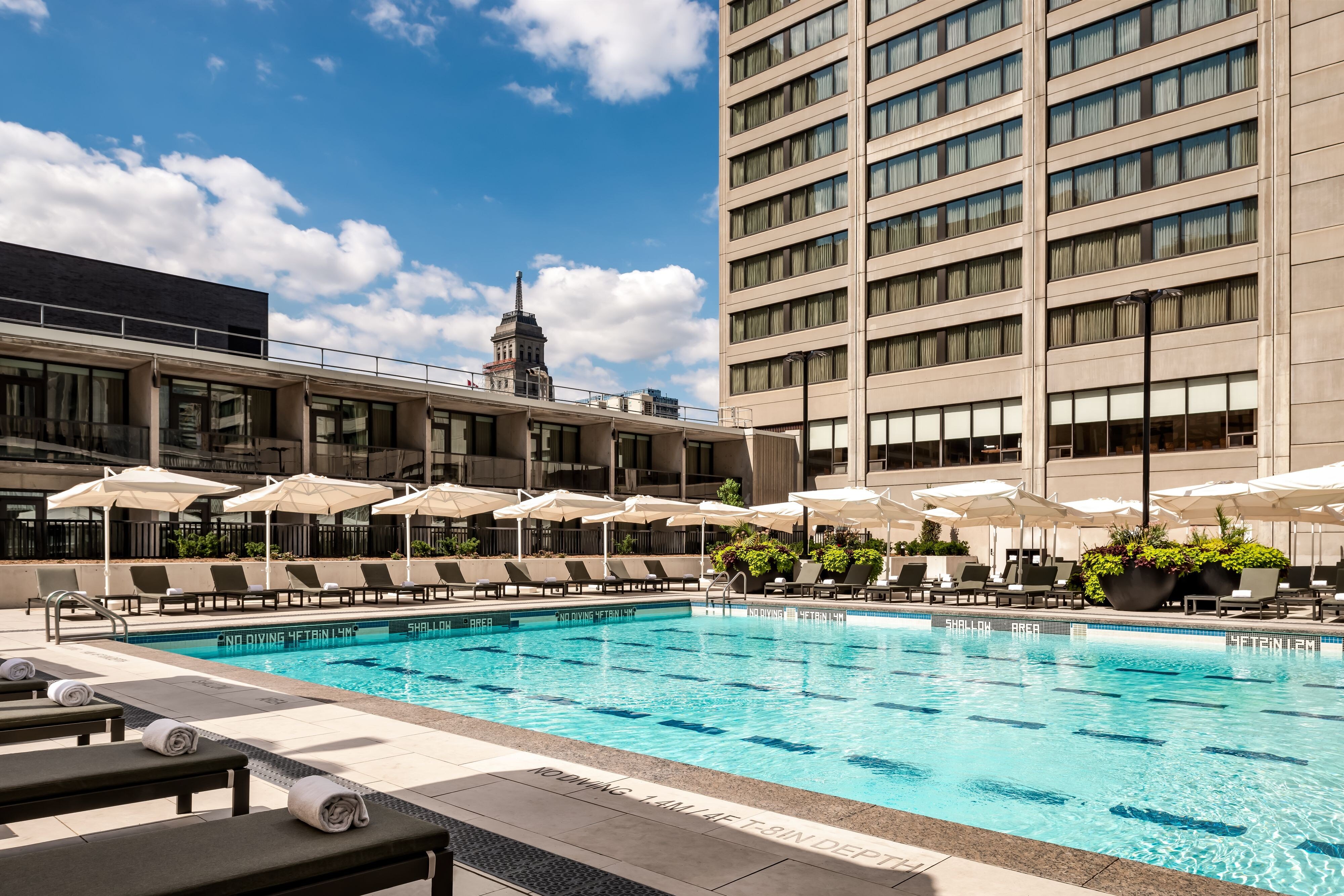
Downtown Toronto (Dynamic urban experience, cultural attractions)
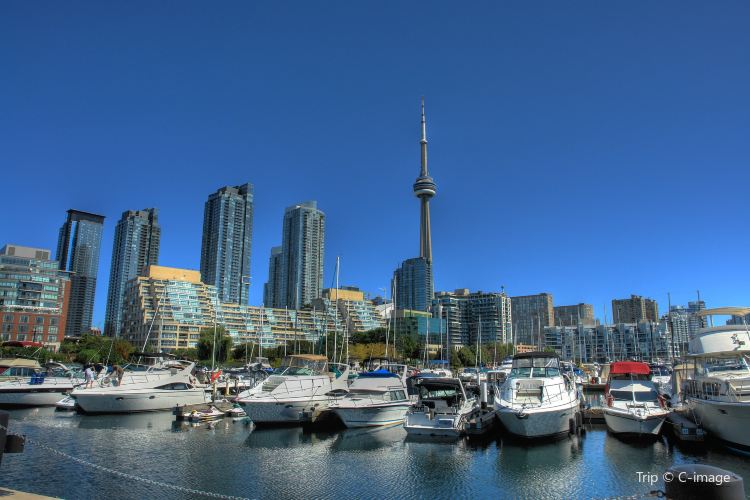
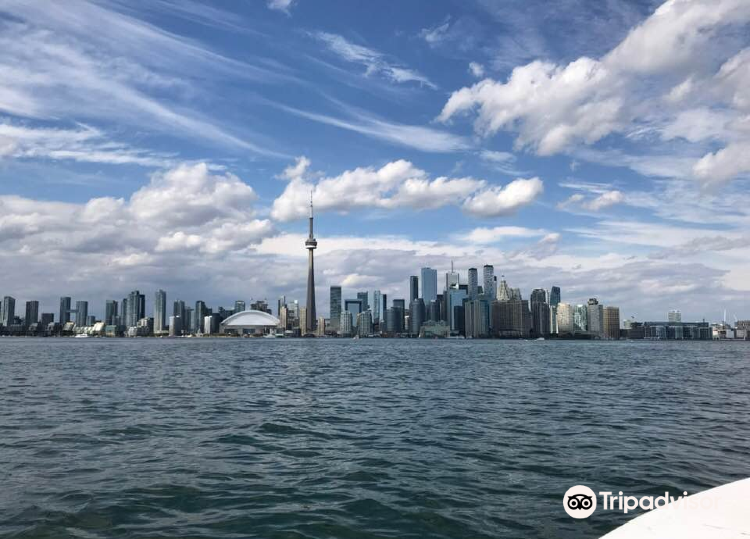
Downtown Toronto is the bustling heart of the city, offering a dynamic urban experience with a mix of modern high-rises and historic buildings. Accommodations here range from luxury hotels to budget-friendly options, providing something for every type of traveler. The area is home to iconic attractions like the CN Tower, Ripley's Aquarium of Canada, and the Harbourfront Centre, ensuring visitors are never far from entertainment and sightseeing opportunities. The district boasts excellent public transportation links, including subway lines and streetcars, making it easy to explore the rest of the city. Shopping enthusiasts will appreciate the proximity to the Toronto Eaton Centre, while those interested in the arts can visit the nearby Art Gallery of Ontario. The neighborhood's vibrant nightlife and diverse culinary scene add to its appeal as a prime location for visitors to Toronto.
North York (Suburban charm, cultural diversity)
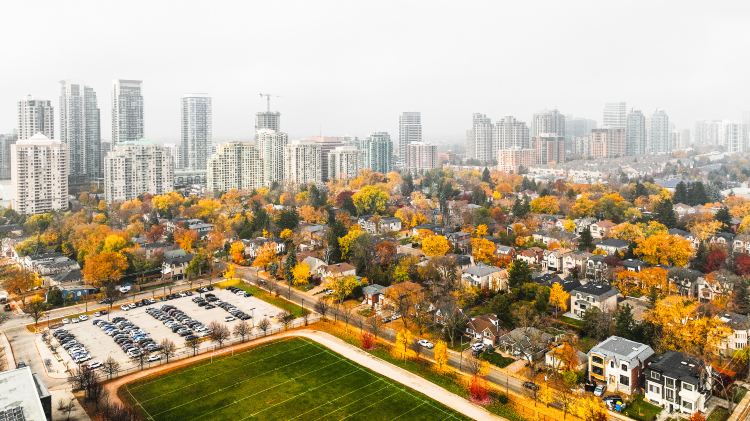
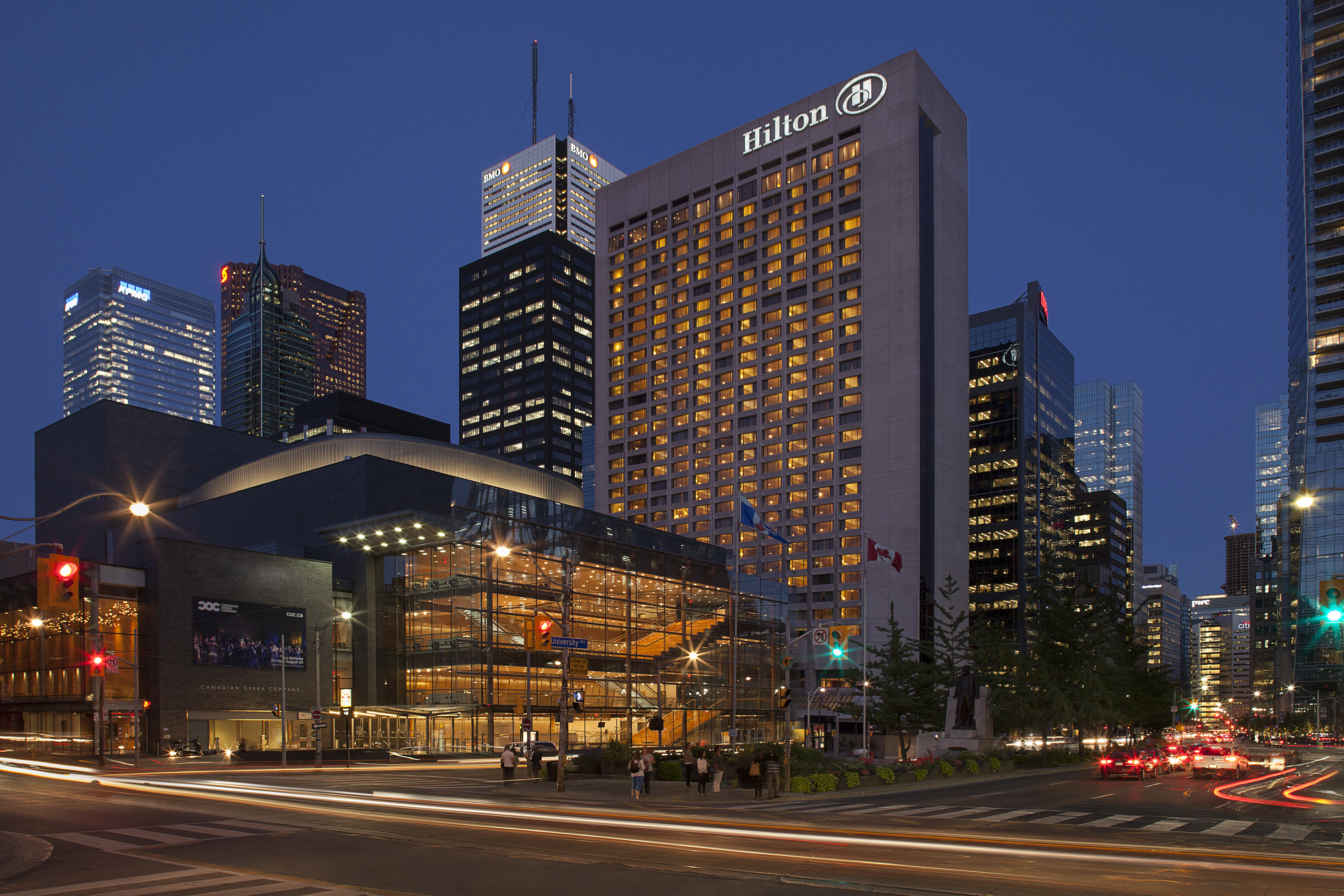
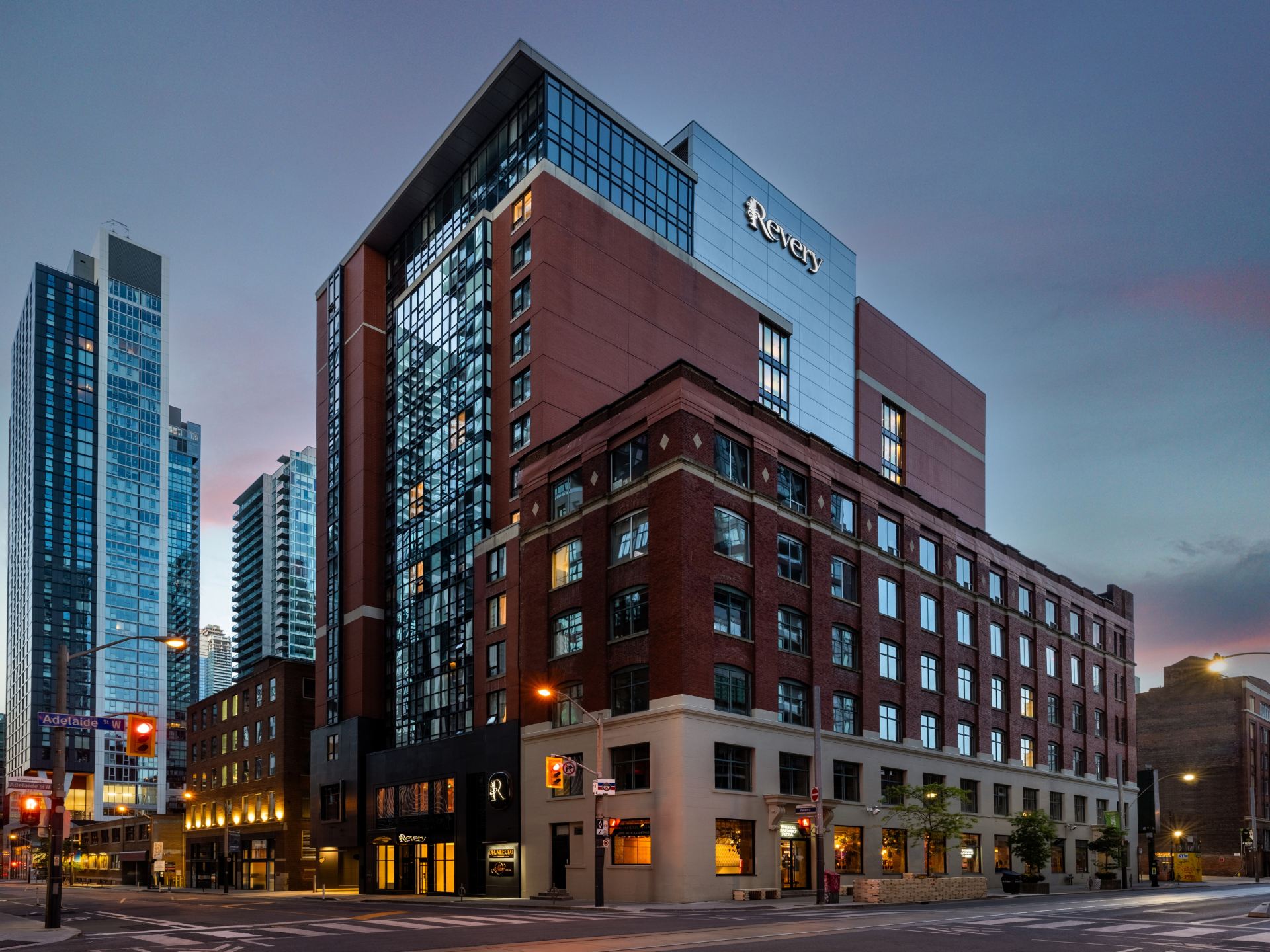
North York offers a more suburban experience with a mix of residential areas, shopping centers, and cultural attractions. This region provides a quieter alternative to the downtown core, with accommodations often set in more spacious surroundings. Visitors can explore cultural sites such as the Toronto Centre for the Arts and the Aga Khan Museum, which highlight the area's diverse heritage. North York is well-connected by public transportation, including subway access via the Yonge-University line, making it convenient for guests to travel to downtown Toronto or other parts of the city. The neighborhood's dining options reflect its cultural diversity, with a variety of international cuisines available. For those seeking retail therapy, the expansive Yorkdale Shopping Centre is a major draw.
Niagara (Scenic beauty, wine country)


While not within Toronto itself, the Niagara region is a popular destination for travelers looking to experience the natural beauty and attractions beyond the city. Known for the majestic Niagara Falls, this area offers a range of accommodations from luxury hotels with stunning views to cozy bed and breakfasts in the surrounding wine country. Visitors can enjoy activities such as the Hornblower Cruise, which provides an up-close experience of the falls, or explore the charming town of Niagara-on-the-Lake. The region is also famous for its wineries, where guests can partake in tastings and tours. Although further from Toronto's urban center, Niagara's unique attractions and serene environment make it a worthwhile consideration for those extending their travel itinerary.



Toronto Best Time to Visit
Best Time to Visit
Toronto shifts with seasons—each brings a mood. Spring or fall suit quiet trips; summer’s for parties, winter’s for cozy vibes—pick your flavor.
Spring warms parks with blooms—mild, less busy.
Summer sizzles—Pride, Caribana, street fests draw crowds, sticky air.
Fall cools—Toronto International Film Festival shines, trees glow red, walks calm.
Winter chills—skating at Nathan Phillips Square, holiday markets sparkle, snow slows pace.
Toronto Travel Tips
1. Budget for Taxes and Tipping
Toronto’s prices for hotels, dining, and public transit often exclude sales tax (13%). Expect to pay this at checkout. Tipping is customary at restaurants, bars, and cafés (15–20% of the bill for good service). Credit cards like Visa and Mastercard are widely accepted, but it's recommended to carry small amounts of Canadian dollars (CAD) for tips at coffee shops or small vendors. Avoid exchanging money at tourist-heavy spots to get better rates at banks or ATMs.
2. Prioritize Public Transit or Biking in Downtown
Driving in downtown Toronto can be challenging due to heavy traffic, high parking costs, and the presence of streetcar tracks. Opt for the Toronto Transit Commission (TTC) subways, buses, or streetcars, which are reliable and cover the city extensively. Bike Share Toronto offers 7,100+ bikes across 680 stations for short rides. Walking is ideal for exploring vibrant areas like the Distillery District, CN Tower, or Waterfront. Use Uber or Lyft for convenience, but compare fares to avoid surge pricing.
3. Master TTC Transit with Presto or Contactless Payment
The TTC operates subways, buses, and streetcars, offering unlimited transfers within two hours when using a Presto card, Presto in Apple Pay or Google Pay, or tap-enabled credit or debit cards. Purchase a Presto card at subway stations, Shoppers Drug Mart, or online for multi-day trips. Tap your card when boarding buses, streetcars, or entering subway stations, and always tap the same card for transfers. Children under 12 ride free. For airport travel, take the UP Express from Pearson Airport to Union Station. Request stops on buses or streetcars by pressing the red button or pulling the yellow cord.
4. Rent Cars Wisely for Out-of-City Trips
For day trips (e.g., Niagara Falls), rent from reputable local companies like Enterprise. Bring a valid driver’s license (international licenses may need a translation). Review insurance terms, document the car’s condition with photos, and research downtown parking (Green P lots are affordable). Avoid driving in the city center due to congestion and high parking fees.
5. Follow “Stand Right, Walk Left” on Escalators
On TTC escalators, stand on the right and leave the left side clear for walkers, especially during rush hours (7–9 AM and 4–6 PM). Blocking the left can frustrate locals. Avoid lingering in station walkways to maintain a smooth flow.
6. Understand Pedestrian Signals
Toronto’s crosswalk signals show a white figure for safe crossing, a red hand with a countdown to hurry, or a solid red hand to stop. At some intersections, press the pedestrian button to trigger a green light. Always check for fast-moving traffic, especially bikes, and avoid distractions like phones when crossing busy streets like Yonge or Queen.
7. Use the PATH for Weather-Proof Navigation
Toronto’s PATH, a 30-km underground walkway, connects subway stations, malls, and attractions like the CN Tower and Union Station. It’s perfect for staying dry and warm during rain or winter snow. Download a PATH map or use signage to navigate, as it can be complex. Ideal for exploring downtown without braving the weather.
8. Respect Strict Smoking Laws
Smoking (including e-cigarettes) is banned in Toronto’s public indoor spaces, transit, and most outdoor areas like patios, with steep fines. Smoke only in private homes or designated hotel smoking areas (check the hotel's policies). Avoid carrying lit cigarettes on the streets to stay compliant.
9. Know Ontario’s Drinking Rules
The legal drinking age in Ontario is 19 years old. Carry a passport or ID for age verification at bars or when buying alcohol. Drinking is restricted to licensed venues like bars or restaurants; public drinking on streets or in parks is illegal and can lead to fines. Be discreet with alcohol purchases to avoid attention.
10. Visit Top Attractions Early
Popular spots like the CN Tower, Royal Ontario Museum, and Casa Loma get crowded by noon. Book tickets online in advance through official sites to skip lines, especially during holidays or festivals like TIFF (September). For Blue Mountain’s winter spa, reserve tickets early, as they sell out fast. Arrive early for shorter queues and a relaxed experience.
11. Book Shows and Sports Tickets in Advance
Secure tickets for Mirvish Theatre shows or sports events (e.g., Maple Leafs games) through official platforms to avoid scalpers selling counterfeit tickets near the venues. Popular events sell out quickly, so plan ahead, ideally weeks or even months in advance, especially for games at Scotiabank Arena.
12. Stay Safe on Public Transit
Toronto’s TTC is generally safe. Keep your valuables secure in crowded areas, such as Union Station. Use Designated Waiting Areas (DWAs) with intercoms and cameras at subway stations, especially late at night. On buses, women traveling alone can request a stop between regular stops from 9 PM to 5 AM.
Toronto Useful Guide
Local Language
English is the official language in Toronto.
Local APP
TTC Connect: Tracks subway, bus, streetcar times—live delays, station alerts.
GO Transit: Schedules, tickets for trains, buses—regional travel sorted.
Triplinx: Maps TTC, GO, and nearby cities’ routes—full transit planner.
Uber/Lyft: Book rideshares—track drivers, fare splits.
Bike Share Toronto: Finds bikes, unlocks rides—city cycling guide.
Green P: Locates parking—downtown’s tight, saves circling.
Toronto 311: City info—closures, events, transit detours.
Internet and Communication
SIM Cards: Rogers, Bell, Telus, or Freedom Mobile at Pearson, YTZ, or malls—affordable plans with data and calls, ~5-50GB options. Passports required; eSIMs via Airalo or Holafly cut costs—buy online pre-trip. Kiosks at airports explain plans.
Wi-Fi: Free at Pearson, Billy Bishop, Union Station, TTC subway stations, libraries, malls (Eaton Centre, Yorkdale), and cafes like Tim Hortons. Fast, secure—some need email or phone number signup. Hotels offer Wi-Fi; public parks add hotspots.
Emergency: 911 for police, fire, ambulance—English works; multilingual support available.
Currency and Payment
The Canadian Dollar (CAD) is the standard currency in Toronto. Most restaurants, shops, and transit services accept Visa, Mastercard, and American Express, with tap-to-pay options being common. Mobile payment methods like Apple Pay, Google Pay, and Samsung Pay are also widely accepted, with vendors from markets to museums using them.
For local transactions, debit cards (Interac) are popular. Cash is becoming less common, but small bills ($5, $10) are still useful for tips, street vendors, and small cafes. ATMs are available at banks and malls, but be mindful of potential fees. When exchanging currency, using banks or Pearson Airport is preferable to airport kiosks for better exchange rates.
Weather in Toronto

28°
/
20°

22°
/
17°

25°
/
17°
25°
/
19°
26°
/
19°
29°
/
19°
27°
/
20°
 Trending in Toronto
Discover Niagara Falls: iconic attractions and cultural heritage@Niagara FallsExplore Niagara Falls: iconic attractions and cultural heritage
A guide to the magical corners of the University of Toronto@University of TorontoA guide to the magical corners of the University of Toronto
Cliffs of Calm: Discovering Toronto’s Scarborough Bluffs@Scarborough BluffsCliffs of Calm: Discovering Toronto’s Scarborough Bluffs
Toronto: FAQ

What's the most popular attractions in Toronto?
What is the best season to visit Toronto?
What currency is used in Toronto?
What's the best food in Toronto?
Popular destinations

Bangkok
Tokyo
Kuala Lumpur
Los Angeles
Shanghai