Wuhan 2025 Guide: Must-see attractions, local cuisine, and practical tips! | Trip.com
 Local GuidesLast updated on Trip.com: 01/08/2025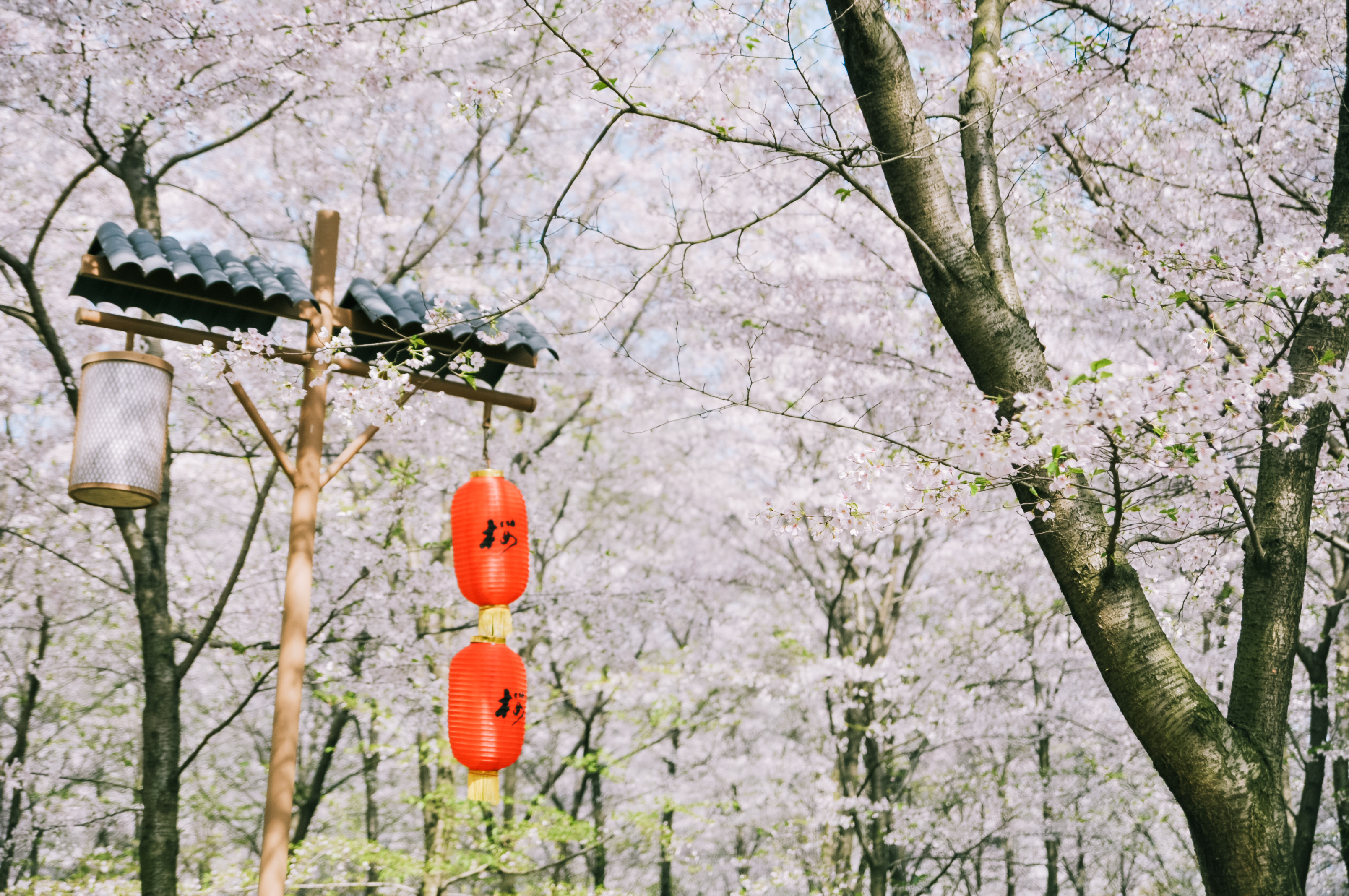
Wuhan Brief Guide
Wuhan sits at the crossroads of the Yangtze and Han rivers. Visit the historic Yellow Crane Tower, explore East Lake’s parks, and try local dishes like re gan mian noodles. Wuhan blends timeless traditions with modern ambitions. Plan your perfect Wuhan journey with our local guide!
Wuhan Must-try local experiences
Explore the Historic Yellow Crane Tower
Ascend the Yellow Crane Tower for panoramic views of Wuhan and the Yangtze River. Learn about its rich history and cultural significance through exhibits and displays. Capture stunning photographs of this iconic landmark.
Stroll along the Scenic East Lake
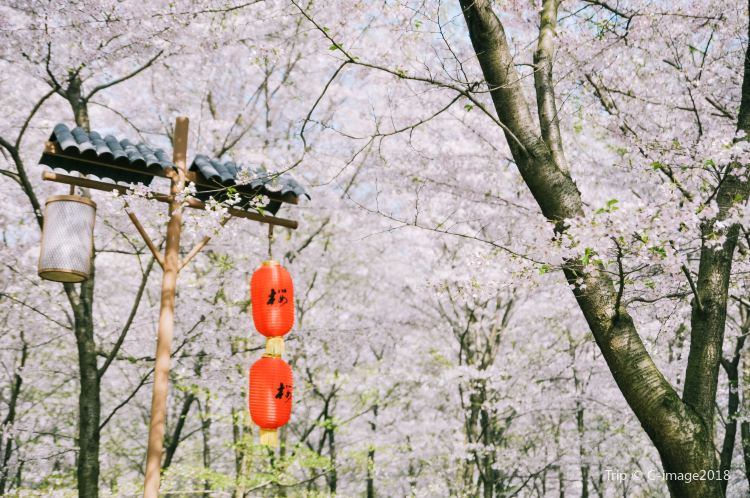
Explore East Lake, cycling, or strolling along scenic trails surrounded by lush greenery and tranquility. During cherry blossom season, the East Lake Cherry Blossom Garden becomes a top destination for photography, offering a stunning floral backdrop.
Experience the Charm of Chu Culture
Discover Hubei's rich history at the Hubei Provincial Museum, featuring ancient artifacts like bronzes, ceramics, and the Bianzhong. Immerse yourself in Han Opera, a traditional Chinese opera from Hubei. Enjoy the elaborate costumes, expressive singing, and stylized movements.
Experience the Beauty of Wuhan University
Wander through Wuhan University's picturesque campus, known for its beautiful architecture and cherry blossoms. Enjoy the blend of Chinese and Western styles.
Take a Night Cruise on the Yangtze River
A night cruise on the Yangtze River offers a unique perspective of Wuhan's illuminated skyline. It's a romantic and serene experience.
Savor the Flavors of Wuhan Cuisine
Indulge in Wuhan's unique cuisine, including Re gan mian (hot dry noodles), Doupi (savory bean curd), and Mianwo (fried dough rings).
Discover Local Delights at the Jianghan Road Pedestrian Street
Explore Jianghan Road Pedestrian Street, a shopper's paradise with department stores, boutiques, and street vendors. Find souvenirs and local snacks.
Wuhan Must-see Attractions
Wuhan, a city rich in cultural heritage and modern attractions, boasts landmarks like the historic Yellow Crane Tower with panoramic views, the Hubei Provincial Museum with ancient relics, the storied Qingchuan Pavilion, the culturally significant Hankou Bund, and the thrilling Wuhan Happy Valley amusement park.
Yellow Crane Tower
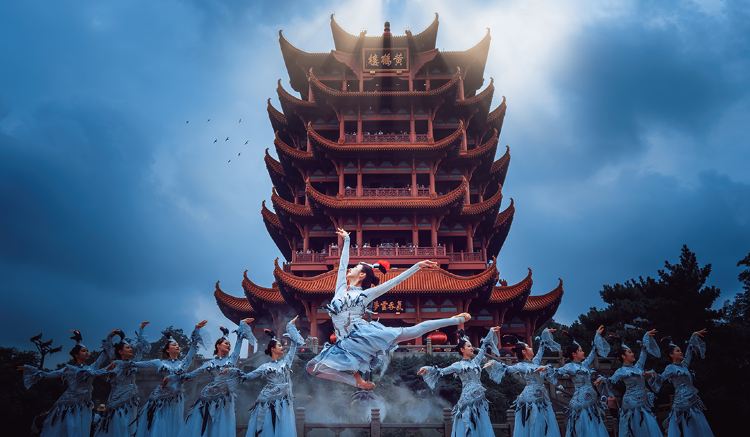
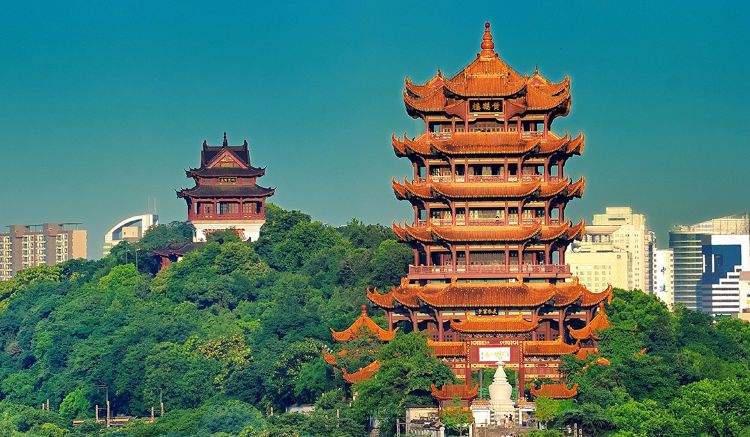
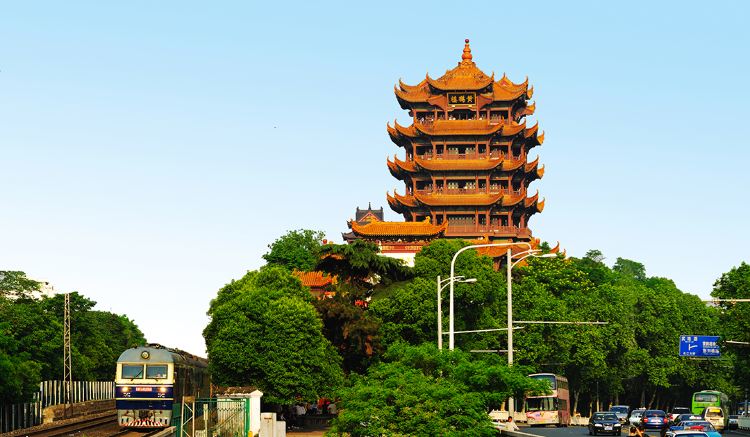
The Yellow Crane Tower stands as a historic emblem of Wuhan, with its architecture reflecting traditional Chinese design and cultural depth. Visitors can enjoy thematic exhibits, including ancient poetry and legends, while the top floor provides a sweeping view of the Yangtze River and the city. The tower's design, with yellow glazed tiles and eaves resembling a crane's wings, complements the scenic beauty of its park setting.

 天下大同 999It's worth going in for a stroll. The Four Seasons Archway gives you a sense of traveling back in time. The statue of Yue Fei is solemn and dignified, exuding a righteous spirit. Climbing the Yellow Crane Tower allows you to feel the presence of our ancestors from that era...
Hubei Provincial Museum
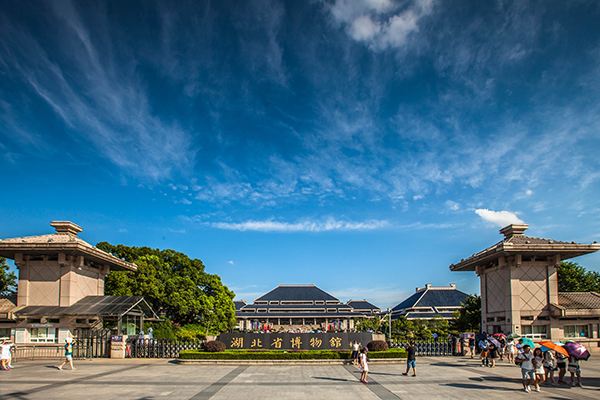
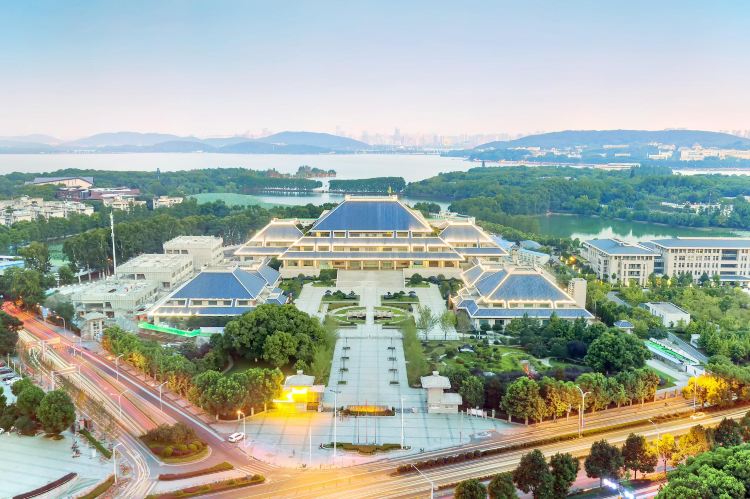
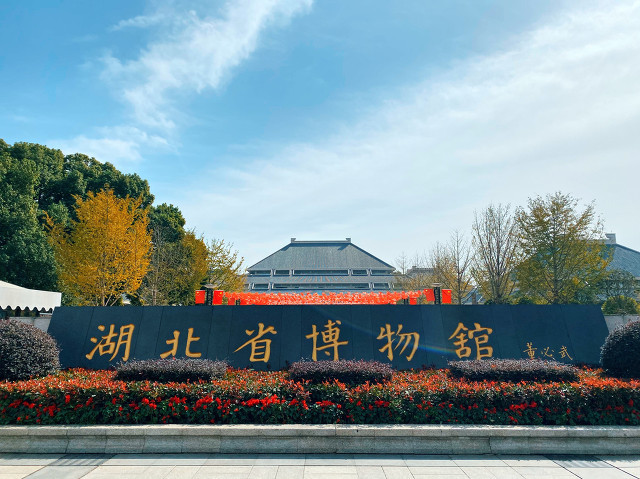
The Hubei Provincial Museum, set near East Lake in Wuhan, is celebrated for its extensive collection of over 200,000 historical items, including the Chime Bells and the Sword of Goujian, reflecting the legacy of the Chu State. Visitors can experience live performances of ancient music in the Chime Bells Exhibition Hall and explore the regional culture through artifacts in the Chu Culture Exhibition Hall. The museum's design, inspired by traditional Chu architecture, complements the historical ambiance of the exhibits.
Qingchuan Pavilion
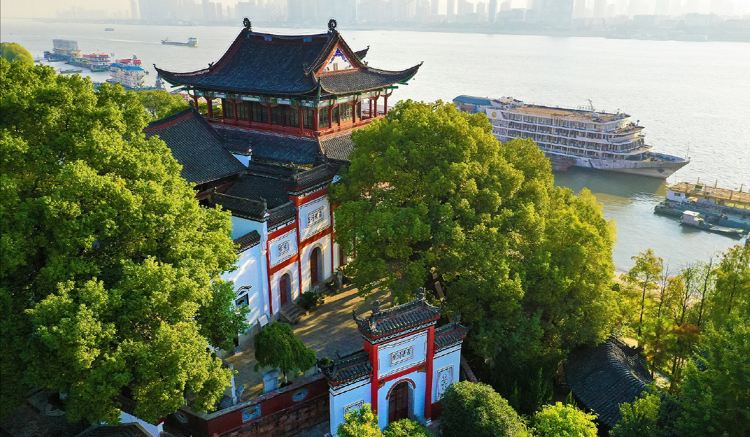
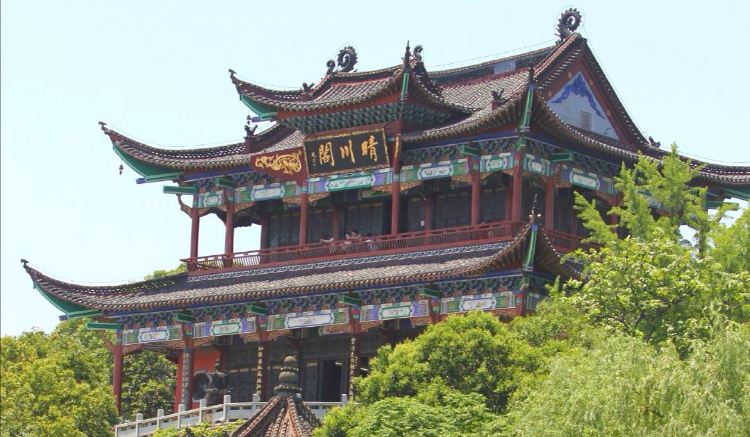
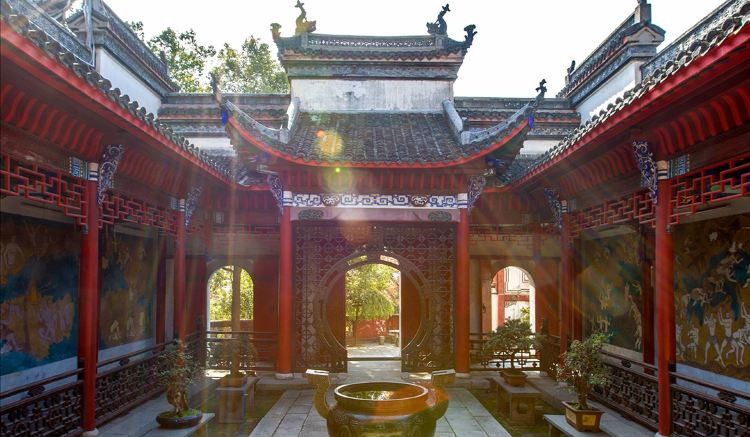
Qingchuan Pavilion, a historical landmark in Wuhan, was established during the Ming Dynasty and is part of the Qingchuan Scenic Area. This area includes The Yu Tablet Pavilion, a Qing Dynasty-style structure, and the Iron Gate from the Three Kingdoms Period. The pavilion and its surroundings are tied to the legend of Da Yu, who is celebrated for flood control. Visitors to the scenic area can immerse themselves in Wuhan's history and cultural legacy.
Hankou Bund
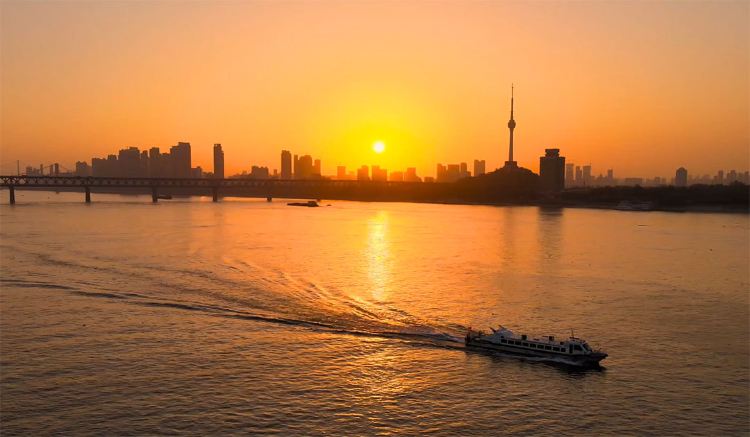
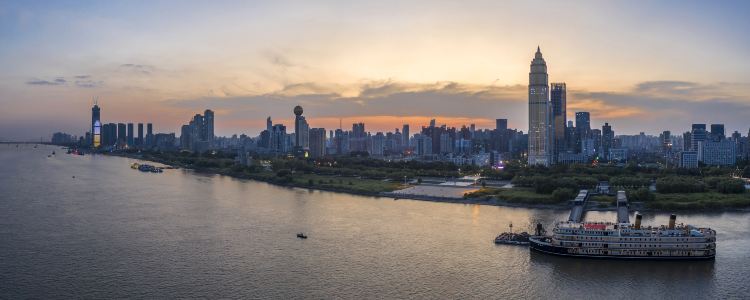
Hankou Bund is a cultural and historical landmark in Wuhan, featuring the Hankou Jiangtian Park with its unique hydrophilic platforms that allow visitors to interact with the Yangtze River at different water levels. The area is rich in heritage, with numerous protected cultural relics and historical buildings that narrate the story of Wuhan's past as a significant commercial port. The riverside's various parks and sculptures contribute to the cultural and leisure experience, making it a vibrant part of the city.

Wuhan Happy Valley

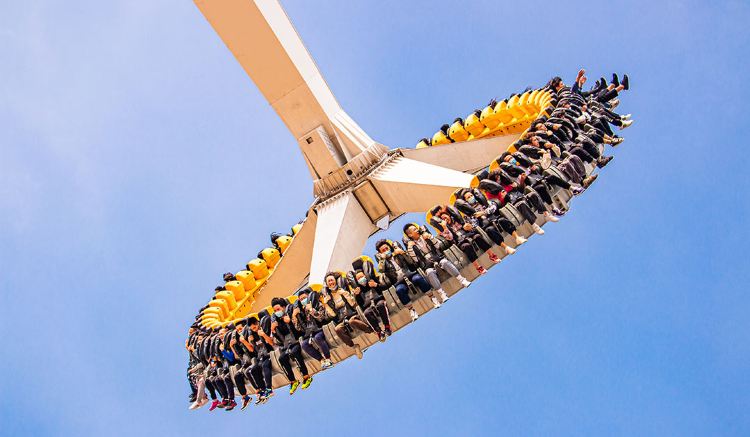
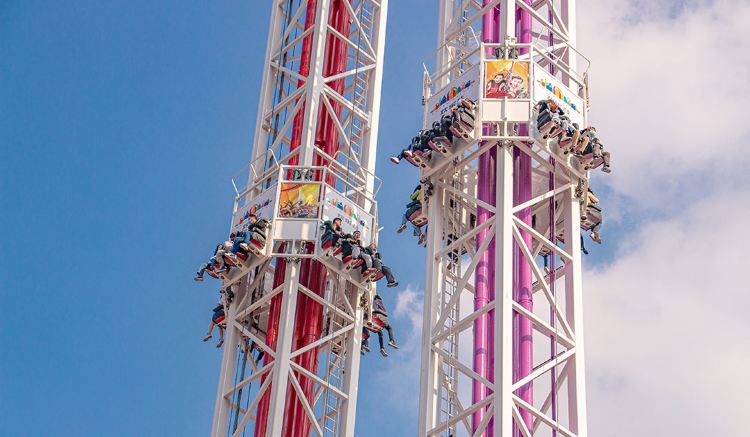


Wuhan Happy Valley offers a dynamic mix of over 100 recreational programs and more than 30 thrilling rides, including the Dauling Dragon and OCT Thrust SSC1000 roller coasters. The park is a cultural hotspot with performances, themed festivals, and ecological attractions, providing an exciting and culturally rich experience for visitors. Open since April 29, 2012, it has become a must-visit destination in Wuhan for those seeking adventure and entertainment.
Wuhan Food Guide
Wuhan's cuisine is incredibly diverse, ranging from the unique Hot Dry Noodles and delicious Wuchang Fish to traditional Fried Bean Curd Sheets and the historic Fresh Fish Paste Soup Noodles. Each dish showcases the Wuhan locals' profound understanding and passion for flavor. From breakfast to dinner, Wuhan's culinary culture offers a day-long feast for the taste buds.
Hot Dry Noodles


Hot dry noodles have been deemed the top choice among China's top ten noodle dishes. A staple for Wuhan residents, these noodles can be found easily around the city. The noodles, which are made of alkaline dough, are quick to prepare: cooled and coated with oil before spreading on a surface to cool down. For serving, the noodles are briefly submerged in boiling water, and then topped with sesame paste, sesame oil, vinegar, and other garnishes. For those who prefer a kick, spicy chili oil can be added. This results in a dish offering smooth yet pleasantly chewy noodles enveloped in a rich, flavorful sauce.
Wuchang Bream
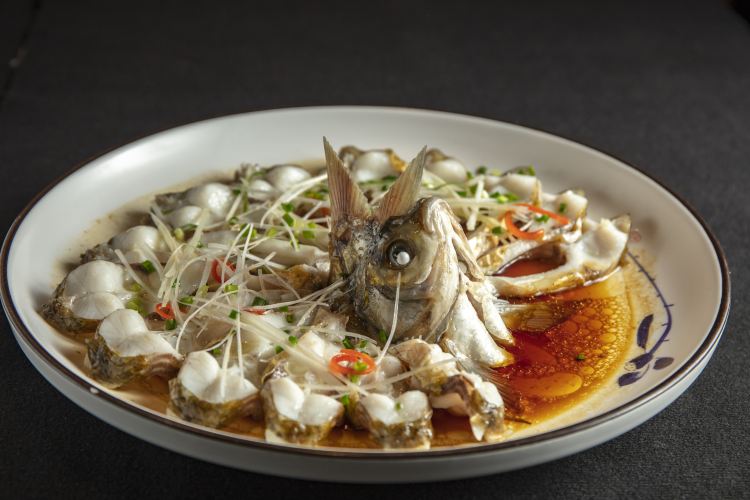
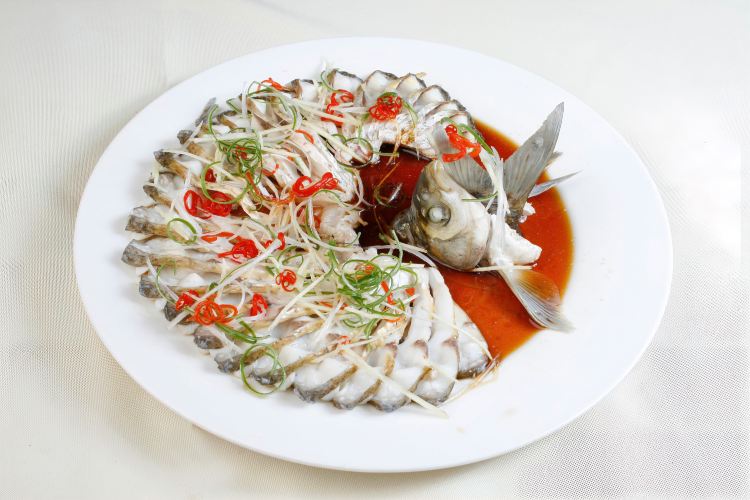
Wuchang bream, a key herbivorous fish in China, is prized for its delightful flavor, petite head, and ample meat content. The fish can be prepared in various ways including steamed, braised in oil, red-cooked, or flower-stuffed. For steaming, select a fresh live fish and pair it with ingredients like ham, shiitake mushrooms, winter bamboo shoots, and quality broth. The steaming process requires precise heat control to ensure perfect cooking. The completed dish has an intact form with a luminous, jade-like white appearance, and is attractively adorned with red, white, and black garnishes. The fish's flesh is soft and emits a rich aroma, enhancing the overall eating experience.
Fried Bean Curd Sheets


A beloved traditional snack from Wuhan, commonly enjoyed as a breakfast item. You can find it at small street stalls and some restaurants. It features a crispy outer layer created from a blend of peeled mung bean flour and eggs, fried to perfection. The filling is a delicious mix of sticky rice, marinated meat, bamboo shoots, and assorted pickles. It is crispy yet soft, delightfully oily without being greasy, with the savory glutinous rice adding a fresh, salty flavor that complements its tender, crunchy texture.
Fresh Fish Paste Soup Noodles
Originating from Wuhan, this age-old traditional delicacy features a soup base prepared from wild crucian carp. To start, the fish is thoroughly cleaned and deboned, and any remnants removed. Seasonings are added and the mixture is gently simmered until the fish disintegrates, infusing the soup with its flavor. The congee's rice noodles are crafted from finely ground indica rice, offering a texture that is smoother and finer than typical rice noodles. The result is a robust and smooth congee with a subtly sweet aftertaste, perfectly paired with crispy fried dough sticks.
Wuhan Transportation
How to Get There
Wuhan's transportation network is a critical component of the city's infrastructure, with Wuhan Tianhe International Airport and the city's railway stations being key hubs for intercity travel.
Wuhan Tianhe International Airport (WUH) is the primary aviation gateway for the region, located approximately 26 km north of the city center. As a major airport in central China, it serves numerous domestic and international flights. To reach the city from the airport, passengers can take the Wuhan Metro Line 2, which connects directly to the airport, providing a convenient and efficient transfer to the city center.
The city's railway system is anchored by three main stations: Wuhan Railway Station, Hankou Railway Station, and Wuchang Railway Station. Wuhan Railway Station, located in the Hongshan District, is a high-speed rail station that primarily serves high-speed trains on major routes such as the Beijing-Guangzhou High-Speed Railway. It is accessible via Wuhan Metro Line 2 and Line 4. Hankou Railway Station, situated in the Jianghan District, is a historic station that handles both high-speed and conventional trains. It can be reached by Metro Line 2. Wuchang Railway Station, in the Wuchang District, is a key station on the Beijing-Guangzhou Railway and is connected to the city by various bus routes.
Local Transportation
Wuhan's Metro system, operated by Wuhan Metro Group Co., Ltd., is a key component of the city's public transportation network. With 12 lines, 300 stations, and a route length of 486.3 km, it is the sixth-busiest in mainland China. Payment options include the Wuhan Tong card, which provides a discount, and multi-day passes for unlimited rides.
Wuhan Where to Stay
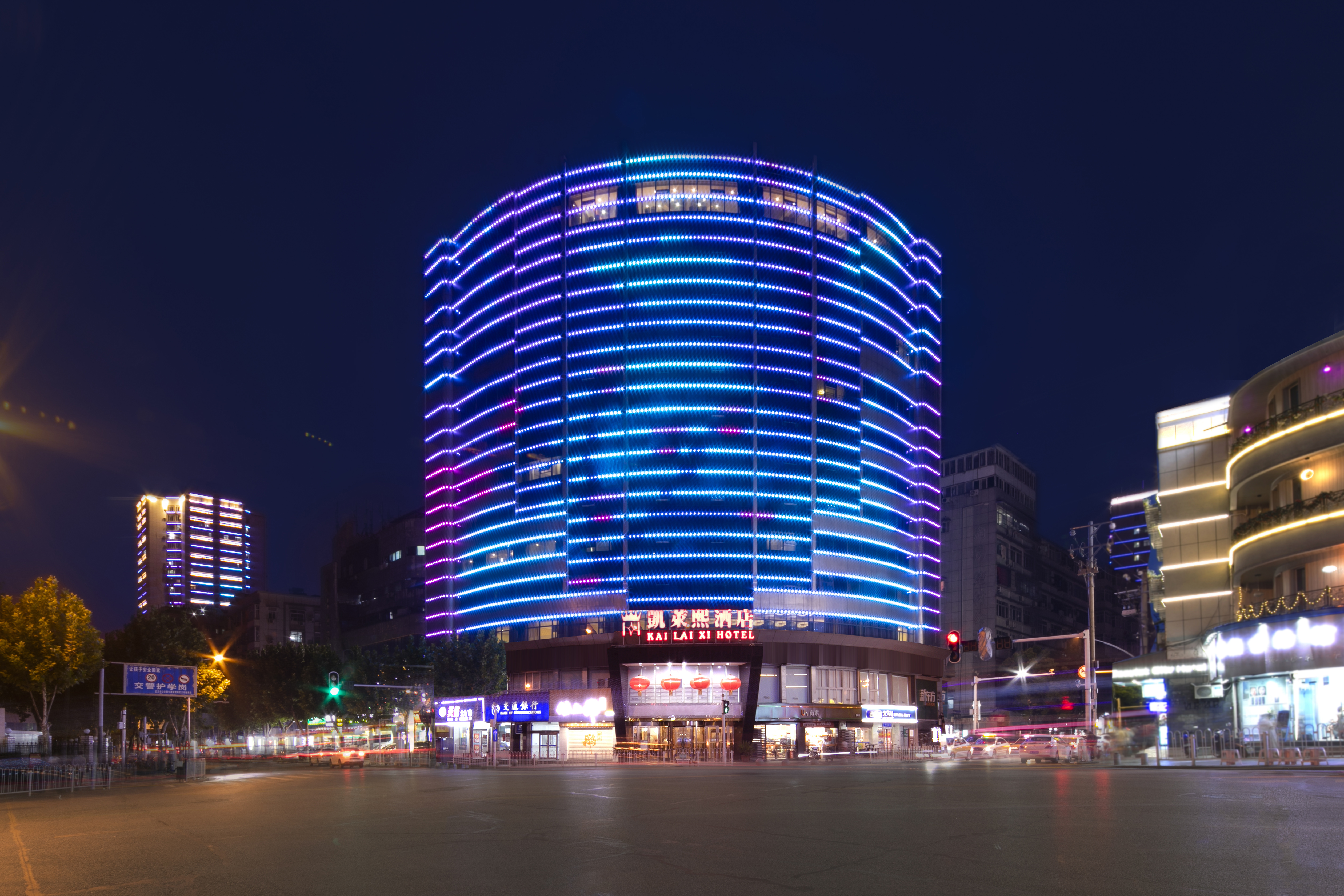
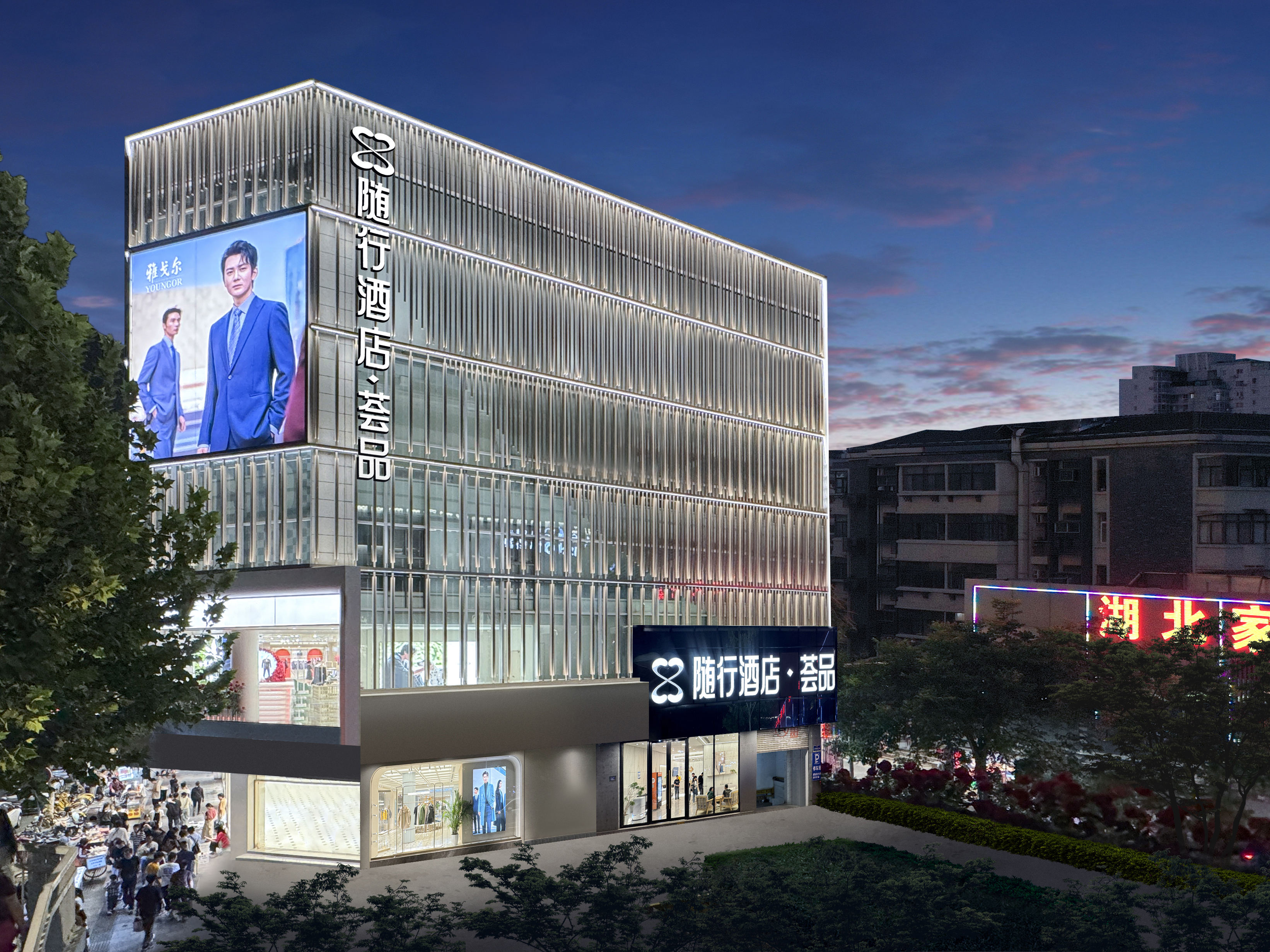
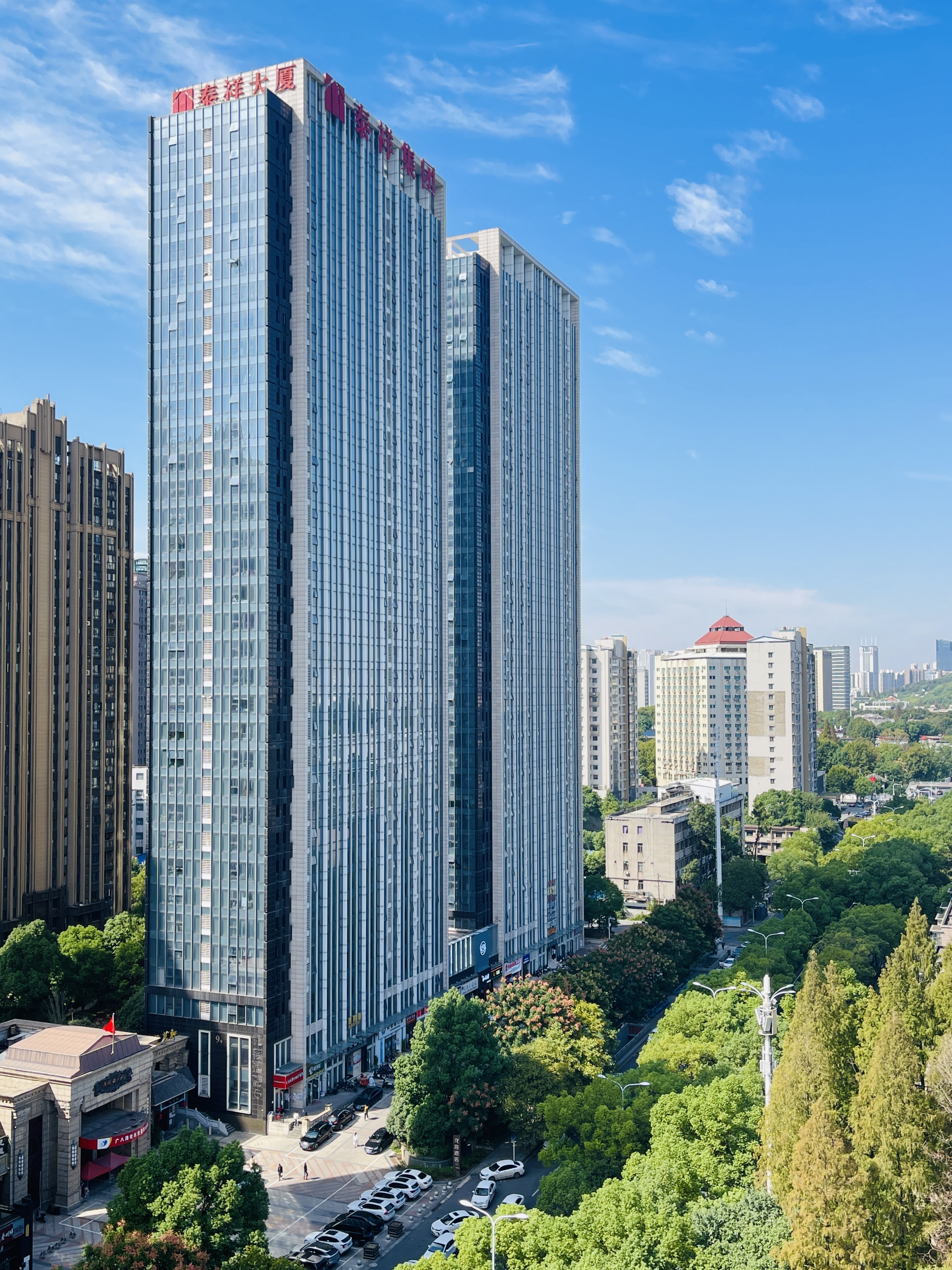
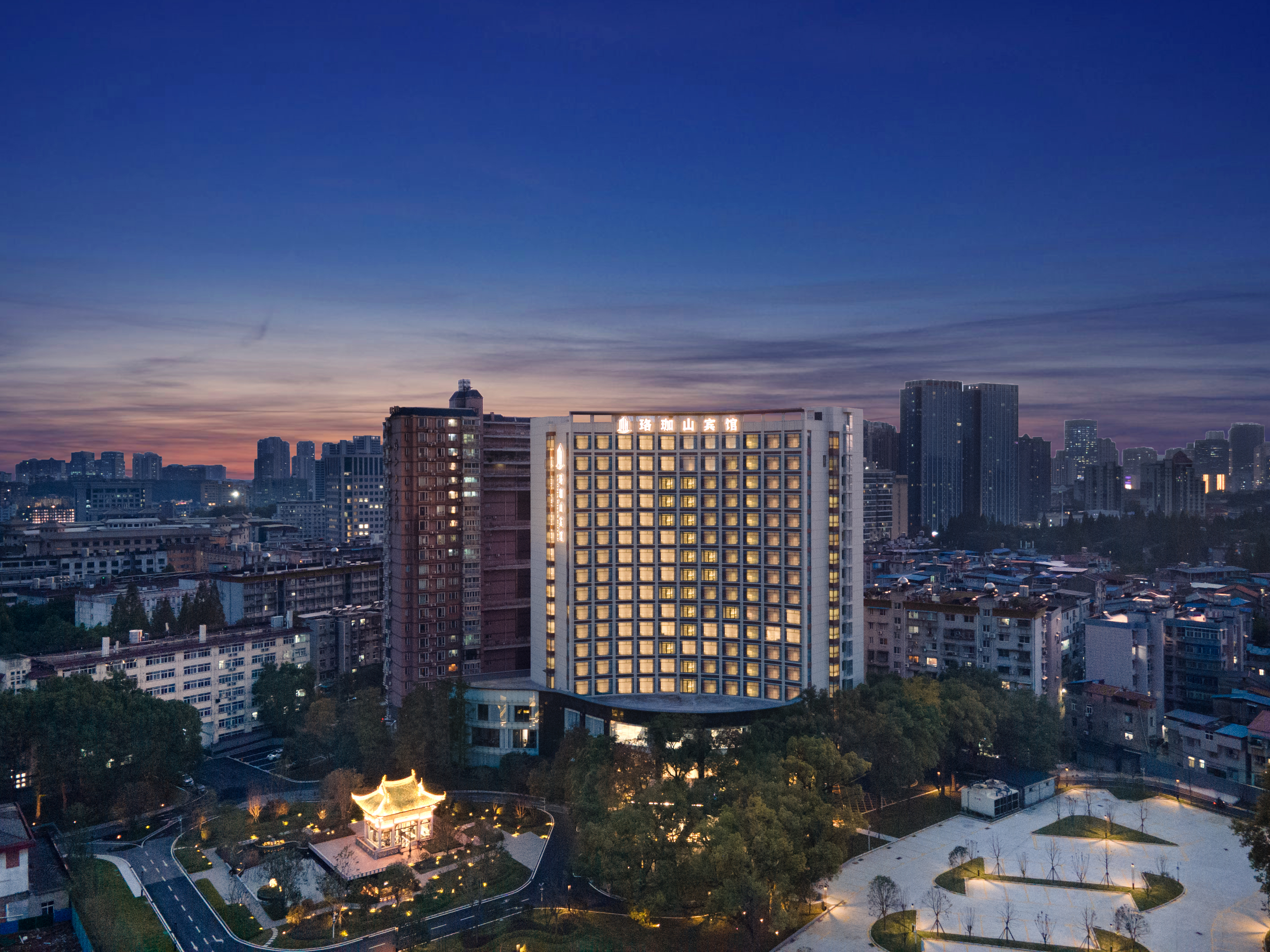
Wuhan is a vibrant city that boasts a rich tapestry of both modern and traditional influences, reflected in its diverse accommodation options. The city's hotels and hostels are strategically distributed across its key districts, including Hankou, Hanyang, and Wuchang, ensuring that visitors can find convenient and comfortable lodging close to major tourist attractions and transportation hubs.
Jianghan Road Pedestrian Street
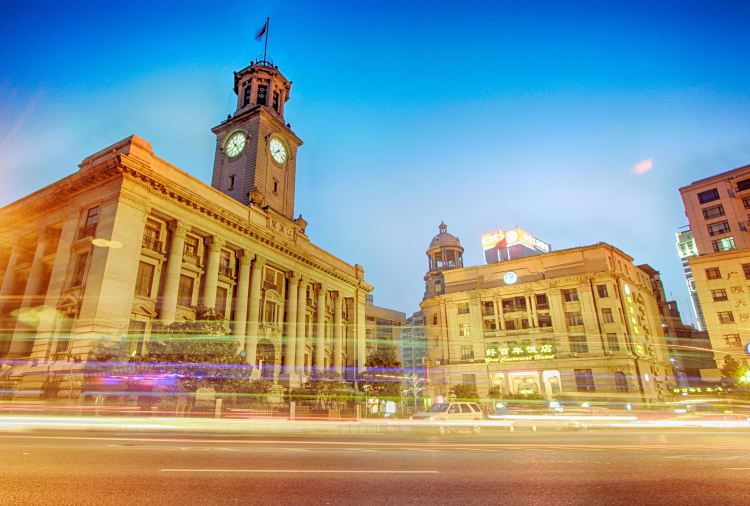
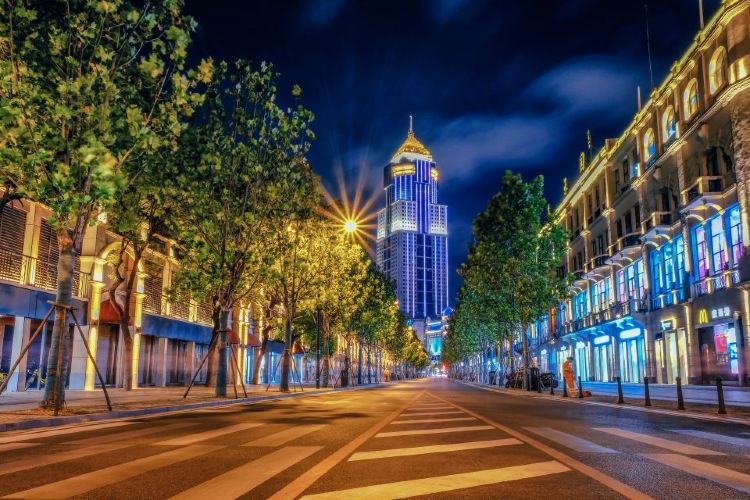
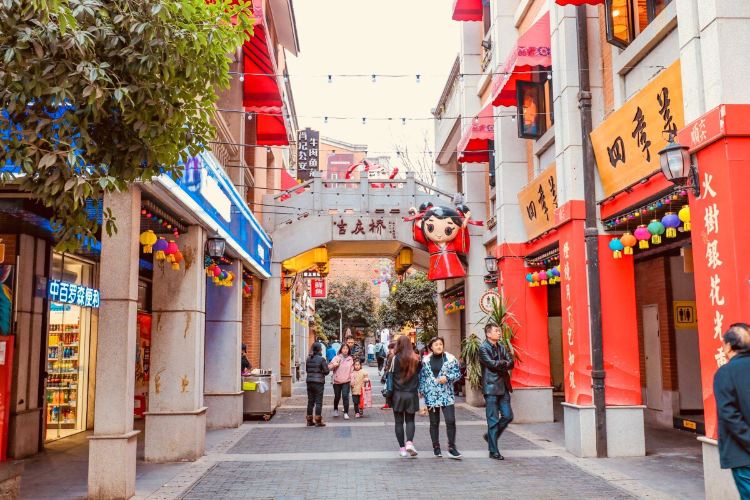
Exploring Jianghan Road Pedestrian Street: Known for its lively vibe and historic value, this 'Little Hong Kong' of Wuhan is a shopping and dining paradise. Its architecture, a mix of traditional and European influences, enhances its charm.
Immersing in Local Culture and Nightlife: At night, the area showcases local culture with street performances and dining choices. The vibrant nightlife is enriched by street dancers and musicians, while the presence of financial institutions marks it as a central commercial hub in Hankou.

Yellow Crane Tower
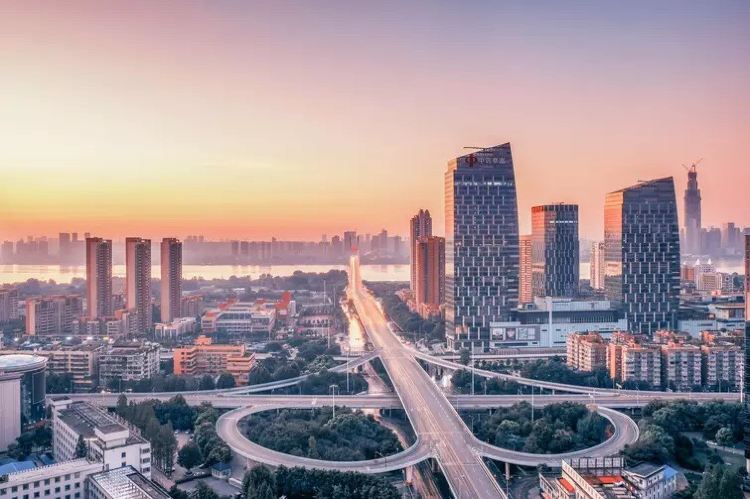
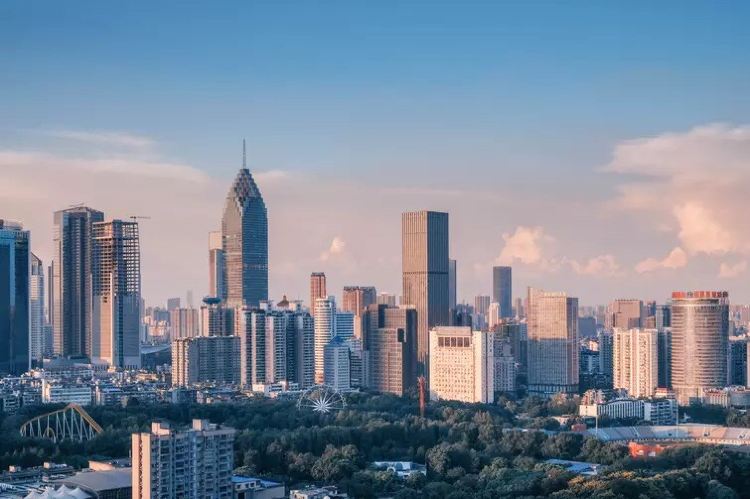
Captivating Historical Landmark: The Yellow Crane Tower stands as a symbol of Wuhan, offering panoramic views of the Yangtze River and the cityscape. Rich in cultural and historical value, the tower has inspired numerous poets and artists over the centuries. Its architecture is a testament to the various dynasties that have influenced its design.
Engaging Cultural Experience: Visitors to the Yellow Crane Tower can explore exhibits that showcase legends, poetry, and art related to the landmark. The tower's surroundings complement its historical allure, with bronze statues and traditional pavilions enhancing the cultural experience.

Wuhan University

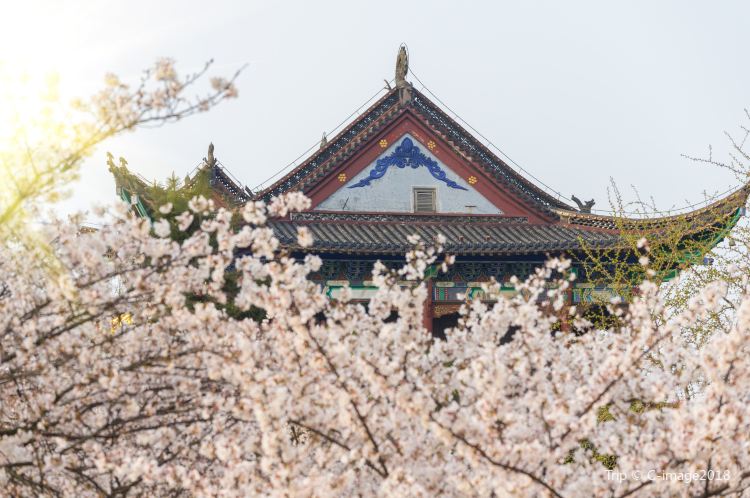
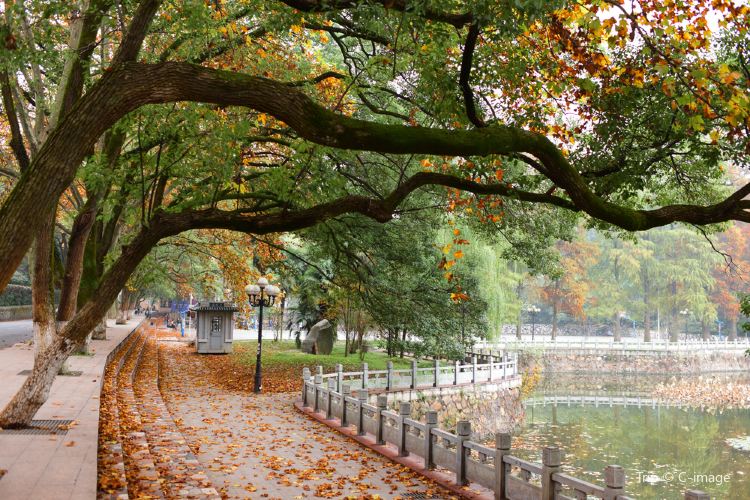
Educational and Scenic Campus: Wuhan University is not only a prestigious educational institution but also a scenic destination. The campus is known for its picturesque setting, with cherry blossoms in spring attracting visitors from afar. The university's blend of academic excellence and natural beauty makes it a must-visit location for those interested in China's educational landscape.

Wuhan Best Time to Visit
Best Time to Visit
The best time to visit Wuhan is during the spring months of March to May and the autumn months of September to November. In spring, the city is adorned with blooming flowers, including the famous cherry blossoms at Wuhan University and East Lake, making it a picturesque time for visitors. The comfortable temperatures and humidity levels provide an ideal climate for exploring the city's outdoor attractions. Autumn also offers pleasant weather, with cooler temperatures and less rainfall, perfect for visiting landmarks such as the Yellow Crane Tower and enjoying the beautiful autumnal scenery.
Wuhan Useful Guide
Local Language
Wuhan, the capital of Hubei Province, is home to the Wuhan dialect, a southwestern Mandarin variety with limited mutual intelligibility with Standard Mandarin. This dialect, also known as the Hankou dialect, exhibits variations across different districts and generations. Despite the prevalence of the local dialect, Standard Mandarin is widely understood and used.
Local APP
Trip.com: is a popular online travel platform that provides a comprehensive range of services including booking flights.
Alipay: Alipay is a widespread payment app in China used for transactions in stores and services and for ride-hailing through an integrated feature with Didi Chuxing, even without a Chinese number.
WeChat: WeChat acts as a comprehensive app for communication, digital wallet services, and direct transport booking.
Baidu Maps: Provides real-time and detailed navigation services in China and surpasses Google Maps in local accuracy and usability.
Internet and Communication
Mobile data packages for immigrants in China are available through local carriers such as China Mobile and Unicom. China Mobile offers prepaid data SIM cards with unlimited text messages and calls within China, and high-speed connections, sometimes even 5G. Unicom provides SIM cards with data packs that include unlimited music applications, and both do not require long-term contracts.
Public WiFi in China is widely available in places like airports, restaurants, coffee shops, and malls. However, connecting to these networks often requires a Chinese phone number for text verification, which can be a challenge for travelers without a local SIM card.
Weather
Wuhan, located in central China, experiences a humid subtropical climate with hot, muggy summers and relatively cold winters. The city is known as one of the "three stoves" of China due to its intense summer heat, with temperatures often exceeding 40°C (104°F). Annual rainfall averages around 1100-1315 mm (43.4-52 inches), with most precipitation occurring in the summer months.
When visiting Wuhan, it is advisable to wear lightweight, breathable clothing during the summer, along with sun protection such as sunglasses, sunscreen, and a hat. For the cooler winter months, warm layers, including a coat and sweater, are recommended. Due to the high humidity, it is also wise to carry an umbrella or raincoat for sudden downpours.
Currency and Payment
In Wuhan, mobile payments, especially Alipay and WeChat Pay, are the most prevalent methods for foreign tourists.
Alipay and WeChat Pay can be linked to international cards, offering services like taxi hailing, hotel booking. Credit cards such as Visa and Mastercard are accepted at numerous locations, and UnionPay is also widely used.
Weather in Wuhan

17°
/
6°

21°
/
7°

14°
/
5°
11°
/
5°
11°
/
5°
11°
/
4°
15°
/
4°
 Trending in Wuhan
Yellow Crane Tower Winter Garden Party Begins@Yellow Crane TowerYellow Crane Tower Winter Garden Party Begins
Upgraded Night Tour Experience at Yellow Crane Tower@Yellow Crane TowerUpgraded Night Tour Experience at Yellow Crane Tower
How many of these Hubei landmarks from your textbooks have you visited?@Yellow Crane TowerHow many of these Hubei landmarks from your textbooks have you visited?
Wuhan: FAQ

What's the most popular attractions in Wuhan?
Things to do near Wuhan for family & child?
Any recommended attractions about nature scenery in Wuhan?
How to get to Lijiang from Wuhan?
How to get to Tongli from Wuhan?
How to get to Shenlongjia from Wuhan?
Popular destinations

Bangkok
Tokyo
Kuala Lumpur

Los Angeles
Shanghai