Xiamen 2026 Guide: Must-see attractions, local cuisine, and practical tips! | Trip.com
 Local GuidesLast updated on Trip.com: 25/03/2026
Xiamen Brief Guide

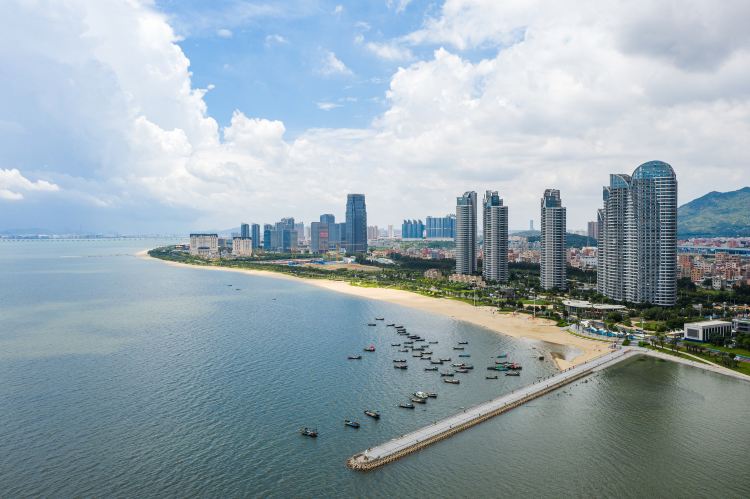


Xiamen whispers with island calm and Fujian flair. Wander Gulangyu’s car-free lanes past beautiful villas, bike coastal paths fringed with palms, and sip tieguanyin tea in century-old teahouses. Feast on peanut soup and oyster omelets at dawn markets, then ferry to hidden beaches on Xiamen Bay. Unwind in China’s graceful port city, where slow living meets subtropical beauty.
Xiamen Must-try local experiences
Wander Xiamen's Historic Island
Stroll Gulangyu Island, a UNESCO World Heritage Site since 2017, with car-free alleys and historic buildings blending Chinese and Western styles. Climb Sunlight Rock for island views at sunrise or sunset. Visit Shuzhuang Garden, home to China's rare Piano Museum with antique pianos. Gulangyu's past as a trading port offers a peaceful step into history.
Explore Xiamen's Coastal Beauty
Cycle or walk Huandao Road, passing Huangcuo Sand Beach or Baicheng Beach, a Xiamen University student favorite. Visit Hulishan Fortress, known for its late Qing Dynasty Krupp cannon and sea views. Enjoy glowing sunsets by the waves. This journey blends Xiamen's coastline, history, and relaxed vibes for a scenic day.
Discover Southern Fujian Culture
Walk Datong Road or Siming South Road, where Minnan-style arcades reflect Nanyang influences. In Tong'An, see artisans craft lacquer thread sculptures, a Fujian intangible cultural heritage. These areas highlight Xiamen's trading past and unique handicraft traditions, inviting you to explore local culture.
Savor Xiamen's Street Food
Pick fresh seafood at the Eighth Market's busy stalls, cooked on-site. Try satay noodles, a Xiamen creation blending Southeast Asian satay with local flavors, or adventurous sandworm jelly, made from marine worms, at Zeng Cuo An. Xiamen's food, mixing Fujian and coastal tastes, delivers bold flavors in lively settings.
Embrace Xiamen's Artistic Side
Start at Shapowei Art Zone's graffiti walls and quirky shops, a creative fishing port. Walk to Xiamen University, among China's most beautiful campuses, where Furong Lake and the "Love Tunnel" (Furong Tunnel) feature romantic student graffiti. This walk blends street art and campus energy, capturing Xiamen's modern spirit.
Try Coastal Water Sports
Sail, kayak, or jet-ski in Wuyuanwan Beach's calm waters or near Mount Guanyin's scenic shores. Enjoy the rush of waves and sea breezes. These sports, set against Xiamen's coastline, offer a fun way to experience the city's natural beauty and active spirit.
Experience Xiamen's Vibrant Nightlife
Dive into Xiamen’s nightlife at Zeng Cuo An Village, where bars pulse with live music and craft beers flow. Stroll Zhongshanlu Pedestrian Street, a bustling night market with local snacks like sand tea noodles and neon-lit shops. Visit Haiwan Park for trendy clubs and teahouses under glowing lights. These modern hubs buzz with youthful energy, offering a lively evening for travelers seeking Xiamen's contemporary scene.
Enjoy Xiamen's Bougainvillea Blooms
In April-May or October-November, Xiamen's streets burst with bougainvillea, called paper flower for its petal-like leaves. Pink and purple blooms cover parks and Hulishan's scenic walls, ideal for photos. Stroll Zhongshan Road to capture this colorful display, adding a cheerful touch to Xiamen's coastal charm.
Explore Xiamen's Spiritual Heritage
Visit Nanputuo Temple, a 1,000-year-old Buddhist site with ornate halls. In Jimei District, 20 minutes from downtown, see Tan Kah Kee Memorial Museum, honoring the philanthropist and overseas Chinese leader, and Jiageng-style buildings. These sites offer a calm look into Xiamen's cultural traditions.
Unwind in Xiamen's Natural Escapes
Walk Wuyuanwan Wetland Park, a key migratory bird habitat, spotting wildlife among mangroves. Explore Xiamen Botanical Garden's diverse plants. Soak in Riyuegu Hot Spring's pools in Haicang District, 40 minutes from downtown. These green spots offer peace and natural beauty for eco-conscious travelers.
Xiamen Must-see Attractions
Xiamen is a vibrant coastal city in China known for its rich cultural tapestry, featuring attractions like the UNESCO-listed Kulangsu Island with its musical heritage, the lush Xiamen Botanical Garden, the panoramic Zhonggu Cableway, the picturesque and historic Xiamen University, and the educational Xiamen Science and Technology Museum.
Kulangsu




Kulangsu, a UNESCO World Cultural Heritage Site, is a pedestrian-only island celebrated for its unique blend of natural beauty, historical architecture, and rich musical heritage. Known as "the islet of drumming waves," the island's name reflects the natural music created by the ocean waves hitting the reefs. Visitors can explore the winding lanes, relax on the beaches, and admire the diverse architectural styles, including Victorian-era buildings, which are remnants of the island's past as an international foreign settlement. Kulangsu is also dubbed "Piano Island" due to its high density of pianos and a dedicated Piano Museum, a testament to its status as a cradle of music in China. The island's tranquil environment, free from the noise of cars, offers a serene escape and a chance to immerse oneself in a harmonious blend of Eastern and Western cultures.

 M47***81The hotel has a beautiful view, and we tried several different room types. The front desk staff were very friendly and helpful. The location is great, very close to Zhongshan Road and Xiamen Eighth Market. The rooms are all smart home, and the hand-drawn illustrations by the receptionist were lovely and heartwarming. The travel guides were also very helpful. We'd definitely consider staying here again next time we're in Xiamen.
Xiamen Botanical Garden





Xiamen Botanical Garden, also known as Wanshi Botanical Garden, is a verdant oasis nestled amidst the rolling hills of Wanshi Mountain in Xiamen. This "green museum" boasts over 5,000 species of tropical plants, creating a rich tapestry of flora that offers a tranquil retreat from the bustling city life. The garden is not only a place of natural beauty but also a site of historical and cultural significance, featuring various provincial- and municipal-level cultural heritage sites, including temples and historical monuments. Visitors can immerse themselves in the dramatic rocky landscape dotted with granite boulders inscribed with ancient calligraphy, adding a touch of historical depth to the scenic views. With its enchanting natural landscape, rich cultural heritage, and fantastic plant formations, Xiamen Botanical Garden is a leading tourist spot in Southern Fujian and one of the most distinctive gardens in Southern China.

Zhonggu Cableway


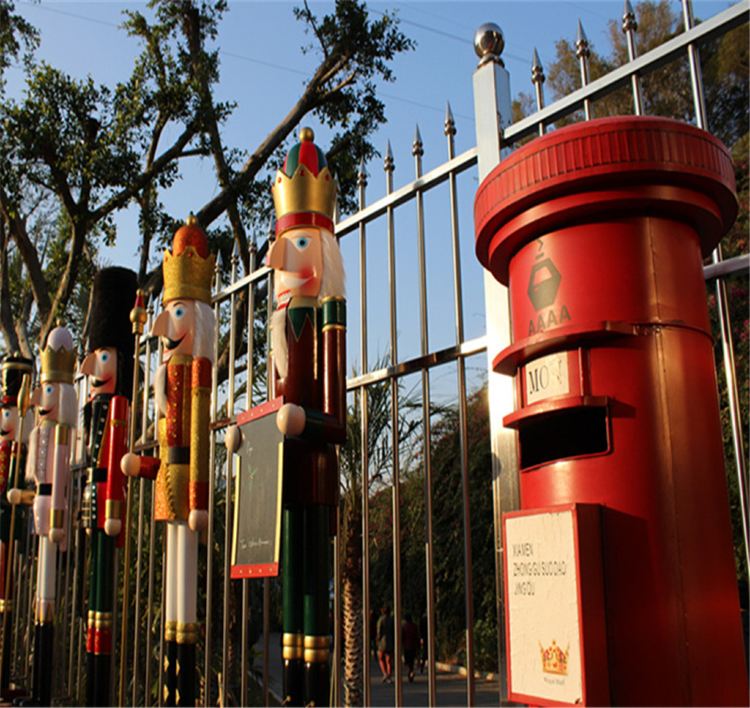


Zhonggu Cableway in Xiamen offers a unique aerial perspective of the city's stunning landscapes, including panoramic views of Gulangyu Island, South Putuo Temple, and the Kinmen Islands. The cableway, which is over 1,000 meters long, provides a scenic ride 150 meters above the ground, passing over lush greenery and notable landmarks such as Wanshi Botanical Garden and Huxi Rock. Visitors can capture the beauty of Xiamen from the ship-shaped viewpoint at the top of the mountain, which is especially breathtaking during sunset. This attraction is a must-visit for photographers and nature lovers who wish to experience the city from a different vantage point.
Xiamen University

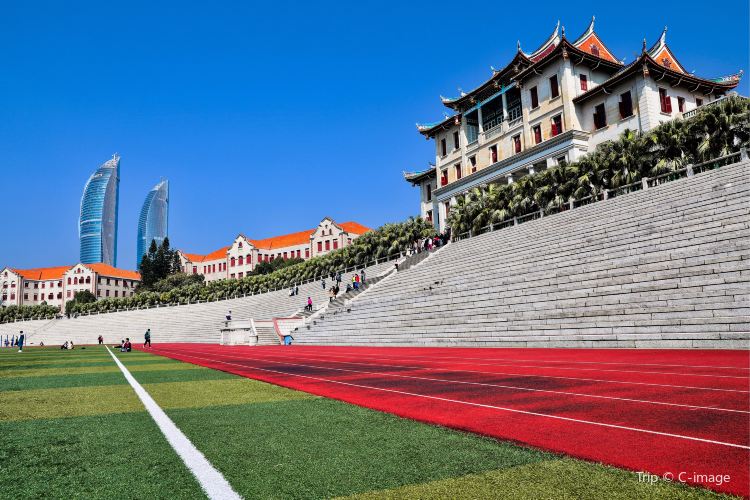
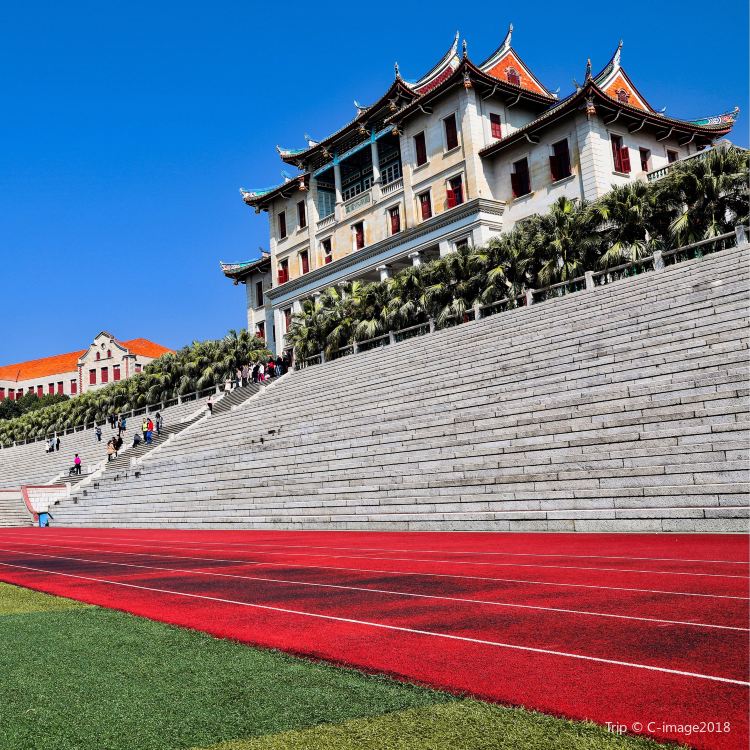
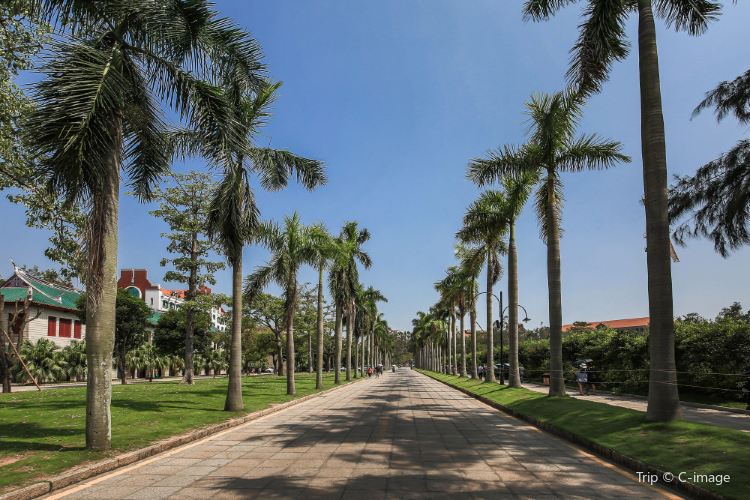
Xiamen University, established in 1921 by the patriotic overseas Chinese leader Mr. Tan Kah Kee, is not only a prestigious institution of higher education but also a scenic attraction known for its beautiful campuses that blend natural and architectural beauty. The university's garden-like campuses are nestled between green hills and the blue sea, offering visitors breathtaking views and a serene environment to explore. The main campus, in particular, is celebrated as one of the most beautiful in China, with its traditional red-brick buildings and lush greenery. Visitors can immerse themselves in the academic atmosphere, enjoy the tranquility of Furong Lake, and appreciate the historical significance of the institution that has contributed to the prosperity of the country and the progress of mankind.
Xiamen Science and Technology Museum




The Xiamen Science & Technology Museum in Xiamen is a renowned educational attraction that focuses on enhancing the cultural and scientific literacy of its visitors. It is particularly popular among families, offering a blend of fun and learning through interactive activities. This museum serves as an educational base where children can engage in hands-on experiences, making the process of learning about science both enjoyable and memorable.
Xiamen Food Guide
Xiamen's cuisine is based on its unique local characteristics and rich seafood resources, ranging from classic dishes such as Satay Noodles, Tusu Bing, Shrimp Noodles, and Oyster Omelette to everyday Mianxian Hu, not only showcasing the essence of traditional Minnan cuisine but also integrating health and culture, becoming a must-try delicacy for locals and tourists.
Satay Noodles
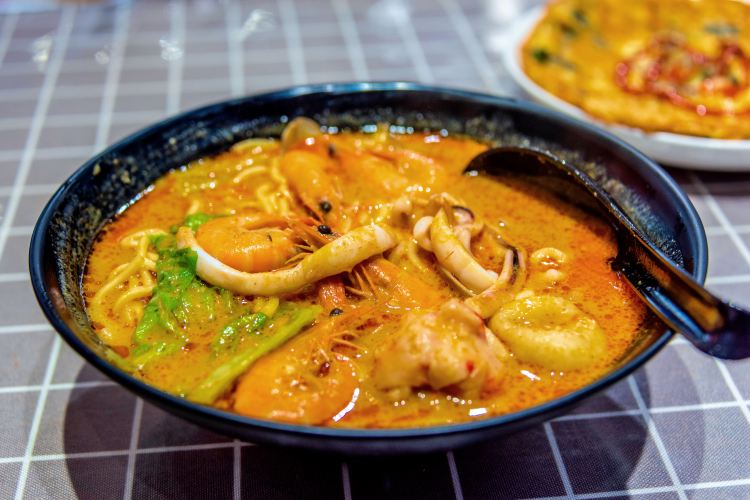
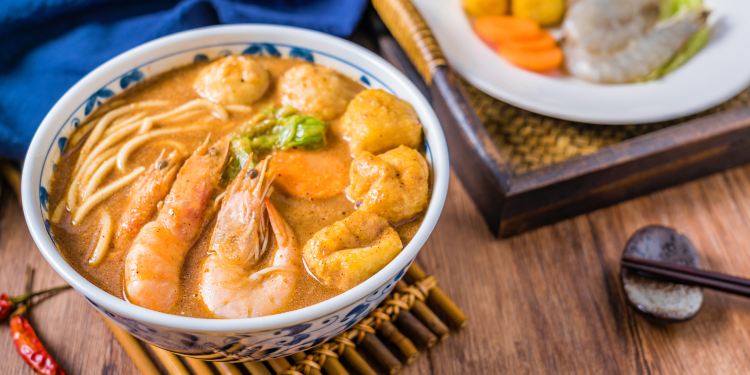
A traditional Xiamen delicacy, characterized by its unique satay sauce as the soup base, with the addition of alkaline water noodles and various ingredients, the taste is salty, fresh, slightly spicy, and slightly sweet. The preparation of Satay Noodles is simple; after blanching the noodles, pour the hot satay soup over them, and add ingredients according to personal taste, such as duck blood, tofu, bean sprouts, etc. Satay Noodles are not only an everyday food for Xiamen residents but have also become a local specialty snack sought after by tourists, with regular consumption being beneficial for health and strength.
Tusu Bing
A famous traditional seafood snack in Xiamen, Tusu Bing is made from the unique marine goby, Tusu. It is grayish-white, crystal clear, soft, tender, and elastic. The production process of Tusu Bing includes cleaning the Tusu, boiling, cooling, and setting. When eating, add garlic, vinegar, soy sauce, and other seasonings for a fresh and crisp taste. Tusu Bing is not only a seasonal delicacy in the Minnan region but has also been included in Fujian Province's intangible cultural heritage, with a unique cultural background and health and therapeutic effects.
Shrimp Noodles


Xiamen Shrimp Noodles, also known as Shrimp Roe Noodles, are a traditional specialty noodle dish in Fujian Xiamen, loved for their delicious taste. The essence of Shrimp Noodles lies in the soup, usually made from dog shrimp heads and shells, paired with alkaline water noodles, shrimp, pork slices, and other ingredients, with a golden soup color and delicious taste. Shrimp Noodles are a culinary highlight in Xiamen and symbolize a historical and cultural connection with regions such as Malaysia and Singapore, having evolved over a century.
Oyster Omelette


Oyster Omelette: A very popular traditional snack in Xiamen, made with fresh oysters as the main ingredient, with the addition of sweet potato flour, eggs, and other ingredients, fried until golden on both sides. This dish is not only delicious but also nutritionally rich, known as the "milk of the sea", and is loved by locals and tourists. When eaten, it is usually accompanied by Xiamen's unique sweet and spicy sauce, making the taste of the Oyster Omelette even richer, fragrant, spicy, and tender.
Mianxian Hu
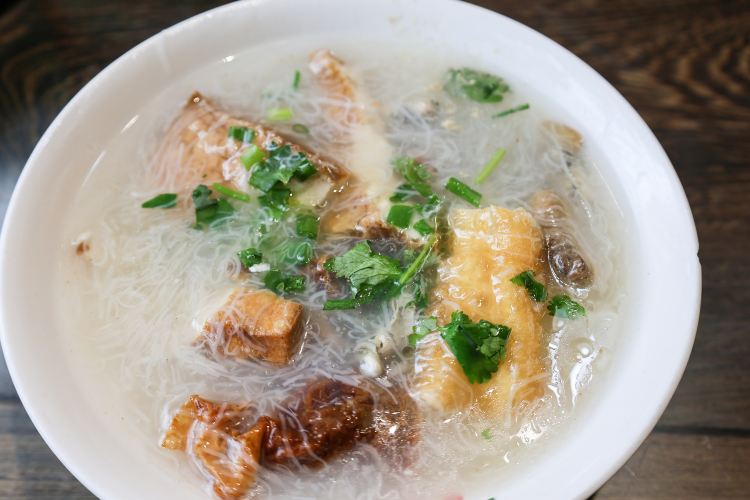
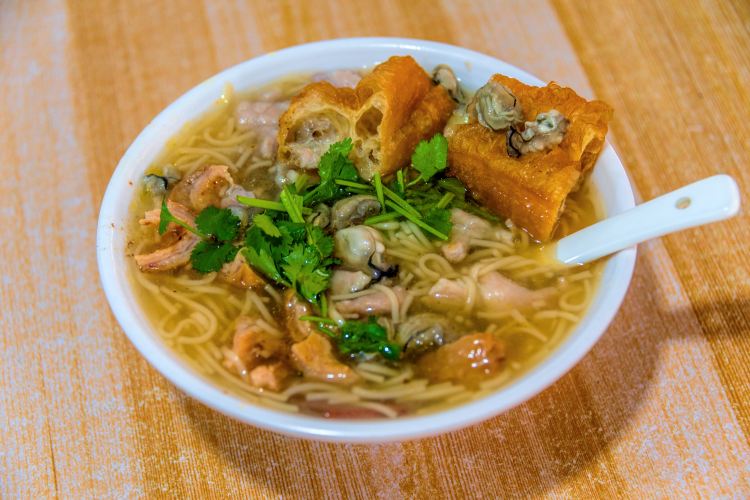
Xiamen Mianxian Hu is a traditional snack in the Minnan region of Fujian and Taiwan, made from fine noodles and sweet potato flour, with a porridge-like consistency, fresh, sweet, and smooth taste. This snack is usually eaten for breakfast and can also be enjoyed with fried dough sticks, water chestnut cakes, and other accompaniments, an indispensable part of Xiamen residents' daily lives. In the cooking process, the noodles of Mianxian Hu should be fine and long, smooth and delicious after cooking, often paired with rich ingredients such as intestines, shrimp, marinated eggs, providing a multi-layered taste experience.
Xiamen Transportation
How to Get There
By Air
Xiamen Gaoqi International Airport (XMN): Located about 12 km (7 miles) northeast of downtown on Xiamen Island, it serves many domestic and some international routes.
To City Center (Zhongshan Road):
Metro (Optimal): Direct service via Line 1 from Airport Station (Terminals 3/4). Alight at Zhenhai Road Station for Zhongshan Road (25–30 minutes, ¥4). Operates 6:30 AM–11:00 PM. Pay via Alipay, WeChat, or cash at the machines for a single-ride ticket.
Airport Shuttle Bus: Routes to Zhongshan Road, Xiamen Railway Station, and ferry terminals. Costs ¥10–20, takes ~30–40 minutes. Operates 5:20 AM–10:30 PM. Pay via cash, Xiamen eKatong card, or Alipay/WeChat.
Bus Rapid Transit (BRT): Line 1 connects via a covered walkway from the airport. Travel time ~40–60 minutes, fare ¥1–4 (distance-based). Operates 6:10 AM–10:30 PM.
Taxis: ¥40–55 (20–30 minutes, metered; higher during rush hour).
By Train
Xiamen Railway Station: Located at Xiahe and Hudong Roads, Siming District, it serves primarily regular trains and some high-speed trains. Ideal for central access.
Xiamen North Railway Station: In Jimei District, 28 km (12 miles) from downtown, it’s the main hub for high-speed trains (G-series) on the Hangzhou-Fuzhou-Shenzhen corridor, connecting to Shanghai, Shenzhen, Hong Kong, Fuzhou, and many other locations.
Metro Line 1 connects both stations with the city.
By Bus
Wucun Long-Distance Bus Station: Near Xiamen Railway Station, convenient for regional destinations like Quanzhou.
Fanghu Long-Distance Bus Station: Serving routes across Fujian and beyond.
Trains are much faster for most destinations; buses are suitable for nearby cities like Quanzhou.
By Ferry
Dongdu Port (international cruises) and Wutong Port (Kinmen Island, Taiwan).
Ferries to Kinmen Island depart from Wutong, 11 km from downtown. Limited seasonal international cruises (e.g., Xiamen–Japan, 4–5 days) are available from Dongdu.
To City Center: From Wutong, take Bus 6 (20 minutes) or a taxi (¥20–30, 15 minutes). From Dongdu, take Bus 87 or 436 (~10 minutes).
Local Transportation
Xiamen’s public transportation is well-developed, affordable, and tourist-friendly, with English signage on metro and BRT systems.
Metro: Xiamen Metro has 3 lines: Line 1 (north-south, Yanwei to Zhenhai Road), Line 2 (east-west, Dongfashou to Tianzhujiao), Line 3 (mid-east, Xiamen Railway Station to Caicuo).
Hours: 6:30 AM–11:00 PM.
Fares and Payment Options: Distance-based, ¥2–7.
Single-Journey Ticket: ¥2–7, purchased at vending machines (English interface, accepts ¥1 coins, ¥5–20 bills).
Xiamen eKatong Card: Rechargeable, 10% fare discount, valid for metro, BRT, buses, and some taxis. Available at metro stations (¥20 deposit).
Mobile QR Codes: Use Alipay/WeChat “Xiamen Public Transport” mini-program to scan at gates.
Bus Rapid Transit (BRT): Xiamen’s BRT operates 3 main elevated bus-only lines, connecting Xiamen North Railway Station, Gaoqi Airport (Line 1), and downtown. Faster than city buses, with English signage.
Fares: ¥1–4 (distance-based), payable via Xiamen eKatong card, Alipay/WeChat, or cash (exact change).
Hours: 6:00 AM–10:30 PM.
City Buses: Over 370 routes serve Xiamen Island and the suburbs, including Gulangyu ferry terminals and Nanputuo Temple, less tourist-friendly due to Chinese-only signage.
Key routes: 1, 15, 21 to Xiamen University. Bus 29 to Hulishan Fortress, Bus 51 to Wanshi Botanical Garden.
Fares: ¥1-2. Pay via cash (exact change), Xiamen eKatong card, or Alipay/WeChat.
Hours: 6:00 AM–11:00 PM.
Use Baidu Maps or Amap for routing; wave to stop minibuses on special lines.
Ferries: Ferries are essential for Gulangyu Island, departing from Lundu Port (for tourists and non-residents) or Xiamen Ferry Dock (residents only). Travel time: ~8–20 minutes. Also serves Kinmen Island from Wutong Port.
Hours: Gulangyu: 7:00 AM–11:00 PM (every 10–15 minutes peak, 20–30 minutes off-peak; night ferries are limited). Kinmen: ~8:00 AM–6:00 PM.
Non-residents use Lundu Port; buy return tickets to avoid queues.
Taxis and Ride-Hailing: DiDi offers ride-hailing with English interfaces, ideal for getting a car ride, including booking a taxi.
Bicycles: Bike rentals are popular along Huandao Road for scenic coastal rides (e.g., Baicheng Beach, Wuyuan Bay). Meituan (yellow) and HelloBike (blue) offer rentals throughout the city. Scan the QR code to pay and unlock.
Xiamen Where to Stay
Xiamen offers a diverse range of accommodation options for travelers, with its primary lodging areas spread across different districts and islands, each presenting unique characteristics and advantages. The city's accommodation scene caters to a variety of preferences, whether one is seeking the bustling city center, serene island stays, or beachside relaxation.
Zhongshan Road Pedestrian Street
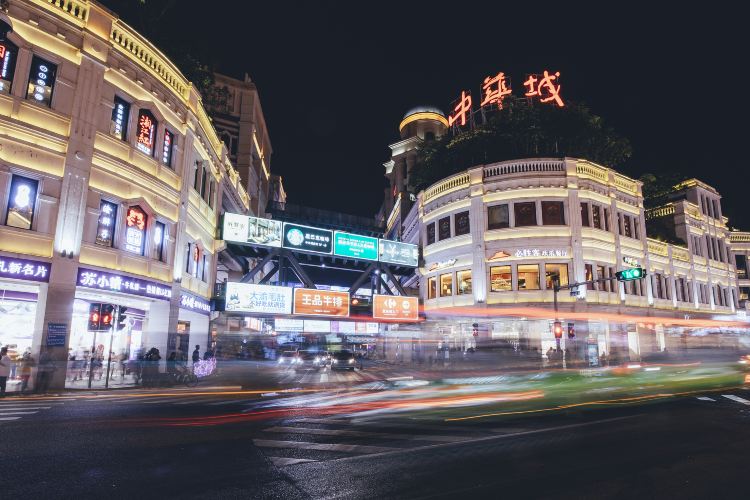
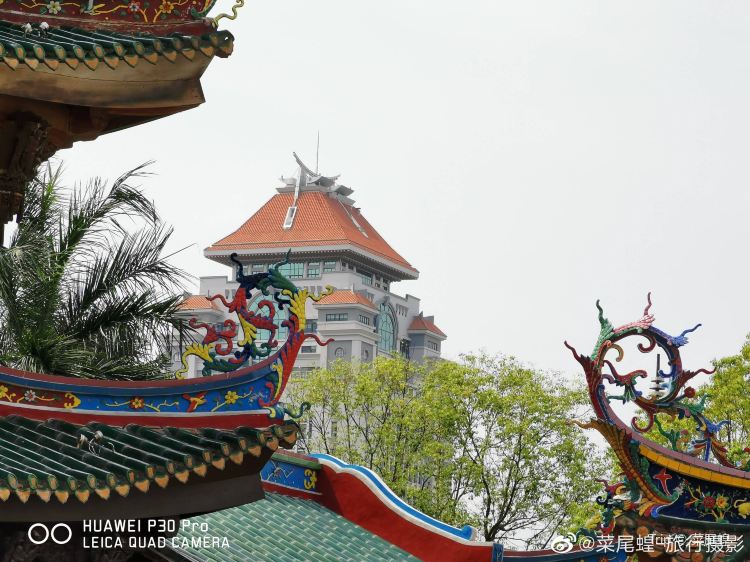
Location Convenience: Staying near Zhongshan Road Pedestrian Street in Xiamen offers easy access to varied shops and eateries. Known for its vibrant atmosphere, it's ideal for urban explorers.
Scenic and Cultural Highlights: The street is a significant cultural and historical site, reflecting Xiamen's architectural heritage and growth. Here, you can immerse in local culture and the bustling street life.
Accommodation Variety: The area provides a range of lodgings, from budget options to luxury hotels, catering to different budgets and preferences. The plethora of hotels allows for a comfortable stay in the heart of the action.
Xiamen University
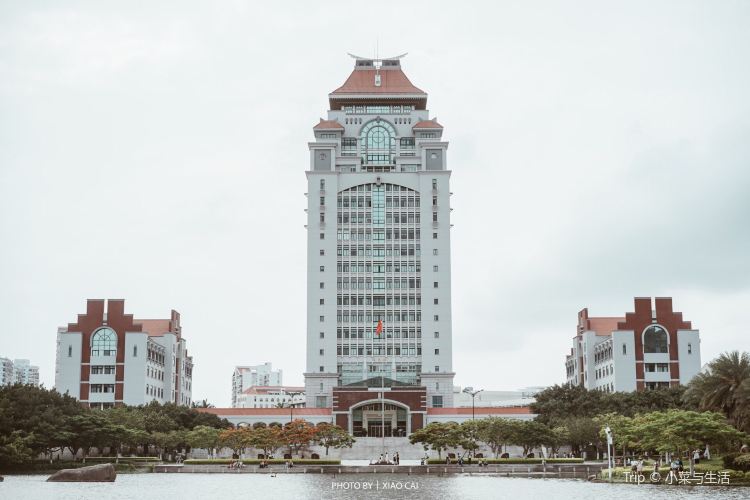
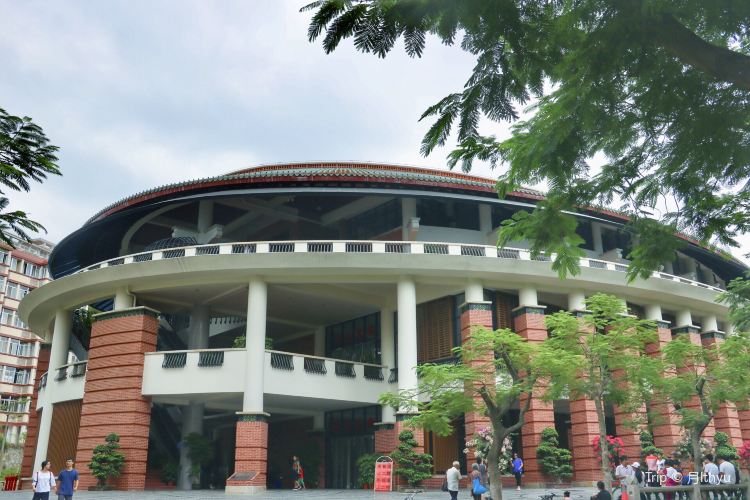
Educational and Scenic Environment: The vicinity of Xiamen University is both academically and aesthetically enriching, making it a top choice for accommodation. Surrounded by verdant greenery and architectural gems, it offers a serene retreat from urban bustle.
Proximity to Attractions: Residing near Xiamen University means easy access to attractions like South Putuo Temple and Baicheng Beach, perfect for those keen on exploring Xiamen's cultural and natural wonders.
Vibrant Atmosphere: The area near Xiamen University buzzes with the energy of students and scholars, infusing a distinctive cultural and intellectual vibe. This is enhanced by diverse dining and entertainment venues catering to the youth.



Gulangsu Scenic Area

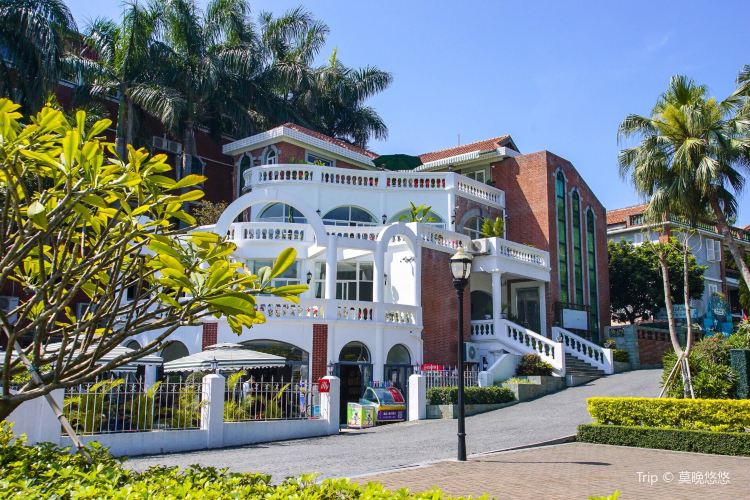

Island Retreat: Gulangyu Scenic Area offers a tranquil escape with its no-vehicle policy, ensuring peace away from urban clamor. The island boasts colonial architecture and verdant, meandering lanes.
Cultural Immersion: Residing on Gulangyu Island, guests can delve into the island’s rich cultural tapestry and savor attractions like Shuzhuang Garden leisurely. It’s perfect for those passionate about culture and seeking solace in quietude.
Limited Accommodation Options: The island provides a distinctive stay, but lodging choices are somewhat scarce and may cost more. It's wise to reserve early, particularly in peak season, to ensure a place in one of the quaint hotels or guesthouses.
Xiamen Best Time to Visit
Best Time to Visit
Spring (March–May) and Autumn (September–November) are Xiamen’s ideal seasons, offering mild coastal weather, blooming landscapes, and vibrant cultural events. Avoid summer’s intense heat and typhoons, as well as winter’s damp chill, for optimal exploration.
Spring: 15–25°C (59–77°F); rising humidity, frequent light rain. Azaleas and bougainvillea bloom across Hulishan Fortress; Gulangyu Island fills with piano melodies amid historic architecture; May sees dragon boat races on the Huwei River.
Summer: Hot, humid 25–35°C (77–95°F); monsoon rains and typhoon risks (July–Sept). Busy beaches at Baicheng and Zengcuoan; night markets thrive with seafood grills; indoor retreats like Xiamen Piano Museum offer respite.
Autumn: Sunny, breezy 18–28°C (64–82°F); low rainfall. Perfect for golden-hour views from Sunlight Rock; cycling Huandao Road’s coastal trail; Mid-Autumn lantern displays at Nanputuo Temple; seafood festivals at Shapowei (Oct–Nov).
Winter: Mild, damp 10–17°C (50–63°F); rare frost. Chinese New Year fireworks (Jan/Feb).
Xiamen Travel Tips
1. Set Up Alipay and WeChat Before Your Trip
China is mostly cashless. Download Alipay or WeChat before your trip to Xiamen. Link your international Visa or Mastercard and complete real-name authorization to use QR code payments, as many local vendors, restaurants, and even small shops no longer accept cash. Test the apps in advance to ensure a smooth transaction experience.
2. Download Local Apps for Navigation and Ride-Hailing
Western apps, such as Google Maps and Uber, are unavailable in Xiamen. Download Amap for navigation and DiDi Chuxing for ride-hailing before your trip. Both offer English support. Amap is reliable for walking routes, while DiDi is generally considered safer and cheaper than street taxis, especially for late-night travel.
3. Translate with Baidu or Youdao Dictionary
Google Translate is inaccessible in Xiamen. Download Baidu Translate or Youdao Dictionary for real-time translations. Use their photo translation feature for menus, signs, or attraction guides, as English is rarely spoken outside major hotels or tourist sites.
4. Understand Tipping Customs
Tipping isn’t common in Xiamen, especially at local restaurants or markets, and may confuse staff. At upscale hotels or restaurants near Zhongshan Road, small tips (10–20 CNY) are acceptable but not expected. A smile or a simple “xièxiè” (thank you) is often enough to show genuine appreciation.
5. Pack a Chinese Power Adapter
Xiamen uses Type A or I plugs (220V, 50Hz). Bring a universal travel adapter, as hotels may not provide them. Check device compatibility for high-power gadgets, such as hairdryers, and confirm your hotel’s outlet type to avoid any issues.
6. Use Public Transport Over Driving
Xiamen’s buses, metro, and BRT (Bus Rapid Transit) services cover key areas, including Zhongshan Road and Xiamen University. Pay with Alipay or WeChat QR codes, or purchase tickets at stations (English machines are available). Xiamen Station and Gaoqi International Airport are central, but Xiamen North Station requires BRT or metro to reach the island. Avoid driving, as island traffic is heavy and parking is scarce.
7. Follow Electric Scooter Safety Rules
When renting electric scooters at coastal spots like Huandao Road, choose licensed shops. Check the battery and brakes before riding, obey traffic rules, and avoid speeding. Wear helmets and stay on designated paths to ensure your safety and avoid fines.
8. Don’t Litter at Beaches
Xiamen’s beaches enforce strict rules for garbage sorting. Don’t toss trash on sand or in seafront areas, as fines apply. Use marked bins and follow signs for recycling to keep beaches clean.
9. Eat Seafood Safely
Choose reputable restaurants on Zhongshan Road or Gulangyu for fresh seafood to avoid scams, such as swapped orders. Please inform servers of any allergies, as some non-fish dishes may contain shellfish in broth or sauce.
10. Book Attractions in Advance
Reserve tickets for the Gulangyu ferry, Xiamen University, and South Putuo Temple via the “Xiamen Ferry Company” WeChat or Trip, especially during holidays (e.g., Spring Festival, National Day). Gulangyu ferry tickets are limited; book 2–3 days in advance, usually, or 15 days in advance for peak seasons. Xiamen University and Nanputuo Temple require advance on-site reservations, which can be crowded on weekends.
11. Time Your Gulangyu Island Visit
Board Gulangyu ferries from East Crossing, First Pier, or Songyu Pier during the day, or Xiamen Ferry Terminal (Hall 2) at night. Visit before 8 AM or after 4 PM (before 5:30 PM cutoff) to avoid crowds and enjoy cooler sea breezes.
12. Prepare for Typhoon Season
Typhoons peak around August, bringing heavy rain and ferry disruptions to Gulangyu. Check forecasts before travel, especially for beach or island plans, and reschedule outdoor activities if storms are predicted.
13. Access Blocked Apps Safely
Western apps like Google, WhatsApp, and Instagram may not be available in Xiamen. Purchase an eSIM with roaming data or download a reliable plugin before travel to access these apps securely.
14. Claim Tax Refunds on Shopping
Overseas travelers can claim a Value-Added Tax (VAT) refund on purchases of at least 200 CNY in a single day at designated tax-free stores in Xiamen, such as SM City Xiamen. Request a tax refund invoice and application form at the store, and process your refund at the shop or airport counters when departing, using mobile payments, bank cards, or cash.
15. Use Chinese Names for Navigation
Chinese map apps, such as Amap, don’t recognize English names for hotels, attractions, or restaurants. Before navigating, find the Chinese name of your destination (e.g., 鼓浪屿 for Gulangyu) via online search. Copy the Chinese characters into Amap or DiDi Chuxing for accurate results. Save these names in a note for quick access during your trip.
16. Save Emergency Contacts
Save Xiamen’s emergency numbers: 110 for police, 120 for medical, and 12345 for English-speaking tourist assistance. Keep a written copy of your hotel’s address in Chinese (ask your hotel for a card) to show taxi drivers or locals if you get lost, as English addresses are rarely understood.
Xiamen Useful Guide
Local Language
Mandarin Chinese is the official language.
English signage is widespread in tourist areas, but English is not widely spoken.
Local APP
WeChat: China’s all-in-one app for messaging, social media, and digital payments. English interface available.
Alipay: A leading payment app for cashless transactions at restaurants, shops, and public transport. Its “Transport” feature supports metro and taxi payments. English version available.
DiDi: China’s top ride-hailing app, offering taxi and private car services with an English interface. Integrates with Alipay or WeChat for seamless payments.
Baidu Maps: The most reliable navigation app in China, offering detailed maps, real-time traffic, and transit routes for metro and buses. Superior to Google Maps for local accuracy. Alternative: Amaps app.
Youdao Dictionary: A Chinese-English dictionary and translation app, perfect for communicating with non-English-speaking taxi drivers or reading menus. Includes offline OCR for scanning signs.
Internet and Communication
Staying connected in Xiamen is essential for navigation, payments, and communication, given China’s reliance on mobile apps and limited access to some Western services.
eSIMs: eSIMs are a convenient option for travelers, enabling instant activation without the need for a physical SIM card. Purchase online before your trip; activate upon arrival. Ensure your device supports eSIM.
Local SIM Cards: Local SIMs from providers like China Mobile, China Telecom, or China Unicom offer reliable 4G/5G coverage in Xiamen. Available at airports or official provider shops.
Present your passport at the time of purchase; airport staff can assist with setup. China Unicom often has better English support.
Wi-Fi: available in hotels, hostels, and some cafes (e.g., Starbucks) but less common in public spaces like parks or streets. Many Wi-Fi networks require a Chinese phone number for SMS verification.
Currency and Payment
The official currency is the Chinese Yuan (CNY, ¥), also known as Renminbi (RMB). Notes come in denominations of ¥1, ¥5, ¥10, ¥20, ¥50, and ¥100; coins are available in denominations of ¥0.1, ¥0.5, and ¥1.
Digital Payments:
Xiamen is largely a cashless city, with mobile apps dominating transactions. WeChat Pay and Alipay are widely accepted. Link a foreign bank card (Visa/Mastercard) to WeChat or Alipay before arrival.
Cash:
Cash is rarely needed but can be useful for small vendors (e.g., street food stalls), single-ride tickets on public transportation, or in rural areas. Carry small denominations (¥1–20) for convenience.
Credit/Debit Cards:
Visa and Mastercard are accepted at major hotels, upscale restaurants, and some retailers in Xiamen, but less common at smaller venues. American Express is rarely accepted.
Notify your bank of travel plans to avoid card blocks
ATMs and Cash Withdrawals:
ATMs accepting foreign cards (Visa/Mastercard) are widely available at banks, airports, and shopping areas. Most offer English interfaces.
Look for PLUS (Visa) or Cirrus (Mastercard) logos. American Express is rarely accepted, except at select ATMs in airports or high-end hotels.
Fees: ¥10–15 per withdrawal (some banks waive for partners). Home bank fees: ~3% + $5 (check your issuer). Currency conversion fee: 1–3% (Visa/Mastercard rate).
Reliable Banks: Bank of China, ICBC, China Construction Bank, HSBC China.
Weather in Xiamen

22°
/
17°
25°
/
18°

27°
/
19°
25°
/
20°

27°
/
21°

26°
/
18°
24°
/
18°
 Trending in Xiamen
Round-trip flights between Hanzhong and Xiamen take offNew round-trip route opens between Hanzhong and Xiamen
Blossom season in Xiamen, nonstop from Yangzhou–Taizhou@KulangsuChase spring blossoms in Xiamen, nonstop from Yangzhou–Taizhou
Bougainvilleas blanket Xiamen, romance around every corner@Xiamen Botanical GardenXiamen awash in bougainvilleas, romance around every corner
Xiamen: FAQ

What's the most popular attractions in Xiamen?
Things to do near Xiamen for family & child?
Any recommended attractions about nature scenery in Xiamen?
How to get to Jinjiang Airport from Xiamen?
How to get to Xiamen from Dazhou?
How to get to Kinmen Island from Xiamen?
Popular destinations

Bangkok

Tokyo

Kuala Lumpur

Los Angeles

Shanghai