Xinjiang 2025 Guide: Must-see attractions, local cuisine, and practical tips! | Trip.com
 Local GuidesLast updated on Trip.com: 09/01/2025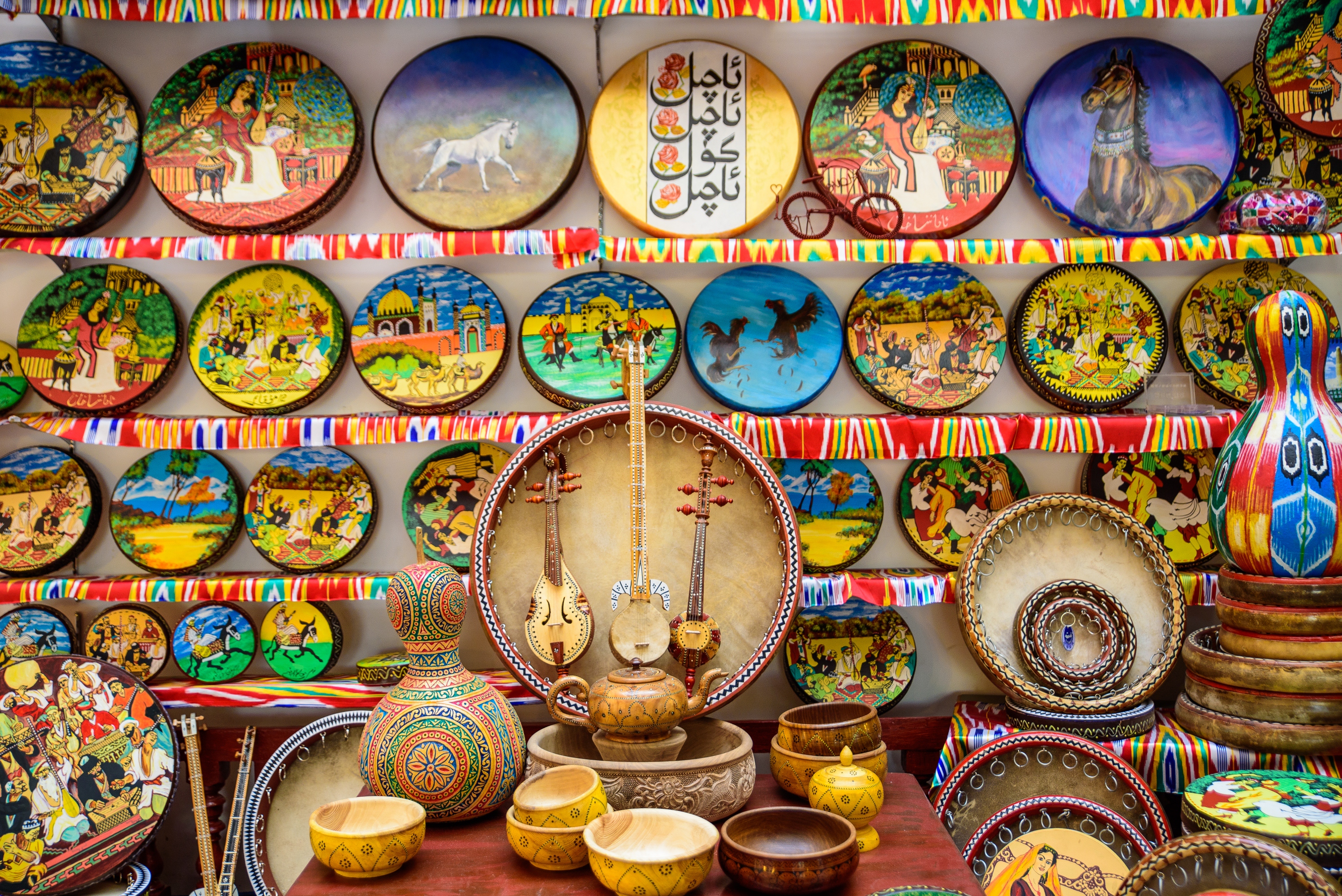
Xinjiang Brief Guide
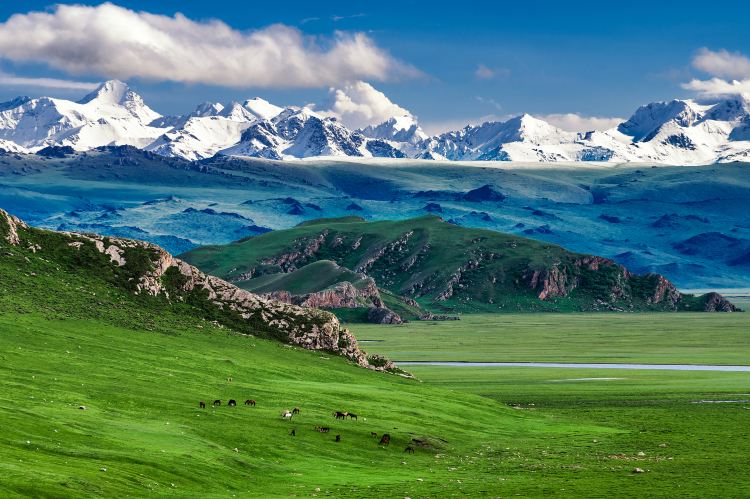
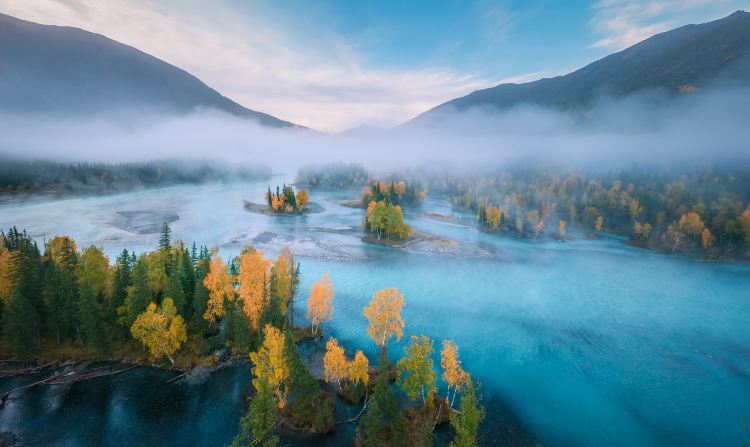

Situated in the northwest of China, Xinjiang boasts vast lands and diverse cultures, primarily influenced by the Uygur ethnic group. Dating back to its historical roots on the Ancient Silk Road, it offers a rich blend of traditions and is known for its scenic beauty and ethnic diversity. The region is home to some of the most stunning natural attractions in China such as Tianchi Lake, described as the "Pearl of Tianshan" due to its picturesque landscapes and alpine location. Another must-see is Kanas Lake, famous for its shifting colors and serene environment. Furthermore, the Bayanbulak Grassland offers expansive views and is notable for its wildlife, particularly swans.
Xinjiang's cuisines offer a vivid taste of its ethnical variety, predominantly featuring Uygur characteristics with staple dishes like the aromatic Xinjiang lamb skewers and the richly flavored Dapanji.
Xinjiang Must-try local experiences
Discover Stunning Natural Lakes
At Tianshan Tianchi, take a boat ride across the lake to enjoy the reflection of snow-capped peaks in the clear waters or follow the lakeside trail for views from different perspectives. Over at Kanas Lake, you can hike or bike around, exploring the legends of the lake monster and marveling at the lake’s shifting colors. In autumn, Kanas Lake is a vibrant tapestry of color, like a scene from a fairy tale.
Horseback Adventure on Nalati Grassland
Rent a horse on the vast Nalati Grassland and follow a guide through endless green pastures. Along the way, you might encounter herdsmen with their livestock, bringing you closer to the rhythms of nature.
Watch a Traditional Uyghur Dance Performance
Catch a lively Uyghur dance performance in Urumqi or Kashgar to experience the energy of the music and dance, immersing yourself in the heart of Uyghur culture.
Visit the Ancient City of Kashgar
Stroll through the Ancient City of Kashgar, visiting traditional workshops and experiencing the authentic Uyghur lifestyle. The area is steeped in a rich historical and cultural atmosphere.
Join the Turpan Grape Festival
Held around August, Turpan’s Grape Festival is a major celebration in Xinjiang, featuring vibrant performances and tastings of freshly picked grapes and grape-based delicacies.
Attend the Nadam Fair
Each summer on the Xinjiang grasslands, the Nadam Fair, a Mongolian festival, offers traditional sports like horse racing, wrestling, and archery, showcasing the allure of nomadic culture.
Taste Local Delicacies
Xinjiang cuisine is a must-try, with specialties like roast lamb, big plate chicken, pilaf, and baked buns. Savor the intense spices and unique cooking methods, experiencing the essence of Xinjiang’s food culture.
Shopping at the Xinjiang International Grand Bazaar
Visit Xinjiang International Grand Bazaar, where you’ll find a vibrant mix of ethnic culture, handmade crafts, and regional delicacies.
Experience the Seasonal Beauty of Sayram Lake
In early spring, Sayram Lake dazzles with the rare “ice push” phenomenon; in summer, wildflowers bloom along its grassy shores. Autumn sunsets cast a golden glow over the shimmering lake and amber fields, while winter brings endless blue ice and snow-capped mountains for a picture-perfect view.
Desert Adventure in Xinjiang
Explore the Kumtag or Taklamakan Deserts, where you can join desert adventures like off-road driving, camel riding, and camping to experience the vast beauty and mystery of the dunes.
Winter Skiing in Xinjiang
Head to Altay or Tianshan ski resorts in winter to enjoy the thrill of skiing and the enchanting winter scenery of Xinjiang’s snowy landscapes.
Xinjiang Best cities to visit
Kashgar
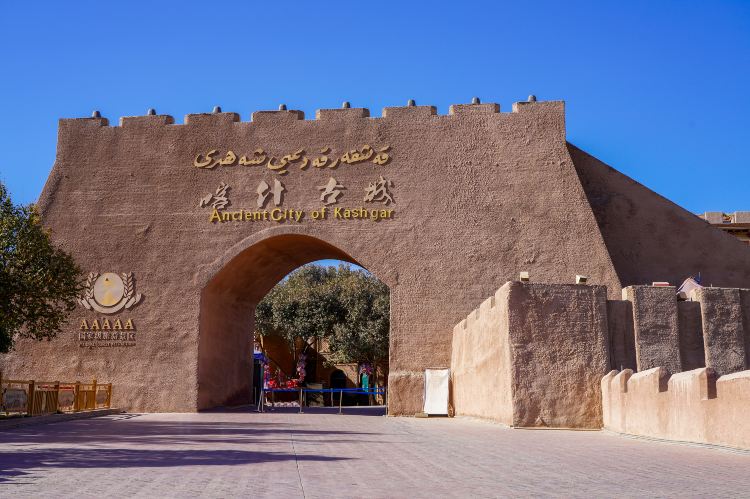
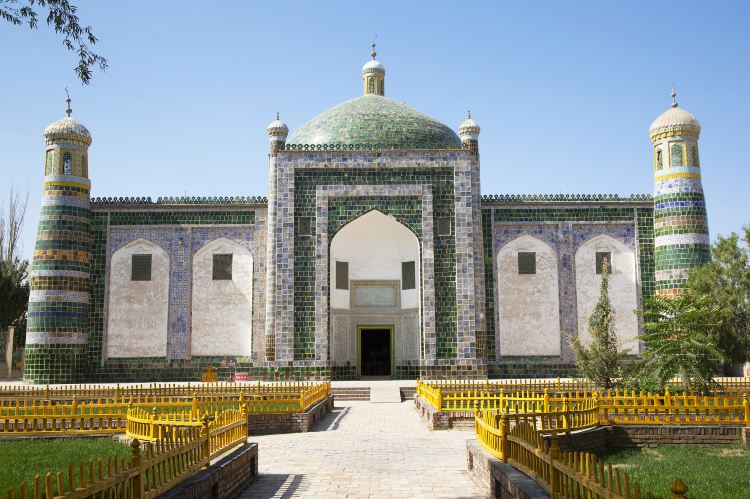

Kashi, also known as Kashgar, is a city in China’s extreme west, very close to the Tajikistan border. It is situated in the Xinjiang Uygur autonomous region, home to China’s Muslim Uygur ethnic minority. Because of the Muslim influence, the city is very different from others in China. It is home to China’s largest mosques. Famous sites include the Id Kah Mosque and the Abakh Khoja Tomb. Although there are a few specific tourist attractions and activities, the unique culture and lifestyle of the local people are an extremely interesting and spiritual experience.
Urumqi

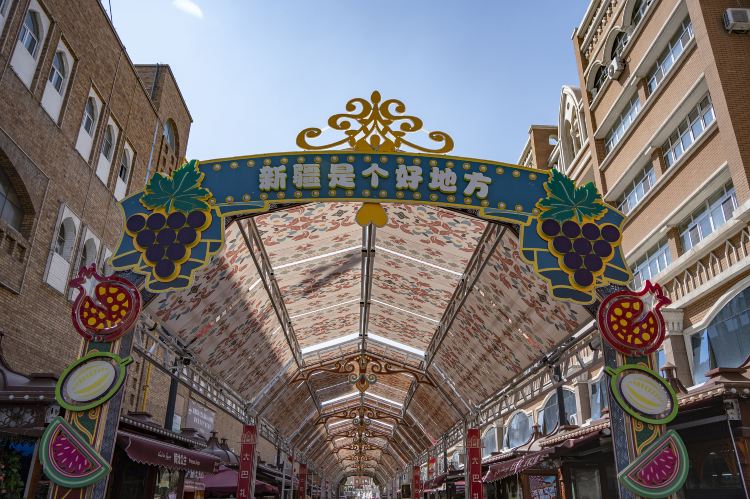
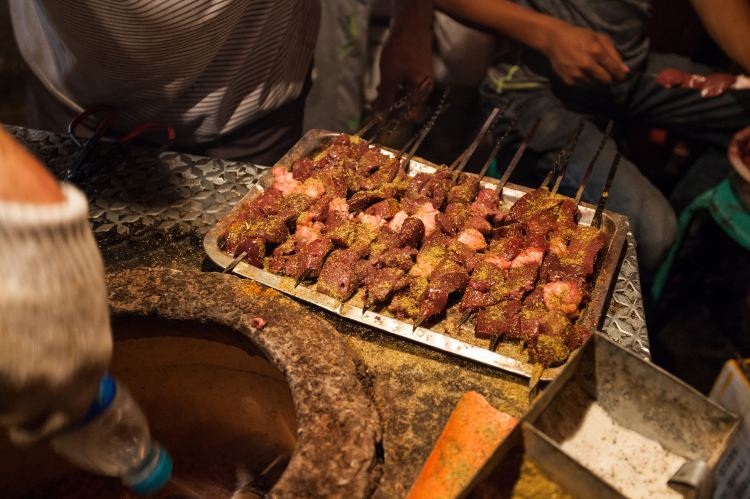
According to many Chinese people, Urumqi—near the northwestern edge of China—is a distant and mysterious place. Urumqi is the capital city of Xinjiang Uygur autonomous region and its name means "beautiful pasture". Distinct ethnic style is this city's outstanding feature, teeming with Islamic influence. Urumqi is located at the juncture between Xinjiang's north and south. It is a must-see location for tourists visiting Xinjiang. The lively Xinjiang International Grand Bazaar is a vast marketplace where shopkeepers sell every imaginable type of Xinjiang specialties. There are also many beautiful scenic parks on the outskirts of town. Traveling a little farther, you can enjoy the spectacular glaciers. Xinjiang has over 18,000 glaciers. Most Xinjiang restaurants have many local delicacies to try.
Ili
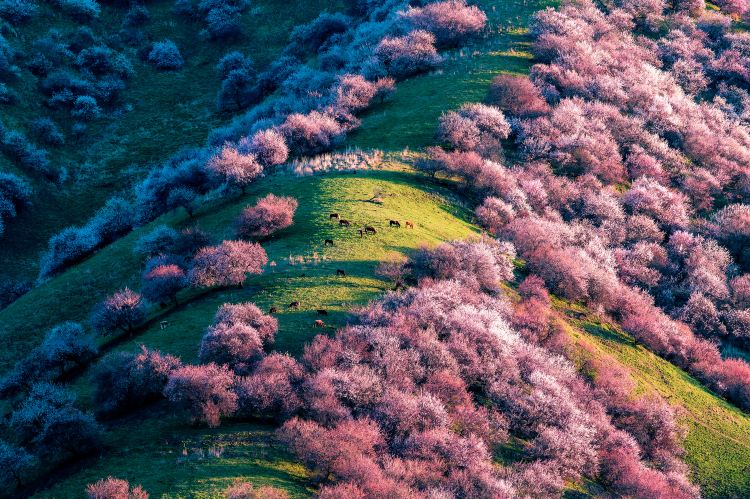
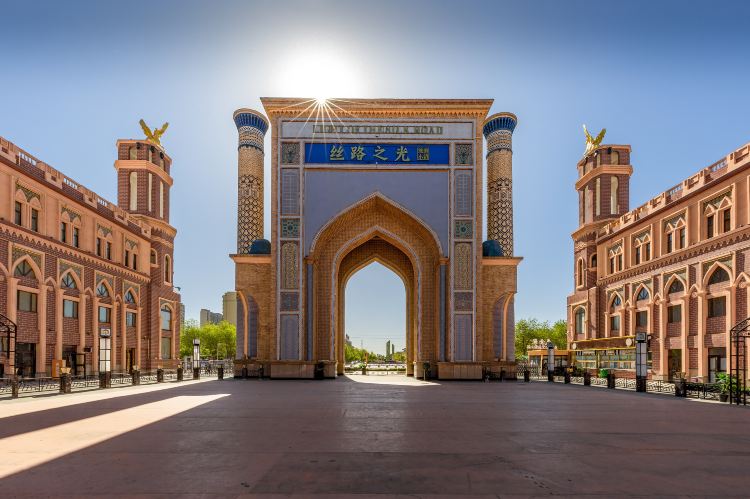

Bordering Kazakhstan, Ili Kazakh Autonomous Prefecture is located in the northwestern part of Xinjiang with Yining as its capital. It is home to 13 ethnic groups, of which Uyghurs and Kazakhs make up the majority. In arid Xinjiang, Ili is a region with unique climate characteristics with relatively abundant rainfall and warm weather, so it is prolific in agricultural products.
Xinjiang Transportation
How to Get There
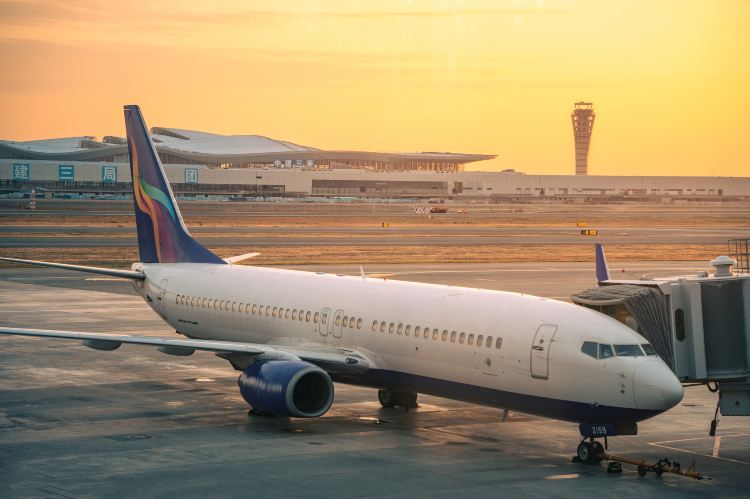
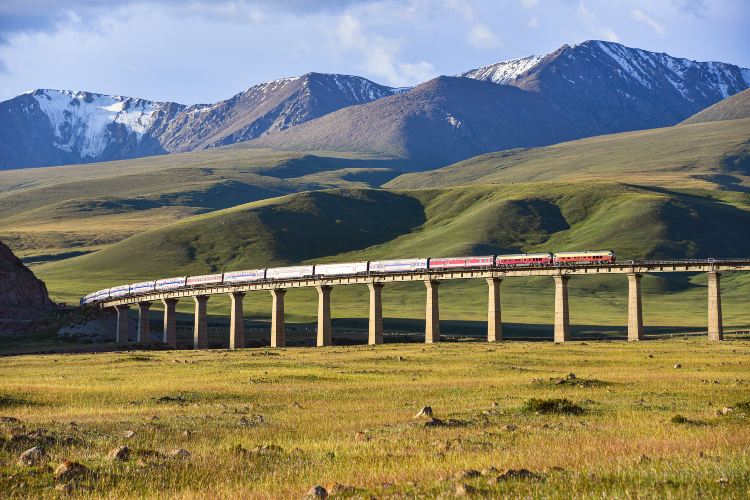
Xinjiang can be accessed via international flights to Urumqi Diwopu International Airport, which connects with numerous cities worldwide. Additionally, it's well-connected by train from major Chinese cities, as well as international rail routes from Kazakhstan. Traveling by road or internal flights within Xinjiang is feasible for exploring the region further.
Local Transportation
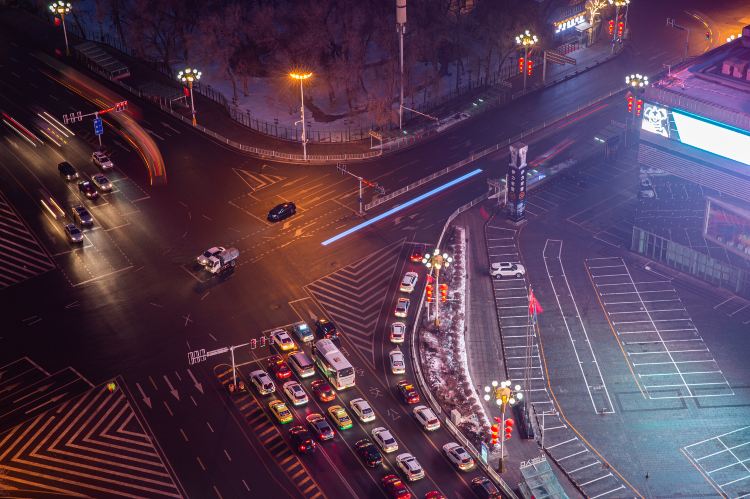
In Xinjiang, different modes of local transportation provide access to its vast landscapes and diverse cultures.
The first is the Urumqi BRT system which began its operation in September 2011 and includes four lines extending over 42.2 kilometers. The system witnesses a daily ridership of around 35,000, emphasizing its role in facilitating efficient urban transit in Urumqi.
Another vital transportation facility is the Shouqi ride-hailing app, which offers various vehicle-based services including private cars, express transport, and even buses. This platform is tailored to accommodate diverse travel needs such as daily commuting, business trips, and tourism among others, ensuring a safe and convenient journey across the region.
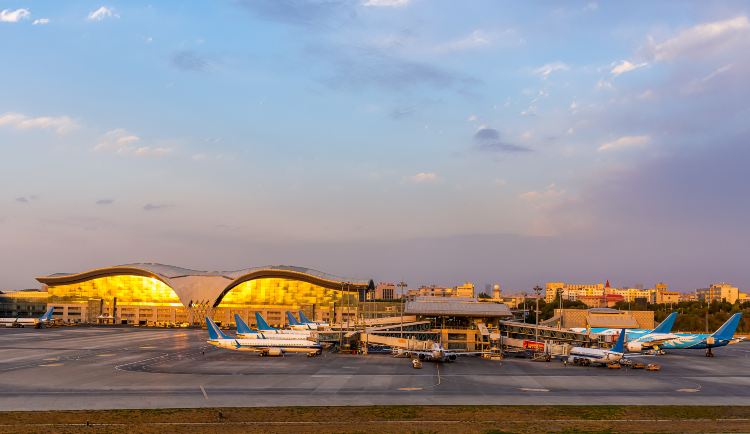
Urumqi Diwopu International Airport acts as a central hub with numerous domestic and international flights. This connectivity undoubtedly helps to support Xinjiang's accessibility, facilitating travel between major tourist cities across China and beyond.
Together, these transportation systems offer comprehensive coverage that assists in navigating through Xinjiang's numerous attractions smoothly and efficiently.
Xinjiang Best Time to Visit
Best Time to Visit
The best time to visit Xinjiang is from April to November, as these months feature mild and comfortable weather, ideal for exploring the region's stunning natural landscapes and vibrant culture. During April and June, it offers pleasant temperatures and the blooming beauty of Apricot Valley and Tianchi Lake. From July to August, it is perfect to experience lush grasslands like the Nalati Prairie, while from September to early November, it provides excellent opportunities for photography with stunning autumn colors in areas like Kanas.
Xinjiang Useful Guide
Safety notice
For self-drive tours in Xinjiang, ensure your vehicle is well-maintained and adapt your driving to local traffic rules and conditions. Always carry essential emergency numbers: police (110), fire department (119), medical emergencies (120), and traffic police (122). Be cautious during driving as unexpected delays and strict security checks might occur. Always keep your travel and identity certificates handy, as local authorities may conduct checks.
Local Language
The official language in China is Mandarin, also known as Standard Chinese. While traveling in China, language apps and local interpretation services are helpful tools for language assistance. Effective communication can be achieved through simple phrases, gestures, or even showing phrases on your smartphone. Basic phrases in Mandarin include "Nǐ hǎo" (Hello) and "Xǐshǒujiān zài nǎ?" (Where is the bathroom?).
Local APP
Baidu Maps: This is the most widely used navigation app in China, indispensable for public transport directions and real-time traffic updates.
DiDi: Equivalent to Uber, this app is essential for convenient transportation across cities in China.
WeChat: Beyond messaging, it supports various city-specific transit mini-programs and payment options.
Alipay: A must-have for mobile payments, and it uniquely caters to foreign credit cards.
Plug adapters
In China, power plugs and sockets (outlets) of type A, type C, and type I are used. The standard voltage is 220 V at a frequency of 50 Hz.
Internet and Communication
Mobile data packages for visitors in China are available through local carriers such as China Mobile and Unicom. China Mobile offers prepaid data SIM cards with unlimited text messages and calls within China, and high-speed connections, sometimes even 5G. Unicom provides SIM cards with data packs that include unlimited music applications, and both do not require long-term contracts.
Public WiFi in China is widely available in places like airports, restaurants, coffee shops, and malls. However, connecting to these networks often requires a Chinese phone number for text verification, which can be a challenge for visitors without a local SIM card. Global WiFi devices like Skyroam can be a convenient alternative, offering the ability to connect multiple devices and requiring no additional setup upon arrival in China.
 Trending in Xinjiang
Blown away by the ice waterfall at Sayram Lake@Sayram LakeBlown away by the ice waterfall at Sayram Lake
Round-trip Flights Between Urumqi and Osh, Kyrgyzstan Now AvailableRound-trip Flights Between Urumqi and Osh, Kyrgyzstan Now Available
Meet Sayram Lake: The Blue Ice Encounter officially begins@Sayram LakeMeet Sayram Lake: The Blue Ice Encounter officially begins
Popular destinations

Bangkok

Tokyo
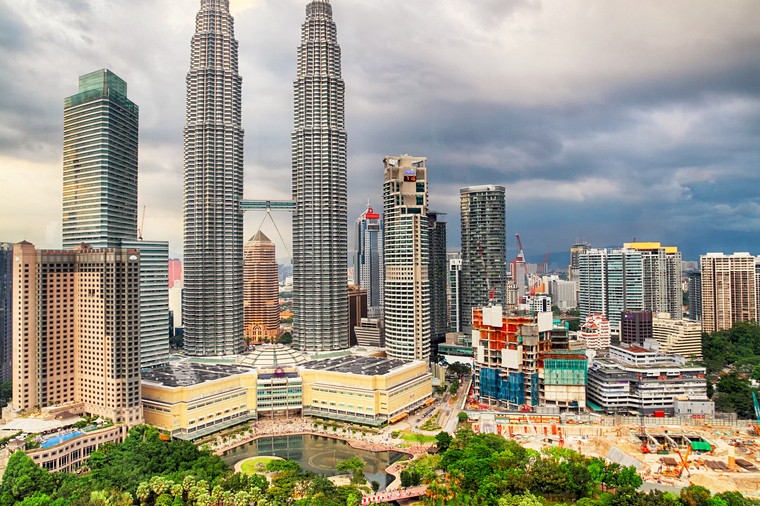
Kuala Lumpur

Los Angeles
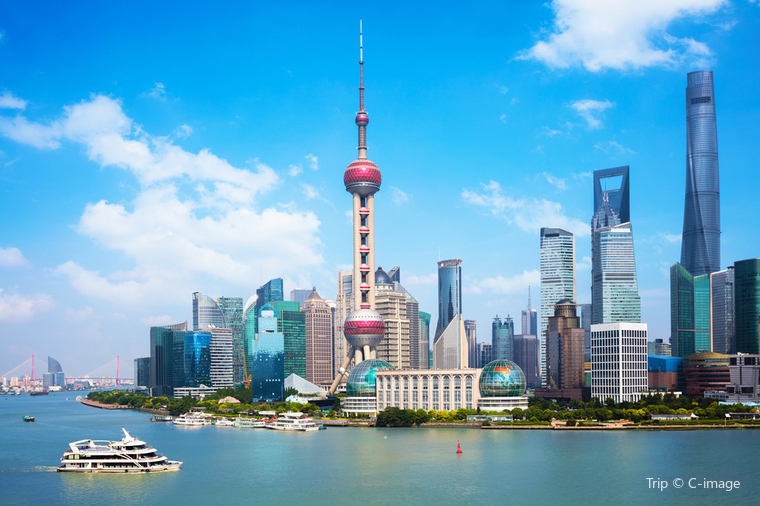
Shanghai