
Hangzhou 2026 Hottest & Trendiest Travel Hotspots (Updated Constantly)

This year's must-visit café is inside a templeHOT


Temple tourism has taken off in the past 2 years, with post-90s and post-00s making up half of all visitors.
Beyond praying for blessings, young travelers have found a new way to enjoy temples—sipping coffee in ancient sanctuaries.
Thailand and China are both doing this, each in its own fascinating way.
🇹🇭 Thailand: cafes growing around historic temples
☕ Riverside cafe cluster by Wat Arun
📍 Bangkok · around Wat Arun · on the Chao Phraya River
✨ Highlights:
· Arun Cafe offers a tranquil setting—sip under tropical shade with views of the white prang
· Across the river, Vivi The Coffee Place and Before Sunset offer a head-on view of the Temple of Dawn reflected on the water
· Before Sunset sits on the 4th floor, with the best views at dusk, often nicknamed the golden hour lookout
☕ PAULETTE — a European-style loft facing Wat Ratchabophit
📍 Bangkok · 65 Fueang Nakhon Rd · 4th floor (near Wat Ratchabophit)
✨ Highlights:
· Located on the 4th floor of a classic shophouse, overlooking the royal temple where Thai and European styles blend
· Vintage European decor often described as a Paris apartment style
· Serves housemade pastries, artisanal ice cream, and specialty coffee
☕ Suva Cafe + the revival of Song Wat Road’s old quarter
📍 Bangkok · 30 Una Gun Rd (near Wat Suthat and the Giant Swing)
✨ Highlights:
· Suva Cafe: an Americana retro vibe with surfboard and motorcycle illustrations
· Song Wat Rd: century-old warehouses and shophouses transformed into minimalist cafes and creative boutiques
· Traditional spice shops, ancestral halls, and cafes coexist; young people map out routes that combine temple-hopping + cafe-hopping
🇨🇳 China: temples opening their own cafes
☕ Cibei Coffee — coffee mystery boxes sold by monks
📍 Hangzhou · Yongfu Temple (inside the Feilai Peak Scenic Area at Lingyin)
✨ Highlights:
· Went viral on social media for monks selling coffee
· Signature feature: cups printed with random temple blessings, dubbed coffee mystery boxes
· A regular on destination best-of lists
☕ Jiafu Coffee — a modern taste in a 1,700-year-old temple
📍 Beijing · Tanzhe Temple (the oldest temple in Beijing)
✨ Highlights:
· Launched Jiafu Coffee to attract young visitors
· Enjoy a modern coffee in the courtyard of a thousand-year-old temple
· In fall, ginkgo season + ancient temple + coffee = the ultimate photo backdrop
☕ Su Coffee — oat milk lattes at a millennia-old temple
📍 Shanghai · Longhua Temple
✨ Highlights:
· With over a thousand years of history, Longhua Temple has a beverage window in its Longhua vegetarian dining area
· Serves Americanos and lattes; lattes are made with oat milk, suitable for vegetarians
· Cups feature Longhua Temple and Longhua Pagoda motifs, making great keepsakes
☕ Jianfo Coffee — a zen-minded cup at a thousand-year-old temple
📍 Taizhou · Longxing Temple
✨ Highlights:
· Longxing Temple is a millennia-old sanctuary in Taizhou
· A temple-run cafe named Jianfo
· Sip coffee in an ancient temple where zen meets everyday life
💬 In Thailand, cafes cluster around historic temples and preserve original architecture. In China, temples are innovating with coffee and cultural products. Different approaches, same aim: helping young people find a place of calm within tradition.
Bangkok

At temples, fall is for smelling, not seeingHOT


Temple trips are all the rage: young people are heading to ancient temples to pet cats and sip coffee, and temple cafés and osmanthus treats are going viral. Savvy travelers are already going to temples for the fragrance—at China’s ancient temples in fall, osmanthus scents soak entire courtyards; in Thailand’s temples, jasmine lingers year-round before the Buddha.
This fall, don’t you want to breathe in that scent that quiets the mind in an instant?
🌼 China’s temples · fall osmanthus
📍 Hangzhou · Lingyin Temple— a thousand-year-old temple, the gold standard for osmanthus fragrance
✨ Highlights:
- Tang poets wrote of it: "Cassia blooms fall from the moon, heavenly fragrance drifts beyond the clouds." When fall arrives, "the whole mountain is fragrant."
- Incense mingles with osmanthus. Step inside and you immediately feel calm.
- On the way, hike up Feilai Peak to enjoy osmanthus from above, listen to temple bells, and take in sweeping fall views.
📍 Hangzhou · Yongfu Temple— fragrance, tea, and cats, the most complete experience
✨ Highlights:
- Pair osmanthus tea snacks with a vegetarian meal. Smell the flowers, then sip your tea.
- The resident "cat abbot" often sunbathes at the café entrance—pet while you sip.
- Less crowded than Lingyin, perfect for a slow afternoon wander.
📍 Suzhou · Zijin Nunnery— centuries-old osmanthus; miss it and wait a year
✨ Highlights:
- Two osmanthus trees hundreds of years old. Their perfume is like wine aged by time.
- Tucked away in Suzhou’s Dongshan. Ancient temple plus ancient osmanthus, serene and uncrowded.
- With trees this old, if you miss the season, it’s a one-year wait.
🕉️ Thailand’s temples · jasmine every day
📍 Chiang Mai · Wat Phra That Doi Kham— a jasmine-scented temple famed for answered prayers
✨ Highlights:
- White jasmine is used for making and fulfilling vows. Floral towers pile up before the Buddha.
- The jasmine is so heady you stop the moment you step inside.
- A temple renowned among locals for fulfilled prayers, where incense and jasmine fragrance never cease.
📍 Bangkok · the Four-Faced Buddha— the top spot to smell jasmine every day
✨ Highlights:
- Lotus, jasmine garlands, and incense candles fill the altar, creating an intense devotional atmosphere.
- To give thanks, you can invite dancers to perform a classical blessing dance—rich with ceremony.
- Thais weave scent into garlands—fragrance is a language for speaking to the Buddha.
🍵 Sip what you smell
📍 China’s temples ✨ Highlights: osmanthus tea and vegetarian fare—smell first, then sip.
📍 Thailand’s temples ✨ Highlights: buy a jasmine garland at the gate and hang it—the most authentic way.
📸 Two scents, two scenes
✨ Highlights: golden osmanthus against yellow walls, and white jasmine piled before the Buddha. Every snap is photo-ready.
China bottles fall in osmanthus; Thailand weaves reverence into jasmine. This fall, don’t just bring your eyes—remember to bring your nose.
Hangzhou

No Monastery Required: Short Zen Retreats to Beat BurnoutHOT


More and more people are stepping away from the city grind and choosing short temple retreats that are open to all and require no prior experience. There’s no need to take refuge or perform rituals—just immerse yourself in quiet, unplug, and soothe everyday burnout. Many accredited temples in China and Thailand welcome public stays with a relaxed vibe and no gimmicks, making it easy for anyone to discover a slower, more secluded pace of life. So how do you choose, and what can you do there?
🇹🇭 Two classic retreat temples in Thailand
Chiang Mai | Wat Umong Suan Putthatham retreat
🌳 Address: An ancient forest temple at the foot of Suthep Mountain in Chiang Mai. Serene and tranquil.
🧘 Retreat experience: Forest and cave mindfulness, walking meditation among the trees, and light temple chores, with basic English guidance for meditation.
✨ Highlights: Zero pressure for beginners. No enforced silence or phone surrender. Balances a calm retreat with travel vibes.
Bangkok | Wat Mahadhatu Yuvaraj Rangsarit Rajavaramahavihar Section 5 insight center
🏛️ Address: In the royal core of Bangkok’s old city—peaceful amid the bustle.
📖 Retreat experience: Authentic, systemized insight meditation with scheduled mindfulness sittings. Monks teach and answer questions throughout. Options for single-day experiences or overnight retreats.
✨ Highlights: Cultivate inner calm in the heart of the city. Prime location, ideal for short urban getaways.
🇨🇳 Five top accredited retreat temples in China
Suzhou | Xiyuan Temple retreat
🏞️ Address: A classic garden-style ancient temple in Suzhou. Elegant and quiet.
🌿 Retreat experience: Sutra copying, seated meditation, tea meditation, and communal vegetarian meals. Morning chanting is optional, with lots of flexibility.
✨ Highlights: A top choice for short getaways from the Shanghai region. Gentle and healing atmosphere, great for first-time retreat-goers.
Guangdong | Donghuachan Temple retreat
⛰️ Address: A traditional monastic complex deep in the mountains of Shaoguan. Pure and noncommercial.
🌾 Retreat experience: An immersive blend of farming and meditation—morning chanting, daily labor, and evening dharma talks that reflect true forest-monastery life.
✨ Highlights: Authentic, nonprofit practice with a deep digital detox. Helps ease serious mental burnout.
Hangzhou | Yongfu Temple retreat
☁️ Address: Within the Lingyin Feilai Peak Scenic Area by West Lake in Hangzhou. A tranquil ancient temple by the mountains and lake.
🌌 Retreat experience: Mindfulness in the West Lake mountains and forests, seated meditation, sutra copying, and zen-inspired walks. Official short mindfulness programs with a relaxed, restorative pace.
✨ Highlights: A lesser-known zen retreat by West Lake with fewer crowds. Combines scenic landscapes with light practice. Beginner-friendly with immersive ambiance.
Lushan National Park | Donglin Temple retreat
🙏 Address: The millennium-old ancestral home of Pure Land Buddhism on Lushan. Solemn and dignified.
📿 Retreat experience: Chanting practice, temple tours, lamp-lighting blessings, and a structured daily schedule.
✨ Highlights: An orthodox site with over a thousand years of history—ideal for resetting your routine and calming a restless mind.
Yixing | Dajue Temple retreat
🌸 Address: A modern zen temple by the Yixing Bamboo Sea. Clean and tasteful.
🎐 Retreat experience: Culture-centered zen activities such as flower arranging, tea meditation, and mindful reading circles—light and low-pressure.
✨ Highlights: Relaxed rules with low religious overtones. A great spot for gentle, restorative downtime.
You don’t have to run far or embrace strict ascetic practice. Whether it’s a poetic temple in China or an ancient forest monastery in Thailand, a short temple retreat can press pause on life. Set down anxiety and burnout, and find healing in the rhythm of morning bells, evening drums, seated meditation, and mindful walking—an inviting, restorative way to travel off the beaten path.
Chiang Mai

Mid-Autumn culture and museum fest lights up West LakeHOT


September 2026, West Lake rolled out a wide range of cultural and museum events, including Mid-Autumn themed interactions, Teachers' Day crafts, and a charity carnival.
🏮 Moon quest at West Lake
⏰ Time: September 25–27, 2026
📍 Location: Hangzhou West Lake Museum visitor center
✨ Highlights:
• Mid-Autumn lantern riddles: fun interactions centered on the "Three Pools Mirroring the Moon" theme to experience West Lake’s Mid-Autumn culture.
🎨 Elegant wares, molding Mid-Autumn
⏰ Time: September 25–27, 2026
📍 Location: Southern Song Guan Kiln Museum visitor center
✨ Highlights:
• Mid-Autumn at your fingertips: admire imperial-style wares and enjoy hands-on crafts inspired by a millennium of kiln artistry.
📜 Little Su Dongpo fans: map quest under the moon
⏰ Time: September 25–27, 2026
📍 Location: Su Dongpo Memorial Hall service desk
✨ Highlights:
• Study activity: pick up a study sheet and a Su Dongpo map to explore his special connection with Hangzhou.
🎁 Teachers' Day peace-in-a-bottle gift workshop
📍 Location: Hanmeilin Art Museum book bar
✨ Highlights:
• Landscape bottle craft: a Teachers' Day themed activity to express appreciation for educators.
🎨 Mid-Autumn Jade Rabbit canvas bag workshop
📍 Location: Hanmeilin Art Museum book bar
✨ Highlights:
• Jade Rabbit canvas bag: blend playful art with Mid-Autumn folk traditions and soak up the holiday vibe.
🌙 Nice to meet you, Moon — Hangzhou–Verona cultural and creative exchange
⏰ Time: September 24–November 9, 2026
📍 Location: Hangzhou–Verona Exchange Center
✨ Highlights:
• Cultural-creative displays: East-meets-West aesthetics in an immersive showcase of both cities’ cultural charm.
📖 Wansong Academy ceremony for the 2,577th birthday of Confucius
⏰ Time: September 28, 2026
📍 Location: Hall of Great Achievements, Wansong Academy, Hangzhou
✨ Highlights:
• Confucius commemoration and student matriculation: celebrate traditional rites and experience the academy’s classical learning atmosphere.
🖼 Lakes and mountains, beauty of epigraphy exhibition
⏰ Time: September 6, 2026
📍 Location: West Lake Museum main venue, Hangzhou
✨ Highlights:
• Spirit of bronze and stone: featuring pre-Qin seals, the exhibition showcases the fusion of epigraphic elegance with the character of West Lake’s landscapes.
🍵 Enduring traditions — a three-part "tea as path" dialogue exhibition
⏰ Time: November 30, 2026
📍 Location: Temporary gallery, Shuangfeng campus, China National Tea Museum
✨ Highlights:
• Tea culture and philosophy: over 130 exhibits exploring tea culture and Eastern philosophical thought.
🍵 The drinkable tea gallery
⏳ Suggested visit time: every Sat 9:30–11:00 AM
📍 Location: Shuangfeng campus, China National Tea Museum
✨ Highlights:
• Tea service: sample premium teas and experience the allure of tea culture.
🍵 Six flavors of Chinese tea "6+1" weekend study course
⏰ Time: every weekend in September 2026
📍 Location: Shuangfeng campus, China National Tea Museum
✨ Highlights:
• Immersive tea education: savor the benchmark styles of the six major tea categories and appreciate living tea traditions.
🌌 Hu Residence night tour
⏰ Business hours: 6:30–10:00 PM (adjusted year-round based on weather/season; last entry at 8:30 PM)
📍 Location: Former Residence of Hu Xueyan
✨ Highlights:
• Night tour of Eastern mercantile culture: narrative storytelling and light-and-shadow art combine for an immersive intangible cultural heritage experience.
🗻 Qianshun Pagoda on Feilai Peak — the millennial traces of the Sacred Nun’s Relic Pagoda exhibition
⏰ Time: October 31, 2026
📍 Location: Yuye Youlan Garden, Lingyin Feilai Peak Scenic Area
✨ Highlights:
• A pagoda’s life journey: trace its origins and evolution to rediscover its enduring legacy.
🎭 Themed original night tour "Qian Clan in the Present Day"
⏰ Time: October 8, 2026
📍 Location: Qianwang Temple
✨ Highlights:
• Exploring Wuyue culture: modern technology meets live, on-site performances to bring traditional stories and culture to life.
🖼 "A Sword Through a Millennium" — themed exhibition for the documentary "The State of Wuyue"
⏰ Time: October 8, 2026
📍 Location: Qianwang Temple
✨ Highlights:
• Documentary extension exhibition: see filming props and scene sketches to discover the stories behind the production.
💡 Travel tips: plan ahead; some events require reservations. For fall travel, use sun protection and prepare for temperature changes.
Come to West Lake and unlock a vibrant lineup of cultural events and exhibitions!
Hangzhou

Hangzhou–Qingdao–Vancouver flights resume, nonstop to visa-free BruneiHOT


On Oct 2, 2026, Capital Airlines will resume the Hangzhou–Qingdao–Vancouver, Canada route with 1 flight every Friday, restarting operations after 6 years.
✈️ Hangzhou–Qingdao–Vancouver route
Flight numbers: JD471 (outbound)/JD472 (return)
Operating airline: Capital Airlines
Service resumes: inaugural flight on Oct 2, 2026
Schedule: 1 flight every Friday
Plane model: Airbus A330-300 (inaugural flight on Oct 2), switching to A330-200 from Oct 16
Outbound JD471 (China → Vancouver)
Hangzhou Xiaoshan 8:35 AM departure → Qingdao Jiaodong 10:20 AM arrival
Stop in Qingdao for about 2 hours
Qingdao Jiaodong 12:20 PM departure → Vancouver 8:40 AM arrival (same day, Pacific Time)
Return JD472 (Vancouver → China)
Vancouver 10:40 AM departure (Pacific Time) → Qingdao Jiaodong 3:40 PM arrival (next day, GMT+8)
Stop in Qingdao for about 2 hours
Qingdao Jiaodong 5:40 PM departure → Hangzhou Xiaoshan 7:25 PM arrival (next day)

Lingyin Temple has a fresh lookHOT


Lingyin Temple, a famed monastery with a 1,700-year history on the western slopes of Lingyin Mountain near West Lake, is welcoming visitors with a fresh new look. Former high-rent storefronts have been turned into “Smile Pavilion” booths that offer friendly guidance; pricey ritual items have quietly made way for affordable prayer bead bracelets; the coffee stand is now a free hot tea station; and you won’t even find a QR code on the donation box—a monk’s gentle “as you wish” says all you need to know about the temple’s Zen spirit.
This is not only where the legendary Jigong took his vows—it’s also a living museum. The “Yunlin Chan Temple” plaque in the Hall of Heavenly Kings was inscribed by Emperor Kangxi. The stone pagoda before the Mahavira Hall and the stone sutra pillar outside the Hall of Heavenly Kings date to the Five Dynasties. Inside, treasures like palm-leaf sutras and gilded Buddha statues are beyond price. Set between North Peak and Feilai Peak, the temple lets you experience both the awe of a southern grotto art gem—more than 340 Buddhist carvings from the Five Dynasties onward etched into Feilai Peak—and the quiet grace of an ancient monastery, infused with the playful spirit of Jigong: prayer beads in one hand, a fan in the other.
Whether you come for the bustling incense offerings on the 1st and 15th days of the lunar month or for a tranquil moment of Zen on any ordinary day, Lingyin Temple now feels more welcoming and down-to-earth than ever. Visit this transformed thousand-year-old sanctuary and feel history and modern life in perfect harmony
Hangzhou

Limited-time showing of "Night Revels of Han Xizai" in HangzhouHOT


The national treasure painting "The Night Revels of Han Xizai" is now on display in Hangzhou. On opening day, crowds surged, and some visitors reported waiting in line for over 5 hours. To manage the crowds, Zhejiang Provincial Museum has introduced timed group entry: 15 people per group with a 6-minute limit.
🖼 "The Night Revels of Han Xizai" exhibition
📍 Location: Zhejiang Provincial Museum
✨ Highlights:
• Group entry: 15 people per group with a 6-minute limit. A timer is set next to the display case, and you must exit when the countdown ends.
• Other galleries: The rest of the exhibition areas can be visited without a reservation.
We recommend reserving a time slot in advance and planning your visit to account for potential lines.
Come to Zhejiang Provincial Museum to experience the artistry of "The Night Revels of Han Xizai" up close!
Hangzhou



Immersive cyber adventure at Hangzhou Binjiang Sky Eye Future PlanetHOT


Founded in 2003, Zhongnan Cartoon is a national cultural export base centered on animation creation. It has produced 25 series, 61 titles, and over 190,000 minutes of premium animation, with works distributed in more than 130 countries and regions. Now it brings two decades of its animated universe into the real world with an immersive AI tech park—Sky Eye Future Planet.
🌌 Sky Eye Future Planet
The park covers 15,000 square meters, spanning two indoor levels and a rooftop garden, and blends Chinese animation IPs with AI technology. In the Magical Odyssey zone, travelers journey through underwater ruins and a glowing forest for a thrilling adventure. An all-AI immersive digital theater delivers an awe-inspiring experience, and the 9m-high "World of Chaos" hits you with a bold, futuristic visual impact.
🚀 Stellar Raid and Interstellar Hunter
Hangzhou’s first standalone dark ride, "Stellar Raid," turns visitors into adventurers, soaring through uncharted cosmic spaces. The multiplayer flying mission "Interstellar Hunter" adds interactive challenges—team up with friends to complete missions and enjoy the fun of working together.
💡 Travel tips: Binjiang offers a rich blend of tech, culture, and tourism—allow plenty of time to explore. Sky Eye Future Planet suits visitors of all ages. Plan your route in advance.
Head to Sky Eye Future Planet in Binjiang, Hangzhou to begin an immersive cyber adventure!

Wenzhou off-peak travel deals, free entry at select attractionsHOT


Wenzhou has launched an off-peak travel promotion for residents of Shanghai, Ningde, Hangzhou, and Taizhou. A total of 23 attractions offer free entry or 50% off the first gate ticket, covering mountain-and-river attractions, intangible cultural heritage experiences, and boat cruises. Travel off-peak to enjoy Wenzhou’s natural beauty.
⛰️ Yandang Mountain
⏰ Dates: From now until December 31, 2026
🎫 Tickets: Select attractions offer free entry to the first gate, and some offer 50% off
✨ Highlights:
• Free first-gate entry at attractions such as Sanzhe Waterfall and Xianshengmen.
• Ideal for off-peak trips to avoid the crowds.
🏞️ Nanxi River
⏰ Dates: From now until December 31, 2026
🎫 Tickets: Select attractions offer free entry to the first gate, and some offer 50% off
✨ Highlights:
• Includes Cangpo Ancient Village, Shimentai, Yaxiaku Scenic Spot, Lishui Street, and Furong Ancient Village.
• Blend of natural scenery and historic villages showcasing the charm of Jiangnan waterways.
🏝️ Dongtou
⏰ Dates: From now until December 31, 2026
🎫 Tickets: Select attractions offer free entry to the first gate, and some offer 50% off
✨ Highlights:
• Free first-gate entry at attractions such as Wanghai Tower and Mount Banping.
• Coastal landscapes and distinctive architecture for a full seaside vibe.
🌳 Rui'an
⏰ Dates: From now until December 31, 2026
🎫 Tickets: Select attractions offer free entry to the first gate, and some offer 50% off
✨ Highlights:
• Includes Huayan National Forest Park and Jiuzhutan Scenic Spot.
• Forest parks and natural scenery, great for nature lovers.
🌲 Taishun
⏰ Dates: From now until December 31, 2026
🎫 Tickets: Select attractions offer free entry to the first gate, and some offer 50% off
✨ Highlights:
• Includes Wuyanling Nature Reserve, Longqiyuan, and Baihe Resort.
• Ecotourism and protected areas that showcase pristine nature.
🚤 Tanghe night cruise
⏰ Dates: From now until December 31, 2026
✨ Highlights:
• Enjoy a night cruise on the Tanghe River and soak in Wenzhou’s waterside charm.
🚤 Garden Expo Park boat cruise
⏰ Dates: From now until December 31, 2026
🎫 Tickets: 50% off across all routes
✨ Highlights:
• Boat rides inside the Garden Expo Park, ideal for family outings.
🎨 Intangible cultural heritage experiences
⏰ Dates: From now until December 31, 2026
✨ Highlights:
• 25% off Dongtou sea clay pottery making and 20% off shell inlay crafting.
• Free movable-type wood printing experience in Dongyuan Village, Rui'an.
• Discounts on blue jiaxie handkerchief workshops to experience living heritage.
💡 Travel tips: The promotion is valid Mon–Thu only, excluding public holidays. Bring your ID to redeem the offers.
Come to Wenzhou and unlock a colorful off-peak travel experience!
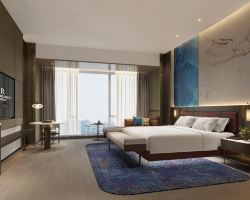

Sip free Longjing tea at West Lake, 10 locationsHOT


From July 23–October 7, 2026, 10 locations in the West Lake Scenic Area in Hangzhou will simultaneously launch this year’s free iced-tea program. The tea is authentic West Lake Longjing from the core production area, so visitors can savor true Longjing aroma right by the lake.
🍃 Orioles Singing in the Willows tea station
As one of the Ten Scenes of West Lake, Orioles Singing in the Willows is shaded by lush greenery and cooled by a gentle breeze. This year’s tea station has a refreshed selection provided as a public service by tea companies in the scenic area, featuring core-area West Lake Longjing with a delicate, refreshing fragrance.
🍂 Autumn Moon on the Calm Lake tea station
Renowned for its lake and mountain views and its moonlit fall nights, Autumn Moon on the Calm Lake offers a tea station with free iced tea. Enjoy authentic West Lake Longjing and the poetic charm of fall.
⏰ Time: July 23–October 7, 2026
💡 Travel tip: We recommend visiting outside peak times to avoid the crowds.
Come to West Lake in Hangzhou to savor Longjing tea and cool off this summer!
Hangzhou

Tianyan Future Planet Opens: Immersive Experiences for All AgesHOT


Tianyan Future Planet is an indoor theme park innovated by Zhongnan Cartoon that blends culture, IP-driven content, and technology with cultural tourism. It welcomes visitors of all ages and is one of Hangzhou’s newest must-visit attractions.
🌌 Five signature IP zones
The park features five signature IP zones for an immersive experience:
• "Tianyan": the park’s flagship IP. Snap a photo with the Tianyan sculpture and freely create your own digital avatar in Tianyan Future City.
• "Magic Fairyland": an ocean adventure theme that delivers epic sequences through giant immersive light-and-shadow displays.
• "Lebi Yoyo": a nature-themed early learning zone that teaches flora and fauna knowledge through interactive floor games.
• "Interstellar Speedster": a sci-fi racing theme with go-karts and spaceflight competitions packed with speed and thrills.
• "Su Dongpo and Hangzhou’s stories": a local Hangzhou-style IP that uses holographic light-and-shadow to showcase the unique charm of West Lake in the Song dynasty.
🎮 15 experience areas
The park offers 15 experience areas, including the Tianyan sculpture, a light-and-shadow tunnel, a holographic theater, nature exploration, and VR spaceflight—enough to fill a whole day without repeating activities.
💡 Travel tip: The entire venue is climate-controlled indoors and unaffected by weather, making it great year-round.
Come to Tianyan Future Planet and unlock an immersive, tech-meets-culture experience for all ages!

Temple Worship Guide: First-Time Visitors, Pray the Right WayHOT


China and Thailand are both well-known Buddhist destinations. Temples are popular year-round for blessings and prayers, offering countless people a calming space for healing and a place to make sincere wishes. Thailand follows Theravada Buddhism, with etiquette that emphasizes making offerings, circling stupas clockwise, and revering monks—formal and distinctly regional. In China, Chinese Buddhist rites are gentle, solemn, simple, and orthodox, and each famous temple has its own rules. Newcomers can easily commit a faux pas without knowing them. How do you pray properly and make a sincere request? Keep this practical, step-by-step guide handy.
🚪 Entry etiquette basics | White Horse Temple in Luoyang (China’s first Buddhist temple)
As a globally renowned cradle of Chinese Buddhism, White Horse Temple has strict, orthodox etiquette. Enter through the small side doors, and never step on the threshold—this shows respect for the sacred space. The central cushion in the main hall is reserved for monastics; lay visitors should use the side kneeling mats. In all halls and around pagodas, follow the tradition of circumambulating clockwise, in line with ancient monastic practice.
🕯️ Standard incense-offering steps | Lingyin Temple in Hangzhou (a millennium-old Jiangnan landmark)
Famed at home and abroad, Lingyin Temple follows standard Chinese Buddhist ritual for incense. Take 3 sticks, light them, and extinguish the flame by gently fanning with your hand—do not blow with your mouth. Hold the incense with both hands at your brow to settle your mind. Insert the sticks upright in this fixed order: center, right, then left, honoring the Three Jewels—Buddha, Dharma, and Sangha. Make your wish sincerely and solemnly.
🙇 Standard three prostrations for making a wish | Songshan Shaolin Scenic Area (the cradle of Chan Buddhism)
At the world-famous Shaolin site, the three prostrations symbolize complete practice. With the first, sincerely repent past distractions and faults to cultivate self-reflection. With the second, vow to do good, build virtue, and discipline yourself. With the third, pray for safety and smooth sailing for yourself and your family. Perform the three bows in sequence with reverence, sincerity, and composure.
📸 Photo etiquette to avoid missteps | Jokhang Temple in Lhasa (a world-class pilgrimage site)
The Jokhang holds priceless relics and supreme religious status, so photo rules are strict. You may capture the exterior walls, courtyards, and outdoor scenes, but photography is strictly prohibited inside halls, including Buddha statues, ancient murals, and sacred instruments. Turn off shutter sounds, do not secretly photograph monks, and do not disturb pilgrims who are praying or prostrating.
✨ Advanced tips for blessings | Puji Temple on Mount Putuo (a renowned Guanyin pilgrimage site)
As a globally known Guanyin sanctuary, worship here follows a clear order. Pray in sequence through the Hall of Heavenly Kings, the Mahavira Hall, the side halls, and then the main hall—do not skip ahead. Wear modest, neat clothing and avoid revealing outfits. Keep quiet inside the halls, avoid showy posing for photos, and make wishes with a calm, sincere heart for more meaningful blessings.
Every centuries-old temple carries its own spirit and etiquette. Approach with reverence, follow the customs, and set out on a restorative journey of practice that brings peace of mind.
Hangzhou

Why a creator keeps filming five parks, 10+ million viewsHOT


At daybreak in Hyde Park, the mist hangs low as joggers skim past the shores of Jiuqu Lake, and dog owners trade practiced nods. In London’s fall, plane-tree leaves carpet the lawns, the roses in The Regent's Park cling to their last blooms, and a gentleman in a bowler hat turns the pages of his newspaper on a bench. If you have been to Kensington Gardens, you will remember that distinct sense of a city breathing—step 200m from the subway station, and an expansive sweep of green opens up.
For many people, parks have never been a backdrop—they are a daily ritual. When the royal gardens opened to the public more than 200 years ago, a tone was set: anyone could spread a picnic blanket on the grass. On weekday lunch breaks, office workers zone out on benches with a coffee, and on weekends, families bring blankets, sandwiches, and a hefty book and happily while away an afternoon. Debates at Speakers' Corner and open-air concerts tucked at the end of a path are proof that leisure has been woven into the city’s DNA.
If you want to experience the everyday bustle of parks in a different cultural context, Eastern cities offer equally rich ground for wandering.
Eastern cities also have a set of lifestyle parks made for city walks. The difference is this: British parks revolve around easy solitude, while Eastern parks feel like a public living room. At dawn you will find tai chi, chess games, and birds being walked; in the afternoon, uncles strike up impromptu erhu ensembles, with square dancing next to coffee stands. The same lawn can hold both quiet and lively scenes. Lately, many creators have come just to experience this, and related videos on social media have topped 10 million views.
🏛 Beijing · Temple of Heaven
Everyday life inside a royal altar complex: the choir by the Echo Wall at dawn, chess stalls and morning workouts along the long corridor—solemnity and street-level vitality in one dramatic frame.
🌊 Taiyuan · Fenhe Park
A long riverside band made for strolling and watching the world go by. After dusk, when the lights come on, dancers, anglers, and kite flyers each find their corner, like a flowing city living room.
🍵 Chengdu · People’s Park
Sink into a bamboo chair at Heming Teahouse and lose half a day. The ping of the ear-cleaners’ tuning forks, the clink of lidded gaiwan cups, and the chatter at the matchmaking corner blend into Chengdu’s most authentic soundscape.
🚴 Shanghai · Century Park
Pudong’s green lung, where bike lanes, lake views, and lawn picnics coexist. On weekends, families with kids and dog walkers pack the park, showcasing the most contemporary face of Chinese family leisure.
🌸 Hangzhou · West Lake
Strictly speaking, it is a park without walls, where classical gardens, lake-and-mountain views, and city lanes intertwine. Dawn at Broken Bridge, afternoon on the Su Causeway, dusk at Leifeng Tower—every step is a painting.
Taking a cue from Hyde Park, these five Eastern lifestyle parks each have their own flavor—well worth choosing one and wandering at your own pace.
London

Hangzhou's magical night kicks off: 10 themes unlock 100 thrillsHOT


On Jul 3, 2026, the 2026 Hangzhou Wonderful Night · 100-day Star "Yue" tour, hosted by the Hangzhou Municipal Bureau of Culture, Radio, TV, and Tourism, officially launched and runs through Oct 10, offering 100+ immersive night experiences.
🌃 Ten themed Hangzhou Wonderful Night experiences
⏰ Dates: Jul 3–Oct 10, 2026
✨ Highlights:
• Spanning ten themes including night runs, night dining, night sightseeing, night shows, and night shopping.
• Features 100 recommended night spots and classic night tour routes.
• Designed to suit travelers of all ages.
🏃 West Lake night run route
✨ Highlights:
• Circle the lake on a breezy night run with lights as your companion.
🍴 Shengli River food street
✨ Highlights:
• Classic local flavors meet fresh, trendsetting bites.
🌌 Qiandao Lake Firefly Park
✨ Highlights:
• Fireflies swirl like a galaxy within reach—embrace nature’s wild charm.
🎭 Song heritage night show
✨ Highlights:
• An immersive performance that brings the elegance of Song-era culture to life.
🌊 Tianmu Future Valley Resort Park
✨ Highlights:
• 35 mountainside slides for a high-speed adrenaline rush.
📚 Hangzhou Library night reading event
⏰ Dates: Jul–Sep 2026
✨ Highlights:
• Regular book clubs and public intangible cultural heritage classes.
💡 Travel tips: Plan your night routes in advance so you don’t miss the hottest spots. For summer nights, use mosquito protection and take precautions against the heat.
Come to Hangzhou and unlock the wonders of summer nights!

Zhijiang Cultural Center Family-Friendly Immersive Theater: Explore the Prehistoric WorldHOT


A new family-friendly immersive exploration space, "Museum Beyond · Tales of the Divine Capital," has opened on B1 of Zhijiang Cultural Center. Centered on Neolithic civilization, it features an immersive interactive theater that whisks kids back 5,000 years to experience an adventure through prehistoric culture.
🎭 CAVE immersive interactive theater
Using dozens of projectors and radar motion-capture devices, the theater brings to life the splendor of prehistoric cultures such as Liangzhu and Hemudu. Across four interlocking acts, from rising floodwaters to prayers for protection, children become young guardians who mend the barrier, awaken a divine beast, and battle the ferocious Qiongqi, ultimately witnessing the rebirth of an ancient kingdom.
🛠 Hands-on workshop
Next to the immersive theater is a 3D-printing workshop where kids can craft ancient divine beasts and motifs from national treasures. By tapping perforated frames and arranging pixel beads, they can safely and easily complete their handmade creations and take home a tangible snapshot of civilization.
🛍 Design shop
The shop offers souvenirs featuring prehistoric totems—fridge magnets, pendants, and PP folders. Designs draw on classic artifacts like jade cong and jade birds, so kids can bring home a lasting imprint of ancient culture.
Come to Zhijiang Cultural Center and kick off a 5,000-year journey of prehistoric discovery with your kids!
Hangzhou

Three Pools Mirroring the Moon: See Rare Giant Waterlilies BloomHOT


At West Lake’s Three Pools Mirroring the Moon, the giant water lilies have reached their peak viewing season. Following the summer lotuses, they create a spectacular new scene on the water. Their bloom lasts through mid to late October.
🌸 Giant water lily spectacle
The leaves are enormous, with thick radial veins underneath, and can support tens of kg, earning the nickname powerhouse on the water. Each flower lasts only 3 days and changes color each day: pure white on day 1, pink on day 2, and deep red on day 3 before sinking below the surface to complete its life cycle.
🌿 Opens at dusk, closes by morning
The giant water lily is a classic dusk-opening, dawn-closing flower. It begins to bloom around 4–5 PM, opens fully overnight, then gradually closes the next morning. Water lilies line the Nine-turn Bridge, highlighting the giant water lily’s regal poise—the queen of still waters is truly stunning.
📍 Location: Three Pools Mirroring the Moon, West Lake
💡 Travel tip: If you’re visiting in late summer, wear sunscreen and stay hydrated.
Come to Three Pools Mirroring the Moon at West Lake and catch the giant water lily’s unique bloom!
Hangzhou

China at your fingertips: immerse in millennia of craft traditionsHOT


Many visitors put Jingdezhen high on their China wish list—and not just to admire porcelain. The real thrill is sitting at the wheel, feeling clay spin between your palms, and shaping a vessel that’s uniquely yours. Start in Jingdezhen, then trace the country’s living craft map. Each technique tells a story hundreds, sometimes thousands, of years in the making.
🏯 Jingdezhen – ceramics
In Zhushan District, Jingdezhen, Jiangxi, pottery has been fired for more than 1,700 years. Since the Song dynasty, the town has been China’s porcelain powerhouse, home to celadon-white ware, Yuan blue-and-white, Ming doucai, and Qing famille-rose. The English word “china” literally comes from Jingdezhen’s old name, Changnan. Head to Sanbao International Ceramic Valley or Taoxichuan Creative Zone to throw a pot or paint cobalt designs on fresh bisque.
🏯 Suzhou – Su embroidery
Set in Jiangsu province, Suzhou leads China’s four great embroidery traditions, with roots stretching back 2,500 years. During the Ming and Qing, the Suzhou Weaving Bureau stitched imperial robes—a single dragon robe could take two years to finish. The craft follows eight principles: smooth, even, fine, dense, uniform, orderly, harmonious, and lustrous. Artisans split a single silk thread into 1/16 or even 1/32 strands. Try basic stitches like flat, overlay, and seed at the Suzhou Embroidery Research Institute or Zhenhu Embroidery Town and complete a plum blossom or bamboo leaf.
🏯 Tianjin – Clay Zhang figurines
Clay Zhang began in 1826, when founder Zhang Mingshan wowed crowds by sculpting portraits inside his sleeve. His goal: capture the sitter’s spirit, not just their likeness. Visit the Clay Zhang Art Museum on Ancient Culture Street or the Clay Zhang Studio to knead Tianjin’s signature red clay, shape a character or animal with bamboo sticks and wooden knives, then air-dry and paint it with mineral pigments.
🏯 Weifang – kites
In Weifang’s Hanting and Kuiwen districts, kite flying has soared for over 2,400 years. What started as wartime signaling became a beloved pastime, earning Weifang the title “world capital of kites” and a global festival every April. Perfecting a kite means mastering four skills: framing, pasting, painting, and flying. At Yangjiabu Folk Art Grand View Garden or the Weifang World Kite Museum, bind bamboo slats into butterflies or sand swallows, glue xuan paper to the frame, paint classic patterns in mineral colors, and let your creation dance across the plaza sky.
🏯 Hangzhou – oiled paper umbrellas
In Zhejiang’s mist-kissed Hangzhou, the oiled paper umbrella is both rain gear and poetic symbol. Crafting one requires 72 steps: bamboo ribs stand for integrity, the round canopy for completeness. At the Yuhang Umbrella Museum (about a one-hour drive from downtown) or the China Umbrella Museum, split bamboo into ribs and scorch them into shape, paste paper or silk onto the frame, and brush plum, orchid, bamboo, or chrysanthemum motifs across the surface.
When Jingdezhen clay spins into form beneath your fingertips, when Suzhou silk slips through fabric to embroider the first bamboo leaf, when Weifang bamboo flexes into a kite’s skeleton, you’re not just learning a skill—you’re touching a cultural thread that’s been woven for centuries, even millennia.

Make Your Prayers Count: Find the Right TempleHOT


From Bangkok to Beijing, from Chiang Mai to Yunnan, from Thailand to China, temples are becoming hot destinations for a new generation of travelers. It is not just about seeking blessings. Many young people are drawn to pause before millennia-old architecture for a true mental reset and cultural experience. So, what makes each of these temples worth a special trip?
🙏 Erawan Shrine in Bangkok · The city’s most popular place to make a wish
The four faces oversee career, love, wealth, and health. To complete the rite, pray at all four sides in a clockwise order. State your name and birth date when making a wish, and say how you plan to give thanks if it comes true. From early morning to late night, it is packed with worshippers and steeped in ritual.
🤫 People say wishes are granted, but be sure to return to give thanks.
⛰️ Wat Phra That Doi Suthep in Chiang Mai · Buddha relics in a mountaintop golden stupa
Perched atop Doi Suthep overlooking Chiang Mai. First, climb 306 steps flanked by seven-headed naga carvings; the ascent feels like a spiritual practice in itself. The golden stupa enshrines Buddha relics and dazzles in the sun. After paying respects, you can ask a monk to sprinkle holy water and tie a white string bracelet for blessings.
🤫 Said to be especially auspicious for wisdom and future prospects.
🏯 Lingyin Temple in Hangzhou · A visual feast of Zen aesthetics
Nearly 1,700 years old and built beside Feilai Peak, it is a spiritual heartland of Chinese Chan (Zen) culture. The appeal goes beyond the architecture to an experience where landscape and practice become one. The hike to pay respects feels like meditation, and the ancient temple amid mountains and water calms the mind.
🤫 Said to be especially effective for promotion and career.
🌸 Shanghai Jade Buddha Temple · A quiet refuge in the city
A rare pocket of tranquility amid the bustle, its architecture blends Chinese and Western aesthetics, and three Burmese jade Buddha statues showcase exquisite craftsmanship. Browse the wish cards in the prayer area and you will see it is more than a place of faith—it is a space where strangers share resonant hopes.
🤫 Many visitors say it is especially effective for blessings of romance and marriage.
🏔️ Songzanlin Monastery in Yunnan · A spiritual immersion on the plateau
Dubbed the Little Potala Palace, set on a 3,380m plateau, this Gelug monastery embodies the grandeur of faith in its architecture. Do not miss spinning the prayer wheels—joining the communal prayer ritual in the thin, high-altitude air lets you feel the power of faith.
🤫 No wonder many say it is especially good for prayers for safety and health.
👑 Lama Temple in Beijing · Where imperial culture meets religious art
Once an imperial residence, it is now Beijing’s largest Tibetan Buddhist temple. The complex itself is a living history of architecture. The temple’s three masterful woodcarvings showcase the height of ancient craftsmanship, and the treasure basin before the Hall of the Dharma Wheel was used to bathe the newborn Qianlong Emperor.
🤫 Said to be especially effective for wealth and career luck.
Instead of fixating on what to ask for, go to experience the centuries of culture and exquisite craftsmanship within these temples. The feeling it awakens is the best thing to take home.
Hangzhou
1
2
3
Other City Trends
2026 Shanghai’s Hottest & Trendiest Travel Trending(Constantly Updated) | Trip.com
282 trends
2026 Beijing’s Hottest & Trendiest Travel Trending(Constantly Updated) | Trip.com
209 trends
2026 London’s Hottest & Trendiest Travel Trending(Constantly Updated) | Trip.com
158 trends
2026 New York’s Hottest & Trendiest Travel Trending(Constantly Updated) | Trip.com
123 trends
2026 Bangkok’s Hottest & Trendiest Travel Trending(Constantly Updated) | Trip.com
106 trends
2026 Tokyo’s Hottest & Trendiest Travel Trending(Constantly Updated) | Trip.com
103 trends
2026 Chengdu’s Hottest & Trendiest Travel Trending(Constantly Updated) | Trip.com
100 trends
2026 Singapore’s Hottest & Trendiest Travel Trending(Constantly Updated) | Trip.com
97 trends