Autumn in Chengdu always carries a faint, elusive scent of osmanthus. As my car approached Shuncheng Avenue, I spotted the familiar lion emblem from afar—and instantly felt three parts of my anxiety melt away. This trip to Sichuan wasn’t about exploring ancient sites or seeking secluded charm; it was simply to experience the much-lauded Ritz-Carlton, Chengdu—because a city’s tenderness is often revealed not in its grand landmarks, but in the view from a hotel room window.
The doorman greeted me promptly, opening the car door with genuine warmth—not stiff formality, but the easy, welcoming gesture you’d offer a long-awaited relative. Before my luggage even touched the ground, a warm cup of tea was already in my hands. Chengdu hospitality never burns—it’s always just right: gentle, comforting, like autumn sunlight filtering softly through ginkgo leaves.
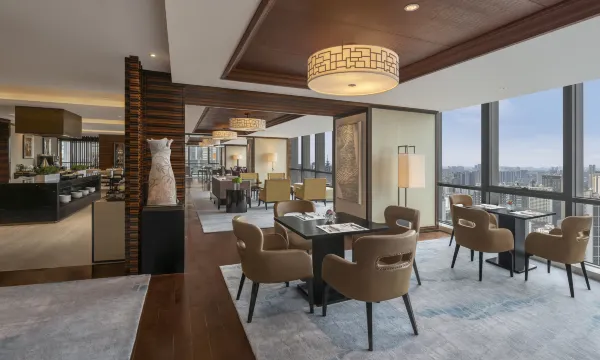
My room had been upgraded. As I stepped inside, golden afternoon light spilled across the floor-to-ceiling windows, framing Chengdu’s drifting clouds. Outside: Sichuan’s sky. Inside: rich chestnut wood and creamy-white linens—a perfectly composed, quietly lyrical poem.
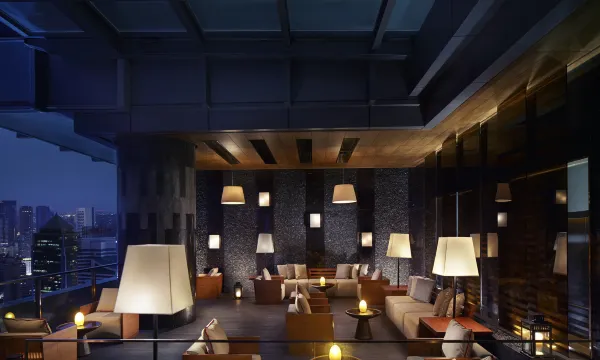
After settling in, I visited the Executive Lounge and happened upon a housekeeping attendant. She smiled warmly and asked, without fuss or overeagerness, if I’d like turndown service. Her tone was clean, respectful, and precisely calibrated—like a single stitch in fine Shu embroidery: meticulous, subtle, never showy. The room itself was immaculate—surfaces spotless, glasses perfectly aligned, not a speck of dust even in the narrowest window ledge. It was the kind of cleanliness that lets you truly relax.
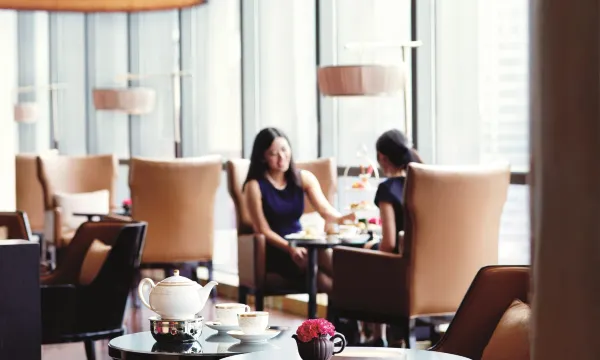
In the afternoon, high tea awaited by the lounge window. The scones were still pleasantly warm; clotted cream and jam were balanced to perfection—sweetness light and refreshing, never cloying or overwhelming, like an evening breeze in Chengdu autumn: fleeting, gentle, leaving only the softest trace. Even the evening dessert buffet was masterfully restrained—each bite airy as cloud, delicate as dew, free of the heavy, syrupy richness sometimes found in classic French pastries. I slept deeply—and dreamt, unburdened and clear.
But what moved me most was Fiona from Guest Relations. Curiously, we never met face-to-face—our entire connection flowed smoothly via WeChat. Her messages arrived just when needed: thoughtful pre-arrival questions about preferences, timely check-in follow-ups, and calm, reassuring reminders that help was always just a message away. Her tone was unhurried, thorough—but never intrusive. Like a trusted friend you’ve never met in person, she handled every detail thoughtfully, all from behind a screen. No forced enthusiasm, no overbearing attention—just quiet, consistent warmth woven into every word. That kind of digital grace and emotional intelligence? That’s true luxury.
Breakfast at the all-day dining restaurant was charmingly lively. Dan dan noodles bubbled in their fiery red oil; guokui flatbreads emerged golden and crisp from the oven; French croissants sat comfortably beside shredded chicken noodles—a miniature, joyful "A Bite of Bashu." A bowl of noodles paired with a freshly brewed latte made me realize: Chengdu’s famed slowness isn’t laziness—it’s earned, indulged, and sustained by mornings this abundant. I wanted to try everything—and before I knew it, my plate was a cheerful little mountain. My stomach warmed up—and so did my heart.
On checkout day, Fiona sent a warm farewell via WeChat—and added, as an afterthought, a gentle reminder to take care on the journey home. As the elevator descended, it struck me: true excellence in luxury hospitality doesn’t reside in gilded lobbies or Michelin stars. It lives in moments so small they’re nearly invisible—the seen, the remembered, the *felt*. Ritz-Carlton’s motto—"We are ladies and gentlemen serving ladies and gentlemen"—took on new meaning here. You don’t need face-to-face smiles to embody it. Thoughtful, measured, screen-mediated care *is* the mark of true professionalism and courtesy. The doorman’s smile, the housekeeper’s quiet question, Fiona’s unhurried WeChat messages—they’re all tiny, steady lights. Gather them together, and they compose a tender, personal poem about Chengdu.
If you ever visit Chengdu, stay here—not for the building, but for the people. In just one night and one day, they’ll make you feel, unmistakably, that this city sincerely hopes you’ll linger just one night longer.
Original TextTranslation provided by AI