
Things to do in Jining
Explore top experiences
Top 10 attractions in Jining






Experiences you can't miss in Jining
Featured Culture & history in Jining
View all Culture & history
Free cancellation
Instant confirmation
Book now for tomorrow
From€114.51
Free cancellation
Instant confirmation
Book now for tomorrow
From€100.72
Free cancellation
Instant confirmation
Book now for tomorrow
From€100.72
From€156.15
Free cancellation
Instant confirmation
Book now for tomorrow
From€66.06
Free cancellation
Instant confirmation
Book now for tomorrow
From€114.51
From€187.38
From€46.85
More things to do
Private Tours in Jining
View More Private Tours in Jining





Group Tours in Jining
View More Group Tours in Jining




Jining Today's weatherFoggy 3-14℃
Jining weather for the next 2 days11/30: 3-19℃, 12/1: 4-16℃
Free things to do in Jining


What travelers say about Jining

首席监理February 2, 2022
4.0
Shandong Weishan Lake National Wetland Park is located in Weishan County, Jining City, Shandong Province, with a total area of 787.9 hectares, of which 645.8 hectares are wetlands. It includes four major wetland types: river wetlands, lake wetlands, swamp wetlands, and reservoir wetlands, and seven wetland types: freshwater lake wetlands, permanent rivers, seasonal rivers, floodplain wetlands, reservoir wetlands, herbaceous swamps, and shrub swamps. It has formed a complete ecosystem with orderly succession of tree forest belts, shrub swamps, emergent plant belts, floating plant belts, and submerged plant belts. It is a large-scale comprehensive national wetland park with wetland protection, ecological restoration, popular science education, and water purification as its main contents.
Weishan Lake National Wetland Park
当地向导逍遥遊November 28, 2026
5.0
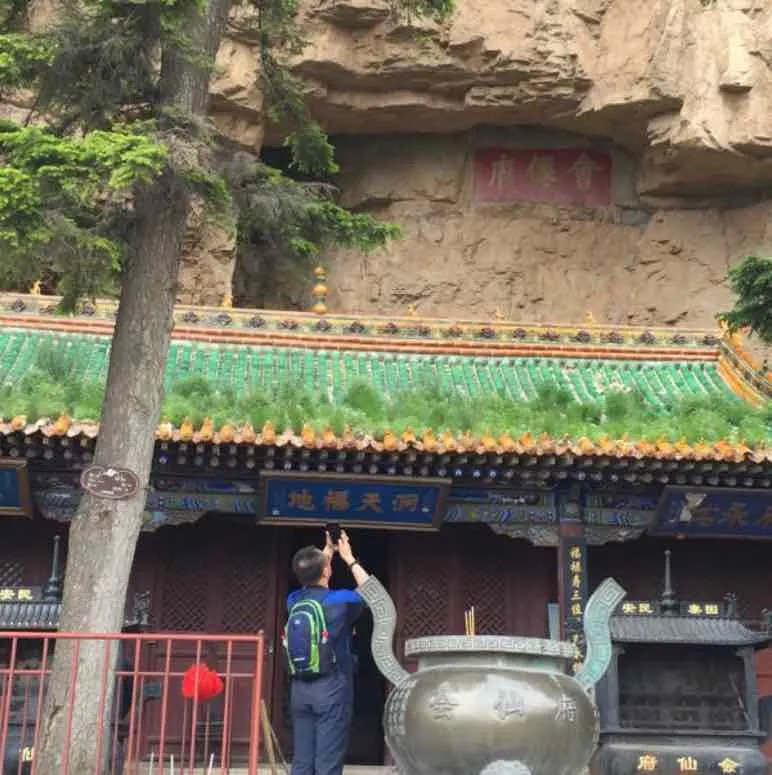
Mount Yi in Zoucheng is hailed as "the most wondrous mountain under heaven," and its reputation is well-deserved. Although not high, it boasts a profound historical heritage and magnificent natural scenery. It is a Taoist holy site in central Shandong, and the Baiyun Palace in the mountain is like a celestial palace. Confucius once visited this place, calling it "Little Lu." The story of Liang Shanbo and Zhu Yingtai also originated here. The mountain path is winding, with strange rocks and bizarre formations that are endlessly fascinating, leaving people in awe of the wonders of nature.
Yi Mountain
行走在民间的艺术家January 31, 2026
5.0
A hidden gem of a lakeside retreat in southwestern Shandong! This free 4A scenic area is such a delightful surprise! Tens of thousands of acres of shimmering lake blend seamlessly with the elegant poetry of Li Bai, the "Poet Immortal," and the natural environment. Whether you're with your family, enjoying a romantic stroll, or simply relaxing alone, you'll find your perfect retreat. After visiting, you'll be thrilled!
Walk along the 10-kilometer lakeside trail, where willows sway gently in the lake breeze, offering breathtaking views. Climb the North Lake Pavilion for panoramic views of the entire lake; the seamless blend of water and sky is breathtaking. The 4.3-meter-tall statue of Li Bai by the lake perfectly captures the poet's spirit, creating a perfect atmosphere for photos. The Rencheng Baoding (a type of ancient Chinese bronze vessel) adds a touch of historical significance, making every walk a delightful surprise. Take a boat trip to the island in the center of the lake to see the statue of Princess Wencheng. Sailing on the emerald waters, you'll feel like you're walking through a painting. In autumn and winter, visit the wetland birdwatching boardwalk to watch flocks of migratory birds skim across the lake—a photographer's dream!
In summer, the thousand-acre lotus pond stretches to the sky, its lotus leaves reaching for the heavens. Hanfu (traditional Han clothing) provides a perfect backdrop for photos, exuding a traditional Chinese aesthetic. At the campsite, tents are pitched, offering romantic views of the lake breeze and stargazing. Exciting activities like jet skiing and water jetpack rides keep young people entertained. The forest zoo within the scenic area allows visitors to feed alpacas and deer, providing a delightful experience for children. After a day of exploring, a lakeside fish restaurant offers a Taibai Lake fish feast, where you can savor the freshest local delicacies.
💡Useful Tips:
① The scenic area is free to enter; boat rides to the island cost 50 yuan per person, and water activities are charged separately, offering excellent value for money.
② Open from 6:30 AM to 7:30 PM during peak season. It's recommended to visit in the early morning or late afternoon to avoid the scorching sun and enjoy stunning sunrises and sunsets.
③ Bus routes 20/21/31 provide direct access. For those driving, navigate to the East Gate parking lot. Arrive before 9 AM on weekends to avoid traffic.
④ The lake area has strong UV rays and many mosquitoes. Bring sunscreen and mosquito repellent, and wear comfortable shoes for a comfortable lakeside experience.
⑤ Enjoy lotus blossoms from June to August, camping in spring and autumn, and bird watching in autumn and winter. Each season offers its own unique charm, and a day trip can be combined with a visit to Jining Fantawild Adventure.
Taibai Lake, a place where half the city is vibrant and half is poetic, this healing beauty hidden in southwestern Shandong is worth a special trip!
Taibai Lake Scenic Area

wql0537April 3, 2024
5.0
The forest is rich in oxygen. This is my second time there. The first time was in autumn when chestnuts matured on the mountain, and this time in spring when peach blossoms were in full bloom. Each has its own merits. I avoided holidays, the environment is very quiet, and there are not many people. It is worth spending four or five hours to play.
Shimen Mountain National Forest Park

M28***49June 8, 2022
4.0
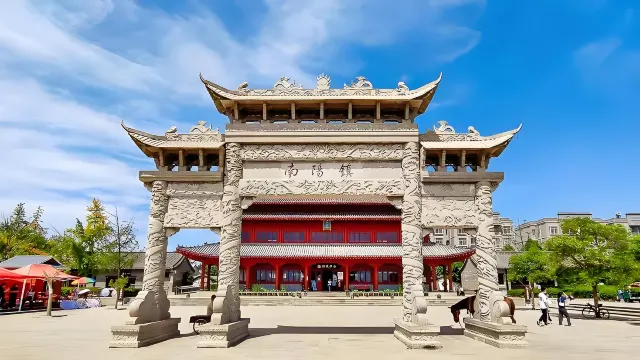
It's OK. The parking fee is 10 yuan, and the boat ride is 40 yuan per person. We have to wait until there are more people before the boat starts. We chartered a speedboat, which cost 190 yuan for a round trip. There are many special shops in the town, but there are not many places to play. We basically walked around for an hour.
Weishan Lake Nanyang Ancient Town

旅行小宝快跑June 1, 2022
5.0
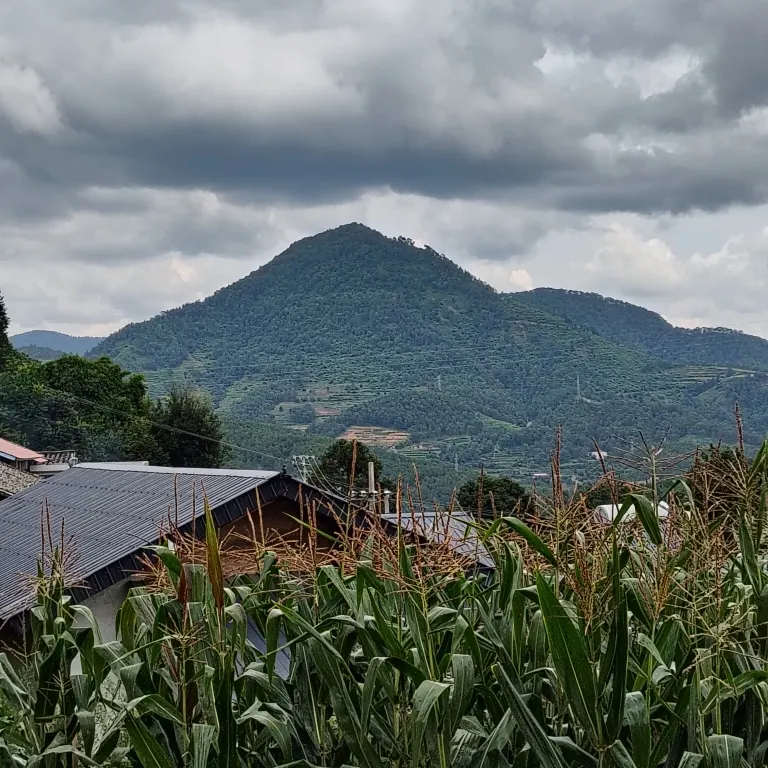
Shangjiushan Ancient Village in Zoucheng, Shandong Province was first built in the early years of the Northern Song Dynasty. The villagers settled here because there was a mountain spring in the south of the mountain, which was basically clear all year round. There was an ancient pine tree next to the spring, which was vigorous and upright. The villagers named it Gusong Village. In the early Yuan Dynasty, the village was renamed Duanshanzhuang because there were many households. The Central Plains War in the late Yuan Dynasty was destroyed by war. During the Hongwu period of the Ming Dynasty (1368), Zheng, Nie and Man moved from Shanxi to settle down. Because there were nine large and small hills around, it was named Shangjiushan Village. Shangjiushan Ancient Village is located 20 kilometers southwest of Zoucheng City, Shandong Province. The village has a history of more than 1,100 years and is a rare stone village in China. The ancient village is located between two mountains and has more than 300 ancient houses in the architectural style of the Ming and Qing Dynasties. Influenced by Fuxi culture and Confucian culture, there are many cultural relics, such as Xuandi Temple, Ye Niang Temple, Liang Zhu's sworn brotherhood site, Qin Emperor's old road, Xiao Jinshi Academy, old school, ancient stage, old covered bridge, Liuheyuan and various workshops and shops. It can be said to be a well-preserved thousand-year-old stone village.
Shangjiu Ancient Village

山在穷游October 16, 2024
5.0
As a national key cultural relic protection place, it is very worthwhile to check in. I rode an electric bike from the center of Qufu to come here, but it was quite unexpected that it was not open when I came that day. I don’t know why, but I looked at it at the door and it was still very beautiful. After all, it is a national key cultural relic. I must come to check in.
Zhougong Temple

m230035mDecember 26, 2019
5.0
Taibai Tower, also known as the Exiled Immortal Tower, Taibai Temple and Qinglian Temple, is located in Caishiji, Ma'anshan City. It was built by later generations to commemorate the Tang poet Li Bai. Li Bai lived in Dangtu in his later years and came here many times to roam and write poems. The tower was first built during the Yuanhe period of the Tang Dynasty (806-820).
Taibai Tower

小溪ོJune 8, 2025
4.0
I regretted not watching the light show of Wanren Palace Wall.
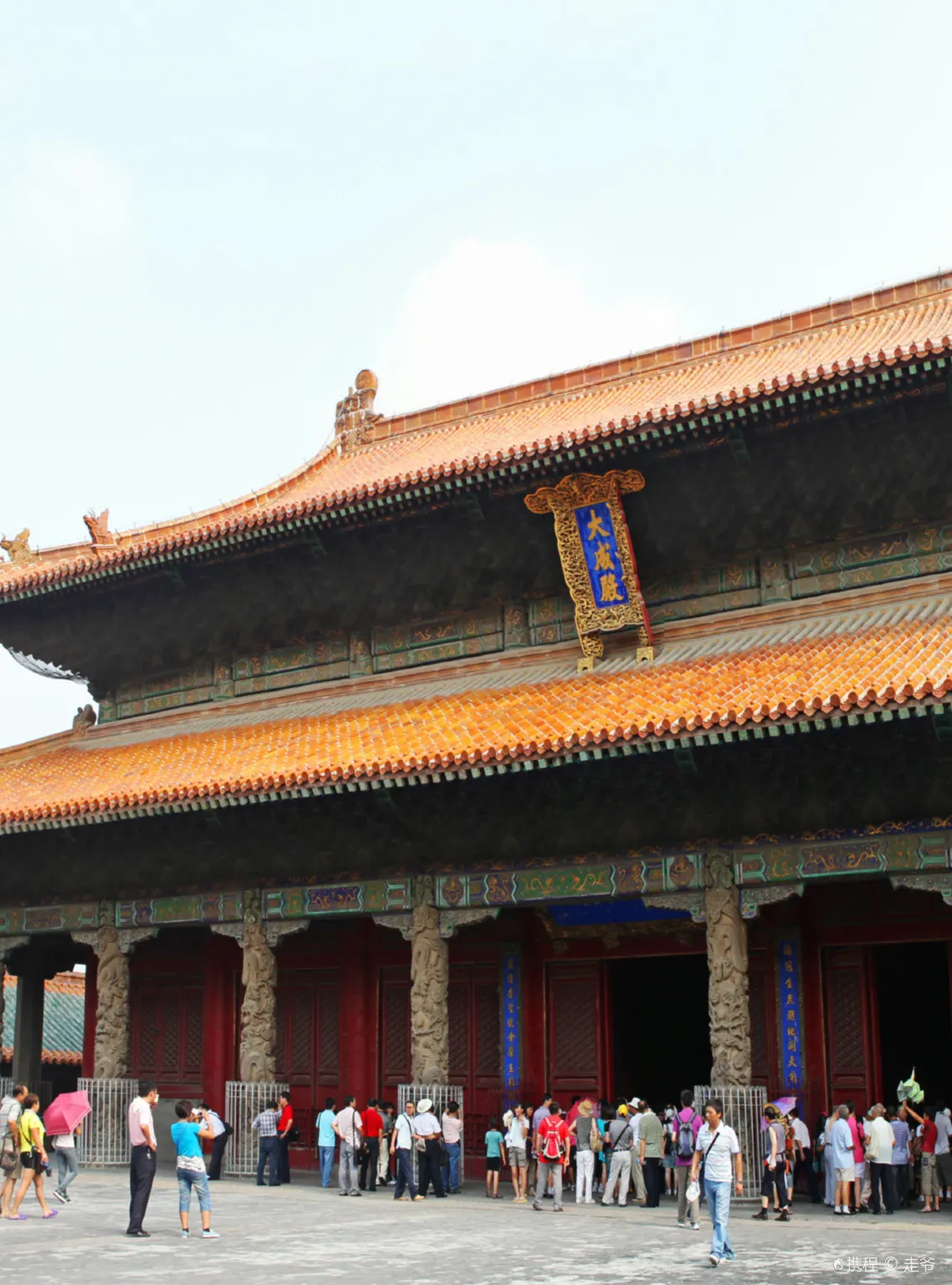
It is worth choosing to watch the morning bell opening ceremony of Confucius Temple early the next morning.
The morning bell breaks through the thousand years of time, and the Eight Yi dances a long song of ritual music. Dressed in formal attire, the bells and chimes ring together. When the vermilion gate slowly opens, it seems as if you can see the long river of history rushing in.
Tips: Every morning at 8:00, the opening ceremony of the city will be performed at the gate square of Wanren Palace Wall on Shenlu Road for 10 minutes. Be sure to arrive early to occupy a favorable terrain for shooting. There will be a light show at 19:00 in the evening.
#Confucius Temple #Local Cultural Heritage #Historical Cultural Heritage #Local Characteristic Culture #Historical and Cultural Ancient City #Historical and Cultural Attractions
The Ten-Thousand Ren Palace Wall
Trip Moments in Jining


Popular cities near Jining


Frequently asked questions
How can I contact Trip.com customer support?
Get help anytime, anywhere within 30 secondsContact customer support
Can I change or cancel my booking?
Change and cancellation policies vary by attractions and tours. Please check the product details page for more information.
How can I get discounted prices?
Ticket prices may vary between weekdays and weekends, as well as during peak and off-peak seasons. When booking with Trip.com, you can also use Trip Coins to get extra savings. For more tips on booking discounted tickets, please visit Trip.com for the latest information.