Chengdu 2026 Guide: Must-see attractions, local cuisine, and practical tips! | Trip.com
 Local GuidesLast updated on Trip.com: 28/07/2025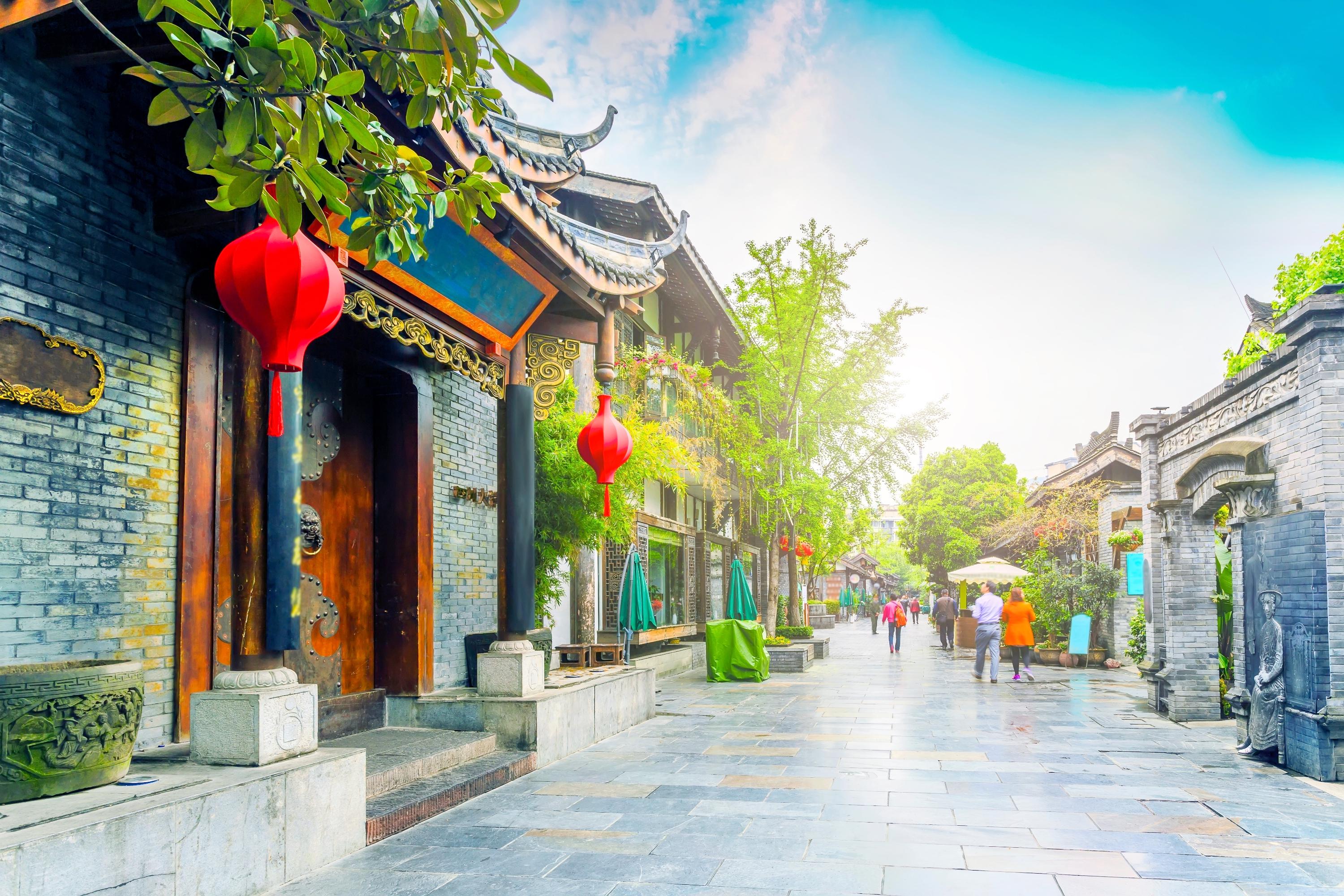
Chengdu Brief Guide





Discover the enchanting charm of Chengdu, the giant panda capital of the world! With its ancient alleys, peaceful temples, and irresistible Sichuan cuisine, this city has so much to offer. Check out our guide for your ideal trip filled with must-see spots and hidden gems.
Chengdu Must-try local experiences
Encounter Pandas in Their Hometown
Visit the Chengdu Research Base of Giant Panda Breeding, the world’s panda hub, to see playful bears munching bamboo. Meet famous pandas at Dujiangyan China Giant Panda Garden, 1.5 hours from downtown, or Panda Valley. Learn how Chengdu leads global conservation. This joyful experience is tied to Sichuan's bamboo forests, the pandas’ ancestral home.
Feel Chengdu's Relaxed Vibe
Relax in People's Park, where locals sip Gaiwan tea and share stories, embracing Chengdu's "móguā" slow-living culture. Watch mahjong or visit the matchmaking corner, a lively Chinese tradition. Amid lotus ponds, this vibrant scene invites travelers into Chengdu's warm, teahouse-rooted community spirit.
Snap Iconic City Scenes
Photograph Wuhou Shrine's crimson walls or Paifang Street's panda murals. Capture East Suburb Memory's "Chengdu" sign or IFS's climbing panda. At night, Anshun Lang Bridge's skyline reflections dazzle. These vibrant spots blend Chengdu's history with modern art, framing its unique pop culture.
Explore Historic and Modern Streets
Stroll Jinli Ancient Street’s Ming-Qing homes, Kuanzhai Alley's cultural lanes, or Tianfu Square's Sun Bird sculpture. Shop for bamboo crafts or panda souvenirs at Chunxi Road or Taikoo Li's plazas. Rooted in Chengdu's 2,300-year history, these vibrant streets blend ancient teahouses with modern skyline views.
Admire Dujiangyan's Ancient Waterworks
Explore the Dujiangyan Irrigation System, a 2,300-year-old UNESCO marvel from 256 BCE. Yuzui (Fish Mouth) and Feisha Yan (Flying Sand Weir) guide the Min River, with Baopingkou watering plains. Visit Erwang Temple to honor engineer Li Bing. At night, Nanqiao Bridge glows blue, reflecting nature's harmony.
Relish Sichuan's Bold Flavors
Savor Chengdu's málà (numbing-spicy) cuisine at local diners and Jinli's stalls. Dip into hot pot, slurp dan dan noodles, or try wontons. Sample cold-skewered chicken or ice powder. As a UNESCO City of Gastronomy, Chengdu's fiery, fragrant dishes delight food lovers worldwide.
Visit Sacred Temples
Explore Wenshu Monastery, a 1,500-year-old Buddhist haven with Tang Dynasty relics, where monks chant amid incense. Stroll Qingyang Palace's Taoist shrines, featuring the Eight Trigrams Pavilion. Central to Chengdu's spiritual history, these serene sites offer tranquil gardens and art for a peaceful cultural journey.
Try on Traditional Sichuan Opera Costumes
Transform into a Sichuan opera star at local theaters. Wear vibrant costumes with ornate headpieces and bold makeup, posing as a warrior or heroine. This Chengdu tradition immerses you in the stage's drama, offering a playful dive into the city's theatrical heritage and fantastic photos for culture enthusiasts.
Enjoy Sichuan Opera's Drama
Watch Sichuan opera at Shufeng Yayun Teahouse, where performers swap masks, spit fire, or balance lanterns. Born in Chengdu's 300-year teahouse culture, this vibrant art dazzles with costumes and storytelling. Visit the Sichuan Opera Museum for the mask-changing history, captivating global audiences.
Discover Sichuan's Ancient Roots
Explore Sichuan Museum's bronzes or Sanxingdui's eerie jade masks, revealing 4,500 years of Shu culture. Visit Jinsha Site's gold relics or Wuhou Shrine's halls, honoring the Three Kingdoms hero Zhuge Liang. Stroll Jinli Ancient Street's lively stalls or admire Chengdu Museum's shadow puppets. Pause by a carved tablet or sketch a fossil, immersed in Chengdu's rich historical tapestry.
Learn Sichuan Cooking
Join a cooking class at Sichuan Cuisine Museum to craft mapo tofu, Kung Pao chicken, or spicy hot pot. Blend chili oil, toast peppercorns, and savor your dishes. These lively workshops share Chengdu's bold culinary secrets, delighting global food lovers with a hands-on taste of Sichuan's flavors.
Savor Chengdu's Vibrant Nightlife
Stroll Jiuyanqiao Bridge's bustling riverside, lit by neon signs and street musicians. Sip tea in a traditional teahouse, chatting under lanterns. Cruise the Jinjiang River at night, admiring twinkling bridges and skyline reflections. Taste spicy noodles or grilled skewers on Kuixinglou's food street. Soak in Chengdu's lively evening buzz, blending relaxation and flavor.
Chengdu Must-see Attractions
Chengdu, a city rich in cultural and natural attractions, is home to the Chengdu Research Base of Giant Panda Breeding, the ancient Dujiangyan Irrigation System, the historical Wuhou Shrine, the poetic Chengdu Du Fu Thatched Cottage Museum, and the serene UNESCO World Heritage Site of Qingcheng Mountain, each offering unique insights into China's heritage and natural wonders.
Chengdu Research Base of Giant Panda Breeding



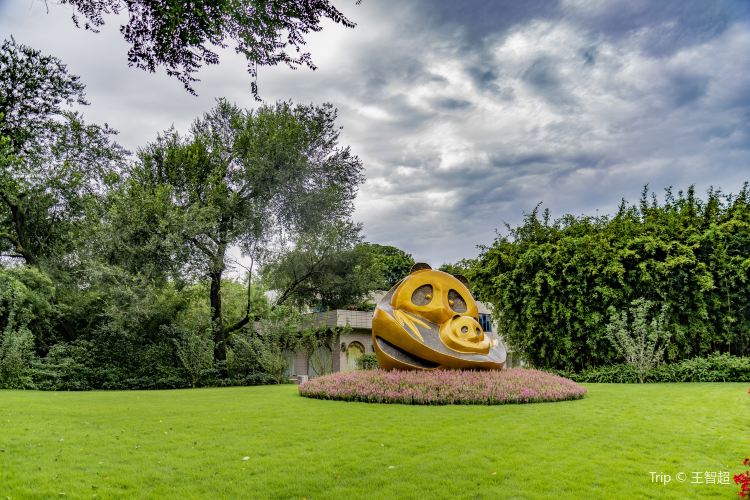
The Chengdu Research Base of Giant Panda Breeding, commonly referred to as the Panda Base, is a world-class facility dedicated to the conservation, research, and breeding of giant pandas and other endangered wildlife endemic to China. Nestled in a natural paradise, the base boasts a breathtaking landscape with lush vegetation and a simulated ecological environment that mirrors the wild habitat of giant pandas, providing visitors with an immersive experience.
Visitors to the Panda Base can observe giant pandas in various stages of life, from playful cubs to serene adults, in large open-air enclosures designed to mimic their natural habitat. The base is also home to the world's only museum dedicated to giant pandas, offering interactive and educational exhibits that enhance public awareness of conservation efforts. The best time to visit is in the morning when the pandas are most active, especially during feeding times. The base's commitment to combining conservation with education and tourism has earned it international recognition and numerous accolades, making it a must-visit destination for those interested in wildlife conservation and the beloved giant panda.



Dujiangyan Irrigation System

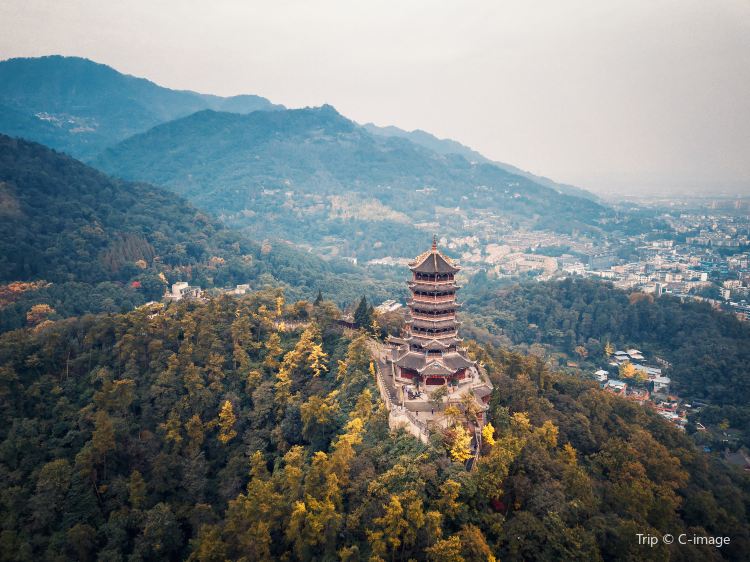

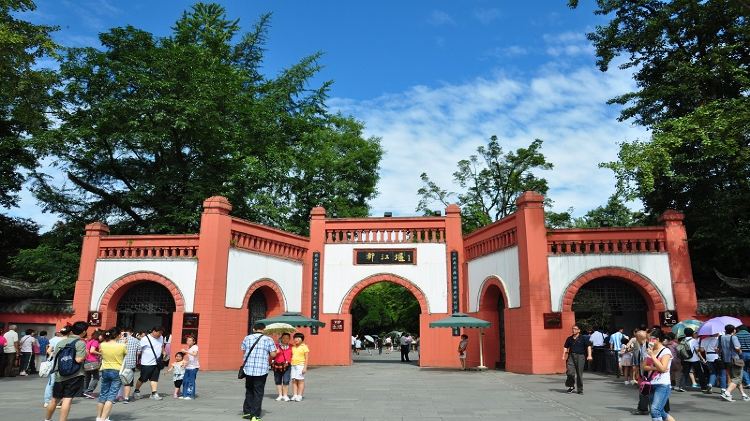
The Dujiangyan Irrigation System in Chengdu is a marvel of ancient engineering and a testament to China's historical ingenuity. As the world's oldest and only surviving no-dam irrigation system, it continues to function effectively after more than two millennia, irrigating over 1.88 million acres of farmland and protecting the region from flooding. This UNESCO World Heritage Site is not only a grand irrigation system but also a scenic spot surrounded by a beautiful landscape and rich in cultural relics and historic sites. Visitors can explore the key components of the system, such as the Yuzui or Fish Mouth Levee, the Feishayan or Flying Sand Weir, and the Baopingkou or Bottle-Neck Channel, which work in harmony to manage the waters of the Minjiang River. The best time to visit is from April to October, when the weather is pleasant and the scenery is at its most vibrant.


Wuhou Shrine
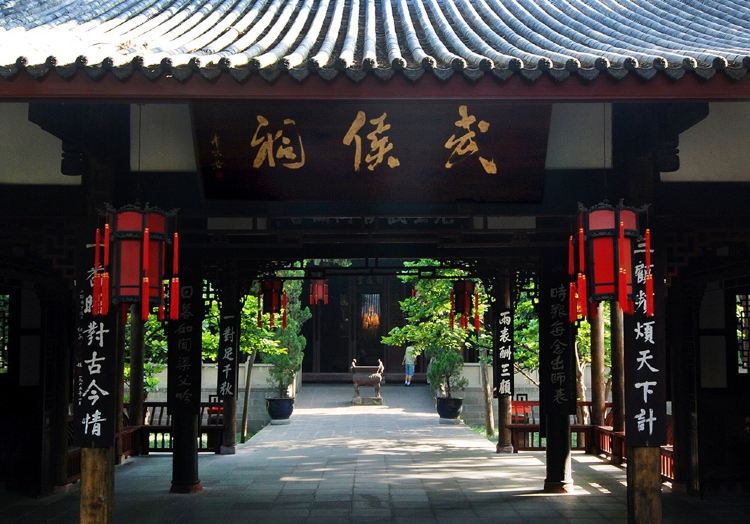
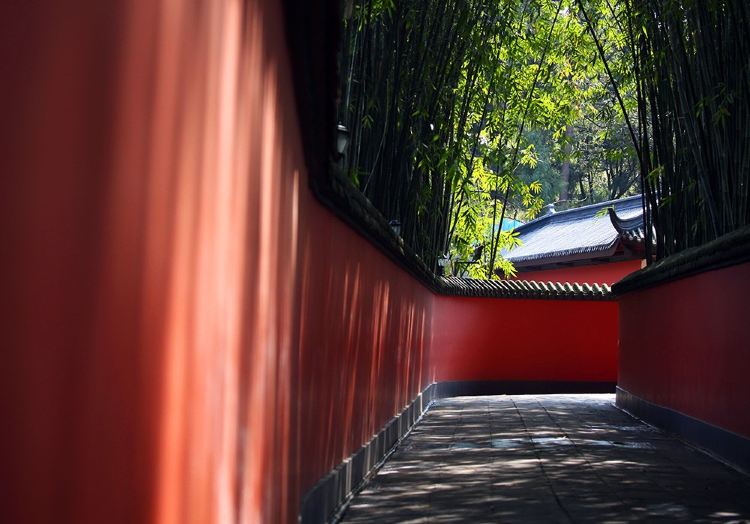
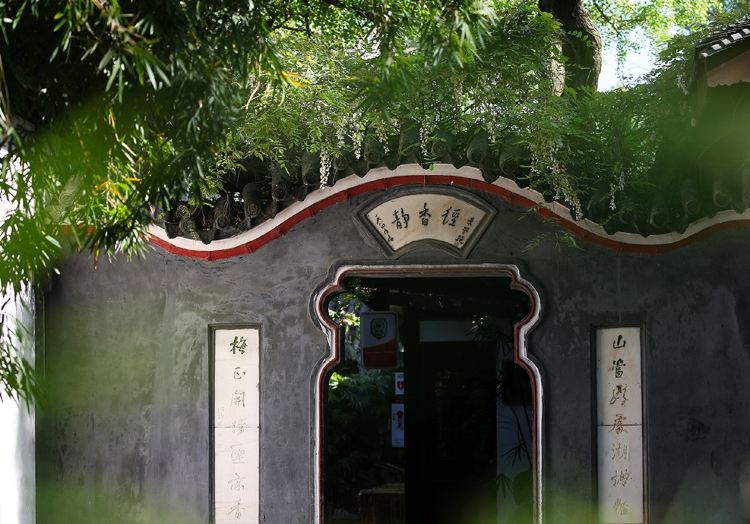
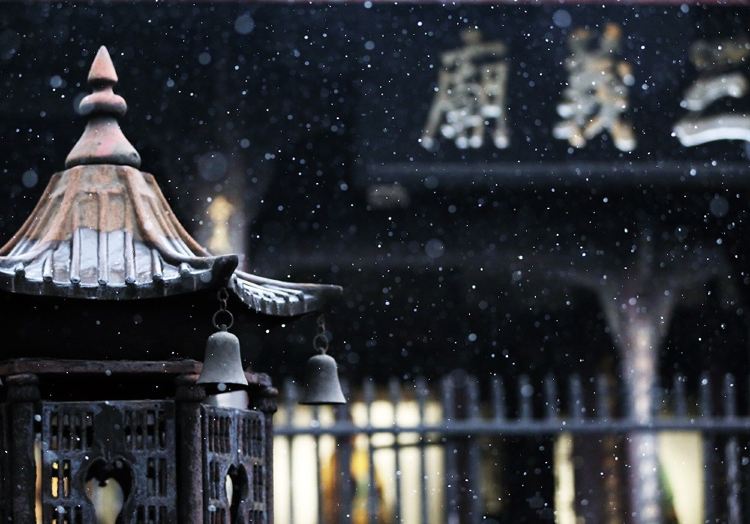
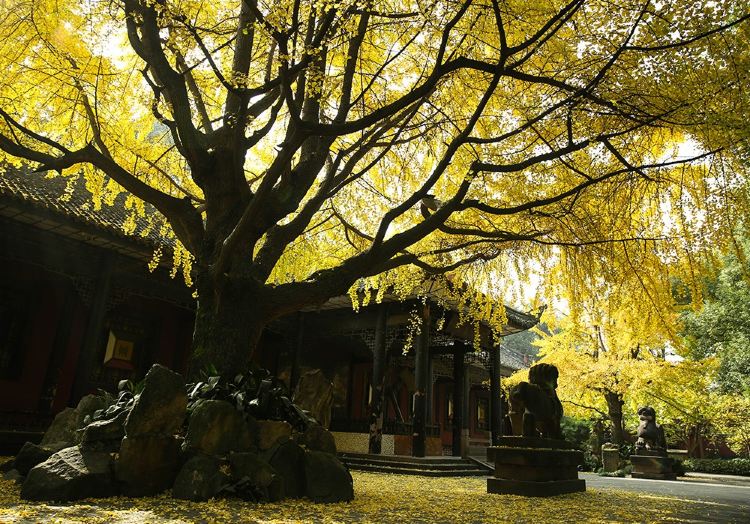
Wuhou Shrine, also known as Wuhou Temple or Wuhou Memorial Temple, is a significant cultural landmark in Chengdu, dedicated to the memory of the emperor of Shu Han, Liu Bei, his chacellor Zhuge Liang, and other eminent Shu Han figures from the Three Kingdoms Period. This historical site is the largest museum of the Three Kingdoms relics and is renowned for its Chinese-style architecture and tranquil garden, providing visitors with a peaceful retreat. The temple complex includes the Cultural Relics Area, which features the Front Gate, the Second Gate, Liu Bei Temple, a foyer, Wuhou Temple, Sanyi Temple, Mausoleum of Liu Bei, the garden area, and the Culture Exhibition Hall, where visitors can immerse themselves in the rich history of the Three Kingdoms. The temple's highlight is the Wuhou Temple, which houses a study, a guest room, and bell and drum towers, as well as a sitting gilding statue of Zhuge Liang. Visitors can also explore Jinli Ancient Street adjacent to the temple to experience the local culture and cuisine.


Chengdu Du Fu Thatched Cottage Museum

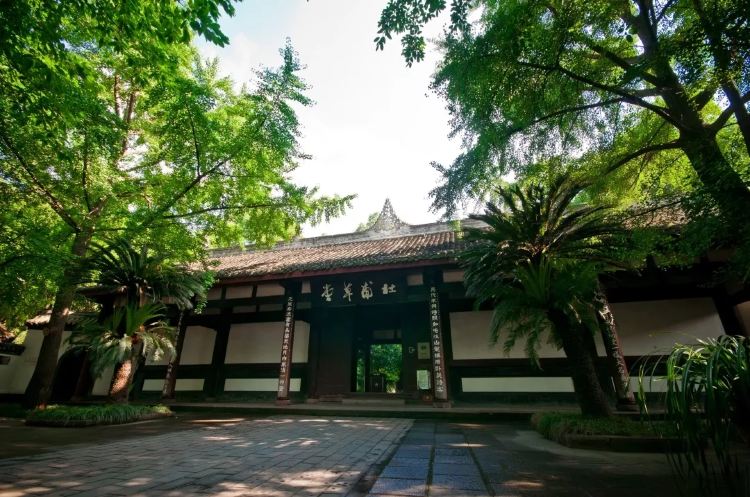
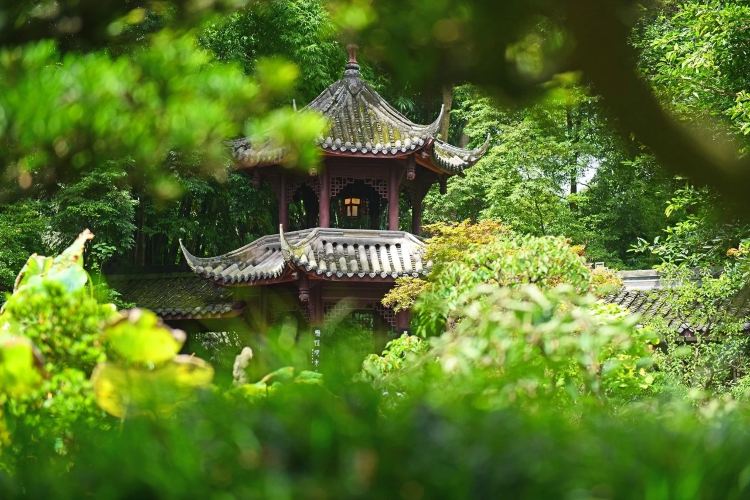
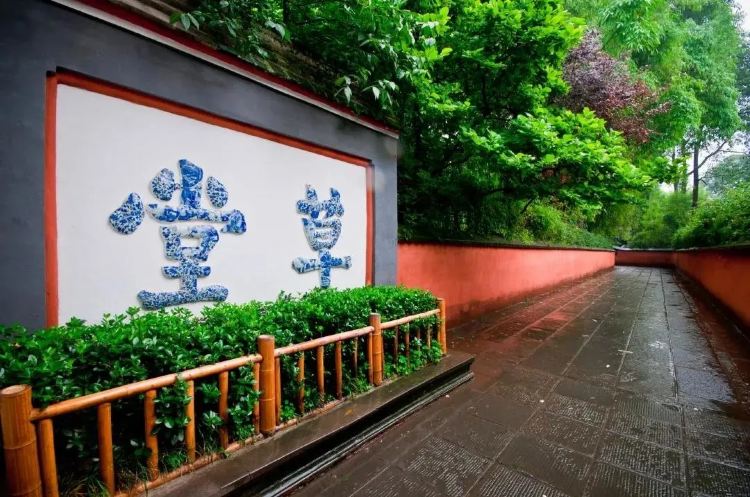
The Chengdu Du Fu Thatched Cottage Museum is a serene cultural oasis dedicated to the life and works of Du Fu, one of China's most revered poets from the Tang Dynasty. This reconstructed residence, nestled in a picturesque park, offers visitors a glimpse into the poet's life through the Hall of Historic Poetry and the main thatched cottage, which includes a study, bedroom, and kitchen. The museum's tranquil gardens, winding streams, and classical architecture create an atmosphere that reflects the poetic essence of Du Fu's work. Visitors can immerse themselves in the rich literary history, view murals depicting scenes from Du Fu's poems, and explore exhibition halls featuring statues of prominent Chinese poets. The site also boasts an extensive collection of Du Fu's works and related artifacts, making it a treasure trove for literature enthusiasts.


Qingcheng Mountain




Qingcheng Mountain in Chengdu, recognized as a UNESCO World Heritage Site, is a sacred Taoist haven known for its serene natural beauty and rich cultural heritage. As one of the birthplaces of Taoism, the mountain is dotted with ancient temples and monasteries, offering a spiritual journey through China's native religion. Visitors can immerse themselves in the tranquil atmosphere, explore historical sites like Jianfu Palace and Shangqing Palace, and enjoy the lush greenery and picturesque landscapes. The mountain's 36 peaks provide a perfect backdrop for hiking and experiencing the essence of Taoist culture. The best time to visit is from March to November, with spring and autumn offering the most vibrant natural displays.



Chengdu Food Guide
Chengdu is renowned for its diverse and flavorful street food, including the spicy and tender Bobo Chicken, the sweet and performative San Da Pao, the culturally symbolic and savory Rabbit Head, the slightly sour and spicy Dan Dan Noodles, and the crispy yet tender Egg-Baked Cake, each offering a unique taste of the city's rich culinary heritage.
Bobo Chicken
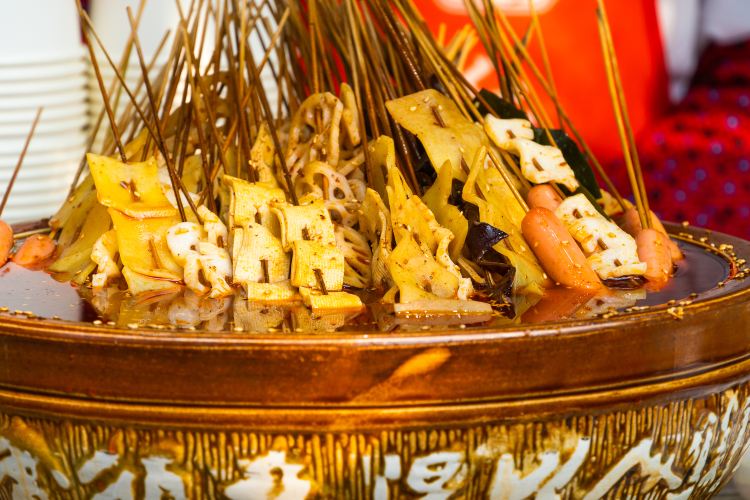
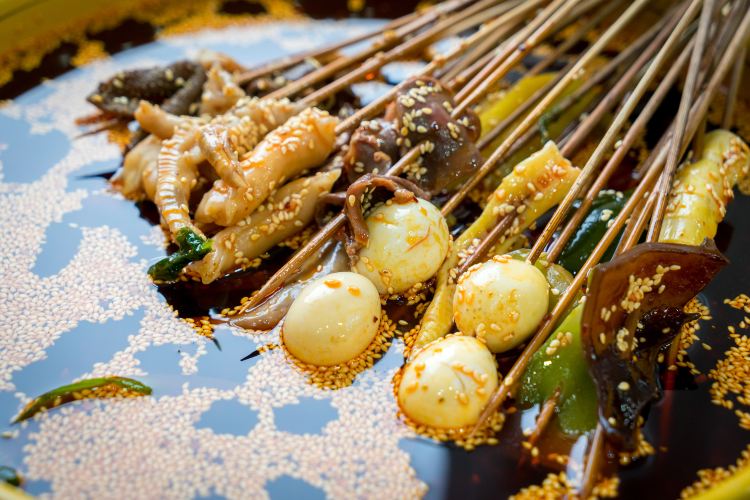
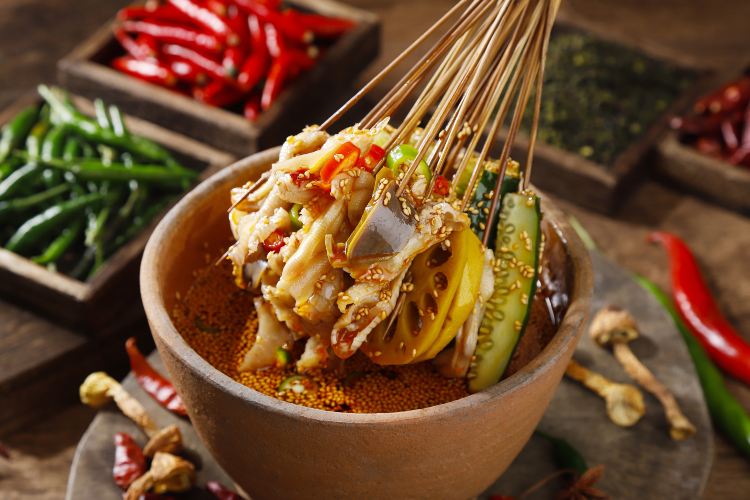
Chengdu Bobo Chicken is a traditional Sichuan snack that originated in Leshan and has a history of over a hundred years. It is made by placing boneless chicken slices mixed with a spicy sauce primarily made of Sichuan peppercorns and various seasonings into a pottery bowl. It features crispy skin, tender meat, a spicy and fragrant taste, and a moderate sweetness and saltiness. The method of making Bobo Chicken involves boiling the chicken until cooked, cooling it, slicing it, and then skewering the slices with bamboo sticks before soaking them in specially made chili oil or Sichuan peppercorn oil. It is convenient for self-service and allows diners to enjoy different flavor combinations. Bobo Chicken is not only a favorite snack among Chengdu locals but also an excellent choice for tourists to taste the local flavors. It is recommended to be eaten with a special chicken soup rice to enhance the food's flavor and layers.
San Da Pao
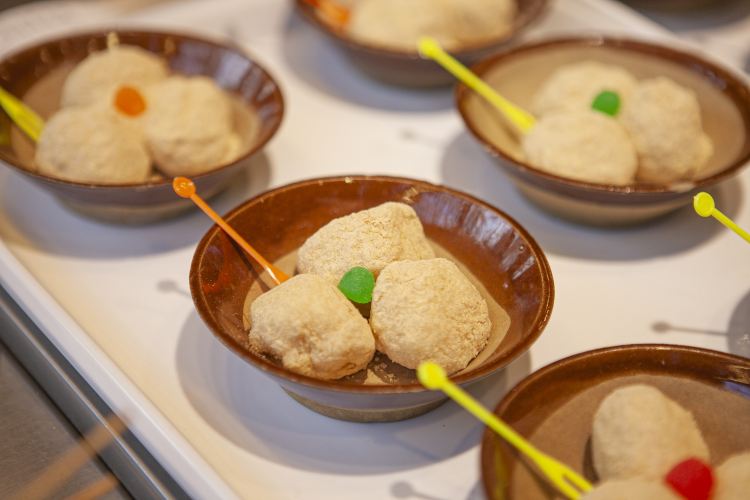
San Da Pao is a famous traditional snack from Chengdu, made from glutinous rice, brown sugar, sesame, and soybeans. It is named for the sound made when the glutinous rice balls are thrown. The making of San Da Pao is performative: the maker tosses the glutinous rice balls on a copper plate, causing them to bounce into a winnowing basket coated with soybean flour, creating a "bang, bang, bang" sound. Then, brown sugar syrup is poured over, and sesame is sprinkled on top. It is made and sold on the spot. This snack is not only sweet and delicious, soft and fragrant, but also features a non-greasy, non-sticky texture that melts away, making it a must-try culinary experience for visitors in Chengdu.
Rabbit Head
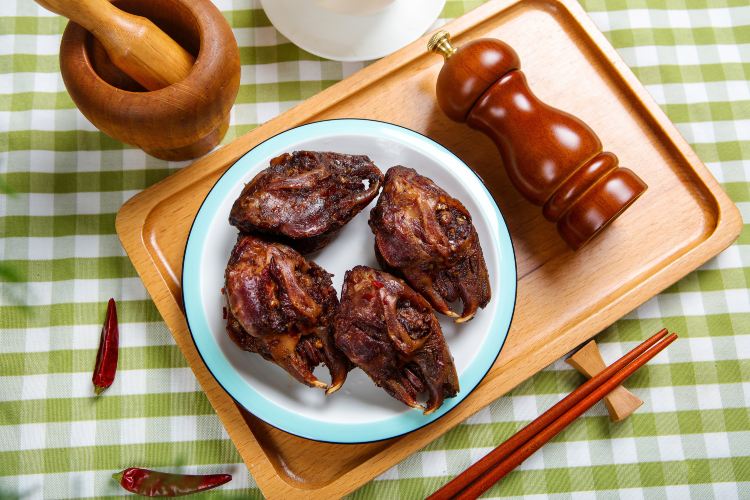
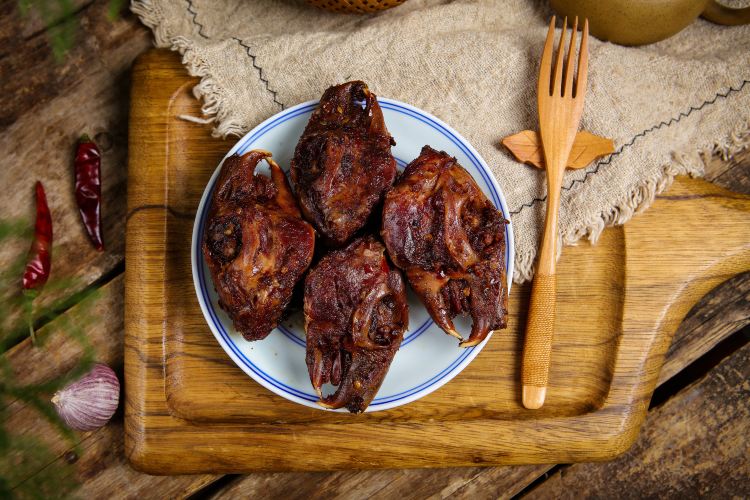
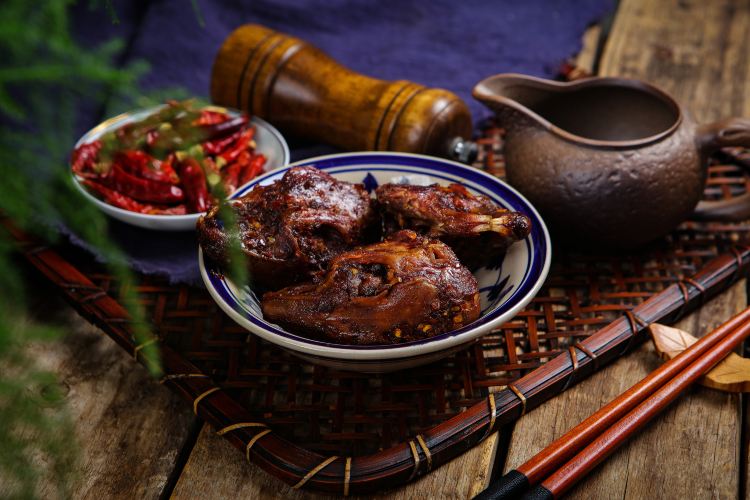
Rabbit head is a very popular local specialty in Chengdu, especially the spicy and five-spice rabbit heads, which are the most classic. The preparation of rabbit head is meticulous, usually involving slow cooking in aged brine, giving it a spicy, fragrant, and long-lasting taste. In Chengdu, rabbit head is not just a delicacy but also a cultural symbol, often paired with beer to become a standard street food on summer nights.
Dan Dan Noodles
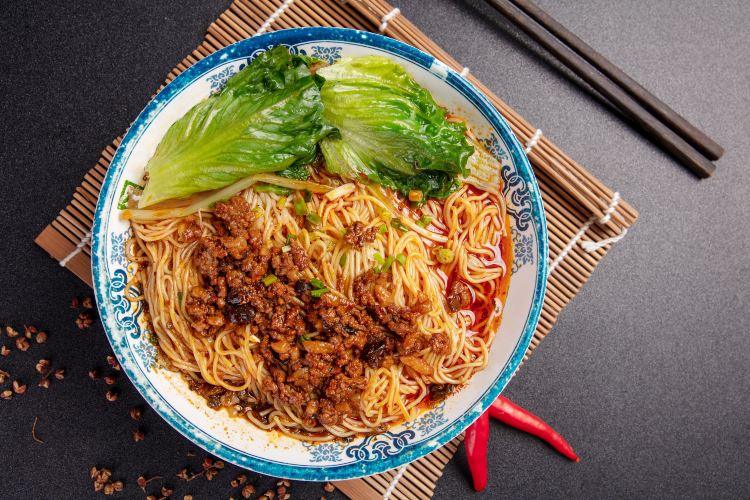
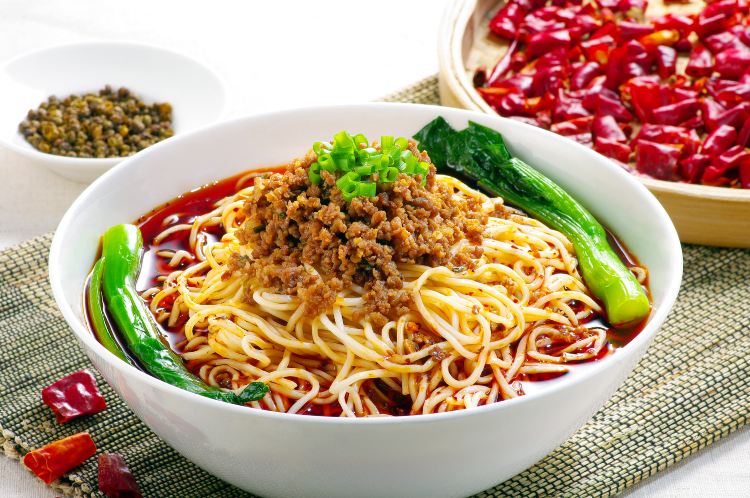
Chengdu Dan Dan Noodles are a famous traditional snack from Chengdu, Sichuan Province, made with ingredients such as flour, red chili oil, sesame paste, and green onions. The noodles are thin and soft, the sauce is crispy and fragrant, and the taste is salty, fresh, and slightly spicy with a strong aroma. The origin of Dan Dan Noodles is disputed, but it is said to have been created by a master surnamed Chen from Zigong City in 1841, named after the shoulder pole (dan) he carried to sell the noodles in the streets. Chengdu Dan Dan Noodles are known for their slight sourness and spiciness, with an emphasis on adding vinegar and red oil without chili peppers. This way, whether it was a rich young lady a hundred years ago or a banquet guest a hundred years later, after the last bite of noodles is swallowed, the lingering taste of Chengdu will remain on the lips and teeth.
Egg-Baked Cake
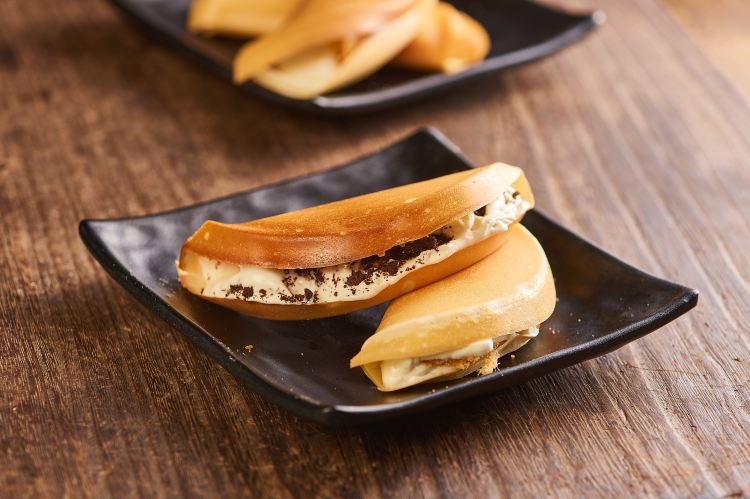
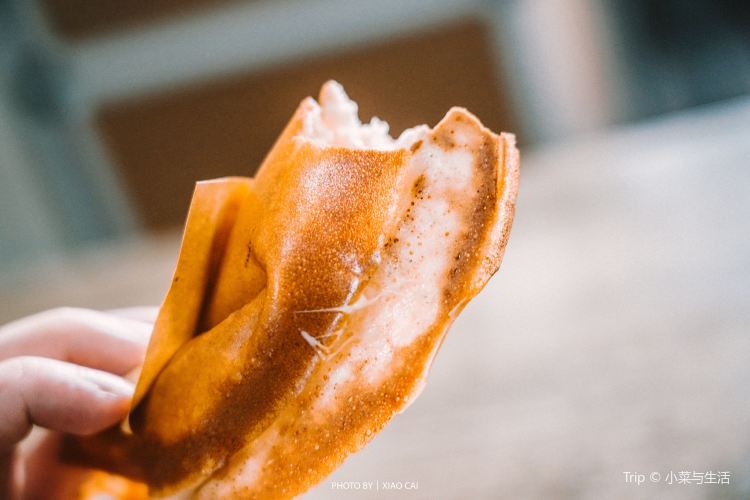
Originating from the Qing Dynasty, this traditional Chengdu snack is crispy on the outside and tender on the inside, suitable for both sweet and savory tastes, and is a childhood memory of the people of Chengdu. During preparation, chicken eggs, fermented flour, and brown sugar are mixed together, then baked in a special small pan, with various fillings added, such as sesame sugar, pork floss, or jam, and folded into a semicircle. Egg-Baked Cake is not only diverse in flavor and rich in nutrition but is also known as "China's pancake," suitable for people of all ages.
Chengdu Transportation
How to Get There
By Air
Chengdu Shuangliu International Airport (CTU): the primary gateway, located about 16 km (10 miles) southwest of downtown. Offers both international and domestic connections.
To City Center from CTU: Take Metro Line 10 (30 minutes, ~¥4) or airport shuttles (40 minutes, ~¥12) to downtown. Taxis cost ¥50–80, depending on traffic.
Chengdu Tianfu International Airport (TFU): a newer airport located 50 km (31 miles) southeast of the city. Handles additional international and domestic flights.
To City Center from TFU: Metro Line 18 (50 minutes, ¥8) connects to downtown, or use airport shuttles (1 hour, ¥20) or taxis (¥160–200).
By Train
Chengdu East Railway Station (Chengdu Dong) serves as the central hub for high-speed trains (G-series), connecting to cities such as Beijing (8–10 hours), Shanghai (11–13 hours), Chongqing (1.5 hours), and Xi’an (4–5 hours).
Chengdu Railway Station (North Station) handles slower trains, while Chengdu South and West Stations serve regional routes.
All major stations are connected to Chengdu’s metro system.
By Bus
Key bus stations include Xinnanmen Bus Station, Chengbei (North) Bus Station, Shiyangchang Bus Station, and Chadianzi Bus Station.
Long-distance buses connect Chengdu to regional destinations like Leshan (2 hours) or Jiuzhaigou (8–12 hours).
By Road
Driving or taking private transport from nearby cities is possible via expressways like the G42 (to Chongqing) or G5 (to Xi’an). However, road travel is less recommended for international visitors due to complex driving regulations and language barriers.
Local Transportation
Chengdu Metro: 14 lines, covering major attractions such as Tianfu Square, Jinli Street, and the Giant Panda Base.
Operates 6:00 AM–11:30 PM.
¥2–10 based on distance; use tickets, Chengdu Metro card, or mobile payments (WeChat/Alipay).
Chengdu Bus System: Extensive network reaching suburban areas, complementing the metro.
¥1–4, payable via cash (exact change), Metro card, or mobile payments. Some stops lack English signage.
Taxis and Ride-Hailing: Taxis are widely available, with ride-hailing via Didi (English interface available).
Bike Share: Bike-sharing (HelloBike, Meituan) is ideal for short trips in areas like Wide and Narrow Alleys. ~¥1–2 per 30 minutes via mobile apps.
Chengdu Where to Stay
Chengdu is a city that offers a diverse array of accommodation options, catering to the needs of various travelers. The city's hotels are spread across several key areas, each with its own unique characteristics, ranging from bustling commercial centers to quaint, historic neighborhoods. Visitors can choose from regions that offer proximity to shopping and entertainment, cultural experiences, or serene environments close to nature.
Chunxi Road Commercial Area(Shopping paradise, modern amenities)
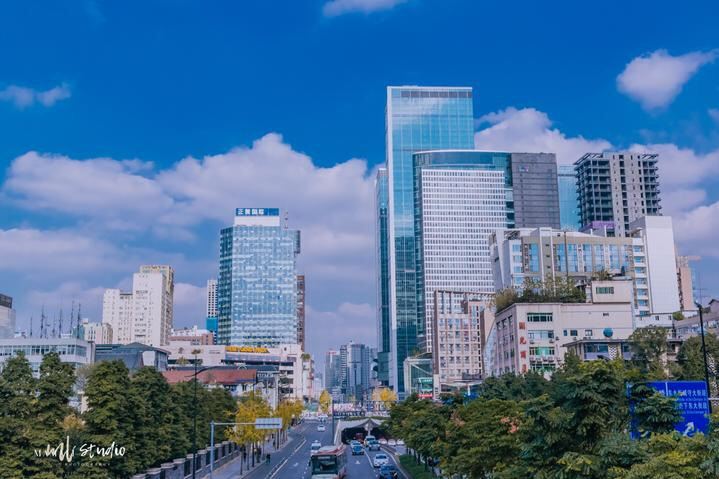
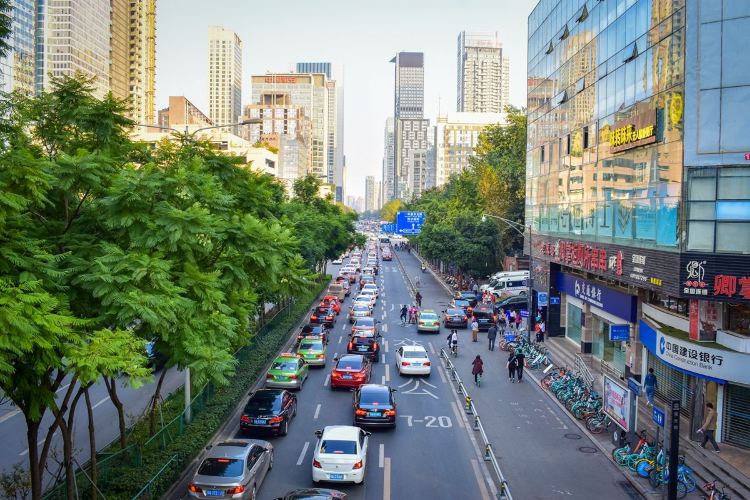
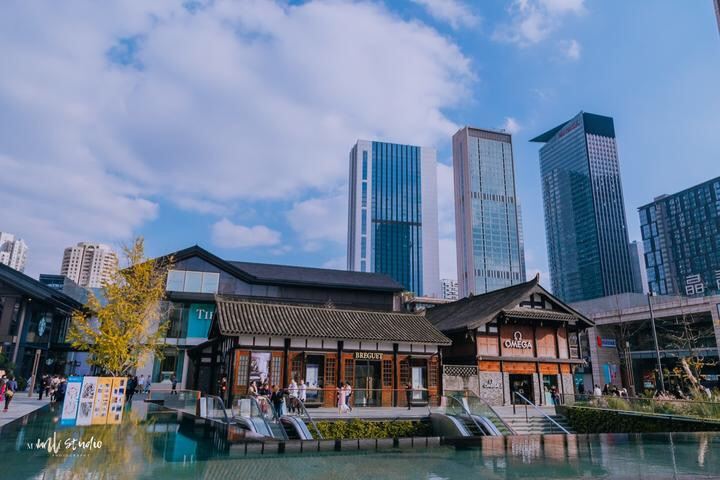
The Chunxi Road Commercial Area is the epitome of modernity and convenience in Chengdu. As a shopping paradise, it boasts luxury boutiques, department stores, and local vendors, making it a magnet for shopaholics. The area is well-connected with an efficient metro system, including the Chunxi Road Station, ensuring easy access to the rest of the city. Hotels in this region are surrounded by a plethora of dining options, from authentic Sichuan cuisine to international delicacies, satisfying the palate of any food enthusiast. The vibrant atmosphere is complemented by the proximity to cultural sites like Taikoo Li and Daci Temple, offering a blend of traditional and contemporary experiences.
Kuanzhai Alley(Cultural immersion, historic charm)
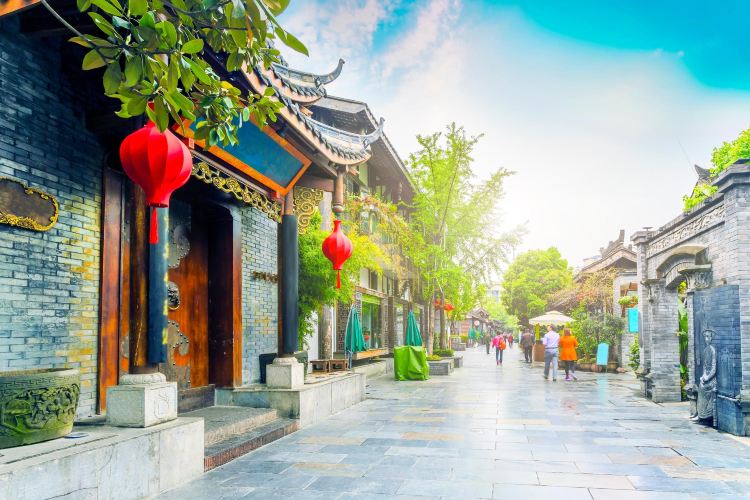
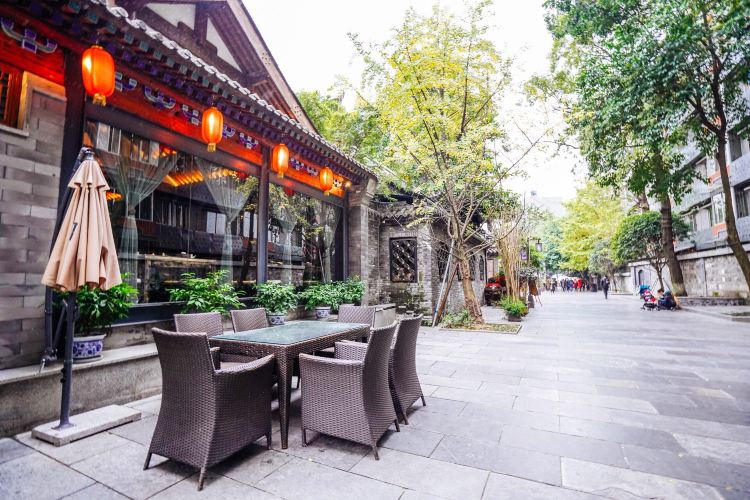
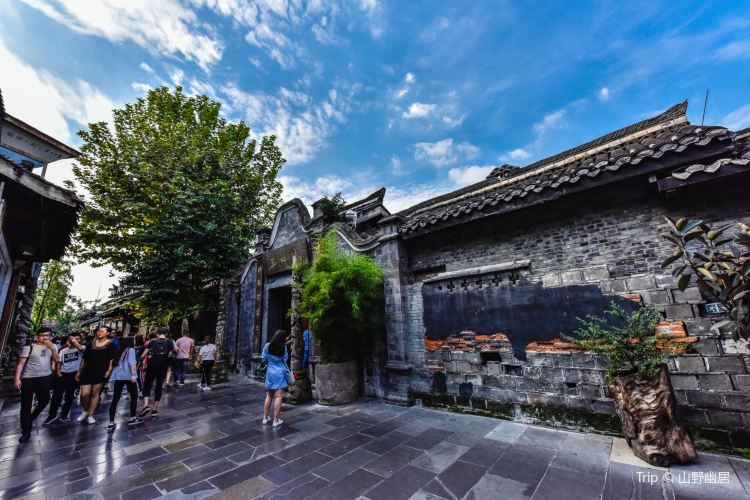
Kuanzhai Alley, known for its historic preservation, is a cultural haven that offers a glimpse into the traditional lifestyle of Chengdu. The region features Qing Ming Dynasty style courtyards and ancient style streets, where visitors can immerse themselves in the local culture. Accommodations here are often characterized by their proximity to cultural landmarks, such as the People's Park and Qintai Road, and offer easy access to a variety of dining and entertainment options. The area is well-served by public transportation, including several bus routes and metro lines, making it convenient for travelers to explore the city. Hotels in Kuanzhai Alley provide a tranquil retreat amidst the bustling city, with many offering views of the charming alleys and traditional architecture.
Tianfu Square(City's symbol, convenient transportation)


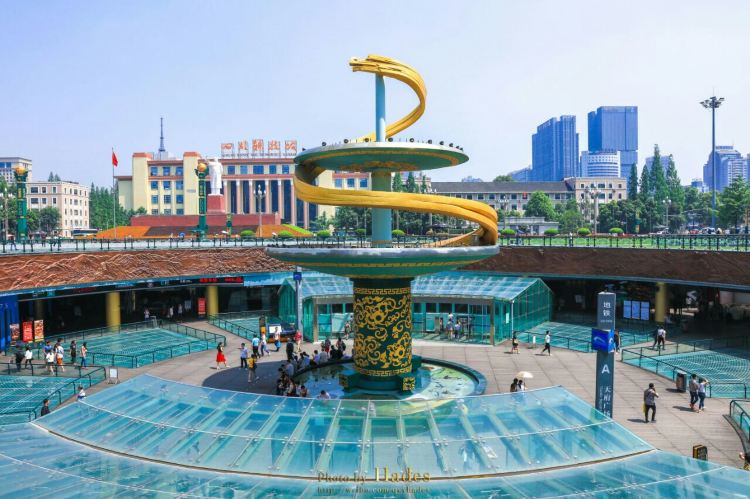
Tianfu Square is the heart of Chengdu and a symbol of the city's modern development and cultural heritage. It is surrounded by attractions such as the Sichuan Science and Technology Museum, Chengdu Museum, and the Imperial Mosque, providing a rich cultural experience for visitors. The square is a major transportation hub, with metro lines 1 and 2 intersecting here, offering easy access to other parts of the city. Accommodations around Tianfu Square are ideal for those who wish to stay in the center of the action, with shopping malls, parks, and entertainment options all within walking distance. The hotels in this area cater to a diverse range of travelers, from those seeking luxury to budget-conscious visitors, and are known for their strategic location and convenience.


Chengdu Best Time to Visit
Best Time to Visit
Spring (March–May) or fall (September-November) offers mild weather and blooming flowers, making it an ideal time to explore Chengdu’s attractions comfortably. Perfect for visiting the Panda Base, as pandas are highly active in mild weather.
Spring: Temperatures range from 10–22°C (50–72°F), with occasional light rain. Cherry blossoms and peach flowers bloom, especially at the Longquan Peach Blossom Festival (March). Perfect for visiting the Giant Panda Base and Mount Qingcheng.
Summer: Hot and humid, 24–33°C (75–91°F), with frequent rain.
Fall: Mild and pleasant, 15–25°C (59–77°F), with clear skies. Ideal for outdoor attractions and exploration. The Golden Panda Art Festival (October) showcases local art and culture.
Winter: Cool and foggy, 3–10°C (37–50°F), with rare snow. Fewer tourists make it great for budget travelers. The Dujiangyan Lantern Festival (January/February, tied to Lunar New Year) features vibrant displays.
Chengdu Travel Tips
1. Set Up Alipay and WeChat Before Your Trip
China is mostly cashless. Download Alipay or WeChat before your trip to Chengdu. Link your international Visa or Mastercard and complete real-name authorization to use QR code payments, as many local vendors, restaurants, and even small shops no longer accept cash. Test the apps in advance to ensure smooth transactions.
2. Download Local Apps for Navigation and Ride-Hailing
Western apps, such as Google Maps and Uber, are unavailable in Chengdu. Download Amap for navigation and DiDi Chuxing for ride-hailing services before your trip. Both offer English support, so familiarize yourself with their interfaces. Amap is reliable for walking routes, while DiDi is cheaper and safer than street taxis, especially for late-night travel.
3. Use Metro with Tianfu Tong or Alipay
Choose Chengdu’s metro for fast, affordable travel, especially during rush hours when cars and buses face heavy traffic. Use the Tianfu Tong app or Alipay’s QR code to pay; no physical tickets are needed. Download the MetroMan Chengdu app for English route planning.
4. Translate with Baidu or Youdao Dictionary
Google Translate is inaccessible in Chengdu. Download Baidu Translate or Youdao Dictionary for real-time translations. Use their photo translation feature for menus, signs, or attraction guides, as English is rarely spoken outside major hotels and tourist sites.
5. Adjust to Spicy Sichuan Cuisine
Chengdu’s cuisine, like spicy noodles or hotpot, is famously fiery. If you’re sensitive to spice, tell servers “bù yào là” (no spice) when ordering. Carry antacids or stomach medication for sensitive stomachs, as even “mild” dishes may have chili. Try milk-based drinks to soothe the spice.
6. Book Panda Base Tickets in Advance
The Chengdu Research Base of Giant Panda Breeding is a must-visit, but tickets sell out fast, especially during holidays (e.g., Chinese New Year, October Golden Week). Book online via the official Panda Base website or Trip 1–2 weeks ahead for regular visits, or earlier for peak seasons, selecting the 7:30–9:00 AM slot when pandas are most active. Arrive with your passport for entry.
7. Join a Panda Volunteer Experience
For a unique experience, book a private tour with a volunteer “daycare” program at the Chengdu Research Base of Giant Panda Breeding. Participate in activities like preparing bamboo, feeding pandas, and observing them in the research facility, guided by staff. Book 2–3 weeks in advance via the official website or Trip, as spots are limited. Bring comfortable clothes and follow all safety instructions during the visit.
8. Visit Pandas in Cool Weather
Pandas dislike heat and may hide indoors during Chengdu’s hot summers (June–August). Plan your Panda Base visit for cooler mornings or seasons (spring or autumn) for the best chance to see active pandas. Check the weather forecast and aim for temperatures around 77°F (25°C) for optimal viewing.
9. Reserve Popular Attractions Early
Book tickets for Chengdu’s top sites, such as the Jinsha Site Museum or Sichuan Museum, at least 1–2 days in advance via the official websites or Trip, especially for weekends or holidays. For Heming Teahouse, arrive before 10 AM to avoid long queues, particularly during peak seasons (spring and autumn).
10. Plan High-Altitude Side Trips Carefully
Day trips from Chengdu to high-altitude areas, such as Jiuzhaigou or Huanglong (over 3,000m), involve winding mountain roads that can cause motion sickness. Bring motion sickness medication or inhalers if you are prone to discomfort, and opt for guided tours for safer, more comfortable travel. Rest upon arrival, avoid strenuous activity for 24 hours, and stay hydrated to prevent altitude sickness. Optionally, carry a portable oxygen can or a thermos of warm water to ease symptoms, and consult a doctor about altitude medication if needed.
11. Choose Reputable Ear-Cleaning Services
Ear-cleaning (“cǎi ěr”) is a unique experience in Chengdu, often offered at teahouses or street stalls. Stick to reputable shops in areas like Kuanzhai Alley to ensure hygiene, as roadside vendors may use unsterilized tools. Ask your hotel for trusted recommendations to avoid discomfort or scams.
12. Enjoy Kuanzhai Alley in the Evening
Kuanzhai Alley, a vibrant historic district, shines with nightlife, restaurants, and bars. Visit after 8 PM for a lively atmosphere with fewer daytime crowds, ideal for dining or shopping. Skip overpriced snacks here; instead, try authentic street food at nearby Jinli Street.
13. Bargain Gently at Markets
At Chengdu’s markets, such as Chunxi Road, vendors may inflate prices for foreigners. Start bargaining at 70–80% of the quoted price and negotiate politely, using a translation app to clarify offers if needed. If prices don’t budge, walk away calmly—vendors may offer a better deal. Avoid aggressive haggling to respect local customs and traditions.
14. Understand Tipping Customs
Tipping isn’t common in Chengdu, especially at local restaurants or teahouses, and may confuse staff. At large hotels or upscale restaurants, small tips (10–20 CNY) are acceptable but not expected. A smile or a simple verbal thank you is often enough to show genuine appreciation.
15. Pack a Chinese Power Adapter
Chengdu uses Type A or I plugs (220V, 50Hz). Bring a universal travel adapter, as hotels may not provide them. Check device compatibility for high-power gadgets, such as hairdryers, and confirm your hotel’s outlet type to avoid any issues.
16. Access Blocked Apps Safely
Western apps like Google, WhatsApp, and Instagram may not be available in Chengdu. Purchase an eSIM with roaming data or download a reliable plugin before travel to access these apps securely.
17. Save Emergency Contacts
Save Chengdu’s emergency numbers: 110 for police, 120 for medical, and 12345 for English-speaking tourist assistance. Keep a written copy of your hotel’s address in Chinese (ask your hotel for a card) to show taxi drivers or locals if you get lost, as English addresses are rarely understood.
18. Use Chinese Names for Navigation
Many Chinese map apps, like Amap, don’t recognize English names for hotels, attractions, or restaurants. Before navigating, find the Chinese name of your destination via online search. Copy the Chinese characters into Amap or DiDi Chuxing for accurate results. Save these names in a note for quick access during your trip.
19. Claim Tax Refunds on Shopping
Overseas travelers can claim a Value-Added Tax refund on purchases of at least 200 CNY made in a single day at designated tax-free stores in Chengdu. Request a tax refund invoice and application form at the store, and process your refund instantly at the shop or airport counters when departing, using mobile payments, bank cards, or cash.
Chengdu Useful Guide
Local Language
Mandarin Chinese is the official language.
English signage is widespread in tourist areas, but English is not widely spoken.
Local APP
WeChat: China’s all-in-one app for messaging, social media, and digital payments. English interface available.
Alipay: A leading payment app for cashless transactions at restaurants, shops, and public transport. Its “Transport” feature supports metro and taxi payments in Chengdu. English version available.
DiDi: China’s top ride-hailing app, offering taxi and private car services with an English interface. Integrates with Alipay or WeChat for seamless payments.
Baidu Maps: The most reliable navigation app in China, offering detailed maps, real-time traffic, and transit routes for metro and buses. Superior to Google Maps for local accuracy. Alternative: Amaps app.
Chengdu Metro: Official app for Chengdu’s metro system, providing real-time schedules, station maps, and fare details for all 14 lines.
Youdao Dictionary: A Chinese-English dictionary and translation app, perfect for communicating with non-English-speaking taxi drivers or reading menus. Includes offline OCR for scanning signs.
Internet and Communication
Staying connected in Chengdu is essential for navigation, payments, and communication, given China’s reliance on mobile apps and limited access to some Western services.
eSIMs: eSIMs are a convenient option for travelers, enabling instant activation without the need for a physical SIM card. Purchase online before travel; activate upon landing at Chengdu Shuangliu (CTU) or Tianfu (TFU) airports. Ensure your device supports eSIM.
Local SIM Cards: Local SIMs from providers like China Mobile, China Telecom, or China Unicom offer reliable 4G/5G coverage in Chengdu. Available at airports or official provider shops.
Present your passport at the time of purchase; staff at CTU/TFU airports can assist with setup. China Unicom often has better English support.
Wi-Fi: available in hotels, hostels, and some cafes (e.g., Starbucks) but less common in public spaces like parks or streets. Many Wi-Fi networks require a Chinese phone number for SMS verification.
Currency and Payment
The official currency is the Chinese Yuan (CNY, ¥), also known as Renminbi (RMB). Notes come in denominations of ¥1, ¥5, ¥10, ¥20, ¥50, and ¥100; coins are available in denominations of ¥0.1, ¥0.5, and ¥1.
Digital Payments:
Chengdu is largely a cashless city, with mobile apps dominating transactions. WeChat Pay and Alipay are widely accepted. Link a foreign bank card (Visa/Mastercard) to WeChat or Alipay before arrival.
Cash:
Cash is rarely needed but can be useful for small vendors (e.g., street food stalls), single-ride tickets on public transportation, or in rural areas. Carry small denominations (¥1–20) for convenience.
Credit/Debit Cards:
Visa and Mastercard are accepted at major hotels, upscale restaurants, and some retailers in Chengdu, but less common at smaller venues. American Express is rarely accepted.
Notify your bank of travel plans to avoid card blocks
ATMs and Cash Withdrawals:
ATMs accepting foreign cards (Visa/Mastercard) are widely available at banks, airports (CTU/TFU), and shopping areas. Most offer English interfaces.
Look for PLUS (Visa) or Cirrus (Mastercard) logos. American Express is rarely accepted, except at select ATMs in airports or high-end hotels.
Fees: ¥10–15 per withdrawal (some banks waive for partners). Home bank fees: ~3% + $5 (check your issuer). Currency conversion fee: 1–3% (Visa/Mastercard rate).
Reliable Banks: Bank of China, ICBC, China Construction Bank, HSBC China.
Weather in Chengdu

31°
/
21°

27°
/
21°
32°
/
21°
34°
/
21°

32°
/
21°
31°
/
21°
31°
/
21°
 Trending in Chengdu
Where to see China's cutest pandas beyond Chengdu@Chengdu Research Base of Giant Panda BreedingBeyond Chengdu: your guide to adorable pandas
Summer at the Panda Base: Red Pandas and Black Swans@Chengdu Research Base of Giant Panda BreedingSummer Colors at the Panda Base: Red Pandas, Black Swans
Chengdu panda cub nibbles its toes, irresistibly cute@Chengdu Research Base of Giant Panda BreedingChengdu panda cub nibbling its toes is pure joy
Chengdu: FAQ

What's the most popular attractions in Chengdu?
Things to do near Chengdu for family & child?
How to get to Leshan from Chengdu?
How to get to Beihai from Chengdu?
How to get to Jiuzhaigou from Chengdu?
How to get to Sanxingdui from Chengdu?
Popular destinations

Bangkok

Tokyo

Kuala Lumpur

Los Angeles

Shanghai