Hangzhou 2026 Guide: Must-see attractions, local cuisine, and practical tips! | Trip.com
 Local GuidesLast updated on Trip.com: 28/07/2025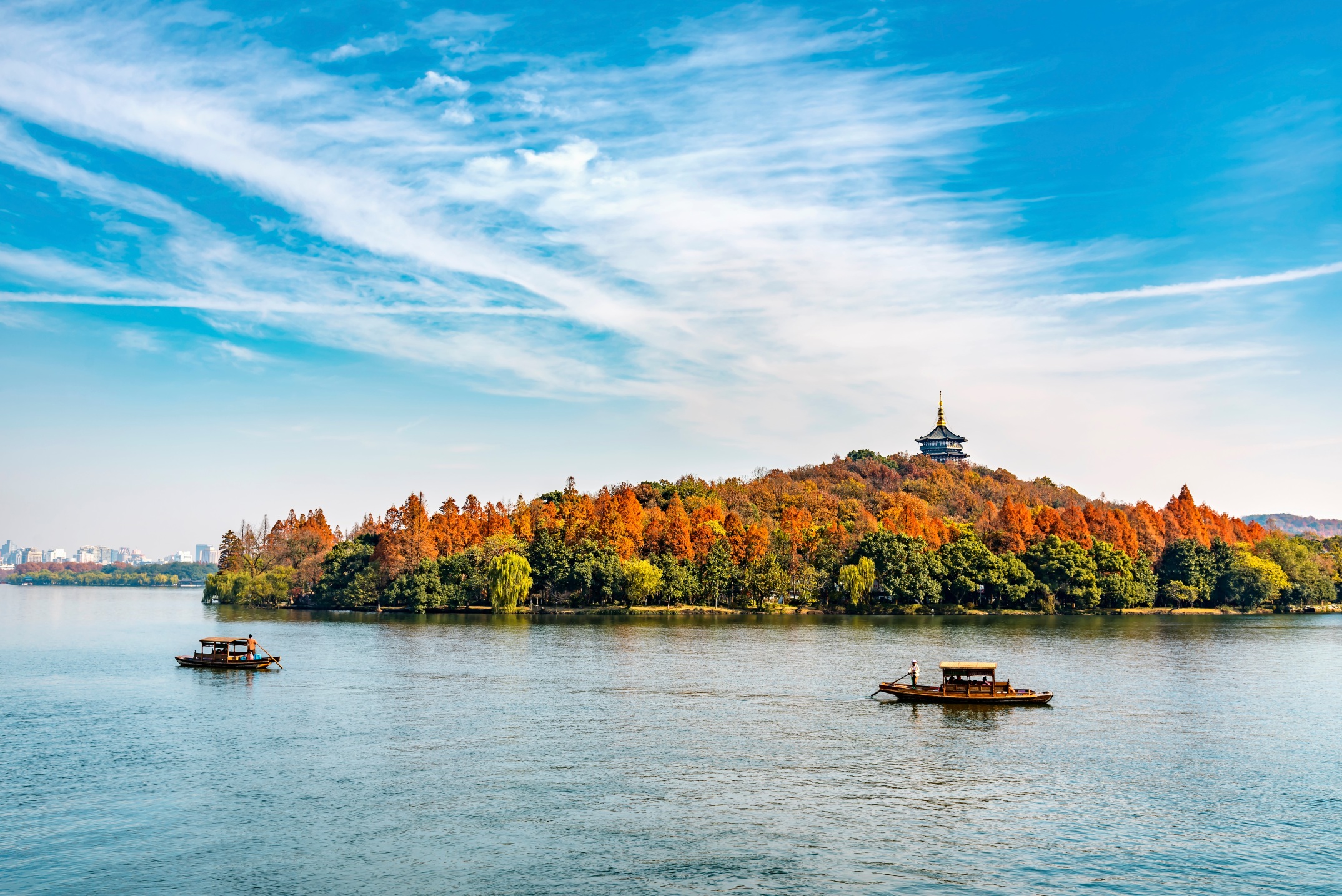
Hangzhou Brief Guide
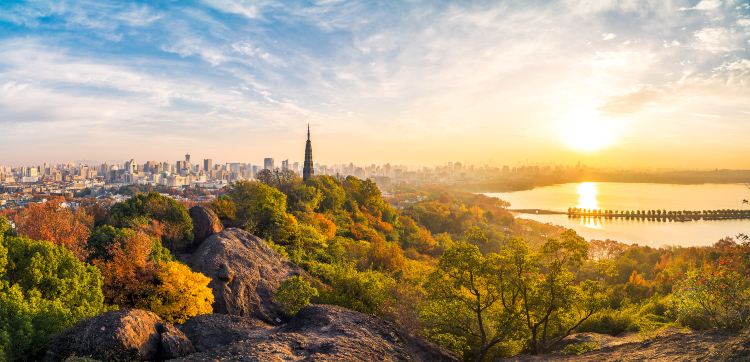
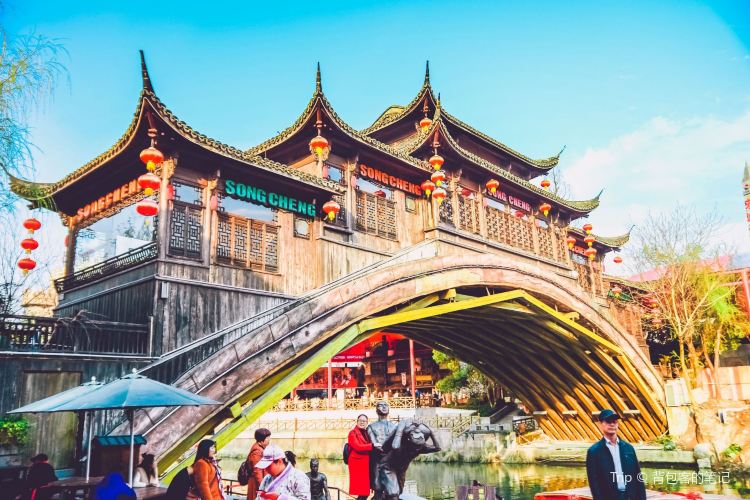
Well-known for its extraordinary beauty and elegance, Hangzhou is the capital of Zhejiang Province and one of the most impressive tourist destinations in China. Historically important and naturally stunning, Hangzhou together with nearby Suzhou is celebrated in China as "Heaven on Earth".
Located in East China's Yangtze River Delta and the northern part of Zhejiang Province, Hangzhou is a major commercial and trade city with an estimated urban population of 12 million people. There are 10 urban districts with Gongshu District being the central heart of the city and enjoys convenient transportation. Xihu District is to the west of the city and where the famous West Lake is located.
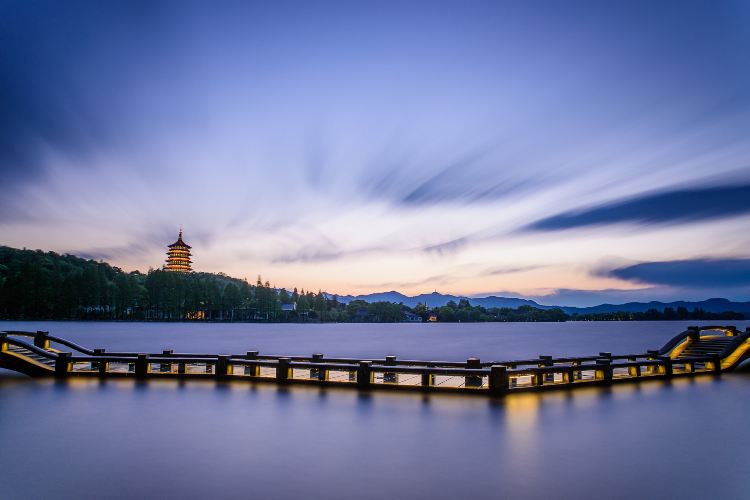
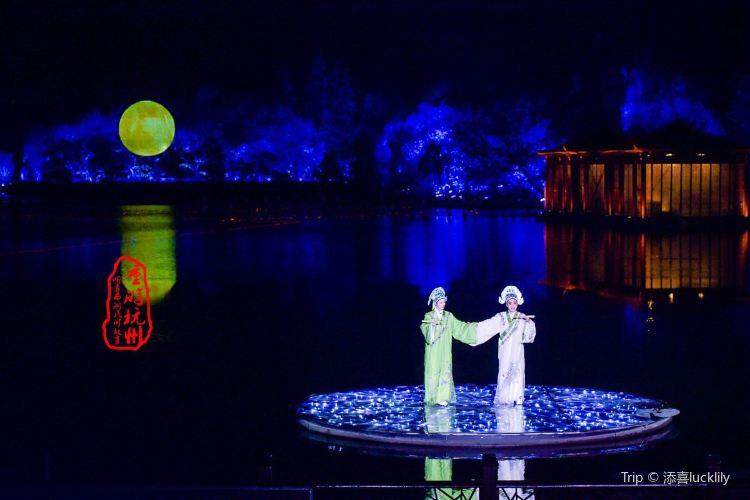
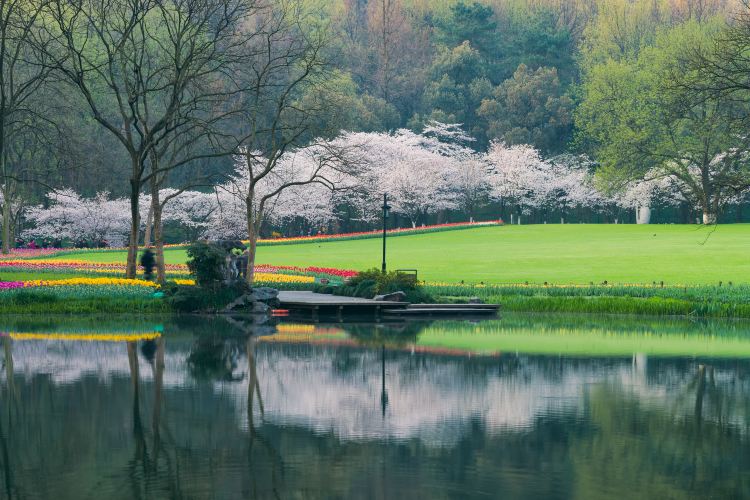
Historically, Hangzhou has for centuries been known for its fine silk and tea productions, but the city didn’t reach its political importance until the Southern Song Dynasty (1127-1279 AD) when the Emperor relocated the capital to Hangzhou. The city’s wealth and commerce grew further in the Ming Dynasty after the construction of the Grand Canal - the oldest and longest canal in the world - linking Hangzhou to Beijing and other ocean trade routes. Today, Hangzhou continues to be an economic center of east-central China.
From the beautiful West Lake to romantic bridges, and tranquil tea plantations to ancient shrines and temples, Hangzhou is one of the country's most popular tourist destinations. There are so many awe-inspiring scenic spots in Hangzhou, that it will take a few days to just tick off the top destinations. For those unforgettable experiences, visitors can consider taking a sunset stroll or riding a bike around the West Lake, visiting a picturesque water town outside Hangzhou (e.g. Wuzhen and Xitang), learning about the tea culture, or seeing a Giant Panda in Hangzhou Zoo, etc.
Hangzhou Must-try local experiences
Savor West Lake's Timeless Beauty
Stroll West Lake's paths, where Su Causeway and Bai Causeway link Liu's Willows, Broken Bridge's snowy legends, and Leifeng Pagoda's sunset glow. Sail to Three Pools Mirroring the Moon, pagodas reflecting soft light. Enjoy "Impression West Lake" or a fountain light show. Rowboats glide to quiet Maojiabu Village and Yuhu Bay, revealing Hangzhou's serene charm.
Wander Historic Streets
Stroll Qinghefang, Southern Song Imperial Street (Nan Song Yu Jie), and Xiaohe Straight Street (Xiaohe Zhijie), lined with ancient shops and canal-side homes. Taste scallion pancakes, buy silk scarves, or choose tea leaves and porcelain souvenirs. These lanes pulse with Hangzhou's old trade and modern craft, blending river-town charm with lively stalls.
Cruise the Grand Canal
Board a water bus along the Grand Canal, from Wulinmen Wharf to Gongchen Bridge, passing Xiangji Temple's Tang Dynasty arches. See whitewashed homes and bridges. At night, lanterns cast reflections, framing a classic Chinese river scene. This journey captures Hangzhou's canal heritage with historic charm.
Dive into Tea Culture
Visit Longjing Tea Culture Village or Meijiawu, strolling through emerald tea fields. Pick leaves or learn to roast Longjing tea, then sip its nutty flavor in a teahouse. In April and May, buy fresh tea harvests. This centuries-old tradition, famed since the Ming Dynasty, offers Hangzhou's calm elegance.
Explore Ancient Temples
Discover Lingyin Temple, framed by lush hills, with Feilai Peak's 470+ Buddhist carvings. Jingci Temple, a Zen retreat, serves tea in serene courtyards. Three Tainzhu Temples echo with chants. These sacred sites, central to Hangzhou's Buddhist history since the Song Dynasty, blend spirituality and stunning scenery.
Enjoy Traditional Opera
Experience Yue opera, China's second-largest opera genre, at Hangzhou Theater. The Small Hundred Flowers Troupe performs "Butterfly Lovers," a Chinese Romeo and Juliet, weaving a tragic love story. Vibrant costumes and soaring melodies, born in Zhejiang's 100-year tradition, captivate with emotional drama, enchanting global visitors through universal tales of passion.
Taste Hangzhou's Delicacies
Savor Hangzhou dishes at local eateries. Try West Lake carp in vinegar sauce, slow-cooked Dongpo pork, or Longjing shrimp infused with tea: sample scallion pancakes, ding sheng cakes, or cat's ear (named after their shape) noodles. Hefang Street's stalls serve these fresh, light flavors rooted in Hangzhou's Song Dynasty culinary heritage.
Witness the Qiantang Tidal Bore
Experience the Qiantang River's tidal bore, a massive wave surging like wild horses, viewed from Tide-Watching Site or Jiubao Bridge. Peaking in mid-autumn, this natural spectacle, rooted in Hangzhou’s river history, draws crowds to see the roaring tide that names Zhejiang.
Chase Seasonal Blooms
In March, West Lake's cherry and peach blossoms bloom vibrantly. August brings lotus flowers to curved bridges. September's osmanthus scents fill the air. February's plum blossoms glow at Lingfeng or Xixi Wetland. Hangzhou's seasons weave a rich floral collection across its lakes and hills.
Discover Autumn's Red Hues
In October, Tianmu Mountain and Manjuelong Village burst with red maples. Hupao Park's trails and Lingyin's paths glow with golden ginkgoes. Hike ancient routes where vibrant leaves frame Hangzhou's hills, a fall spectacle tied to the city's forested heritage since the Tang Dynasty.
Explore Hangzhou's Scenic Outdoor Trails
Explore Hangzhou's forest trails, from Longjing Tea Culture Village to Jiuxi Scenic Area's babbling streams. Yunqi Bamboo Path winds through towering groves. Climb Beigao Peak for sweeping views or trek Linglong Mountain past tea fields and villages. These paths unveil Hangzhou's lush hills and natural splendor.
Hangzhou Must-see Attractions
Hangzhou is a city of historical and natural splendor, home to the serene Lingyin Temple, the culturally immersive Hangzhou Songcheng Park, the picturesque West Lake, the tranquil Xixi National Wetland Park, and the scenic Thousand Island Lake, each offering unique insights into China's rich heritage and breathtaking landscapes.
Lingyin Temple
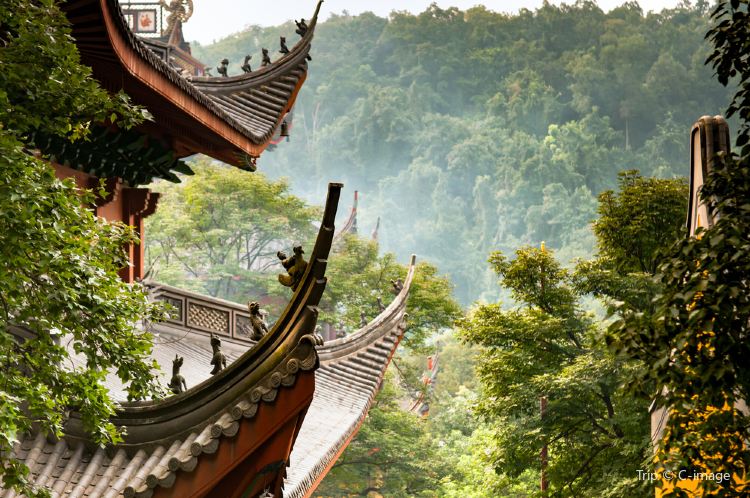
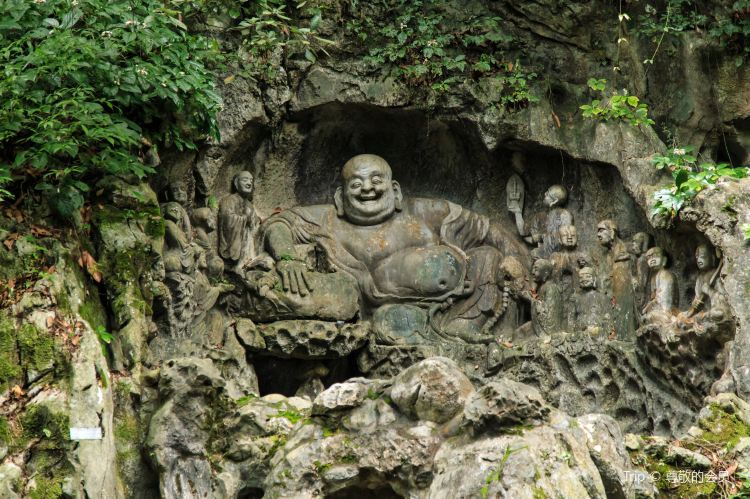
Lingyin Temple, known as the Temple of the Soul's Retreat, is a serene and historically rich Buddhist sanctuary in Hangzhou, surrounded by the natural beauty of the Wulin Mountains and the mystique of Feilai Feng grottos. Founded in 326 AD by the Indian monk Huili, it has been a spiritual center for Chan Buddhism, surviving numerous restorations and retaining its prominence as one of China's wealthiest monasteries. Visitors can explore the temple's three main halls, including the magnificent Hall of the Heavenly Kings with its Laughing Buddha, and the Grand Hall of the Great Sage, which houses a towering 24.8-meter tall statue of Sakyamuni, one of the largest wooden Buddha statues in China. The temple's grounds are adorned with historic pagodas, bridges, and statues, offering a tranquil retreat and a glimpse into the profound Buddhist culture.



Hangzhou Songcheng Park
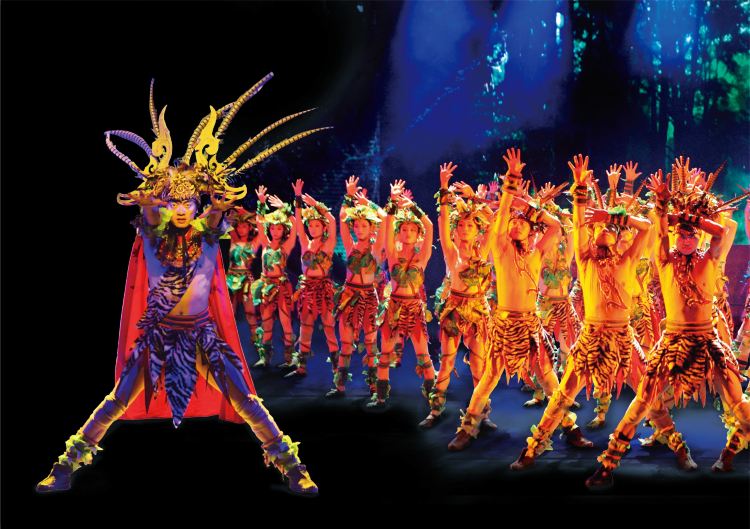
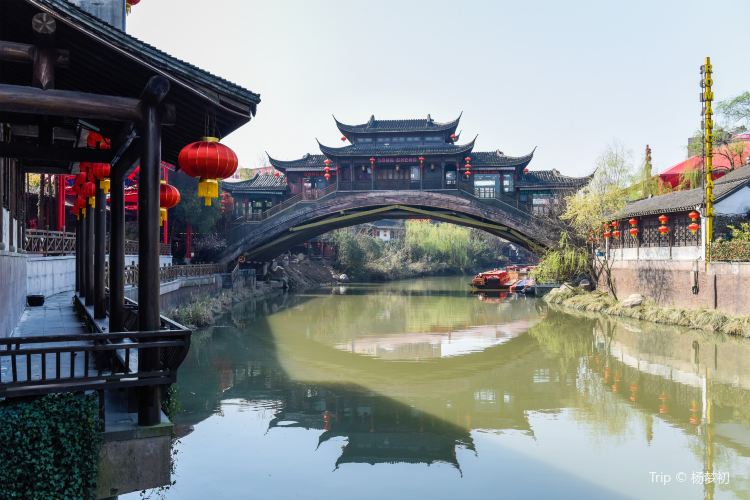
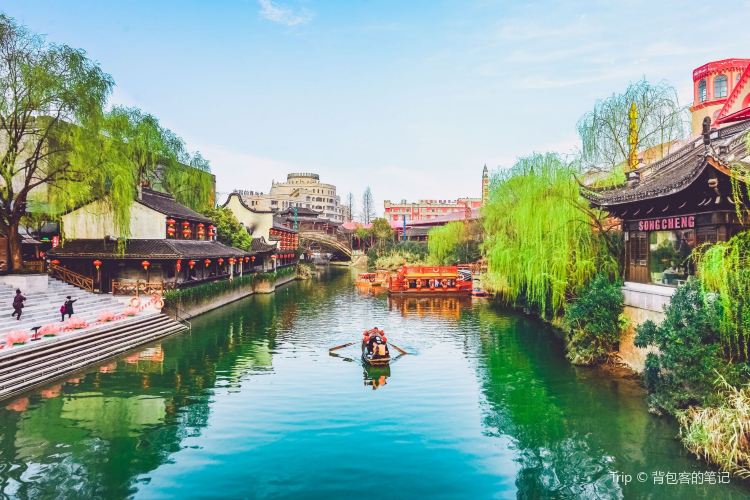
Hangzhou Songcheng Park, also known as Song Dynasty Town, is a theme park that offers a deep dive into the culture and daily life of the Song Dynasty era. Visitors can immerse themselves in a meticulously recreated Song-style environment, complete with performances, workshops, and attractions that reflect the historical and cultural richness of the period. The park's highlight is the "Romance of the Song Dynasty" show. This performance, along with others like the "Thousand-Year Love," uses advanced technology to bring the glory of the Song Dynasty to life. The park's layout is inspired by the famous painting "Along the River during the Qingming Festival" and features areas such as the Reproduction Area of "The Picture of the Bian River on Qingming Day," the Artistic Square Area, and the Nine Dragon Column Complex Area, offering visitors a legendary and unforgettable sightseeing experience.


The West Lake
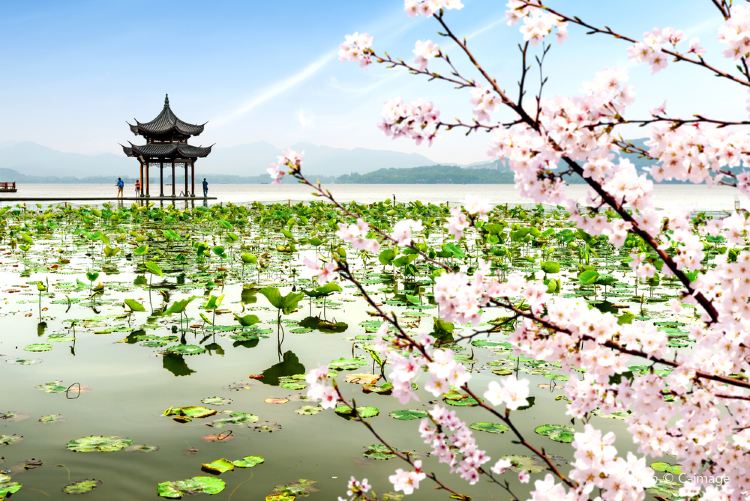
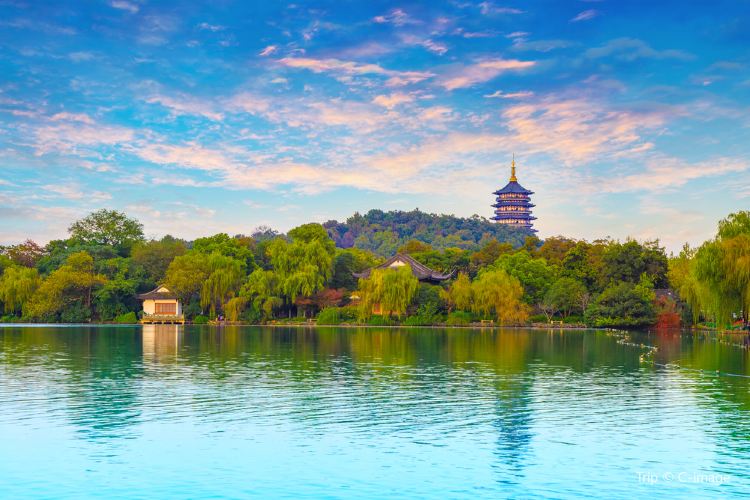
The West Lake, a UNESCO World Heritage Site, is a quintessential example of classical Chinese beauty, where nature and culture harmoniously intertwine. This iconic freshwater lake, divided into five sections by three causeways, is enveloped by pagoda-topped hills and willow-lined waters, offering a serene and picturesque setting that has inspired poets, painters, and garden designers for centuries. Visitors can immerse themselves in the tranquil landscape by walking or biking along the causeways, enjoying the lush gardens, and partaking in leisurely boat cruises. The West Lake's cultural landscape is rich with historical temples, pagodas, and pavilions, which enhance its scenic beauty and provide a glimpse into the region's profound historical and cultural heritage.



Xixi National Wetland Park
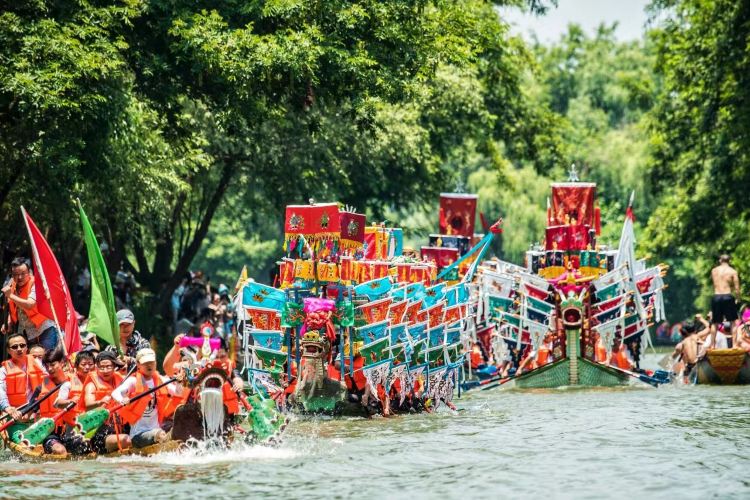
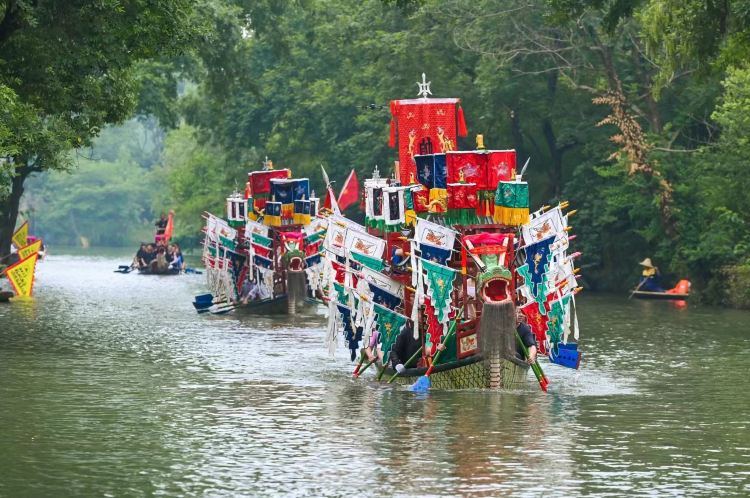
Xixi National Wetland Park in Hangzhou is a serene oasis that offers visitors a unique blend of natural beauty, cultural heritage, and ecological diversity. Known as one of the "Three Xi's of Hangzhou", this park is celebrated for its tranquil waterways, lush vegetation, and rich biodiversity. With a history spanning over 1,800 years, the wetland has been a source of inspiration for poets and artists, and it continues to be a haven for a wide variety of plant and animal species.
Visitors to Xixi National Wetland Park can immerse themselves in the park's picturesque landscapes and participate in cultural activities such as the Xixi International Dragon Boat Race. The park's ecological protection zones and Wetland Science Exhibition Hall offer insights into the importance of wetland conservation, while the traditional architecture and historical sites provide a glimpse into the region's storied past. Whether seeking a peaceful retreat or an educational experience, Xixi National Wetland Park is a destination that harmoniously combines the allure of nature with the richness of Chinese culture.


Thousand Island Lake
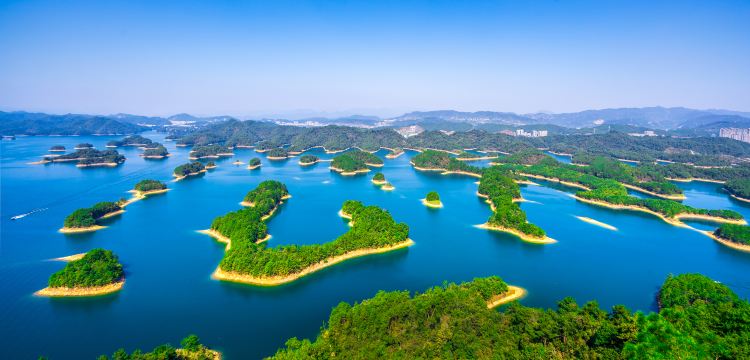
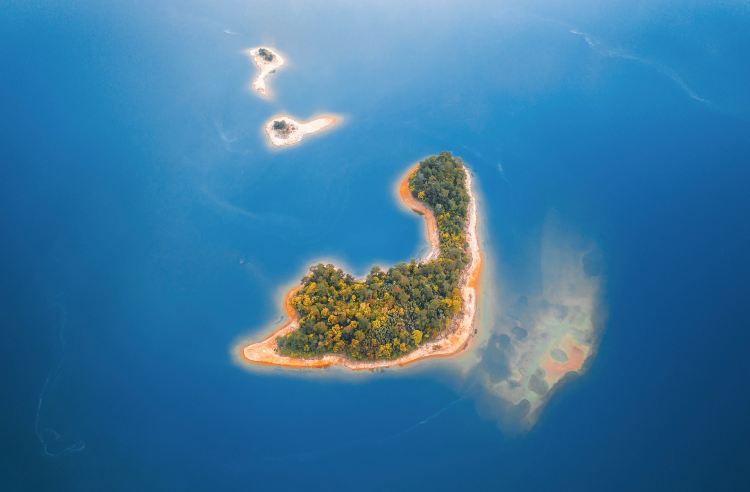
Thousand Island Lake, also known as Xin'anjiang Reservoir, is a man-made reservoir renowned for its crystal-clear waters and the multitude of islands that dot its surface. With over 1,000 islands, each varying in size and shape, the lake presents a picturesque landscape that rivals the scenic beauty of Guilin's mountains and rivers. The lake is celebrated for its high-quality water, which is so pure that it is said to supply a famous brand of bottled water. Visitors to Thousand Island Lake can indulge in a range of activities, from boat tours that navigate the intricate waterways between islands to cycling along greenways that offer stunning views of the lake's natural splendor. The area is also known for its ecological environment, lush forests, and rich biodiversity, making it a perfect destination for nature enthusiasts. The best time to visit is from March to November, with autumn being a particularly picturesque season to experience the lake's beauty.


Hangzhou Food Guide
Hangzhou's cuisine is renowned for its traditional craftsmanship and rich historical and cultural background, from the sweet and sour West Lake Vinegar Fish, the delicious Song Sao Fish Soup, the classic Dongpo Pork, to the uniquely textured Hangzhou Xiaolongbao and the century-old Pian Er Chuan noodles, each dish is a delicate interpretation of taste and a heritage of tradition.
West Lake Vinegar Fish
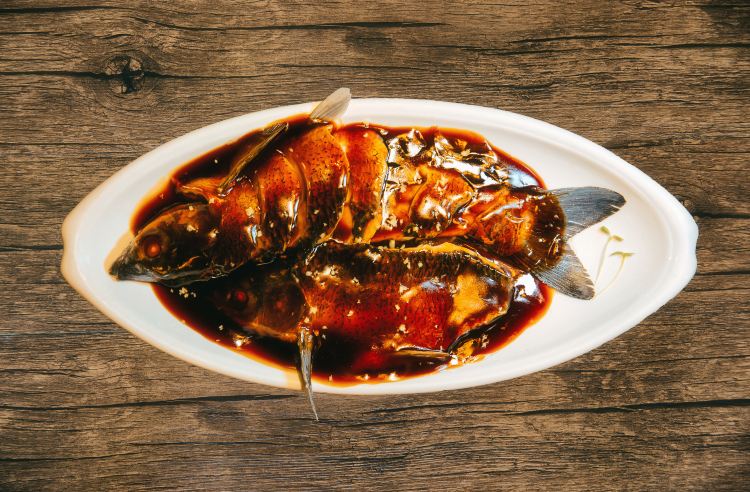
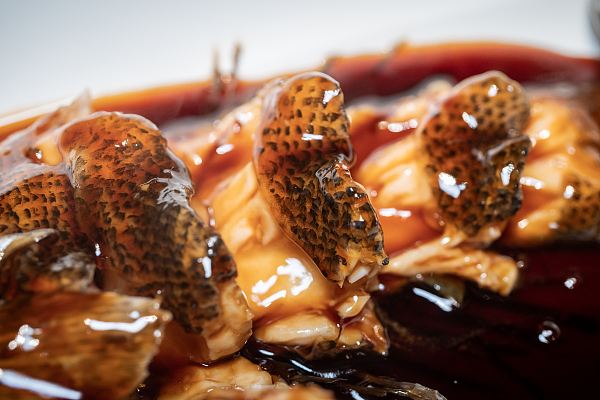
West Lake Vinegar Fish is a traditional specialty dish of Hangzhou, made mainly with grass carp, cooked through a special process, with a bright red color, sweet and sour taste, and tender meat quality. This dish originated in the Southern Song Dynasty and has a long historical and cultural background. It was once tasted by Emperor Gaozong of the Southern Song Dynasty and highly praised, thus gaining great fame. When cooking, attention must be paid to the heat and seasoning to ensure the tenderness of the fish and the smoothness and brightness of the sweet and sour sauce. It is very popular with diners for its sweet and sour taste when eaten.
Hangzhou Xiaolongbao
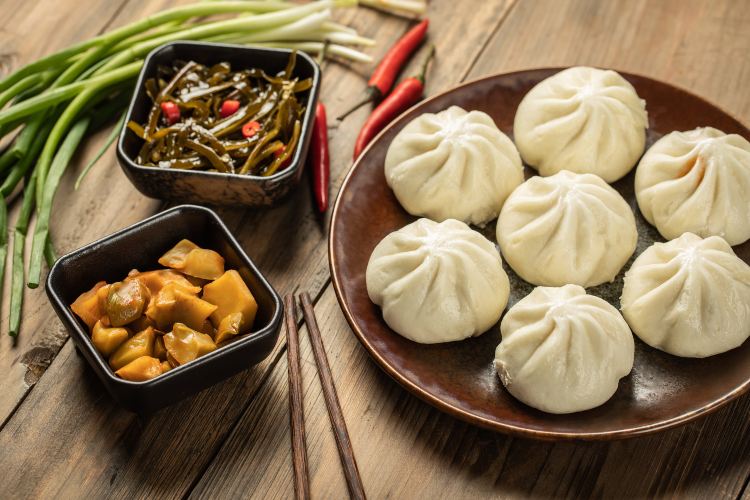
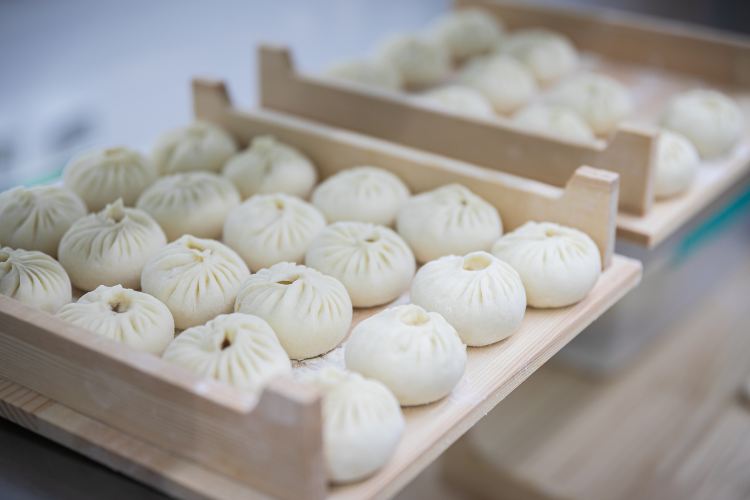
Hangzhou Xiaolongbao is known for its thin skin, tender meat, abundant juice, fresh taste, and beautiful shape. In production, the skin of Hangzhou Xiaolongbao is made of flour and water, kneaded and stretched multiple times to become very thin and elastic, and the filling is usually made of ingredients such as pork, shrimp, and dried bamboo shoots, with fresh taste. However, the real Hangzhou Xiaolongbao is not common in Hangzhou, but Shengzhou Xiaolongbao is widely spread across the country under the name of "Hangzhou Xiaolongbao".
Sister Song's Fish Soup
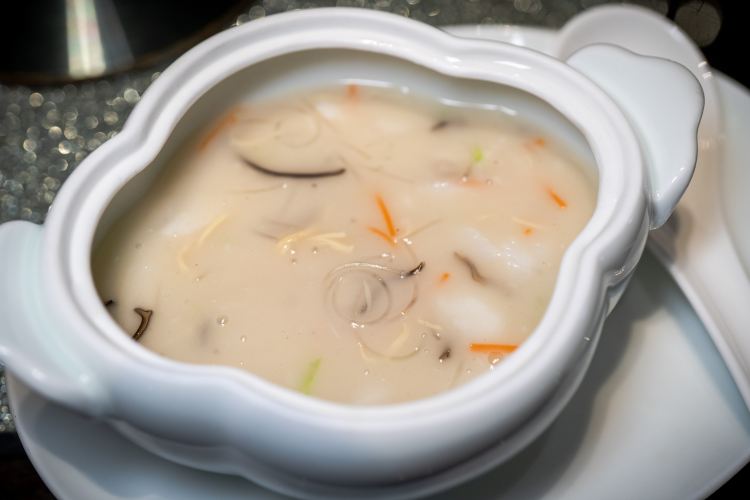
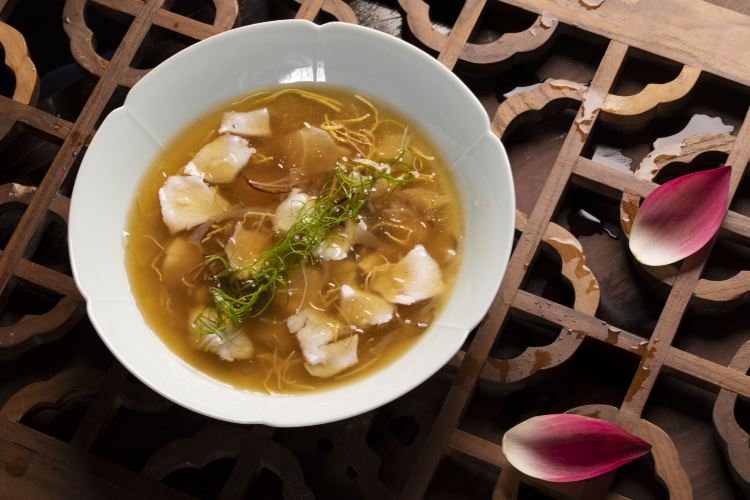
It is a traditional flavored famous dish of Hangzhou, originating from the Chunxi period of the Southern Song Dynasty, created by Sister Song from the Northern Song Dynasty's Bianjing. She became famous by selling fish soup on the banks of West Lake. This dish uses mandarin fish or perch as the main ingredient, steamed and then deboned, and cooked with ingredients such as ham shreds, mushrooms, bamboo shoot tips, and chicken broth. It has a shiny color, tender and smooth taste, and a flavor similar to crab meat. Sister Song's Fish Soup is not only delicious but also carries rich cultural stories, making it an indispensable classic in Hangzhou cuisine.
Dongpo Pork
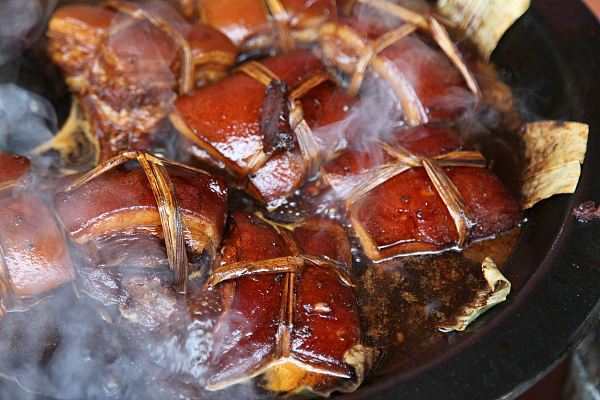
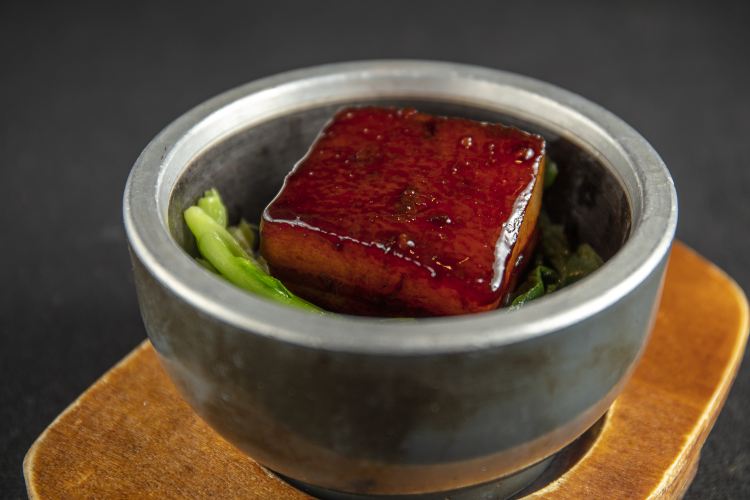
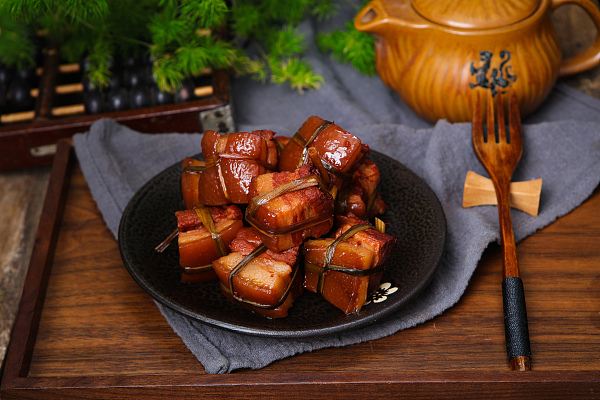
Dongpo Pork is a traditional famous dish of Hangzhou, with pork as the main ingredient, characterized by its bright red color, soft but not mushy texture, and fatty but not greasy taste. The name of this dish comes from Su Dongpo, a poet of the Northern Song Dynasty. It is said that during his tenure as the governor of Hangzhou, he made braised pork to thank the people for their support and gave it back to the people who participated in the flood control. Dongpo Pork is usually made with half-fat, half-lean pork, slow-cooked in a clay pot, and can be served with vegetables such as baby bok choy to enhance the taste.
Pian Er Chuan Noodles
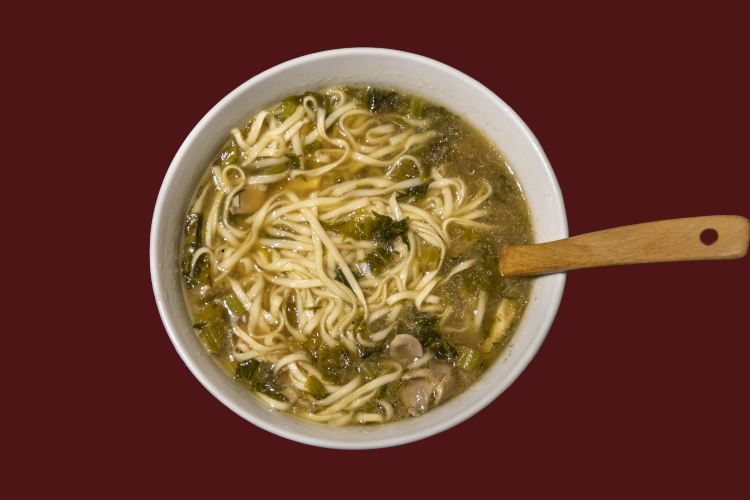
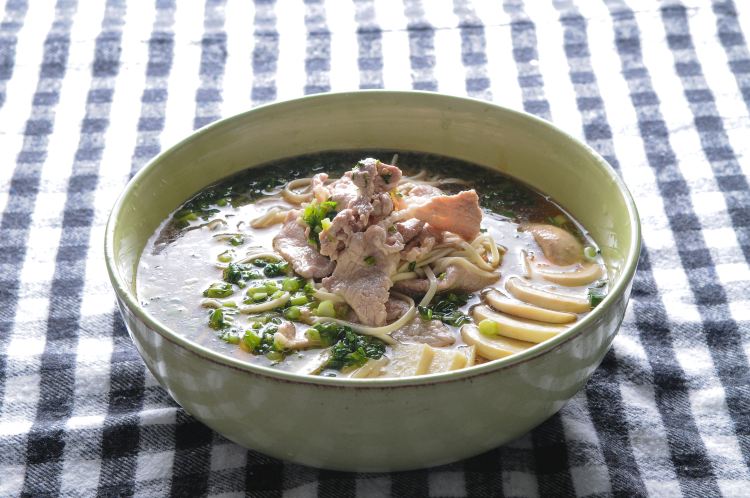
It is a famous dish of Hangzhou's Kui Yuan Guan, as well as a traditional flavored snack of Hangzhou. The topping of the noodles mainly consists of preserved vegetables, bamboo shoot slices, and lean meat slices, which are delicious and appetizing. Pian Er Chuan Noodles have a history of more than a hundred years and were first created by the old Hangzhou restaurant Kui Yuan Guan. Its specialty lies in the freshness of the preserved vegetables and bamboo shoots, leaving a lasting impression on diners. When cooking, first cut the pork leg and bamboo shoot meat into long, thin slices, stir-fry them with preserved vegetables, and then pour them over the cooked noodles. The noodles are smooth, the soup is rich, the meat slices are tender, and the bamboo vegetables are crisp.
Hangzhou Transportation
How to Get There
Hangzhou, the scenic capital of Zhejiang Province, is a well-connected transportation hub, accessible by air, rail, bus, or road from international and domestic locations.
By Air
Hangzhou Xiaoshan International Airport (HGH): the primary gateway; located approximately 40 km (25 miles) east of downtown. Serves 150+ international and domestic routes.
To City Center: Metro Lines 1, 7, or 19 connect to downtown. Airport Shuttles - ¥20 to key hubs (70 mins; departs hourly) or taxis (¥100–150, depending on traffic) are also available.
By Train
Hangzhou East Station and Hangzhou West Station: The main hubs for high-speed trains (G-series) connecting to popular tourist destinations like Shanghai (45 mins), Beijing (4.5 hrs), and Guangzhou (6.5 hrs).
Hangzhou Railway Station: Conventional trains + select high-speed routes (e.g., Ningbo).
All stations connect to Metro Lines 1, 4, 5, and 19.
By Bus
Major Terminals: Jiubao (east): Regional routes (e.g., Shaoxing). West Bus Station: Anhui/Jiangxi routes.
By Road
Driving or private transport is possible via expressways like the G60 (to Shanghai) or G25 (to Ningbo). Road travel is less recommended for international visitors due to complex driving regulations and language barriers.
Local Transportation
Metro: An extensive network of 12 lines covers all major attractions, including West Lake, Xixi Wetlands, and Qiantang CBD.
Operating 5:50 AM–11:30 PM (midnight Fri/Sat for Lines 1, 2, 4).
Fares: ¥2–14 based on distance; use single-ride tickets, Alipay/WeChat QR codes (scan at gates), or Hangzhou Tong card.
Buses: An extensive network supplements the metro system, extending to suburban areas, including Longjing Tea Village.
Fares: ¥1–4, payable via cash (exact change), Hangzhou Metro card, or mobile payments.
No English announcements; use Baidu maps or Amap for route planning.
Taxis & Ride-Hailing: Taxis are widely available; DiDi offers ride-hailing with an English interface.
Bicycles: Shared bikes, such as HelloBike (blue) and Meituan (yellow), cost approximately ¥1–2 per 30 minutes via mobile apps.
Hangzhou Where to Stay
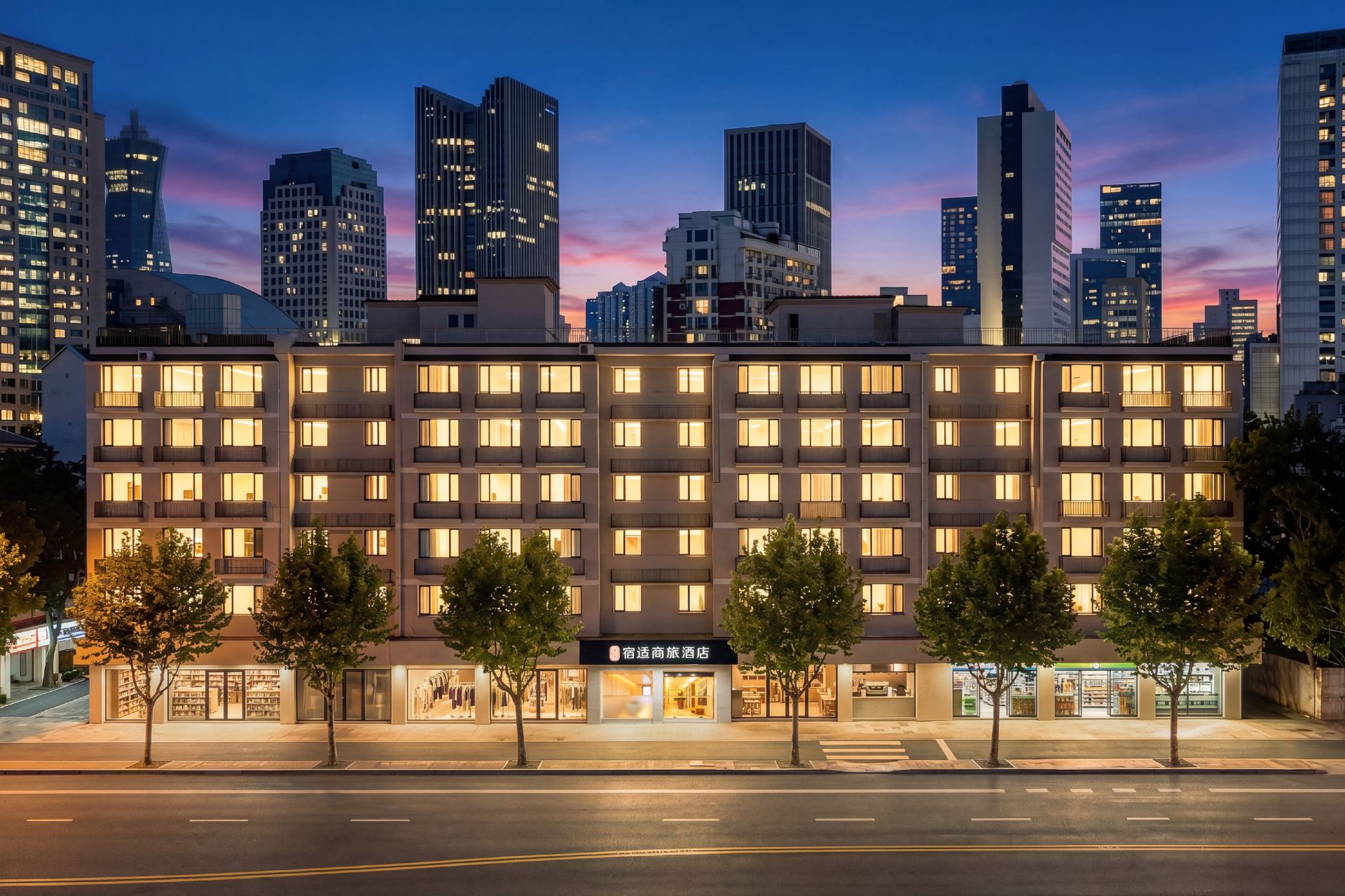
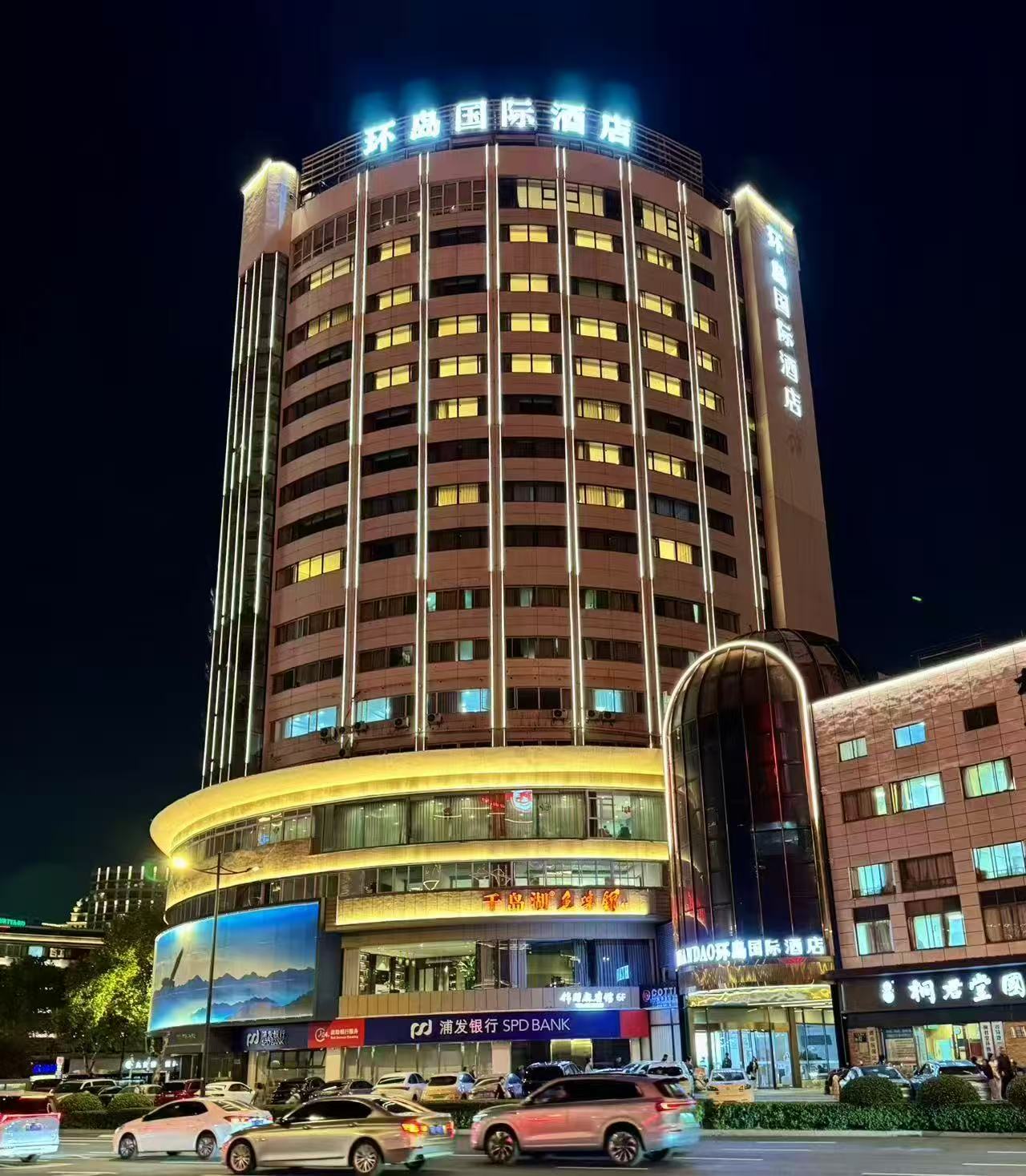
Hangzhou is a city that offers a diverse range of accommodation options, with its hotels spread across various districts, each with its own unique characteristics. The city's accommodation scene reflects its regional diversity, providing options for every type of traveler.
The West Lake
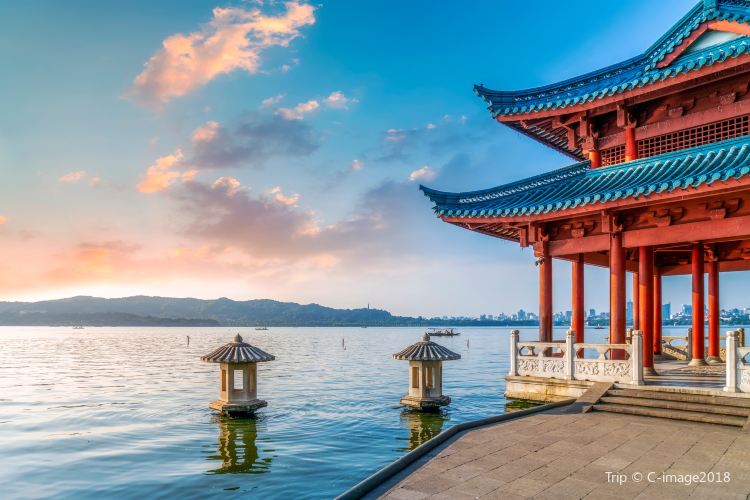
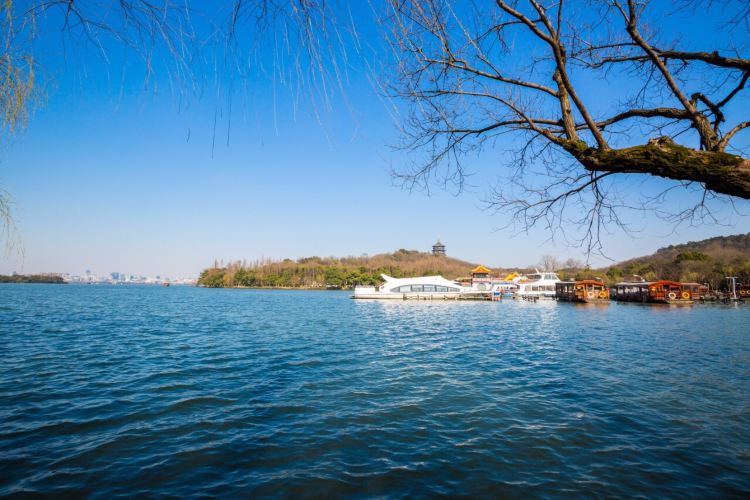
Scenic Allure: The West Lake, renowned for its enchanting beauty, has been the muse of poets and artists for centuries. It offers a serene escape with lush greenery and traditional architecture.
Location Perks: Staying near The West Lake means easy access to iconic spots like the Broken Bridge and Leifeng Pagoda. It's ideal for those seeking a balance between nature and urban conveniences.
Dining and Leisure: The area around the lake is dotted with various dining options and leisure activities, including the Impression West Lake show and tranquil boat rides across the water.
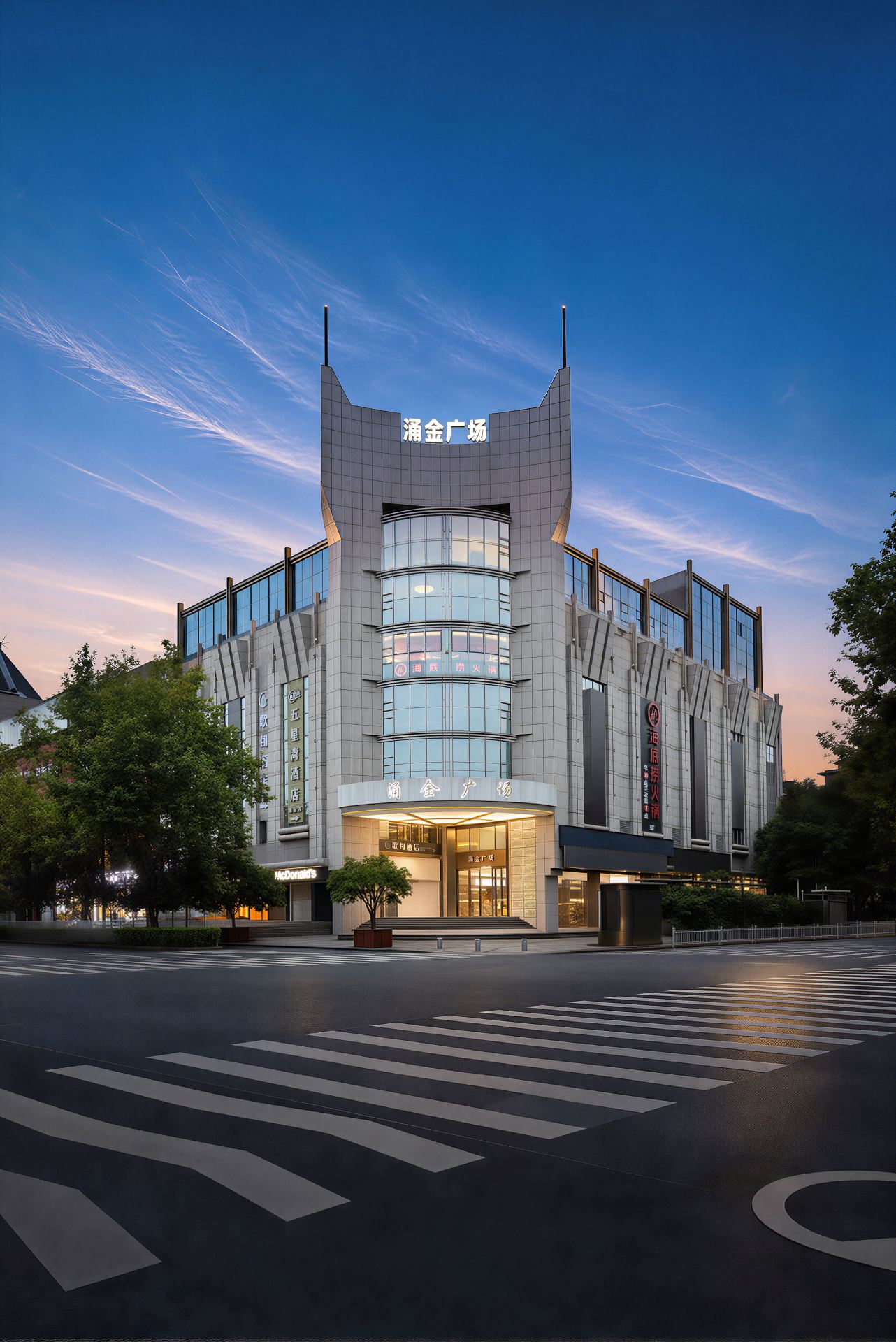
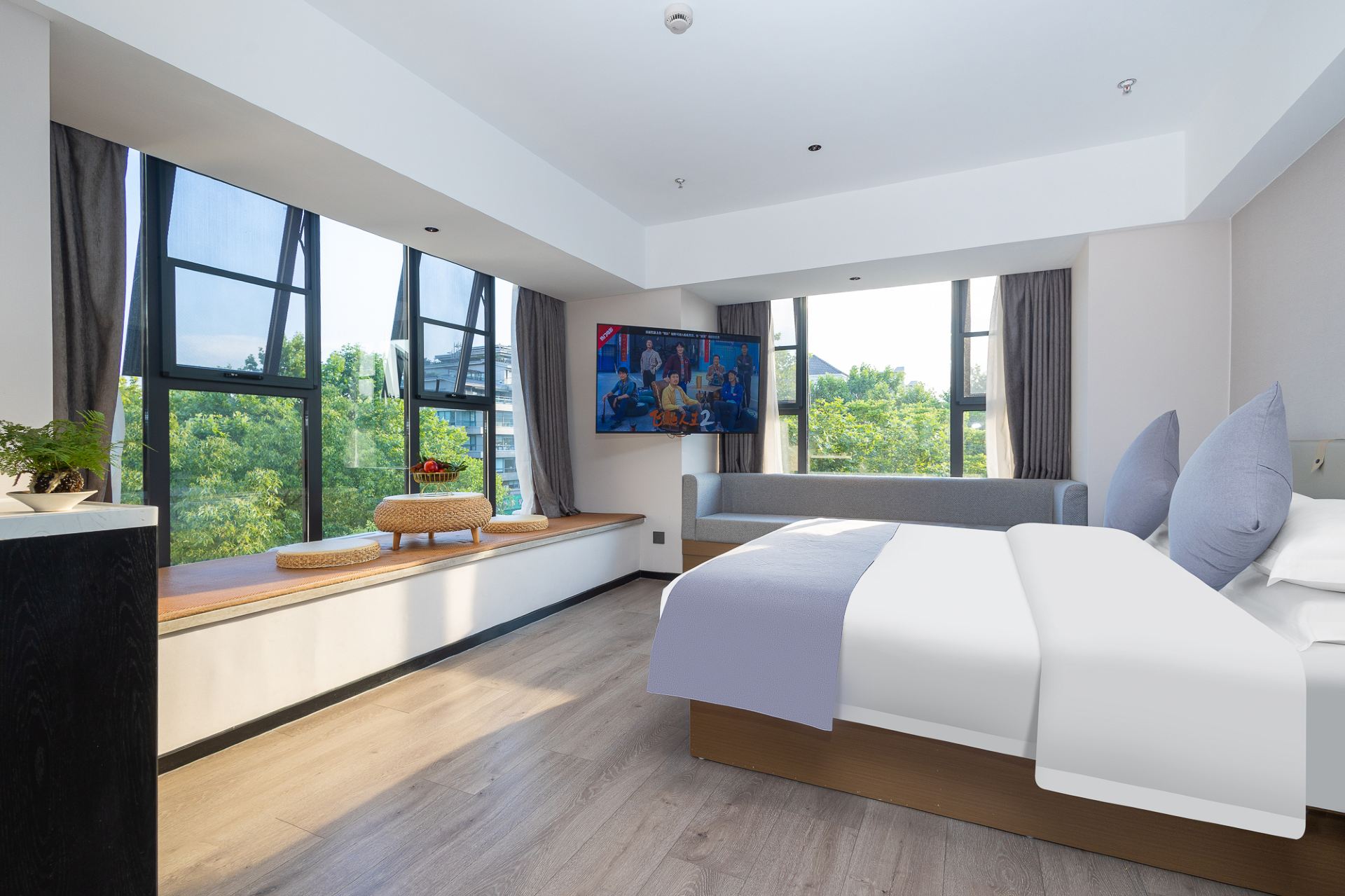
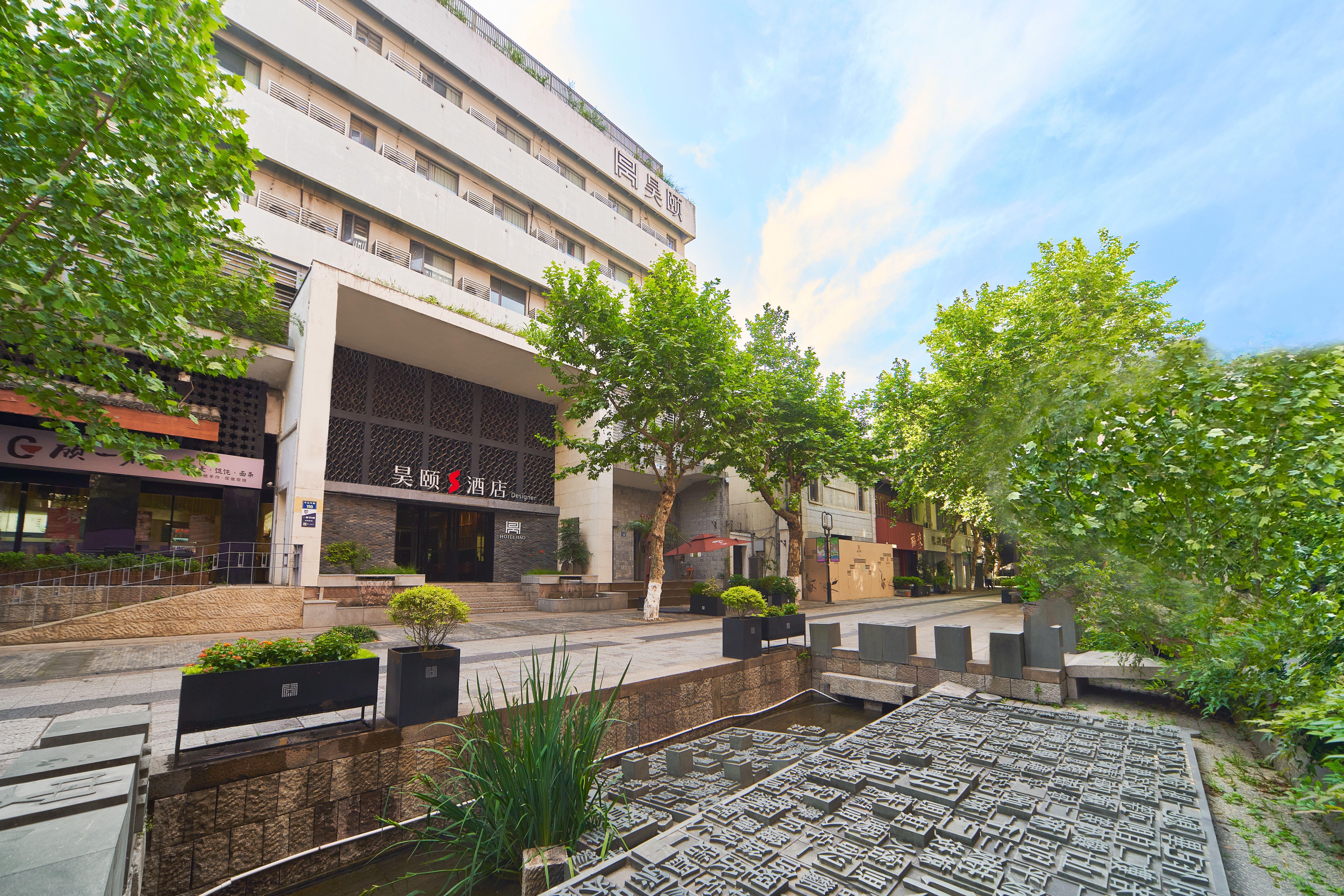
West Lake Scenic Area
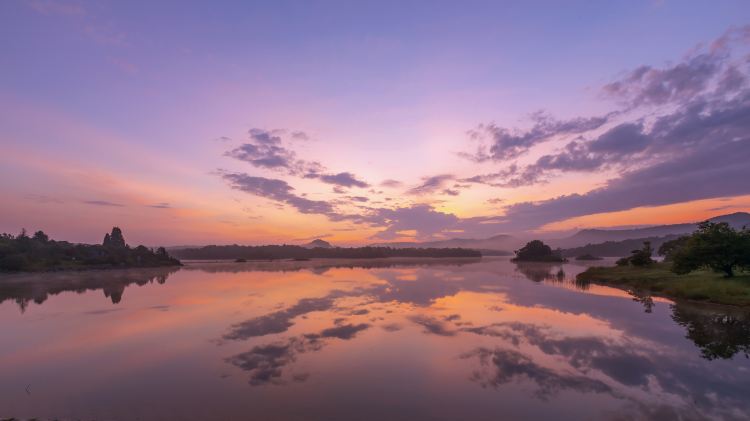
Location Convenience: The West Lake Scenic Area is at the heart of Hangzhou's beauty, offering proximity to key attractions like Su Causeway and Three Pools Mirroring the Moon.
Evening Entertainment: The Impression West Lake show is a highlight, providing a cultural feast set against the backdrop of the lake.
Active Exploration: For the active traveler, cycling or walking around the lake is a must-do, allowing for an immersive experience of Hangzhou's natural splendor."
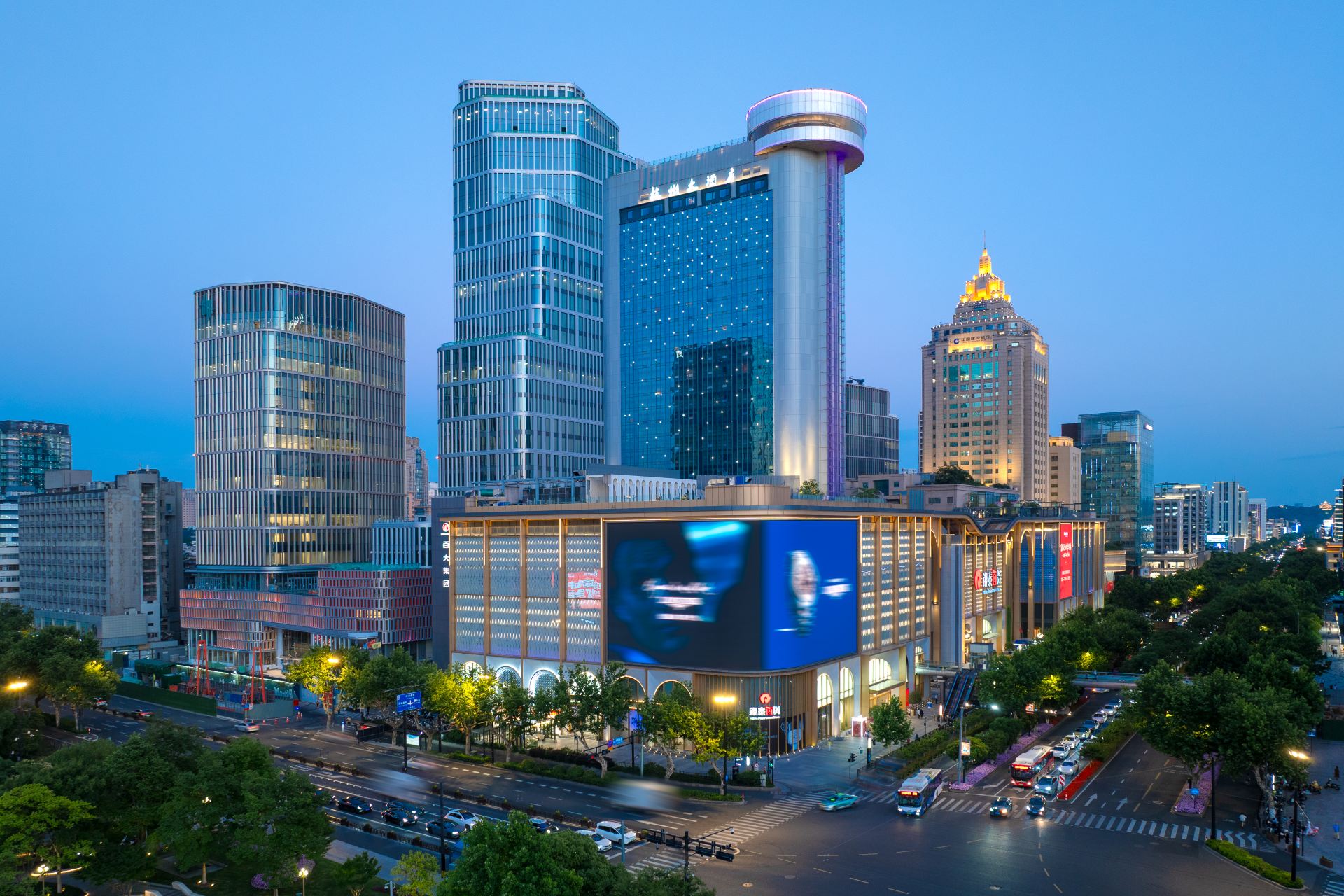
Wulin Square
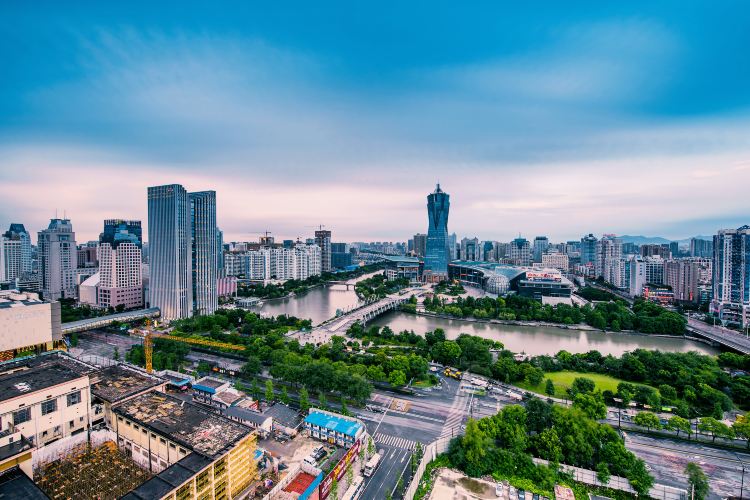
Shopping and Commerce: Wulin Square is a bustling commercial hub, perfect for those who enjoy shopping and city life. It's surrounded by malls and offers a modern contrast to the tranquility of The West Lake.
Cultural Attractions: The area is also home to cultural attractions like Zhejiang Natural History Museum and Hangzhou Tower Hotel, providing a blend of leisure and learning.
Transport Advantages: With excellent transport links, including metro stations and bus routes, Wulin Square is conveniently located for exploring the rest of Hangzhou.
Hangzhou Best Time to Visit
Best Time to Visit
Spring (March–April) and Fall (September–November) are Hangzhou’s prime seasons, offering mild weather, vibrant natural beauty, and ideal conditions for exploring UNESCO sites like West Lake and ancient tea fields.
Spring: 10–22°C (50–72°F), with occasional drizzle (and "plum rain" season in late April). Peach and cherry blooms at West Lake’s Bai Causeway (peak: late March), tea-picking season in Longjing Village (late March–April).
Summer: Hot and humid, 25–35°C (77–95°F), frequent thunderstorms. West Lake’s Quyuan Garden lotus blooming season (June–August) transforms the lake into a pink sea.
Fall: Crisp and sunny 14–26°C (57–79°F); minimal rain. Golden ginkgos at Wuyun Mountain, red maples at Nine Creek Misty Forest (peak: late October–November).
Winter: Chilly and damp 1–10°C (34–50°F); rare light snow. Fewer crowds. Spring Festival Fireworks, temple fairs at Hefang Street, and light displays.
Hangzhou Travel Tips
1. Set Up Alipay or WeChat Pay Before Your Trip
Download Alipay or WeChat before arriving in Hangzhou to pay via QR codes at shops, restaurants, and metro stations, as cash is rarely accepted. Link an international Visa or Mastercard and complete real-name verification. Test the apps in advance for smooth use. Carry small yuan bills for street vendors.
2. Use Metro to Avoid Traffic
Ride Hangzhou’s metro (Lines 1, 3, 4, 5, 19) to reach West Lake or Lingyin Temple, using Alipay or WeChat QR codes for tickets. Avoid rush hours (7–9 AM and 5–7 PM) to avoid crowds. Combine with buses or HelloBike shared bikes for flexibility. Download the Hangzhou Metro app for routes.
3. Guard Valuables in Crowds
Keep wallets and phones secure in busy areas like West Lake, Hefang Street, or Hubin District to avoid pickpockets. Use front pockets or lockable bags in crowds. Stay alert at night near tourist spots.
4. Avoid Taxi and Vendor Scams
Book taxis via DiDi to avoid drivers pushing overpriced tea or silk sales, or taking detours. Decline the street vendors’ fake goods near Lingyin Temple. Stick to reputable shops in Hubin for authentic purchases.
5. Respect Lingyin Temple Etiquette
At Lingyin Temple and Feilai Peak, please dress modestly (covering shoulders and knees), remain quiet, and avoid touching artifacts. Only Lingyin requires a separate ticket, with free incense provided. Follow signs and respect prayer areas. Arrive early to avoid crowds.
6. Book Attractions in Advance
Reserve tickets for West Lake cruises, Lingyin Temple, or the Zhejiang Museum via Trip or official websites at least a day ahead, especially during holidays; carry your passport for entry. Note Monday closures for museums like the Zhejiang Museum—book early morning slots for fewer crowds.
7. Navigate with Amap and DiDi
Download Amap for navigation and DiDi Chuxing for ride-hailing before travel, as Google Maps and Uber are not available in Hangzhou. Learn their English interfaces for ease. Save your hotel’s Chinese address for DiDi bookings—test the apps at home to become familiar with them.
8. Use Chinese Names for Navigation
Search attractions like West Lake (西湖) or Lingyin Temple (灵隐寺) using their Chinese names in Amap or DiDi for accurate directions. Copy names from an online search, as English names may sometimes confuse apps. Save Chinese addresses for taxi drivers. Use Baidu Translate to confirm names.
9. Translate with Baidu or YouDao
Download Baidu Translate or YouDao Dictionary, as Google Translate is inaccessible in Hangzhou. Use photo translation for menus, signs, or temple guides, where English is rare. Learn “nǐ hǎo” (hello) or “xièxiè” (thank you) for politeness. Save key phrases offline.
10. Pack a Chinese Power Adapter
Bring a Type A or I adapter for Hangzhou’s 220V, 50Hz outlets, as hotels may not provide them. Check device compatibility for high-power gadgets like hairdryers. Confirm your hotel’s outlet type in advance.
11. Access Blocked Apps Safely
Some Western apps, such as WhatsApp, Instagram, or X, may not be accessible in China. To access them securely, use a pre-bought eSIM with roaming data or download a special plugin before travel.
12. Understand Tipping Customs
Tipping isn’t expected in Hangzhou’s local eateries or markets; it may confuse staff at tea houses. At upscale hotels, small tips are optional but not required. A smile or a simple “xièxiè” (thank you) shows genuine appreciation.
13. Claim Tax Refunds
Shop at designated Hubin malls to receive tax refunds on purchases over ¥200, and keep your receipts for the customs desk at Xiaoshan Airport. Complete forms before departure and allow time for inspections. Check China Customs for eligible stores.
14. Save Emergency Numbers
Call 110 for police, 120 for ambulance, or 12345 for English-speaking tourist assistance in Hangzhou. Keep your hotel’s Chinese address (ask for a card) and your embassy’s contact information in your phone. Save numbers offline for quick access. Show the hotel card if lost.
Hangzhou Useful Guide
Local Language
Mandarin Chinese is the official language.
English signage is widespread in tourist areas, but English is not widely spoken.
Local APP
WeChat: China’s all-in-one app for messaging, social media, and digital payments. English interface available.
Alipay: A leading payment app for cashless transactions at restaurants, shops, and public transport. Its “Transport” feature supports metro and taxi payments. English version available.
DiDi: China’s top ride-hailing app, offering taxi and private car services with an English interface. Integrates with Alipay or WeChat for seamless payments.
Baidu Maps: The most reliable navigation app in China, offering detailed maps, real-time traffic, and transit routes for metro and buses. Superior to Google Maps for local accuracy. Alternative: Amaps app.
Youdao Dictionary: A Chinese-English dictionary and translation app, perfect for communicating with non-English-speaking taxi drivers or reading menus. Includes offline OCR for scanning signs.
Internet and Communication
Staying connected in Hangzhou is essential for navigation, payments, and communication, given China’s reliance on mobile apps and limited access to some Western services.
eSIMs: eSIMs are a convenient option for travelers, enabling instant activation without the need for a physical SIM card. Purchase online before your trip; activate upon arrival. Ensure your device supports eSIM.
Local SIM Cards: Local SIMs from providers like China Mobile, China Telecom, or China Unicom offer reliable 4G/5G coverage in Hangzhou. Available at airports or official provider shops.
Present your passport at the time of purchase; airport staff can assist with setup. China Unicom often has better English support.
Wi-Fi: available in hotels, hostels, and some cafes (e.g., Starbucks) but less common in public spaces like parks or streets. Many Wi-Fi networks require a Chinese phone number for SMS verification.
Currency and Payment
The official currency is the Chinese Yuan (CNY, ¥), also known as Renminbi (RMB). Notes come in denominations of ¥1, ¥5, ¥10, ¥20, ¥50, and ¥100; coins are available in denominations of ¥0.1, ¥0.5, and ¥1.
Digital Payments:
Hangzhou is largely a cashless city, with mobile apps dominating transactions. WeChat Pay and Alipay are widely accepted. Link a foreign bank card (Visa/Mastercard) to WeChat or Alipay before arrival.
Cash:
Cash is rarely needed but can be useful for small vendors (e.g., street food stalls), single-ride tickets on public transportation, or in rural areas. Carry small denominations (¥1–20) for convenience.
Credit/Debit Cards:
Visa and Mastercard are accepted at major hotels, upscale restaurants, and some retailers in Chengdu, but less common at smaller venues. American Express is rarely accepted.
Notify your bank of travel plans to avoid card blocks.
ATMs and Cash Withdrawals:
ATMs accepting foreign cards (Visa/Mastercard) are widely available at banks, airports, and shopping areas. Most offer English interfaces.
Look for PLUS (Visa) or Cirrus (Mastercard) logos. American Express is rarely accepted, except at select ATMs in airports or high-end hotels.
Fees: ¥10–15 per withdrawal (some banks waive for partners). Home bank fees: ~3% + $5 (check your issuer). Currency conversion fee: 1–3% (Visa/Mastercard rate).
Reliable Banks: Bank of China, ICBC, China Construction Bank, HSBC China.
Weather in Hangzhou

27°
/
18°

27°
/
19°

24°
/
17°
24°
/
18°

23°
/
19°
26°
/
20°
29°
/
19°
 Trending in Hangzhou
Must-see blockbuster museum exhibitions this fall@The Palace MuseumYour must-see museum exhibitions this fall
Hangzhou's osmanthus scents the air—prime time for fall strolls@West LakeHangzhou osmanthus scents the air—perfect for a fall stroll
West Lake's mandarin ducks don new plumage, fall romance afloat@West LakeWest Lake's mandarin ducks don new plumage, fall romance afloat
Hangzhou: FAQ

What's the most popular attractions in Hangzhou?
Things to do near Hangzhou for family & child?
How to get to Wuyuan from Hangzhou?
How to get to Nanjing from Hangzhou?
How to get to Huangshan from Hangzhou?
How to get to hulunbeier from Hangzhou?
Popular destinations
Bangkok
Tokyo
Kuala Lumpur
Los Angeles
Shanghai