Munich 2026 Guide: Must-see attractions, local cuisine, and practical tips! | Trip.com
 Local GuidesLast updated on Trip.com: 14/10/2025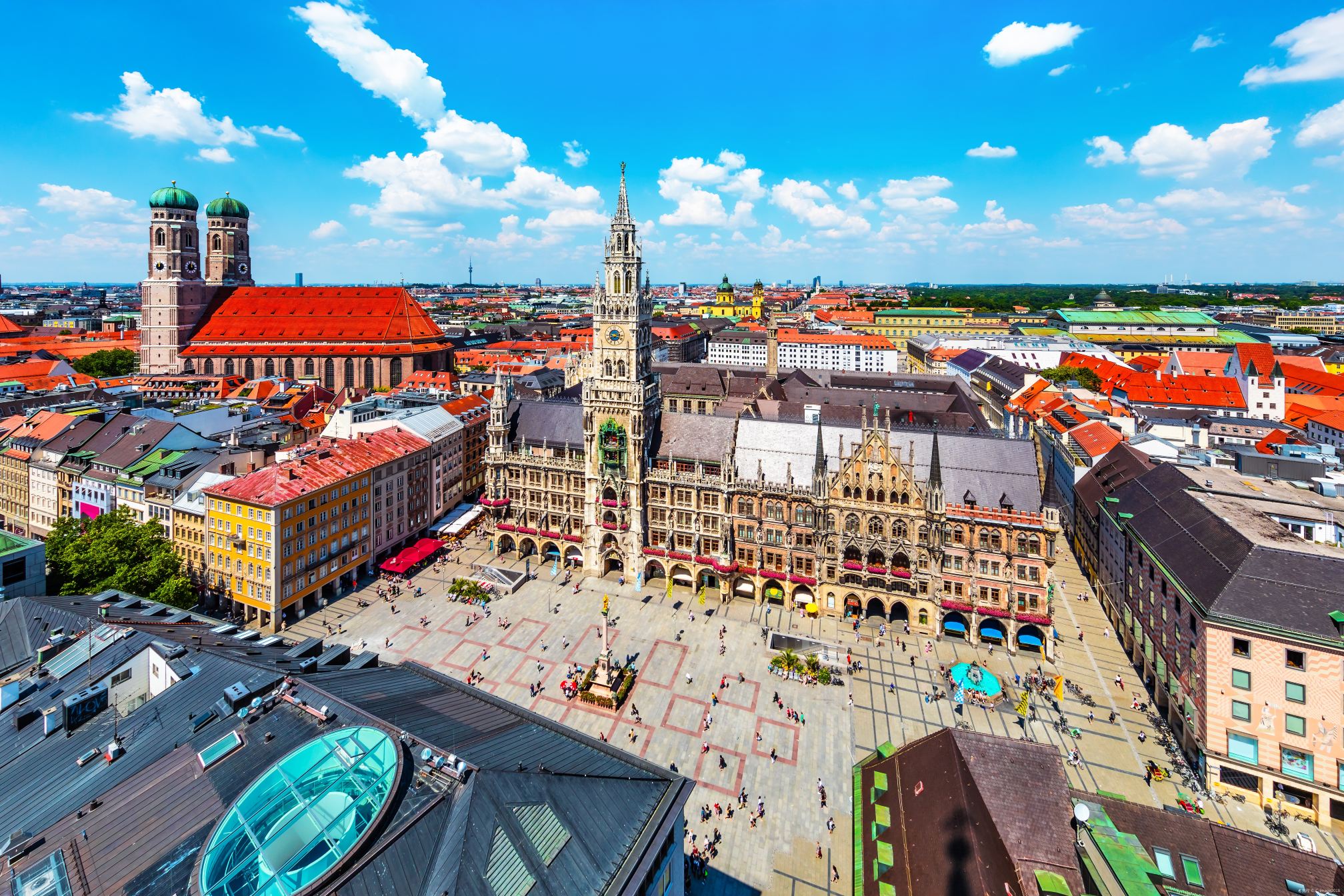
Munich Brief Guide
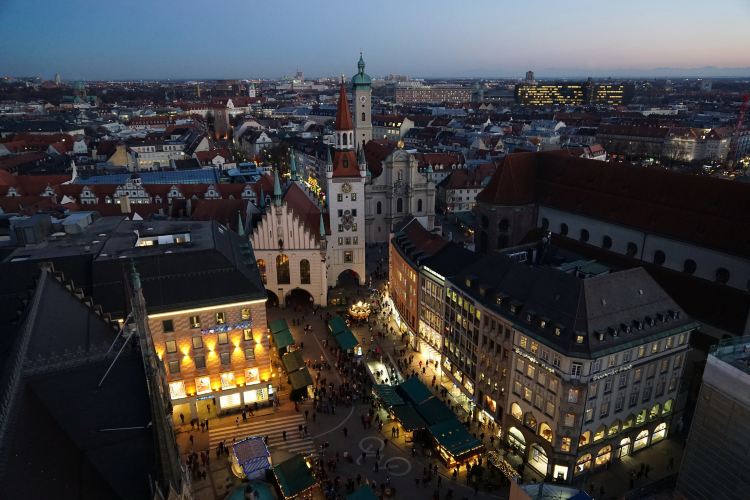
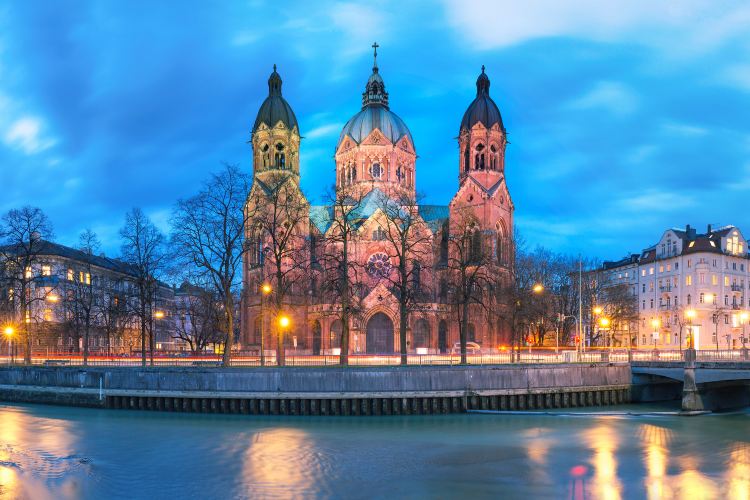
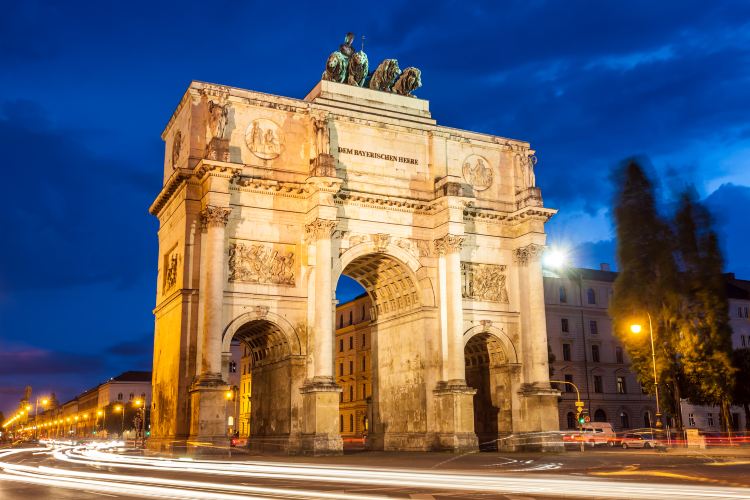
Munich celebrates Bavarian culture with beer gardens, the English Garden, and festivals like Oktoberfest. Surrounding Alps provide easy day trips for hiking or scenic drives. This guide sorts your plans, from markets to nearby hikes.
Munich Must-try local experiences
Explore Marienplatz and the New Town Hall
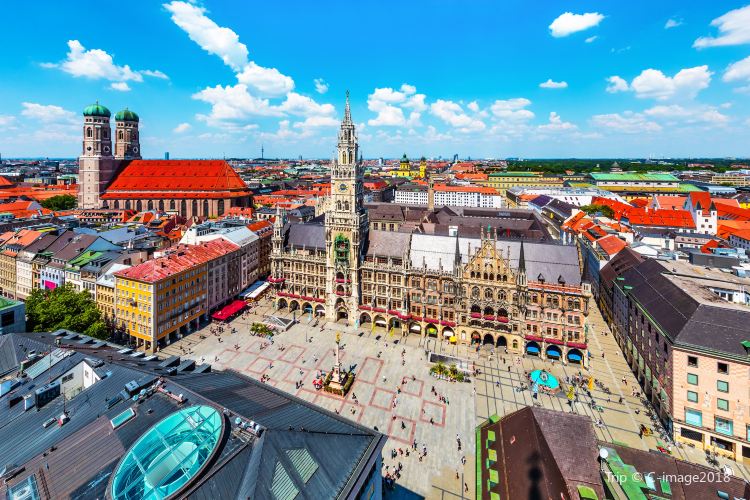
Marienplatz is the heart of Munich, featuring the stunning New Town Hall with its famous Glockenspiel reenacting Bavarian events daily at 11 AM and 12 PM.
Visit the Munich Residenz and Nymphenburg Palace
Munich Residenz is a Baroque palace that offers a glimpse into Bavarian royalty's opulent lifestyle with expansive gardens and lavishly decorated rooms. The former royal palace of the Bavarian monarchs, the Munich Residenz showcases opulent rooms, stunning art collections, and historical artifacts.
Discover the English Garden and the Deutsches Museum
One of the largest urban parks in the world, the English Garden is perfect for a walk, a boat ride, or watching surfers on the Eisbach River. The Deutsches Museum offers interactive exhibits and fascinating scientific displays.
Tour the BMW Museum and BMW Welt
Car enthusiasts will love exploring BMW's history and future at the BMW Museum and experiencing the latest models at BMW Welt.
Explore the Victuals Market
This bustling market offers fresh produce, gourmet foods, and traditional Bavarian delicacies, making it a great place to sample local flavors.
Enjoy a Performance at the Bavarian State Opera
Bavarian State Opera offers world-class performances in a stunning historical setting. The Munich Opera Festival is now also held every July, where renowned vocalists worldwide gather.
Sample Local Cuisine
Try local specialties like Crispy Pork Knuckle, Sauerkraut, and Potato Dishes. Don't miss sweet treats like the best apple strudel and kaiserschmarrn, paired with a refreshing Bavarian beer for the full experience.
Photograph the Asamkirche
This small but ornate Baroque church is a photographer's dream with its intricate interior and dramatic architecture.
Enjoy a Scenic Train Ride to the Bavarian Alps
Take a train ride to the Bavarian Alps for breathtaking scenery and outdoor activities like hiking and skiing.
Munich Must-see Attractions
Munich is a vibrant city that boasts a mix of historical and cultural landmarks including the lively Marienplatz, the historically rich Munich Residence, the architecturally stunning Marienplatz, the technologically advanced BMW Museum, and the iconic Allianz Arena, each offering unique insights and experiences that reflect the city’s heritage and modernity.
Marienplatz
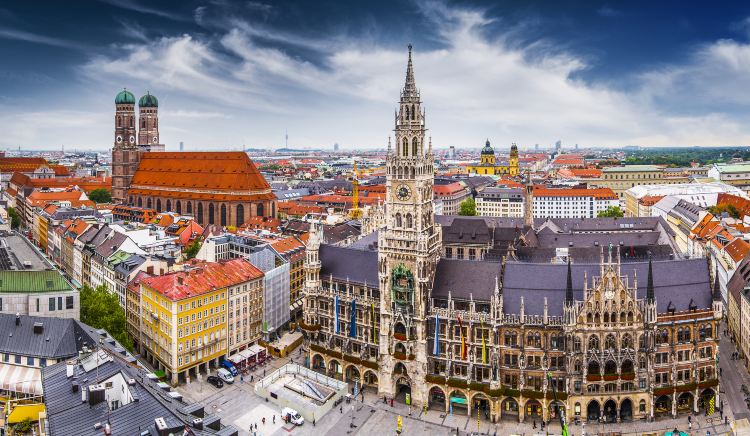
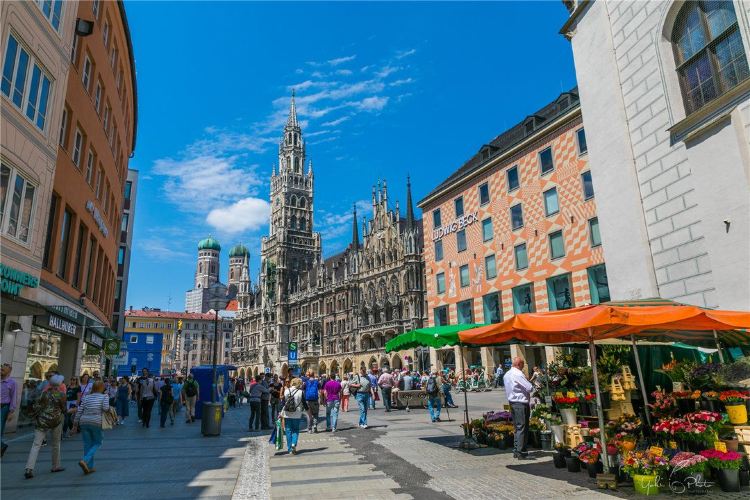
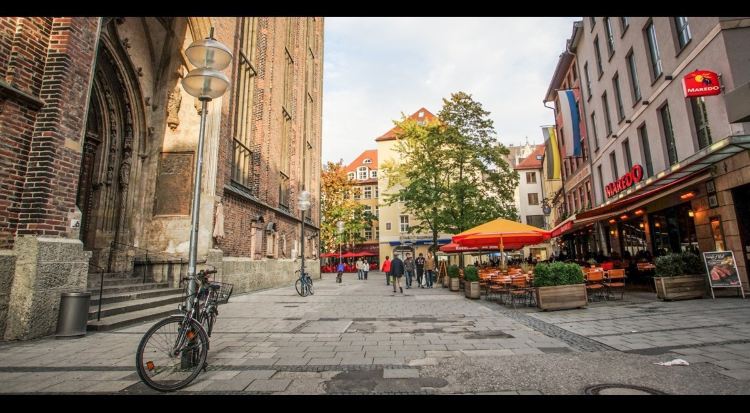
Marienplatz in Munich exhibits a blend of historical significance and vibrant city life. Central to its allure is the captivating Glockenspiel in the New Town Hall, which delights visitors with its daily performances. The historic Marienplatz stands prominently in the square, commemorating Munich's resilience through centuries. Today, Marienplatz serves as a bustling hub for both social gatherings and cultural engagements, making it a must-visit destination in Munich.



Munich Residence
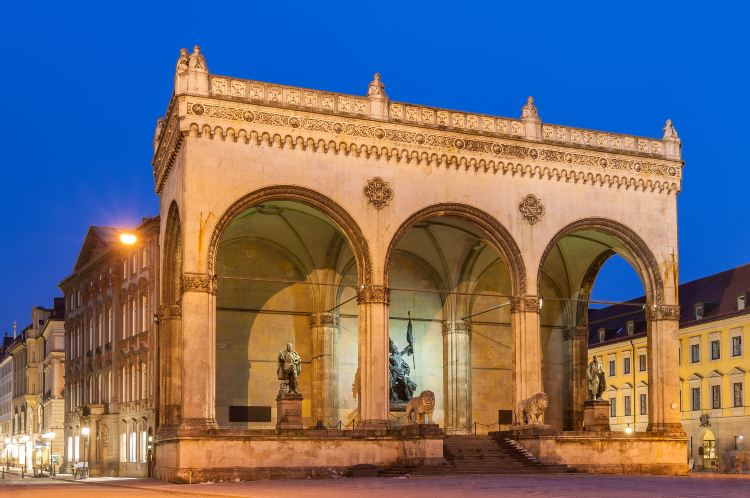
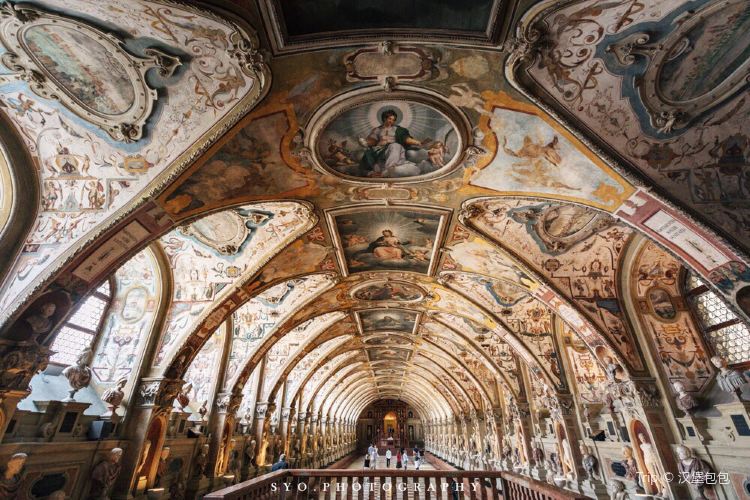
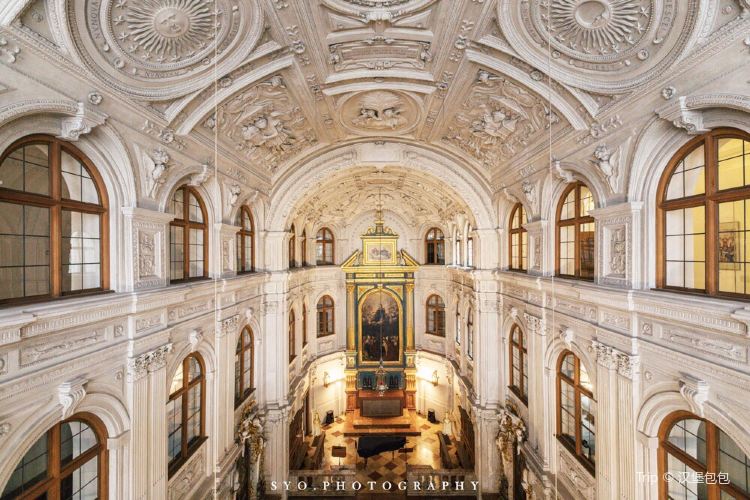
Munich Residence is celebrated for its architectural diversity spanning Renaissance to Neoclassicism and houses important cultural artifacts within its Residence Museum, the Treasury, and the Cuvilliés Theatre. Serving both as a museum and a testament to Bavarian monarchy, it offers visitors a deep dive into the opulent lives and governance styles of the Bavarian rulers through numerous restored rooms and significant collections of art, furniture, and decorative items, historically arranged in their original settings.

New Town Hall
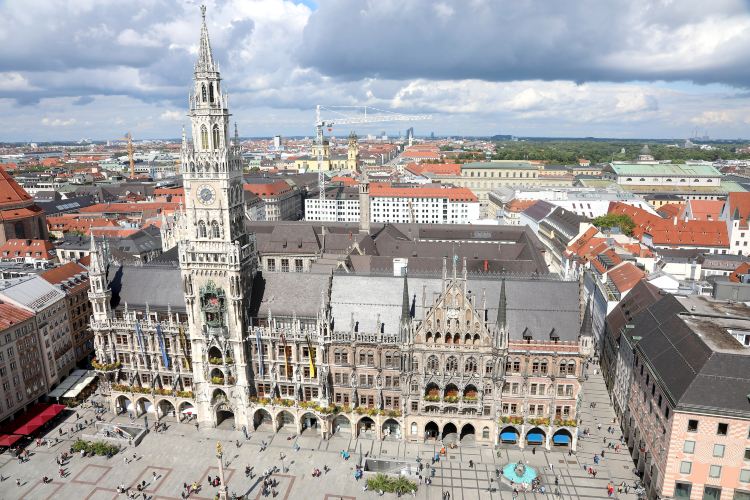
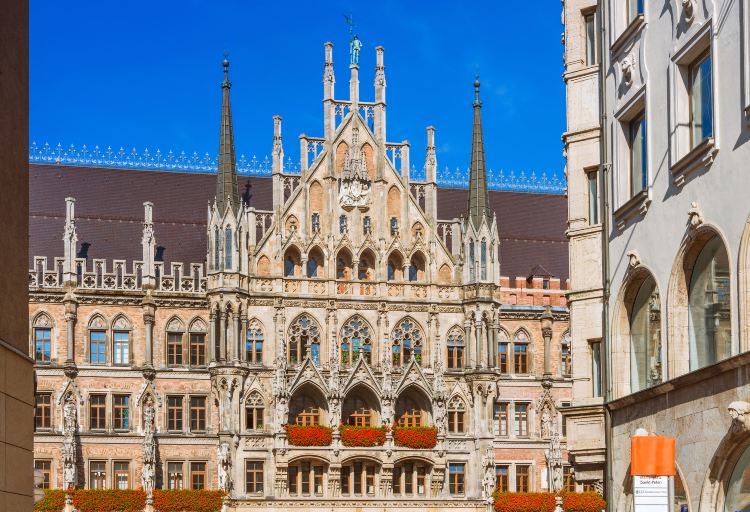
New Town Hall (Munich) embodies a grand Neo-Gothic style and stands as a major architectural and historical site in Marienplatz. It offers enriching experiences like the Glockenspiel clock tower spectacle that re-enacts Bavarian history and provides breathtaking city views from its tower. Visitors can explore meticulously preserved interiors including the law library and various historic rooms, making it a blend of architectural beauty and historical exploration.


BMW Museum
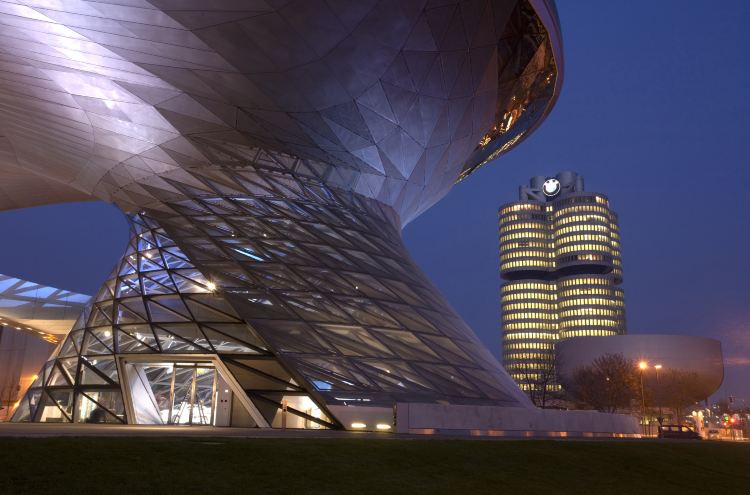
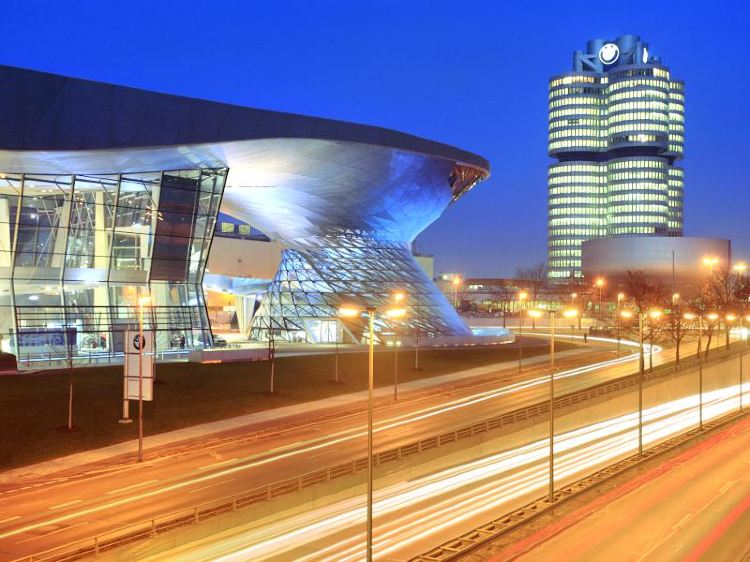
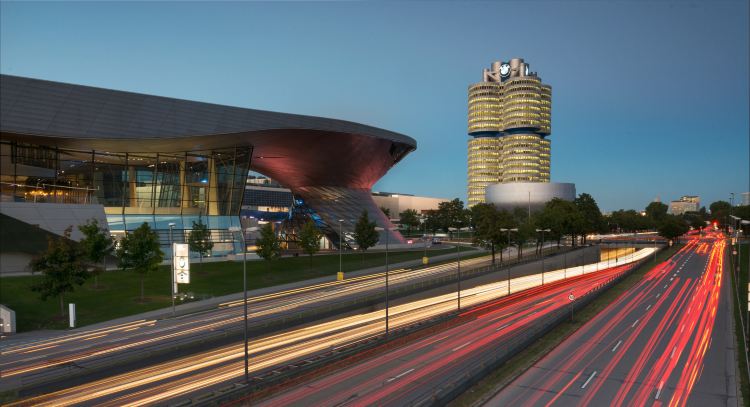
The BMW Museum in Munich is celebrated for its distinctive, futuristic architecture designed by Karl Schwanzer, including the iconic "salad bowl" structure. It offers a deep dive into BMW’s technological evolution and heritage, highlighting exhibits like the BMW Isetta and art cars. Various exhibitions provide an interactive experience, featuring historical vehicles and VR games that illuminate the company's century-long legacy.


Allianz Arena
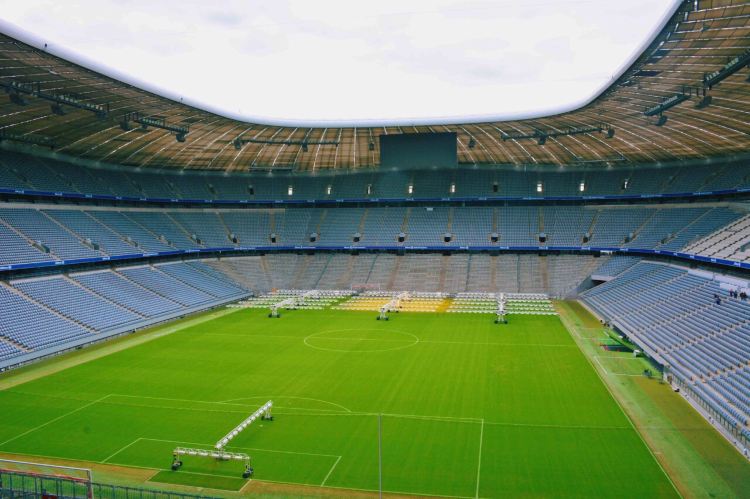
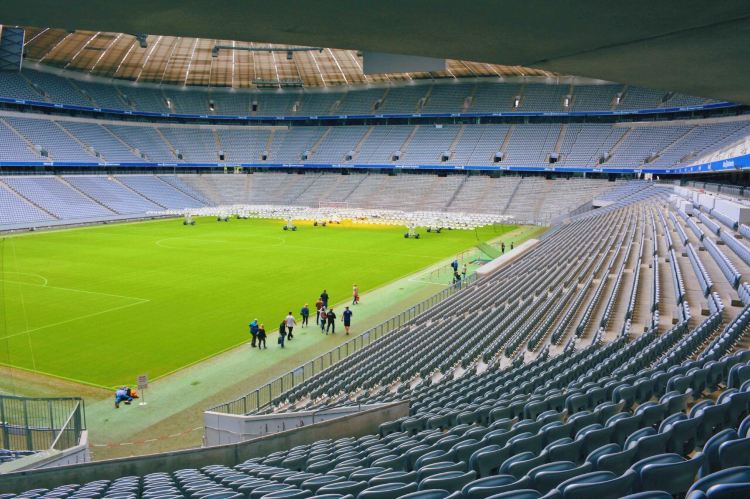
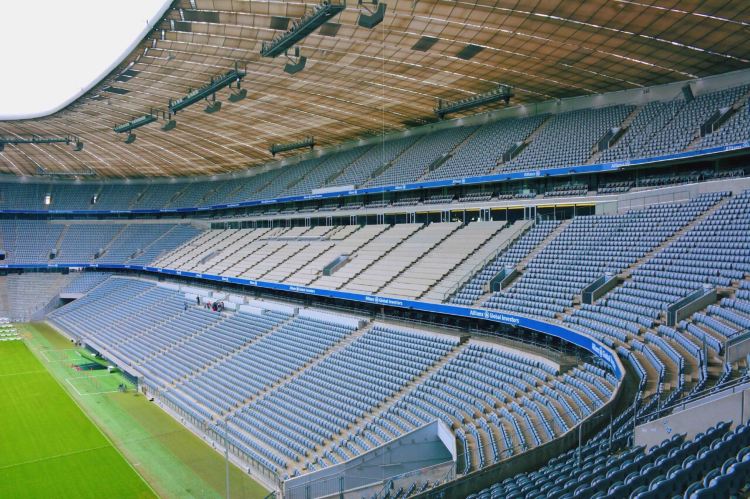
Allianz Arena stands out with its distinctive color-changing exterior made of ETFE plastic panels, designed by Herzog & de Meuron, accommodating up to 75,000 fans. Since its opening in 2005, it has hosted significant events including the 2006 FIFA World Cup and UEFA Champions League finals. Additionally, the FC Bayern Museum inside offers visitors insight into the football club’s history and trophies.


Munich Food Guide
Munich's culinary scene is celebrated for its traditional dishes, including the crispy and succulent pork knuckle served with sauerkraut, versatile potato dishes, and the distinctive crunchy pepper-salt pretzels that represent the local fondness for both sweet and savory flavors.
Crispy Pork Knuckle

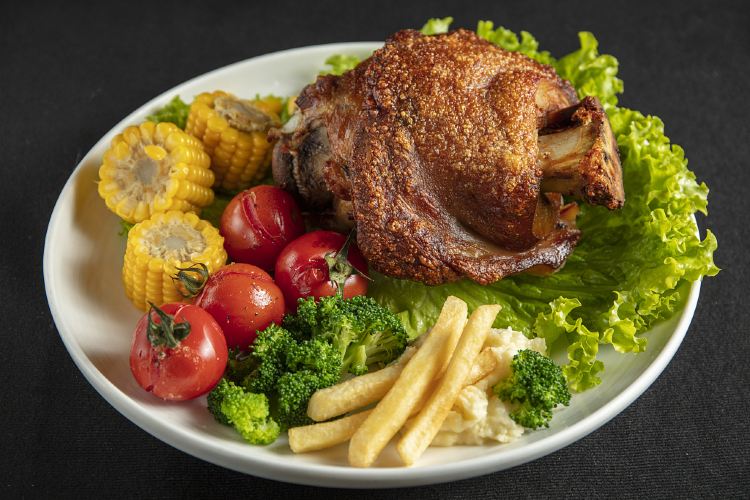
Crispy pork knuckle is a beloved traditional dish from Munich, cherished by both residents and visitors. It features a crispy exterior and a succulent interior, served alongside sauerkraut to balance the richness, making it an irresistibly delicious offering.
Sauerkraut


Sauerkraut, a cherished traditional food in the Munich region, is primarily prepared by pickling cabbage or turnips. It can be enjoyed in numerous ways, including stewing or as an accompaniment to a variety of classic meat dishes, helping to cut through the richness of the meats.
Potato Dishes
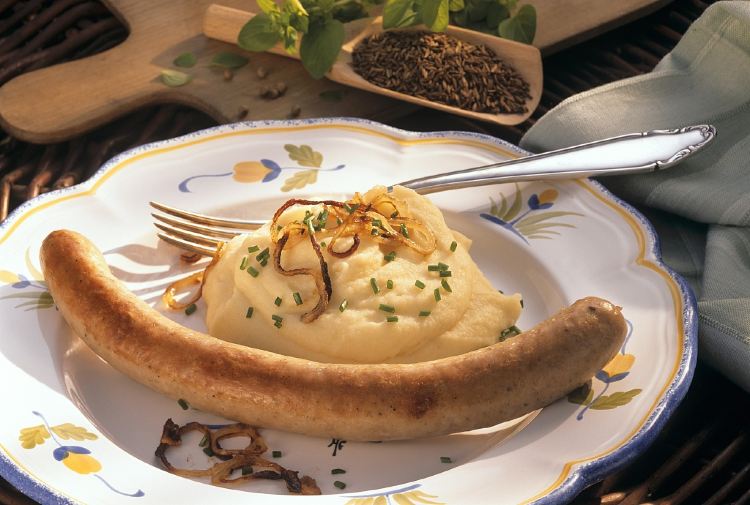
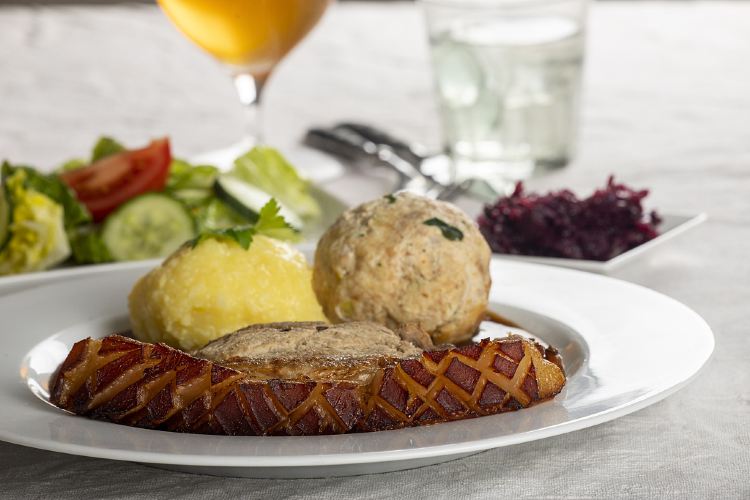
When discussing the culinary delights of Munich, Potato dishes invariably come to mind, reflecting the locals' profound fondness for potatoes. These versatile tubers can serve as a main dish, accommodating various cooking techniques, and can be effortlessly paired with an array of side dishes.
Pretzel


Pretzels are a traditional German lye bread originating from Munich. Available in both sweet and savory varieties, bakeries frequently showcase the savory pepper-salt pretzels. These are baked to a crisp and topped with coarse salt crystals, giving them a distinctive crunch and flavor.
Munich Transportation
How to Get There
Munich is a major transport hub with excellent international connections, and travelers can arrive by plane, train, or bus from across Europe and beyond.
By Plane:
Munich Airport (MUC) is Germany's second-largest airport and is located about 30 km northeast of the city center. It is exceptionally well-connected to the city's public transport network.
- S-Bahn (Suburban Train): Lines S1 and S8 run to the city center and Hauptbahnhof (main train station), with S1 covering the western part and S8 covering the eastern part of the city. The trip takes approximately 40 minutes.
- Lufthansa Express Bus: This nonstop bus service connects the airport directly to Munich Central Station (Hauptbahnhof) and Munich North (Schwabing). The journey takes around 45 minutes to the central station.
- By Taxi: Taxis are readily available at the airport. A trip to the city center typically takes about 45 minutes and costs approximately €50.
By Train:
Munich Hauptbahnhof is a central hub for Germany's national and international rail network, Deutsche Bahn (DB). High-speed ICE trains connect Munich to major German and European cities.
By Bus:
Long-distance bus services, like FlixBus, arrive at Munich's central bus station (Zentraler Omnibusbahnhof), located near the main train station. This offers an affordable alternative to train travel for connecting with other cities in Germany and Europe.
Local Transportation
Munich's public transport system, operated by the MVV (Munich Transport and Tariff Association), is highly developed and efficient. All modes of transport—U-Bahn (subway), S-Bahn (suburban train), tram, and bus—operate on an integrated fare system.
Public transit tickets and cards
Fare Zones: The MVV network is divided into zones, with Zone M covering the city of Munich, including most tourist attractions. The airport is in a peripheral zone, so you will need a ticket that covers your travel from the airport into the central zone.
Single Day Ticket (Tageskarte): This is a cost-effective option for travelers who plan to make multiple trips in one day. It allows for unlimited travel within a selected zone until 6 a.m. the following day.
Group Day Ticket (Partner-Tageskarte): An economical choice for groups of up to five adults, allowing them to travel together for the day.
CityTourCard / München Card: These tourist passes include unlimited travel on the MVV network within your chosen zones, plus discounts for museums and attractions.
Deutschlandticket (D-Ticket): For longer stays (a whole calendar month) or extensive travel throughout Germany, this monthly pass allows unlimited travel on all local and regional public transport networks nationwide. You can cancel the subscription monthly.
Tickets can be bought from ticket machines in stations, the MVV and MVGO apps, or at MVV ticket offices. It is crucial to validate (stamp) your ticket at one of the small machines on the platform before you start your journey on the U-Bahn or S-Bahn, or immediately upon boarding a bus or tram. Failing to do so can result in a hefty fine.
S-Bahn (Suburban Rail): The overground rail network connects the city center (via the main core route, or Stammstrecke) with suburbs, the airport, and surrounding areas.
U-Bahn (Underground): The subway network offers a fast way to get around the central parts of the city. Stations are marked with a white "U" on a blue background.
Tram (Straßenbahn): An extensive tram network covers over 80 kilometers and is useful for reaching areas not served by the subway or S-Bahn.
Bus (Omnibus): The bus network fills in the gaps in the rail network and is particularly useful for shorter distances or reaching destinations away from rail stations.
Taxis and Ride-sharing: Metered taxis are available throughout the city, and services like Uber also operate in Munich.
Cycling: Munich is very bike-friendly, with extensive cycling paths. The MVG Rad system and other services offer bike rentals throughout the city.
Munich Where to Stay
Accessibility to major attractions, public transportation, and local cuisine are among the features that usually govern the selection of these locales for travelers. This city blends historical charm with modern convenience to provide distinct accommodation experiences depending on the region chosen.
International Congress Center Messe München (Known for business tourism, international events)
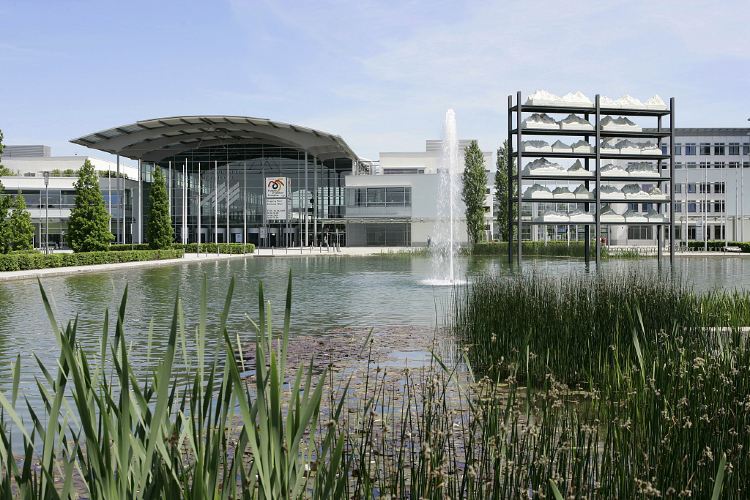
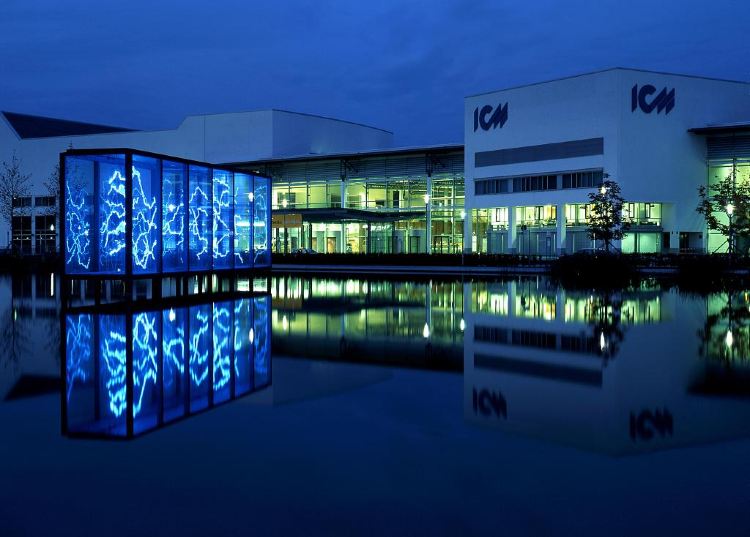
International Congress Center Messe München is prominently situated in Messestadt Riem, a suburban district specializing in trade fairs and exhibitions. It is an ideal place for business tourists or attendees of international events, given its direct connectivity and assortment of amenities. The center itself, described as a perfect location for corporate events with a capacity of 6,000 people and 7,000 square meters of usable space, hosts numerous conferences and conventions annually. Visitors have access to numerous transit options including trains, subways, and buses. For instance, trains such as S2 and S1 and buses like lines 139 and 183, make the center easily accessible. Additionally, there are accompaniments in the locality that include hotels tailored primarily to business clients, offering facilities like fast internet and conference rooms.
Allianz Arena (Iconic for sports fans, football games)
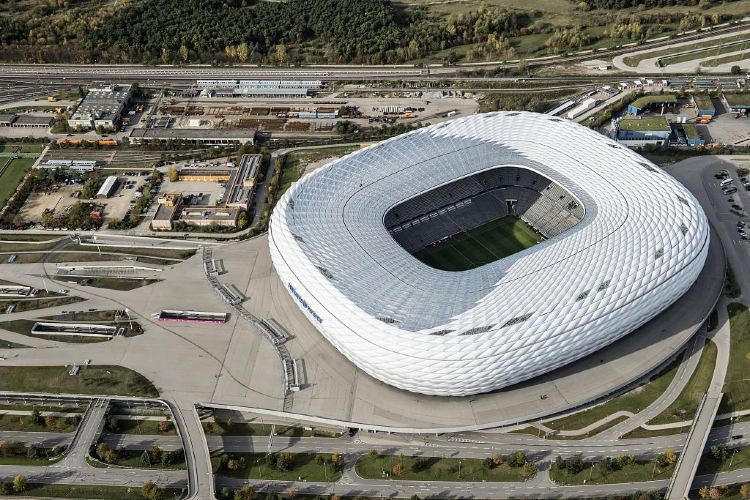
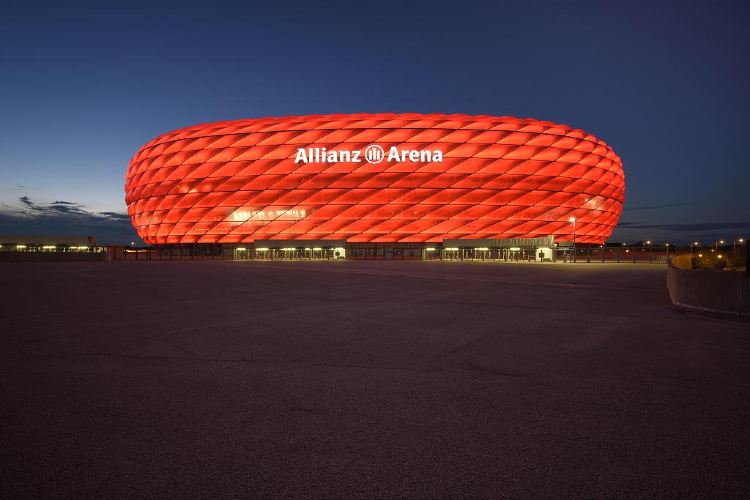
Allianz Arena, located in the northern part of Munich, is a modern football stadium popular among sports enthusiasts, particularly fans of FC Bayern Munich. It is not just a sports facility but an iconic landmark with a distinct architectural design. Easy accessibility by public transport, specifically via the U6 subway line which stops at Fröttmaning station close to the arena, adds to its allure. This stadium also features a direct tour experience giving fans a behind-the-scenes look at player areas and organizational facilities. For football fanatics, residing near Allianz Arena allows them to capture the game-day excitement firsthand, with various accommodations ranging from standard to luxury options in nearby areas offering a comfortable stay.
Altstadt-Lehel (Historical charm, cultural treasures)
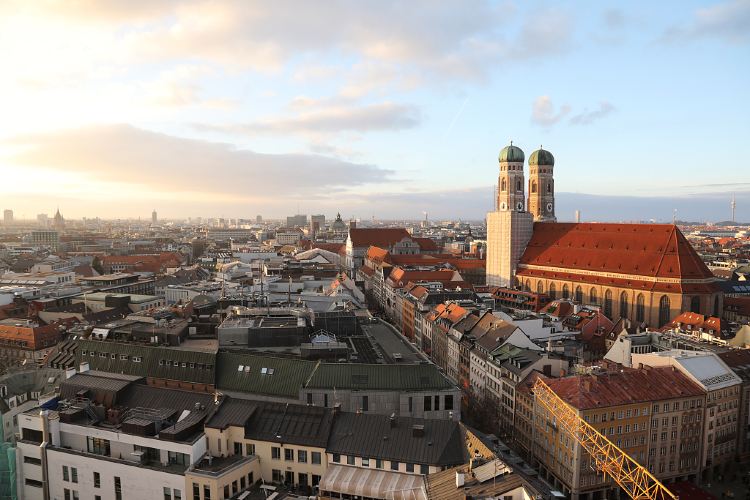
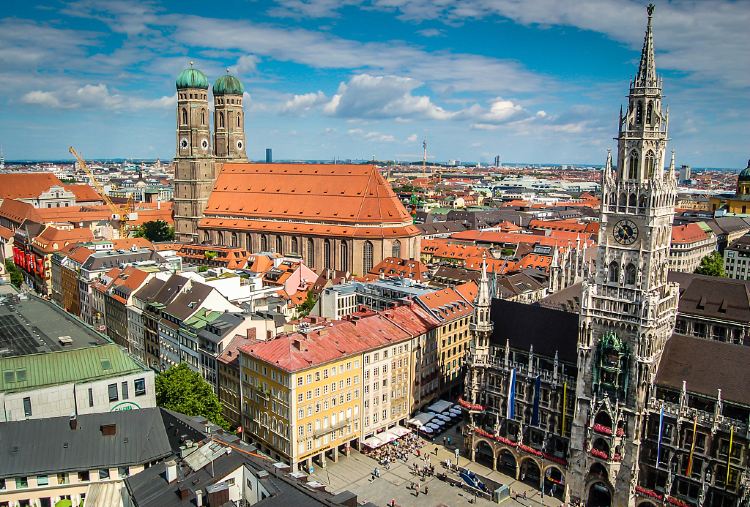
Altstadt-Lehel, the historic core of Munich, is filled with cultural treasures like the twin-towered Frauenkirche, New Town Hall, and Hofbräuhaus. This area's appeal is in its rich history interwoven with modern-day conveniences, making it a top choice for tourists interested in Munich’s past and Bavarian culture. Known for its pedestrian-friendly streets, the region is densely packed with shopping destinations, eateries, and accommodation options.
Munich Best Time to Visit
Best Time to Visit
The best time to visit Munich depends on your priorities. Still, generally, the shoulder seasons of late spring (May to June) and early autumn (September) offer pleasant weather and smaller crowds.
For many, the highlight of autumn is Oktoberfest, which typically runs from late September to the first weekend in October, though this is also the busiest and most expensive period.
Summer months (July and August) are warm and ideal for beer gardens and outdoor activities, but can be crowded and subject to afternoon thunderstorms.
Winter (November to March) is the coldest season, with festive Christmas markets in December, while January and February offer fewer crowds and cheaper rates, along with access to nearby winter sports in the Bavarian Alps.
Munich Travel Tips
1. Plan for Oktoberfest Early
If visiting during Oktoberfest, extra planning is essential due to huge crowds and high demand. Accommodation prices and demand skyrocket during the festival, so book your hotel and any tent reservations well in advance. Due to the high demand for tent access, be wary of unofficial ticket sellers or deals that seem too good to be true.
2. Understand and use local greetings
While English is widely spoken, using a few Bavarian-specific phrases is a sign of respect and politeness. Try Grüss Gott instead of the more standard Hallo when greeting people in Bavaria. Servus is also a common, informal greeting.
3. Respect sensitive historical topics
Munich's history during the Nazi era is a profoundly sensitive topic for many locals, and it should be approached with seriousness and respect. Never make jokes, use humor, or glorify any symbols related to Nazism or World War II. It is illegal to display Nazi symbols and gestures, and such behavior will be met with serious consequences.
4. Take precautions against petty crime
Munich is a generally safe city, but like any major urban area, it's wise to take precautions against petty crime. On public transport, keep bags and backpacks in front of you. Never leave your bag unattended in a public place.
5. Respect the Quiet Hours
In Munich, it is customary to observe quiet hours, especially in residential areas. This typically means keeping noise levels down between 10 PM and 6 AM. Be mindful of this to avoid disturbing locals.
6. Master beer garden and hall etiquette
In the self-service areas of beer gardens, it is a long-standing tradition to bring your own food (Brotzeit), though beverages must be purchased on-site. Don't sit at Stammtisch tables: These tables are reserved for regulars and are not for general public use unless you are explicitly invited. Respect the toast: When toasting with beer, make eye contact with the person you are clinking glasses with. It is also customary to toast with your tablemates throughout the evening, not just the first time.
7. Understand the rules for swimming in the Isar River
While a refreshing summer activity, swimming in the Isar River requires caution. Swimming is only permitted in specific areas of the river. Other areas are off-limits due to dangerous currents, technical facilities, and weirs. Wear rubber sandals or old sneakers to protect your feet, but avoid flip-flops, which can come off in the strong current. Even in summer, Isar's water temperature can be surprisingly cold, sometimes around 14°C.
8. Respect strict recycling regulations
Germany is serious about recycling, and Munich has a comprehensive system that travelers should respect. Separate your waste into different bins, which are often color-coded. For instance, paper goes into the blue bin, and compostable organic waste goes into the brown bin.
Munich Useful Guide
Local Language
The official language in Munich is German. However, English is very widely spoken, especially in tourist areas and among younger people. While you can easily navigate with English for most daily interactions, knowing a few basic German phrases is appreciated by locals.
Local APP
MVGO: A comprehensive mobility app for Munich that combines public transport and sharing services including bikes, e-scooters, and car sharing. It offers ticket purchasing and connection information.
Free Now: A taxi and ride-hailing app, operating similarly to Uber, that can be used to book taxis and other mobility services.
Rausgegangen: An app that keeps you updated with daily event recommendations and a list of upcoming events in Munich.
Muenchen.de: Munich's official city app, offering a wealth of information.
Oktoberfest App: If you're visiting during the festival, this app can be invaluable.
Internet and Communication
Free Wi-Fi hotspots
Munich offers a widespread network of free public Wi-Fi, known as M-WLAN, in the city center and at major public areas like Marienplatz, Odeonsplatz, and the English Garden. You can also find free Wi-Fi at Munich Airport (MUC), the Hauptbahnhof (main train station), and numerous hotels, cafés, and restaurants. Be aware that public networks are less secure, and some have time limits, such as the M-WLAN's 120-minute connection limit.
Local physical SIM cards
Purchasing a prepaid physical SIM card is a cost-effective option for a reliable connection throughout your stay. Major German providers like Deutsche Telekom, Vodafone, and O2 offer a variety of prepaid plans tailored to travelers. You can buy these at provider stores in the city, electronics shops (like MediaMarkt), or supermarkets (e.g., Aldi Talk, Lidl Connect). Remember to bring your passport for the mandatory registration process, which may be done in-store or online.
eSIM (embedded SIM)
For a convenient and immediate connection, an eSIM is a great option for compatible smartphones. You can purchase a data plan online from providers like Airalo, Holafly, Nomad, or MobiMatter, and activate it upon arrival using a QR code. This allows you to avoid searching for a physical SIM card, keep your home number active, and get instant internet access.
Portable Wi-Fi devices (Pocket Wi-Fi)
A pocket Wi-Fi device is ideal for travelers with multiple devices or for groups who want to share a single internet connection. You can rent these devices from providers like Rent 'n Connect, and they offer a secure and reliable personal Wi-Fi hotspot.
International roaming
Using international roaming via your home provider is the most convenient but often the most expensive option. While EU residents can roam within Germany at no extra cost, non-EU travelers should check their provider's rates and consider travel packages to avoid high charges. It is advisable to use this only as a last-minute option.
Currency and Payment
The official currency in Munich, and throughout Germany, is the Euro (€).
Cash (Euros)
Cash remains very important in Munich, especially for smaller purchases. Always have some euros on hand, particularly small bills (€5, €10, €20) and coins. Many smaller establishments, including independent cafes, bakeries, food stalls, local shops, and especially the traditional beer gardens, often prefer or even require cash payments.
Debit and credit cards
Card acceptance is widespread in larger establishments but less universal than in some other major European cities. Visa and Mastercard are the most widely accepted credit and debit cards, particularly in hotels, major chain stores, supermarkets, and larger restaurants. American Express is less commonly accepted.
Mobile and contactless payments
Mobile and contactless payment methods are increasingly available but not universally adopted. Contactless payment via cards and mobile apps like Apple Pay and Google Pay is available at many larger retailers and on newer payment terminals in restaurants and shops. You can also use contactless payment at ticket machines for public transport.
Weather in Munich

20°
/
9°

15°
/
8°
14°
/
8°
14°
/
4°
14°
/
7°
12°
/
7°
12°
/
4°
 Trending in Munich
Neuschwanstein Castle: A Fairy-Tale Journey in Bavaria@Neuschwanstein CastleNeuschwanstein Castle: A Fairy-Tale Journey in Bavaria
Discover BMW Welt, Munich's paradise for auto enthusiasts@BMW WeltDiscover BMW Welt, Munich's paradise for auto enthusiasts
Munich's hidden gem: breathtaking light and shadow at Asam Church@AsamkircheMunich's hidden gem: breathtaking light and shadow at Asam Church
Munich: FAQ

What's the most popular attractions in Munich?
How to get to Provence from Munich?
How to get to Berchtesgaden from Munich?
How to get to Konigsee from Munich?
What is the best season to visit Munich?
What is a good souvenir from Munich?
Popular destinations
Bangkok
Tokyo
Kuala Lumpur
Los Angeles
Shanghai