Discover the True Trip to Canada Cost in 2026 and Uncover Money-Saving Tips!

by Trip.com
June 4, 2026

Welcome to Canada, eh! Planning a trip to the Great White North? We've got you covered with the lowdown on the trip to Canada cost. In this article, we'll spill the beans on how to save money without compromising on quality. From hotels to food, souvenirs to transportation, we've got the best tips to help you make the most of your Canadian adventure without breaking the bank.

AI Summary
This summary is AI-generated by Trip.com. For the complete guide, please refer to the article below.
Canada travel requires a 3-day budget of $220 to $550 USD per person, excluding international airfare. Daily expenses include mid-range lodging, local transit, and meals.
How Much does it Cost for 2 Nights and 3 Days when Traveling to Canada?

If you are planning a quick 3-day, 2-night weekend escape to Canada, I usually tell people to budget anywhere from $220 to $550 USD for an individual on-the-ground experience. This baseline assumes you’ve already sorted out your flights or border crossings, and it covers a comfortable mid-range hotel, solid meals, local transit, and a couple of paid attractions.
Of course, if you’re looking to absolute splurge on luxury hotels or hit up bucket-list experiences like a private tour or a premium ski resort, it’s easy to push that budget past $800 USD.
Here is my personal breakdown of what you can expect to spend over those 3 days:
- Where to Stay: I typically spend $110 to $180 USD per night for a reliable, well-located mid-range hotel or a nice Airbnb in major hubs like Toronto, Vancouver, or Montreal.
- Food & Drinks: I budget around $45 to $70 USD per day. That lets me grab a casual breakfast, a quick lunch, and sit down for a nice dinner. A quick tip from my travels: menu prices in Canada don't include sales tax (~5% to 15%) or tip (15% to 20%), so a $30 meal can easily become $40 at checkout!
- Getting Around: Public transportation is my go-to in Canadian cities. A day pass usually only runs me about $7 to $10 USD. If you prefer renting a car, expect to add about $50 to $90 USD per day plus gas.
- Entertainment: Many of Canada's best features—like wandering old neighborhoods or hiking—are free. But if I want to head up the CN Tower or ride a mountain gondola, I set aside an extra $30 to $60 USD per ticket.
How Much does it Cost for Flights when Traveling to Canada?

When I'm booking a flight to Canada, the final price tags always fluctuate drastically depending on where you are flying from, when you go, and how far in advance you lock it in.
Because I look at these routes often, I’ve broken down the average round-trip economy costs (converted into USD) across a few major global departure hubs to give you a solid baseline.
Average Round-Trip Flight Costs (Economy)
Departure Region | To Western Canada (e.g., Vancouver) | To Eastern Canada (e.g., Toronto / Montreal) |
United States | $150 – $350 USD | $200 – $400 USD |
Southeast Asia (e.g., Singapore) | $750 – $1,100 USD | $850 – $1,300 USD |
Europe (e.g., UK / Western Europe) | $450 – $750 USD | $400 – $700 USD |
Australia & NZ | $950 – $1,400 USD | $1,100 – $1,600 USD |
How Much does it Cost for Hotels when Traveling to Canada?

When it comes to hotels, major cities in Canada tend to be on the pricier side. Take Toronto, Vancouver, and Montreal, for example. These bustling metropolises offer a plethora of attractions, cultural experiences, and vibrant city life, which often comes with a higher price tag. On the other hand, smaller cities and rural areas in Canada offer more affordable options for travelers seeking a budget-friendly stay.
Now, let's talk numbers. In major cities like Toronto, Vancouver, and Montreal, the average cost range for a mid-range hotel room per night can be anywhere between $150 to $250. If you're looking for a touch of luxury during your stay, expect to pay around $300 to $500 per night for a high-end hotel room.
Heading to other cities and smaller towns in Canada? You'll be pleased to know that the hotel prices are generally more wallet-friendly. In these areas, the average cost range for a mid-range hotel room per night can be as low as $80 to $150. If you're in the mood to splurge, luxury hotel rooms can be found within the range of $200 to $400 per night.
Remember, these price ranges are just a general guideline and can fluctuate depending on the season, availability, and special events happening in the area. It's always a good idea to do some research and compare prices before making your final decision.
So, whether you're exploring the vibrant streets of Toronto or immersing yourself in the natural beauty of Banff, keep in mind that the cost of hotels in Canada varies. By considering your budget and the type of experience you're seeking, you can find the perfect accommodation that suits your needs and ensures a comfortable stay throughout your trip.
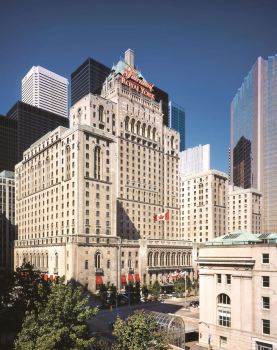
Best Hotels in Toronto
See All Hotels
 NO.1
NO.1







How Much does it Cost for Food when Traveling to Canada?

When it comes to dining in Canada, you can find a wide range of options to suit your budget and preferences. Let's take a look at some general price ranges in US dollars per meal, without specifying the exact food:
Street food or fast food: $5 - $15
Casual dining or local restaurants: $15 - $30
Mid-range restaurants: $30 - $60
High-end or luxury restaurants: $60 and above
While these price ranges give you a rough idea, it's important to note that the actual cost can vary depending on the specific restaurant and location within Canada. It's always a good idea to check the menu and prices beforehand to avoid any surprises.
If you're looking for more affordable options, Canada also offers convenience stores and supermarkets where you can purchase groceries and prepare your own meals. This can be a great way to save money while still enjoying delicious food during your trip.
Now, let's talk about tipping. In Canada, tipping is customary and expected in most restaurants. The standard practice is to tip around 15-20% of the total bill, depending on the level of service provided. Keep this in mind when budgeting for your meals, as it's important to show appreciation for the hard work of the restaurant staff.
So, whether you're a food enthusiast or simply looking to satisfy your hunger during your trip to Canada, remember to consider the various factors that can influence the cost of food. From street food to high-end dining, Canada offers a diverse culinary scene to suit every taste and budget.
How Much does it Cost for Transportation when Traveling to Canada?

Getting around Canada can be a major component of a travel budget due to the sheer size of the country. Transportation costs vary significantly depending on whether travelers stick to a single city, embark on a multi-province road trip, or fly between distant hubs.
The typical costs for various transportation methods, converted into USD, are outlined below:
1. Urban Public Transit
Canada’s major cities—such as Toronto (TTC), Vancouver (TransLink), and Montreal (STM)—have highly efficient subway, bus, and light rail networks.
- Single Fares: Usually cost around $2.30 to $2.60 USD (CAD $3.25 to $3.60) per ride.
- Day Passes: Generally range from $8 to $11 USD (CAD $11 to $15), offering unlimited travel within the city center for 24 hours.
2. Taxis and Ridesharing (Uber / Lyft)
Ridesharing apps operate widely across most Canadian urban centers, though availability can be limited in smaller towns or rural areas.
- Short City Trips: A standard 10-to-15 minute ride through a city center typically costs $11 to $18 USD (CAD $15 to $25).
- Airport Transfers: Dedicated airport trips to downtown cores are often flat-rated or metered, averaging $32 to $50 USD (CAD $45 to $70).
3. Car Rentals & Driving
Renting a car is highly recommended for exploring regions like the Canadian Rockies or the Maritimes, where public transit does not reach major trailheads or viewpoints.
- Daily Rental Rates: Standard economy or intermediate cars average $35 to $65 USD per day during the shoulder season, but can easily spike to $90 to $120+ USD per day during peak summer months (July and August).
- Airport Fees: Picking up a vehicle directly from an airport terminal typically adds an extra 10% to 15% concession fee to the total bill.
- Fuel Prices: Fuel is sold by the liter in Canada. Prices experience frequent market fluctuations but generally average between $1.10 and $1.40 USD per liter (roughly $4.15 to $5.30 USD per gallon), with British Columbia consistently seeing the highest fuel costs in the country.
4. Intercity Trains & Buses
For traveling between close urban hubs—specifically the "Corridor" route connecting Toronto, Ottawa, Montreal, and Quebec City—ground transport is highly reliable.
- Via Rail Trains: Booking an economy seat on the popular Toronto-to-Montreal line typically costs between $45 and $85 USD (CAD $60 to $120) one-way, provided it is booked a few weeks in advance. Fares rise significantly closer to the departure date.
- Intercity Buses: Operators like Megabus or FlixBus service the same major city routes, with one-way tickets starting as low as $25 to $40 USD.
5. Domestic Flights
When traveling between western Canada (e.g., Vancouver/Calgary) and eastern Canada (e.g., Toronto/Montreal), flying is the only practical option for short itineraries. A cross-country flight takes roughly 4 to 5 hours.
- Mainline Carriers (Air Canada / WestJet): Standard round-trip domestic flights between major eastern and western hubs average $250 to $450 USD.
- Budget Airlines (Flair / Porter): Ultra-low-cost carriers frequently offer promotional base fares between $80 and $150 USD round-trip. However, adding carry-on or checked baggage typically incurs an additional $40 to $70 USD fee per flight segment.
Car Rentals
Car Rental Promo Code - 8% Off
New User Enjoy up to 8% Off
TRIPCAR8
How Much does it Cost for Sightseeing when Traveling to Canada?

Sightseeing costs in Canada average $15 to $150+ USD per person, per day, depending heavily on the destination and itinerary. While nature-based sightseeing can be incredibly affordable, major city attractions and organized excursions can add up quickly.
A realistic breakdown of sightseeing expenses by category includes the following standard costs:
1. Natural Sights & National Parks
Canada’s wilderness is its main attraction, and accessing it is highly cost-effective. Visiting iconic destinations like Banff or Jasper requires a park pass, which grants access to world-class hiking trails, lookouts, and turquoise alpine lakes.
- Parks Canada Discovery Pass: Around $11 USD (CAD $15.75) per adult for a daily pass, or roughly $53 USD (CAD $75) for a daily vehicle pass covering up to 7 people.
- Provincial Parks: Many provincial parks across British Columbia, Ontario, and Quebec offer completely free day-use access, while some charge a small vehicle parking fee of $7 to $13 USD (CAD $10 to $18).
2. Major City Attractions & Landmarks
Major urban hubs like Toronto, Vancouver, and Montreal feature structured, ticketed attractions.
- Observation Decks: Tickets to go up iconic towers, such as Toronto's CN Tower or the Vancouver Lookout, range from $32 to $45 USD (CAD $45 to $63).
- Museums & Galleries: General admission to top-tier institutions like the Royal Ontario Museum (ROM) in Toronto or the Montreal Museum of Fine Arts generally costs $18 to $25 USD (CAD $25 to $35).
- City passes: Travelers looking to hit multiple urban sights can utilize programs like Toronto CityPASS, which bundles 5 major attractions for around $75 USD, saving roughly 40% compared to buying tickets individually.
3. Signature Day Tours & Excursions
Bucket-list activities managed by private operators represent the largest potential sightseeing expense.
- Niagara Falls Boat Tours: A classic boat cruise to the base of the falls costs approximately $26 to $30 USD (CAD $36 to $42).
- Whale Watching: Guided whale-watching boat tours in Vancouver, Victoria, or Tadoussac (Quebec) average $100 to $150 USD (CAD $140 to $210) for a 3-to-4-hour excursion.
- Gondolas & Mountain Resorts: Taking a scenic cable car, such as the Banff Gondola or the Peak 2 Peak Gondola in Whistler, costs between $50 and $70 USD (CAD $70 to $98) depending on the season.
How Much does it Cost for Wi-Fi & Communication when Traveling to Canada?

When planning communication for a trip to Canada, it's worth noting that Canada famously has some of the highest mobile data rates in the world. If you just show up and wing it, it can get pricey.
To help you budget, here is a breakdown of what I usually expect to spend, converted into USD, based on the best options available.
1. Travel eSIMs (The Best Value & Convenience)
If your phone is unlocked and eSIM-compatible, this is my absolute go-to. It saves you from hunting down a physical store, and ironically, global travel eSIM providers often offer better rates for short-term tourists than Canada’s local carriers.
- Light Usage (1GB to 5GB): Expect to pay around $5 to $13 USD (valid for 7 to 30 days). Great if you just need Google Maps and occasional messaging.
- Moderate Usage (10GB to 20GB): Usually ranges between $19 and $30 USD for a 30-day plan (providers like Nomad or Jetpac offer great rates here running on robust local networks like Telus).
- Unlimited Data: If you don't want to think about data caps, plans from providers like Holafly run around $42 to $50 USD for an 8-to-12-day trip.
2. Local Physical SIM Cards
If you prefer a traditional plastic SIM card or your phone doesn't support eSIMs, you won't typically find "tourist specials" at the airport. Canada's big three networks (Rogers, Bell, Telus) push tourists toward their prepaid budget sub-brands like Chatr or Lucky Mobile. You can find these at electronics stores like Best Buy or local convenience stores.
- The Catch: You usually have to pay a one-time SIM card activation fee of about $7 USD.
- The Plans: Once you have the card, the plans themselves are actually quite competitive:
- $18 USD for around 20GB of data.
- $25 USD for around 30GB to 35GB of data.
- Note: If you try to buy a prepaid plan directly under the premium "Telus" or "Bell" flagship names, they will easily charge you $25 to $40 USD for a measly 1GB to 10GB.
3. Pocket Wi-Fi Rental
I only recommend renting a portable Wi-Fi "egg" or hotspot if you are traveling in a larger group or have multiple devices (like laptops and tablets) that need a constant connection.
- Daily Cost: $6 to $11 USD per day.
- Weekly Cost: Around $35 to $57 USD per week.
- Keep in mind you'll also need to leave a security deposit, and you have to worry about keeping another device charged.
4. International Roaming
Using your home carrier's roaming plan is almost always the most expensive route. Major international carriers typically charge a flat daily fee of $10 to $15 USD per day to access your home data plan abroad. If you're staying for 10 days, that’s an extra $100 to $150 added to your phone bill.
See all attractions





How Much Does it Cost for Visa When Traveling to Canada?

If you're planning a trip to Canada, your entry costs will depend on your nationality. For visa-exempt travelers, I usually remind them to grab an eTA for CAD $7 (around $5 USD). If you are from a visa-required country, you will need to budget CAD $100 (~$72 USD) for a Visitor Visa, plus any necessary biometric fees.
Here is my quick breakdown of the official entry fees:
- Electronic Travel Authorization (eTA): CAD $7 (~$5 USD)
- Visitor Visa (Temporary Resident Visa): CAD $100 (~$72 USD)
- Family Visitor Visa: CAD $500 (~$360 USD) – This is a flat rate for a family of 5 or more applying together.
- Biometrics Fee: CAD $85 (~$61 USD) per person, or CAD $170 (~$122 USD) for a family. I found this is typically only required for Visitor Visas, and luckily, you generally only need to pay it once every 10 years.
* All user reviews in this article have been translated by machine.
* The information above is subject to change at any time. For the latest information, please check the websites of hotels and attractions.
FAQs about Trip to Canada Cost
-
How much does a trip to Canada cost in total?
-
What is the cheapest time of year to visit Canada?
-
Do I need a visa to visit Canada and how much does it cost?
-
How much spending money do I need per day in Canada?
-
Is Canada an expensive country to visit?
-
What is the best way to save money on a trip to Canada?
Disclaimer: This article has been provided by an individual contributor or third party platform. If there is any discrepancy regarding the copyright, please contact us directly and we will delete the content immediately.