

Siem Reap Travel Guide 2026: Top Attractions, Local Food & Travel Tips | Trip.com
About Siem Reap
Recommended trip: 2–4 day(s)
Recommended trip: 2–4 day(s)Current weather conditions
 25°C
Siem Reap Local Experiences Map










Trending in Siem Reap
Siem Reap Local Travel Guide 2026
Siem Reap Brief Guide
Siem Reap is a scenic spot that attracts the interest of travelers from around the globe. The World Heritage Site Angkor Wat is located to the north of the city. Angkor Archaeological Park is the generalized name for all of the ruins and archaeological sites related to the Angkor temple cluster. This was the capital of the ancient Khmer kingdom from the 9th to 15th centuries. The ancient temple ruins have long been claimed by the dense tropical rainforests. Take the day to visit Angkor Wat and then you can spend your evening back in the city having a glass of beer and enjoying the famous Pub Street.
Siem Reap Must-try local experiences
1. Explore Angkor Wat Angkor Wat, one of the largest religious monuments in the world, is a must-visit. The Angkor Wat includes other significant temples like Bayon, Ta Prohm, and Thommanon, each with unique architectural marvels. 2. Experience the Floating Villages on Tonle Sap Lake Visit the floating villages of Kampong Phluk on Tonle Sap Lake to witness the unique lifestyle of local communities living on the water. A boat tour offers an immersive experience of their daily lives and stunning scenery. 3. Enjoy a Traditional Apsara Dance Performance Apsara dance, a classical Khmer dance form, offers a captivating glimpse into Cambodia's rich cultural heritage when watched live, often accompanied by traditional music. 4. Sample Local Cuisine Try traditional Khmer dishes like Fish Amok, Lok Lak, and Nom Banh Chok in Siem Reap. Don't miss the street food at night markets for an authentic culinary experience. 5. Shop at the Old Market (Psar Chaa) The Old Market offers a bustling atmosphere where you can buy local handicrafts, textiles, and spices, experiencing vibrant local culture. 6. Visit the Angkor Night Market The Angkor Night Market features stalls selling handmade crafts, clothing, and artwork. Enjoy live music and local street food for a unique shopping experience. 7. Capture Sunrise at Angkor Wat Witnessing the sunrise at Angkor Wat is a breathtaking experience, with the sun rising behind the iconic temple spires creating an unforgettable scene. 8. Photograph the Roots of Ta Prohm Temple Ta Prohm Temple was the location for the film Tomb Raider, is famous for its massive tree roots intertwining with temple ruins, offering a unique and photogenic site. 9. Take a Hot Air Balloon Ride Experience a bird's-eye view of the Angkor Wat and surrounding countryside with a serene and scenic hot air balloon ride. 10. Relax with a Traditional Khmer Massage Unwind with a traditional Khmer massage, combining acupressure, stretching, and gentle rocking, available at many spas in Siem Reap.
Siem Reap Must-see Attractions
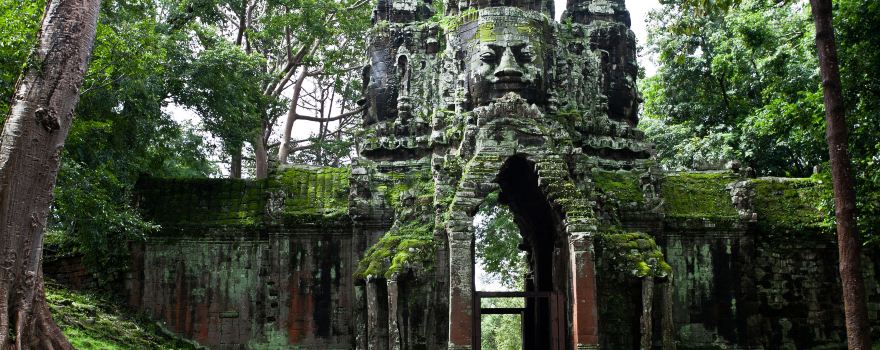
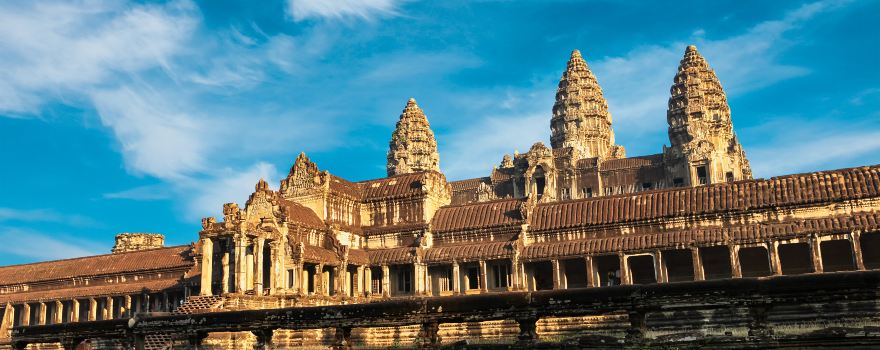
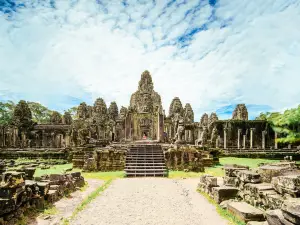
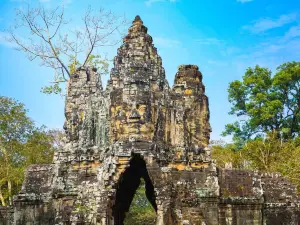
Siem Reap is a Cambodian city celebrated for its historical and cultural landmarks, including the world's largest religious monument Angkor Wat, the informative Angkor National Museum, the lively nightlife of Pub Street, the enigmatic Bayon Temple with its smiling stone faces, and the ancient city of Angkor Thom, all of which offer visitors a profound glimpse into the grandeur of the Khmer Empire. Angkor Wat in Siem Reap, Cambodia, is renowned as the largest religious monument in the world, a title it has held since its construction in the 12th century by King Suryavarman II. Originally dedicated to the Hindu god Vishnu, the temple complex is a masterpiece of Khmer architecture, featuring five central towers that symbolize the peaks of Mount Meru, the home of the gods in Hindu mythology. The walls of Angkor Wat are adorned with extensive bas-relief sculptures that depict various Hindu narratives, including the famous Churning of the Ocean of Milk, which is a cornerstone of Hindu cosmology. Over time, Angkor Wat transitioned into a Buddhist site, reflecting the religious shifts in the region. Today, it stands as a symbol of Cambodia, attracting millions of visitors who come to marvel at its architectural grandeur and historical significance. The best time to visit is in the early morning to experience the breathtaking sunrise over the temple, a moment that has become iconic among travelers. Angkor National Museum in Siem Reap is a premier showcase of Khmer civilization and the grandeur of Angkor, offering a state-of-the-art experience through its thematic galleries. Visitors can immerse themselves in the rich history and culture of the Khmer Empire, from the 9th to the 15th century, as they explore exhibits on the era, religion, and royalty. The museum's highlights include the Gallery of 1,000 Buddha, which reflects the influence of Buddhism, and the impressive collections that cover the pre-Angkorian periods, the great Khmer kings, and the iconic temples of Angkor Wat and Angkor Thom. With audio-visual multimedia technology, including touch-screen videos and epic commentary, guests can delve into the spiritual and architectural heritage of the Khmer people. The museum also offers a panoramic sunrise experience of Angkor Wat, enhancing the educational journey. Pub Street, officially known as Street 08 in Siem Reap, is the pulsating heart of the city's nightlife and a must-visit attraction for travelers seeking a vibrant evening experience. This bustling street is a melting pot of cultural and culinary delights, offering an eclectic mix of Khmer and Western restaurants, lively bars, and nightclubs, where visitors can indulge in local cuisine, sip on cocktails, or dance the night away. The street's transformation into a party hub began with the opening of Angkor What? Bar and was further popularized by the movie Tomb Raider, with Angelina Jolie's favorite hangout, Red Piano, becoming a legendary spot. With its neon-lit ambiance and pedestrian-friendly zone, Pub Street provides a dynamic atmosphere akin to Bangkok's Khaosan Road, where street performances and traditional Khmer music add to the festive spirit. For a more relaxed experience, visitors can enjoy a unique fish massage to rejuvenate after exploring the nearby temples. Bayon Temple, located at the heart of Angkor Thom, is a marvel of the late 12th or early 13th century, known for its enigmatic smiling stone faces and intricate bas-reliefs. This Buddhist temple, built by King Jayavarman VII, is a testament to the baroque style of Khmer architecture and represents a historical fusion of religious beliefs, with both Buddhist and Hindu elements present in its design. Visitors can explore the temple's three levels, including the outer gallery with bas-reliefs depicting daily life and historical events, and the inner gallery with Hindu mythological scenes. The upper terrace is home to the iconic "face towers," with approximately 200 serene faces that may represent the bodhisattva Avalokiteshvara or the king himself. The temple's central sanctuary was once crowned by a statue of the Buddha, symbolizing the temple's role as a microcosm of Mt. Meru. Bayon's complex layout, a maze of passages and galleries, invites exploration and contemplation, making it a must-see for those visiting Siem Reap. Angkor Thom, known as the "Great City," was the last and most enduring capital of the Khmer Empire, founded by King Jayavarman VII in the late 12th century. This ancient city, covering an area of 9 square kilometers, is a testament to the grandeur of the Khmer civilization and is characterized by its iconic face-towers at each entrance, and the naga-carrying giant figures that line the causeways. Visitors can explore the Bayon Temple at the city's center, famous for its 54 towers adorned with 216 smiling faces of Avalokiteshvara, and marvel at the intricate bas-reliefs that depict historical and mythological scenes. Angkor Thom offers a rich tapestry of historical and cultural experiences, with other notable temples such as Baphuon, Phimeanakas, and the Leper King within its walls. The city's layout, with its moat and meticulously designed causeways, reflects the architectural ingenuity of the Khmer Empire. Visitors can enjoy walking around the entire city wall, watching the sunset from the southwest corner, and experiencing the serene atmosphere of this UNESCO World Heritage site.
Siem Reap Food Guide
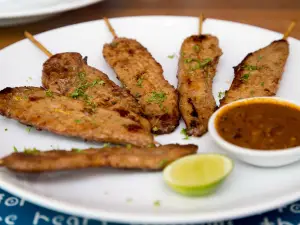
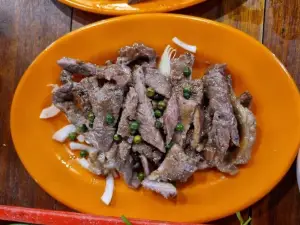
Siem Reap's food scene offers a rich tapestry of flavors, from the communal fun of Cambodian Hot Pot and the tangy Beef Lok Lak to the royal Fish Amok and the contrasting textures of crispy and fresh Cambodian Spring Rolls, each dish reflecting a blend of local traditions and historical influences. A communal dining experience that combines the fun of grilling meat on a barbecue with the comfort of boiling vegetables in a savory broth. This popular culinary tradition can be enjoyed at various eateries, with options ranging from local roadside stalls along National Road 6 to more established restaurants in the city center. Diners can select from a variety of meats, including exotic choices like alligator, and an assortment of vegetables and noodles to cook in their hot pot, making it a customizable and social meal. A classic and comforting Cambodian dish that is quickly stir-fried with quality ingredients like Kampot pepper, unique to Cambodia, and served with a tangy lime pepper dipping sauce. Originating from Vietnamese cuisine and influenced by Chinese and French culinary traditions, this dish is a staple in Siem Reap, often accompanied by white rice, tomatoes, cucumber, lettuce, and a fried egg. While traditionally reserved for special occasions, Beef Lok Lak has become a popular everyday meal and can be enjoyed at various local restaurants throughout the city. A celebrated Cambodian dish with a rich history dating back to the Khmer Empire, traditionally served to royalty and now enjoyed on special occasions. This creamy curry is steamed in banana leaves and features a blend of lemongrass, turmeric, garlic, and other spices, creating a complex flavor profile that is both aromatic and slightly spicy. In Siem Reap, it can be savored at places like The Sugar Palm, offering an authentic taste of Cambodia's culinary heritage. A staple in Siem Reap, offering a great culinary experience with two main varieties, fried and fresh. Fried spring rolls are known for their crispy and crunchy texture, filled with ground pork or chicken, shrimp, and aromatic herbs, while fresh spring rolls are soft and chewy, wrapped in rice paper with cooked shrimp, rice noodles, and fresh vegetables. For an authentic taste, visitors can head to WILD in Siem Reap, a restaurant that has gained recognition for their crispy spring rolls, perfect for a cozy and intimate dining experience. Mango sticky rice is a delightful dish that combines glutinous rice and ripe mangoes. The rice is first soaked in coconut milk before being steamed to perfection. It's then paired with slices of fresh mango and drizzled with additional coconut milk. The result is a harmonious mix of the rice's aromatic softness, the mango's refreshing sweetness with a hint of tartness, and the light creaminess of the coconut milk. This creates a wonderfully satisfying taste sensation.
Siem Reap Transportation
Siem Reap's transportation infrastructure is centered around its airport and long-distance bus stations, which are essential for intercity travel and tourism. Siem Reap-Angkor International Airport (SAI/VDSA) is the primary aviation hub, located approximately 39 kilometers from the city. As the largest airport in Cambodia, it can handle 7 million passengers annually with a 3,600-meter runway suitable for larger commercial planes. To reach Siem Reap from the airport, travelers can use ground transportation services such as minibuses and minivans. The city's main bus stations facilitate intercity connections within Cambodia and to neighboring countries. The Giant Ibis Main Terminal, located on Khmer Pub Street, is about 1.8 km from the city center and is a popular choice for travelers due to its proximity to accommodations and attractions. To get to the city from this terminal, a short tuk-tuk ride is commonly used. Tuk-tuks are a popular and convenient mode of transportation in Siem Reap, offering an authentic experience for navigating the city and visiting attractions. They are readily available and can be found waiting in front of hotels and popular sites, with fares typically negotiated before the ride. For those preferring a private mode of transport, car rentals are available, with various agencies offering competitive rates and the flexibility to explore at one's own pace. Renting a car allows access to more remote attractions and offers a sense of independence when traveling.
Siem Reap Where to Stay
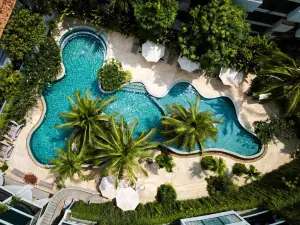
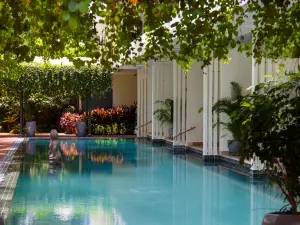
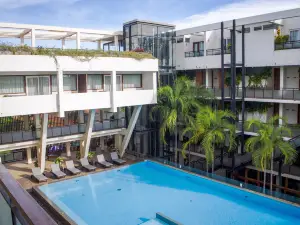
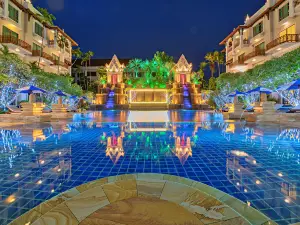
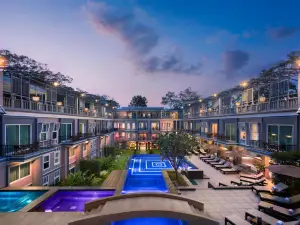
Siem Reap is a city that serves as the gateway to the ancient wonders of the Angkor region. The city's accommodation landscape is diverse, with options ranging from budget-friendly guesthouses to luxurious five-star hotels. The distribution of hotels is scattered across various neighborhoods, each offering unique experiences and amenities to travelers. Angkor is the heart of Cambodia's temple exploration, offering accommodation that caters to those seeking a historical and cultural immersion. The region is characterized by its proximity to the iconic Angkor Wat and other ancient temples, making it a prime location for history enthusiasts and culture seekers. Hotels in this area often provide tranquil environments, reflecting the spiritual and historical significance of the surroundings. The region's traffic conditions are managed to preserve the sanctity of the temples, with options like tuk-tuks and bicycles being popular modes of transport for visitors. The accommodation here ranges from boutique hotels to upscale resorts, often integrating traditional Khmer architecture and modern comforts. The consumption levels in Angkor can vary, with options available for both luxury seekers and budget-conscious travelers. Street 08, also known as Pub Street, is Siem Reap's bustling epicenter of nightlife and entertainment. This area is ideal for travelers looking to experience the city's vibrant after-dark scene, with an array of bars, clubs, and restaurants. The accommodation features here are diverse, catering to a younger crowd and those interested in being at the center of the action. The region's hotel characteristics often include proximity to dining and shopping options, as well as easy access to street food and local markets. Traffic conditions can be lively, especially at night, with the area being pedestrian-friendly and full of energy. The regional environment is dynamic, with street performers and a mix of tourists and locals mingling throughout the night. Consumption levels in Street 08 are generally moderate, with affordable entertainment and dining options widely available. Siem Reap National Road 6 is a key commercial artery of the city, lined with a mix of hotels, shopping centers, and businesses. This region is known for its accessibility and convenience, making it a suitable choice for travelers who prioritize ease of movement and a wide range of amenities. The accommodation features here include mid-range to upscale hotels, often with modern facilities and services. The regional characteristics are defined by the presence of commercial establishments and the availability of public transportation, with the road being a major thoroughfare connecting different parts of the city. The regional environment is more urban, with a focus on modernity and development. Attraction characteristics include shopping malls and entertainment complexes, catering to those who enjoy urban conveniences. Consumption levels along National Road 6 can be higher due to the prevalence of international hotel chains and commercial offerings.
Siem Reap Best Time to Visit
The best time to visit Siem Reap is during the cooler dry season, particularly from December to January. During these months, the weather is dry and cool, making it ideal for exploring the temples and enjoying outdoor activities. This period also coincides with various festivals and celebrations, such as the Giant Puppet Parade in February, adding to the cultural experience. However, these are peak tourist months, so expect larger crowds. If you prefer a quieter visit with lush green landscapes, consider traveling between June to October, when the ancient temples are surrounded by vibrant greenery.
Siem Reap Travel Tips
1. Temple Dress Code: When visiting temples, ensure you dress modestly. Shoulders and knees must be covered as a sign of respect. Avoid wearing revealing, transparent, or overly bright clothing. Comfortable shoes are recommended due to the extensive walking. 2. Respect for Monks: Monks are highly respected in Cambodian culture. Avoid touching them, especially if you are a woman, as it is considered inappropriate. 3. Beware of Scams: Be cautious of common scams targeting tourists, such as overpriced tuk-tuk rides, fake tickets, and unofficial tour guides. Always agree on a price before starting your journey and use reputable sources for tickets and guides. 4. Beware of Dehydration: Siem Reap's tropical climate can be intense. Carry plenty of water, especially when exploring temples. Tap water isn't safe to drink, so use bottled water or a bottle with a built-in filter. Consider bringing oral rehydration salts to combat potential dehydration. Wearing a hat and sunscreen can also help protect you from the sun. 5. Mosquito Protection in Siem Reap: Protect yourself from mosquitoes, especially during dawn and dusk. Use insect repellent containing DEET, IR3535, picaridin, or PMD. Wear long-sleeved clothing and covered shoes. Consider using mosquito nets and portable fans. 6. Reservation Tips for Angkor: If planning to visit the Angkor Archaeological Park multiple times, consider buying a 3-day or 7-day pass. These offer significant savings compared to purchasing single-day tickets for each visit. 7. Drone Usage Restrictions: Drone photography is restricted in many areas, especially around Angkor Wat. Flying drones in Cambodia requires permission from aviation authorities. It's strictly prohibited to fly drones over the Angkor Archaeological Park without special authorization. Additionally, drones are banned in Phnom Penh and other historic temples without permission.
Siem Reap Useful Guide
Siem Reap, a cultural hub in Cambodia, predominantly speaks Khmer, the official language, with influences from Sanskrit and Pali . While Khmer is non-tonal and has its own script, English is increasingly understood, especially by the younger population and in tourist areas . Translation apps and learning basic phrases can aid communication . When language barriers arise, gestures, smiles, and visual aids like maps are effective . Embrace the local language to enrich your travel experience in Siem Reap. GrabTaxi: A popular ride-hailing app offering various vehicles including TukTuks and cars, with convenient payment options. PassApp: The indigenous taxi app of Cambodia, known for being an affordable option with cash payments. BLOC Delivery: A versatile delivery app in Cambodia providing services like food delivery, logistics, and daily services. Siem Reap Wonder: An app designed for travelers in Siem Reap to book activities, find information on attractions, and hire professional tour guides. mApp – Siem Reap Free Listing Directory: Offers detailed guides and information for dining, accommodations, and attractions in Siem Reap. Trip.com: A popular online travel platform that provides a comprehensive range of services including booking flights. Mobile data packages for tourists in Cambodia are available through various operators, with options such as eSIM plans from Maya Mobile offering 1GB to 20GB for durations of 5 to 30 days, and Holafly providing unlimited data for 5 to 20 days. Additionally, Trip.com offers a Cambodia eSIM with 1GB per day for 3 to 7 days at competitive prices. These plans are suitable for short-term travelers, digital nomads, and backpackers, providing a cost-effective and convenient solution for staying connected. Public WiFi is accessible in many areas across Cambodia, with free WiFi available in coffee shops, hotels, guesthouses, and public places like parks, museums, and libraries. The Ministry of Post and Telecommunications has also installed public Wi-Fi at key tourist locations such as Ochheuteal and Otres beaches, and in Siem Reap town, which can be accessed by scanning a QR code. This initiative enhances the convenience for travelers to share information and stay connected without additional payment. Siem Reap experiences a tropical wet and dry climate, with a distinct wet season from May to October and a dry season from November to April. The city receives an average annual rainfall of around 1,390 to 1,406 millimeters. During the wet season, heavy rainfall, humidity, and heat are common, with temperatures ranging from 25-34°C. The dry season is cooler, with temperatures averaging 20-28°C and lower humidity. Travelers should dress in breathable, lightweight clothing and carry rain gear during the wet season. Sun protection is crucial year-round due to the intense heat, especially from March to April when temperatures can soar up to 40°C. For temple visits, modest attire covering shoulders and knees is recommended. In case of flooding, which can occur in September or October, be prepared for potential disruptions and waterlogged areas. In Siem Reap, tourists can utilize a mix of cash, credit cards, and mobile payments for transactions. Cash in both US Dollars and Cambodian Riel is accepted, with USD being prevalent in tourist areas. ATMs are widely available for withdrawals. Credit cards like Visa and Mastercard are commonly accepted, especially in upscale venues, while digital wallets such as Wing and PiPay are also popular payment options. Be mindful of the condition of US Dollar bills as torn or damaged notes may not be accepted, and consider potential fees for ATM withdrawals and credit card transactions.
Trip.Best: Siem Reap





Plan Your Siem Reap Trip
What to do




Where to stay




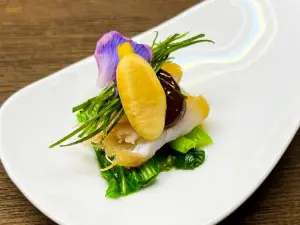
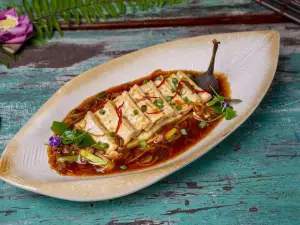
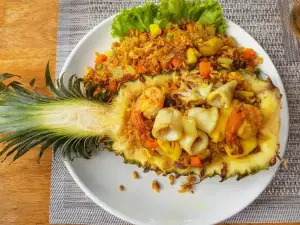
What to eat





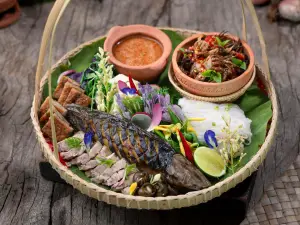
Siem Reap Moments: Through Travelers' Eyes
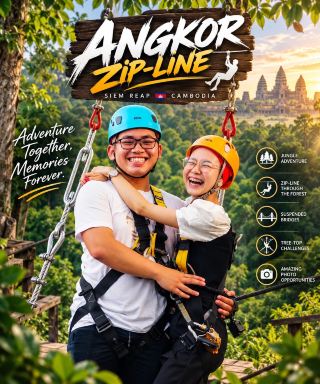
ANGKOR ZIP-LINE📍 Siem Reap, Cambodia 🇰🇭

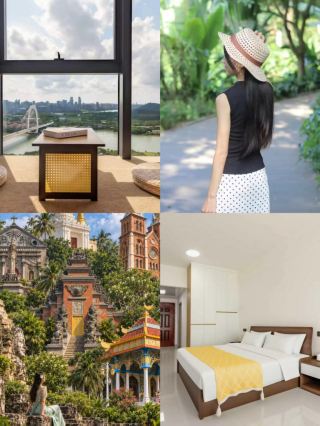
October Nanning Getaway | Stay in a High-Rise River View Homestay and Visit Fantawild, Qingxiu Mountain, and Jiangnan Park


Aman's Autumn Tribute

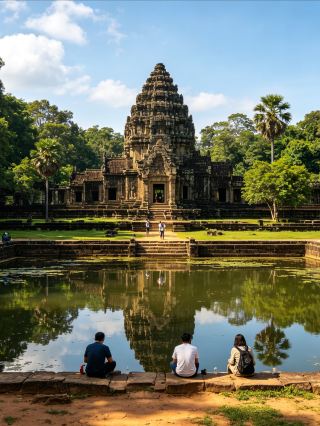
See the Angkor Wat sunrise with your own eyes! A comprehensive guide to traveling through the thousand-year-old Khmer Empire

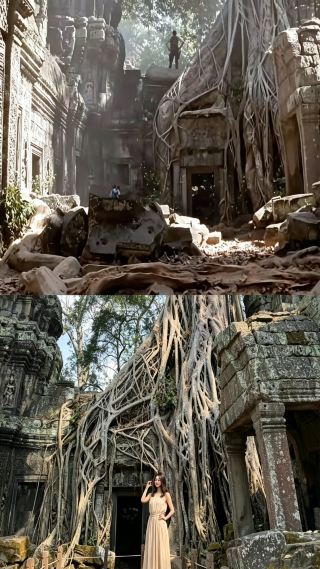
Just back from Angkor Wat | This is the pinnacle of Southeast Asian culture

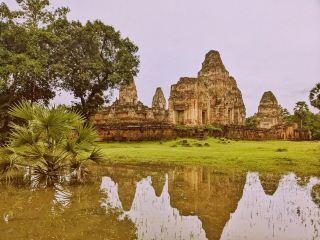
#photovsrealitytravel Escape to Siem Reap and unlock ancient vibes at Pre Rup Temple — catch a sunrise or sunset that feels straight out of a movie 🕶️🌅 Top Spot to Visit: Pre Rup Temple is my must-see pick in Siem Reap! Located at CWMC+X6F Angkor Archaeological Park, Krong Siem Reap 17000, Cambodia, it’s open year-round from 05:00–18:00. This temple’s stacked brick towers make for epic Instagram shots, plus the steps and layout are perfect for exploring with friends or solo adventurers. Want drama? Go early morning or late afternoon — the light hits the reddish stones in a way that’ll raise your photo game! My Go-To Tips: Bring water and wear breathable clothing (it gets HOT — even before 9am!). Don’t forget sturdy shoes because the temple steps are steep. I recommend arriving before 7am if you want quiet moments and cooler temps. The site is less crowded than Angkor Wat so it’s chill, but bring bug spray just in case. Getting Around: Tuk-tuks are everywhere in Siem Reap and super affordable — bargain for a daily rate if you want to visit multiple spots. If you’re solo, grab a bicycle for fun and freedom (many hotels offer rentals). What to Eat: After temple hopping, hit a local spot nearby for classic Cambodian eats like Amok (a fragrant curry, usually with fish). Try the night markets for cheap eats and local snacks. Destination Tips: The Angkor Archaeological Park requires a ticket/pass, so buy in advance for faster entry. Cambodian Riel or $USD both work; carry small cash for tuk-tuk drivers. Siem Reap weather flips between hot and humid — pack light and always hydrate. #SiemReapAdventure #AngkorPark #TempleTips #CambodiaTravel #TripDotCom

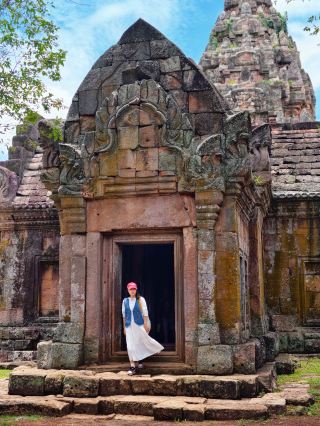
A side of Thailand 99% of people don't know | A light-and-shadow miracle that happens only 4 times a year


Stayed in another Small Luxury Hotel in the Siem Reap rainforest.

Siem Reap FAQ

What's the most popular attractions in Siem Reap?

Best selfie spot in Siem Reap?
What currency is used in Siem Reap?
Best of Siem Reap
Top 20 Premium Hotels in Siem Reap

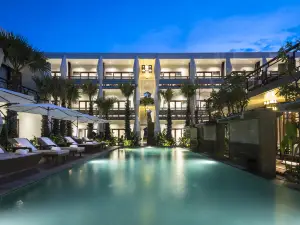
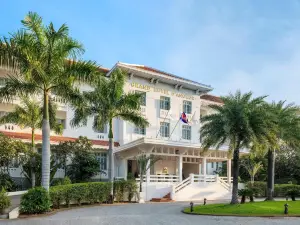


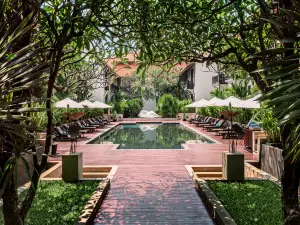


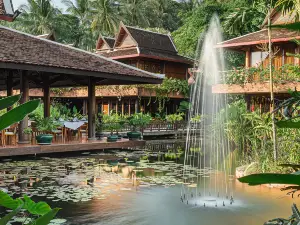
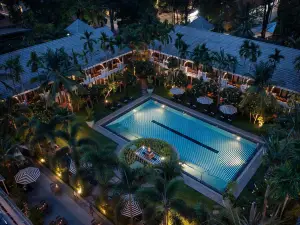
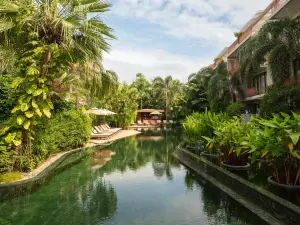
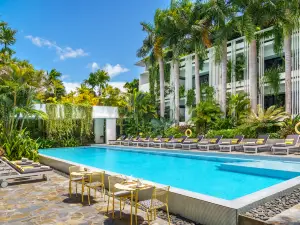
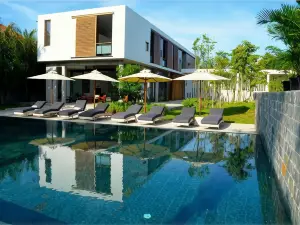
Top 20 4-Star Select Hotels in Siem Reap
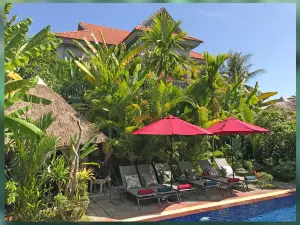
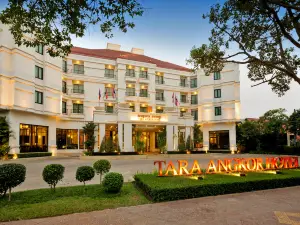
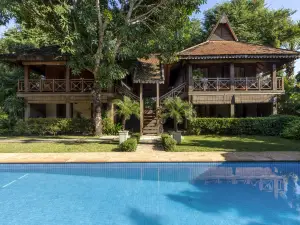
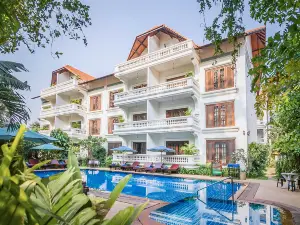
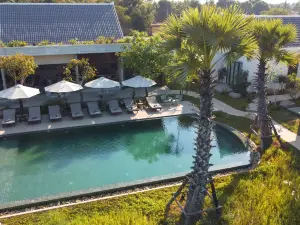
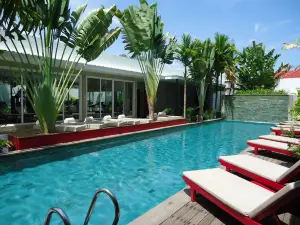
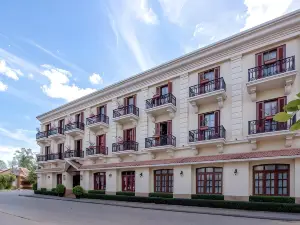
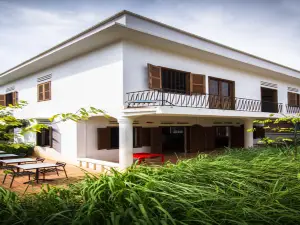
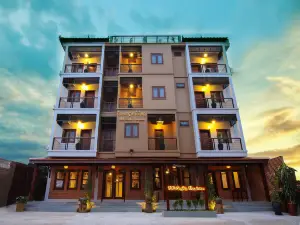
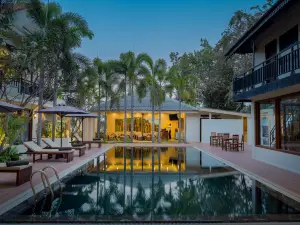
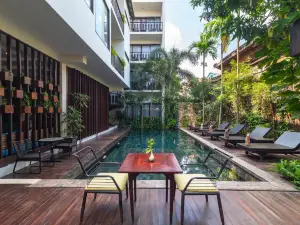
Popular Best Things to Do Near Siem Reap


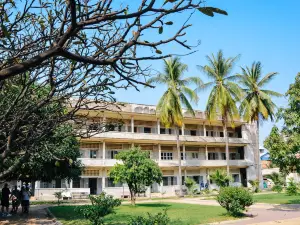

Popular Scenic Hotels Near Siem Reap
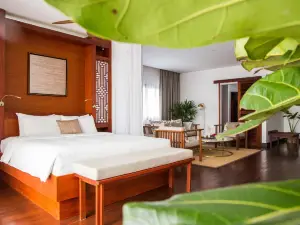

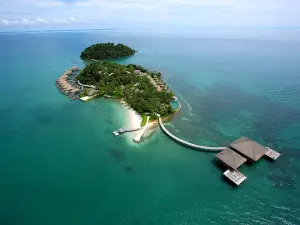


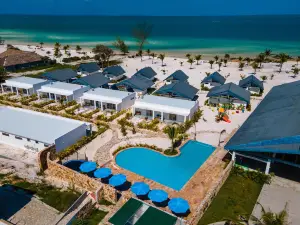
Popular Hotels with Villas Near Siem Reap


Other recommended cities
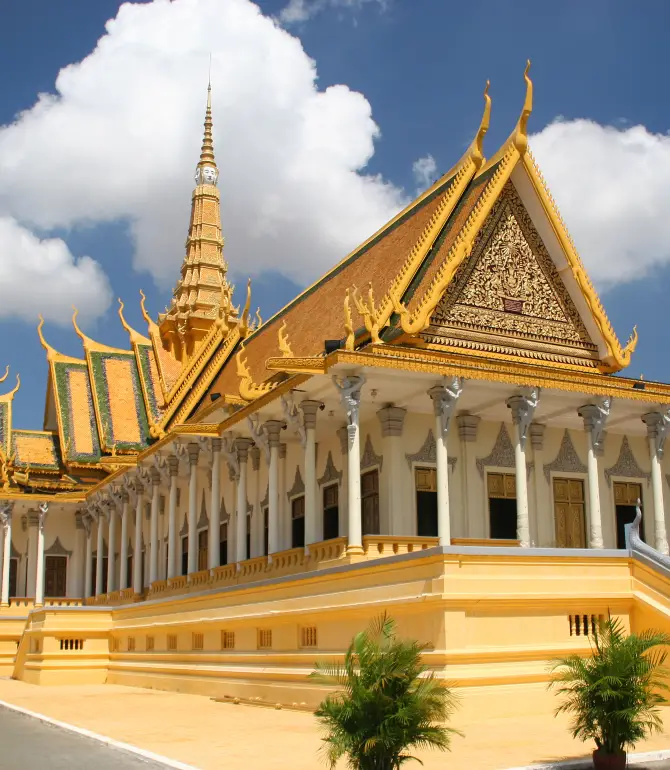
Phnom Penh

Battambang

Kampot
