

Yingxian Wooden Pagoda
应县木塔景区 based on 187 reviews
 No. 3 of Best Things to Do in Shanxi
Closed for the day Opening hours of Yingxian Wooden Pagoda
Yingxian Wooden Pagoda Highlights: Must-See Features and Attractions
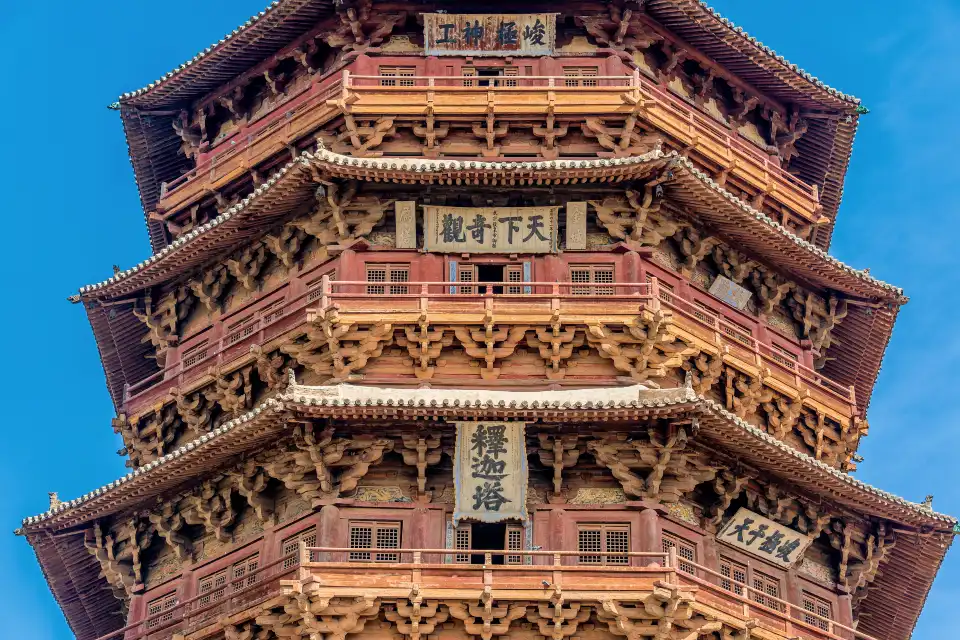
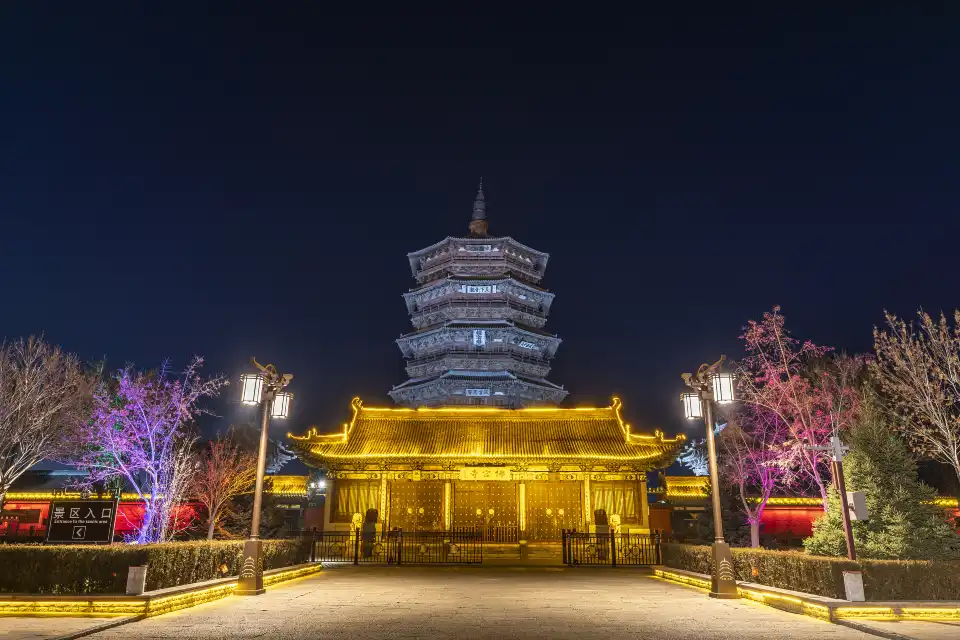
Yingxian Wooden Pagoda is centered on the Sakyamuni Pagoda of Fogong Temple. This pure wooden pavilion-style pagoda was first built in the second year of Qingning of the Liao Dynasty (1056) and later expanded and completed during the Mingchang period of the Jin Dynasty. It is the oldest surviving wooden pagoda in China. The pagoda has five visible stories, with concealed stories inserted between them, making nine stories in total, and stands about 67 m tall. Apart from the stone platform base on the first story, the main body of the pagoda is built entirely of wood, connected using traditional mortise-and-tenon craftsmanship, and the whole pagoda uses more than 50 types of bracket sets, demonstrating exquisite structural design. For more than nine hundred years, the pagoda has withstood many major earthquakes and modern artillery bombardment and still stands today.
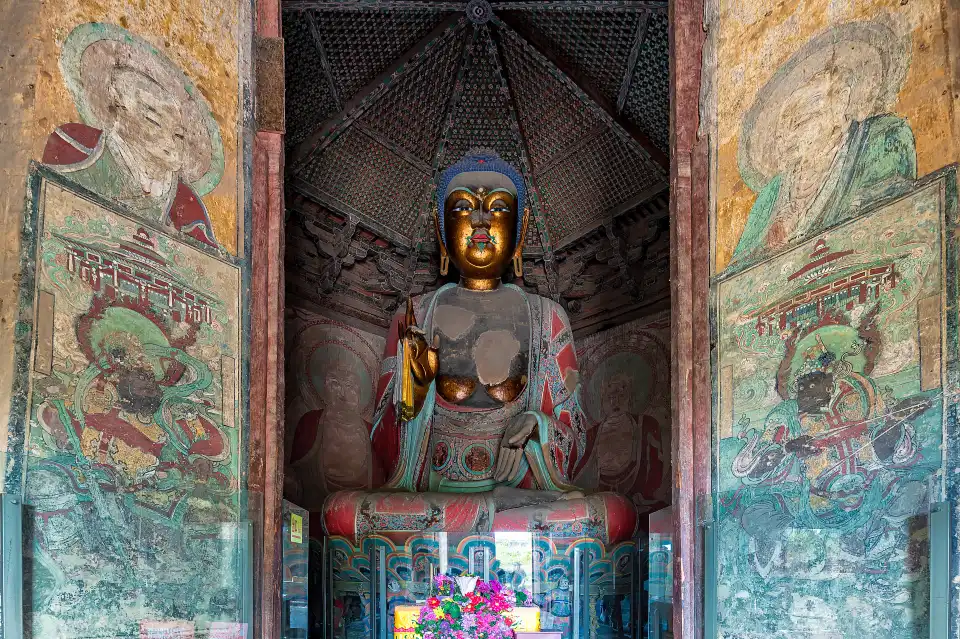
Due to the need for cultural relic protection, visitors may only visit the first floor inside the pagoda. There is a door on each of the north and south sides of the first floor. In the center of the inner chamber is a seated statue of Shakyamuni about 10 m tall, with a dignified face and a solemn expression. Looking up, you can see the exquisite coffered ceiling at the top. On the walls of the inner chamber are painted six Buddha images of Tathagata, and on the walls on both sides of the doorway are painted Liao Dynasty-style murals featuring Vajra, disciples, and offering figures, with bright colors and lifelike figures.
Multiple plaques from various dynasties hang under the eaves of each story of the wooden pagoda, two of which were written by Ming emperors and are particularly striking. Under the south eaves of the fifth story hangs the plaque "Supreme Divine Craftsmanship," written by Zhu Di, Emperor Chengzu of Ming, when he climbed the pagoda during a northern military campaign in the Yongle era; under the south eaves of the fourth story hangs the plaque "Wonder of the World," written by Zhu Houzhao, Emperor Wuzong of Ming, when he ascended the pagoda to feast and reward his ministers after the Yingzhou victory in the Zhengde era. These plaques are not only calligraphic treasures but also record the intersection of the wooden pagoda with historical figures, together with the architecture itself forming a distinctive cultural view of the attraction.
Yingxian Wooden Pagoda Reviews: Insider Insights and Visitor Experiences
Yingxian Wooden Pagoda Photos: Trip Moments
- tripbest
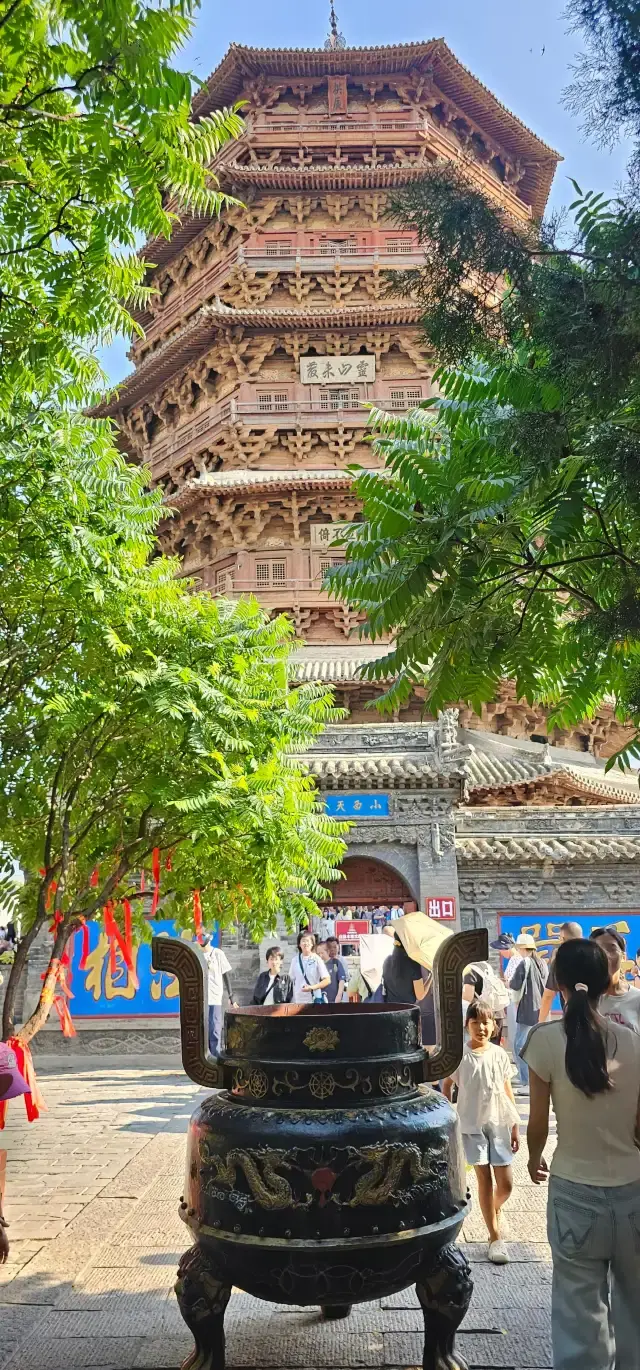
Discovering the Charm of Yingxian Wooden Pagoda: A Peaceful & Authentic North China LandmarkYingxian Wooden Pagoda truly deserves a spot on Trip.Best's Top 50 Best Things to Do in North China! I rated it 4 out of 5 for its excellent core experience—authentic cultural atmosphere and a beautifully preserved landmark that’s both visually stunning and comfortable to explore. The crowds were manageable, and it’s easy to enjoy regardless of the season, making it highly adaptable for any travel plan. Would I recommend Yingxian Wooden Pagoda to friends? Absolutely—a perfect 5 out of 5! The pagoda’s enduring beauty, combined with how easy it was to get tickets and move around, made the whole visit feel smooth and welcoming. A specific highlight for me was simply wandering the easygoing area, soaking in the quiet majesty of the structure without any hassle. Practical Tips: - I visited during summer vacation—no crowds and ticketing was a breeze! - There isn’t a “best” time to go; the experience is wonderful all day long. 🌞 - The base of the pagoda is a fantastic spot for memorable photos—don’t miss a chance to capture the moment here! - No special prep needed—just bring your camera and enjoy. Location: Base of the Yingxian Wooden Pagoda, Northwest corner of Yingxian city, Shuozhou city. #tripbest #tripbest _reviewerAndrewHighfields
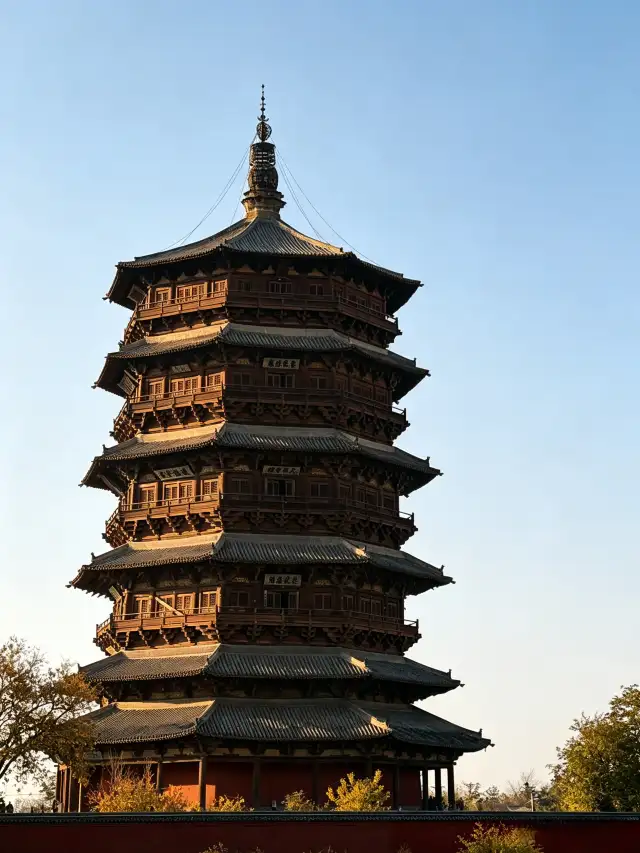 Datong family trip | Staying at Ji Hotel 5.0 and taking a private car to Yingxian Wooden Pagoda is so comfortableFor this trip to Datong, we chose the [Ji Hotel (Datong Ancient City East Gate)], which is the new 5.0 version✨ The location is amazing, right next to the East Gate of the ancient city. You can walk right into the ancient city, making it super convenient to explore! The hotel environment is clean and elegant. It lives up to its reputation as a major chain brand, and the stay was very reassuring. I genuinely recommend it to friends coming to Datong! After our family of three leisurely finished the hotel's hearty breakfast, we set off by private car to the Yingxian Wooden Pagoda. We got in the car right at the hotel entrance, so no need to rush for buses or transfer. We had complete control over our time, which makes traveling with kids so much easier. The driver waited for us the whole time, and we could stop whenever we wanted. Finally saw the thousand-year-old Liao Dynasty wooden pagoda with my own eyes; it's far more stunning in person than in photos❗️ The Sakyamuni Pagoda of Fogong Temple was built in 1056 and is the tallest and oldest existing pure wooden pagoda in the world. The entire pagoda has not a single iron nail; it relies entirely on the interlocking of dougong (bracket sets) and mortise-and-tenon joints, standing tall for nearly a thousand years through earthquakes and storms. The pagoda body tilts slightly, and the layers of bracket sets look like blooming wooden lotus flowers, with the bronze bells on the eaves chiming in the wind. Currently, only the first floor is open. You must look up to see the Liao Dynasty Buddha statue and the mottled ancient murals. Even the kids were amazed by the architectural wisdom of the ancients.MathildeMortensen

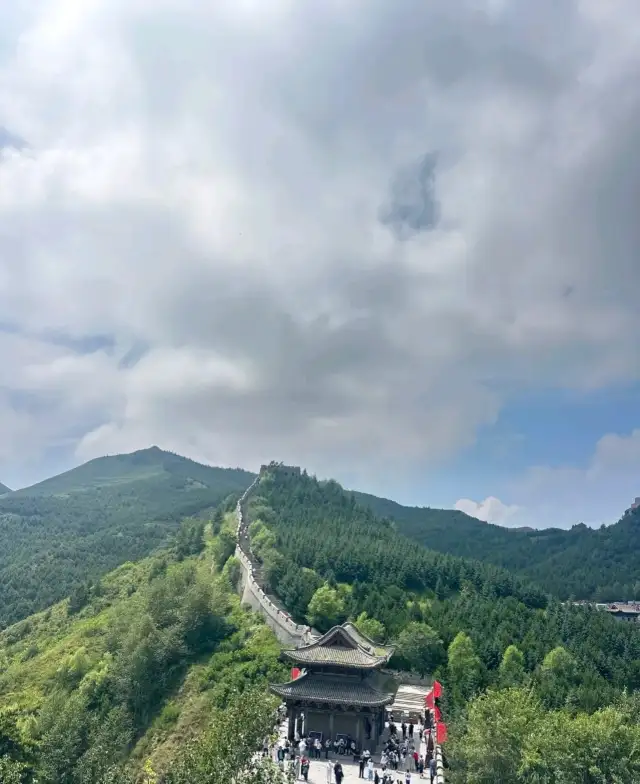 Checkpoint guide | Capture all the best shots at Yanmen Pass🏯 The nine great passes of China | Yanmen leads the way [Don’t miss this series] Check in at the Great Wall World Heritage site 👉 "China’s first pass"! Undoubtedly the perfect spot for ancient-style photos ✨ 👉 The pass built along the mountain, with majestic walls and beacon towers, every shot looks like a scene from The Great Wall 👉 Climb the watchtower to overlook where the inner and outer Great Wall meet, instantly feeling the power of "one man guards the pass, ten thousand cannot break through" 📸 Outfit tips: Black or red robes instantly elevate your look, full border fortress vibes 💯 [Practical guide] 🎫 Tickets: 85 yuan (free for seniors & military / half price for students) ⏰ Hours: 8:00 AM–5:30 PM 📍 For navigation, be sure to search: "Yanmen Pass North Gate (Houyaopu Station)" 🚫 Warning: Don’t go to the south gate! It’s a 1-hour uphill hike 🚌 Transportation tips: - The 10 yuan sightseeing shuttle is a must! Saves a 2 km uphill walk - Direct buses: 69 yuan to Datong Ancient City / 39 yuan to Ying County Wooden Pagoda 👉 You can combine these into a one-day ancient architecture tour in northern Shanxi [Pitfall prevention] 🍜 Food radar: Border trade street near the scenic area ❌ Daixian County town ⭕ Recommended dishes: stewed fish + oat noodles + Daixian yellow wine 💰 About 30 yuan per person for a full meal! Half the price of the scenic area 🧥 Clothing guide: Strong mountain winds + big temperature differences ❗ Bring a jacket + bottled water Scenic area shops ❌ severe price markups [Photo spots] 1️⃣ Distant view of the beacon tower (wide-angle recommended) 2️⃣ Stone steps of the pass road (capture a dynamic walking effect) 3️⃣ Corner of the city wall (perfect composition) Overcast and rainy days make for even better shots! Ink painting quality 🖌️AXI. Mia 2461

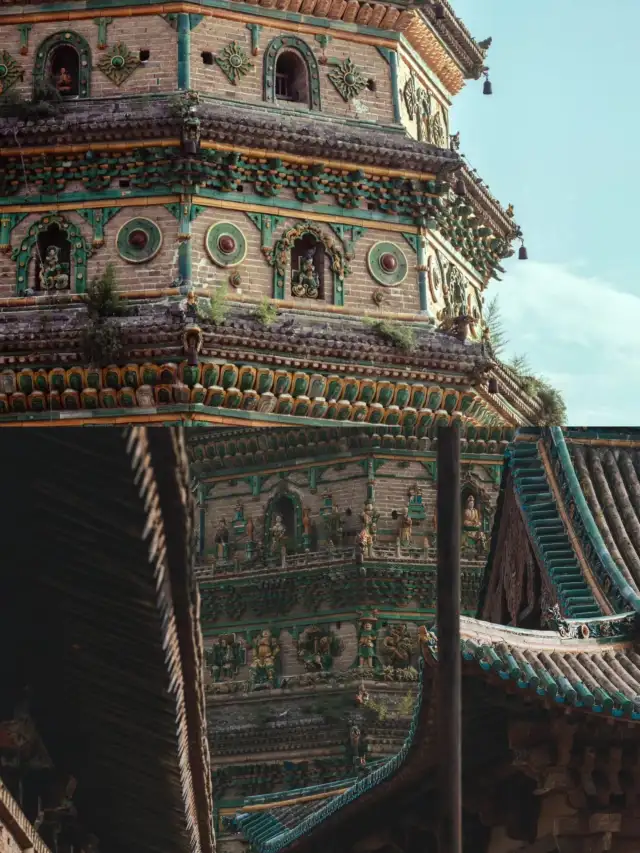 Top 10 Most Beautiful Ancient Buildings in ShanxiShanxi is the province with the most ancient architectural remains in China and is known as the "Treasure House of Ancient Chinese Architecture". Here are some famous ancient buildings in Shanxi: - Foguang Temple: Located in Foguang Village, Doucun Town, Wutai County, Xinzhou City, Shanxi Province, it was built during the Northern Wei Dynasty. The East Hall in the temple is the second oldest existing wooden structure in China and was called the "First National Treasure of China" by Mr. Liang Sicheng. - Nanchan Temple: Located in Lijiazhuang Village, Yangbai Township, Wutai County, Xinzhou City, Shanxi Province, it was built during the Tang Dynasty. The Great Buddha Hall in the temple is the oldest existing Tang Dynasty wooden structure in China. - Yingxian Wooden Pagoda: Located in Fogong Temple in the northwest of Yingxian County, Shuozhou City, Shanxi Province, it was built during the Liao Dynasty. It is the tallest and oldest existing wooden pagoda-style building in China and is also one of the three wonders of the world. - Jinci: Located in Jinci Town, Jinyuan District, Taiyuan City, Shanxi Province, it was built to commemorate the founding princes of the Jin State, Tang Shuyu and his mother, Queen Jianghou. It is the earliest existing royal sacrificial garden in China. The Holy Mother Hall in the temple was built during the Northern Song Dynasty and is the best example of the "Construction Law". - Hanging Temple: Located at the foot of Hengshan Mountain in the southeastern suburbs of Hunyuan County, Datong City, Shanxi Province, it was built in the late Northern Wei Dynasty. It is the only unique temple in China where Buddhism, Taoism, and Confucianism are combined. The architectural style is unique and breathtaking. - Huayan Temple: Located at No. 459, Xiasiapo Street, Pingcheng District, Datong City, Shanxi Province, it was built during the Liao Dynasty. The Great Buddha Hall in the temple is the largest existing Liao and Jin Dynasty Buddha Hall in China. It was praised as the "Oriental Venus" by the famous art historian Zheng Zhenduo. - Yongle Palace: Located at No. 78, Yongle North Street, Ruicheng County, Yuncheng City, Shanxi Province, it was built during the Yuan Dynasty. It is the largest and best-preserved Taoist palace in China. The Sanqing Hall in the temple is China's "Abu Simbel", the best of the Yuan Dynasty murals. - Feiyun Tower: Located in Dongyue Temple, Wanrong County, Yuncheng City, Shanxi Province, it was built during the Ming Zhengde period. It is the largest existing pure wooden structure building in China and is known as the "North Tower and South Tower" together with the Yingxian Wooden Pagoda. - Guangsheng Temple: Located in Guangsheng Temple Town, Hongtong County, Linfen City, Shanxi Province, it was built in the first year of Jianhe of Emperor Huan of the Eastern Han Dynasty. The Feihong Tower in the temple is the most complete and oldest existing glazed tower in China. - Xiaoxitian: Located on the top of Phoenix Mountain in the west of Xixian County, Linfen City, Shanxi Province, it was built in the second year of Chongzhen in the Ming Dynasty. The Great Buddha Hall in the temple is the largest existing Ming Dynasty hanging plastic group in China, known as the "Hanging Plastic Masterpiece".DreamcatcherDreams1231

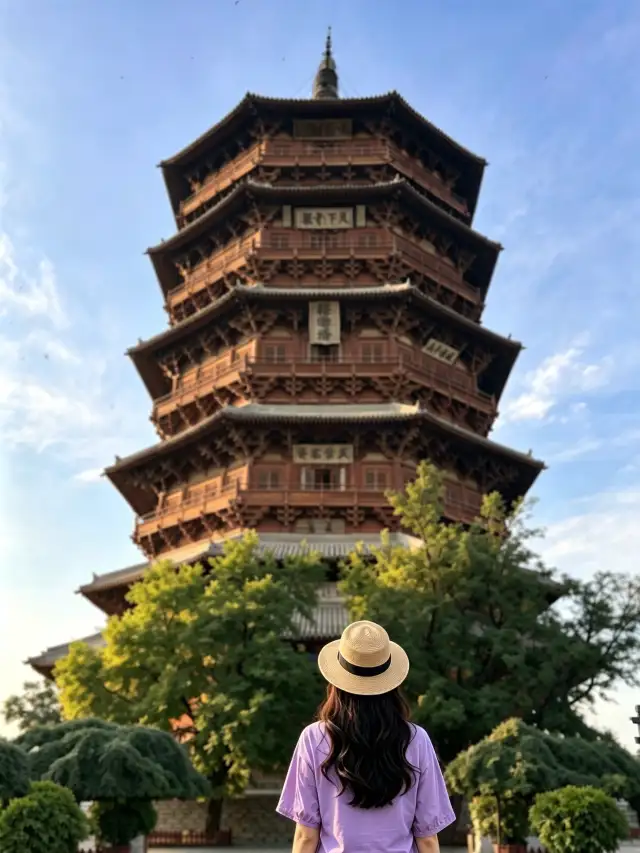 The 67-meter wooden Yingxian Pagoda, built without a single nail, is a hidden gem for a refreshing family trip in Shanxi🌿 Bring your kids and parents this summer vacation to Shanxi to escape the heat and see the thousand-year-old wooden pagoda! The Yingxian Pagoda is truly a national treasure and a miracle you’ll regret missing once you see it~ The entire pagoda is held together without a single nail, relying on over 20,000 interlocking wooden joints. It has withstood earthquakes and wars for a thousand years without falling. Standing beneath it and looking up, the awe is speechless😭 🏯 The tallest and oldest wooden pagoda in the world, 67.31 meters tall—about the height of a 22-story building 🌬️ 54 layers of dougong brackets stacked like clouds, breathtakingly beautiful 🎨 The first floor features an 11-meter Liao Dynasty Buddha statue and colorful murals, solemn and magnificent 🔔 The wind chimes have 42 different tones, and when the wind blows, it feels like a thousand-year story whispered in your ear 🧊 Shanxi’s summers are cool, perfect for escaping the heat You can easily tour Yingxian in half a day, following a route from Jingtusi Temple to the pagoda The walk is short and the paths are smooth, stroller and wheelchair friendly Perfect for kids and parents without getting tired, plus you’ll learn a lot✨ 🎫 Tickets are 48 RMB, 25 RMB for students, free for seniors and military personnel 🚗 Driving is the most convenient option. Use the highway for navigation and park for free at Jingtusi Temple If you want to avoid crowds this summer, come to Shanxi to enjoy the cool breeze and see the thousand-year-old wooden pagoda Take advantage of the chance to see it up close while you still can. Don’t wait—it’s truly worth it❤️BeachLover77

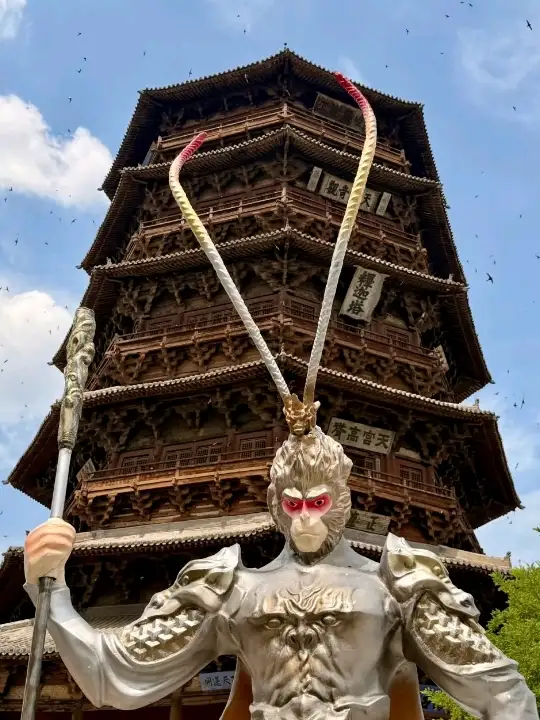 🛕 Yingxian Wooden Pagoda | A Millennium of Timber and WisdomSome wonders can only truly be understood when you stand before them. The Yingxian Wooden Pagoda has stood proudly for nearly a thousand years, surviving earthquakes, fierce winds, and the passage of time—without a single nail or metal fastener. Built entirely with ingenious traditional mortise-and-tenon joinery, it remains one of the oldest and tallest surviving wooden pagodas in the world. Looking up at its towering wooden structure, it's impossible not to marvel at the extraordinary craftsmanship and engineering wisdom of ancient China. Every beam, every joint, and every level tells a story of resilience, precision, and timeless ingenuity. 📍 Location: Yingxian Wooden Pagoda, Ying County, Shanxi Province, China 🇨🇳 🛕 Highlight: The world's oldest and tallest surviving all-wooden pagoda ✨ Feature: Ancient mortise-and-tenon architecture, nearly 1,000 years of history, and remarkable engineering 🍃 Atmosphere: Awe-inspiring, timeless, and deeply humbling 📸 Best for: Architectural photography, history lovers, and cultural exploration 💡 Travel Tip: Walk around the pagoda from different angles to appreciate its intricate wooden framework and elegant proportions. ✨ Signature feeling: The Yingxian Wooden Pagoda isn't just a masterpiece of architecture—it's a living testament to the wisdom, craftsmanship, and resilience of ancient China. 🛕🪵✨Emily1011

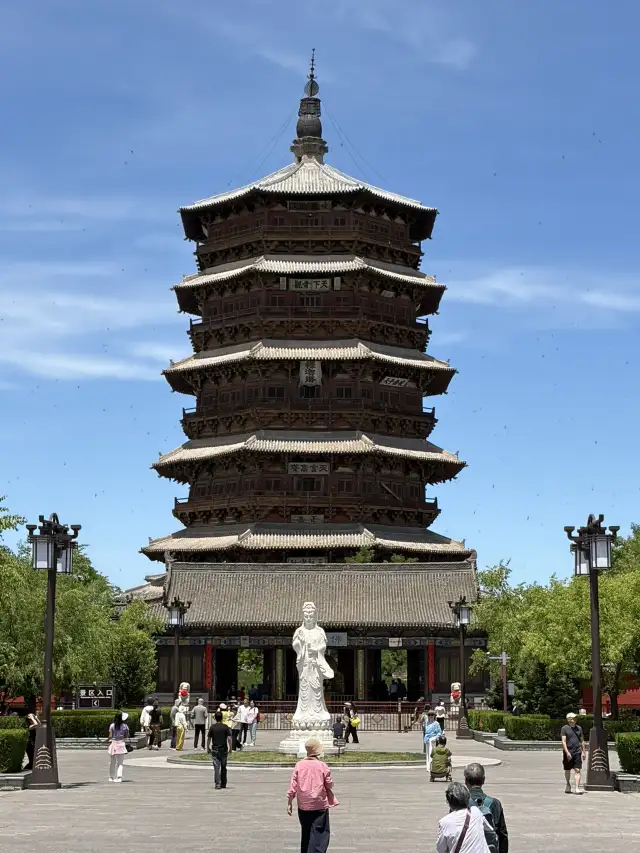 Yingxian Wooden Pagoda | An Architectural Marvel Standing for Nearly a Millennium Without a Single Iron Nail.The first time you stand before the Yingxian Wooden Pagoda, you'll be truly awestruck by its towering height and imposing presence. Built in 1056 AD, this Sakyamuni Pagoda of Fogong Temple is the tallest and oldest surviving purely wooden pavilion-style structure in the world. Soaring to a height of about 67 meters, it has weathered nearly a thousand years of earthquakes, wars, and harsh elements, yet it still stands remarkably strong today. It is undoubtedly a crowning achievement of ancient Chinese architectural engineering. What's most mind-blowing is that the entire structure was built without a single iron nail. Instead, it relies entirely on dozens of intricate mortise-and-tenon joints and interlocking wooden brackets (dougong) that fit seamlessly together—a true testament to the unbelievable ingenuity of ancient craftsmen. Gazing up from the base, you'll see layers of sweeping eaves reaching toward the sky, with every angle radiating the unique elegance and majesty of classical architecture. The Yingxian Wooden Pagoda isn't just a world-class cultural heritage site; it's a living textbook of architecture. Even if you know nothing about ancient buildings, seeing it in person will leave you with a profound admiration for the miracle created by humanity a millennium ago. 📍 Shuozhou, Shanxi | Yingxian Wooden Pagoda (Sakyamuni Pagoda of Fogong Temple) ⭐️ Recommendation Rating: ★★★★★ If you're visiting Shanxi, the Yingxian Wooden Pagoda is an absolute must-see. It's so much more than just "a wooden pagoda"—it's one of the greatest embodiments of ancient Chinese architectural wisdom, and a world-class wonder you simply must witness in your lifetime.幸運都給我吧!1

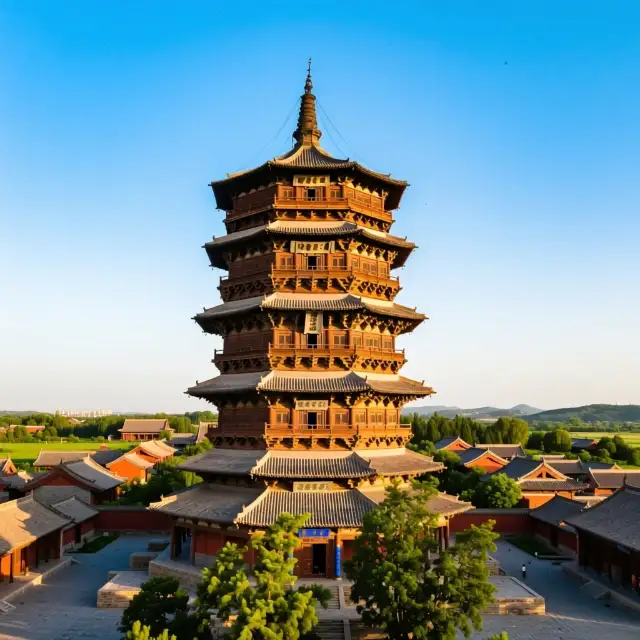 Shuozhou Travel GuideBelow is a 5-day, 4-night travel itinerary for Shuozhou, Shanxi Province, covering classic attractions such as Yingxian Wooden Pagoda, Chongfu Temple, Jinshatan Ecotourism Area, Guangwu Ming Great Wall, Jingtusi Temple, Shuozhou Ancient City Ruins, Shahukou Scenic Area, Youyu Nanshan Forest Park, Old Guangwu Ancient City, Xishan Forest Park, and Mayi Museum. The budget is controlled within 5,000 RMB, suitable for in-depth exploration and leisure experience. Shanxi Shuozhou 5-Day 4-Night In-Depth Travel Plan (Budget Around 5,000 RMB) Budget Allocation Reference (Per Person) Transportation: About 1,000 RMB (round-trip train/bus + local transportation) Accommodation: About 1,200 RMB (mid-range hotel, 4 nights) Entrance Fees: About 800 RMB Meals: About 600 RMB Others (guide, local transport, souvenirs, etc.): About 400 RMB Day 1: Arrive in Shuozhou — Yingxian Wooden Pagoda — Shuozhou Ancient City Ruins Morning: Arrive in Shuozhou (recommended by train or long-distance bus) Noon: Taste local specialty lunch (Shuozhou noodles, youmian, etc.) Afternoon: Visit the Yingxian Wooden Pagoda (the world's tallest pure wooden ancient pagoda, experience a millennium of history and architectural marvel) Evening: Visit the Shuozhou Ancient City Ruins to feel the ancient city’s style and historical accumulation Accommodation: Mid-range hotel in Shuozhou city center Day 2: Chongfu Temple — Jingtusi Temple — Mayi Museum Morning: Head to Chongfu Temple to appreciate Buddhist culture and ancient architectural art Noon: Light meal near the temple or dine back in the city Afternoon: Visit Jingtusi Temple to experience Buddhist Pure Land culture and enjoy the tranquil atmosphere Evening: Visit Mayi Museum to learn about the history and archaeological discoveries of Mayi Ancient City Accommodation: Shuozhou city center Day 3: Guangwu Ming Great Wall — Old Guangwu Ancient City — Jinshatan Ecotourism Area Morning: Go to Guangwu Ming Great Wall, hike to feel the grandeur and vicissitudes of the Ming Dynasty Great Wall Noon: Dine in Guangwu Town, taste local farmhouse dishes Afternoon: Visit Old Guangwu Ancient City to explore ancient city ruins Evening: Head to Jinshatan Ecotourism Area to enjoy natural scenery and leisure time Accommodation: Guangwu Town or return to Shuozhou city center Day 4: Shahukou Scenic Area — Youyu Nanshan Forest Park Morning: Visit Shahukou Scenic Area to experience magnificent mountains, waters, and natural ecology Noon: Dine inside or near the scenic area Afternoon: Head to Youyu Nanshan Forest Park to enjoy forest bathing, breathe fresh air, hike or cycle Accommodation: Shuozhou city center or nearby resort hotel Day 5: Xishan Forest Park — Return Trip Morning: Visit Xishan Forest Park for a relaxed hike and enjoy mountain forest scenery Noon: Dine in the city, taste authentic Shanxi cuisine Afternoon: Free activities, purchase special souvenirs Evening: Depart for return trip, ending a pleasant journey Helpful Tips Transportation: Within the city, you can choose bus, taxi, or car rental for convenience. Some attractions are far away, so plan transportation in advance. Accommodation: It is recommended to choose mid-range hotels in the city center for convenient transportation and good value. Meals: Try Shanxi specialty noodles, youmian, and mixed grain pancakes to experience authentic flavors. Tickets: Some attraction tickets can be booked online; planning ahead saves time and money. Gear: Comfortable shoes, sun protection, rain gear, and camera are essential. Summary This 5-day, 4-night itinerary covers cultural relics, natural scenery, and ecotourism, offering an in-depth experience of Shuozhou’s unique charm. The 5,000 RMB budget reasonably covers transportation, accommodation, meals, and entrance fees, suitable for travelers wanting to feel history and nature. Get ready to pack your bags and start this cultural and natural journey in Shanxi’s Shuozhou!Penelope&Rivera40

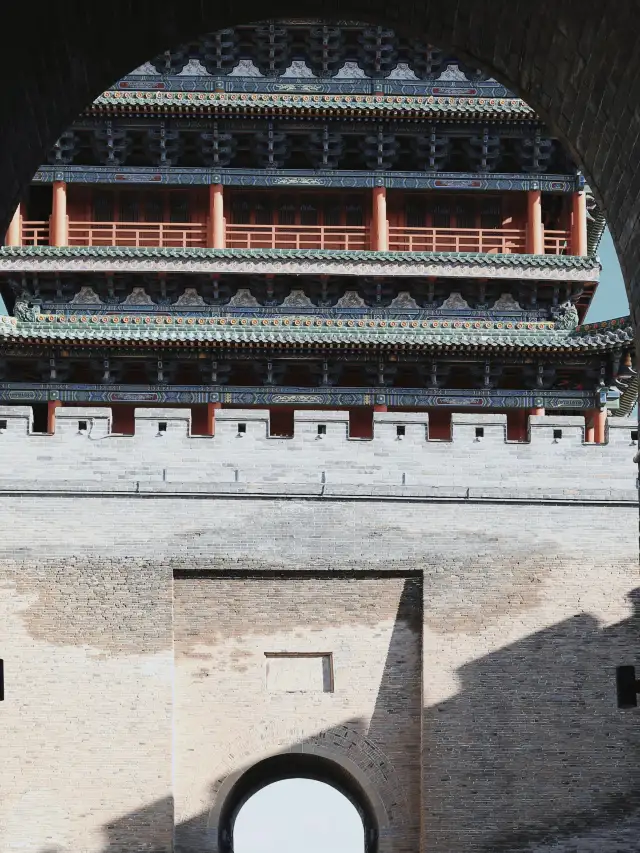 The severely underestimated Shuozhou is actually the most worthwhile city in ShanxiIt was only on my fifth return to Shanxi that I realized I had already been to Shuozhou. For Northern Shanxi as a whole, Shuozhou's presence is somewhat weak. The Yingxian Wooden Pagoda, which should belong to it, has been circled into Datong's vicinity. To its east, Mount Wutai draws away crowds. Even Liang Sicheng and Lin Huiyin, who surveyed the area back then, only visited the pagoda, missing the main city. And I personally believe that missing Shuozhou means missing too much of Shanxi. - 📋 Two-day itinerary: d1: Shuozhou Ancient City ➠ Chongfu Temple ➠ Yuchi Jingde Temple ➠ Confucian Temple ➠ Shuozhou Museum d2: Yingxian Wooden Pagoda ➠ Jingtu Temple . 📷 Main Attraction Information: ❶ Chongfu Temple: Its two Jin Dynasty structures offer plenty to see, with the "Five Wonders" concentrated in the Amitabha Hall. "First Wonder: Murals" 327 square meters of Jin Dynasty murals cover the walls, rich in nomadic characteristics. "Second Wonder: Giant Plaque" The vertical plaque "Maitreya Hall" under the eaves is an original Jin Dynasty artifact, 841 years old. "Third Wonder: Ridge Decorations" On the roof, green glazed tiles trim the edges, with glazed warrior figures in a bow stance, 1.8 meters tall, standing on either side. "Fourth Wonder: Window Grilles" The five bay windows on the front eaves are carved with 15 patterns, including triangular, ancient coin, and snowflake motifs. "Fifth Wonder: Statues" The nine sacred statues and the Vajra warriors on both sides are exquisitely crafted, and their halos are so intricate they are dazzling. All five wonders mentioned above are original Jin Dynasty works, and their completeness is a unique case nationwide. - ❷ Shuozhou Ancient City: Beneath the newly built square high walls, the oldest remaining Northern Qi ruins in all of Shanxi are still preserved. Chongfu Temple, Wenchang Pavilion, the Catholic Church, and Yuchi Jingde Temple within the city are all within walking distance. - ❸ Yingxian Wooden Pagoda: Whether it's the folk saying "Cut down all the yellow flower beams to build the Yingzhou Pagoda" or Liang Sicheng's exclamation, "Without seeing this pagoda, one cannot know the extent of what is possible with wooden structures," the Yingxian Wooden Pagoda, standing for over 900 years, is undoubtedly a national treasure. With over 480 dougong brackets, 54 types of dougong forms, more than 60 plaques, 11-meter-tall painted sculptures, and Liao Dynasty murals, it truly lives up to its reputation as "a magnificent divine feat." - ❹ Jingtu Temple: Inside the Jin Dynasty main hall, nine heavenly palace-style caisson ceilings fill the entire ceiling, each unique and splendid. The pair of stone lions with disheveled hair in front of the mountain gate are uniquely shaped and exquisitely carved, rarely seen nationwide. - ⚠️ Shuozhou's transportation is absolutely leading in Shanxi. All attractions within the ancient city are walkable, and there's also a direct special train from the ancient city to the Yingxian Wooden Pagoda. ⚠️ If time is limited, you can visit only Chongfu Temple, Yingxian Wooden Pagoda, and Jingtu Temple for a one-day trip. ⚠️ Connecting to Datong Hunyuan in the north and Xinzhou Taiyuan in the south makes for a highly cost-effective travel option. .NOP. 222221

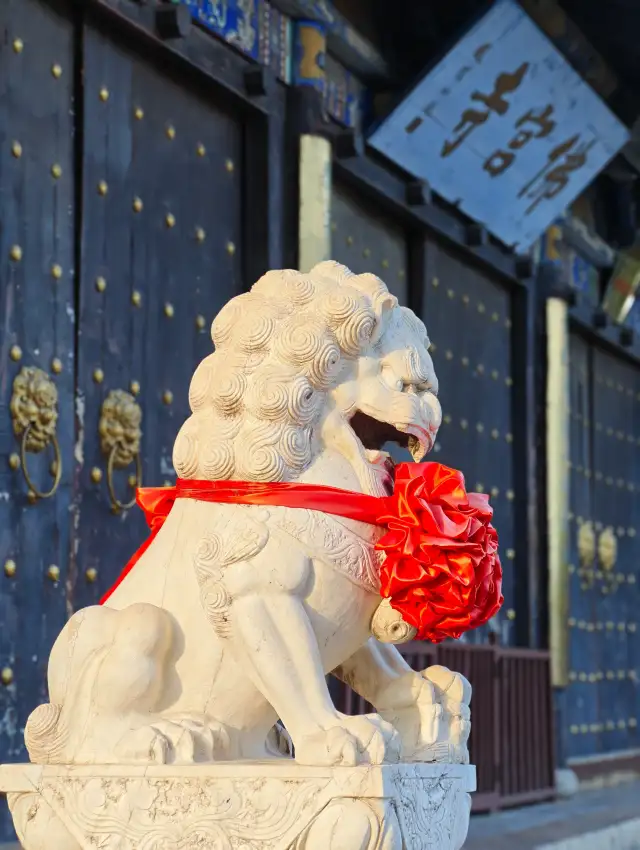 The Yingxian Wooden Pagoda: a millennium-old wooden masterpiece and a Liao dynasty epic in northern ChinaStanding for nearly a thousand years on the northern Shanxi plains, the Shakyamuni Pagoda of Foguang Temple is the tallest wooden building in the world and a pinnacle of ancient Chinese architectural craftsmanship.🌟 The entire pagoda contains no iron nails. Its 7,000-ton structure is supported solely by mortise and tenon joints and dougong brackets, withstanding dozens of strong earthquakes and countless battles without collapsing. Approaching it, you don’t just see a pagoda—you touch the ultimate wisdom of Liao dynasty craftsmen hidden in the wood grain. 🌸 Four core highlights to understand this millennium-old legend 1. dougong museum · a nail-free construction marvel The pagoda has nine levels in total—five visible and four hidden—with over 480 dougong brackets in 54 varieties layered throughout. Its rich forms are unmatched nationwide, earning it the nickname “dougong museum.” Each set of dougong serves as both a load-bearing component and a natural shock absorber. During earthquakes, the mortise and tenon joints shift to release stress, balancing rigidity and flexibility. Four hidden diagonal braces act like rigid ring beams, combined with a double-sleeve structure that locks the entire tower firmly in place—structural wisdom that is a millennium ahead of its time. Standing beneath the pagoda and looking up, the six tiers of flying eaves taper gracefully, with eave corners spreading like wings, embodying the grandeur of Tang dynasty architecture. Sunlight filters through the dougong, casting layered shadows. The interplay of wood grain and light creates an indescribable sense of awe. 2. Liao dynasty Buddhist kingdom · exceptional statues and murals Due to safety concerns, only the first floor is currently open to visitors. It is said that the Buddhist altars on all floors retain their original Liao dynasty sculptures, with altar layouts from the first to fifth floors. The accessible first floor features an 11-meter-tall Shakyamuni Buddha standing majestically, supported by lotus-bearing guardians and dragon-wrapped columns, creating a powerful presence. Nearly 300 square meters of precious Liao dynasty murals adorn the inner walls, depicting flying Buddhas with flowing lines and richly detailed donor costumes. The mineral pigments remain vibrant after centuries, providing vivid historical material for studying Liao dynasty culture. 3. plaque chronicles · half a dynasty’s history hidden within The pagoda’s body is hung with dozens of plaques from various eras, each a mark of time. The Jin dynasty plaque reading “Shakyamuni Pagoda” includes a 236-character inscription, serving as a primary document on the pagoda’s construction history. Ming dynasty plaques include Emperor Chengzu’s calligraphy “Supreme craftsmanship” and Emperor Wuzong’s inscription “World wonder,” recording imperial visits to admire the tower. Plaques like “Heavenly pillar and earthly axis” and “Heavenly palace soaring high” feature vigorous brushwork. On this single pagoda, a millennium of calligraphy and history converge. 4. unyielding legend · surviving war and strong quakes Built nearly a thousand years ago, the pagoda has endured over 40 strong earthquakes and more than 200 artillery hits, yet it still stands tall. During the great Yuan dynasty Dade earthquake and the Ming dynasty Tianqi Lingqiu quake, surrounding buildings were destroyed, but the wooden pagoda remained intact. In modern times, bullets pierced its beams during warlord conflicts, but the overall structure stayed firm. Every piece of wood and stone embodies ancient mastery of mechanics, materials, and feng shui—a living architectural epic. 🚶 Recommended tour route (efficient, no backtracking) Foguang Temple mountain gate → front plaza for panoramic shots → circle the pagoda to view dougong and plaques → enter the first floor to see the Buddha and murals → proceed to Foguang Temple’s main hall. A slow, detailed visit takes about 2 hours to fully appreciate the wooden structure’s charm. 💡 Practical travel tips 🎫 Tickets: 50 yuan per person, includes full access to Foguang Temple grounds ⏰ Hours: 8:30 AM–6:00 PM (summer). Entry to the pagoda usually stops at 5:30 PM. Early visits are recommended 📍 Address: Inside Foguang Temple, Jincheng Town, Yingxian County, Shuozhou City 🚗 Transportation: About 1.5 hours by car from Datong, about 1 hour from Hunyuan; taxis are convenient within the county ✨ Tips 1. Only the first floor is open now. Upper floors are closed to protect the relics, but the first floor is enough to experience the essence 2. Guided tours are highly recommended. The dougong structure, statue stories, and historical background require expert explanation to grasp most of the value 3. Best photo times are before 9 AM and after 4 PM. Side lighting highlights the wood grain and eave layers beautifully 4. Combine with a visit to Jingtusi Temple in the county, a 30-minute drive, to see exquisite Jin dynasty coffered ceilings and woodwork. To the north, you can connect to Hengshan and the Hanging Temple, forming a northern Shanxi ancient architecture route The wooden pagoda is silent but holds a dynasty’s faith in construction and a thousand years of history. Standing beneath it, hearing the wind chimes at the eaves ring softly, you understand what it means to “not see this pagoda and not know the limits of wooden architecture.”DanielWright

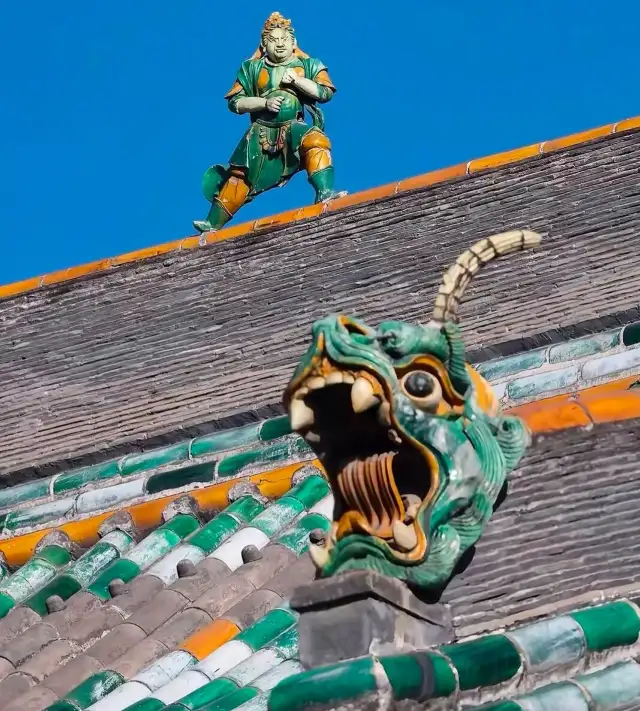 Chongfu Temple in Shuozhou, a treasure trove of Jin Dynasty artHidden in the old town of Shuozhou lies a lesser-known national treasure—Chongfu Temple. Originally built in the Tang Dynasty, it underwent large-scale expansion during the Jin Dynasty. The Amitabha Hall alone brings together the "five wonders" of the Jin Dynasty, with its colored sculptures, murals, and carved lattice screens all being original pieces. With few visitors, you can quietly appreciate this thousand-year-old architecture. 🏛️ Key highlights ✅ Amitabha Hall | The star of the temple ▪️ 15 types of carved lattice doors and windows, showcasing the pinnacle of carving craftsmanship ▪️ Massive Jin Dynasty colored sculptures with magnificent, imposing halos ▪️ 345 sqm giant Jin Dynasty murals, still vibrant after all these years ▪️ Glazed roof ridge, an original Jin Dynasty piece preserved to this day with stunning details ✅ Guanyin Hall An original Jin Dynasty structure, exquisite and delicate in design—definitely not to be missed. The temple consists of five courtyards; stroll along the central axis to feel the weight of history settled in the Liao and Jin architecture. 📌 Travel guide 📍 Address: No. 94 Dongdajie, Shuocheng District, Shuozhou City (Shuozhou Old Town) 🎫 Admission: ¥30, half-price for students at ¥15, free for seniors aged 65 and above ⏰ Hours: 9:00 AM–5:00 PM, last entry at 4:30 PM 🚗 Transport: A 10+ minute taxi ride from Shuozhou Station, or take a bus directly to the scenic area ⏱ Duration: About 2 hours, mostly flat ground, easy to explore 💡 Travel tips ▪️ Flash photography is prohibited inside the halls to protect the murals and colored sculptures ▪️ We recommend following a guide to understand the history behind the ancient architecture ▪️ The scenic area is right next to Shuozhou Old Town, so you can plan to visit both together ▪️ Very few crowds, an excellent destination for an immersive experience of Liao and Jin architecture When heading to northern Shanxi, don't miss this low-key Jin Dynasty ancient temple 🏮 Version 2 | Literary travelogue Title: Cloud Travels, Stop 33 | Chongfu Temple in Shuozhou, a Jin Dynasty relic The highlights of northern Shanxi are not just the Yingxian Wooden Pagoda. Hidden in the streets of Shuozhou Old Town, Chongfu Temple has stood quietly for a thousand years. Founded in the Tang Dynasty, it flourished in the Jin Dynasty. The Amitabha Hall alone holds the "five wonders" of the Jin Dynasty—the doors and windows, statues, murals, and glazed tiles are all original remnants. There are no surging crowds, only the unique tranquility of an ancient temple. Push open the doors of the Amitabha Hall, and a 345 sqm giant mural unfolds before your eyes, with solemn colored sculptures and intricate, complex lattice carvings. Every brick and piece of wood is the work of the Jin Dynasty. The small and exquisite Guanyin Hall is also an original Jin Dynasty structure. Walking through the five courtyards along the central axis, time seems to slow down. 📝 Visit guide Admission is ¥30; we recommend setting aside 2 hours. Please do not use flash photography in the main halls, and try to listen to a guide if possible. After visiting the ancient temple, you can take a stroll through Shuozhou Old Town. If you are heading to northern Shanxi, leave half a day for Chongfu Temple and encounter the awe-inspiring Liao and Jin architecture.AidenRoberts@39

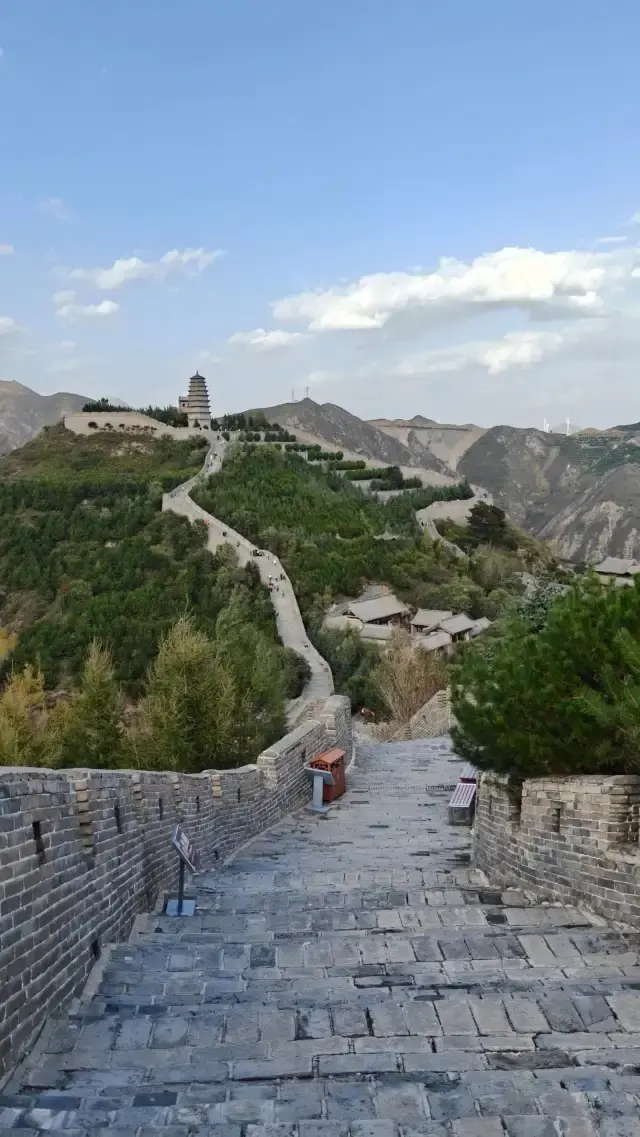 Shanxi Yanmenguan 1-day trip guide highlights: "The First Pass of China" – a majestic journeyShanxi Yanmenguan 1-day trip guide Yanmenguan is known as "The First Pass of China" and is a core ancient site of the thousand-year-old border Great Wall. It is perfect for a short 1-day trip. This compliant and worry-free guide makes it easy for beginners to enjoy. Ticket basics: Peak season is April 1–October 31, 8:00 AM–5:30 PM; off-season is 8:30 AM–5:00 PM. Peak season admission is CNY 90, off-season is CNY 60. Half-price for students and minors; free for seniors and children. The round-trip sightseeing bus at the North Gate is CNY 10; we highly recommend purchasing it to save energy on the climb. Transportation guide: If driving, navigate directly to the Yanmenguan North Gate Visitor Center. Do not select the South Gate, as the entire route involves strenuous uphill climbing. For public transport, take the high-speed rail to Daixian West Station, then take a 30-minute taxi directly to the scenic area. Simplified itinerary (3–4 hours): After entering the park, take the sightseeing bus directly to the core pass city. Visit the Wengcheng, Dili Gate, Tianxian Gate, and Yan Tower in order. Check in at the ancient road ruts and the "First Pass" plaque, and visit the Zhenbian Shrine to learn about the history of famous border generals throughout the ages. Then, climb to the top of Yan Tower for a panoramic view of the mountains and the winding Great Wall—it's a fantastic photo spot. If you have enough energy, you can take a short walk along the officially opened section of the Great Wall. Please do not venture onto undeveloped, wild sections of the Great Wall. Photo spots: Shooting upward at the pass tower from Wengcheng creates a great atmosphere. The Tianxian Gate archway is perfect for atmospheric close-ups. The high point of Yan Tower is great for panoramic shots. Early morning and late afternoon soft light provide the best results. Tips & compliance reminders: Drones are prohibited throughout the scenic area. Climbing on or carving into ancient buildings and city walls is forbidden; please protect cultural relics and historic sites. The mountain area is windy with significant temperature differences, so be sure to wear comfortable sneakers and bring a windbreaker. We recommend booking tickets online in advance, choosing official digital guides, and avoiding unauthorized tour guides. Food recommendations: Try local farm-style delicacies around the scenic area, such as knife-cut noodles and Shanxi wantuo, to experience authentic Northern Shanxi flavors.Luna Mitchell 987


Other visitors' reviews of Yingxian Wooden Pagoda
Show More ReviewsNo matter how many times I've seen it on TV or in picture books, seeing it in person is still breathtaking. The weight of history truly shines here. I've heard they're still discussing whether to dismantle it for major repairs; I'm afraid one day it will be gone forever. There was a short queue on the first floor; it was quite crowded.