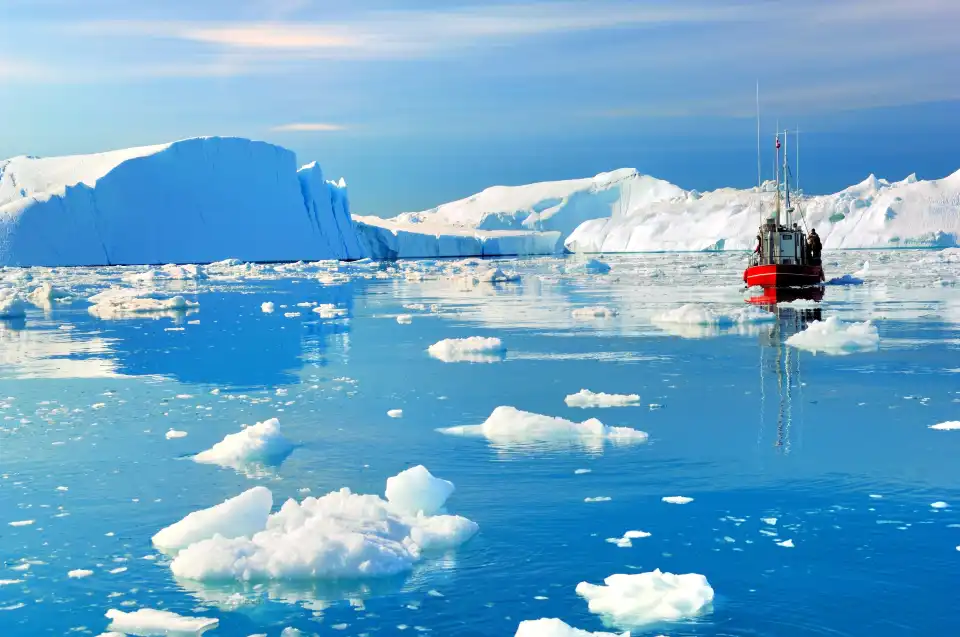
Ilulissat Icefjord UNESCO World Heritage Area
 No. 1 of Best Things to Do in Greenland
Open Opening hours of Ilulissat Icefjord UNESCO World Heritage Area
Ilulissat Icefjord UNESCO World Heritage Area Highlights: Must-See Features and Attractions
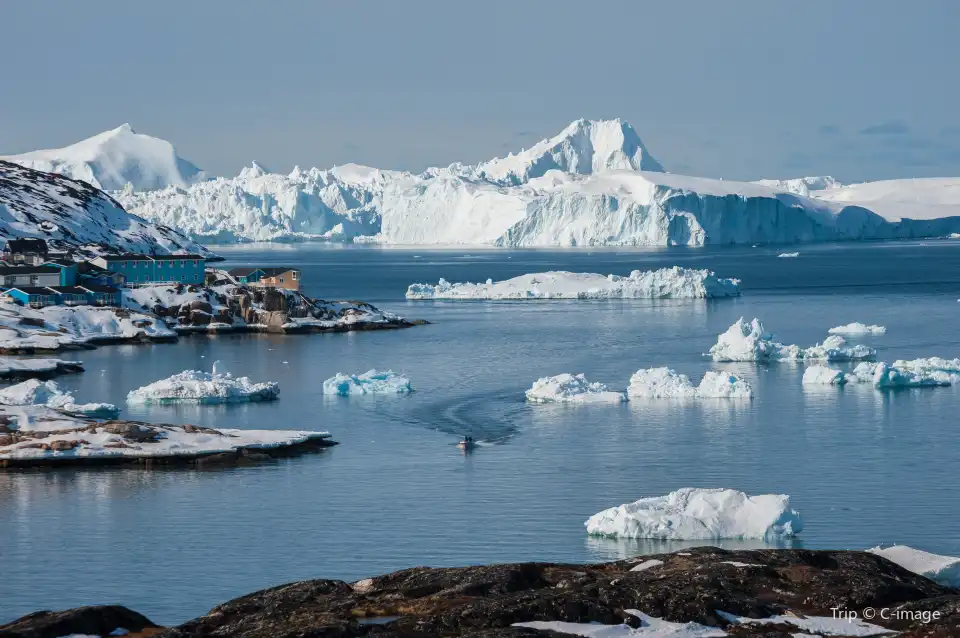
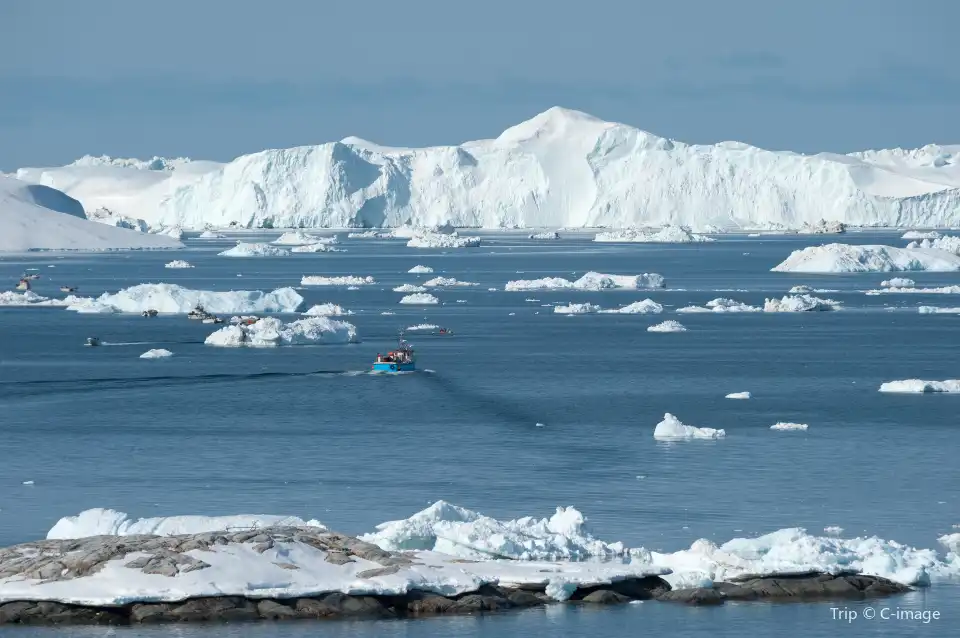
Ilulissat Icefjord UNESCO World Heritage Area is located on the west coast of Greenland, approx. 250 km north of the Arctic Circle, and is the outlet where the Sermeq Kujalleq glacier flows into Disko Bay. This glacier pushes the ice sheet toward the sea at a speed of tens of meters per day, and the volume of ice that calves into the sea each year accounts for approx. one-tenth of all Greenland, more than any other glacier outside of Antarctica. Looking from the coast of the adjacent town of Ilulissat, the entire fjord is packed with icebergs of all sizes, and the muffled sound of ice cracking occasionally echoes from deep within the sea.
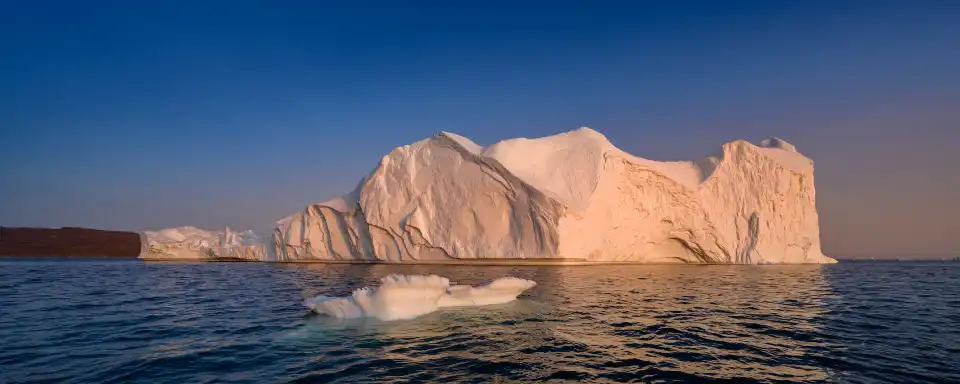
Many newly formed icebergs are hundreds of meters tall, and because their draft is too deep, they often run aground on the shallows at the mouth of the fjord, where they can remain stuck for years until they are crushed and broken by the constant flow of ice from upstream, so the mouth of the fjord often looks like it is blocked by a wall of ice. Once free, the icebergs drift south with the ocean currents and do not gradually melt until they reach the Atlantic waters at the same latitude as New York. The ice layers preserved deep within the ice sheet record climate changes over the past 200,000+ years, and for two and a half centuries, this has been an important base for glaciologists to observe climate change.
Other visitors' reviews of Ilulissat Icefjord UNESCO World Heritage Area
Show More ReviewsGreenland within the Arctic Circle has some very famous tourist destinations, and Ilulissat Ice Bay is one of them. Many tourists come here from far away to check in and take photos. Come and have a look!