Admission guidelines丨Special ID verification notice
Zhangjiajie National Forest Park
张家界国家森林公园 based on 2,386 reviews
 2026 Global 100 - Best Things to Do
Open Opening hours of Zhangjiajie National Forest Park
Zhangjiajie National Forest Park Highlights: Must-See Features and Attractions
Zhangjiajie National Forest Park is where Zhangjiajie tourism originates.
"Everyone knows Zhangjiajie, but who recognizes Wulingyuan?" Many visitors are confused about the relationship between Zhangjiajie and Wulingyuan. Generally, Zhangjiajie refers to both Zhangjiajie City and the Zhangjiajie attraction. The Zhangjiajie attraction specifically means Zhangjiajie National Forest Park, which—together with Tianzi Mountain, Suoxi Valley, and Yangjiajie—forms the Wulingyuan scenic area. Since Zhangjiajie National Forest Park was developed earlier and gained greater fame, even Zhangjiajie City was renamed after it. As a result, people commonly use "Zhangjiajie National Forest Park" or "Zhangjiajie attraction" to refer to the Wulingyuan scenic area.
"Three thousand spectacular peaks and eight hundred beautiful waters." The three thousand spectacular peaks, in particular, are world-renowned.
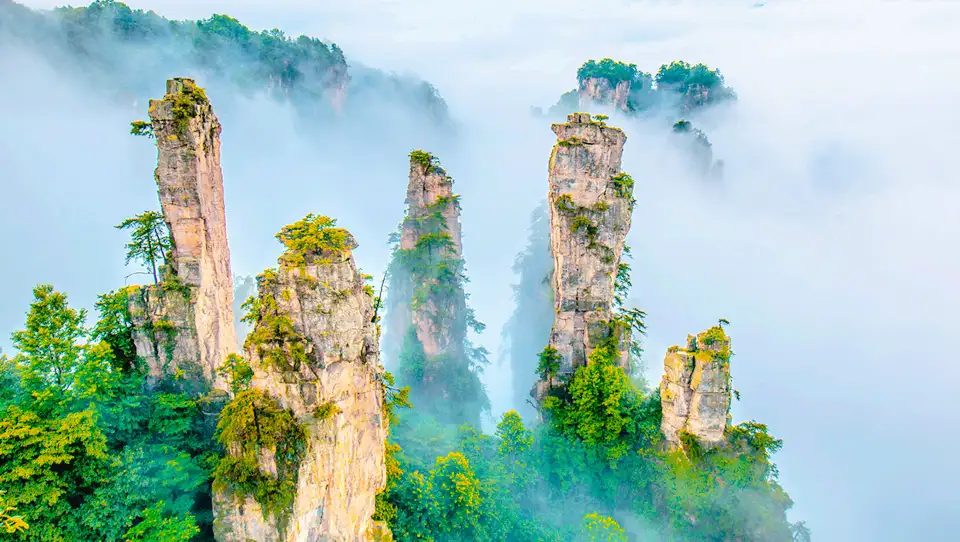
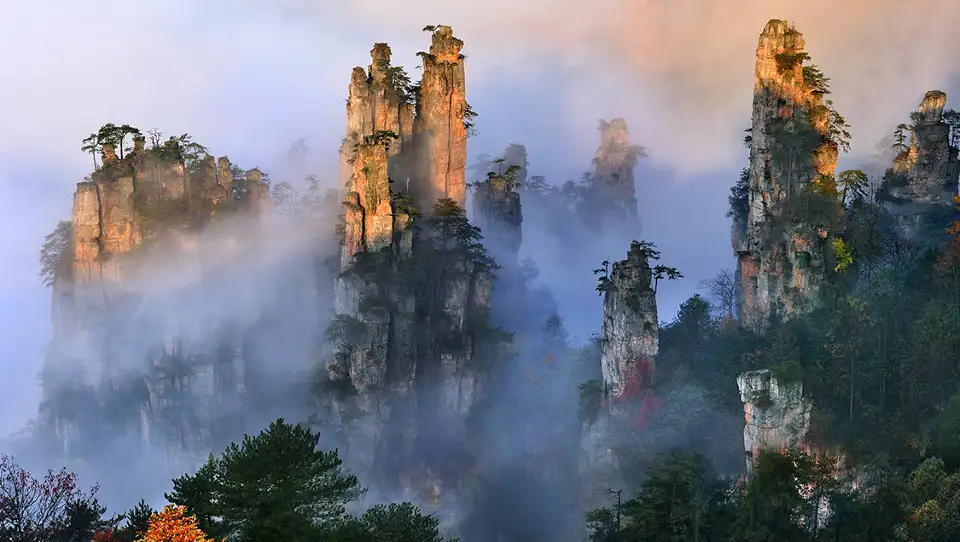
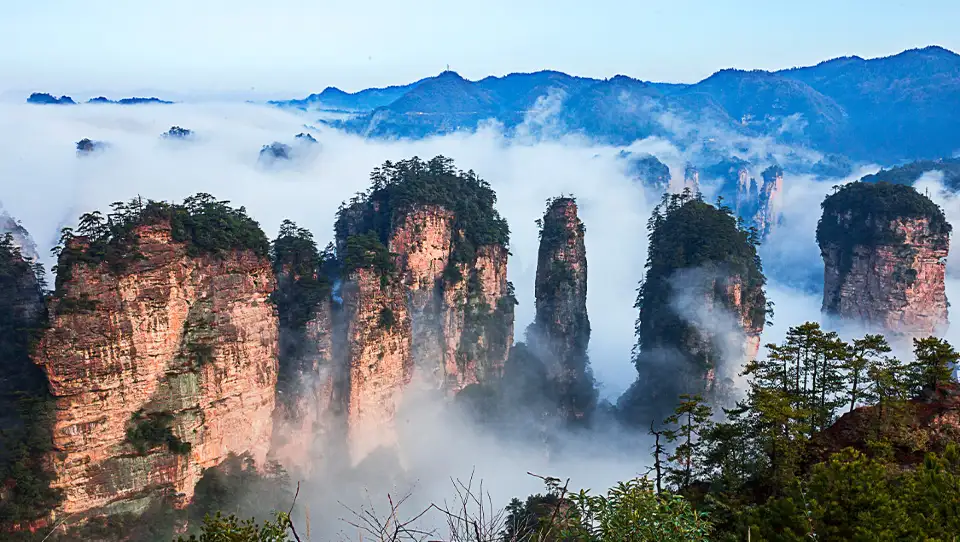
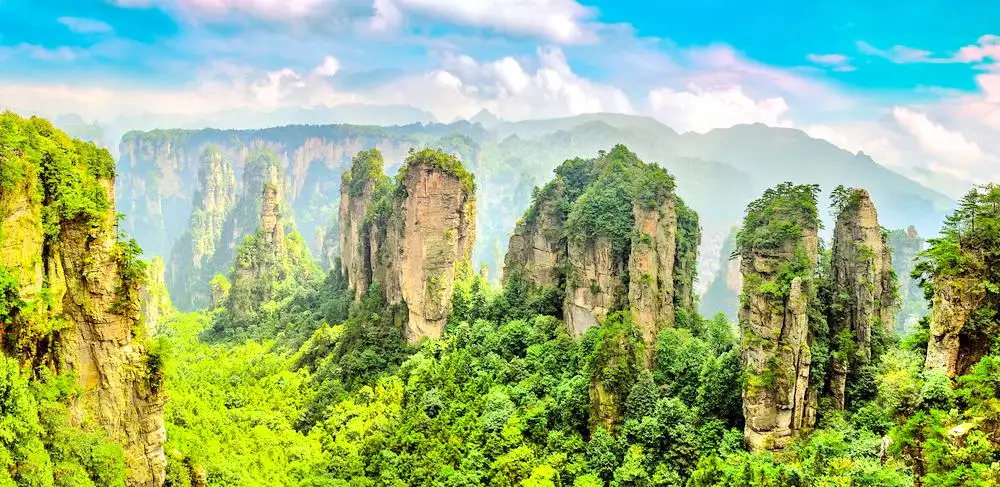
Wulingyuan's mountains stand apart from famous peaks around the world. Across its 398-square-kilometer area, over 3,000 densely packed sandstone pillars rise dramatically, with 243 exceeding 1,000 meters in height. When sea of clouds roll in, these pillars appear to float without foundation, soaring straight into the sky. Alongside North America's redwood forests and Greenland's glaciers, they form one of Earth's four great geological wonders. Located at low altitudes in the subtropical zone, Wulingyuan thrives with lush forests and abundant water sources, supporting numerous endangered plant and animal species. Each pillar teems with life. The natural pillars, bridges, canyons, waterfalls, streams, pools, caves, and dense broadleaf forests often shroud in mist and clouds, enhancing their breathtaking beauty. This unique landscape creates a spectacular scene described as "majestic mountains, elegant waters, peculiar peaks, secluded gorges, and exquisite caves," earning its reputation as "an enlarged bonsai and a miniature fairyland."
On December 14, 1992, the UNESCO World Heritage Committee unanimously voted to include Wulingyuan on the World Heritage List, filling China's gap of having no World Natural Heritage sites. Its recognized outstanding universal value lies in its exceptionally rare quartz sandstone peak forest landform, which possesses extremely high aesthetic value.
UNESCO states: "Wulingyuan's scenery can be compared to several national parks and monuments in the United States, such as the Grand Canyon, as well as the sandstone peaks of Western Australia's Purnululu region. However, due to Wulingyuan's lower elevation and subtropical location, it boasts lush forests, abundant water sources, and numerous towering peaks that display more vertical profiles than the heritage sites in the U.S. and Australia."
The visually stunning Pandora planet in the globally popular 2009 movie "Avatar" captivated countless viewers, with its floating mountains inspired by Wulingyuan. Additionally, Wulingyuan served as the filming location for Chinese literary classics like "Dream of the Red Chamber" and "Journey to the West," as well as movies such as "Zhong Kui: Snow Girl and the Dark Crystal" and "Monster Hunt."
In 2010, Wulingyuan's unique landform was officially named the "Zhangjiajie landform," becoming a globally recognized term and one of the few landform types in the world named after a specific region.
Attraction highlights
- Yuanjiajie: Step into Pandora from Avatar
Yuanjiajie served as the filming location for the "Hallelujah Mountains" in the movie Avatar. Here, you can explore the magical world of floating peaks scattered like stars across the landscape. If you're lucky enough to visit during a light rain or just after the rain clears, you'll witness the breathtaking scenery of mist-shrouded, layered mountain peaks. Mihun Terrace is the ideal vantage point, offering panoramic views of hundreds of towering stone peaks that create a majestic atmosphere. You can also see the renowned "World's First Bridge," a natural wonder spanning two mountains with a vertical drop of 357 meters.
- Tianzi Mountain: Where the Emperor's Return Makes Other Mountains Pale in Comparison
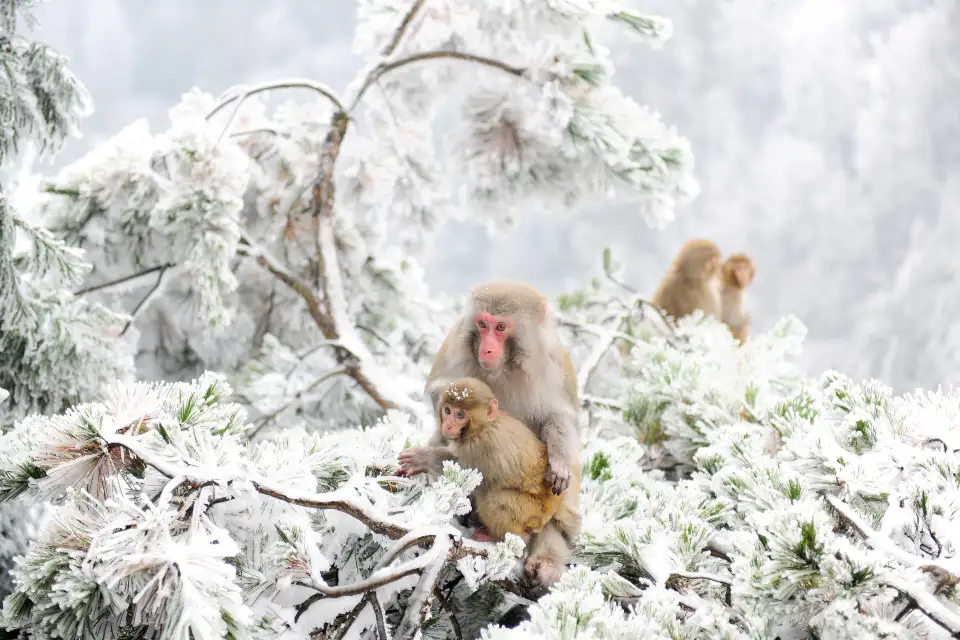
Exploring Tianzi Mountain, you'll encounter extraordinary geological formations and peculiar peaks like the Imperial Writing Brush, Fairy Presenting Flowers, Commander's Platform, Sky-High Farmland, and Immortal Bridge. Don't focus too much on how closely these natural shapes resemble their names - the true charm lies in the mountain's "primordial natural beauty." The misty atmosphere after rainfall creates an ethereal fairyland experience, while winter transforms the landscape into an even more enchanting silver wonderland.
- Huangshi Village: Reach the summit for breathtaking mountain views
"Without ascending Huangshi Village, your trip to Zhangjiajie is incomplete." Huangshi Village is a scenic viewpoint within Zhangjiajie National Forest Park, surrounded by sheer cliffs and lush greenery, with its summit often shrouded in mist. Reaching the top of Huangshi Village offers panoramic views that let you experience the majestic feeling of "seeing all other mountains appear small."
- Yangjiajie: Thrills Amidst the Peaks
Yangjiajie is primarily known for its pristine natural beauty, featuring towering mountains and narrow paths that make it famous for its "perilous" reputation, beloved by backpackers and adventurers. Within the attraction, Black Dragon Village is one of Zhangjiajie's most magical spots. Once inhabited by bandits from western Hunan, it was later renamed after the TV series "The Suppression of Bandits in Black Dragon Mountain." The village is built along the mountainside, with only one path leading up and down—requiring visitors to use both hands and feet to climb to the summit.
- Suoxi Valley: Nature's Ink Wash Masterpiece
Suoxi Valley, also known as Suoxi, gets its name from the rope-like shape of its winding streams. Unlike the more rugged areas of the forest park, this mist-shrouded valley features crystal-clear streams that flow year-round, surrounded by graceful peaks at every turn. The Ten Mile Gallery stands as the crown jewel of Suoxi Valley—a 5km-long canyon filled with fragrant wildflowers and extraordinary rock formations. Walking through this landscape feels like stepping into a living Chinese landscape painting.
- Golden Whip Stream: Filming Location of "Journey to the West"
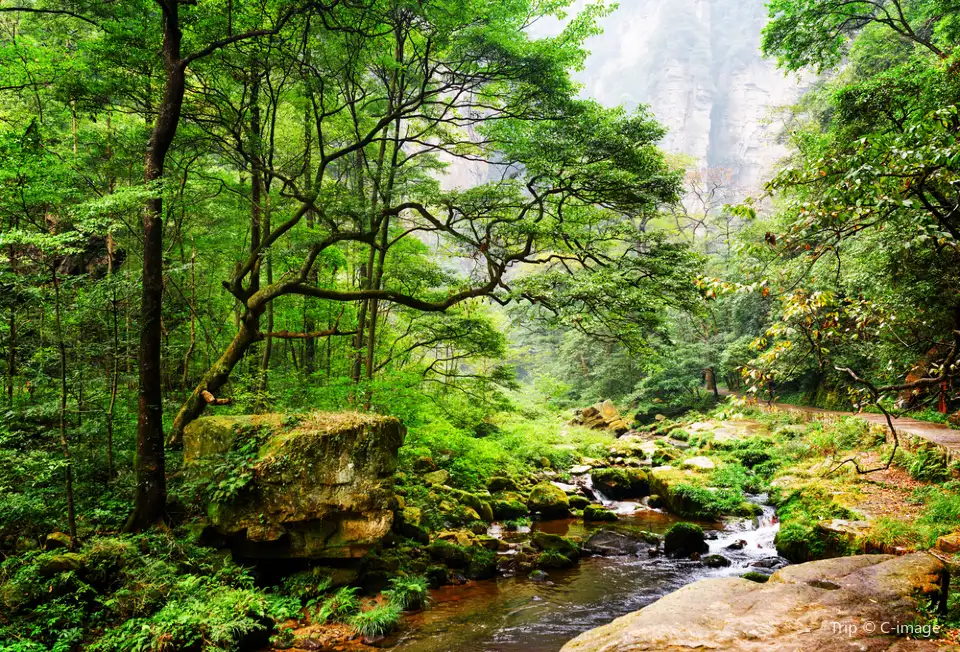
Golden Whip Stream Canyon is the earliest developed area in the attraction, where a crystal-clear stream flows through the valley flanked by towering peaks and lush greenery. This location served as one of the filming sites for the classic TV series "Journey to the West," allowing fans to visit iconic scenes like the Water Curtain Cave and the Mountain-Splitting Rescue.
Other visitors' reviews of Zhangjiajie National Forest Park
Show More ReviewsEntering via the South Gate is ideal for quiet and hiking, enter via the East Gate for the generic scenery and crowds.