Hagia Sophia(Santa Sophia, Church of Saint Sophia)
Ayasofya-i Kebir Cami-i Şerifi based on 46,119 reviews
 2026 Global 100 - Best Things to Do
Open Opening hours of Hagia Sophia
Hagia Sophia Highlights: Must-See Features and Attractions
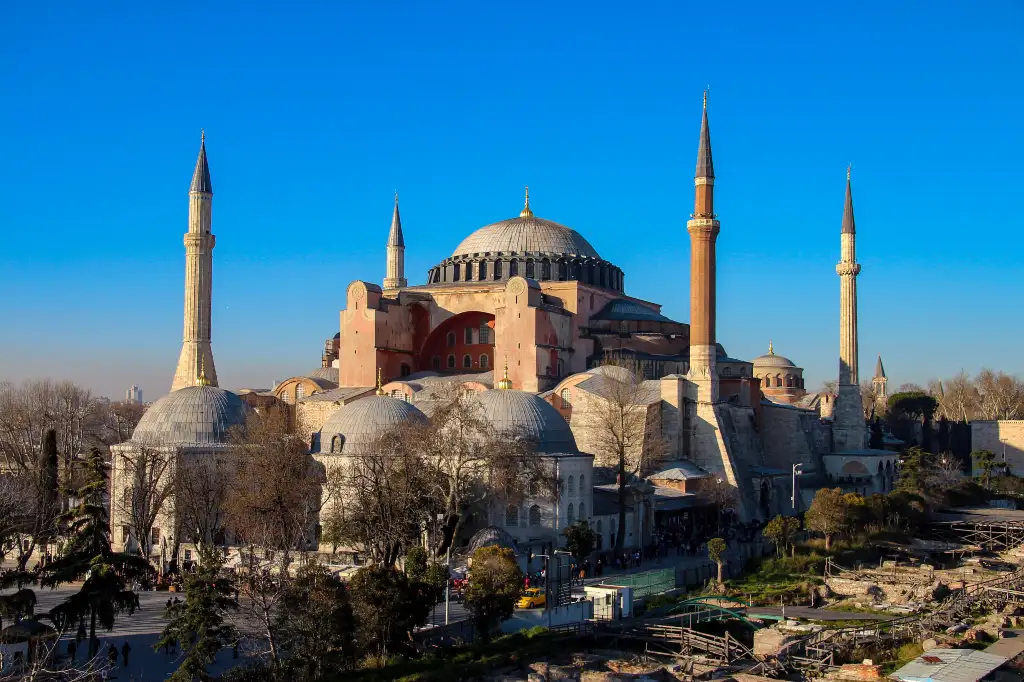
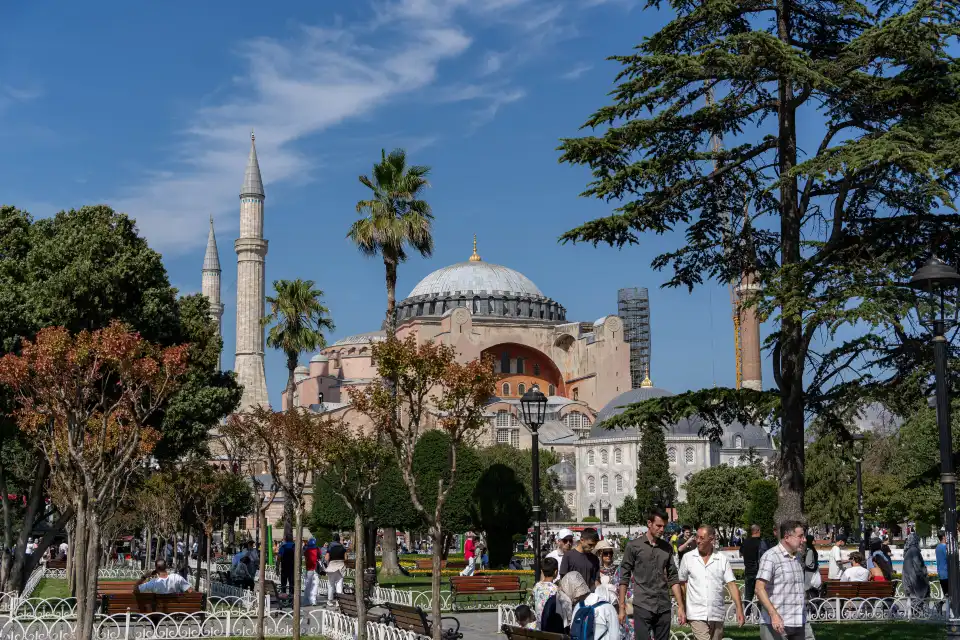
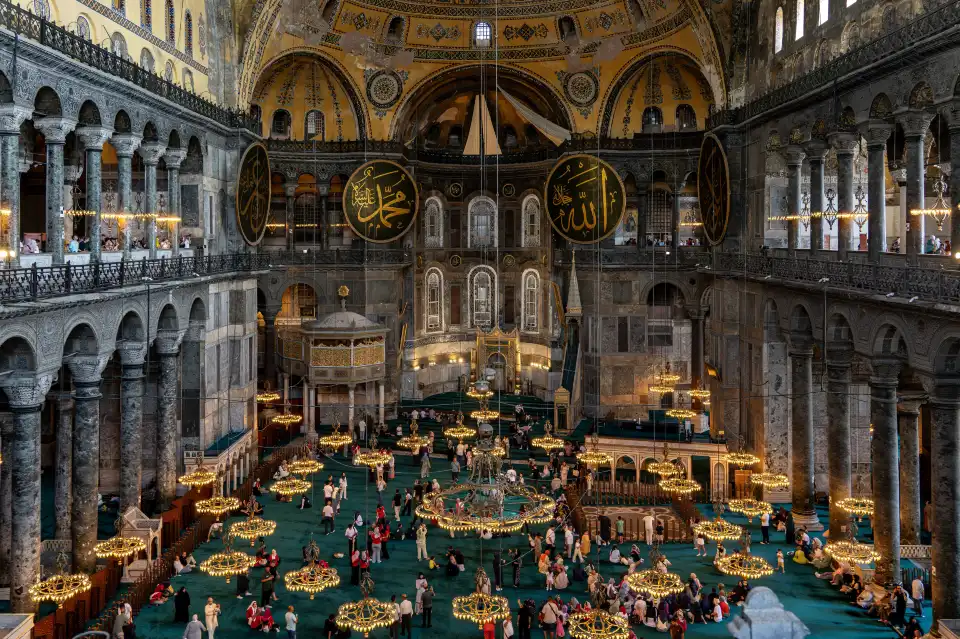
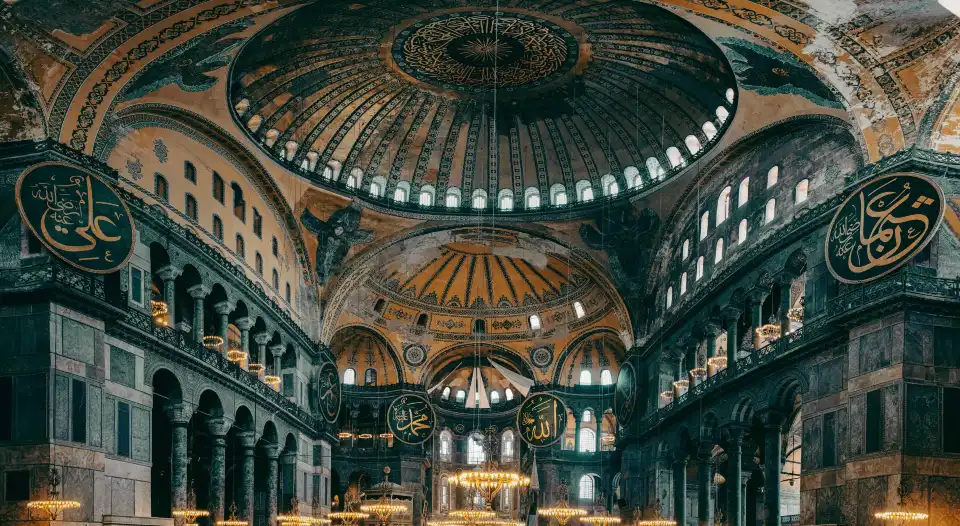
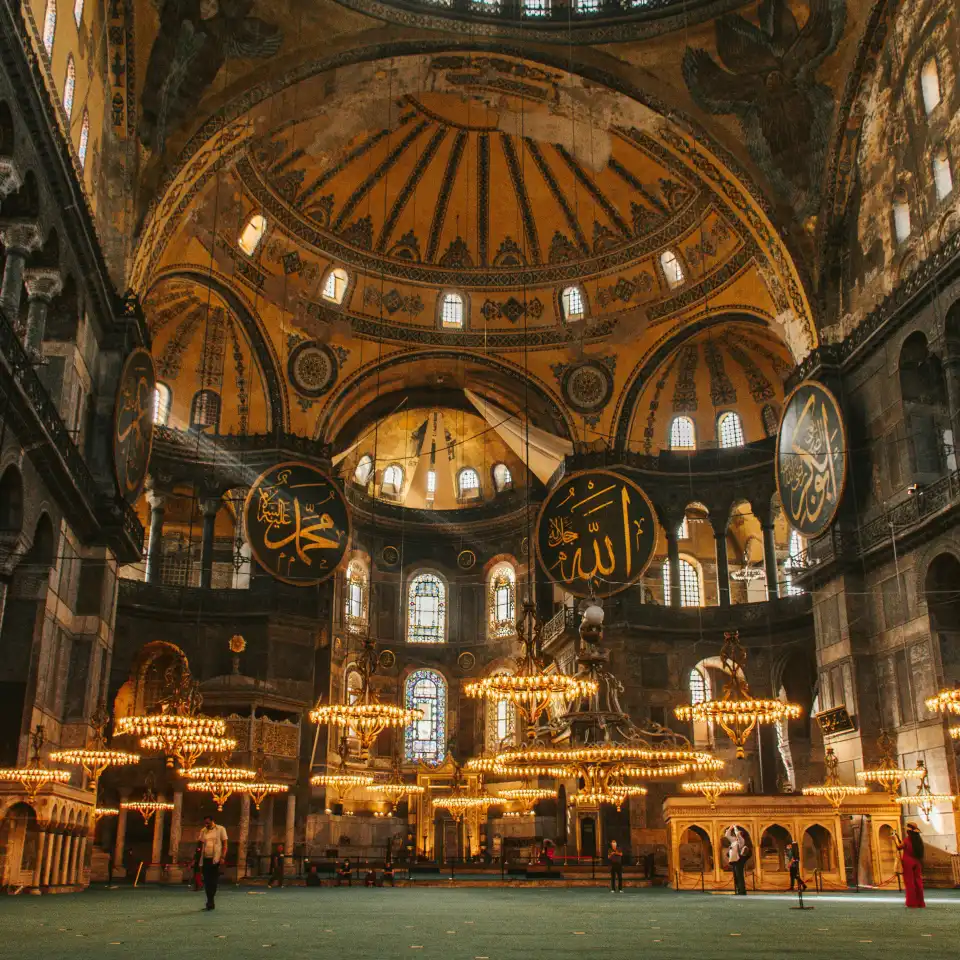
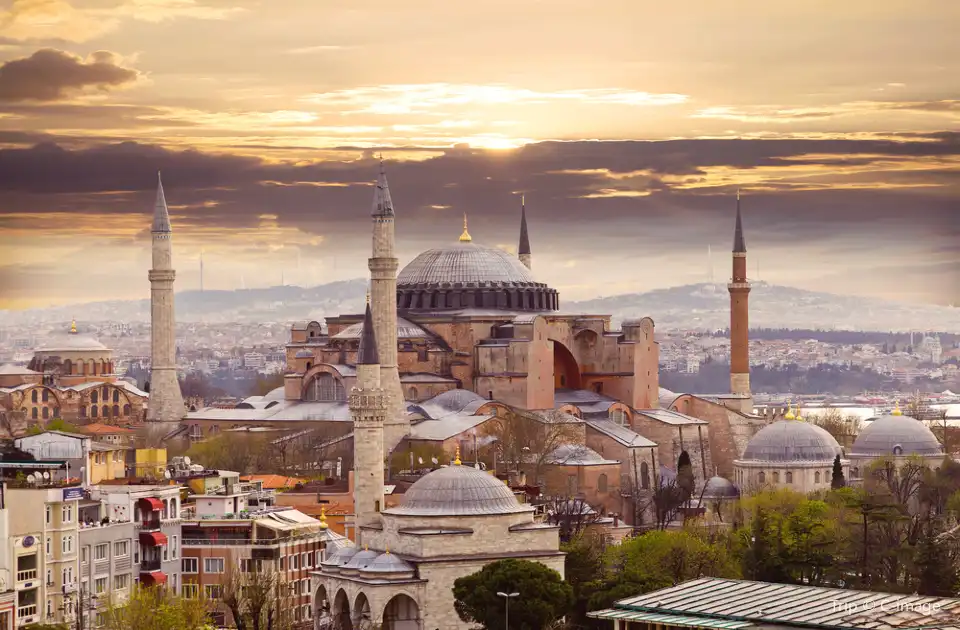
Hagia Sophia faces the Blue Mosque across the street. Originally the main cathedral of the Byzantine Empire, it was converted into a mosque after being occupied by the Turks. This historic building in Türkiye stands as one of the country's most iconic symbols. The exterior of Hagia Sophia features classic mosque domes and minarets, with an ablution fountain (for mosque use) in front and several stone pillars topped with intricate carvings nearby. Nine gates lead to the central hall from the narthex, with the middle one known as the "Imperial Gate," once reserved exclusively for emperors and empresses. The four gates on either side were designated for commoners, while the two middle gates were for nobles and officials. The grand central hall dazzles with multicolored marble floors and walls adorned with vibrant mosaic patterns. Numerous windows and low-hanging chandeliers maintain the hall's lighting, while the ornate lamps create a warm ambiance beneath the towering dome, evoking a sense of awe. The dome preserves Byzantine-style frescoes in rich colors. Above the altar is an image of the Virgin and Child gazing downward. On either side of the altar hang six large black disks with golden Arabic calligraphy, each about 10 meters in diameter, inscribed with names. The right side of the altar marks the coronation spot, while the left features a preaching balcony. A spiral passage at the end of the side corridor leads to the upper gallery, where dignitaries and females once prayed. The gallery walls display numerous frescoes depicting Christian stories. From here, visitors can admire the hall's majestic spatial design, with golden and blue decorative motifs adorning the column capitals, bases, and joints. The intricately carved capitals are breathtaking. Walking along the upper gallery, the "Empress's Lodge" stands to the right, directly above the "Imperial Gate" at the entrance below. From this vantage point, visitors can clearly see the exquisite mosaic artwork embedded above the gate.