Tianlong Mountain Scenic Area
天龙山景区Closed for the day Opening hours of Tianlong Mountain Scenic Area
Tianlong Mountain Scenic Area Highlights: Must-See Features and Attractions
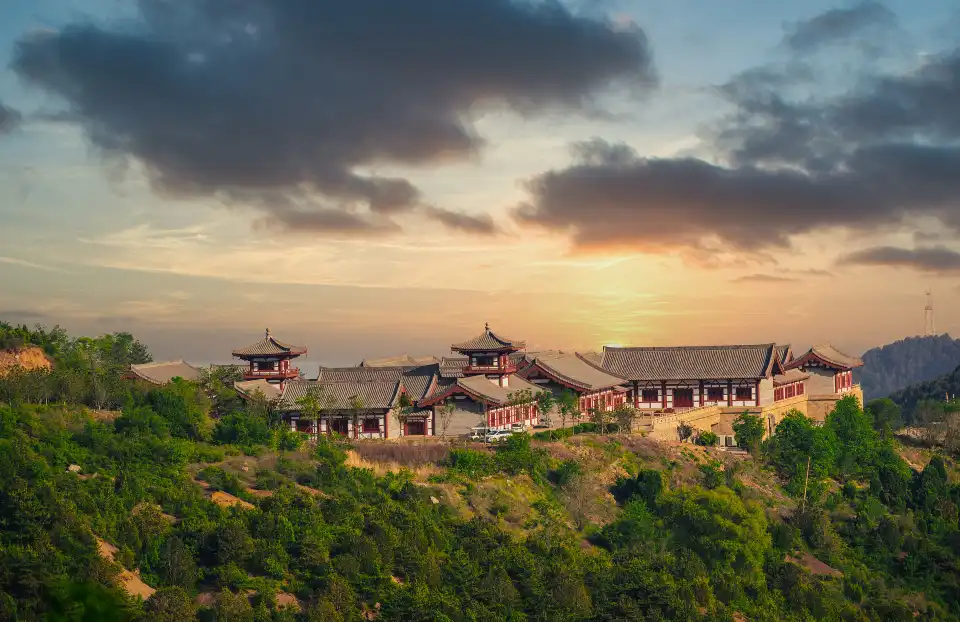
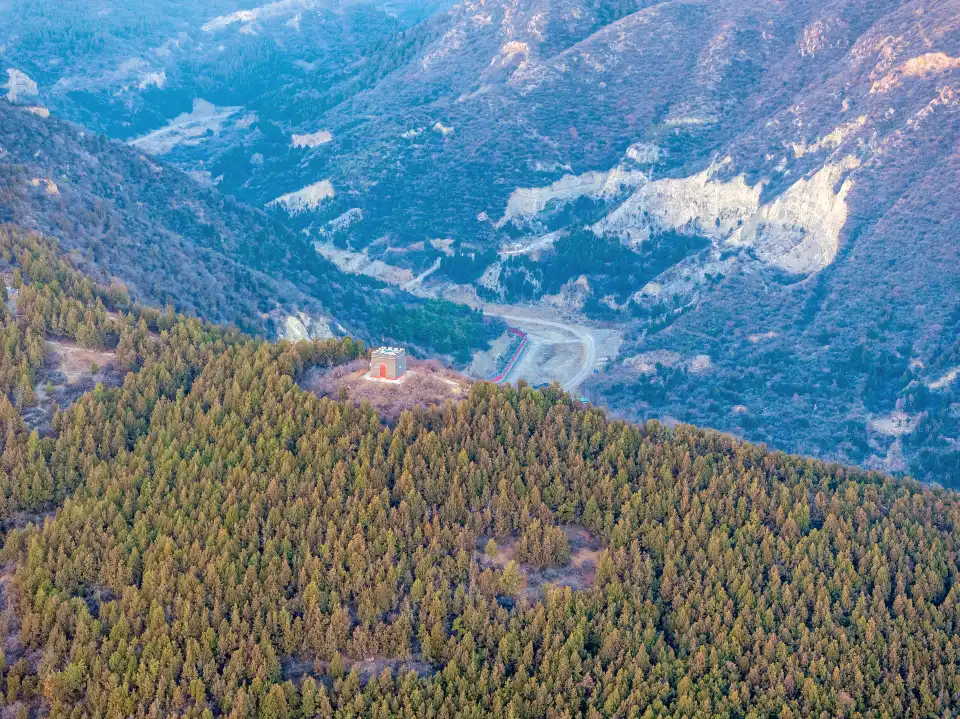
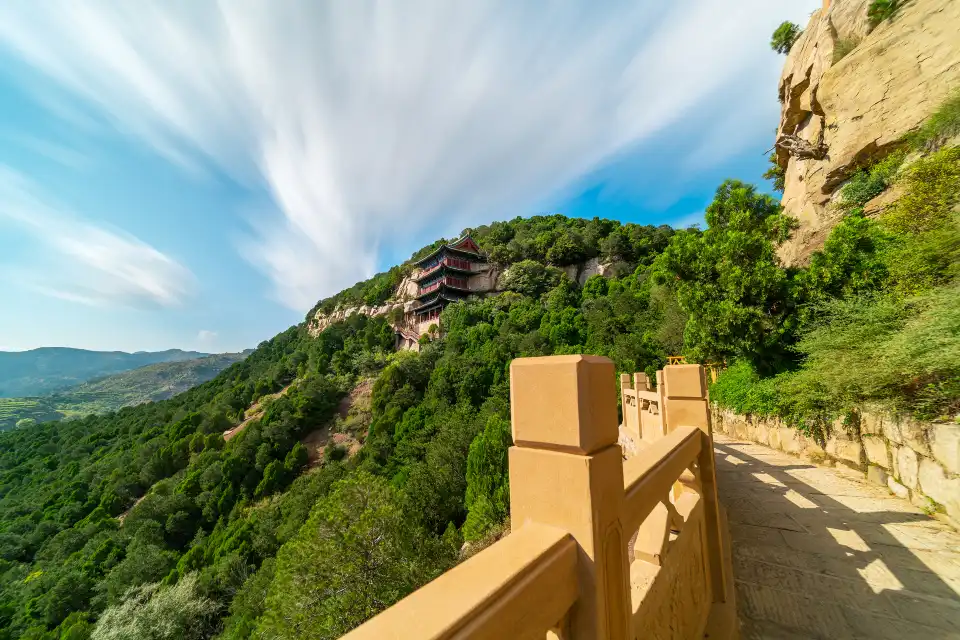
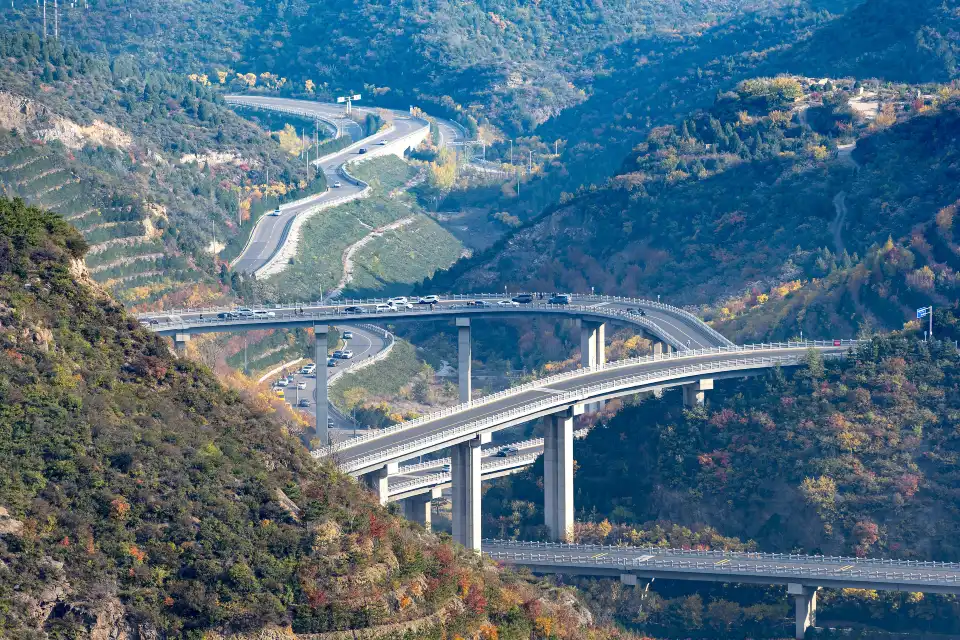
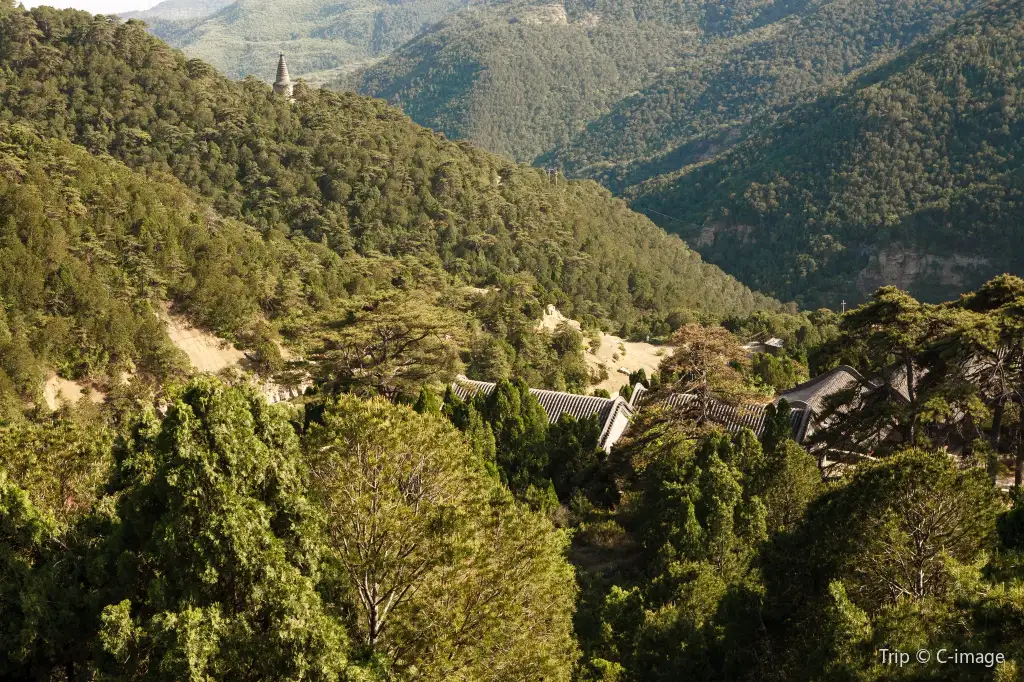
Tianlong Mountain attraction encompasses the three natural villages of Wupo, Nanping, and Yaotou in Jinci Town, as well as the Nanshan and Beishan (i.e., Tianlong Mountain) at the source of Liuzigou, covering an area of approximately 185 hectares. The mountain is characterized by sandstone and shale, resulting in unique geological landforms; it boasts numerous mountain springs with abundant sources; and it is densely forested, with a forest coverage rate of 70%. The area is home to a variety of birds and animals, including over twenty species of national first- and second-class protected animals. The attraction, with mountains that are not high but majestic, offering a tranquil and cool environment; and trees that are not large but dense, creating a magnificent landscape. Historically, it was known for its "Eight Scenic Spots of Tianlong" and was a famous tourist destination. Today, it is part of the Jinci-Tianlong Mountain Scenic Area, a key cultural relic under provincial protection in Shanxi Province, and the main body of the Tianlong Mountain National Forest Park.

Other visitors' reviews of Tianlong Mountain Scenic Area
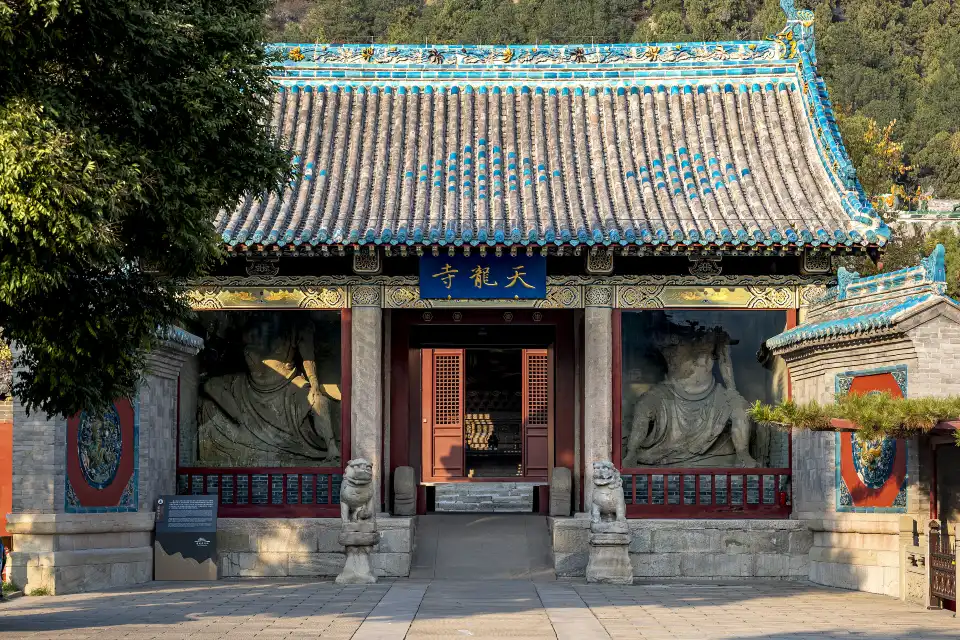
Show More Reviews[A Breathtaking Journey to Taiyuan's Tianlongshan Grottoes: Artistic Treasures on a Cliff] ✨ As the May breeze sweeps across Taiyuan's West Mountain, the moment you step foot into the Tianlongshan Grottoes, you're instantly struck by the spirit of millennia-old craftsmanship! Each statue here is a poet of time. Traces of carving from the Northern Qi Dynasty to the Sui and Tang Dynasties whisper on the rock face, almost as if you can hear the resonance of chisel and stone. Particularly breathtaking is the Manshan Pavilion in Cave 9. Ascending the steps, the 11-meter-tall Maitreya Buddha, his head bowed and eyes lowered, his robes flowing like flowing water, exudes a compassionate aura that permeates the passage of time. On either side, bodhisattvas, graceful figures and garlands arranged in a staggered pattern, mark the pinnacle of the elegance and grandeur of Tang Dynasty imperial sculpture. Even after enduring the vicissitudes of time, the remaining colors still hint at the splendor of the past. Even more moving are the stories of cultural relics returning to China: a Buddha head, lost overseas, finally returned to its homeland after centuries of wandering (now housed in the Tianlongshan Grottoes Museum). Digital technology has allowed the broken statue to be "reborn" through light and shadow. This resilience and rebirth is the most moving essence of Chinese civilization. Tip: The cool shade of the mountain forests is perfect for escaping the summer heat. Combine this with a museum visit, learning about the history before exploring the grottoes for a truly exhilarating experience! Drone aerial photography can even better capture the magnificent blend of grottoes and mountains.