Pamukkale
 2026 Global 100 - Night Attractions
Opening hours of Pamukkale
Pamukkale attraction highlights
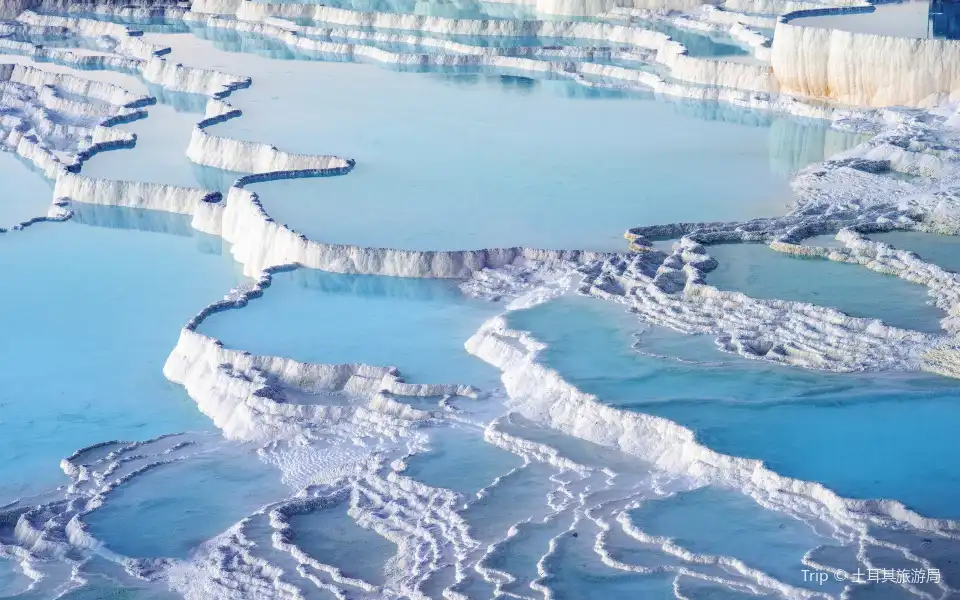
Pamukkale is located 19 km north of Denizli, Türkiye. In Turkish, Pamuk means cotton and Kale means castle, so Pamukkale is called Cotton Castle. This is a famous hot spring resort destination, home not only to natural hot springs that are thousands of years old, but also to these strange hills that look like cotton, which are actually hard limestone. In 1988, Pamukkale and the ancient city of Hierapolis on top of it were together inscribed as a World Cultural Heritage site.
Unique stepped "cotton" hills
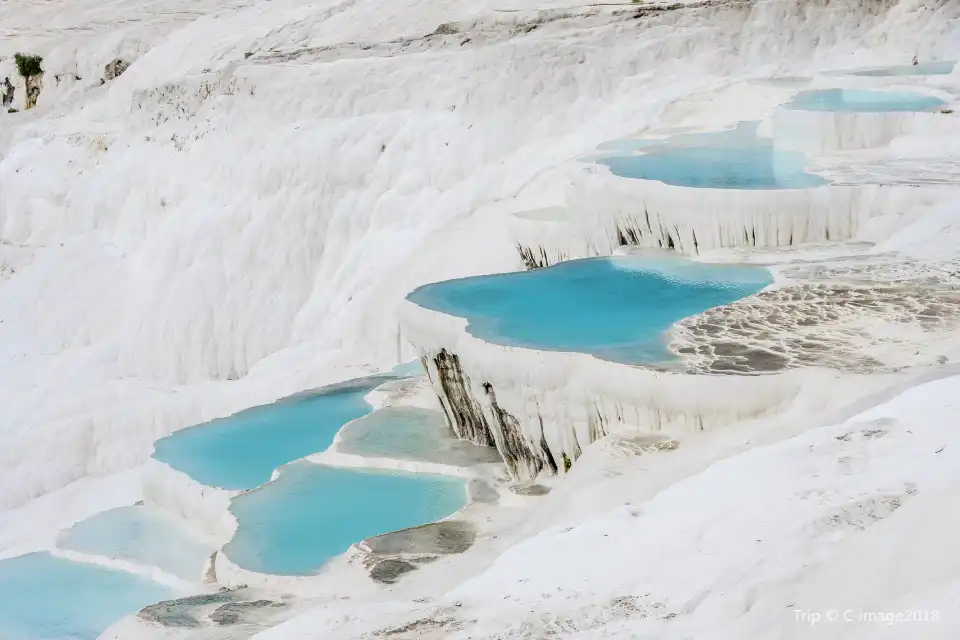
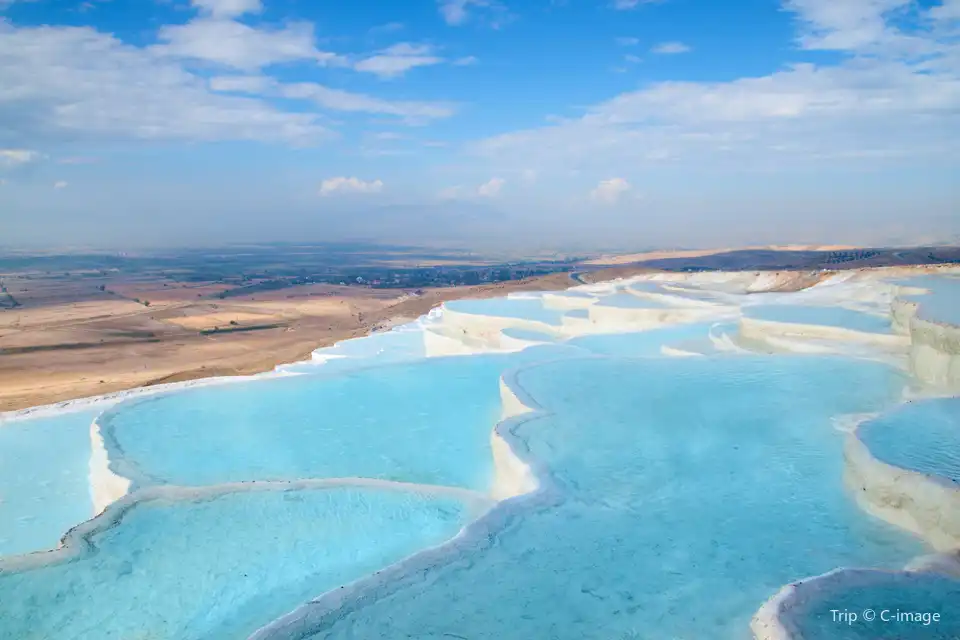
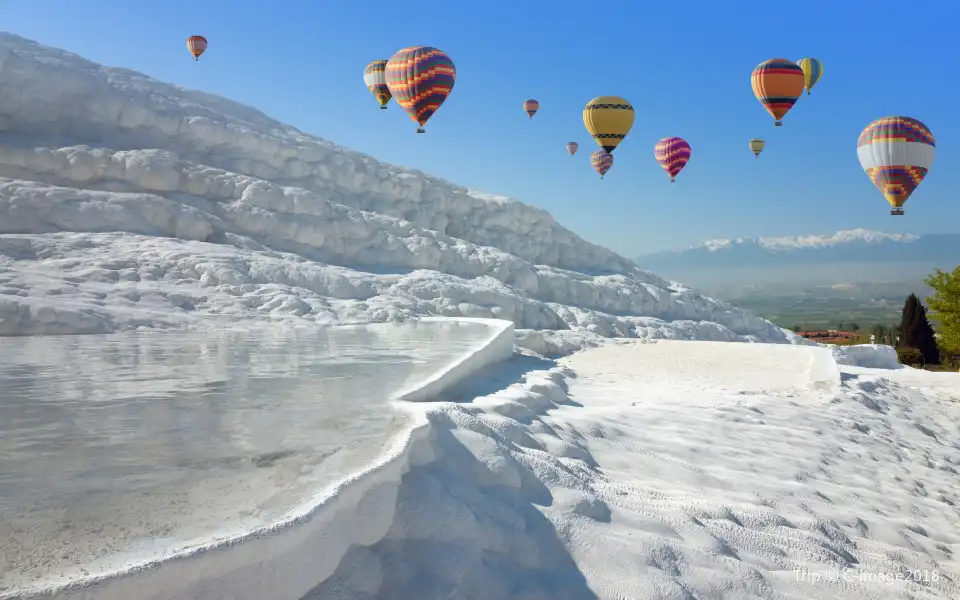
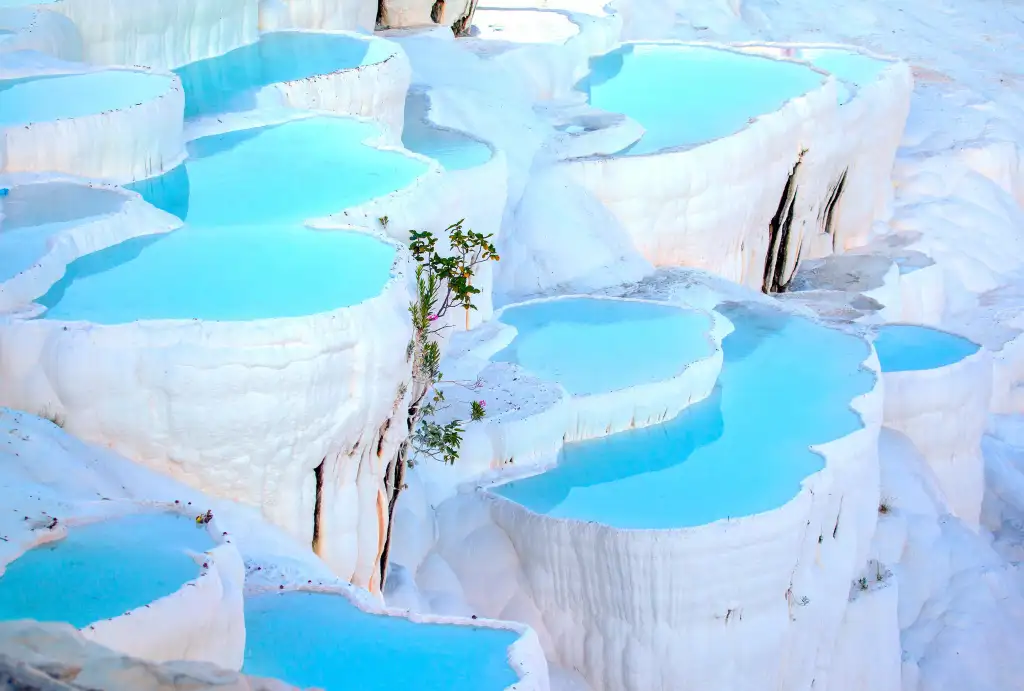
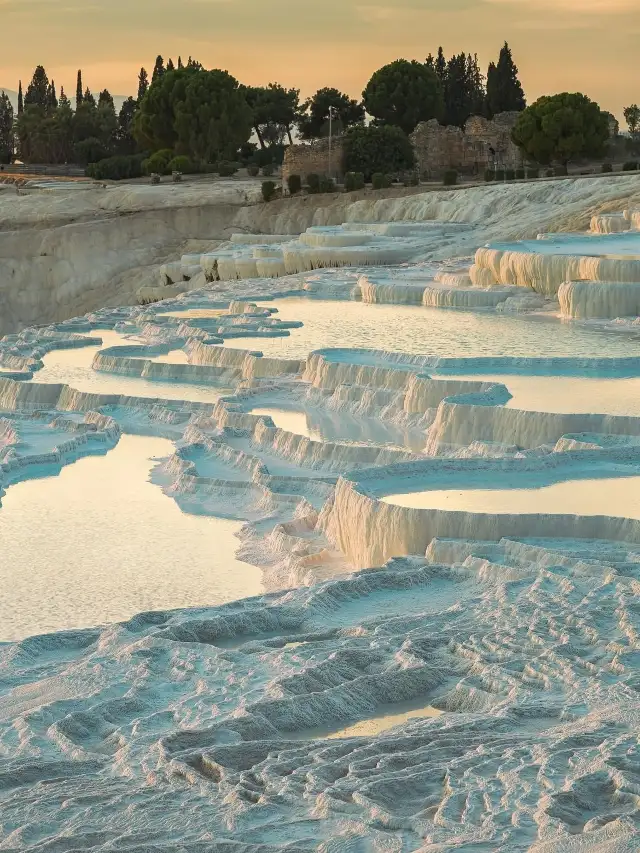
The view of Pamukkale is quite unique. Hot springs gush from underground and flow down along travertine terraces, carving the hillside into a stepped form. On the platforms, the spring water collects into small pools. Looking from top to bottom, each hot spring platform resembles a mirror reflecting the blue sky and white clouds. Looking from bottom to top, it resembles a volcano that has just erupted, with white lava covering the entire hillside, creating a rather spectacular sight. This unique scenery has attracted many photography enthusiasts from around the world.
The hot spring resort where Cleopatra once bathed
Nestled among mountains and water, the white Pamukkale has been a hot spring retreat since the Greek era, and legend has it that Cleopatra herself once bathed here. The water here has a pH of around 6. Visitors come in an endless stream to soak in the hot springs, and European and American tourists in particular often come with their whole families.
Attraction tour routes
Visitors generally enter through the north gate of the attraction, where they can see the Northern Necropolis (with over 1,000 tombs), the North Baths (the core structure of the ancient city), and the Arch of Domitian. Passing through the marketplace, you can see a church and a water temple, and near the south gate stand the ruins of the Temple of Apollo and the amphitheater. You can first explore the ancient city of Hierapolis, and heading south from the ancient city down the hillside brings you to Pamukkale.
In the evening, you can enjoy the beautiful sunset
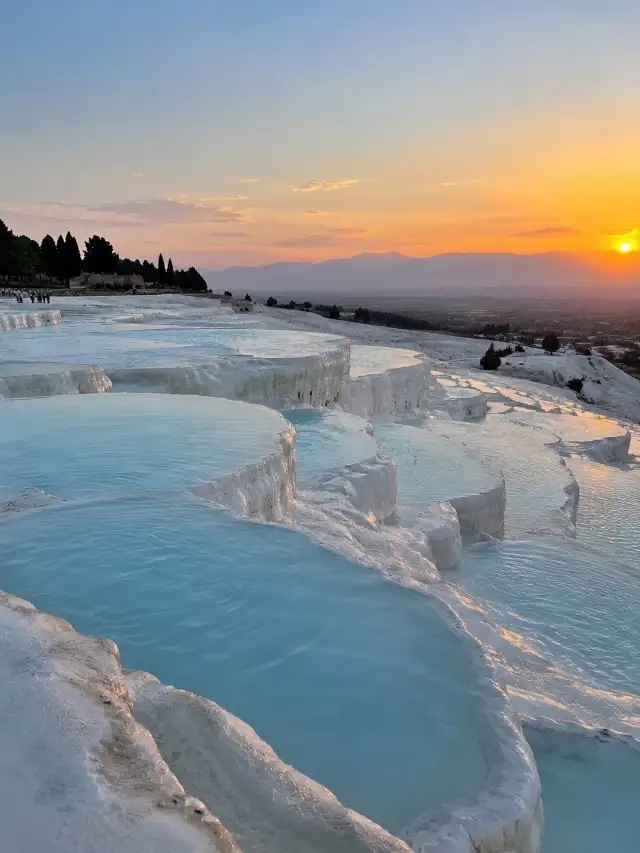
The more scenic areas of Pamukkale are along the path going up from the entrance. Generally, the crowds increase starting in the morning and gradually thin out toward evening, so if you arrive in the afternoon, you can simply go later to enjoy the sunset views. The white rock surfaces are tinted with soft colors by the sunlight, while the rippling water on the rock surfaces captures the ever-changing, wondrous colors of the sky.
Pamukkale Reviews: Insider Insights and Visitor Experiences
Pamukkale Photos: Trip Moments
- pamukkale
- ปามุคคาเลย์
- cottoncastle
- เที่ยวตุรกี
- รีวิวตุรกี
- turkeytravel
- travertineterraces
- unescoworldheritage
- ที่เที่ยวตุรกี
- travel
- trip
- tripcom
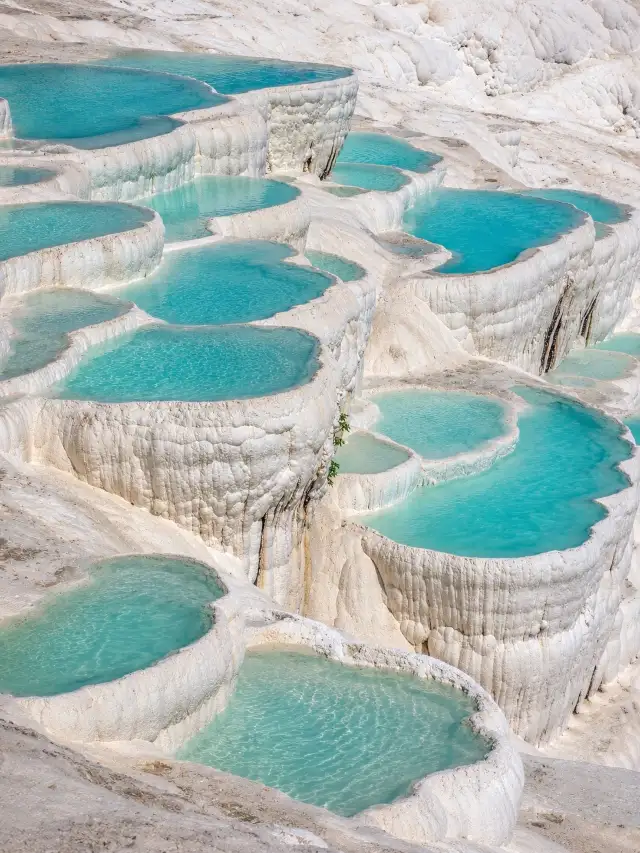
Pamukkale — The White Cotton Castle, Turkey's Natural Wonder!Explore Pamukkale in Denizli, Turkey, one of the world's most stunning and unique natural wonders. Known for its brilliant white limestone mountains and crystal-clear turquoise mineral pools cascading like a scene from a fairytale. 🩵 🤍 The highlight is the Travertine Terraces, formed by calcium-rich thermal springs that have solidified into stunning, snow-white rock formations that look like snow. 📸 💦 Walk barefoot through the warm mineral waters in designated areas and enjoy the breathtaking contrast between the blue pools and the majestic white slopes. 🏛️ Don't miss the Ancient City of Hierapolis nearby, where you can explore the grand Roman theater and well-preserved ancient ruins. 🌅 At sunset, the white limestone glows with soft golden light, creating a truly romantic and unforgettable atmosphere. 🌍 Pamukkale and Hierapolis have been recognized as a UNESCO World Heritage Site since 1988. 📍 Pamukkale | Denizli, Türkiye 🤍 Pamukkale — A natural masterpiece and a bucket-list destination you have to see for yourself at least once! ✨ระหว่างบรรทัด4
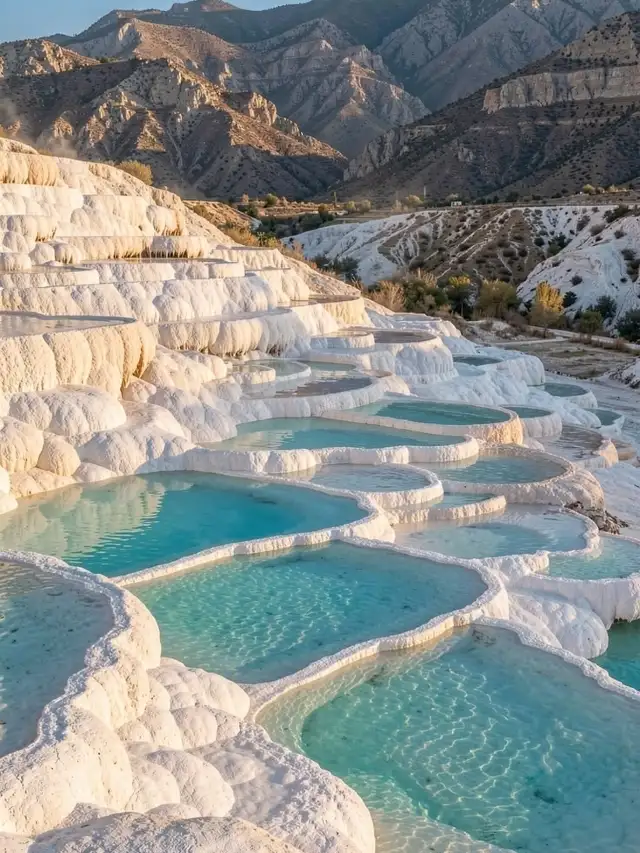 The Mountain That Looks Like It's Covered in Snow… But It's Actually Made of White Stone! 🇹🇷Imagine looking across a hillside and seeing what appears to be a series of frozen waterfalls, filled with beautiful turquoise pools. Except it's not snow or ice. It's a natural formation created over thousands of years by mineral-rich thermal water. Welcome to Pamukkale, in southwestern Türkiye. Its name translates to "Cotton Castle", and once you see the white terraces cascading down the hillside, the name makes perfect sense. The terraces are formed by calcium carbonate deposits left behind by hot spring water. Visitors can walk barefoot along designated sections, feel the warm water and enjoy views across the surrounding countryside. But there's another surprise here: right above Pamukkale lies Hierapolis, an ancient Greco-Roman city with impressive ruins, a remarkably preserved theatre and a historic necropolis. One visit gives you two completely different experiences: an extraordinary natural landscape and a journey through ancient history. I'd recommend visiting early in the morning or later in the afternoon, when the light is beautiful and the crowds can be more manageable. Also, not all terraces are open for walking, as protecting this fragile natural site is important. Would you rather spend your time relaxing in the thermal pools or exploring the ancient ruins above them? #Pamukkale #Türkiye #TravelWonder #TravelExperiencesramezzz6

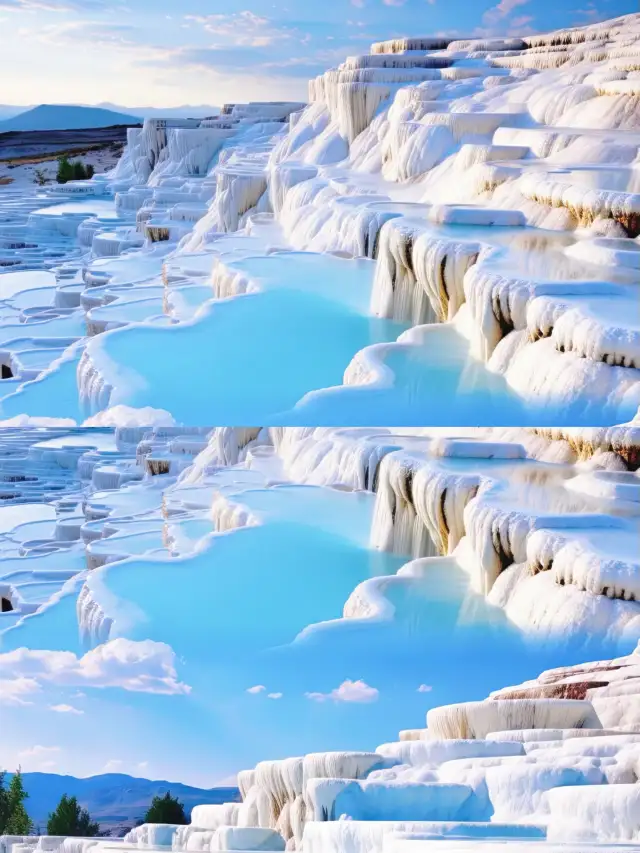 Setting the Record Straight About Pamukkale | It's Truly Like God Spilled a Bottle of MilkSetting the Record Straight About Pamukkale | 🥛 It's Truly Like God Spilled a Bottle of Milk Seriously! Pamukkale's snow-white travertine pools in Turkey truly resemble liquid milk foam spilled onto the earth. They feel warm, cool, and silky smooth underfoot, and coupled with the misty hot spring vapor, it's like stepping into an unreal fairy tale wonderland📸 💦 Pamukkale Immersive Travel Guide 📍 Key Location: Pamukkale, Turkey These limestone terraces, carved by nature, are a calcified wonder formed by millions of years of hot spring water deposits. It's recommended to enter before 7:30 AM, when the sunlight is soft and not dazzling, the travertine pools reflect a milky white halo, and you can avoid the crowds of tour groups, enjoying the entire "milk terraces" all to yourself. 🧖♀️ Hot Spring Experience & Tips to Avoid Pitfalls 1. Barefoot is mandatory in the travertine pool area! The ground is uneven and slippery, so be sure to rent non-slip socks at the entrance (approx. 10 Lira) – it's much safer than going barefoot; 2. Bring your own portable storage bag + quick-drying towel. The showers in the scenic area are basic and require an extra fee, so packing a change of clothes in advance will save you hassle; 3. The hot spring water temperature is consistently 36-38℃. Your skin will feel smooth after soaking, but don't immerse yourself for too long to avoid dizziness, and remember to rehydrate promptly. ✨ Nearby Hidden Gems 📍 Hierapolis Ancient City Ruins (5-minute walk) Standing on the ruins of the ancient city, you can overlook the panoramic view of Pamukkale – the snow-white terraces contrasting with the distant green mountains. The broken walls of the ancient Roman theater exude a sense of historical grandeur. At sunset, the sun casts a glow on the stone walls, perfect for epic photos. 📍 Natural Hot Spring Cave Hidden deep within the scenic area, it's less crowded and serene. The cave walls are covered with calcified stalactites. Soaking in the warm spring water and listening to the sound of dripping water is incredibly therapeutic. 🍽️ Culinary Journey Recommendations ✅ Pamukkale Hilltop View Restaurant Must-try signature dish: Grilled lamb chops (crispy outside, tender inside, sprinkled with local spices), Chickpea stew with olive oil and tomatoes (sweet, sour, and refreshing). Average cost is 220 Lira per person, and you can enjoy views of the travertine pools while dining; ✅ Roadside Specialty Food Stalls Try the Turkish pancake (Gözleme), filled with cheese and spinach, made fresh on the spot. Pair it with iced pomegranate juice for a refreshing and filling meal. You can get it for around 30 Lira per person. ❗ Practical Travel Tips 1. Best Season: April-May, September-October. The climate is cool, the ground isn't hot, and the lighting for photos is excellent; 2. Outfit Suggestion: Wear light-colored long dresses (white, beige) to create a gentle contrast with the snow-white background, doubling your photo opportunities; 3. Transportation Tips: Drive about 2.5 hours from Izmir, or take an intercity bus directly to Pamukkale town, then a 10-minute taxi ride to the scenic area entrance. Pamukkale is not a "photo trick"! As long as you choose the right time and come prepared, you can unlock this pure white gift from nature and experience the dual healing of hot springs and beautiful scenery~ 🏞️NomadicHarmony5

- pamukkale
- turkey
- cottoncastle
- visitturkey
- travelphotography
- naturelovers
- exploretheworld
- unique
- beautifuldestinations
- wanderlust
- travelgoals
- tripmoments
- natureescapes
🇹🇷 Pamukkale — Turkey’s Cotton Castle of Wonders 🤍✨Pamukkale is one of those magical places that looks like it belongs in another world. Its brilliant white travertine terraces cascade down the mountainside, filled with naturally warm, turquoise-blue thermal waters that create a breathtaking contrast against the landscape. 🏔️💧 For centuries, these mineral-rich springs have shaped the iconic terraces, turning Pamukkale into one of Turkey’s most remarkable natural wonders. Nearby, the ancient ruins of Hierapolis add a fascinating touch of history to this already unforgettable destination. 🏛️🌿 Walking through this surreal landscape feels like stepping into a dream—surrounded by brilliant white formations, peaceful thermal pools, and endless views across the Turkish countryside. 🌅🇹🇷 A perfect blend of nature, history, and extraordinary beauty—Pamukkale is truly a place that deserves a spot on every traveler’s bucket list. ✈️🤍 #pamukkale #turkey #cottoncastle #visitturkey #travelphotography #naturelovers #exploretheworld #unique #beautifuldestinations #wanderlust #travelgoals #tripmomentsRufRab1
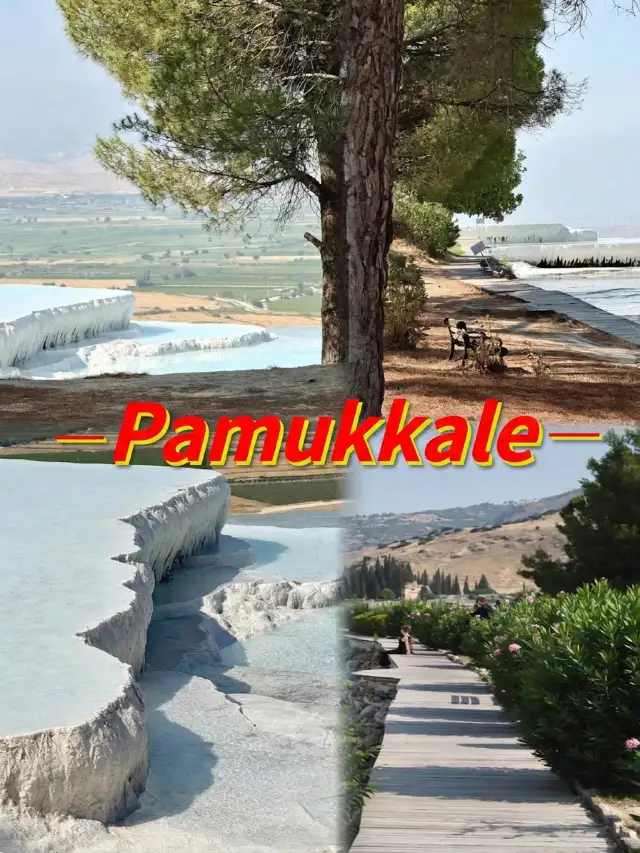 Okay guys, so I’m finally sharing my Turkey trip! Honestly, usually when I travel, I’m just busy hunting for anime merch or visiting themed cafes, but this time I actually went to see some real-life nature, and oh my god, Pamukkale did not disappoint! It literally looks like a fantasy world from an isekai anime, just pure white and blue everywhere. So basically, it’s this giant white travertine terraces with warm thermal water (around 38 degrees, felt so nice!). But to be honest, there are a few things you really need to know before you go, especially because it can get a bit hectic! First of all—you HAVE to walk barefoot on the white stones. They don't allow shoes to protect the terraces. It actually hurt my feet a tiny bit because some parts are a bit rough, so my biggest tip is to wear slip-on sandals or slippers so you can easily take them off and carry them. Trying to untie sneakers while holding a bag is just a mess, trust me! Also, please don't be stubborn about sunscreen like I was. The white limestone reflects the sun like a giant mirror, so it is super, super bright. I was squinting the whole time because I forgot my sunglasses in the tour bus, and yes, my skin got so tanned. Bring your sunglasses and SPF 50+! For outfit, definitely wear something bright! I saw some people wearing white and they just blended into the background lol. If you want nice photos, go for bright red, blue, or yellow. And if you want to swim, just wear your swimsuit underneath your clothes because changing there is a bit of a hassle. We went closer to the afternoon and it was packed, so actually, if you can, try to go really early in the morning or stay for the sunset. It must look so magical when the sky turns pink! Anyway, now I'm back in Jakarta, working at the store and catching up on my seasonal anime, but I still think about this place. Definitely put it on your bucket list! 💕First_Star

- ปามุกคาเล
- pamukkale
- ตุรกี
- เที่ยวตุรกี
- hierapolis
- สิ่งมหัศจรรย์ทางธรรมชาติ
- สถานที่สวยทั่วโลก
- เที่ยวต่างประเทศ
- ธรรมชาติสร้างสรรค์
- เที่ยวรอบโลก
- tripmoment
- travelturkey
- tripmoments
- รับส่วนลดไม่พึ่งดวง
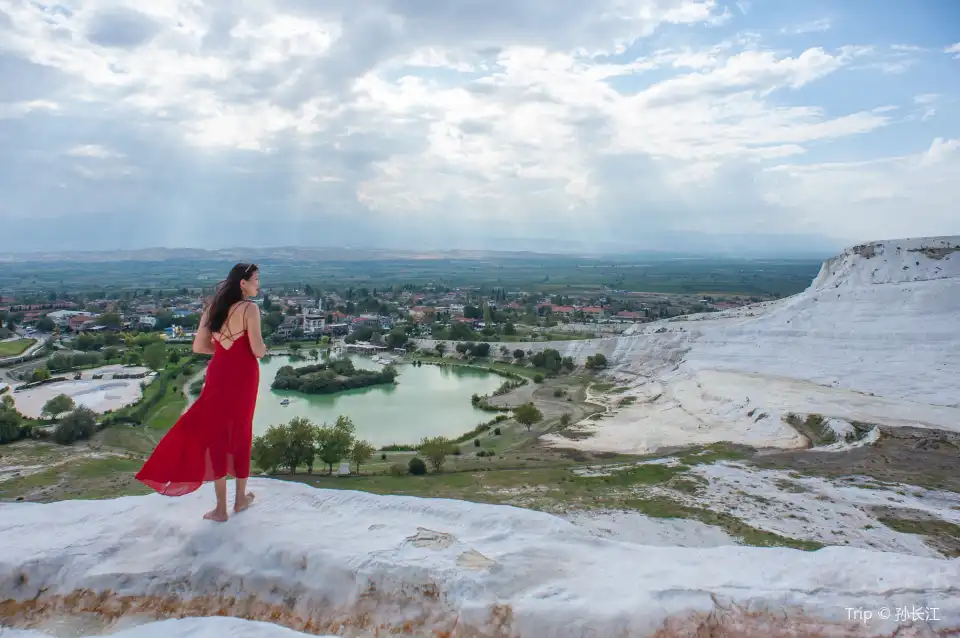
Pamukkale, Turkey: A Land of White Mountains That Look Like Snow, But Are Formed by MineralsFrom a distance, many might mistake this for a snow-capped mountain or a massive glacier. In reality, Pamukkale is one of Turkey’s most breathtaking natural wonders, created by geothermal hot springs rich in calcium carbonate. As the mineral-laden water flows across the terrain and slowly cools, the minerals precipitate and accumulate over centuries, forming cascading white terraces and pools that resemble a giant staircase. 🤍💧 The word "Pamukkale" in Turkish literally means "Cotton Castle," a name that perfectly describes the site. The layered white rock formations look as soft and fluffy as a colossal pile of cotton. When the pale blue water fills these natural basins, the entire landscape transforms into a scene from a fairy tale, despite being a result of pure geological processes. 🌿 The allure of Pamukkale lies not just in its striking whiteness, but in the intricate patterns of the mineral deposits that vary from spot to spot. You’ll find shallow, crystal-blue pools in some areas, while others feature rounded rock formations that look like frozen waterfalls. Some vantage points offer stunning views of the valley, the town, and the sprawling mountains beyond. When sunlight hits the white minerals, the vibrant colors of the water and sky become even more vivid, making it a must-visit destination for nature enthusiasts and photographers alike. 📸 Adding to its uniqueness is the nearby ancient city of Hierapolis, a significant archaeological site with a deep history. Featuring ruins of an ancient theater, stone-paved streets, and structures from the Greco-Roman era, a trip to Pamukkale offers more than just a view of an extraordinary landscape—it’s a chance to connect with an ancient civilization that thrived alongside these hot springs for centuries. 🏛️ For those planning a visit, it’s best to take your time and explore without rushing, as there are countless angles to capture the perfect shot. Be sure to check entry routes, opening hours, and local regulations beforehand. Some areas are restricted to protect the delicate mineral formations, so please stick to the designated paths and avoid entering closed pools to help preserve this natural wonder for years to come. 🌍 Pamukkale is more than just a dreamlike destination; it’s a testament to how nature can create miracles through slow, patient processes over time. If you ever find yourself in Turkey, this is one place that absolutely belongs on your bucket list. The sight of brilliant white mountains set against turquoise water and the vast open sky is a truly unique experience unlike any other. 💙✈️หมูกี้พาทัวร์2
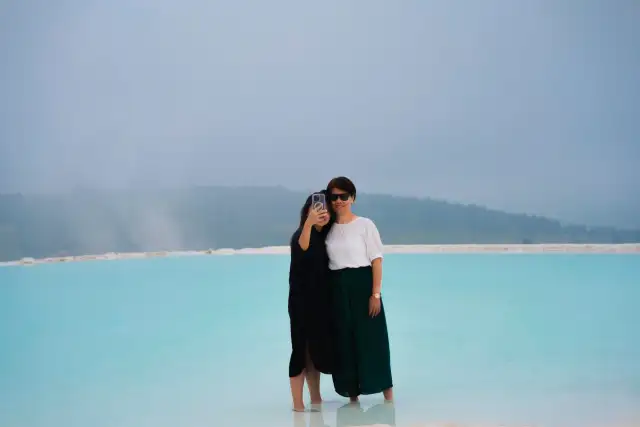
- traveldiaries
Pamukkale in Photos vs Reality 🤍🇹🇷Pamukkale was one of those places I’d seen countless times in photos, so naturally, I was excited to see those famous white terraces for myself. We arrived in Denizli early in the morning, freshened up, and headed out to explore Pamukkale and Hierapolis in the same morning. 🤍 Pamukkale The good thing about going early was that there weren’t many people around. The downside? The sun hadn’t come out yet, so the white terraces didn’t quite have that bright, striking look you often see in photos. I walked barefoot on the terraces to take photos, but didn’t venture too far down. One thing to be careful of: the surface can be slippery, so watch your footing! 🏛️ Hierapolis & Cleopatra’s Pool After Pamukkale, we continued to the ancient city of Hierapolis. We took plenty of photos, but Cleopatra’s Pool was crowded with people. After exploring both places, we called it a morning and moved on. 📌 A few things I’d keep in mind: · Going early can mean fewer crowds, but the lighting might not be ideal for photos. · Be careful when walking barefoot on the wet terraces. · Pamukkale and Hierapolis can be visited together, so plan your time accordingly. · Additional ticket required for entry into Cleopatra’s pool. Pamukkale was still worth seeing in person, but the experience reminded me that timing and lighting can make a real difference between a destination’s photos and reality. Have you visited Pamukkale? Did the terraces look as beautiful in person as they did in the photos? 🇹🇷Imadetravelogs9
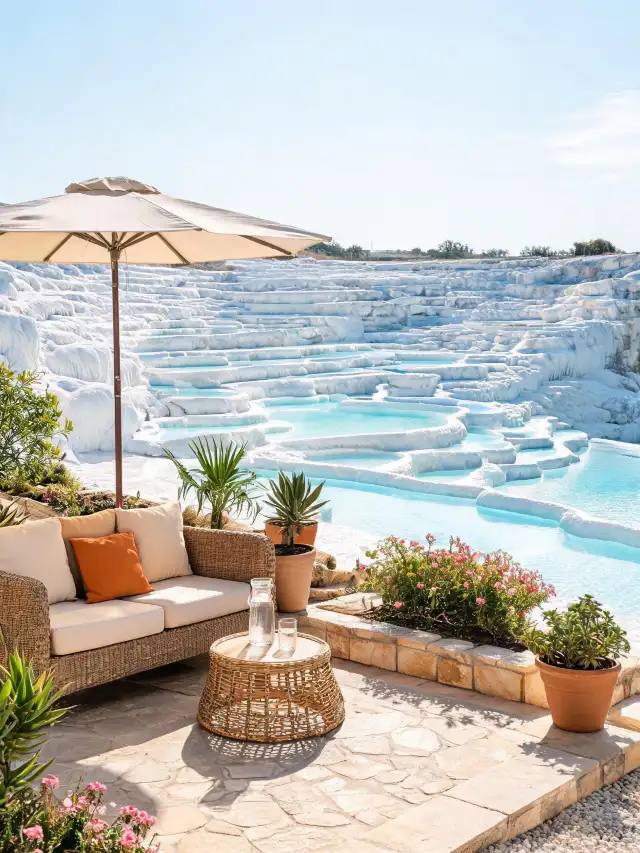 Stayed at the Thermal Mountain View Terrace Hotel in Pamukkale, and it was absolutely amazingHonestly, my expectations for Pamukkale were initially below zero. Before the trip, I read countless negative reviews like "regret going," "just a bunch of white stones," and "the water has dried up and turned yellow," almost scrapping this stop altogether. But after visiting in July, I stayed for two and a half days and didn’t want to leave. Those who say Pamukkale is a rip-off probably joined a big bus tour, arrived at noon under the scorching sun, and just took a couple of quick photos before leaving. Ladies, listen to me: the right way to experience Pamukkale is much more than that👇 🌅 Sunrise is Pamukkale’s ultimate highlight Most people don’t know you can enter Pamukkale at 6 AM!! In summer, the gates open at 6, and by 6:10, the sunrise light hits the hillside perfectly. The entire travertine terrace changes from gray-blue to milky white and then to warm gold. The hot spring water reflects the gradient colors of the sky, and the whole hillside is empty—because tour groups don’t arrive until at least 9:30 AM. This was the most worthwhile scene of my entire Turkey trip, no contest. ⏰ Set your alarm for 5:20 AM, walk a few minutes from your accommodation to the entrance, swipe your card right at 6, then jog to the best photo spot halfway up the travertine pools. There were only about five or six people taking pictures the whole time. 🏛️ Hierapolis ancient city is the hidden gem Many people rush to Pamukkale just to snap photos of the white terraces and leave, completely ignoring the Hierapolis ruins on the hilltop. This thermal spa city was built by the Pergamon Kingdom in the 2nd century BC. It still has intact main street stone columns, bath ruins, temple remains, and a semicircular theater that could seat 15,000 people simultaneously. Standing at the top of the theater looking down, you see the entire ancient city ruins and the white Pamukkale hillside in the distance in one frame. This view beats any filter. I sat there for an hour, not wanting to get up. The wind blew through the valley, and the stones warmed by the sun felt like a time machine taking me back 2,000 years. ♨️ Roman antique pool: swim in history The Cleopatra Pool is said to be the hot spring pool where Cleopatra once bathed. The bottom is scattered with marble columns and building fragments that collapsed 2,000 years ago. The water temperature is about 36°C. In July, it’s not stuffy at all, and the minerals in the water make your skin feel silky smooth. Tickets cost about 10 euros if purchased separately. It’s best to go after 3 PM when the tour groups leave so you can relax and watch the light play on the water. Lockers cost extra, so bring a lock or change into your swimsuit beforehand. 🧳 How to plan a 2-day deep itinerary 𝗗𝗮𝘆 𝟭 06:00 Enter the park to catch sunrise and the empty travertine terraces 08:00 Slowly walk up to Hierapolis ancient city, explore the theater and main street ruins 10:30 Exit at the bottom of the hill to rest and take a nap to avoid the midday heat 15:30 Re-enter the park to soak in the antique pool 18:30 Wait at the halfway point of the travertine pools for sunset, watch the white rocks turn pink and purple 20:00 Find dinner in town and return to the terrace for tea 𝗗𝗮𝘆 𝟮 09:00 Sleep in naturally, then visit the nearby red hot springs in Karahayıt. The iron-rich water here is reddish-brown, offering a completely different visual experience from Pamukkale 13:00 Explore Denizli city’s local bazaar and buy handmade woven cotton products as souvenirs 16:00 Return to Pamukkale for one last sunset or visit the nearby Laodicea ancient city ruins (combined ticket 40 euros) 🏨 Choosing the right accommodation doubles the experience ⛰️ The guesthouse is located in a small alley in the center of Pamukkale town, toward the park entrance. It’s only a five- or six-minute walk to the ticket gate at the bottom of the hill, so no need for taxis. You can easily escape the midday heat to cool off with air conditioning anytime. ⛰️ The third-floor room has a large corner balcony with an unobstructed view, directly facing the side profile of the Pamukkale hillside🌄 At sunset, the entire slope looks like it’s coated in rose gold. I set up my phone for a time-lapse and filmed the whole scene. ⛰️ The balcony has a traditional Turkish patterned rug and a low table with cushions🍵 In the evening, order a fresh pomegranate juice and sit here watching the terraces quiet down from the daytime bustle. That relaxed feeling can’t be found in any five-star hotel✨ 🔧 Practical tips → In July, daytime temperatures feel like 38–42°C. The white surface reflects sunlight, making it feel even hotter. Bring plenty of water. Bottled water inside the park costs three times as much as outside. → Bring a European standard power adapter. Turkey uses two-round-pin European plugs. → The lira exchange rate fluctuates a lot. It’s best to exchange money at Denizli city’s exchange counters, which are much cheaper than the park or airport. → Pamukkale town has limited restaurant options but no major disappointments. A Gözleme (Turkish flatbread) with fresh orange juice costs about 100 lira—filling and authentic. → If driving, Denizli to Pamukkale is about 20 km on good roads. Use navigation to search for "Pamukkale South Gate" and park at the south entrance for convenience. → Park staff patrol regularly. Do not try to take hot spring water in bottles or step on protected areas. Fines are heavy. Honestly, Pamukkale is not a place to just "stop by, take a photo, and leave." Give it two days, choose the right accommodation, and visit at the right times, and you’ll find it has much more depth than photos show. The tranquility at sunrise, the blazing white at noon, and the softness at sunset—the same travertine slope shows three completely different moods. That’s why Pamukkale is so captivating.TRENTON CUMMINGS3

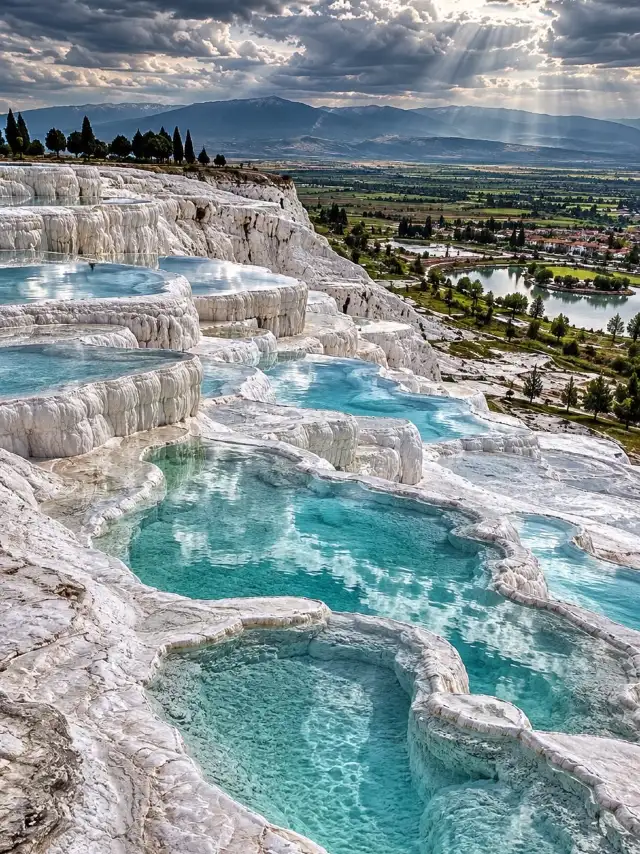 Pamukkale: The Cotton Castle Turning Türkiye Into 2026's Must-Visit Destinationdidn't expect a hillside to stop me mid-step. But that's exactly what Pamukkale does — a cascade of blinding white travertine terraces spilling down the hill like frozen snow, holding pools of mineral water that have drawn travelers here since antiquity. And in 2026, with Türkiye climbing global travel trend rankings, this is one destination the world is finally catching up to. 🤍 The Cotton Castle Itself Pamukkale means "cotton castle" in Turkish, and the name makes sense the second you see it. Thermal spring water, rich in calcium carbonate, has been cascading down this hillside for thousands of years, layering the slopes in gleaming white mineral terraces. Walking barefoot through the shallow pools (shoes off is mandatory to protect the terraces) with warm water at your ankles and the whole valley opening below you — it's one of those rare places that photos genuinely undersell. 🏛️ Hierapolis: A City Built for the Waters Right above the terraces sits Hierapolis, an ancient Roman spa city founded around the thermal springs. Wander the necropolis — one of the largest ancient cemeteries in Anatolia — then the well-preserved Roman theatre, still framing views over the valley. Locals and visitors have been soaking in these same waters for over two thousand years. 📜 Ephesus: The Day-Trip Extension An hour and a half away, Ephesus rounds out the trip. The Library of Celsus and the Great Theatre make it one of the best-preserved ancient cities in the Mediterranean. Pairing the two — mineral terraces one day, marble ruins the next — makes for a complete slice of Türkiye's ancient world. 🕰️ Best Time to Visit Early morning or just before sunset are the moves here — the terraces get crowded fast once tour buses arrive midday. Spring and autumn bring the most comfortable weather for walking the site. 🏨 Where to Stay Pamukkale village has thermal hotels with their own mineral pools, ideal for soaking after a day of walking. For more options, nearby Denizli offers a wider range of stays with easy access to the site. ✈️ Getting There Fly into Denizli Çardak Airport from Istanbul, or take a domestic flight to Izmir and continue by road, combining Ephesus into the same trip. Book your stay near Pamukkale or Ephesus through Trip.com for the easiest way to plan this route — hotel deals, flights, and everything in one place.Nayef Al-shallal450

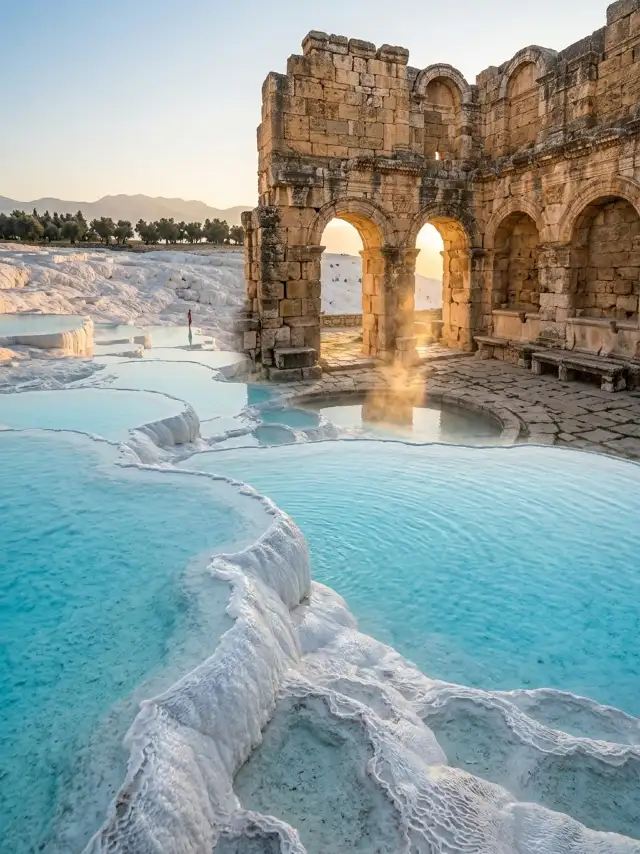
- pamukkale
- turkeytravel
- ปราสาทฝ้าย
- unseennature
EP.5 Pamukkale (Cotton Castle) – TurkeyLet’s go check in at the dreamland of Pamukkale, famously known as the "Cotton Castle"—one of Turkey’s most iconic natural wonders. The highlight is the pure white limestone terraces formed by mineral deposits over thousands of years, cascading down like snowy or icy steps. They contrast beautifully with the crystal-clear turquoise natural hot springs flowing through the tiers. In the evening, the sunlight hits the water, creating a dazzling sparkle that is truly breathtaking. The atmosphere feels so soft and dreamy, just like stepping into a fairy tale world! 🏰✨NTHKRN
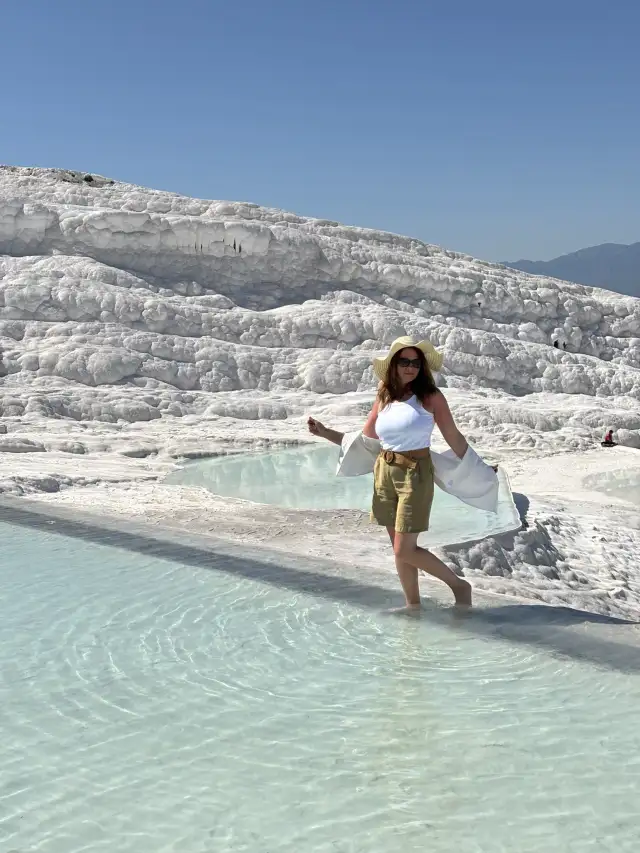 Pamukkale — The White Land of Clouds and Ancient Legends☁️Pamukkale, or “Cotton Castle,” is one of Türkiye’s most surreal sights - white travertine terraces formed by thermal springs. Just 3 hours by bus from Antalya, it combines nature and history with the ancient ruins of Hierapolis above. Walk barefoot on the glowing pools, swim in Cleopatra’s Pool, and watch the sunset paint the terraces golden. 📸 My Experience I actually forgot both cash and card - which meant negotiating with a taxi driver! It cost me more than planned… but the moment I stepped barefoot on the warm white terraces, watching the horizon glow at sunset, it was worth every lira👌Natallia | Travel, Fashion & Me29

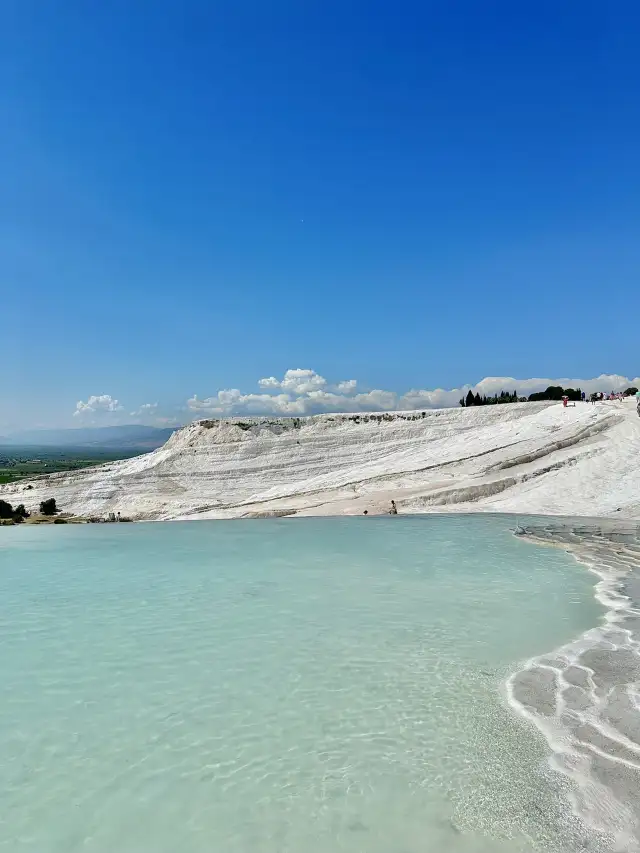
- 터키여행
- 튀르키예여행
- 파묵칼레
- 여행가이드
Antalya Travel Must-Visit SpotsIf you're planning a trip to Antalya, it's wonderful that you can explore various places on foot. I highly recommend setting aside a day to visit Pamukkale, a very popular travel destination! 🩵 This place, which looks like a snowy white mountain, is actually made of travertine terraces, and its clear, blue water creates a unique and stunning view. 👍 It's a beloved and highly popular travel spot where you can take plenty of beautiful, Instagram-worthy photos!푸또트립236

Other visitors' reviews of Pamukkale
Show More ReviewsThe world heritage travertine landform looks like "pools stacked on snow fields" and you can soak in thousand-year-old hot springs, but walking barefoot is painful and some of the pools are dry and yellow. Combined with the ruins of the ancient city of Hierapolis on the top of the mountain, the overall experience is controversial - the experience is better when there are fewer people in the morning and evening, and it is recommended for photography and history enthusiasts.